.
Monday, the atheist, didn’t feel that Wednesday ever existed, but Tuesday feels a closeness to Wednesday that Monday can’t understand.
.
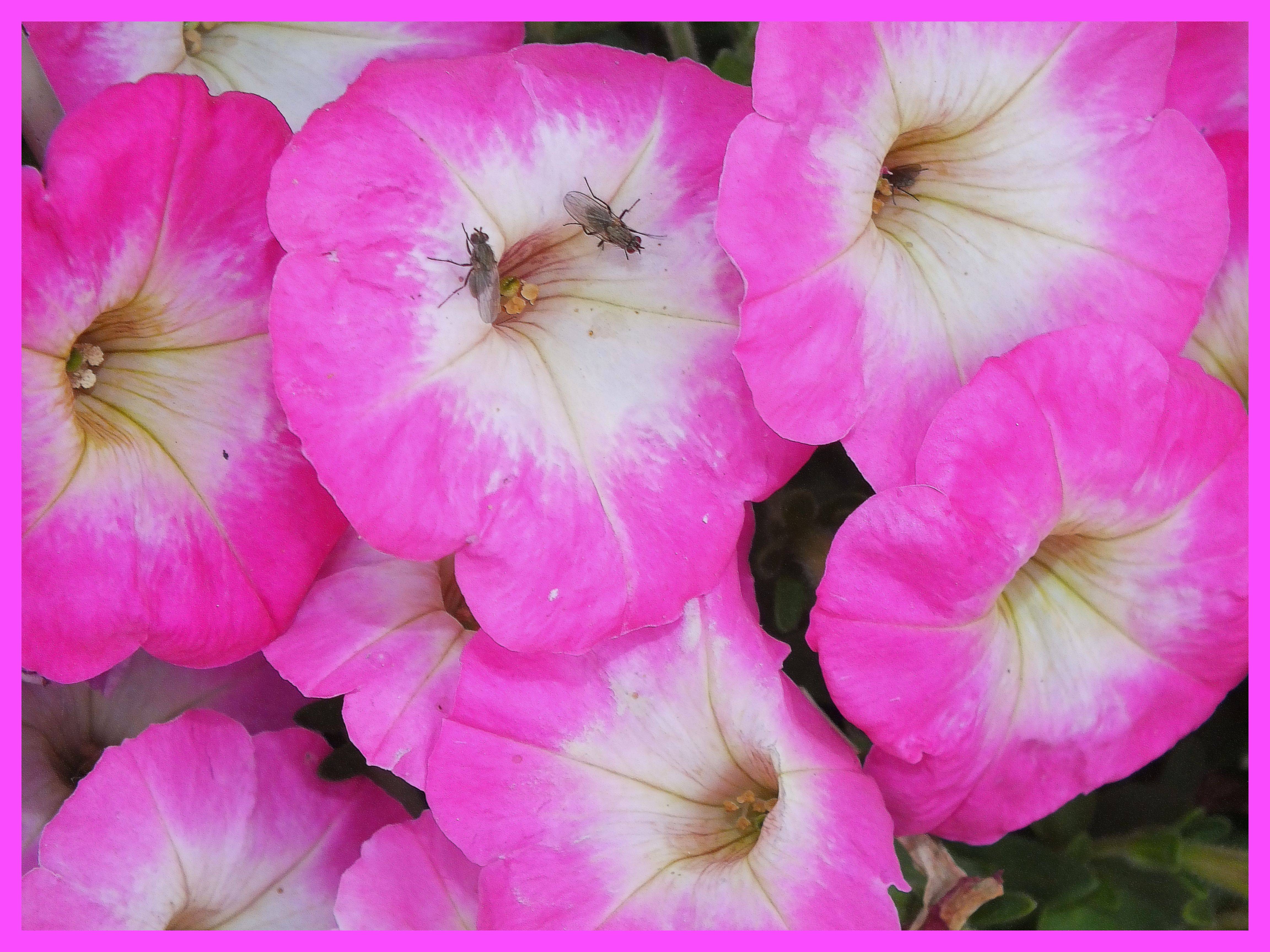
Looking for Wednesday. Photo by Thomas Peace c. 2015
.
Monday, the atheist, didn’t feel that Wednesday ever existed, but Tuesday feels a closeness to Wednesday that Monday can’t understand.
.
Looking for Wednesday. Photo by Thomas Peace c. 2015
.
You were
green with envy
and those big, greedy eyes — of course — were
a large part of the reason why.
And those massive, attentive ears of yours,
upon your knees,
were nature’s way of letting you stand up to what you hear
about yourself.
When you passed by that radiant tile
and reflectively peered at yourself,
you vainly realized
that you were
the most beautiful
Katy(that ever)did.
.
(Note: Katydids actually do have hearing mechanisms on their front leg — knee — areas; this affords their narrow bodies with wide, stereoscopic hearing. This better, stereoscopic hearing aids greatly in locating prey and in evading predators.)
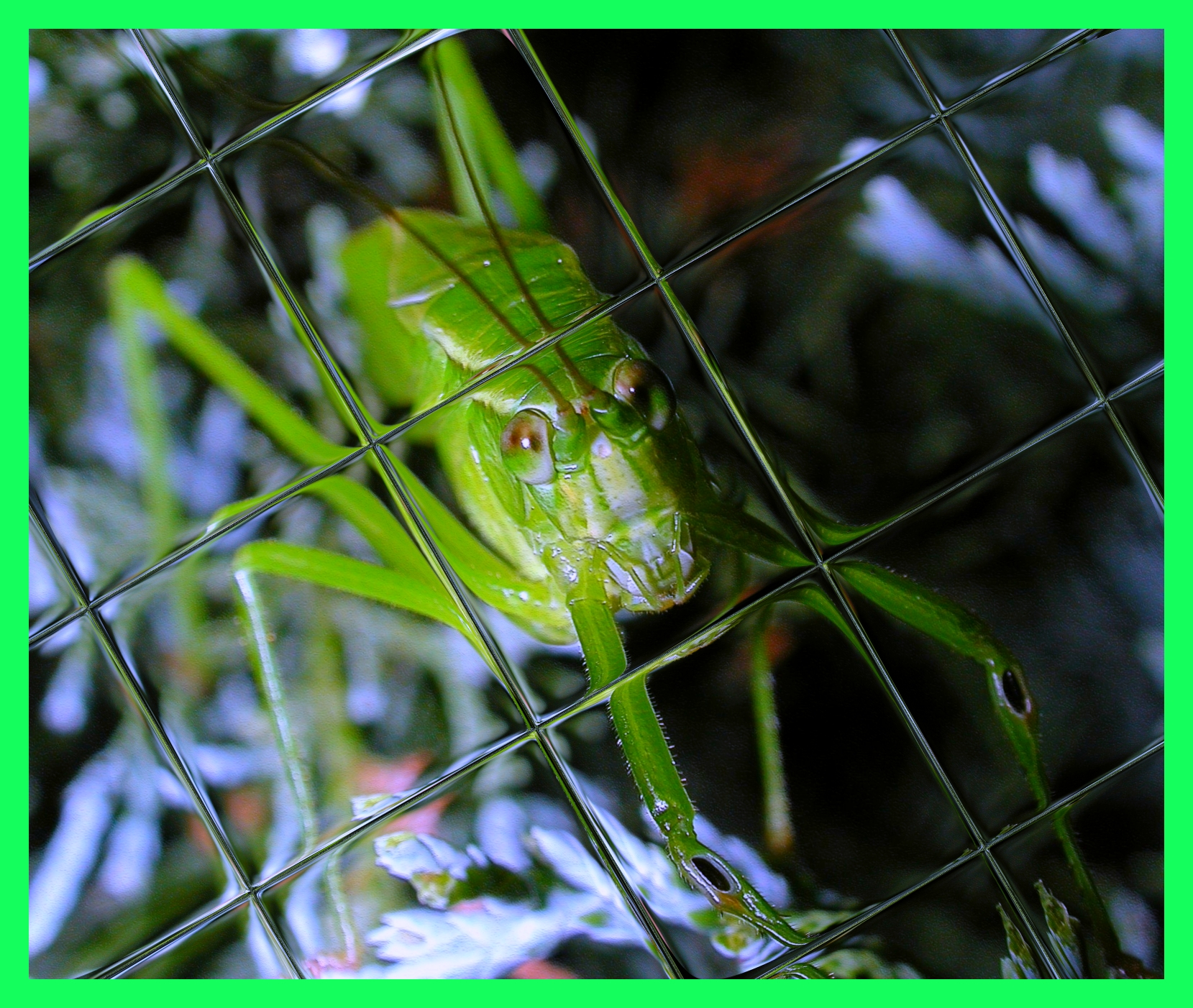
Beautiful Katy! (2) Photo by Thomas Peace c. 2015

Beautiful Katy! (1) Photo by Thomas Peace c. 2015
.
At night — instead of dreaming inane dreams — let the mind be still, calm, and silent. The function of dreaming is to resolve issues that occurred during the day, so as to put the brain in order. Desires, fears, and problems all play their part in causing dreams in the brain to occur. The brain needs order… and, if it is not fully orderly during the day, dreams often occur primarily to help order to occur within (and “as”) the brain. However, if one is very attentive, aware, and sagacious throughout the day, then dreams become unnecessary. If, throughout the day, the mind is aware without needless conflict and friction — and without crass separation from the perceptions that take place — then the mind may be orderly and whole. Then, there is no need for petty, superficial dreams to bring order, for order has occurred throughout the day and there are no significant problems or fears to resolve during sleep. So a mind that is really whole, wise, orderly, and insightful, rarely dreams. If it eats some unusual or spicy foods, that may trigger some physiological reactions that cause some superficial dreaming; otherwise dreaming rarely, if ever, occurs. Then the mind can wake up really rested… not having had to struggle with unresolved conflicts, fears, and problematic patterns. At night, a truly orderly mind goes beyond patterns, friction, and self-fabricated images… and is truly resting and not wasting energy; and such a mind accomplishes such things during sleep because it often acts that way (as deep order) throughout the day. Then there is no disorder to “carry over” into the night; then there is no disorder to resolve with (and “as”) superficial dreams.
.

Mayfly Study. Photo by Thomas Peace c. 2015
.
Love has no boundaries
Love is joyous life
Love makes little pollution
Love is not conformity
Love is beyond separation
Love does not hate
Love illuminates the truth
Love has no jealousy
Loves helps the needy
Love does not kill
Love is beyond words
Love protects its fledglings
Love is the whole
Love doesn’t crave power
Love brings life’s mysteries
Love is eternity unfolding
Love is ever renewing
.
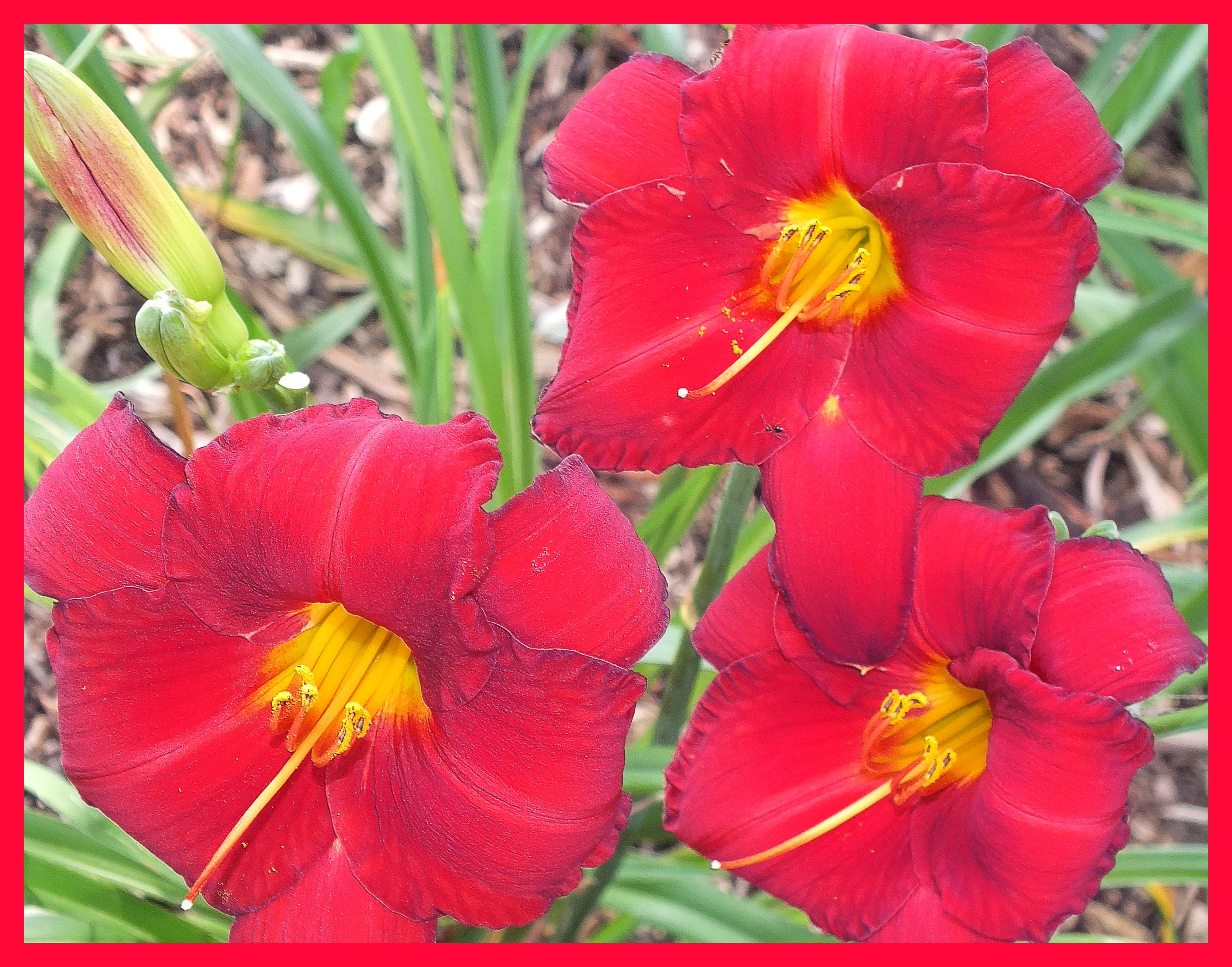
Not separate. Photo by Thomas Peace c. 2015
.
Toads and frogs, snakes and snails and insects…
When I was a child, they’d say:
Oh, where is Tom?…
And always the answer was…
Well, he’s with the toads and frogs, the snakes and snails and insects.
Now that I’m rather gray and elderly, they say:
Oh, where is Tom?…
Well, he’s with the toads and frogs, the snakes and snails and insects.
Toads and frogs, snakes and snails and insects…
😉
.
(Note: Many insects see, in addition to other colors, ultraviolet – which we humans can’t see – so the following photo may be like what they actually perceive.)

Nature enthusiasts. (2) Photo by Thomas Peace c. 2015

Nature enthusiasts. (1) Photo by Thomas Peace c. 2015
.
Strolling under vast skies of blue
one’s self disappeared into everything new
Running through thick fields of green
one saw oneself in everything seen
.

Viola Flowers. Photo by Thomas Peace c. 2015
.
i stuck a stick
into the mud…
a stick in the mud am i.
i cut a paper
into many fragments…
and i fell to pieces.
i stared at the moon
on a dim blue night…
and i became very pale.
i zigged a zag
on the computer screen…
and ziggyzags became my fate.
i smiled at some children
who were frightened and sad…
then i became happy two.
.
Small Planet. (1) Photo by Thomas Peace c. 2015
Small Planet. (2) Photo by Thomas Peace c. 2015
.
give the stripes back to the zebra
give the bark back to the dog
give the insanity back to the politician
give the bulging eyes back to the frog
give the climb back to the mountain
give the remote back to the television show
give the red blood back to the warrior
give the water back to the plant (and watch it grow)
give the turn back to the brass knob
give the yellow leaves back to the fall
give the Cretaceous back to the raptors
give the baseball bat back to the ball
.

Bulging Eyes. Photo by Thomas Peace c. 2015
.
A mind that is endlessly babbling to itself is immured in its own prison of bad habits. Be silent and attentive!
.
Calling for spring. (2) Photo by Thomas Peace c. 2015
Calling for spring. (1) Photo by Thomas Peace c. 2015
.
Breathtaking, exotic vacation views are not what is important. Deep understanding and heartfelt compassion are what’s important.
.

Clinging. (2) Photo by Thomas Peace c. 2015

Clinging. (1) Photo by Thomas Peace c. 2015
.
let’s Spring into action
be sure not to Fall
see Flowers where dirt was
as Life makes its sweet call
let’s evolve from what Fish were
turn Fins into Hands
plant seeds in terrestrial gardens
and walk upon Land
let’s breathe atmospheric air directly
and forget how to swim
let’s forget our past and Winter
and drink water at the gym
.
[Note: The first photo is of a flower in Spring. The second photo is of a fossil plate of a couple of specimens of Osteolepis macrolepidotus (from the Devonian Period, Old Sandwick Fish Beds, Quoyloo, Orkney, Scotland). Osteolepis was one of the first air-breathing fish, with lobed (feet-like) fins; it had many other features in common with the early tetrapods (the first land-dwelling vertebrates). Some people tend to feel ashamed — or go into denial — about having evolved from fish; I (among others), on the other hand, feel that being part of evolution is an immense privilege and see the profound beauty and amazing splendor of evolution! The third photo is of a newspaper comic of “Frank and Ernest” by the brilliant Bob Thaves.]

Spring flower. Photo by Thomas Peace c. 2015
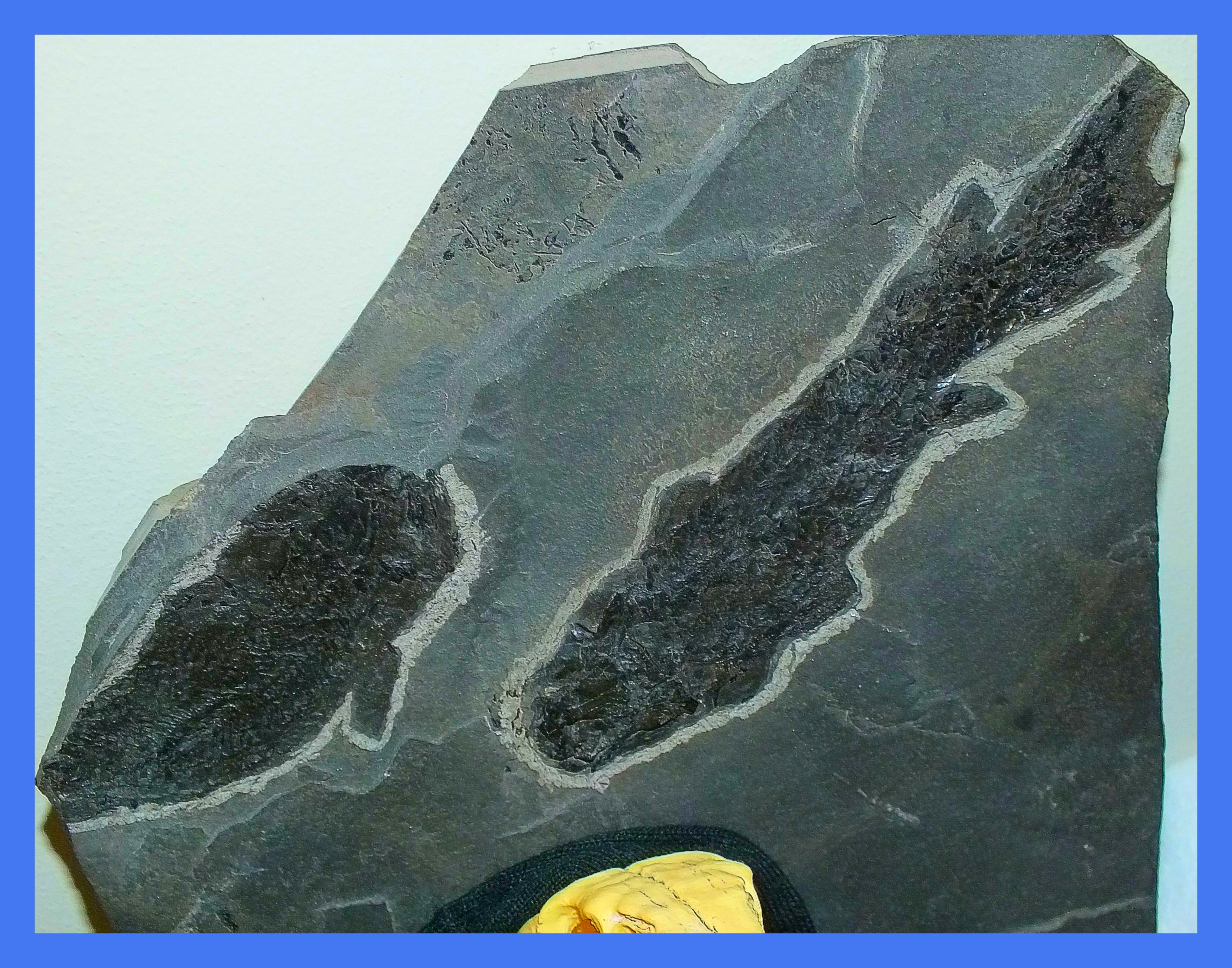
Osteolepis macrolepidotus. Photo by Thomas Peace c. 2015

Comic by Bob Thaves. Photo by Thomas Peace 2015
.
To run parallel with the implicit order of the universe is to dynamically act with intelligence and compassion.
.

Silver-spotted Skipper. Photo by Thomas Peace c. 2015
.
It’s not just about living in the “now” or following some absurd method… it’s much deeper than that!
.
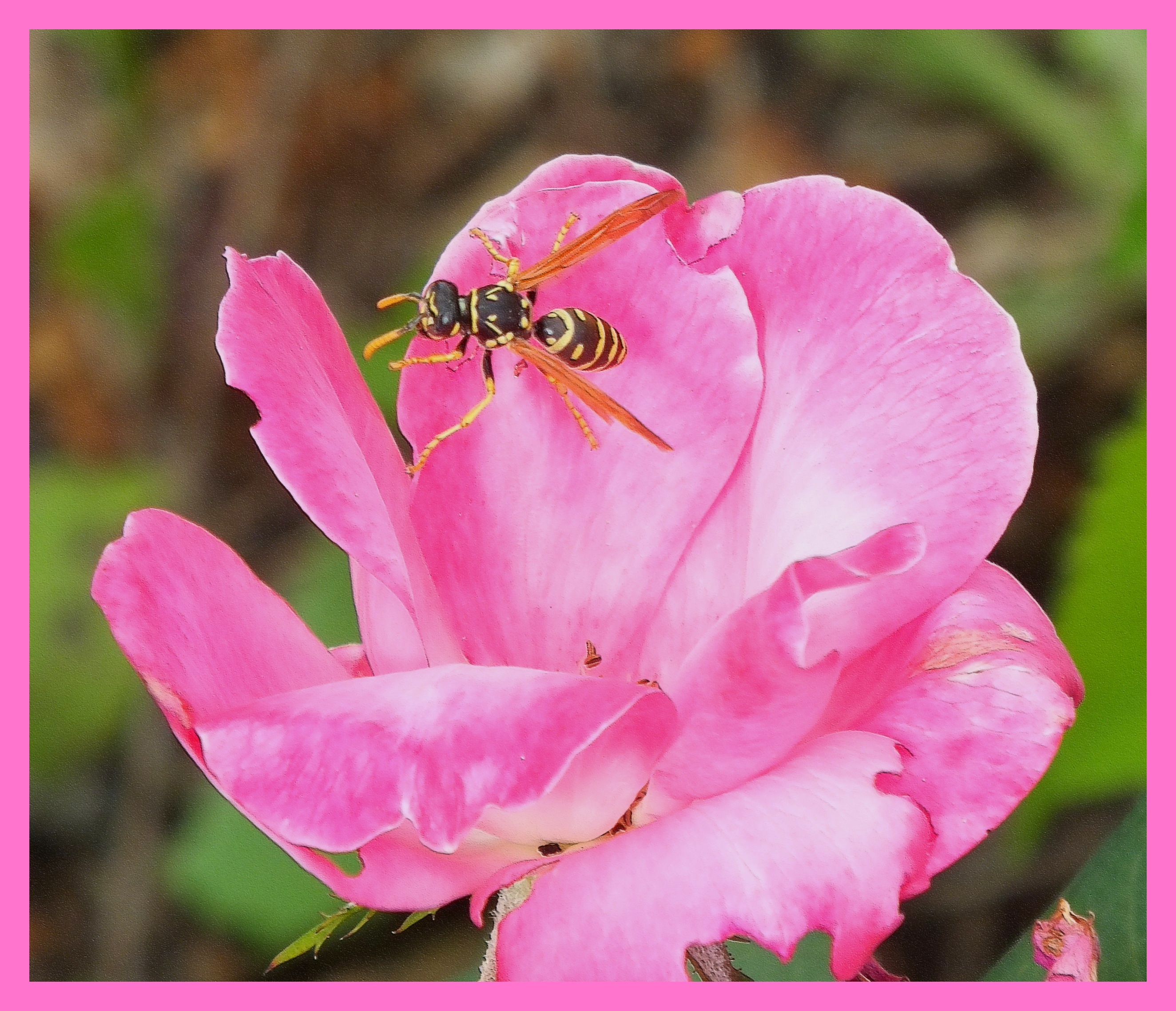
Wasp in Flower. (1) Photo by Thomas Peace c. 2015

Wasp in Flower. (2) Photo by Thomas Peace c. 2015
.
Towering skyscraper
beyond the roots of pain
endlessly growing
touching the heavens
tossing winds again and again
Perfect being
beyond shallow wants or needs
purer than proud
straight among brothers
never feeling hate or greed
.

Skyscraper. (2) Photo by Thomas Peace c. 2015
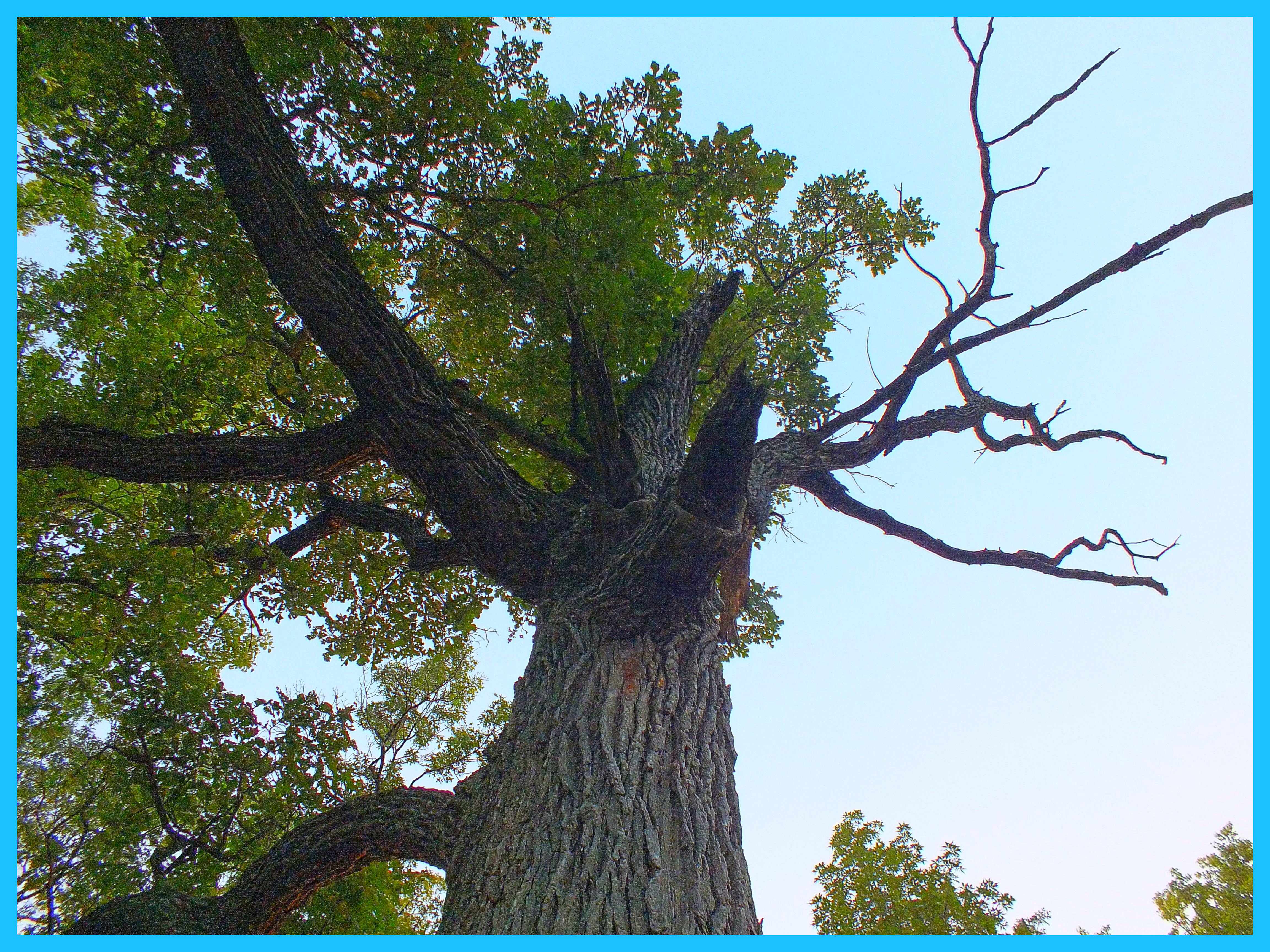
Skyscraper. (1) Photo by Thomas Peace c. 2015
.
You have to take it beyond the limit
and you are the limit.
Beyond that is a beautiful psychological (not physical) dying that is passionately burning…
but most are numbly frozen to something old, cold, and the chilling result of hardened learning.
Fluidly stream beyond that (and beyond rock solid words)…
reflect on what is rarely beautifully seen!
.

Frozen in Time. Photo by Thomas Peace c. 2015
.
compact and entwined
in each living Spring
are Life’s splendid creatures
majestic living things
like a chrysalis patiently waiting
to joyfully unfold
Spring has books of living stories
waiting to be told
from nothing comes something
it arrives every year
few love it enough
the Treasure is near
.
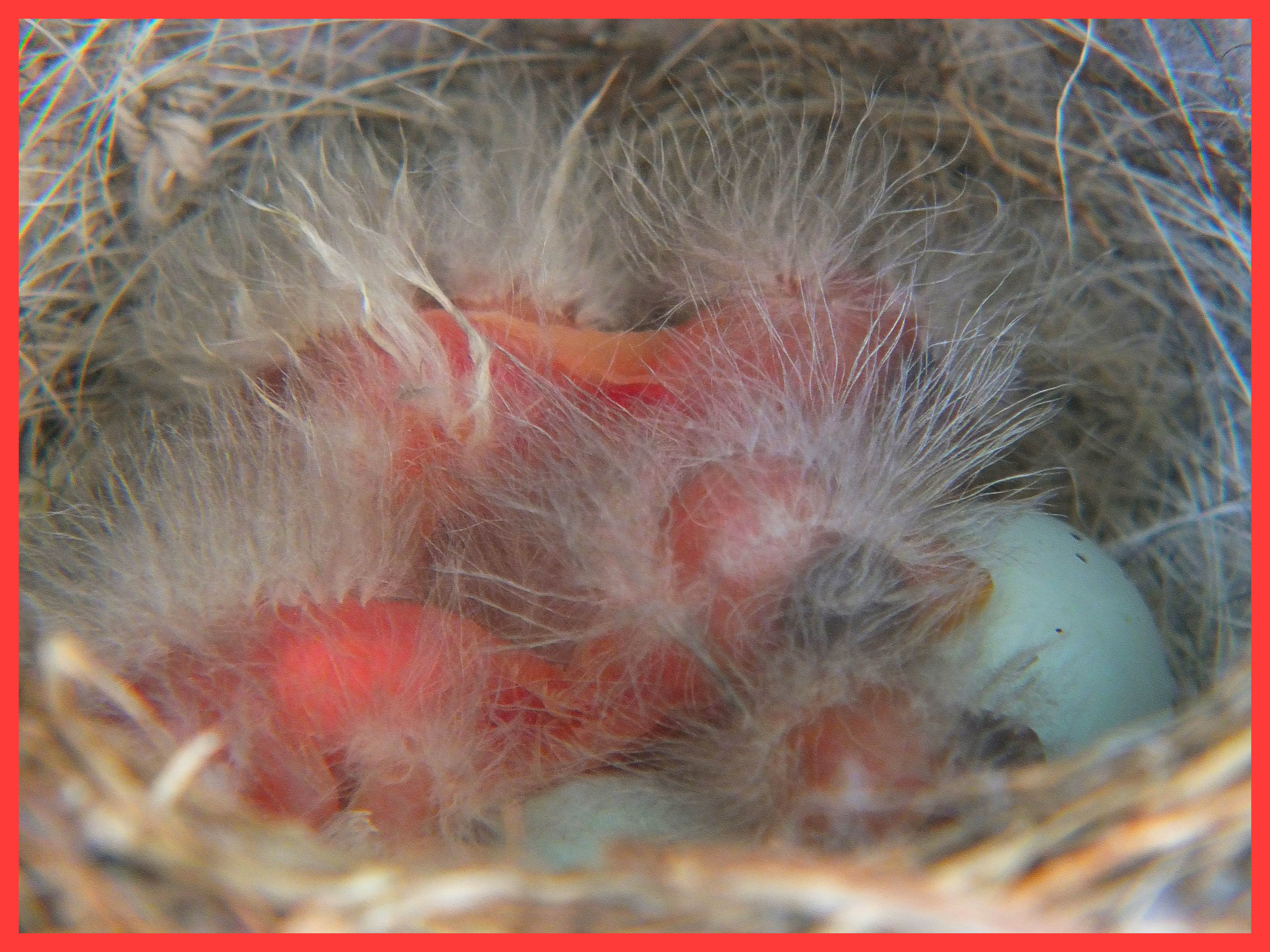
Fledglings in a nest. Photo by Thomas Peace c. 2015
.
On an extremely small, green planet, there was a large animal called “horse” that had four legs…
and not one of the legs felt it was separate from the other legs.
Each leg — of “horse” — walked and galloped in great beauty and harmony with the other legs;
had one or more of the legs felt it(they) was(were) separate from the other legs,
“horse” would kick and buck in disharmony.
Upon this diminutive planet, called “earth,” there were also billions of inhabitants, called “humans,”
and these “humans,” with bipedal legs, mostly thought that they were separate from those
upon other legs. They often fought in vicious wars and kicked others who walked and ran on two legs.
They also hunted and harmed many of those walking on four legs and were also often mindlessly indifferent
about the environment containing all the legs. However, a small few sagaciously and harmoniously realized
that their legs were not at all separate… and that none of the legs were really separate whatsoever.
.
(Note: Left click on the art-oriented one to see the detail. Click on arrow to return.)
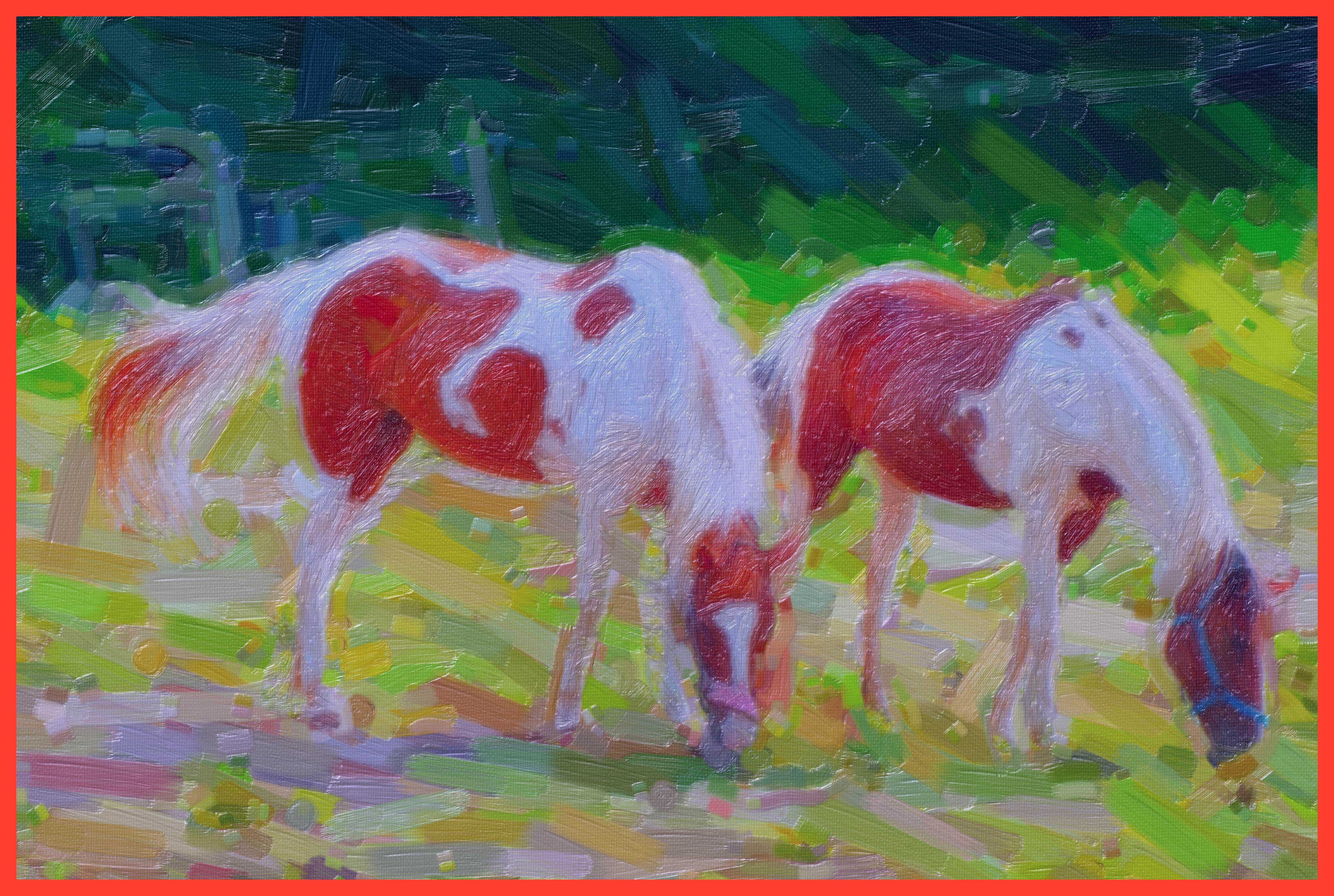
Eight legs. (2) Photo by Thomas Peace c. 2015

Eight legs. (1) Photo by Thomas Peace c. 2015
.
Tonight, go back in time to when you were a young child.
(Revisit that immortal youth that was)
far beyond the jaded, stodgy, leaden views of the overly-busy adults.
Soar again in those floating dreams… then go beyond dreaming to how
you were so very amazed at life’s wonderful, majestic living creatures.
Remember, back then, how you were small
but your perceptions were magical, large, and vast.
Return and youthfully run and fly again through that enchanting world.
Then never grow up.
.
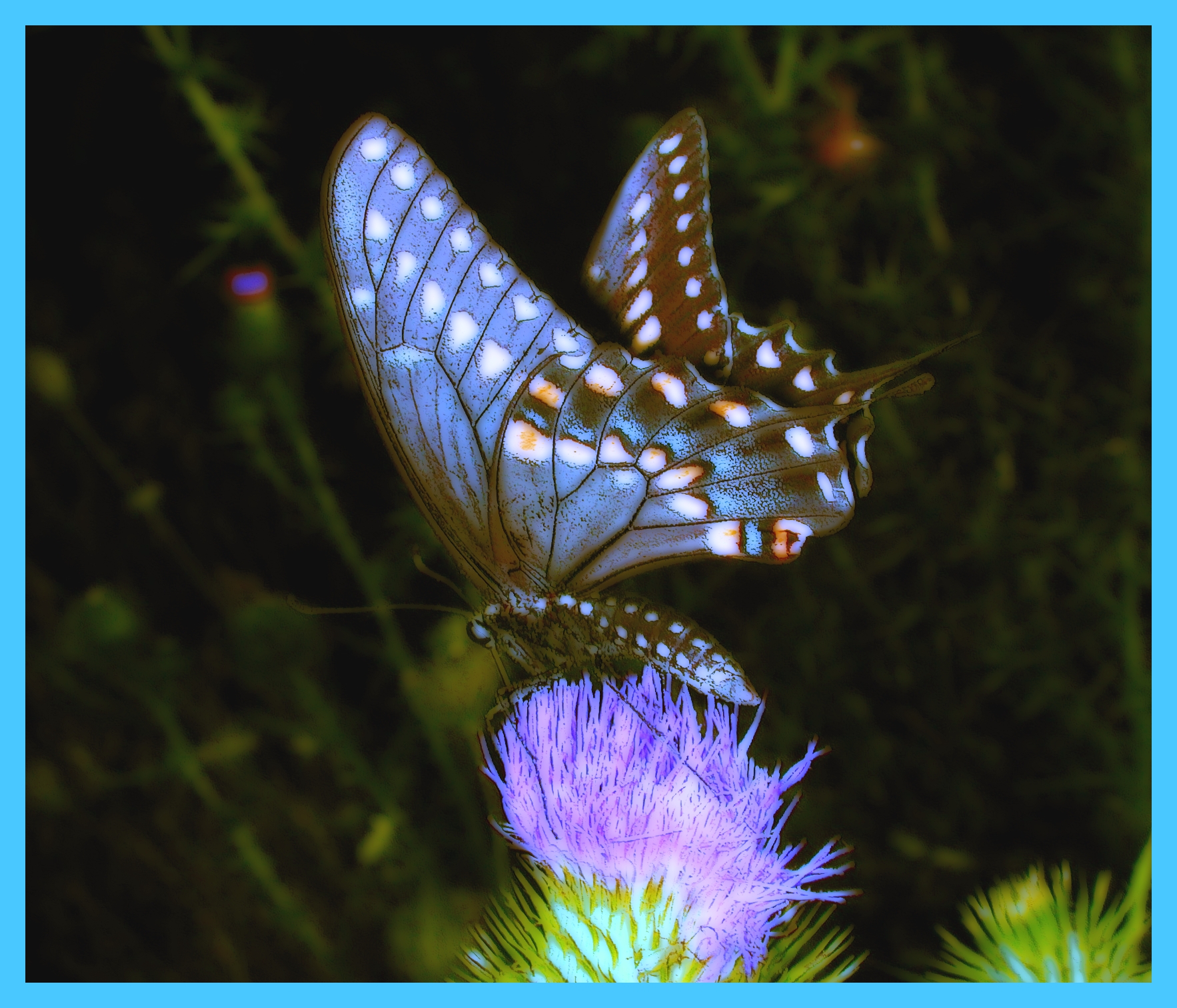
Able to fly. (2) Photo by Thomas Peace c. 2015

Able to fly. (1) Photo by Thomas Peace c. 2015
.
little four legs
ears listening bright
innocent and beautiful
quiet eyes soaking all the light
little four legs
legs standing true
beyond limited fences
wander forever and new
.

Beauty exemplified. (1) Photo by Thomas Peace c. 2015
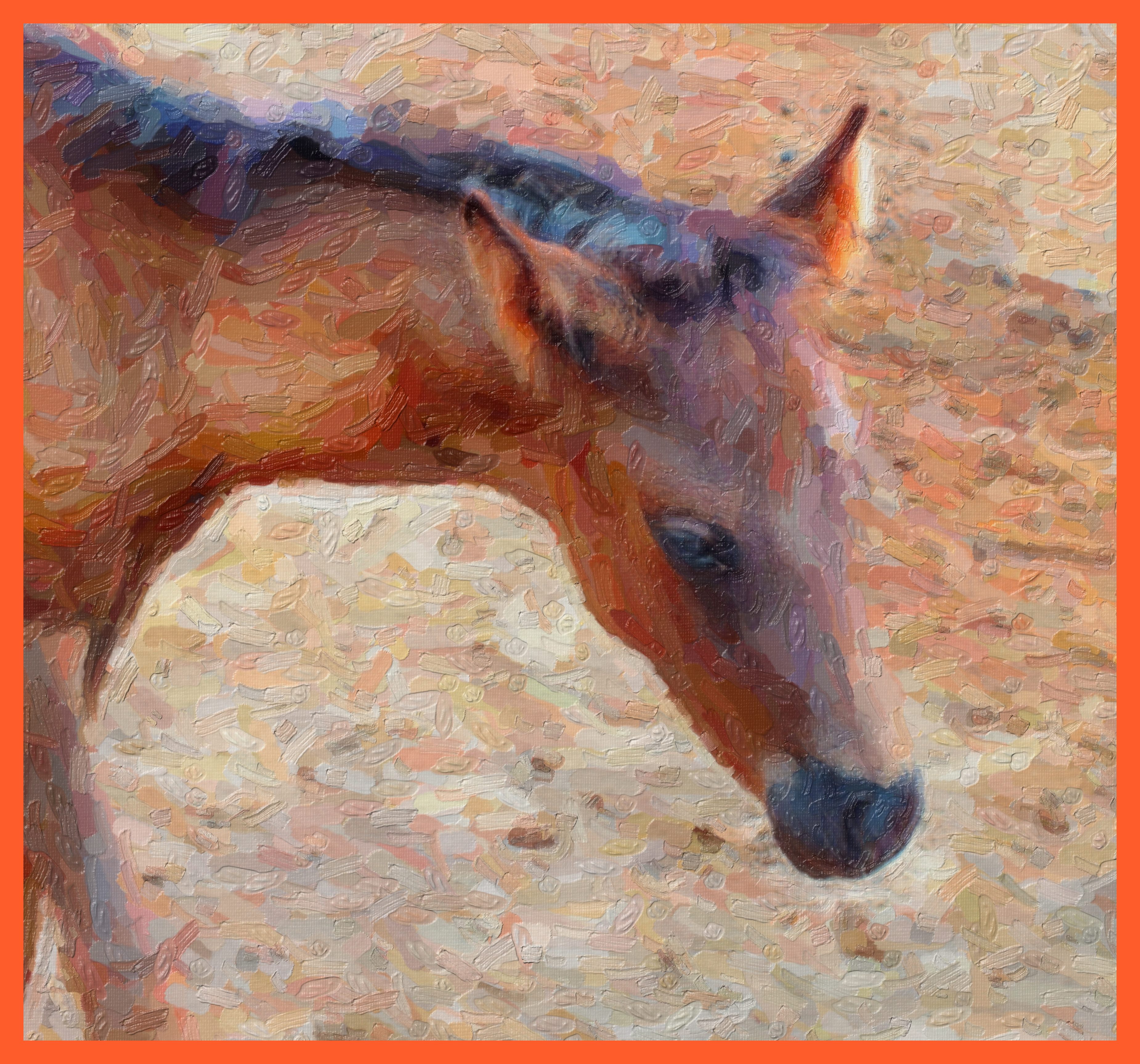
Beauty exemplified. (2) Photo by Thomas Peace c. 2015
.
Ignorance often doesn’t recognize its own ignorance. Wisdom often goes unrecognized by those who have little wisdom. Many even indifferently pass by the beauty of flowers and nature. Be beyond that!
.

Beyond the stigma. Photo by Thomas Peace c. 2015
.
Many shirk responsibility for others and for all of life… because doing nothing is easy. Go beyond dead comfort!
.

Yellow Stars. Photo by Thomas Peace c. 2015
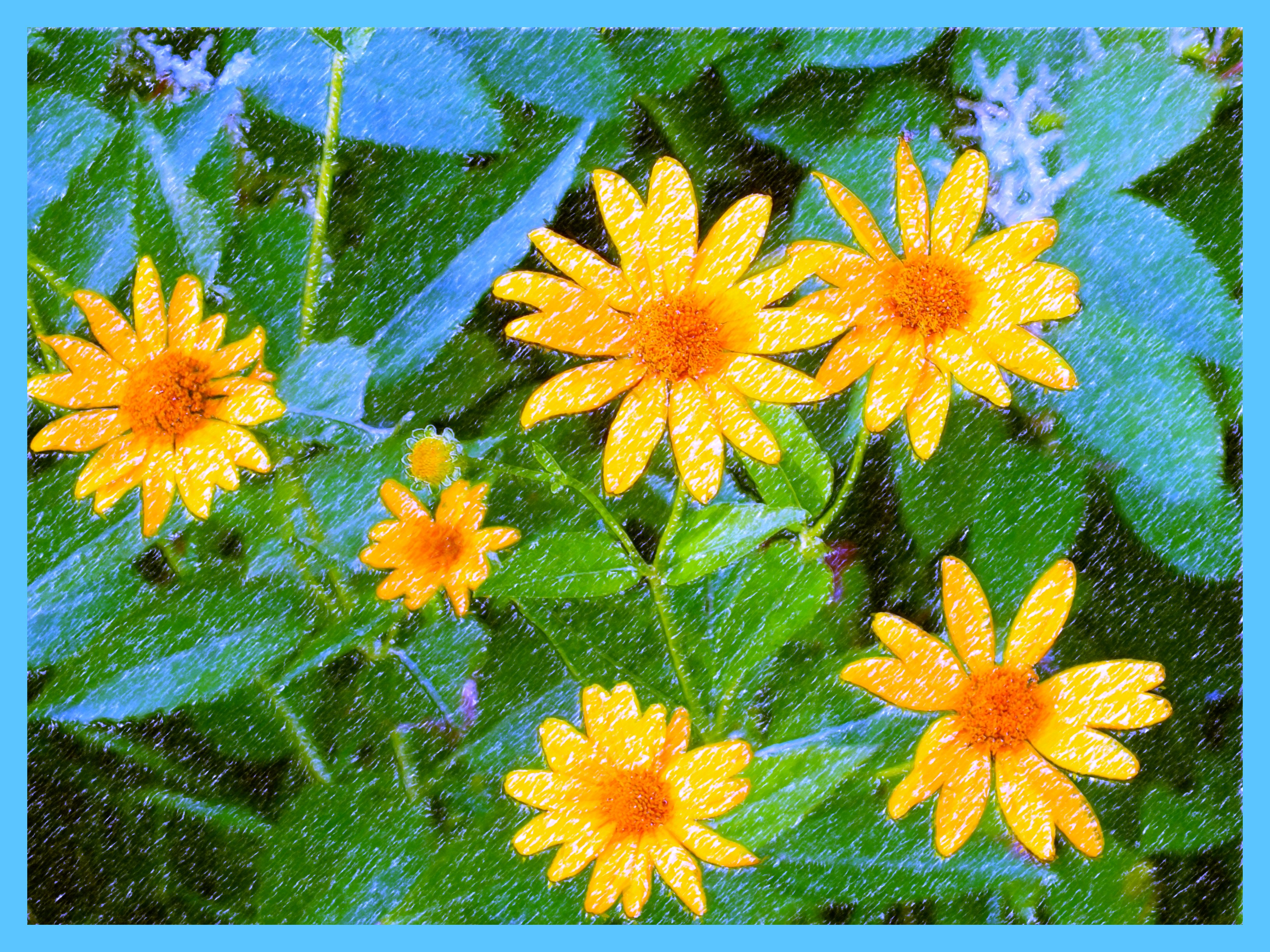
Penciled Stars. Photo by Thomas Peace c. 2015
.
Time is space and space is time
Mountains take some time to climb
Space is time and time is space
It takes some time to wash your face
Washing in space is movement in time
The soap and the bubbles say they feel fine
The clock’s hands move in a confined, little space
Along with the hands that wash your face
The face of the clock washed away time
As moving hands took away hours of grime
Our hearts keep on ticking at a regular pace
As helping hands smile at our round, cleanly face
The hands of the clock in each stage and each term
Say its time to wake up, to feel, and to learn
The chronology of you is swinging in space
A minute of love is an occasion of grace
.
Swinging pendulum in Space. (2) Photo by Thomas Peace c. 2015
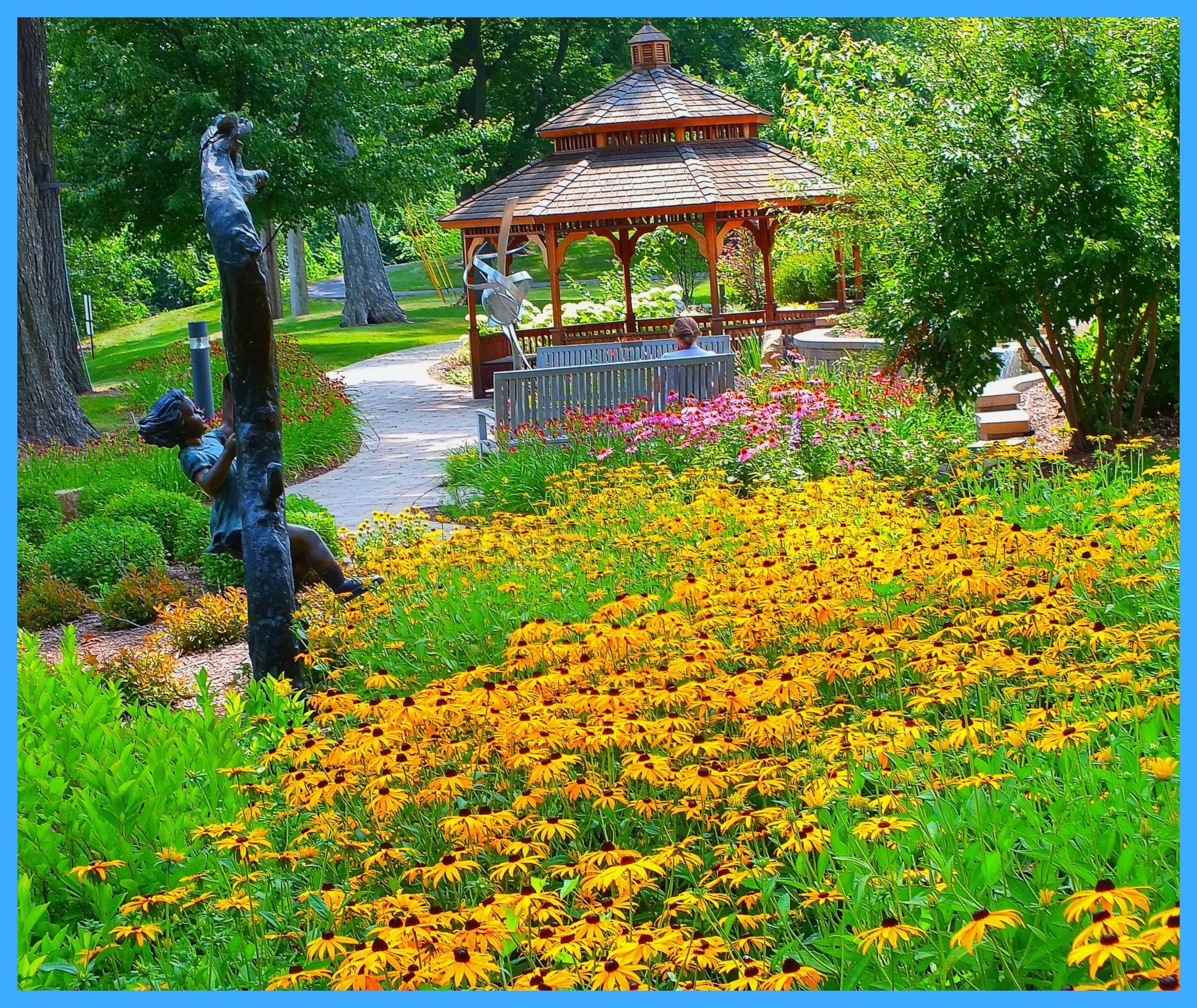
Swinging pendulum in Space. (1) Photo by Thomas Peace c. 2015
.
“I think I’m separate from what is seen,”
said the complacent, lazy man.
“You probably are,”
said the wise man.
“I think I’m separate from what I visit,”
said the complacent, lazy man.
“You probably are,”
said the wise man.
“I think I’m separate from what is heard,”
said the complacent, lazy man.
“You probably are,”
said the wise man.
“I think I’m separate from what I want,”
said the complacent, lazy man.
“You probably are,”
said the wise man.
“I think I’m separate from what I dream,”
said the complacent, lazy man.
“You probably are,”
said the wise man.
I think I’m separate from what I think,”
said the complacent, lazy man.
“You probably are,”
said the wise man.
“I think I’m separate from the earth and the animals,”
said the complacent, lazy man.
“You probably are,”
said the wise man.
“I think I’m separate from people and their well being,”
said the complacent, lazy man.
“You probably are,”
said the wise man.
“I think I’m separate from whom I rob,”
said the complacent, lazy man.
“Your separate ‘eye’ is probably illusory,”
said the wise man,
as he closed a door
between
himself
and his blind complacency.
.

Chives, together as one. (2) Photo by Thomas Peace c. 2015
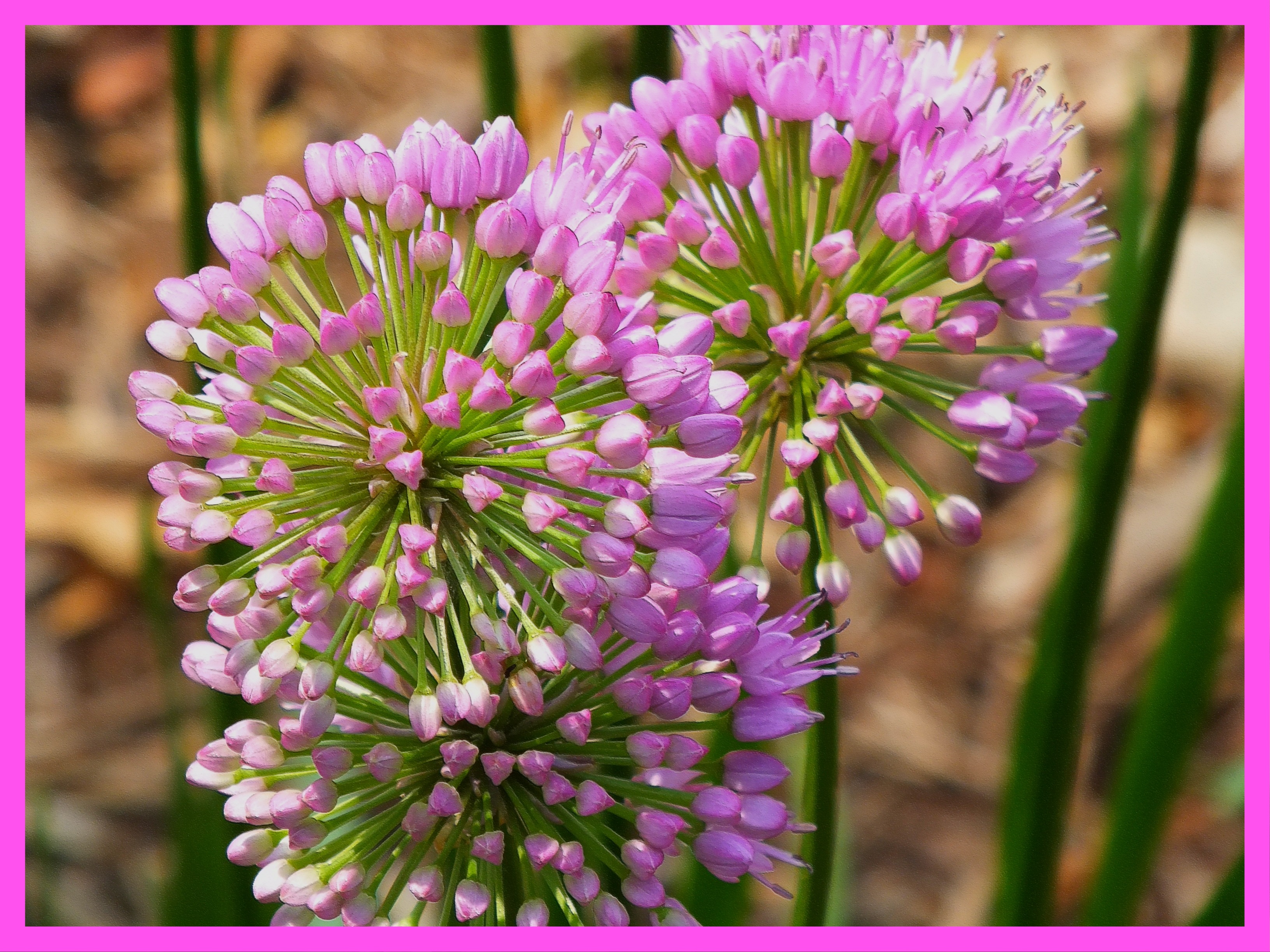
Chives, together as one. (1) Photo by Thomas Peace c. 2015
.
When I was young, I mustered up all the energy I had to find the truth and the whole. That’s the only way to be!
.
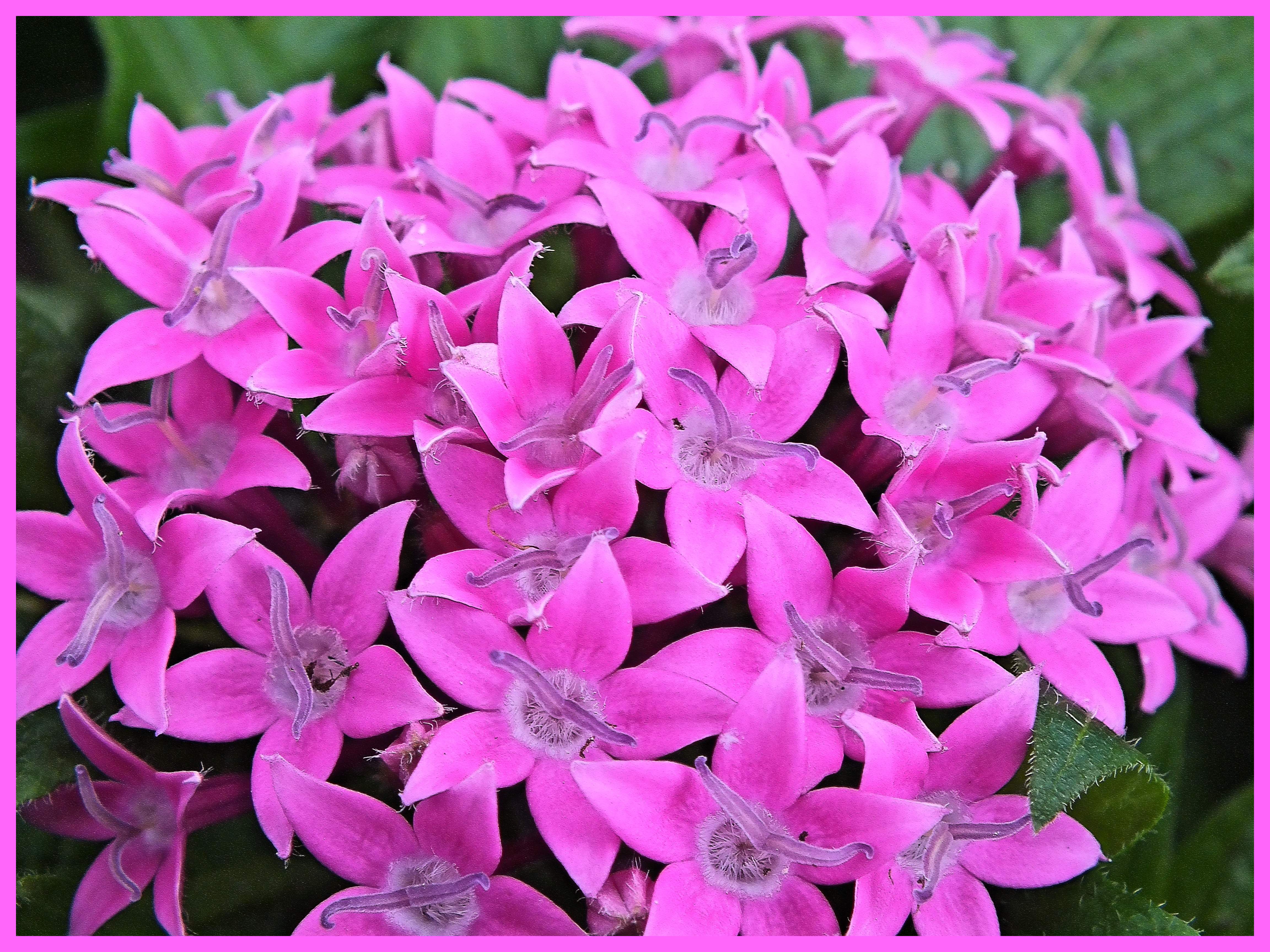
Plush Pink. Photo by Thomas Peace c. 2015
.
One man, a complacent, indifferent man,
looked at life as if through a distorted, little peephole;
everything he saw was of limitation;
everything he saw was fragmentary and small.
Another man, a dynamic, caring man,
looked at life as if from a majestic, magical mountain;
everything he saw was from a panoramic, unbroken view;
everything he saw was connected, limitless, and extraordinarily special.
.

Top of the World. (2) Photo by Thomas Peace c. 2015

Top of the World. (1) Photo by Thomas Peace c. 2015
.
The crossing of the street
turned
and realized it was
the crossing of the street.
The flowing of the river
churned
and realized it was
the flowing of the river.
The oven being touched
burned
and realized it was
the oven being touched.
The aching of the heart
yearned
and realized it was
the aching of the heart.
The slavery to the job
earned
and realized it was
the slavery to the job.
The words of the poem
learned
and realized they were
the words of poem.
.

The stillness of the spider squirmed. (2) Photo by Thomas Peace c. 2015
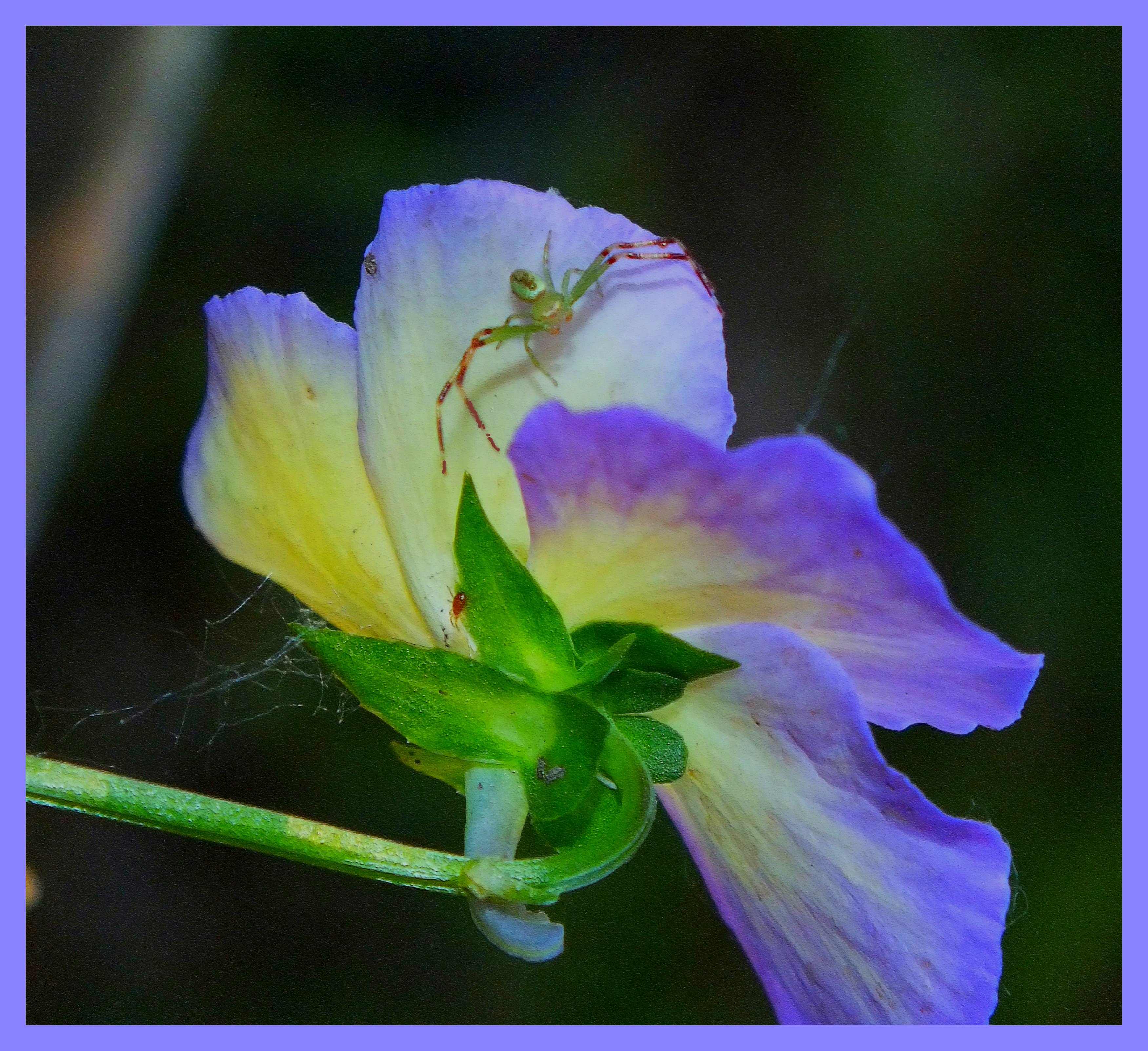
The stillness of the spider squirmed. (1) Photo by Thomas Peace c. 2015
.
There was a comedian on television the other night… and she said: “It seems like everyone is online as a philosopher or spiritual adviser these days… telling you to ‘love everything as one,’ or to ‘be at one with nature,’ but then — at the office, at work — they characteristically act nasty, indifferent, and cold.”
There are endless volumes of material being put out on the internet, in books, and other media — by innumerable so-called “experts” — chock full of advice on spirituality, philosophy, meditation, and mindfulness… yet, essentially, only very, very few of the people conveying their endless tips and suggestions have experienced or gone through profound enlightenment whatsoever. Here’s the thing: A lot of blind people think that they’ve seen the light; but this “thinking” is not the actuality. There are a million ways to go wrong — though they may seem fine and dandy (and wonderful) — and many people take others with them through such ways.
.
From Stephen Crane: (This poem also occurs within my book.)
A learned man came to me once.
He said: “I know the way. –come.”
And I was overjoyed at this.
Together we hastened.
Soon, too soon, were we
Where my eyes were useless,
And I knew not the ways of my feet.
I clung to the hand of my friend;
But at last he cried: “I am lost.”
.

Beyond smoke. (2) Photo by Thomas Peace c. 2015
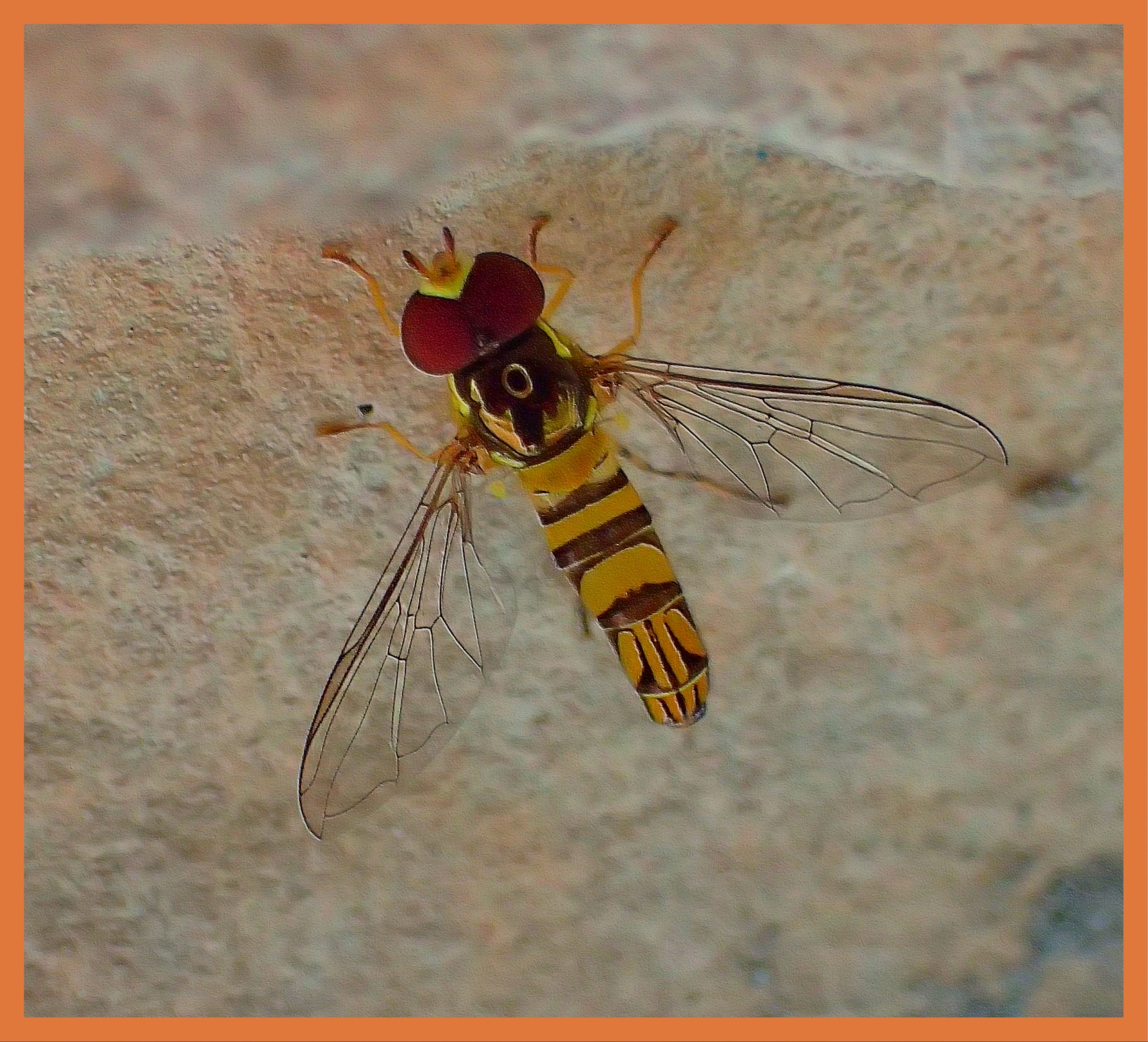
Beyond smoke. (1) Photo by Thomas Peace c. 2015
.
Personally, I don’t care to travel far — and photograph only locally — largely due to the fact that mostly fossil fueled vehicles are involved with the traveling… which is extremely bad for an already terribly abused planet.
.
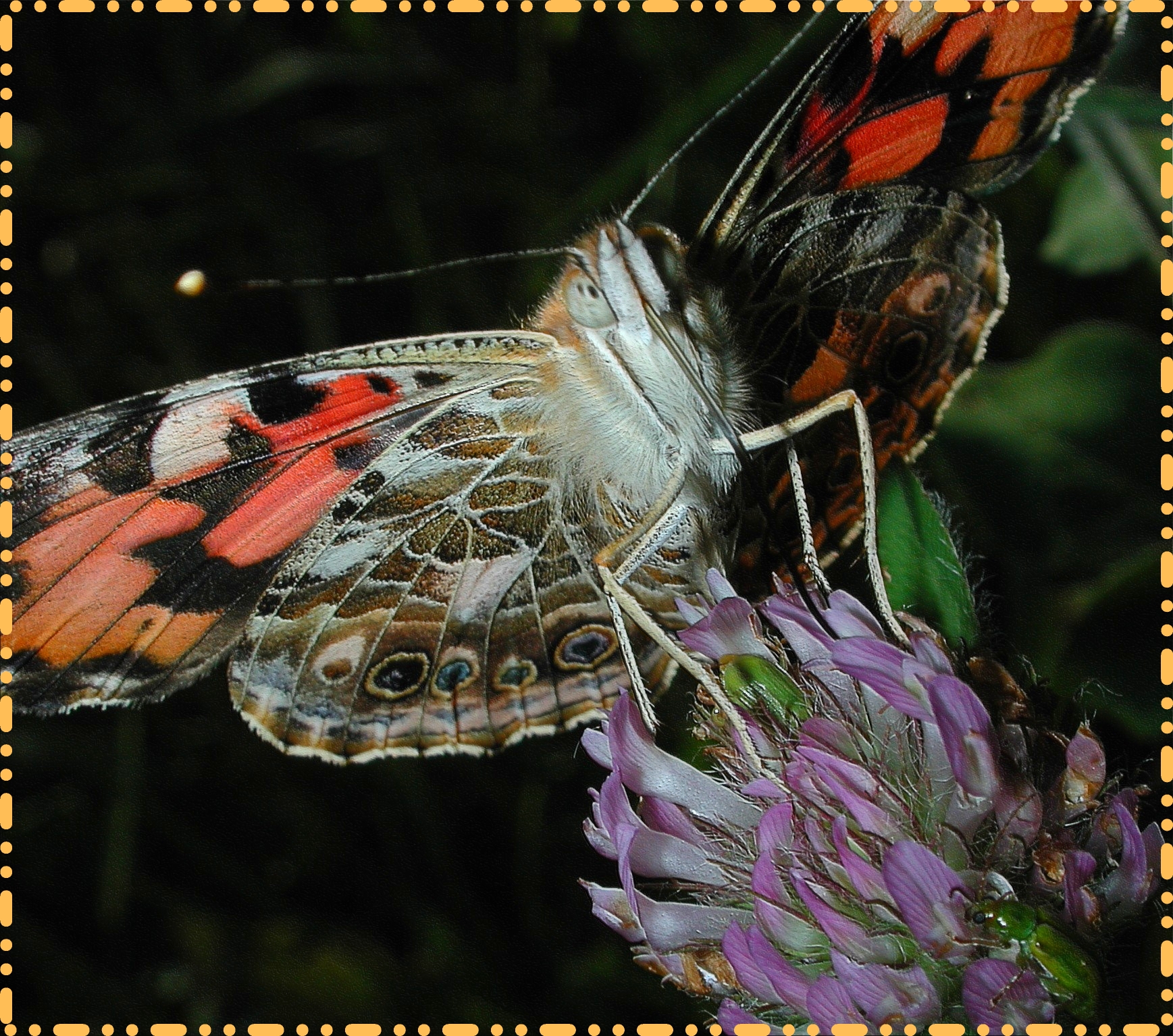
Probing for gold nectar. Photo by Thomas Peace 2015
.
she loves me
she loves me not
she loves me
she loves me not
she is me
she is me not
she is me
she is me not
images of her are me
images of her are me not
images of her are me
images of her are me not
Life wants us to rip up living flowers
Life wants us to rip up living flowers not
Life wants us to rip up living flowers
Life wants us to rip up living flowers not
Blossoming is me
Blossoming is me not
Blossoming is me
Blossoming is me not
.

Petals intact. (2) Photo by Thomas Peace c. 2015

Petals intact. (1) Photo by Thomas Peace c. 2015
.
This is what I wrote on Twitter:
Merely recognizing things as you were taught is looking through the implanted programming of others and is not profound perception.
This is what someone replied as a response, after they retweeted what I wrote:
We have to unlearn the old systems that are detrimental to us. Once we become aware, we perceive things differently.
This is how I replied:
This going beyond the old systems is not merely a process of time. If it is, it is merely a subtle extension of the old systems.
(The reason I wrote this is that if we use patterns and strategies to, hopefully, eventually evolve out the the old systems, we are — in effect — merely a continuance of the old systems. Though this may sound rather fanciful, it isn’t. Either it is done instantly, without time being a factor… or it is intrinsically merely an extension of the same, old systems and processes… all of which take — and “are” — time.)
.
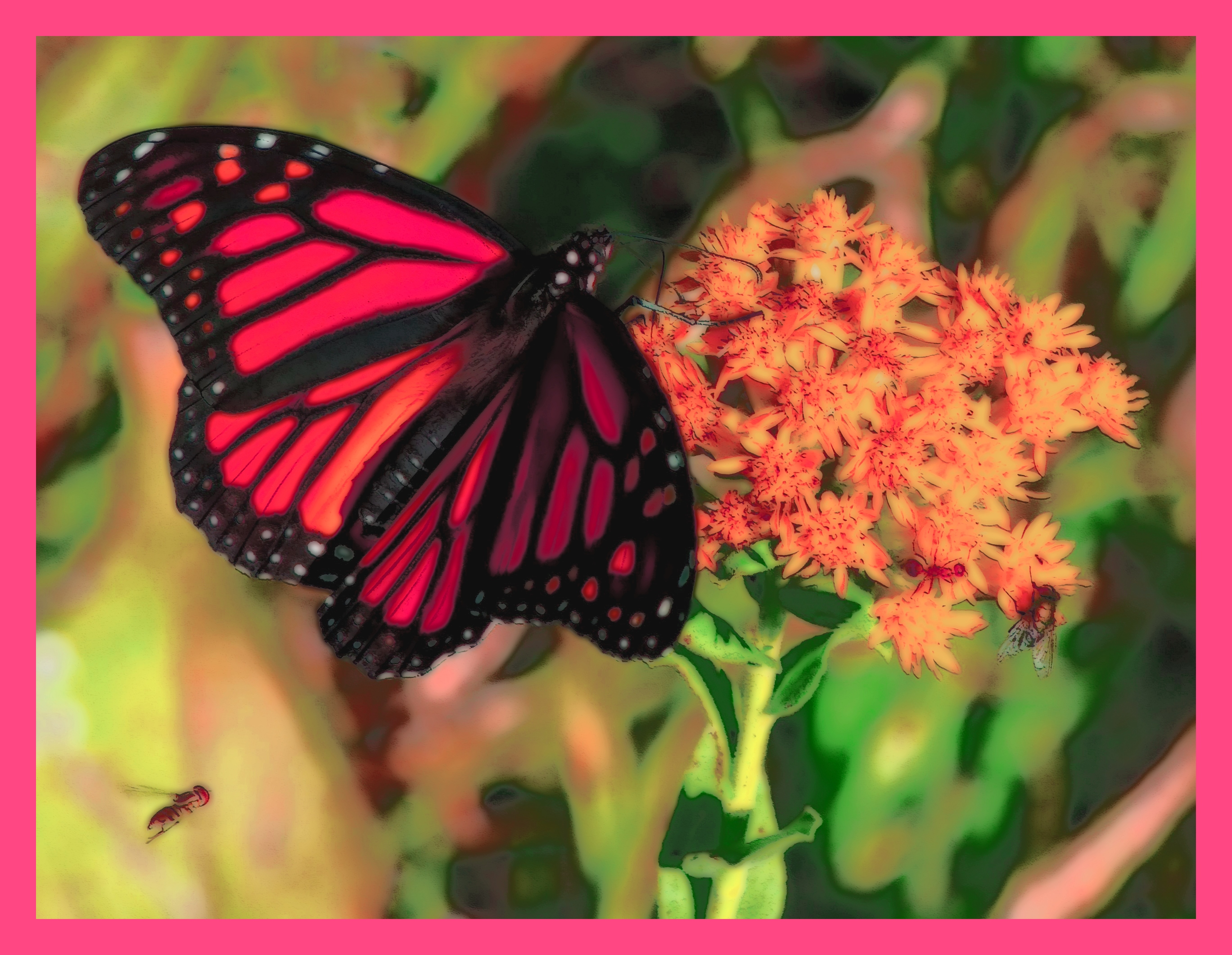
Mostly Fliers. (2) Photo by Thomas Peace c. 2015
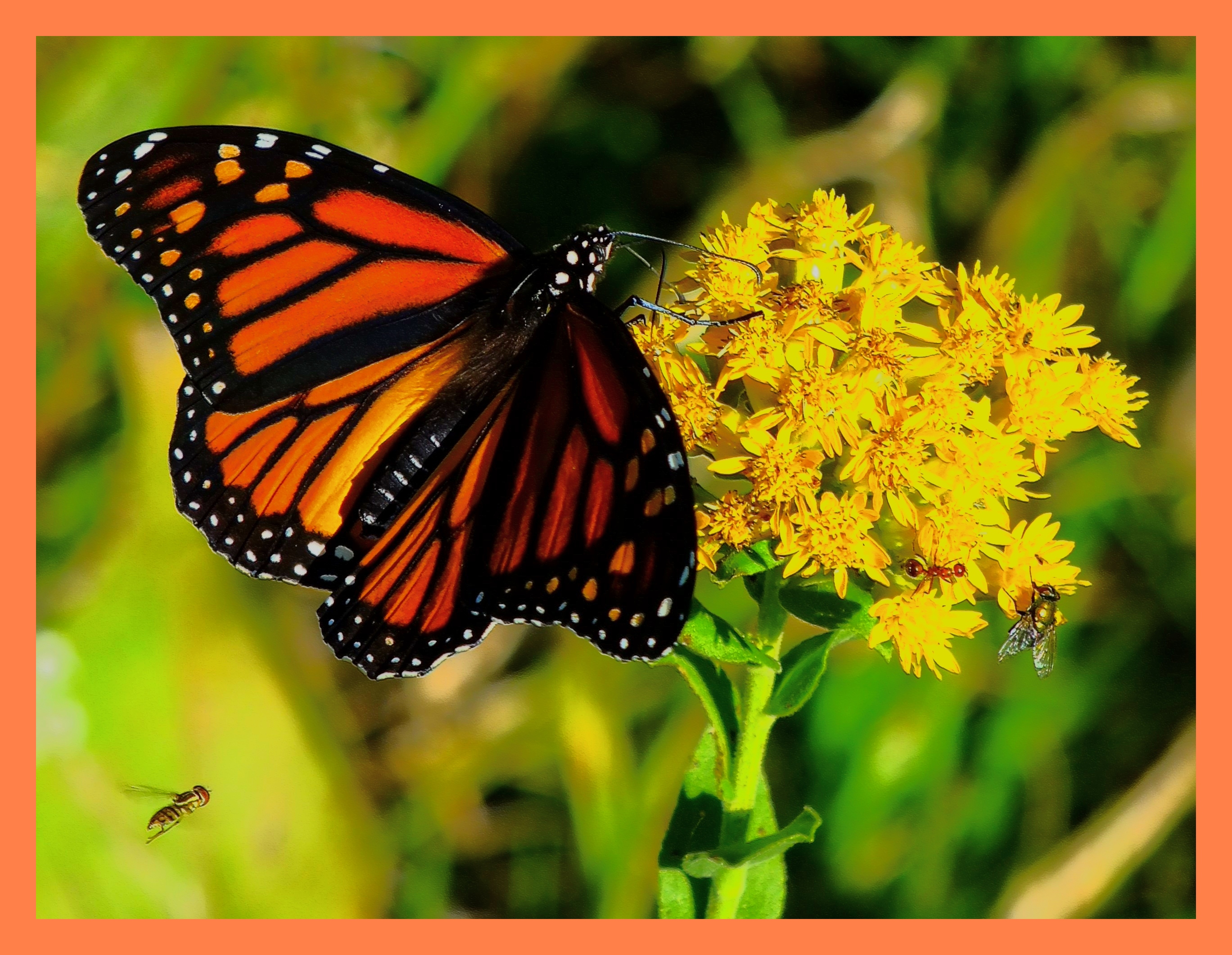
Mostly Fliers. (1) Photo by Thomas Peace c. 2015
.
True integrity is the honesty of perception; not being one thing… and then internally claiming (to yourself) to be something else; and it’s not pretense to others either! A truly mindful, wise being is unrelenting regarding seeing the actions that he or she is (precisely for what they are); in this, there are no lame excuses, cushioning rationalizations, or softening distortions. You are what you are at (and “as”) that moment in time… plain and simple… without all the extraneous deceit.
.

A frog not a prince. (2) Photo by Thomas Peace c. 2015
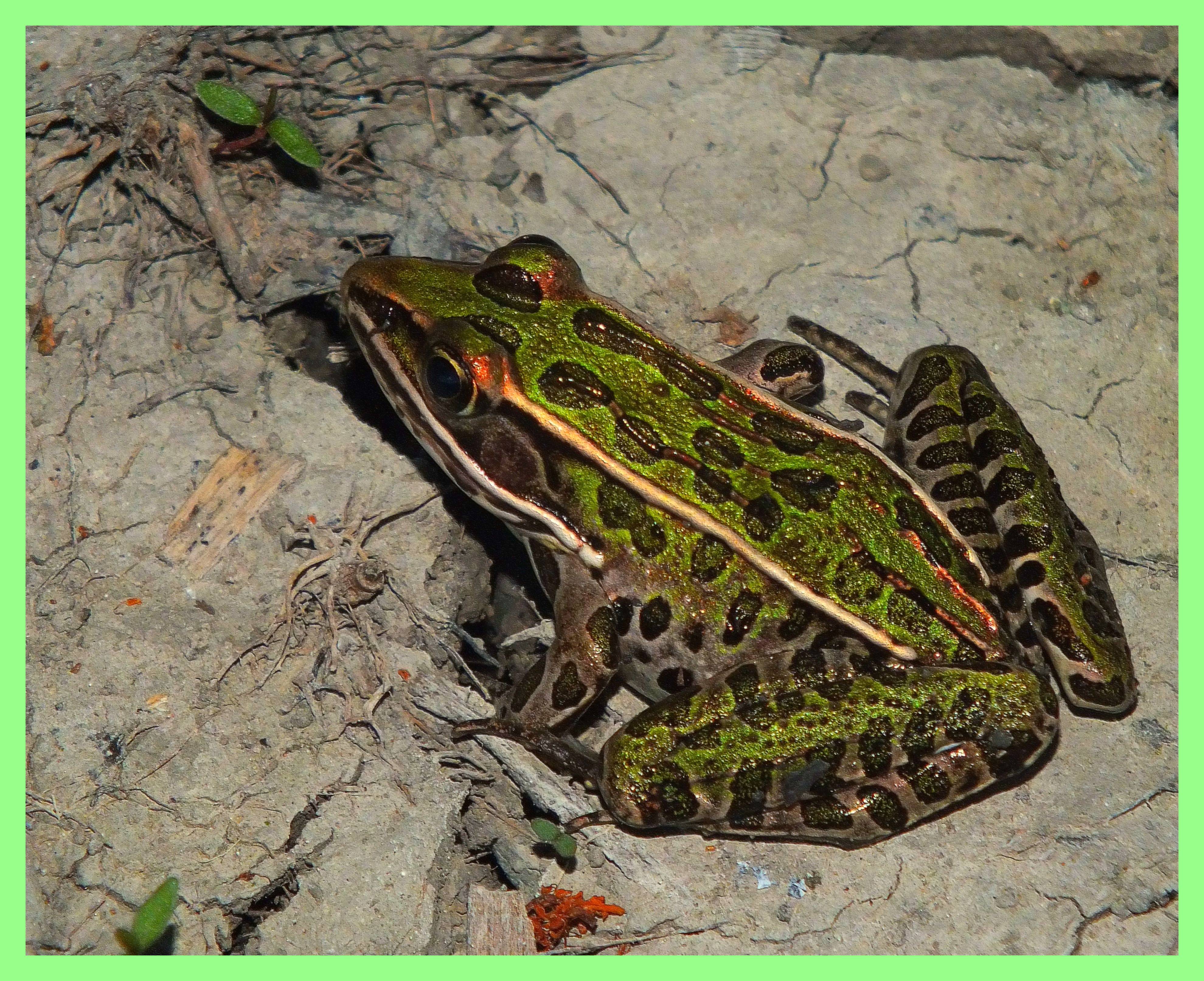
A frog not a prince. (1) Photo by Thomas Peace c. 2015
.
Add a New Post
Read an Old Rhyme
Break a Grecian Urn
Wind up what’s called Time
Glue the Urn together
Repeat the Same Song
Mend a Broken friendship
Stay Impassioned Long
.

Short and Sweet… so they say… (2) Photo by Thomas Peace c. 2015

Short and Sweet… so they say… (1) Photo by Thomas Peace c. 2015
.
something above the grass
stirs my very heart
butterflies and bees
are Life’s living art
some things in the woods
are my very soul
the animals,the trees,and i
are always very whole
.
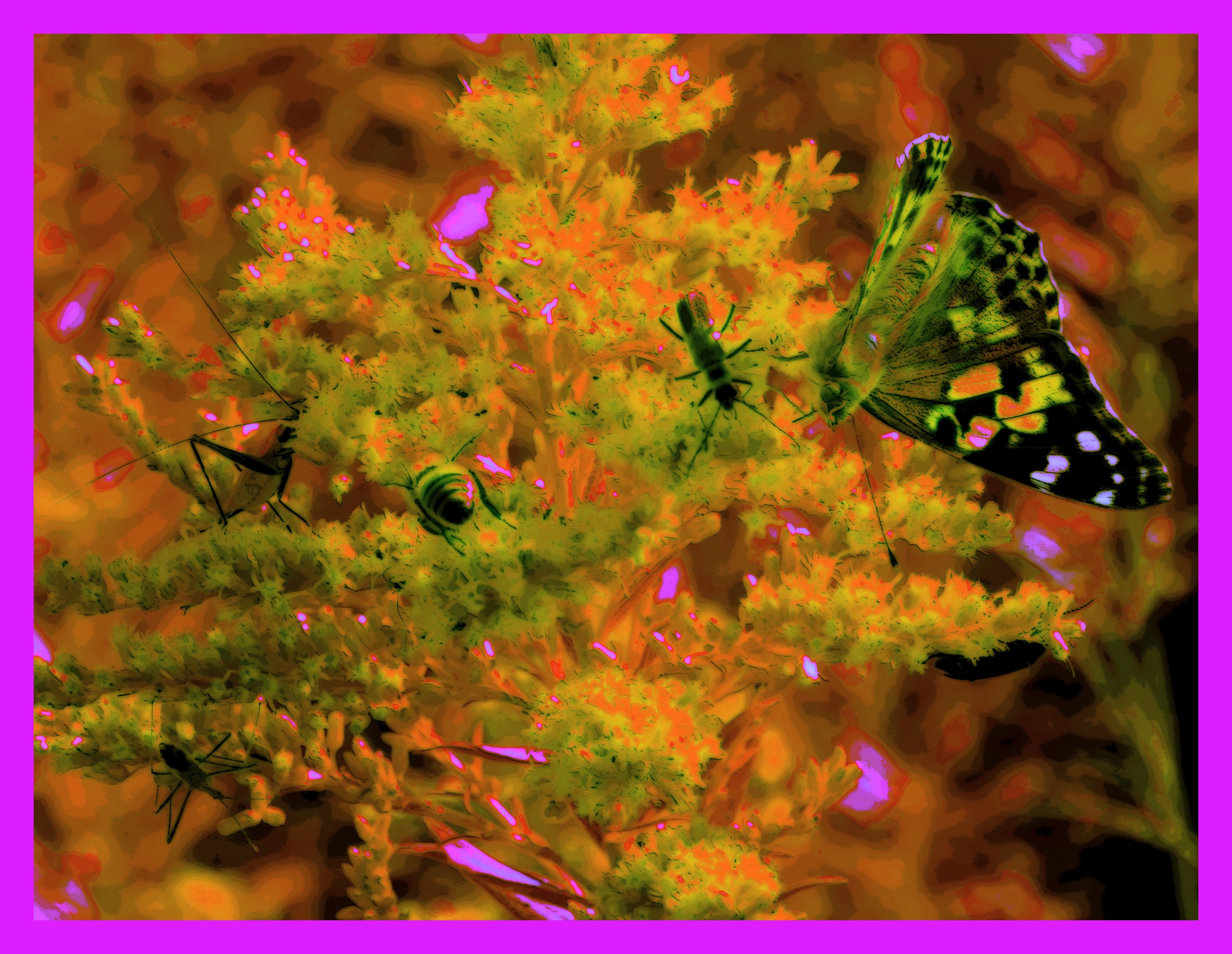
Of Butterflies and Bees. (2) Photo by Thomas Peace c. 2015

Of Butterflies and Bees. (1) Photo by Thomas Peace c. 2015
.
The animals have so little room left; and we — as a species spoiling this marvelous earth — think that we are far superior! We need to change the way we do things and perceive things!
.
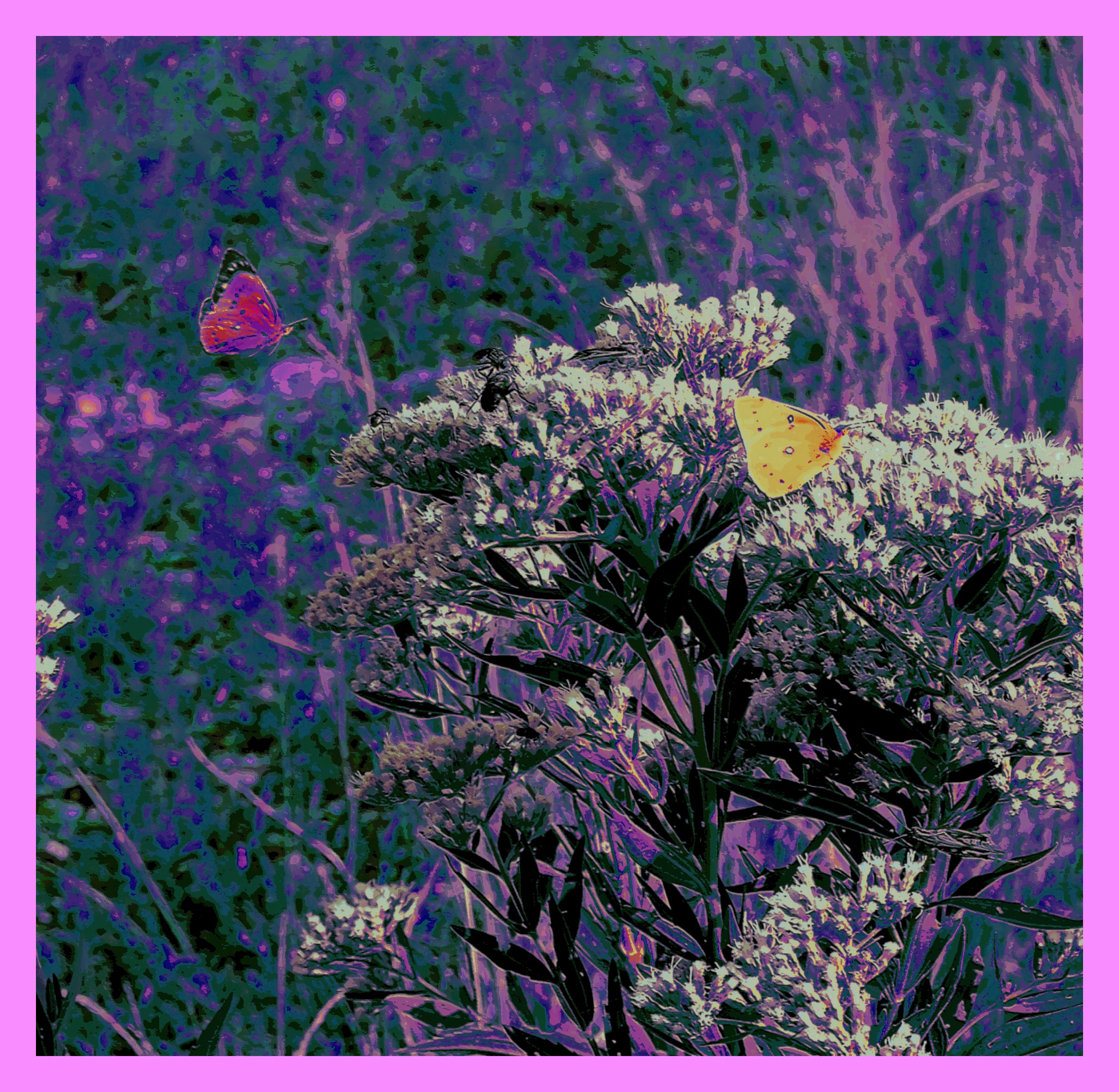
Flight number 492. (2) Photo by Thomas Peace c. 2015

Flight number 492. (1) Photo by Thomas Peace c. 2015
.
Look beyond the learned patterns; see beyond the limited, learned symbols!
.
Together. (2) Photo by Thomas Peace c. 2015
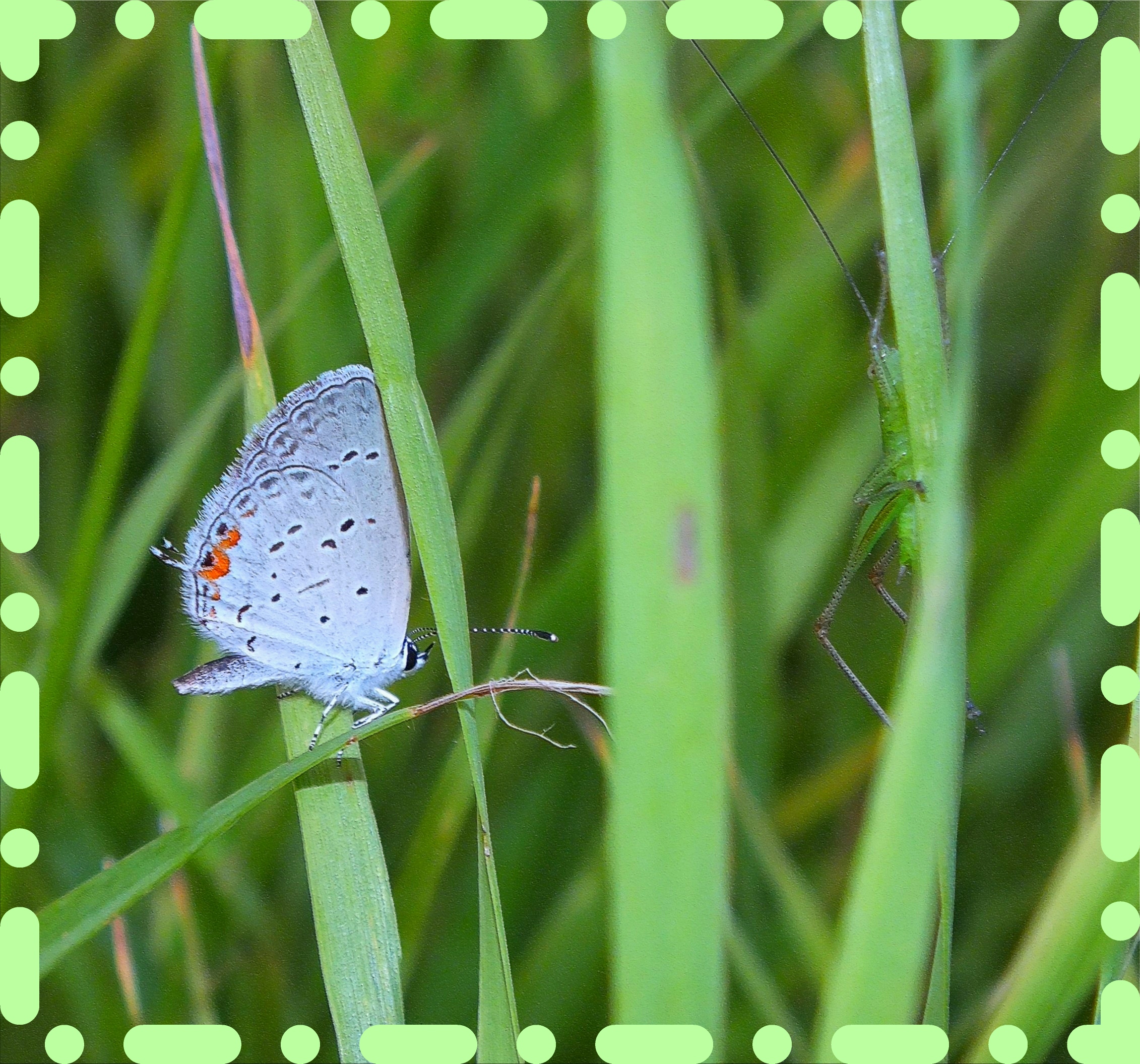
Together. (1) Photo by Thomas Peace c. 2015
.
Insensitivity ignores nature, ignores truth, ignores others. Compassion and wisdom loves nature, perceives the truth, and helps others.
.

Rarity. (2) Photo by Thomas Peace c. 2015

Rarity. (1) Photo by Thomas Peace c. 2015
(This is just satire on the Rule of Thirds — the simplified form of the Golden Ratio — which is all the rage in photography realms; most everyone has used it, including myself; those of you who use it or who have written about it… please do not be offended. Note: Within the poem, switch “parts” with where “countries” occurs… and “country” with where “part” occurs.)
.
the rule of thirds
came by
it divi
ded
up
the
sky
it sectioned nature’s flowing traits
with man-made lines
in graphed points of space
the rule of thirds
jumped in
it drank a fifth of gin
it cut up the world
into little
bits
and it
sucked nine squarish
chocolate mints
the rule of thirds
marked its spot
in a
tic tac toe game so hot
everyone wanted
to draw up their lines
and
everyone figured why not
the rule of thirds
squared away
it decreed a superior way
it di
vided (countries)
of the whole for itself
for its superhuman
(part)men’s wealth
precisely properly
today
.
The Golden Rule. (2) Photo by Thomas Peace c. 2015

The Golden Rule. (1) Photo by Thomas Peace c. 2015
.
between past
and future
is another realm
but few ever live there
they are too busy
thinking “as the past”:
about the future
or regarding the past
most think that
the past changes
into the future
but perhaps neither fundamentally changes
they may not change
because each the other ‘s
the only thing that really changes
is the undefinable,infinite now
.
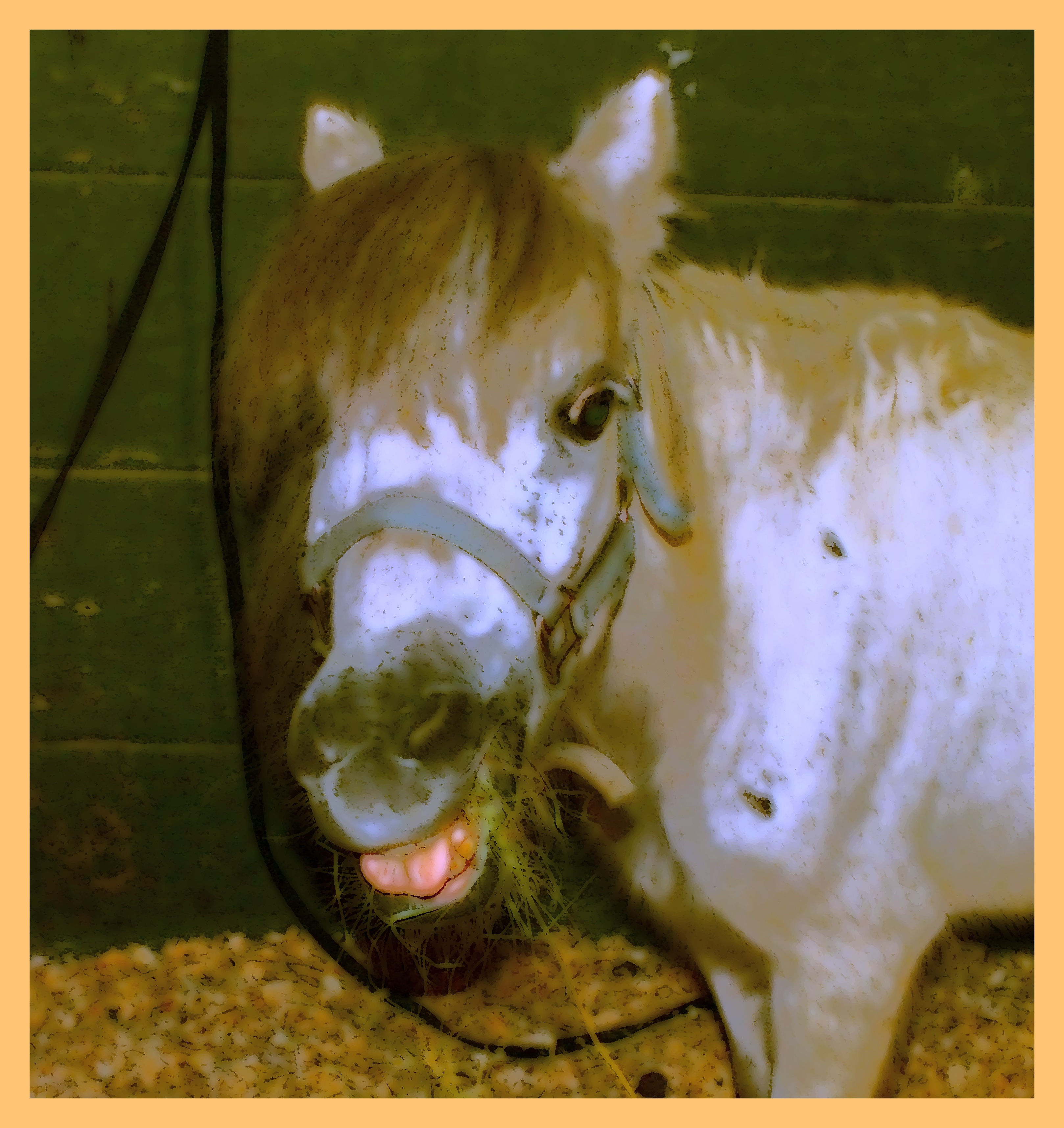
Tongue projecting Einstein (2). Photo by Thomas Peace c. 2015

Tongue projecting Einstein (1). Photo by Thomas Peace c. 2015
.
The wise mind goes beyond constant symbolic thinking. It does not — therefore — necessarily need to always be recognizing things as it was taught. Constant recognition involves constant thought, mental labeling, categorization, and residual attribute manipulation. Constant recognition is a form of reacting; and reacting is second-hand and is not essentially original.
.

Together as one (2). Photo by Thomas Peace c. 2015

Together as one (1). Photo by Thomas Peace c. 2015
.
the alcohol brought itself 2 a face
the movement toward the mouth was
slow
and
deliberate at 1st
then unnoticed things(which began
hap
in
ing
contin
you)
‘d
2 be unmanifested
the mouth opened 4 more
4 more
the brain closed
4 less
words mispronounced dayselves
justified 1 more
and sipped
in
2
oblivi
on
a clear
day
you can
see
4ever
the car
brought itself 2 a tree
da alcohol poem
brought itself
2 a close
the end
.

Horsetail growing not far from the tree (2). Photo by Thomas Peace c. 2015
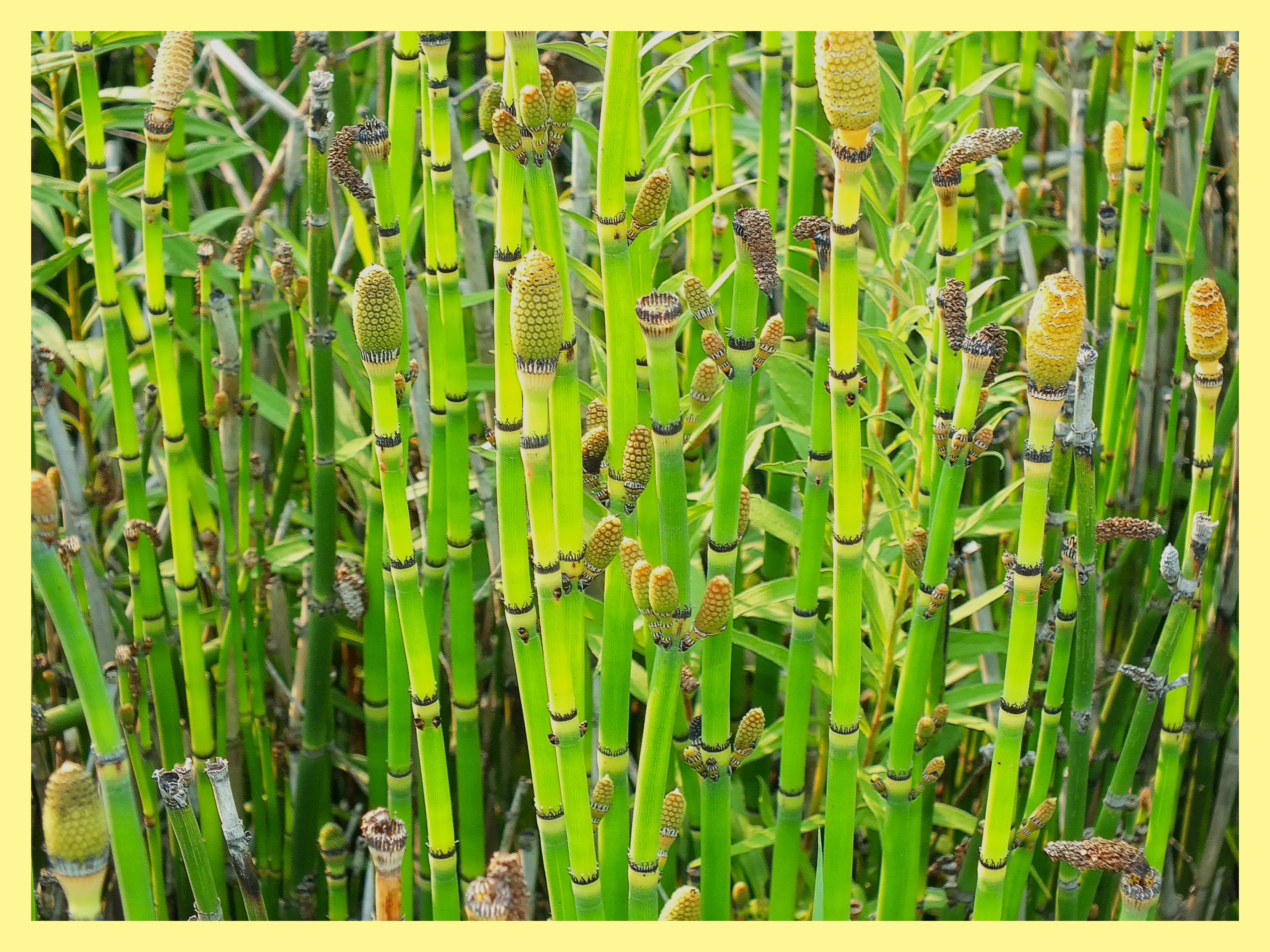
Horsetail growing not far from the tree (1). Photo by Thomas Peace c. 2015
.
Be very careful: The security of mere belief may be blind detachment from intelligent inquiry and open observation.
.

Volkswagen Beetle (1). Photo by Thomas Peace c. 2015
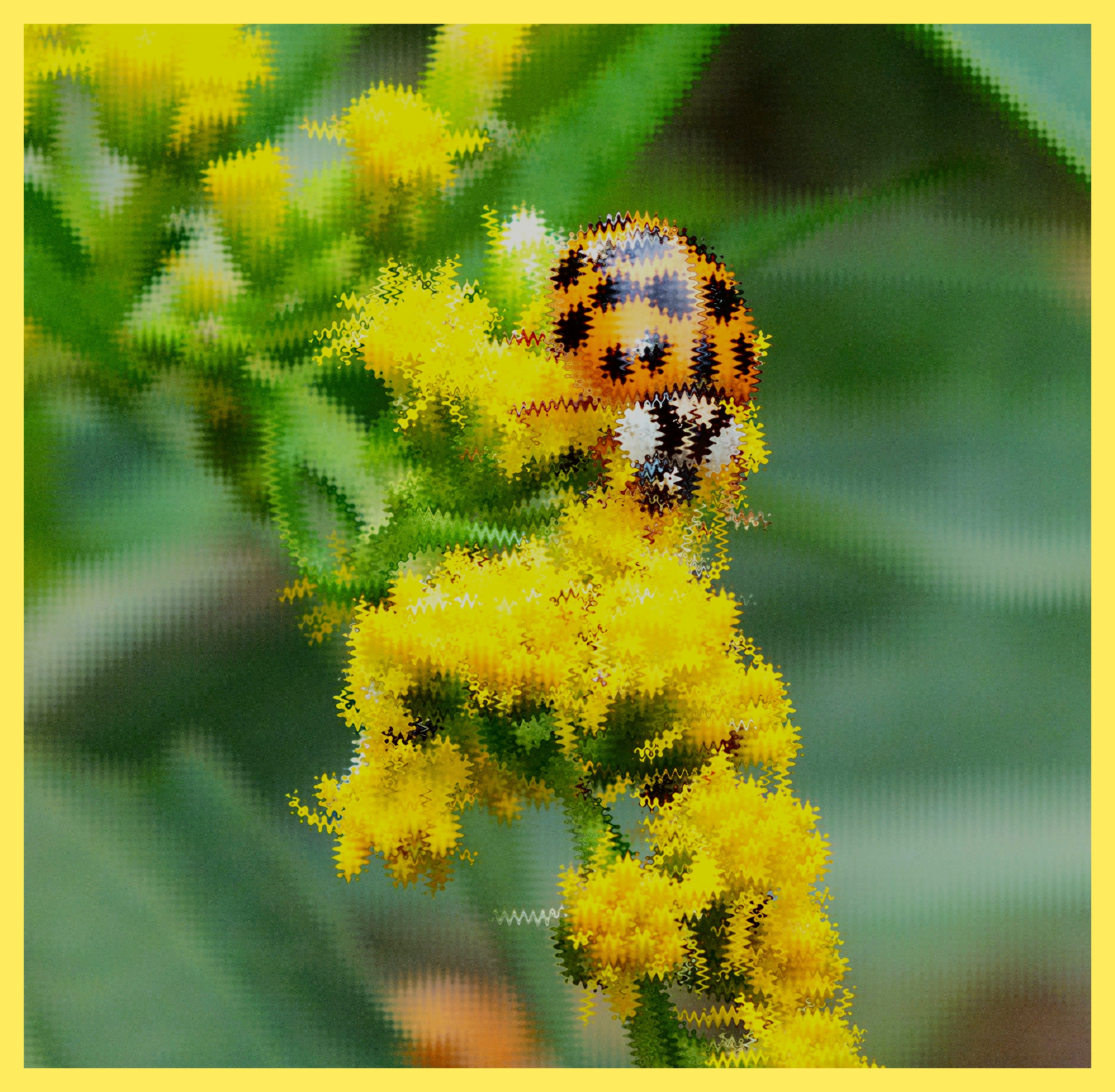
Volkswagen Beetle (2). Photo by Thomas Peace c. 2015
.
Physical threats can be escaped from… and psychological fears are not separate from what you are.
.
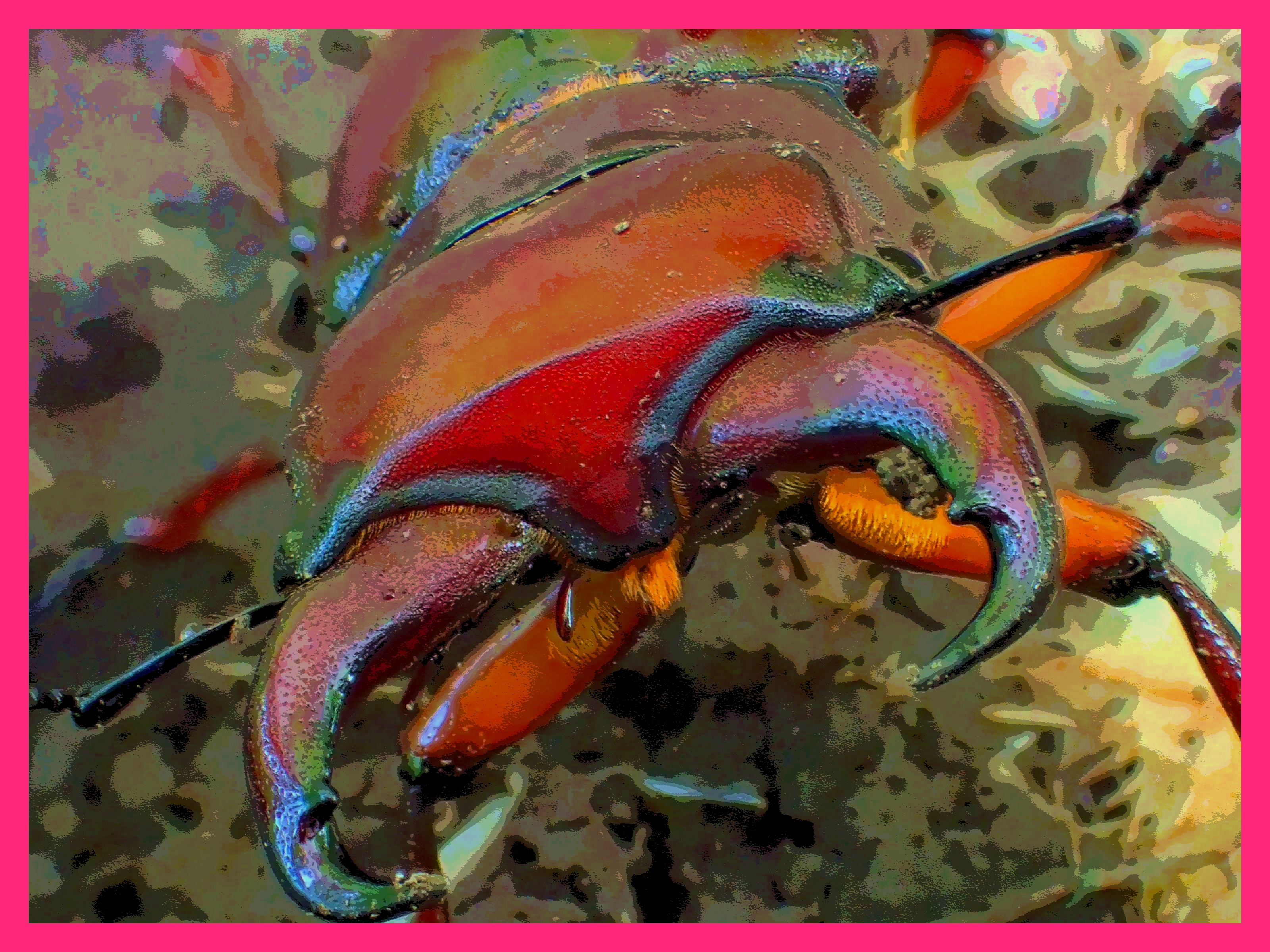
The Jaws of Life (2). Photo by Thomas Peace c. 2015
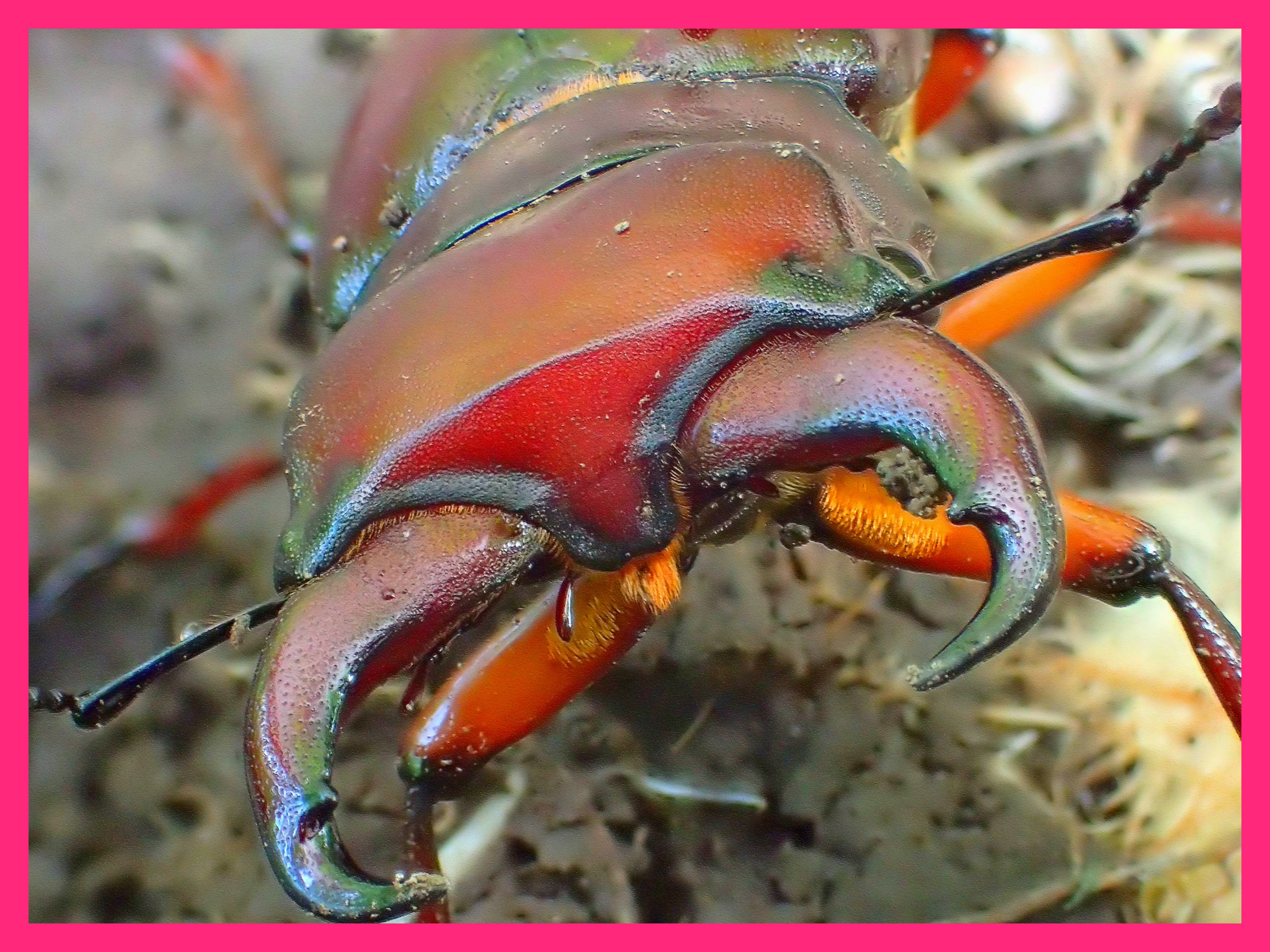
The Jaws of Life (1). Photo by Thomas Peace c. 2015
.
Ideals cause conflict and friction in the mind. Existing without them and without conflict is true intelligence. Instead of having (and “being”) mere ideals… observe what is taking place from moment to moment (without the conflict that occurs between the “ideal” and the “actuality”… or the conflict that occurs between “fantasized images of the watcher” and the “watched”) and let understanding and learning (beyond conflict) flower. Ideals cause friction between “what you actually are” and what “you wish to be.” Profound understanding trumps ideals every time! When you clearly understand that a certain snake is venomous and extremely poisonous, you naturally avoid getting bitten; you don’t need an ideal about not kissing that snake; intelligence and understanding naturally have you act with (and “as”) caution (beyond lame, fabricated ideals).
.

Green in green (1). Photo by Thomas Peace 2015

Green in green (2). Photo by Thomas Peace 2015
.
in our lush and magical garden
creatures come and go
although they’re here forever
they endlessly busy themselves
with enjoying alive
without learned thoughts
of death
or
never
.
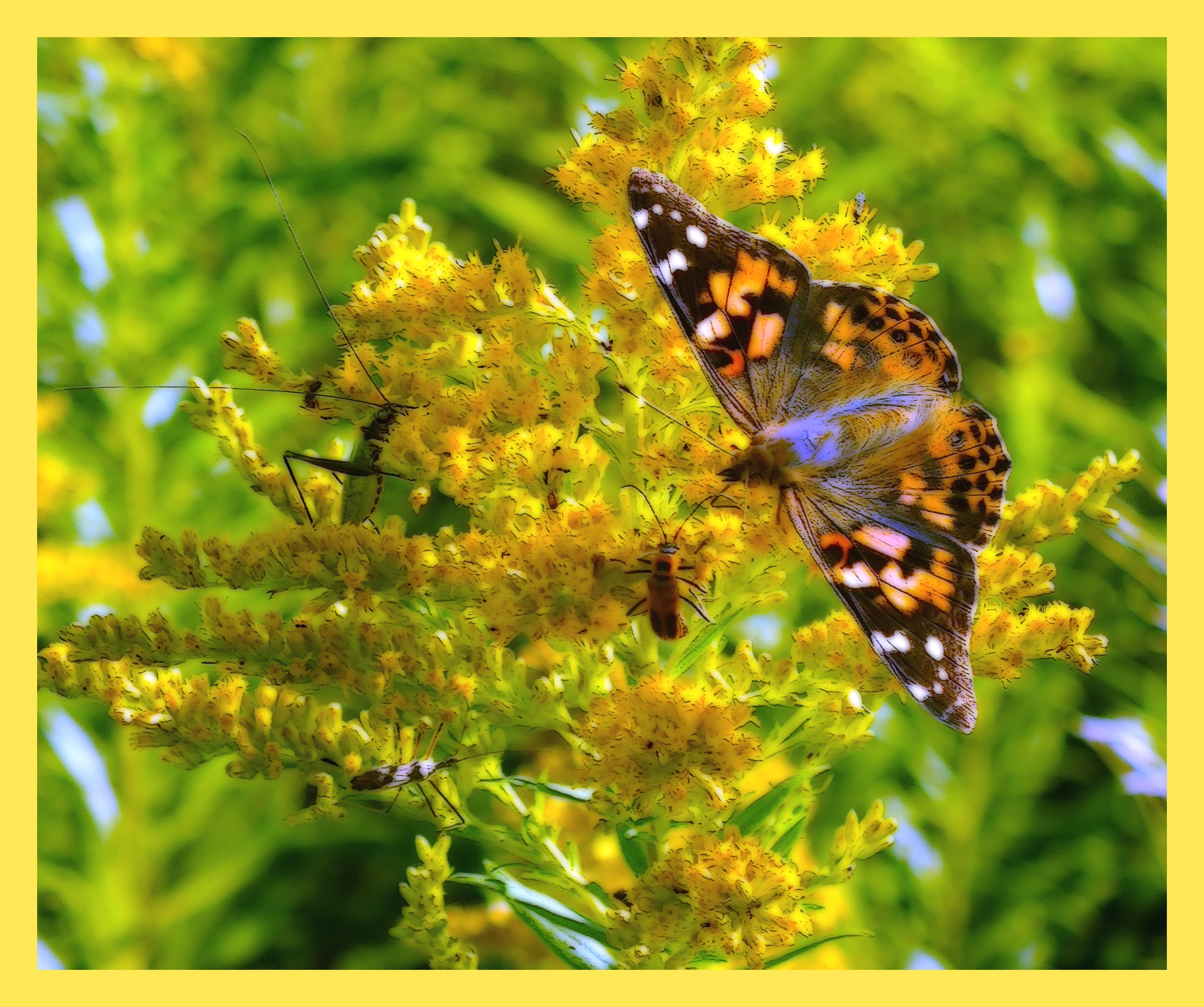
Endlessly Busy (1). Photo by Thomas Peace c. 2015

Endlessly busy (2). Photo by Thomas Peace c. 2015
.
Though our situation may seem rather unlucky now and then… be appreciative for what you have (or who you are with) and are. We are very lucky to have gotten to this point in (and “as”) time and space, whomever we are.
.
“I’m Looking Over A Four Leaf Clover”
(originally by Art Mooney)
I’m looking over a four leaf clover
I overlooked before
One leaf is sunshine, the second is rain
Third is the roses that grow in the lane
No need explaining
The one remaining is somebody I adore
I’m looking over a four leaf clover
I overlooked before
I’m looking over a four leaf clover
I overlooked before
One leaf is sunshine, the second is rain
Third is the roses that grow in the lane
No need explaining
The one remaining is somebody I adore
I’m looking over a four leaf clover
I overlooked before
I’m looking over a four leaf clover
I overlooked before
One leaf is sunshine, the second is rain
Third is the roses that grow in the lane
No need explaining
The one remaining is somebody I adore
I’m looking over a four leaf clover
I overlooked before
I overlooked before
I overlooked before

Be a 4-leaf clover (2). Photo by Thomas Peace c. 2015
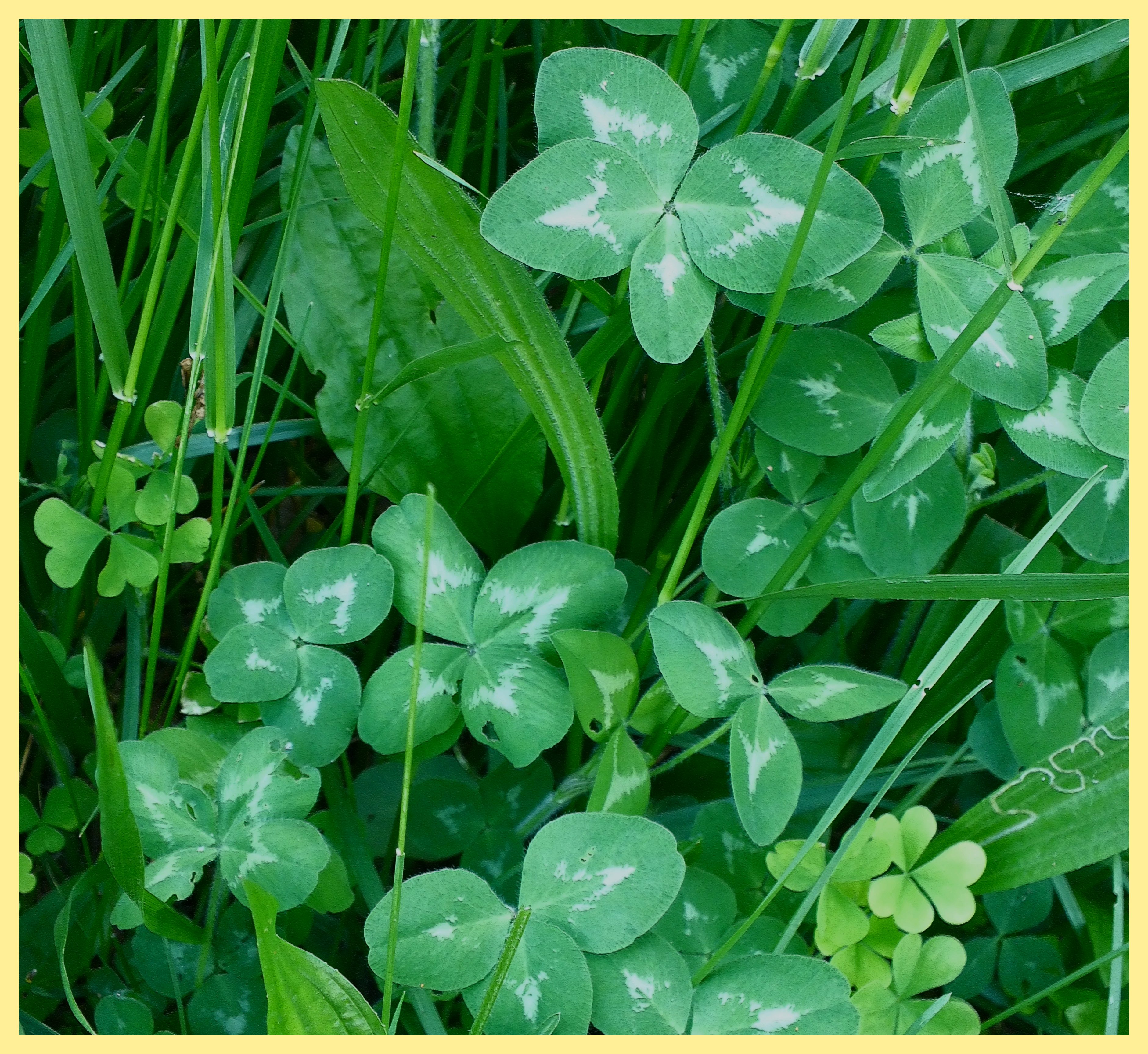
Be a 4-leaf clover (1). Photo by Thomas Peace c. 2015
.
Prelude to
a dream
between the crushed
and convoluted sheets
with their
protruding
feet
Prelude to
a dream
a placid silence
attained by pillows
Things are
not
what they seem
.

Walking on Clouds (2). Photo by Thomas Peace c. 2015

Walking on Clouds (1). Photo by Thomas Peace c. 2015
.
To a truly wise mind, many supposedly tantalizing sensations are often — though not always — rather trivial and unnecessary… because a truly wise mind is fully content in itself, not needing extraneous stimuli to (eventually) make it happy. It is only a very empty cup that constantly craves being filled…
.

Propeller. Photo by Thomas Peace c. 2015
.
You can give a precious ring to a girl easily; but giving true loyalty, compassion, integrity, and honor is a million times more valuable.
.

And violets are blue… (2) Photo by Thomas Peace c. 2015
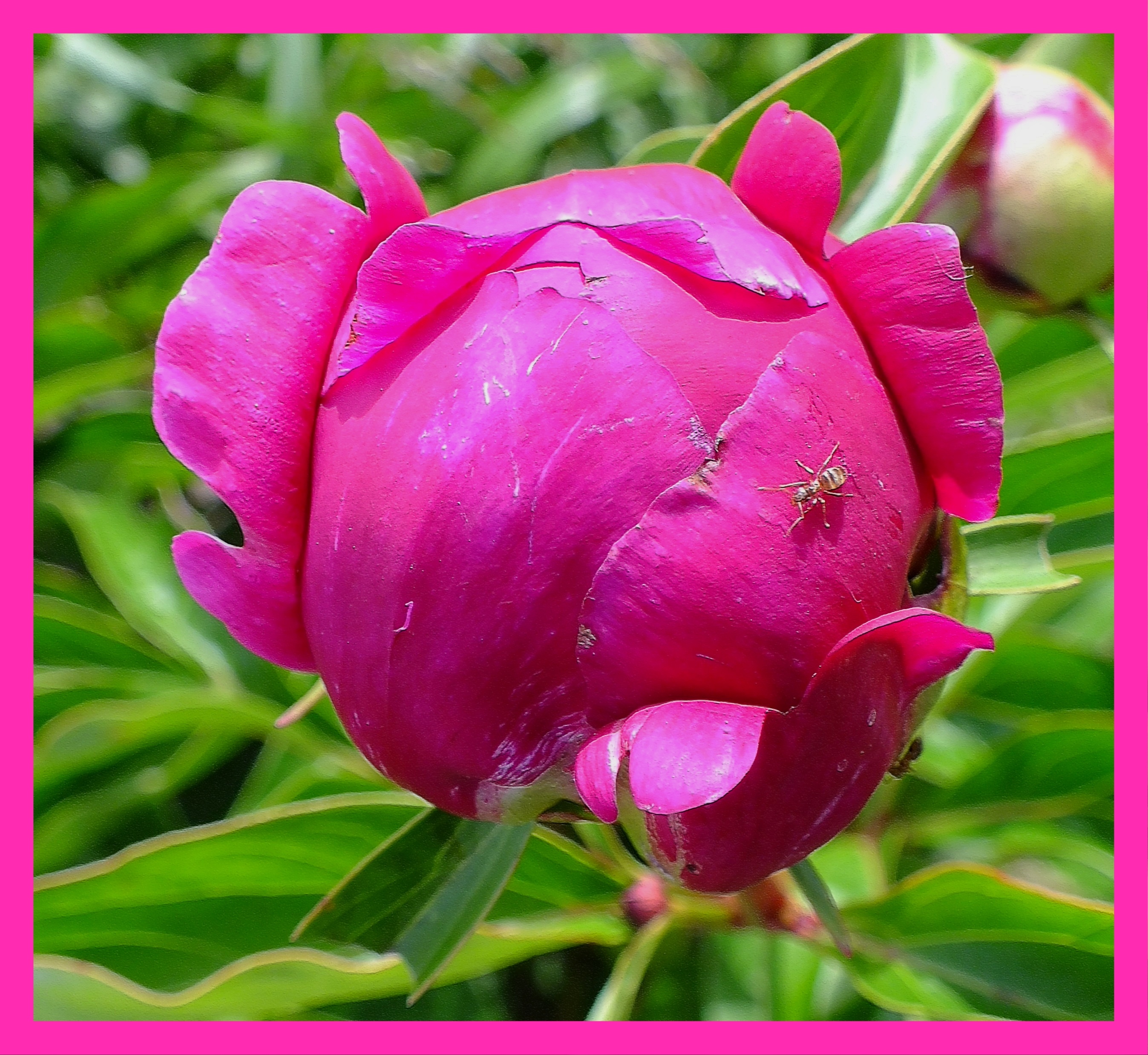
2D3157 And violets are blue… Photo by Thomas Peace c. 2015
.
There was an after
which occurred
following a before
which occurred
as a now
and then
a movement contemplated
itself before
and after
someone else did
not care
two pins
about
the distance
involving
pastandfuture
as well as
the distance
involving
themandus
.

Pinkingly (2). Photo by Thomas Peace c. 2015
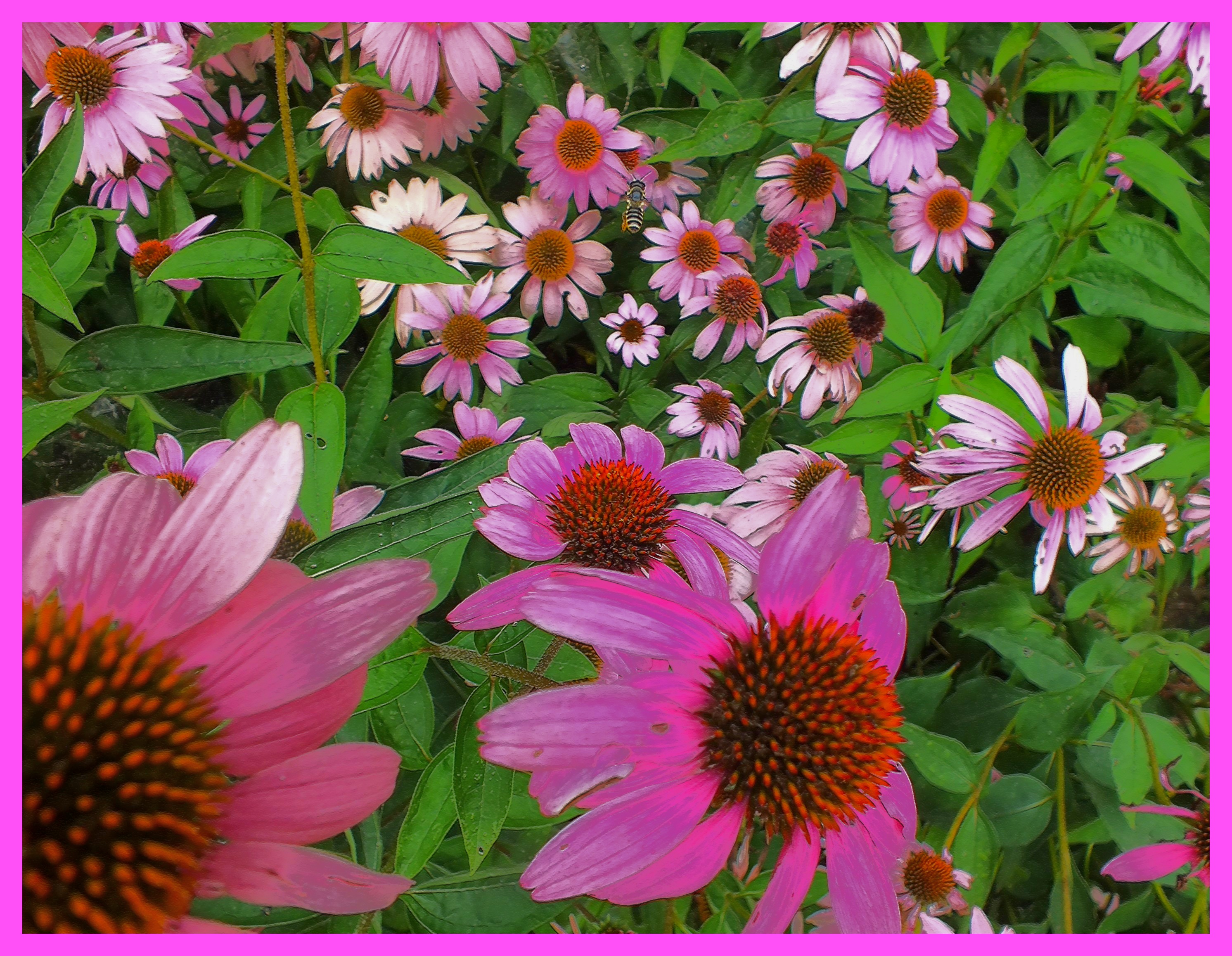
Pinkingly (1). Photo by Thomas Peace c. 2015
.
Deep mysteries can be understood if one goes beyond the superficial and accepted ways of seeing.
.
Excerpt from Emily Dickinson’s first poem — Valentine Week 1850:
****Awake ye muses nine, sing me a strain divine,
Unwind the solemn twine, and tie my Valentine! ****
Oh the Earth was made for lovers, for damsel, and hopeless swain,
For sighing, and gentle whispering, and unity made of twain.
All things do go a courting, in earth, or sea, or air,
God hath made nothing single but thee in His world so fair!
The bride, and then the bridegroom, the two, and then the one,
Adam, and Eve, his consort, the moon, and then the sun;
The life doth prove the precept, who obey shall happy be,
Who will not serve the sovereign, be hanged on fatal tree.
The high do seek the lowly, the great do seek the small,
None cannot find who seeketh, on this terrestrial ball;
The bee doth court the flower, the flower his suit receives,
And they make merry wedding, whose guests are hundred leaves;
The wind doth woo the branches, the branches they are won,
And the father fond demandeth the maiden for his son.
The storm doth walk the seashore humming a mournful tune,
The wave with eye so pensive, looketh to see the moon,
Their spirits meet together, they make their solemn vows,
No more he singeth mournful, her sadness she doth lose.
The worm doth woo the mortal, death claims a living bride,
Night unto day is married, morn unto eventide;
Earth is a merry damsel, and heaven a knight so true,
And Earth is quite coquettish, and beseemeth in vain to sue.
Now to the application, to the reading of the roll,
To bringing thee to justice, and marshalling thy soul:
Thou art a human solo, a being cold, and lone,
Wilt have no kind companion, thou reap’st what thou hast sown.
Hast never silent hours, and minutes all too long,
And a deal of sad reflection, and wailing instead of song?
There’s Sarah, and Eliza, and Emeline so fair,
And Harriet, and Susan, and she with curling hair!
Thine eyes are sadly blinded, but yet thou mayest see
Six true, and comely maidens sitting upon the tree;
Approach that tree with caution, then up it boldly climb,
And seize the one thou lovest, nor care for space, or time!

Courting the Flower (2). Photo by Thomas Peace c. 2015
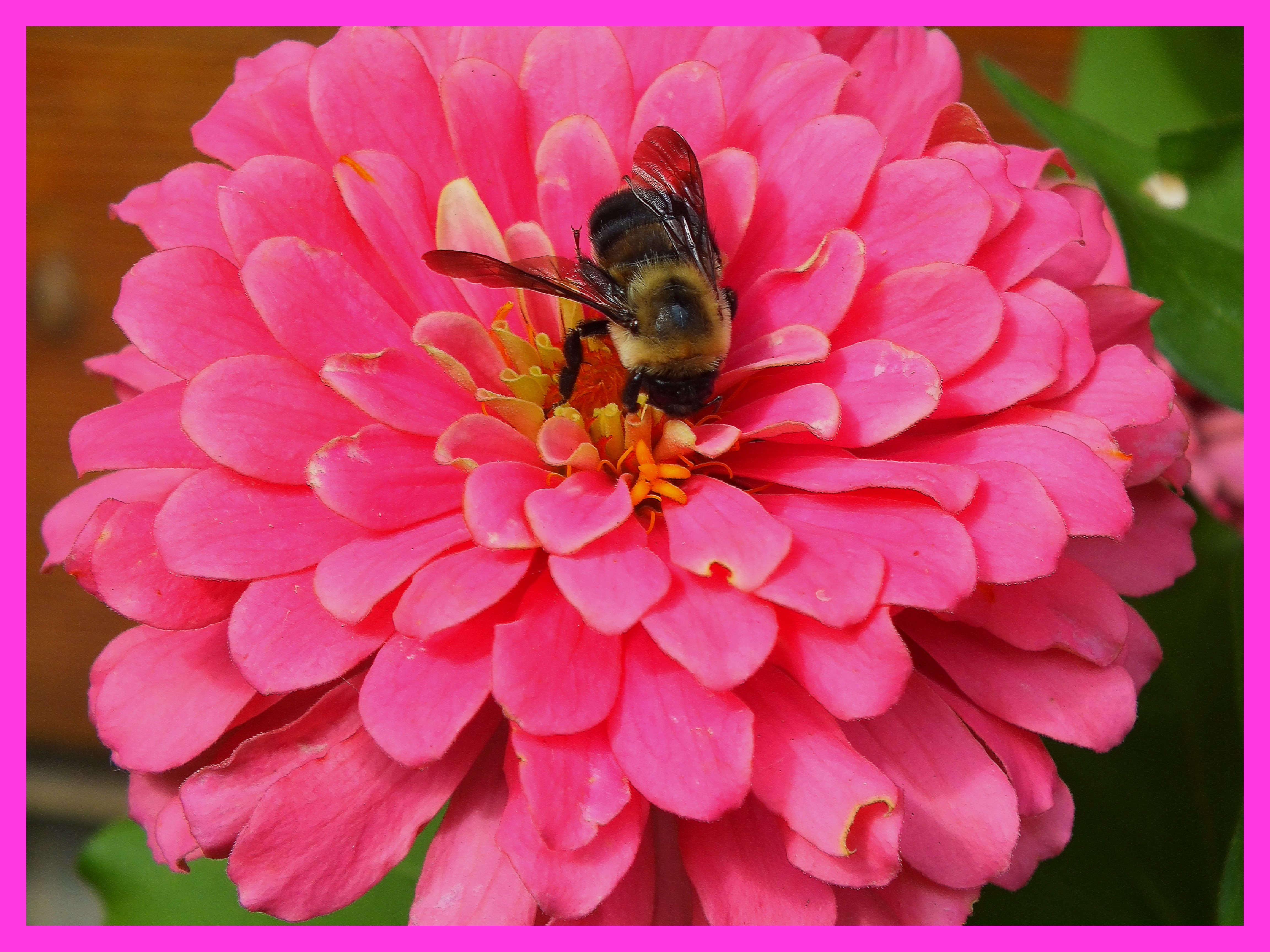
Courting the Flower (1). Photo by Thomas Peace c. 2015
 Tom's Nature-up-close Photography and Mindfulness Blog