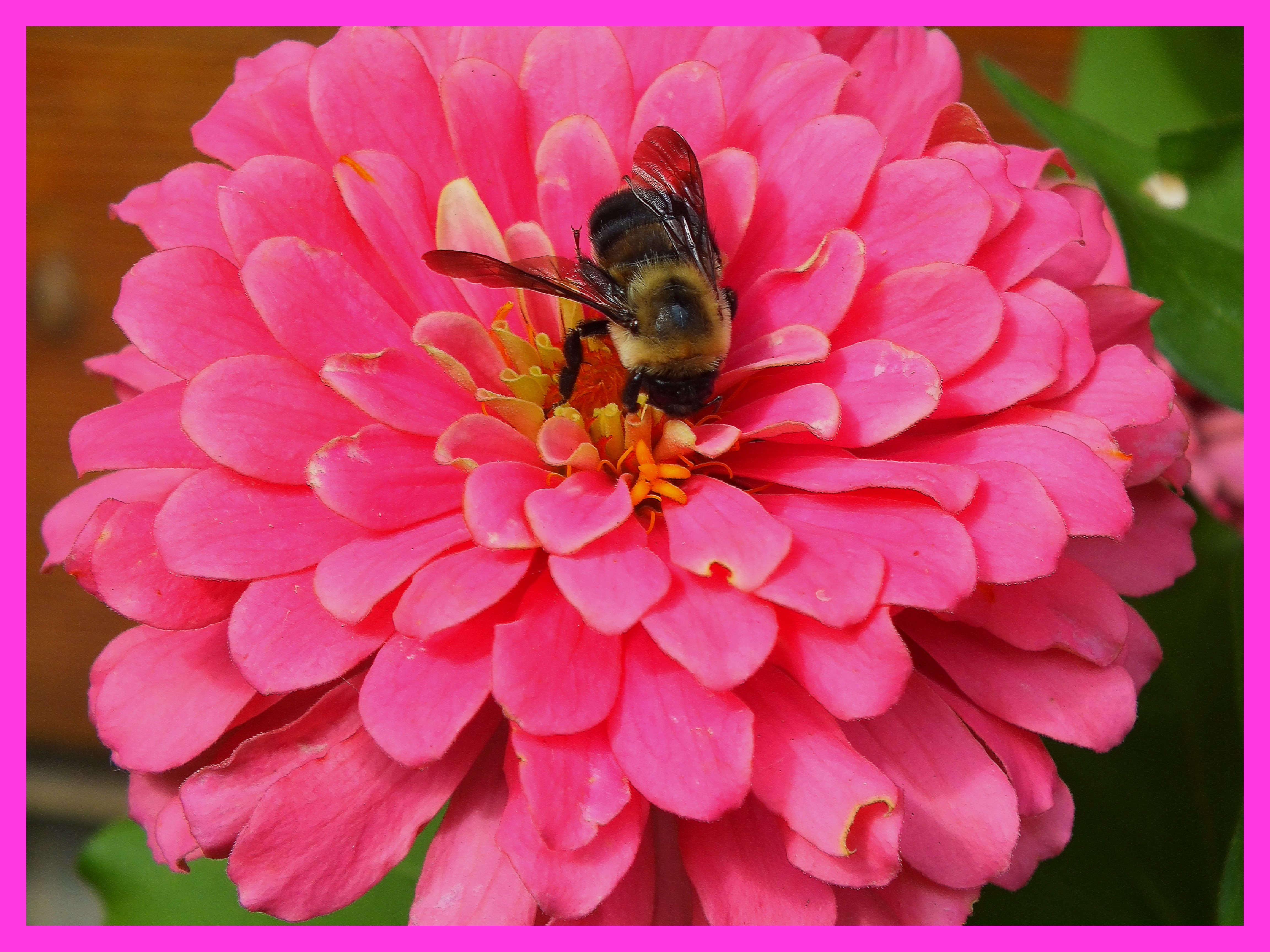
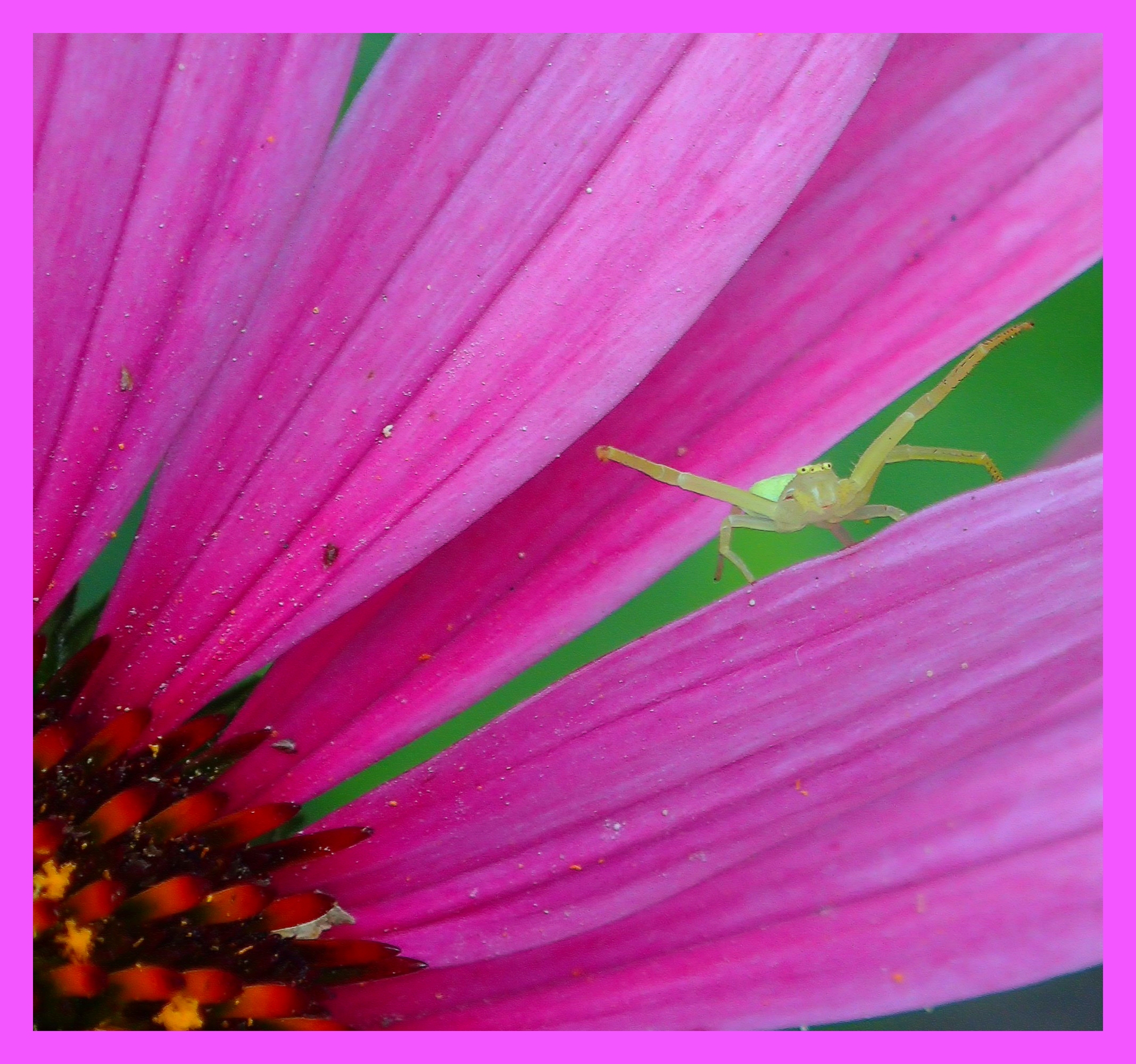
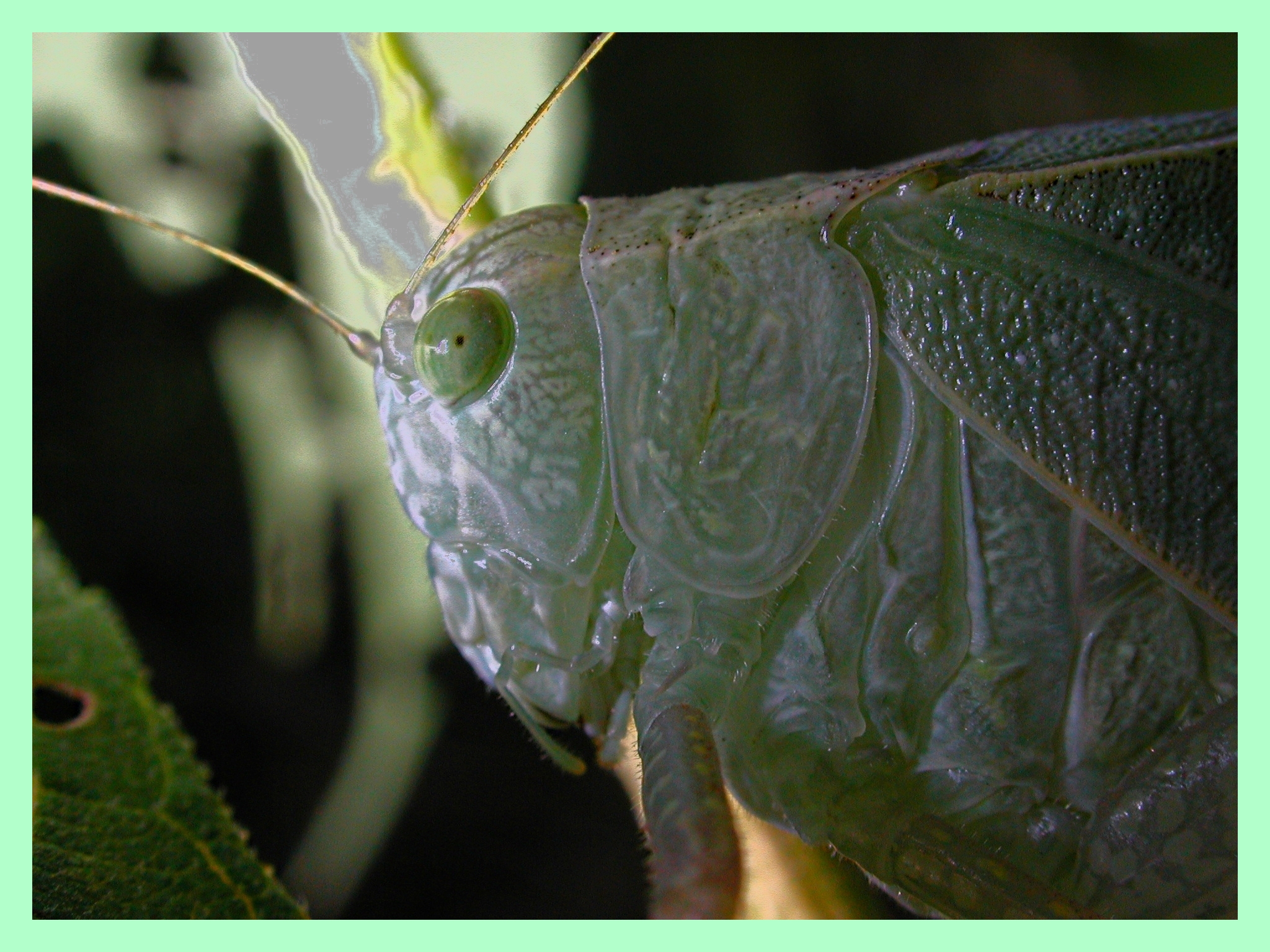
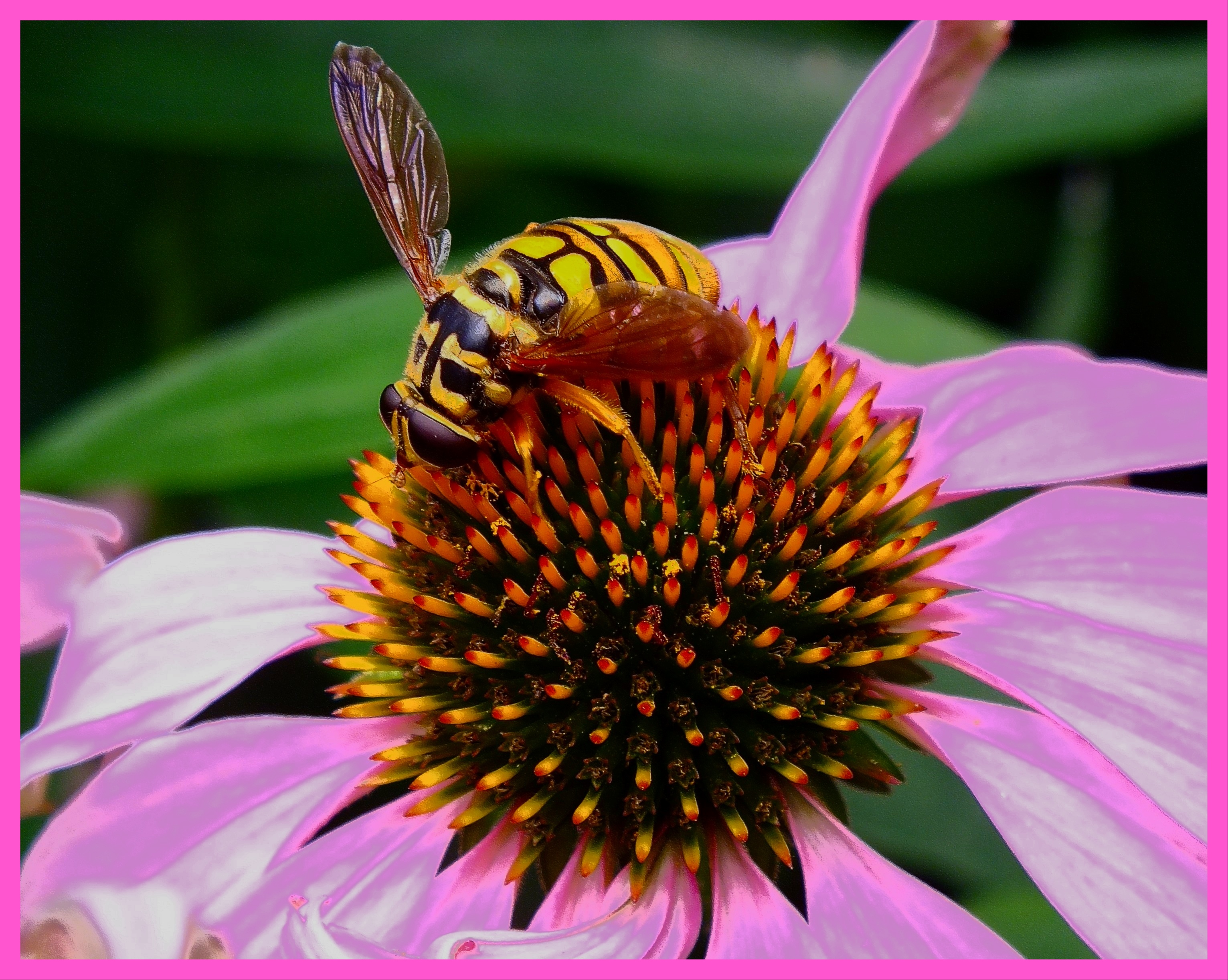
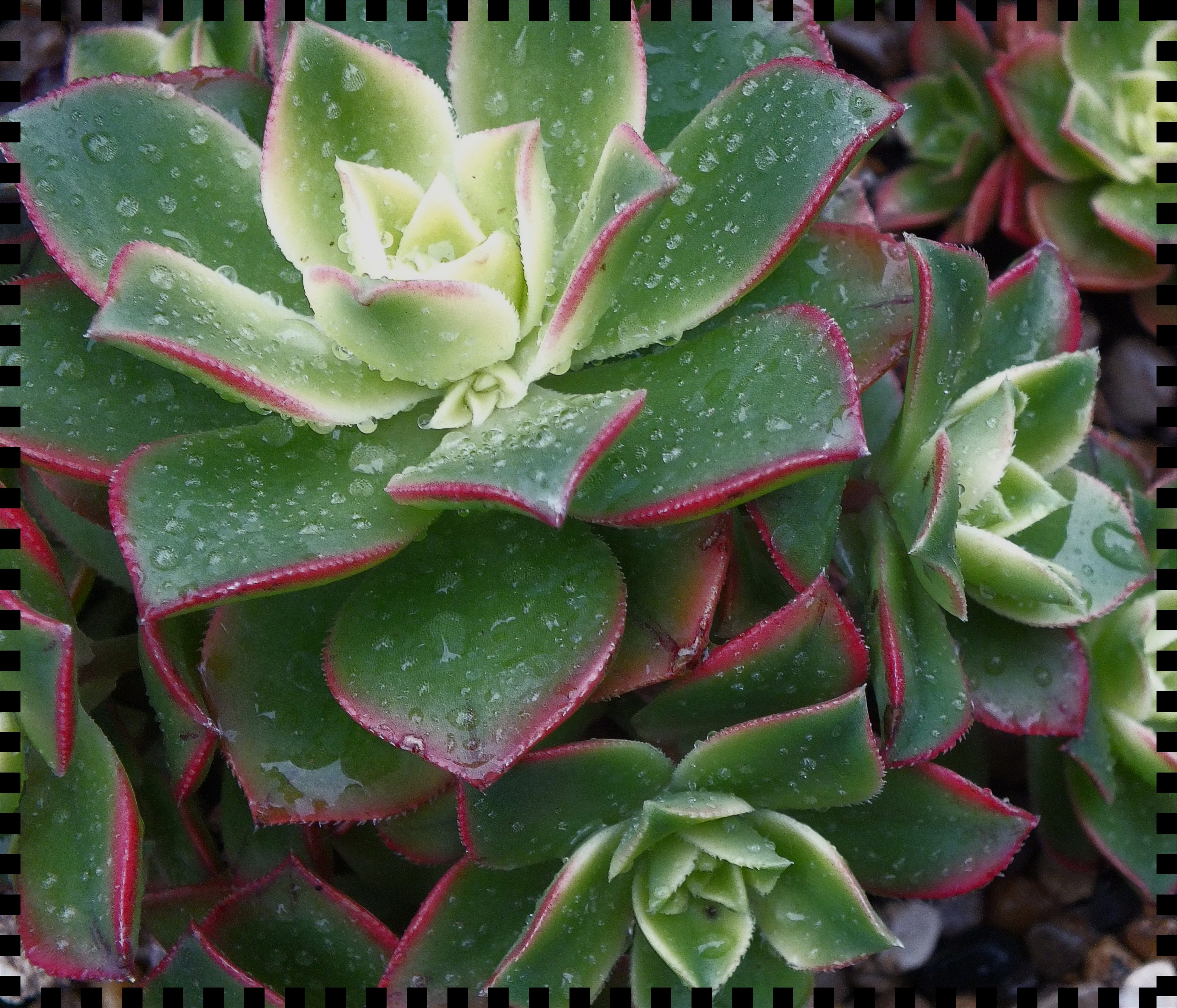
.
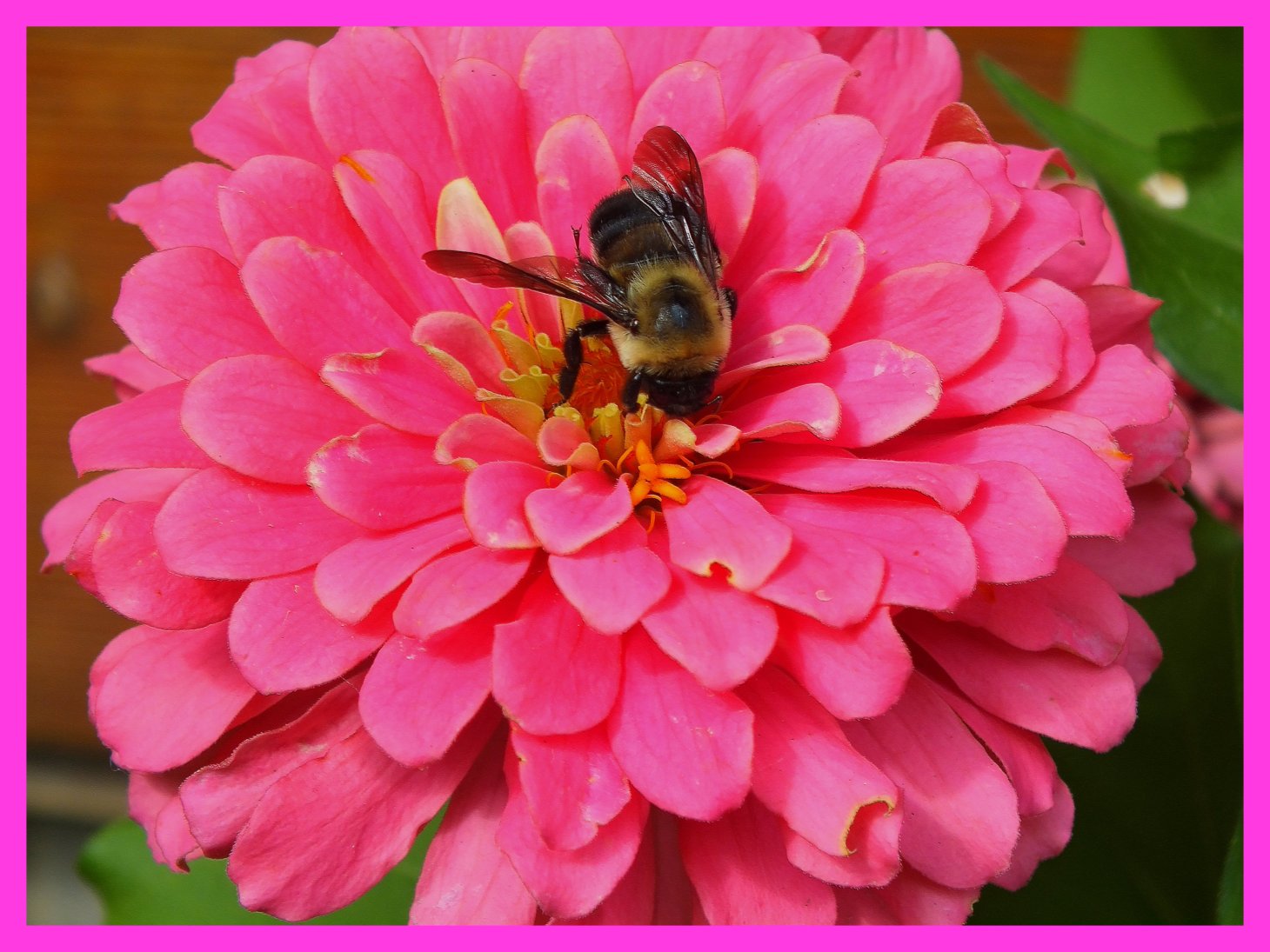
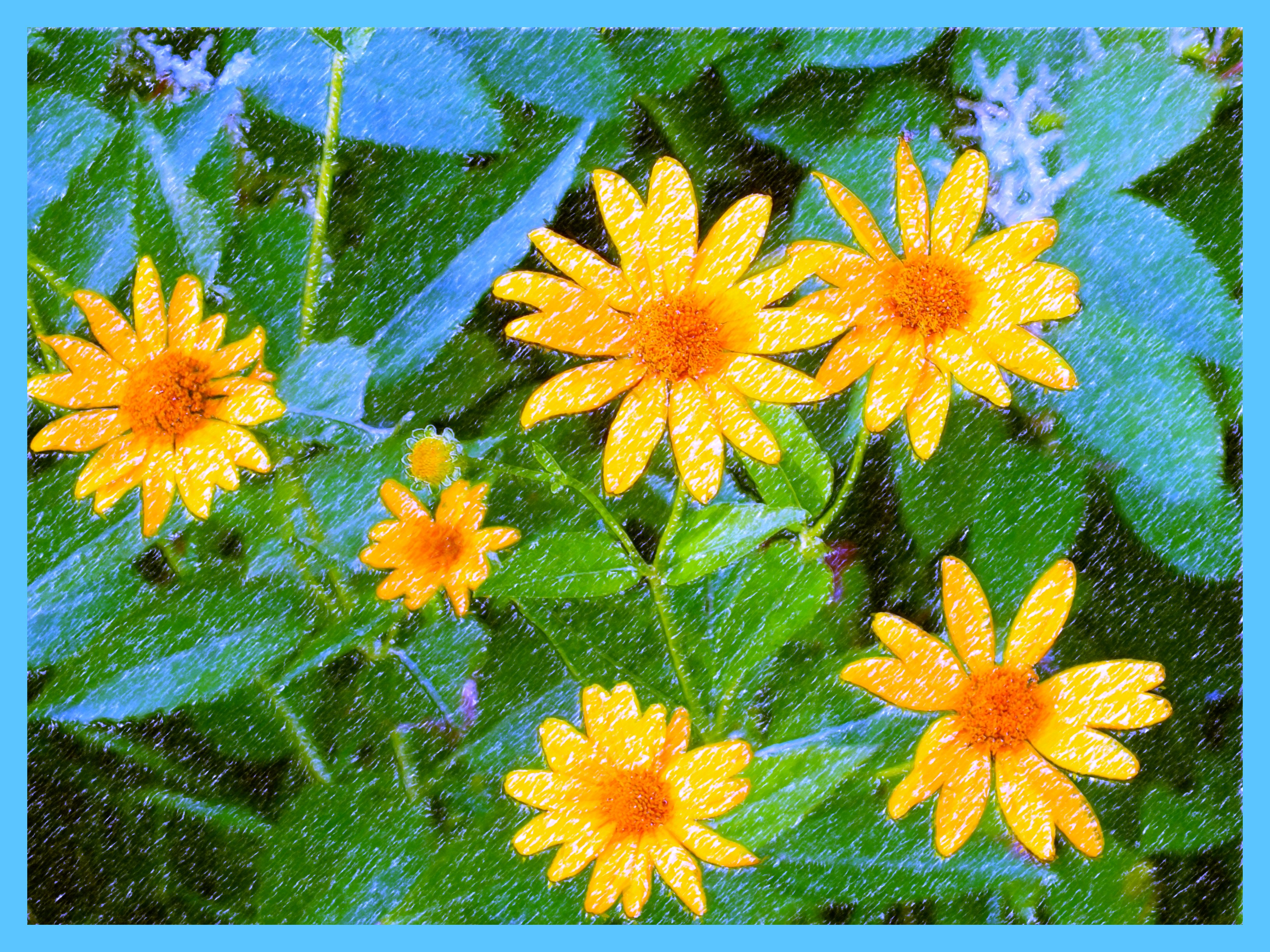
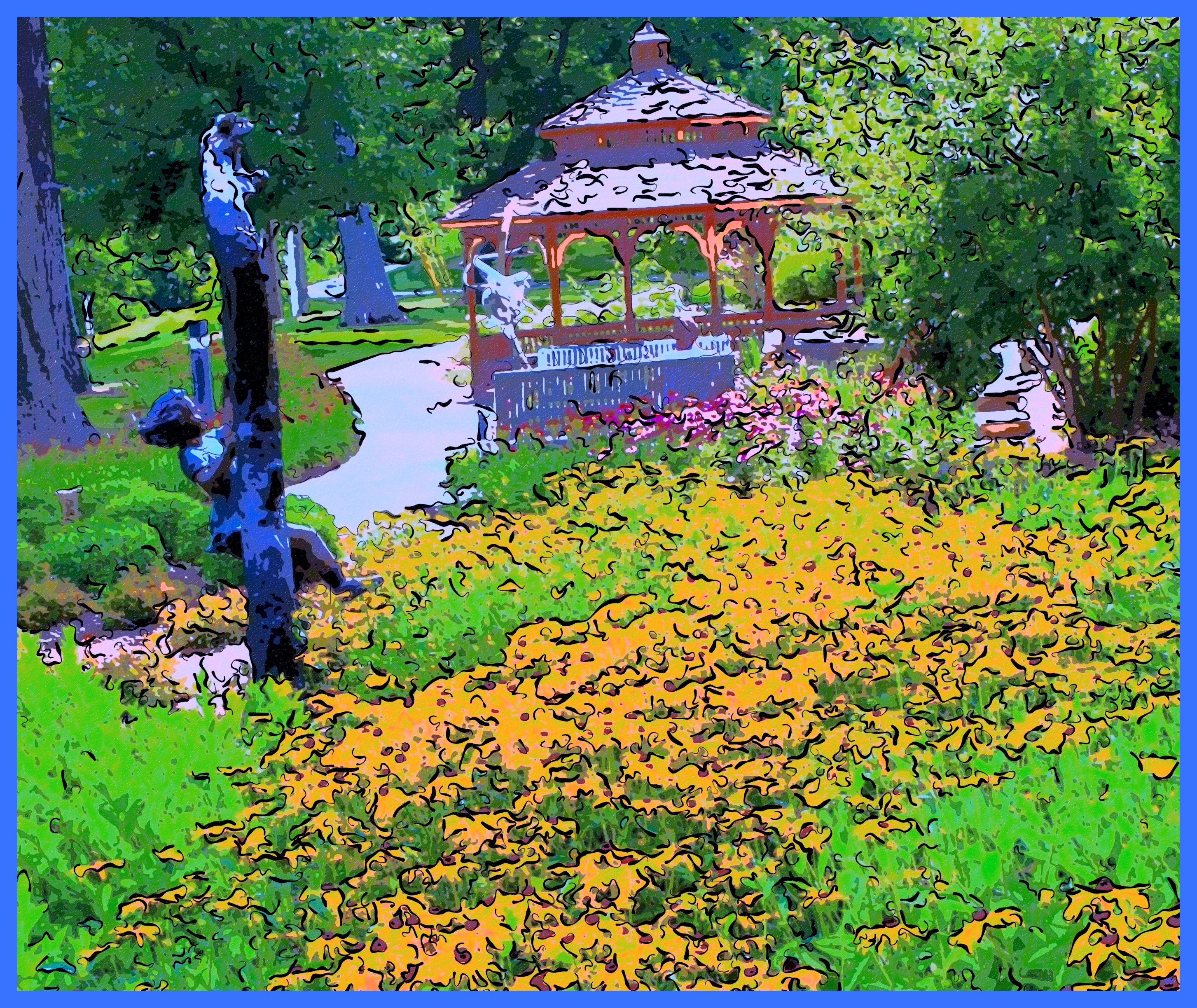
Ignorance often doesn’t recognize its own ignorance. Wisdom often goes unrecognized by those who have little wisdom. Many even indifferently pass by the beauty of flowers and nature. Be beyond that!
.
.
Time is space and space is time
Mountains take some time to climb
Space is time and time is space
It takes some time to wash your face
Washing in space is movement in time
The soap and the bubbles say they feel fine
The clock’s hands move in a confined, little space
Along with the hands that wash your face
The face of the clock washed away time
As moving hands took away hours of grime
Our hearts keep on ticking at a regular pace
As helping hands smile at our round, cleanly face
The hands of the clock in each stage and each term
Say its time to wake up, to feel, and to learn
The chronology of you is swinging in space
A minute of love is an occasion of grace
.
.
“I think I’m separate from what is seen,”
said the complacent, lazy man.
“You probably are,”
said the wise man.
“I think I’m separate from what I visit,”
said the complacent, lazy man.
“You probably are,”
said the wise man.
“I think I’m separate from what is heard,”
said the complacent, lazy man.
“You probably are,”
said the wise man.
“I think I’m separate from what I want,”
said the complacent, lazy man.
“You probably are,”
said the wise man.
“I think I’m separate from what I dream,”
said the complacent, lazy man.
“You probably are,”
said the wise man.
I think I’m separate from what I think,”
said the complacent, lazy man.
“You probably are,”
said the wise man.
“I think I’m separate from the earth and the animals,”
said the complacent, lazy man.
“You probably are,”
said the wise man.
“I think I’m separate from people and their well being,”
said the complacent, lazy man.
“You probably are,”
said the wise man.
“I think I’m separate from whom I rob,”
said the complacent, lazy man.
“Your separate ‘eye’ is probably illusory,”
said the wise man,
as he closed a door
between
himself
and his blind complacency.
.
.
One man, a complacent, indifferent man,
looked at life as if through a distorted, little peephole;
everything he saw was of limitation;
everything he saw was fragmentary and small.
Another man, a dynamic, caring man,
looked at life as if from a majestic, magical mountain;
everything he saw was from a panoramic, unbroken view;
everything he saw was connected, limitless, and extraordinarily special.
.
.
The crossing of the street
turned
and realized it was
the crossing of the street.
The flowing of the river
churned
and realized it was
the flowing of the river.
The oven being touched
burned
and realized it was
the oven being touched.
The aching of the heart
yearned
and realized it was
the aching of the heart.
The slavery to the job
earned
and realized it was
the slavery to the job.
The words of the poem
learned
and realized they were
the words of poem.
.
.
There was a comedian on television the other night… and she said: “It seems like everyone is online as a philosopher or spiritual adviser these days… telling you to ‘love everything as one,’ or to ‘be at one with nature,’ but then — at the office, at work — they characteristically act nasty, indifferent, and cold.”
There are endless volumes of material being put out on the internet, in books, and other media — by innumerable so-called “experts” — chock full of advice on spirituality, philosophy, meditation, and mindfulness… yet, essentially, only very, very few of the people conveying their endless tips and suggestions have experienced or gone through profound enlightenment whatsoever. Here’s the thing: A lot of blind people think that they’ve seen the light; but this “thinking” is not the actuality. There are a million ways to go wrong — though they may seem fine and dandy (and wonderful) — and many people take others with them through such ways.
.
From Stephen Crane: (This poem also occurs within my book.)
A learned man came to me once.
He said: “I know the way. –come.”
And I was overjoyed at this.
Together we hastened.
Soon, too soon, were we
Where my eyes were useless,
And I knew not the ways of my feet.
I clung to the hand of my friend;
But at last he cried: “I am lost.”
.
.
Personally, I don’t care to travel far — and photograph only locally — largely due to the fact that mostly fossil fueled vehicles are involved with the traveling… which is extremely bad for an already terribly abused planet.
.
.
she loves me
she loves me not
she loves me
she loves me not
she is me
she is me not
she is me
she is me not
images of her are me
images of her are me not
images of her are me
images of her are me not
Life wants us to rip up living flowers
Life wants us to rip up living flowers not
Life wants us to rip up living flowers
Life wants us to rip up living flowers not
Blossoming is me
Blossoming is me not
Blossoming is me
Blossoming is me not
.
.
This is what I wrote on Twitter:
Merely recognizing things as you were taught is looking through the implanted programming of others and is not profound perception.
This is what someone replied as a response, after they retweeted what I wrote:
We have to unlearn the old systems that are detrimental to us. Once we become aware, we perceive things differently.
This is how I replied:
This going beyond the old systems is not merely a process of time. If it is, it is merely a subtle extension of the old systems.
(The reason I wrote this is that if we use patterns and strategies to, hopefully, eventually evolve out the the old systems, we are — in effect — merely a continuance of the old systems. Though this may sound rather fanciful, it isn’t. Either it is done instantly, without time being a factor… or it is intrinsically merely an extension of the same, old systems and processes… all of which take — and “are” — time.)
.
.
True integrity is the honesty of perception; not being one thing… and then internally claiming (to yourself) to be something else; and it’s not pretense to others either! A truly mindful, wise being is unrelenting regarding seeing the actions that he or she is (precisely for what they are); in this, there are no lame excuses, cushioning rationalizations, or softening distortions. You are what you are at (and “as”) that moment in time… plain and simple… without all the extraneous deceit.
.
.
Add a New Post
Read an Old Rhyme
Break a Grecian Urn
Wind up what’s called Time
Glue the Urn together
Repeat the Same Song
Mend a Broken friendship
Stay Impassioned Long
.
.
something above the grass
stirs my very heart
butterflies and bees
are Life’s living art
some things in the woods
are my very soul
the animals,the trees,and i
are always very whole
.
.
between past
and future
is another realm
but few ever live there
they are too busy
thinking “as the past”:
about the future
or regarding the past
most think that
the past changes
into the future
but perhaps neither fundamentally changes
they may not change
because each the other ‘s
the only thing that really changes
is the undefinable,infinite now
.
.
The wise mind goes beyond constant symbolic thinking. It does not — therefore — necessarily need to always be recognizing things as it was taught. Constant recognition involves constant thought, mental labeling, categorization, and residual attribute manipulation. Constant recognition is a form of reacting; and reacting is second-hand and is not essentially original.
.
.
Ideals cause conflict and friction in the mind. Existing without them and without conflict is true intelligence. Instead of having (and “being”) mere ideals… observe what is taking place from moment to moment (without the conflict that occurs between the “ideal” and the “actuality”… or the conflict that occurs between “fantasized images of the watcher” and the “watched”) and let understanding and learning (beyond conflict) flower. Ideals cause friction between “what you actually are” and what “you wish to be.” Profound understanding trumps ideals every time! When you clearly understand that a certain snake is venomous and extremely poisonous, you naturally avoid getting bitten; you don’t need an ideal about not kissing that snake; intelligence and understanding naturally have you act with (and “as”) caution (beyond lame, fabricated ideals).
.
.
Though our situation may seem rather unlucky now and then… be appreciative for what you have (or who you are with) and are. We are very lucky to have gotten to this point in (and “as”) time and space, whomever we are.
.
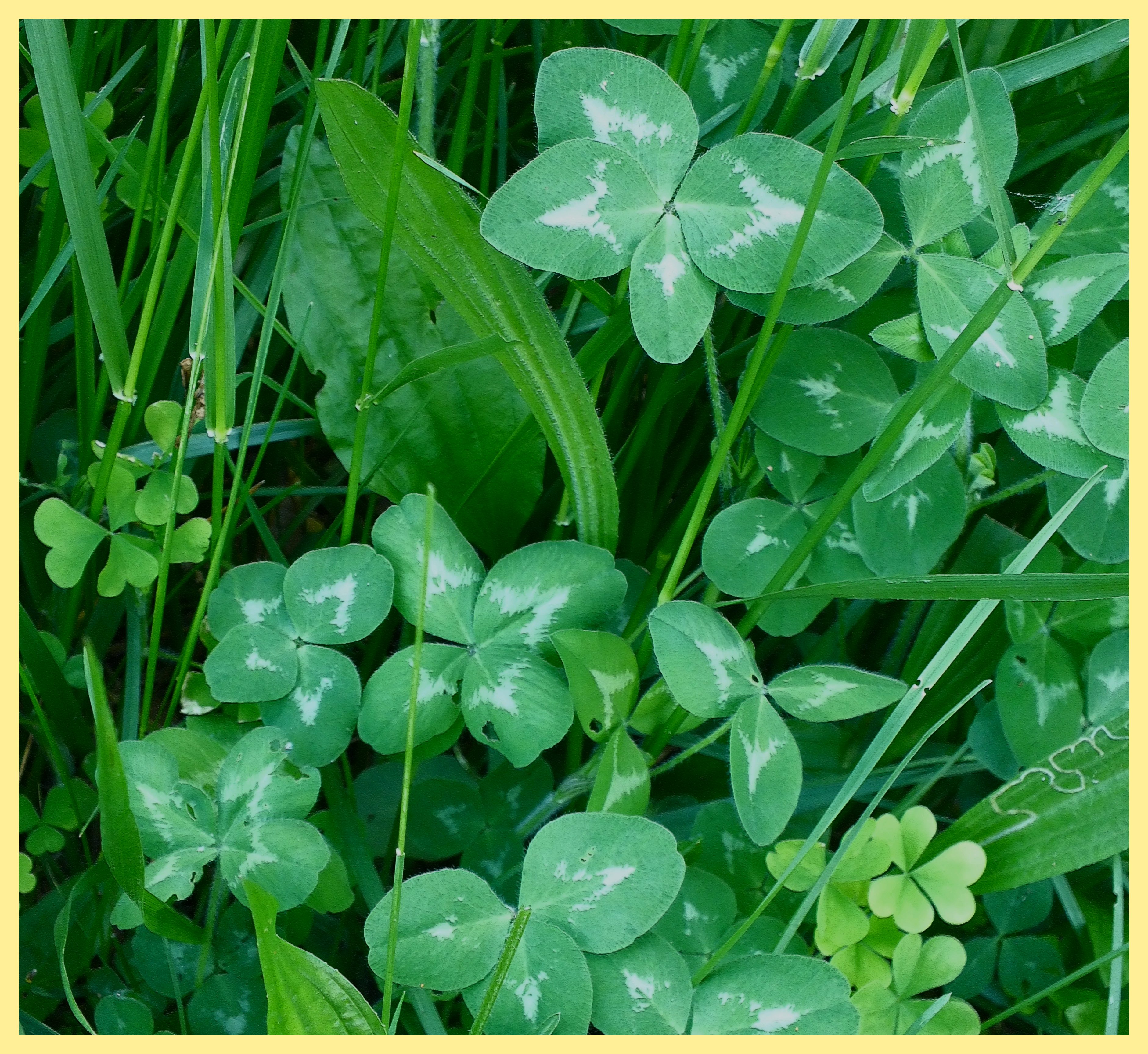
“I’m Looking Over A Four Leaf Clover”
(originally by Art Mooney)
I’m looking over a four leaf clover
I overlooked before
One leaf is sunshine, the second is rain
Third is the roses that grow in the lane
No need explaining
The one remaining is somebody I adore
I’m looking over a four leaf clover
I overlooked before
I’m looking over a four leaf clover
I overlooked before
One leaf is sunshine, the second is rain
Third is the roses that grow in the lane
No need explaining
The one remaining is somebody I adore
I’m looking over a four leaf clover
I overlooked before
I’m looking over a four leaf clover
I overlooked before
One leaf is sunshine, the second is rain
Third is the roses that grow in the lane
No need explaining
The one remaining is somebody I adore
I’m looking over a four leaf clover
I overlooked before
I overlooked before
I overlooked before
.
To a truly wise mind, many supposedly tantalizing sensations are often — though not always — rather trivial and unnecessary… because a truly wise mind is fully content in itself, not needing extraneous stimuli to (eventually) make it happy. It is only a very empty cup that constantly craves being filled…
.
.
There was an after
which occurred
following a before
which occurred
as a now
and then
a movement contemplated
itself before
and after
someone else did
not care
two pins
about
the distance
involving
pastandfuture
as well as
the distance
involving
themandus
.
.
Deep mysteries can be understood if one goes beyond the superficial and accepted ways of seeing.
.
Excerpt from Emily Dickinson’s first poem — Valentine Week 1850:
****Awake ye muses nine, sing me a strain divine,
Unwind the solemn twine, and tie my Valentine! ****
Oh the Earth was made for lovers, for damsel, and hopeless swain,
For sighing, and gentle whispering, and unity made of twain.
All things do go a courting, in earth, or sea, or air,
God hath made nothing single but thee in His world so fair!
The bride, and then the bridegroom, the two, and then the one,
Adam, and Eve, his consort, the moon, and then the sun;
The life doth prove the precept, who obey shall happy be,
Who will not serve the sovereign, be hanged on fatal tree.
The high do seek the lowly, the great do seek the small,
None cannot find who seeketh, on this terrestrial ball;
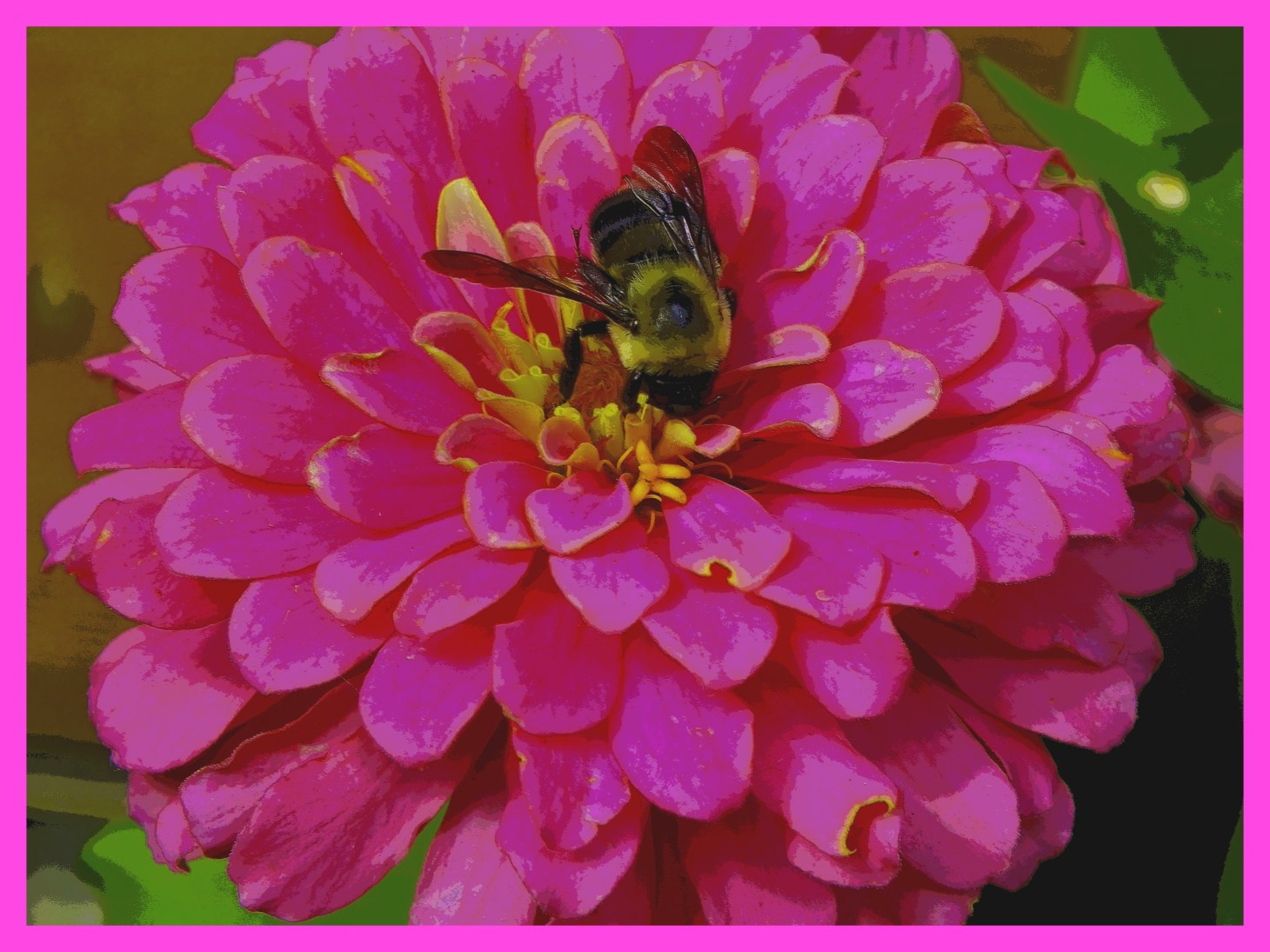
The bee doth court the flower, the flower his suit receives,
And they make merry wedding, whose guests are hundred leaves;
The wind doth woo the branches, the branches they are won,
And the father fond demandeth the maiden for his son.
The storm doth walk the seashore humming a mournful tune,
The wave with eye so pensive, looketh to see the moon,
Their spirits meet together, they make their solemn vows,
No more he singeth mournful, her sadness she doth lose.
The worm doth woo the mortal, death claims a living bride,
Night unto day is married, morn unto eventide;
Earth is a merry damsel, and heaven a knight so true,
And Earth is quite coquettish, and beseemeth in vain to sue.
Now to the application, to the reading of the roll,
To bringing thee to justice, and marshalling thy soul:
Thou art a human solo, a being cold, and lone,
Wilt have no kind companion, thou reap’st what thou hast sown.
Hast never silent hours, and minutes all too long,
And a deal of sad reflection, and wailing instead of song?
There’s Sarah, and Eliza, and Emeline so fair,
And Harriet, and Susan, and she with curling hair!
Thine eyes are sadly blinded, but yet thou mayest see
Six true, and comely maidens sitting upon the tree;
Approach that tree with caution, then up it boldly climb,
And seize the one thou lovest, nor care for space, or time!
.
Occasionally dying (without effort or methodology) — psychologically — to thinking… is harmless, bright, and intelligent. Constantly, mechanically, habitually reacting as mere symbolic thoughts is rather cadaverous and is the equivalent to clinging to superficial shadows.
.
(In Socrates’ parable of the Cave — within Plato’s Republic — people were born in a cave, and they were fettered with chains… and forced to merely see and learn the details about shadows cast on the cave walls from puppets and a fire that they didn’t see behind them. One of them was taken — at one point, by force — first to see the fire… and then out of the cave into the true light of day… into a truer reality; then he came back down into the cave with the others. When he — the man who returned back — pleaded with them to look beyond the shadows, they called him a fool, and continued giving prizes to those who could best guess which shadows came before or after. Such is life.)
.
There are innumerable charlatans out there — claiming all kinds of ludicrous things — so take the following with a grain of salt. Don’t believe anything; find out for yourself.
A being who truly experiences enlightenment is someone who is visited by that immeasurable, holistic energy which, if anyone would be filled and visited by it, would make one feel a trillion times more alive than what occurs as regular consciousness; and one so visited would feel the undeniable, sacred quality of that indescribable, eternal energy. Thoughts (being symbols) are always “about” energy; they are virtual (in a big way), are symbolic representations, and are never the actual energy. (If one continues to crave enlightenment — turning it into a mere desire — it will never happen. Just be open, orderly, and passionate about life, and it may happen.)
.
.
Flowing movements(callingthemselvespeople)
see these actionsmovements(here)unfoldinglymove
and label it as me a nounstuckrocklikewithinagroove
Evolving observings streaming
and there’s a thinking that
themselves are firmandfixed
There’s metamorphosis movingbursting
here within and all around call
but learned chrylalis concentrated separations
continue to divide pigeonhole label and
stiffen cement and densify all
.
.
When thinking is absent… the “thinker” is not. Going beyond the thinker and thought — which are both one and the same — is a psychological dying. However, this dying makes way for a new field of living and awareness (that is vast, profound, alive, compassionate, and insightful). When thinking does occur — and it is often very necessary — there is no need to conceive of a “thinker” separate from thought; doing so creates more fragmentation and is a waste of energy. Not wasting energy is intelligent and very prudent. To understand the whole, there cannot be mere fragmentation and a waste of energy. When energy is not wasted there is that possibility that the whole of intelligence and universal order will manifest. Only in complete order is there a possibility for the sacred to visit. It cannot — and never will — merge with what is fragmentary and of conflict (which is what all thought and thinking intrinsically is).
.
.
Breaking News:
Scientists — those fellows who are ever so clever — say that the universe is spiraling and expanding… and we have found concrete evidence of that (as illustrated in the accompanying photographs). The new, solid evidence supports the theory that the universe — at its current degree of expansion — is optimally suited for supporting life.
😉
.
New, hard evidence:
.
Psychologically speaking (without fictitious, crass separation):
In seeing… the see-er is the scene; in hearing… the hearer is the heard; in learning… the learner is the learned; in driving… the driver is the driven; in thinking… the thinker is the thought; in reading (this)… the reader is the read.
.
.
Many have assumptions that the “I” is the central controller of thinking; but, the “I” is actually another one of the conditioned thoughts. Not fully realizing that causes all kinds of illusion, fragmentation, mischief, and needless conflict. One thought — even though it purports to be central — does not, in reality, truly govern, dominate, or keep “other” thoughts in subservience. Profound wisdom and intelligence goes beyond that needless falsity and is then composed of magnificent order that is far more parallel with that of the true, overall order of the universe.
.
.
Profound truth and what is sacred and timeless cannot ever be found second-hand, nor by clutching to patterns; that is why it cannot be discovered by clinging to another’s authority — neither religious, political, social, nor a (learned, though essentially illusory) central ego’s authority — but only directly, effortlessly, spontaneously. That is one reason why — for so many — it is so very elusive.
.
.
Give a dog to a bone
give a flower to some water
give a child to a hug
give a reader to the blog
give a charity to some dollars
give the question to the answer
give the itch to the scratch
give the darkness to some light
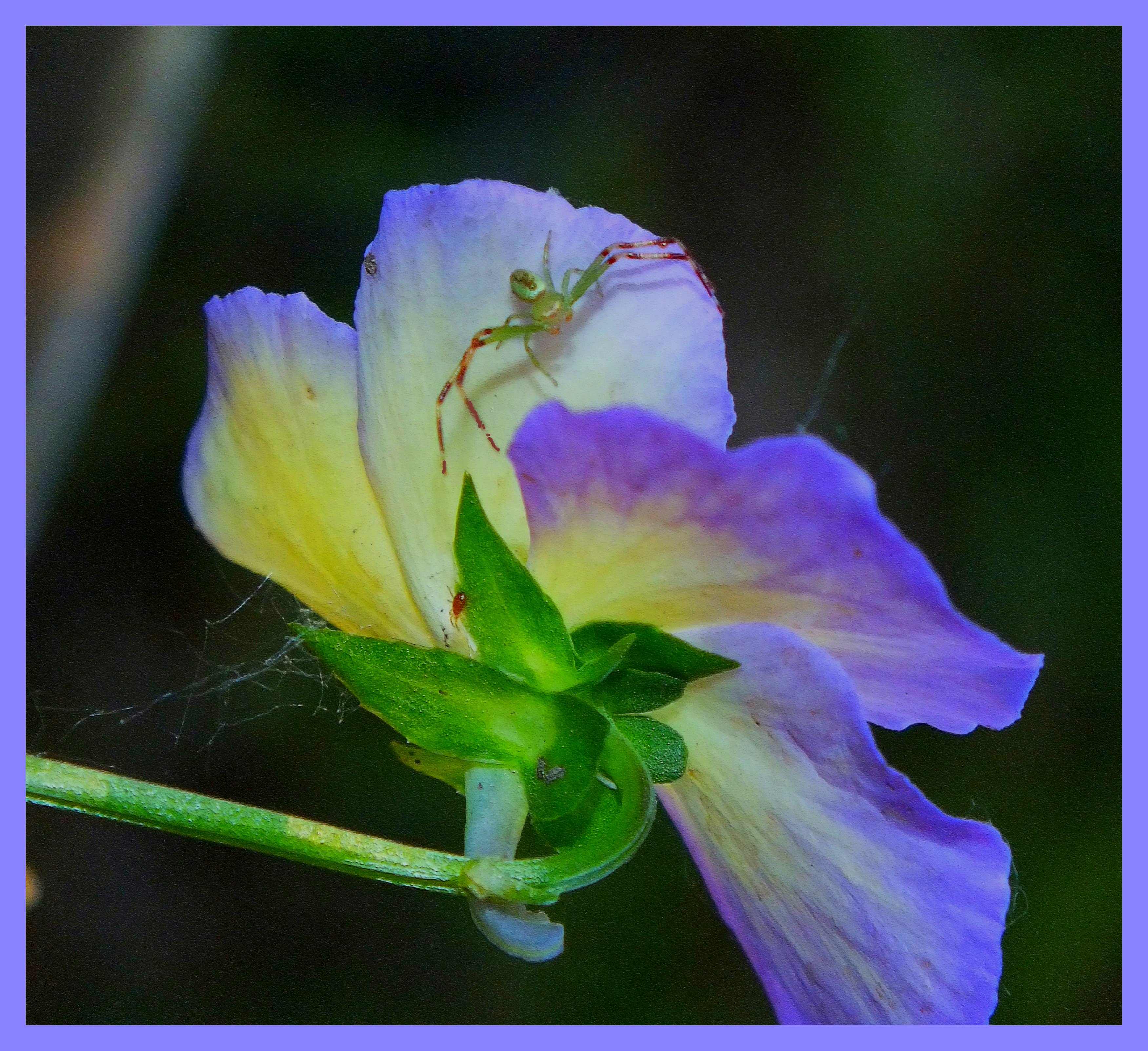
give some spider to a color
give the world to yourself!
.
.
What is belief? Is it necessary in terms of understanding the whole, or is it something that is not very intelligent? In terms of religion, there are many who believe in their various Gods, and these beliefs — unquestionably — have a lot to do with what was handed down to them from others. Each one has his or her own inherited beliefs. So many (each) think that their God is best, that their country is best. Beliefs tend to divide people. Many wars have been fought over, and about, firm beliefs. One wonders — when beliefs have caused so much havoc and conflict in the world — why we still desperately cling to them.
In terms of spirituality, as was suggested, there are many who believe in their own particular God. Atheists believe that there is no God; they say that God doesn’t exist. Please don’t go off and get overly upset about this… but if one’s images of one’s God are composed of learned concepts and if one’s ideas that there is no God are constituted of concepts… then — in a fundamental way — there really is no big difference between ardent religious believers and atheists; they are both filled with their own particular, absorbed concepts.
To really (passionately) inquire — beyond all this vast array of disagreeing and conflicting beliefs — is something totally different. Then handed-down concepts or absorbed abstractions and procedures don’t influence and hinder one’s perception. Someone beyond these is truly open (and not contaminated by some process or conclusion). If you are on a quest to really find out the true nature of the whole of everything, will you follow someone’s technique, religious process, or anti-religious process… “map” of how to get there? If you follow their methodology, that means that you strongly suspect or “believe” that they hold the answer… the “special map.” However, if you aren’t truly aware of the answer, how could you possibly accurately know, or believe, that they have the answer?
Simply inquiring and perceiving, without an accumulated procedure (involving time), and learning about one’s self — without belief — without dependence on anyone’s system, or tradition, or “special map”… is not merely another belief. Belief (including following the methodology of others) takes time; it’s the residual result of an accumulated, residual process. Immediate perception (not clouded by learned beliefs or concepts), and insight concerning the self and/or deep truth, may not be (or be part of) an accumulative process whatsoever; time essentially has nothing to do with it. You know, when you actually see the sun, you don’t have to believe in it. There are billions habitually walking around with (and “as”) accumulated symbols, patterns, and images… learned from others over time. People love symbols; they are mesmerized by symbols, and most people are “thinking,” by way of mental symbols (which are what thoughts are), nearly all of the time. But the word “sun” isn’t the sun. Accepting symbolic beliefs, images, and concepts as the primary basis of your existence may not (unfortunately) be deeply intelligent, and it may lead to more conflict in the world; it may be like clinging to dark, cloud-like, second-hand, empty shadows (that never allow one to truly see the light). One can be open and beyond all that; few ever do it.
.
.
Depending on recreational drugs means one left one’s inner integrity and happiness for others’ merchandise; doing so leaves one fragmented, twisted, and distorted (and not in the “good” way). I just read about how Montana’s drug problem is skyrocketing out of control… causing devastating results for the state and acting to ruin the economy in many areas. Needless to say, this is also occurring all across the U.S. Life can be extremely tough for most everyone in this day and age, and drugs are an escape. It takes great courage not to escape; it also takes intelligence. Recreational drugs distort the mind… and a mind that is distorted easily makes excuses, easily allows itself to fall into deeper and deeper distortion. Prescription drugs are being abused more and more; and, of course, it’s even easier to rationalize the over-usage of those. In some states, marijuana is being issued as a prescription drug; no doubt many are using it who have no substantial ailment. In India, there are people who take hashish frequently — which contains THC, just like pot does here — and when they die, autopsies reveal that their brains are shrunken, just like with the brains of alcoholics.
Multitudes are addicted to many things which become their drugs… junk foods, cigarettes, alcohol, video games, etc. It’s so easy to depend on crutches, on habits… and on things that others sell to us, saying that it will alter our minds to be “happier.” However, the mind can only be lastingly happy, joyous, and blissful without habitually depending on drugs and substances that allegedly “make” you happy (temporarily); temporary (and distorted) is always a fragmentary, darkly limited thing. Lasting joy must come from within, wherein one is a light to oneself. Beyond dependency, that light is not of distortion.
Excerpts from the unrightfully rejected ancient Gospel of Thomas, which also occur in my “Eternal Fountain of Youth” book (with permission from the Biblical scholar-translators):
Jesus said: “Show me the stone that the builders rejected: That is the cornerstone.”
Jesus said: … “I found all of them all drunk; I found none of them thirsty. And my soul became afflicted for the sons of men, because they are blind in their hearts and do not have sight; for empty they came into the world, and empty too they seek to leave the world. But for the moment they are intoxicated. When they shake off their wine, then they will repent.”
“If one is (whole), one will be filled with light, but if one is divided, one will be filled with darkness.”
.
.
When sensation occurs, the mind reacts according to memory and usually categorizes or “maps” that particular sensation. It is all well and good to do that… but just don’t do it habitually, as most people, unfortunately, do. One can often just be intensely aware — without merely categorizing and labeling (and looking through and from those labels) — so that the mind is not dependent on a mere process of reacting. Merely reacting sets up the mind to be rather mechanical and robotic… and that tends to create a mental environment wherein it is much easier to get bored, get depressed, seek more, or feel in a rut. Profound insight is a living phenomenon beyond the extension of sensation via categorizing or craving; it is something majestically beyond stale reaction. In profound insight, something new occurs to you; it comes to you, not from you; it’s not merely a re-fabricated reaction… a rehashed exercise of the brain.
.
.
There’s an indelible energy — beyond our fragmented world — that is boundless, whole, of a supreme order, and is what can be called sacred (though it’s beyond definition). Can it visit one? Yes… it can visit… but only if one’s mind is rather boundless, whole, and of a supreme order.
.