.
.
.
.
. God does not cost money; God is free; middlemen, between you and the sacred… are a greedy fallacy. Go beyond fallacies.
.
.
.
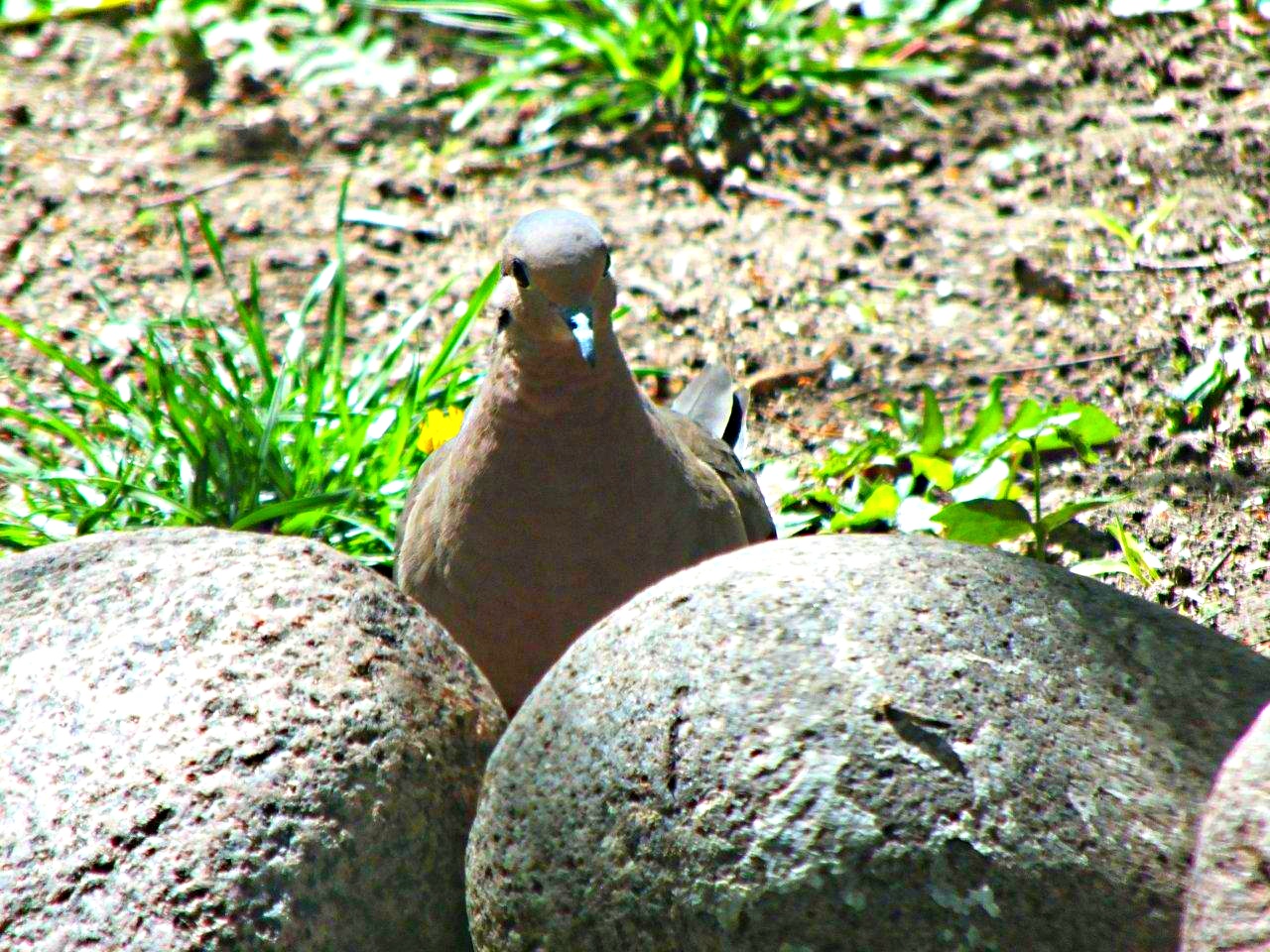
Morning Dove Quote: “Either I shrank, or my eggs just got a whole lot larger!”… by Thomas Peace 2013
.
.
.
.
. God does not cost money; God is free; middlemen, between you and the sacred… are a greedy fallacy. Go beyond fallacies.
.
.
.
Morning Dove Quote: “Either I shrank, or my eggs just got a whole lot larger!”… by Thomas Peace 2013
.
.
.
.
. Though this might seem a bit odd, it isn’t: Only by clinging to learned and inherited psychological barriers does one (ignorantly) keep oneself in the very limited (barren and ordinary) domain of sequential time; sequential time depends upon limited space and boundaries of confinement. By natural law, a limited, self-centered ego must seem to fabricate a fallacious barrier (around itself) consisting of (circumscribed) limited space. Limited space necessitates limited time. An apparent limited space cannot be measured or experienced, unless limited time is involved.
.
.
.

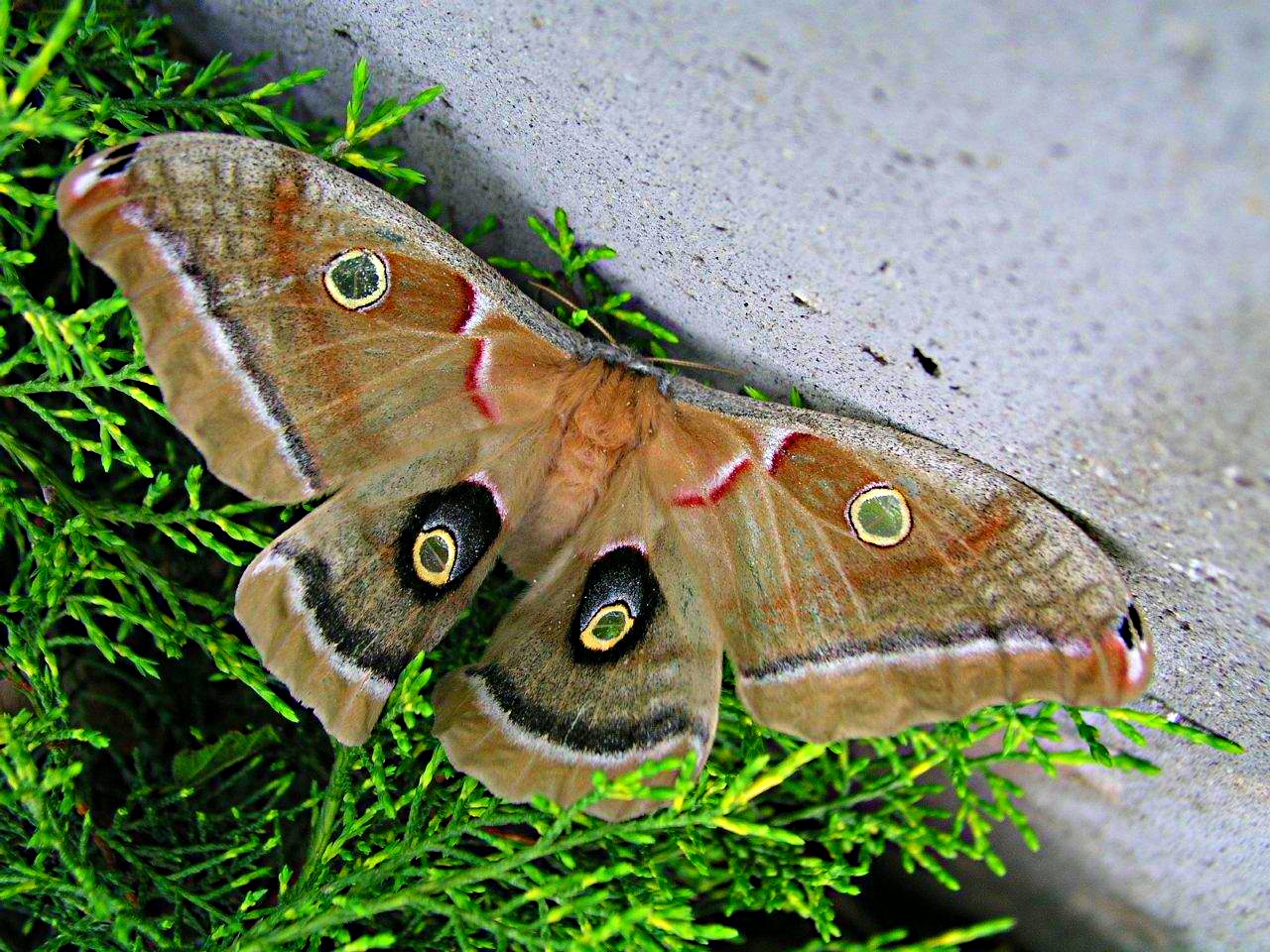
Physical not psychological barrier… by Thomas Peace 2013

.
.
.
.
. True peace comes (blossoming) when our divisions and separations end and global compassion begins.
.
.
.

True togetherness… by Thomas Peace 2013
.
.
.
.
. Only a brain trained to exclusively look through the monotony of inner mental filters (composed of images/representative symbols) perceives things in a dull or tedious routine.
.
.
.
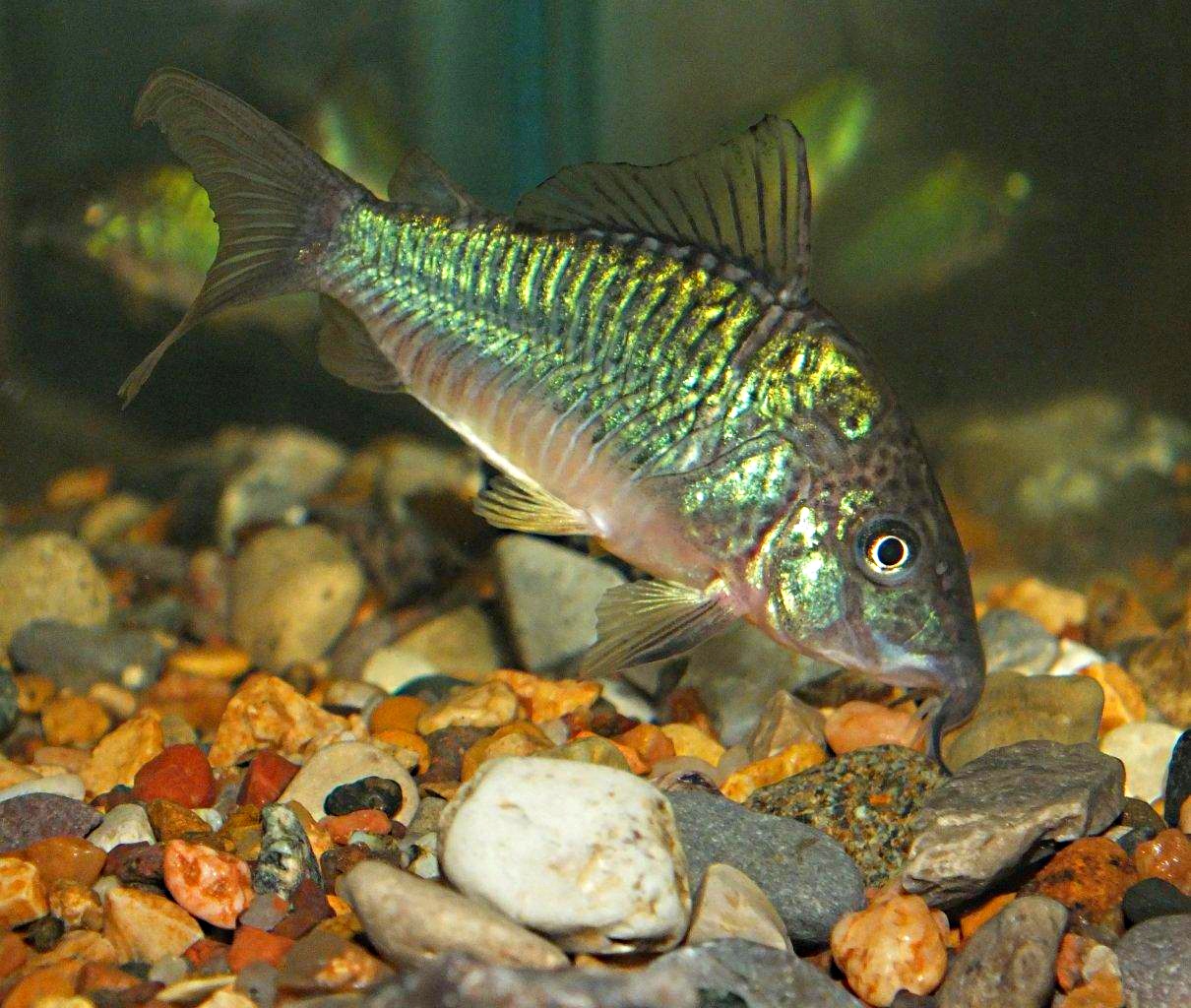
. [The following are photos of one of our Emerald Catfish (that we’ve had for many years); they can live to be 18 years or older in captivity. They move their eyes in a peculiar way… as if they are winking at you! They sometimes rise to the surface to gulp down air; their intestines are riddled with many capillaries that absorb oxygen. They are aptly named! They are very comical in the way they behave!]

Emerald Catfish (1) by Thomas Peace 2013


.
.
.
.
. Many people, during these splendid days in the month of May, have orderly, pristine, dandelion-free, flawless front yards… while their minds are disorderly, indifferent, full of rubbish and cluttered.
.
.
.

Unadulterated territory… by Thomas Peace 2013

.
.
.
.
. Though the truly sacred exists, it may very well be that we (in our primeval ways) cannot correctly blame God for what goes on (in a harmful, disorderly fashion) in this universe… because it may be that our universe is manifest of energy as part of a multiplex of universes that were never created (and cannot be destroyed).
.
.
.
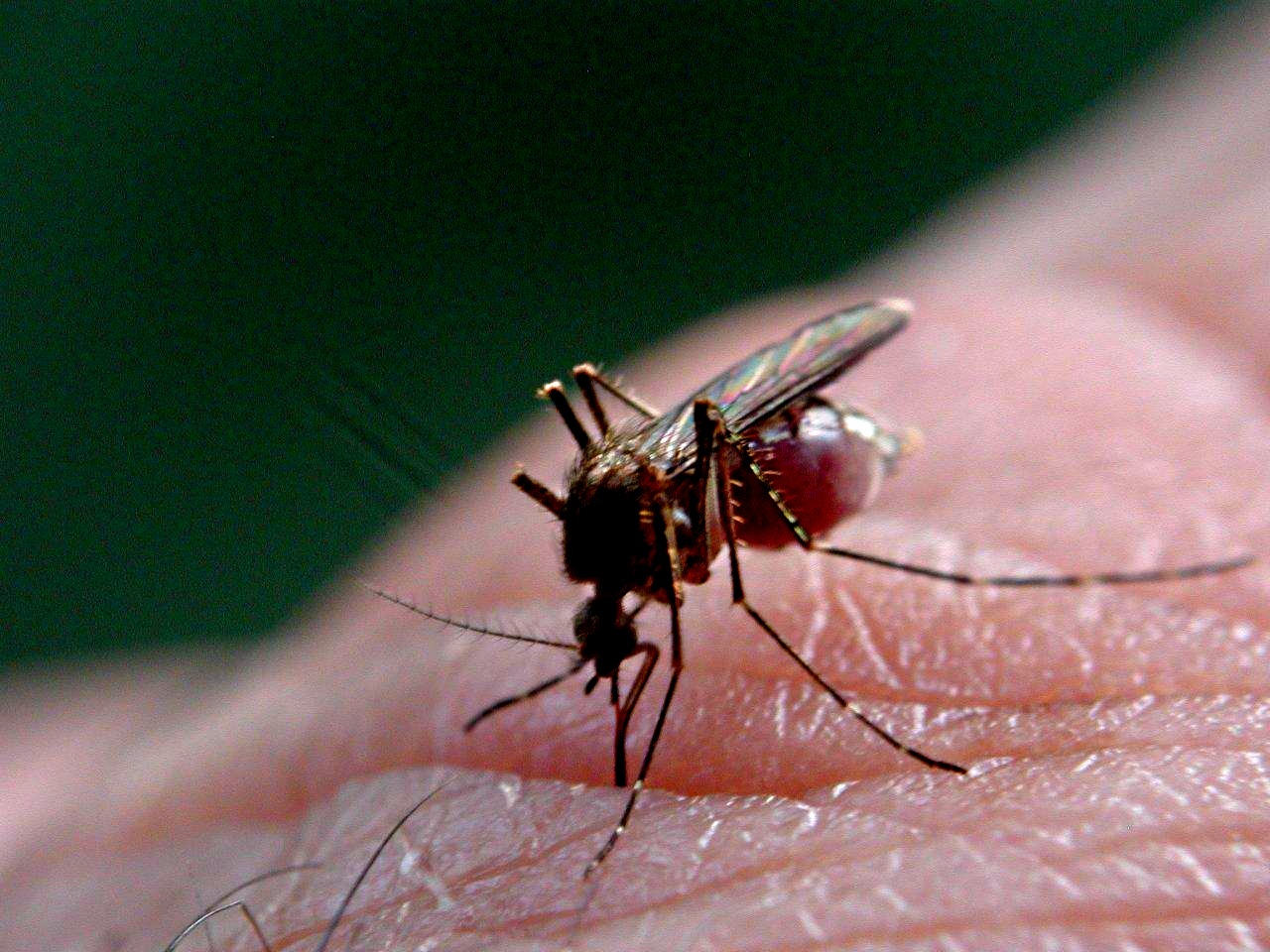
Another blood sucking politician… by Thomas Peace 2013

.
.
.
.
. These fine spring days, do not look at the splendid beauty with images that are rather dead and second-hand.
.
.
.
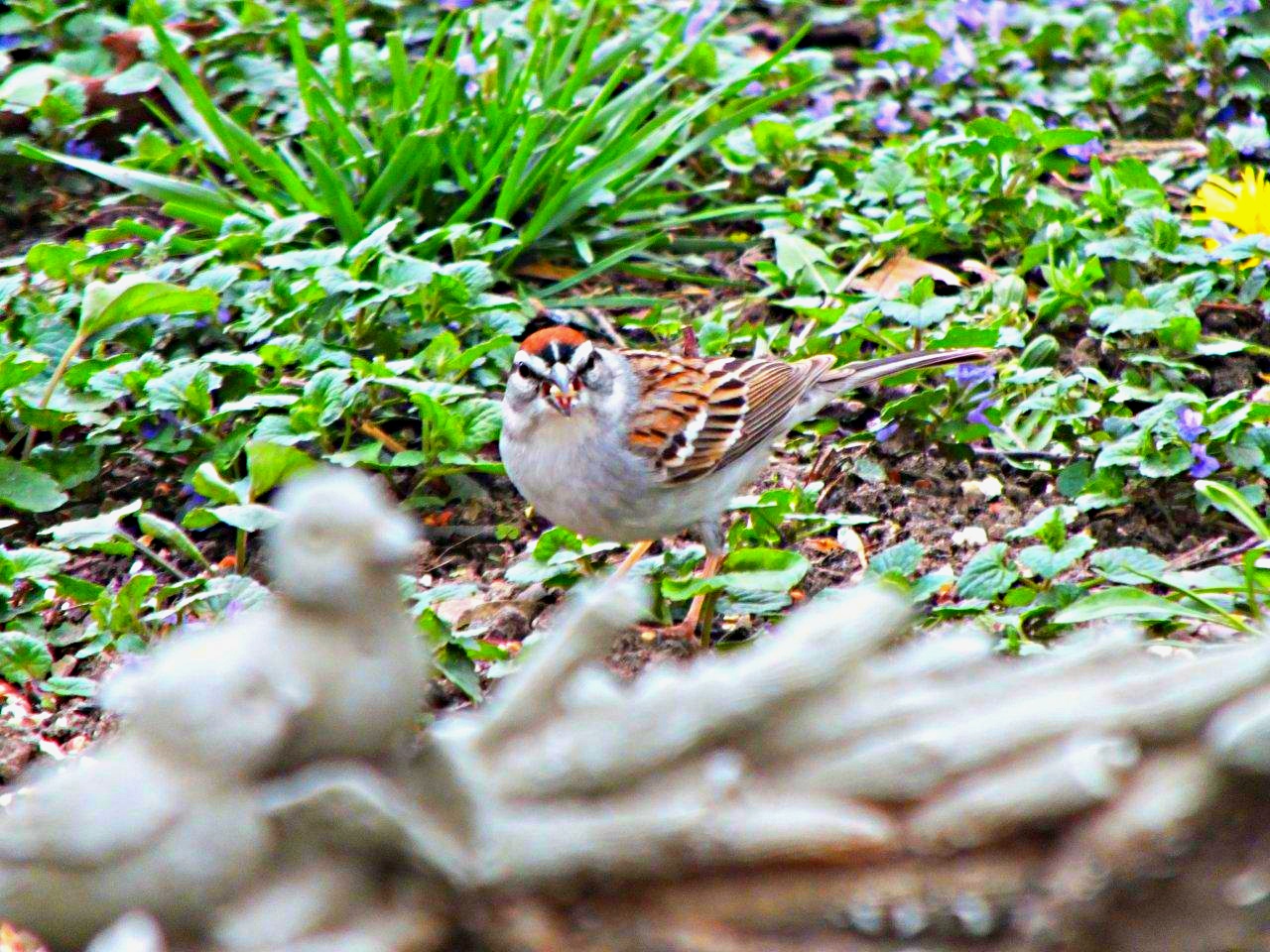
Death is near, Life is beyond… by Thomas Peace 2013

.
.
.
.
. The whole of the universe is one… until you isolate part of it and tear it to pieces.
.
. from Emily Dickinson:
.
.
. Whoever disenchants
. A single Human soul
. By failure of irreverence
. Is guilty of the whole.
.
. As guileless as a Bird
. As graphic as a Star
. Till the suggestion sinister
. Things are not what they are.
.
.

United we stand… by Thomas Peace 2013

.
.
.
.
. If the instrument of the mind is distorted, then what it perceives will be false, twisted, misinterpreted, and pigeonholed with prejudice.
.
.
. from Blood Sweat, & Tears:
.
. What goes up must come down
spinning wheel got to go round
Talking about your troubles it’s a crying sin
Ride a painted pony
Let the spinning wheel spin
You got no money, and you, you got no home
Spinning wheel, spinning all alone
Talking about your troubles and you, you never learn
Ride a painted pony
let the spinning wheel turn
Did you find a directing sign
on the straight and narrow highway?
Would you mind a reflecting sign
Just let it shine within your mind
And show you the colours that are real

Would you mind a reflecting sign?(1)… by Thomas Peace 2013
Would you mind a reflecting sign?(2)… by Thomas Peace 2013

.
.
.
.
. Though this may be disquieting to a rather superficial, timid mind, it need not be:
There is not — though there certainly may seem to be — a true, central “controller” of thought; it (i.e., the “I” or the “me”) is just another thought; all thoughts are conditioned and all thoughts are limited reactions. When thoughts — via an intelligence that is universal and not their own — (at certain times throughout the day) die to themselves (without the spurious effort of a fictitious central regulator)… then profound wisdom (in, and “as”, insightful silence) may flower. Self deception — as the internal chicanery of the brain to itself — manifests easily, and this explains why innumerable minds often (unfortunately) blunder in the deceptiveness of control via a “central authority.” Methods and procedures (fabricated by a deceptive process) inevitably are a lack of true order and all such reactions (like a dog chasing its tail) inherently take time. Reactions and time cannot create what is whole, truly blissful, and timeless. Shadows cannot (and never will) manifest sunlight.
.
.

After the Big Bang… by Thomas Peace 2013

.
.
.
.
. If (because of the way they were taught) there is something fundamentally wrong with the way humans perceive and mentally function… that would explain why there is so much disorder, indifference, pollution, and unabashed conflict in the world.
.
.
.

Early to rise… by Thomas Peace 2013

.
.
.
.
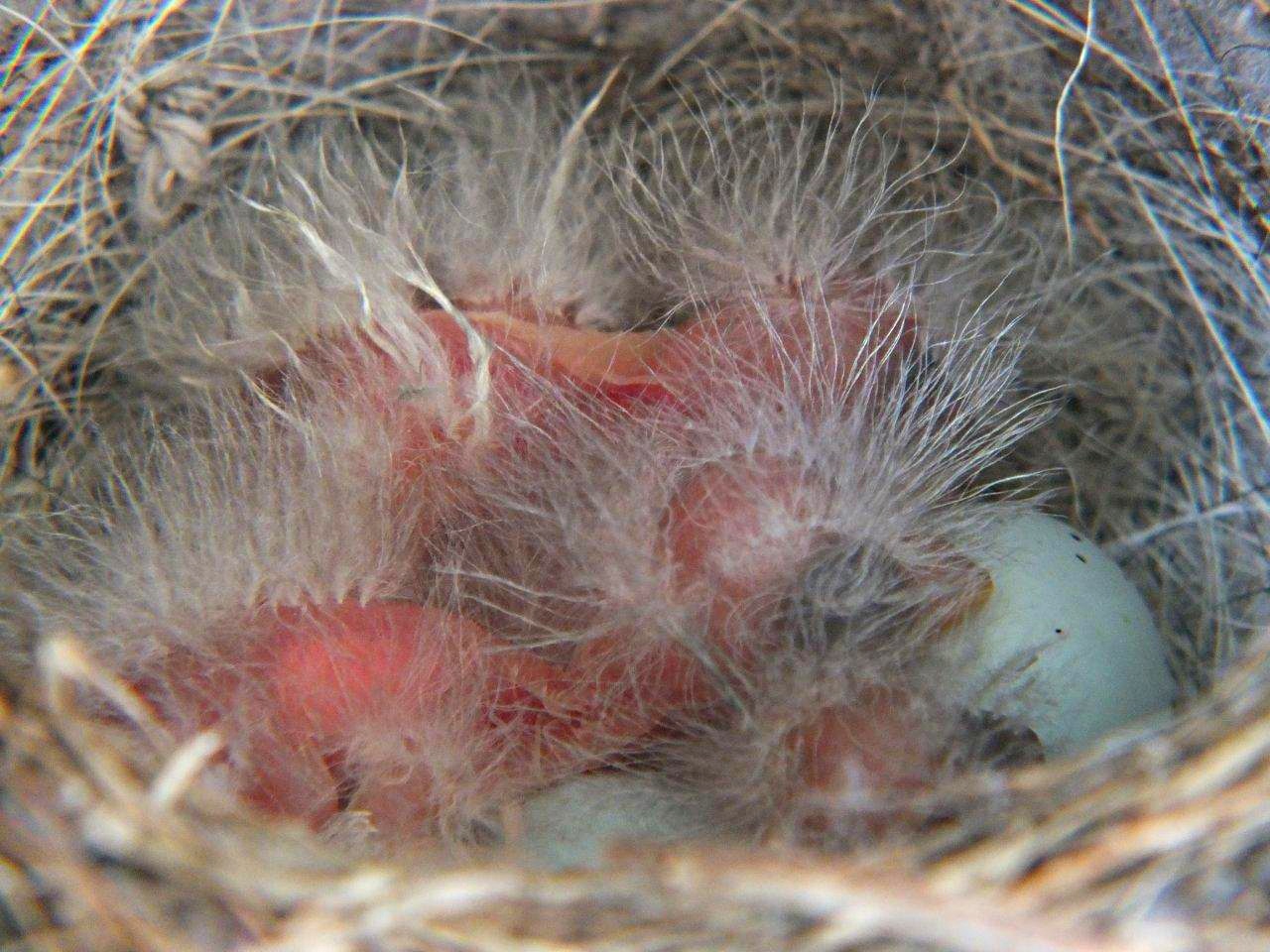
. To merely dwell from one image and one symbolic thought to another is to remain limited and conditioned.
.
.
.
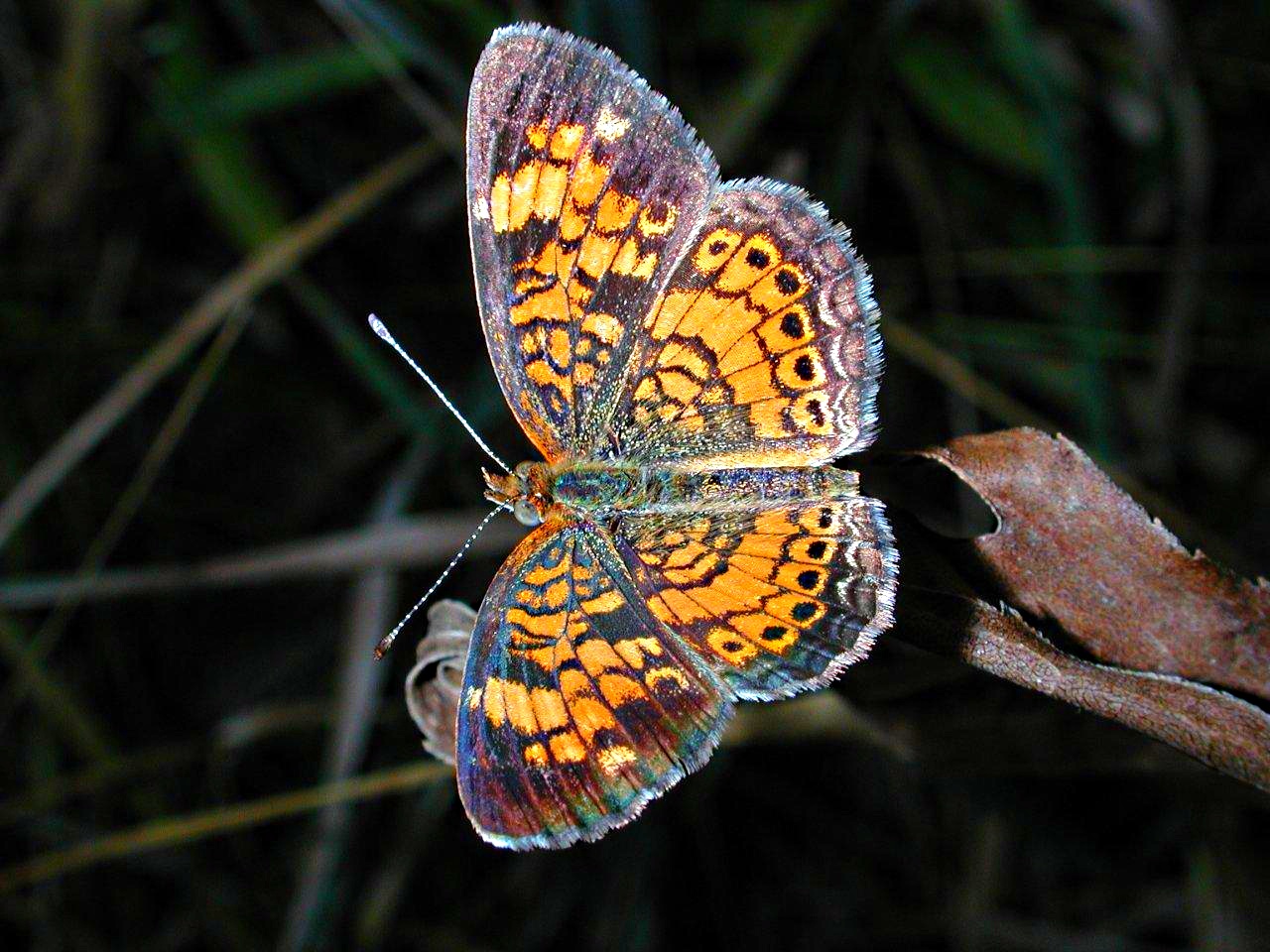
Gold rises in value… by Thomas Peace 2013
.
.
.
.
. When you merely look with delimitation, habitually fixing the boundaries that separate one thing from another… you are not really perceiving much at all.
.
.
.

The future is the past… by Thomas Peace 2013

.
.
.
.
. The harmony of reason and love is the incorruptibility of the whole self beyond the indifference that is unaware of eternity and eternally unaware.
.
.
.
.
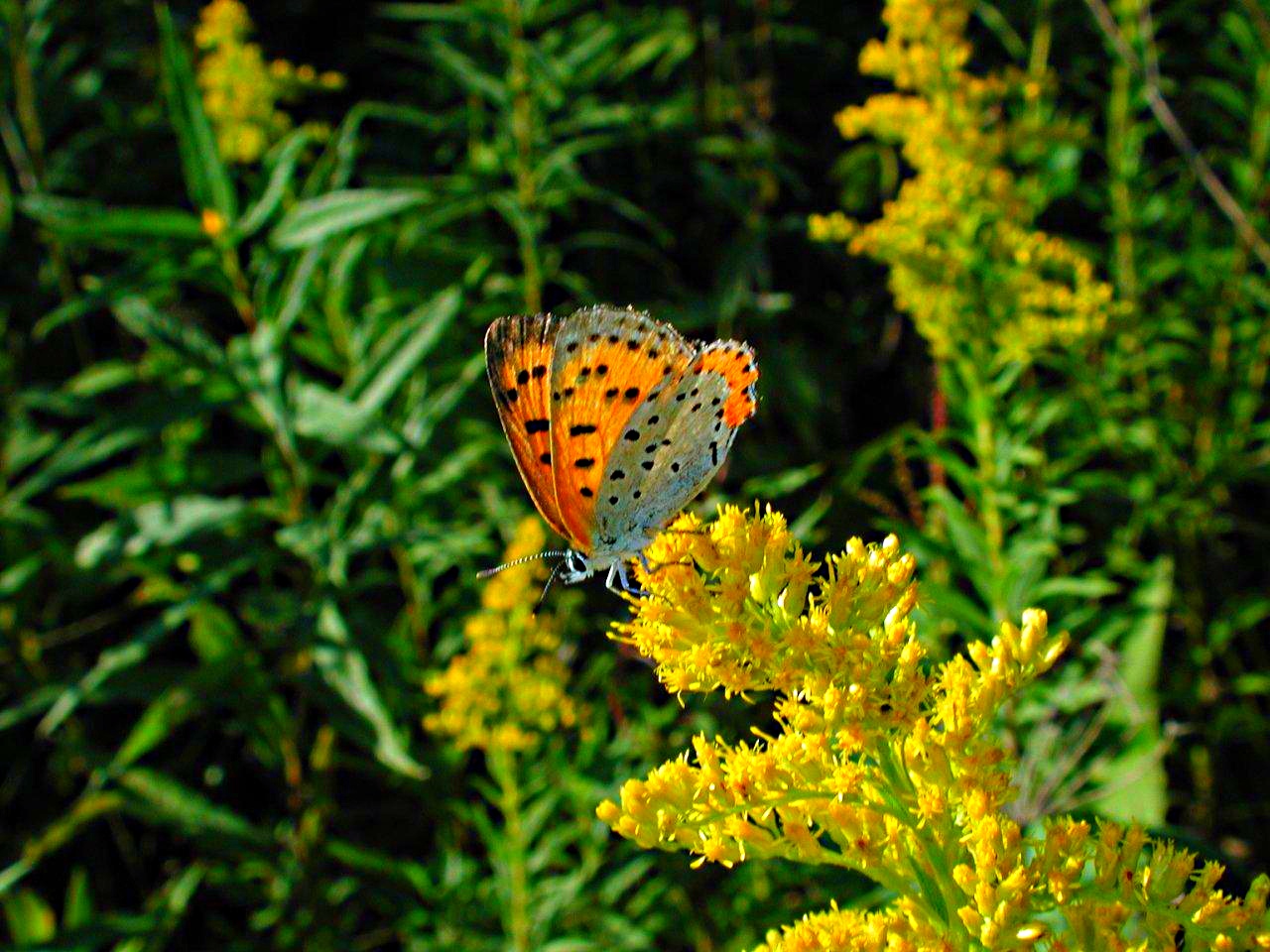
Beyond reason… by Thomas Peace 2013

.
.
.
.
. Shallow thoughts are to empty shadows as deep insight is to a radiant being.
.
.
.
.
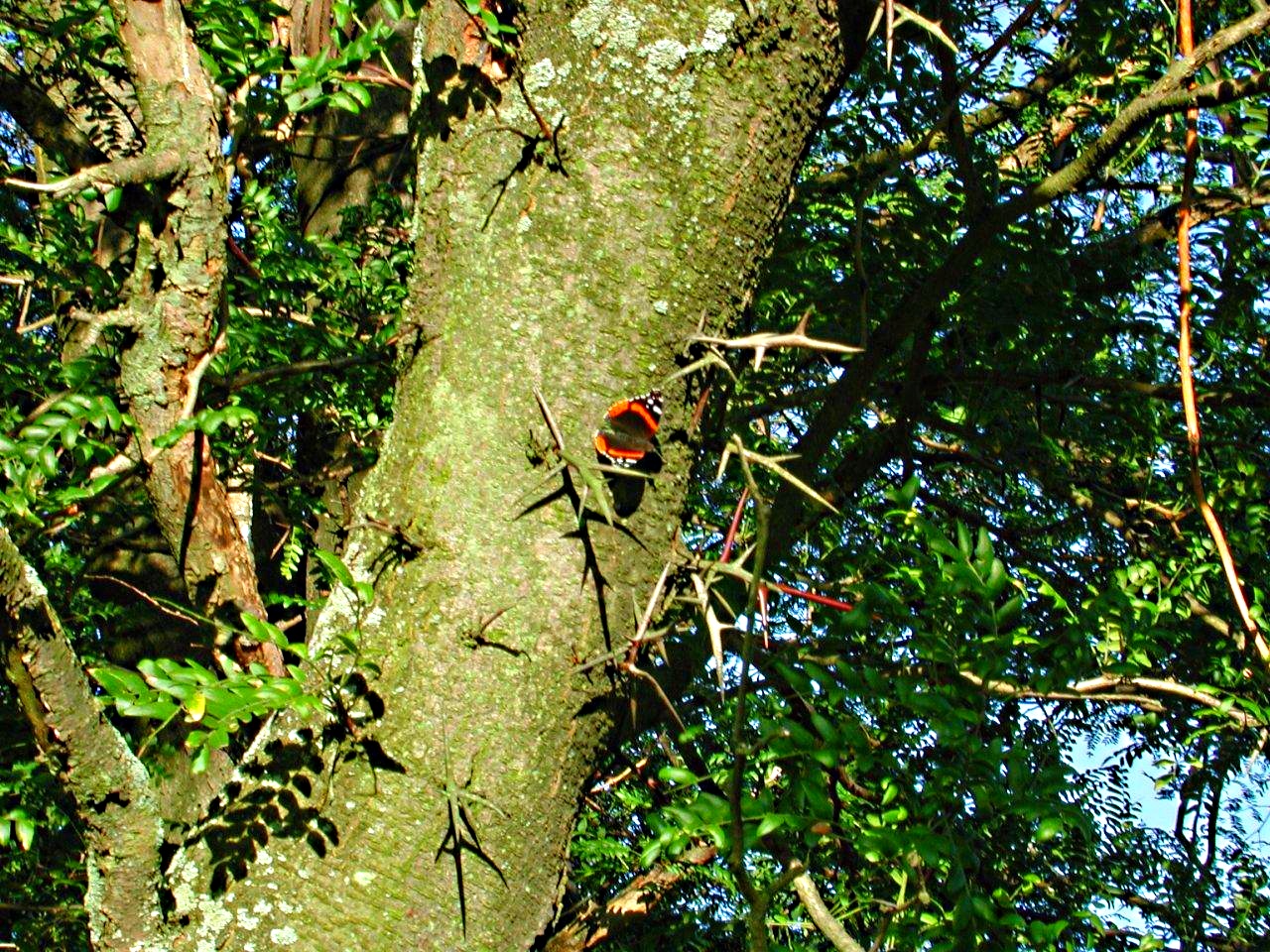
Real security by Thomas Peace 2013

.
.
.
.
. Deep truth never comes from comfortable, superficial satisfaction, from mindless content with ordinary values, from languid acceptance.
.
.

Supersaturation… by Thomas Peace 2013
.

.
.
.
.
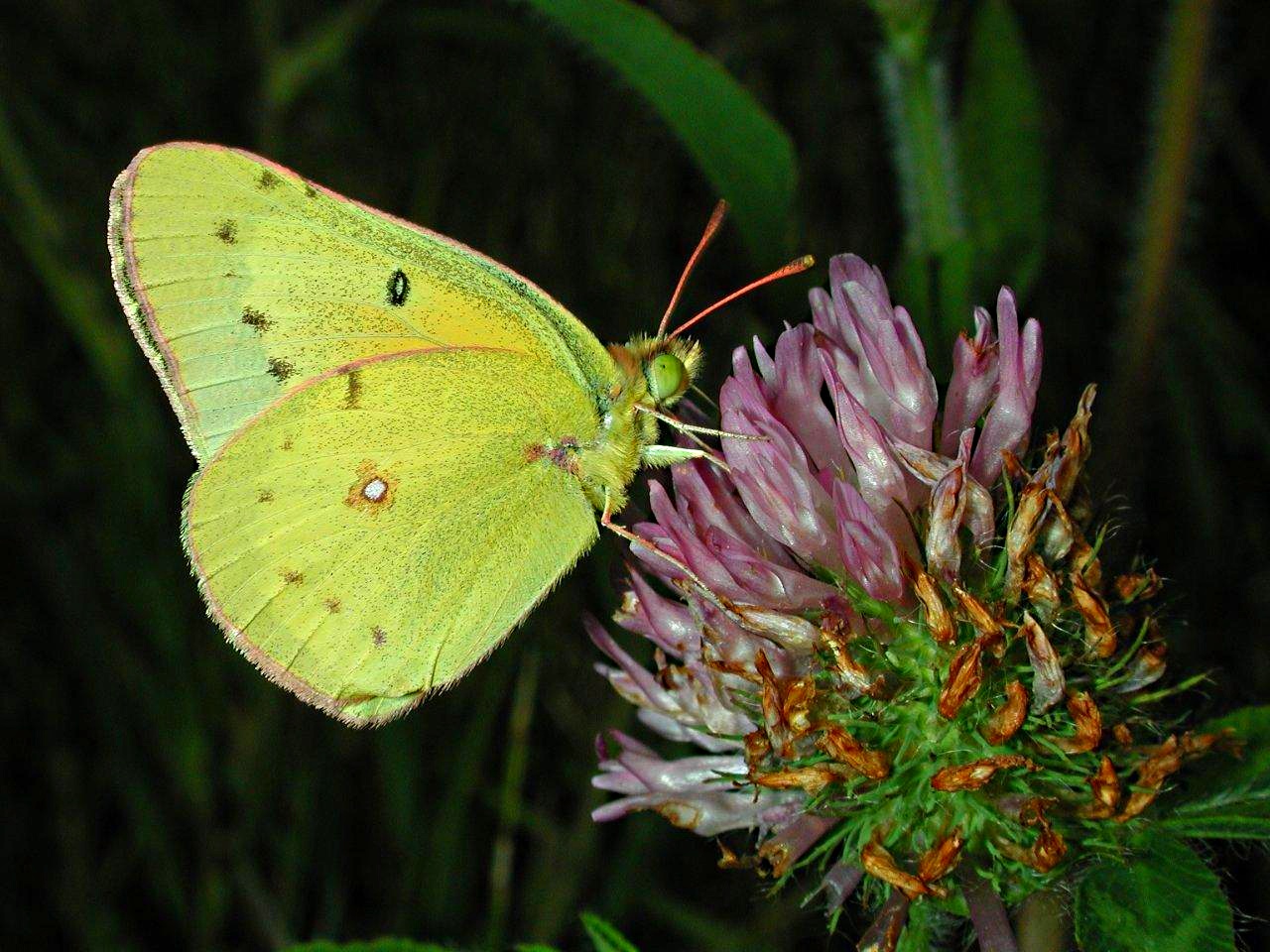
. Watch thought as it takes place… without the barbaric separation of thought and thinker.
.
.
.
Oldnew… by Thomas Peace 2013
.
.
.
.
. Each one of us is very responsible for caring for mother earth greenly and passionately.
.
.
.

Miraculous Commonality by Thomas Peace 2013
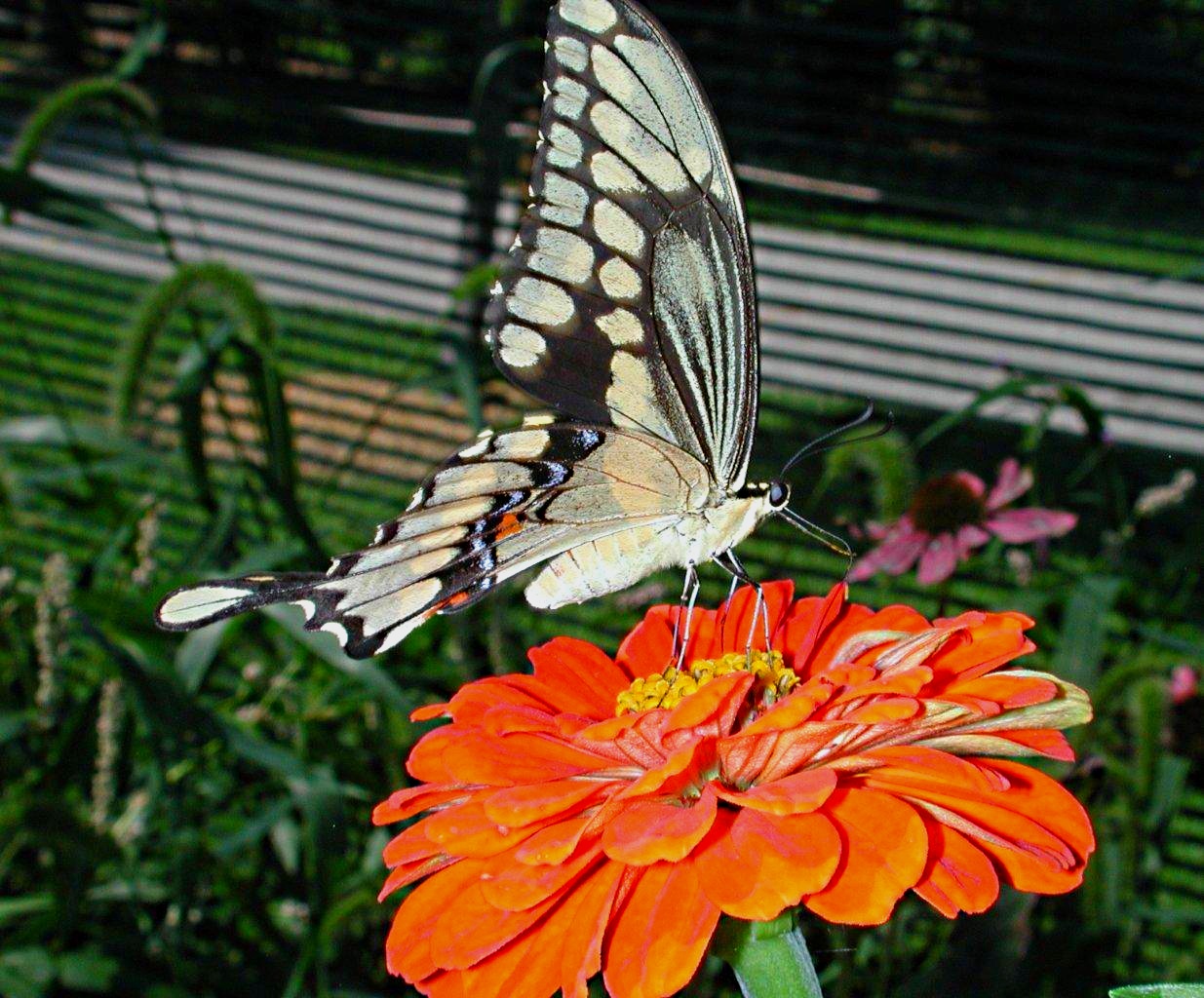
 about his book:
The Eternal Fountain of Youth is a book I have written to help people to more fully understand the totality of life as a whole. The book helps people to — without relying on leaders or man-made systems — independently flower into what deeply understands life, time, consciousness, and the eternal (as a whole). Many people cling, with others, to what outside “authority” dictates as to what is truth and what is correct. However, only the individual can — for himself or herself — find the deepest truth; depending on others “to lead us” is fallacious and a waste of time (as it has not gotten us anywhere over millions of years thus far). No one but you can fully bring about the discovery of deep wisdom, harmony, profound reason and order. Many of us, unfortunately, perceive things fragmentarily, not wholly. We, as we were taught, tend to see only the details and the parts… not the whole. The Eternal Fountain of Youth helps people to go (for themselves) beyond this fragmentation and limited separation… to perceive things more holistically, with deep insight and wisdom.
We can — by observing the world without separation, without conflict that is fragmentary — see life in a whole, new way. This new perspective is whole and not “broken up” and fragmentary. We were taught to live (as mere followers) in fragmentation; this fragmentation keeps us at each other’s throat, keeps us dependent on separative systems that divide us, keeps us in fear and uncompassionate limitation. We, for ourselves, can go beyond the calculated mold that was developed for us to mechanically function in, and we can (instead) function independently, wisely, warmly, joyously, and peacefully. The world desperately needs a change; we can be the ones who are the catalysts of that much-needed change.
Click on www.eternalfountainofyouth.com or Book Review: The Eternal Fountain of Youth (Youth’s Revolution) by Thomas Peace.
.

Holistic Independence by Thomas Peace 2013

.
.
.
.
. Going beyond seeing through conclusions and prejudices is one of the most difficult things in life.
.
.
.
. A few photos of pet cichlids at our house. They are Pink Convicts. These are all adults that grew up from babies that were hatched from eggs within my classroom when I was a teacher (before i retired). They live a long time (for fish). The males are larger and get a nuchal hump as they get older… which is a means of advertising their higher status in the pecking order. (They are quite intelligent, for fish, often begging for food when they see you.)
.
.
. We are so open-minded at our house that we even allow pink convicts to live with us! 😉
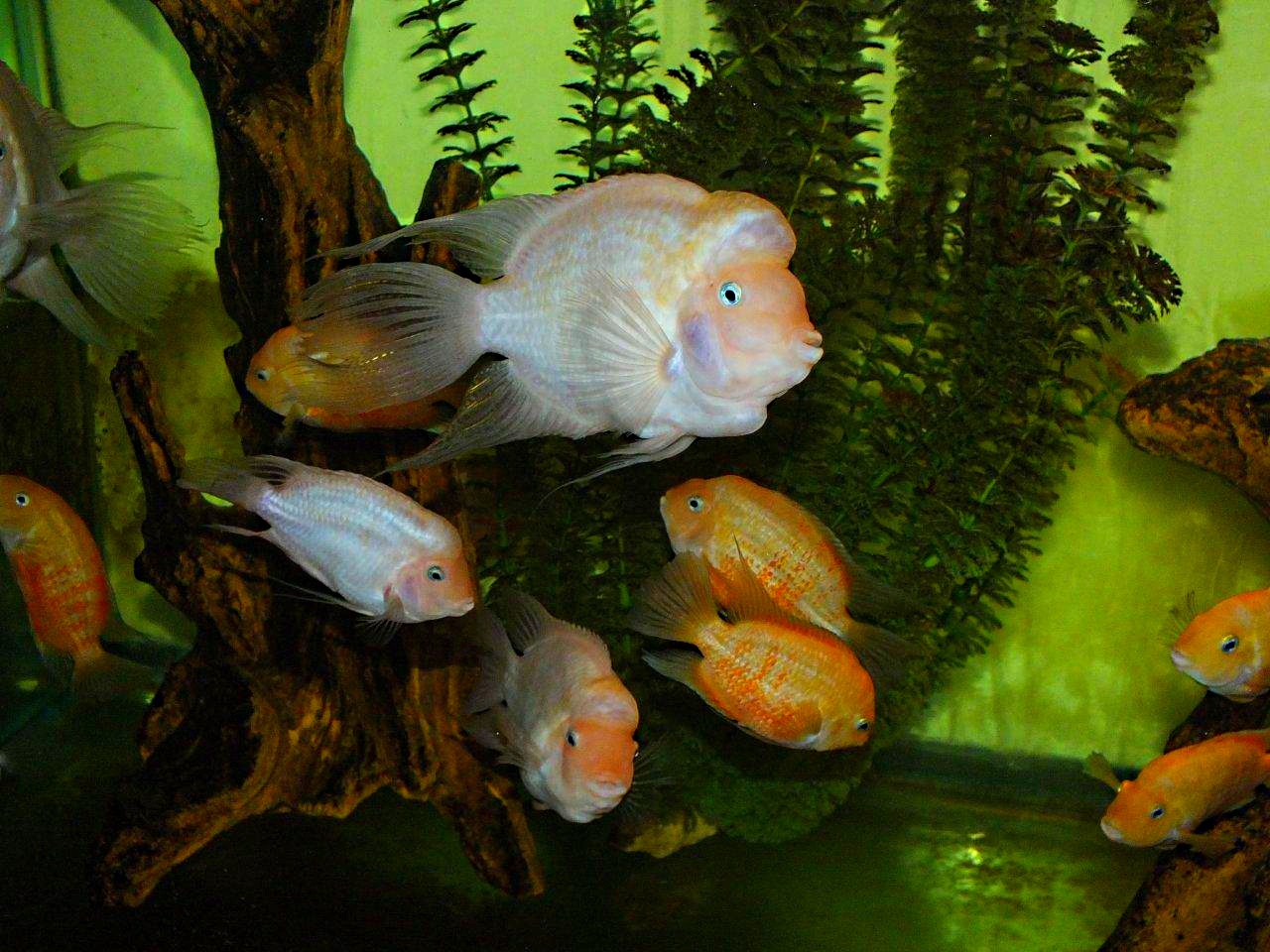
Pink Convict Cichlids (1) by Thomas Peace 2013
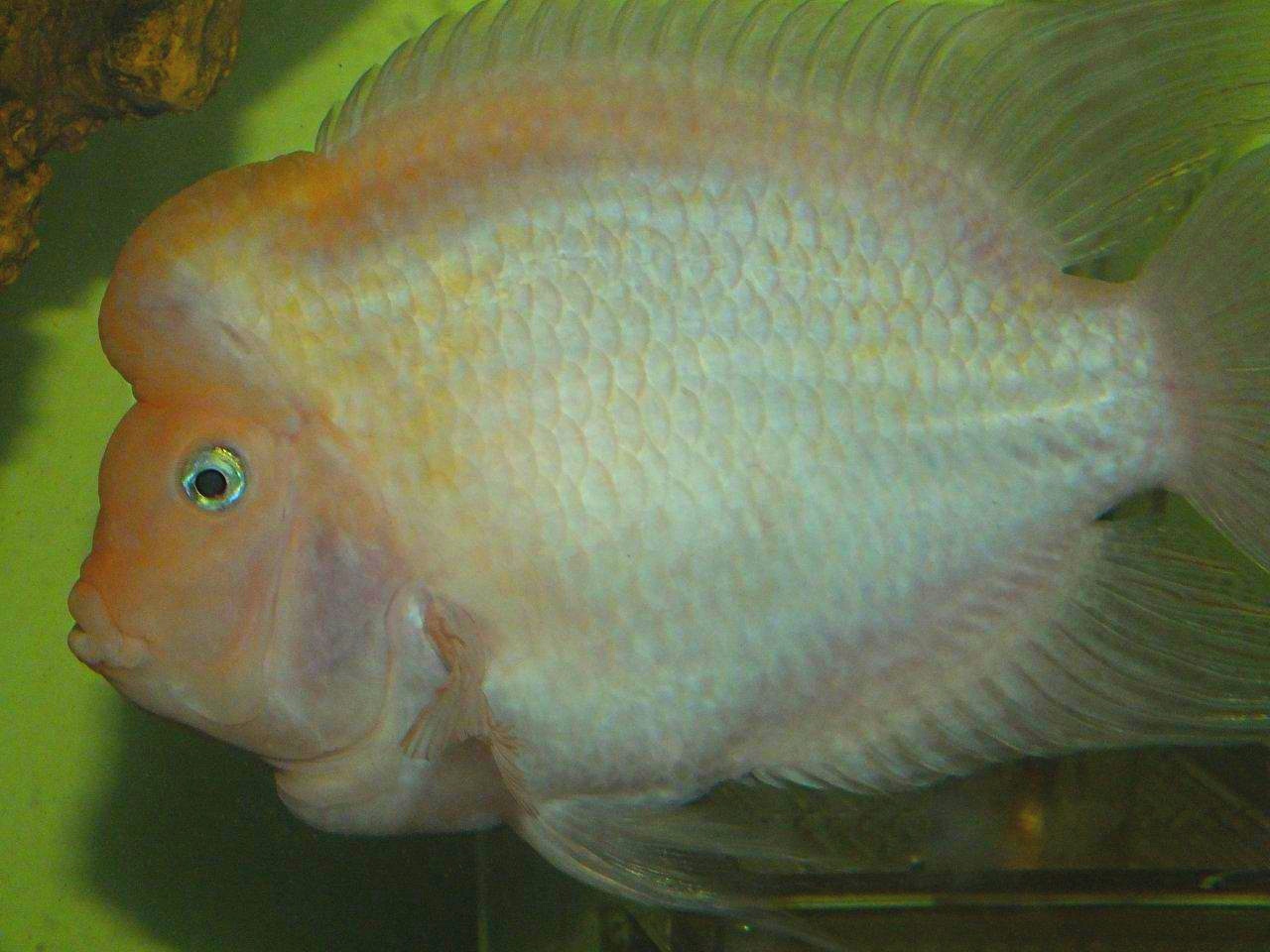
Pink Convict Cichlids (2) by Thomas Peace 2013

Pink Convict Cichlids (3) by Thomas Peace 2013
.

.
.
.
.
. Five minutes of warm caring may be worth more than a long lifetime of indifference.
.
.
.

Time Stand Still by Thomas Peace 2013

.
.
.
.
. You are not what “has anger”; the anger is you (when it occurs as you); psychologically (as silence) die to the anger — to the separation and the distortion — that you are.
.
.
.
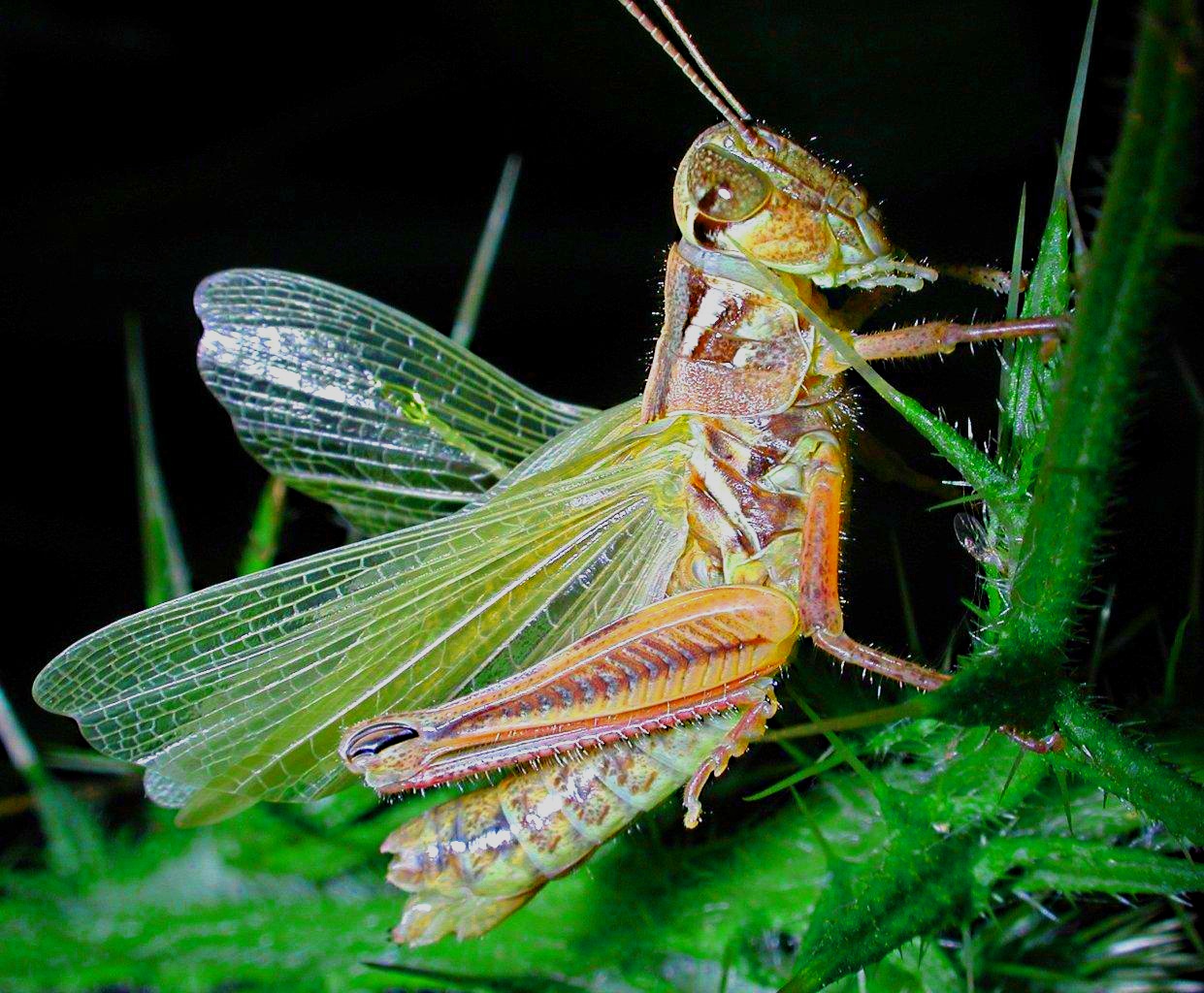
Clumsy Flier by Thomas Peace 2013
.
.
.
.
. What you see outside of you… you see (psychologically) inside of you; the perceiver is not (psychologically) separate from his or her perceptions.
.
.
The Thunder: Perfect Mind is a part of the Nag Hammadi library that was discovered in an ancient earthenware jar in Nag Hammadi, in 1945. These were part of a collection of spiritual oriented texts written in ancient Greek and Coptic and buried around 400 CE. Many of the texts within the Nag Hammadi library “do not do much for me, personally”; but The Thunder: Perfect Mind certainly does. I feel that it has some deep, profound wisdom within it. Before the Bible was canonized and consequently most all the Nag Hammadi texts were banned, the texts in this collection were considered quite acceptable and devout Christians and spiritual seekers often owned copies. However, a political/hierarchy movement began in later Christianity to standardize Christian beliefs, which lead to the canonization of the Bible (by hierarchical authorities who wanted control and power). Therefore, these texts eventually became what may be considered unorthodox and heretical (by those who sought control and power). People who were appreciative of these texts were banned from the formal church; many were tortured and killed for being “heretical.” However, Christ, within the so-called regular four gospels, uses some of the same sayings and images as The Thunder: Perfect Mind does. Anyway, the text is worth a good read and, by the way, back in that era, “angel” could merely mean “messenger,” not necessarily some kind of being with feathers… (not that beings with feathers are bad). I am also very appreciative of the Gospel of Thomas from the Nag Hammadi Library; portions of it are included within the book I have written, and many of the best biblical scholars state that it likely comes closer to the historical Christ than any other text (including the four canonical gospels).
The Nag Hammadi Library
Translated by George W. MacRae
- I was sent forth from the power,
- and I have come to those who reflect upon me,
- and I have been found among those who seek after me.
- Look upon me, you who reflect upon me,
- and you hearers, hear me.
- You who are waiting for me, take me to yourselves.
- And do not banish me from your sight.
- And do not make your voice hate me, nor your hearing.
- Do not be ignorant of me anywhere or any time. Be on your guard!
- Do not be ignorant of me.
- For I am the first and the last.
- I am the honored one and the scorned one.
- I am the whore and the holy one.
- I am the wife and the virgin.
- I am <the mother> and the daughter.
- I am the members of my mother.
- I am the barren one
- and many are her sons.
- I am she whose wedding is great,
- and I have not taken a husband.
- I am the midwife and she who does not bear.
- I am the solace of my labor pains.
- I am the bride and the bridegroom,
- and it is my husband who begot me.
- I am the mother of my father
- and the sister of my husband
- and he is my offspring.
- I am the slave of him who prepared me.
- I am the ruler of my offspring.
- But he is the one who begot me before the time on a birthday.
- And he is my offspring in (due) time,
- and my power is from him.
- I am the staff of his power in his youth,
- and he is the rod of my old age.
- And whatever he wills happens to me.
- I am the silence that is incomprehensible
- and the idea whose remembrance is frequent.
- I am the voice whose sound is manifold
- and the word whose appearance is multiple.
- I am the utterance of my name.
- Why, you who hate me, do you love me,
- and hate those who love me?
- You who deny me, confess me,
- and you who confess me, deny me.
- You who tell the truth about me, lie about me,
- and you who have lied about me, tell the truth about me.
- You who know me, be ignorant of me,
- and those who have not known me, let them know me.
- For I am knowledge and ignorance.
- I am shame and boldness.
- I am shameless; I am ashamed.
- I am strength and I am fear.
- I am war and peace.
- Give heed to me.
- I am the one who is disgraced and the great one.
- Give heed to my poverty and my wealth.
- Do not be arrogant to me when I am cast out upon the earth,
- and you will find me in those that are to come.
- And do not look upon me on the dung-heap
- nor go and leave me cast out,
- and you will find me in the kingdoms.
- And do not look upon me when I am cast out among those who
- are disgraced and in the least places,
- nor laugh at me.
- And do not cast me out among those who are slain in violence.
- But I, I am compassionate and I am cruel.
- Be on your guard!
- Do not hate my obedience
- and do not love my self-control.
- In my weakness, do not forsake me,
- and do not be afraid of my power.
- For why do you despise my fear
- and curse my pride?
- But I am she who exists in all fears
- and strength in trembling.
- I am she who is weak,
- and I am well in a pleasant place.
- I am senseless and I am wise.
- Why have you hated me in your counsels?
- For I shall be silent among those who are silent,
- and I shall appear and speak,
- Why then have you hated me, you Greeks?
- Because I am a barbarian among the barbarians?
- For I am the wisdom of the Greeks
- and the knowledge of the barbarians.
- I am the judgement of the Greeks and of the barbarians.
- I am the one whose image is great in Egypt
- and the one who has no image among the barbarians.
- I am the one who has been hated everywhere
- and who has been loved everywhere.
- I am the one whom they call Life,
- and you have called Death.
- I am the one whom they call Law,
- and you have called Lawlessness.
- I am the one whom you have pursued,
- and I am the one whom you have seized.
- I am the one whom you have scattered,
- and you have gathered me together.
- I am the one before whom you have been ashamed,
- and you have been shameless to me.
- I am she who does not keep festival,
- and I am she whose festivals are many.
- I, I am godless,
- and I am the one whose God is great.
- I am the one whom you have reflected upon,
- and you have scorned me.
- I am unlearned,
- and they learn from me.
- I am the one that you have despised,
- and you reflect upon me.
- I am the one whom you have hidden from,
- and you appear to me.
- But whenever you hide yourselves,
- I myself will appear.
- For whenever you appear,
- I myself will hide from you.
- Those who have […] to it […] senselessly […].
- Take me [… understanding] from grief.
- and take me to yourselves from understanding and grief.
- And take me to yourselves from places that are ugly and in ruin,
- and rob from those which are good even though in ugliness.
- Out of shame, take me to yourselves shamelessly;
- and out of shamelessness and shame,
- upbraid my members in yourselves.
- And come forward to me, you who know me
- and you who know my members,
- and establish the great ones among the small first creatures.
- Come forward to childhood,
- and do not despise it because it is small and it is little.
- And do not turn away greatnesses in some parts from the smallnesses,
- for the smallnesses are known from the greatnesses.
- Why do you curse me and honor me?
- You have wounded and you have had mercy.
- Do not separate me from the first ones whom you have known.
- And do not cast anyone out nor turn anyone away
- […] turn you away and [… know] him not.
- […].
- What is mine […].
- I know the first ones and those after them know me.
- But I am the mind of […] and the rest of […].
- I am the knowledge of my inquiry,
- and the finding of those who seek after me,
- and the command of those who ask of me,
- and the power of the powers in my knowledge
- of the angels, who have been sent at my word,
- and of gods in their seasons by my counsel,
- and of spirits of every man who exists with me,
- and of women who dwell within me.
- I am the one who is honored, and who is praised,
- and who is despised scornfully.
- I am peace,
- and war has come because of me.
- And I am an alien and a citizen.
- I am the substance and the one who has no substance.
- Those who are without association with me are ignorant of me,
- and those who are in my substance are the ones who know me.
- Those who are close to me have been ignorant of me,
- and those who are far away from me are the ones who have known me.
- On the day when I am close to you, you are far away from me,
- and on the day when I am far away from you, I am close to you.
- [I am …] within.
- [I am …] of the natures.
- I am […] of the creation of the spirits.
- […] request of the souls.
- I am control and the uncontrollable.
- I am the union and the dissolution.
- I am the abiding and I am the dissolution.
- I am the one below,
- and they come up to me.
- I am the judgment and the acquittal.
- I, I am sinless,
- and the root of sin derives from me.
- I am lust in (outward) appearance,
- and interior self-control exists within me.
- I am the hearing which is attainable to everyone
- and the speech which cannot be grasped.
- I am a mute who does not speak,
- and great is my multitude of words.
- Hear me in gentleness, and learn of me in roughness.
- I am she who cries out,
- and I am cast forth upon the face of the earth.
- I prepare the bread and my mind within.
- I am the knowledge of my name.
- I am the one who cries out,
- and I listen.
- I appear and […] walk in […] seal of my […].
- I am […] the defense […].
- I am the one who is called Truth
- and iniquity […].
- You honor me […] and you whisper against me.
- You who are vanquished, judge them (who vanquish you)
- before they give judgment against you,
- because the judge and partiality exist in you.
- If you are condemned by this one, who will acquit you?
- Or, if you are acquitted by him, who will be able to detain you?
- For what is inside of you is what is outside of you,
- and the one who fashions you on the outside
- is the one who shaped the inside of you.
- And what you see outside of you, you see inside of you;
- it is visible and it is your garment.
- Hear me, you hearers
- and learn of my words, you who know me.
- I am the hearing that is attainable to everything;
- I am the speech that cannot be grasped.
- I am the name of the sound
- and the sound of the name.
- I am the sign of the letter
- and the designation of the division.
- And I […].
- (3 lines missing)
- […] light […].
- […] hearers […] to you
- […] the great power.
- And […] will not move the name.
- […] to the one who created me.
- And I will speak his name.
- Look then at his words
- and all the writings which have been completed.
- Give heed then, you hearers
- and you also, the angels and those who have been sent,
- and you spirits who have arisen from the dead.
- For I am the one who alone exists,
- and I have no one who will judge me.
- For many are the pleasant forms which exist in numerous sins,
- and incontinencies,
- and disgraceful passions,
- and fleeting pleasures,
- which (men) embrace until they become sober
- and go up to their resting place.
- And they will find me there,
- and they will live,
- and they will not die again.
(Left click photo to enlarge; hit return arrow to return.)

Thunder: Perfect Mind by Thomas Peace 2013

.
.
.
.
. The tragedy is that most of us do not see the tragedy; most of us are drifting and do not see enough to act meaningfully for a greener planet.
.
.
.
. Excerpt from Big Yellow Taxi Lyrics:
.
.
Don’t it always seem to go
That you don’t know what you’ve got til its gone
They paved paradise
And put up a parking lot
They took all the trees
And put ’em in a tree museum
And they charged the people
A dollar and a half to see ’em
Don’t it always seem to go,
That you don’t know what you’ve got
Til its gone
They paved paradise
And put up a parking lot
Hey farmer farmer
Put away the DDT
I don’t care about spots on my apples
Leave me the birds and the bees
Please!
.
.
.
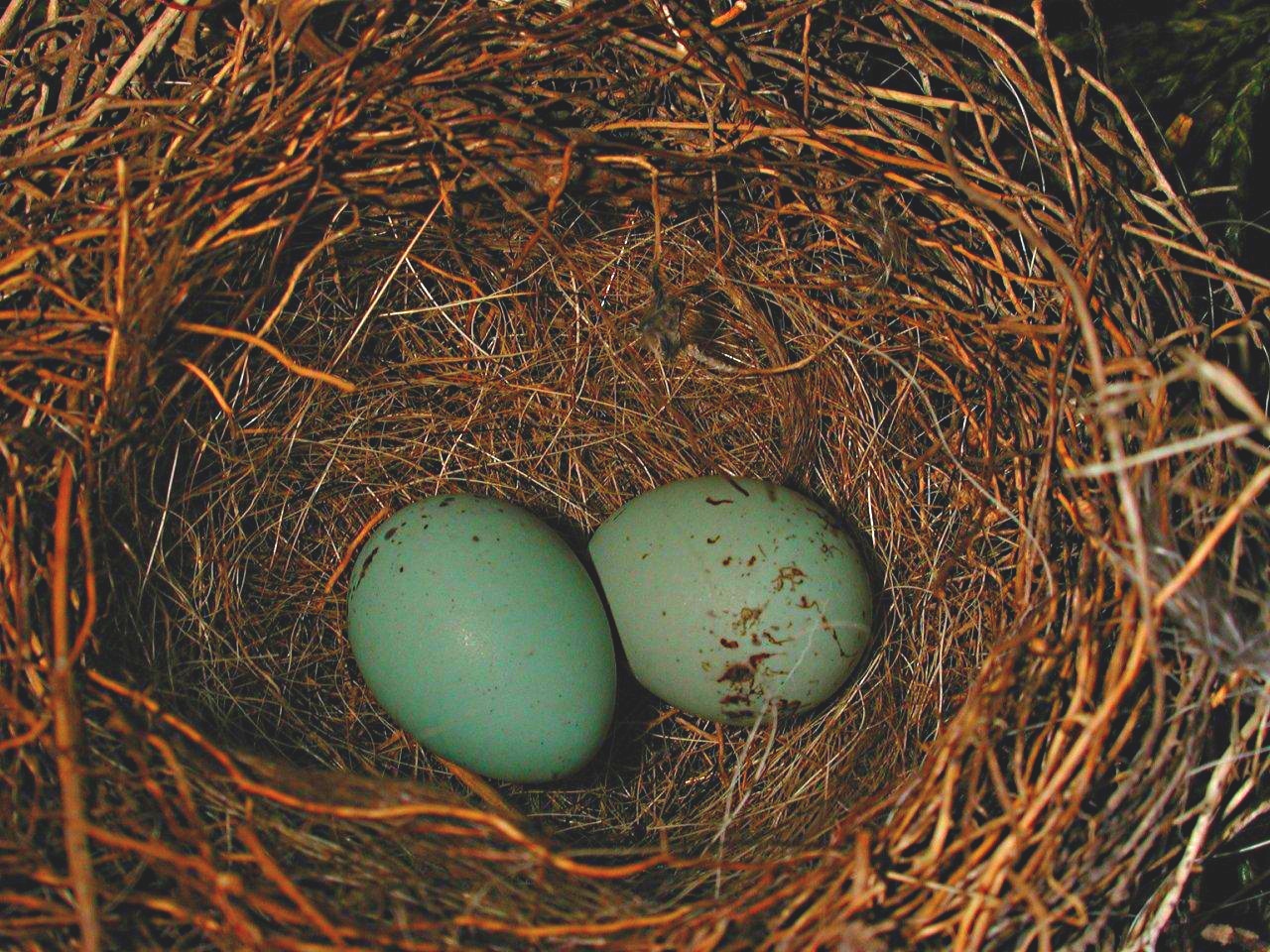
Hope for the Future by Thomas Peace 2013

.
.
.
.
. You can’t run from your fears; you are your fears. Simply observe them, without separation, judgement, and negativity, as they take place… and intelligence will flower.
.
.
.
. (Jumping spiders are harmless to humans and actually eat many harmful, disease carrying insects.)

Looking for Miss Muffet (who sat on her tuffet) by Thomas Peace 2013

.
.
.
.
. At the precise moment that you desire something in order to be happy… you are what happiness is not.
.
.
.

Radiance by Thomas Peace 2013
.
.
.
.
. from E. E. Cummings:
.
.
in
Spring comes(no-
one
asks his name)
a mender
of things
with eager
fingers(with
patient
eyes)re
-new-
ing remaking what
other
-wise we should
have
thrown a-
way(and whose
brook
-bright flower-
soft bird
-quick voice loves
children
and sunlight and
mountains)in april(but
if he should
Smile)comes
nobody’ll know
.
.
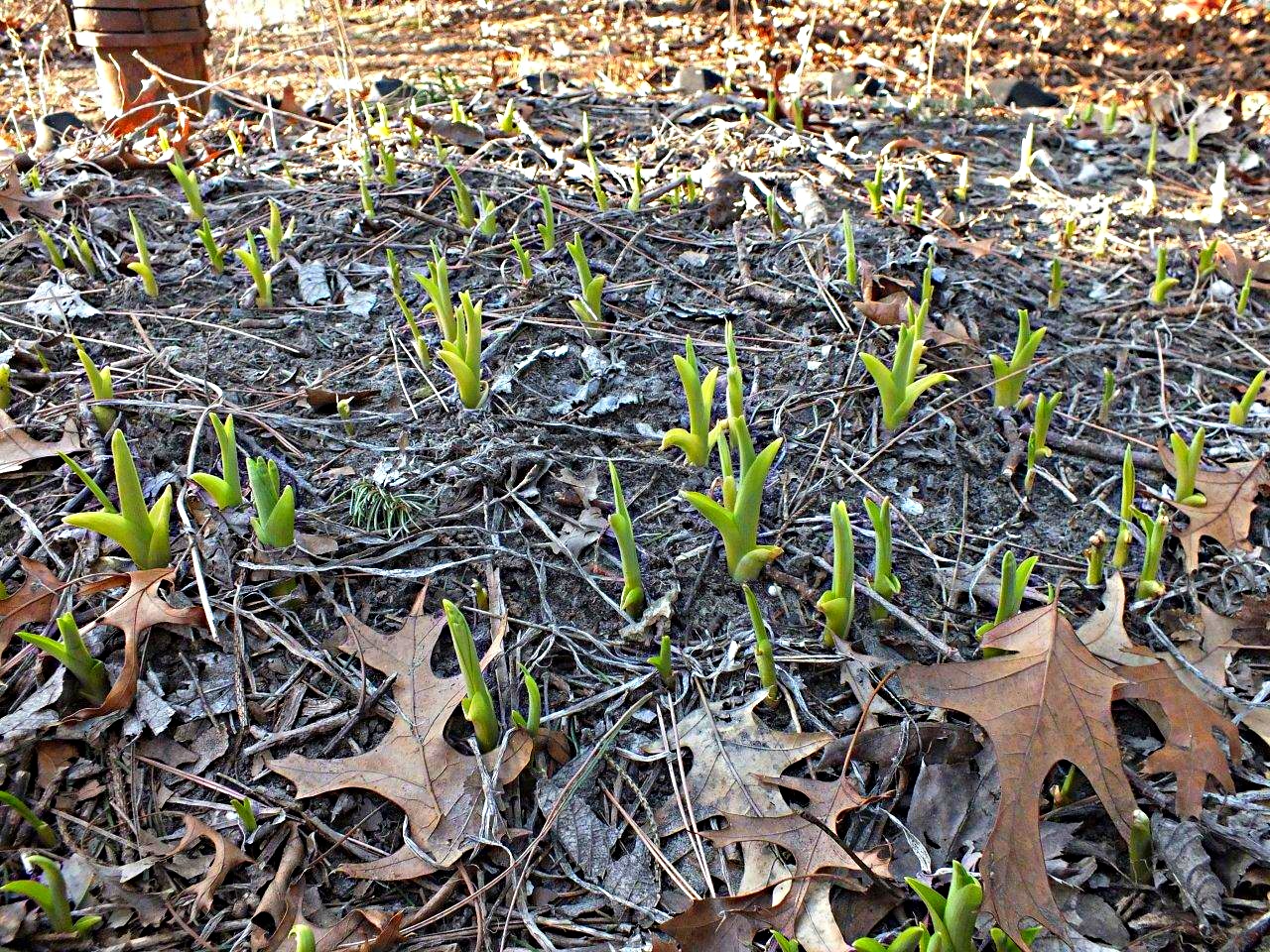
Eager Fingers by Thomas Peace 2013
.

.
.
.
.
. Don’t merely reflect on the details… see the beautiful whole!
.
.
.

Quackery by Thomas Peace 2013

.
.
.
.
. To effortlessly see life joyfully — without the contamination of old, cobweb images that are self-projections — is to look without the accumulated baggage of the past.
.
.
.
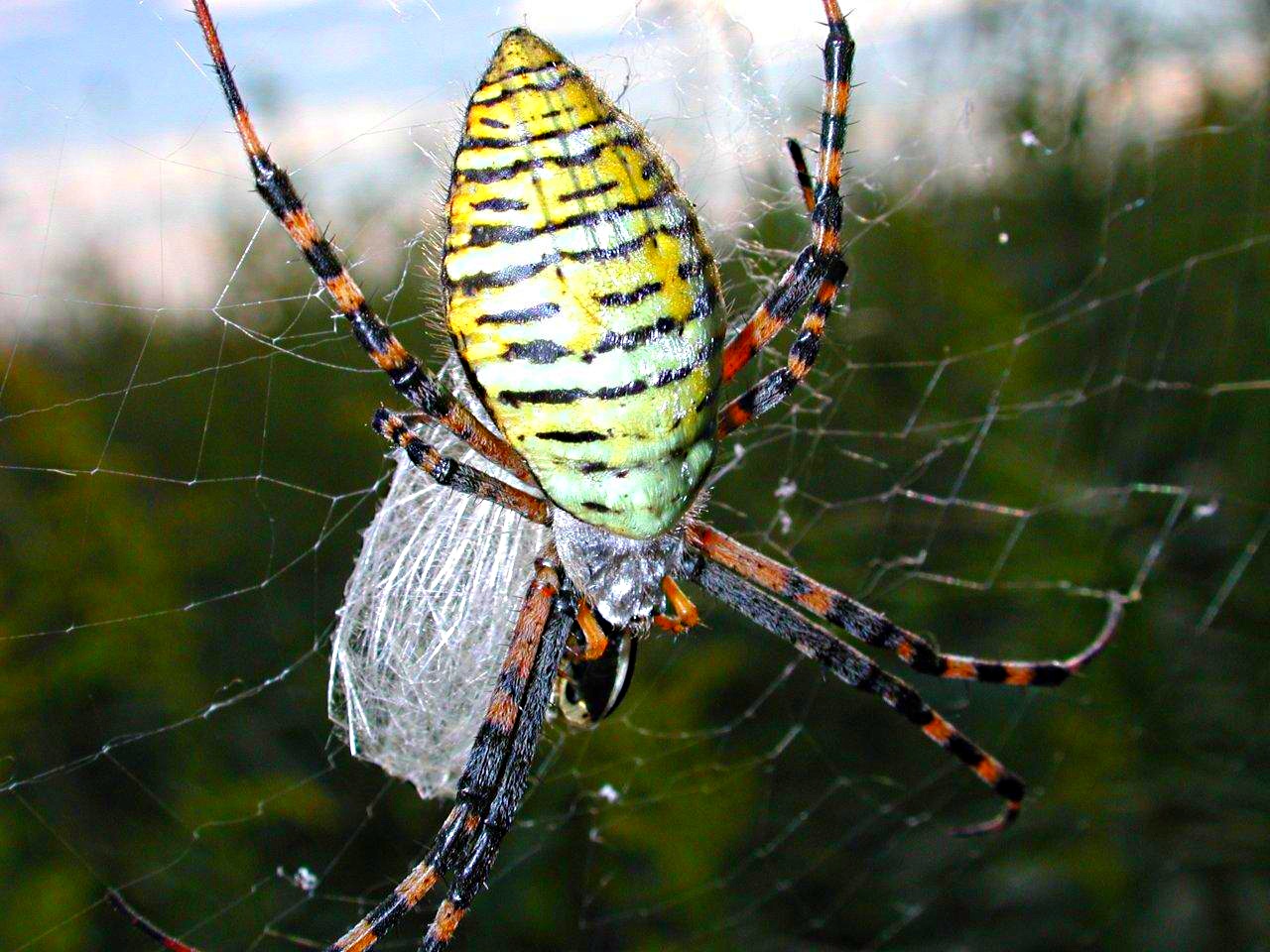
Hunting Tiger by Thomas Peace 2013

.
.
.
.
. Wisdom is what transcends the mediocre claptrap of ordinary reactions.
.
.
.

Mutual Perceptions by Thomas Peace 2013

.
.
.
.
. Don’t just believe in evolution; actually be the whole of evolution.
.
. (From what one has seen on this planet… we still have a long way left to evolve.) 😉
.
.
.
.
. The first set of photos are of the Devonian fossil fish Osteolepis macrolepidotus. They are examples of the classic Orkney fish, early Crossopterygian or “lobe-finned” fish, which gave rise to the tetrapods… (giving rise to the amphibians, reptiles, and mammals). The partial fish shows the lower jaw with teeth. Close-up views reveal detailed rays in the fin areas, with very large massive ray areas anteriorally. Some residual gold pigmentation can still be seen in the scales of the specimens. These are lungfish that developed lungs due to the low oxygen content of the freshwater lakes that they lived in. From Orkney, Scotland; Devonian Period (400 million years old). The complete fish is 15.4 cm long.
The last photo is of a Permian Amphibian fossil preserved in gray siltstone. The specimen is lying on its side with all four legs showing. (Corresponding bones in lungfish evolved into leg bones.) There is a lot of detail in the large skull. Soft body preservation is evident, showing the outline of the skin (which is really rare in fossils). Details of the backbone vertebrae can be seen. Teeth in the jaw can be seen. Permian Period, Oderheim, Glun, Germany (270 million years). Amphibian is 5.5 cm long.
.
.
.(Looking at these enlarged is highly recommended; left click on a photo… hit left return arrow to return.)
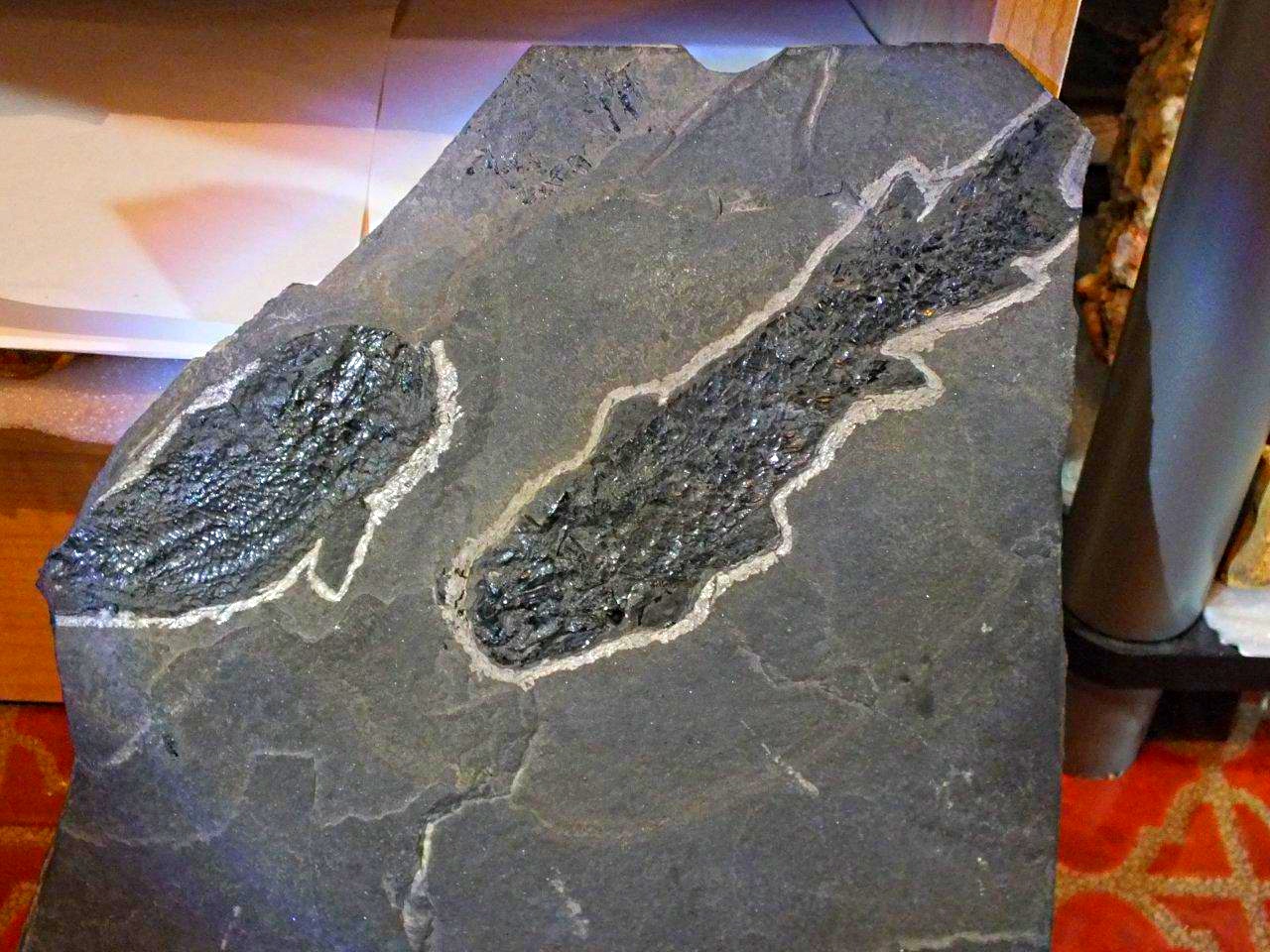
Great Grandpa & Grandma by Thomas Peace 2013


Amphibian fossil by Thomas Peace 2013

.
.
.
.
To remain in dull routine is not deep intelligence. Most, unfortunately, do (whether they truly realize it or not) remain in dull routine. To go beyond the realm of sequential patterns and images is to intelligently go (now and then) beyond “thinking” and “dull routine”; monotonous boredom depends on the same, sequential routines. All thoughts are (and must, by natural law, always be) residual reactions that are conditioned, sequential routines. Silence truly is golden. (One cannot choose to be truly silent; the “choice” — wishing silence — is part of the conditioned sequence of thinking, and thinking cannot create true silence; silence must — on its own — take place naturally, without effort.)
All methods of practice to get to silence (including the various techniques of “meditation”) are essentially false; all methods are man-made sequential routines, and no sequential paradigm (or decision by conditioned thought) can create the beauty of true silence. What is residual — sequential and, hence, fragmentary and second-hand — cannot create (or automatically lead one to) what is not part of a sequential paradigm and what is dynamically whole. There is no path to the pathless. A method or system may get one to a dead thing; but no calculated means can take one to that wholeness that is beyond a cause/effect continuum.
One more very important thing: You can add a “no,” after “lead,” in the following poem.
.
.
. from E. E. Cummings:
.
. seeker of truth
.
. follow no path
. all paths lead where
.
. truth is here
.
.
.
Miraculously just being by Thomas Peace 2013

.
.
.
.
. You are the erroneously learned (mental) separations that falsely divide you from others (and from the whole of life). Change psychologically.
.
.
.
Dennis Hopper (1) by Thomas Peace
Dennis Hopper (2) by Thomas Peace 2013

.
.
.
.
. from Stephen Crane:
.
.
.
The livid lightnings flashed in the clouds;
The leaden thunders crashed.
A worshipper raised his arm.
“Hearken! Hearken! The voice of God!”
“Not so,” said a man.
“The voice of God whispers in the heart
So softly
That the soul pauses,
Making no noise,
And strives for these melodies,
Distant, sighing, like faintest breath,
And all the being is still to hear.”
.
.
.
.

Pause by Thomas Peace 2013
.
.
.
.
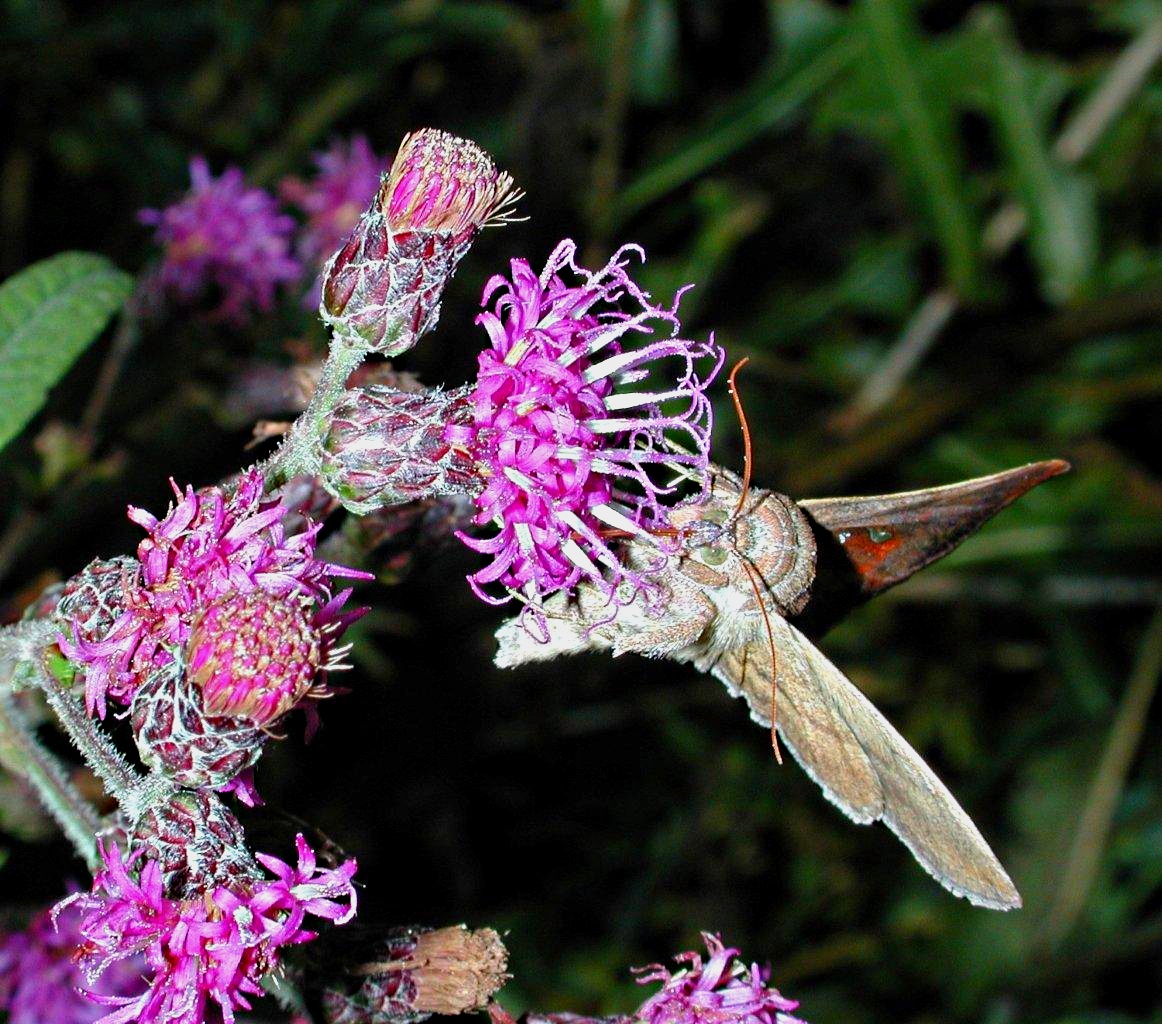
. Though the thinking brain might — at first — rebel against this or feel uncomfortable about it… it is true:
Thought is to the flat and superficial… as attentive wordlessness (i.e., profound silence) is to the deep and dynamic.
.
.
.
Moth and Flame by Thomas Peace 2013

.
.
.
.
. from Emily Dickinson:
.
.
. The words the happy say
. Are paltry melody —
. But those the silent feel
. Are beautiful.
.
.
.
Flowering Moment by Thomas Peace 2013

.
.
.
.
. Thinking, per se, is merely a tool of problem solving; it may not need to be the essence of your being. If you don’t have problem after problem — and you needn’t have — then thinking need not (in wisdom) always take place.
.
.
.
.
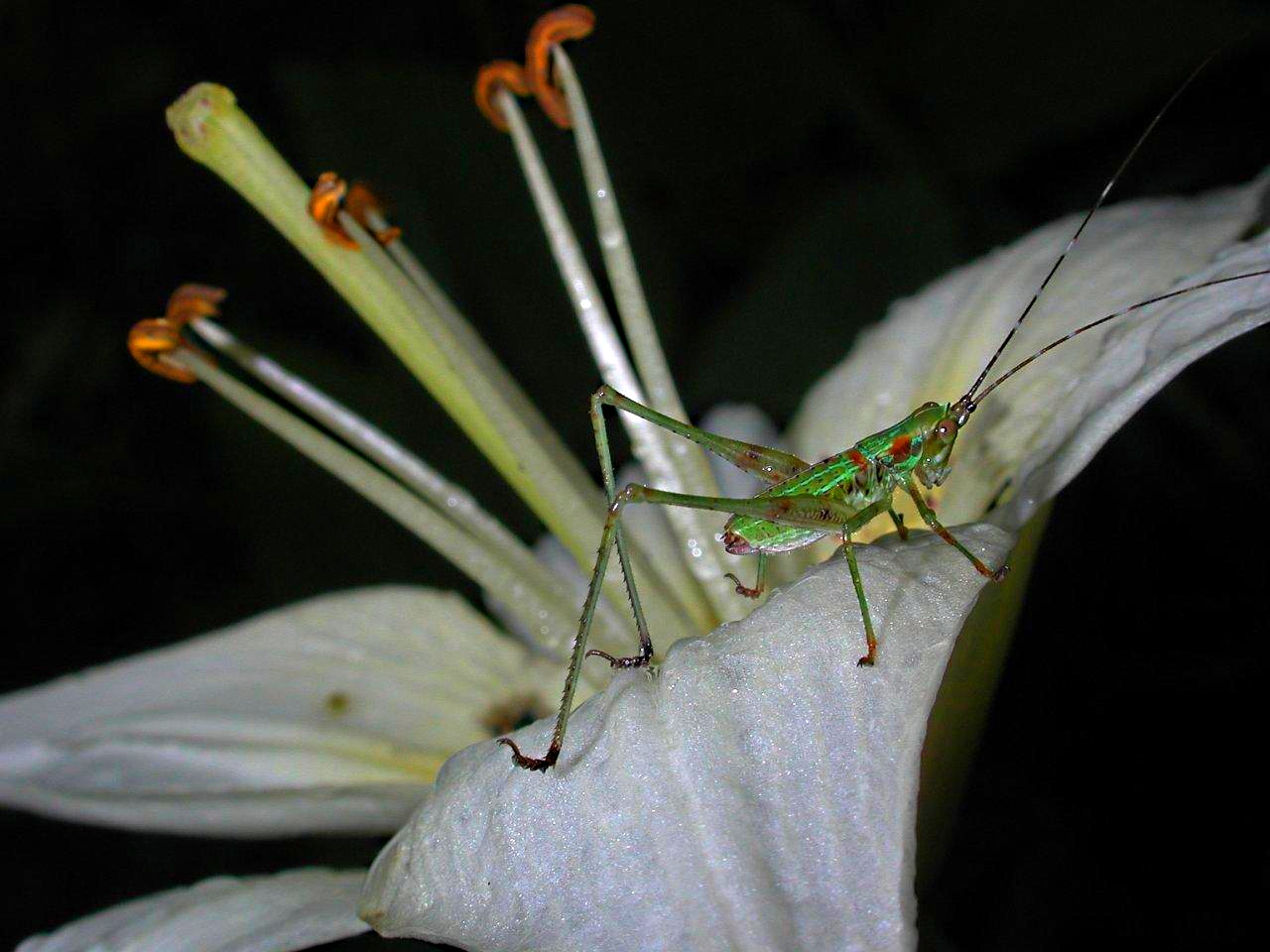
Katylily by Thomas Peace 2013

.
.
.
.
. It may be that, these days, the Big-shots — in separative politics, in huge, ambitious religious organizations, in financial and luring commodity-selling institutions — have one enormous thing in common. They all like suckers.
.
.
. My pet Plecostomus Catfish:
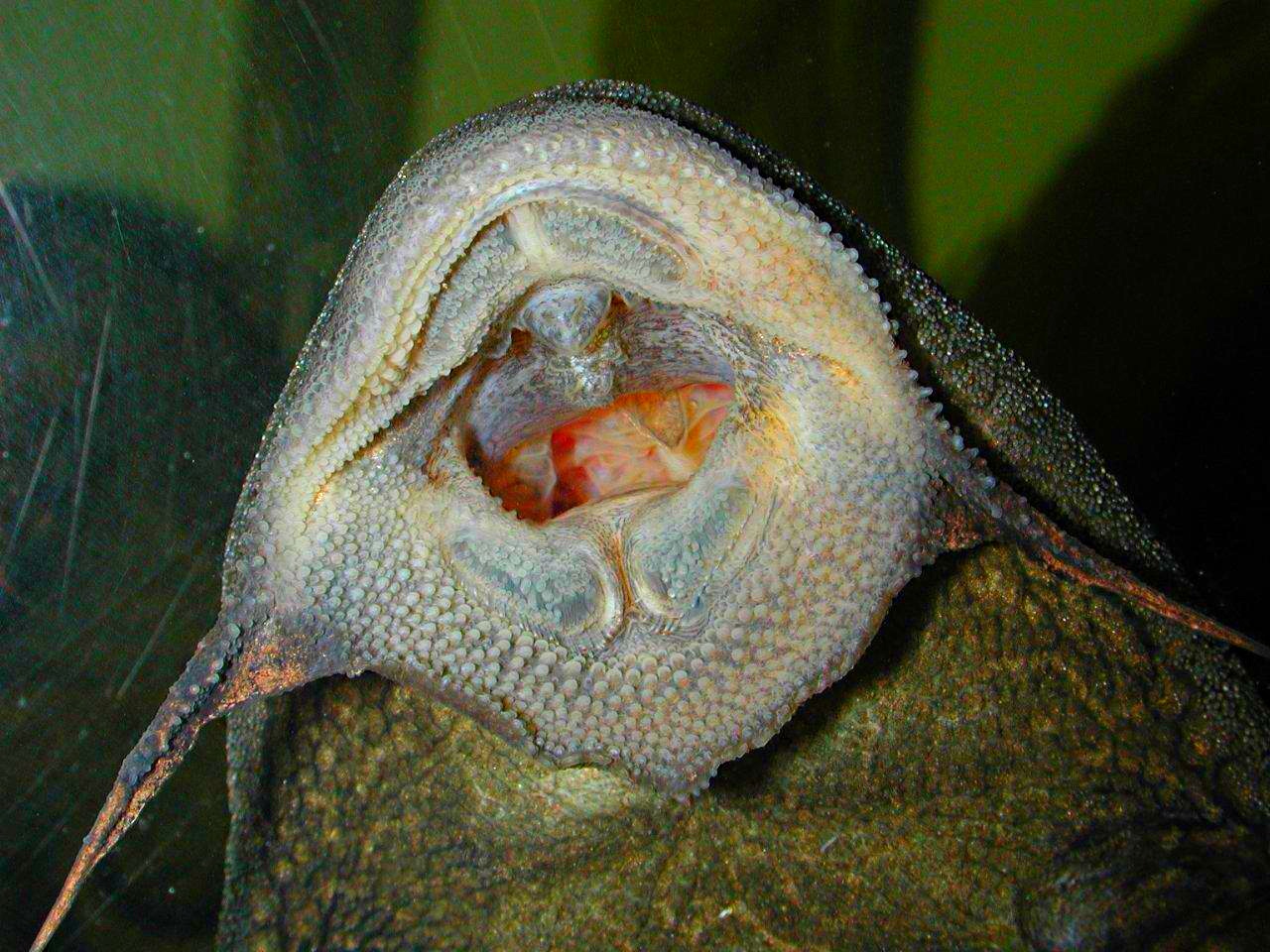
Pet Plecostomus Catfish (1) by Thomas Peace 2013

Pet Plecostomus Catfish (2) by Thomas Peace 2013

.
.
.
.
. from Walt Whitman:
.
. Miracles
.
Why, who makes much of a miracle?
As to me I know of nothing else but miracles,
Whether I walk the streets of Manhattan,
Or dart my sight over the roofs of houses toward the sky,
Or wade with naked feet along the beach just in the edge of the water,
Or stand under trees in the woods,
Or talk by day with any one I love, or sleep in the bed at night
with any one I love,
Or sit at table at dinner with the rest,
Or look at strangers opposite me riding in the car,
Or watch honey-bees busy around the hive of a summer forenoon,
Or animals feeding in the fields,
Or birds, or the wonderfulness of insects in the air,
Or the wonderfulness of the sundown, or of stars shining so quiet
and bright,
Or the exquisite delicate thin curve of the new moon in spring;
These with the rest, one and all, are to me miracles,
The whole referring, yet each distinct and in its place.
To me every hour of the light and dark is a miracle,
Every cubic inch of space is a miracle,
Every square yard of the surface of the earth is spread with the same,
Every foot of the interior swarms with the same.
To me the sea is a continual miracle,
The fishes that swim–the rocks–the motion of the waves–the
ships with men in them,
What stranger miracles are there?
.
.
.

Flower Burst by Thomas Peace 2013

.
.
.
.
. Perhaps, if it ever happens, the ending of pollution, overpopulation, wars, separative perspectives, and divisive institutions will be the evolutionary flowering of man.
.
.
.
.

Clovers by Thomas Peace 2013

.
.
.
.
. Though it is primarily survival of the fittest here in and above water… it may very well be that the truly sacred only directly visits (and fills) the glass that is innocent, clear, and open.
.
.
.
.
Wild Morning Glory by Thomas Peace 2013
.
.
.
.
. True hate is instant separation from the whole… and instant ignorance (and, hence, is always false).
.
.

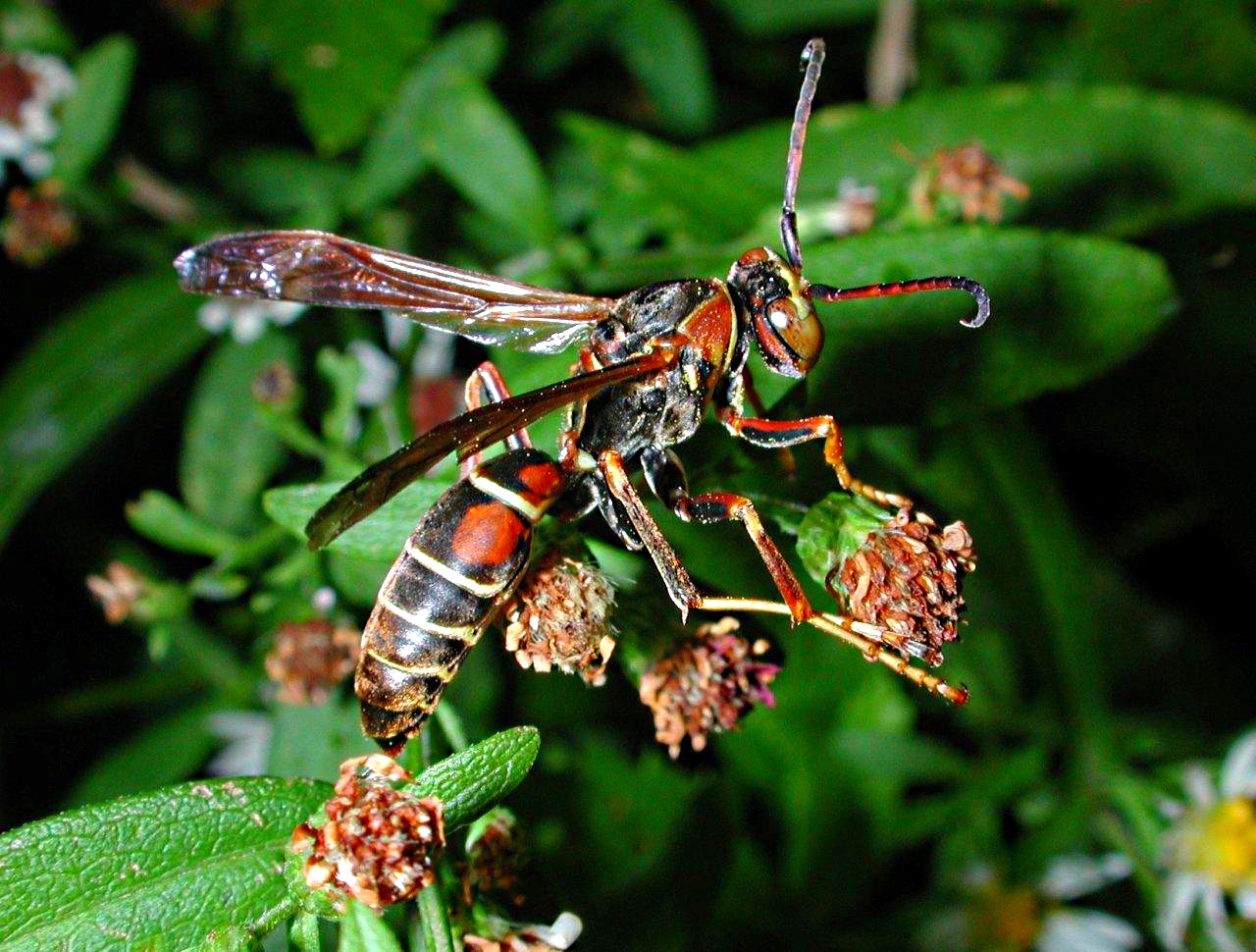
Wasp by Thomas Peace 2013
.
.
.
.
. Each of us is highly responsible for getting the world cleaner, greener, and more peaceful.
.
.

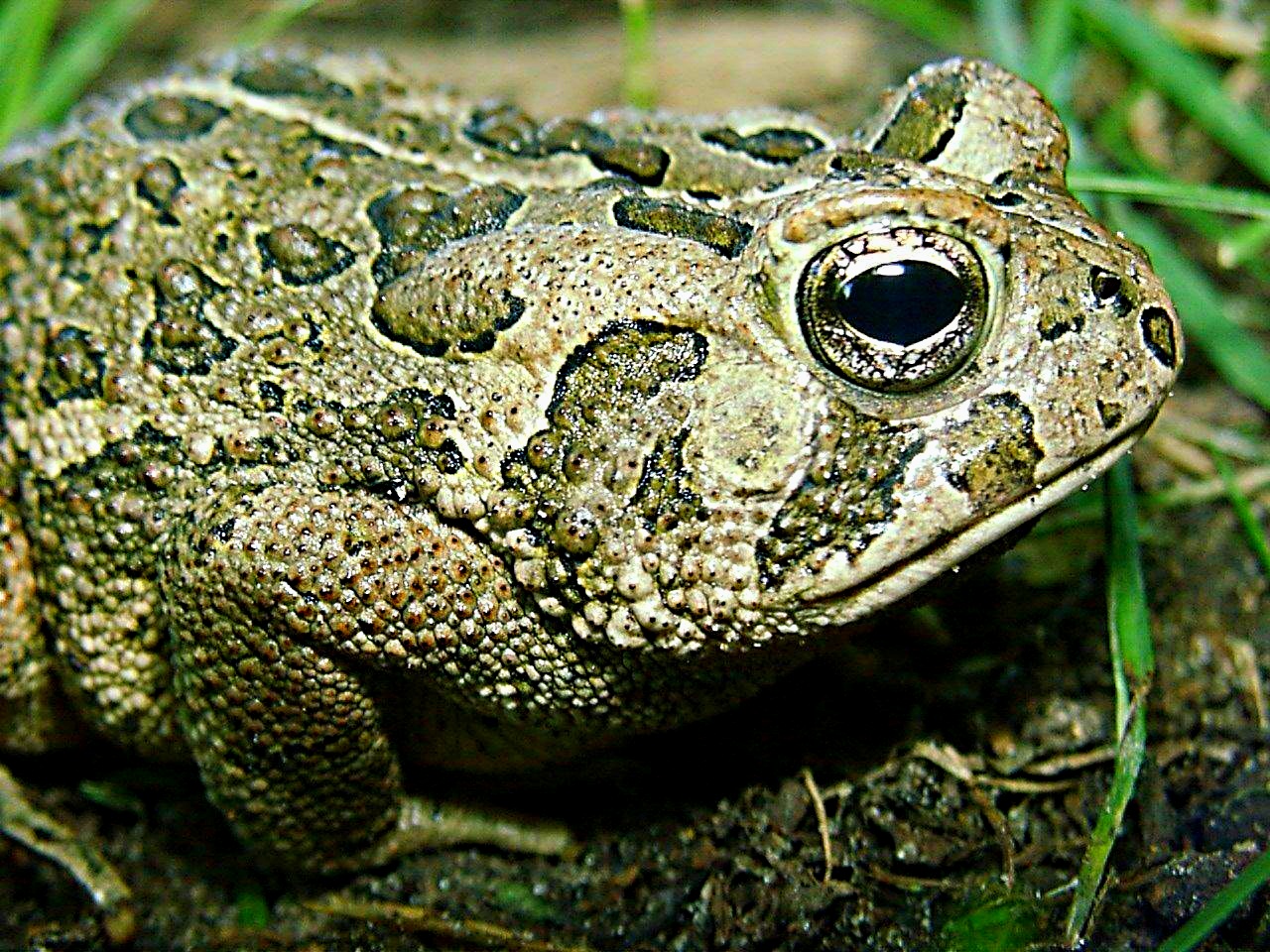
Toad by Thomas Peace 2013

.
.
.
.
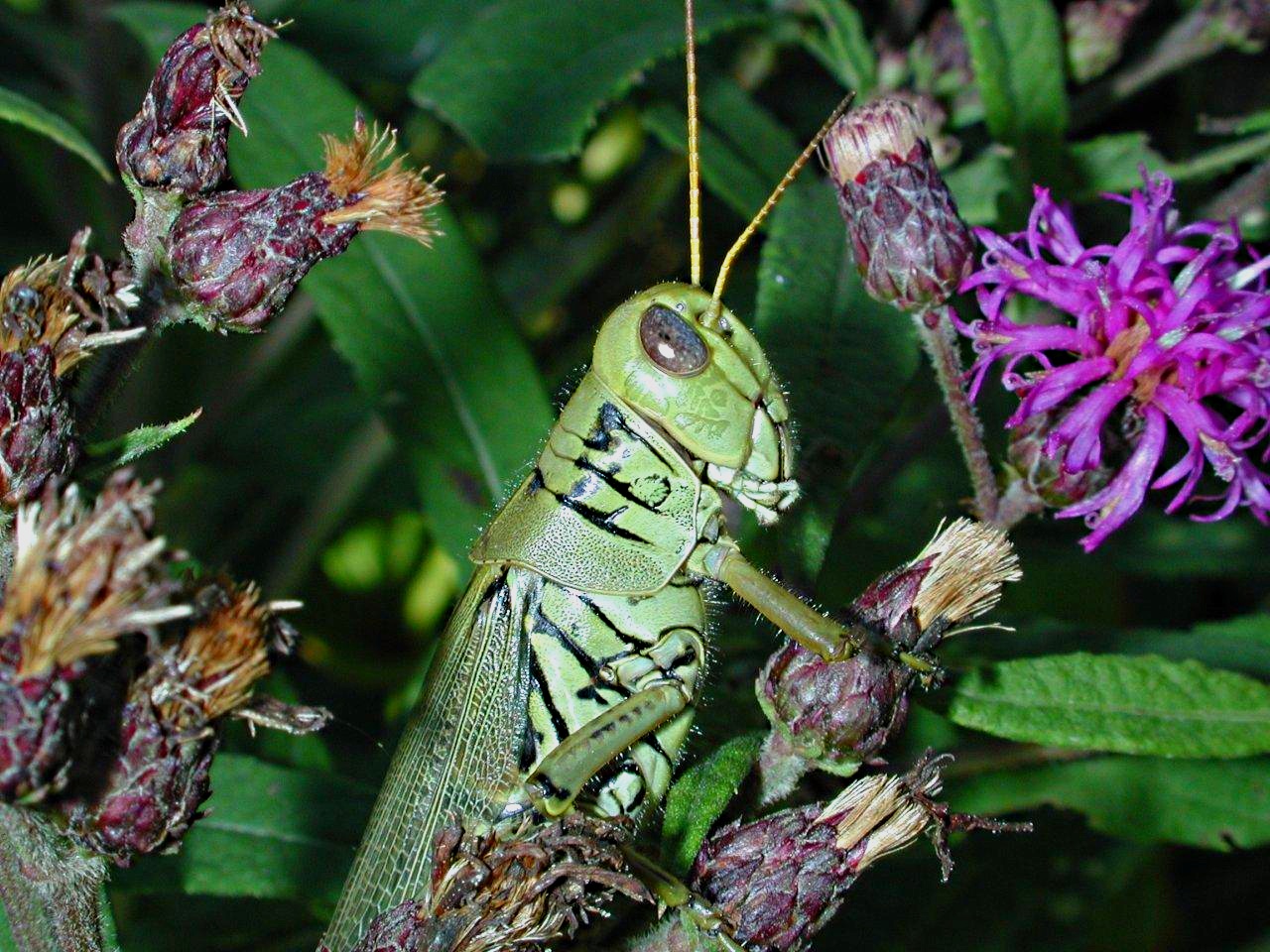
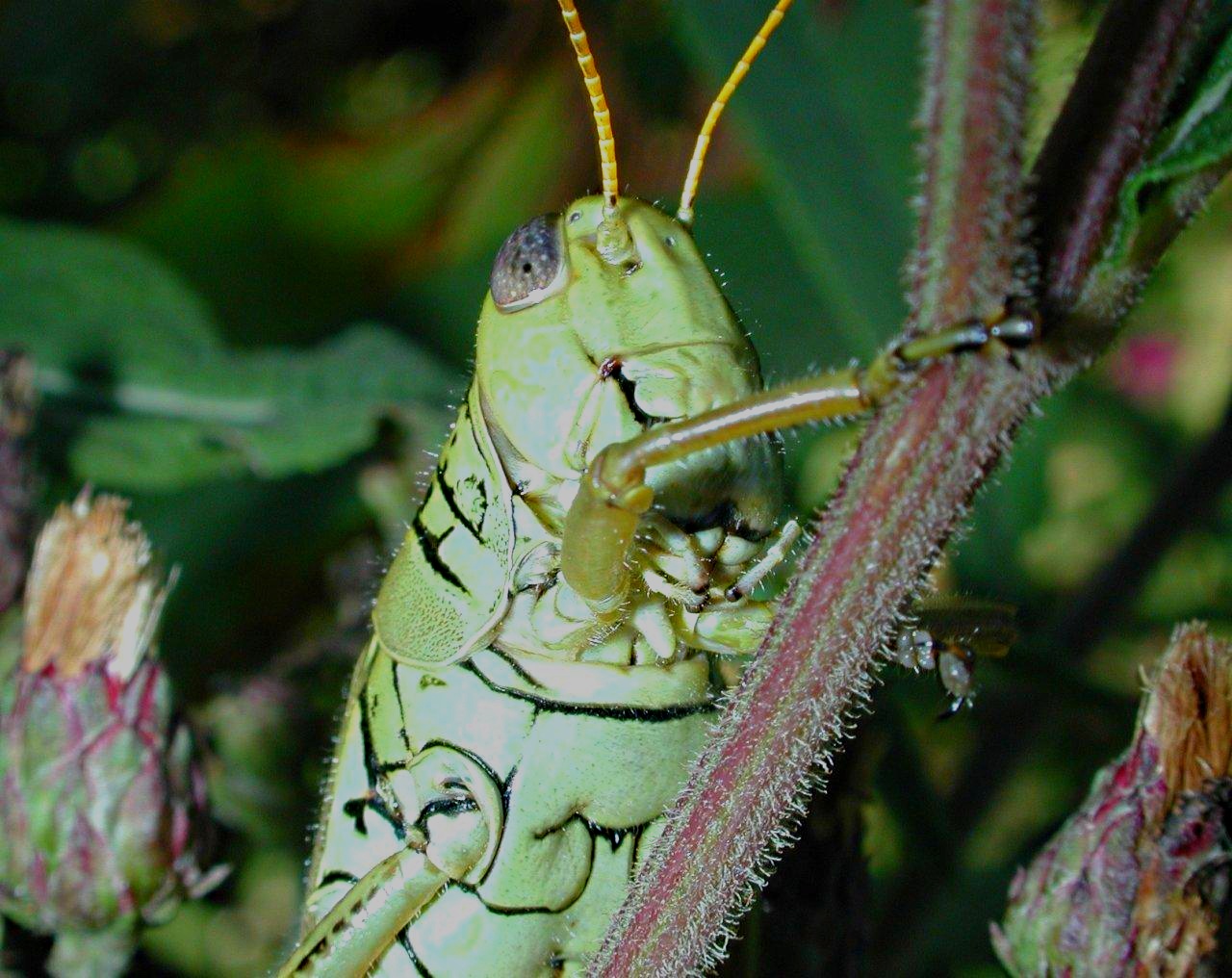
. Wars are essentially stupid… just like one’s left hand attacking one’s right hand is essentially stupid.
.
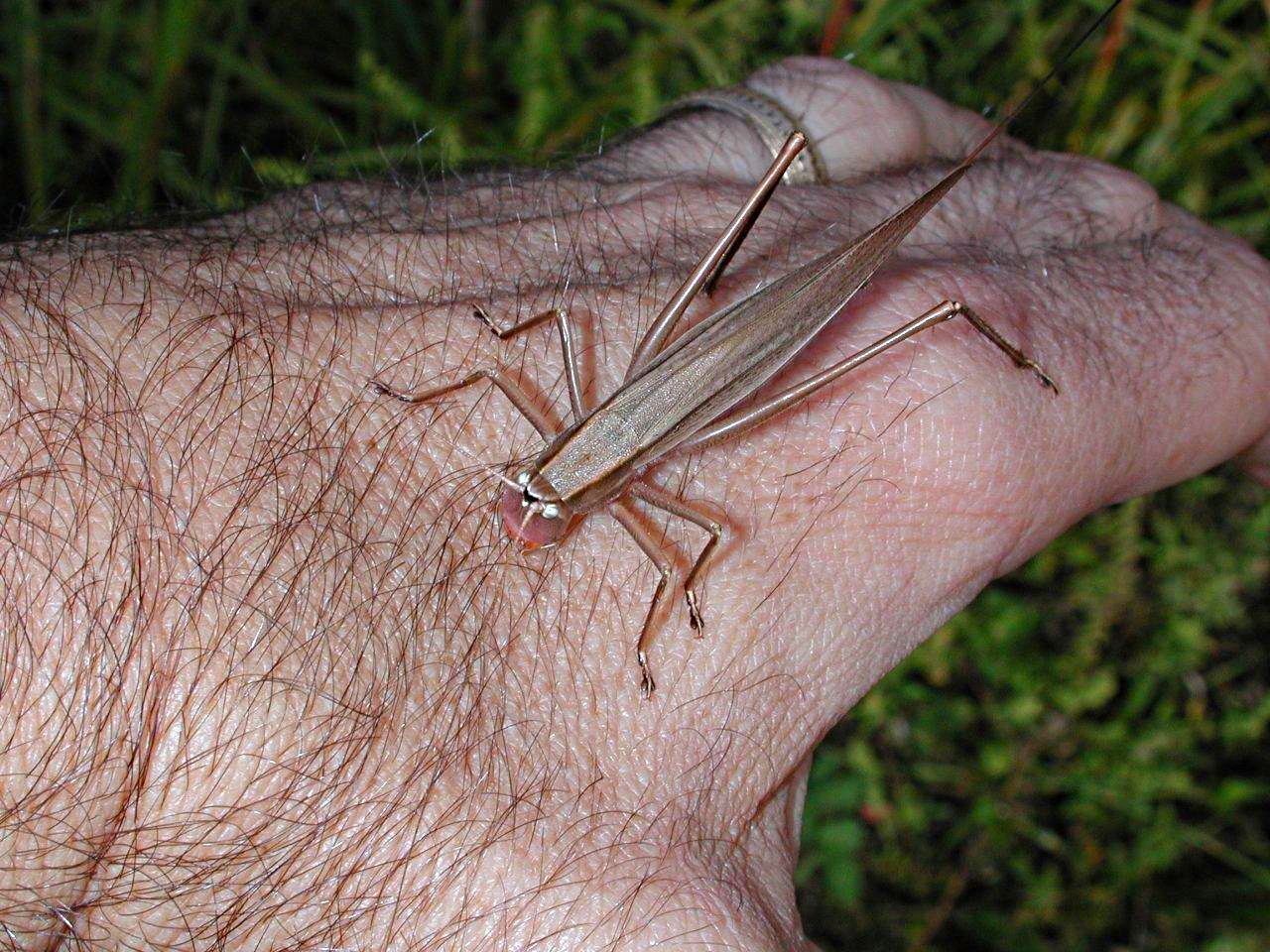
Katydid (1) by Thomas Peace 2013
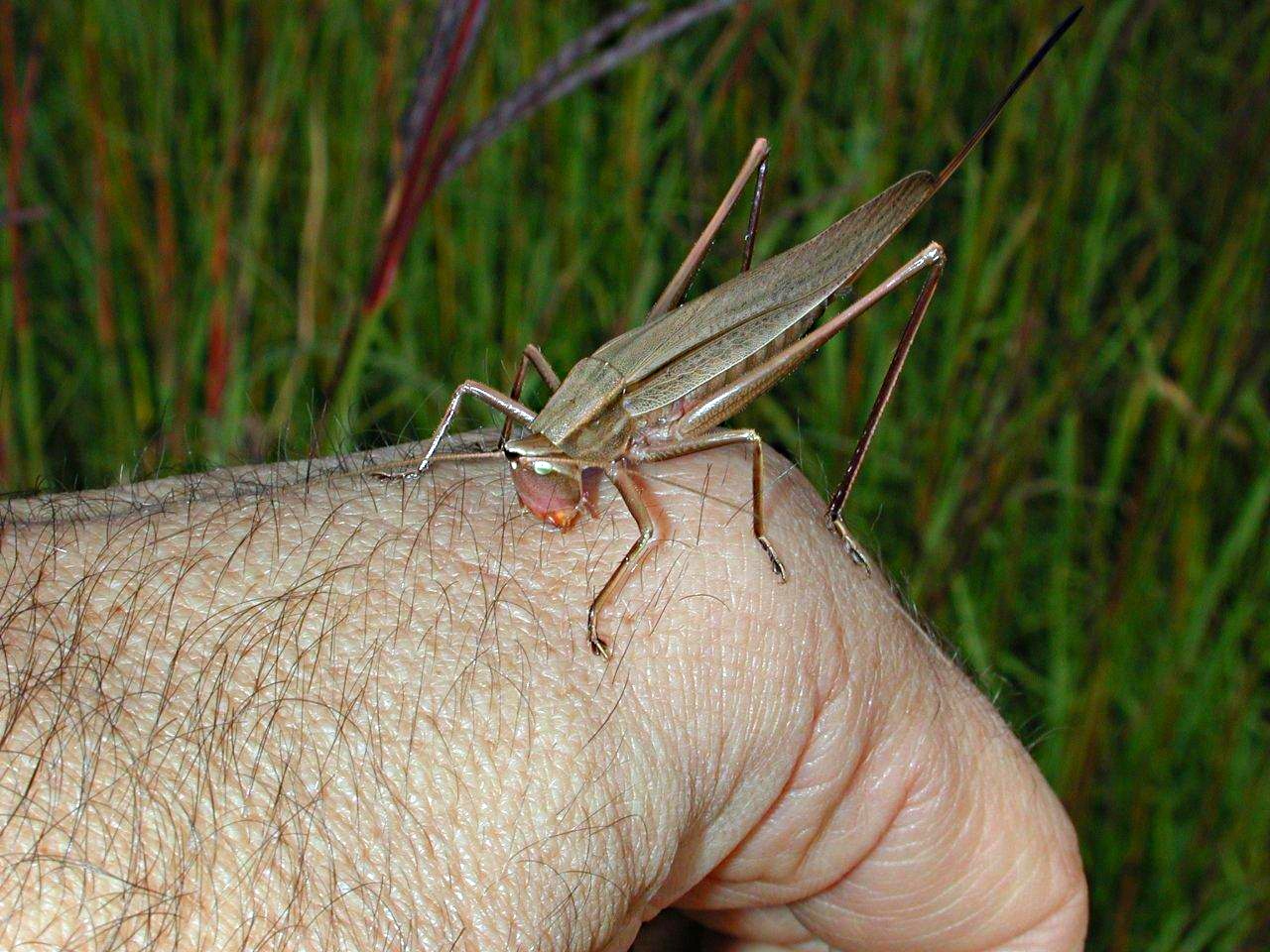
Katydid (2) by Thomas Peace 2013
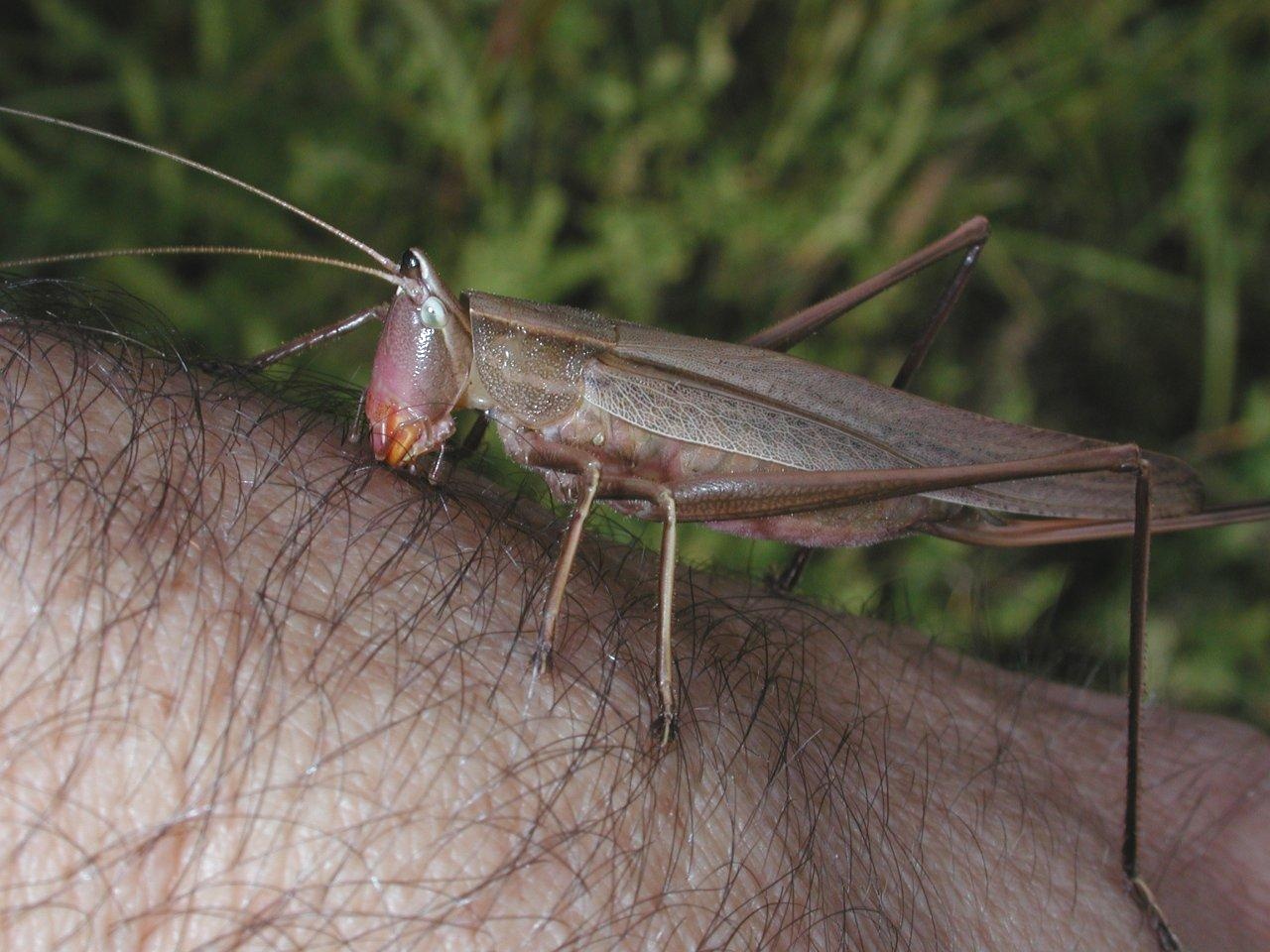
Katydid (3) by Thomas Peace 2013
.

.
.
.
.
. from E. E. Cummings:
.
.
Now i lay(with everywhere around)
me(the great dim deep sound
of rain;and of always and of nowhere)and
what a gently welcoming darkestness–
now i lay me down(in a most steep
more than music)feeling that sunlight is
(life and day are)only loaned:whereas
night is given(night and death and the rain
are given;and given is how beautifully snow)
now i lay me down to dream of(nothing
i or any somebody or you
can begin to begin to imagine)
something which nobody may keep.
now i lay me down to dream of Spring
.
.

Spring Fledglings (1) by Thomas Peace 2013

Spring Fledglings (2) by Thomas Peace 2013


.
.
.
.
.
. Jealousy and social-oriented fear are attributes of a crippled mind.
.
.
.

Meadow Flowers by Thomas Peace 2013

.
.
.
.
.
. Wisdom and truth exist beyond the realm of superficial thought; most all thought is essentially superficial.
.
.

Thorn-mimic Treehopper & Ant by Thomas Peace 2013
.
.
.
.
.
.
. The “perceiver” is “the perceived”; you are, psychologically, really not separate from what you see.
.
.
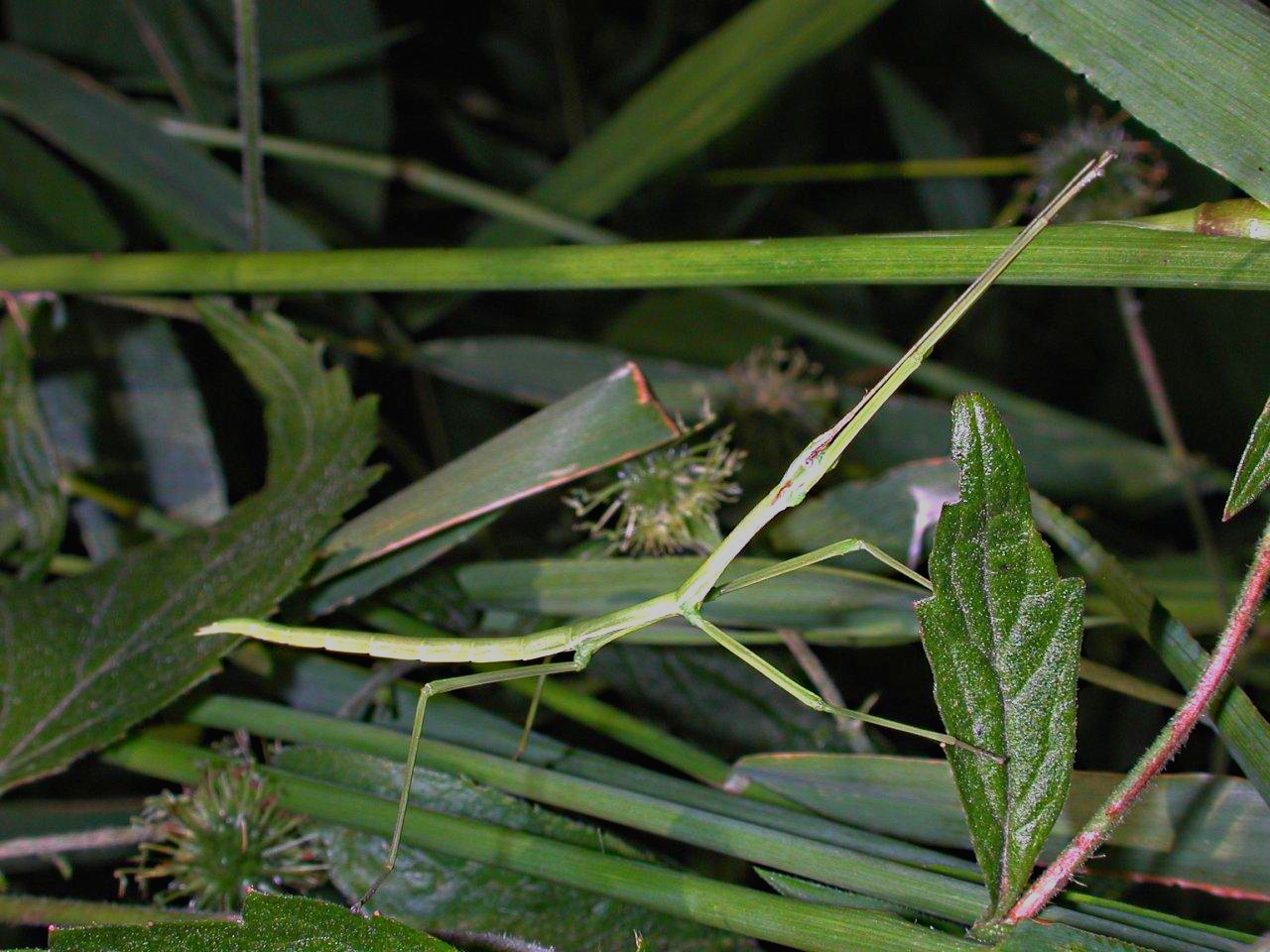
Stick Insect In Woods (1) by Thomas Peace 2013

Stick Insect in Woods (2) by Thomas Peace 2013

Stick Insect In Woods (4) by Thomas Peace 2013

.
.
.
.
. We’ve followed leaders for millions of years… and look where it has gotten us! Don’t follow anybody, neither politically nor religiously. So many of us drift through life, needing to be lead. A person who needs to be lead is an insecure person, much like a shadow. (We are not advocating some kind of crazy anarchy!)
A true democracy is one which exists beyond dogmatic leaders. In such a society, people could vote, referendum style, on key issues periodically, through the usage of, for instance, computers. Instead of having stuffy, life-long political barons, we could (jury-duty style) have responsible people work in groups of 12 (or thereabouts) to, on a temporary, rotating basis, regulate and coordinate the voting and election results; that would be a true democracy (and no “politicians,” no feigning baby-kissers nor totalitarians need be involved).
Religiously, so many of us, too, want to be lead. But is true religion what one can be lead in? You can be lead to a dead thing. But you cannot be lead to a dynamic, truly living (non-stagnant) thing. It may very well be that the truly sacred is not what any concocted, fabricated, man-made path can lead to. However, so many of us stay on our separate, fabricated, traditional paths (that were handed down to us like a pair of old pants). In a separate path, one easily looks at others (who are not in it) with an air of superiority and separation. The truly sacred may not be what can be touched by what remains in isolated groups, which separate themselves from other groups (causing more friction and division in the world). So many of us want to be where we can easily be “told.” But if truth is never merely second-hand… it cannot ever merely be told from one to another; being told is receiving something in a second-hand way; real truth is never second- hand. Shadows are second-hand. It may be that one has to discover it (i.e., truth) anew (freshly and directly) for oneself each and every moment.
.
.
from Stephen Crane:
.
.
A learned man came to me once.
He said, “I know the way, — come.”
And I was overjoyed at this.
Together we hastened.
Soon, too soon, were we
Where my eyes were useless,
And I knew not the ways of my feet.
I clung to the hand of my friend;
But at last he cried: “I am lost.”
.
.
*****************************************************

Wild Flowers by Thomas Peace 2013
********************************************************************************
********************************************************************************

.
.
.
.
.
.
. Fear of being “not accepted” makes many into the shallow shadows of others.
.

Shadow of Yellow (1) by Thomas Peace 2013

Shadow of Yellow (2) by Thomas Peace 2013
 Tom's Nature-up-close Photography and Mindfulness Blog