
Fear. You can run from it all you want, but — if you do — it will always be there (in one form or another).
There are intelligent forms of fear and other forms of fear that are largely unintelligent. If you are walking through the woods and see a cluster of poison ivy (and have gotten severe rashes from it before) you naturally avoid it with (and “as”) a fear that is sensible and intelligent. If you are going along with others in an activity that you don’t really deem wise or wholesome, but are doing it just to “fit in” and not be rejected (as so many do with drugs, for example)… that may stem from a form of fear that is rather unintelligent and lopsided.
So many of us were taught that we are separate from our fears. When fear takes place, is it truly something that is separate from what you are? Instead of running from fears, or merely trying to manipulate them, it may be prudent to be in relationship with them… to carefully understand them and examine them (without manufactured distance and learned concepts, without fleeing). Fear often involves time; fear feeds on (and is) time. So many have fears about what the future may be (or may not be). Interestingly — though fear feeds on, involves, (and is) time — fleeing from fear involves time.
Separation from fears may go along with separation from other aspects in life… such as hopes, aspirations, dreams, speculations, and the images of others (that one deems separate from oneself). Hate often springs from unintelligent fear, for both are intrinsically bound in modes heavily involved with separation. Mental separation breeds both hate and indifference. When there is a wall of circumference around a (supposedly) separate self apart from fear, images, aspirations, and others… friction and turmoil often ensue. We can grow and wisely flower beyond the fragmentation and needless friction — internally and externally — if we perceive beyond mere separative and primitive processes.
Instead of merely just running from boredom, or fear, or loneliness, it may be prudent to remain with them (effortlessly observing) and learn from them intimately; then (out of the intimacy) if relationship with them truly changes naturally, they may flower into what transcends mediocrity, tradition, and fragmentation; then boredom and fear are no longer what they were (as part of broken, fragmentary isolation and separation).

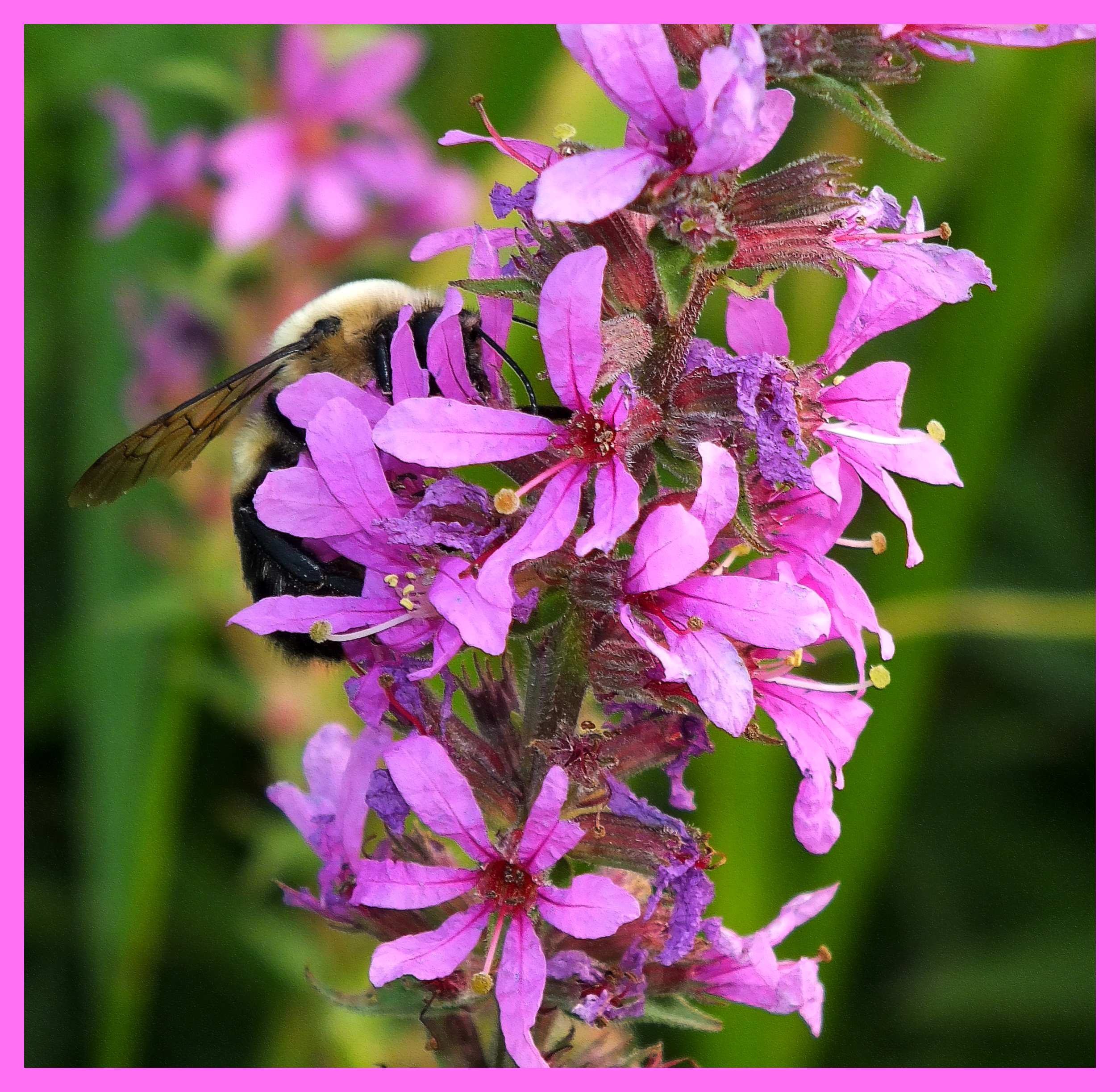
Fire and ice. Photo by Thomas Peace c. 2015








 Tom's Nature-up-close Photography and Mindfulness Blog