Deep insight, intelligence, and compassion are not three separate things. They exist together as one. They exist beyond the limited realm of knowledge and thought/thinking. Knowledge and thought/thinking are secondhand reactions. Insight, as deep perception, with its intrinsic intelligence, involves action, not mere reaction. Reaction involves conditioning (being essentially secondhand).
Interestingly, most of us think that we can understand the whole via using a central ego that operates via knowledge. This supposedly central ego seems to offer a superior form of security, permanence, and continuity. We — just as we were taught — cling to it. We are conditioned to be terrified of being without it. However, this very ego is essentially a projection from a conditioned, distorted brain. Interestingly enough, clinging to it prevents understanding and prevents intelligently perceiving the miraculous whole. The human organism can exist sanely and healthfully without clinging to fallacies. Then the mind acts; it is not just immersed in (and “as”) conditioned reactions. Please perceive beyond accumulated knowledge and society’s primitive distortions. Please respond to this beyond mere mundane reaction.
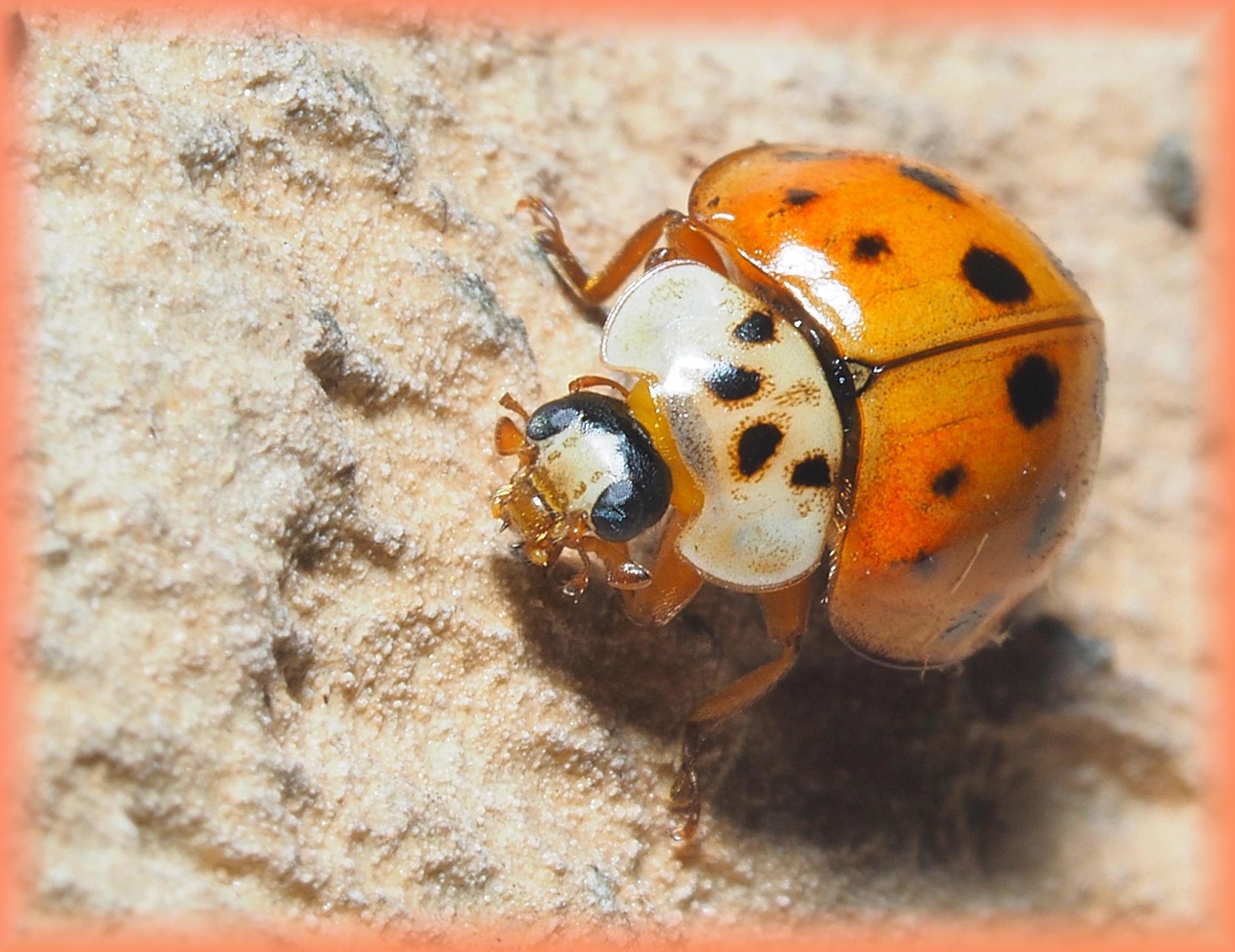
Home Invader #2,467 … Photo by Thomas Peace c.2025
When many of us think, it involves an internal verbal monologue wherein thoughts tend to mimic (or copy) what one’s voice sounds like (when actual speaking to others occurs). (During such “thinking,” the internal voice is a simulation.) When verbal monologue thinking occurs in terms of one’s own voice, it’s not really what involves your vocal cords moving; as was said, it’s a simulation of the voice. Additionally, some of us also think visually… depending on mental patterns of images. These mental visual patterns also consist of visual simulations. When a forest is mentally visualized, it’s not an actual forest; it’s a simulation of a forest. Then too, there is “pattern thinking” wherein held patterns are mentally analyzed for how they fit together in relationship, perhaps even somewhat holistically. Thinking is largely second-hand, imitative, a response of memory, simulation-oriented, and is essentially fragmentary and limited. Most of us cling to the patterns of thinking — we are the patterns of thinking — and we remain there (habitually). Often being beyond all that may be prudent and extremely wise (and need not involve more of this habitual simulation, monkey business to do so).
You may wish to watch the following short PBS Digital Studios video:
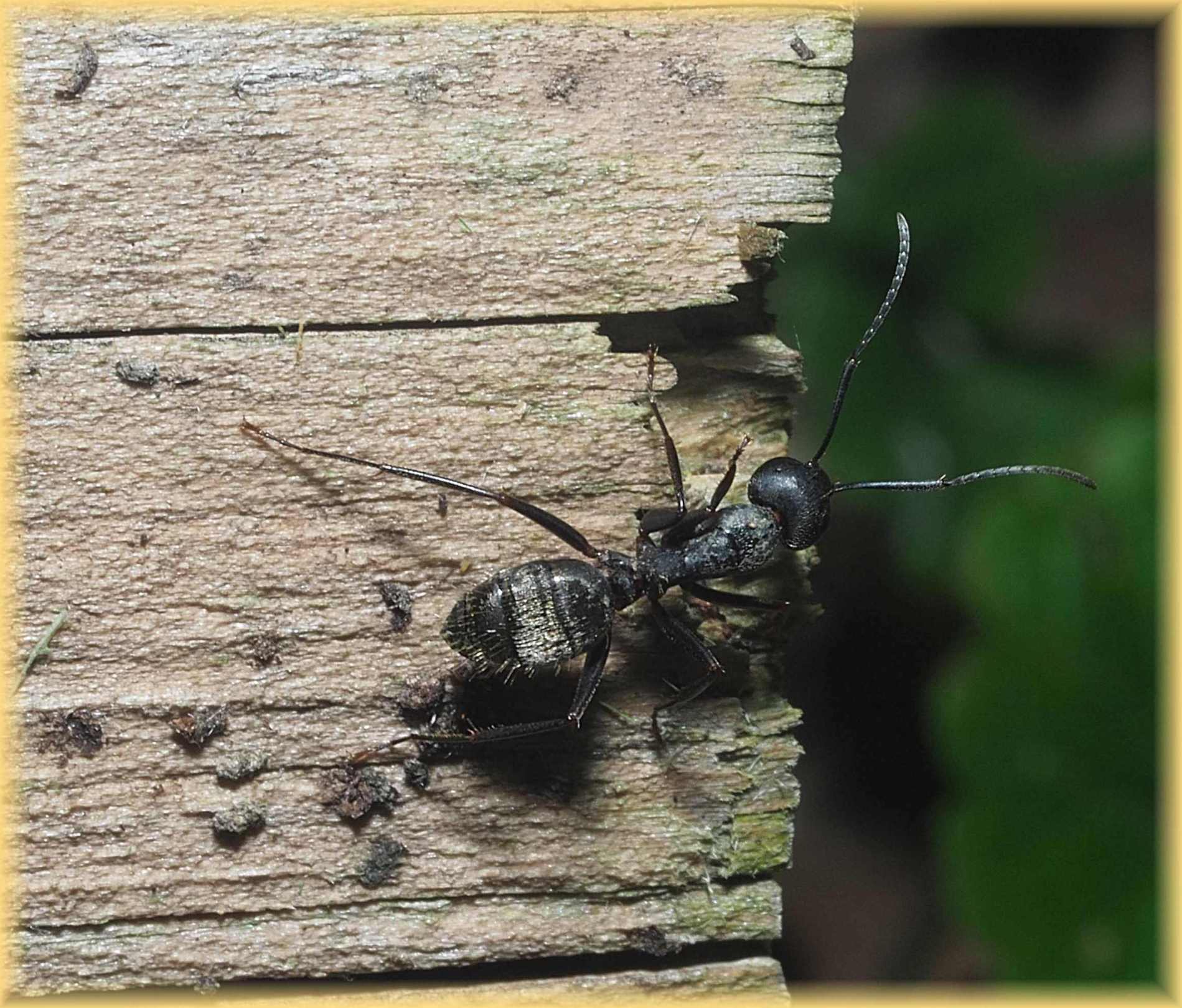
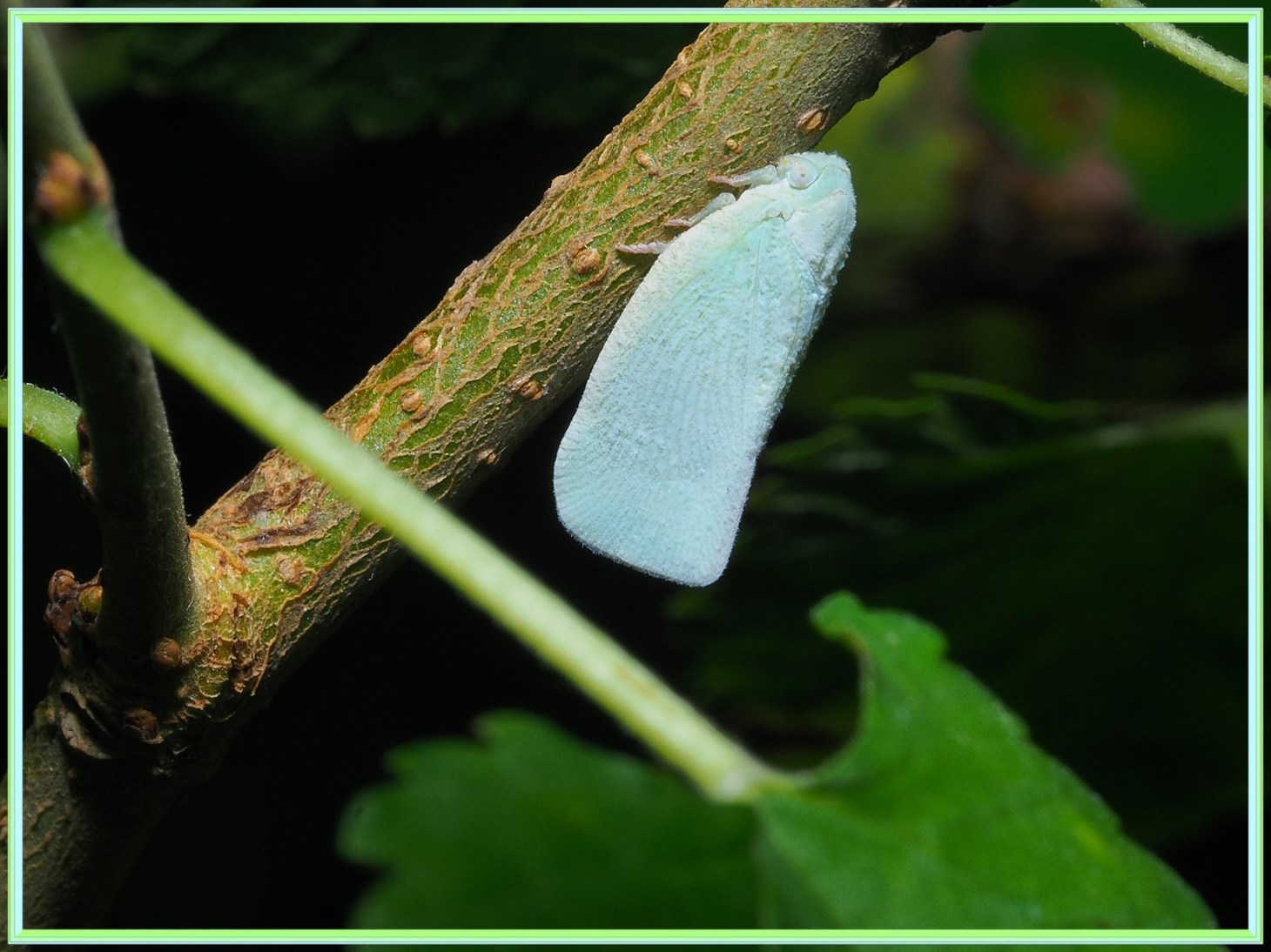
A Gem of a Rear-end … Photo by Thomas Peace c.2025
Intelligence naturally goes beyond mediocrity. It does not remain in the stagnation that many others remain in (and “as”). Unfortunately, too many of us presuppose things. We, with (and “as”) conditioned minds, continue to cling to patterns that we assume are true and noble. This clinging, however, may be largely erroneous. One of the presumptions, that most of us cling to, has to do with an inner belief (or acceptance) in the power and dominance of an ego or central controller. People, all too frequently, talk about altering their behavior or actions for the better. However, the presupposition of a separate ego (that can dominate things and alter things psychologically) may be a significant delusional factor that just contributes to more problems. Such a presupposition may contribute to more false separation, conflict, and further erroneous reactions. It may be that too many of us have accepted the same, old, erroneous game (while all the while thinking that we are correct, somehow better, and intelligent). We are suggesting something about observing beyond accepted norms.
Songs from the Wood … Photo by Thomas Peace c.2024
Most people tend to remain reacting in (and “as”) the habit of thinking. They habitually react as one series of thought-patterns after another. These patterns consist of such things as personal issues, political issues, so-called religious issues, and a multitude of other issues. Most people have propensities to remain in (and “as”) reacting patterns of thought/thinking. Instead of being true action, what they are engulfed in is habitual reaction. Mechanistic, symbolic reaction is not living. Please look beyond the realm of secondhand, repetitive processes.
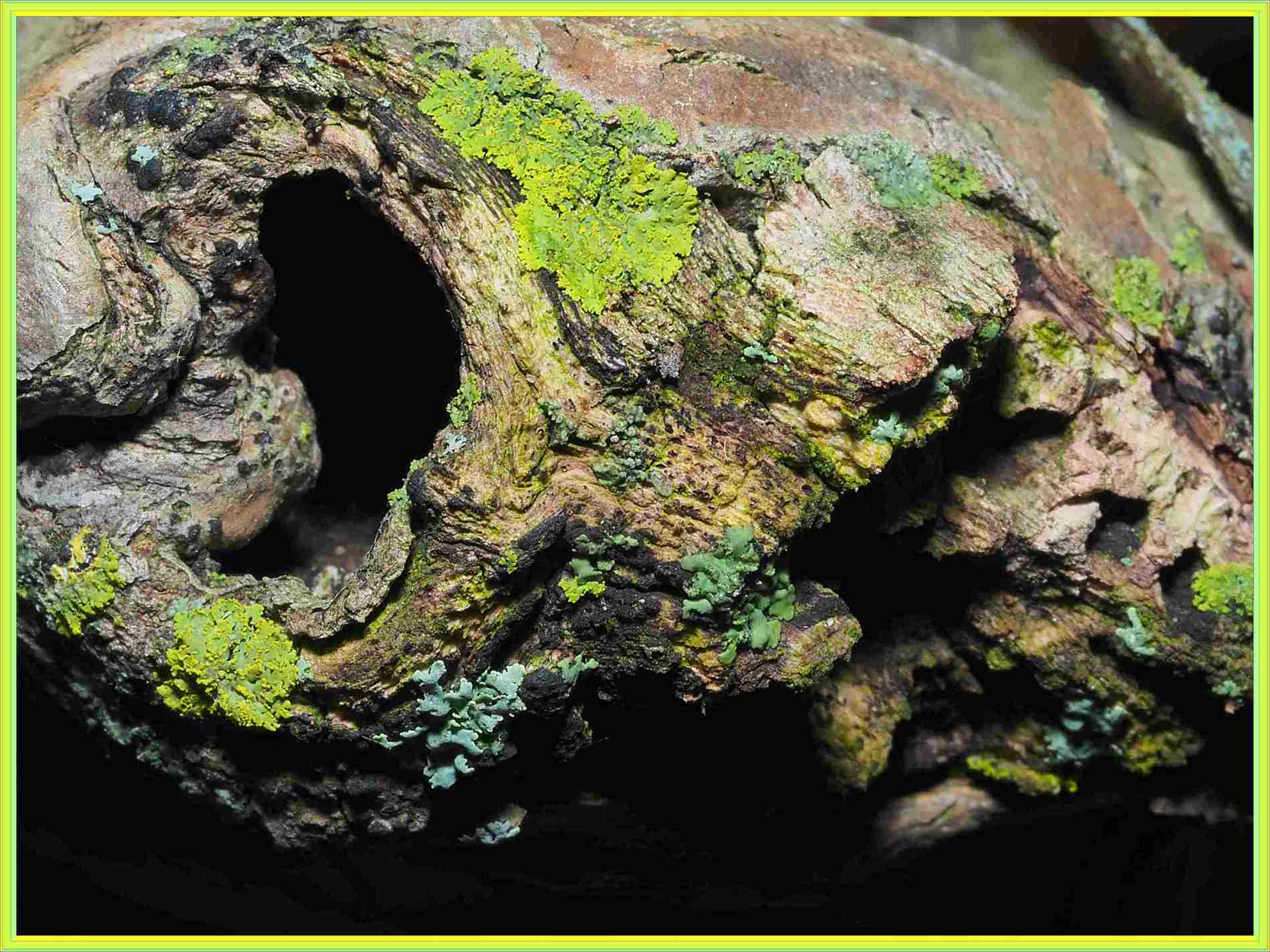
Multicolored Lichen … Photo by Thomas Peace c.2024
The root of the word “mediocre” means halfway… like going halfway to a treasure or halfway up the mountain. Many people in society, it seems, tend to not care enough about profound, important, and penetrating things. Many prefer to look superficially and prefer to remain satisfied with the superficial. Caring to go deeper is not a one-dimensional thing. Caring to go deeper is multidimensional (and perhaps beyond ordinary dimensions). If you truly care to go deeper, you also naturally care for all human beings. Additionally, you care for the whole of life: the trees, the plants, the animals, and all living things.
A mind stuck in the superficial remains content with superficial things. This superficiality is fragmented, limited, divisive, and circumscribed. I often get complimented for my pictures but not for the written content. I am polite and thank those who compliment me but i wonder about how they perceive in this world. (If Einstein was still around and he gave a superb lecture, would it be prudent for one of the listeners to solely compliment him on the color of his tie?) Society (and its so-called educational systems) have succeeded in turning out a lot of robotic people who go through the motions of being alive, yet (unfortunately) are not fully alive.
We can exist in an easy so-called life and do as we were told, exist as we were instructed, while we believe in what was hammered into us. To question everything intelligently, however, is not easy. To go beyond mediocrity and a lemming existence is not easy. To go very deeply is not easy. To look beyond the stale curtain (and the provided beliefs, isolated boundaries, and words) is not easy. It may be that, unlike what society had taught you, you are not some separate, little entity that needs to succeed apart from all others; it may be that the whole of life (including all living things) is what you are (and not something separate). In true silence and emptiness… the whole is.
In this very insane and violent world, in order to find out what is true, and what is beyond and deeper than what everyone else is thinking, believing, or hoping, one must have (and “be”) a tremendous and great passion (involving holistic discovery). This immense passion must be beyond motives involving hopes, desires, and secondhand patterns. One must — to truly explore — function with (and “as”) a mind that is untainted, unprogrammed, unafraid, unconditioned, and uninfluenced by others. Such a profound inquiry must not try to influence what may be discovered (via any internal, psychological influences such as hopes, beliefs, desires, and expectations). And, such a pristine, inquiring mind must be extremely healthy, via being part of a body that eats wholesome, very natural, nourishing foods, exercises often, and does not indulge in recreational mind-altering drugs, alcohol, and tobacco products (that can distort the observations).
Then, having laid the right foundation, one can inquire. This inquiry may best be done (psychologically) without methods, systems, and learned techniques… just by timelessly, effortlessly looking without conflict, and conditioning… beyond any previously learned psychological molding, casting, techniques, or shaping. Most thinking, per se, involves methodology, remembrance, and effort; being beyond thinking is neither of methodology nor time. Freedom, spirituality, and truth may not be what people think or what minds fabricate.
Shine On You Crazy Diamond … Photo by Thomas Peace c.2023
In last week’s post, some folks, in the Comment section, mentioned something about the unknown embodying nothingness while mentioning that that is what is so terrifying; they feel safe in the “known.” Those comments got me pondering. Is nothingness (as the unknown) truly terrifying and does it take real courage to live with it psychologically?
As i’ve mentioned numerous times before… we were all very miseducated by society. This miseducation has molded us to be fearful of nothingness… to be anxious about existing in (and “as”) the unknown. It was hammered into us that the known — knowledge, knowing, and memory — is the key to security, safety, and happiness. In some limited ways, it helps with such things, but it may (fundamentally) not consist of (and fully support) lasting security, safety, and happiness. The known is fragmentary, symbolic, virtual, and limited. It is actually the known and its protrusions of “what might be” that produce fears; the unknown does not fuel this. The known and its concoction of “what could happen” is the real root of fear. In groping for security in the known, we absorb (and hold) beliefs. These beliefs were poured into us as products of knowledge that offer security. Do limited, secondhand words, suppositions, and mental images provide vast and unlimited security? Not really! In fact beliefs and absorbed religious suppositions very often divide people in the world, causing much conflict, fighting, war, and suffering. That is not profound security.
If you are not a reflection of what society has poured into you (and if you actually perceive how thoughts create fear and mental problems), then existing (psychologically) as nothingness or as the unknown may not take much courage. For me, nothingness is real bliss and is a great joy. This is because it exists beyond the limitations of symbolic, virtual, cadaverous, and stale thinking. Nothingness (beyond thinking) nullifies fragmentation and secondhanded observation. It, and it alone, allows for pristine and unadulterated observation (that is not contaminated by labels, beliefs, habits, fears, and stale, fragmentary protrusions of thought/thinking). This inner nothingness, which is holistic and uncontaminated, is real bliss, clarity, and timeless joy. (It takes no courage whatsoever to dwell in — and “as” — timeless joy… as the unknown.) The actuality is that stale thoughts and beliefs are limited, old, fragmentary, time-oriented, fear-generating, secondhand, and dark. (Granted, oftentimes rational thoughts are needed to function in life… but they are only limited tools.) The distortion of thought/thinking largely masks the joy and clarity of timeless living. Dying (psychologically) to the known is real freedom; then living and dying are not two separate things… and Death is what endless, robotic, virtual, symbolic, secondhand thinking is.
from E.E. Cummings:
dying is fine)but Death
?o baby i
wouldn’t like
Death if Death were good:for
when(instead of stopping to think)you
begin to feel of it,dying ‘s miraculous why?be
cause dying is
perfectly natural;perfectly putting it mildly lively(but
Death
is strictly scientific & artificial &
evil & legal)
we thank thee god almighty for dying (forgive us,o life!the sin of Death
Most people are magnetized to gravitate to (and to dwell in, and “as”) the known. They, unfortunately, cling to an existence exclusively in that superficial dimension. That dimension is a very limited dimension because one can only know (and accumulate) a very limited amount of things. To often exist as the unknown is foreign to them (and, for many, they never even considered it). The known is always of the past because it was accumulated in (and “as”) the past. Being of the past, the known always has a stale, secondhand element to it; it is never new, never totally fresh and living. Virtual, symbolic patterns, which constitute the known, are tokens and representations… not the actuality. It is good to use symbolic patterns often… but they are only temporary tools.
In so-called modern times, we were miseducated to dwell (and exist “as”) the known exclusively. Unfortunately, a mind that exclusively exists as the known is unbalanced and not whole. Society is a direct reflection of this unbalanced element, and insanity is rampant across the world. Interestingly, there is no procedure or method to step out of the known. All procedures and methods involve the known and are extensions of it. Procedures and methods involve time and the known is sequential (in its mechanical nature) and involves (and is) time. The unknown has the essence of nothingness to it (psychologically), and most people (unfortunately) are extremely afraid to be nothing psychologically. All want to be something, to attain something, to become something, to believe something, to get something, and to just continue to accumulate (sequentially). This exclusive sequential accumulation may be the very denial of true and timeless living.
The elderly, gray-haired Lo Zu was sitting — as he often tended to do — on a large boulder in nature… his wooden meandering cane leaning against him. Some youth saw him from a distance and they curiously journeyed over to where he was sitting. Then they asked him what he was doing. Lo Zu replied… “Doing nothing… being nowhere and existing as nothingness.” One of the youth queried, “What do you mean by ‘existing as nothingness?'”
After a long, meditative pause, Lo Zu replied, “When the ego is transcended, the mind is often mysteriously beyond its contents; then there is a beautiful nothingness that is blissfully beyond ordinary experience, sensation, space, and time; that emptiness is beyond the ‘known.’ But most people are afraid of being beyond the known. They are afraid of having their cup empty. Each one desperately wants their cup to be filled (with something). Their cups are full of stale theories, secondhand ideas, flat beliefs, antiquated traditions, divisive religions, corrosive fears, greedy desires, banal suppositions, learned superstitions, limited so-called organized systems, dead images, and shallow words from so-called leaders. But it may be that their fullness is the real poverty; it may be that real richness is in transcending the psychological self (that is an illusory troublemaker). Profound love is beyond the dilation of self.”
A lot of people in the so-called United States of America like to kill a lot of people in the so-called United States of America. It’s a deplorable form of ignorance really. It’s like the thumb of a hand attacking the fingers of the very same hand. A lot of people have been miseducated, and they do not perceive the unity of all things and creatures. Most look with (and “as”) separation, division, fragmentation, indifference, and isolating distance from a supposed center. We need to wake up and grow beyond the shortsighted limitation.
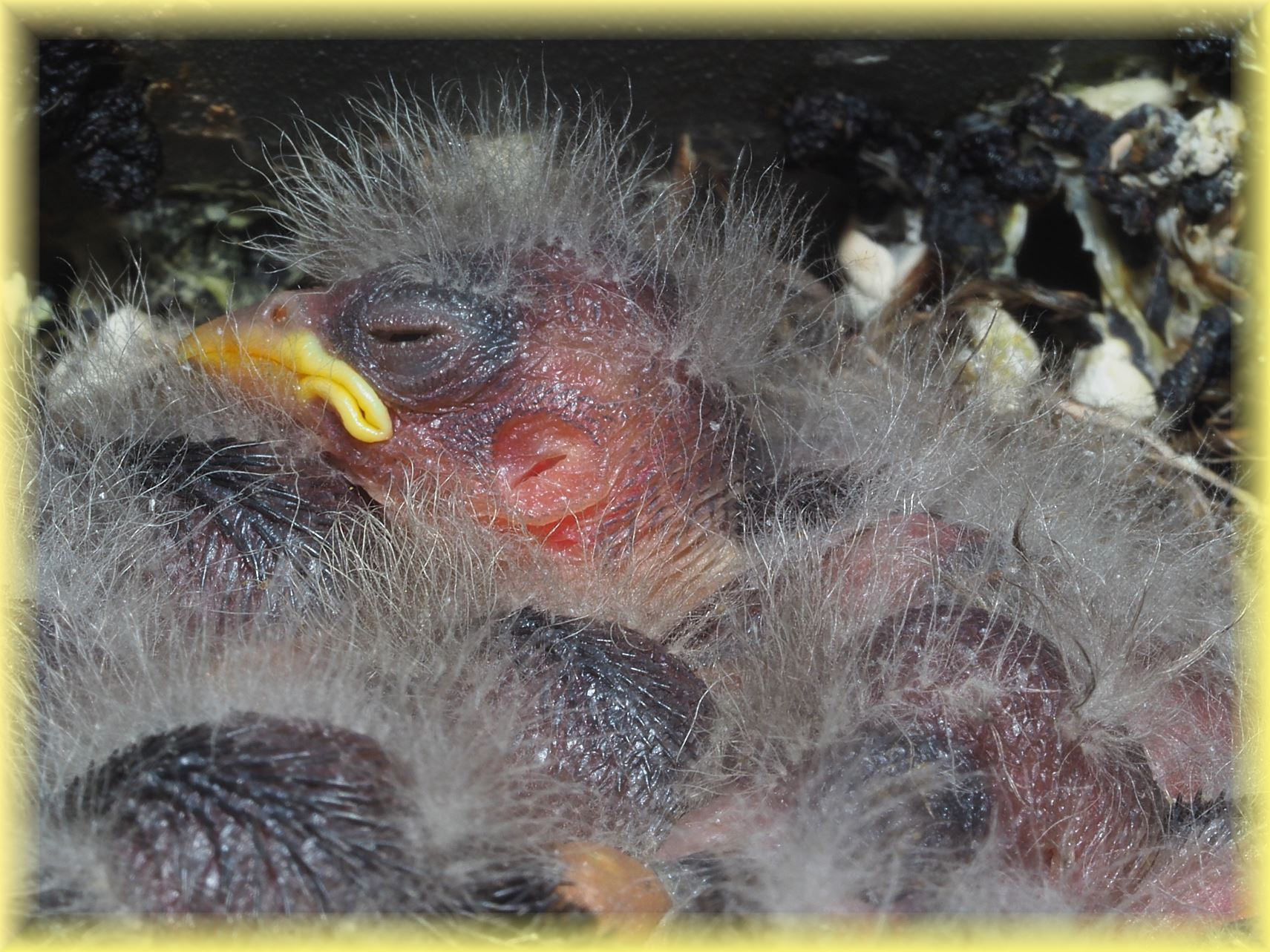
The Bird Ear and the Siblings … Photo by Thomas Peace c.2023









 Tom's Nature-up-close Photography and Mindfulness Blog