.
Though experience is often very necessary, a truly wise mind is intrinsically fulfilled — without motive — and doesn’t always need to be experiencing; but a happy infant usually depends on its toys.
.

Simply beeing. Photo by Thomas Peace c. 2015
.
Though experience is often very necessary, a truly wise mind is intrinsically fulfilled — without motive — and doesn’t always need to be experiencing; but a happy infant usually depends on its toys.
.
Simply beeing. Photo by Thomas Peace c. 2015
.
Psychologically speaking (without fictitious, crass separation):
In seeing… the see-er is the scene; in hearing… the hearer is the heard; in learning… the learner is the learned; in driving… the driver is the driven; in thinking… the thinker is the thought; in reading (this)… the reader is the read.
.
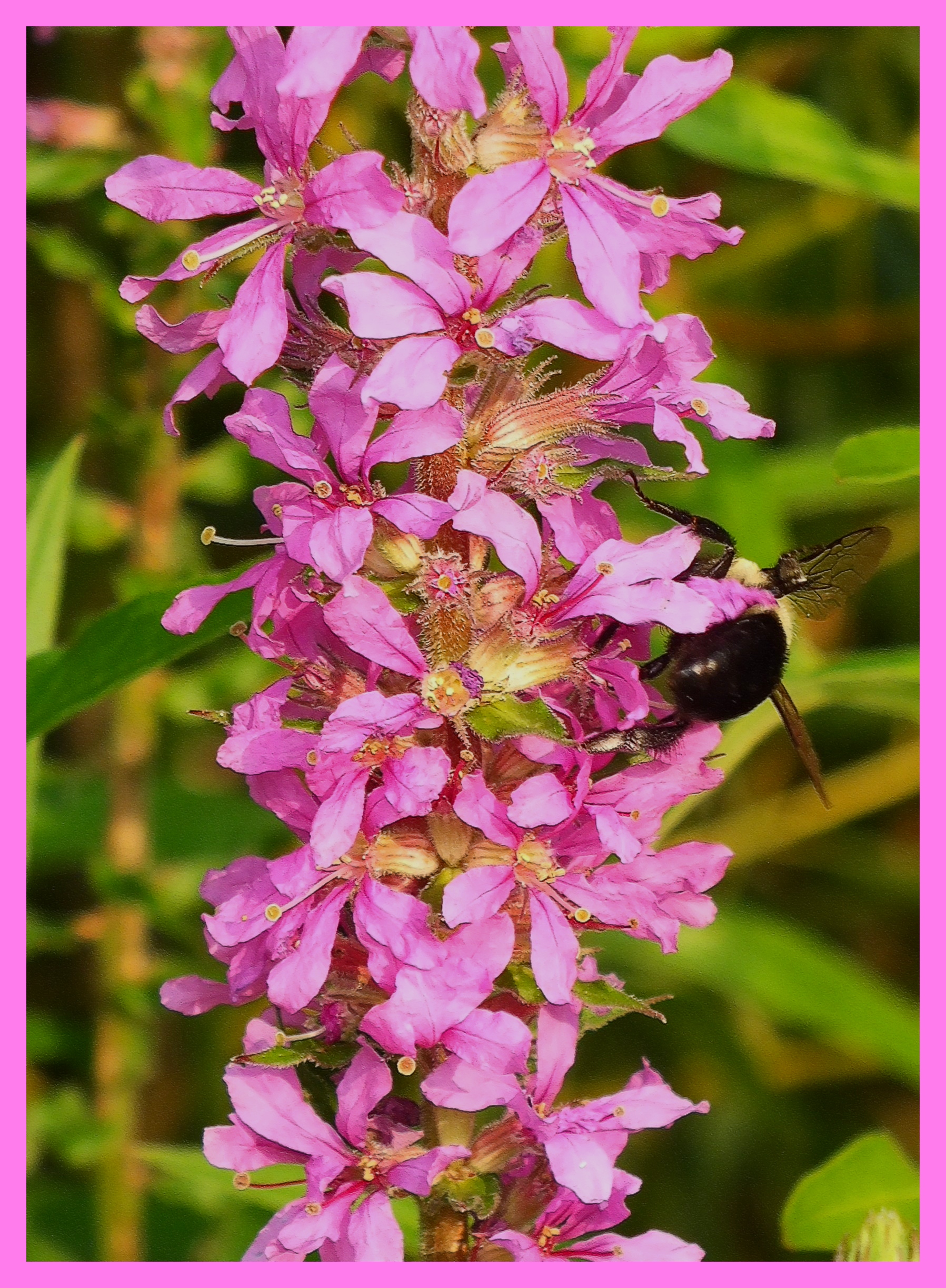
Jack and the Bean Stalk (1). Photo by Thomas Peace 2015

Jack and the Bean Stalk (2). Photo by Thomas Peace 2015
.
Many have assumptions that the “I” is the central controller of thinking; but, the “I” is actually another one of the conditioned thoughts. Not fully realizing that causes all kinds of illusion, fragmentation, mischief, and needless conflict. One thought — even though it purports to be central — does not, in reality, truly govern, dominate, or keep “other” thoughts in subservience. Profound wisdom and intelligence goes beyond that needless falsity and is then composed of magnificent order that is far more parallel with that of the true, overall order of the universe.
.

Topsy-turvy (1). Photo by Thomas Peace 2015

Topsy-turvy (2). Photo by Thomas Peace 2015
.
Profound truth and what is sacred and timeless cannot ever be found second-hand, nor by clutching to patterns; that is why it cannot be discovered by clinging to another’s authority — neither religious, political, social, nor a (learned, though essentially illusory) central ego’s authority — but only directly, effortlessly, spontaneously. That is one reason why — for so many — it is so very elusive.
.
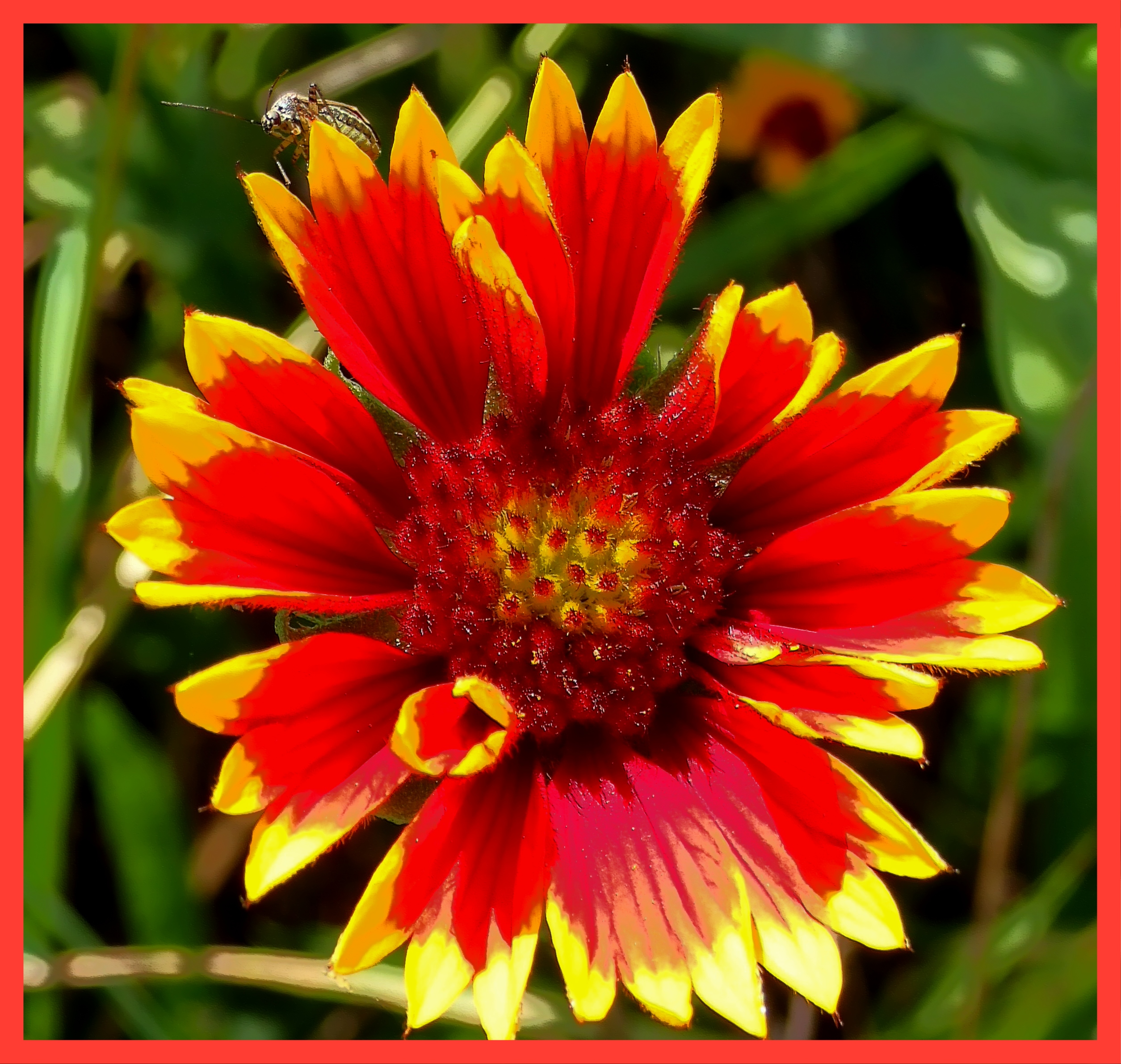
At the summit (1). Photo by Thomas Peace 2015
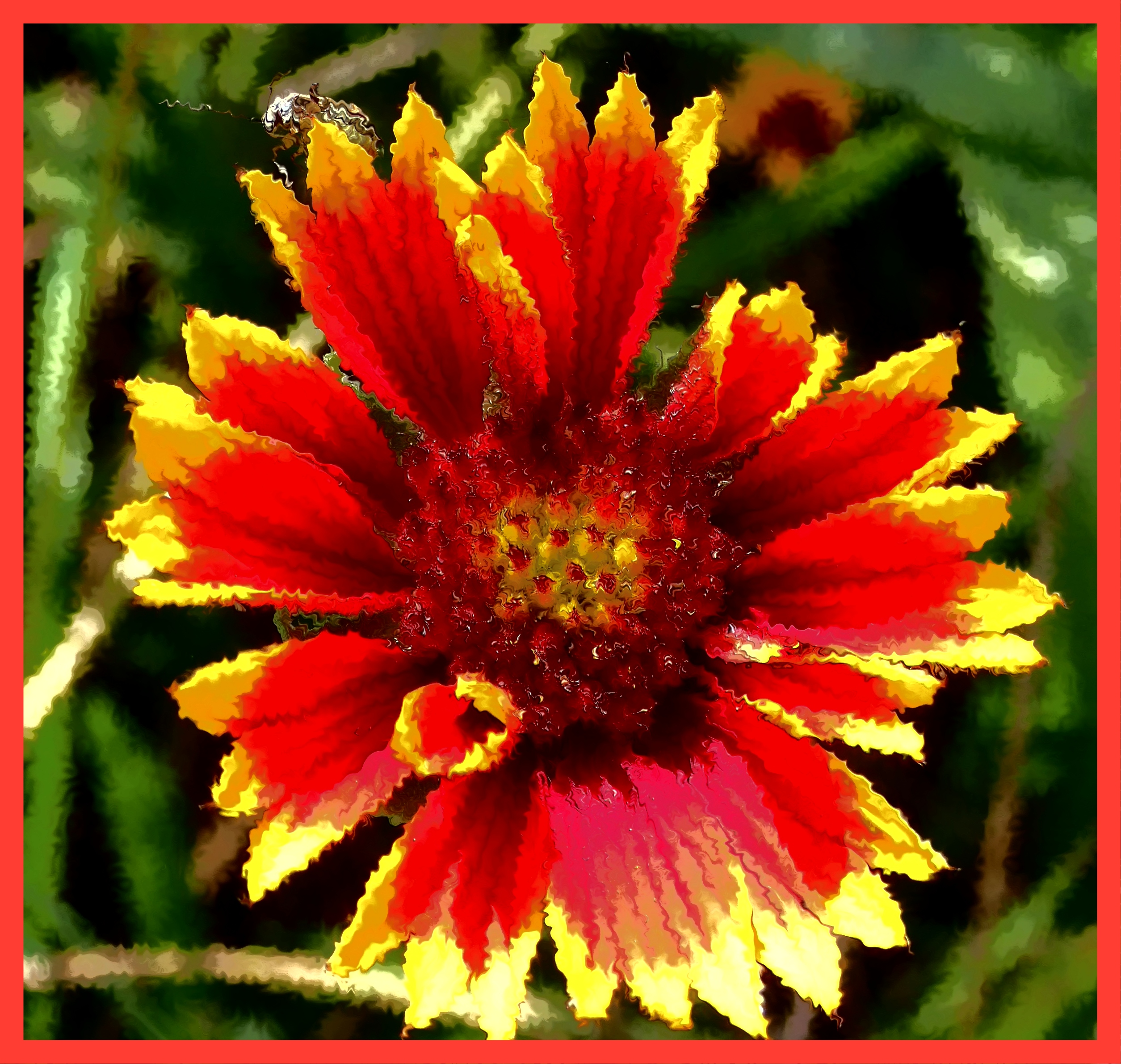
At the summit (2). Photo by Thomas Peace 2015
.
Give a dog to a bone
give a flower to some water
give a child to a hug
give a reader to the blog
give a charity to some dollars
give the question to the answer
give the itch to the scratch
give the darkness to some light
give some spider to a color
give the world to yourself!
.
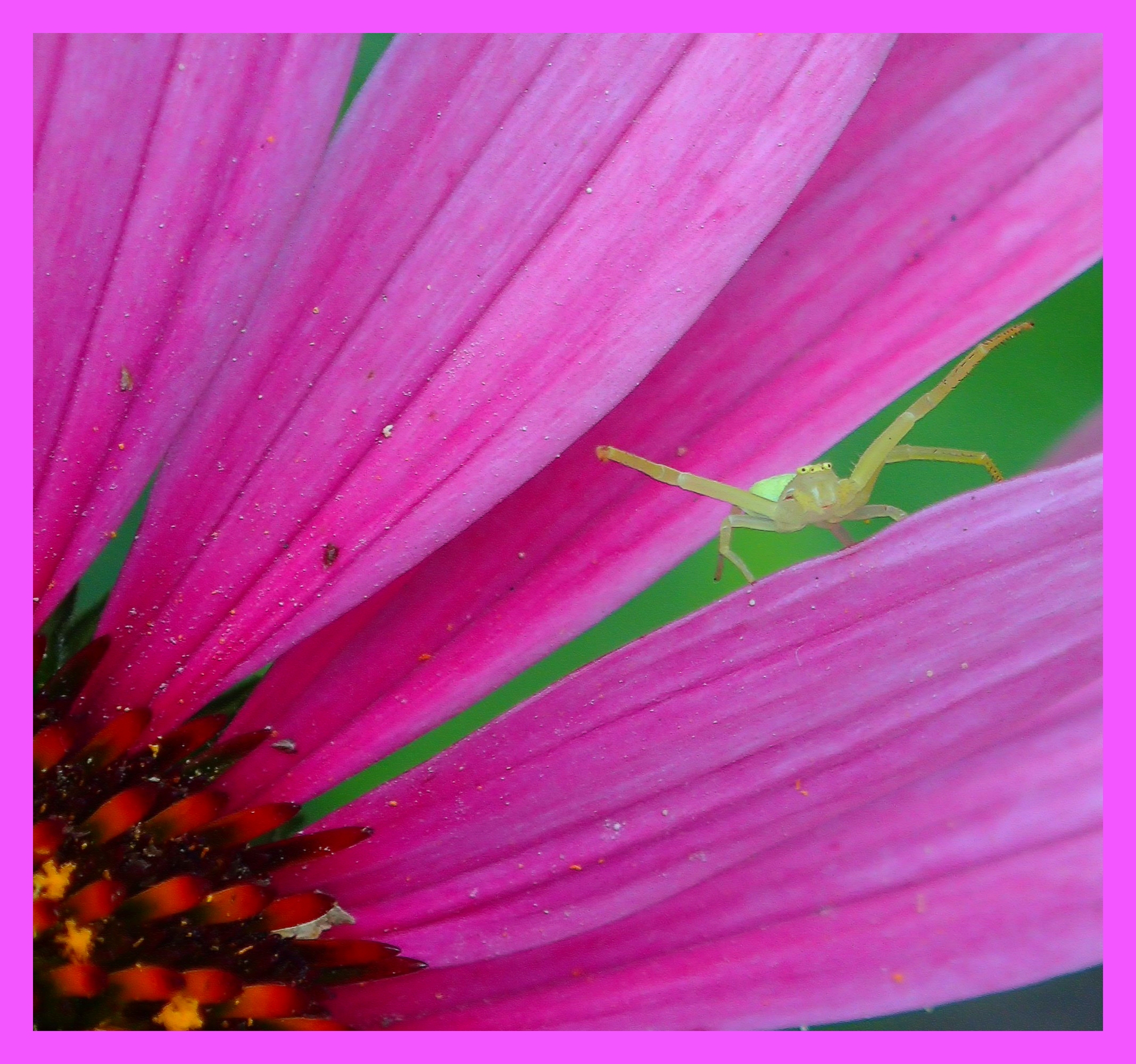
Give some spider to a color (1). Photo by Thomas Peace 2015

Give some spider to a color (2). Photo by Thomas Peace 2015
.
What is belief? Is it necessary in terms of understanding the whole, or is it something that is not very intelligent? In terms of religion, there are many who believe in their various Gods, and these beliefs — unquestionably — have a lot to do with what was handed down to them from others. Each one has his or her own inherited beliefs. So many (each) think that their God is best, that their country is best. Beliefs tend to divide people. Many wars have been fought over, and about, firm beliefs. One wonders — when beliefs have caused so much havoc and conflict in the world — why we still desperately cling to them.
In terms of spirituality, as was suggested, there are many who believe in their own particular God. Atheists believe that there is no God; they say that God doesn’t exist. Please don’t go off and get overly upset about this… but if one’s images of one’s God are composed of learned concepts and if one’s ideas that there is no God are constituted of concepts… then — in a fundamental way — there really is no big difference between ardent religious believers and atheists; they are both filled with their own particular, absorbed concepts.
To really (passionately) inquire — beyond all this vast array of disagreeing and conflicting beliefs — is something totally different. Then handed-down concepts or absorbed abstractions and procedures don’t influence and hinder one’s perception. Someone beyond these is truly open (and not contaminated by some process or conclusion). If you are on a quest to really find out the true nature of the whole of everything, will you follow someone’s technique, religious process, or anti-religious process… “map” of how to get there? If you follow their methodology, that means that you strongly suspect or “believe” that they hold the answer… the “special map.” However, if you aren’t truly aware of the answer, how could you possibly accurately know, or believe, that they have the answer?
Simply inquiring and perceiving, without an accumulated procedure (involving time), and learning about one’s self — without belief — without dependence on anyone’s system, or tradition, or “special map”… is not merely another belief. Belief (including following the methodology of others) takes time; it’s the residual result of an accumulated, residual process. Immediate perception (not clouded by learned beliefs or concepts), and insight concerning the self and/or deep truth, may not be (or be part of) an accumulative process whatsoever; time essentially has nothing to do with it. You know, when you actually see the sun, you don’t have to believe in it. There are billions habitually walking around with (and “as”) accumulated symbols, patterns, and images… learned from others over time. People love symbols; they are mesmerized by symbols, and most people are “thinking,” by way of mental symbols (which are what thoughts are), nearly all of the time. But the word “sun” isn’t the sun. Accepting symbolic beliefs, images, and concepts as the primary basis of your existence may not (unfortunately) be deeply intelligent, and it may lead to more conflict in the world; it may be like clinging to dark, cloud-like, second-hand, empty shadows (that never allow one to truly see the light). One can be open and beyond all that; few ever do it.
.

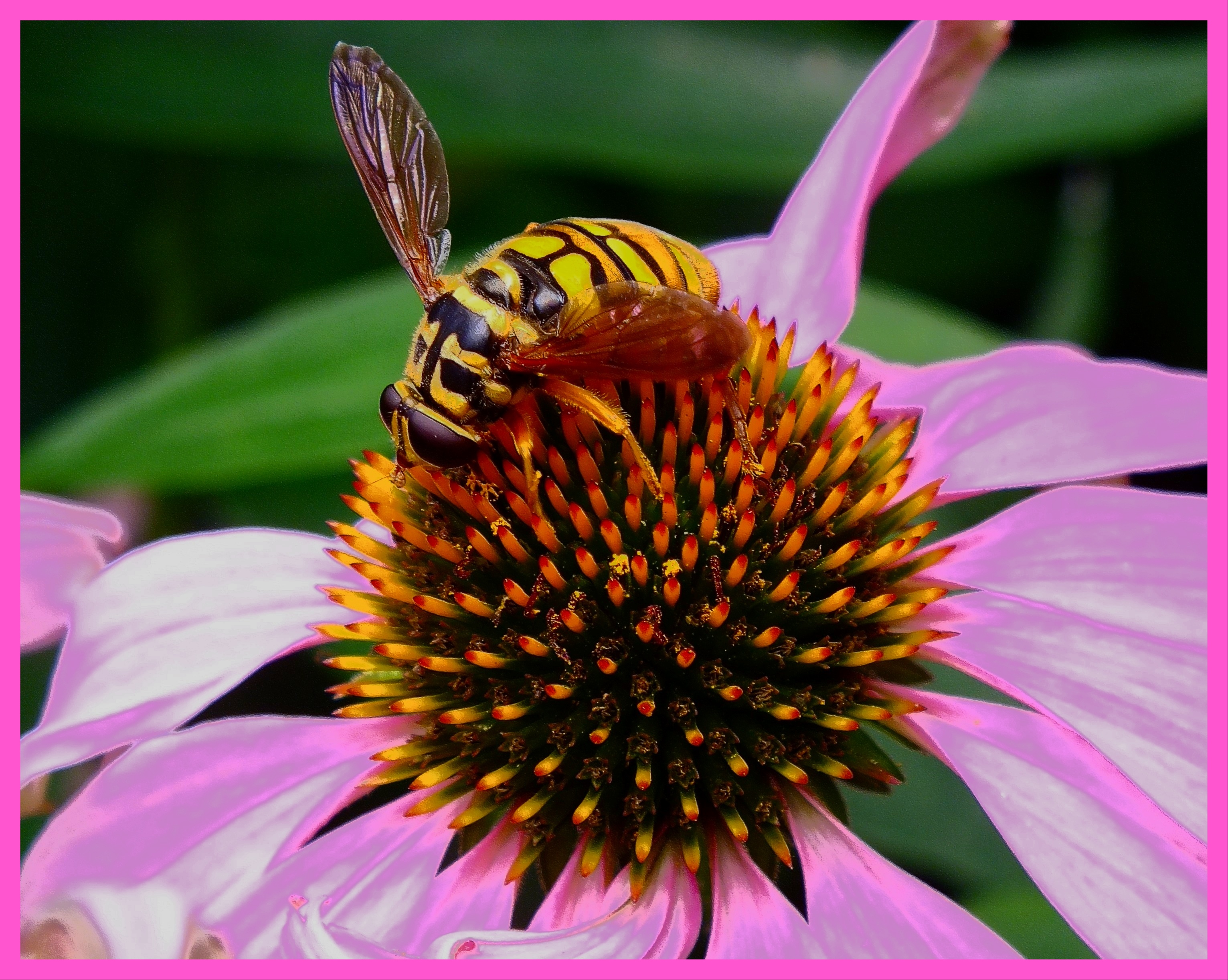
BZZZZZZ… Photo by Thomas Peace 2015
.
We learn to imitate from the earliest age, and (unfortunately) most of us continue to imitate throughout life… never going beyond mere reaction.
.
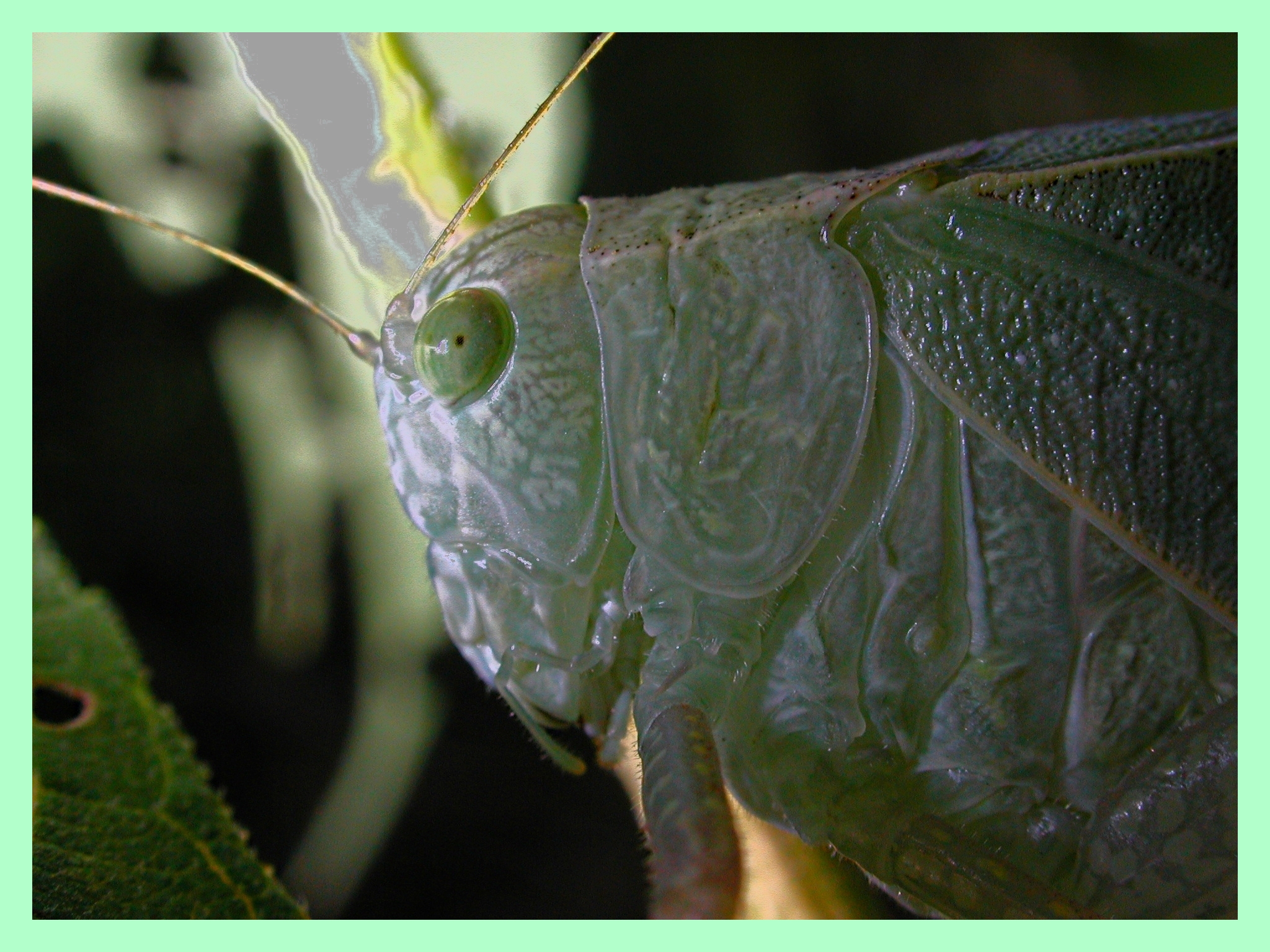
Profile of a nature lover (1). Photo by Thomas Peace 2015

Profile of a nature lover (2). Photo by Thomas Peace 2015
.
When many eat, they are very careful not to bite their own fingers, yet willingly hurt others… not realizing that — in a deep sense — they are one’s self also.
.

Delicately eating. Photo by Thomas Peace 2015
.
Instead of seeing your actions (i.e., reactions, fears, biases, and treatment concerning others) from a distance, observe them without separation (and not from some learned, devised, isolated “central point”)… such that you are them.
.

Close to the Edge… Yes. Photo by Thomas Peace 2015
.
If learned, separative concepts and symbols tend to divorce you from others, nature, and the whole of life… change — look without learned separation — and get re-engaged to the beauty of true relationship!
.
Together forever. Photo by Thomas Peace 2015
.
In the card game of life, many don’t (unfortunately) have their share of hearts. Play the hand of compassion in spades!
.
[This somewhat heart-shaped organism is a Cup Fungus; note the little slug enjoying the damp environment within.]

Someone shot a slug into my heart! Photo by Thomas Peace 2015
.
The sacred exists — call it God if you want — but it didn’t create this universe and so remains forever blameless, innocent, and perfect.
.
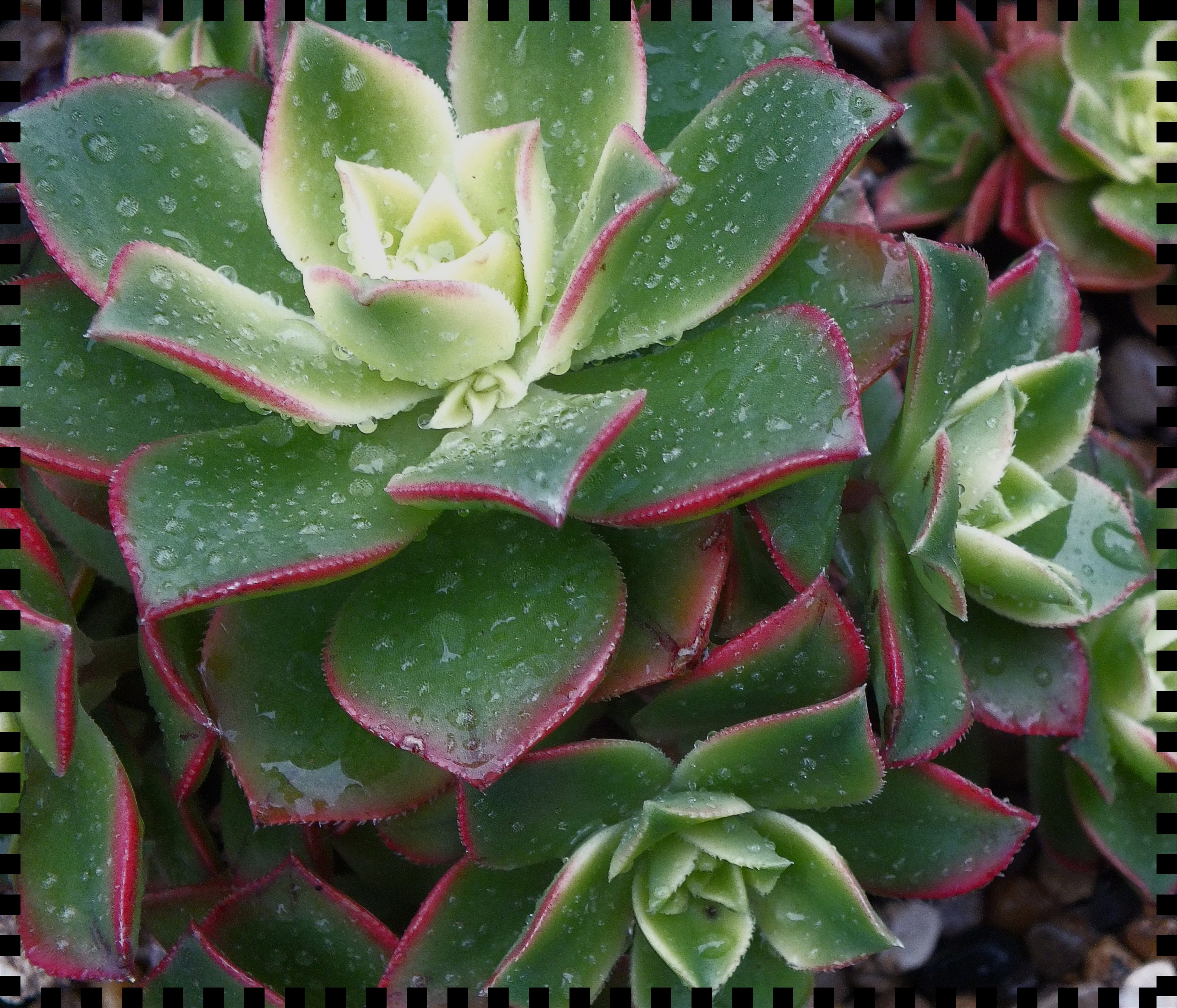
Timelessness is. Photo by Thomas Peace 2015
.
If one can wisely, without method, without taking time, go beyond mere fragmentary words and symbols into a realm of pure silence, beyond separation, then one may be free, joyous, whole, and beyond conditioning.
.
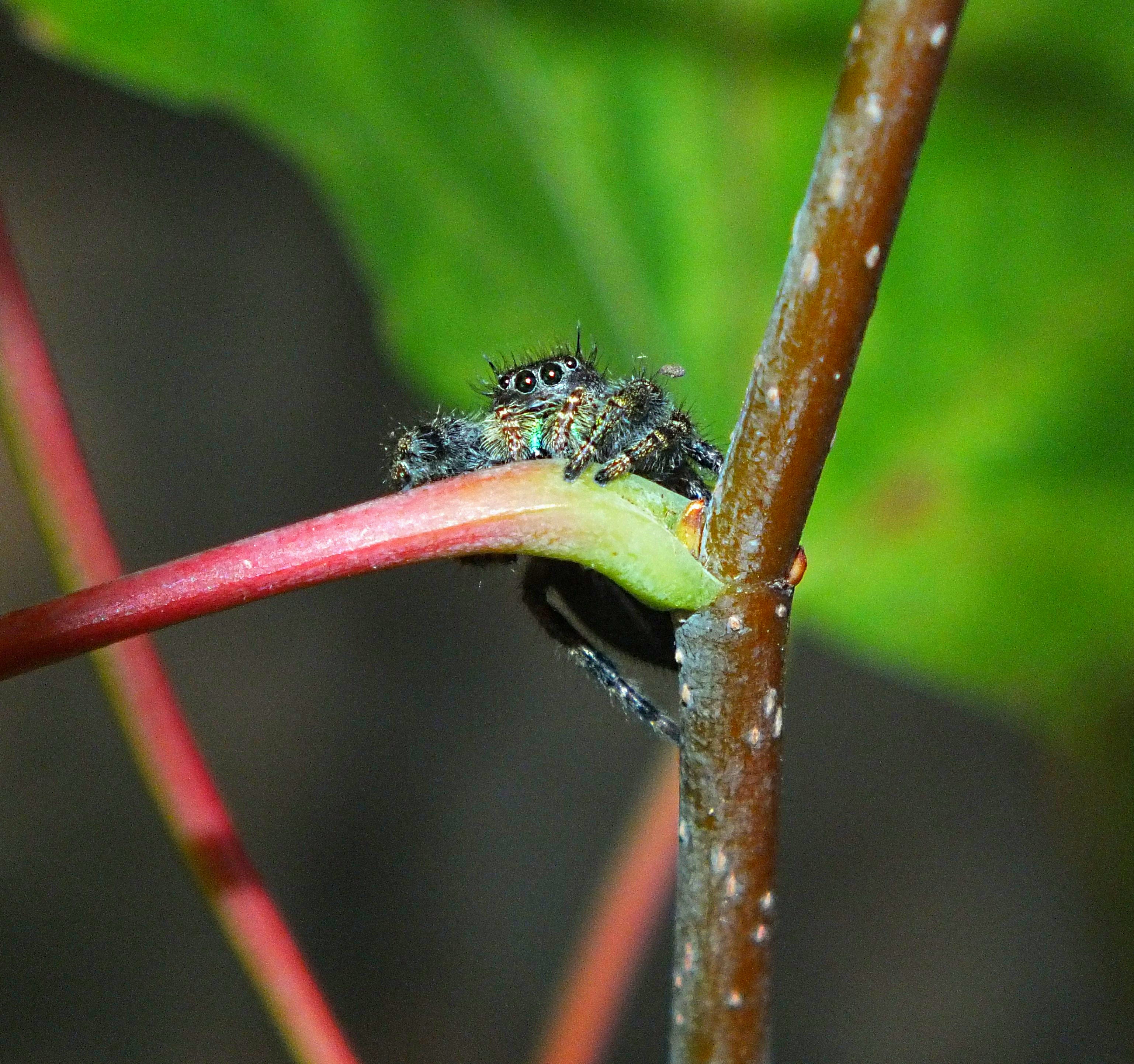
Like a tree monkey! Photo by Thomas Peace 2015
.
A distorted mind mistreats living things, all the while thinking that it is separate from all life. A wise mind is beyond learned boundaries.
.
[Don’t mistreat little meyou.]

Family Portrait. Photo by Thomas Peace 2015
.
When sensation occurs, the mind reacts according to memory and usually categorizes or “maps” that particular sensation. It is all well and good to do that… but just don’t do it habitually, as most people, unfortunately, do. One can often just be intensely aware — without merely categorizing and labeling (and looking through and from those labels) — so that the mind is not dependent on a mere process of reacting. Merely reacting sets up the mind to be rather mechanical and robotic… and that tends to create a mental environment wherein it is much easier to get bored, get depressed, seek more, or feel in a rut. Profound insight is a living phenomenon beyond the extension of sensation via categorizing or craving; it is something majestically beyond stale reaction. In profound insight, something new occurs to you; it comes to you, not from you; it’s not merely a re-fabricated reaction… a rehashed exercise of the brain.
.

Mr. I.M. Bubble-head, Esquire — Photo by Thomas Peace 2015
.
There’s an indelible energy — beyond our fragmented world — that is boundless, whole, of a supreme order, and is what can be called sacred (though it’s beyond definition). Can it visit one? Yes… it can visit… but only if one’s mind is rather boundless, whole, and of a supreme order.
.

Dragon out of the cave. Photo by Thomas Peace 2015
.
The following, including the poem, is an excerpt from my book, “The Eternal Fountain of Youth.” (The book is extremely strong medicine; no one should read it unless they are very stable. eternalfountainofyouth.com):
When we think that the big can exist without the little, we are wrong. When we think that left can exist without right, we are wrong. When we think that the sailor is not the sails, we are wrong. When we think that the mountain-climber is not the mountain that he conquers, we are wrong. When we think that the figure skater is not very slick, we are wrong. When we think that the magician is not an illusion, we are wrong. When we think that the “perceiver” is truly separate from “the perceived,” we are wrong.
When the script preaches instead of the preacher,
When the pulpit descends and goes instead of the carver that
carved the supporting desk,
When I can touch the body of books by night or by day, and
when they touch my body back again,
When a university course convinces like a slumbering woman and
child convince,
When the minted gold in the vault smiles like the night-watchman’s
daughter,
When warrantee deeds loafe in chairs opposite and are my friendly
companions,
I intend to reach them my hand, and make as much of them as
I do of men and women like you.

Metamorphosis (2). Photo by Thomas Peace 2015

Metamorphosis (1). Photo by Thomas Peace 2015
.
In profound wisdom, there’s only perceiving and observing… no separate observer. Then, nature and the earth are not so separate from what you are. When vast silence — beyond the observed that one learned to recognize — is not separate from what one is, then conflict and mental chattering come to an end. Then, real compassion may be. Then, false borders and artificial boundaries dissipate.
.
[Preserve Milkweed Plants… they are what rare Monarchs depend upon.]
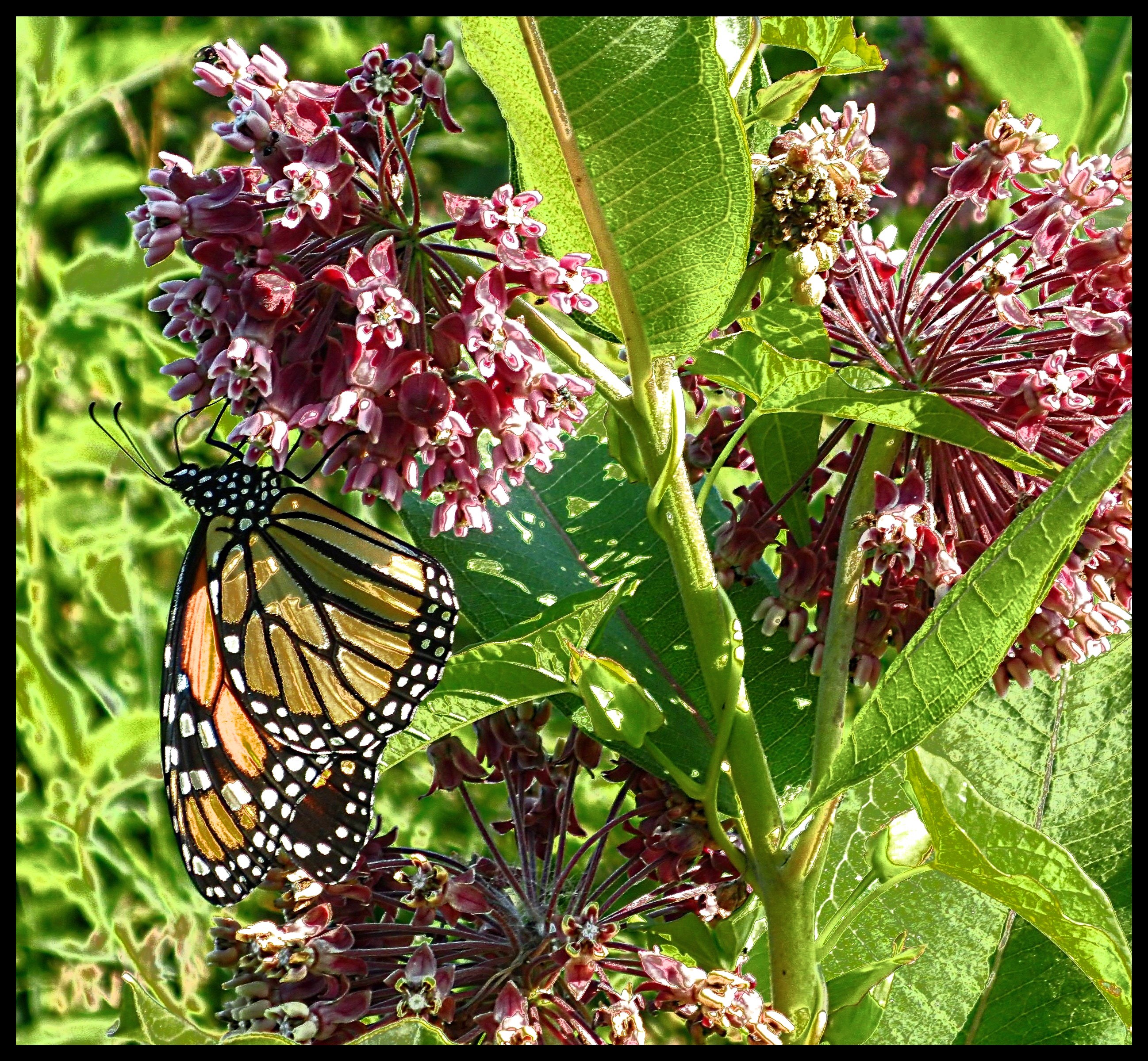
One of the Milkweed’s best customers. Photo by Thomas Peace 2015
.
Truly helping others — as well as nature — is an action that may not be separate from the order and movement of the divine and spiritual. (One can’t know that one is spiritual… just like one can’t know that one is humble. However — and this probably sounds a bit “out there,” but it’s not — there is a sacred immensity that can visit for a time; should that occur, one would be far beyond the ordinary field of “belief” or “not believing.”) Many people — especially atheists — maintain the conceptual belief that there is no God… and point out that no real evidence exists that God manifests or is beneficent and helps those on this planet. Then there are many who worship God; unfortunately, for many of them, God is a series of mental images and absorbed beliefs… which usually are limited symbols and concepts separate from the whole of life. Beyond all this, real perception is action (beyond conclusions)… wherein the perceiving and the action are one.
Of course, when action is done to truly help others (and all life) — which may be a spiritual thing — that doesn’t mean that one becomes the actual sacred immensity. As was suggested, God, or the conceptual belief that there is no God, for many, is largely merely a concept or series of concepts. Go beyond concepts and actually inquire without pre-molded patterns from others. Passionately inquiring, and (additionally) helping others, and life, may not be a mere concept; it may be an alive, majestic order beyond the cold ordinary. Perception that is limited and incomplete does not act fully/flowingly… it reacts; reactions from (and “as”) what is limited often divide people via rigid beliefs or anti-beliefs. Indifference is a lack of perception. Real perception acts. Care, compassion, and responsibility are at its very heart.
.
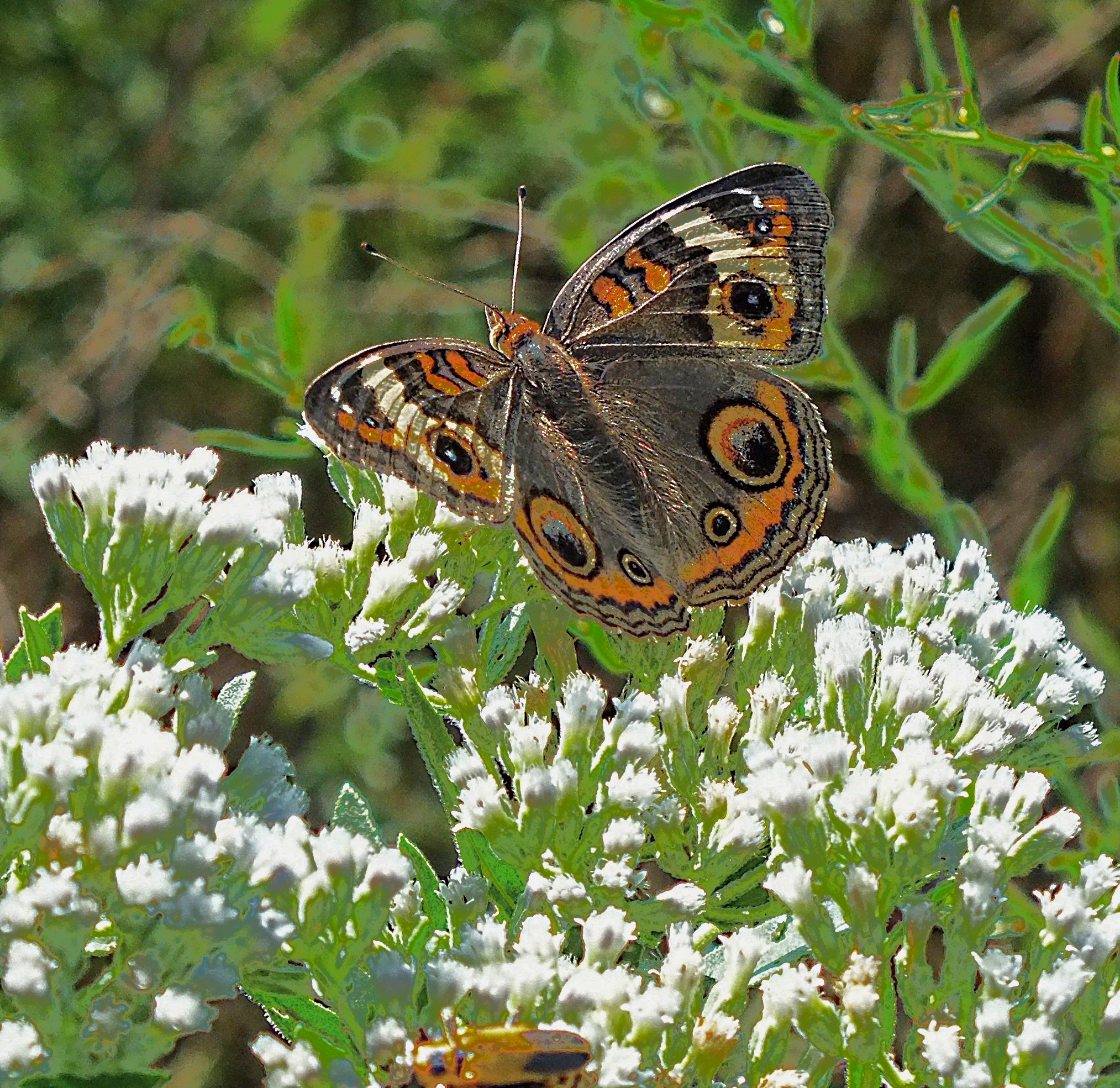
Beyond fragmentation. Photo by Thomas Peace 2015
.
True insight doesn’t take time, but mechanical, rote practices do. Go beyond robotic habits, including thinking the way you were programmed to.
.

Climbing down. Photo by Thomas Peace 2015
.
Real meditation does not involve going to an exotic mountain-top to meditate. Real meditation does not involve getting the body in some statuesque, special, learned position. Real meditation does not involve repeatedly chanting some so-called special (pre-programmed) saying. Real meditation does not involve staring at or fixating upon some so-called special object or image. Real meditation does involve breathing according to someone’s special technique or system. Real meditation does not involve opening, concentrating upon, and mechanically traveling through fabricated chakras like some kind of zipper. Real meditation does not involve learning some special process or methodology. Real meditation does not involve living one’s life like most people do; yet, there is no “how” involving meditation. To intelligently look without a blueprint, without separative symbols, systems, conflict, fragmentation, and procedures… does not depend upon others’ procedures. No time is involved in it. All methods take time. Using time to get to the timeless is folly.
.

Hanging from one’s dinning table. Photo by Thomas Peace 2015
.
Most are locked in (and “as”) the small details of life without a passionate inquiry into the essence of the whole… (which, unfortunately — for human beings — is partial, fragmentary, limited, and not real life at all).
.
[Part of a huge Oak Tree]

Satisfied with merely crumbs. Photo by Thomas Peace 2015
.
No matter how free they may think they are, all thoughts — as Albert Einstein also sagaciously pointed out — are conditioned reactions… and to go beyond conditioning is to intelligently go beyond thoughts/symbols/reactions. However, the thoughts of the brain — including the conditioned thoughts of “I” or “me” — cannot merely decide to do this whenever and however they like. Whatever is conditioned cannot (in any way, shape, method, or form) fabricate or bring about the true state of the unconditioned. Fully understanding this is deep intelligence; and in that intelligence (if one is lucky) there may be, at times, an ending — though not, of course, a permanent ending — of thought/thinking. If that ending comes about naturally, without any compulsion or methodology (which thought fabricates), then a profound silence may occur. (A fabricated silence is something which is completely different and is just another limited concoction of the brain.) In a truly profound silence is immense order and intelligence (beyond mere symbols, ideas, mental fabrications, and representations); in that silence is freedom, integrity, and wholeness; in that silence (if one is very fortunate) a profound, immeasurable, majestic, unnameable immensity may arrive. (However, much more than even unconditioned silence is involved for that immensity to present itself.) Profound silence is not conditioned, nor is it capable of being permanently held, manipulated, or retained by what is conditioned. Such silence is beyond the realm of conditioning and mundane reaction.
.
[A Silver-spotted Skipper Butterfly visiting a Red Clover.]
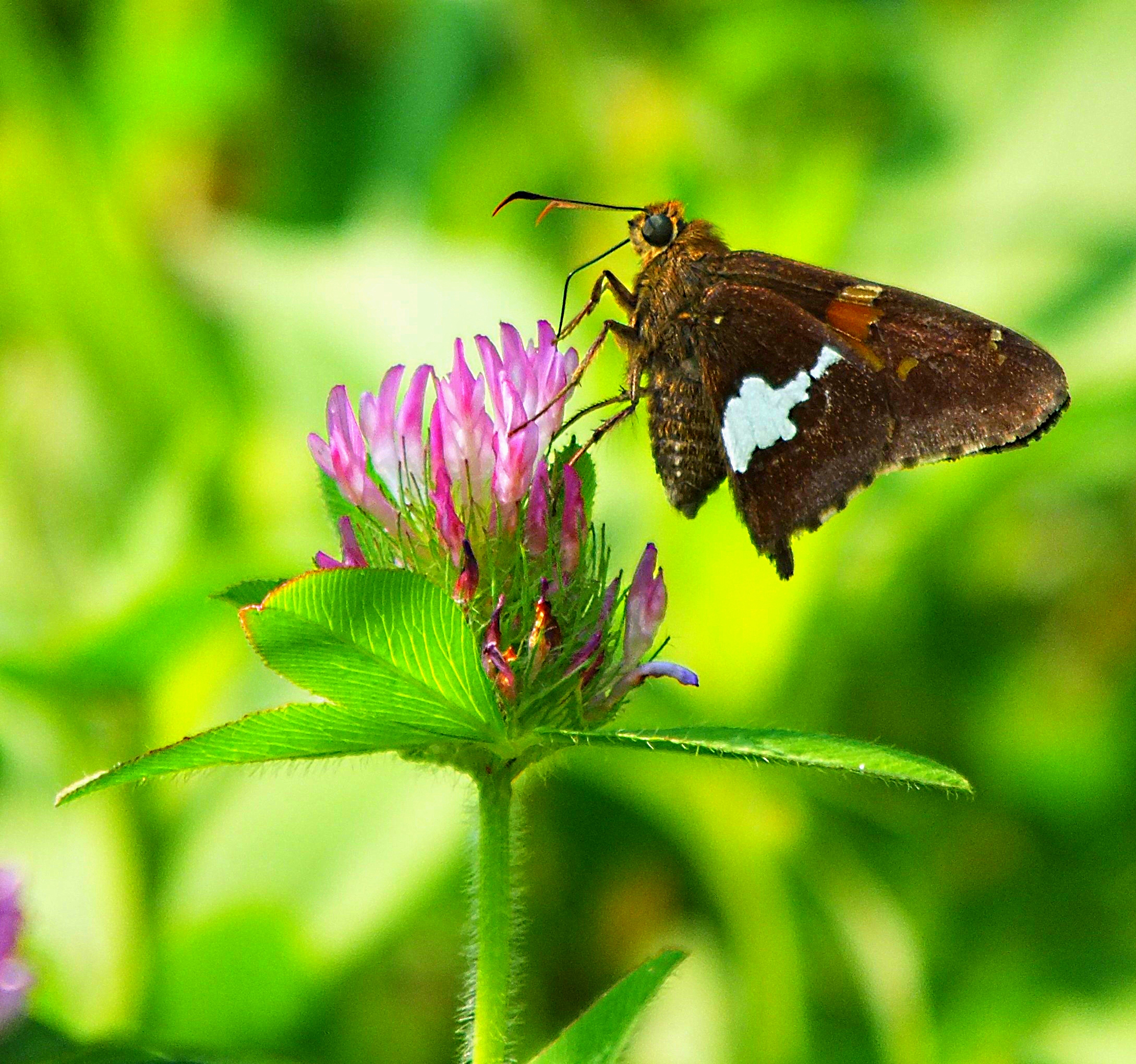
What a dining spot! Photo by Thomas Peace 2015
.
A truly aware and mindful human being often exists beyond petty details and, concomitantly, doesn’t need to depend on stimulus after stimulus to be attentive and content. Though experience is often necessary, a deeply aware mind can sagaciously exist in (or, rather, “as”) a timeless domain beyond mundane experience (beyond the continuum of mere cause/effect relationships); or, though this may seem rather odd, it sometimes functions where experience is a minimal phenomenon that is sometimes secondary or “in the background.” If one is merely immersed in (and responding “as”) experience, one is merely part of cause and effect events (that are always partial, always conditioned). A fluid mind that is not merely dependent on causal phenomena may be whole (and not merely dependent on what is fragmentary, conditioned, and partial). Then, when such a mind is experiencing (which is often very necessary)… it does so with great sensitivity and care. Its experiencing then involves a wholeness; experiencing involved with that wholeness has sensitivity which loves nature, the rivers, the people, and the land. Then there isn’t a fragmentary, separate set of experiences that are only out for themselves.
.
[Walking on clouds.]
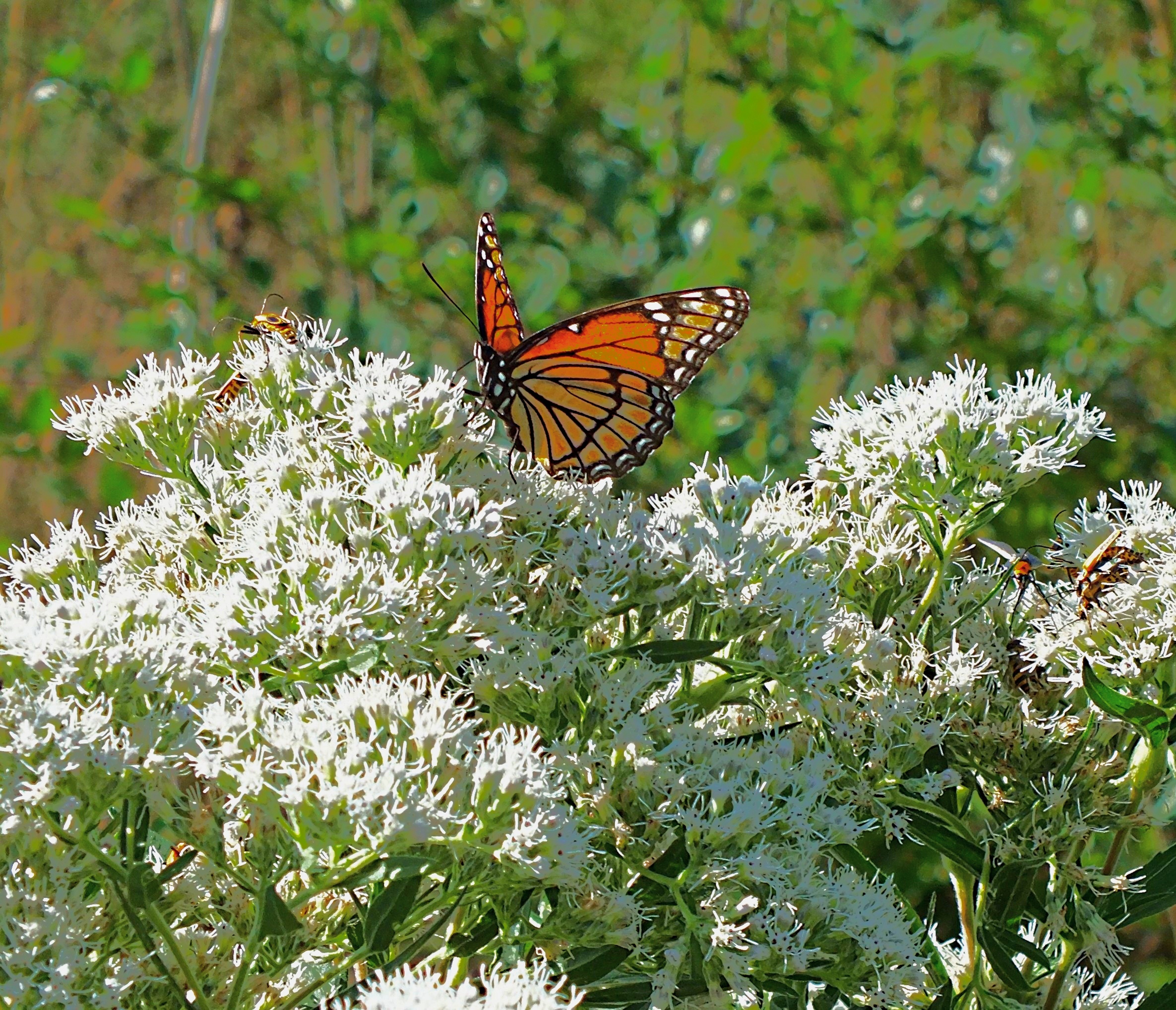
Angelic stroll. Photo by Thomas Peace 2015
.
Don’t be a second-hand, hodgepodge mix of what others (in your life) programmed you to be; perceive directly, without mere conditioning and pre-programmed reaction.
.
[Together for eternity… A pair of 50 million year old spiders fossilized in Baltic Amber. The male is on the left.]

Together forever… Photo by Thomas Peace 2014
.
When you look at beautiful roses and sing and smile… most assuredly, the flowers are happily singing and smiling!
(Without the observed, what is the observer?)
.
from E. E. Cummings:
somewhere i have never traveled, gladly beyond
any experience,your eyes have their silence:
in your most frail gesture are things which enclose me,
or which i cannot touch because they are too near
your slightest look easily will unclose me
though i have closed myself as fingers,
you open always petal by petal myself as Spring opens
(touching skilfully,mysteriously)her first rose
or if your wish be to close me, i and
my life will shut very beautifully,suddenly,
as when the heart of this flower imagines
the snow carefully everywhere descending;
nothing which we are to perceive in this world equals
the power of your intense fragility:whose texture
compels me with the color of its countries,
rendering death and forever with each breathing
(i do not know what it is about you that closes
and opens;only something in me understands
the voice of your eyes is deeper than all roses)
nobody,not even the rain,has such small hands
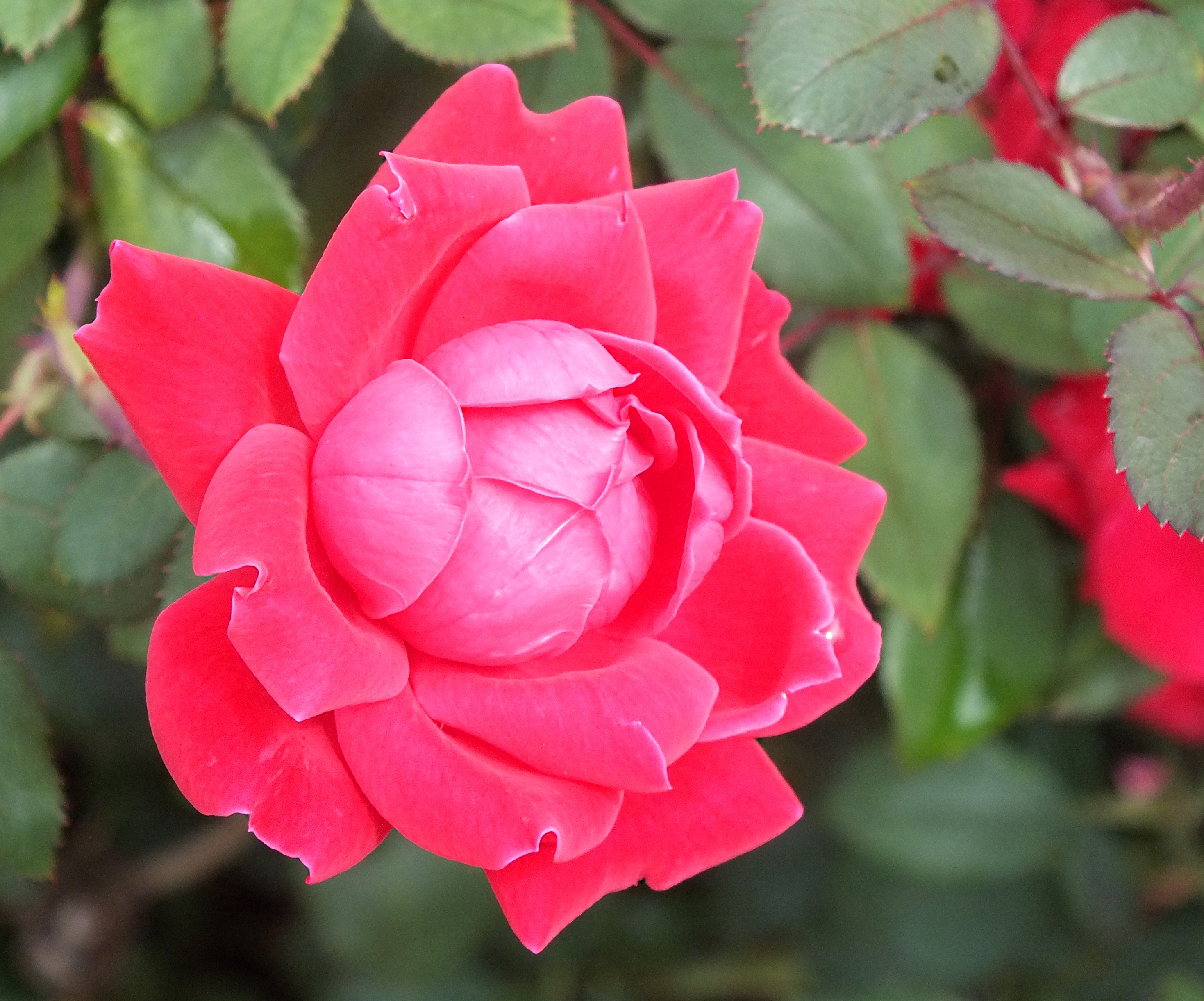
Eternal perfection. Photo by Thomas Peace 2015
.
We’re not something isolated from our actions/reactions; we are those actions/reactions.
.

In flight and landed. Photo by Thomas Peace 2015
.
Real wealth is in perception and heartfelt caring, not in dollars and cents.
.
[American Bellflower – Campanulastrum americanum]

After the rain. Photo by Thomas Peace 2015
.
The purpose of life is not merely to feel good, but to make a meaningful difference in this world that contains indifference.
.
[This Royal Catchfly Plant — with red flowers — is a very rare plant and is an endangered species in Illinois. The calyx is light green or purplish, longitudinally ridged, and covered with sticky hairs that trap climbing insects.]

True Royalty! Photo by Thomas Peace 2014
.
True and lasting felicity, as intense happiness, is an inner phenomenon; it is not merely the result of outer stimuli.
.
[Leaves of the Ginkgo Tree. Ginkgo Trees were around during the time of the dinosaurs.]

Ancient and alive… kind of like me! Photo by Thomas Peace 2014
.
Ecclesiastes 1:9 (New International Version):
What has been will be again, what has been done will be done again; there is nothing new under the sun.
.

Happy Katydid! Photo by Thomas Peace 2015
.
The painter is the painted. The cleaner is the cleaned. The climber is the climbed. The thinker is the thought.
.
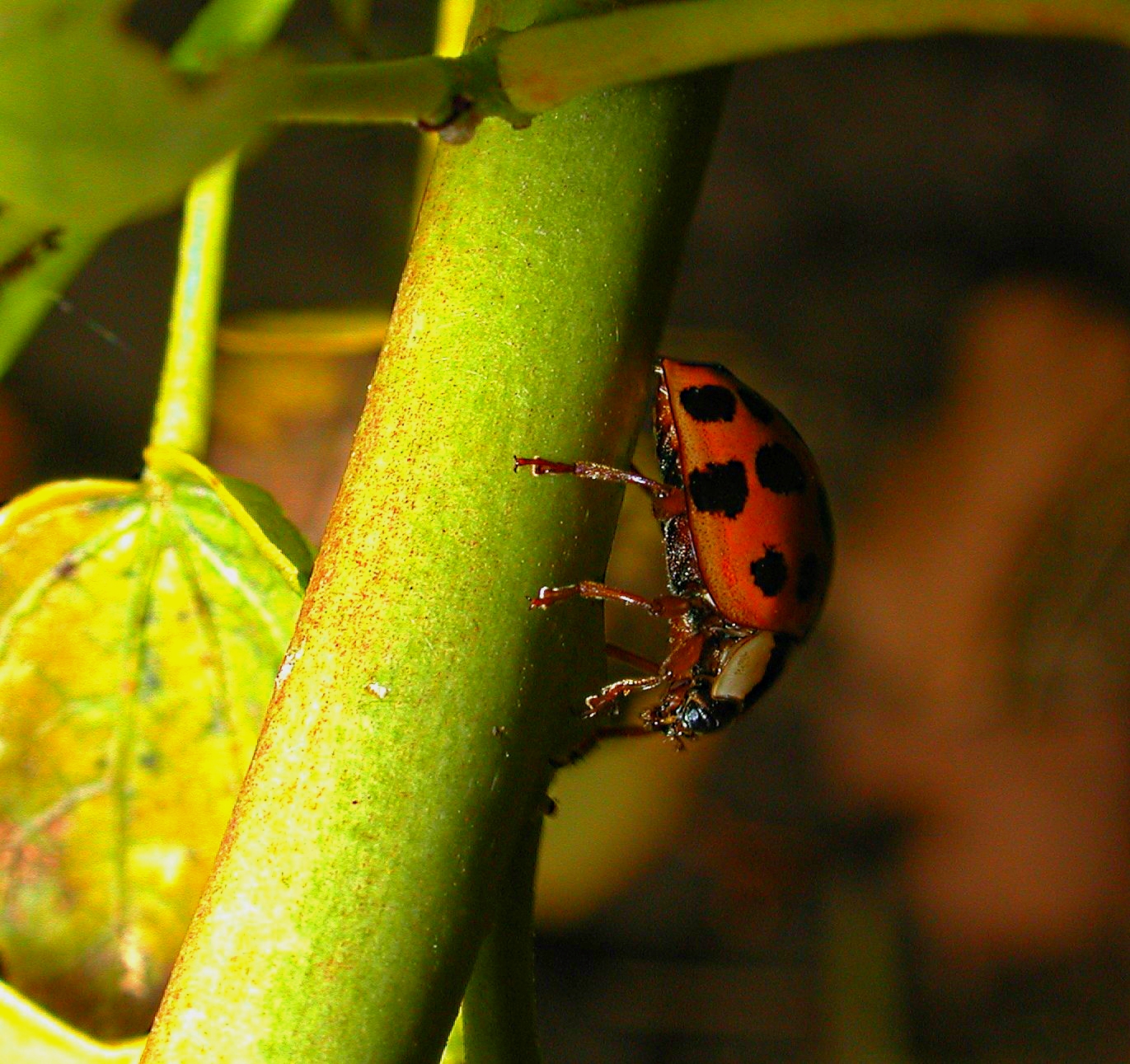
Elegant Lady. Photo by Thomas Peace 2014
.
It may be that merely looking at life through (and “as”) a screen of symbols – as most do – isn’t really looking at life at all.
.

Plants can be blue… humans needn’t be. Photo by Thomas Peace 2014
.
Go beyond merely having ideals of what you want to be or “should be.” Such ideals often create inner conflict and friction within (and “as”) the mind and are usually a waste of energy. Look at your actions — without separation — from moment to moment without images of desire or idealism. This doesn’t mean that one just goes on to live in a crazy, disorderly way; it does mean that perhaps attention is looking without “learned patterns,”… and, instead, with a natural, field of order that is beyond conflict, beyond the mind’s (or others’) imposed fabrications. Profound understanding and keen (uncontaminated) “observing” changes things… not stale, concocted ideals.
.
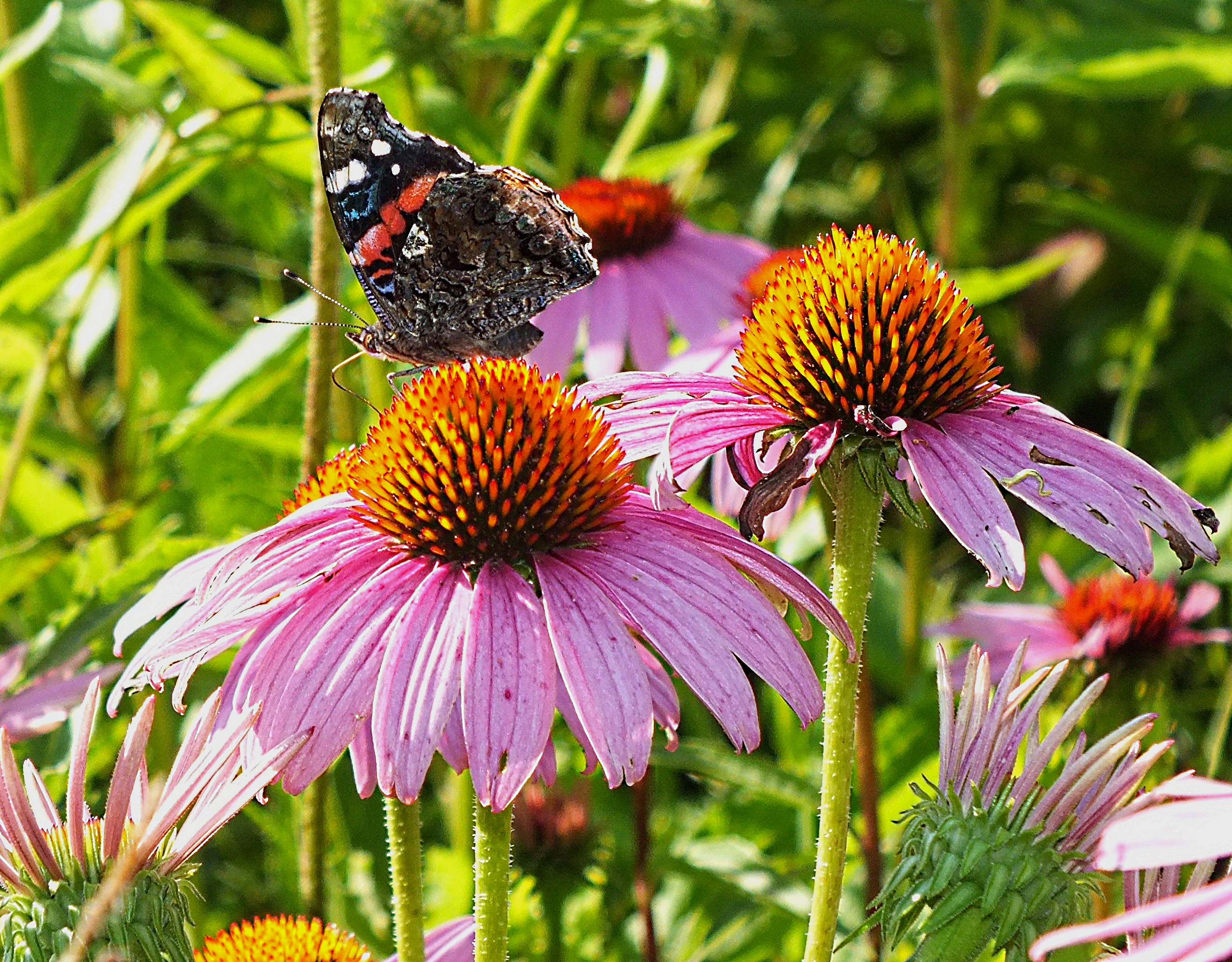
As a caterpillar, I didn’t desire this. Photo by Thomas Peace 2014
.
If the mind renews itself each and every moment… there is no boring job of drudgery.
.
[Ladybugs are largely carnivorous and eat little insects called Aphids. In this photograph, the captured Aphid is ejecting (i.e., offering) some honeydew, but to no avail. Ants herd Aphids — and protect them like cows – to get honeydew from them (like getting milk from protected cows); but this Ladybug is not just interested in the honeydew; it wants steak for dinner. (There were no protective ants within or around this particular Aphid colony.)]

It likes it medium rare. Photo by Thomas Peace 2014
.
Being photogenic isn’t important. Being whole, compassionate, and perceptive is what is important.
.
[An Anemone at the Shedd Aquarium in Chicago. This is an animal… not a plant.]

Let’s hug! Photo by Thomas Peace 2014
.
Perhaps real spirituality is not found — locked up in confinement — in temples, where masses of people often worship self-created images, but is found when one understands oneself alone, such as when one is out in nature (without deception, without fabrication, without endless, internal chattering, and without a bunch of pretense).
After the death of the historical Christ, there were many Gospels and bibles about Jesus that different groups of people cherished and felt were legitimate. Many years after the death of the historical Christ, The Gospel of Thomas — which many of the world’s top (current) Biblical Scholars feel was written before the standard four — was declared heretical by the high priests who catered to Rome’s Emperor Constantine… no doubt largely because it called for finding God for oneself and not by following others (such as priests, leaders, and gurus). Some top scholars even feel that the Gospel of John was written as a rebuttal against the Gospel of Thomas. (Jesus was initially an ardent follower of John the Baptist, who advocated finding God far from the temples, out in nature; John was terminated by the authorities.) From the early Greek version of the Gospel of Thomas found at the ancient Oxyrhynchus site:
Jesus said, “Where there are three, they are without God. And where there is only one, I say, I am with him. Lift up the stone and you will find me there. Split a piece of wood and I am there.”
.
[The Christmas ornaments are on the left. One of Santa’s reindeer is on the right.]

It’s beginning to look a lot like Christmas! Photo by Thomas Peace 2014
.
It’s “there” waiting for you… that “there” that isn’t separate from what you are.
.
[Clouded Sulphur Butterflies getting some much needed minerals from the river bank.]

Two into one. Photo by Thomas Peace 2014
.
It’s great to get together with family for Christmas!
(Be sure to see the video below.)
.

Evergreen. Photo by Thomas Peace 2014
.
Schools and educators would do well by putting much more emphasis on cooperation rather than on ruthless competition. T(ruthless) competition bestows a mentality that leans more toward domination and indifference. Cooperation confers more learning in terms of helping, consideration, sharing, and kindness. Perhaps one of the reasons our world is going to pot is that so many are just out for themselves (accepting a crass, dog-eat-dog mentality).
.
[The gills of the mushroom help support each other (as the whole).]

Not competing. Photo by Thomas Peace 2014
.
To look through the screen of learned, old patterns (that they instilled) is to gaze at them (i.e., at their mental images and labels)… not at the fresh, alive actuality.
.

Whatever… Photo by Thomas Peace 2014
.
Live life magically, not heavy-footed and ungracefully!
.
[Female Whitetail Dragonfly]

Natural and balanced. Photo by Thomas Peace 2014
.
Don’t lose your innocence. Don’t ever merely crave to “fit in” with the crowd. Don’t ever fear “being made fun of” or fear “being rejected.” Stand alone without being a slave to “what they think.”
.
[Here we go ’round the mulberry bush,
The mulberry bush, the mulberry bush.
Here we go ’round the mulberry bush,
So early in the morning.]
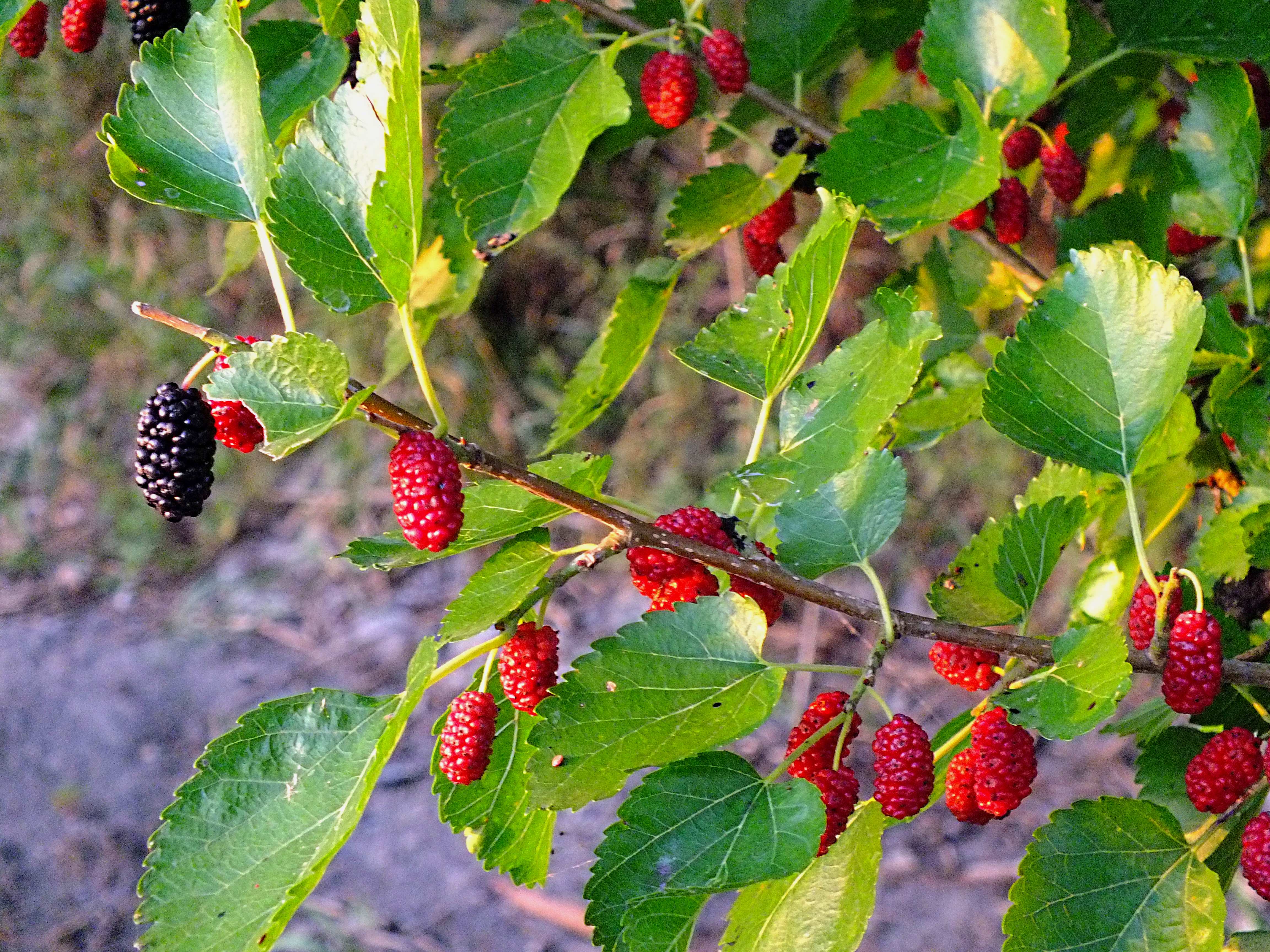
So early in the morning… Photo by Thomas Peace 2014
.
What motivates you? Is what motivates you rather ordinary, limited, and superficial… or is it something with tremendous depth?
.
[A session (i.e., social gathering) of the Nature Appreciation Club.]

Nature Appreciation Club. Photo by Thomas Peace 2014
.
Face life and truth as it actually is… not merely as what you want it to be or as what you were taught.
.
[Meeting with an old friend.]
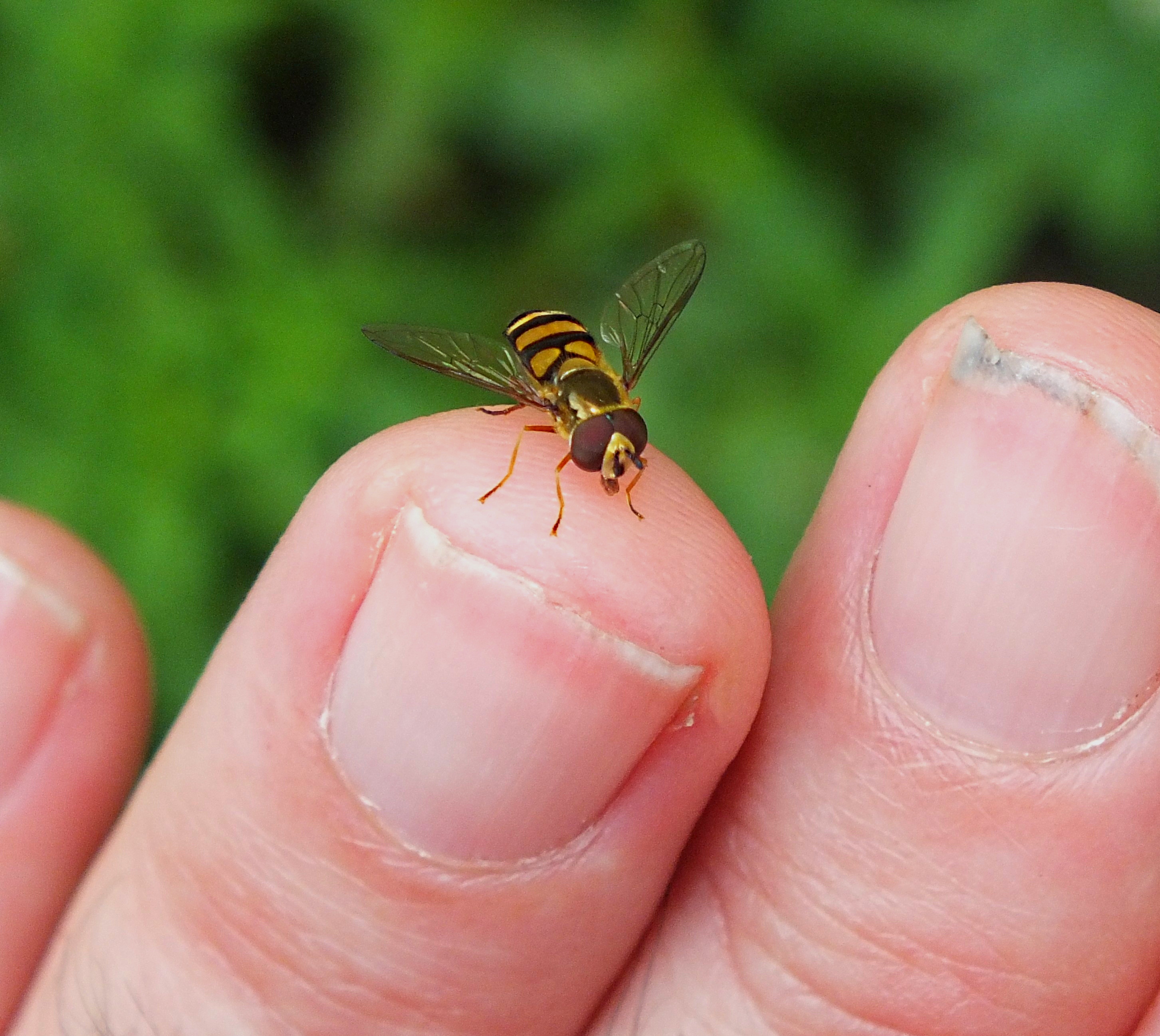
Discussing the day’s events. Photo by Thomas Peace 2014
.
The divisive notion of “us” and “them” causes wars.
.
[The single queen that laid these eggs was well fed indeed!]
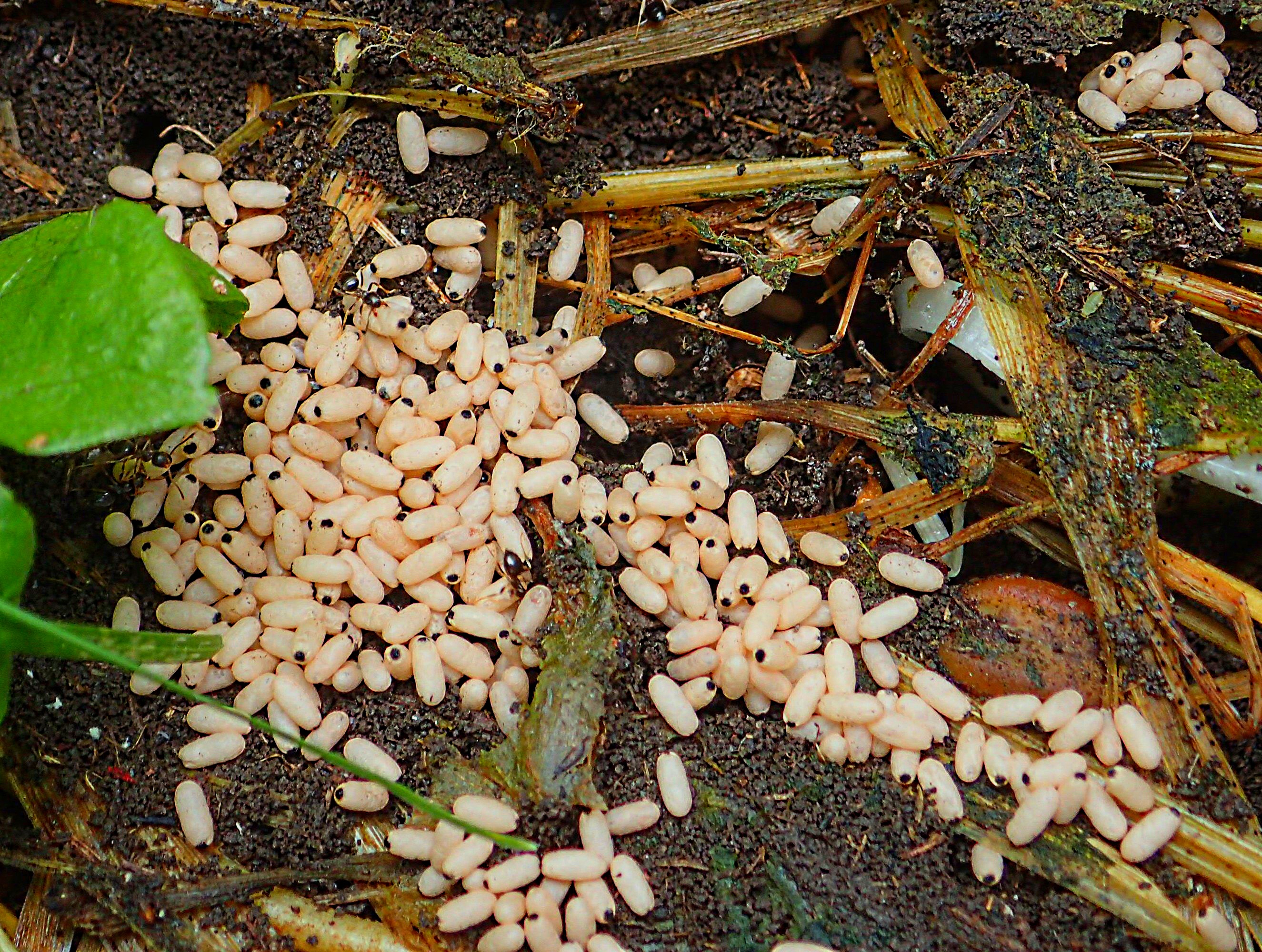
Many new sisters are on the way! Photo by Thomas Peace 2014
.
A trillion times more important than understanding the instrument of one’s camera… is understanding the instrument of one’s mind.
.

A couple of the planets of the sun contain life. Photo by Thomas Peace 2014
.
Can one ever remain truly happy if one is constantly looking at the world through the labels that others instilled in one?
.
[Buffalo Treehoppers feed on the sap of flowers, vegetables, shrubs, and deciduous trees.]
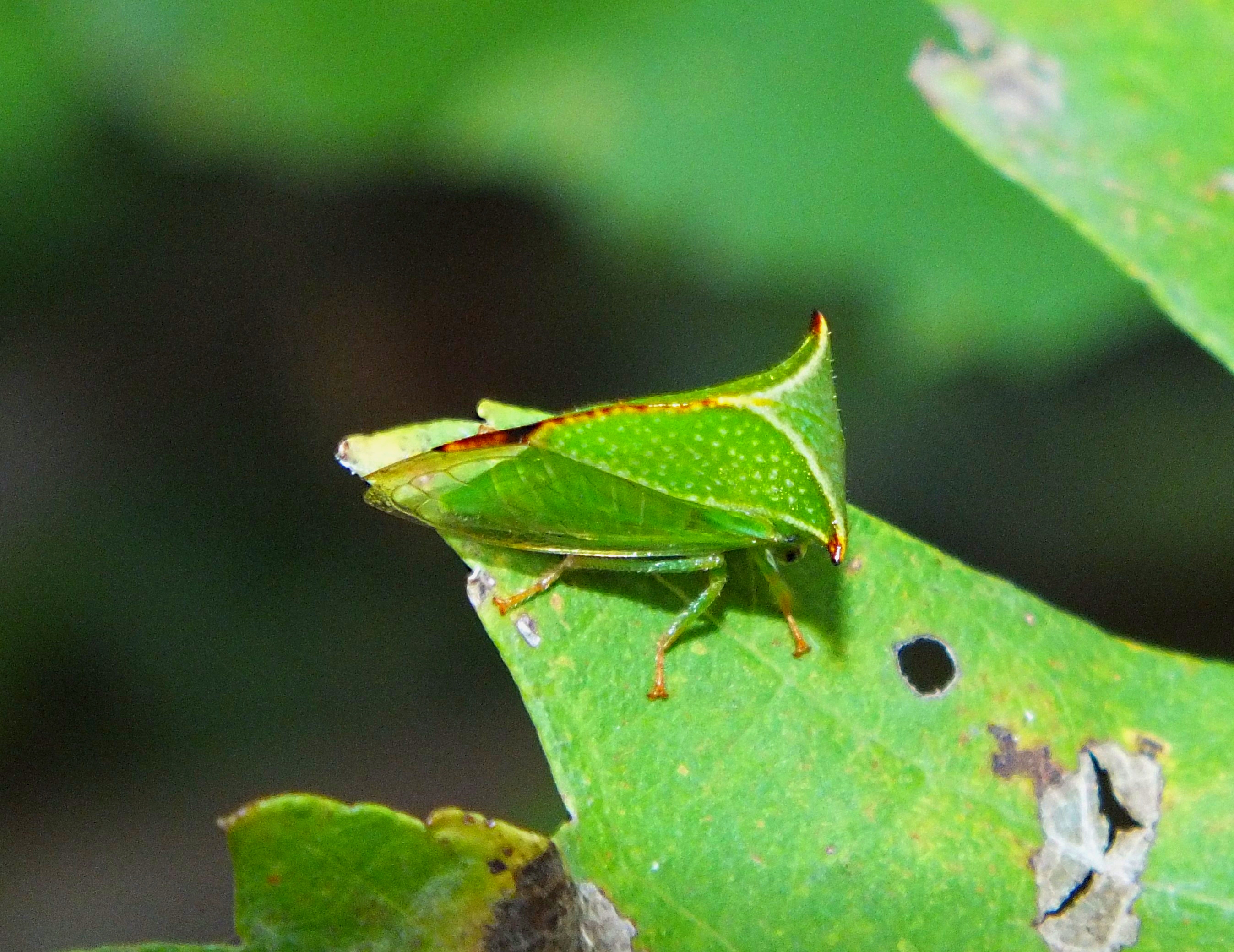
There’s a hole in their theories! Photo by Thomas Peace 2014
.
If, each and every day, one is wisely psychologically dying to the hullabaloo and clamor of superfluous thoughts, then one isn’t afraid of the mystery of dying (as so many are). Then living and dying aren’t two separate things… nor the latter something horrible to be frightened of.
.
[Widow Dragonfly]

Black Widow. Photo by Thomas Peace 2014
.
Few of us actually live between the past and the future because we are obtrusions of the past reacting to (and “as”) past learned images and desires.
.
[Eastern Comma Butterflies are found from spring through fall in woodland and forest openings and along the edges of thickets, streams, and rivers. This one is resting along the bank of a river.]

Moist environments rock. Photo by Thomas Peace 2014
 Tom's Nature-up-close Photography and Mindfulness Blog