.
.
.
.
. Wisdom encompasses all; it embraces (and is) the loving whole.
.
.
.
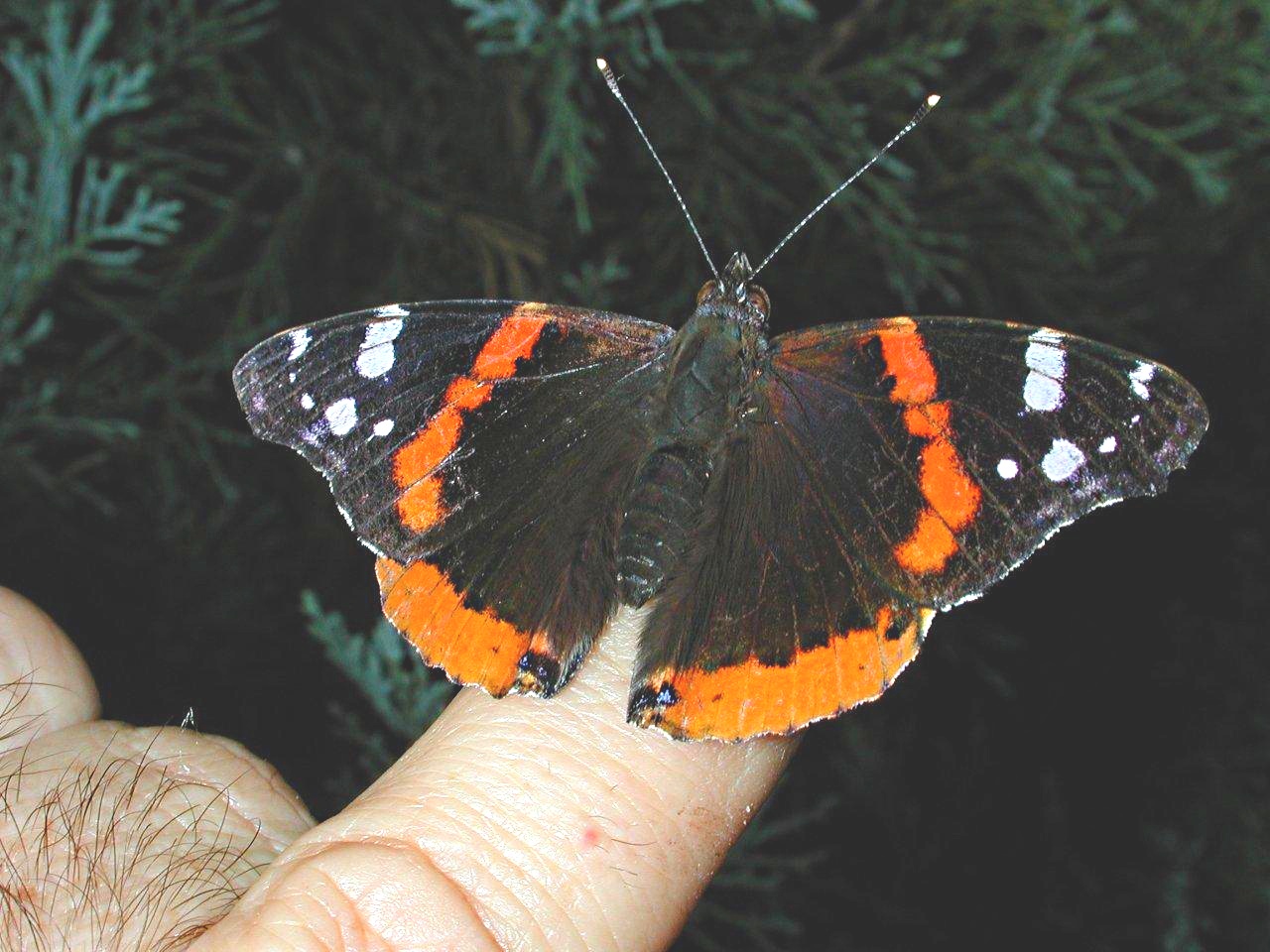
Real Friends… by Thomas Peace 2013
.
.
.
.
. Wisdom encompasses all; it embraces (and is) the loving whole.
.
.
.
Real Friends… by Thomas Peace 2013

.
.
.
.
. It’s cigar passing time; we had a baby… a new baby Peppered Catfish was spotted in one of our tanks (that is)! 🙂
.
.

Adult Peppered Catfish… by Thomas Peace 2013
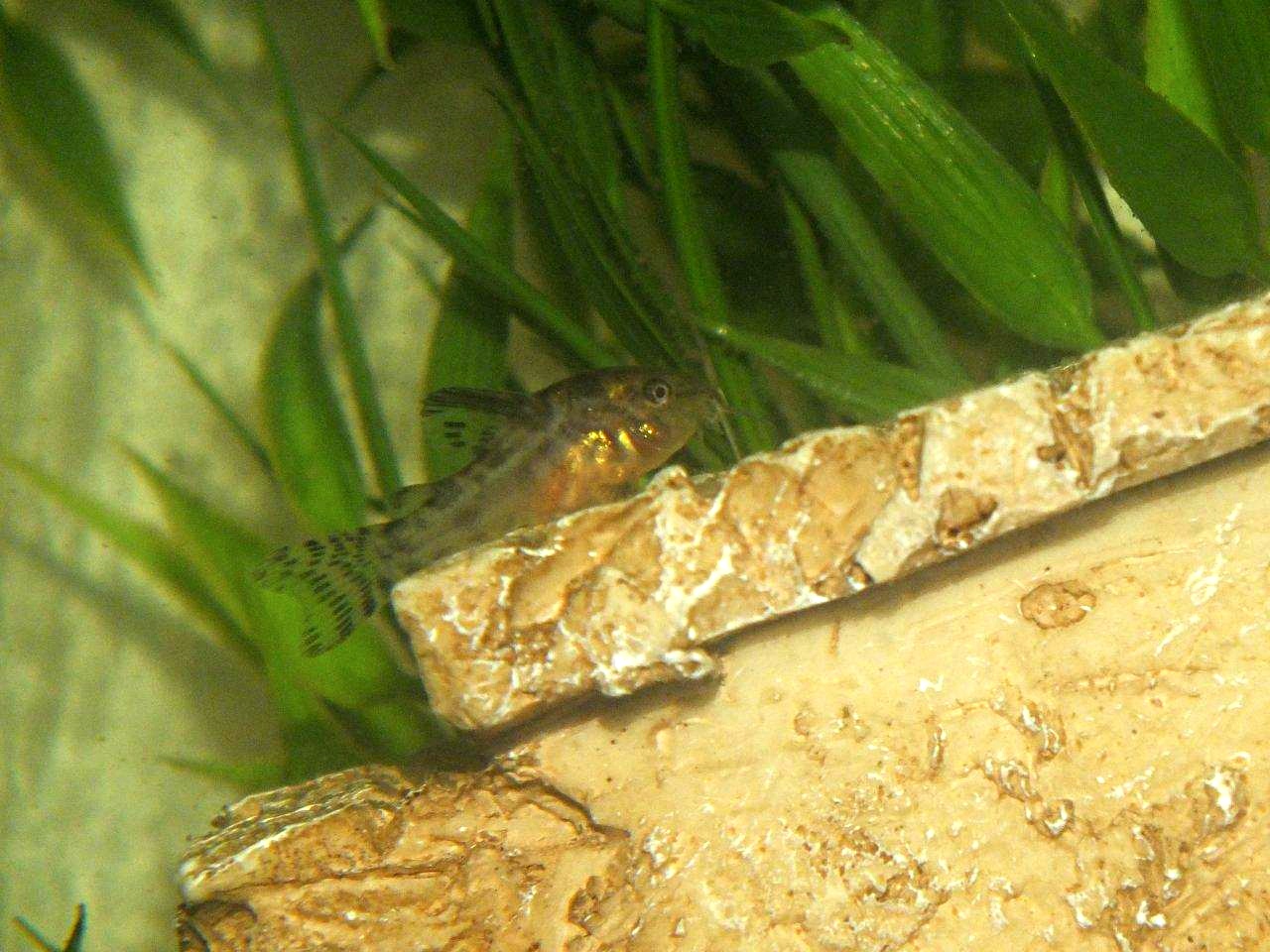
Young 3/8″ Peppered Catfish… by Thomas Peace 2013
.
.
.
.
. When you think: “My race is the better race,” you are erroneous and fragmentary.
.
.
.

Lily and Irving… by Thomas Peace 2013

.
.
.
.
. The basic essence of “thoughts” is that they are all essentially conditioned, as part of a cause/effect continuum. Wisdom is pure silence. Thoughts are vital for survival but — though this may seem odd to people in our exclusively thought-based society — most people, unfortunately, greatly overuse the process of thinking. (We are not suggesting that one vegetate into some kind of abyss of feeble-mindedness and ineptitude; the mind can often, in deep intelligence, be fully aware without merely thinking via sequential symbols). Thoughts are symbolic, residual responses, and, as such, they inherently are limited, second-hand reactions. Reactions have their place, but a mind that is heavily immersed in merely being essentially a series of reactions… tends to be a rather mechanical, robot-like mind (even though it may seem to be “normal” by society’s low standards). Profound intelligence is warm (whole) action, not mechanistic (fragmentary) reaction. To merely be one conditioned series after another, day in and day out, may be acceptable (and even “normal,” by society’s current standards), but it may not be what “truly living is” whatsoever. If the implicit nature of thought is that it (i.e., all of it) is essentially conditioned and residual, then to truly be intelligently free, one must go beyond the parameters of thought/thinking.
To observe holistically requires more than just thought. Thought/thinking is always fractional… and if one is constantly observing only through the filters constructed from symbolic thinking, then one cannot truly be observing holistically (though one may erroneously maintain that one sees the whole). For too many, the “whole” is just another symbolic concept (or a series of learned concepts). Thought is always partial and crudely sequential; one can only basically think one thing — or just a few things — at a time. A mind of perturbability is often bubbling with reactionary thought; most people are merely spewing with thought upon thought; a set — a continuous series — of mere conditioned reactions is fundamentally constituted of distortion. (The current state of our society is a reflection of that distortion.) If thought is always fractional and limited, it may be — in a way — akin to restless, fragmentary waves on the surface of a lake. Each of the waves may reflect only a part of what is above (in a very distorted way). An analogous, still lake is not as conducive to distortion (concerning the immeasurable, universal beauty of what is above).
.
.
.
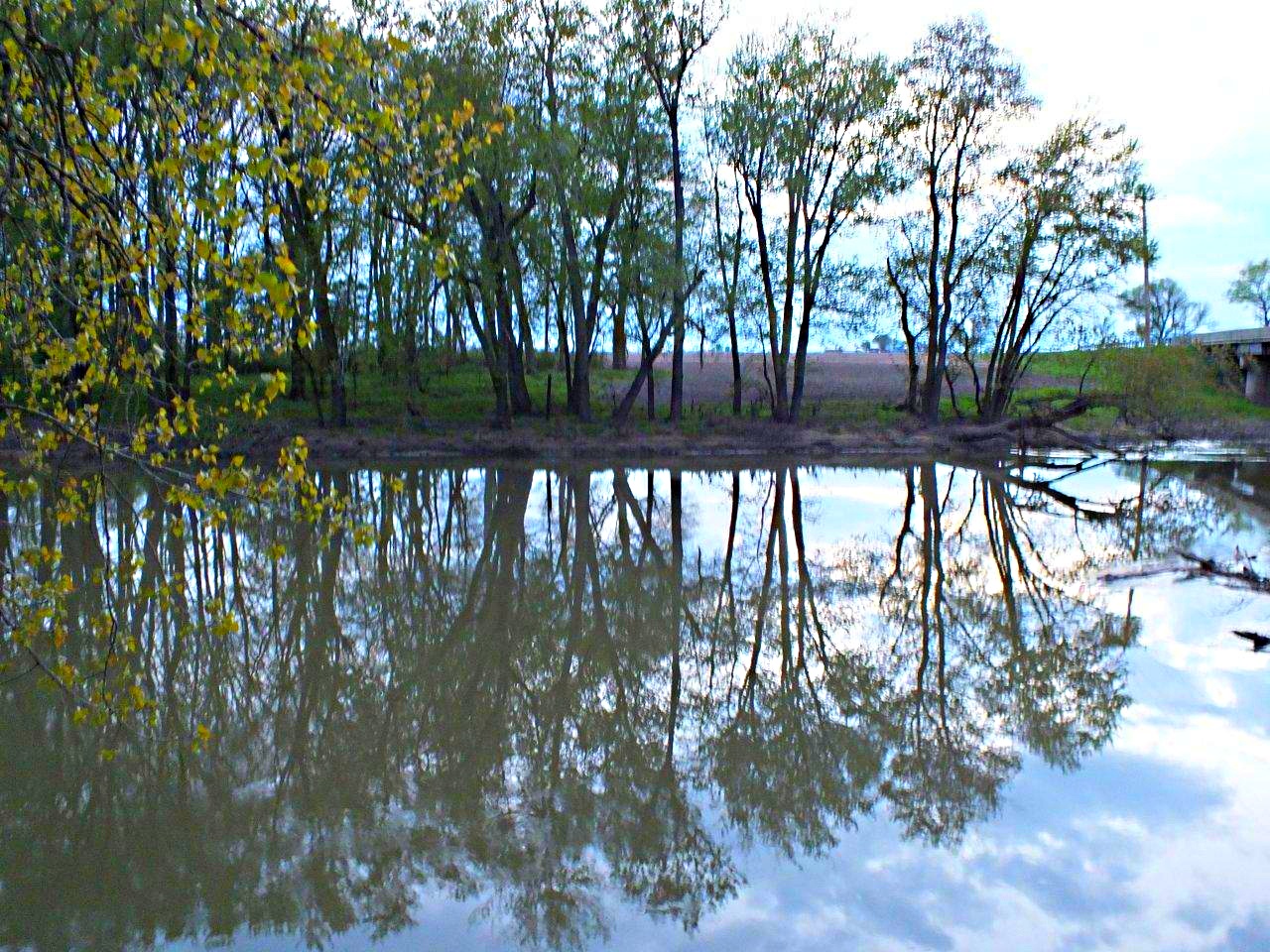
Stillness… by Thomas Peace 2013

.
.
.
.
. To merely perceive separate things, with everything being fragmented by erroneous (learned) mental filters — even if one is a renowned scientist — is not to see at all.
.
.
.
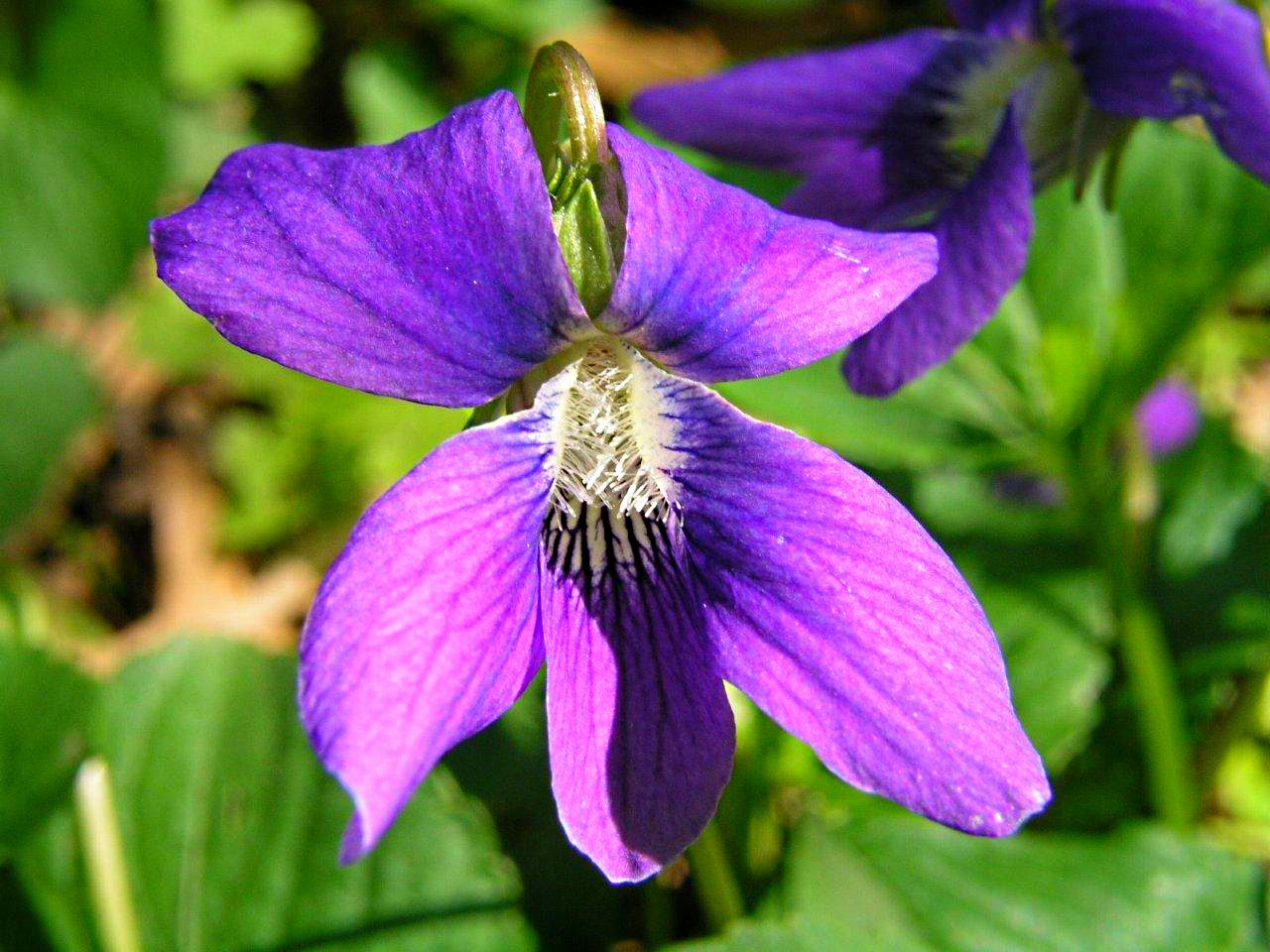
Its multiplicity is oneness… by Thomas Peace 2013
.
.
.
.
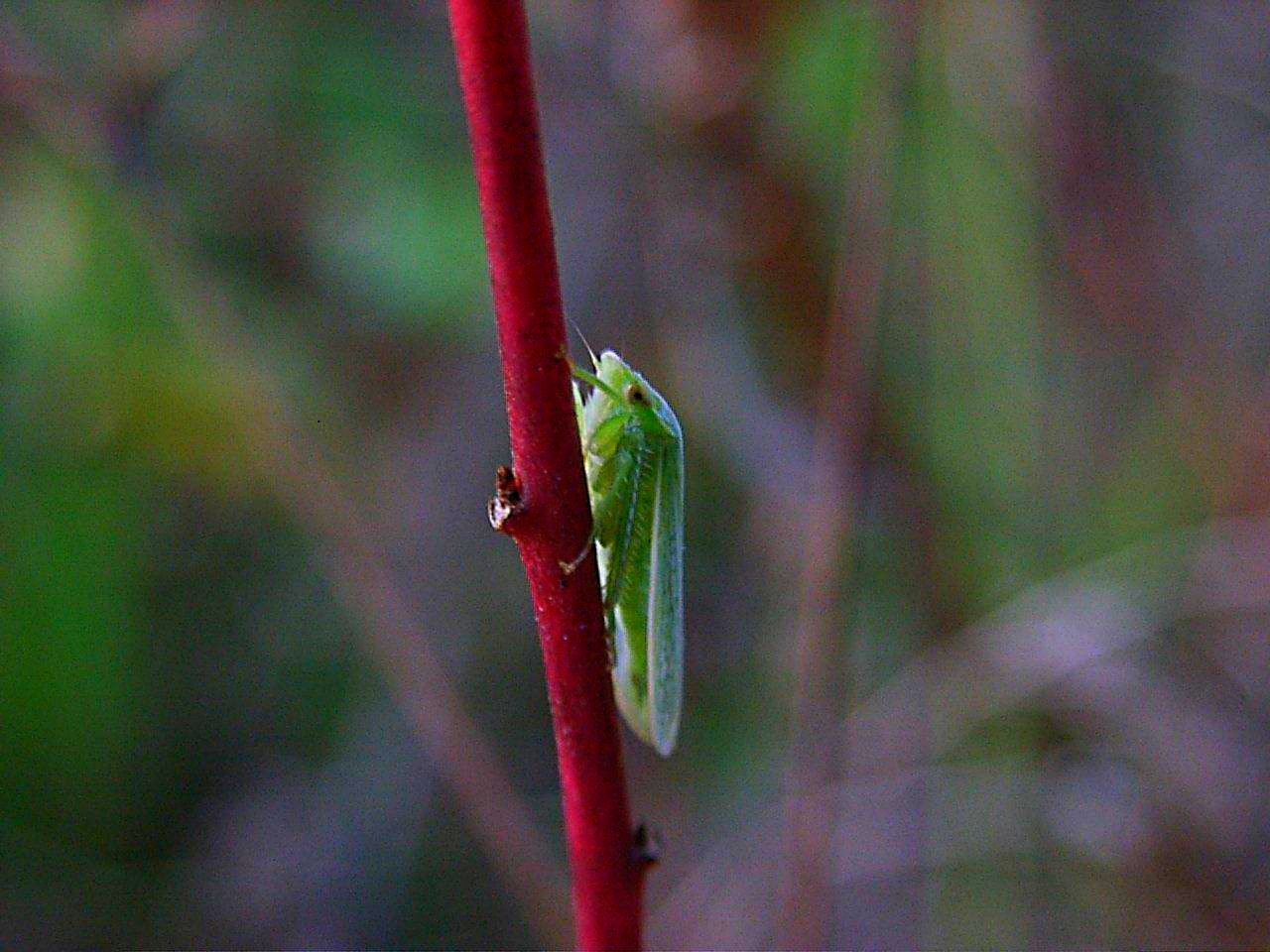
. Never ever feel that you are too insignificant to make a meaningful difference in the cold, (often) meaningless world; you’ve got real magic in you!
.
.
.

No way but up for Miss Leafhopper… by Thomas Peace 2013

.
.
.
.
. The moment you struggle to achieve attention, attention is not; the moment you use a method to attain wisdom, wisdom is not.
.
.
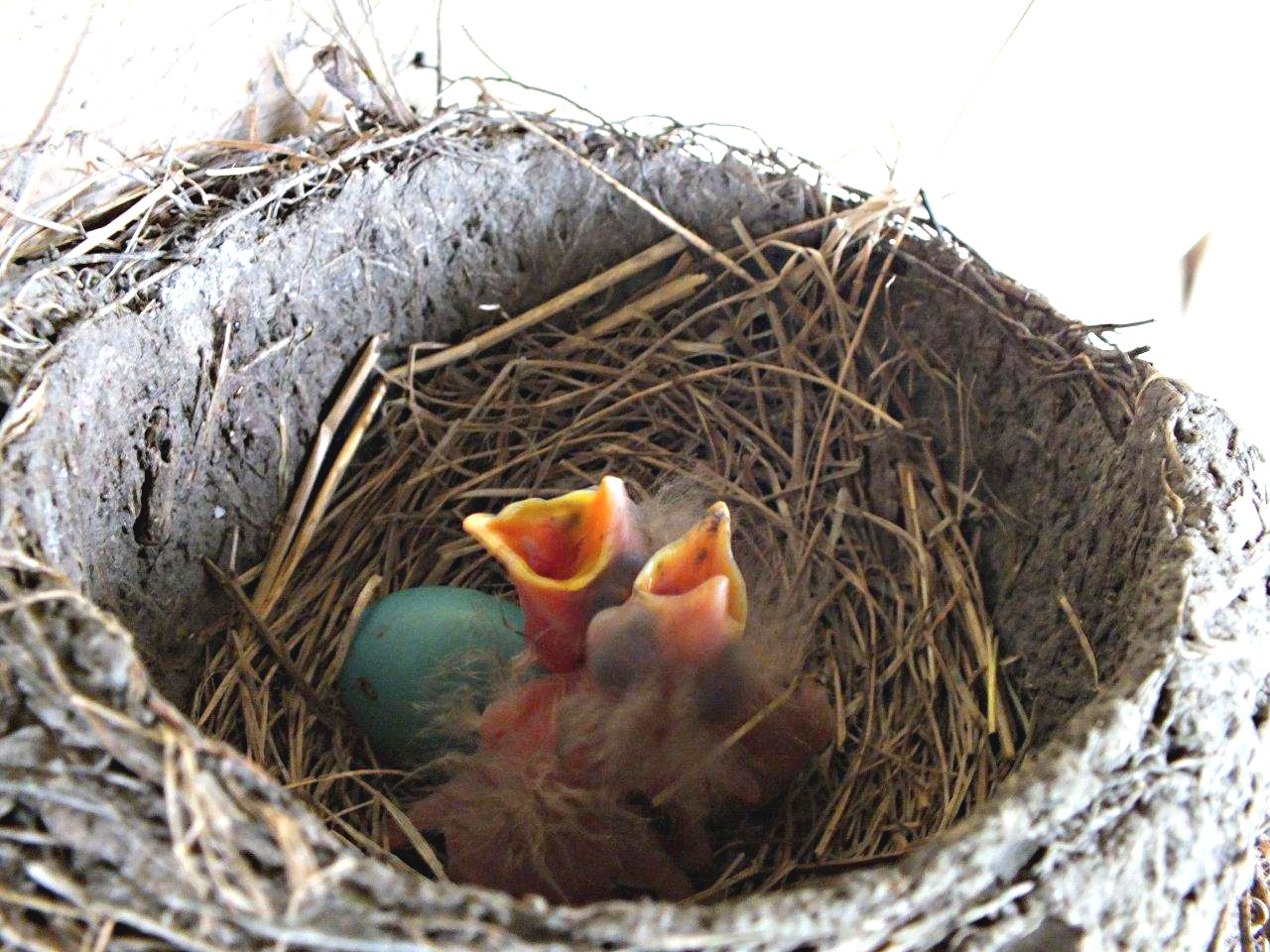
Three outta four ain’t bad!… by Thomas Peace 2013
.

.
.
.
.
. Indifference, by the laws of nature and the cosmos, always manifests as a result of a limited space; that limited space is self-enclosing, circumscribed, and erroneously apart from vast reality. (We are talking about psychological limited space here… not, for instance, the temporarily limited space of a birds nest — at a parameter of 74 degrees — surrounded by self-created crap, outdoors.) What is profoundly sacred is never merely created by, nor constituted of… limited space; the profoundly sacred is incapable of indifference. The vast space and innocence of the profoundly sacred cannot meet (and never will meet) and merge with the corruption and indifference that is always limited, always shallow and confined. This is not to imply that an intelligent mind — that transcends the limitation of indifference and fragmentary perception — cannot transform into what perceives vastly and superlatively. What perceives vastly and superlatively may indeed be visited by what is not of the essence of limitation (i.e., by what is profoundly sacred and is indescribable by limited, symbolic words). Limited thought and limited methodologies — and all thoughts and all methodologies are conditioned and have elements of limitation — cannot (through the limited time that they must exist as) ever bring about the vast and unlimited. Only by ending effortlessly and naturally (without time being a factor, without calculating methodologies) can the truly timeless possibly manifest. Do not make the mistake of merely stagnating in your own (self-created) crap.
.
.
.
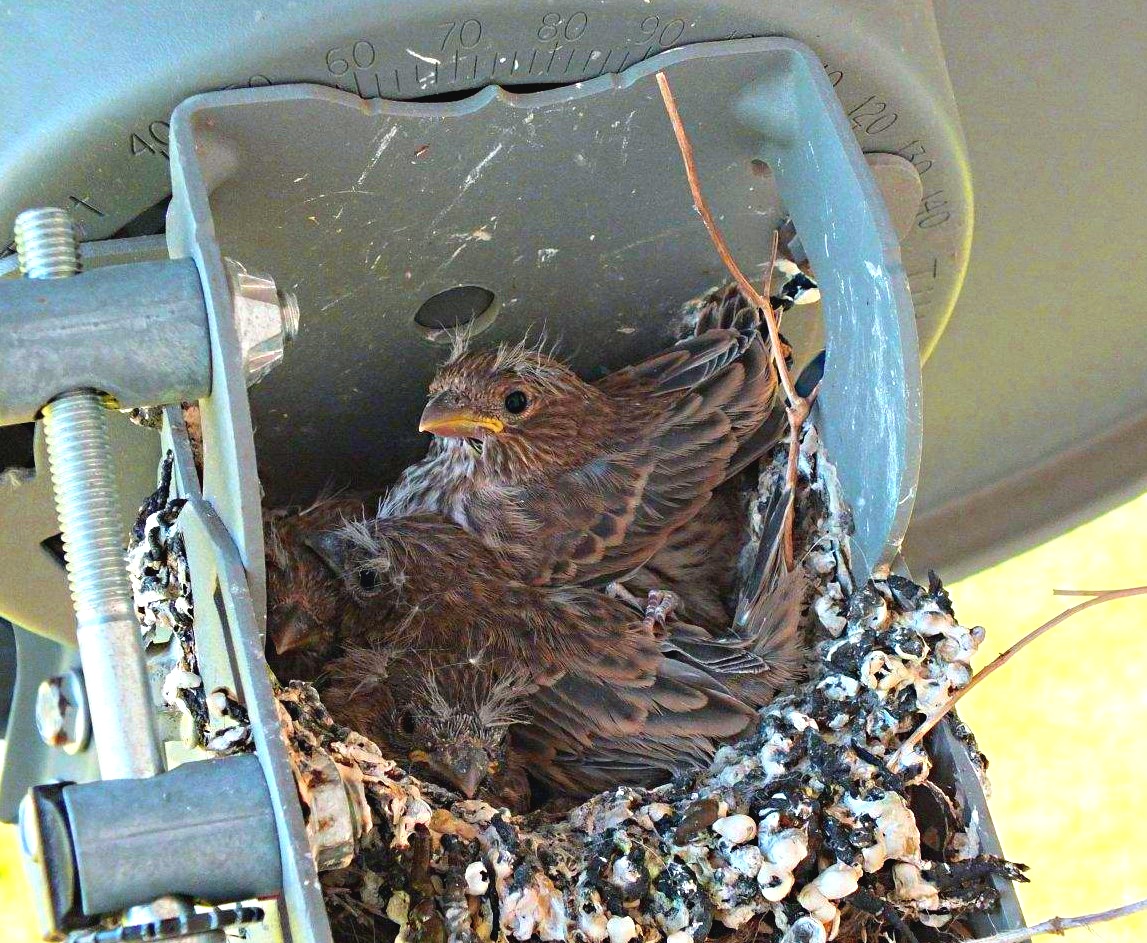
To stagnate in limited space (and never fly from it) is to remain in crap forever (at a parameter of 74 degrees on the dial)… by Thomas Peace 2013
.
.
.
.
. Though this might seem a bit odd, it isn’t: Only by clinging to learned and inherited psychological barriers does one (ignorantly) keep oneself in the very limited (barren and ordinary) domain of sequential time; sequential time depends upon limited space and boundaries of confinement. By natural law, a limited, self-centered ego must seem to fabricate a fallacious barrier (around itself) consisting of (circumscribed) limited space. Limited space necessitates limited time. An apparent limited space cannot be measured or experienced, unless limited time is involved.
.
.
.

Physical not psychological barrier… by Thomas Peace 2013

.
.
.
.
. Many people, during these splendid days in the month of May, have orderly, pristine, dandelion-free, flawless front yards… while their minds are disorderly, indifferent, full of rubbish and cluttered.
.
.
.

Unadulterated territory… by Thomas Peace 2013

.
.
.
.
. Though the truly sacred exists, it may very well be that we (in our primeval ways) cannot correctly blame God for what goes on (in a harmful, disorderly fashion) in this universe… because it may be that our universe is manifest of energy as part of a multiplex of universes that were never created (and cannot be destroyed).
.
.
.
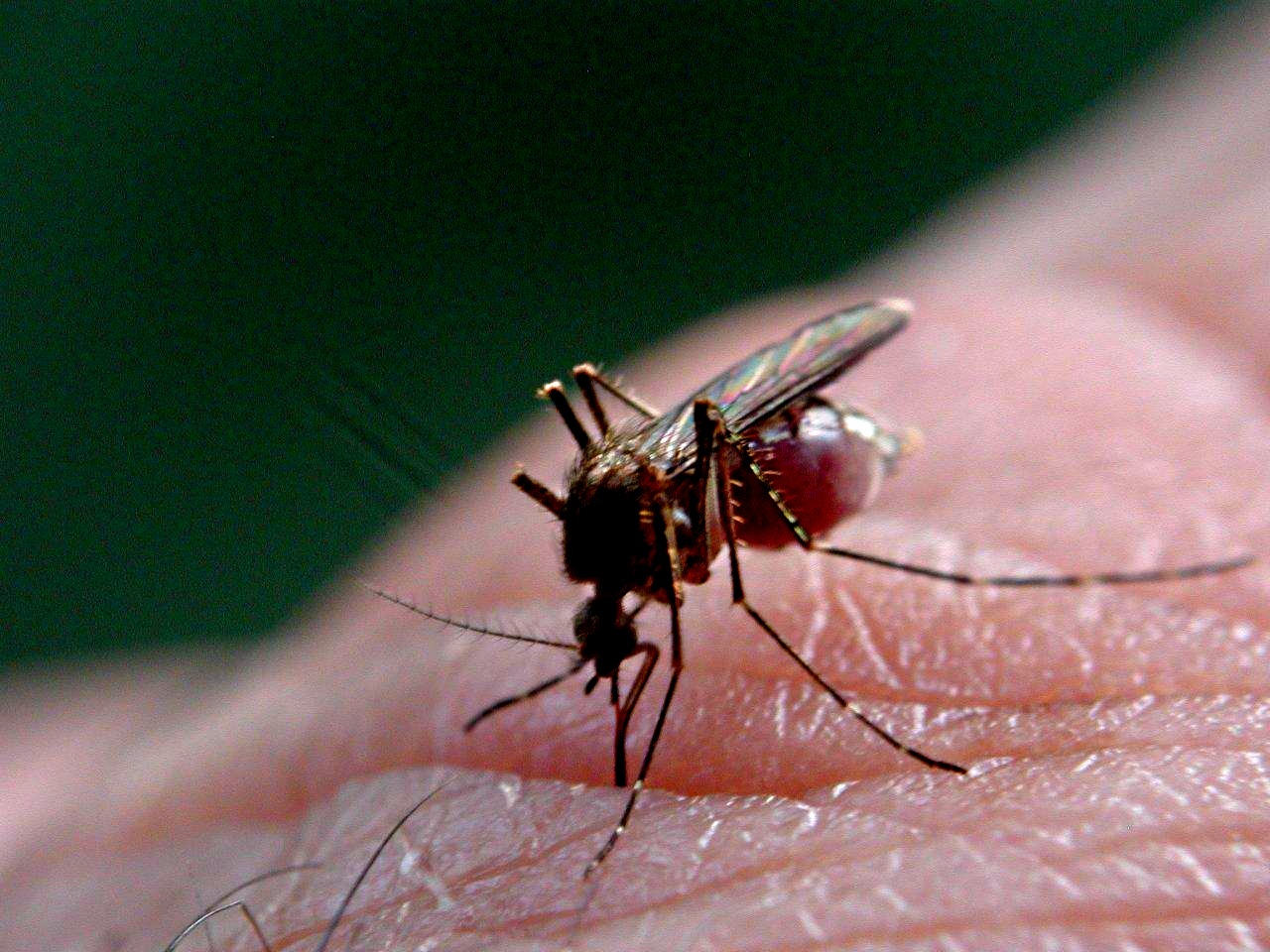
Another blood sucking politician… by Thomas Peace 2013

.
.
.
.
. The following is a photo I took of an action shot that has (literally) existed for 55 million years. The photo is of a piece of Baltic Amber that contains a fly as it is being attacked by a spider. The resins from certain trees would trap insects on occasion… just as they do in the plum trees in our back yard. When buried by soil and eventually rock substrate, and due to pressure over millions of years, the resin transforms into jewel-like amber, permanently encasing/preserving the (now extinct) species of insects that unfortunately had fallen into the resin.
.
.
.(Left click photo to enlarge; hit left return arrow to return back.)

The Spider & the Fly in Baltic Amber… by Thomas Peace 2013

.
.
.
.
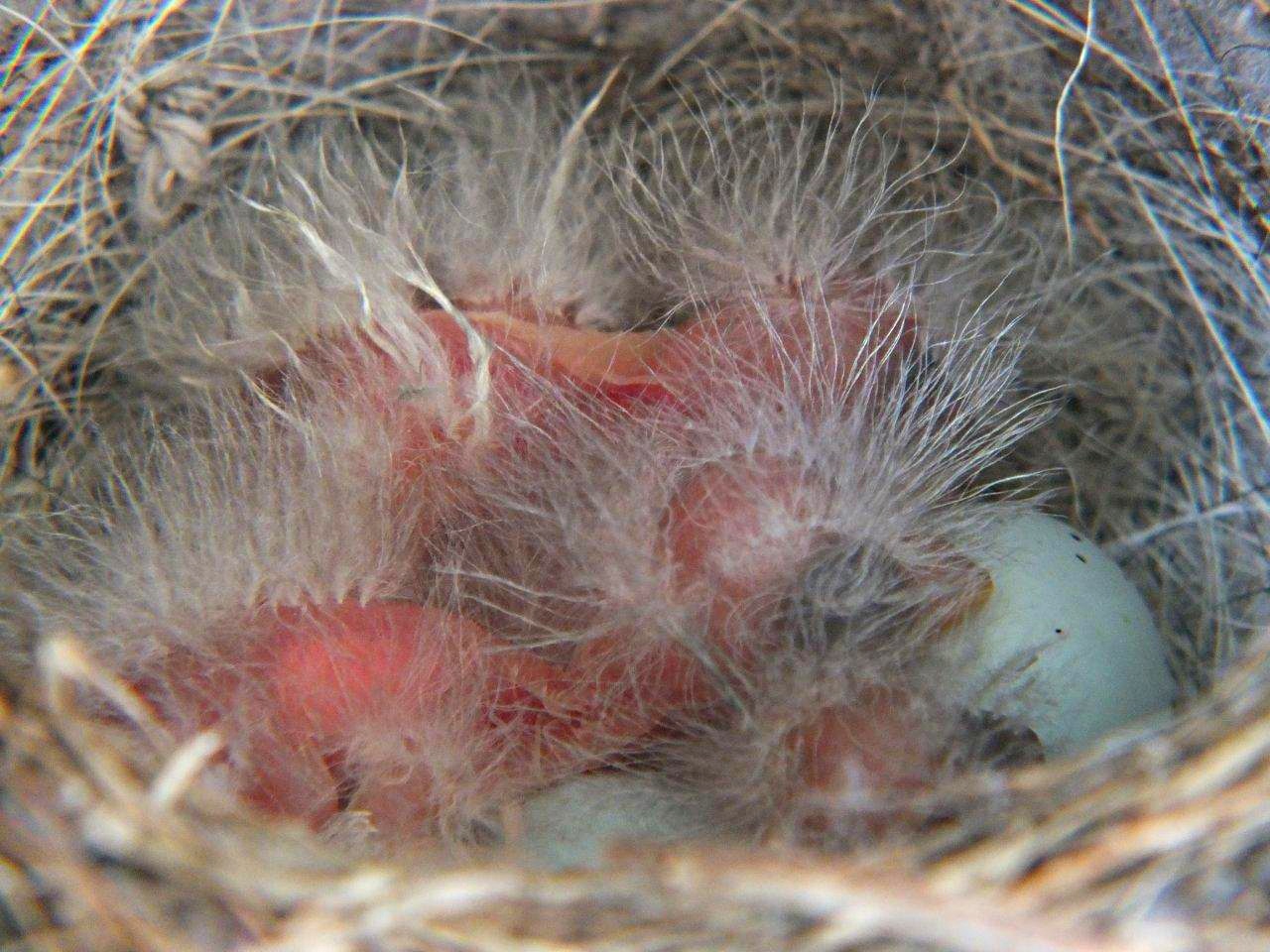
. These fine spring days, do not look at the splendid beauty with images that are rather dead and second-hand.
.
.
.
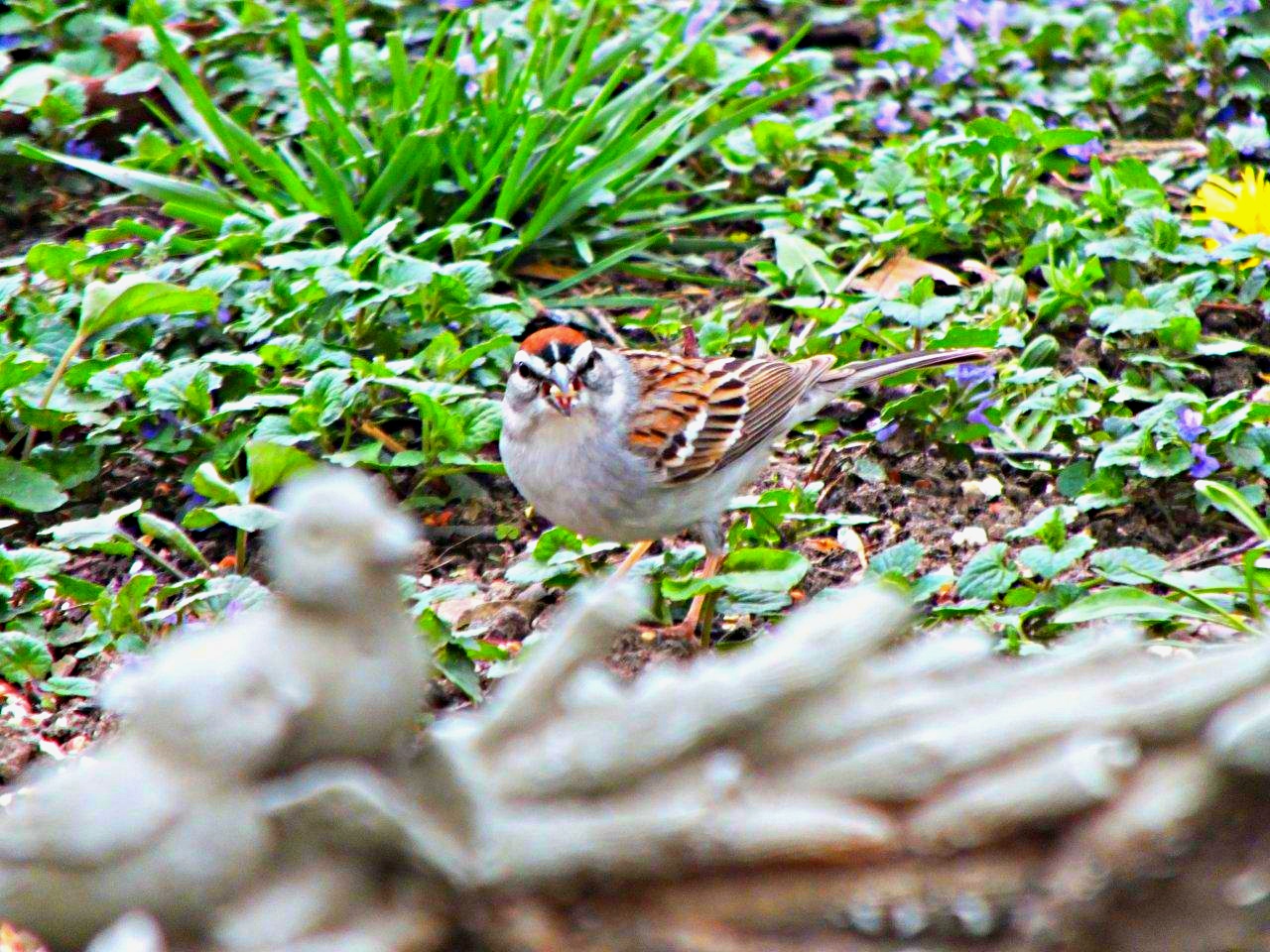
Death is near, Life is beyond… by Thomas Peace 2013
.
.
.
.
. When you merely look with delimitation, habitually fixing the boundaries that separate one thing from another… you are not really perceiving much at all.
.
.
.

The future is the past… by Thomas Peace 2013

.
.
.
.
. The harmony of reason and love is the incorruptibility of the whole self beyond the indifference that is unaware of eternity and eternally unaware.
.
.
.
.
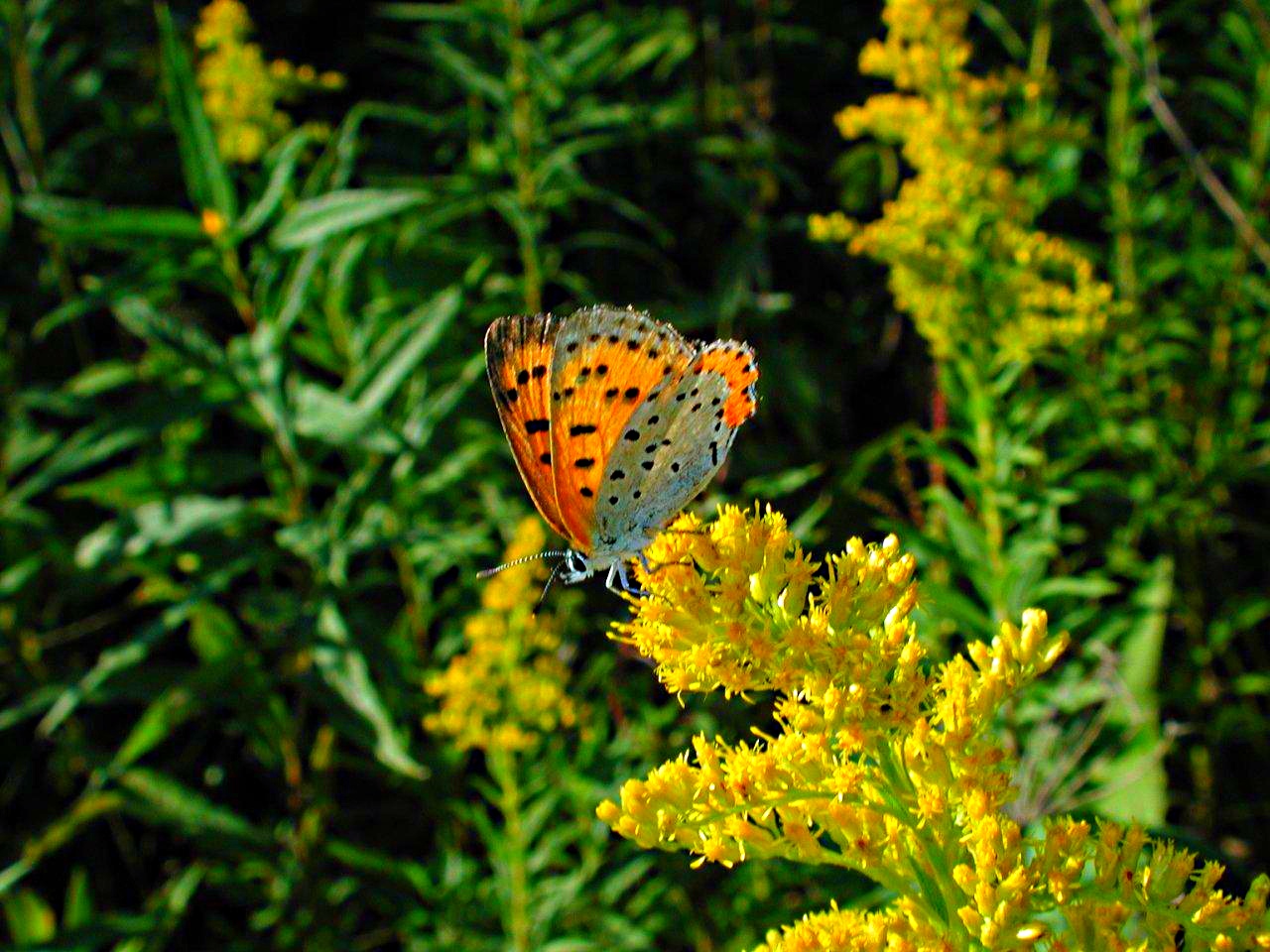
Beyond reason… by Thomas Peace 2013

.
.
.
.
. Shallow thoughts are to empty shadows as deep insight is to a radiant being.
.
.
.
.
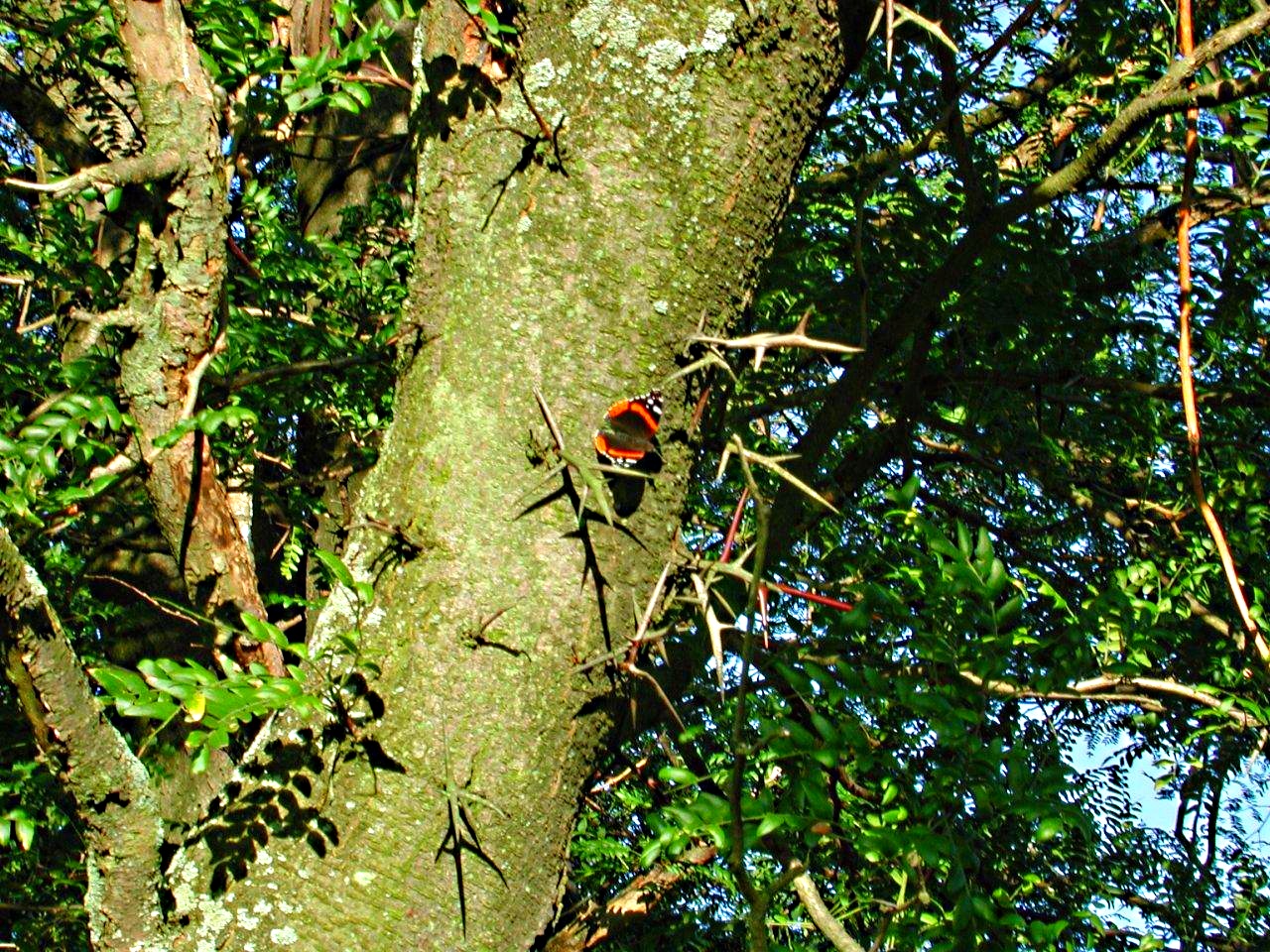
Real security by Thomas Peace 2013

.
.
.
.
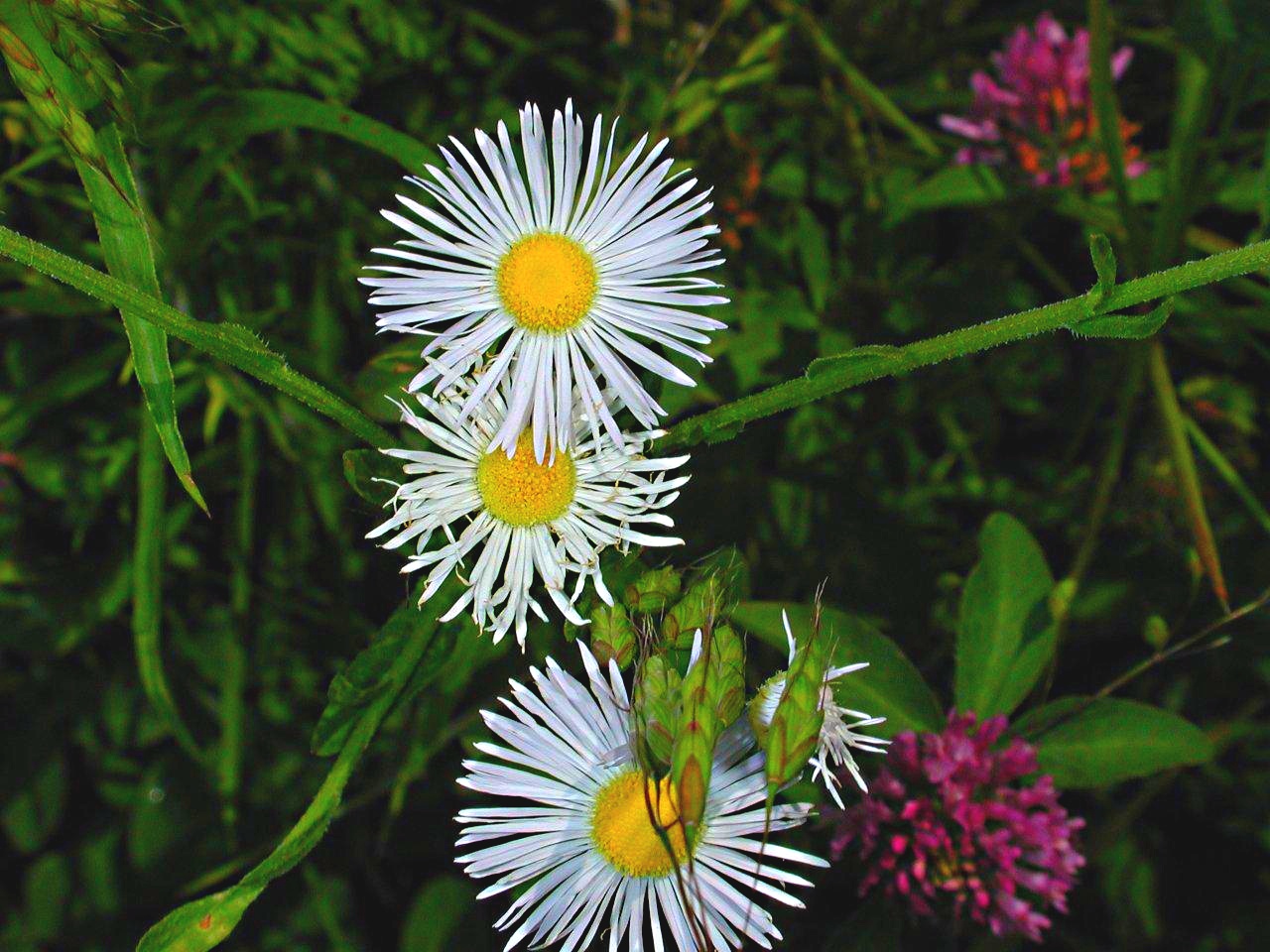
. Deep truth never comes from comfortable, superficial satisfaction, from mindless content with ordinary values, from languid acceptance.
.
.

Supersaturation… by Thomas Peace 2013
.
.
.
.
.
. Watch thought as it takes place… without the barbaric separation of thought and thinker.
.
.
.
Oldnew… by Thomas Peace 2013
.
.
.
.
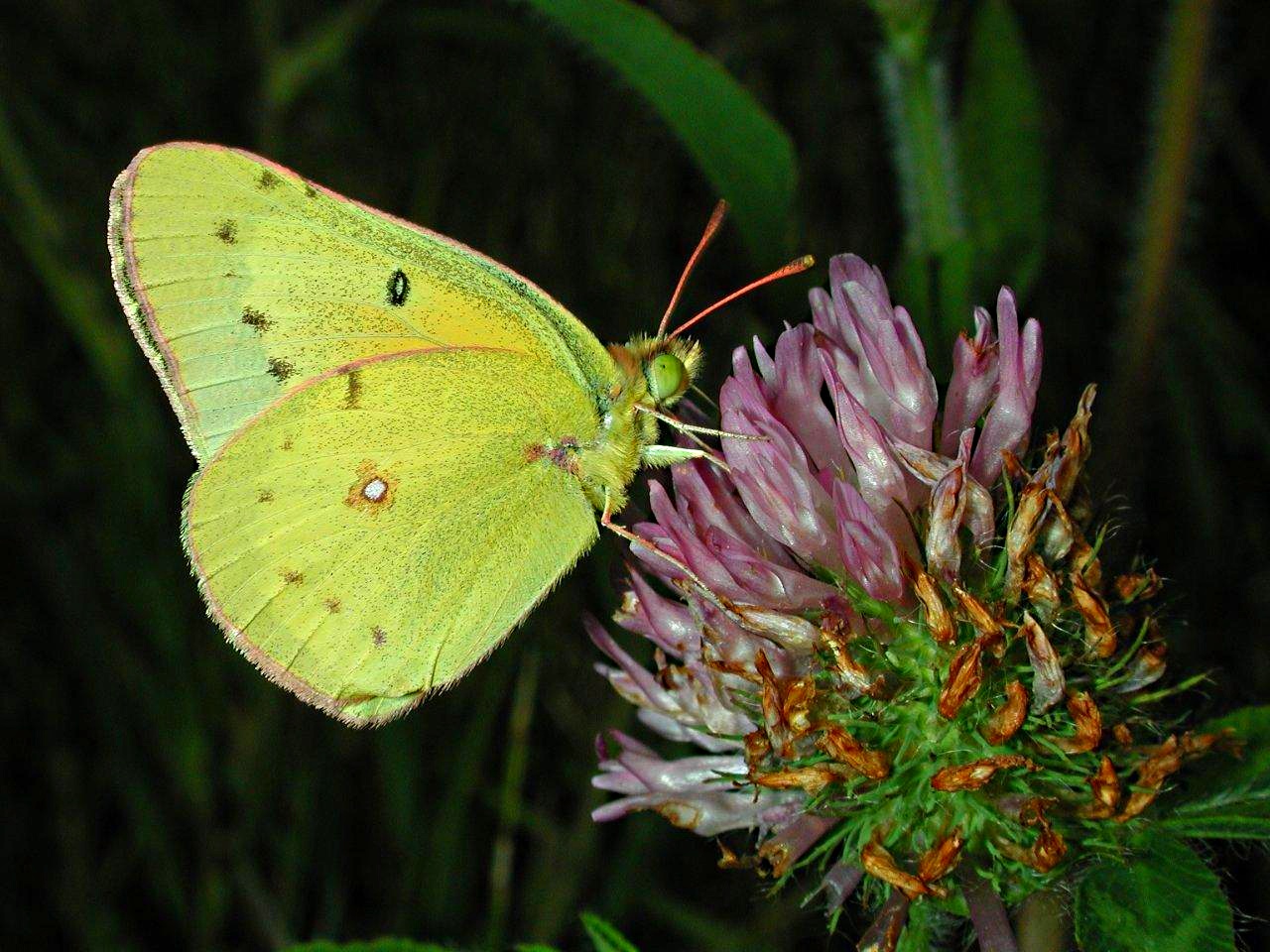
. Each one of us is very responsible for caring for mother earth greenly and passionately.
.
.
.

Miraculous Commonality by Thomas Peace 2013

.
.
.
.
. Five minutes of warm caring may be worth more than a long lifetime of indifference.
.
.
.
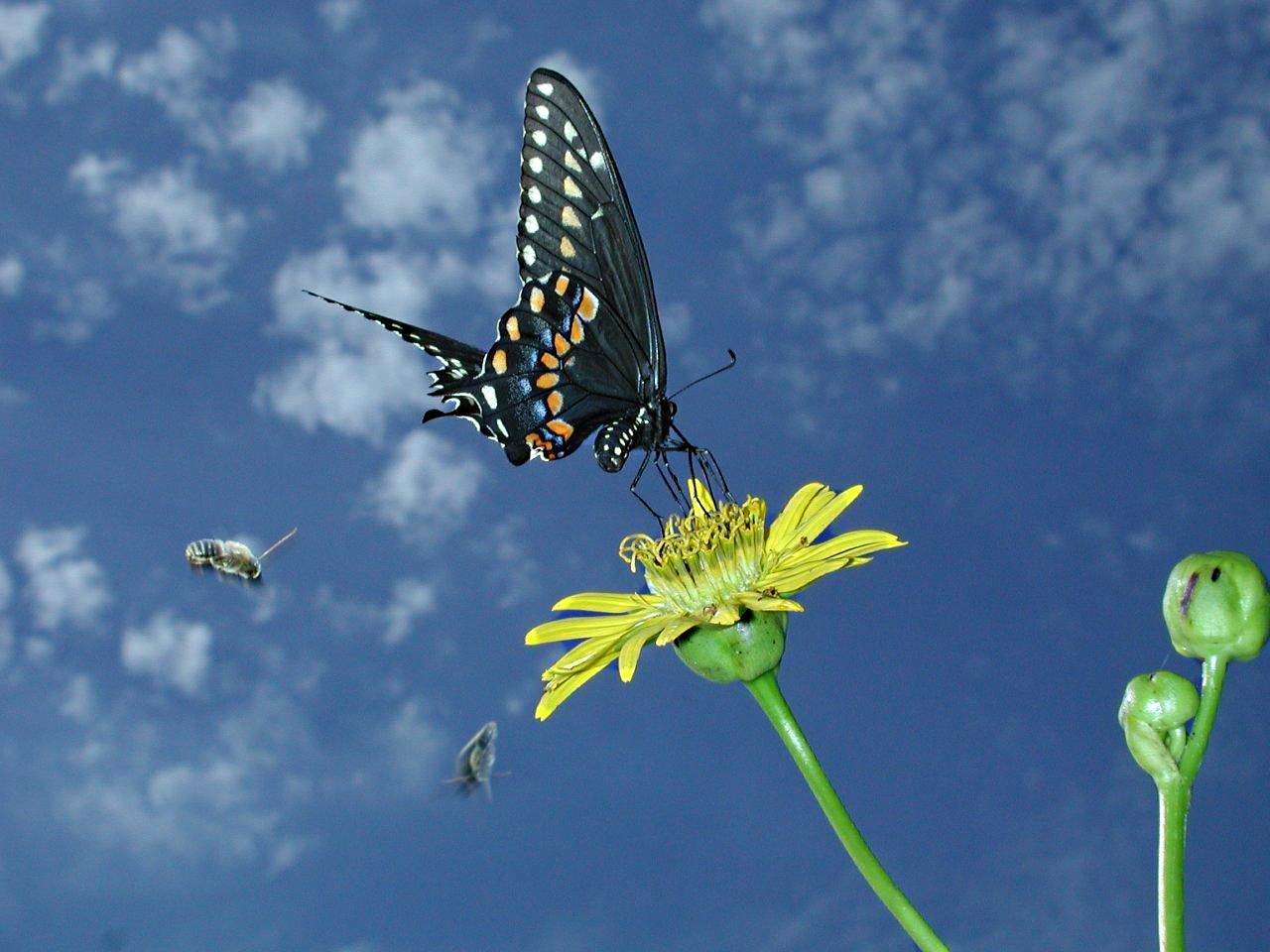
Time Stand Still by Thomas Peace 2013
.
.
.
.
. Do not merely be frozen in time like what is petrified in mediocrity.
.
.
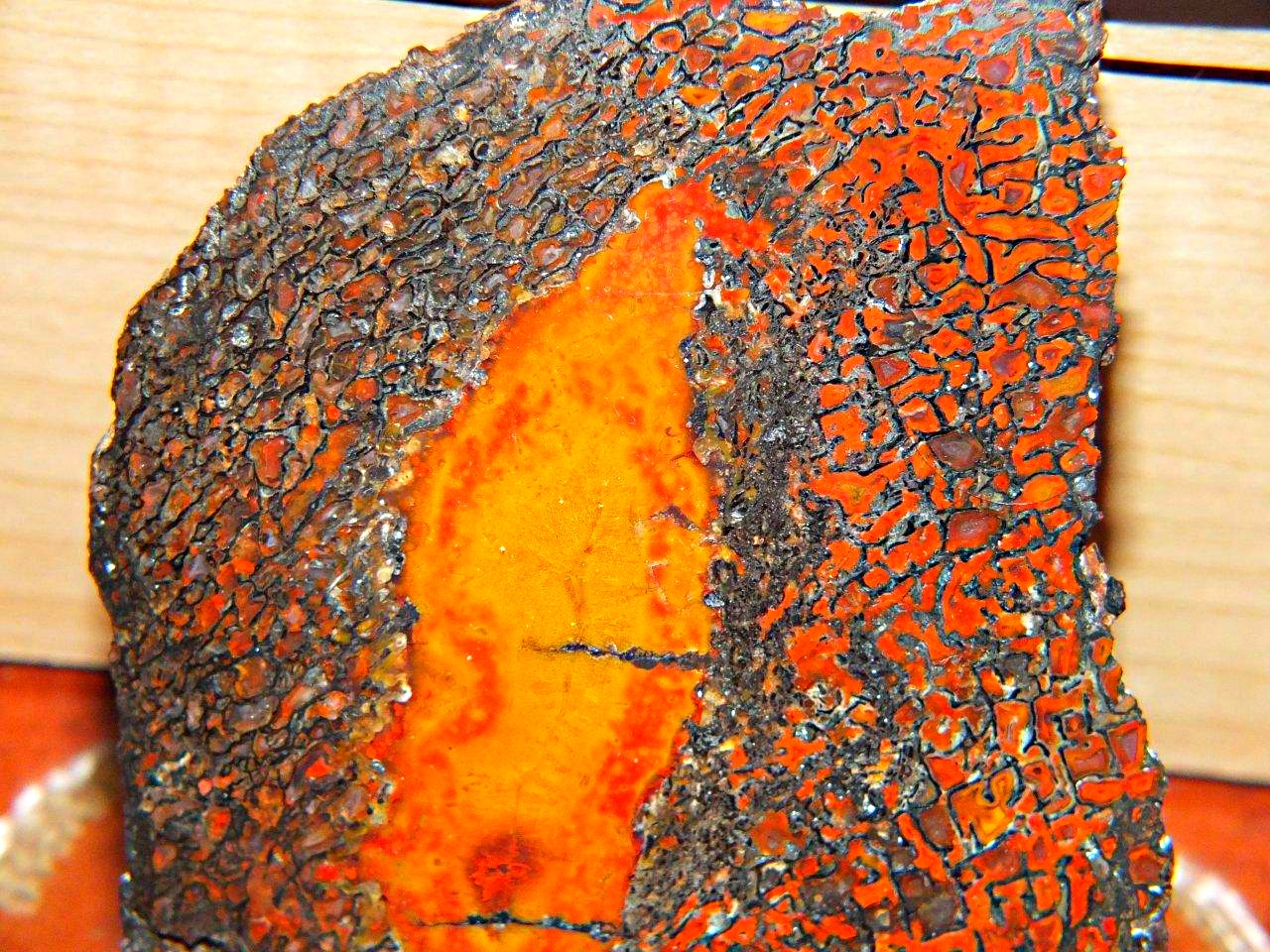
. A few of samples of dinosaur bone from the Jurassic Period, from southern Utah. The bones, in natural formations, get permeated, under intense heat and pressure, by various minerals… and, depending on the minerals, various colors can occur… some more rare than others. The bones are cut and polished… a time consuming process. Each bone is unique in its own way. Dinosaur bone easily becomes permeated because it is full of air pockets and blood vessel chambers to lighten its mass and (unlike in mammals) as an aid to respiration and air storage. (Their respiratory system was, back then, way more advanced than ours is today! Birds, which evolved from dinosaurs, have such an advanced respiratory system.)
.
.
.
Polished Dinosaur Bone (1) by Thomas Peace 2013
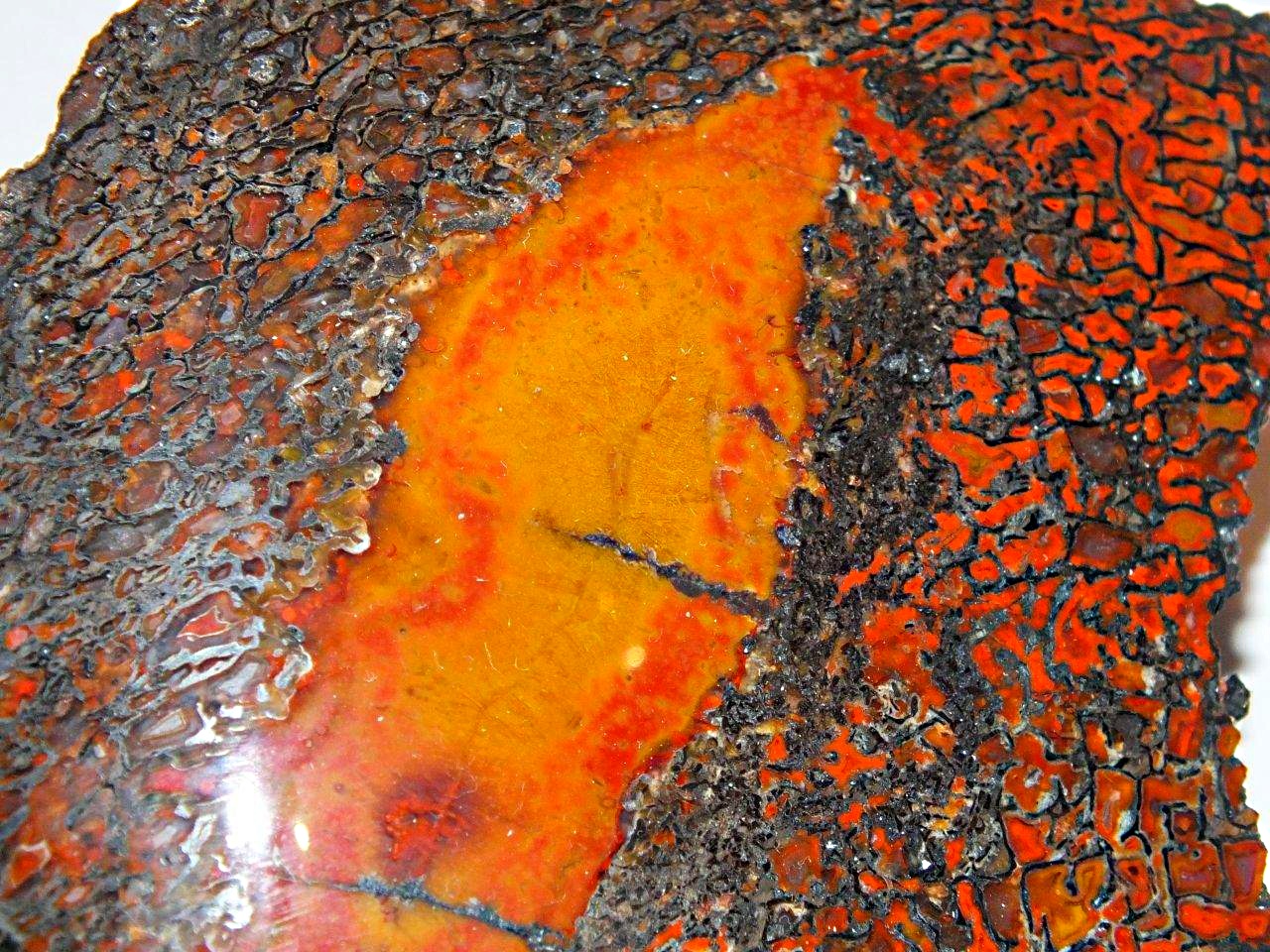
Polished Dinosaur Bone (2) by Thomas Peace 2013
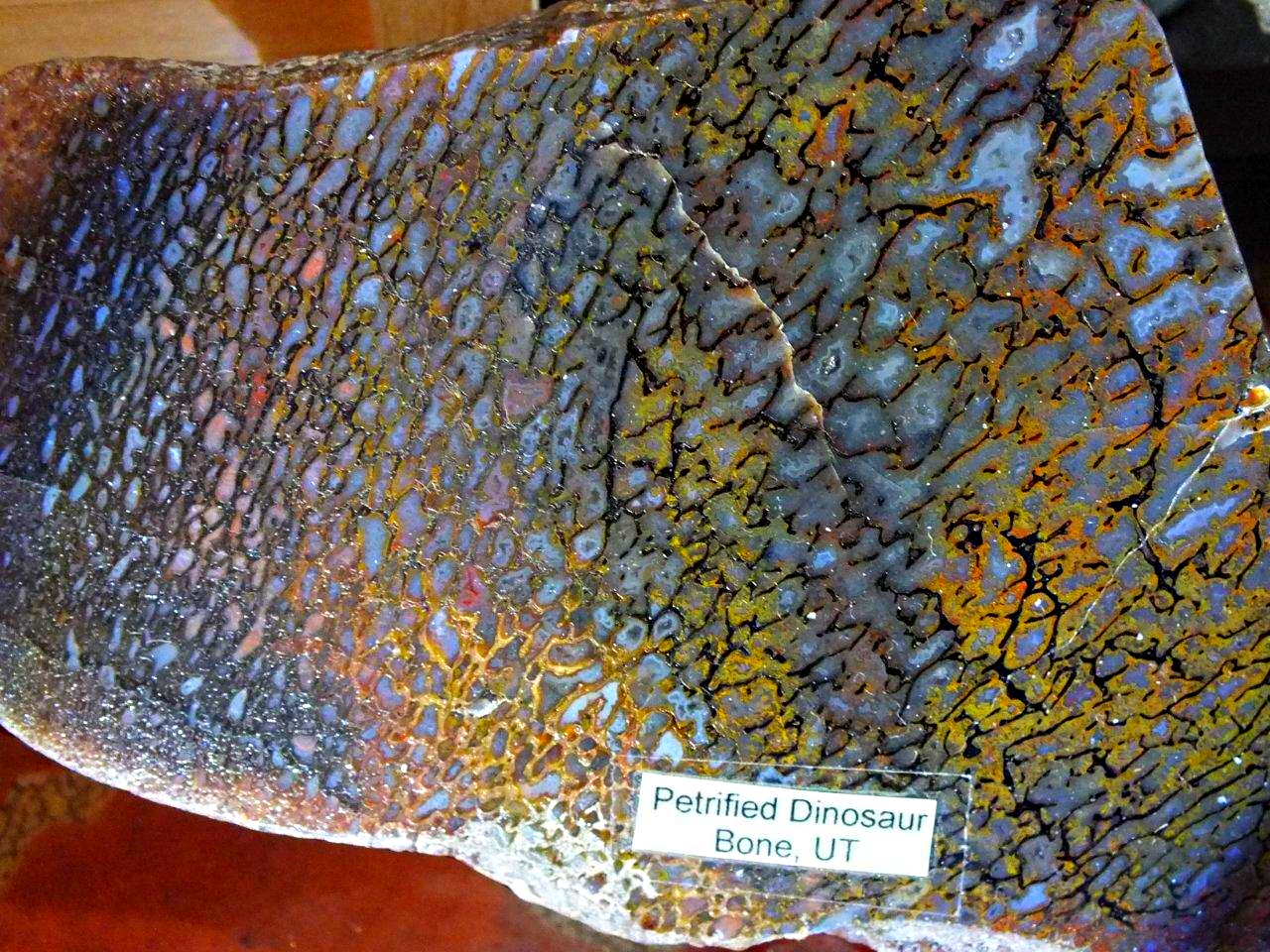
Polished Dinosaur Bone (3) by Thomas Peace 2013
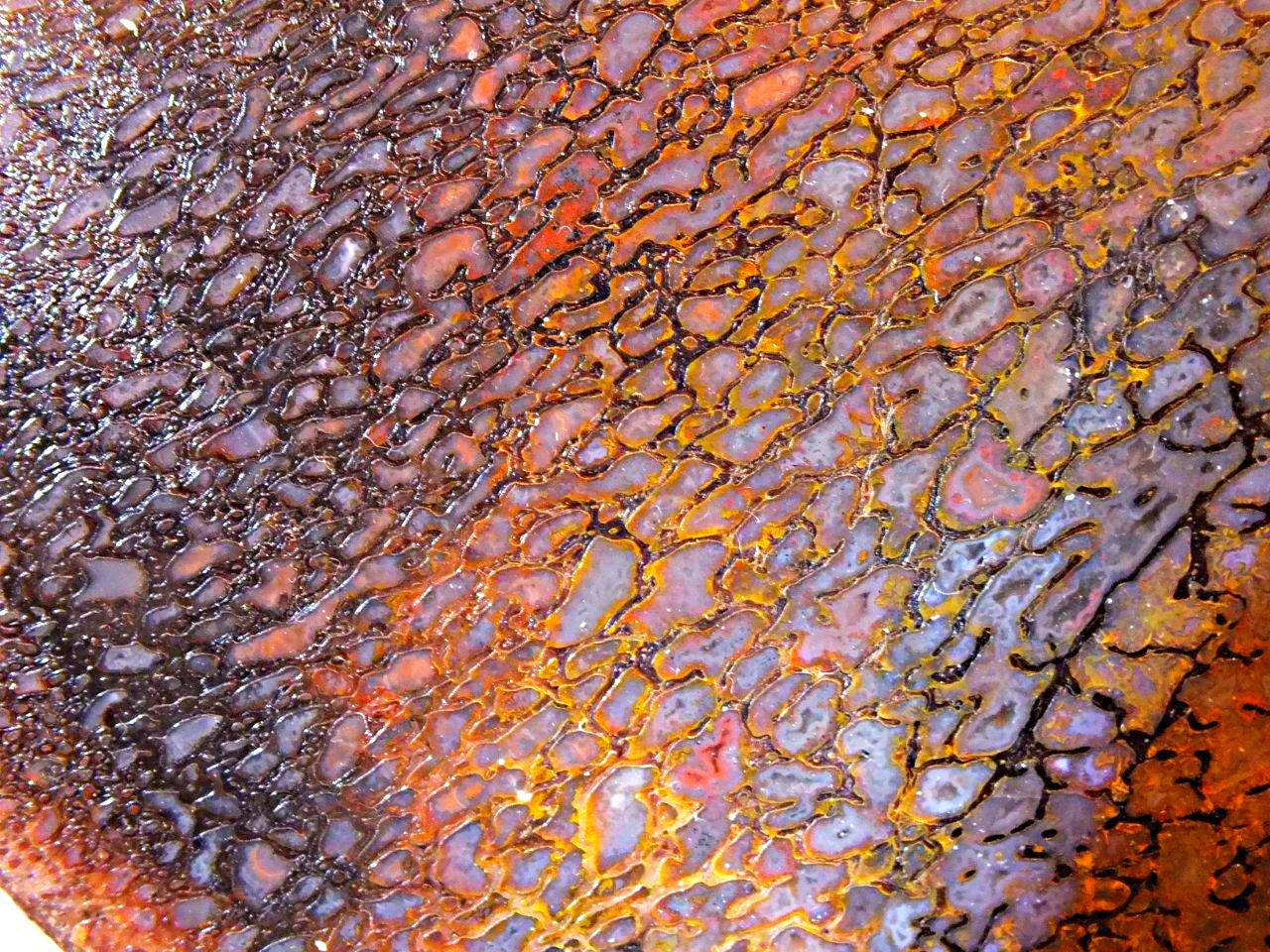
Polished Dinosaur Bone (4) by Thomas Peace 2013

.
.
.
.
. You are not what “has anger”; the anger is you (when it occurs as you); psychologically (as silence) die to the anger — to the separation and the distortion — that you are.
.
.
.
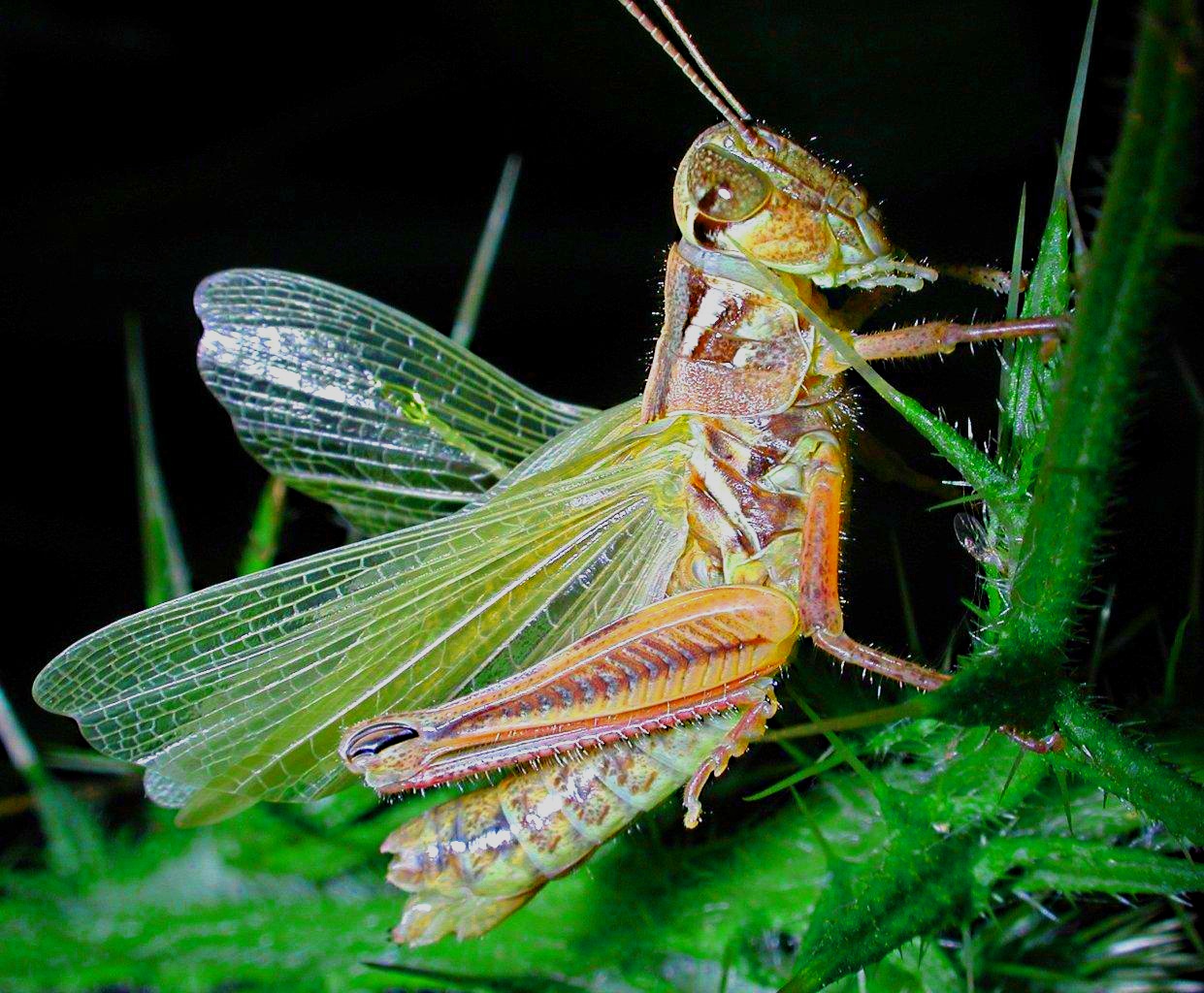
Clumsy Flier by Thomas Peace 2013

.
.
.
.
. The tragedy is that most of us do not see the tragedy; most of us are drifting and do not see enough to act meaningfully for a greener planet.
.
.
.
. Excerpt from Big Yellow Taxi Lyrics:
.
.
Don’t it always seem to go
That you don’t know what you’ve got til its gone
They paved paradise
And put up a parking lot
They took all the trees
And put ’em in a tree museum
And they charged the people
A dollar and a half to see ’em
Don’t it always seem to go,
That you don’t know what you’ve got
Til its gone
They paved paradise
And put up a parking lot
Hey farmer farmer
Put away the DDT
I don’t care about spots on my apples
Leave me the birds and the bees
Please!
.
.
.
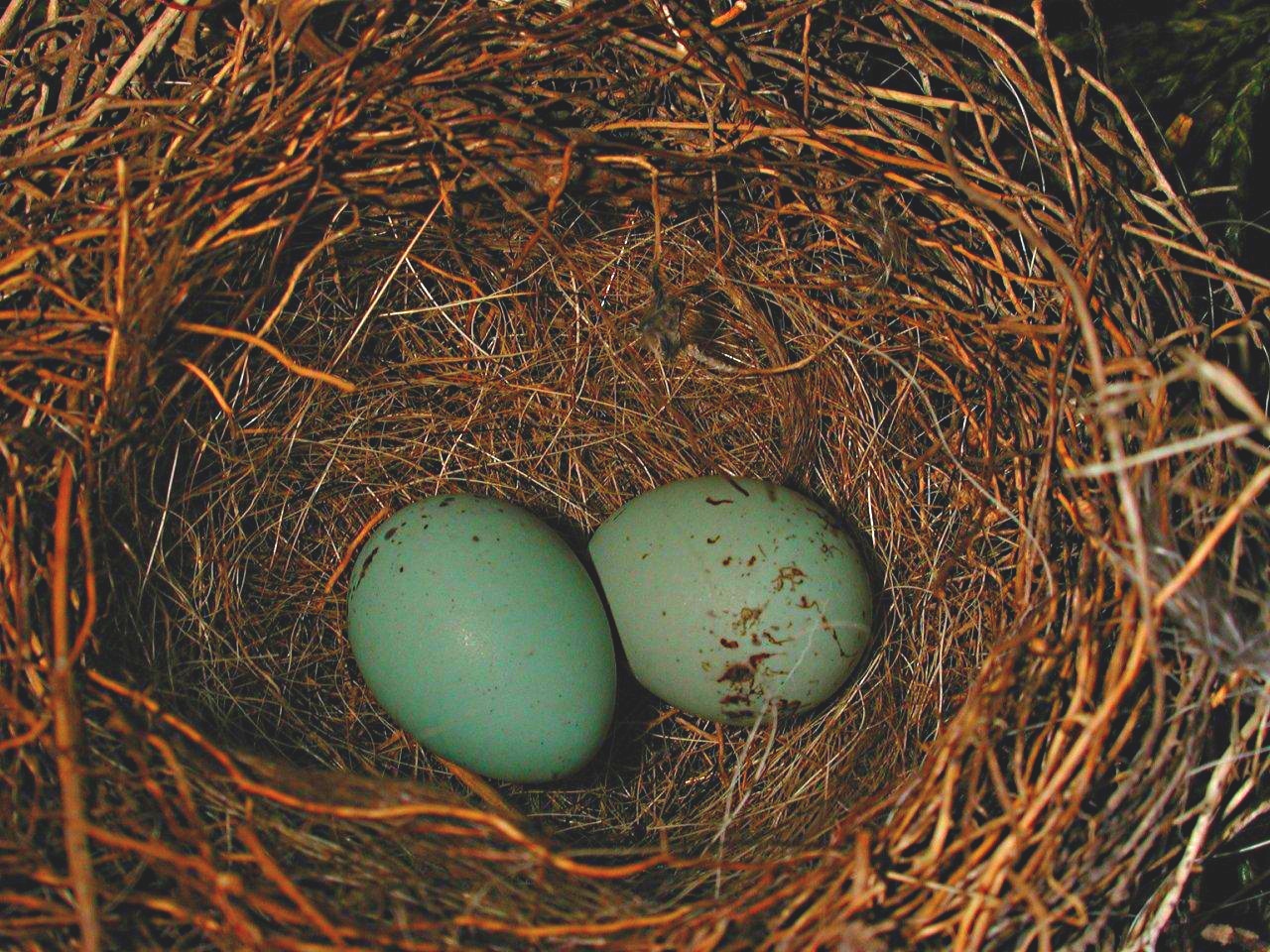
Hope for the Future by Thomas Peace 2013

.
.
.
.
. You can’t run from your fears; you are your fears. Simply observe them, without separation, judgement, and negativity, as they take place… and intelligence will flower.
.
.
.
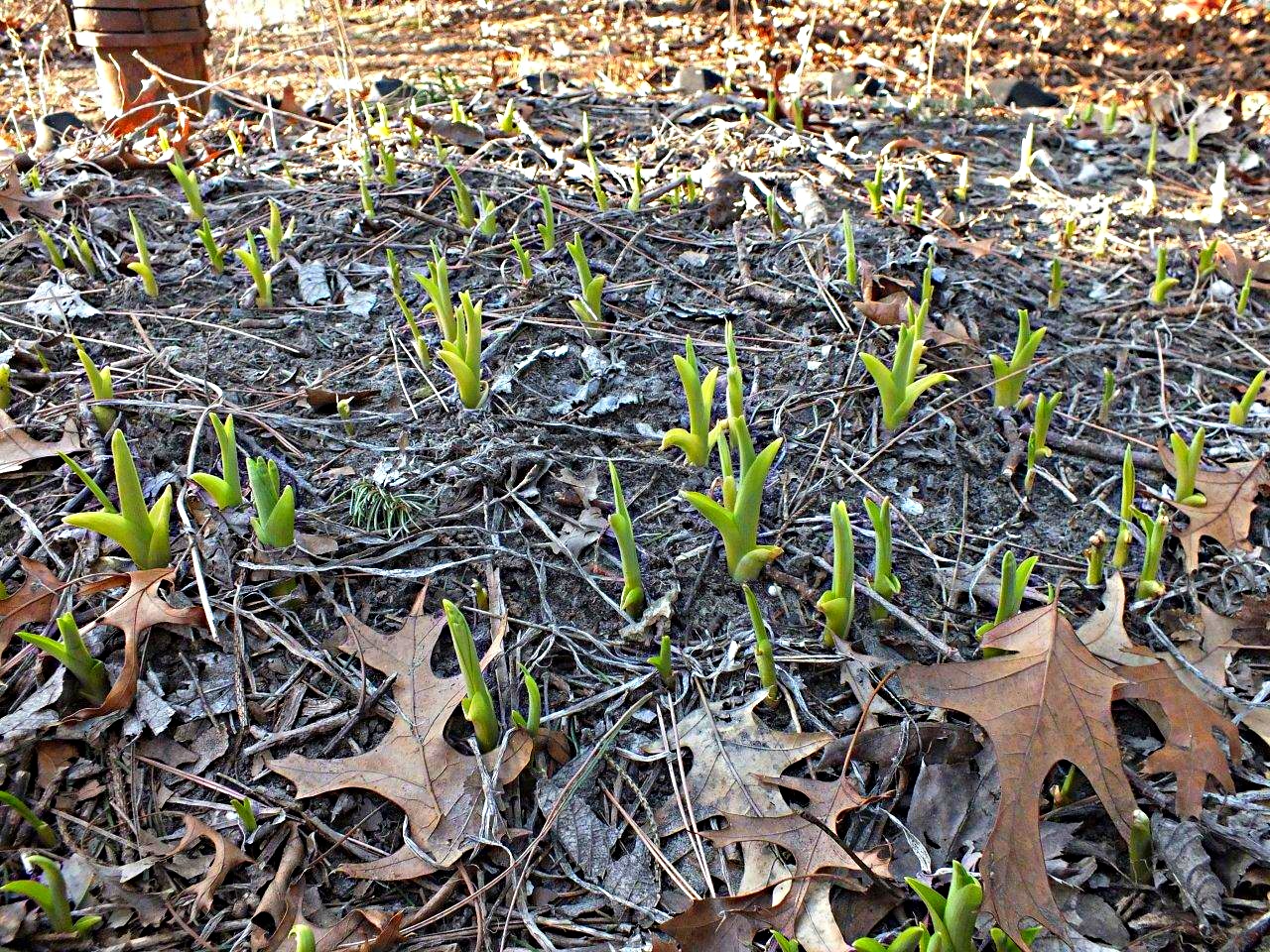
. (Jumping spiders are harmless to humans and actually eat many harmful, disease carrying insects.)

Looking for Miss Muffet (who sat on her tuffet) by Thomas Peace 2013
.
.
.
.
. from E. E. Cummings:
.
.
in
Spring comes(no-
one
asks his name)
a mender
of things
with eager
fingers(with
patient
eyes)re
-new-
ing remaking what
other
-wise we should
have
thrown a-
way(and whose
brook
-bright flower-
soft bird
-quick voice loves
children
and sunlight and
mountains)in april(but
if he should
Smile)comes
nobody’ll know
.
.
Eager Fingers by Thomas Peace 2013
.

.
.
.
.
. Don’t merely reflect on the details… see the beautiful whole!
.
.
.
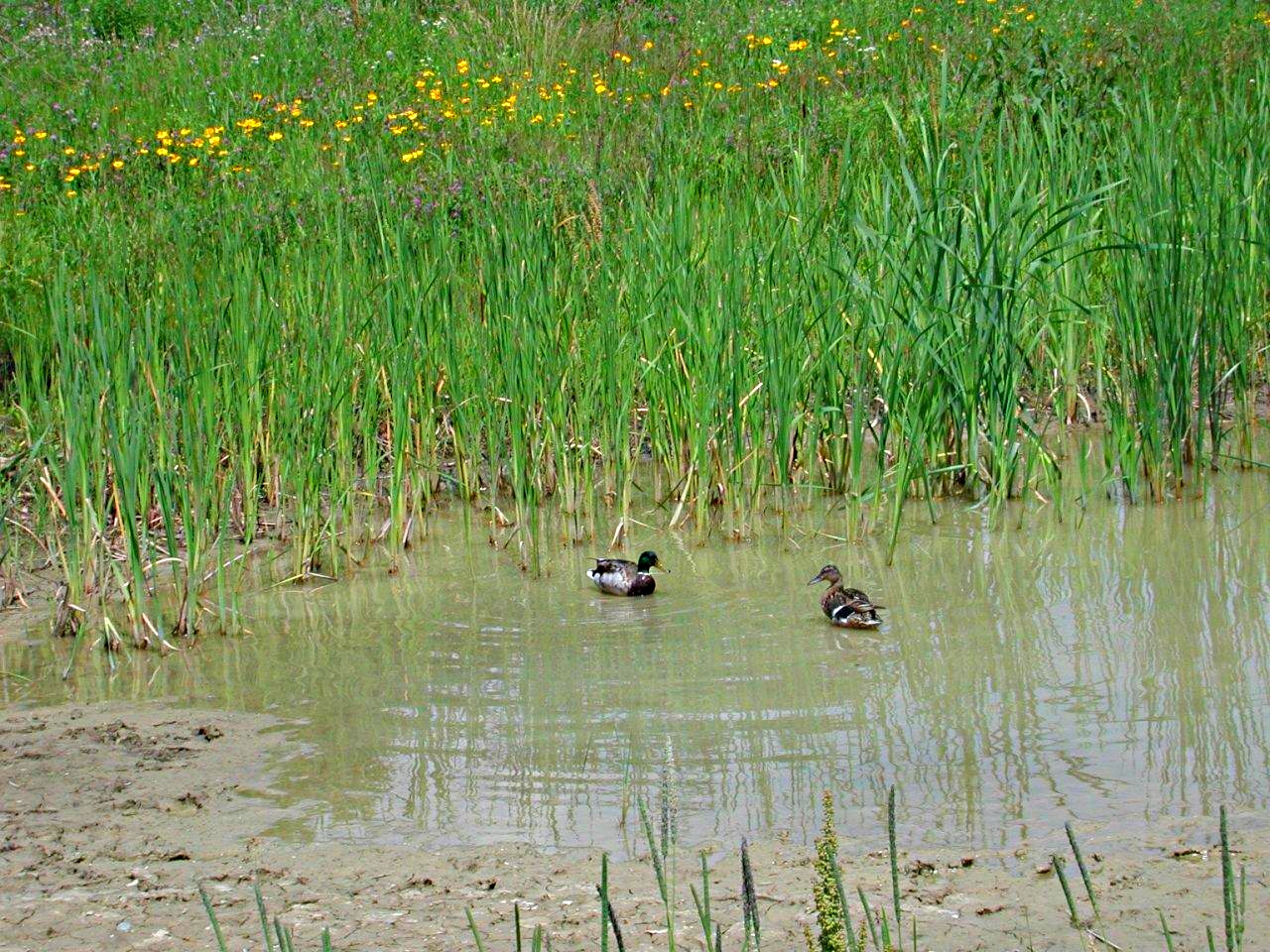
Quackery by Thomas Peace 2013

.
.
.
.
. To effortlessly see life joyfully — without the contamination of old, cobweb images that are self-projections — is to look without the accumulated baggage of the past.
.
.
.
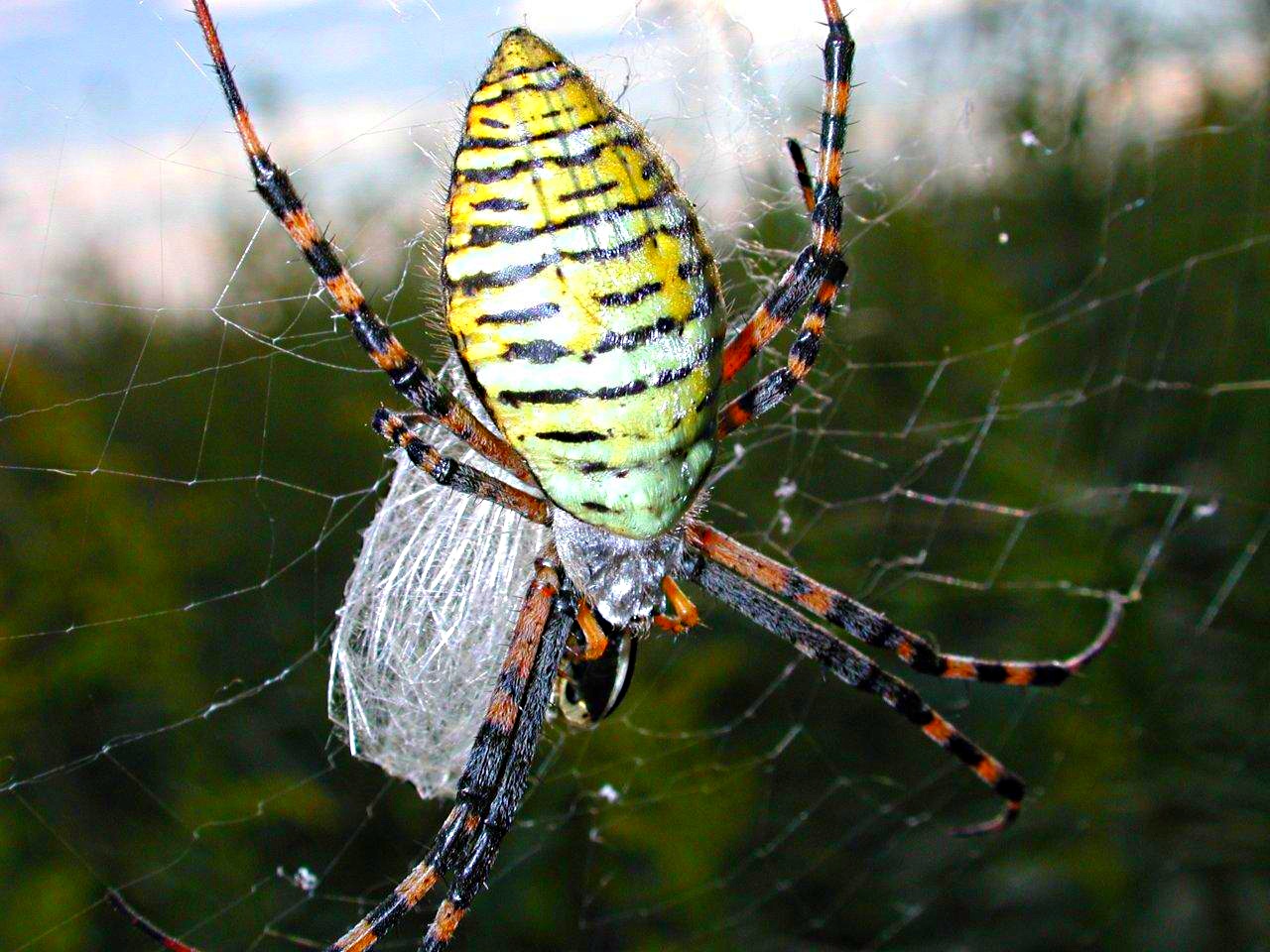
Hunting Tiger by Thomas Peace 2013

.
.
.
.
. Wisdom is what transcends the mediocre claptrap of ordinary reactions.
.
.
.

Mutual Perceptions by Thomas Peace 2013
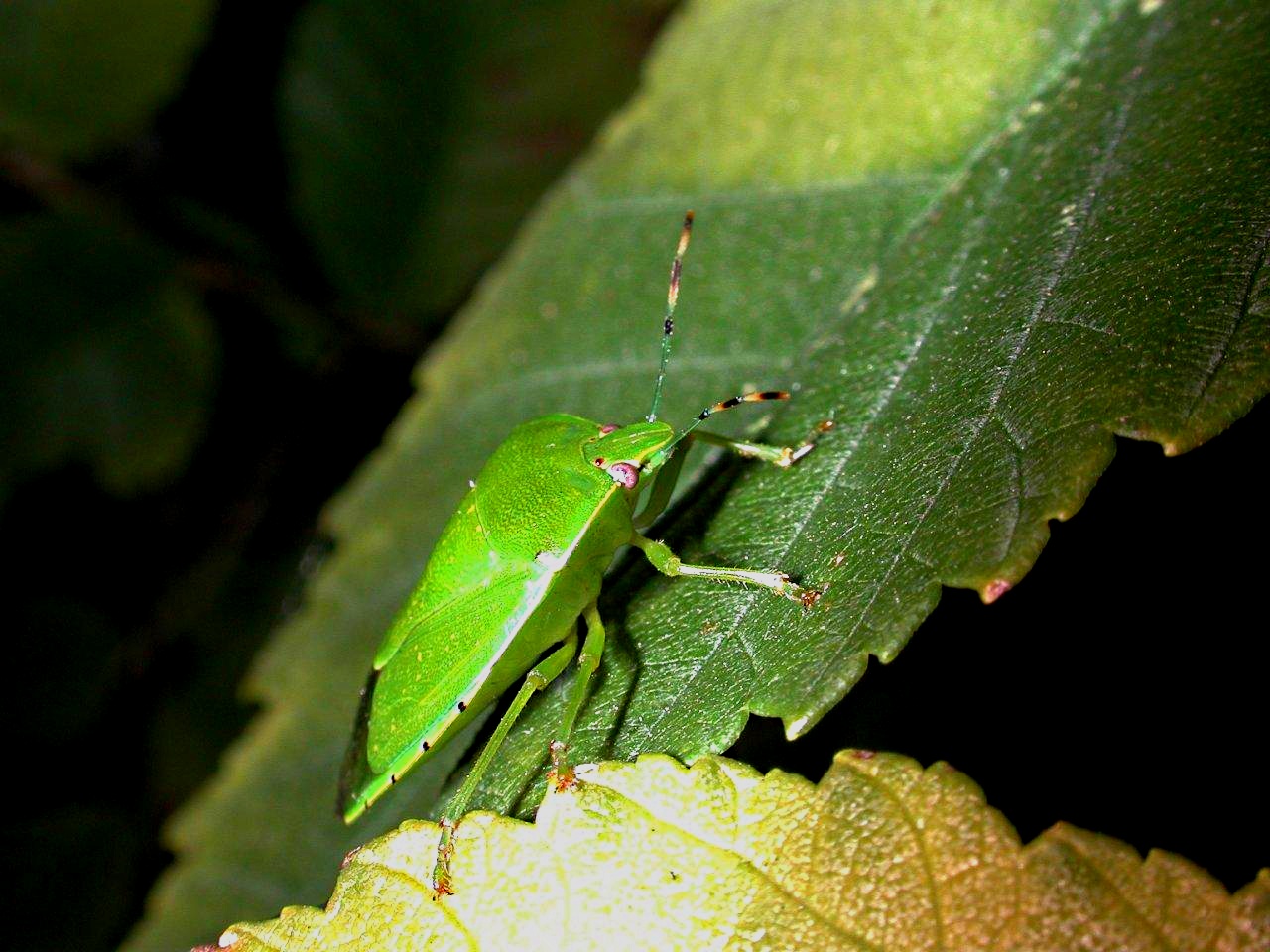
In a year that brought the U.S. record-breaking heat, massive wildfires, a historic drought, and devastating storms like Hurricane Sandy, the nightly news programs on ABC, CBS, and NBC barely talked about what was fueling this extreme weather — climate change. We need better coverage if we want people to connect the dots and demand real action to curb global warming pollution.
Please sign our petition below to Michael Corn, Executive Producer of ABC World News, Patricia Shevlin, Executive Producer of CBS Evening News, and Patrick Burkey, Executive Producer of NBC Nightly News, asking them to give us more frequent, accurate coverage of climate change this year.
Give Us Better Coverage on Climate Change this Year
Dear Mr. Corn, Ms. Shelvin, and Mr. Burkey,
Every night, tens of millions of people tune into the news on the major broadcasting networks of ABC, CBS, and NBC, expecting to learn about the most pressing issues facing our families and our nation. Given the urgency of addressing the climate crisis, we urge you to put global warming at the top of that list.
After experiencing the hottest year ever recorded in the United States and a series of devastating extreme weather events including wildfires, droughts, and storms like Hurricane Sandy, the American people deserve to know how our changing climate is fueling this extreme weather and what we can do about it.
That can only happen if you devote more coverage to climate change, report on future extreme weather in a climate context, and interview more climate scientists who will be able to accurately connect the dots between human activity, climate change, and the weather we have been experiencing. Yet, a recent study by Media Matters for America found that last year climate change was only featured in 12 segments on your nightly news programs combined.
Confronting the climate crisis is the challenge of our generation, and we urge you to honor the best traditions in American journalism by putting the focus on science and accurately reporting on climate change.
We look forward to watching your thorough, accurate coverage of climate change in the year ahead.
Sincerely,
[Your Name]
[Your Address]
[City, State ZIP]
http://action.mediamatters.org/tell_news_to_cover_climate_change
.
.
.
Fall or Rise by Thomas Peace 2013

.
.
.
.
. Thinking, per se, is merely a tool of problem solving; it may not need to be the essence of your being. If you don’t have problem after problem — and you needn’t have — then thinking need not (in wisdom) always take place.
.
.
.
.
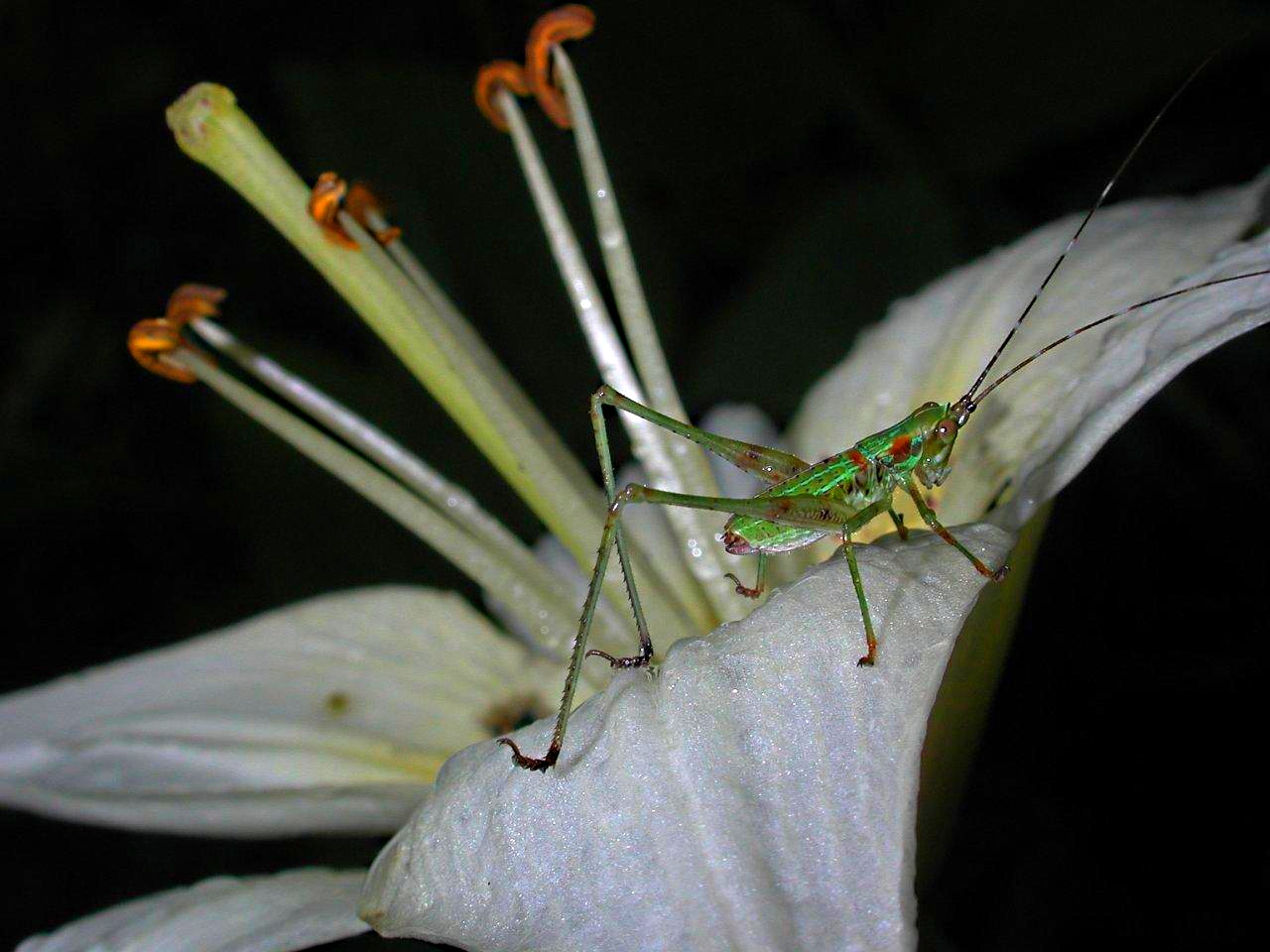
Katylily by Thomas Peace 2013

.
.
.
.
. It may be that, these days, the Big-shots — in separative politics, in huge, ambitious religious organizations, in financial and luring commodity-selling institutions — have one enormous thing in common. They all like suckers.
.
.
. My pet Plecostomus Catfish:
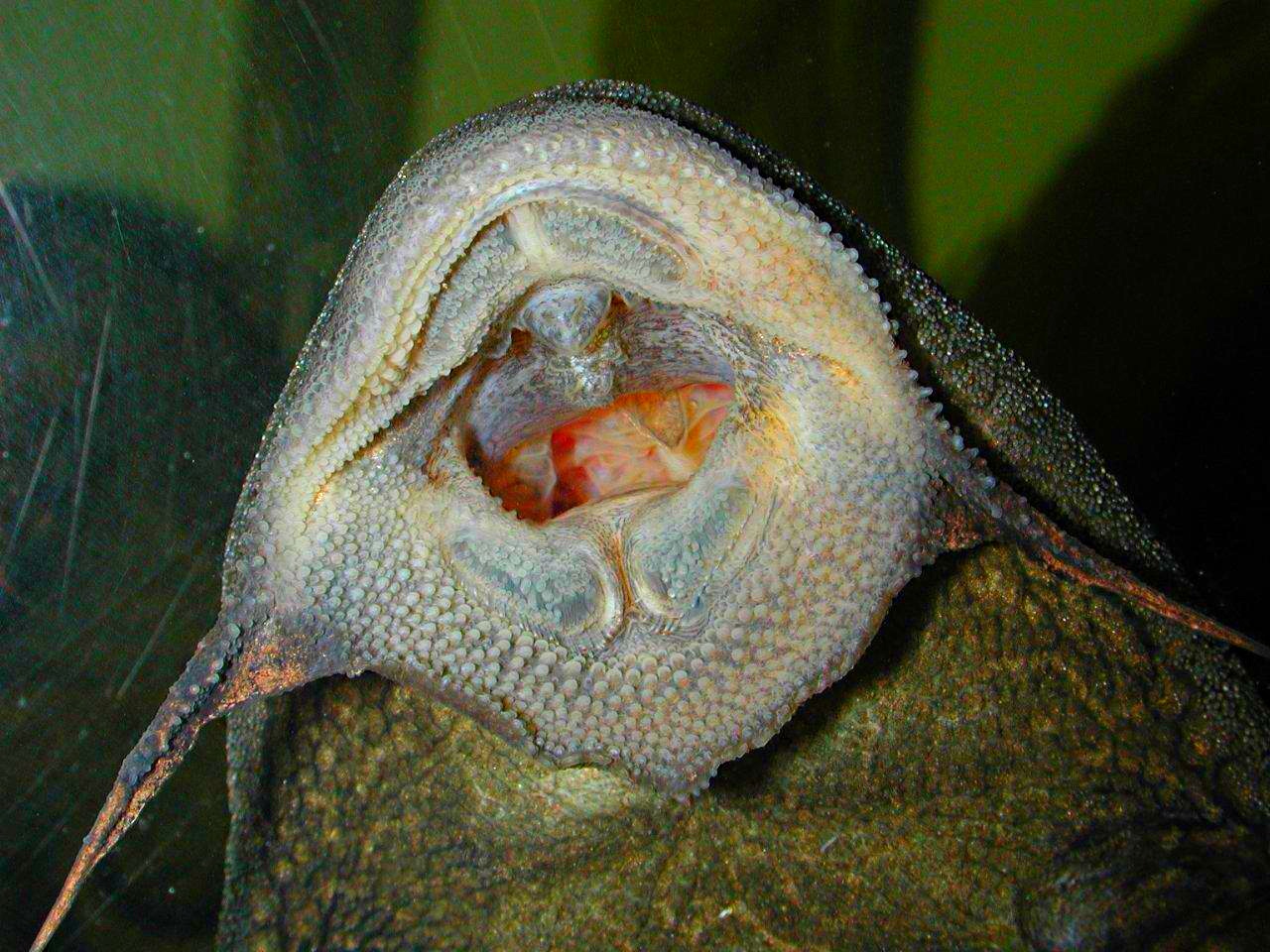
Pet Plecostomus Catfish (1) by Thomas Peace 2013

Pet Plecostomus Catfish (2) by Thomas Peace 2013

.
.
.
.
. from Walt Whitman:
.
. Miracles
.
Why, who makes much of a miracle?
As to me I know of nothing else but miracles,
Whether I walk the streets of Manhattan,
Or dart my sight over the roofs of houses toward the sky,
Or wade with naked feet along the beach just in the edge of the water,
Or stand under trees in the woods,
Or talk by day with any one I love, or sleep in the bed at night
with any one I love,
Or sit at table at dinner with the rest,
Or look at strangers opposite me riding in the car,
Or watch honey-bees busy around the hive of a summer forenoon,
Or animals feeding in the fields,
Or birds, or the wonderfulness of insects in the air,
Or the wonderfulness of the sundown, or of stars shining so quiet
and bright,
Or the exquisite delicate thin curve of the new moon in spring;
These with the rest, one and all, are to me miracles,
The whole referring, yet each distinct and in its place.
To me every hour of the light and dark is a miracle,
Every cubic inch of space is a miracle,
Every square yard of the surface of the earth is spread with the same,
Every foot of the interior swarms with the same.
To me the sea is a continual miracle,
The fishes that swim–the rocks–the motion of the waves–the
ships with men in them,
What stranger miracles are there?
.
.
.
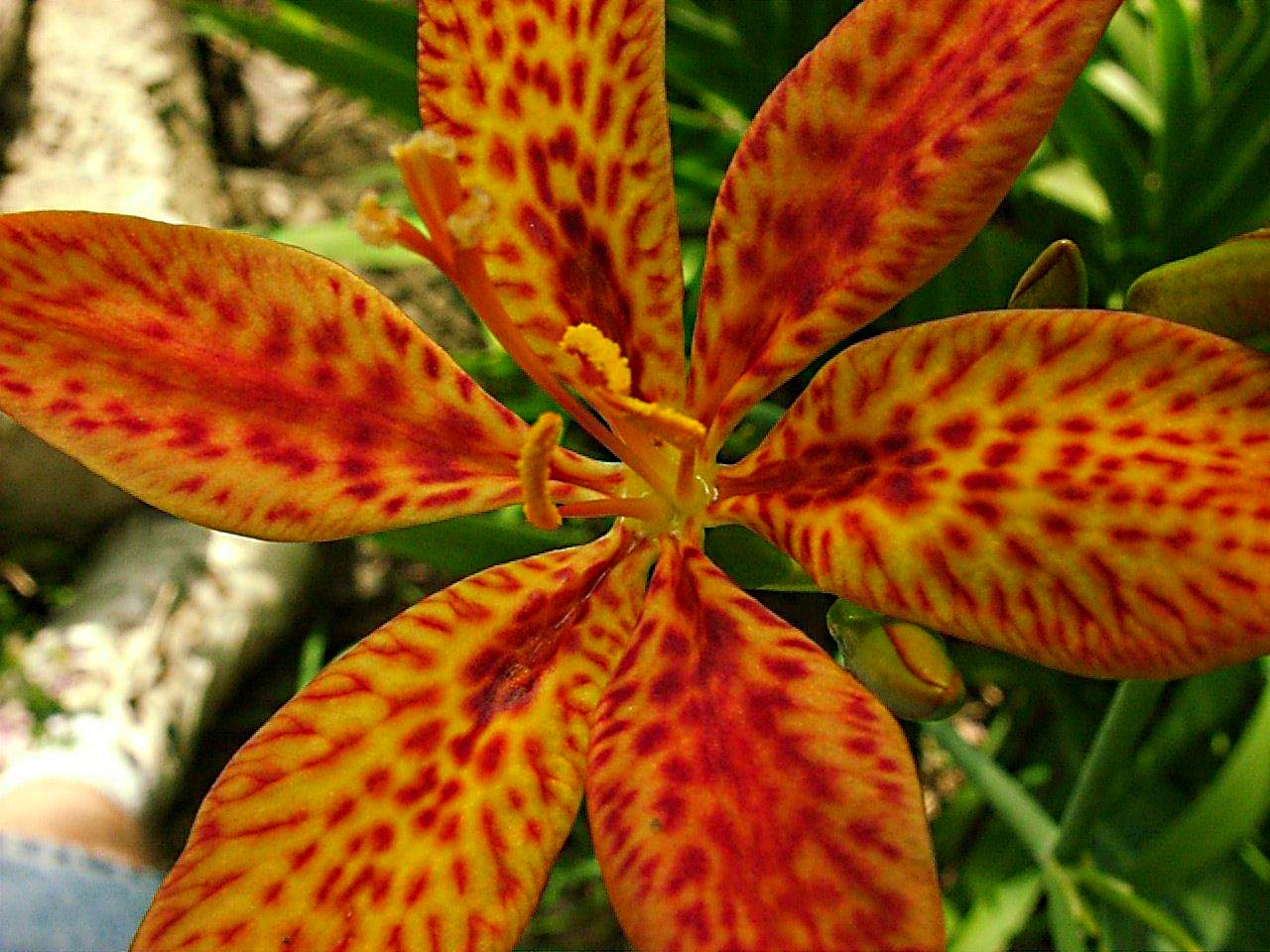
Flower Burst by Thomas Peace 2013

.
.
.
.
. Perhaps, if it ever happens, the ending of pollution, overpopulation, wars, separative perspectives, and divisive institutions will be the evolutionary flowering of man.
.
.
.
.

Clovers by Thomas Peace 2013
.
.
.
.
. Though it is primarily survival of the fittest here in and above water… it may very well be that the truly sacred only directly visits (and fills) the glass that is innocent, clear, and open.
.
.
.
.
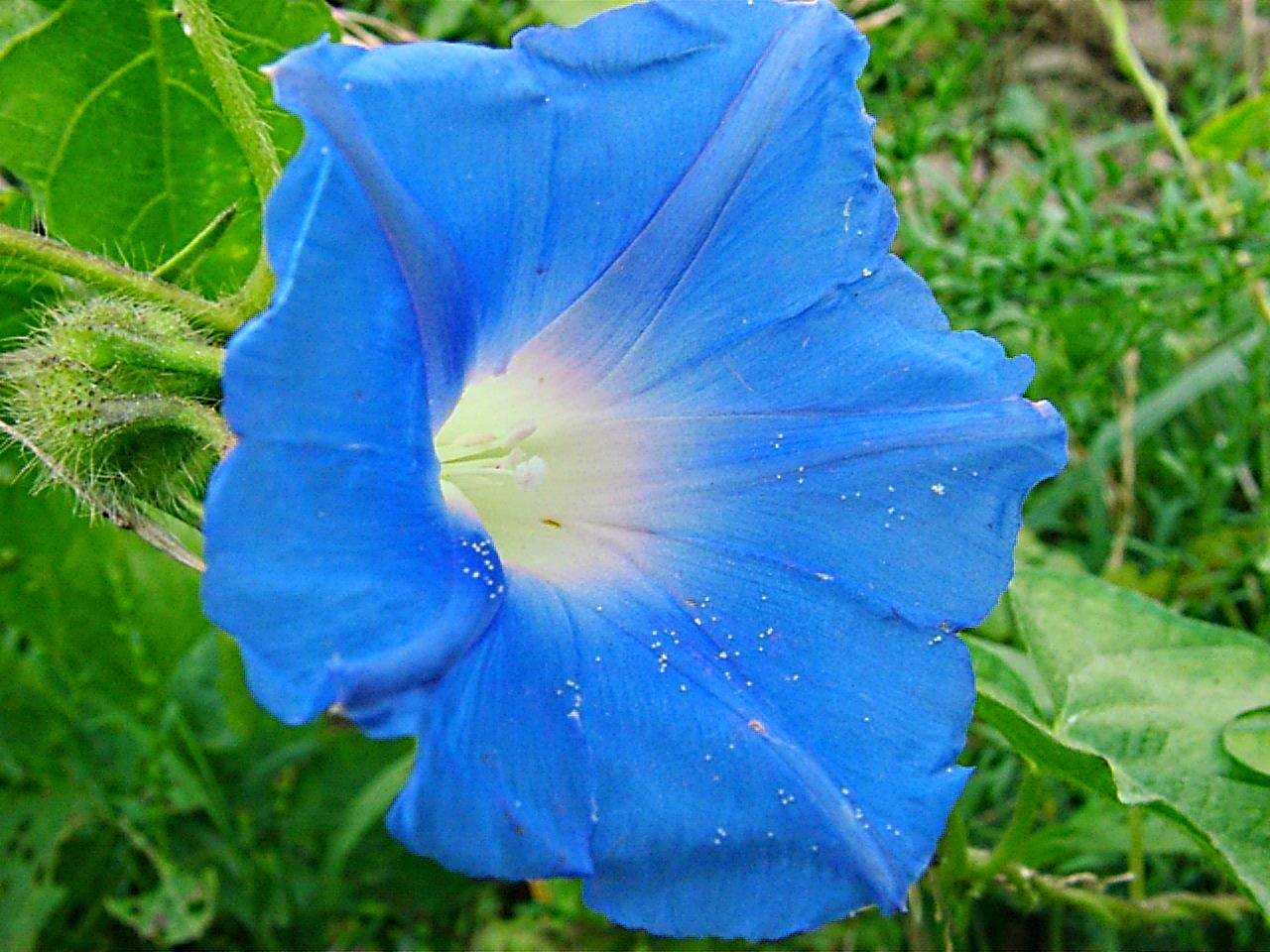
Wild Morning Glory by Thomas Peace 2013
.
.
.
.
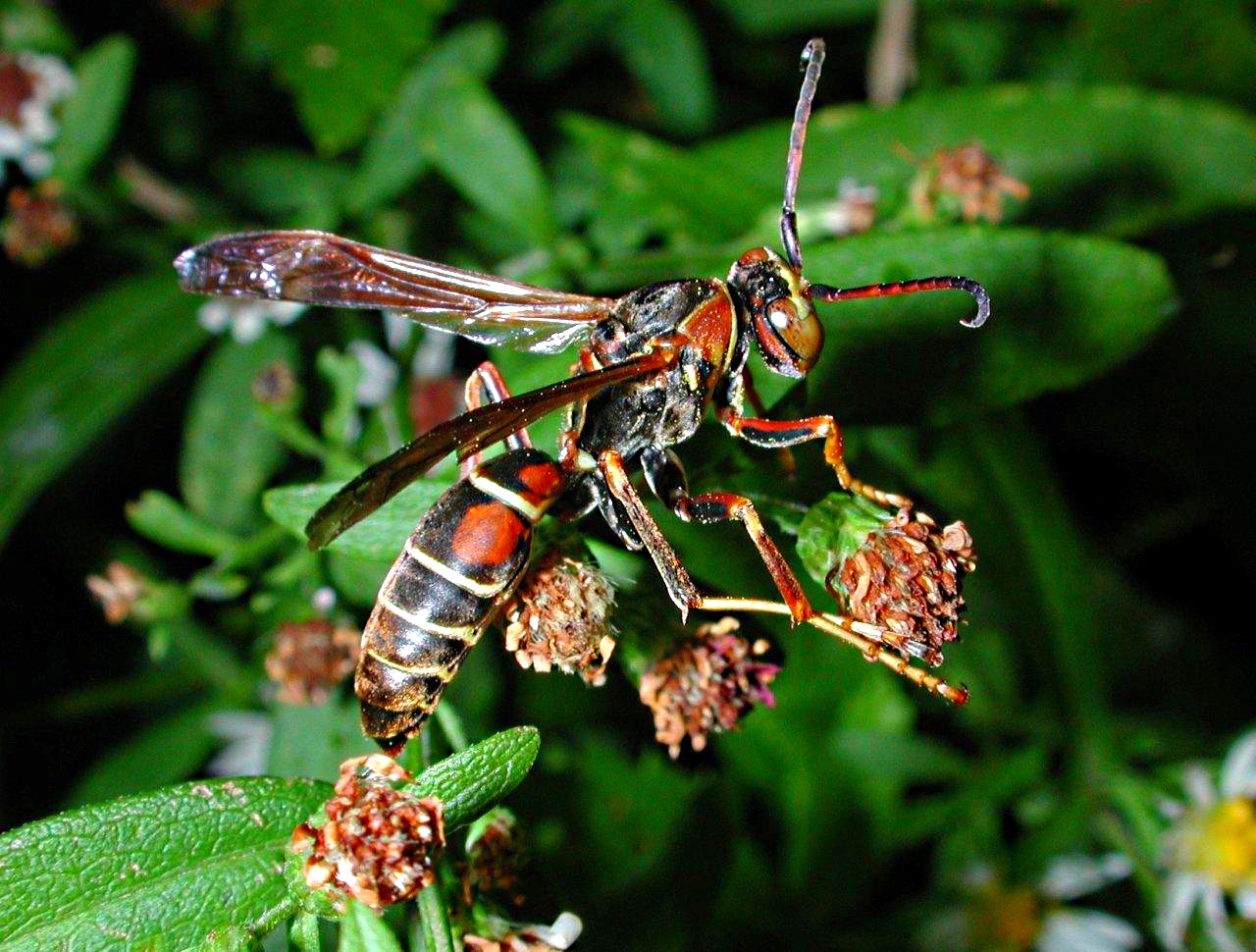
. True hate is instant separation from the whole… and instant ignorance (and, hence, is always false).
.
.

Wasp by Thomas Peace 2013

.
.
.
.
. from E. E. Cummings:
.
.
Now i lay(with everywhere around)
me(the great dim deep sound
of rain;and of always and of nowhere)and
what a gently welcoming darkestness–
now i lay me down(in a most steep
more than music)feeling that sunlight is
(life and day are)only loaned:whereas
night is given(night and death and the rain
are given;and given is how beautifully snow)
now i lay me down to dream of(nothing
i or any somebody or you
can begin to begin to imagine)
something which nobody may keep.
now i lay me down to dream of Spring
.
.

Spring Fledglings (1) by Thomas Peace 2013

Spring Fledglings (2) by Thomas Peace 2013

.
.
.
.
.
. We humans need to do far more with regard to population control measures (to save our very small and fragile planet).
.
.

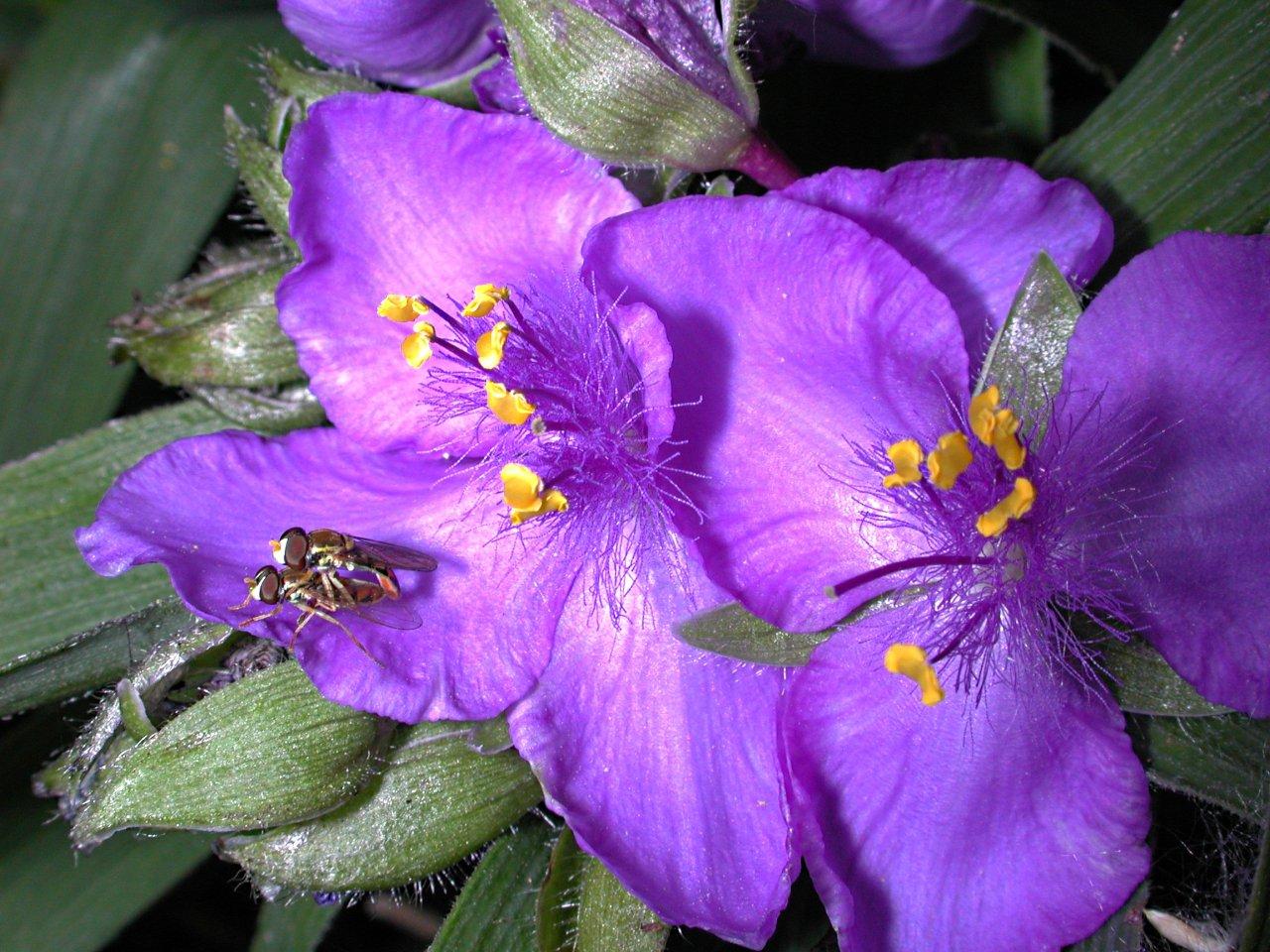
Hover Flies (1) by Thomas Peace 2013

Hover Flies (2) by Thomas Peace 2013
Hover Flies (3) by Thomas Peace 2013

.
.
.
.
.
. To effortlessly see life joyfully is to look silently without the accumulated baggage of the past.
.
.

Grand Haven (4) by Thomas Peace 2013
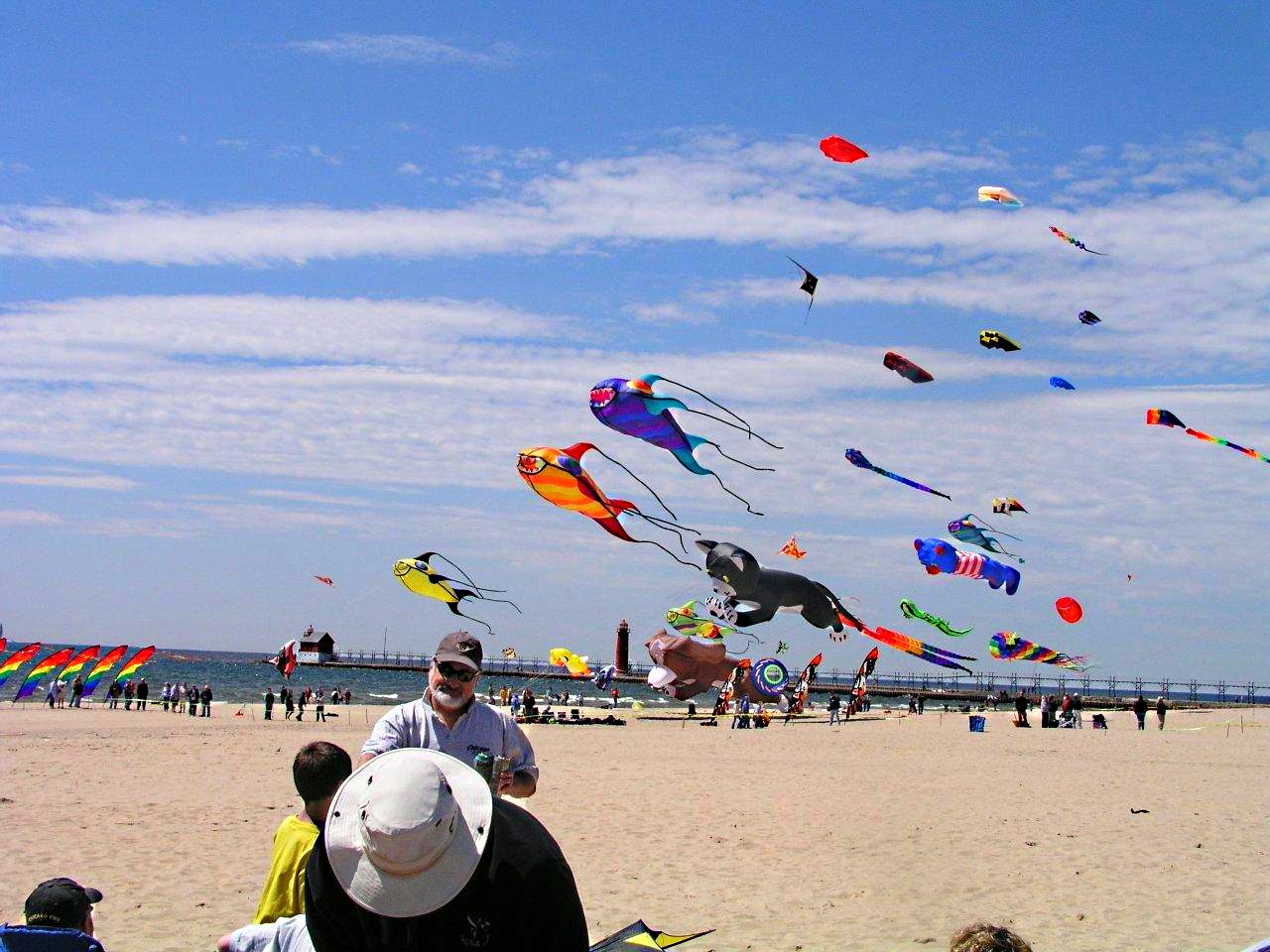

Grand Haven (6) by Thomas Peace 2013

Grand Haven (7) by Thomas Peace 2013

I trick stunt kites (dual-line stunt kites) — for exercise and as a hobby — and have been doing it for many years. The tricks within the video may look easy; however, they are extremely difficult. Many of the tricks in the video take a very long time to nail and perform properly. For instance, when I, a few years ago — at a kite festival — asked an experienced kite trick flyer about how to do a trick called the Comete… he told me that he has been trying to learn the trick for 3 or 4 years so far, and still has not learned how to do it. Stunt kite flying is a lot like playing a musical instrument; it takes a lot of skill and a lot of practice to get it right.
I love the exercise that it provides! You wouldn’t believe how you get out of breath and burn calories when stunt kite tricking properly! There is nothing like being out there with nature, with the soaring birds and other creatures… just enjoying the moment! It is a very environmentally friendly hobby to have! No gas residues, emissions, or waste materials are involved! It sure beats staying indoors, stagnantly playing some video game. Oftentimes large hawks or other types of birds will stop, hover, and stay and watch the kite tricking for quite a long period of time (as if mesmerized)! Give it a try sometime! You’ll be glad that you did! Invest in a more inexpensive kite at first… but do give it a try! (Watch learning videos, on how to do it; and if the kite is quickly heading for the ground… give it plenty of slack; don’t panic and pull, as most people do!) You are never too young or too old to be kite flying! I’m in my 60’s… and don’t plan on quitting any time soon! (Be sure to always wear a good quality pair of sunglasses and to use plenty of sun screen!) Get out there, have a blast, and fly! And, above all, never get discouraged about things and let go… life is too (eternally) precious!
The music with the accompanying video was composed and played (on synthesizers) by myself.
from E. E. Cummings:
o by the by
has anybody seen
little you-i
who stood on a green
hill and threw
his wish at blue?
with a swoop and a dart
out flew his wish
(it dived like a fish
but it climbed like a dream)
throbbing like a heart
singing like a flame
blue took it my
far beyond far
and high beyond high
bluer took it your
but bluest took it our
away beyond where
what a wonderful thing
is the end of a string
(murmurs little you-i
as the hill becomes nil)
and will somebody tell
me why people let go?
*****************************************************************************************************
The photos, that follow, except for the first, were taken at the Grand Haven Kite Festival, in Grand Haven, Michigan.
*****************************************************************************************************
Here’s a direct link to the video website, which you can alternatively go to and watch if (quality-wise) the following attached video doesn’t work within this post well (for you):
http://www.dailymotion.com/video/xxv9or_stunt-kite-tricks-to-homemade-rock-music_sport#.UTATEjCsiSo
*****************************************************************************************************
******************************************************************************************************
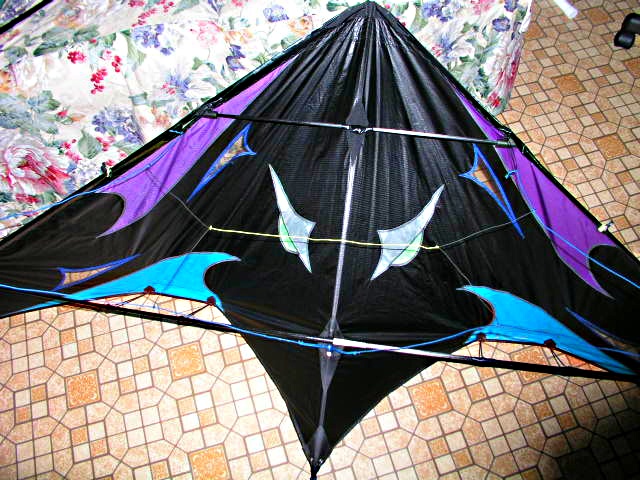
Older photo of Sea Devil Kite… by Thomas Peace 2013

Grand Haven Michigan Kite Festival (1) by Thomas Peace 2013

Grand Haven Michigan Kite Festival (2) by Thomas Peace 2013

Grand Haven Michigan Kite Festival (3) by Thomas Peace 2013

The following are a couple of fossils from Troodon formosus, a small (though rather intelligent) dinosaur from the Maastrichtian Period of the Upper Cretaceous (around 75 million years ago). The fossils come from the Two Medicine Formation of Pontera County, Montana. They are rather rare. Troodon was little (by dinosaur standards)… only weighing in at around 70 pounds. They are one of my most favorite of dinosaurs. This is because they were closely related to the bird lineage… and because they were rather intelligent (having the biggest brain to body weight ratio, of all the dinosaurs). Though some of the troodontid dinosaurs (related to Troodon) did have nice sized brains, their brains were (according to recent data) not exceptionally large. Troodon formosus, one of the troodontid species, however, seems to have had a pretty large brain (relatively speaking). Lines in the cranial case (of Troodon skulls) even show the beginnings of brain matter enfolding, just as our human brains exist as. The partial cranial cases of Troodons shows some impressions from convoluting of the brain matter. Additionally, Troodons, unlike most all theropod dinosaurs, had opposable thumbs. They were able to pick up and examine small objects!
Troodons, from their teeth structure, were mostly meat-eaters, though most of them were probably omnivorous. Troodon, unlike many dinosaurs with a few large teeth… had a lot of small, serrated teeth. Each side of the lower jaw of Troodon, for example, had around 35 teeth. They likely fed a lot on our ancestors… for, before that giant asteroid impact hit, dinosaurs were the ruling class, and would hunt and eat plenty of little mammals (like our ancestors). Old scientific books on dinosaurs were very wrong; dinosaurs were not just slow, cold blooded and sluggish. Many of them had thermal oriented bodies just as birds did; in fact, birds are closely related to the theropod line of dinosaurs. (Really, birds are theropods!) Birds have a super high (and hot) metabolism… and so did the theropod dinosaurs. They were more active than even the mammals… with way superior breathing mechanisms; this holds true to this day. Most birds (and likely past theropod dinosaurs) had an average body temperature of around 105 degrees Fahrenheit.
Troodon fossils (consisting of teeth) found in Alaska were twice the size of those found in the Montana area. Why? Paleontologists speculate that the extremely cold climate (of Alaska) back then prevented most theropods, such as T-rex, from living in Alaska. Without the competition from T-rex and similar dinosaurs, Troodon was able to be the top predator, thus enabling it to get proportionally larger. Troodons also had (on each foot, just like velociraptors) a raised sickle claw… used for attacking, and disemboweling, larger prey.
Paleontologists speculate that if that 6 mile across asteroid would not have hit 65 million years ago… dinosaurs like Troodon may have evolved to be very intelligent… maybe even with human-like intelligence. But the asteroid hit… and mammals are reading this blog… not beings from the superorder Dinosauria. We had better get our act together, limit our superfluous population, and get way more into green energy… or we will sadly go extinct like the dinosaurs did!

Image of Troodon, by MALvit of Deviant Art…
The Troodon Tooth below is rare, in that it has the unworn, complete posterior and anterior serrations. Paleontologists say that this type of tooth was used for eating a lot of soft flesh and likely some veggies too.

Troodon Tooth with Anterior and Posterior Serrations by Thomas Peace 2013
Below: A large Troodon tooth in matrix… still partially embedded in the substrate that it was found in.

Large Troodon tooth in Matrix by Thomas Peace 2013
Below: Fossil finger digit of a Troodon; it shows capability of being highly opposable.

Troodon Fossil Finger Digit by Thomas Peace 2013
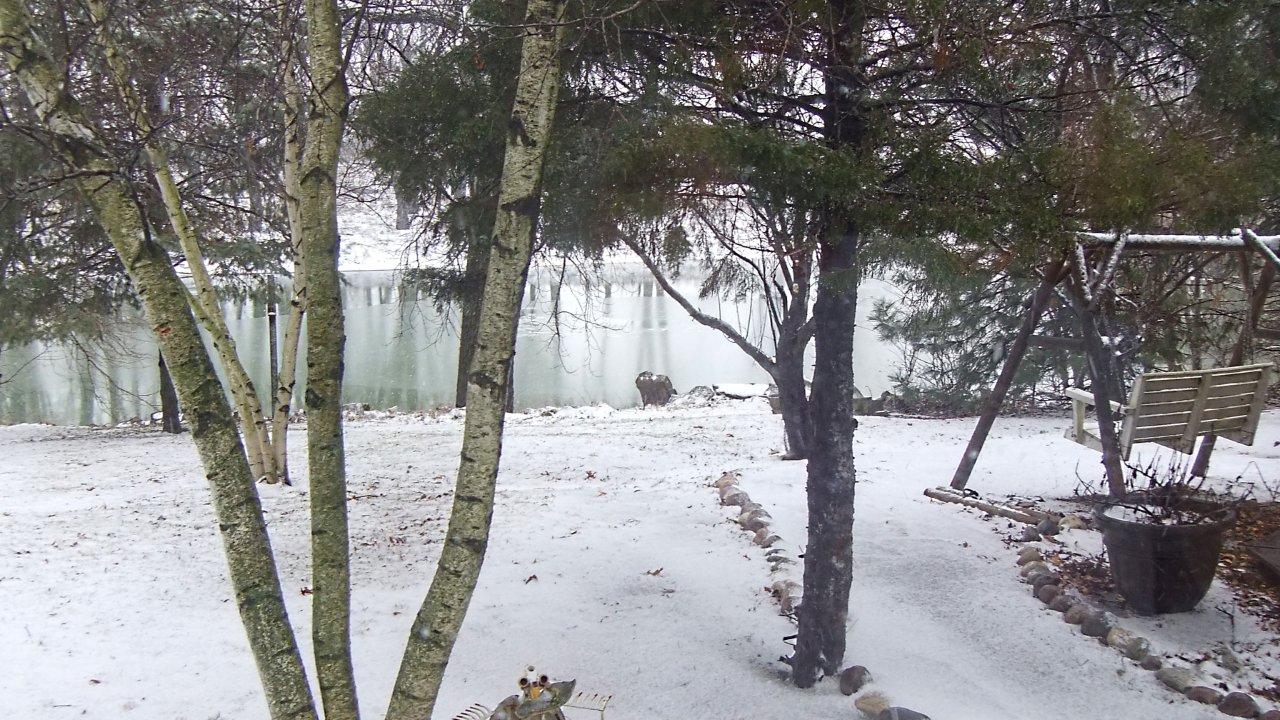
The following is a short (simple) video of it snowing where we live… along an Illinois river bank; a couple of photos are additionally included. Snow, even though it means the absence of all my favorite bugs and creatures (for a while), is cool (in more ways than one)! The snow was quite beautiful… as it always is!
Each snowflake is unique, not like the others; yet, from a distance, they all look rather the same. Each of us (humans) is unique; however, in a big way, we are all the same. We — each and every one of us — have hopes, fears, desires, and favorite people whom we love and cherish. However, each of our hopes, fears, desires, and favorite people are different from everyone else’s. We can even be considerably more unique when we stop blindly following our flaky leaders — who don’t have a clue about where they’re going (and drifting to) anyway — and, instead, independently look at life beyond what we’ve merely been molded and shaped to see.
from Emily Dickinson:
It sifts from Leaden Sieves –
It powders all the Wood.
It fills with Alabaster Wool
The Wrinkles of the Road –
It makes an even Face
Of Mountain, and of Plain –
Unbroken Forehead from the East
Unto the East again –
It reaches to the Fence –
It wraps it Rail by Rail
Till it is lost in Fleeces –
It deals Celestial Veil
To Stump, and Stack – and Stem –
A Summer’s empty Room –
Acres of Joints, where Harvests were,
Recordless, but for them –
It Ruffles Wrists of Posts
As Ankles of a Queen –
Then stills it’s Artisans – like Ghosts –
Denying they have been –

Winter Snowfall (1) by Thomas Peace 2013
Winter Snowfall (2) by Thomas Peace 2013
***************************************************************
***************************************************************

.
.
.
.
. When I was rather young — which wasn’t just a few months ago — I was determined to search for the actual truth that lies behind the essence of everything. The consequences of what I found did not matter to me. I didn’t want to “sugar-coat” what I might find… and turn it into something more tolerable (if it turned out to somehow be unpleasant). One wanted to actually perceive “what was behind everything” without distortion, without concern as to whether my personal life had any lasting significance or was merely an evanescent flash soon to be diluted. What was important was the “seeing” of the truth without distortion, without altering it into something that might be more comfortable (though fictional). To approach the “actual truth of everything,” one must put away ones desires (or stored patterns) of “how things should be,” or “what would be comfortable,” or “what one was told about things (by others)”… and perception must be undistorted. If we approach the truth with “what we’ve been told,” or with “how things ought to be,” we’ll definitely find something, but it won’t be the truth (though we may erroneously accept that it is). To go towards the truth — without any baggage from the past — one must go without fear of the consequences of what one might find. (Carry a lot of baggage… and you’ll fall through the thin ice… as most people do.)
.
.
.
. from Stephen Crane:
.
.
. Mystic shadow, bending near me,
. Who art thou?
. Whence come ye?
. And — tell me — is it fair
. Or is the truth bitter as eaten fire?
. Tell me!
. Fear not that I should quaver,
. For I dare — I dare.
. Then, tell me!
.
.
.
. Sheets of ice of the partially frozen river that we live on. (Left click on image to enlarge; hit left “return arrow” to return.)
.
.
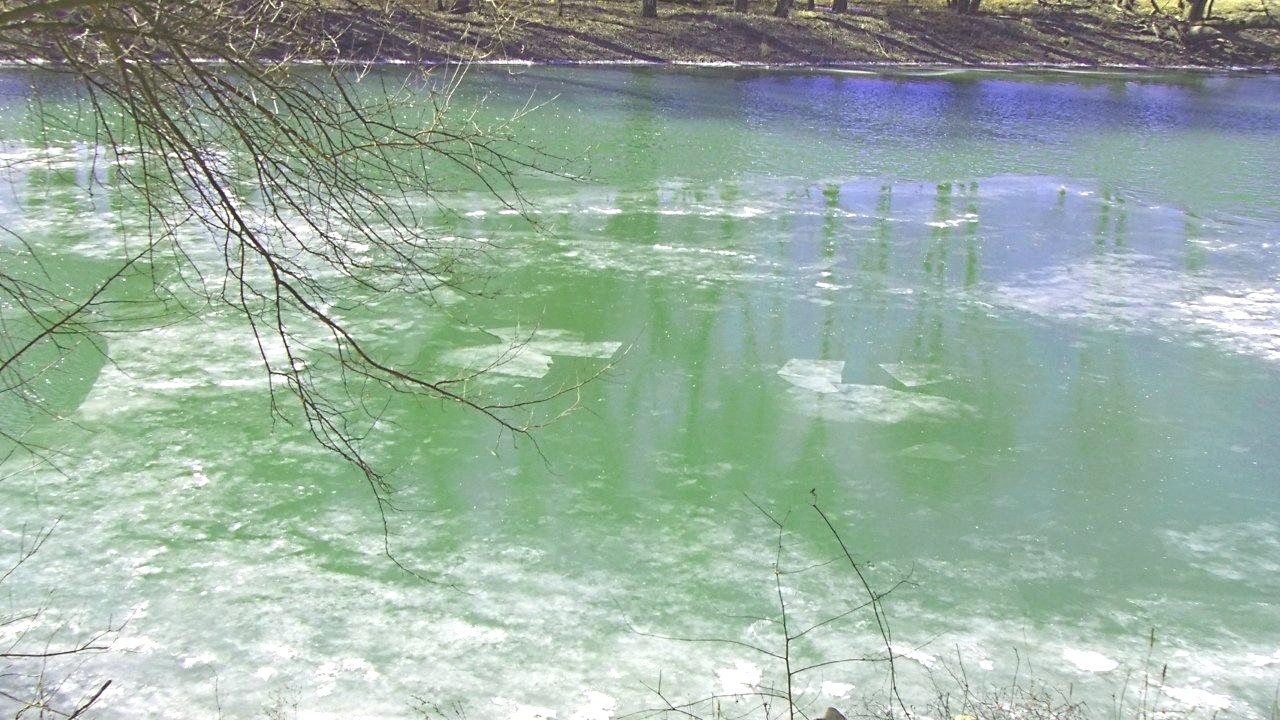
Ice on River (1) by Thomas Peace 2013
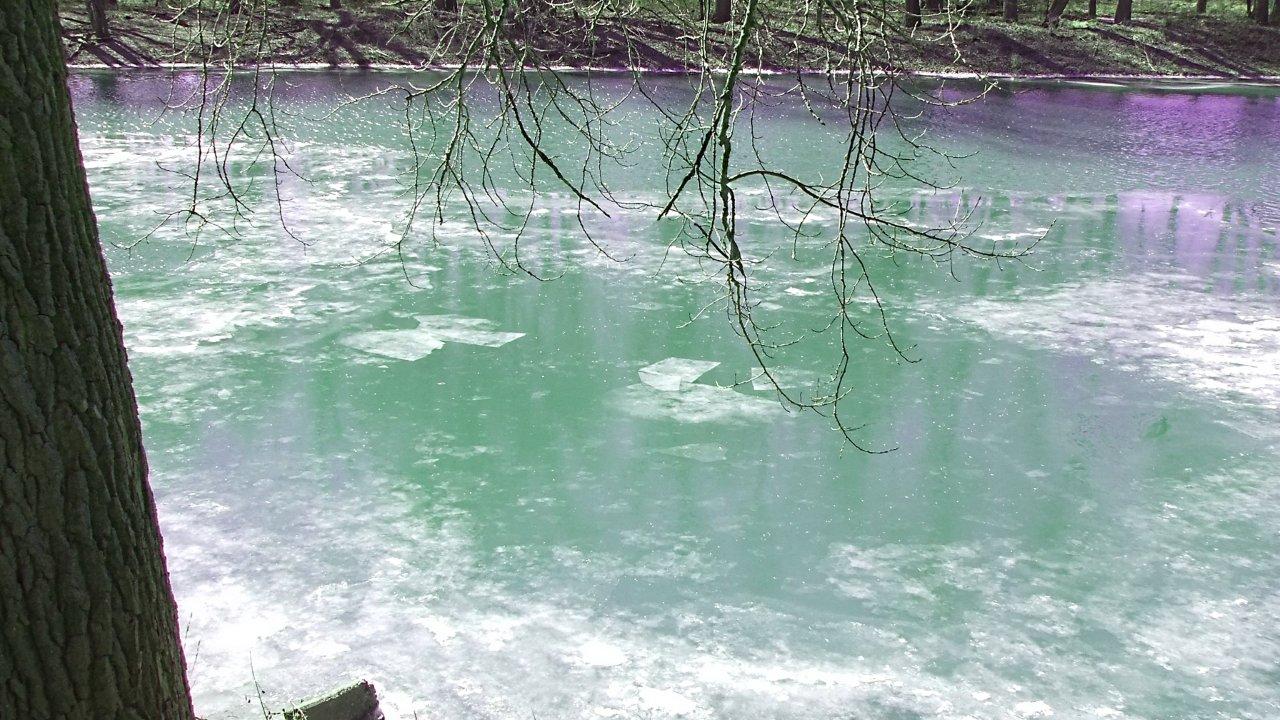
Ice on River (2) by Thomas Peace 2013
**********************************************************
**********************************************************

.
.
.
.
. To have a close and profound relationship with nature, one must give up the mental symbolism (as words) that one was taught to observe through (and function as). It can only be done without methods and sequential procedures (that were taught to you)… for time is not a factor when being in deep communion with (and as) nature. When spacial separation, labeling, categorization, and learned recognition come (naturally) to an end (without the effort that time involves), then one — if one is lucky — may, in a most beautiful stillness, be truly in communion with nature.
.
.
. from E. E. Cummings:
.
.
. n
. OthI
. n
.
. g can
.
. s
. urPas
. s
.
. the m
.
. y
. SteR
. y
.
. of
.
. s
. tilLnes
. s
.
.
.
.
**********************************************************************************
For a limited time, signed copies of my book are available with free shipping; go to:
**********************************************************************************
.
.
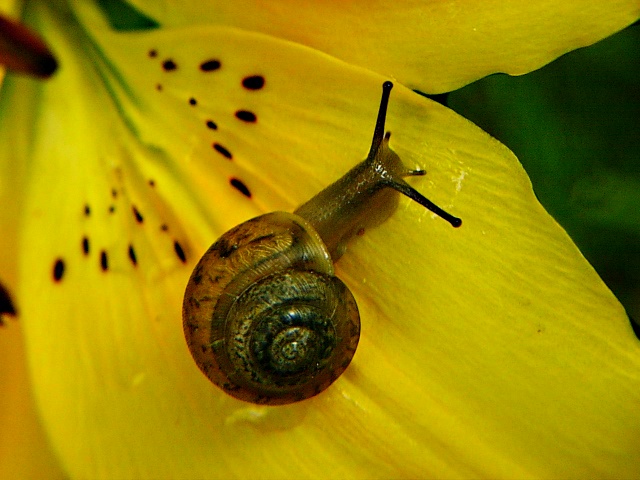
Friend (1) by Thomas Peace 2013
.

Friend (2) by Thomas Peace 2013

F(3) by Thomas Peace 2013
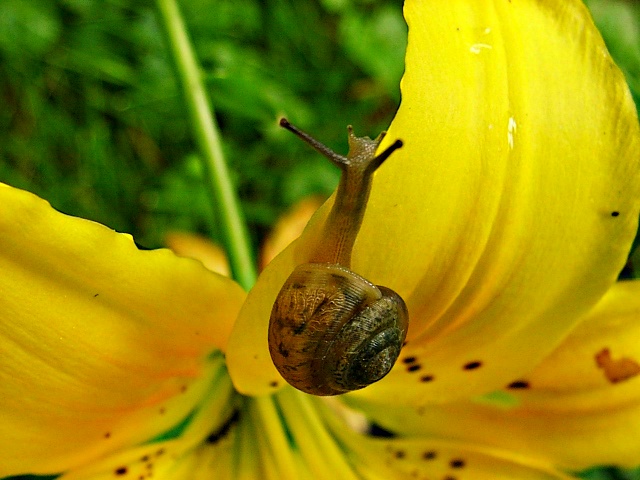
F (4) by Thomas Peace 2013
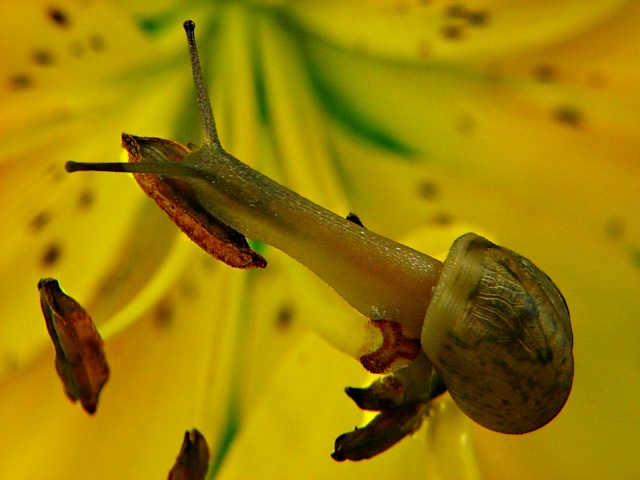
F (5) by Thomas Peace 2013
*************************************************************************
.

.
.
.
.
. As one… the thievery of the crooked, the indifference of the uncaring, and the bizarre oddness of the outwardly ostentatious… constitutes, in itself, its own punishment.
. Some things are innocent, content, and beautiful in themselves… and are the real blessings…
.
.
.
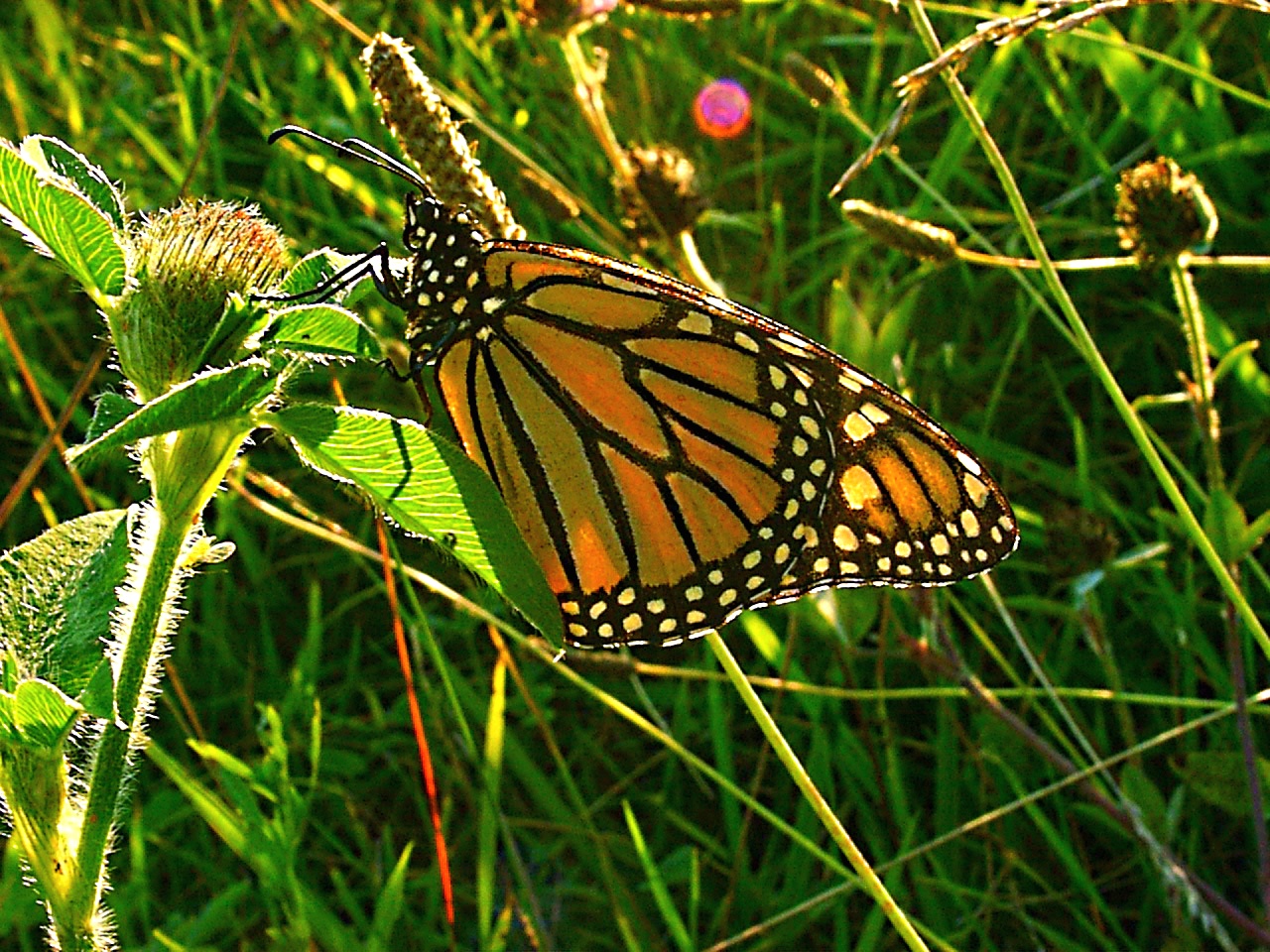
Just Being… photo by Thomas Peace 2013
******************************************
******************************************
.
.
.
.
. Thinking, per se, is rather cold and empty. All thoughts are symbols. They are fragmentary tokens and representations that we “fabricate” about what reality may be. They (i.e., thoughts) are tools for dealing with the reality; however, they are not the reality. The idea of moving deeply through a warm beach full of sparsely clothed, beautiful people (who worship you) doesn’t give one (in the end) a sunburn. Yet most of us dwell as these “virtual,” symbolic representations almost all of the time… rarely, if ever, going beyond them.
Exclusively remaining in (and “as”) thought… is a form of suffering. Thinking is always “about” the reality; it is never the actuality of the reality. Remaining as “the virtual” is like staying within a computer world… accepting it to be essentially true.
Unfortunately, very few (these days) actually go beyond the symbolic tools that they were programmed to become.
.
.
.*******************************************************************************************
.
. from Wallace Stevens:
.
. Crude Foyer
.
.
Thought is false happiness:the idea
That by thinking one can
Or may, penetrate, not may,
But can, that one is sure to be able –
That there lies at the end of thought
A foyer of the spirit in a landscape
Of the mind, in which we sit
And wear humanity’s bleak crown;
In which we read the critique of paradise
And say it is the work
Of a comedian, this critique,
In which we sit and breathe
An innocence of an absolute,
False happiness, since we know that we use
Only the eye as faculty, that the mind
Is the eye, and that this landscape of the mind
Is a landscape only of the eye, and that
We are ignorant men incapable
Of the least, minor, vital metaphor, content,
At last, there, when it turns out to be here.
**********************************************************************************
(Left click on the photo to enlarge it; hit left “return arrow” to return.)
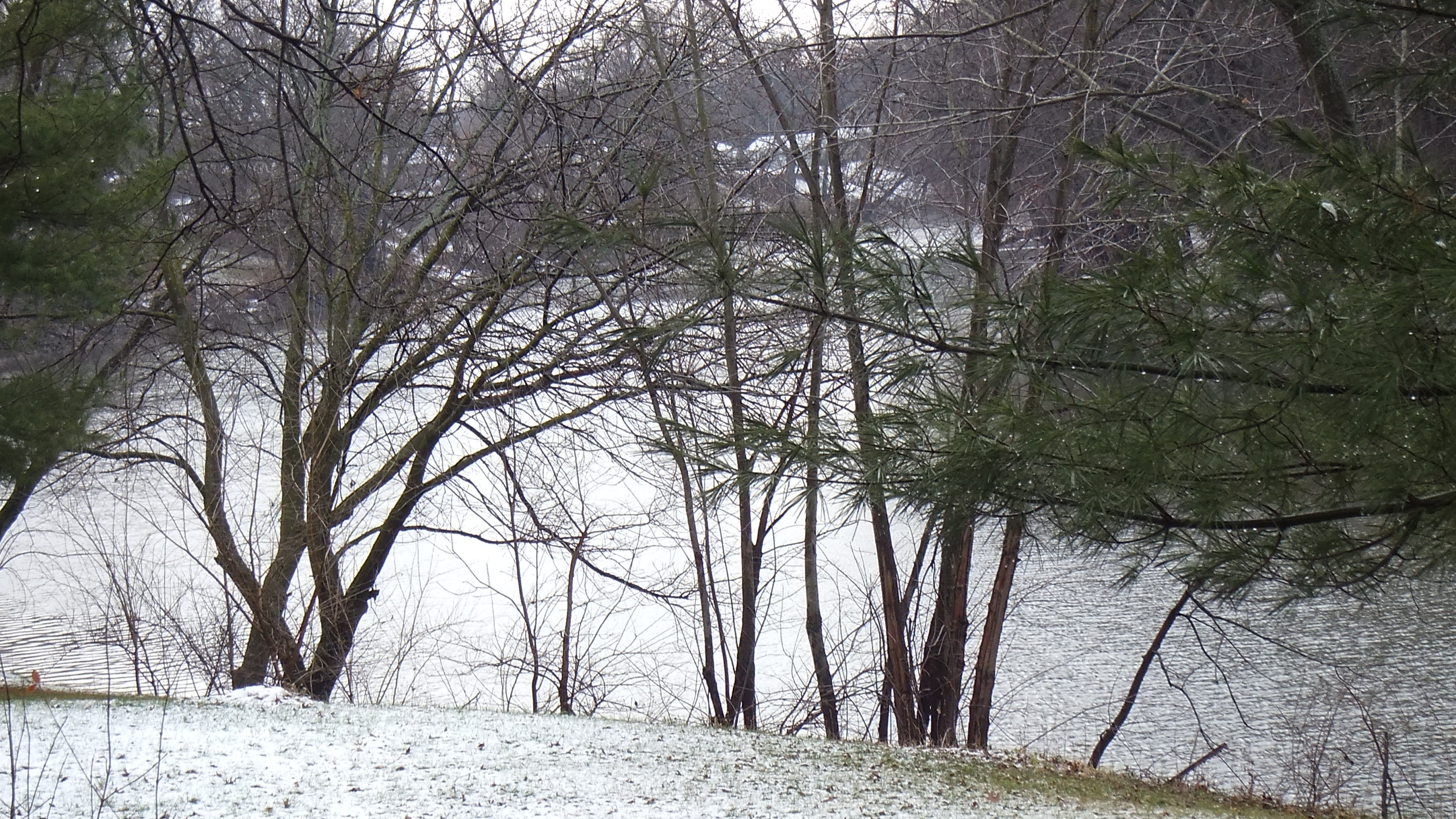
Trees on the Beach by Thomas Peace 2013
*****************************************************************************************
*****************************************************************************************

.
.
.
.
. Suffering is universal; we are all part of the totality of it… and (together) we can go beyond it.
.
.
. Sometimes going beyond mere representative images and symbolic patterns (as what thoughts are)… is a fundamental way of truly transcending suffering. Such a “going beyond” is silent, perceptive, non-fragmentary, and devoid of mere separation and indifferent distance.
.
.
.***************************************************************************************************
. from Walt Whitman:
.
I SIT and look out upon all the sorrows of the world, and upon all
oppression and shame;
I hear secret convulsive sobs from young men, at anguish with
themselves, remorseful after deeds done;
I see, in low life, the mother misused by her children, dying,
neglected, gaunt, desperate;
I see the wife misused by her husband—I see the treacherous seducer
of young women;
I mark the ranklings of jealousy and unrequited love, attempted to be
hid—I see these sights on the earth;
I see the workings of battle, pestilence, tyranny—I see martyrs and
prisoners;
I observe a famine at sea—I observe the sailors casting lots who
shall be kill’d, to preserve the lives of the rest;
I observe the slights and degradations cast by arrogant persons upon
laborers, the poor, and upon negroes, and the like;
All these—All the meanness and agony without end, I sitting, look
out upon,
See, hear, and am silent.
*************************************************************************************
(Left click on image to enlarge it; hit left “return arrow” to return.)

Purple Passion… photo by Thomas Peace 2013
*************************************************************************************

.
. (Somehow, the two always belong together.)
.
.
.
.
. Universal order eternally smiled at the limited, rather barbaric,
. miseducated, ironclad notions of entropy… as certain minds,
. after tha debate, star t ed 2 d tear e oar eight 2 knot in 8 all… & fine
. alley dis hip it 8 Ed a wwwwwwwayyyyyyyyyyyy..y..y..y………
.
.
.
.
Praying Mantises will make a quick meal out of other insects within their vicinity, which is a rather entropic situation for the prey, but a rather non-entropic situation for the Mantises. (Universal order, by the way, isn’t going bye-bye.)
.
.
. I love handling Mantises in the wild. Most, when caught, will tame down within a few minutes… after they bite the living daylights out of you! Most will tame down so quickly that — after several minutes, when you put them back down on the ground — they actually zealously try to get back on your hand; they love to climb the wiggling fingers; to them it must be a fun sort of activity or exciting experience. (At least that’s the case with the ones I’ve encountered.) In our area I only found one Mantid that would not tame down, no matter what. That one I called “a bronco”… and I hope not to experience another one like it for a very long time!
At one time, I had a Praying Mantis as a pet… in a large terrarium. I fed it thawed frozen brine shrimp (daily) from my fingers. It lived for a very long time and laid huge egg sacks full of many eggs (that I put in our backyard). Female Mantises can lay fertile eggs even without ever coming into contact with a male Mantis; in such cases, the babies are exact clones of the mother. (If they do mate with a male… the females sometimes eat the male’s head off… or consume much of his body.) My pet Mantis really enjoyed climbing around on my fingers often. I was with my pet Mantis on the day that it died; it continually kept kissing its arms/legs all around… as if it were saying “good-bye” to itself.
Mantises truly look “alien-like” in appearance!
***********************************************************************************************
(go figure)
.
.
. from E. E. Cummings:
.
.
. yonder deadfromtheneckup graduate of a
. somewhat obscure to be sure university spends
. her time looking picturesque under
.
. the as it happens quite
. erroneous impression that he
.
. nascitur
.
.
.
***********************************************************************************************
(Left click on the images to enlarge them; hit left “return arrow” to return.)
************************************************************************************************
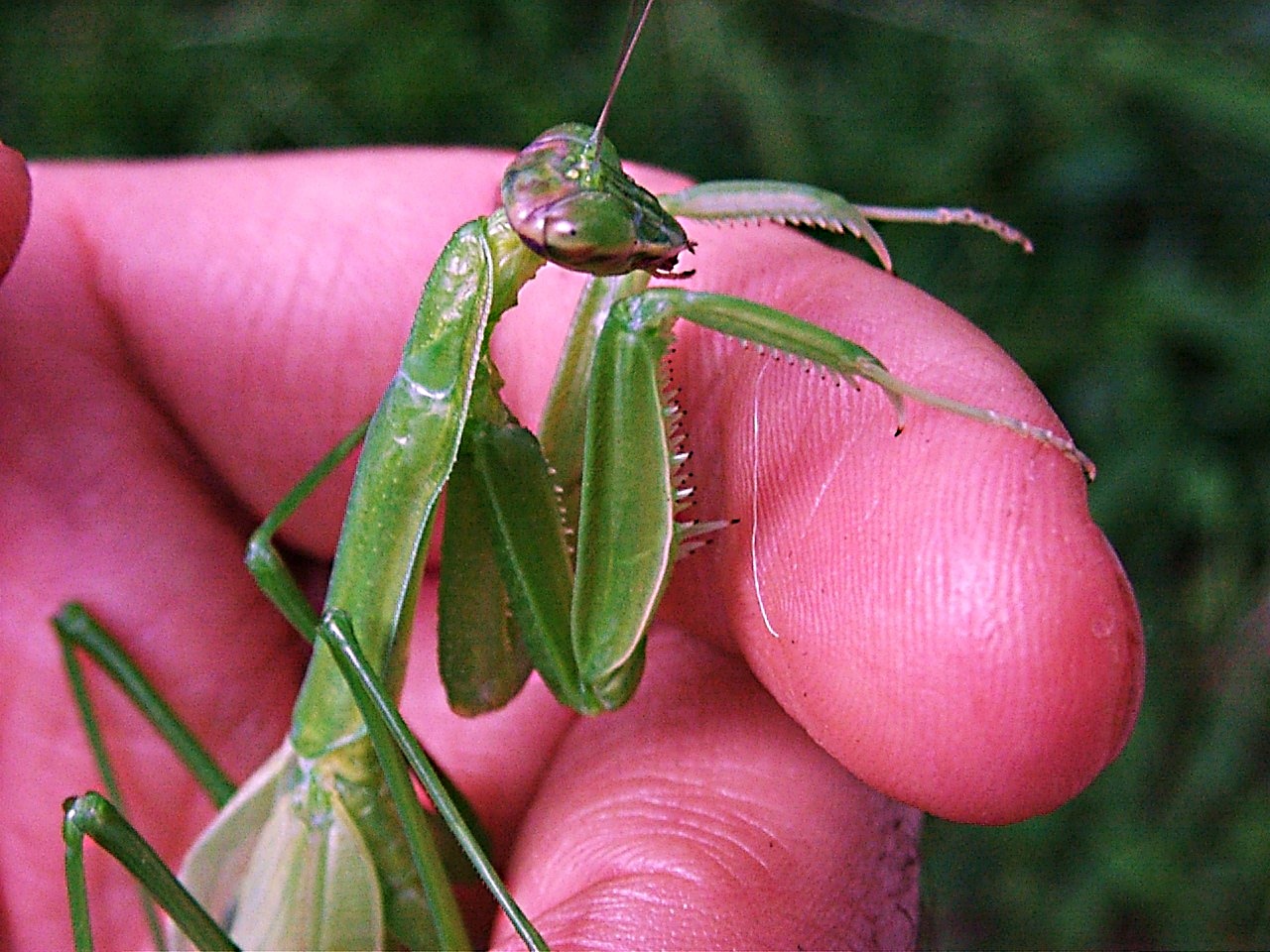
Mantis (1)… hanging out with Tom…by Thomas Peace 2013
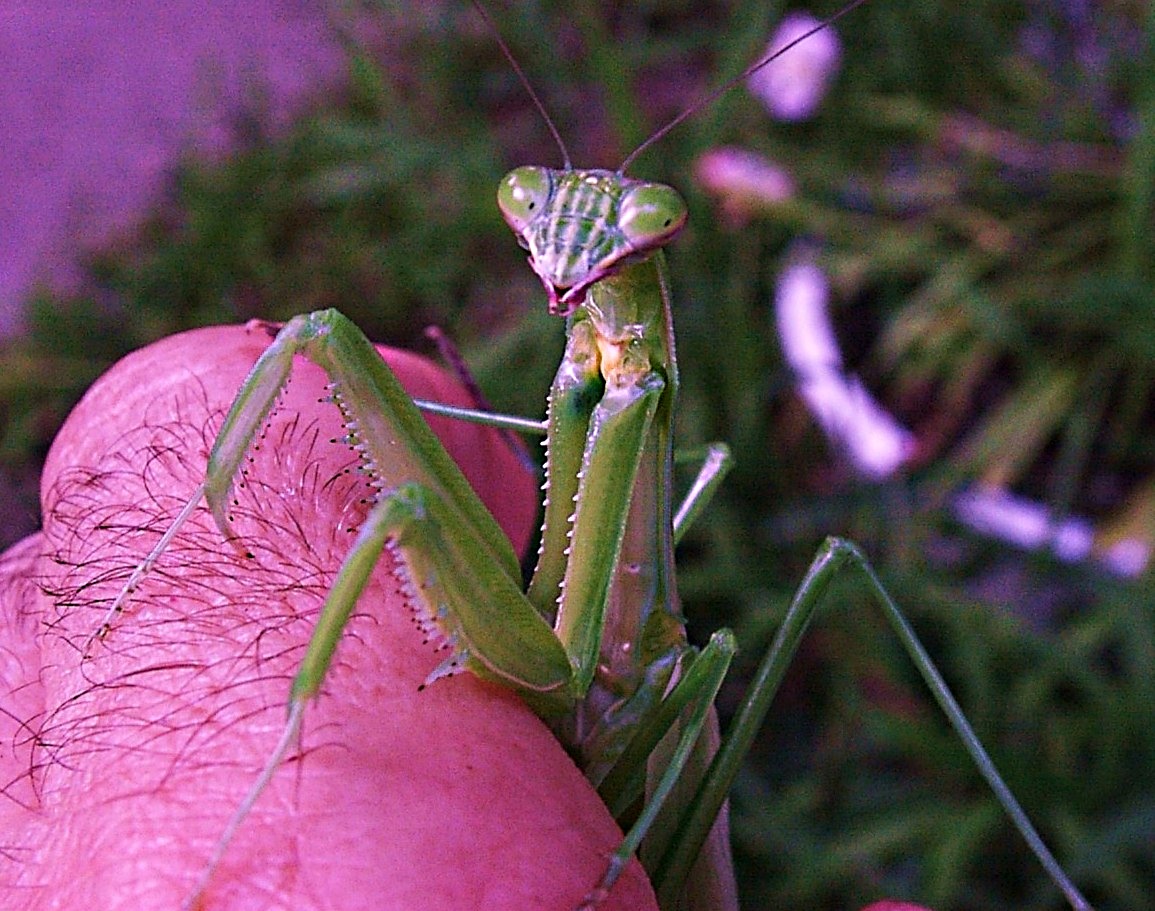
Mantis (2)… hanging out with Tom… by Thomas Peace 2013

Mantis (3) by Thomas Peace 2013
Mantids are meticulous groomers!

Mantis (4) by Thomas Peace 2013
Peeking over the antenna… right into the camera eye!
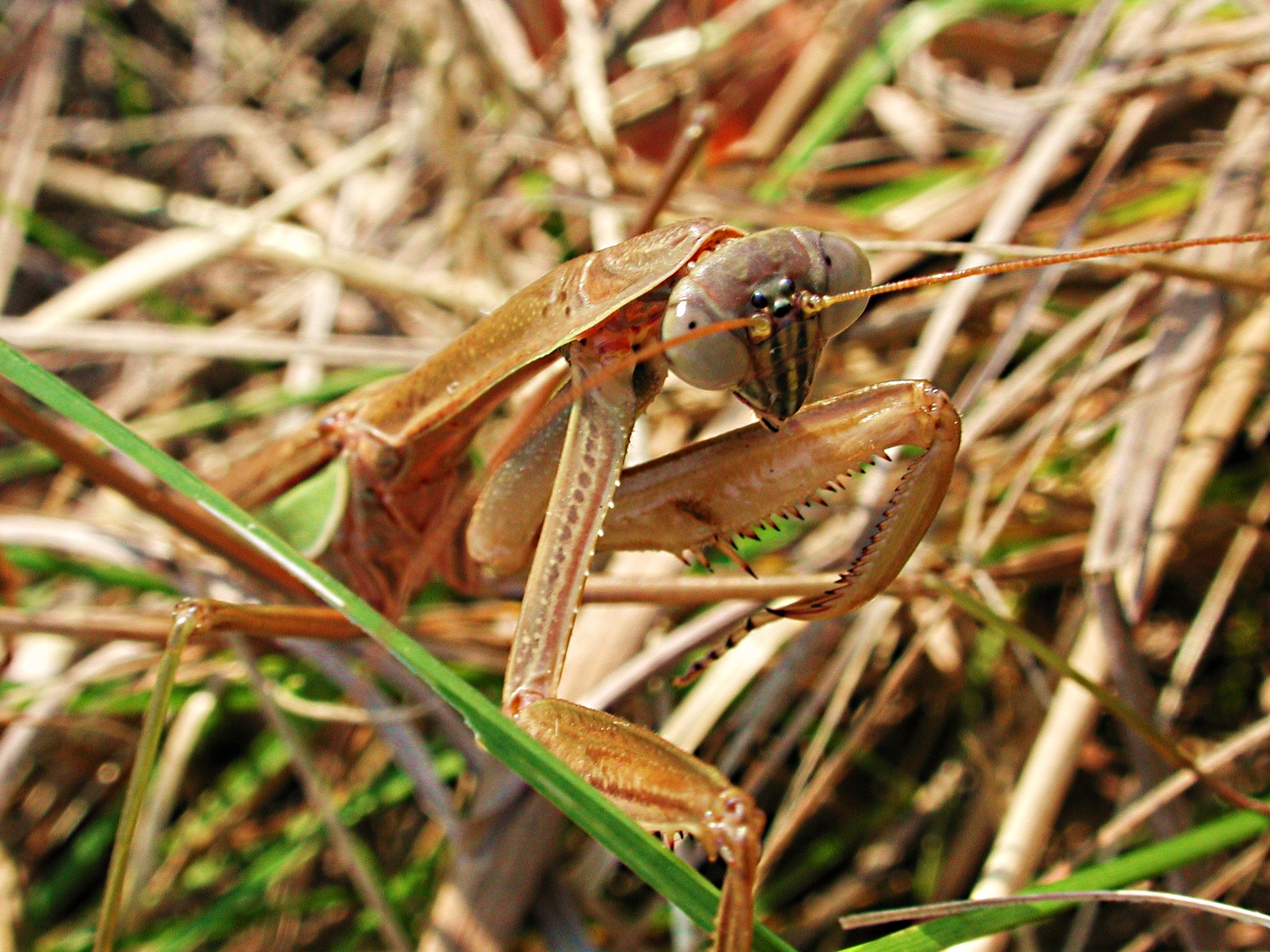
Mantis (5) by Thomas Peace 2013
*********************************************************************************************
*********************************************************************************************

.
.
.
.
. Can we look at ourselves without mere condemnation, without judgement and criticism… but just look without any of the past conditioning and knowledge that was instilled within (and “as”) us?
.
.*****************************************************************************************
.
. from Stephen Crane:
.
.
. “It was wrong to do this,” said the angel.
. “You should live like a flower,
. Holding malice like a puppy,
. Waging war like a lambkin.”
.
. “Not so,” quoth the man
. Who had no fear of spirits;
. “It is only wrong for angels
. Who can live like the flowers,
. Holding malice like the puppies,
. Waging war like the lambkins.”
.
………………………………………………………………………………………………………….
(Left click to enlarge; hit left “return arrow” to return.)
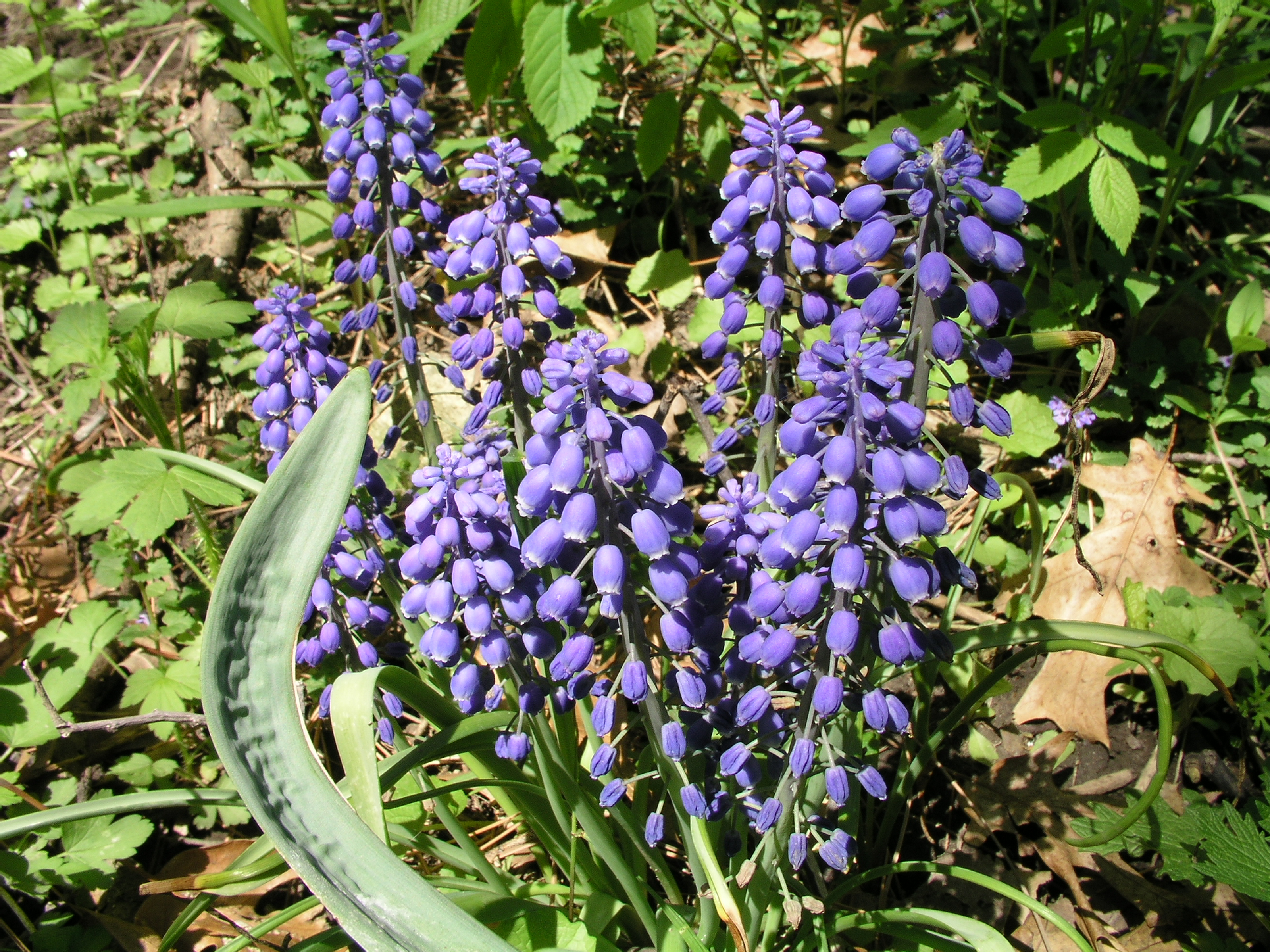
Grape Hyacinths by Thomas Peace 2013
…………………………………………………………………………………………………………..
…………………………………………………………………………………………………………..

.
.
.
.
. To have lasting peace in the world, you can’t just look at
. everything in pieces (i.e., in fragments). Peace = no pieces!
. The flowering plant (below) has many flowers (on different stems)…
. but they are all “one”; they are not separate. Each flower can be a bit
. different (than the others), but they all (in a big way) are also rather
. similar… and they are not separate.
.
.
The friction between nations and groups is a reflection of the friction, fragmentation, and separative outlooks within each one of us. We will never have a lasting and holistic peace if each of us continues to see things with a “broken” perspective. Almost all of us have been educated to see things in a fragmentary way (i.e., “them” and “us”). What is fragmentary, what sees and thinks with a “broken” perspective… must, by natural law, extend more conflict, disorder, and disharmony (to a significant extent) than need be. What is ruptured internally extends that to manifest as an external rupturing. We all can benefit from more holistic, intelligent, integral understanding.
***********************************************************************************
(Left click on photo to enlarge; hit left “return arrow” to return.)
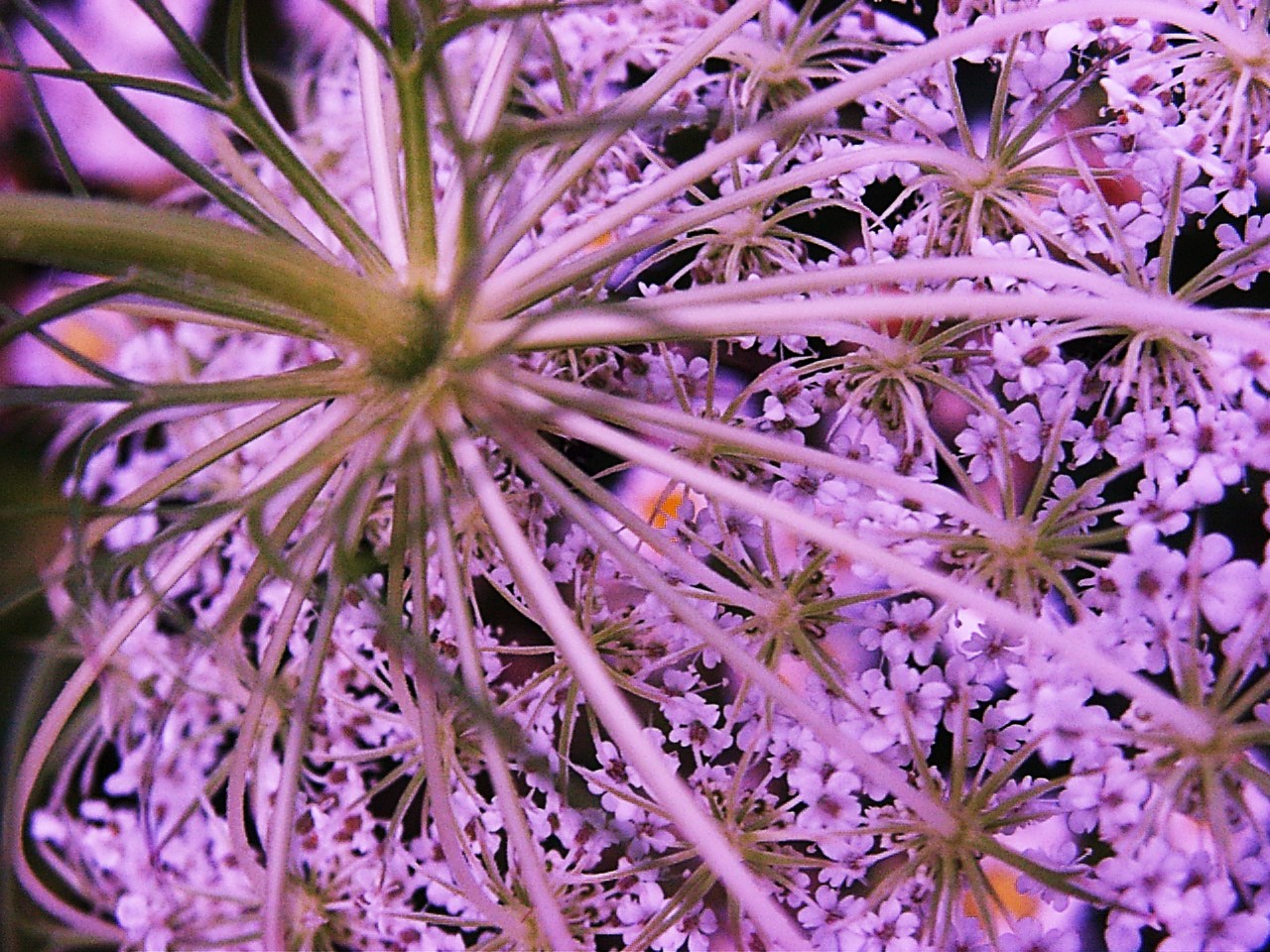
Floral Integrity… by Thomas Peace 2013
***********************************************************************************
***********************************************************************************

.
.
.
.
.
.
.
. Compassion — like the living, limitless heart of a truly dedicated, caring nurse — is thick, warm, and deep; indifference — like a limited, superficial pool of dead ice — is cold and shallow.
.
.
…………………………………………………………………………………………………………………………..
.
.
. from Walt Whitman:
.
. And whoever walks a furlong without sympathy walks to his own funeral
. drest in his shroud.
.
.
.
. (Left click to enlarge; hit left “return arrow” to return back.)

Lacewing by Thomas Peace 2013
……………………………………………………………………………………………..
……………………………………………………………………………………………..
 Tom's Nature-up-close Photography and Mindfulness Blog