
“How could so few words
have any profound meaning?”
the Haiku poem reads.
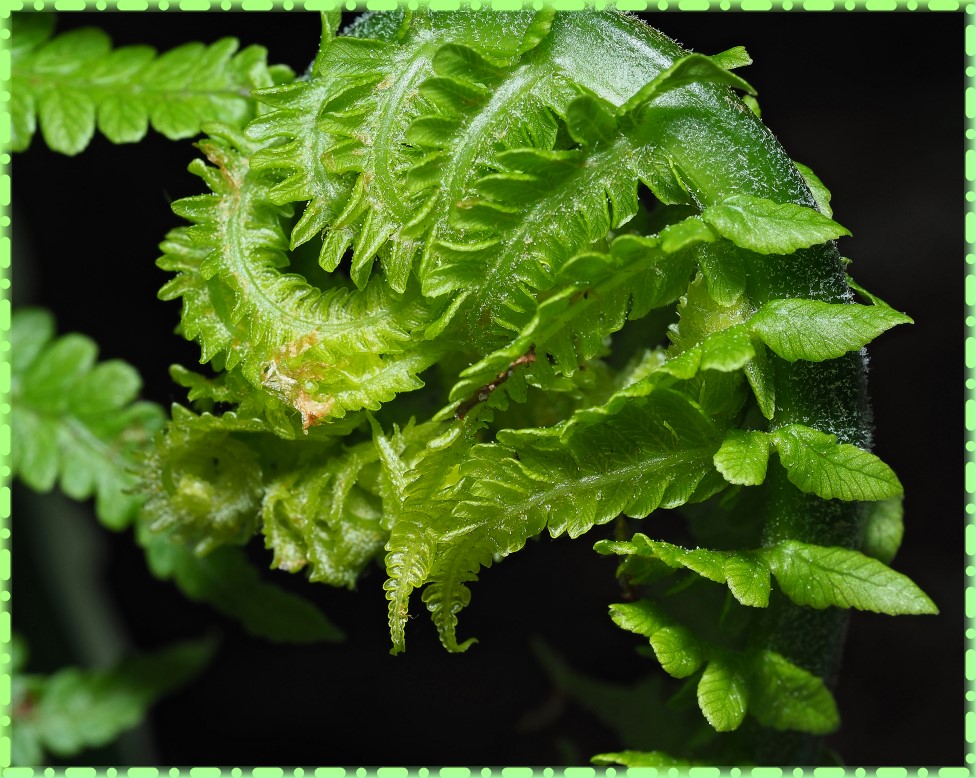
Uncurling Fern… Photo by Thomas Peace c. 2018
“How could so few words
have any profound meaning?”
the Haiku poem reads.
Uncurling Fern… Photo by Thomas Peace c. 2018
We talk to ourselves internally all of the time; most of us do this most of the time. Most of us delineate and interpret the phenomena of the world through words and learned images. Words are the modus operandi by which and through which most of our minds function. We recognize the world’s phenomena by words, patterns, and images which we have absorbed from others. We continue to categorize and measure via learned words; we are not separate from what these patterns of words are, though we think (as we were told) that we (from some kind of internal distance) “use” them. All words are symbolic.
Divinity itself is even promised by others via words. They tell you to read and believe in a certain book, or system, or series of stories; then, so they say, you will come closer to the divine. Some will even claim to give you what can reach the divine (by way of repeating certain special words or mantras over and over again).
It’s all too easy to follow and cling to the words of others (especially when they promise to give you something fantastic, just like so many politicians do). It is easy because each of us clings to words repetitiously (as a habit) day in and day out. What isn’t easy — what is arduous and what is rarely done by anyone in this violent, chaotic world of ours — is to understand one’s mind (from moment to moment) throughout the day, without merely being dependent upon symbols, images, separation, judgement, conflict, control, and what was absorbed from others.

Unfurling (1) Photo by Thomas Peace c. 2016
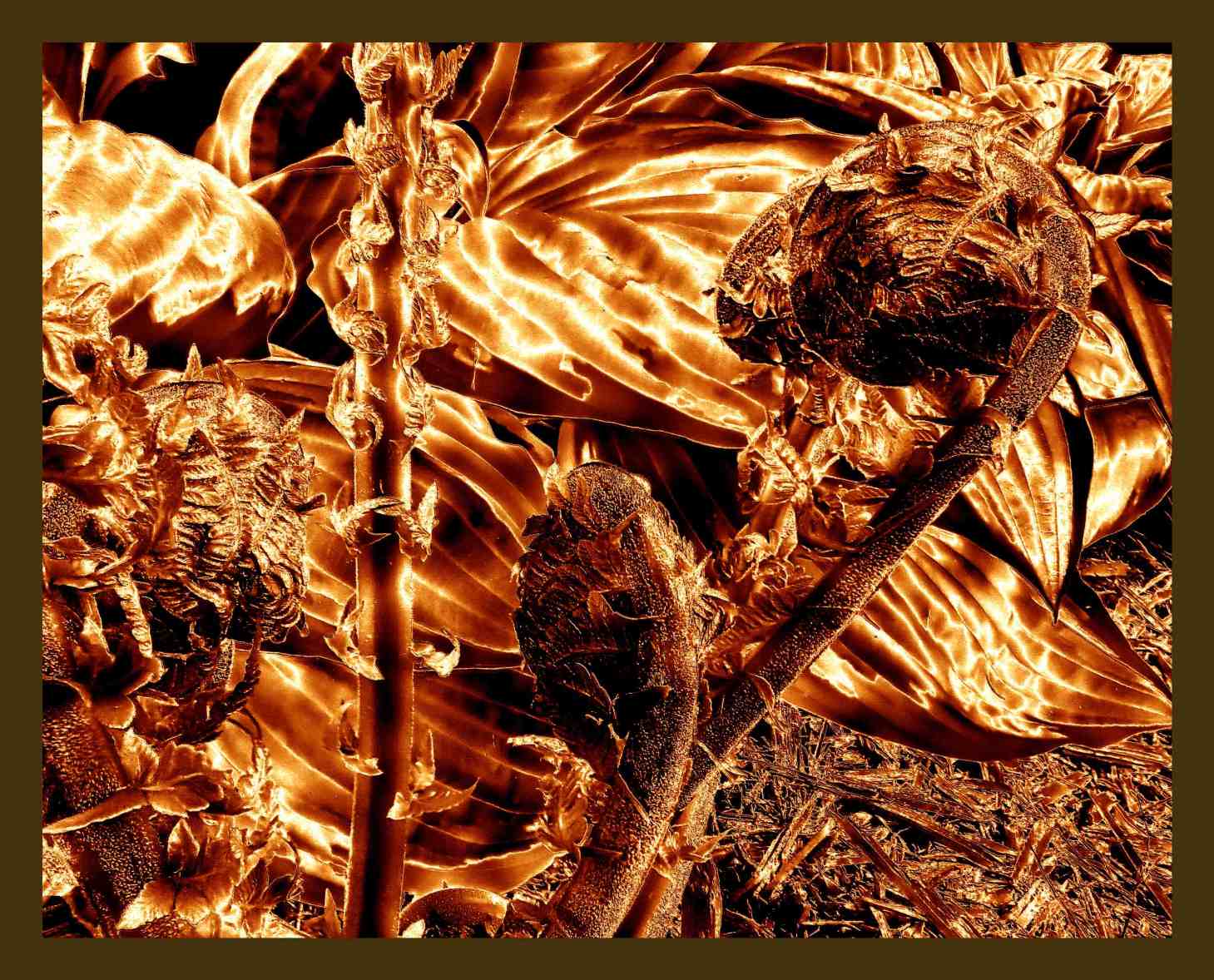
Unfurling (2) Photo by Thomas Peace c. 2016
.
.
.
.
.
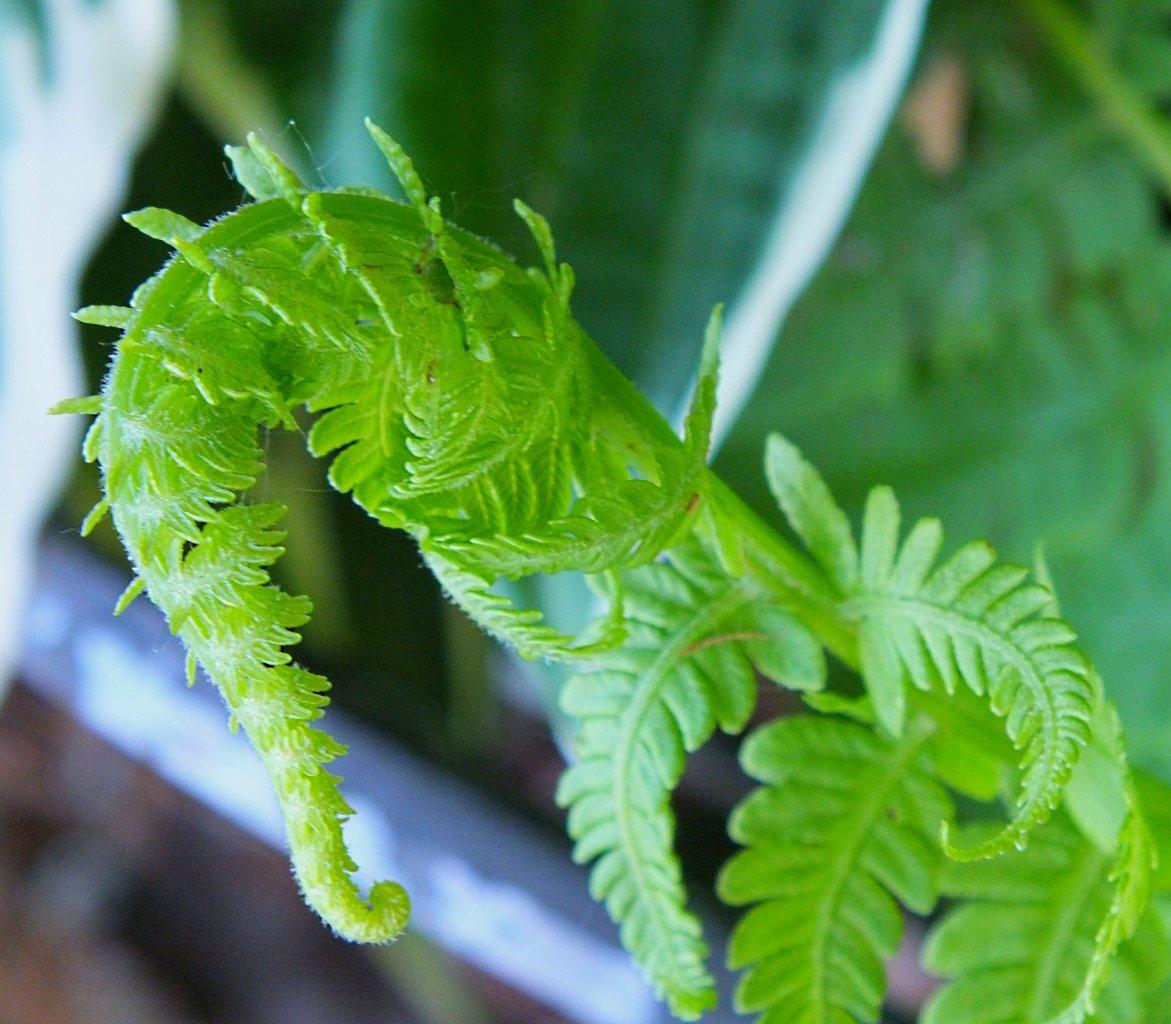
. Unfurling elephant, abstract seahorse, or expanding image that is not truly separate from what the present observer’s fern-like consciousness greenly consists of?
.
.
What U C is What U R! Photo by Thomas Peace 2014
 Tom's Nature-up-close Photography and Mindfulness Blog