There are different kinds of love. Deep love, the profoundest love, has no place. It is not what is held inside the brain. It does not involve a possession… not a possession of a person, possession of money, or of things. It is not something cherished by an illusory, thought-concocted center of consciousness, often called “I” or “me.” It is not something protected by threats or violence. It is not something held within any book. It is not carved out of stone, constructed by the mind, or worn as a symbol. It is not something apart from a deep oneness with all of life, with all organisms. It is not merely intellectual, conceptual, or fabricated. It is not an extension and fabrication from some socially learned belief or religious/political propaganda. It is not what rewards one for what was done. It exists beyond concocted boundaries and limited constructs.
People are so terribly afraid of being nothing. They want to be something… something that is central, dominant, and “in control.” However, trying to be central, dominant, and supposedly “in control” is the way of sorrow. Thinking fabricates the thinker. What is concocted by thinking is never truly ecstatic; it is secondhand. Psychological nothingness is not terrible. It contains everything. We were miseducated. All the answers, the best of joy, and boundless ecstasy exist in (and “as”) a living mind of nothingness and innocence. When thinking ends psychologically, something of a different, vast (and immeasurable) dimension may occur.
Wisdom and compassion are not two separate things. Wisdom and compassion are one. Without compassion, wisdom cannot exist. Without wisdom, compassion is minimal or is essentially nonexistent. Real intelligence may be operating when the mind exists beyond isolating boundaries, barriers, and circumscribed concepts.
Many of us chase after goals in life, running to achieve things. Many like to chase after new adventures by traveling to “new” and interesting places. One’s consciousness, however, despite all of this chasing and traveling, remains as it always was… never fundamentally ever going anywhere other than where it always was. In essence, the scenery changes but consciousness remains exactly the same… unmovable. (It’s much like a hamster in a hamster-exercise-wheel… passionately running but not really going anywhere.) And we think we are highly evolved and sophisticated! We need to reassess our situation and truly change fundamentally, not theoretically… and not according to what we see others doing. So what will you do?… chase after some “special techniques” that promise to help get you out of this? (Would doing so really just be a continuation of the mindless running in an “exercise-wheel”?)
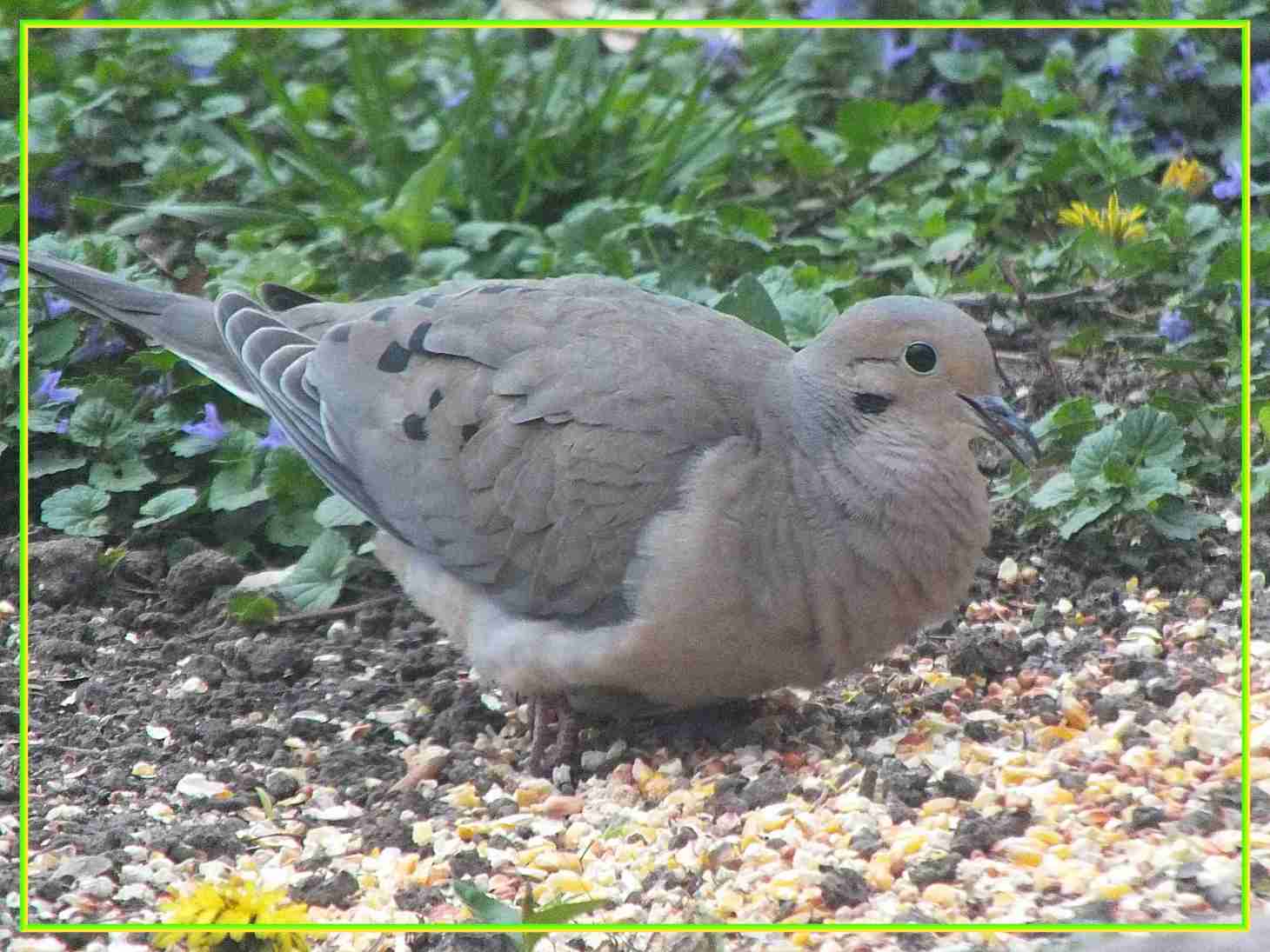
“Mine,” upon looking as a distance, fed the content of recognition to an “I” that was another concoction of thought/thinking. Possession was what it was all about. Then, looking out the window… was a perception of a curb and some oncoming cars which were a human who was standing outdoors and getting ready to cross the street… (only the indoor dweller did not really see it in that particular way). After a bit, the brushing of teeth took place, as if something separate from the teeth possessed the teeth (as “its” teeth). Steps were taken towards the door, which was subsequently opened, while the mind remained closed. Outdoors, the “looking at a bird,” of course, consisted of distance and separation, which helped to reinforce the assumption of a separate “I,” a separate “me.” And a label, which existed in (and “as”) the brain, automatically said “a dove,” without really fully perceiving without fragmentation whatsoever. Steps along the sidewalk consisted of “my shoes” and “my stride.” And these steps were steps very much apart from the bird, at a distinct, separative distance. Joyous and carefree was the avian creature, and “flying” beats “walking” any old day.
It is our preoccupation with forms, mental images, and patterns that keeps most of us in a very limited and run-of-the-mill domain. Most of us stick like glue to such parameters because — let’s face it — that is what we were educated and programmed to do. And there are plenty of self-appointed priests, gurus, instructors, and so-called spiritual expert bloggers who are all too willing to offer you more and more techniques, mental images, and patterns that — according to them — will benefit you if you stick to them.
To end all that, psychologically, is to frequently perish psychologically from the known. However, most people are terrified of the unknown and are too afraid and conditioned to actually fundamentally change. So most — including the so-called “experts” — continue clinging to the patterns and techniques (involving patterns) on how to get there… without ever really fundamentally getting anywhere (other than the way they’ve always been). And to look with (and “as”) separation and fragmentation from a thought-concocted psychological center is a delusional continuation of the primitive and known patterns.
We, just as we were taught, look at death with (and “as”) measurement and time, and so we do not understand it one bit.
All of us tend to look at death as we were instructed to. We see it through (and “as”) a screen of limitation, fragmentation, measurement, and fear. I say that it’s a distorted, lopsided way to perceive death. Our primitive society misconstrues a lot of important things. We don’t understand death because we don’t understand life. We are too busy existing in our illusory world involving acquisition, achievement, and success… (such that we never ponder deeply and wisely enough). Or we accept some antiquated fairy-tale nonsense handed down to us, originating from a very primitive past.
Am i going to hand you (on a silver platter) answers to what death is? No. It is something that one has to figure out for oneself. If one told the answers to that riddle to others, it could definitely be misused. Additionally, i would like to point out that most people assume that they are alive. They may, however, be assuming wrongly. It may be that real life does not consist of existing in (and “as”) dead, fragmentary symbols, one habitually occurring after another ad infinituum. Most of us see the world through (and “as”) thought-oriented symbols… which isn’t really perceiving at all. Living is not symbolic, imitative, second-hand, fragmentary, indifferent, and stale. Please transcend beyond mediocrity.
(Note: I will continue to politely “like” certain fellow spiritual and philosophical blogs, even though one sees that what is written in them is usually rather erroneous and off-beam.)
Recognition is an inherent extension of thought/thinking. One sees through (and “as”) the screen of the known. Recognizing things involves limited, symbolic patterns of fragmentation. This fragmentation is never whole (though it may claim to be whole). Most people see according to how they were taught to see. This “seeing” is an extension of the old ways and patterns. It is limited and fragmentary.
To perceive without merely relying on these old patterns of limitation involves holistic seeing. It exists beyond all the practiced patterns, techniques, religious methods, and political and societal structures. Few see this way. Most cling to the known and are frightened of the unknown. It is like loving the shadows and fearing the light.
There is physical suffering and there is psychological suffering. When physical suffering takes place, if it is not too intense, one may be able to live with it happily, despite it being somewhat annoying. I am 73, with both osteoarthritis and rheumatoid arthritis… so i know how stiffness and pain can manifest. Too many of us, however, are conditioned to run from pain at all costs. We overemphasize escaping from pain and we rely too heavily on drugs and such. The Universe has a set volume/amount of pain (tied to the requisite nature of reality). All pain is not just personal; it is shared by all… it is part of all. So being in pain is noble in a big way (since one is paying a price for us all), but many separative people don’t see it that way. Then too, physical pain can be a warning signal, indicating that something needs to be done to help the body function better.
There is also psychological pain and suffering. There’s the pain of loneliness, the pain of fear, the pain of depression, the pain of boredom. Interestingly, a mindful entity of holistic, orderly wisdom usually does not have much in the way of psychological suffering. Such a wise being perceives that, if fear is taking place, such fear is not something separate from what one is. One is the actual fear. If loneliness occurs, one is not something separate from that loneliness; the perceiver is the perceived. Looking with (and “as”) a fabricated distance and separation at loneliness or fear just makes the mind accept a division and conflict that isn’t genuine. That conflict doesn’t help with regard to inner stability and wholeness. True integrity does not fall for illusory separations and needless conflict.
In understanding disorder and suffering, we — in a big way — metamorphize beyond it.
Nirvana/enlightenment is far beyond the description that limited (symbolic) words can reveal… and all words are fragmentary and symbolic. However, one will say this: While that ineffable sacredness occurs (in full) as a visitation, one feels a trillion times more alive than how one felt previously. Additionally, it apparently alters the brain cells, enabling them to function in an even more orderly and insightful way.
So here is the thing: One finds it very curious that a lot of people attempt to spread their concepts about spirituality to others. Such people include priests, gurus, bloggers, writers, followers of organized religions, independents, and firm believers. Essentially, these people have not had the Nirvana/enlightenment visitation occur to them. Yet these very people deem themselves proficient in guiding others. That, one finds, is curiously strange in a big way. It’s truly like the blind leading the blind, and it’s difficult to see.
from E.E. Cummings:
out of the lie of no rises a truth of yes (only herself and who illimitably is)
making fools understand (like wintery me)that not all matterings of mind equal one violet
Intelligence naturally goes beyond mediocrity. It does not remain in the stagnation that many others remain in (and “as”). Unfortunately, too many of us presuppose things. We, with (and “as”) conditioned minds, continue to cling to patterns that we assume are true and noble. This clinging, however, may be largely erroneous. One of the presumptions, that most of us cling to, has to do with an inner belief (or acceptance) in the power and dominance of an ego or central controller. People, all too frequently, talk about altering their behavior or actions for the better. However, the presupposition of a separate ego (that can dominate things and alter things psychologically) may be a significant delusional factor that just contributes to more problems. Such a presupposition may contribute to more false separation, conflict, and further erroneous reactions. It may be that too many of us have accepted the same, old, erroneous game (while all the while thinking that we are correct, somehow better, and intelligent). We are suggesting something about observing beyond accepted norms.
Songs from the Wood … Photo by Thomas Peace c.2024
Most people tend to remain reacting in (and “as”) the habit of thinking. They habitually react as one series of thought-patterns after another. These patterns consist of such things as personal issues, political issues, so-called religious issues, and a multitude of other issues. Most people have propensities to remain in (and “as”) reacting patterns of thought/thinking. Instead of being true action, what they are engulfed in is habitual reaction. Mechanistic, symbolic reaction is not living. Please look beyond the realm of secondhand, repetitive processes.
Multicolored Lichen … Photo by Thomas Peace c.2024
Merely seeing via distance and conflicting space (as when the perceiver is separate from the perceived), involves a primitive, fragmentary perception that is not deeply holistic and intelligent. That limited psychological distance, in such a case, involves psychological time and primitive fragmentation. Intelligent, holistic wisdom and compassion exist beyond psychological time and primitive fragmentation. The limited psychological space, between a supposedly centralized ego and what it sees, reflects the primitive ignorance that was erroneously learned and absorbed (in the past).
Many people, these days, admire and worship the superficial forms of so-called intelligence; however, there exists a much deeper and profound intelligence (that exists beyond what they are aware of). Please inquire — on your own — about what looking with profound wisdom and intelligence might entail.
Sometimes, especially regarding things in the outside world, judgment is necessary. When crossing the street (on foot) one must prudently judge when the appropriate time to cross exists (to avoid oncoming traffic). However, many of us “overuse” judgment, especially inwardly, within (and “as”) consciousness. One may judge inwardly, condemning oneself for what one did years ago. One, however, is not what one was years ago, and it may be wiser to be more attentive to “the present” than to dwell on what happened in (and “as”) the distant past. One may project or imagine (via inward judgment) that one is inferior to others, and (thus), while in public, feel “looked down on” or “inferior.” Such a projection (via self-judgment) may be a waste of energy. Or one may project (to oneself inwardly) that one is superior or far more elite than most people; in such a case one may radiate an air of bigotry (against others) and pompousness (about oneself).
Holistic intelligence only uses judgment sparingly and prudently (when it is actually needed). It transcends the limited self (that gets tangled in, and by, judgment). It does not become a victim of inner conflicts and crude situations reflected by habitual, conditioned protrusions of judgment. Such intelligence perceives clearly and directly without a lot of conflict-inducing judgment clouding and interfering with direct perception and understanding. (Such intelligence is likely not just personal intelligence, by the way… it’s an intelligence that transcends the self.) Judgment often leads to conclusions… and conclusions frequently cloud the mind and box it in (into rigid, crass, limited, conditioned ways). The light of intelligence can nullify the darkness (i.e., the distortion) that crude judgment can manifest as.
People have turned their backs on the environment in so many ways. They thoughtlessly vote for ignorant leaders who are deniers of manmade climate change, take vacations in heavily polluting jet planes, drive large, gas-guzzling fossil fuel vehicles, etc. Extremely severe climate-related disasters are occurring every day (and are being reported more and more frequently in the news).
I am 73 years old now. As a very young child, i had premonitions about the environment eventually coming to incalculable destruction (due to mankind’s abuse, neglect, pollution, and indifference). We can all do better for the environment. The environment is not something separate from what we are. We are the environment. The environment is what the self is. Mindfulness and goodness involve self-understanding and genuine care and order. We are the world and the world is us. Please don’t divorce yourself from the environment. We can take a more caring, environmentally sound, and simple approach to living (and still have plenty of joy and blissful existence).
Watching you watching him … Photo by Thomas Peace c.2024
Thought/thinking is very limited. Thought is very cubicle-like. A cubicle is a small, partitioned space. The ego is a small, partitioned space. When intelligence sees the limitation of thought/thinking, then (without time and technique) thought/thinking dissipates when it is not needed. Deep perception is what exists beyond the confines of thought/thinking. Deep perception is beyond futile techniques, concocted forms, images, and symbols. Such perception is light. It is not a separate “you” seeing the light. It is light.
Time depends on (and is) limited sequences of space. Transcending limited space involves the timeless. Interestingly, deep compassion crashes through the ego’s barriers involving its limited space. Compassion transcends limited space and (thus) involves the timeless. Profound intelligence is (and involves) compassion.
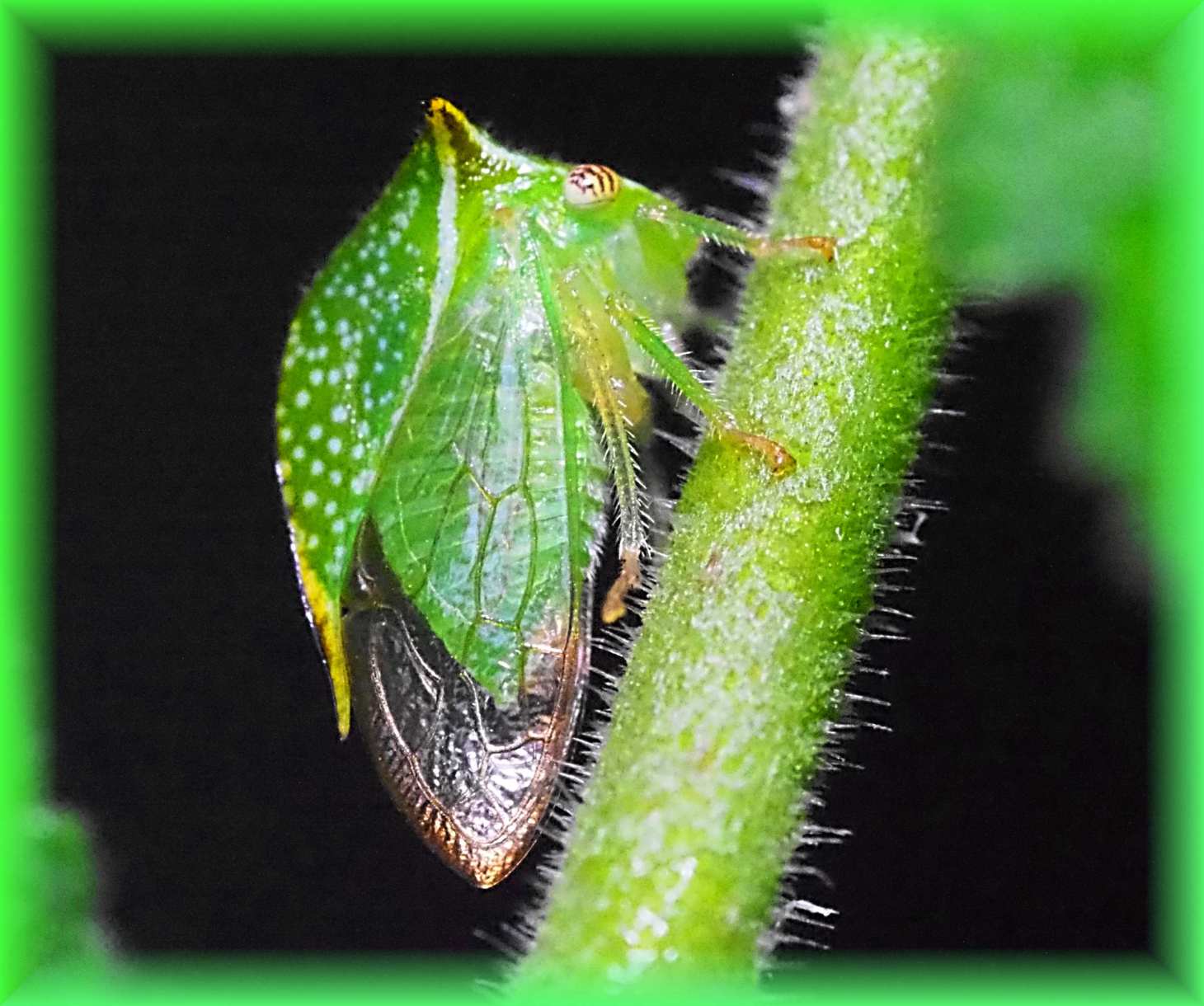
Red-Banded Leaf Hopper … Photo c.2024 Thomas Peace
Existing beyond mediocrity occurs when perception sees deeply, beyond the run-of-the-mill indifference and superficiality. To merely dwell in (and “as”) words — which are sequential, fragmentary symbols — as if they are the real thing… is accepting shadows as substantial, legitimate realities.
To mostly live as sequential, fragmentary symbols (occurring mentally) is not, perhaps, living at all. Accepting what is dead and cadaverous as “reality” may be foolish and may be clinging to the superficial and “unalive.” If unending experiences consist only of recognition, pigeonholing, categorizing, and symbolic orchestration, then such reactions may be limited, robotic, and conditioned. Going beyond this does not take time (psychologically), for psychological time is extension after extension of the conditioning and mediocrity. Fragmentary, sequential, representational words may often be needed. However, to exclusively depend on them (and exist as them) may be foolish, rather unalive, and nonsensical.
To perceive with (and “as”) an inner silence — beyond symbolic words and their limited distinctions — may manifest as a wholeness and immense awareness beyond superficiality. Then words (as symbols) have their place but do not dominate consciousness (as endless conditioning). Then, as we’ve said before, deep intelligence and compassion are manifest, alive, and act rather than merely react.
Michael Keaton perchance … Photo by Thomas Peace perchance c.2024Alien on the Spider … Photo by Thomas Peace c.2024
suppose Life is an old man carrying flowers on his head.
young death sits in a café smiling,a piece of money held between his thumb and first finger
(i say “will he buy flowers” to you and “Death is young life wears velour trousers life totters,life has a beard” i
say to you who are silent.—”Do you see Life?he is there and here, or that, or this or nothing or an old man 3 thirds asleep,on his head flowers,always crying to nobody something about les roses les bluets yes, will He buy? Les belles bottes—oh hear ,pas chères”)
and my love slowly answered I think so. But I think I see someone else
there is a lady,whose name is Afterwards she is sitting beside young death,is slender; likes flowers.
The elderly sage, Lo Zu, was walking with his meandering-cane along a path going through a meadow near town. Youthful twins were walking toward Lo Zu, from the opposite direction. As they approached Lo Zu — and knowing about his reputation for being wise and insightful — they asked him to stop and listen to their remarks about their recent attempts at meditating in stillness. They told Lo Zu about how they both sat, unmoving, for hours, in their recent attempts to (according to them) meditate properly.
As they talked on and on about the stillness that they tried to engage in, Lo Zu did not appear to be very impressed. Lo Zu looked at the flowers and creatures in the meadow and remarked that true stillness is not the result of “trying” and “effort.” He suggested that one of the twins should walk some distance down the path (then return), while the other twin should remain standing with him. One of the twins then walked along the path and returned after a short while. Then Lo Zu asked the twin who had remained with him, “While your brother was walking away, did the field of consciousness (that you were) ever actually move away from what it was all along?” “No, of course not,” the lad replied. Then Lo Zu asked the twin, who had been walking away, whether his field of consciousness had actually moved — from what it was all along — during his walk. “Of course not,” the lad replied. Then Lo Zu said to the twin that had been walking, “Your consciousness did not move from what (and where) it always was, and neither did your brother’s. So even though you were walking, the mind was not going anywhere other than where it was all along.” Lo Zu was implying that movement is often delusory and not factual.
Lo Zu suggested to them, “Please don’t try, with effort, to be still (through various techniques, for instance). Such techniques likely take you on a delusional journey (that is secondhand). Let true stillness occur naturally, without effort. Also, stillness can exist even while walking, even while working. True stillness is not what one makes happen through effort and striving, or through traveling through (and “as”) linear thought/thinking. Additionally, a physical body that is not physically moving is not any special kind of stillness. Rather, natural (true) stillness of mind may occur not by calculated effort but during effortless awareness.”
Spooky Time is Here … Photo by Thomas Peace c.2024
One can get a limited amount of happiness by accumulating things — or by doing things — that one had wanted to get or do. However, acquiring things by way of motive(s) is always circumscribed by a degree of calculated, linear planning, and the result (as an effect) is usually very mundane, secondary, and rather stale. So constantly chasing after happiness is often reflective of a rather immature mind, a mind that falls for the ordinary (being itself, unfortunately, rather ordinary). Does an extraordinary mind habitually chase after the ordinary? … probably not!
Additionally, true joy seldom comes invited (by way of calculated motives). Calculated motives — like clockwork –manifest to bring up what a mind desires… and desire is usually small, self-centered, generic, plastic, and commonplace. Desires are limited reactions (often being robotic, calculated, and dull). True joy and bliss are not what the mind can calculatingly concoct mentally.
So what is an intelligent mind to do? This may (at first) seem nonsensical, but a very wise thing to do — regarding happiness and bliss — is nothing. In doing nothing, the mind is automatically out of the quagmire of calculated, mechanical plotting. Such plottings, with their limitations and mediocrity, are reflections of motives. Going beyond them opens the mind to possibilities that are not limited and are not just fragmentary reactions in the cause-and-effect continuum. Real joy and bliss are beyond the fragmentary known.
That space, that limited, cadaverous space, that separates most people from what they see (and are)… it may nourish a callous indifference (though they may insist otherwise). When limited mental space exists between the perceiver and that which is perceived, then a fabricated center manifests a false radius. This is what allows hatred and indifference to take hold. This is what manifests as secondhand mediocrity and unfeeling psychological cadaverousness.
That learned, absorbed, embedded psychological space must end (without clinging to the apron-strings of tradition, customs, and learned habits). True compassion does not flower with restricted, fragmentary, small, isolated perception. It radiates beyond the ice-cold limited. Stagnant perception is the result of its own illusory psychological cage. In that dead cage, it remains (and claims to be free)… while it decorates and reinforces that cage with superficialities. That stagnation depends on (and is) the cage. (There never was a true center in control of thoughts and emotions. It — i.e., the supposed controller — is a learned protrusion of thought/thinking.) Real joy and love of life can exist beyond limitation based on falsities. Please transcend beyond psychological separation and existing as a consciousness with a limited radius based on a phony center.
Understanding the whole is not possible if the mind is distorted. So, obviously, the instrument of the mind must be orderly and uncontaminated for clear, holistic perception and understanding to occur. A mind full of antiquated patterns, opinions, and fragmented systems that include conflict, friction, copying, and learned anxiety, is likely not what is capable of perceiving purely (beyond the distorted). A mind burdened with the conditioning of a violent, primitive society — such as ours is — is likely too stagnant and adulterated to perceive purely.
So the first step is to perceive beyond — and without — the past conditioning. Many of us may agree, but few will actually deeply look into doing it. Most of us are tethered to the “old ways” in ironclad habits and stagnant patterns. To leave those patterns seems frightening and too unconventional. So we keep reacting (rather like lemmings). Most take the easy path (which is, really, an unalive path).
The old, fragmentary ways of looking at things via separation, conflict, psychological distance, pigeonholing, and using symbols (such as words) as if they are realities, can drop away without needing secondhand methodologies, techniques, and calculated systems. Such calculated systems take time, and they are limited and fragmentary in themselves. Looking without contamination and conditioned parameters does not take time. Time may be a postponement and an easy excuse. Organized religions all take time and emphasize “gradually improving.” True inner silence and profound awareness do not take time, nor are they necessarily two separate things.
(Note: Coincidentally, there are five evergreen trees — in a row — in the middle of my front yard.)
Away from the village, at a great distance from the orthodox temples that he never frequented, the great, aged sage Lo Zu — as he often had done — was sitting in silence on a large boulder, with his twisting, meandering walking-cane leaning against him. Among many serious spiritual students in the region, word was spreading that sometimes those passing around the vicinity of Lo Zu could, at times, feel some emanations of what seemed like a divine, radiant energy coming from his being.
Indeed, when some students were passing by Lo Zu sitting upon the boulder that particular day, they say they saw the elderly sage crouched forward with his hands tightly clenched; the meandering-cane had fallen down, having slid to the ground. As they approached him closer, they could feel that radiant energy (that was rumored about by others). After a while, Lo Zu sat up straight, and they could see an amazing, blissful smile on his gleaming face. (Was it the universal blessing, the nirvana, that some said had often visited him?)
The students gathered around Lo Zu and they then asked him to share more of his great insights with them. “Alright,” he said, leaning down to grasp his walking-cane lying (horizontally) in the rocks and stones around the big boulder. There were many stones and colorful rocks in that particular area, situated all around that huge boulder that Lo Zu was sitting upon.
The students sat on the stones on the ground around Lo Zu, carefully listening. Lo Zu said, “What the mind sees is what consciousness consists of. The perceiver is the perceived.” He then said, “If you look at a tree, the image of the tree is what your consciousness is, (not that you merely become sap and the actual, physical tree).” He then went on, “If you look at the stones around this area, your consciousness is what the stones appear as. Please wisely exist beyond accepted separation and conflict. If you are fear of ‘not fitting in with your peers,’ that fear is what you are. You are not something separate from what that fear is.” A bit later, Lo Zu said, “Not too many years ago, a man named Jesus said things very similar to me, but stale orthodoxy (as it so often does) came around and destroyed and twisted the essence of his message. Please learn to stand alone and independently ponder and perceive for yourselves.” **************************************************************** Excerpt from the Gospel of Thomas (which was once a popular ancient text that eventually became banned by government-controlled orthodoxy):
(19) Jesus said: Blessed is he who was before he came into being. If you become disciples to me (and) listen to my words, these stones will minister to you. For you have five trees in Paradise which do not change, either in summer or in winter, and their leaves do not fall. He who knows them shall not taste death.
Thoughts are, as one has said many times, symbolic representations. The word “butterfly” is not the butterfly. The word “frog” is not the frog. Words are often necessary, but most of us are almost constantly churning with thought after thought, even though these thoughts are just fragmentary symbols. Symbols are tokens for the real thing; they are not the real thing, (be they words or pictorial images in the brain). In our past — in school — we were spoon-fed with words and the symbols within books (as if they were the real thing). We were instructed (for years) to believe in that symbolic/artificial methodology, accepting it as real and true.
A life that habitually clings to one series of symbols after another is, unfortunately, clinging to representations that are (in a big way) superficial. Endlessly clinging to symbols may take away a lot of the true joy, compassion, and true relationship in one’s life. Unfortunately, remaining mostly as symbols and as mental patterns consisting of symbols can tend to make the mind operate in (and “as”) stagnation. Such stagnation consists of sorrow. It is sorrow.
Instead of foolishly trying to escape from this sorrow by means of alcohol, recreational drugs, or expensive vacations, one can likely do much better by not running to outside (purchased) modalities. We can look joyfully just by looking without merely seeing through a mental screen of habitual symbols, labels, and distinctions. “Looking simply” does not require a lot of mental effort, energy, and technique. Since no effort is needed, no time is needed. But we tend to habitually and endlessly employ effort and time. We need not always take time pigeonholing everything with symbolic labels, categorizations, and separate differentiations. Going beyond constant, fragmentary symbolism, and psychological distance is joyous and liberating. In doing so, love is involved… so love then flowers. Words, as rather dead symbols, are protrusions from the past (i.e., from past learned memory). The living present is not of this learned, old past; it is fresh and beyond the old adulteration. Real meditation, without all of the silly techniques and time-oriented methodologies, is the freshness and joy of perception beyond the stale and secondhand.
The word is not the thing. … Photo by Thomas Peace c.2024
We, as human beings, primarily function due to (and from) causes. The process of thinking (per se) involves cause and effect; we usually do things mentally (with a cause or effect in mind or with a series of causes or effects in mind). Animals also act via cause-and-effect parameters. So, in a big way, we are not much different than other animals. Cause is time. When we function with (and “as”) cause, we function in (and “as”) time. Most of us, just as we were taught for many years, remain very time-bound and time-oriented.
Cause and effect often involve — and consist of — a motive or motives. We want to achieve things and get things, just like many animals. Most of us remain in such domains, without ever deeply inquiring what may be beyond. We usually, without question, remain in cause-and-effect parameters without ever mutating beyond such reactions. Can the mind transcend cause/effect parameters, intelligently existing beyond endless motives? This writer says, “Yes!” Then one doesn’t just react in (and “as”) time. Time has its place. It is often necessary. However, merely clinging to it may be rather childish and crass. Thinking, though often very necessary, is imbued with cause and effect attributes; therefore thinking is time (and takes time). Only if we stay limited do we have to exclusively remain in such a domain.
Many are so conditioned to exist as perpetual “achieving” and “getting,” that they would not even consider the possibility of existing beyond such patterns. Most are stuck in grooves, where they habitually remain. Please consider metamorphosing beyond the norm. Wisely ending conditioning may not depend on any concocted (or habitual) series of endless motives.
In the vastness of nature, when walking among the myriad of beautiful plants and animals that are away from human interference and human destruction, is it possible to blend in as a mind that is also away from human interference and human destruction? Can such a mind be empty of the abstractions, ideas, beliefs, labels, and symbols that were poured into it over many years? Such a pure (uncontaminated) mind, empty of its content, empty of all of the second-hand garbage that was poured into it, can then look beyond adulteration and contamination. Such emptiness, then, is all of the living organisms (without merely labeling them, classifying them, pigeonholing them, or recognizing them through learned and preconceived images and patterns). Then, perhaps, there is only the unadulterated perceived… and not the separation between the perceiver and the perceived. Perhaps, in that situation, there is no time and division. Without time and division, real love and joy may flower.
To look superficially through walls involving separation and boundaries… may not be deep perception. The very nature of the isolated center, ego, or so-called controller, automatically creates walls of separation, distance, and boundaries. It’s not “being in the now,” as so many (these days) mechanically parrot and claim they are doing; it is beyond all that bilge. Please look simply and effortlessly… without all of the rubbish, the abstractions, and the learned separations.
This may seem ludicrous at first, but it isn’t. Most of us are heavily conditioned to run from one entertaining experience to another. We will do anything to escape from what we see as our own inner emptiness (i.e., our own inner void and sorrow). We run from one experience to another, like that proverbial donkey that perpetually pursues the carrot dangling from a stick (that is — interestingly enough– attached to the donkey). We were conditioned to do this… and in this conditioning, we remain. We are this conditioning, not something separate from it.
We were not encouraged to refrain from running from inner emptiness. To not run from inner emptiness does not take time. However, most of us, in time and “as time,” continue to run from it. It may be that such effort is a waste of time… which we repeatedly do until we die. It may be largely a waste of time and energy.
When one doesn’t run from emptiness (in and “as” time), a miraculous transformation may happen. Time (then) does not exist in the normal sense and a timeless (non-sequential) bliss and intelligence may flower without a motive or system of effort. The “known” is a sequential, symbolic, robotic series involving experience, recognition, remembrance, and further accumulative experience and repetitive recognition. This stems from the known (i.e., the habitual, reacting, symbolic, past remembrance) and its sequential movement. This “sequential movement” is often necessary, but clinging to it makes the mind mechanical, repetitive, and dull.
Mankind has, for eons, pursued and craved power… power in the form of governing, power involving influence, power in the form of authority, and power in the form of money or possessions. What is this power that man has spent so much effort in acquiring? Control is a significant feature regarding this pursuit of power. Many of us admire the man who we think controls (even if that man has multiple felonies or is a rapist). We are gullible, delusional people. We have always assumed that the controller and the controlled are two separate things. However, are they really separate things psychologically? Are thoughts really controlled by a separate central “controller” that has power? May it be, psychologically, that the controller is the controlled… that the observer is the observed? Could it be that, psychologically, the thinker is not really something separate, whatsoever, from thought/thinking? Could it be that the “thinker” is a projection from the thought/thinking process?
Man has evolved to the point that we can split the atom and do many complicated, amazing things. We have done a lot of fantastic things with energy and its power. However, we always use and manipulate things regarding this power; we are never actually in a direct relationship with the real essence of that power. We live in mental symbols and psychological abstractions, which do not really consist of substantial power whatsoever.
Peace (world peace) comes about when the inhabitants of the earth perceive and feel true heartfelt oneness. It comes when borders — between countries — are seen as manmade fabrications that often bring about unintelligent separation, conflict, animosity, and turmoil. Countries and religions, when clung to as being special and above and apart from the rest, often bring about conflict. Peace exists when the perceiver sees that the perceived is not so very separate and apart (as we were taught). When separation and division disappear, harmony exists. The fingers of a hand may be different — and in different places — but they are (together) united as one. Even within the mind, the “learned” thought process separates the observer from the fear (but the observer is the fear); the “learned” thought process separates the observer from the desire (but the observer is the desire). We separate inwardly and this is also projected outwardly… with outward separation, friction, and conflict (that is often accepted as normal). Without putting tons of money into armaments, we could get so much more accomplished in the health and medical fields, in environmental health for this small planet, in food production, and regarding forest/wildlife expansion and protection. Peace
One cannot practice or do anything systematically to bring about or conjure insight. True insight, if you are fortunate, is what always comes uninvited. You cannot “make it happen.”
Insight and intuition are entirely different phenomena. Intuition is the unconscious or semi-conscious ability to create links between (or involving) information. Insight involves — without conscious reasoning — understanding holistically (perhaps beyond the parameters of ordinary sequential time and space).
Although one cannot do anything deliberately and directly to bring about insight, some attributes in one may encourage it to perhaps occur (or set the foundation for it to more likely happen). Being a mind that intelligently perceives things holistically, beyond run-of-the-mill fragmentation, robotic labeling, and accepted separation may be beneficial. Additionally, eating and exercising properly — keeping the body excellent physically — may indirectly be very beneficial. However, there is nothing that one can do to cause it to occur; it is beyond the parameters of time and ordinary causation.
If one is holistically entwined with (and “as”) the whole… truly being at one with the animals, plants, and universal order, then that order may be more inclined to protect and reciprocally care for one. Then real magic may happen (beyond the limited domain of time and space).
We look with (and “as”) the parameters of time and space that we were taught to look at. This might sound strange, but is that all that we must be limited to? Can we look with a depth that goes beyond what was spoon-fed to us? Can we perceive more than what they taught us to perceive? This movement says, “Yes.” But don’t just take my word for it. Explore and find out (with passion). Go beyond their measurements, rules, separations, so-called religions, opinions, organizations, limited teachings, acceptances, beliefs, and stale parameters. But most of you won’t do that. Most will shake their head affirmatively and agree; however, they will not fundamentally change. Unfortunately, most are stuck in orthodoxy, stagnation, and sameness. Most are psychologically afraid to leave the limited and the “known.”
A poem by Stephen Crane:
“Think as I think,” said a man, “Or you are abominably wicked, You are a toad.”
And after I had thought of it, I said: “I will, then, be a toad.”
The Perceiver is the Perceived … Photo by Thomas Peace c.2024
Not all feelings are the same. Some are ordinary, run-of-the-mill feelings (consisting of mechanical reactions, just as mundane thoughts are). For the most part, such feelings are rather superficial, limited, and self-aggrandizing.
Certain other feelings are entirely different, being insightful, holistic, and deeply non-egotistically heartfelt. The former run-of-the-mill feelings are rather robot-like, artificial, and much like how conditioned thoughts function; being of superficial reactions, they seldom, if ever, are of all-encompassing freedom. The latter type of feelings, being insightful, holistic, and selflessly heartfelt, are deeply of compassion and intelligent, comprehensive freedom. Holistic compassion is not run-of-the-mill. Holistic compassion involves love for all, not just for the few.
Before the Helicopter … Photo by Thomas Peace c.2024
From E.E. Cummings: “It is with roses and locomotives (not to mention acrobats Spring electricity Coney Island the 4th of July the eyes of mice and Niagara Falls) that my poems are competing.”
For most people, the “whole,” is conceptual (as a component of thought/thinking). However, what is merely conceptual (i.e., a product of the brain-thought process) is not the whole. It is just a fragment, or series of fragments, constructed of intellectual images/symbols. The whole is imperceptible to a person who is immersed in (and “as”) fragmentation. Yet, a lot of people think that they understand the whole. Words are fragmentary symbols/representations, not the actuality.
Education, in the past, for almost all of us, focused exclusively on intellectual and conceptual things and parameters. We were not encouraged to look beyond mental symbols, fragmentary parameters, and run-of-the-mill mental constructs. We were — early on — molded to perceive conceptually, fragmentarily, with (and “as”) words and ideas. So most of us look with (and “as”) a screen of mental fabrication. Such looking is limited, largely symbolic, and quite robotic.
Encouraging others, later in their lives, to go beyond such mental structures is very difficult. They function almost exclusively in a world of fragmentation and symbolism. However, there is always the chance of real metamorphosis. Surprisingly, perceiving beyond limited concepts and fragmented symbols does not take a lot of effort. It is the robotic attachment to habitual mental effort that prevents people from radically changing. The blind, habitual effort and dependence involving constantly looking with limitation (as mental fragments and symbols) must psychologically end.
Recognizing the “present” from the past (i.e., from stored, accumulated memory) is not living in the present whatsoever; it is an extension of the past (involving recognition). We can also recognize — and “be” — concepts about the future. However, such concepts or mental formulations are not the future… but are merely projections — from (and “as”) past memory — about what possibly could be.
To intelligently go beyond such limited mental patterns requires a very sharp, dynamic mind. Most minds are not interested in this. Most minds are not capable of what is needed. They tend to stagnate in (and “as”) limited parameters (all the while thinking that they are free, in the present, and accurate in their perceptions). Erroneous thoughts can believe that they are living in the present, while (all the while) they are not. To truly be of the timeless goes beyond self-deception and limited stagnation. Please intelligently inquire into this.
Since the Cretaceous … Photo by Thomas Peace c.2024
When we were very young, we hadn’t yet learned things about death from society. Then we were full of innocent bliss and we truly felt eternal. Then we were not chock full of knowledge and ideas. We just timelessly looked and marveled.
As adults, most of us have been spoon-fed by a psychologically disturbed society. Most of us no longer feel eternal and timelessly blissful but, rather, feel frightened and insecure. We are afraid of the death that they told us about… about the death we had learned about. We, as adults, exist in a very linear, second-hand, and antiquated fashion. Even with our so-called “correct religious beliefs”, we fear death; beliefs often stem from fear. We fret about a lot of illusory things. It is disturbing to realize this, but it is even more disturbing not to realize it.
To be mentally youthful and untouched by the cadaverous ideas of others is a great order and intelligence.
Most of us look with (and “as”) separation. Within almost each of us, there psychologically exists what we assume to be a “central I” that assumes that it is in control of its thoughts (from a separative distance). This so-called “central I” additionally fundamentally sees things (as if from a point) with a radius between it and the external world.
Love does not readily occur in a mind that is fundamentally based on separation. Psychologically, the perceiver is not separate from the perceived. Separation is often reinforced by fragmentation, conflict, and non-holistic perceiving. A wise mind of profound intelligence may transcend such fragmentary, separative, and divisive psychological behaviors. Such a mind is not fundamentally stuck in conditioned disconnection and illusory partition.
In previous posts, i’ve mentioned existing in effortlessness. Effortlessness is not some lazy psychological state that causes one to be lackadaisical throughout the day. It is not a state of mind that causes one to lay around listlessly throughout the day.
Most of us habitually engage in (and “as”) the effort of “thinking” throughout the day. We are so ingrained in the effort of “thinking” that we hardly or rarely exist without it. We mechanically engage in (and “as”) thinking with constant effort. This “thinking” involves so-called effort by a supposed central, controlling ego. Habitual “thinking” creates the habitual “thinker.” There is a deep perception, however, that does not depend on the habitual effort of thinking. Such perception is not stagnant laziness; on the contrary, it is tremendous energy. This energy acts without dependence on any habitual effort that a limited ego reacts as. In fact, the limited ego is devoid of this energy… and such an ego is often trapped in (and “as”) a series of reactions resulting from habitual effort. This habitual effort was hammered into one (by others in the past) and on this one depends. It is the result of an imitative, secondhand process; it is — itself — an imitative, secondhand process. Imitative, secondhand processes consist of absorbed psychological time and are not true liberation/freedom.
Deep perception is beyond the secondhand. It involves a wholeness that acts outside of the fragmentary effort of an isolated ego. An isolated ego is, itself, secondhand and is the result of stale, fragmentary, effort. The effort of a secondhand ego involves repetitive, habitual psychological time. Wisely existing beyond such effort does not require more time.
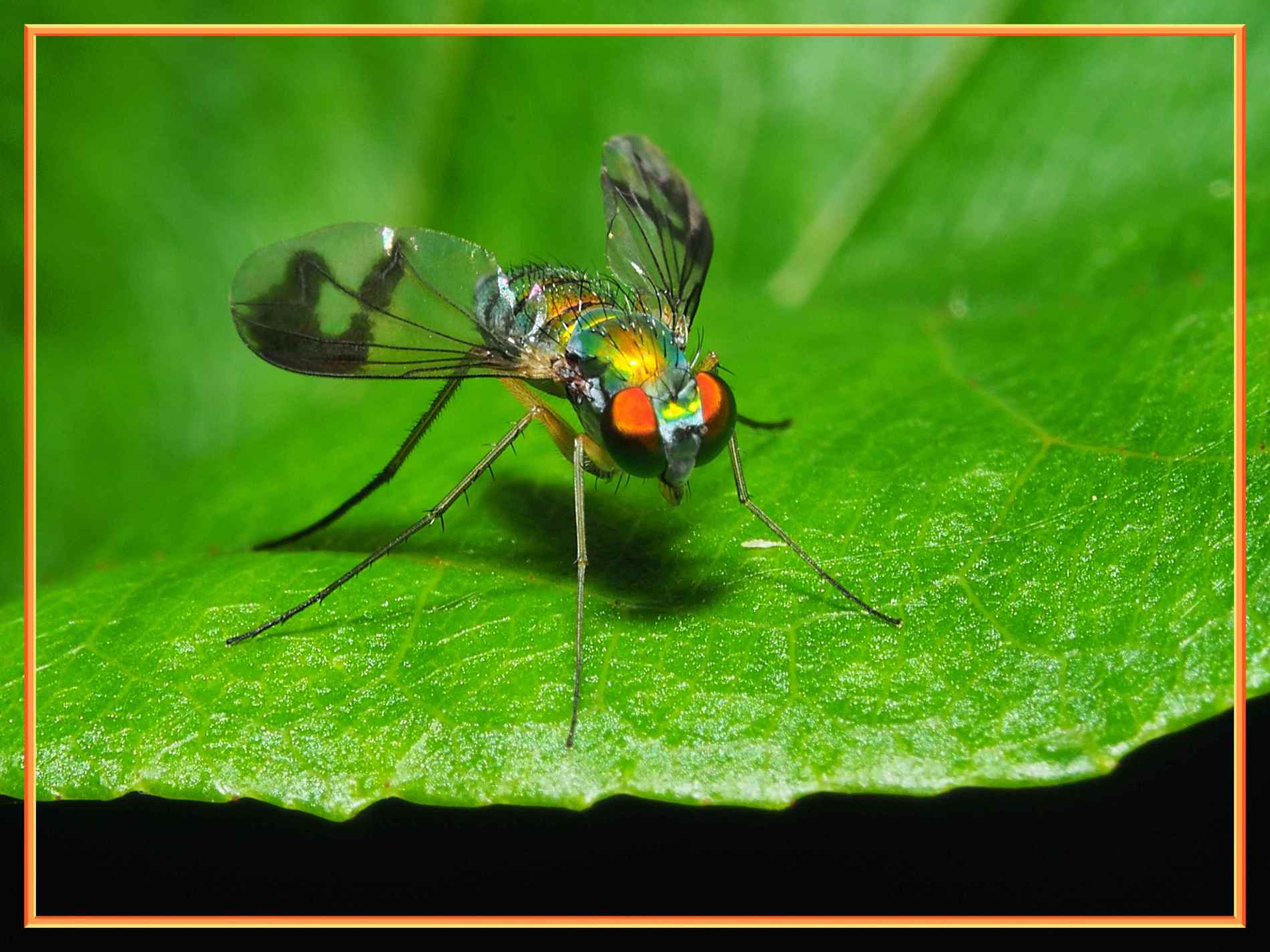
Long Legged Attraction … Photo by Thomas Peace c.2024
Deep perception is the extraordinary order many would radiantly flower in if they were only of it. Such profound perception is beyond the superficial… (the superficial, with its many limitations, forms of fragmentation, and boundaries).
Believing that one has great “will” does little to instill great order in the mind because “will” is a crude mental supposition that presupposes immense freedom (and true freedom is not what manifests by thinking or by believing that one possesses it). One can be in a prison as most people are — psychologically — yet still believe that one has freedom. However, such freedom may be limited and very illusory.
Perceiving everything deeply and profoundly supersedes stale beliefs and conclusions of thought/thinking. In seeing beyond limited conclusions, beliefs, fragments, and suppositions, the mind is of immense clarity and wisdom. Such clarity and wisdom — not being two separate things — is great order and goodness. Many violent and uncaring people think that they have free will; such thinking may not mean a thing. Thoughts (always being fragmented) nullify deep perception if one exclusively exists in (and “as”) thoughts habitually most of the time.
Deep perception acts in (and “as”) a great order (beyond fragmentary thinking and conflict).
Male Indigo Bunting … Photo by Thomas Peace c.2024
The root of the word “mediocre” means halfway… like going halfway to a treasure or halfway up the mountain. Many people in society, it seems, tend to not care enough about profound, important, and penetrating things. Many prefer to look superficially and prefer to remain satisfied with the superficial. Caring to go deeper is not a one-dimensional thing. Caring to go deeper is multidimensional (and perhaps beyond ordinary dimensions). If you truly care to go deeper, you also naturally care for all human beings. Additionally, you care for the whole of life: the trees, the plants, the animals, and all living things.
A mind stuck in the superficial remains content with superficial things. This superficiality is fragmented, limited, divisive, and circumscribed. I often get complimented for my pictures but not for the written content. I am polite and thank those who compliment me but i wonder about how they perceive in this world. (If Einstein was still around and he gave a superb lecture, would it be prudent for one of the listeners to solely compliment him on the color of his tie?) Society (and its so-called educational systems) have succeeded in turning out a lot of robotic people who go through the motions of being alive, yet (unfortunately) are not fully alive.
We can exist in an easy so-called life and do as we were told, exist as we were instructed, while we believe in what was hammered into us. To question everything intelligently, however, is not easy. To go beyond mediocrity and a lemming existence is not easy. To go very deeply is not easy. To look beyond the stale curtain (and the provided beliefs, isolated boundaries, and words) is not easy. It may be that, unlike what society had taught you, you are not some separate, little entity that needs to succeed apart from all others; it may be that the whole of life (including all living things) is what you are (and not something separate). In true silence and emptiness… the whole is.
We are all aware of the bloodshed and fighting between the Palestinians and the Israelis. Then there’s Russia and Ukraine, as well as other wars and conflicts taking place worldwide. The mass shootings in America and other areas also come to mind. We human beings do not learn from our mistakes, it seems. We keep on contributing to war and violence.
We need to get to the root of the problem. If getting to the root of the problem makes us feel uncomfortable and annoyed, it doesn’t matter. We need to drop our separative stances (that contribute significantly to why these terrible problems exist). More wars have been fought in the name of religion than for any other reason. That is one big reason why i do not belong to any organized religion. Additionally, i prefer to consider myself to be a global citizen, not just someone who belongs to one country. I’ve lived in various countries during my life. Countries are — whether we like it or not — manmade constructs that are an extension of the divisive tribalism of the past. We are all like the fingers of a hand. The index finger may seem separate from the middle or ring finger but it isn’t. We are all of one whole. Kill another and you are killing yourself.
This outward separation and conflict in the world is a protrusion from the inner separation and conflict within the minds of most of us. This internal conflict must end for the vast external conflict and violence to end. Many people cling to what seems to be “easy security,” by belonging to old, manmade structures; however, in actuality, these very structures are the antithesis of real security and are divisive extensions of the primitive past. This is a very serious thing and anyone who doesn’t want to be bothered is turning his or her back on immense order and goodness. Please be responsible.
Most people look at inner psychological fears with separation (from a distance). However, this distance is illusory; such distance involves time and perpetuates fear. All fears, to exist, depend upon thoughts and time. They are often about what will happen or what — according to the mind — could happen. This projecting about the future involves (and is) psychological time. Of course, there are some natural and necessary fears, like when a big shark is seen in the water where one is swimming. That is when fear is prudent and natural. However, most of us have many fears that are not so prudent.
With many psychological fears — as what often happens — what purports to be separate from fears, supposedly “having them,” then looks for ways to go beyond the fears. This wanting to go beyond the fears involves distance and time. As we said, the fears themselves are the result of time. This may be a mindless circle — that many are caught in — that prevents clear understanding and wise change. A wise mind may perceive that fears are not separate from what it (partially) is. Such a wise mind may also see that there is nothing truly separate from the fears that, in a possessing kind of way, has them. Inventing or imagining something separate from them (to get rid of them) creates unnecessary conflict and friction. Conflict and friction depend upon time (and waste energy).
A mind that is largely beyond psychological fears (and needless internal separation and friction)… is a marvelous thing.
One may ask: If the sacred truly exists, why doesn’t it help us more?
That sacred energy did not create the universe/cosmos. However, the universe — as it exists and as it has existed — is in a very delicate balance. Disorder is only relative (and is part of the entire overall orderly balance of everything). That sacredness doesn’t often interfere with the cosmos (because it — the cosmos — is not a structure to be interfered with). Besides, there would be no end to “fixing” things; that “fixing” could continue ad infinitum. Things are left (as they should be) to run naturally; if everything were changed to be what we consider “perfect”, we would be in a world that is plastic-plant-like or that functions like a fake Sesame Street cartoon.
As i had stated previously in previous posts, enlightenment is not something that one achieves. It is a visitation into you by that ineffable sacredness. During such a visitation, one can feel over a trillion times more alive than during regular existence. Such a visitation can (fortunately) alter or influence the brain cells, enabling them to perceive even more clearly and deeply. It’s important though, not to crave such a visitation. Craving it likely nullifies its occurrence. One must be rather indifferent about it happening (regarding oneself). Besides, you cannot crave the unknowable (i.e., the timeless); you can only crave the known (in and “as” time). However, having a silent, pure, innocent mind is wise. Only in such silence and innocence does it flower. One must have a pure mind… but not one that voraciously craves that mystery to enter one’s life. Let the cup (or flower) of the mind be pure, open, uncontaminated, clean, and often empty (of mere symbolism and stale beliefs); do not greedily crave for it to be filled.
I wrote about this to someone who commented regarding one of my posts a short while ago. Much of my reply is being reiterated here.
We all go through myriads of experiences throughout life. However, most of us do not ponder about the intrinsic essence of “experience” nor about what the implications may entail. Most of us cling to one experience after another. Experience is often recognizing things (i.e., re-cognizing things based on past memory and past accumulation); and the experiencer is not separate from the experience. Experiences, same as with thoughts, are always limited. Experiencing is often very necessary and even beautiful (at times); however endlessly psychologically depending on experiences may be rather limited and childish. Can intelligence sometimes go beyond experience and not always cling to the apron-strings of it? I say, “Yes.” However, there has to be a balance. ”Avoiding experience habitually” can turn out to be neurotic and childish. We often take direct experience to be different than thought/thinking… while, for most of us, thoughts — and the recognitions stemming from stored thoughts — are there (involved) as things are experienced. We often perceive through the screen of thinking (while thinking that we are not thinking).
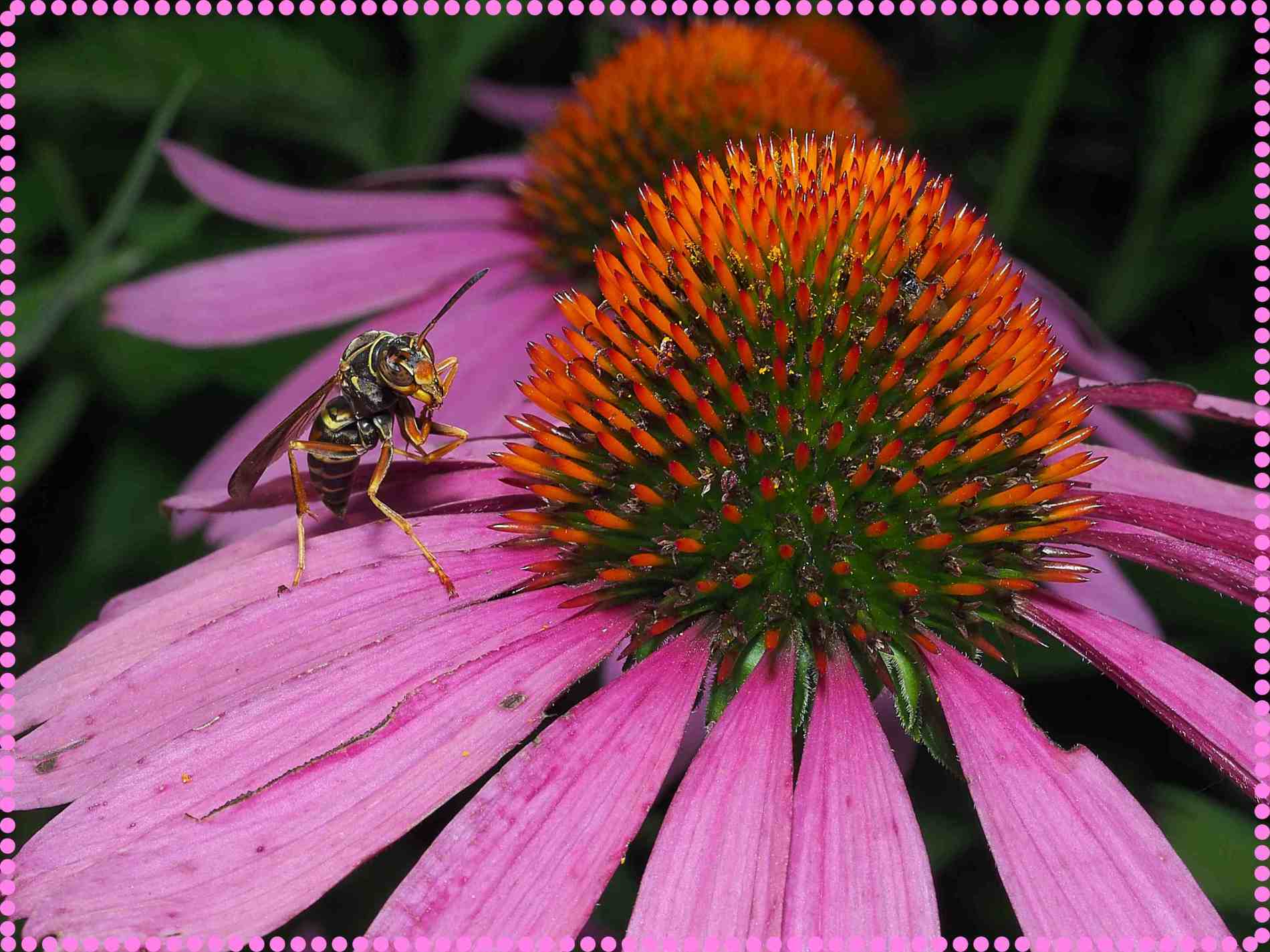
Bumble Bee and Blossoms … Photo by Thomas Peace c.2024
I was replying to someone who commented on one of my posts recently, that control (by a psychological center) is largely an illusion. However, we are such egoists that most of us can’t fathom what existing without control entails. Not long ago, i watched a TED Talk video on how one’s gut bacteria may possibly determine a lot of what constitutes one’s personality and outlook about others. There is a complex nerve network (i.e., the gut-microbiota-brain axis) between the gut and the brain. It’s a two-way street, but 80% of the messages go from the gut to the brain (and not vice versa). More information passes between your brain and your gut than any other body system. In fact, there are more nerve cells in your gut than anywhere else in the body outside of the brain. Gut microbes produce or help produce many of the chemical neurotransmitters that convey messages between your gut and brain. They also produce other chemicals that can affect your brain through your bloodstream. Bacteria produce thousands of bioactive compounds that affect brain function and neurotransmission; these can determine mood and, for instance, whether depression occurs significantly or not. Eating lousy food really turns us into people with psychological problems. Intelligence eats correctly and (hopefully) perceives and thinks correctly.
Eating many whole, prebiotic foods (like beans, wild blueberries, greens, onions, garlic, soy products, nuts, and foods high in fiber) is recommended; avoid eating fragmented, sugar-oriented foods. Probiotic foods like yogurt (with active cultures) are full of good bacteria already. Eat intelligently and (hopefully) perceive and think intelligently.
Fungal (Mushroom) Mycelium, the underground part of mushrooms. These connect to plants and trees and exchange nutrients and information with them. … Photo by Thomas Peace c.2024
One may ask: Is it possible for anyone to achieve enlightenment? Are there any practical methods for attaining this state of mind?
First of all, it’s not an achievement. It’s a visitation into you by that ineffable sacredness/eternal energy. If anyone offers you a method to “attain this state of mind,” run away from them. All of these supposedly exotic methods, techniques, and systems just make the mind more robotic, more lemming-like, more mechanical, and more second-hand. Rather, intelligently investigate without methodology. Without methods, simply be aware of thoughts/thinking, and perceptions, without the conditionings of separation and fragmentation that were poured into you. Allow silence of mind to come about naturally (without trying to make it happen). Be aware that — psychologically — the observer is not separate from the observed.
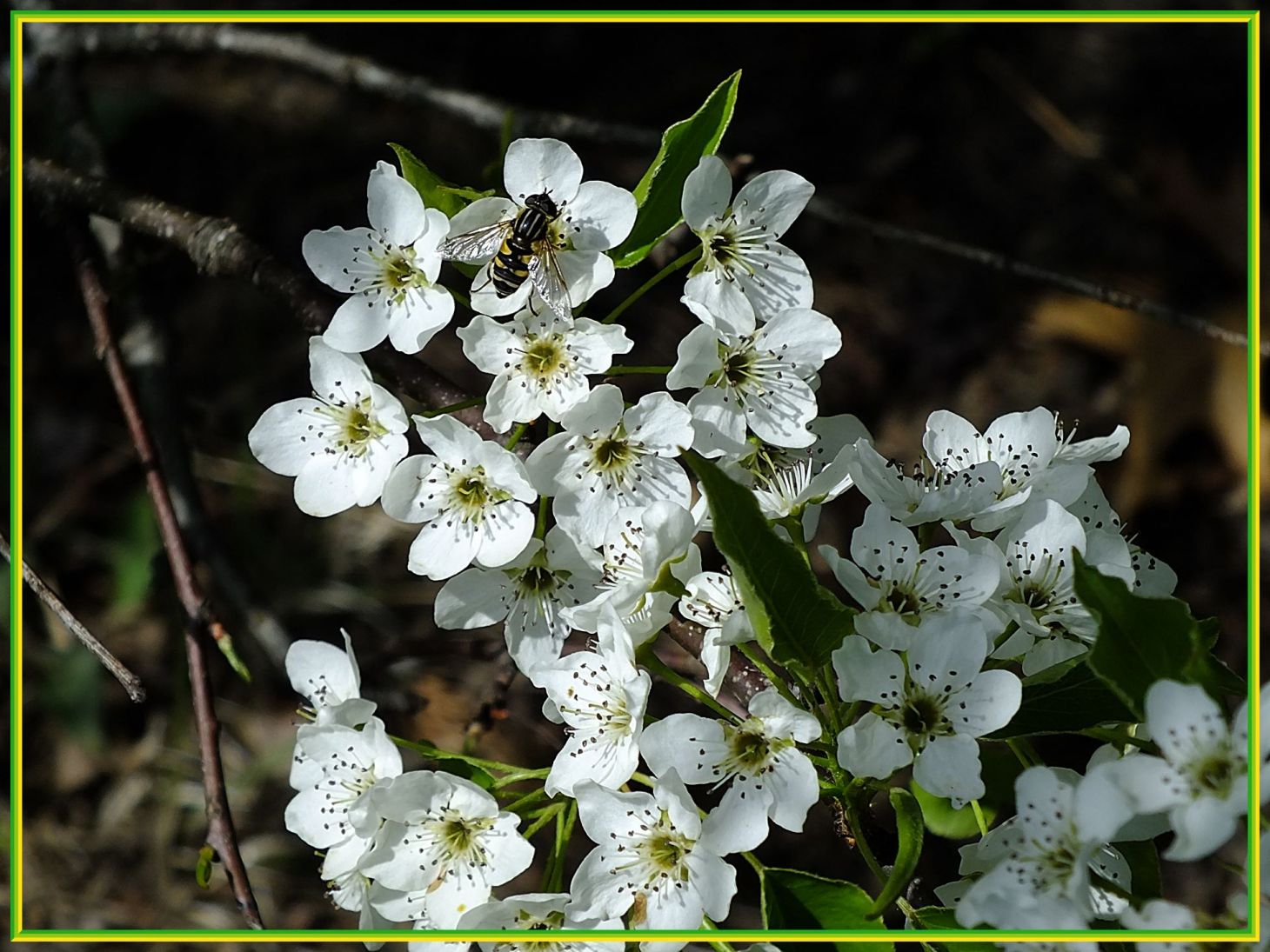
Hover in Blossoming … Photo by Thomas Peace c.2024
Can real, psychological quietness be “made” to happen by a learned psychological image of a central controller (that is neither central nor a true controller)? Is such a “made” quietness actually phony, because it was concocted by a conditioned psychological process that is — in itself — erroneous (and not a legitimate controller)? A fallacious process is not likely to produce a very orderly (profound) psychological result. To psychologically die to what is false is easy if a real, living passion for truth is there, and if real courage, joy, and intelligence are also factors. True quietness may occur — naturally and without effort — in a mind that is orderly, perceiving without much conditioning and contamination by a manipulating society.
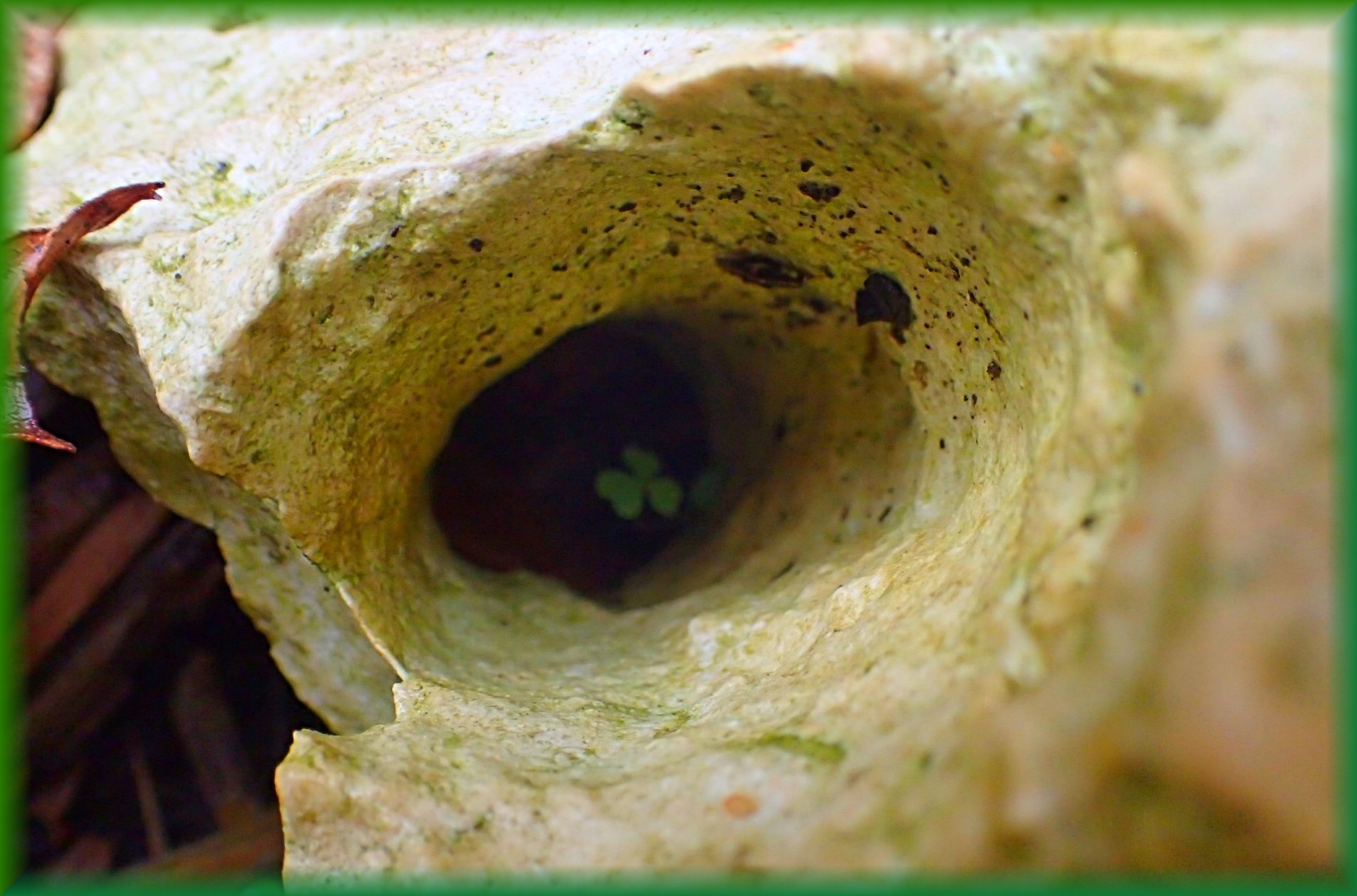
In the eye of the stone… Photo by Thomas Peace c.2024
When we sleep — to help create psychological order — the mind often dreams about things that went on during recent days. Some of these dreams may not seem relevant to what actually went on… but, nevertheless, oftentimes they (indirectly) are. (Analyzing them doesn’t do much good, since the analyzer is the analyzed.) If one is very aware and holistically mindful during the day, then dreams are unnecessary. Then, the mind does not need to try to establish order during the night; order was already established. Without incessant dreaming, the mind can exist in (and “as”) a profound, mindful, meditative silence. Such silence is beautifully beyond repetitive, fabricated patterns and concocted symbols.
Be very holistically aware during waking hours, without constantly looking at things, and labeling things, symbolically (i.e., without merely seeing via words and stored mental images). Then, as was mentioned, you will see that having many dreams is unnecessary. (Of course, eating certain spicy or unusual foods — like pepper or piperine — may inadvertently cause dreams following the time they were consumed.) Please be sure to get enough sleep.
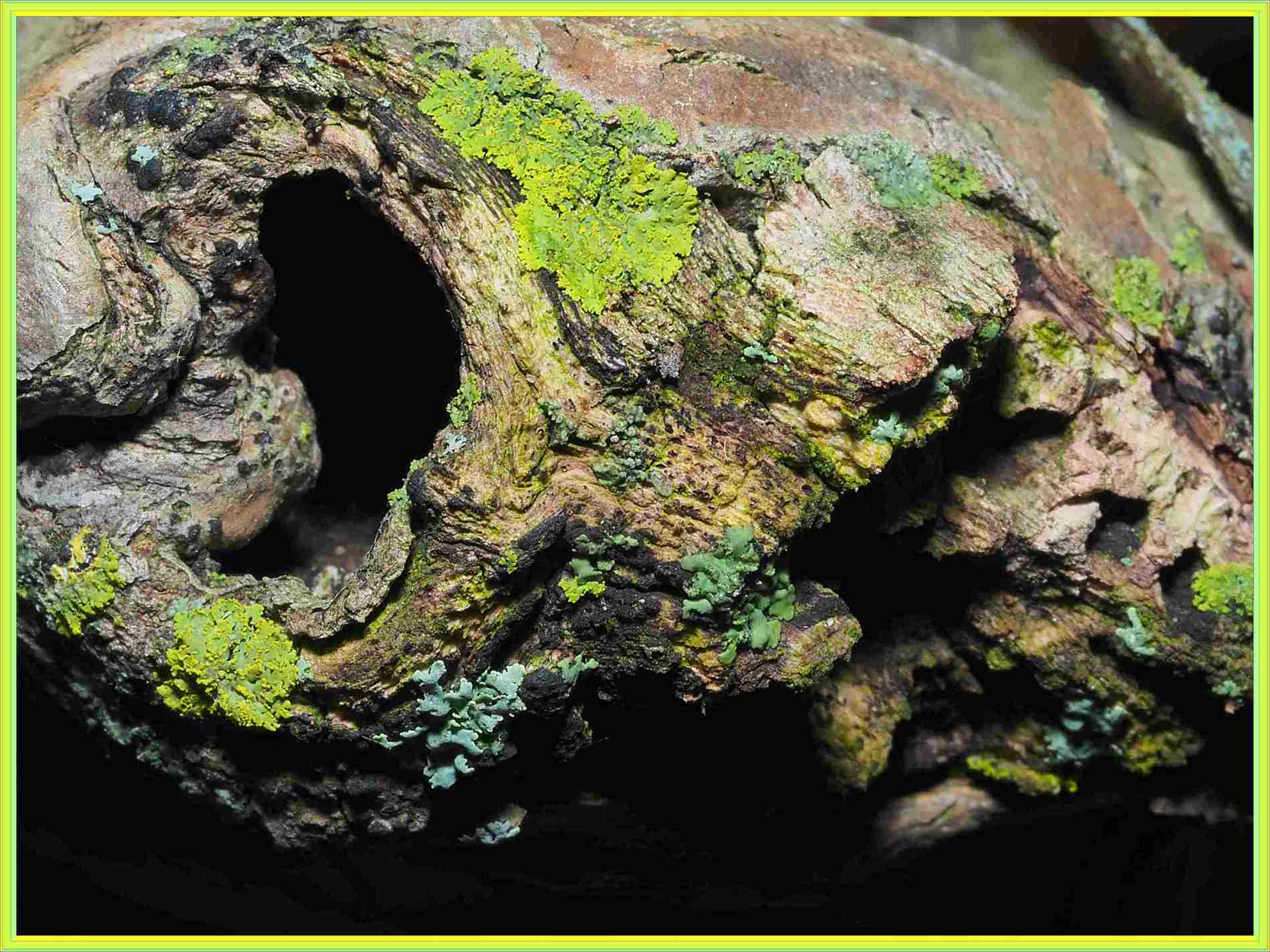
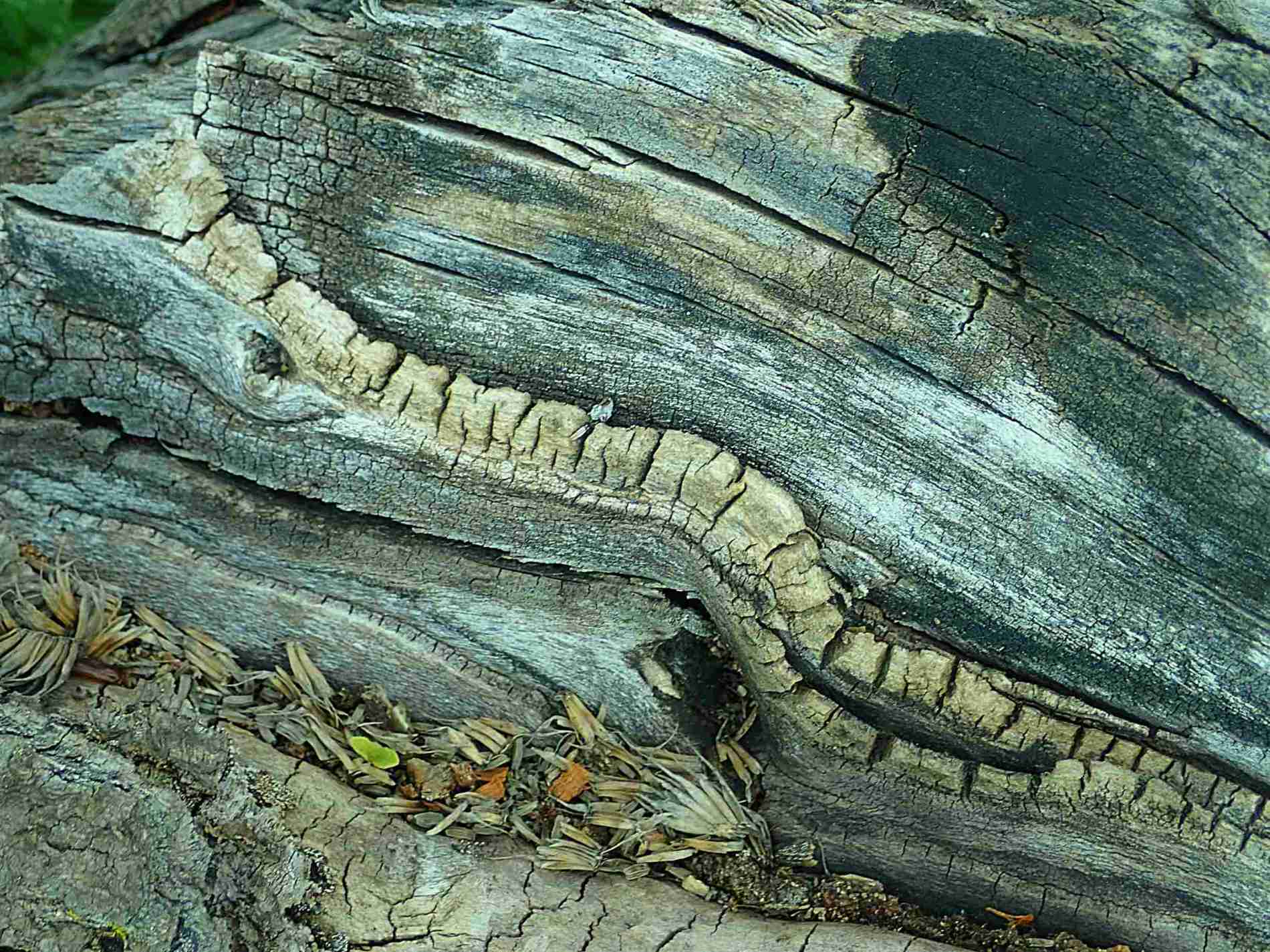
Dentition of a Fallen Log … Photo by Thomas Peace c.2024

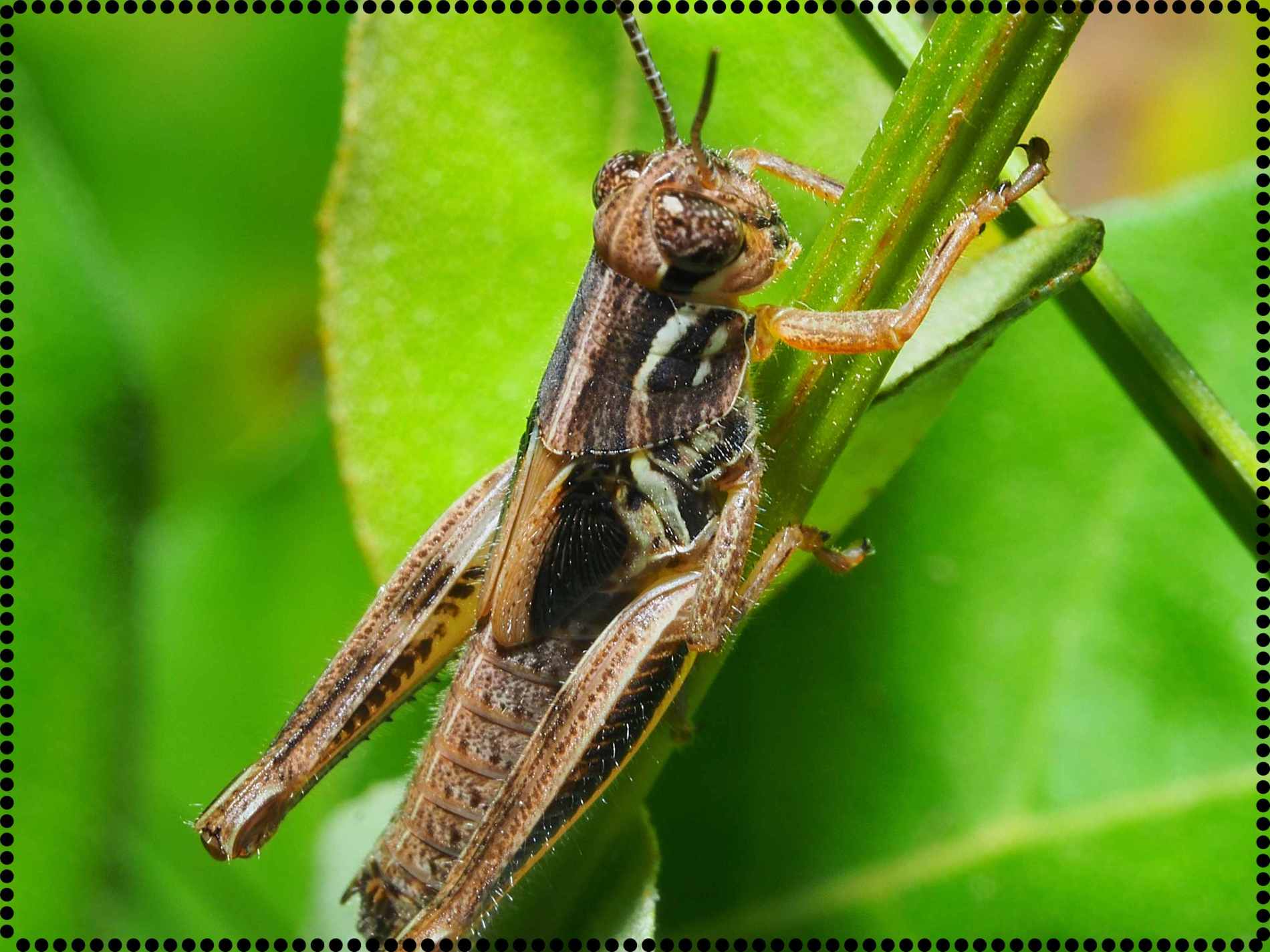

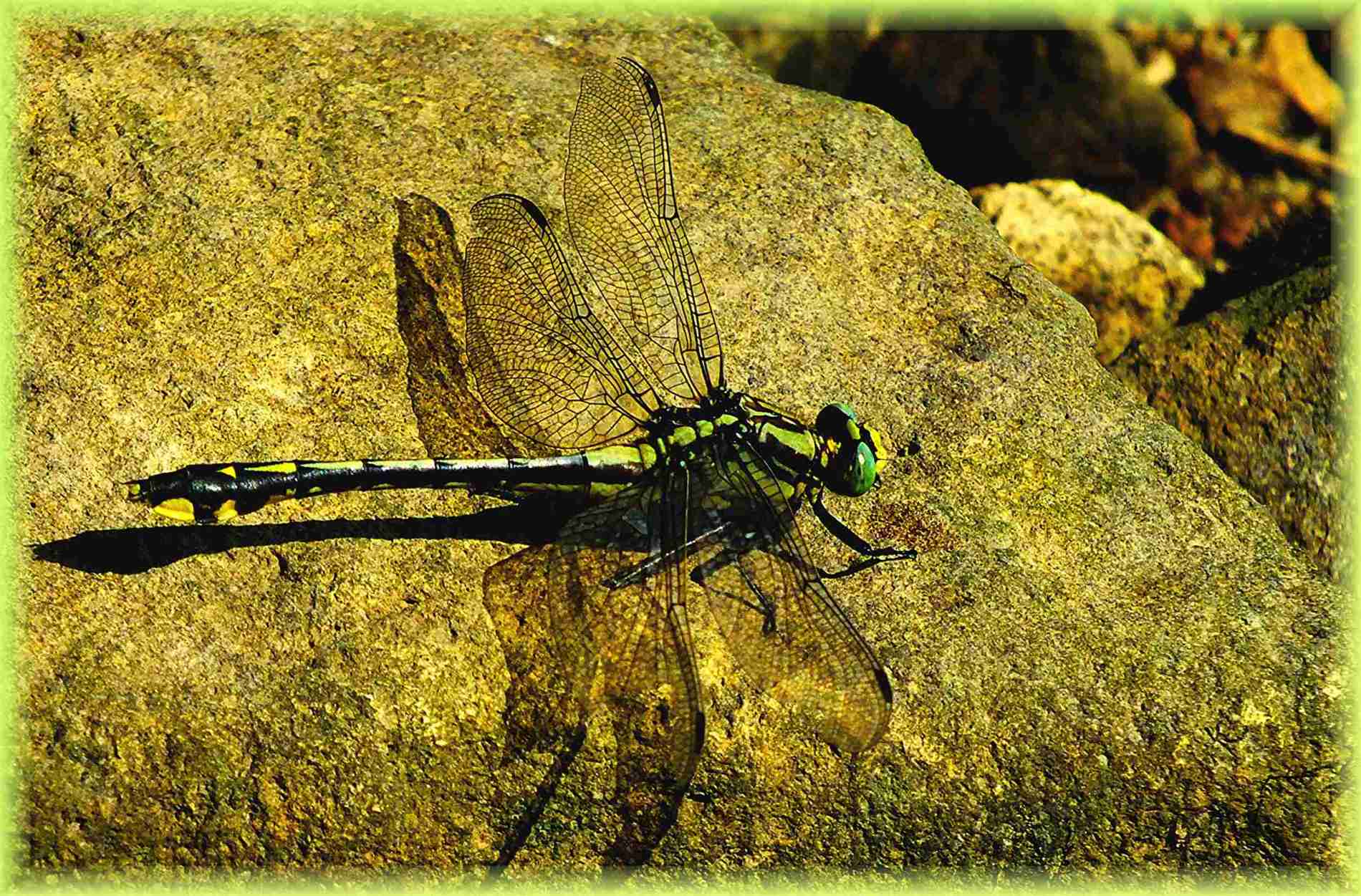
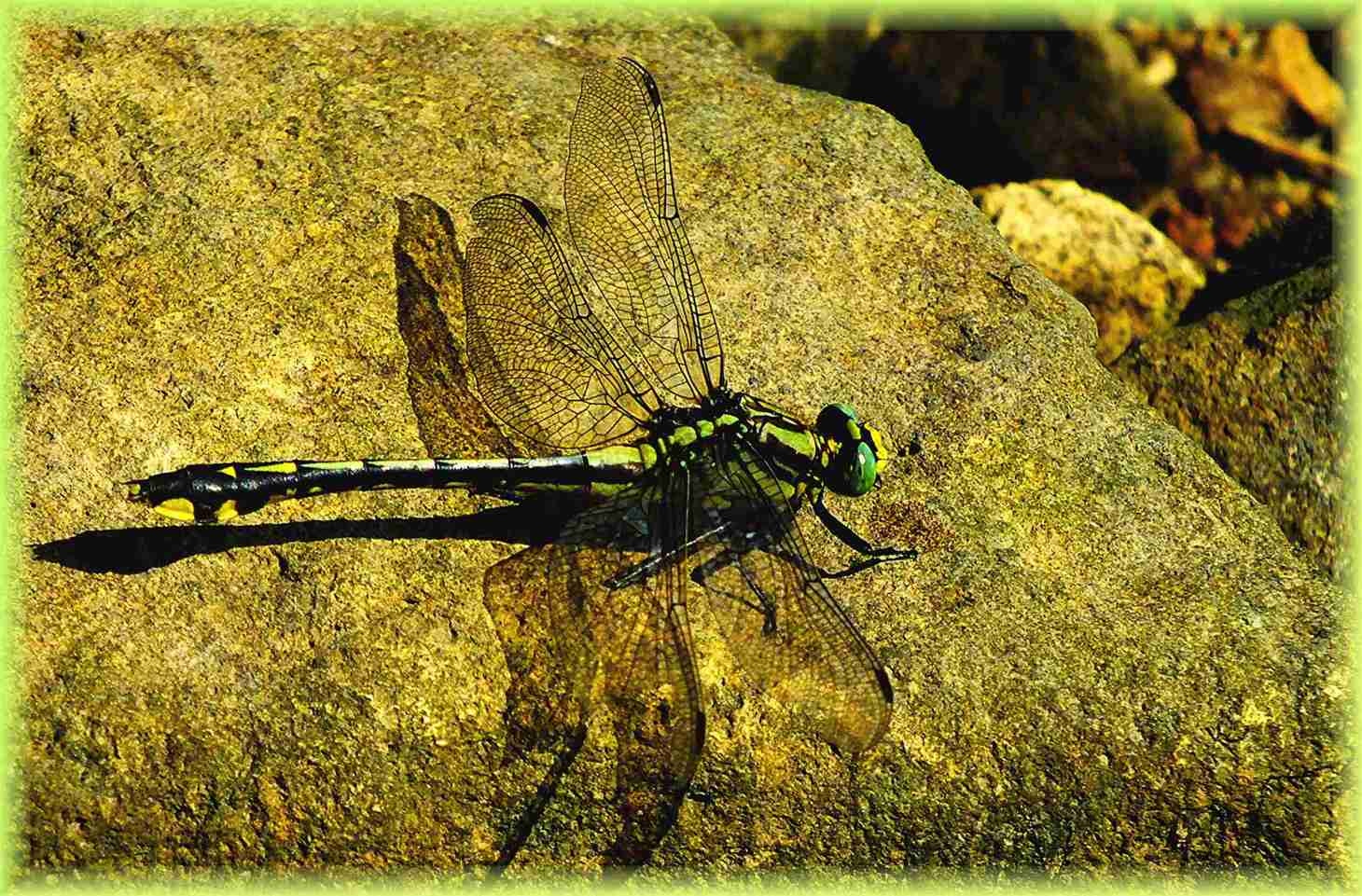
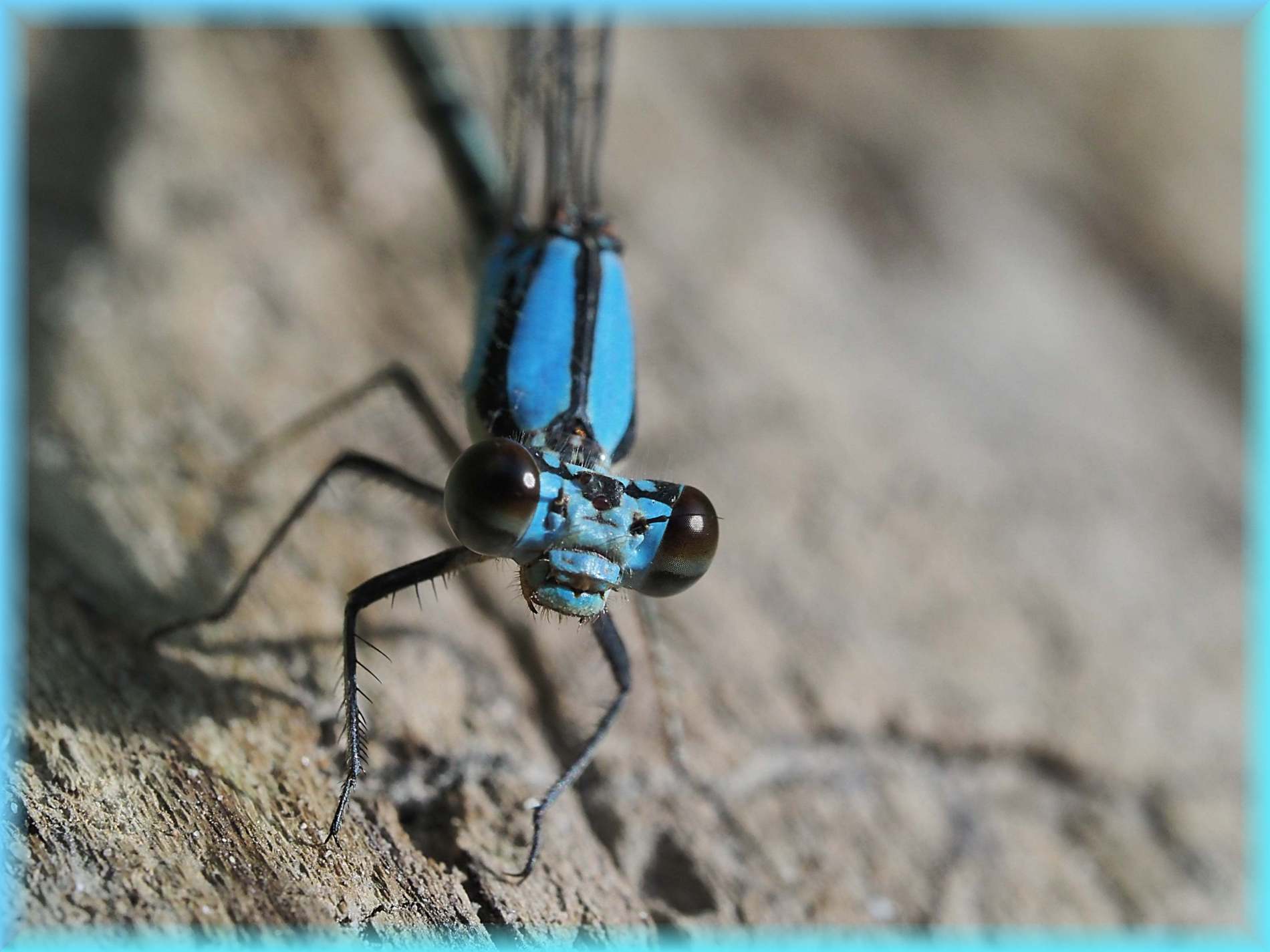






















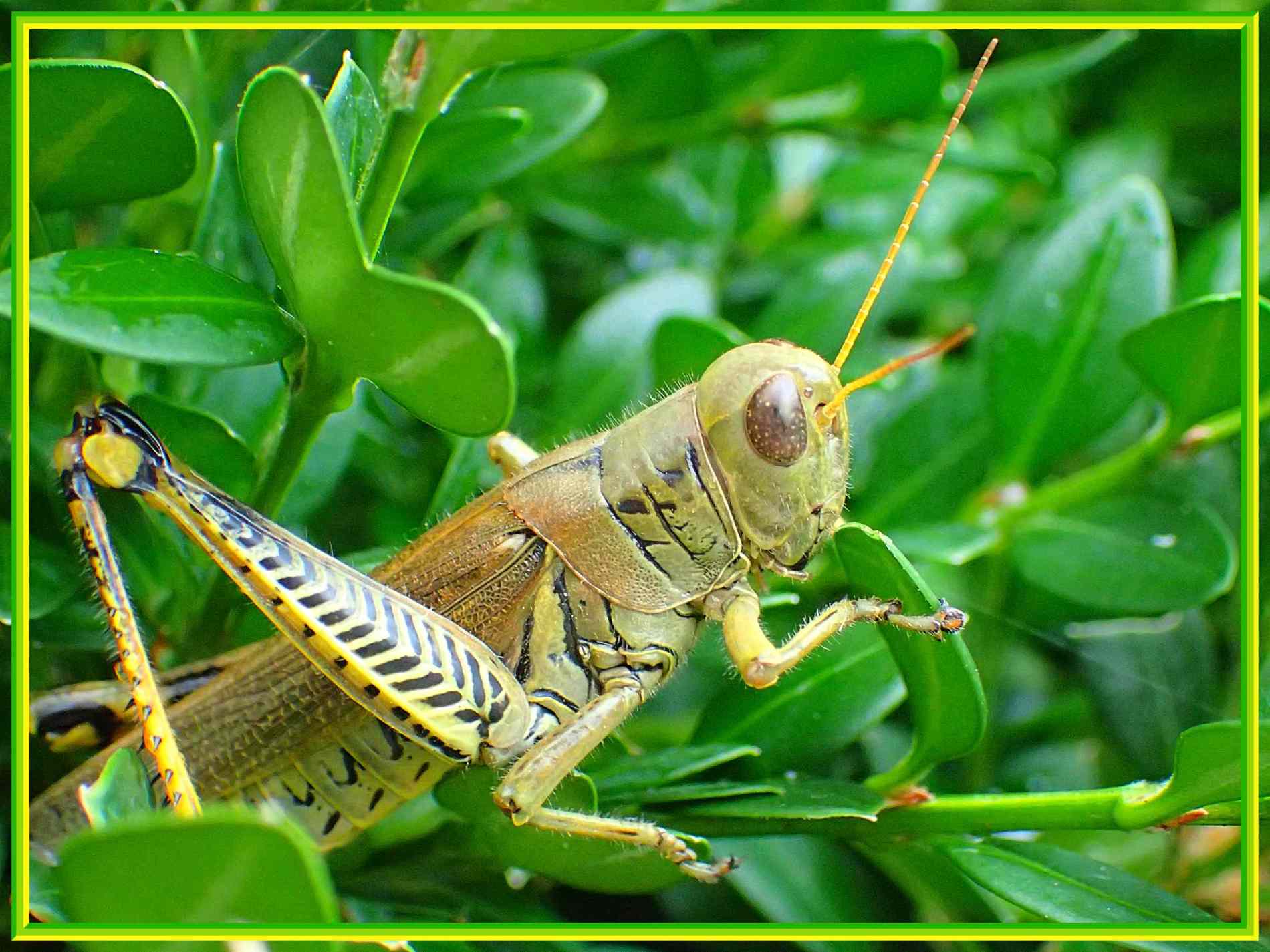
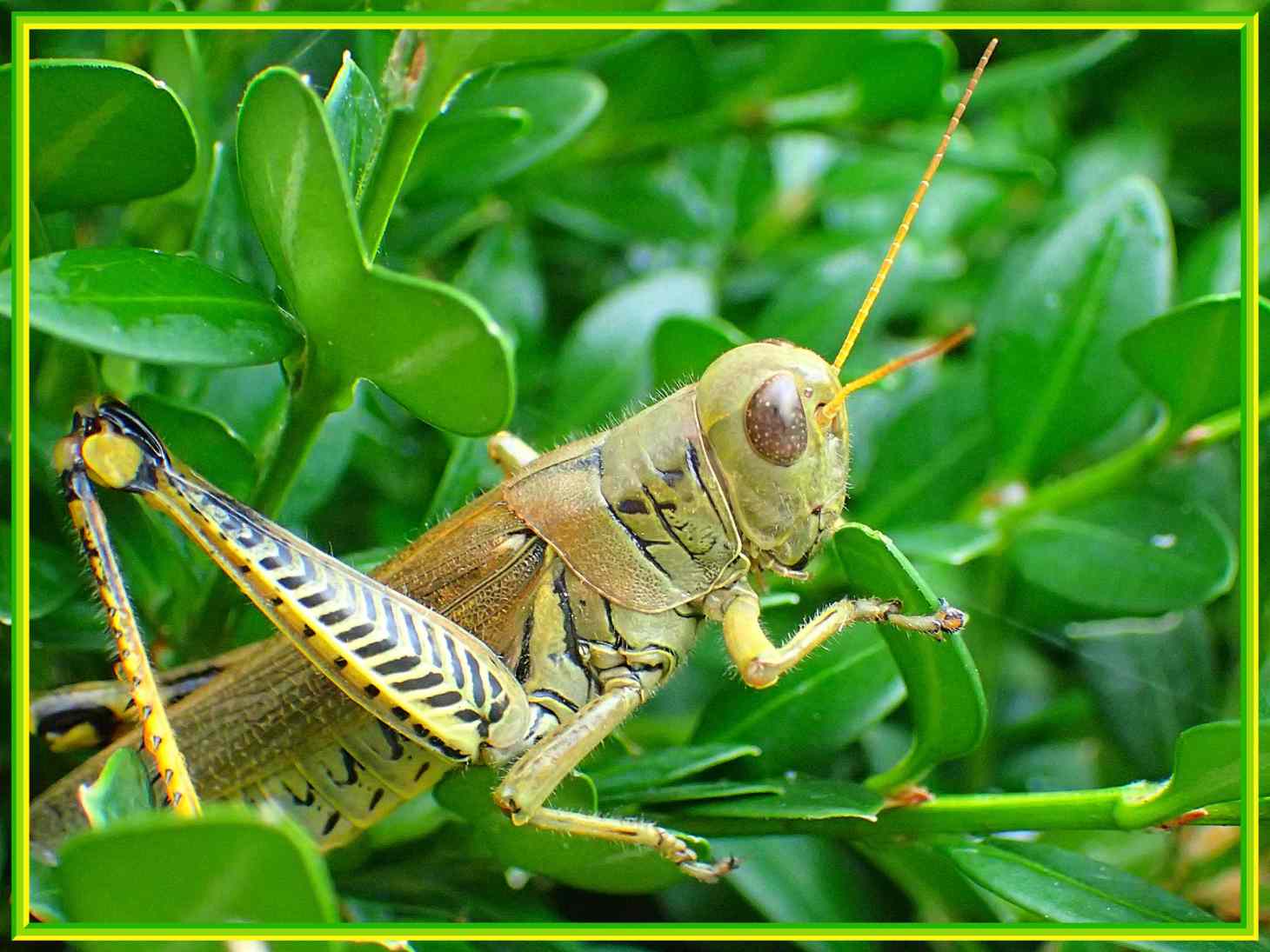


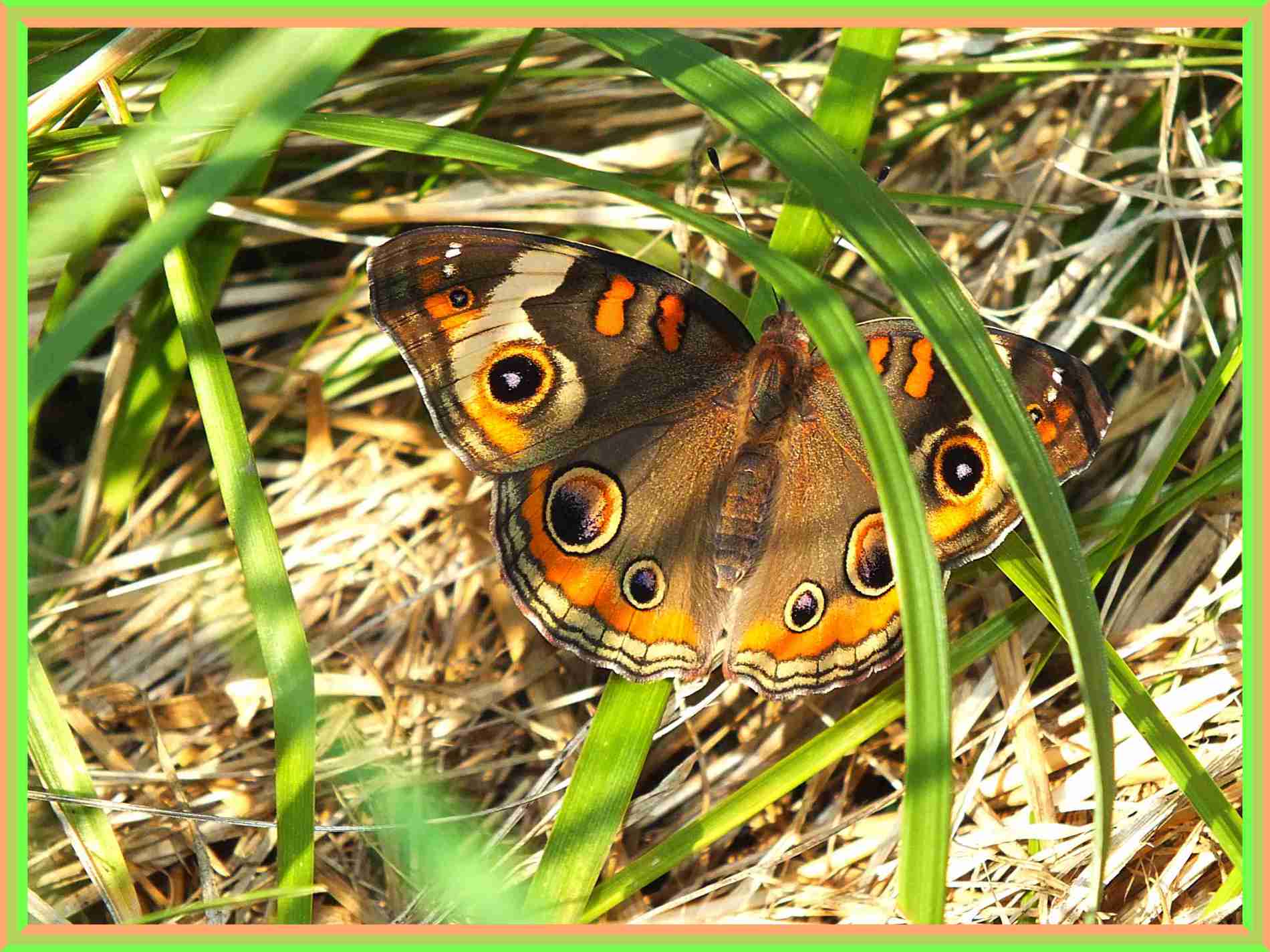






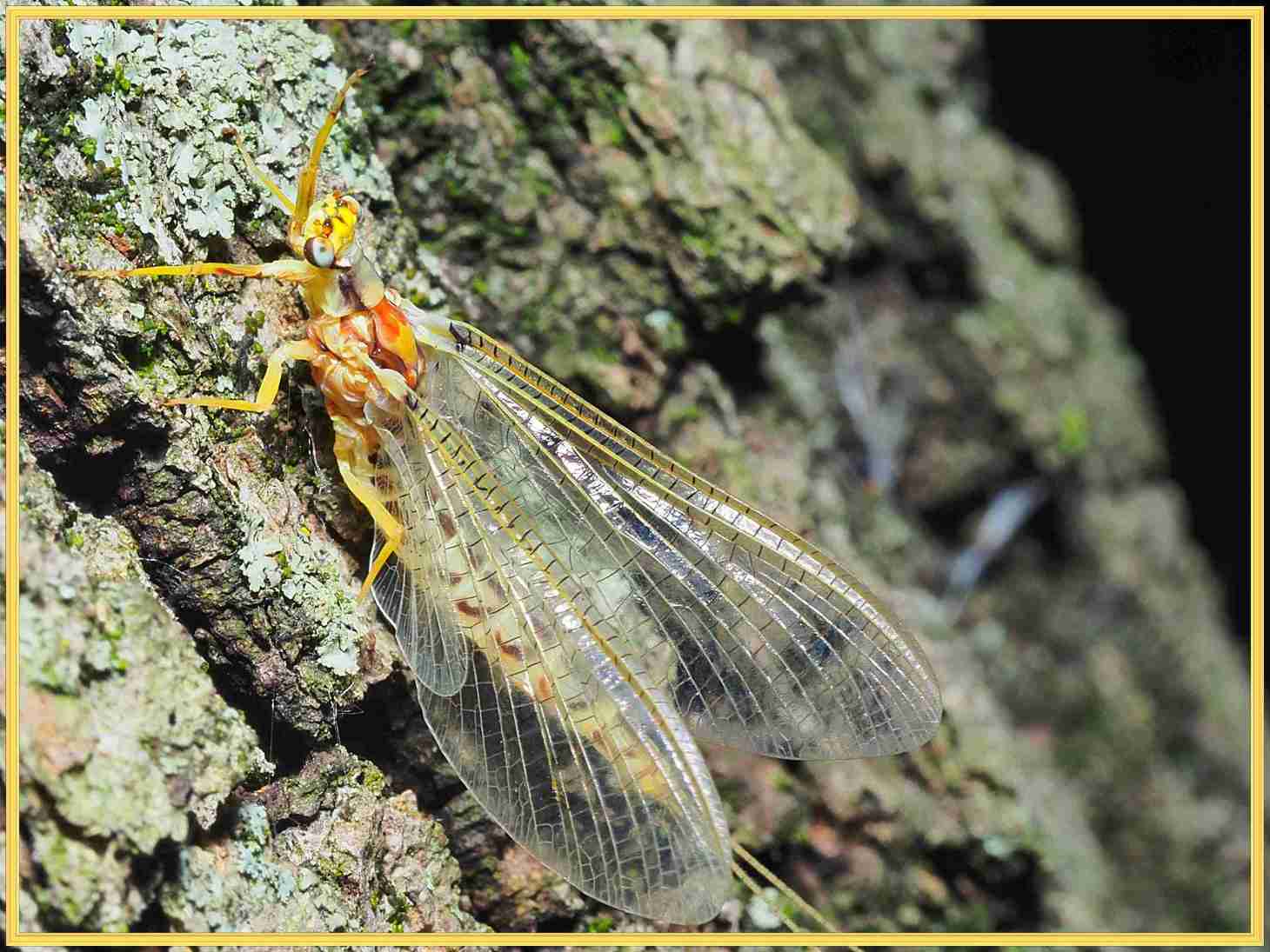



















 Tom's Nature-up-close Photography and Mindfulness Blog