“All the world’s a stage,” wrote William Shakespeare in “As You Like It.” That stage, too, is the mind and the perceptions of (and “as”) the mind. Whatever characters — as the thoughts and mental images of the mind — that make an appearance on that stage are inevitably what was absorbed from imitating others or from copying and taking mental snapshots of the external world. How these snapshots were taken and how they become rearranged, recognized, and recalled in (and “as”) consciousness has always involved learned and inherited processes. Snapshots and thoughts are of a partial, piecemeal, fragmentary nature; they are never the complete essence of that which they try to capture. The usage of supposed volition regarding the manipulation of these thoughts and images is itself sketchy and quite questionable, since — if truly intelligent observation is taking place — the “I” or supposed center that is allegedly manipulating is likely itself another specimen of the learned (sequential) images or thoughts. Mentally, whatever appears upon the stage (of consciousness) is fundamentally old and of the past; this is because it comes from stored memory (which is always of the accumulated past). Most of us are mentally existing as these images and thoughts (brought out and rearranged) from the past. Most of us are living in the past.
That stage — of consciousness — can exist (some of the time, anyway) without the components of the past making their appearance upon it. Then there is no spurious volition; then there are no obtrusions from (and “as”) the past… neither in the form of thought-oriented symbols nor imagined visual (or auditory) snapshots. Technique and practice have nothing to do with this, as techniques and practices are all extensions of the old, dead past. Then the stage is not the same-old stage anymore.
When the stage is truly empty naturally and intelligently, without having willed anything, or thought anything, or practiced anything, then it may be beyond the concocted, the old past, the symbolic, and the partial. When that takes place, the stage is not of mere experience, partial images, learned symbols, and jaded characters. You know, a limited little stage, with superficial dimensions, is what anyone can recognize and fill with the old and ordinary. However, a living, dynamic, whole, uncorrupt, limitless (immeasurable) stage is another thing altogether. Such a stage (in life) is beyond measurement by the antiquated patterns of the hoarded past.
The learned image of self (or “me”) creates an intrinsic radius (from a center) and a circumference around itself… with limited space between what is considered the central “me” and that which is observed. It is this learned image and absorbed space that helps manufacture a stage of limitation. Such a stage, with its concocted (or learned) center and a radius and circumference, is full of absorbed demarcations/boundaries. Compassion can take place when the falsity of that stage is wisely perceived. Such compassion involves eternity; it goes beyond the many limitations. If it is not perceived with (and “as”) wholeness and integrity then there will not be much compassion. There is no wholeness in a limited, false center (thinking that it is the center of the stage); such a center is partial and learned; neither does the limitless (which is not something that can merely be learned) manifest for such a center.

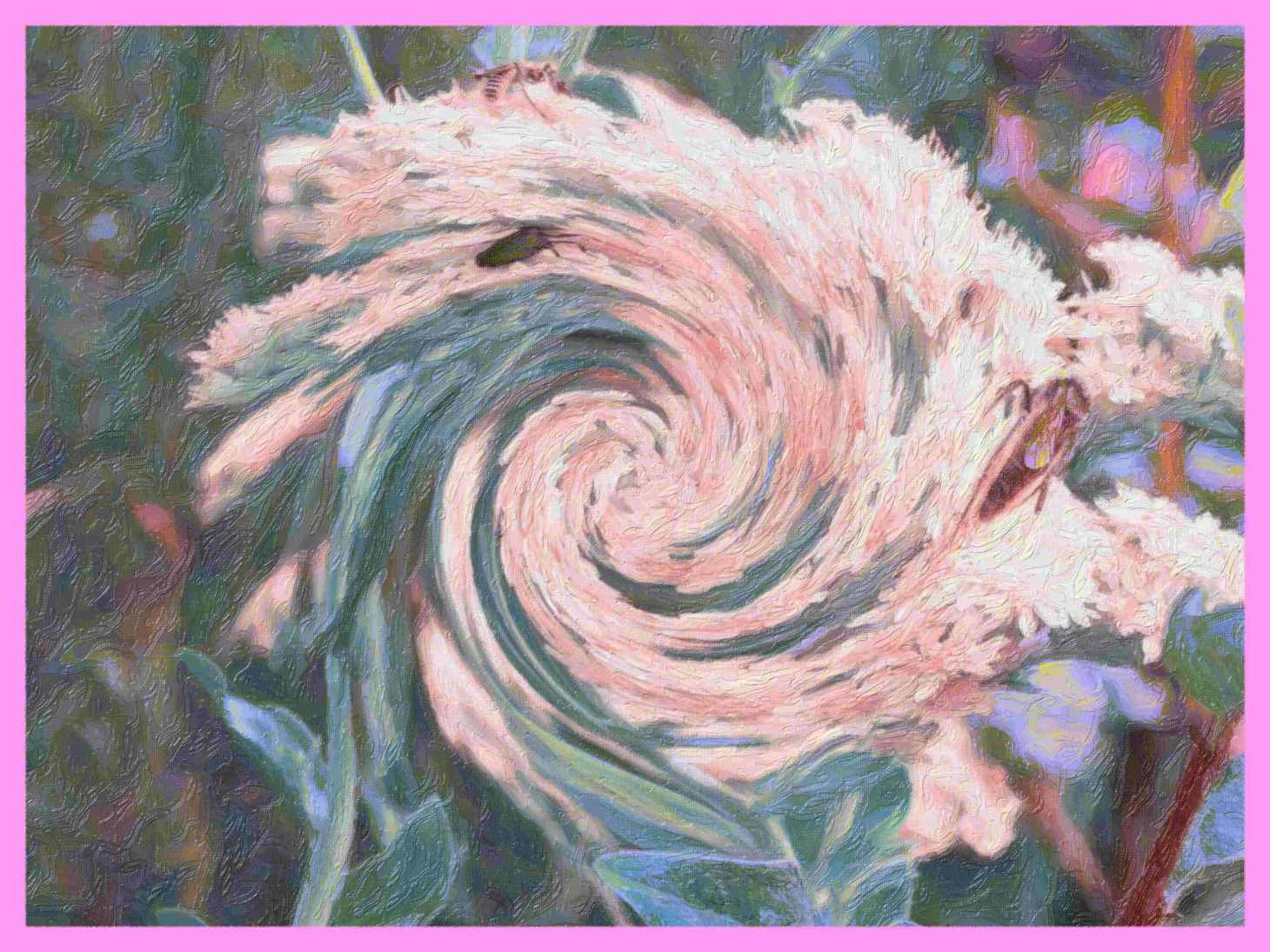
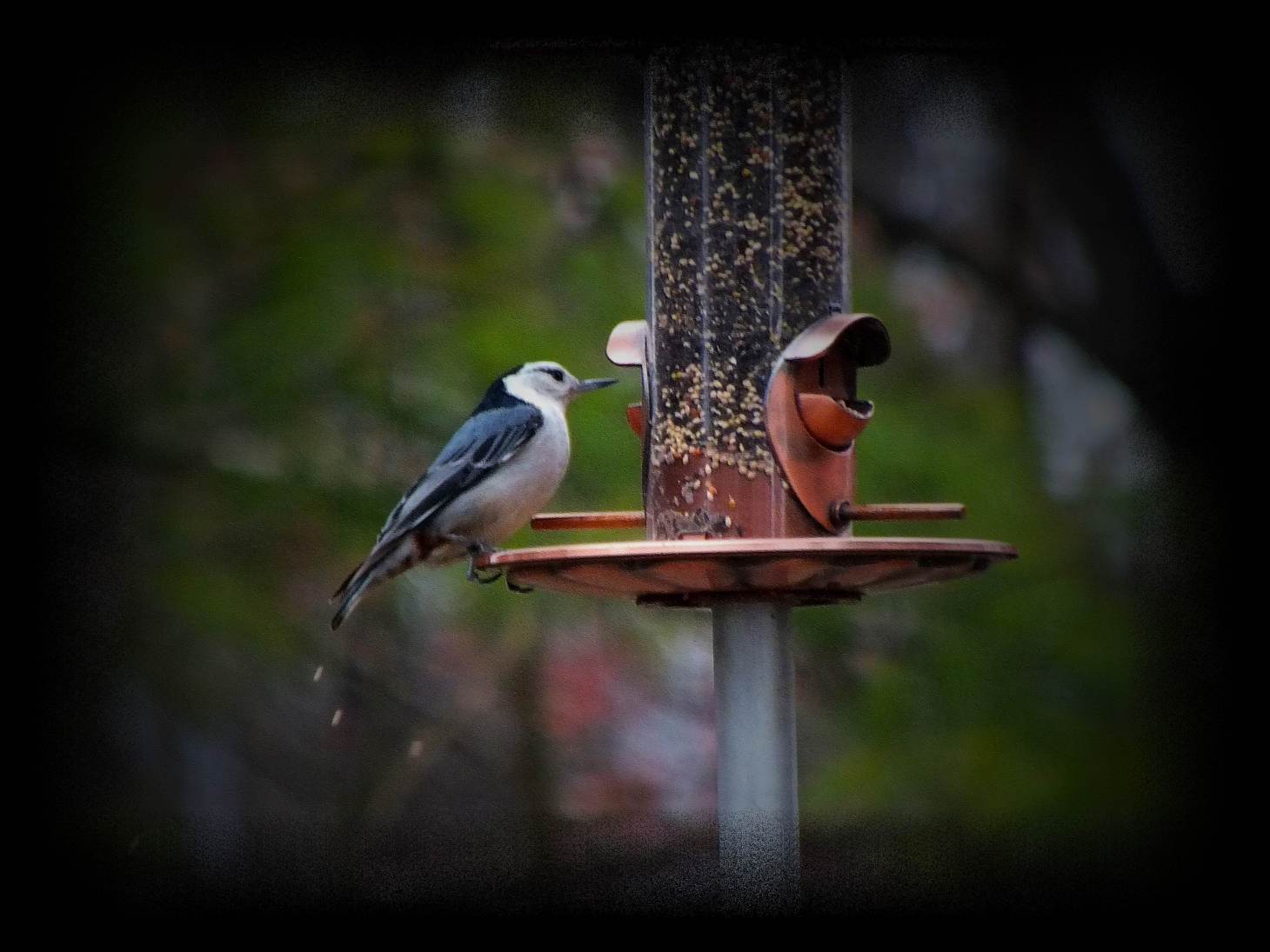
Two Together. Photo by Thomas Peace c. 2016






 Tom's Nature-up-close Photography and Mindfulness Blog