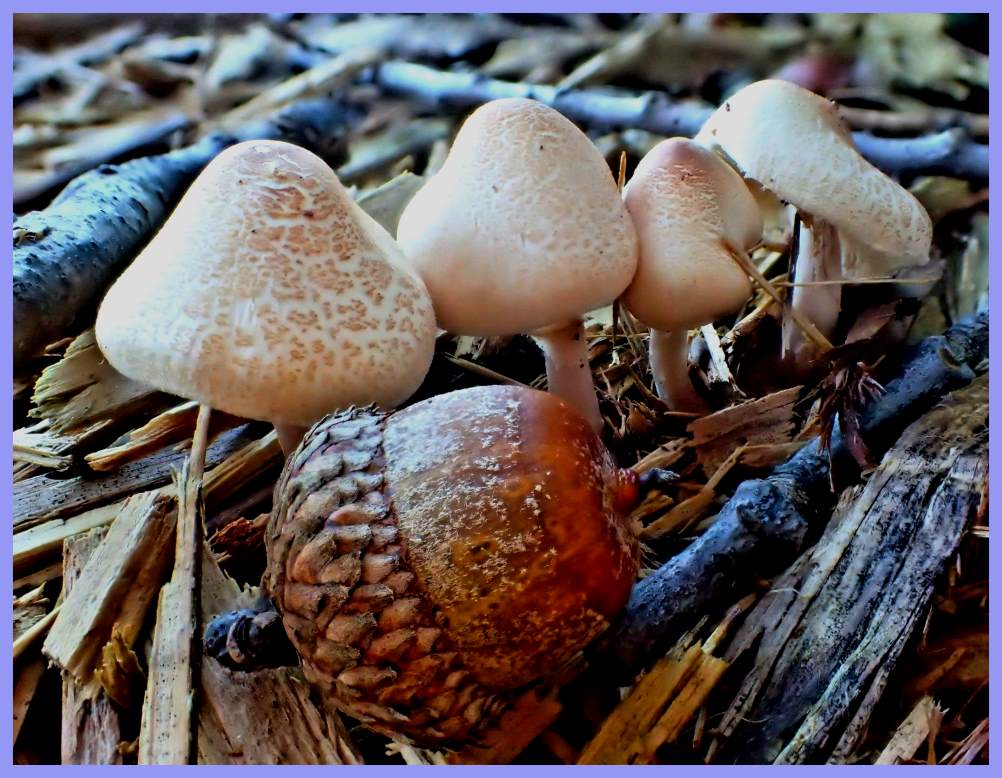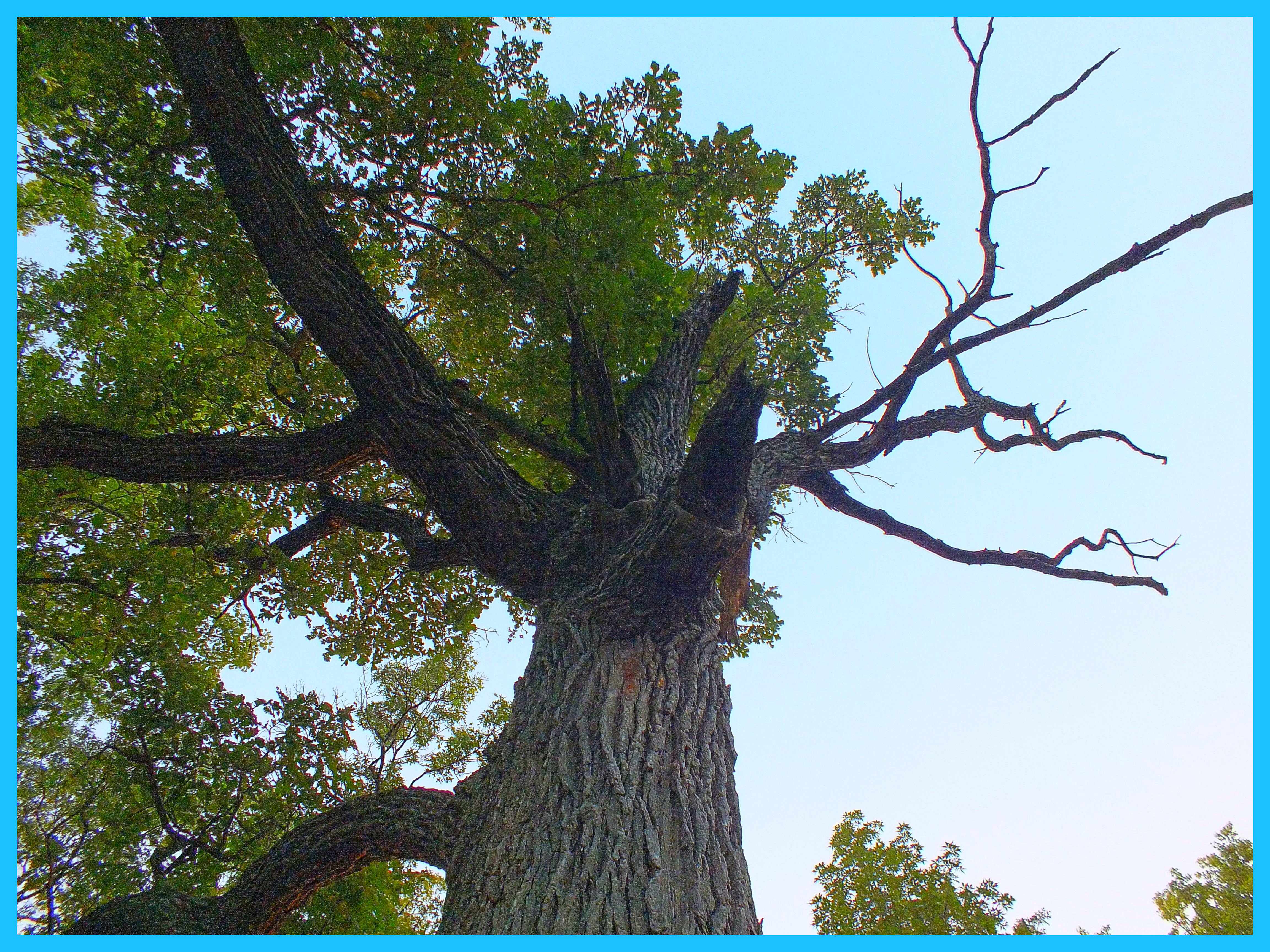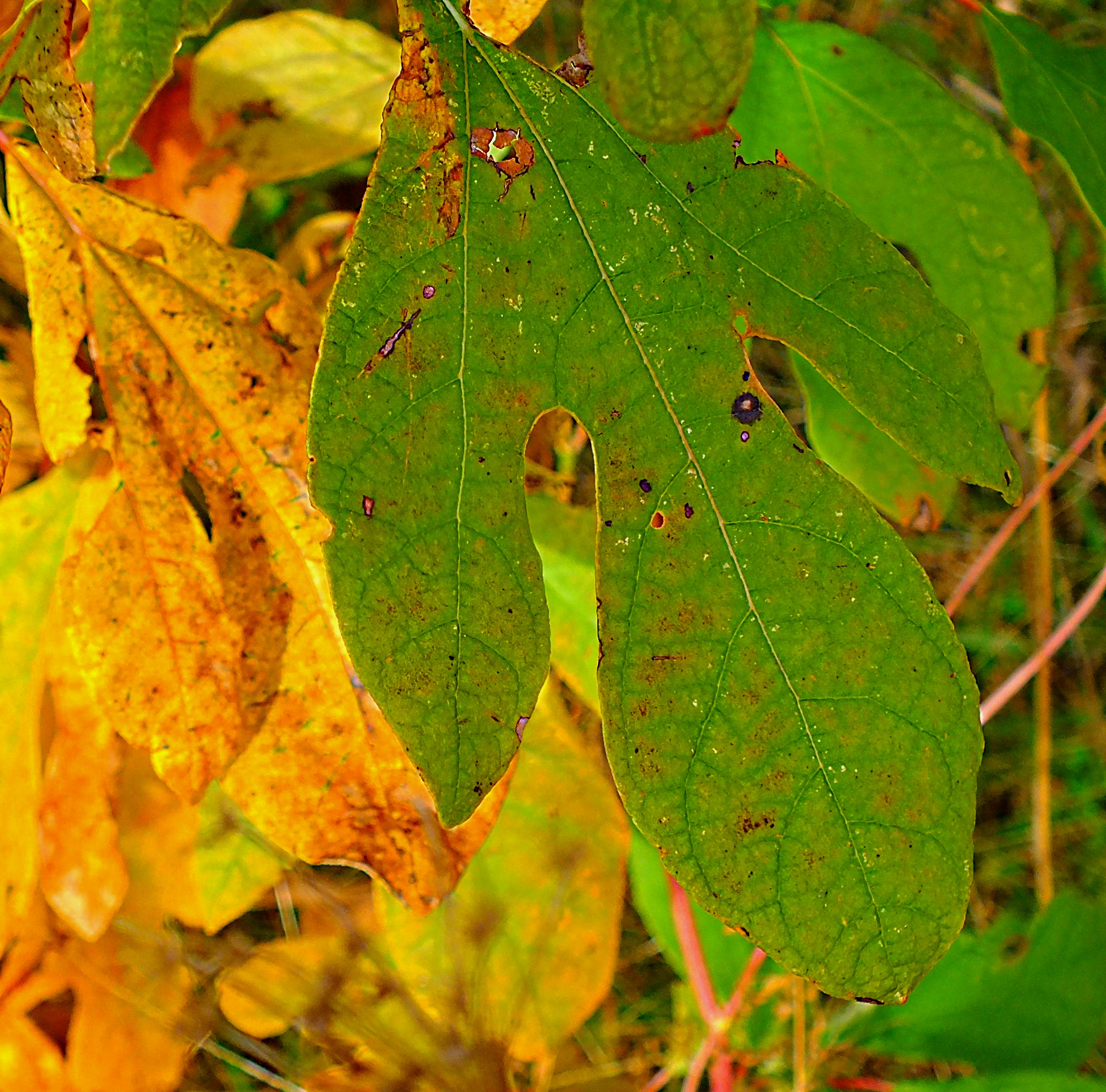
looming flux(therefour)
from symbiotic muck
summoned by Mother Oak
now spurt from mycelium
to merge near and welcome baby
************************************************************************************************
By Dr. Mercola:
The name mycorrhiza literally means fungus-root. These fungi form a symbiotic relationship with the plant, colonizing the roots and sending extremely fine filaments far out into the soil that act as root extensions. Not only do these networks sound the alarm about invaders, but the filaments are more effective in nutrient and water absorption than the plant roots themselves—mycorrhizae increase the nutrient absorption of the plant 100 to 1,000 times.
In one thimbleful of healthy soil, you can find several MILES of fungal filaments, all releasing powerful enzymes that help dissolve tightly bound soil nutrients, such as organic nitrogen, phosphorus, and iron. The networks can be enormous—one was found weaving its way through an entire Canadian forest, with each tree connected to dozens of others over distances of 30 meters.
These fungi have been fundamental to plant growth for 460 million years. Even more interesting, mycorrhizae can even connect plants of different species, perhaps allowing interspecies communication.
More than 90 percent of plant species have these naturally-occurring symbiotic relationships with mycorrhizae, but in order for these CMNs to exist, the soil must be undisturbed. Erosion, tillage, cultivation, compaction, and other human activities destroy these beneficial fungi, and they are slow to colonize once disrupted. Therefore, intensively farmed plants don’t develop mycorrhizae and are typically less healthy, as a result.

Communication (1) Photo by Thomas Peace c. 2017

Communication (2) Photo by Thomas Peace c. 2017