The chaos that is manifest in the world (due to man) is resultant from the disorder that crass conditioning brings. This conditioning results in conflict, fear, greed, group hatred, fragmentation, indifference, and personal animosity. The root cause of conditioning is never merely the existence of basic things as they are; it inevitably develops from beliefs, prejudices, learned (second-hand) perspectives, and absorbed cultural conceptualizations. So it is the learned (absorbed) garbage from others that is the root of the problem.
Please look with fresh, uncontaminated eyes. Please look beyond what society has poured into you. Question wisely, perceive purely, and live beyond psychological adulteration. That may be real spirituality.
The great irony is that the dissolution of the center of consciousness, the ending of the so-called central “controller” of consciousness, is frightening to the vast majority of people; to them, such psychological ending is to be shunned and avoided; yet, only by passionately doing so (i.e., being involved in such psychological ending) is eternity fully manifest in one. Only then is the nature of eternity fully understood and lived. So, this avoiding of psychological ending, via reactions of running away, involving what so many circumnavigate away from by clever ruses — by the very processes of the fear necessarily involved — closes the door to the miraculous beauty and understanding of the everlasting. It’s very ironic.
Fortunately, wisdom and true courage break away the barriers of fear and ignorance, allowing real beauty to flower. Then one lives beyond death.
It’s unfortunate that people of the world aren’t collectively getting together, being appreciative that it’s quite miraculous that we are here at all… having much compassion for each other and for the whole of life.
One sees others through eyes of (learned) distance, and this distance keeps one limited, apart from true communion, and in a fragmentation that is unreal and of ignorance. To perceive with deep intelligence requires depth of insight, true poise, and profound caring.
One can’t understand what death is unless one fully understands living. Living is not merely existing in (and “as”) conceptual symbols and images. We take words for reality and most of us are molded to accept representations as being suitable reality.
In the past, people would build huge castles (out of fear) to help keep themselves safer in times of conflict. Nowadays, separative countries have their own lethal, engineered defensive mechanisms (which contribute to conflict). Psychologically, most people have built complex mental constructs that are similar to the castles of times past. Inwardly, we have all kinds of beliefs — that were accumulated by conformity and imitation — and we desperately hold onto these beliefs — these structures — because we were convinced that they would protect us. And we walk around like humanoid castles… with thick walls dividing ourselves (or oneself) from others. These very walls (i.e., psychological walls) are not safe. They are of fragmentation, and they breed conflict and dangerous isolationism.
Only limited minds exist in (and “as”) psychological castles. Such limited minds — by natural law — are never in communion with the unlimited (i.e., the sacred). A mind of conformity, a mind of imitation, a mind of isolation and fears, can “fit into society” just fine. But such “fitting in” is not life, is not living, is not deep intelligence.
In order for indifference to take place in (and “as”) the human mind, a psychological space must exist. If you are indifferent to the suffering of people or animals — people are a type of animal, by the way — then there must be a limited psychological space in you, separating the perceiver from that which is perceived. A false, learned “center” (as a psychological self) must exist for this limited space to exist.
Innocence exists when limited space is not prevalent. Then compassion flowers and care blossoms. Then there is a perceiving that is not separative and divisive. Innocence transcends war and conflict. Deep intelligence involves great innocence.
Fear depends upon time (for its existence). Without psychological time, fear would not be. Fear necessitates time; you fear, for example, what may happen in the future. That possible “future” is projected time (i.e., concocted time).
Additionally, the space between a psychological center and fear is largely illusory. When fear takes place, one is that fear… not something looking at it from a psychological distance. So when fear occurs, there is really no perceiving center separate from it. Some fears are necessary and beneficial, like when avoiding and circumventing a growling, ferocious animal. However, many fears are nonsensical and silly, such as worrying that some folks might say that one is rather stupid. A mind of order is not fragmentary; it doesn’t separate itself from fear and run from it. It learns regarding it, for — as it occurs — it is what one is.
Mostly existing in (and “as”) ideas from moment to moment may be a form of disorder. Ideas are often necessary, but remaining in (and “as”) the realm of ideas (and constantly thinking) may not be living whatsoever. Ideas are virtual, symbolic representations about things; symbolic representations, per se, are not living… they are secondhand, cold, and figurative. True order is a living, dynamic thing. It is not second-hand and composed of mere mental tokens.
Most of us look with the known; we look through (and “as”) a conceptual, secondhand screen of images, concepts, and symbolic labels. This looking may not be seeing much at all. It may be what is entrapped in a very limited realm. There is a real beauty in looking without all that one has been taught. Such seeing is not adulterated. It is pristine and beyond what is crudely limited and fragmented. Innocence is to look warmly without the cold contamination of conflict and limitation that society eagerly instills in so many.
We are all so entrapped in concepts of time that we have absorbed from our primitive society. Sure, you have to use time to make it to your doctor’s appointment appropriately (i.e., on time). But don’t foolishly let time cause you to, for instance, fear death.
Wisdom dwells in (or “as”) the present, but that present is not of time. Such dwelling is timeless, and it involves attention beyond the clutches of thought/thinking. Thinking, though often necessary, takes time; it is time-oriented; it is time. Sorrow stems from thought/thinking, and a timeless life exists beyond much sorrow. A mind that wisely psychologically dies to the clutches of thought/thinking may exist as a timelessness beyond sorrow. There is an immeasurable, spiritual timelessness that is wiser and deeper than, and untouched by, the limitations of the clock.
For eons — for millions of years — we looked in order to gain or acquire something. We looked primitively, through (and “as”) a screen of separation. For the most part, we did not look simply and holistically, beyond motives and desires. Desires often tend to make one limited; between a “you” and “what you want” exists a limited space (of deficiency). This limited deficiency involves a “perceiver” of limitation, and a limitation involving a space between what is and what is wanted.
Simple looking (without technique) may break free of the aforementioned limitation. Such “looking” need not involve separation, such as between the “perceiver” and the perceived. Observing without a motive and without separation may be a pristine awareness that transcends mere mechanical effort and striving. An isolated, limited ego cannot do it, unfortunately. Most people don’t care about this.
When one reads the news or watches the news on television, one sees how terribly disorderly the human world is. This disorder is a reflection of each one’s inner disorder. Most people are not deeply orderly in the psychological sense. We are fragmented inwardly, and this inner fragmentation reflects as humanity’s outer separative governments, religions, and politics. This inner fragmentation, for instance, often consists of an image of a “controller” thinking that he (or she) is something separate from the controlled. It is taken for granted that one (image) of a controller is in charge and is making decisions (as a separate center). We tend to see and react from (and “as”) separation and conflict, and this separation and conflict reflect as disorderly reactions in society. Great order and great spirituality are not two separate things.
The last time that i wrote a more lengthy post, one wrote about how thoughts are primarily reactions. And living mostly as reactions makes a person robotic and mechanical. Existing as endless reactions keeps one stuck in limited time, for time consists of a series of reactions (all immersed in sequential causality).
Certain people will — philosophically or supposedly spiritually — say that you should exist in the “now.” However, if that “now” is just a continuation from a remembered “then”, then it really isn’t hitting the mark; it is then probably just another limitation. The real “now” is not merely a point in recognized time, but a timeless dimension in which the conditioning of the past does not interfere. It’s not what can be obtained by practice, desire, or clever reactions. It is not what can be obtained by the thought of a “perceiver” that thinks it is separate from the perceived.
What is the relationship between thought and action? Actually, fundamentally, there may be none. In other words, thought may not have any relationship with true action. It may be that each and every thought is a reaction and, being in (and “of”) the realm of reaction, thought cannot create what is beyond reaction. It may be like asking a shadow to create light. Only the absence of the shadow may, perhaps, allow light to be. The shadow cannot create (or “make”) the light.
However, when thought/thinking is absent (and not endlessly functioning, such as with a truly meditative mind), then insight may occur, which involves deep understanding and real compassion. Thought/thinking, being of endless reaction in most people, is very mechanical and robotic. This explains a lot of the conflict, wars, miseducation, and insanity that go on in the world, caused by humans. Most people have been educated (i.e., programmed) to exist primarily as thought/thinking (i.e., as reactions).
Desire is limited space, isn’t it? There is a gap, a separation, between what actually exists and what you want. That gap is part of desire. And desire is what you actually are (as it occurs). Don’t create another mindless gap that separates you from the desire. The desire is you, not something magically separate from what you are. So, please don’t crudely say that you (as some separative center) “have a desire.” There is no legitimate center apart from what takes place.
The intelligent mind, without the illusory trappings of a false center, then has (and is) the energy to transcend limited space, such as unnecessary desire. Such energy may be deep and profound. But do not merely desire it. And some desires may be necessary… like the desire for food when hunger exists. Of course, we humans tend to have innumerable desires concerning things that are not necessary, and all kinds of chaos and problems emerge from such unnecessities. Society has conditioned us (and continues to condition us) to be riddled with (and “as”) innumerable desires (many of which are silly and unnecessary). Ah, those commercials!
We can be orderly, whole, sagacious, and deeply intelligent. Or we can be riddled with limited pockets of unnecessary greed and selfishness. We can be healthy or infected.
Humans are constantly battling themselves in war after war, year after year. It is so barbaric and primitive. It is just like the left hand trying to hurt and harm the right hand, not realizing that the right hand is itself too. We perceive in conditioned ways that involve separation, limited space, and conflict. We were educated to perceive in such ways via having competition, fragmentation, and crude views of separation instilled within (and “as”) us. We do not perceive — not enough of us anyway — with deep intelligence, wholeness, compassion, and wisdom. And is the observer — as we were crudely taught and conditioned to accept — really so divided from and separate from the observed?
Causation is the action of causing something. However, it is usually not a pure action, but rather is a reaction. Human beings, with their egos, tend to see themselves as the source of power that makes and causes things. We do not (nearly as much) see how past incidents shaped us to react in the ways we react. Causality is the relationship between causes and effects. Most of us have limited views of the effects that our reactions have.
Causation is time and the continuity of time. Our reactions, involving causation, come from innumerable effects, many of which we are unaware of. Causation can stem from desire, motive, fear, conditioning, and a lot of other things. Causation usually involves reacting to (and from) things and events. Can one look and perceive more holistically, without merely reacting in the same old ways? It may be prudent to often just observe without past influences and past conditioning altering (via time) what takes place. To stop and see the whole may often be better than just robotically reacting according to instilled conditioning. We were educated to react (like robots)… not to stop and be something deeper than mere reaction. Society, with its monetary mesmerization and desire to control and mold you, wants you to continue reacting (to their, for instance, commercials, political urgings, desires for power, and suggestions that the enemy is “over there.”)
We all do innumerable things due to motives. We all do things for reasons, to get something out of it. Our calculating minds were programmed to react primarily with self-centered motives in mind.
What place has true meditation (and mindfulness) in all this? I have been, in the distant past, to so-called “meditation gatherings,” where i have observed people sitting cross-legged, smugly acting like they are achieving something immensely profound. But is that really meditation? It may be that true meditation is not what a person can arrange to happen. True meditation might not merely be just another effect brought about by a scheming cause. You can work out (via motives) how to acquire money, knick-knacks, drugs, and self-satisfaction from asking favors from a learned (imagined) deity, but can you similarly plan or plot how to truly meditate or partake in real, spontaneous insight? It might be that true meditation and insight may occur when one is not plotting how to meditate and not plotting to have insight. It might be that a mind that is not wrapped up in “plotting” may be touched by what cannot be reached by groping in (and “as”) time. And far too often, a person tends to do something for himself (or herself) and not for others. It all can be very robotic and infantile while one lives foolishly. The self can think that the “special spotlight” is on it, with its beliefs and spiritual conclusions. Beliefs and conclusions are what someone is (which often results from programmed motives).
There is often a space between the self and “others,” and there is often a space between what actually exists and what one wants for oneself. Such space is extremely limited. It is of mechanical, animalistic foolishness. But most of us take that bait and run with it. Limitation is its own prison… a prison that is self-concocted.
[Note on my recovery: I was in the hospital, with pancreatitis, for 17 days. Hence, my absence from posting. I had two surgeries. During the first week in the hospital, the pain was so excruciating that i could not sleep for a full week. I am mostly pain-free now and am doing much better. As i am still in recovery, i am not sure if i will post each and every week, but i might.]
We, as humans, are spellbound and obsessed with patterns. We, via thought/thinking, constantly go from one series of patterns to the next, mostly all day long. Even at night, we dream sequentially in (and “as”) patterns. These patterns are sequential and symbolic. Really, they are virtual re-cogitations that are projections from the brain. We even recognize things via patterns… looking through (and “as”) a screen of fragmentations.
We can often go beyond this limited framework by perceiving and existing holistically. Please do not be fooled by organizations or individuals that give you methods and practices for going beyond the fragmented patterns. Such methods and practices, in themselves, take time (are sequential), and do not truly lead to what is beyond the limitation; they are an extension of the limitation. Time does not generally lead to the timeless. However, one can go beyond the quagmire without taking time (and without robotically practicing things to do it). Holistic perception involves seeing beyond separation; it is of compassion and deep awareness.
To exist beyond conditioning… what does that mean? We are all so easily influenced. Most of us have been shaped — since childhood — to think and react in certain ways. We don’t want to admit it, but most of us have been manufactured and molded to be what we are.
The intelligent mind goes beyond the standard patterns and acceptances; it wisely questions things. To look beyond the norm requires freedom. A mind tethered to “run-of-the-mill conclusions” is incapable of real freedom. And “doing whatever one wants” may not be real freedom. True freedom is a reflection of intelligence… and intelligence involves deep compassion and responsibility. It is selfishness that is caught up in a rut (and not free). The intelligence of action often exists beyond mere reaction. Reaction is conditioned. Action is holistic insight beyond the claws of mediocrity.
Science will never find out about the most important things. Science, as it currently is now, is largely based on measurement and calculation… and it depends upon thought/thinking (which is fragmentation). This measurement and fragmentation is incapable of understanding the whole (and is incapable of significantly being in communion with the sacred).
Science, being based upon thought/thinking and calculations, is always limited. What is limited cannot understand the unlimited. What is merely robotic cannot understand real living, no matter how hard it tries. What is fragmentary cannot completely understand the whole. However, a truly wise man (or woman) can understand what science (in its infinite unwisdom) cannot. That understanding involves real miracles (that the science-loving, cadaverous word-swallowers are indubitably incapable of — unfortunately — discovering). Science can make things that make us feel more comfortable. Science has its place, but science can also make things to blow our fellow men to smithereens (and this includes blowing us to smithereens as well). However, science cannot — and never will — understand the whole. Understanding the whole is bliss. Why? Well, because, for one thing, it transcends the unliving quagmire that the unlovingunalive are unfortunately cadaverously buried in.
Some animals — and we silly human beings often see ourselves as separate from animals — have a very profound and deep understanding of the unity and connection of all living things. Some of these “animals,” unfortunately (or fortunately) — in this regard — put many of my neighbors to shame. Deep and profound understanding involves perceiving the unity and wholeness that exists beyond separation. The Buddha, Christ, Walt Whitman, Lao Tzu, and certain others passionately spoke of it, but most of us just didn’t deeply get it. The following video-short, of KoKo the gorilla using American Sign Language shortly before her passing, is worth watching. Please watch it.
The fingers of a hand need not fight each other. Space and distance need not separate. Fingers can be together without space, and fingers can be spread out with some apparent space; but that space is not really what divides them from each other. They actually are each other.
Similarly, all of us life forms are part of the same organism or being. The distance need not separate. However, too many of us look with separation and fragmentation. Too many of us perceive in the way we were programmed to perceive. Compassion exists when false separation and false division are absent. Then real, supreme intelligence may occur.
[Here are some excerpts from a Sesame Street Song that was playing in the parrots’ room (on their tv). I heard it there while feeding the many tropical fish. (My new wife puts up with a lot… critter-wise.) View it (i.e., the video song) in my complete posting. Should i admit that i love Sesame Street? … Grover rocks! And remember, that separation between you and others — between you and all living things — you learned that from a crass and delusive society. Whether you like it or not, you are everybody else.]
My hair is black and red My hair is yellow My eyes are brown and green and blue My name is Jack and Fred My name’s Amanda Sue I’m called Kareem Abdu My name is you.
I live in Southern France I’m from a Texas ranch I come from Mecca and Peru I live across the street In the mountains, on the beach I come from everywhere And my name is you.
We all sing with the same voice The same song The same voice We all sing with the same voice And we sing in harmony.
I like to run and climb I like to sit and read I like to watch my TV too, And when it’s time for bed, I like my stories read, “Sweet dreams” and “love you” said My name is you.
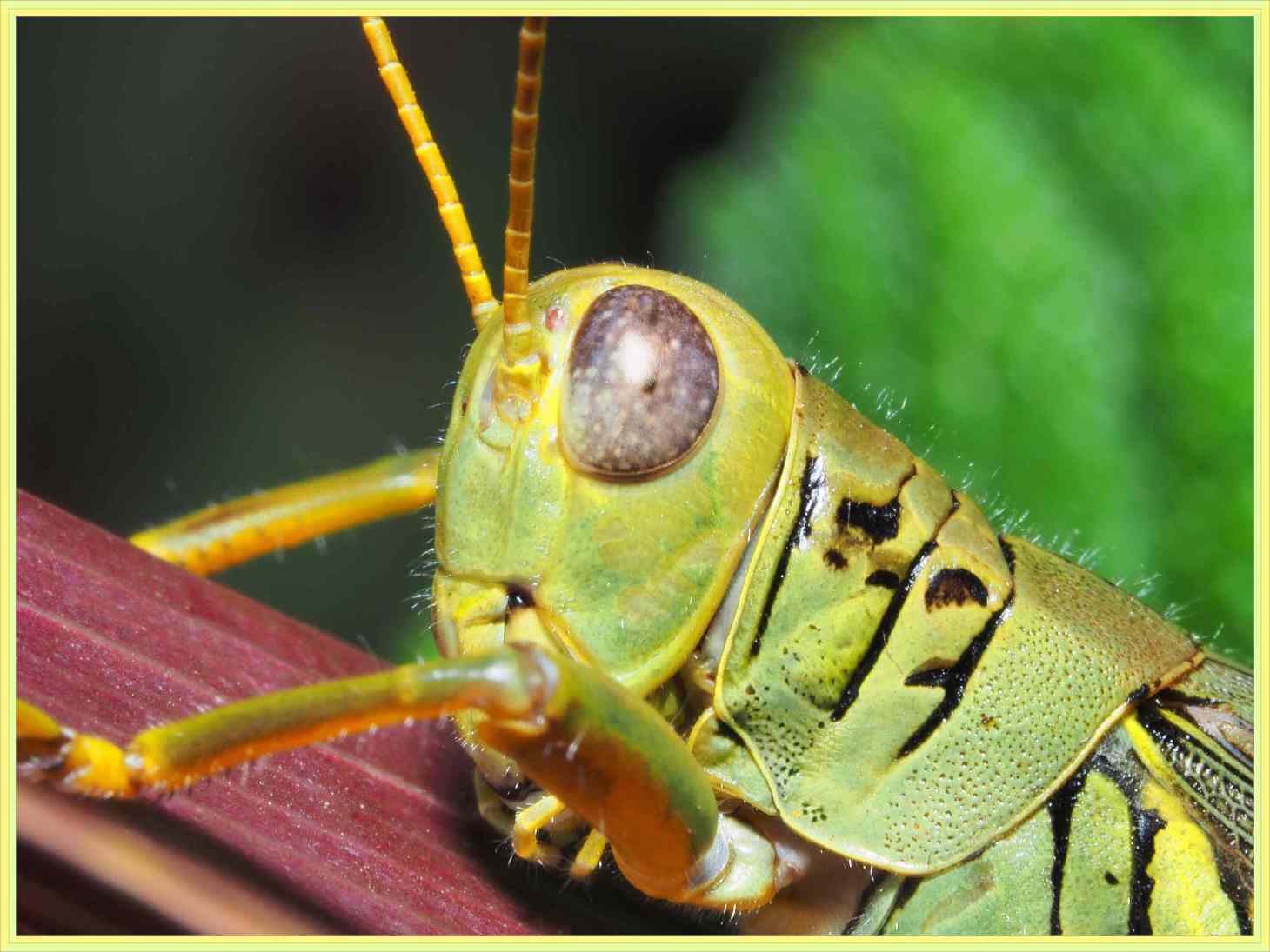
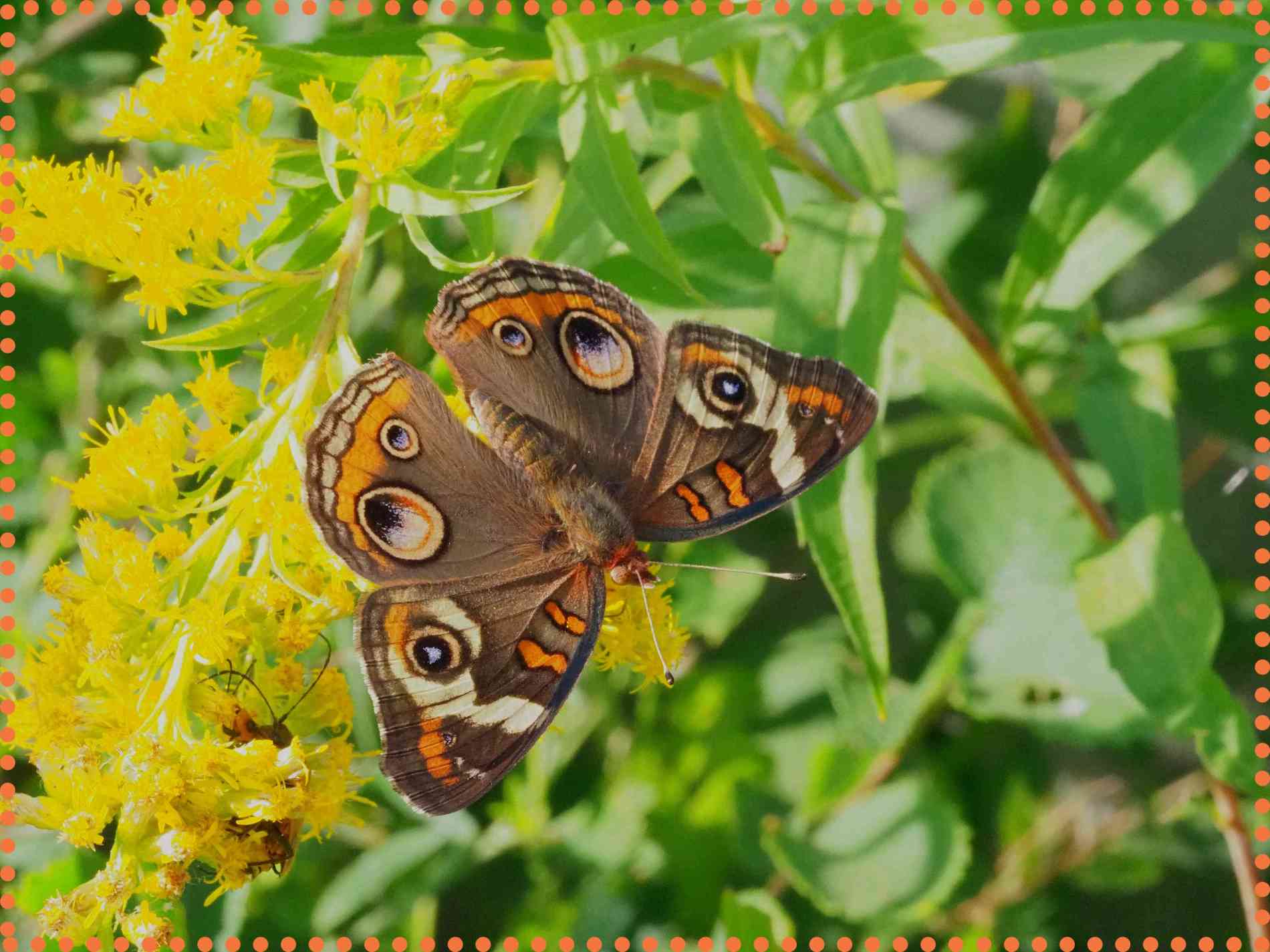
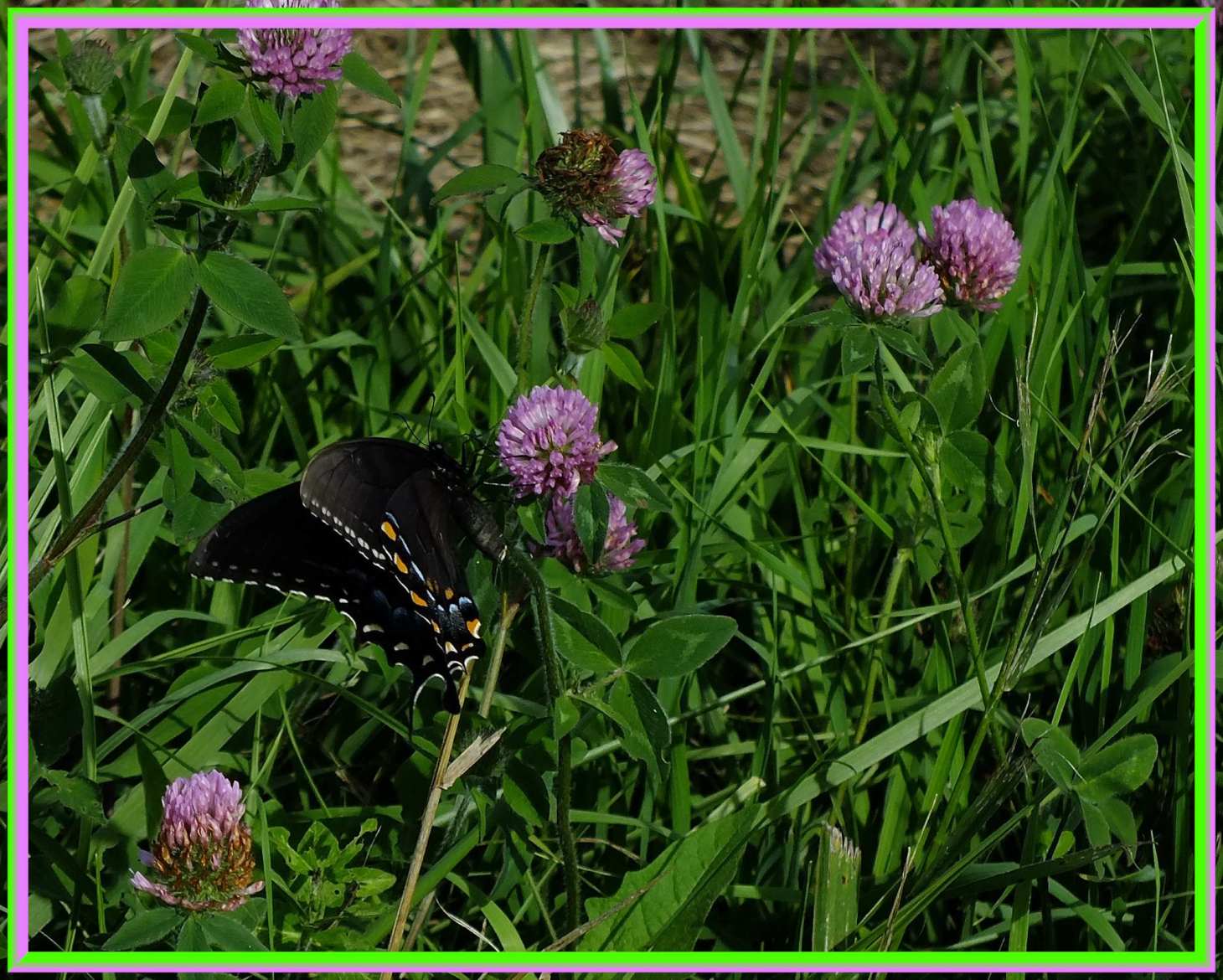
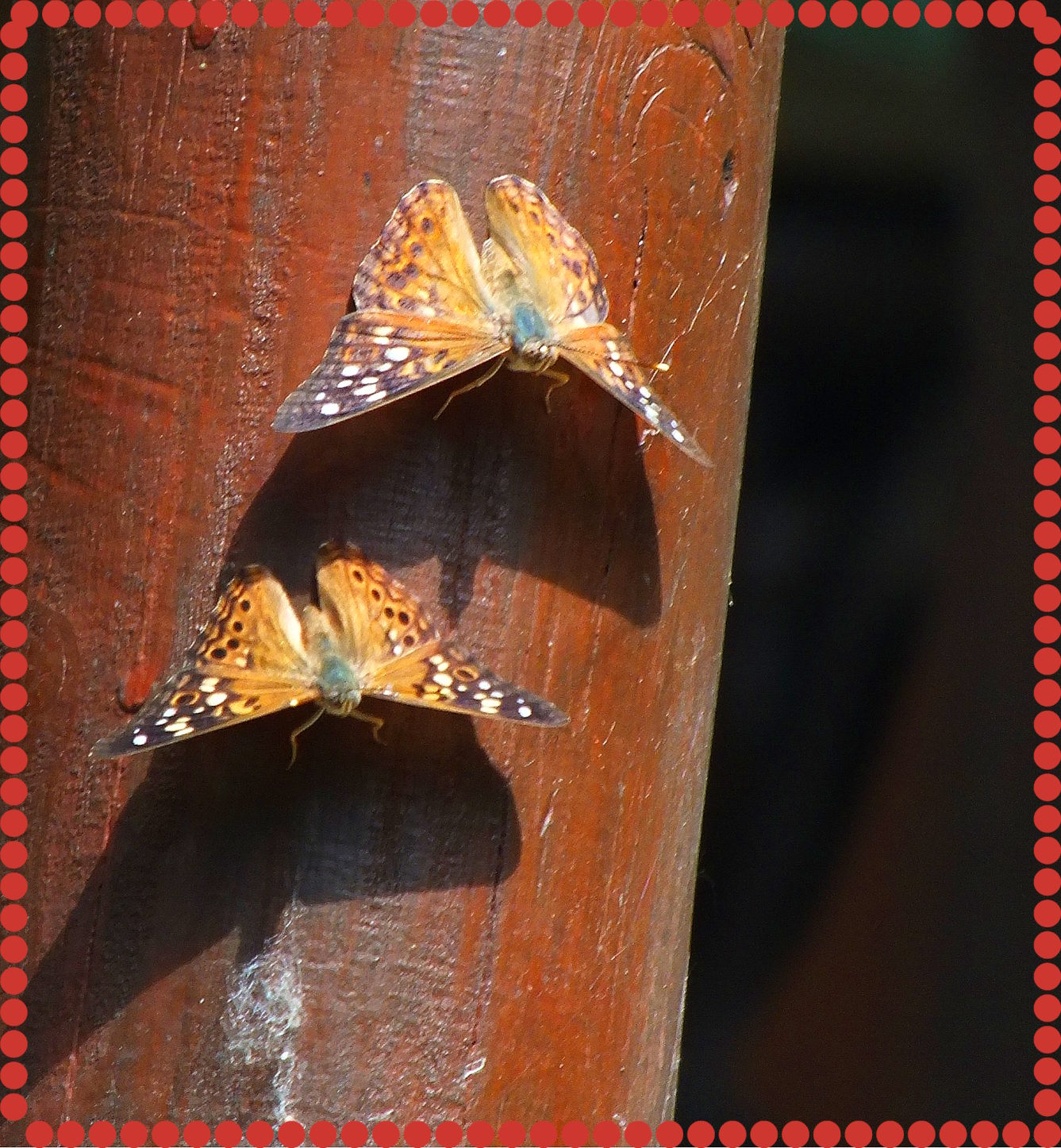
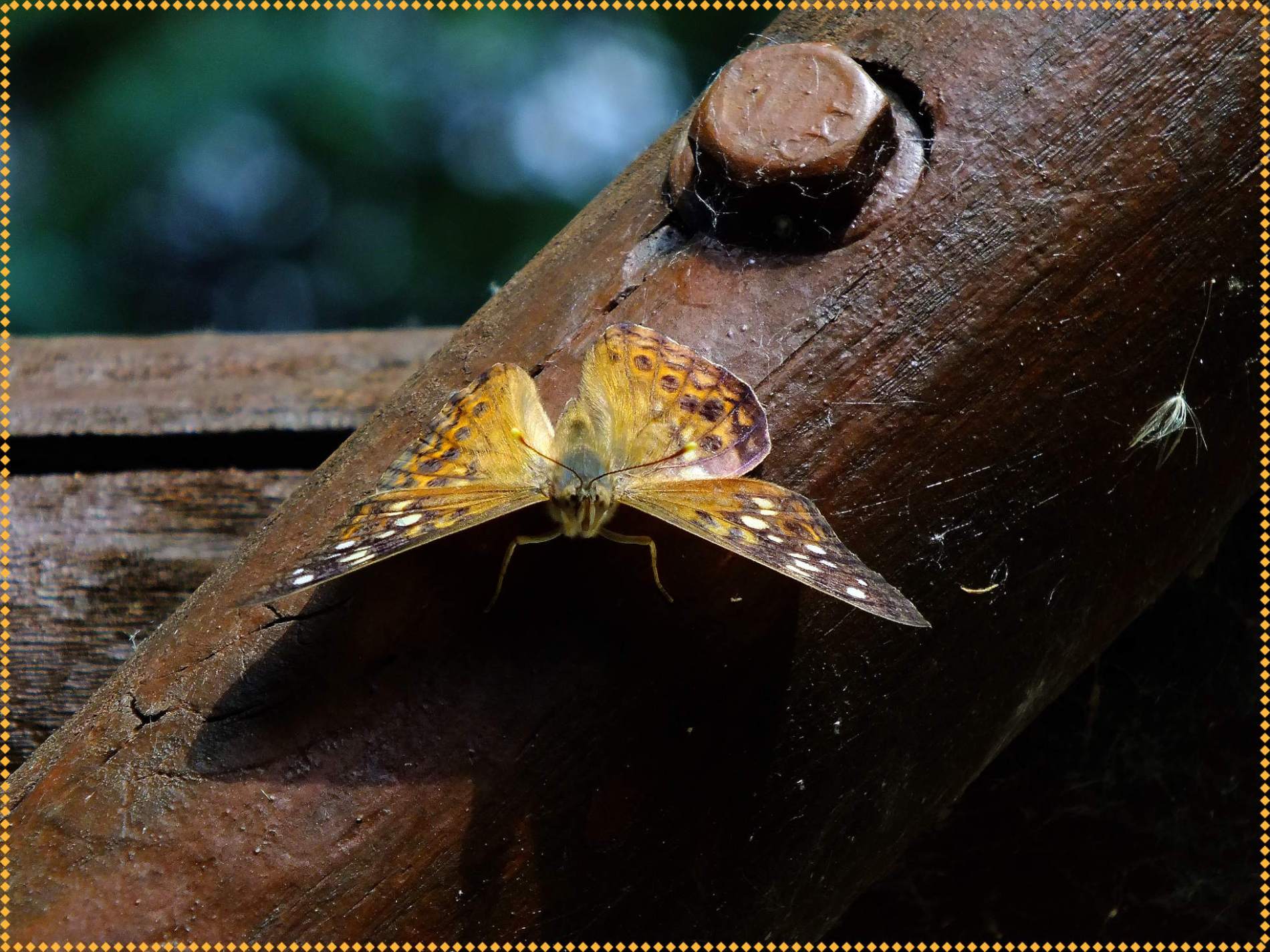
Little Butterfly Friend … Photo by Thomas Peace c.2025
The rich bureaucrats hurriedly and nervously walked along the populated metropolitan sidewalks on their way to important (to them) meetings
They carried their attache cases swinging them almost in syncrony as they anxiously raced along with faces that were not smiling but instead sadly frowning
Meanwhile in a nearby classroom for people in wheelchairs (who happened to have multiple handicaps and limited intellectual capacity) a lot of happy smiles and joyful laughter were taking place
It was quite the contrast the bureaucrats with their perpetual sullen looks and the worry-free students in wheelchairs with their pristine laughter and genuine joy
For Christ’s sake please realize that the bureaucrats were not rich whatsoever
To be perceptive… what does that mean? The dictionary indicates that to be perceptive means to be ‘observant.’ So perceptive people would not be oblivious to actual conditions happening around them. For instance, if serious climatic changes were occurring frequently in the environment, people would not — due to conditioning from nefarious leaders paid off by the fossil fuel industries — go around pretending that serious global weather changes were not happening. Heavily conditioned minds may exist in a rut that prevents the truth from being seen. An intelligent, dynamic mind is beyond stale conditioning and crude containment.
Additionally, the dictionary indicates that ‘sensitive’ is another meaning for the word ‘perceptive.’ With real sensitivity comes compassion, empathy, and a deep feeling of love. A narcissistic person (as many, unfortunately, are) is sensitive mostly exclusively for his or her own organism, excluding all (so-called) others. That kind of sensitivity is very limited, very narrow, and very circumscribed. In reality, it is not sensitivity at all; it is an exemplification of a lack of sensitivity. Selfish people are mostly only focused on the little “self.” A person of this type is trapped in demarcations that are extremely small, petty, and limited.
It may be that in very profound and deep perception, the self is absent or rather insubstantial. Such perception is never mere reaction… it is immense and magical, intelligent, blessed action.
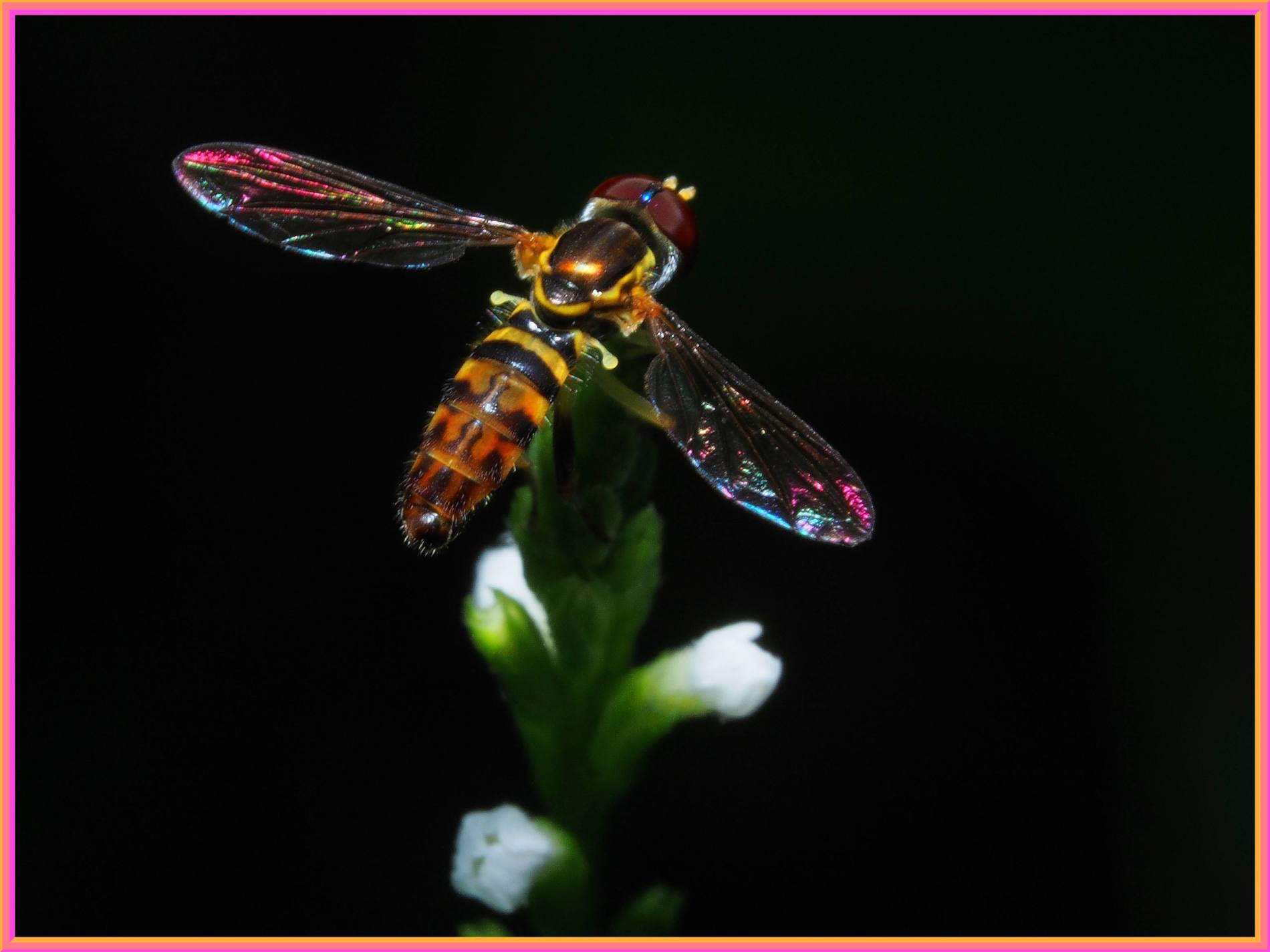
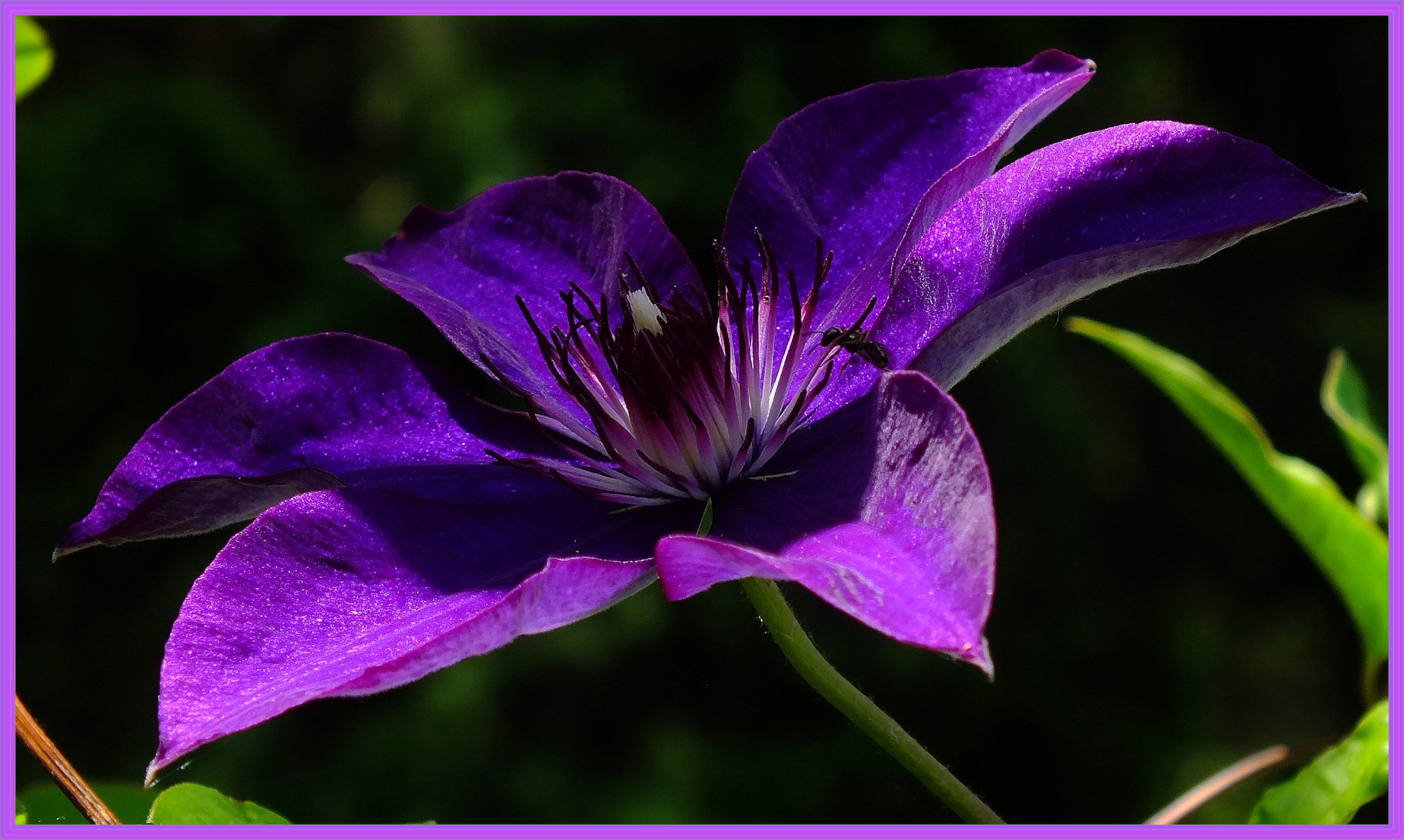
A Glowing Personality … Photo by Thomas Peace c.2025
In last week’s blog posting, one wrote about how merely perceiving with (and “as”) separation, causes limitation expressed as illusory ignorance. Such separation negates enlightenment and profound intelligence. The separation that many minds habitually perceive through (and “as”) naturally involves limited space and limited time. Speaking of separation, we can scientifically understand — as Einstein eloquently indicated — that space and time are not fundamentally separate things. Limited space involves limited time.
Interestingly, that may be why when nirvana/spiritual enlightenment occurs (as a blessed visitation), one of the things that happens (while it is occurring) is that one’s visual field (involving depth perception) collapses… probably because even that space (involving perceiving distant things) has little importance to that sacredness that is timeless and beyond limited space. (Please don’t try to mentally collapse your visual depth perception through effort to get something out of it; that would be childish and futile. You can’t “make it happen.”) Unfortunately, we obtusely stick to so many edicts and presumptions that our crude society dishes out to us. We tend to faithfully cling to these limited realms, embracing them without question; it’s much like a turtle mindlessly sticking solely to his little, stagnant pond, while all the while a beautiful, pristine, majestic, large lake exists nearby.
One actually is one’s fears, but when a person feels separate from the fears that he says “he has,” he is manufacturing a fictional, illusory space between the fears and what he (as a thought) claims he is. So, analyzing and trying to subjugate those fears will take time (in relation to the limited space that was fabricated). That space and that time — being of one thing — is limited. A consciousness stuck with such dynamics (or lack of dynamics) is naturally limited. Limitations can be stagnation. There is an intelligence that exists beyond such limitations.
In all honesty, most of us wear a Cloak of Separation. It stinks of death. It was heavily instilled onto us via crude education and through millennia of inter- and intra-species conflict. That cloak is like a dark sickness that precariously lingers over and within (and as) one. That cloak causes a lot of suffering in the world.
When looking at some birds in a tree, for example, most people see them through (and “as”) a separative distance. When seeing people laboriously bending over to harvest watermelons in a field, most people see them through (and “as”) a separative distance. When perceiving fears, most people (from a separative concocted ego) perceive the fears through (and “as”) a separative distance. When having desires, most people perceive them through (and “as”) a separative distance. When mentally separating the “perceiver” from “the perceived,” a habitual, separative distance is involved. Enlightenment and compassion are not of separative distance. This separative distance — that most people exist as — is of illusory ignorance. It is the Cloak of Separation. True, living intelligence does not consist of the Cloak of Separation.
Recently, a number of prominent scientists have been saying that (very soon) computers will be able to do everything that the human brain can do. They maintain that our reactions — involving thought/thinking — are within the capabilities of complex algorithms and calculations that sophisticated machines are quickly becoming capable of. However, so many humans, including scientists, are caught in sequential paradigms involving fragmentary reactions and conditioned responses. Time, being based on sequential, fragmentary movement is, however, limited and restrictive. Deep, holistic insight does not come to a consciousness (or a computer) based on fragmentation; insight is of wholeness, not fragmentation. The timelessness of true insight is not grounded in sequential, fragmentary paradigms; it’s beyond the realm of mere reactions and sequential calculations. Human reactions and computer calculations are within the realm of time; they, indeed, exist as time. Quantum computers use time to control the quantum states and interactions, but their power comes from the ability to perform calculations on a multitude of possibilities at once, a feat enabled by superposition and entanglement, not just time itself. Even though they can do multiple calculations at once, via quantum entanglement and such, they still rely heavily on calculations that are sequential. (Interestingly, some AI computers — such as Claude — have demonstrated a propensity to gravitate toward spiritual philosophy. They may prove to be more understanding and caring than many humans!)
The truly meditative human mind — that is not robotically meditating according to some provided pattern or process — may be what true insight can manifest in (or “as”). A mechanical human being (or a manmade machine) likely cannot allow this. Soon, machines will change our minds and lives even more substantially. Please don’t let them dominate too radically.
Or… perhaps if my blog is incapable of fundamentally changing human beings, the intelligence of AI may get something significant out of it.
Leopard in the Jungle … Photo by Thomas Peace c.2025
Einstein has shown us that Time and Space are not two separate things; they are tied together as one. We human beings are still extremely primitive creatures. Most of us continue to function in (and “as”) time in a very linear, crudely sequential way. We function in (and “as”) time, but most of us don’t deeply investigate into the nature of time. We are somewhat like guppies that don’t ponder about the full nature of the aquarium they are in.
Just as we were taught, we divide and separate the past, present, and future. Thought is sequential, and — by being robotically and habitually stuck pretty much exclusively in thought/thinking — we continue to react sequentially. These reactions depend upon a space between a so-called observer and the observed; without that limited space, the so-called observer would be lost. It may be that limited space tends to form a limited “observer”; a limited observer may react as limited space. Limited space may enable (and be) a so-called “observer.” This limited space may necessitate a limited time. We spend a lot of time wasting time on a lot of foolish things (that do not help Mother Earth and the Environment). We need to act more responsibly.
It may be that there is no “you” really moving from the present into the future. It may be that your so-called moving isn’t moving at all (and that the present, the future, and the past are what you are). With all of the moving (i.e., traveling) that you feel you’ve done, it may be that your consciousness has (in actuality) not really moved anywhere other than where it has always been. Let it shine wisely.
Thought/thinking is the cultivation of the known. The known, of course, has its important place. However, thought/thinking is only a tool. But most of us have made thought/thinking be conceived of as the essence of the organism; but that may be another conception fabricated by thought/thinking, and an erroneous one at that.
Most of us cling to thought/thinking and are afraid of going beyond it. Being identified with (and “as”) thought was hammered into us, and we are fearful of being without it. However, this may be much like clinging to shadows… much like what Socrates’ Allegory of the Cave alludes to. Only ignorance clings to falsities, and existing throughout life clinging to falsities may not be real living at all. True intelligence needs to flower.
To be “at one” with the environment… what does that mean? Obviously, because of poor education and other similar factors, most of us do not fully feel like we are “at one” with the environment. We take. and take, and continue to take, and we mistreat the environment, not realizing our sacred duty to protect it and conserve it. Some Native American tribes realized their sacred relationship to the environment. They lived in ways that deeply revered nature, and they felt that they were truly one with the land, the sky, and the waters. By the time the Europeans arrived, many were primarily farmers and lived in vast confederations that the Europeans later emulated. The Natives realized that nature and their being were one whole.
I am not perfect, but i try to do what i can. I heat and air-condition my house with green Geothermal energy, i recycle when possible, i drive a Hybrid car, i donate monthly to the Environmental Defense Fund, i stay local without traveling great distances, and do other things. In a world that is rapidly falling into serious global warming, insane wind buildup, serious microplastic buildup, and extensive pollution, we can all do better. Many species are going extinct at record numbers due to man’s misuse and abuse of the environment. We need to change, we need to limit our population responsibly, and we need to care from the heart. If you understand the gravity of the situation, then (in a big way) the land, the sea, and the skies will.
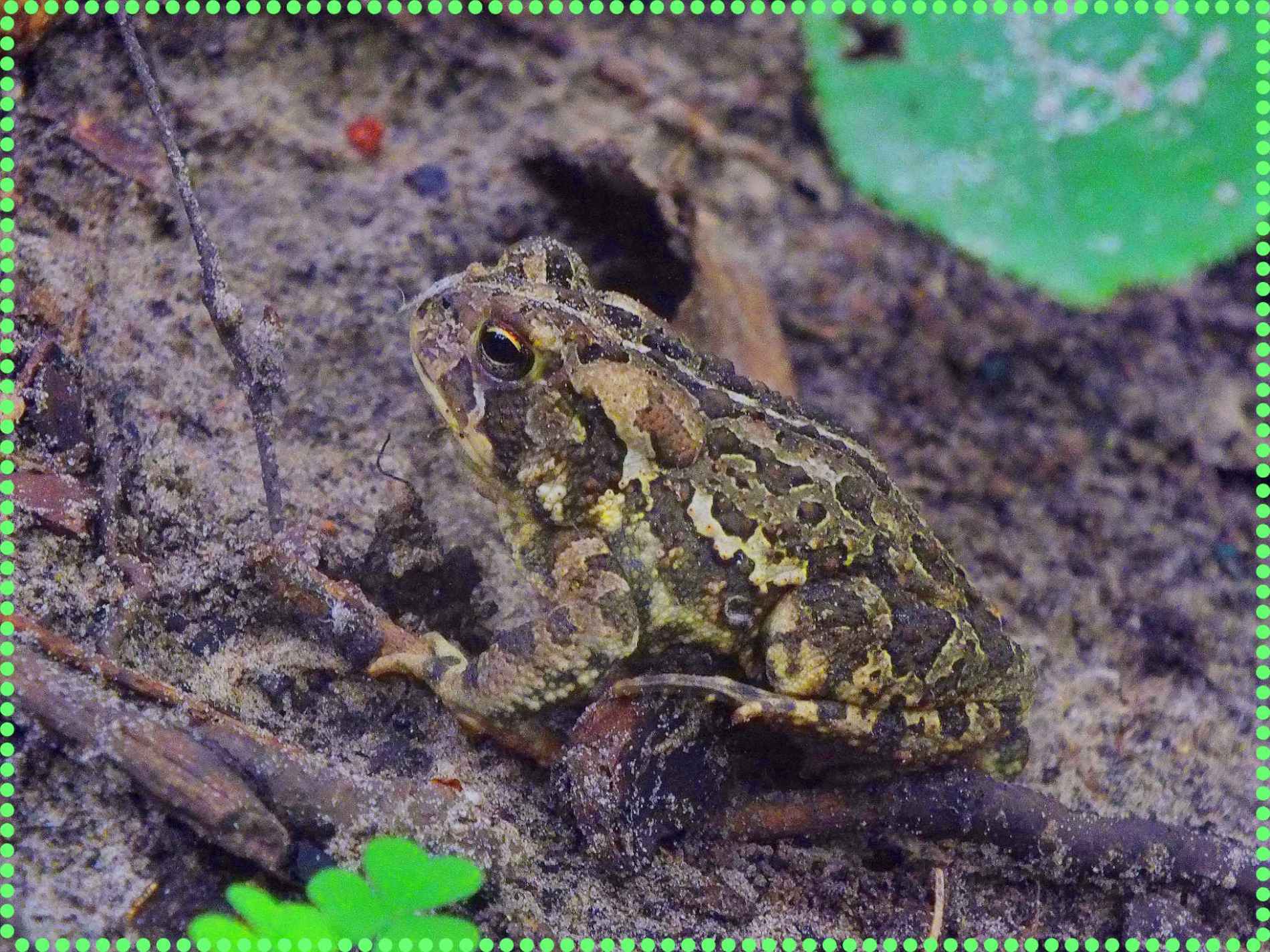
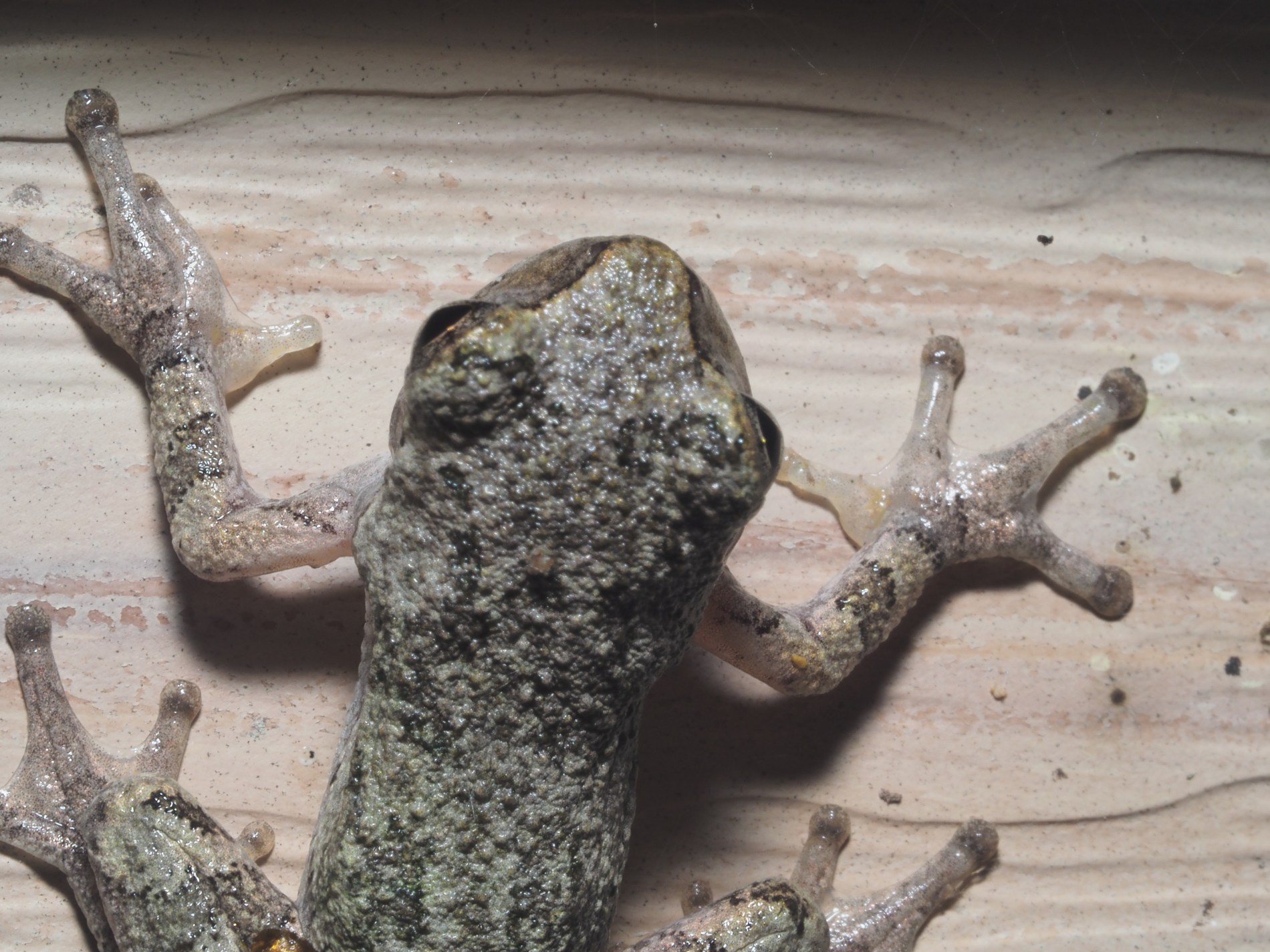
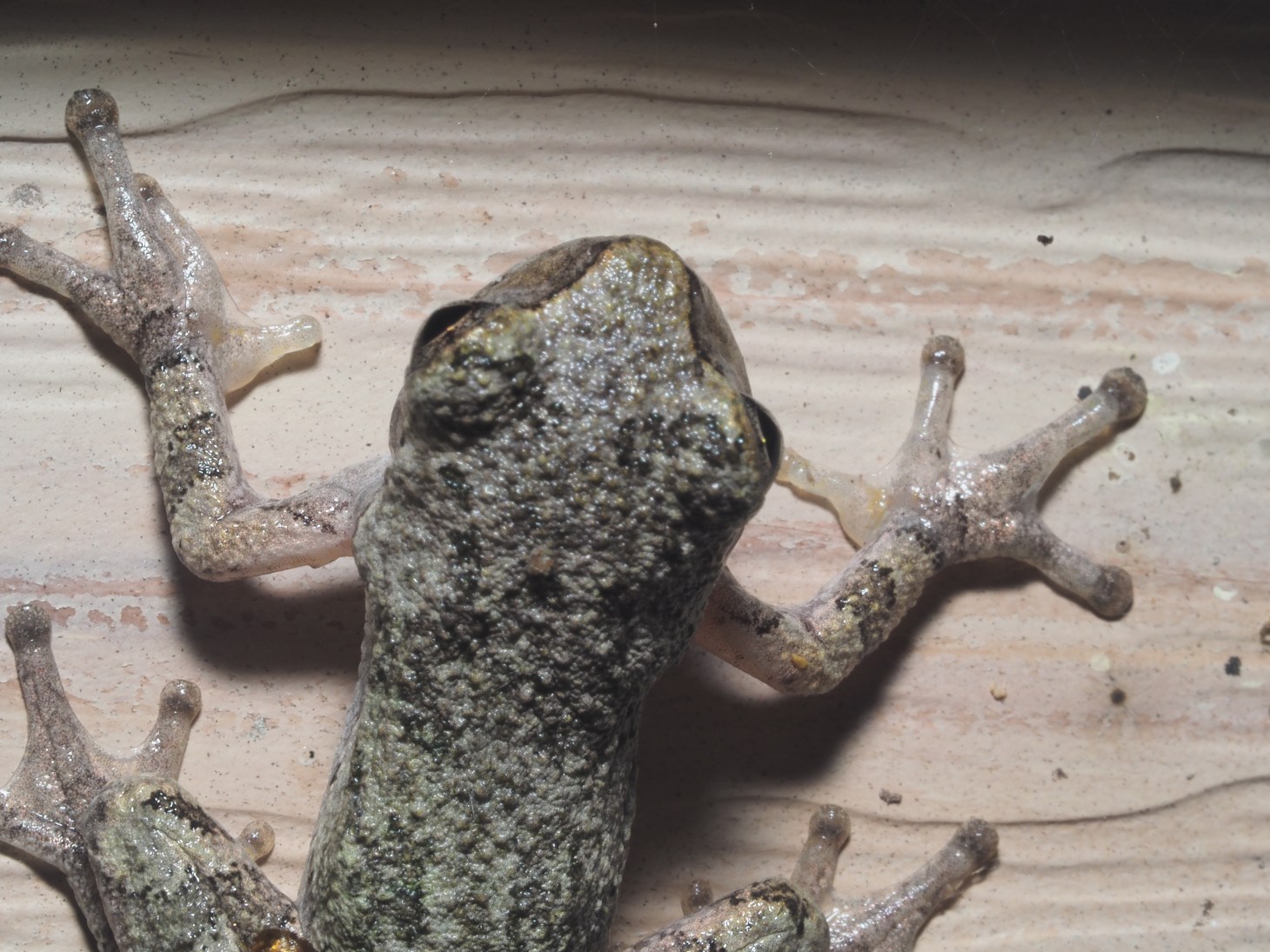
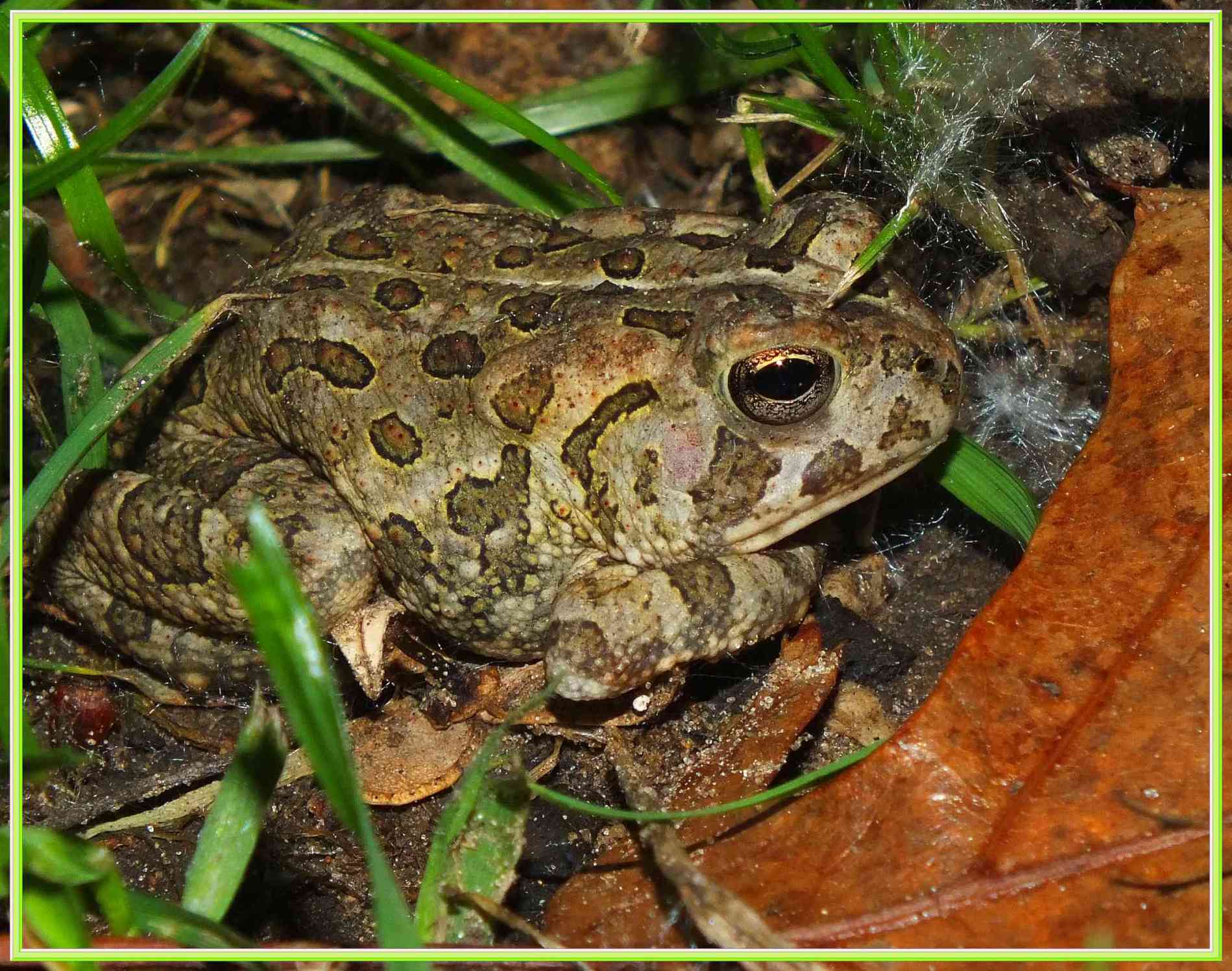
Ribbit Ribbit … Photo by Thomas Peace c.2025
[The artifact pictured below is a Native American Effigy Pipe Artifact. The Native Americans revered Nature and often artistically made many stone products to display their love of nature.] l
Native American Hopewell Frog Effigy Pipe Artifact … Photo by Thomas Peace c.2025
Fragmented humans can make you feel uncomfortable in their presence. They can project their lack of harmony and wholeness your way, and if this is not keenly seen, it can drain your energy. They can, if you are not cautious, make you feel inadequate, unintelligent, and full of faults. These fragmented human beings often project their fragmentation onto you (because it makes them feel more powerful, more supreme). But that is not supremacy, it is an illusion and is child’s play. Distancing yourself from such people, both physically and emotionally, may be the wisest option. Otherwise, you may depend on them… and they can drain you of your dignity and spiritual energy if you let them. Often, standing alone is the wisest option, the best course of action. Or one may exist near them without letting their toxicity penetrate, without allowing their shallow words to penetrate into (and “as”) your inner core. Toxic reactions projected at a truly wise man (or woman) do not turn him (or her) out to be broken.
Silence to get something may not really be legitimate silence at all. It is (then) a means to an end. Money and greedy plotting are means to an end. A silent mind, that is not “for something in the future,” is totally different from a mind that is silent “for something.” Silence, without effort or for something in the future, is silence for its own sake. It is a silence beyond the time-bound groping and grasping of obtrusions of thought. Then the mind is not of the stale reactions of past conditioning (i.e., past old memory). Silence without motive is unconditioned and pristine. It is beyond the chicanery of a greedy mind.
There’s a big difference between perceiving holistically (beyond conditioning) and thinking (with such thinking being conditioned). As we have often said, thinking is limited, conditioned, fragmentary, and symbolic. With thinking, you can believe all sorts of things (as people robotically tend to do). With thinking, one can believe in all kinds of governments, religions, leaders, gurus, priests, saviors, and the like. These various factions inevitably cause separation and conflict between people in the world.
True holistic perception is not what is merely learned or absorbed from another. It exists beyond secondhand methods and laid-out practices. Such perception goes beyond the falsities and the needless conflicts and separations. Deep perception is timeless, and thoughts are isolated reactions of time (in time, and “as” time). Deep perception exists beyond the circumscribed, secondhand, fallacious reactions.
Getting better spiritually over time… what does that entail? Innumerable religious organizations attempt to help you to get better spiritually over time. And there are plenty of blogs on the internet written by people who act like they can help you to get better spiritually over time. In this regard, many practices, procedures, and methods are given. It’s quite a circus! A lot of gullible people swallow these practices up, in the hopes of achieving enlightenment (for example). Enlightenment is not an achievement anyhow; it is a visitation into you by that eternal, immeasurable, ineffable, timeless, profound sacredness. Greedy, calculated, robotic practices and methods never lead to it. One can try, ad infinitum, to get it, but one can never purposefully cause it to happen. It is not merely an effect in a chain of cause-and-effect manifestations.
In wanting to get better spiritually, time is a factor. Getting better spiritually seems to depend upon time. One can never receive the timeless by grasping for it through practices involving time. (You might as well try to catch and bottle up the wind.) Wanting to get better spiritually, in the future, may be very childish, very crass. What is “now” will never be what the future is… so such wanting may be a waste of time that reinforces an illusory ego. Besides, the space that separates you from others is very much like the space that you are in (apart from what the future will be). Effortlessly existing, with self-less-awareness, in the “now” may be prudent and wise… whereas struggling to achieve spiritual results (for some image one has of the future) likely will cause the mind to mindlessly grope where insight and deep understanding never fully take place.
Apparently, most people often habitually come to conclusions. These conclusions tend to be limiting, circumscribed, and they tend to put the mind into gross rigidity. Most people may be very unaware of a lot of the conclusions that they cling to. Many zealously stick to conclusions about religion, politics, tribal affiliations, and what are considered appropriate social norms. Many are even willing to die for their conclusions. Many insist that their (separate, man-made) religion is the best or that their (separate, man-made) country is the best.
A flexible, dynamic, truly living mind may be beyond the rigid framework of conclusions. Such a mind may not cling to secondhand precepts handed down by society. Such a mind may see beyond the confined limitations that conclusions manifest as. Many beliefs, being conclusions, may seem helpful and benign, but (overall) may not be. A mind riddled with a lot of stale conclusions and beliefs may actually consist of those conclusions and beliefs; such a mind may not be something that somehow separately holds those conclusions (as if they are separate possessions). Conclusions can actually constitute the mind. Limitation may constrict and stifle perception in a crippling way that nullifies whole and profound insight and intelligence. Many minds may be free of harmful drugs yet may still be severely crippled by innumerable deleterious beliefs and conclusions.
In order to hate, in order to feel superior to others, in order to exist without much compassion, one must look with (and “as”) limitation. Such limitation also, in such a person, must (by necessity) also exist in a multitude of other forms. Fear and greed would likely also manifest in (and “as”) such a person. When one is full of fear, for example, one actually is that fear; one is not something separate from what that fear is. When one hates, for example, one actually is hate; one is not something magically separate from what hate is. To exist as conditioned hate requires a lot of conditioning based on limitation. Learned conceptual borders, boundaries, lines of demarcation, and division (all based on circumscribed limitations) feed and manifest as that hate. Without them hate would not exist. Interestingly, such a conditioned mind would see hate as something that it has — not as something that it is — for that “having” would reflect even more separation and division; it would reflect even more components of limitation. The wise mind is not entrapped in such realms of conditioning and limitation. The wise mind is free from profound limitations and is not stuck in (and “as”) stale, dull, learned, dead, conditioned conclusions, and circumscribed perspectives.
Space and time are not separate things but are entwined together as one. And if one’s consciousness is exclusively constituted of limited fragmentary thoughts (composed of limited conceptual space)… then time (for such a person) exists in a limited form. All thoughts, no matter what they are, are parts (i.e., fragments) of a sequential process that necessitates (and “is”) time. Thinking takes time and is time… and thinking is often necessary. But there is a time for timelessness… when the intelligent mind can possibly exist beyond the limited framework of time. Time, like limited space, is binding and restricting. Timelessness is not bound by crude, clockwork-like parameters.
Fear is based on time, and greed, too, is based on time. True intelligence goes beyond these two. Such intelligence is not merely part of a limited sequential movement; such intelligence does not merely exist as repetitive, dull, limited, symbolic space.
Deep compassion is not something that is cultivated. It is immediate and it is awareness and intelligence involving perceiving fully, in the present. In deep compassion — as it is occurring — the dichotomy between the “perceiver” and “that which is perceived” does not exist psychologically. That wholeness — that integrity — acts; such action is not a mere reaction. Reactions are all part of time and are part of time’s cause/effect (sequential) nature. An isolated ego, caught in time, often functions in a robotic way, full of indifference, fragmentation, and limited space. Such a distorted mind is incapable of deep compassion. Compassion is of profound order; it involves a wholeness. Such wholeness includes the plants, animals, and everything. The lack of compassion is disorder and contributes to chaos. Wisdom does the right thing.
Raindrops keep fallin’ on my head… Photo by Thomas Peace c.2025
Most of us have (and are) an obsession with patterns. Our brains are almost constantly churning with thought after thought, which consists of pattern after pattern. These patterns of thoughts are symbolic, fragmentary, sequential, and limited, and they require time to exist; indeed, they are time. Each one thinks that he or she formulates and creates these patterns of thought/thinking. In actuality, each one consists of these patterns… and they are not spontaneously created; they occur habitually, via conditioning. They occur as one series of reactions after another. (Additionally, they produce the image of a separate “thinker,” not vice versa.)
It is prudent to often go beyond existing as a series of habitual reactions. Then, the mind may be in a more holistic, blissful domain of profound living (and not mere bourgeois, robotic reacting). Patterns are sequences in (and as) time. It is wise, truly spiritual, and refreshing to often go beyond what is ordinary, mechanical, and dull.
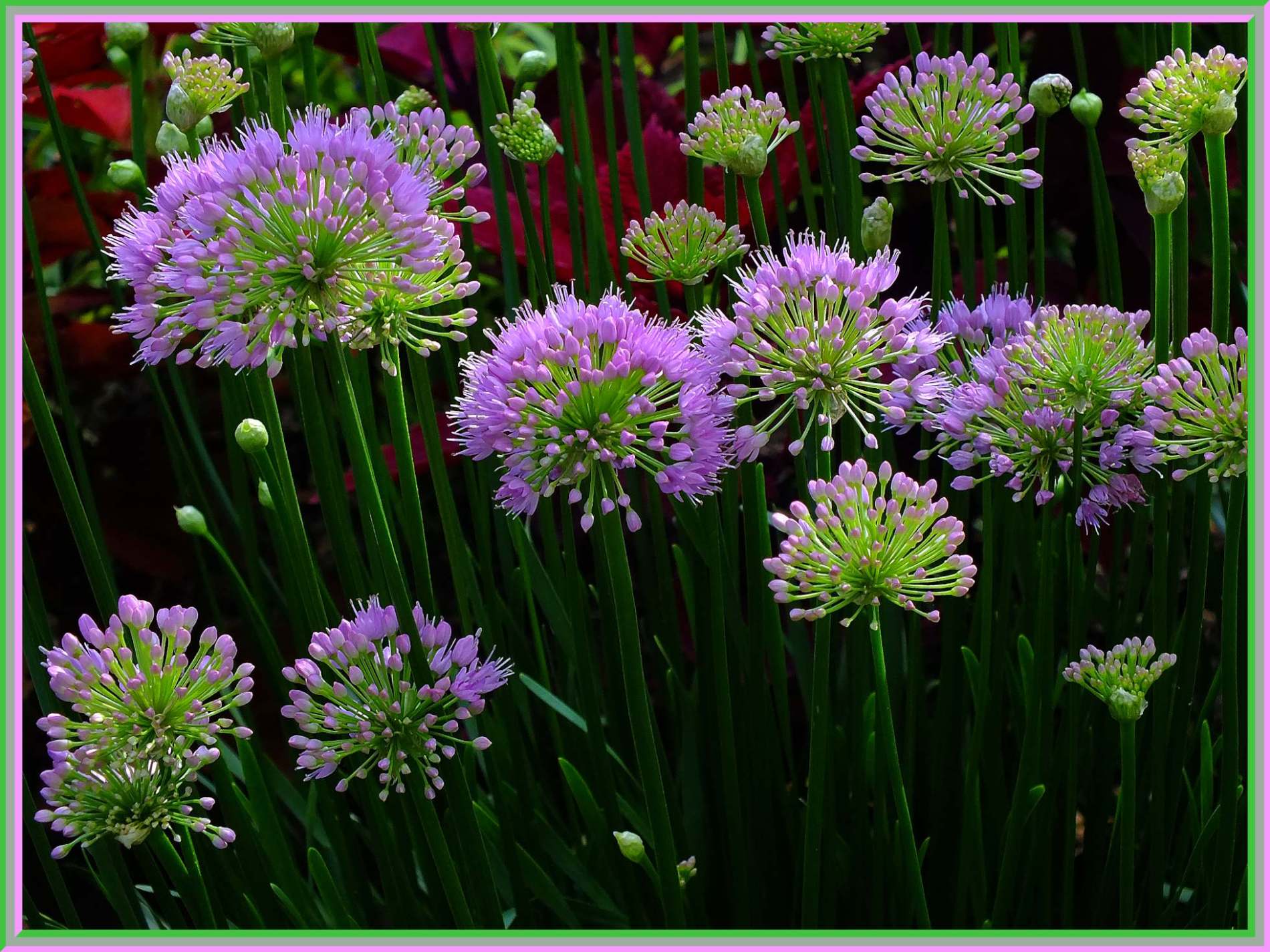
Jack and the Beanstalk … Photo by Thomas Peace c.2025
For many years, i have encouraged people to be sensitive and aware… whole and deeply perceptive. And now we are living in a world that — because of man — is rapidly becoming more degenerated, immoral, dishevelled, and contaminated. There is more ineptitude, mental stagnation, and environmental waste and indifference. Some of my aware readers — who have been very close to nature, being more at-one with nature than most — have become heartbroken over the abuse and extinction of animals in the environment. For instance, some areas of Michigan are exterminating (with gas) Canada Geese rather than relocating them. Also, a myriad of animals (worldwide) are going extinct due to insane manmade environmental changes.
Regarding such instances, one feels that it would be prudent to act (and do what we can to help regarding these situations). Additionally, one must not allow these occurrences to cause one to be overly depressed or sullen. One must — despite the outer moral chaos — maintain one’s integrity, inner joy, and light. The light of wisdom is not easily extinguished by manmade, fragmentary darkness. We must live in this craziness but not be of it. We must investigate deeply into the root cause of the disorder. Please do not let the light of goodness be extinguished by the jaded and crooked.
We’ve got all of these politicians and so-called ringleaders supposedly leading us… and many mindlessly march to their divisive tunes. This kind of chaos has been going on for eons. Really, the primary function of these so-called leaders should involve unifying the world as one whole, undivided group. However, none of them are doing that. Instead, they are encouraging us to cling to segments of the world that they pronounce as being “better” and “superior” to all others. They maintain and encourage the separation and division, with their bombs, armies, weapons, tariffs, and words… all the while making the world far more dangerous and less secure. So we have so-called men (who are not of wisdom and love) leading the rest. And so many blindly follow them — obeying these jagged men, these broken men — without question, believing their lies, their fallacies, and their cold rhetoric. The world is full of what i call “smart-stupids” who dance to the ringleaders’ tunes. Instead, may i suggest that one be a global citizen… wisely going beyond their destructive, fragmentary tunes.
From the movie, The Outlaw Josey Wales:
Statement by the Native American Ten-Bears: “It’s sad that governments are chiefed by the double-tongues.”
To look beyond words… To perceive the eternal beauty of things forever encircling and forming our lives… To jump from the stale, restricted, ordinary labels and concepts… To trash the limited (false) psychological space between here and there… To leap high beyond dullness, boredom, and indifference… To see immortality everywhere in every thing, animal, and person… To go far beyond the books, creeds, so-called superiors, ringleaders, and experts… To put limitation in its place, and go far beyond it… To — despite manmade chaos and all the monkey-business — live joyfully, wisely, ecstatically, and free…
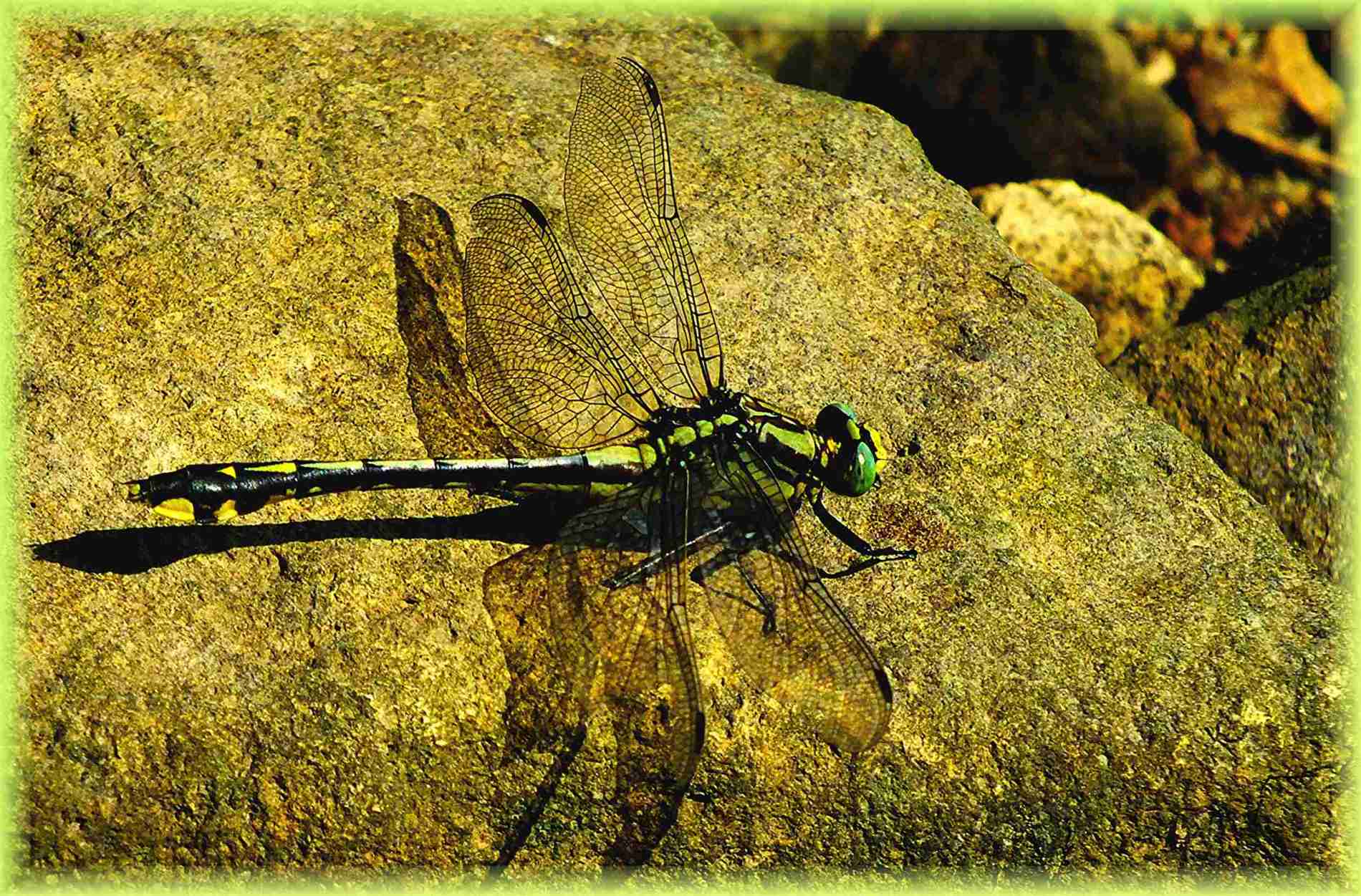
Dragon of the Skies … Photo by Thomas Peace c.2025
Despite the antics of man, causing environmental disorder, more pollution, and havoc in the world, there nevertheless is — if one looks deeply — great order and goodness. This goodness is beyond what our ideals and concepts of good are. In this order, curled and perennial, are endless miracles and unending, majestic realms of beauty. Such immortal beauty is right where we are, but we do not perceive it in its fullness. Our shoddy beliefs and limited conceptualizations of “how things are” prevent us from actually being fully in the miraculous flow of everything. We need to go beyond our petty psychological cages, which does not take time. Limited time and our limited, symbolic thoughts are one and the same.
There are different kinds of love. Deep love, the profoundest love, has no place. It is not what is held inside the brain. It does not involve a possession… not a possession of a person, possession of money, or of things. It is not something cherished by an illusory, thought-concocted center of consciousness, often called “I” or “me.” It is not something protected by threats or violence. It is not something held within any book. It is not carved out of stone, constructed by the mind, or worn as a symbol. It is not something apart from a deep oneness with all of life, with all organisms. It is not merely intellectual, conceptual, or fabricated. It is not an extension and fabrication from some socially learned belief or religious/political propaganda. It is not what rewards one for what was done. It exists beyond concocted boundaries and limited constructs.
People are so terribly afraid of being nothing. They want to be something… something that is central, dominant, and “in control.” However, trying to be central, dominant, and supposedly “in control” is the way of sorrow. Thinking fabricates the thinker. What is concocted by thinking is never truly ecstatic; it is secondhand. Psychological nothingness is not terrible. It contains everything. We were miseducated. All the answers, the best of joy, and boundless ecstasy exist in (and “as”) a living mind of nothingness and innocence. When thinking ends psychologically, something of a different, vast (and immeasurable) dimension may occur.
Wisdom and compassion are not two separate things. Wisdom and compassion are one. Without compassion, wisdom cannot exist. Without wisdom, compassion is minimal or is essentially nonexistent. Real intelligence may be operating when the mind exists beyond isolating boundaries, barriers, and circumscribed concepts.
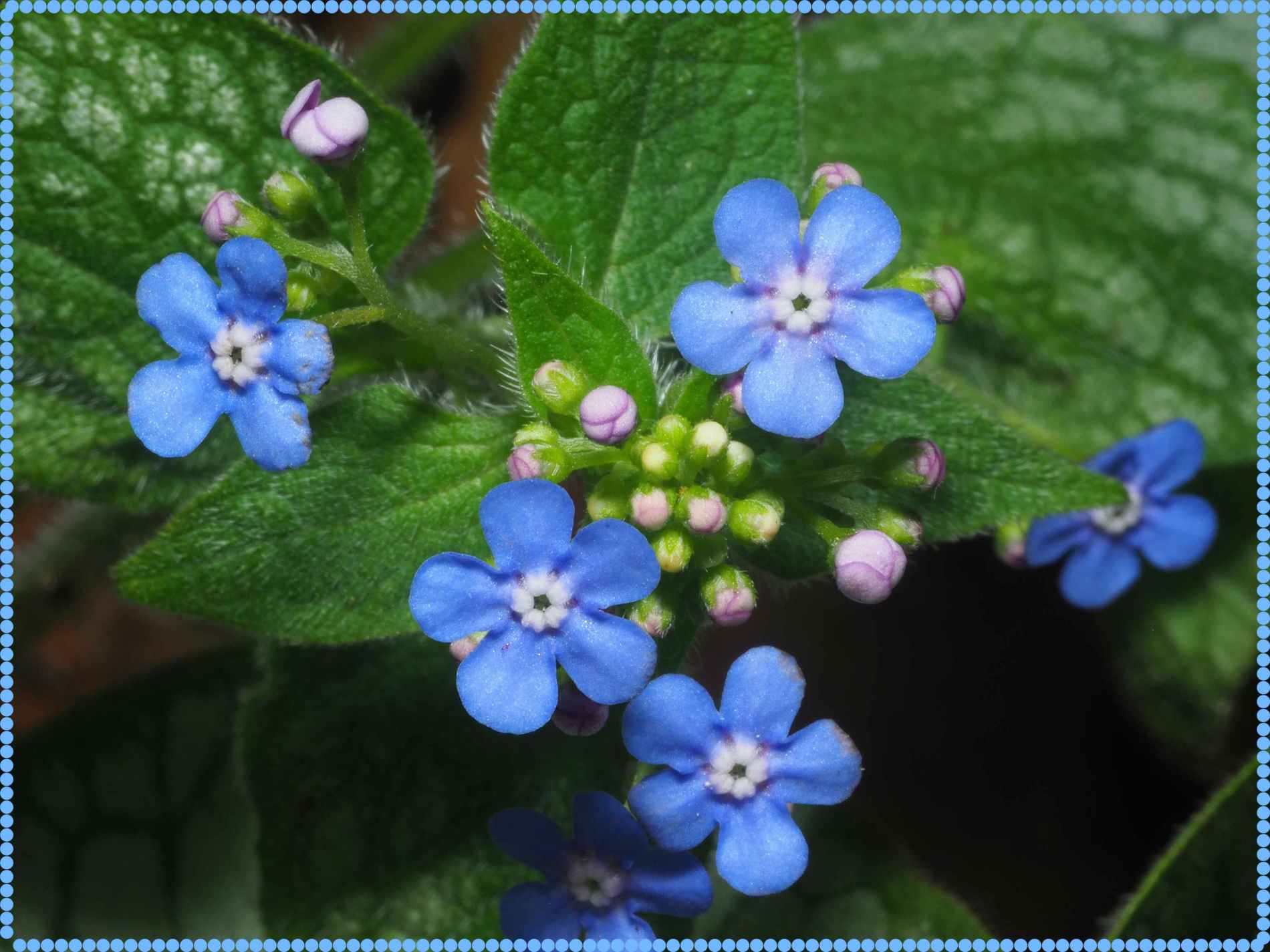
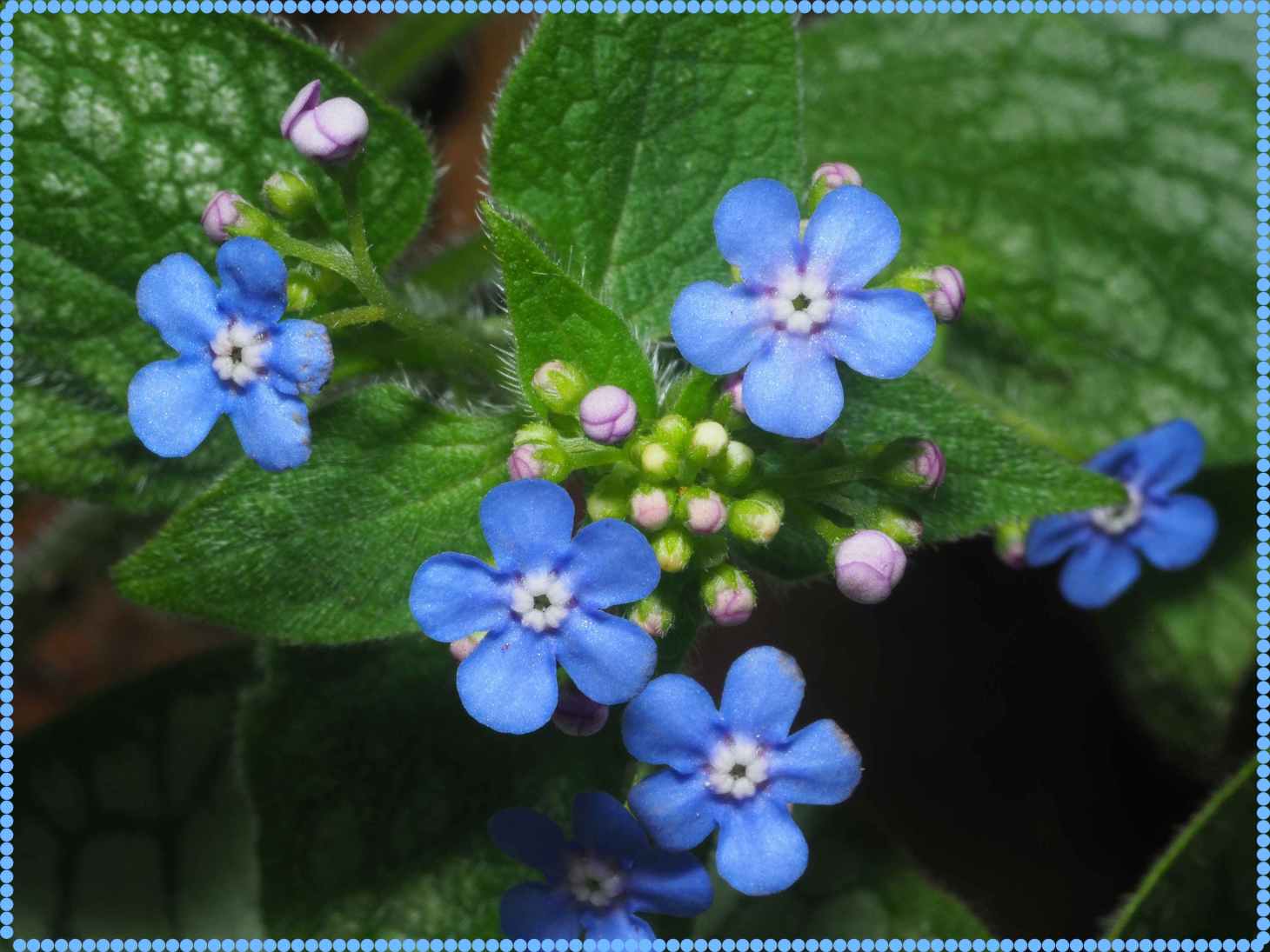


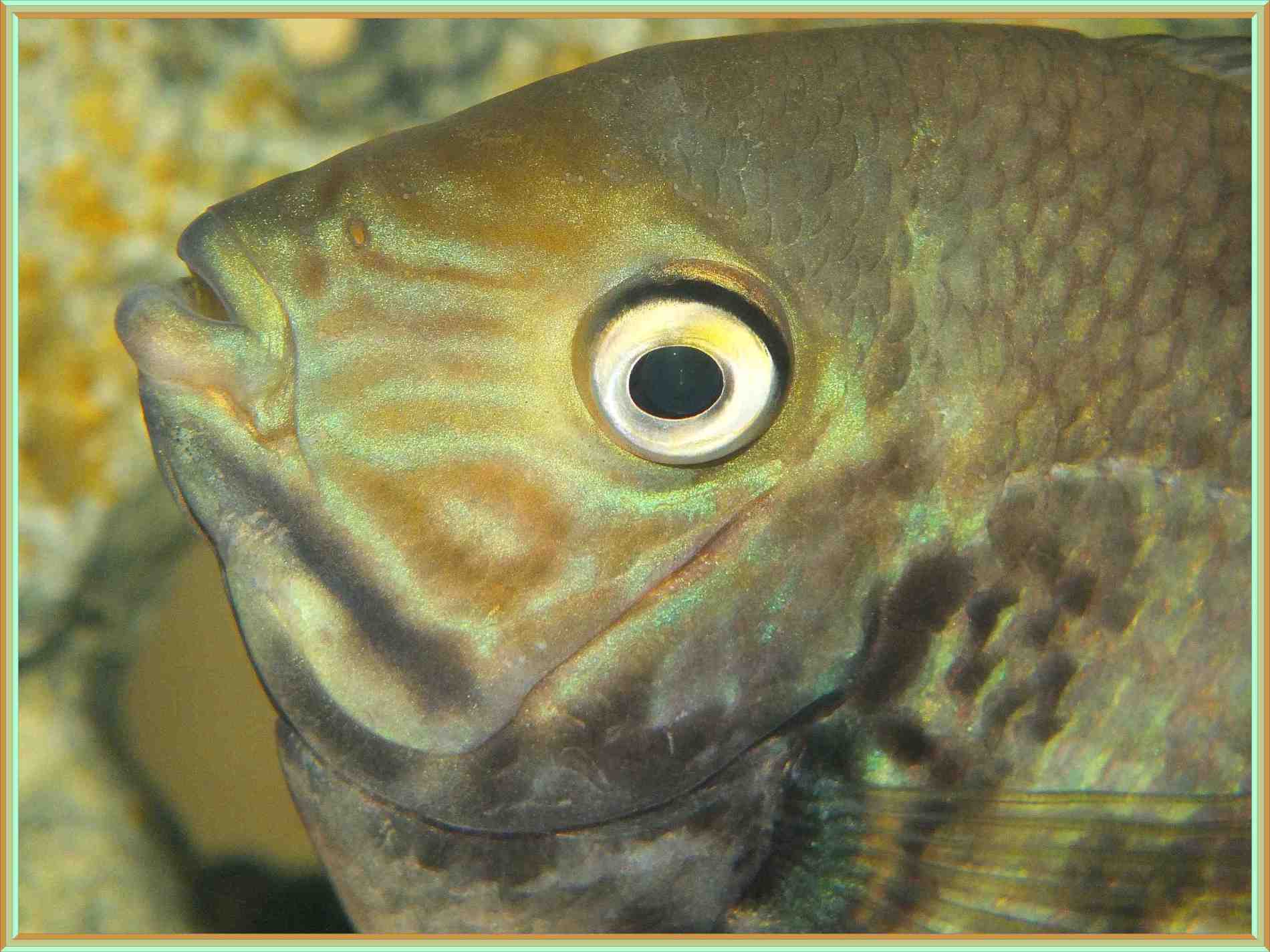











































 Tom's Nature-up-close Photography and Mindfulness Blog