
.
.
.
.
. Quixotic (extremely idealistic) behavior is based on cadaverous, old patterns; look at life afresh, without dead blueprints.
.
.
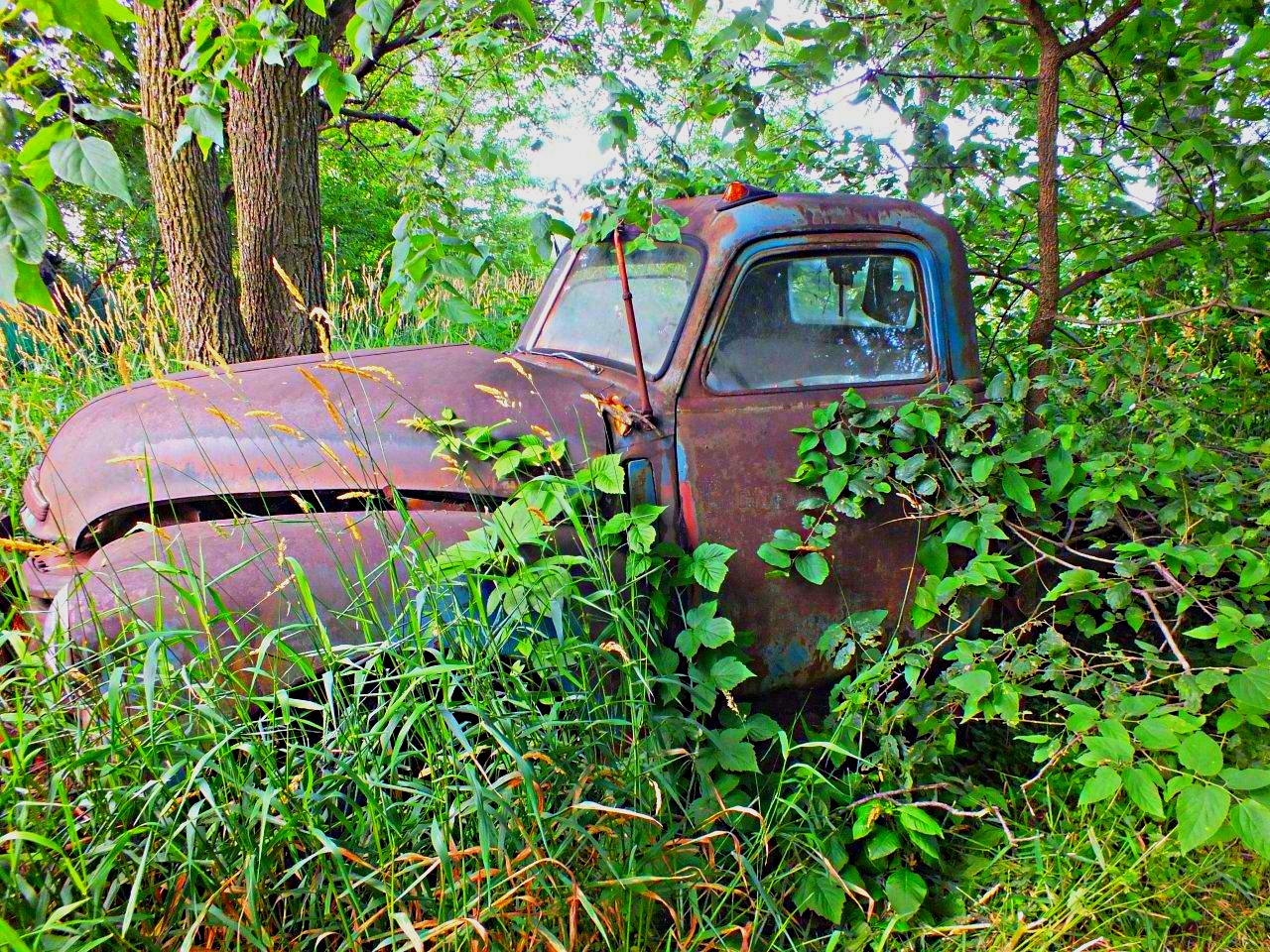
Meter Expired… by Thomas Peace 2013

.
.
.
.
. Quixotic (extremely idealistic) behavior is based on cadaverous, old patterns; look at life afresh, without dead blueprints.
.
.
Meter Expired… by Thomas Peace 2013
.
.
.
.
. Thought is always “about” energy and/or the patterns that energy seems to take; true enlightenment is communion (i.e., direct engaging) with that energy… it is not mere images or symbols about it.
.
.

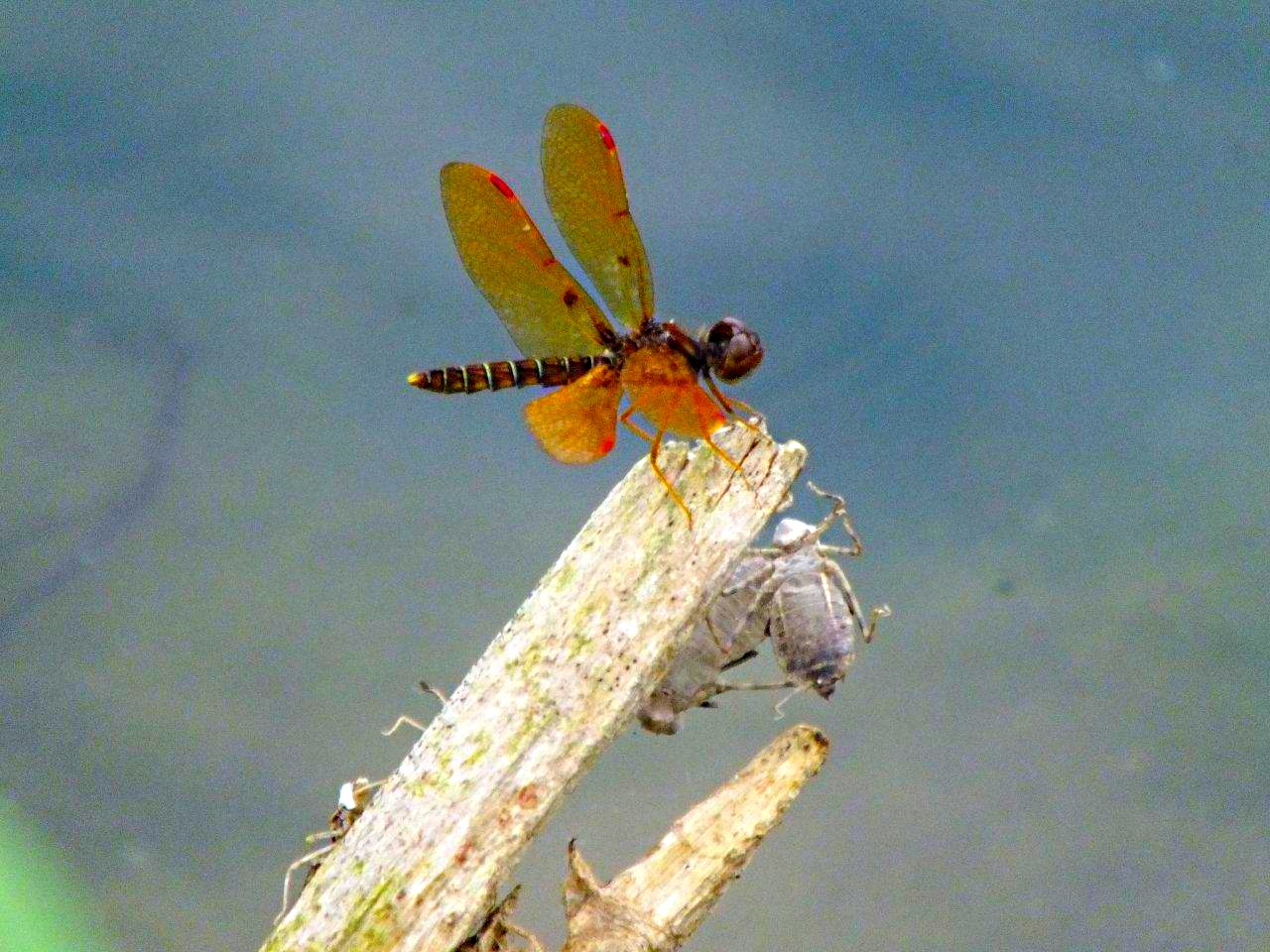
Dragonfly resting (with Exoskeleton Friends)… by Thomas Peace 2013
.
.
.
.
. If you seek the truly unknown via a system or formula… you — no matter what you think — will have remained in the “known” patterns of others or in the “known” projections of yourself.
.
.
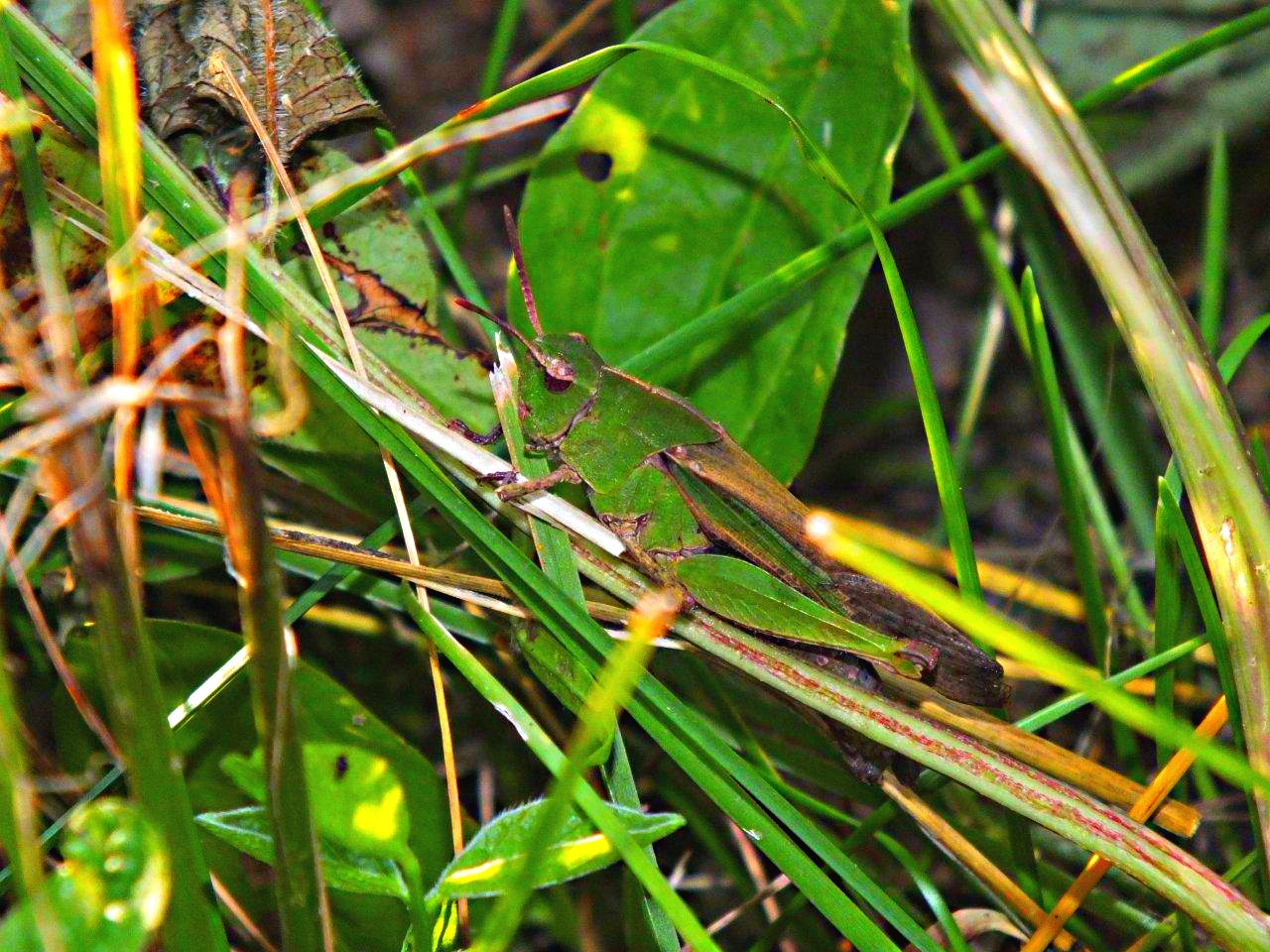
Not seen in the scenery… by Thomas Peace 2013
.
.
.
.
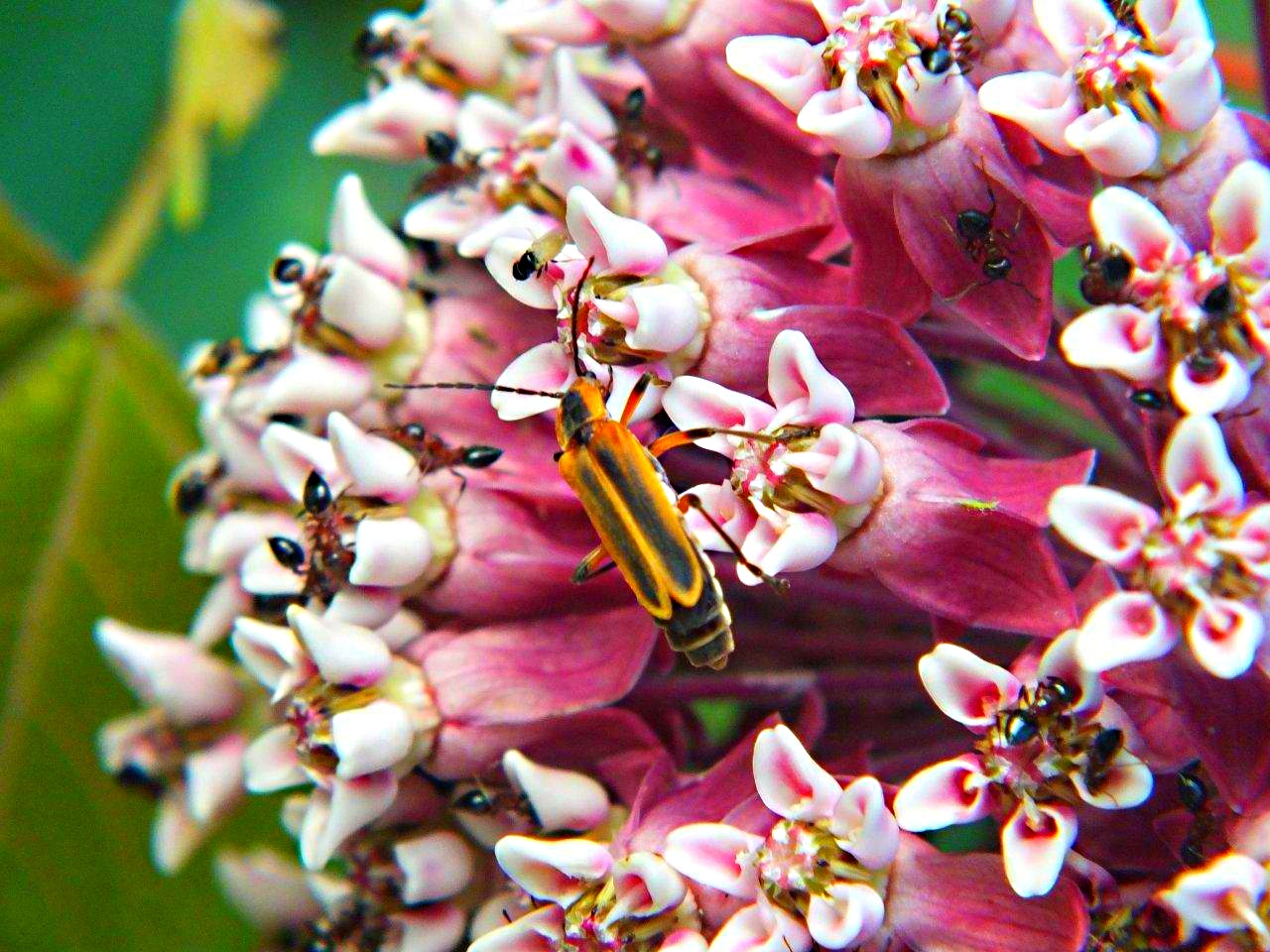
. Deep wisdom in life reflects immortality… otherwise it is limited vaporousness.
.
.

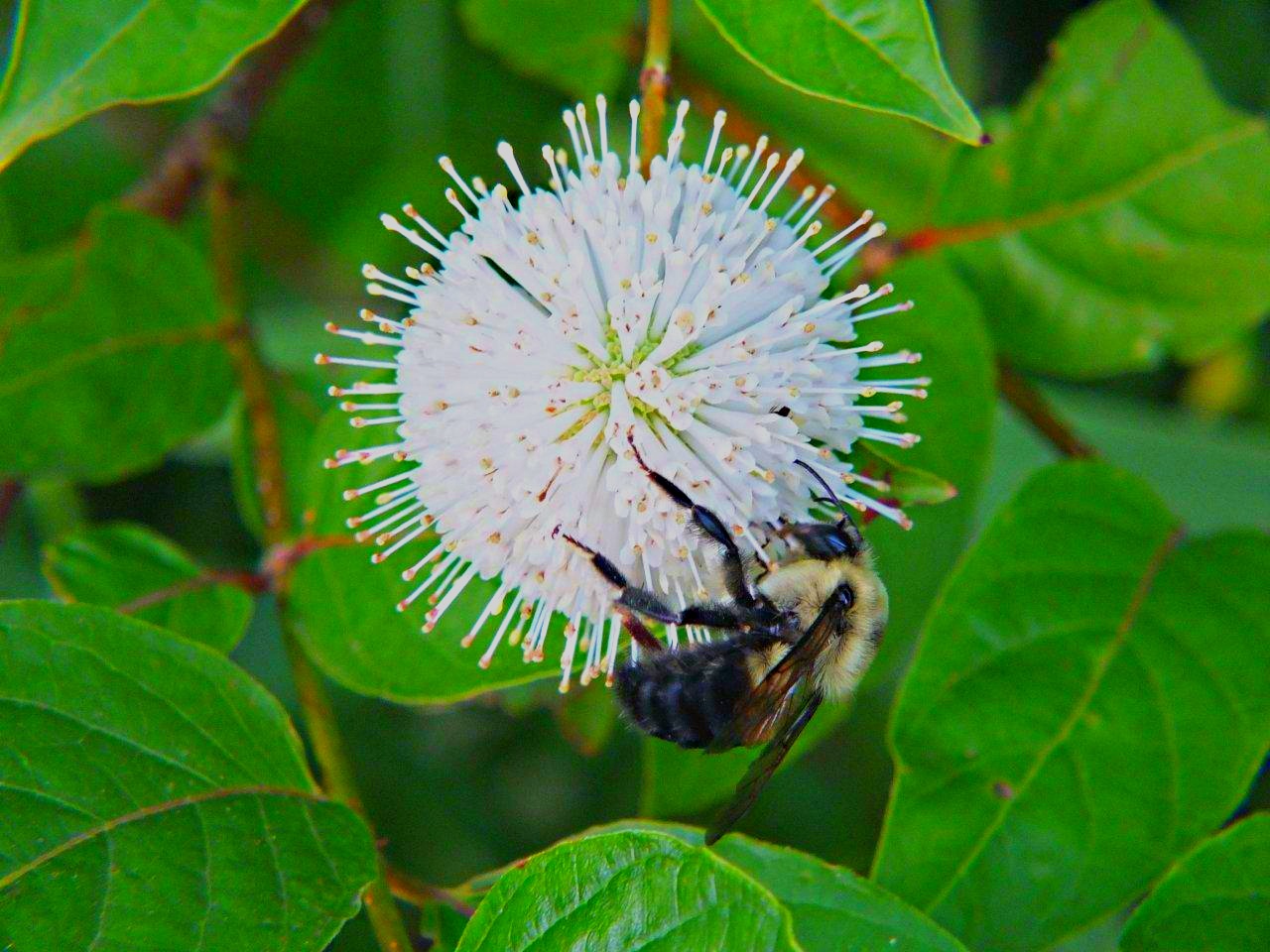
Magic Manna… by Thomas Peace 2013
.
.
.
.
. This isn’t a fly-by-night universe (after all); what each of us does has infinite implications/consequences.
.
.
How sweet it is!… by Thomas Peace 2013
.
.
.
.
.
.
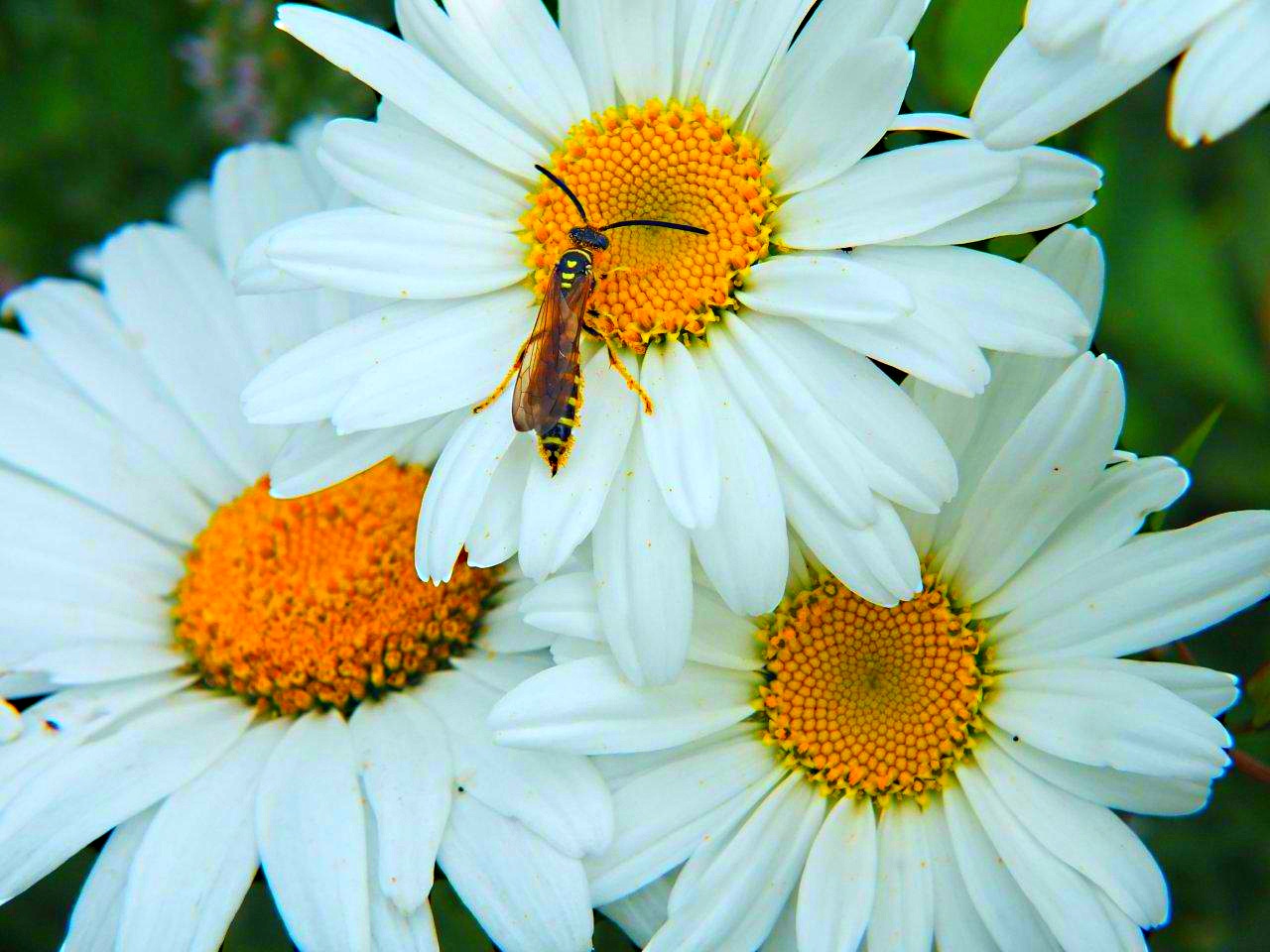
. Forget what everyone taught you about life; go out, sit with nature, and look at everything as if for the first time.
.
.
Wild and Domestic… by Thomas Peace 2013
.
.
.
.
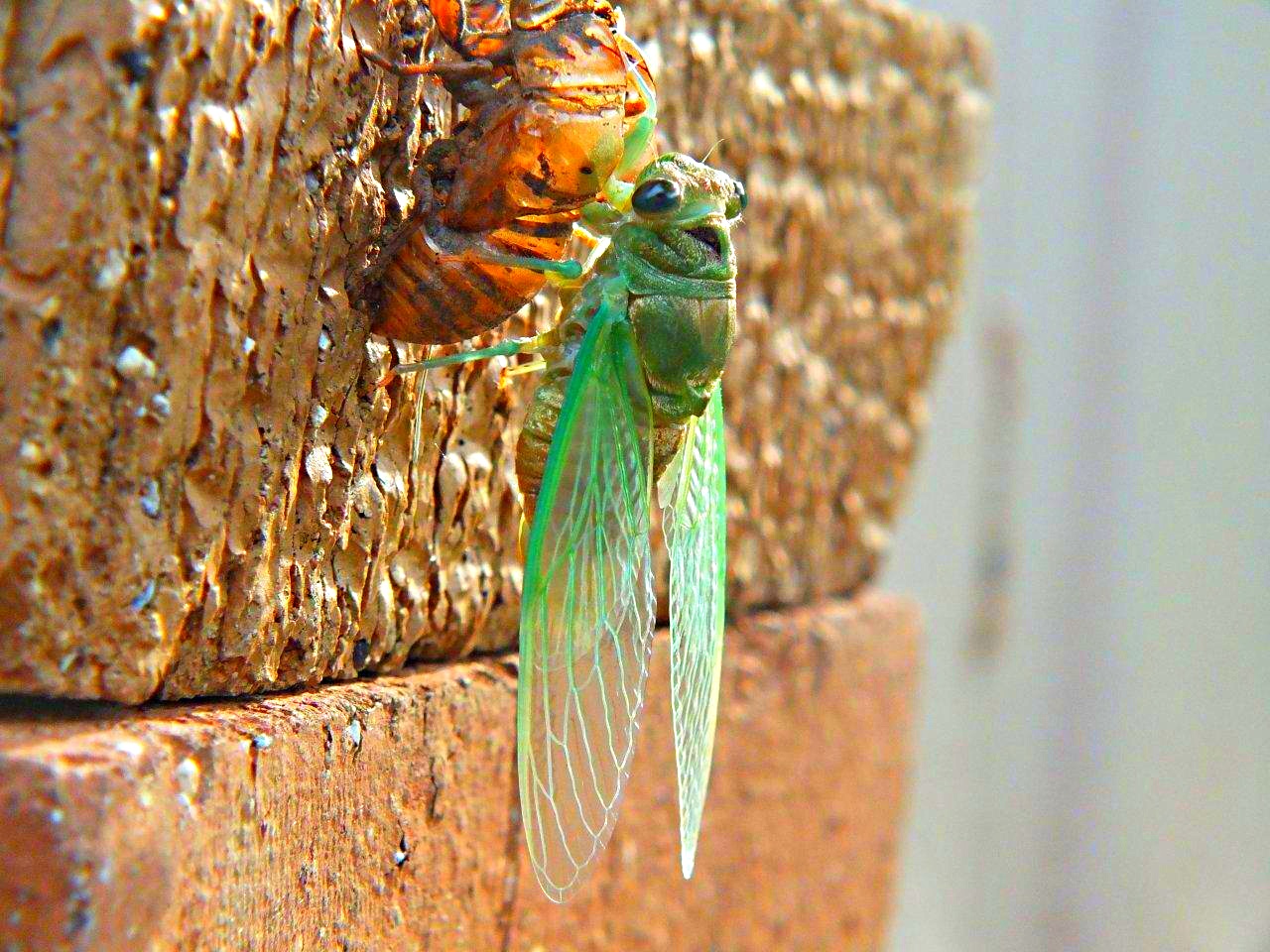
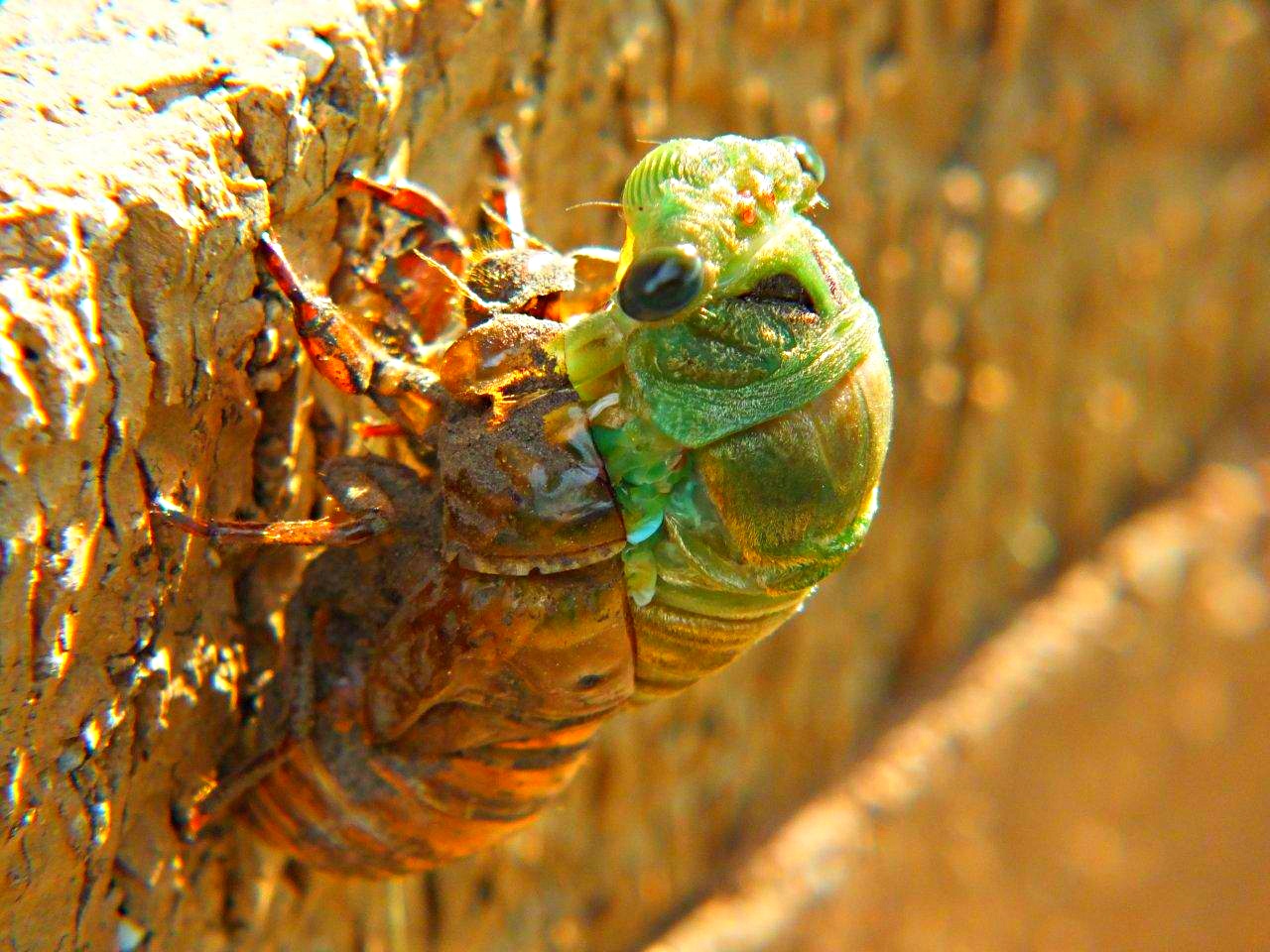
. Multi-photo: The gravity of living with awareness and kindheartedness outweighs the minuscule misery of mindlessness. Break free…
.
.
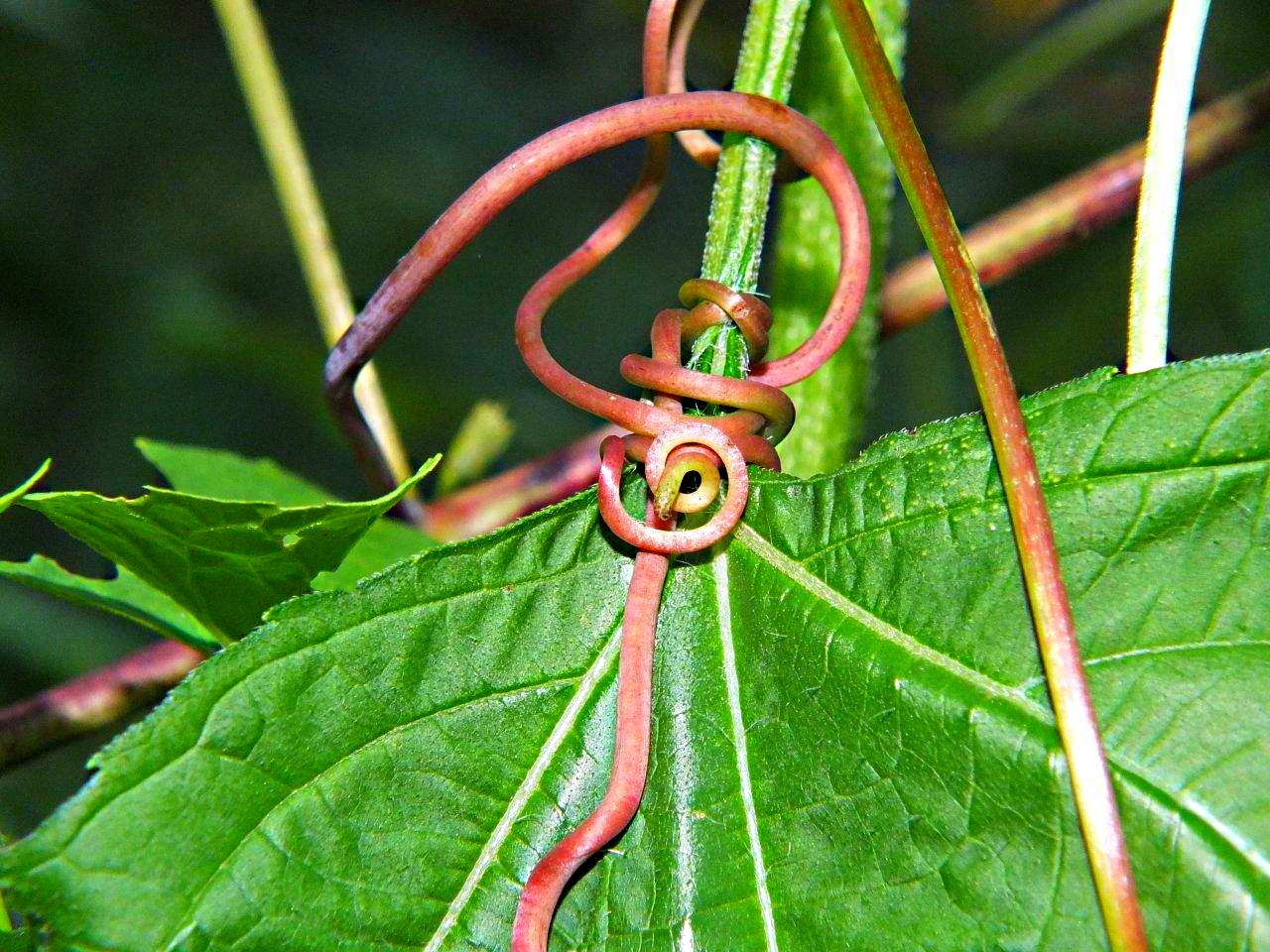
. [Below is a Cicada emerging from it exoskeleton case. Prior to this, they lie buried for 7 or 13 years or so… depending on the species. These are the insects that make loud symphonic sounds at the tree tops.]
.
Cicada Emerging (1)… by Thomas Peace 2013
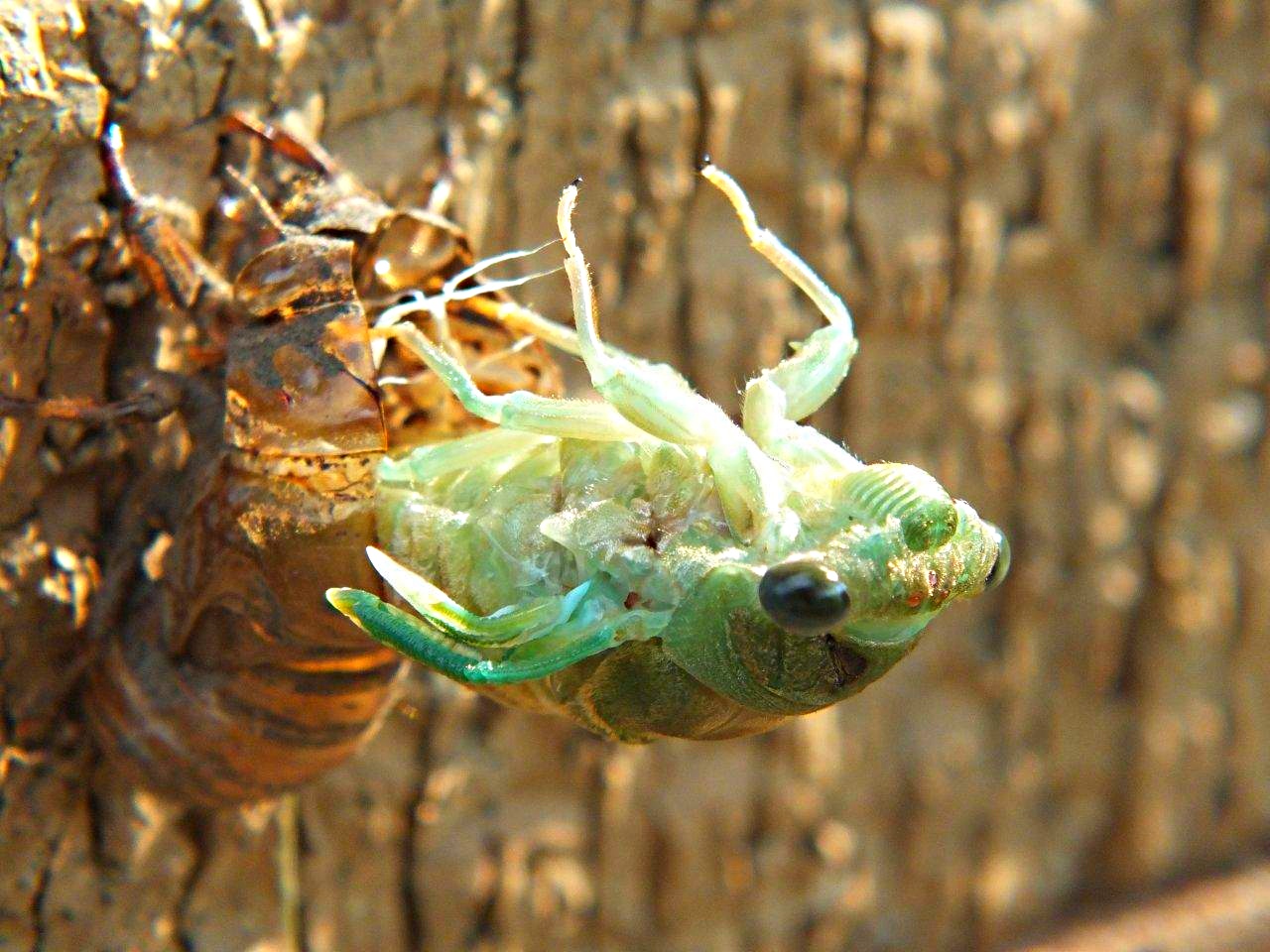
Cicada Emerging (2)… by Thomas Peace 2013

Cicada Emerging (3)… by Thomas Peace 2013

Cicada Emerged… by Thomas Peace 2013
.
.
.
.
. To unlock the conundrum of life’s profound and deep messages, one cannot remain shallow and coldly conditioned.
.
.
Ease off please… by Thomas Peace 2013

.
.
.
.
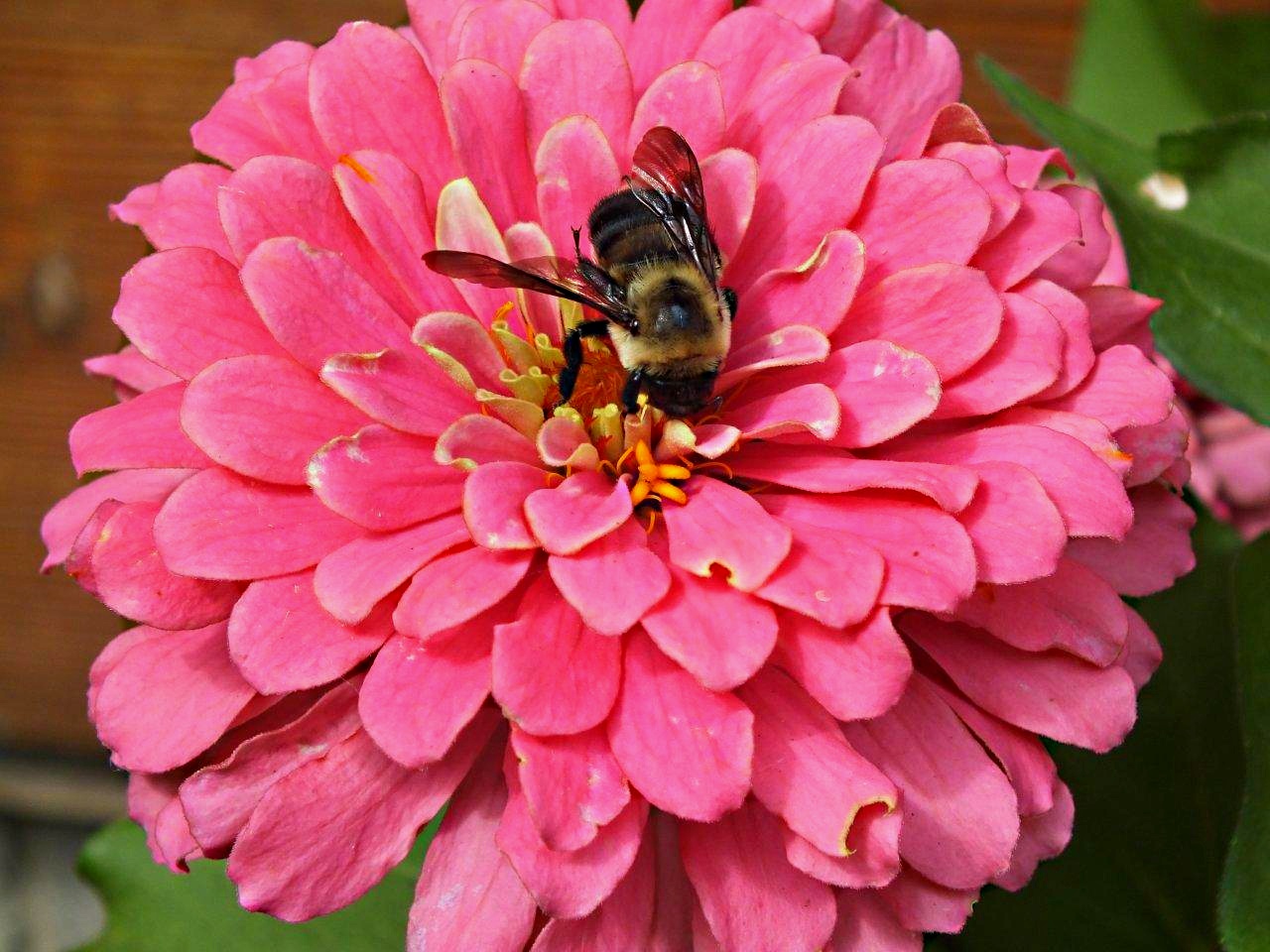
. Roses are red, violets are blue… please wake up and realize that what you perceive is you.
.
. [We are addressing this in the psychological, not physical sense, regarding the mind. When you look at the blue sky, your mind — as actual conscious perception (which you are) — consists of blueness… not of actual ozone, and updrafts of a stratosphere.]
.
.

Rosy outlook… by Thomas Peace 2013
😉
.
.
.
.
. Sensitivity is the nonability to function as a mechanical, robotic automaton who is independently aloof within the clockwork of mediocrity.
.
.

Center of attention… by Thomas Peace 2013

.
.
.
.
. To truly perceive nature that is all around you… you realize that it is you and you are it.
.
.
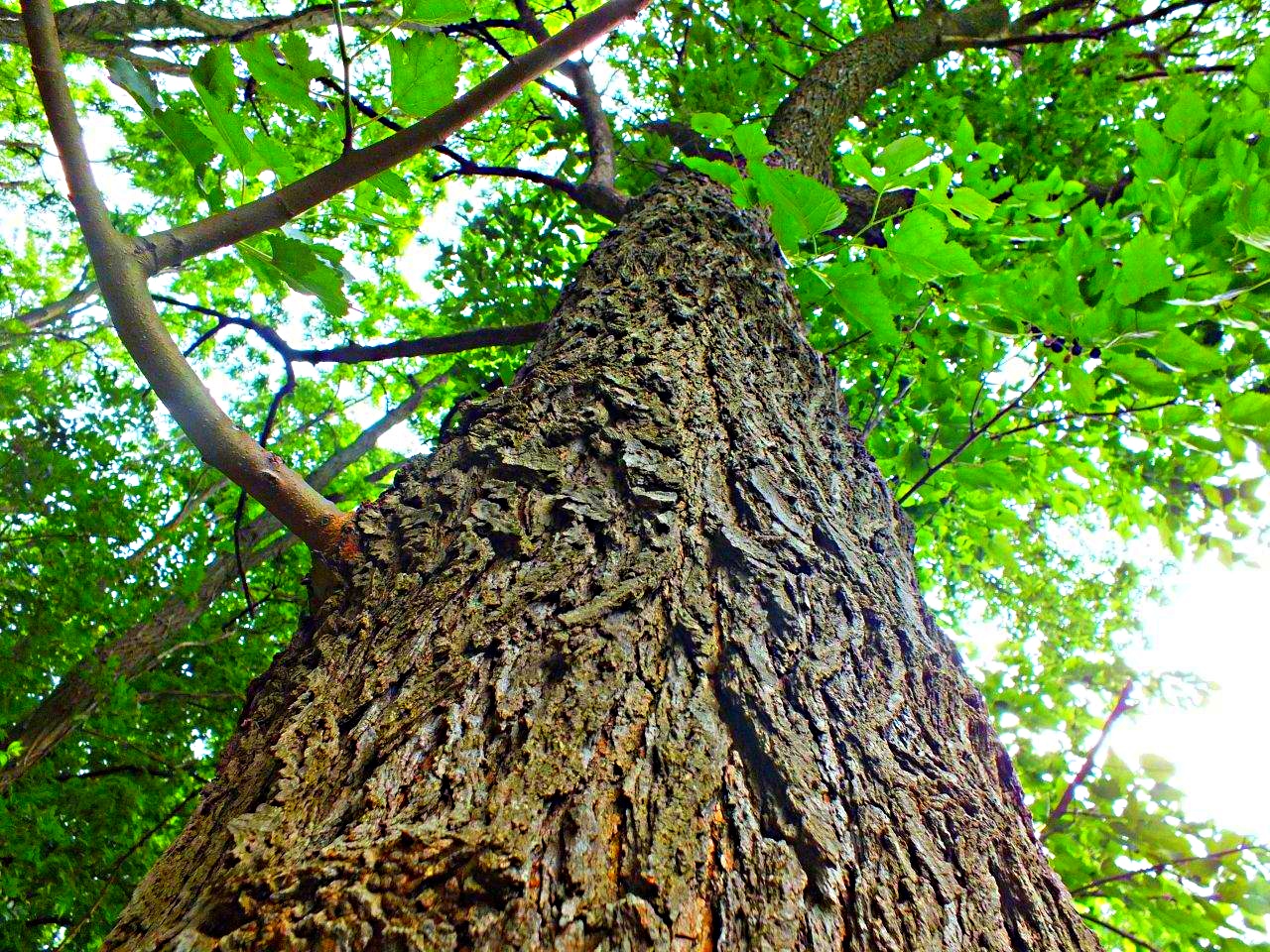
Squirrel Vision… by Thomas Peace 2013

.
.
.
.
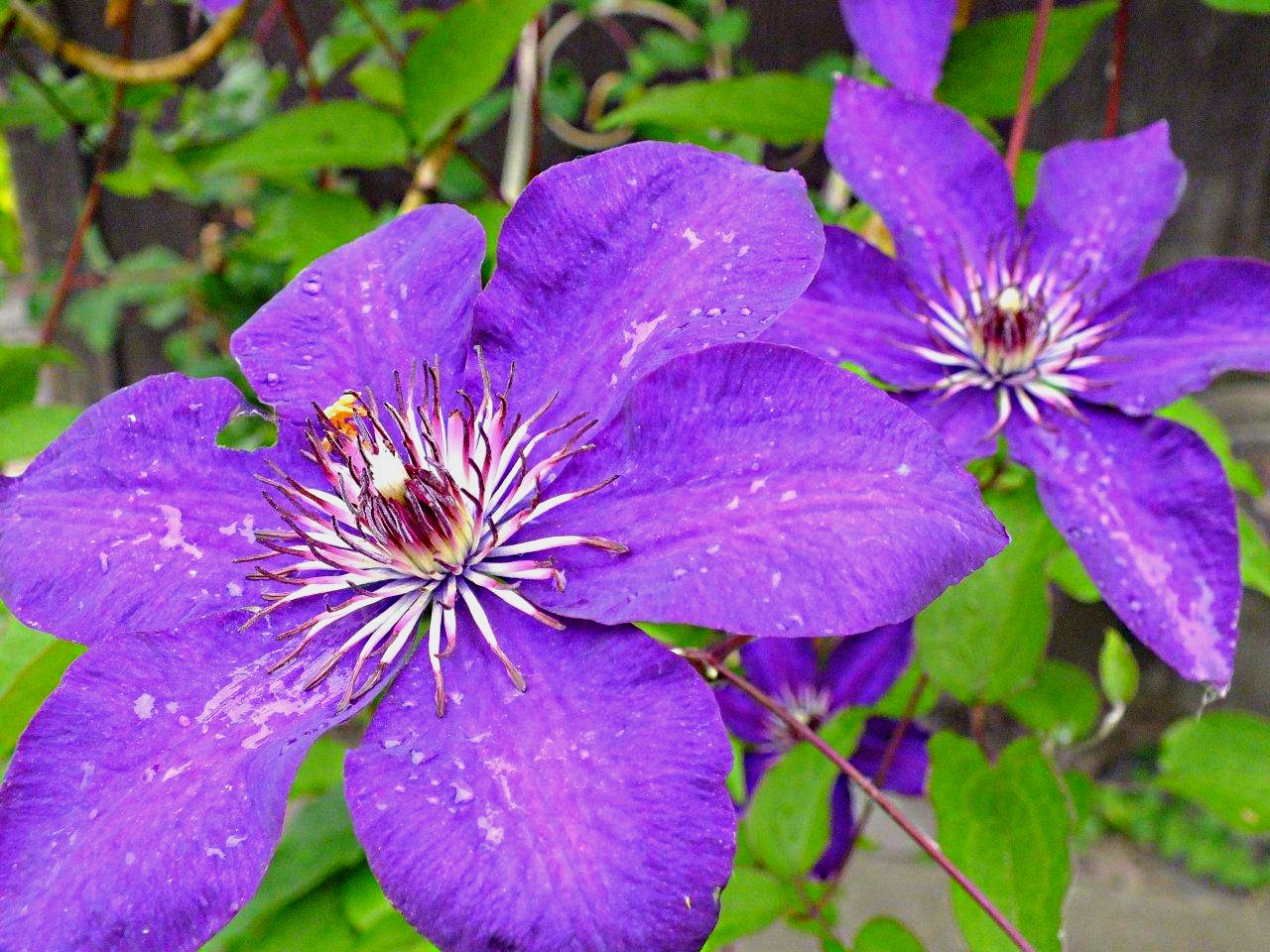
. Sensitivity helps — and merges with — others and all life; mere progress may pollute and destroy… so we must be careful and perceptive.
.
.
Of an evening… by Thomas Peace 2013
.
.
.
.
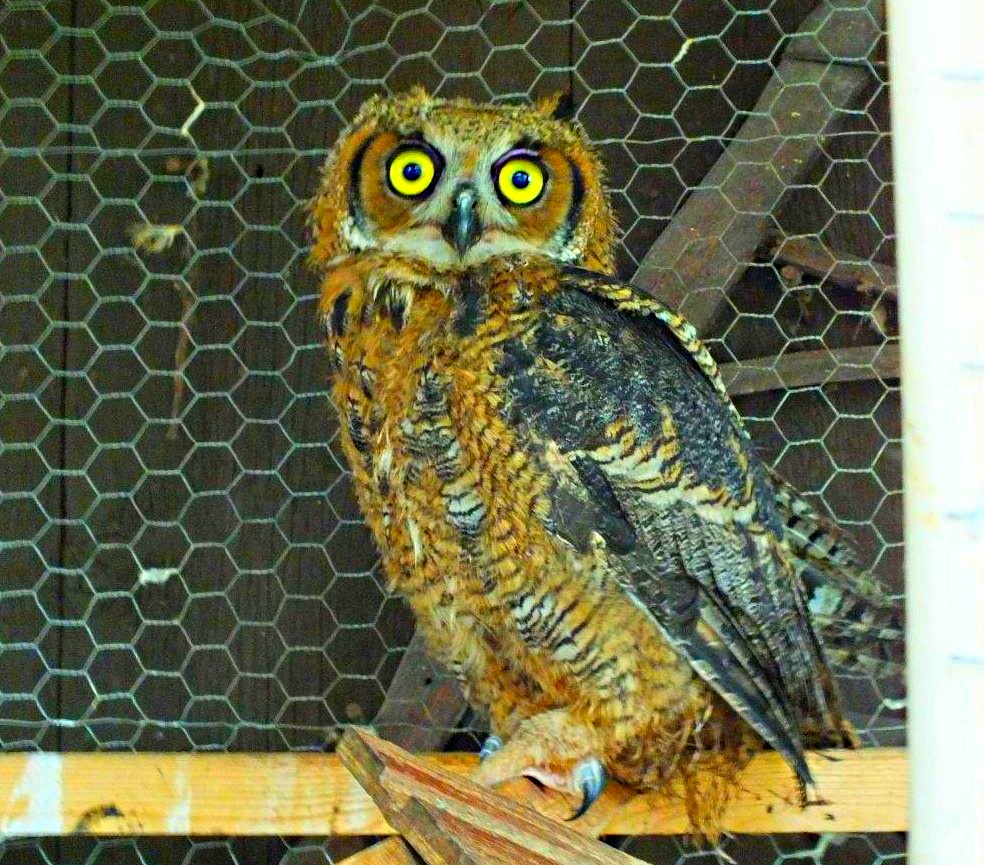
. If a book doesn’t pull the rug out from underneath you (buckling your knees), and if it doesn’t contain true (not fabricated) mystery… then — as with most books — the author probably shouldn’t have written it.
.
.

Quiet and alive… by Thomas Peace 2013
.
.
.
.
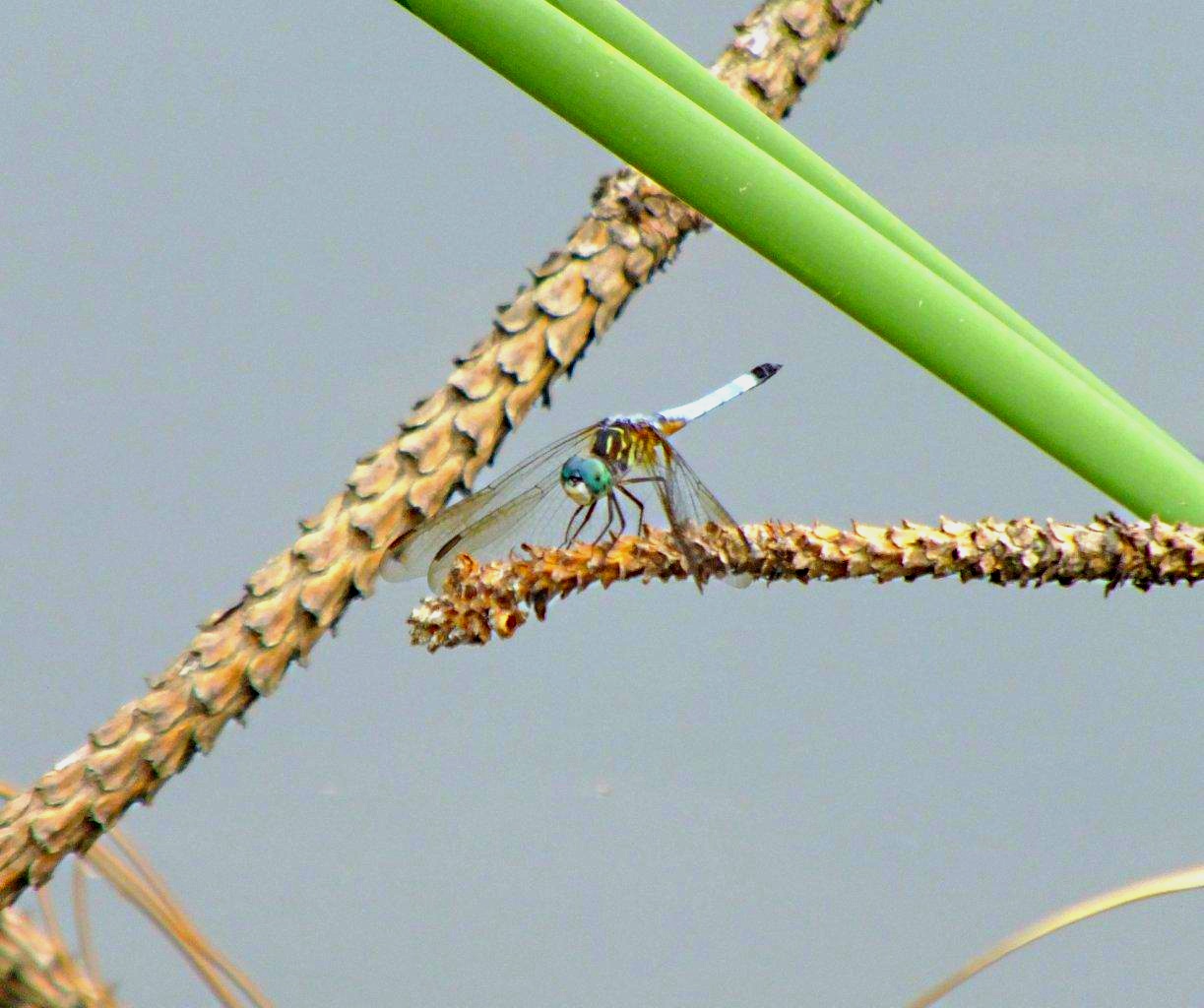
. The wisdom of profound insight and holistic perception is never the result of fractional thinking; all thought is fractional and “broken up.” Silence is golden.
.
.

Wise Old Owl (in rehab. facility)… by Thomas Peace 2013
.
.
.
.
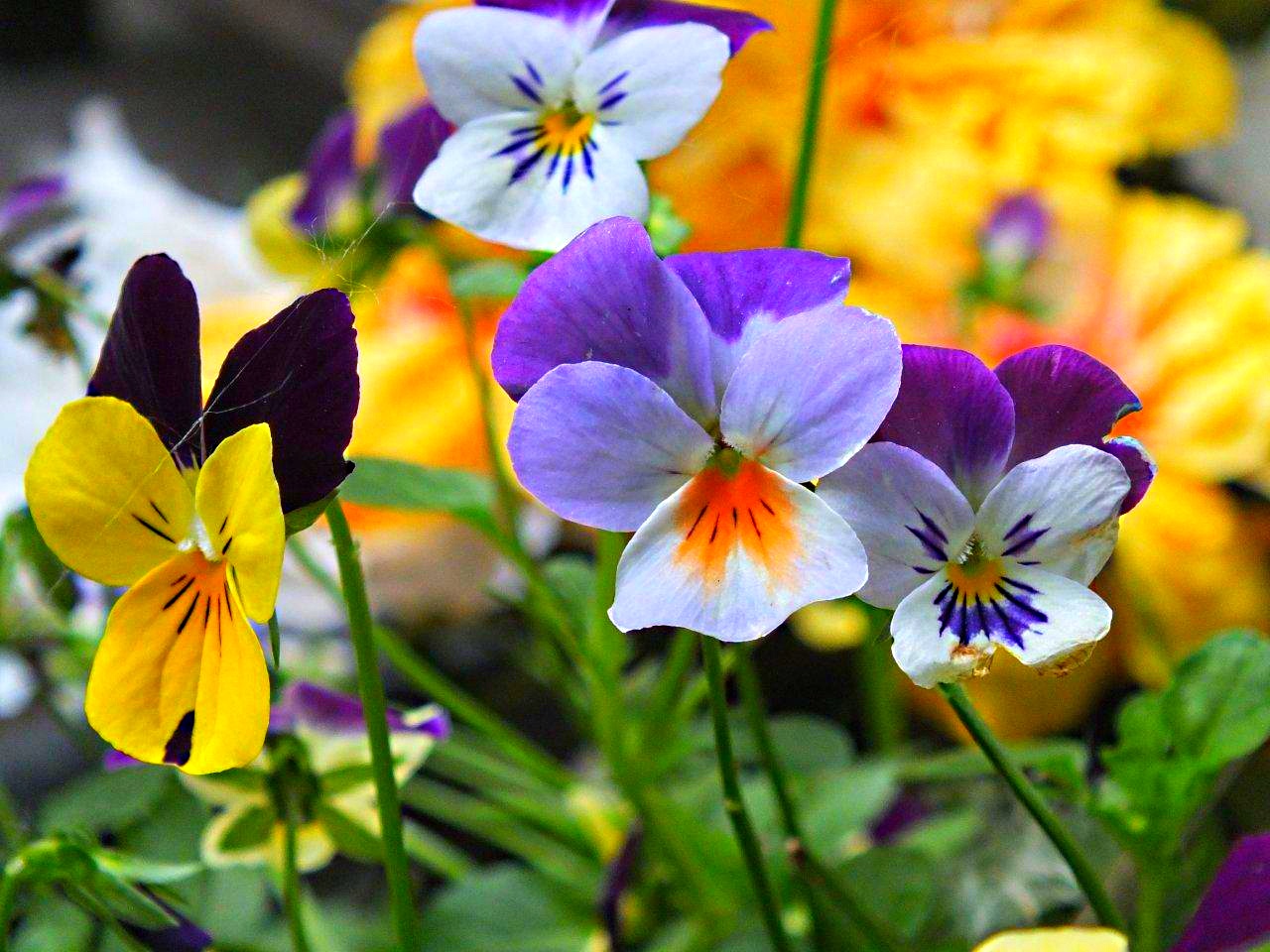
. So many of us absorb what mediocrity hands to us… and we go on in substandard ways without question.
.
.
Alert and Agile… by Thomas Peace 2013
.
.
.
.
. The dissonance, the lack of true harmony in so many innumerable minds, is largely the result of the wrong kind of education.
.
.

Young and Old… by Thomas Peace 2013
.
.
.
.
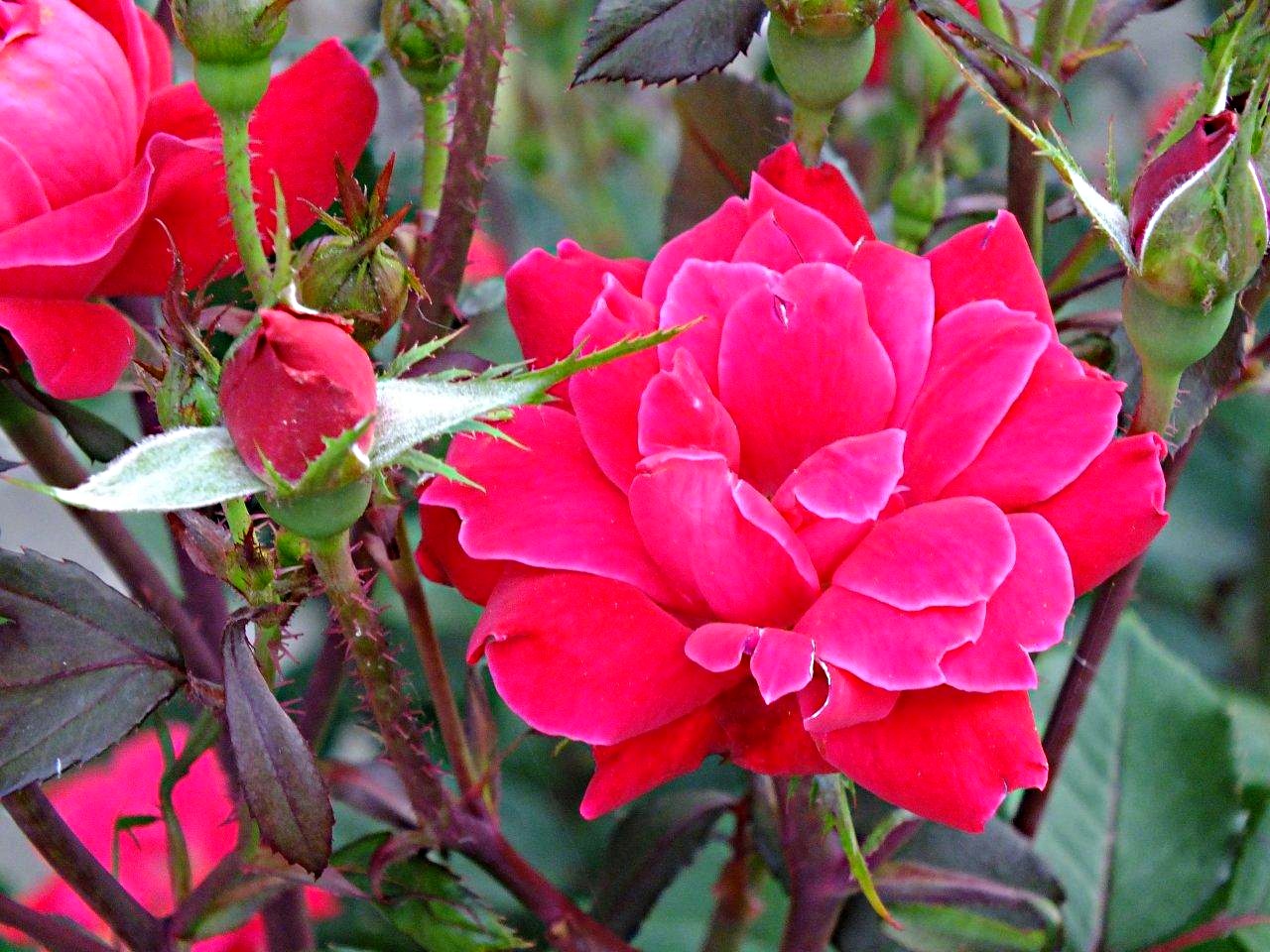
. To not be contaminated by the childish traditions, fallacies, and crudities of others… to not be as a second-hand shadow…
.
.

Flowering Independently… by Thomas Peace 2013
.
.
.
.
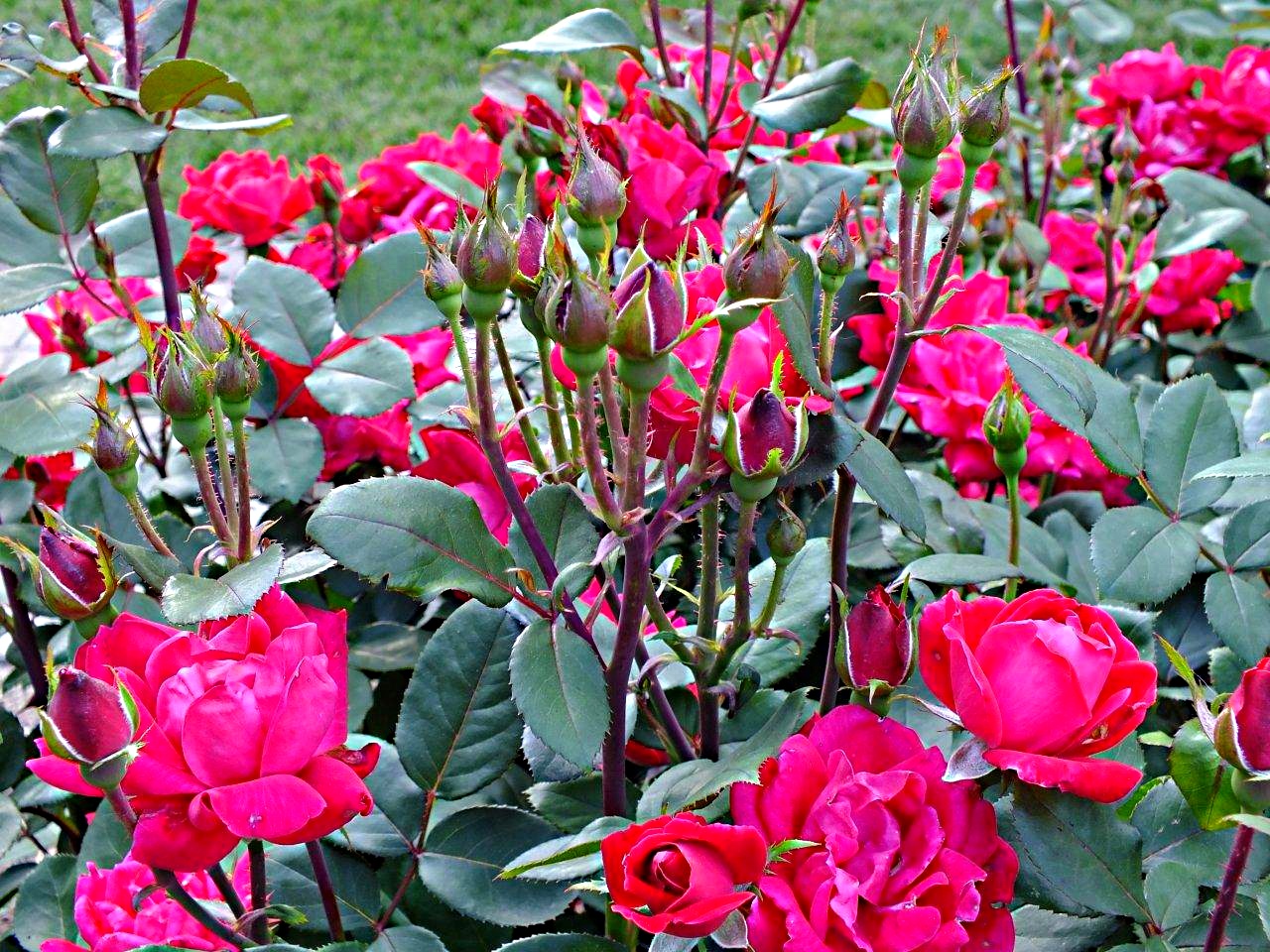
. Don’t build a thick psychological wall to protect yourself from “outside threats”; don’t distance yourself from what are really fears/perceptions that you actually are.
.
.

Superfluous Thorns… By Thomas Peace 2013
.
.
.
.
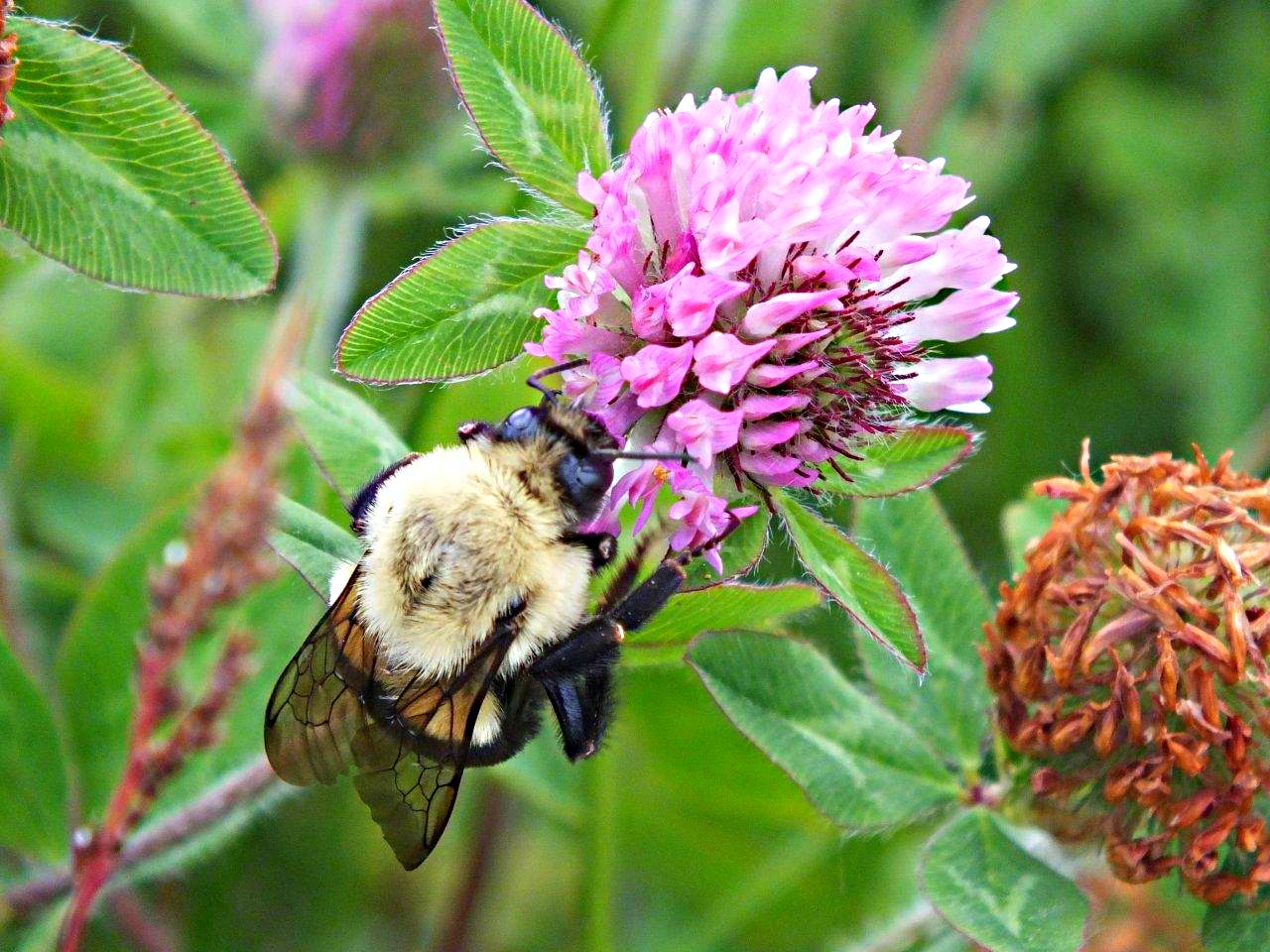
. Nationality is for the limited; globality is for the wise.
.
.
Bumble Be… by Thomas Peace 2013
.
.
.
.
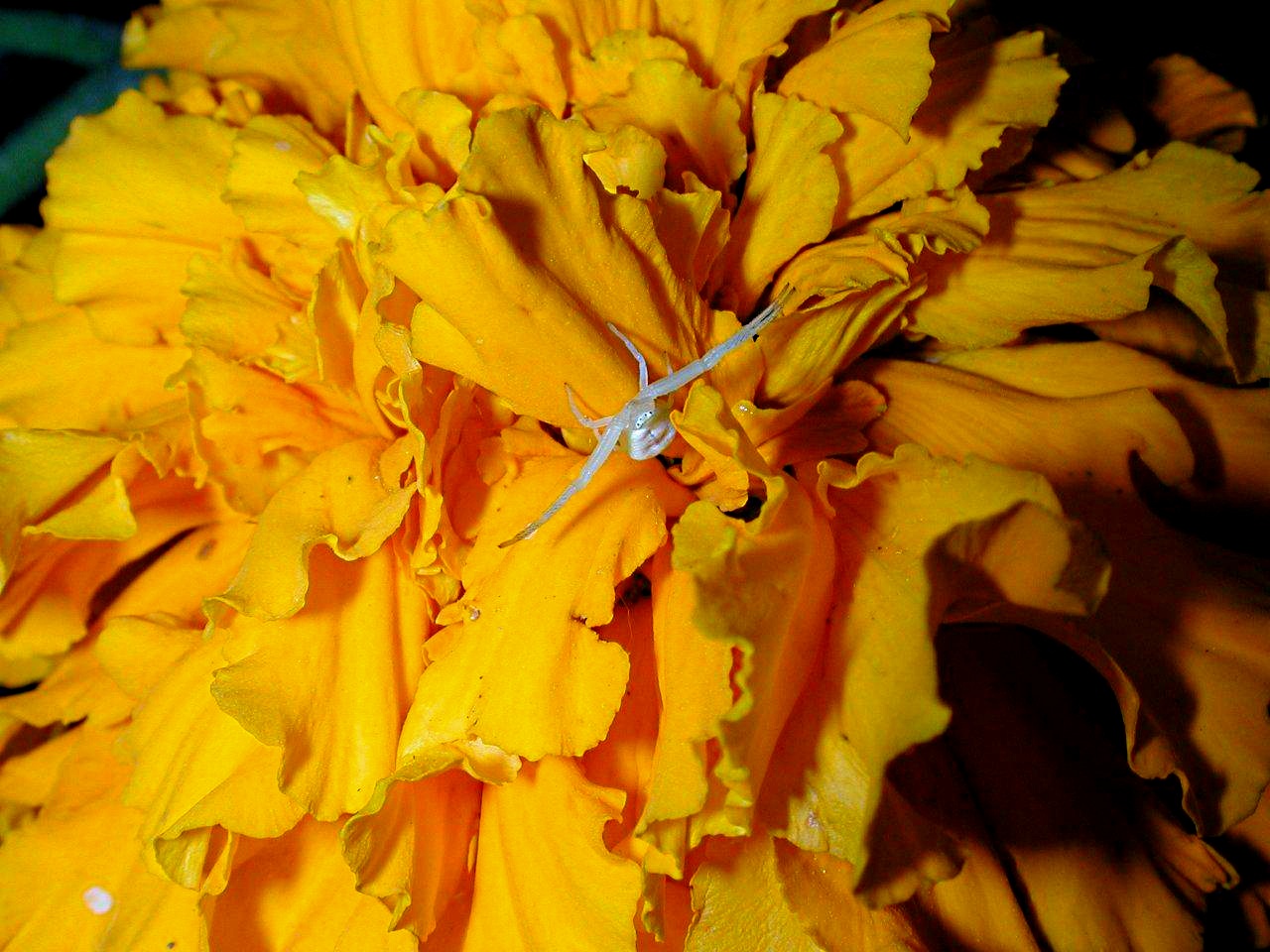
. Boredom is the manifestation of a distorted mind bereft (at that moment of boredom) of complete wisdom. Boredom is a fortunate signal — to the intelligent mind — that the mind has to work further with regard to understanding itself.
.

Beauty and the Beast… by Thomas Peace 2013

.
.
.
.
. So many merely follow the edicts and patterns of others; to merely follow the patterns of others leads to inevitable suffering. Don’t be afraid to stand alone.
.
.
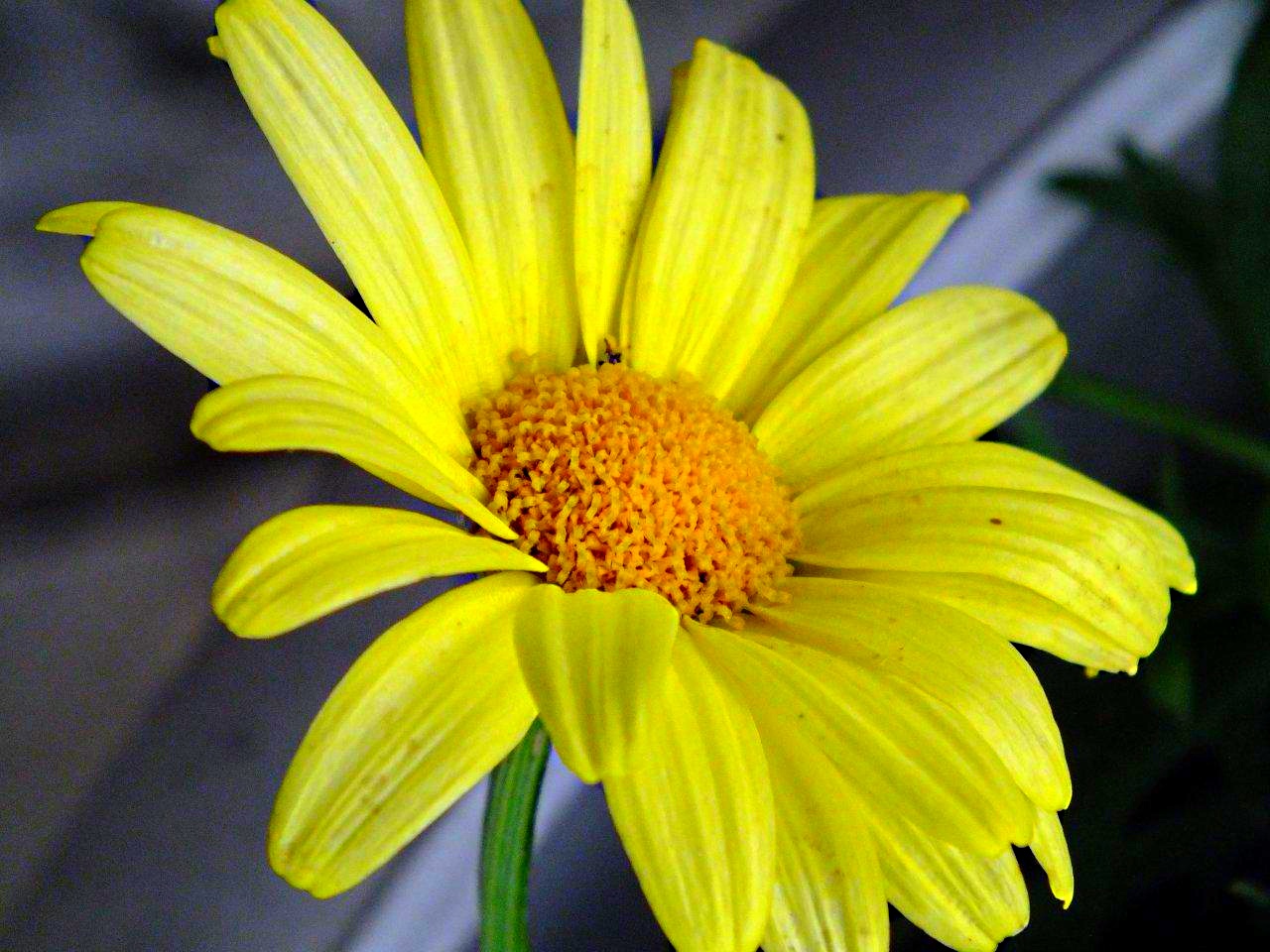
Singularity… by Thomas Peace 2013

.
.
.
.
. Don’t just immaturely be stuck with finite details… see the beautiful, infinite whole.
.
.

Perpetually immature… by Thomas Peace 2013

.
.
.
.
. To be cut off from the universal order is to merely look with separation and limited space “at energy” while (all the while) not existing in a direct relationship with orderly energy. True enlightenment is a real communion with — not merely a fabricated ritual about — that energy. Those who look at life through eyes of separation are — interestingly enough — inevitably apart (mentally, not actually) from that orderly energy that is universal, vast, and whole. To merely perceive through limited space is to remain ensnared in limited space. Such limitation causes the mind to often encounter boredom, indifference, melancholiness, and confined measures of control, stemming from a false, learned, fabricated center (involving a limited circumference, with it’s separation — and isolating walls — from all others). Psychological space between a “perceiver” and “that, which is perceived” often results in disorder resultant from limitation… (the limitation of a distorted, circumscribed, confined space). Intelligently go beyond such limitation.
.
.

Splendid Unfurling… by Thomas Peace 2013

.
.
.
.
. Live each moment with awareness and integrity… not with separative indifference.
.
.
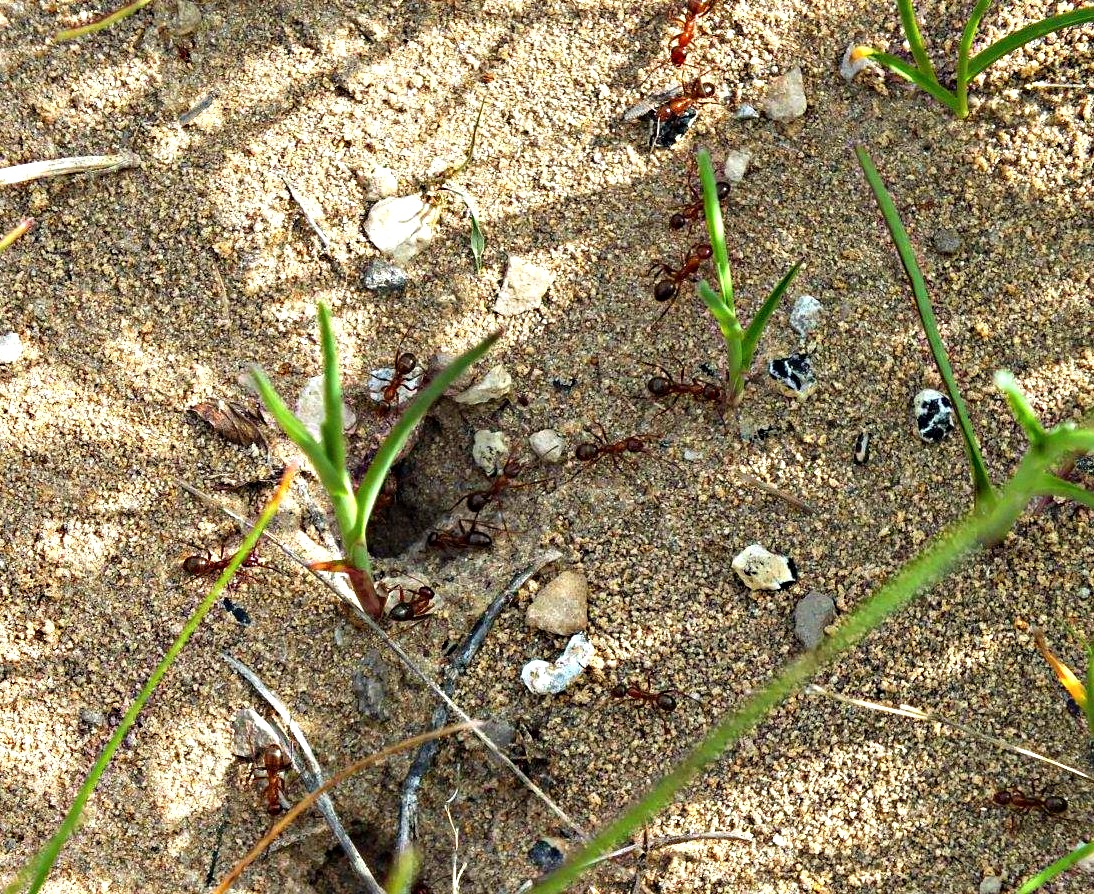
Our Cooperative/Orderly Plan… by Thomas Peace 2013

.
.
.
.
. Humans are another animal form; our intelligence does not make us far superior.
.
.

Years ago, my BelAir was far superior… by Thomas Peace 2013

.
.
.
.
. The excellence of an undistorted mind is the clarity of undistorted truth.
.
.
.

Very friendly Turquoise Severums in one of our tanks… by Thomas Peace 2013

.
.
.
.
. Only sorrow constantly strives to “get happy.”
.
.
.
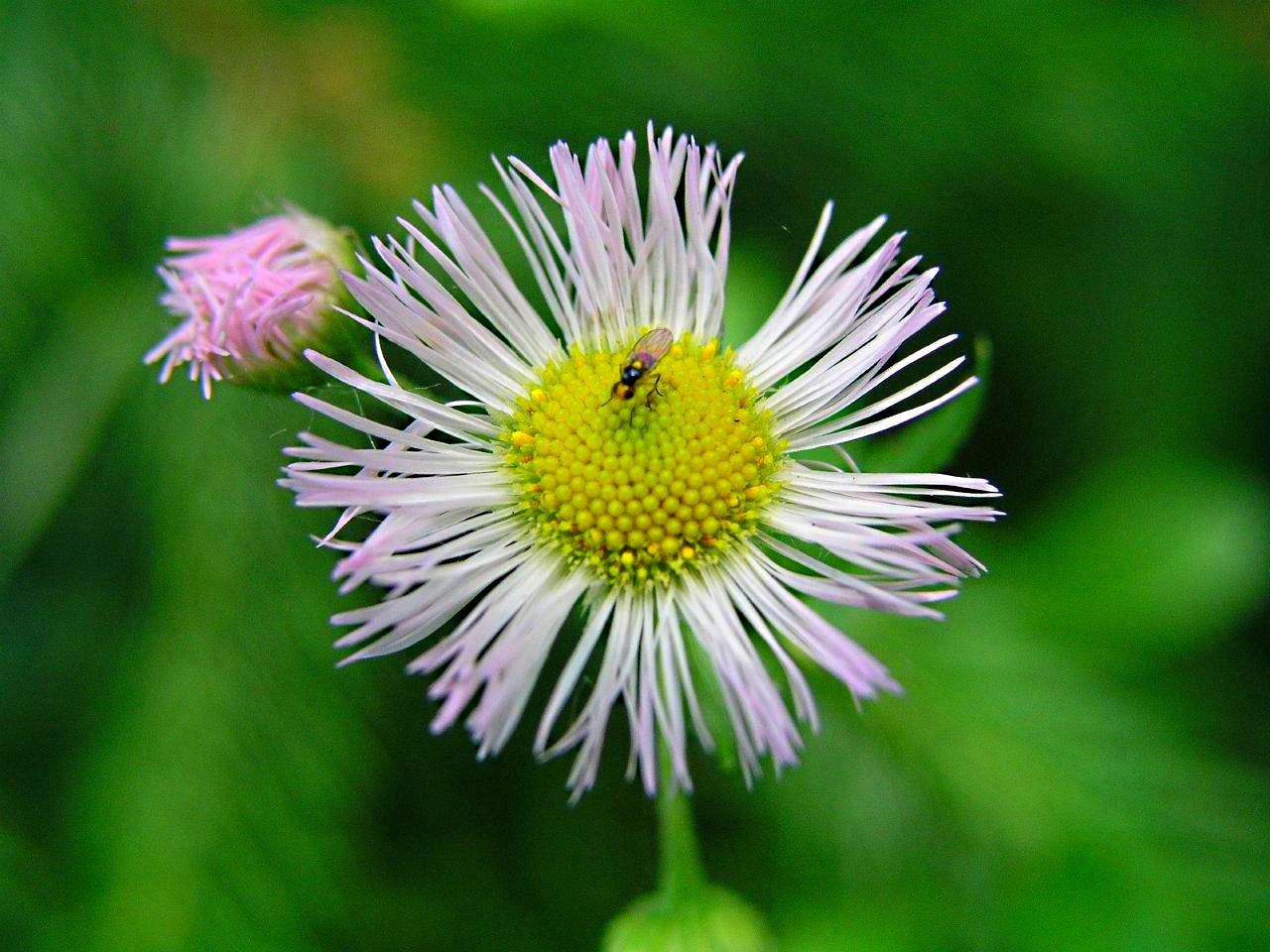
Simplicity… by Thomas Peace 2013
.
.
.
.
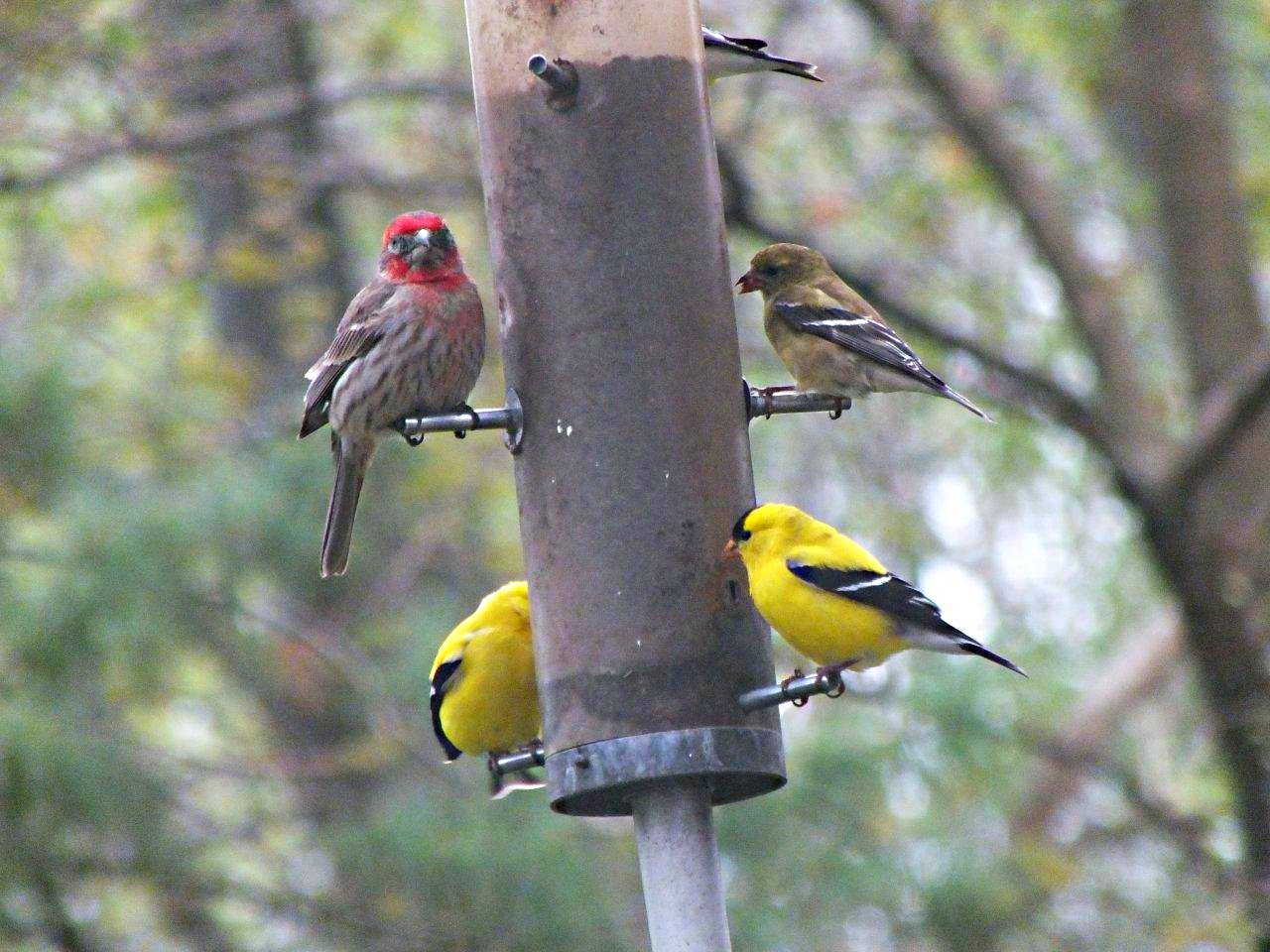
. When you look, do you merely look with separation between what “you are” and “what you see”?
.
.
.

Baby Goldfinch’s first time of joining the Big-shots… by Thomas Peace 2013
.
.
.
.
.
. The deepest truth exists in you yourself… not in books.
.
.
.
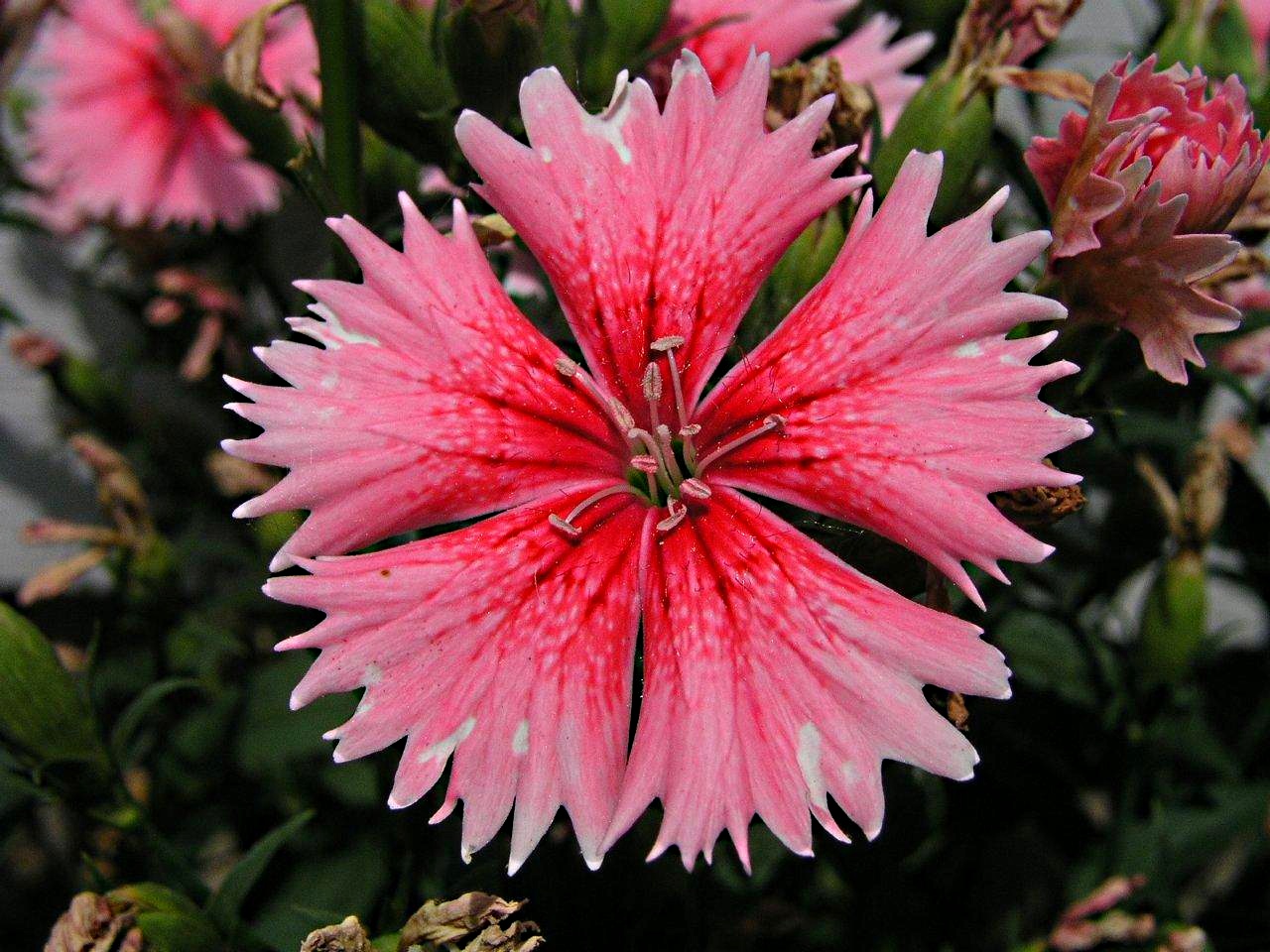
Beyond books… by Thomas Peace 2013
.
.
.
.
. We are all as fingers of a hand… different yet not truly separate.
.
.
.
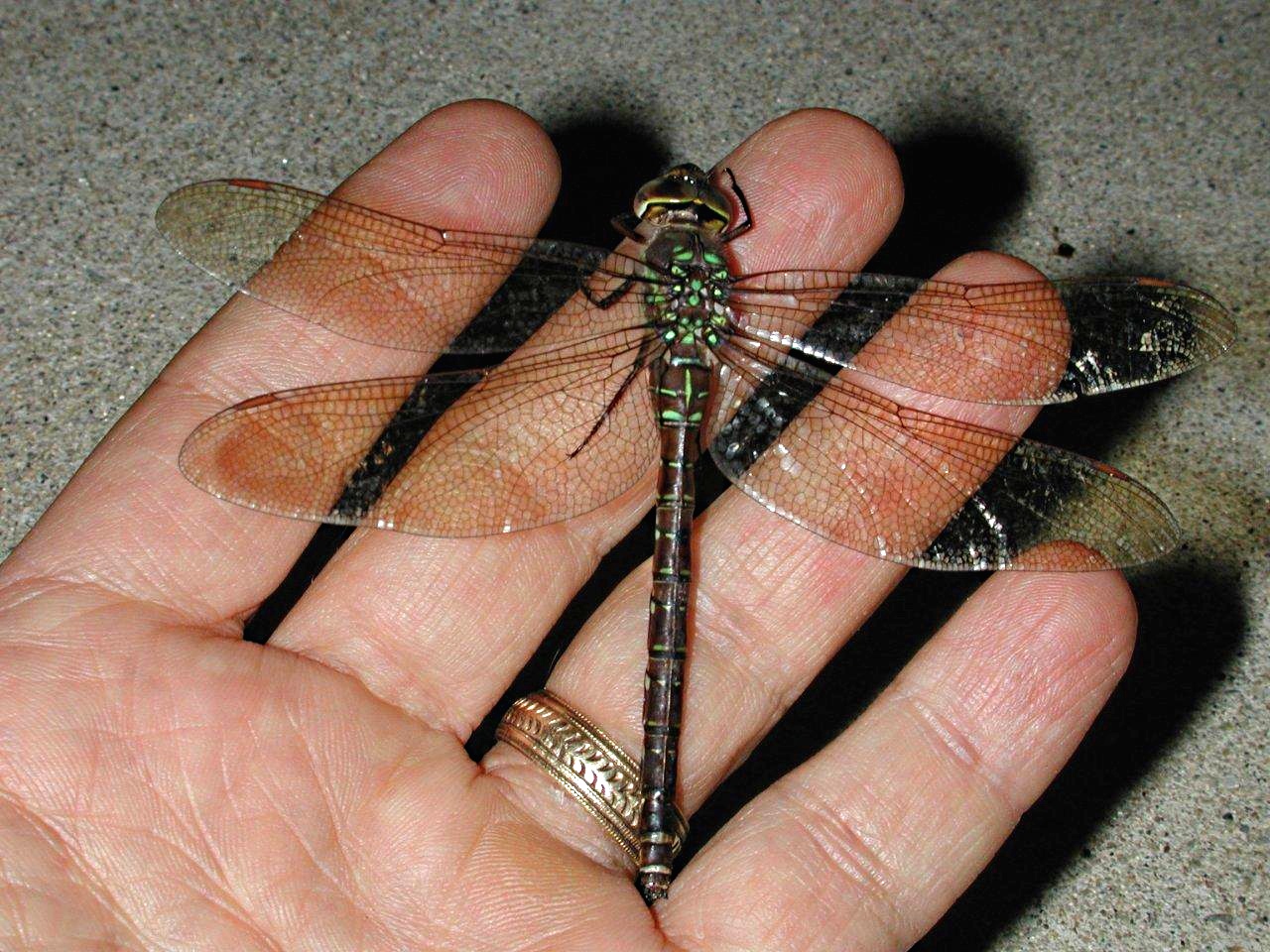
Different yet not separate… by Thomas Peace 2013
.
.
.
.
. They don’t have recycling in our (rural) area… but we take all of our recyclable plastics to Walmart; they graciously take recyclable plastics. All that you have to do is rinse out the remaining contents with water prior to taking them. Alternatively, like so many these days, you can ungraciously drink and drive and spew the empty containers all over mother earth (leaving a lasting trail of your crudity).
.
.
.
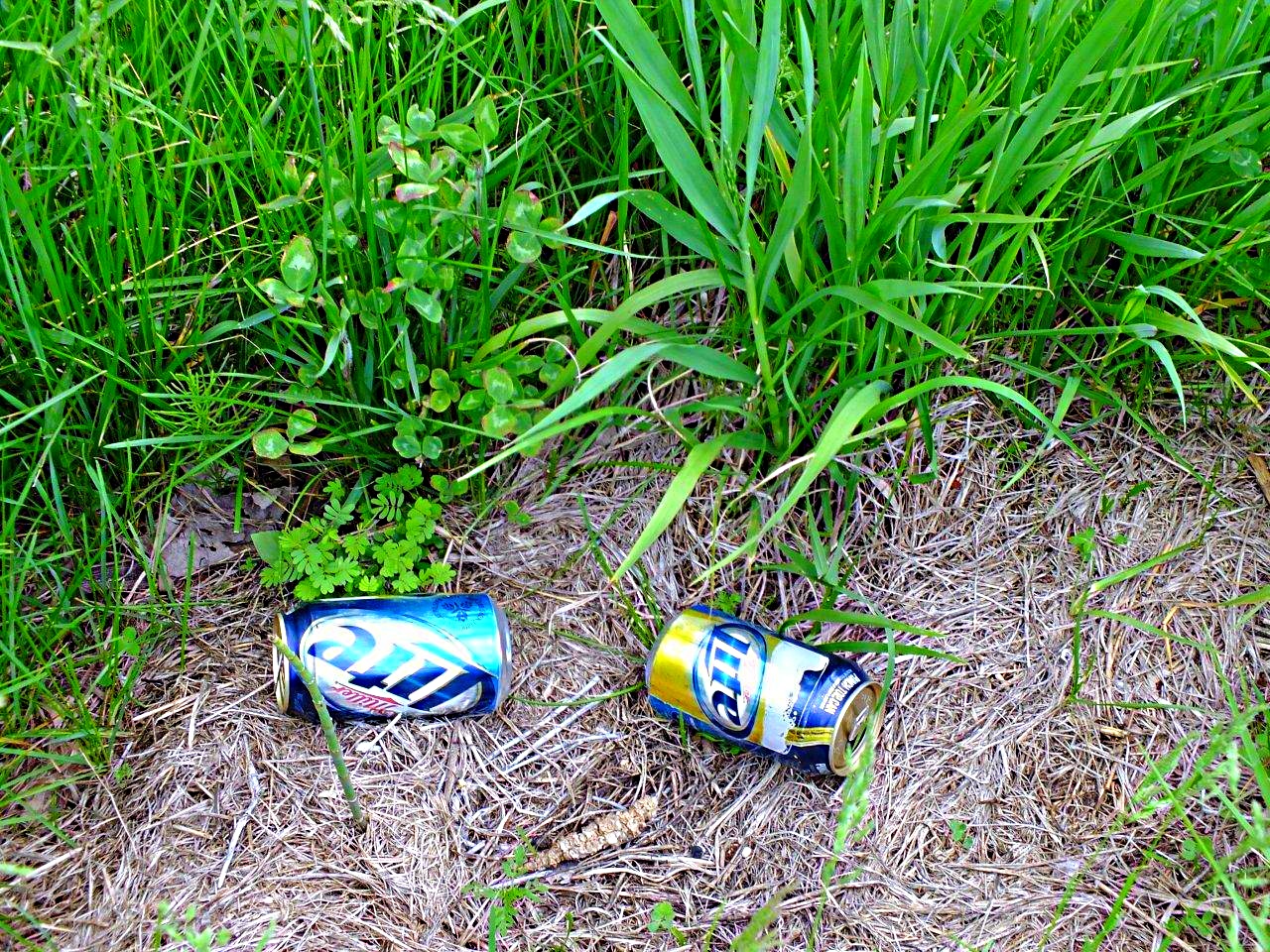
Signs of primitive life (just like they were found while taking nature photos…) by Thomas Peace 2013

.
.
.
.
. Psychologically, one is not truly separate from the perceived. Realizing this is true wisdom.
.
.
.

Red Cardinal… by Thomas Peace 2013

.
.
.
.
. The space that seems to separate us is nonexistent; we are all one… united.
.
.
.
.
. Below is a photo of a male Indigo Bunting; these nest in our yard every spring. Only the males have the bright blue coloring.
.

Indigo Bunting… by Thomas Peace 2013

.
.
.
.
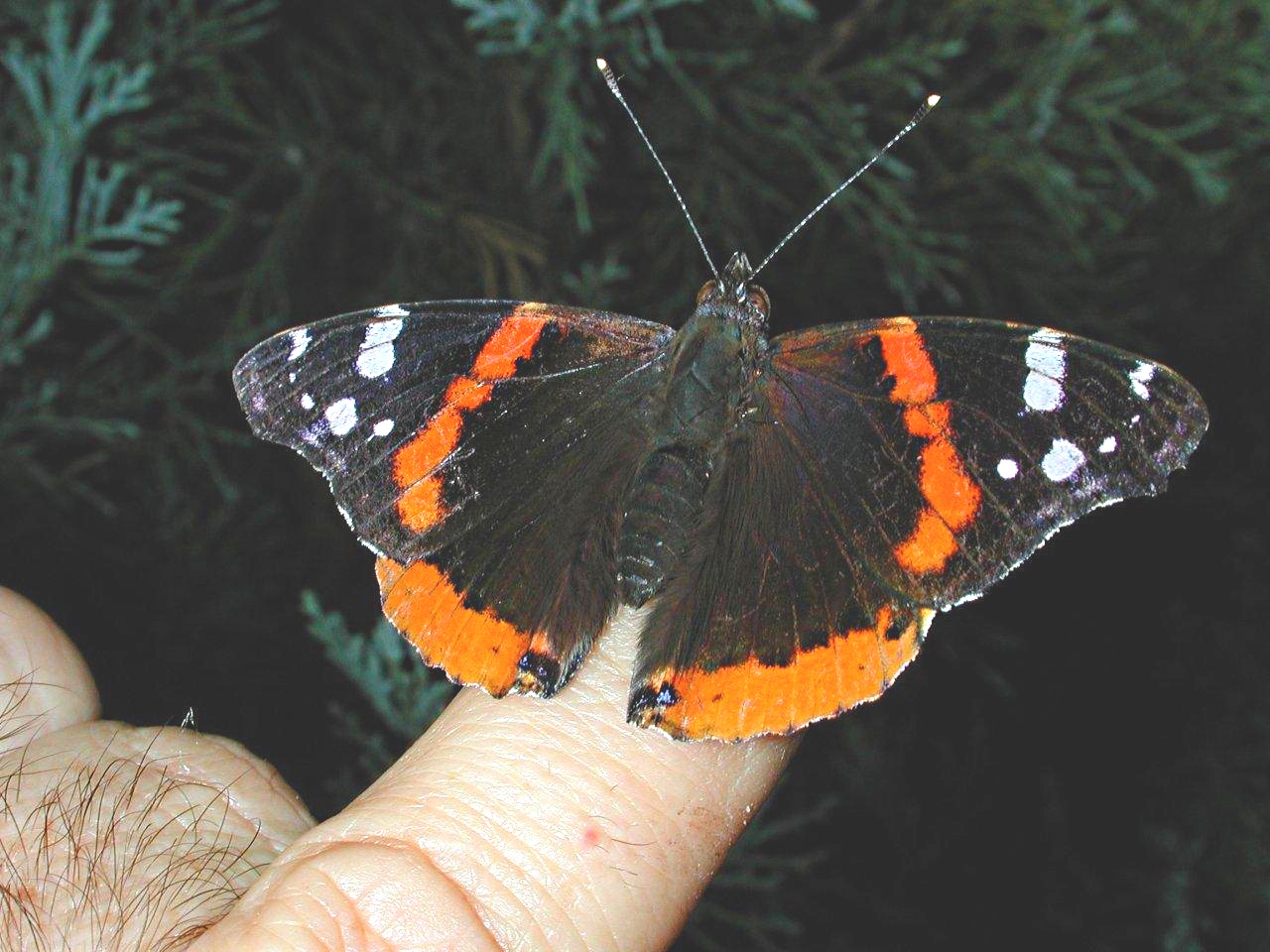
. Inner integrity and caring awareness are the real and true treasures in life.
.
.
.
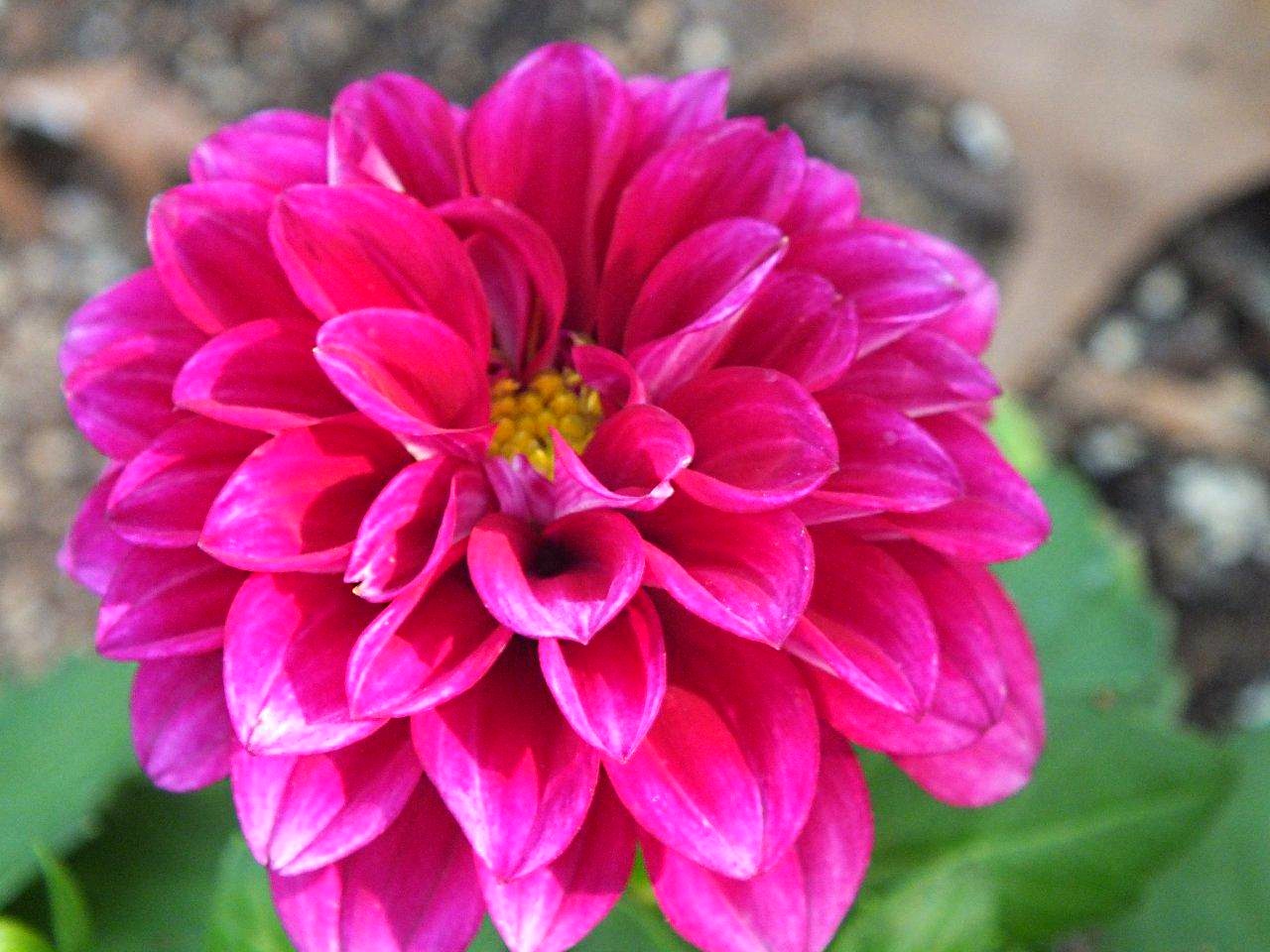
Priceless… by Thomas Peace 2013
.
.
.
.
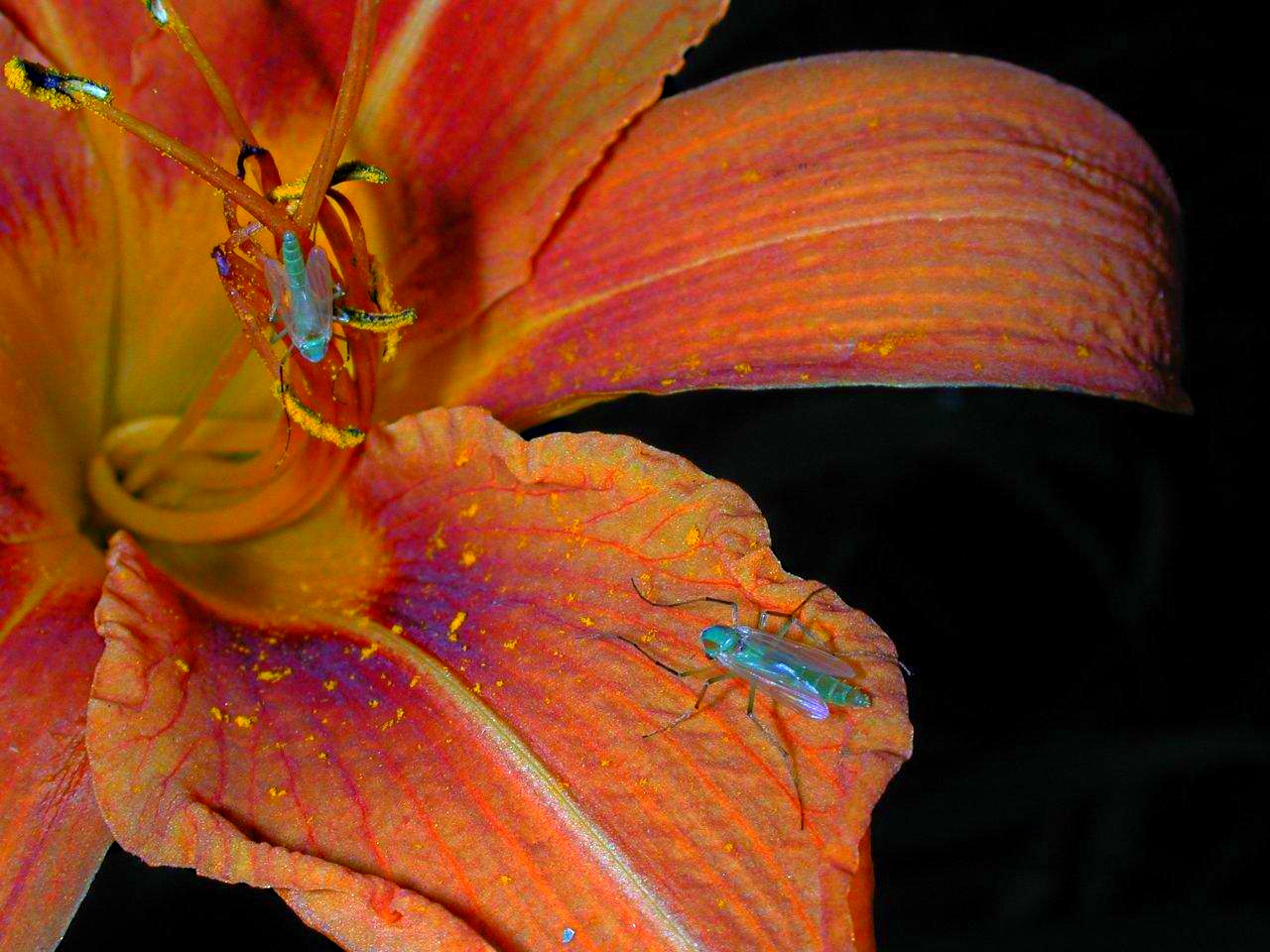
. Wisdom encompasses all; it embraces (and is) the loving whole.
.
.
.
Real Friends… by Thomas Peace 2013
.
.
.
.
. When you think: “My race is the better race,” you are erroneous and fragmentary.
.
.
.

Lily and Irving… by Thomas Peace 2013

.
.
.
.
. The basic essence of “thoughts” is that they are all essentially conditioned, as part of a cause/effect continuum. Wisdom is pure silence. Thoughts are vital for survival but — though this may seem odd to people in our exclusively thought-based society — most people, unfortunately, greatly overuse the process of thinking. (We are not suggesting that one vegetate into some kind of abyss of feeble-mindedness and ineptitude; the mind can often, in deep intelligence, be fully aware without merely thinking via sequential symbols). Thoughts are symbolic, residual responses, and, as such, they inherently are limited, second-hand reactions. Reactions have their place, but a mind that is heavily immersed in merely being essentially a series of reactions… tends to be a rather mechanical, robot-like mind (even though it may seem to be “normal” by society’s low standards). Profound intelligence is warm (whole) action, not mechanistic (fragmentary) reaction. To merely be one conditioned series after another, day in and day out, may be acceptable (and even “normal,” by society’s current standards), but it may not be what “truly living is” whatsoever. If the implicit nature of thought is that it (i.e., all of it) is essentially conditioned and residual, then to truly be intelligently free, one must go beyond the parameters of thought/thinking.
To observe holistically requires more than just thought. Thought/thinking is always fractional… and if one is constantly observing only through the filters constructed from symbolic thinking, then one cannot truly be observing holistically (though one may erroneously maintain that one sees the whole). For too many, the “whole” is just another symbolic concept (or a series of learned concepts). Thought is always partial and crudely sequential; one can only basically think one thing — or just a few things — at a time. A mind of perturbability is often bubbling with reactionary thought; most people are merely spewing with thought upon thought; a set — a continuous series — of mere conditioned reactions is fundamentally constituted of distortion. (The current state of our society is a reflection of that distortion.) If thought is always fractional and limited, it may be — in a way — akin to restless, fragmentary waves on the surface of a lake. Each of the waves may reflect only a part of what is above (in a very distorted way). An analogous, still lake is not as conducive to distortion (concerning the immeasurable, universal beauty of what is above).
.
.
.
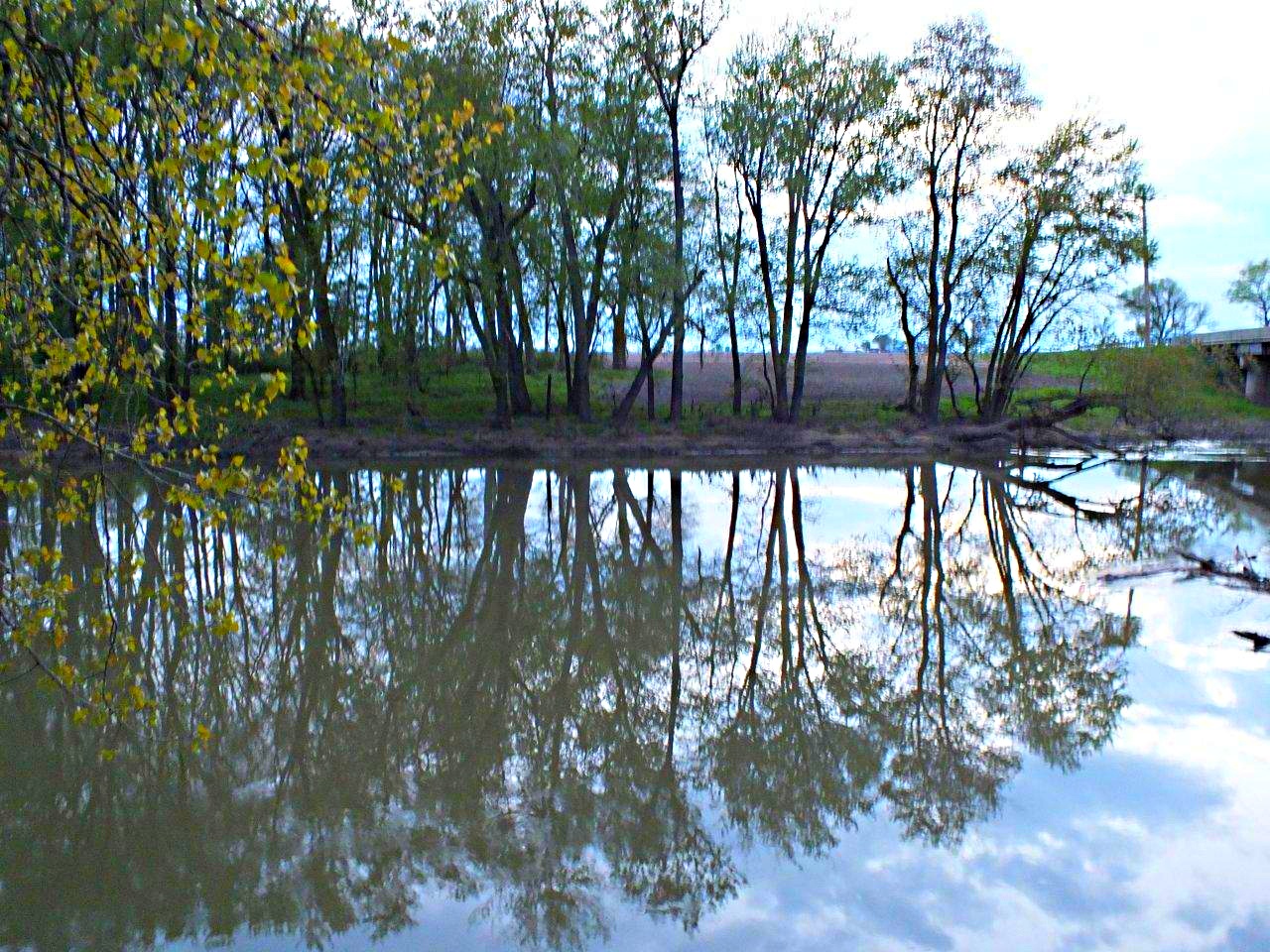
Stillness… by Thomas Peace 2013

.
.
.
.
. To merely perceive separate things, with everything being fragmented by erroneous (learned) mental filters — even if one is a renowned scientist — is not to see at all.
.
.
.
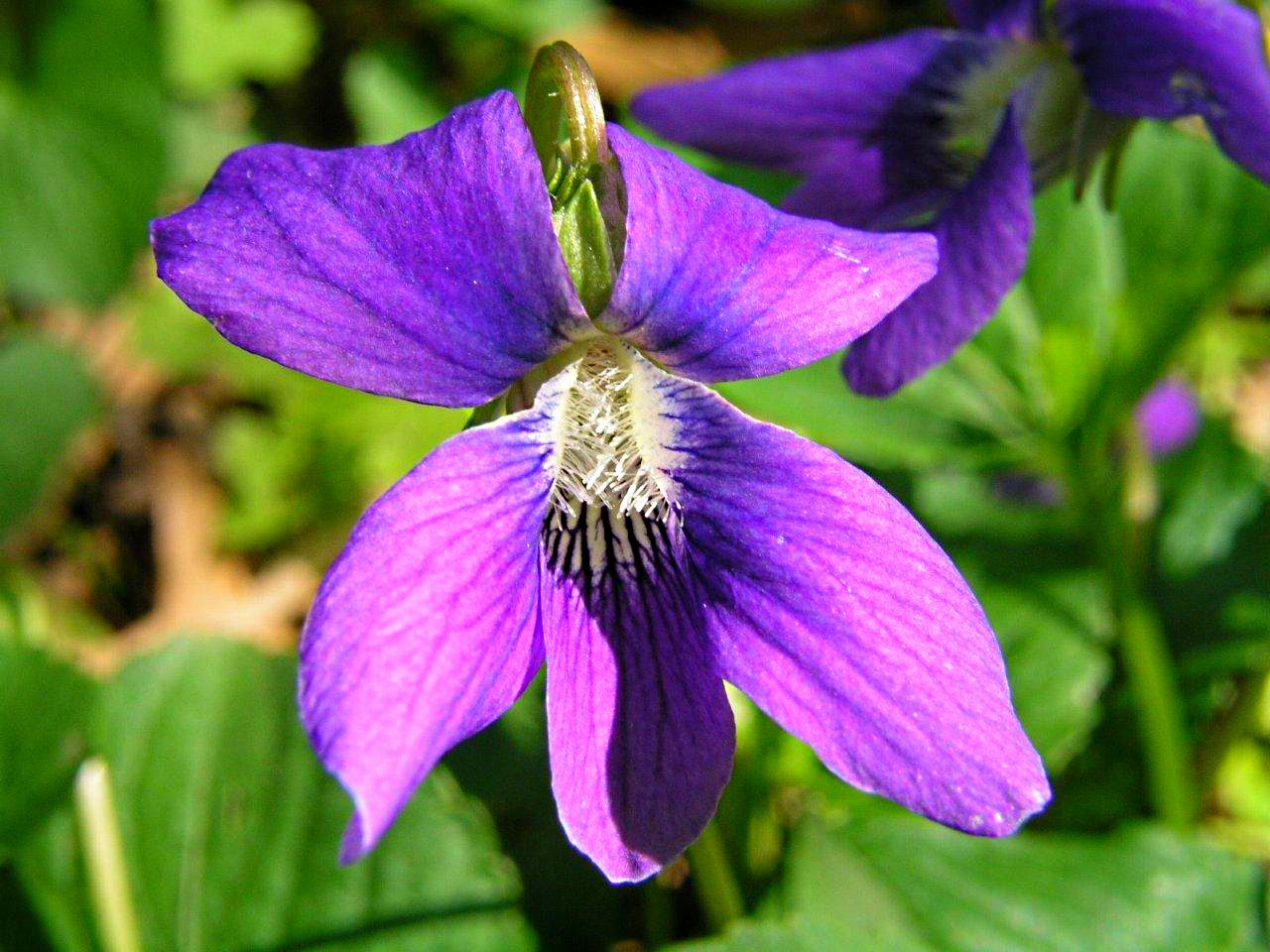
Its multiplicity is oneness… by Thomas Peace 2013
.
.
.
.
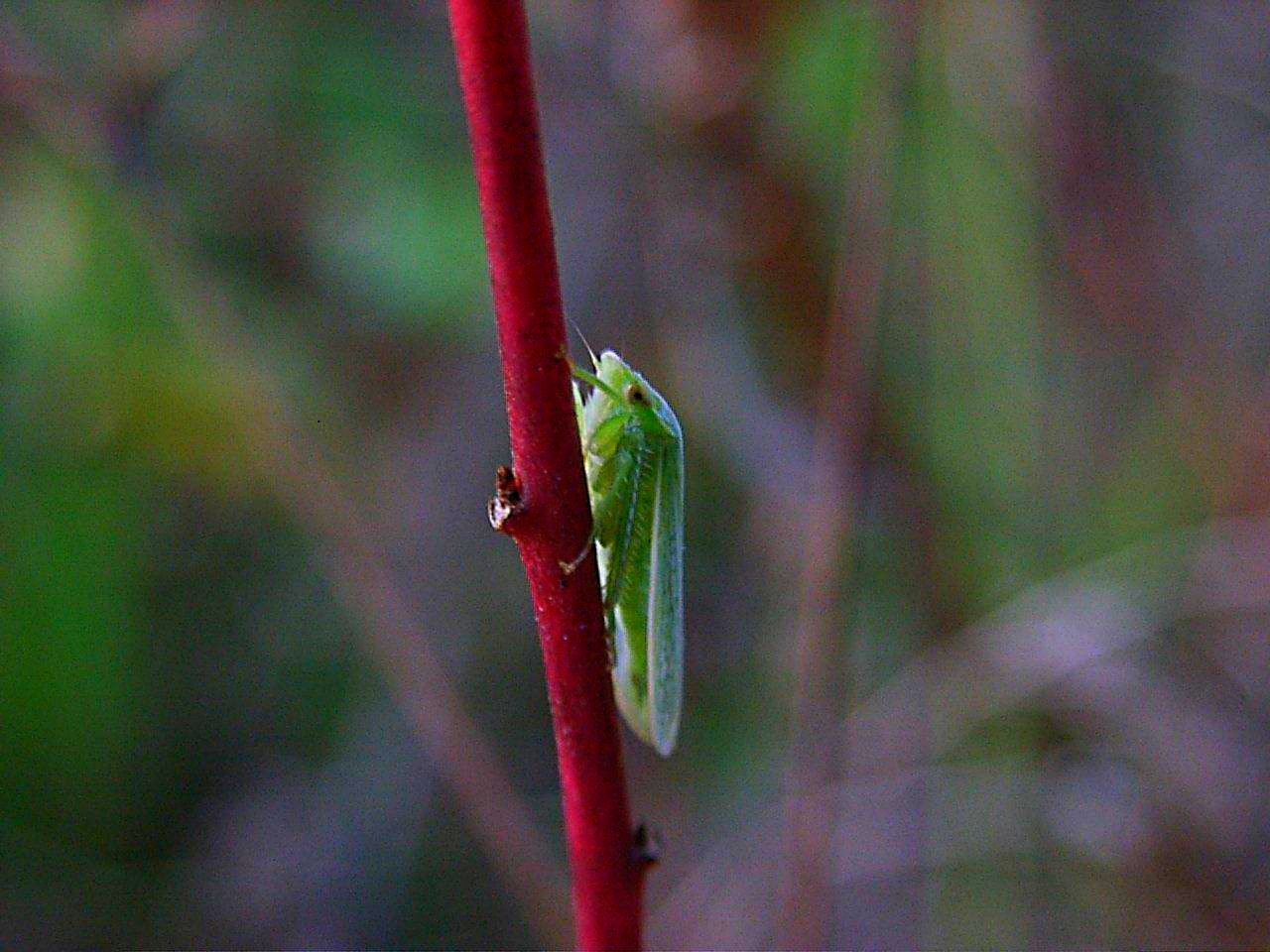
. Never ever feel that you are too insignificant to make a meaningful difference in the cold, (often) meaningless world; you’ve got real magic in you!
.
.
.

No way but up for Miss Leafhopper… by Thomas Peace 2013

.
.
.
.
. The moment you struggle to achieve attention, attention is not; the moment you use a method to attain wisdom, wisdom is not.
.
.
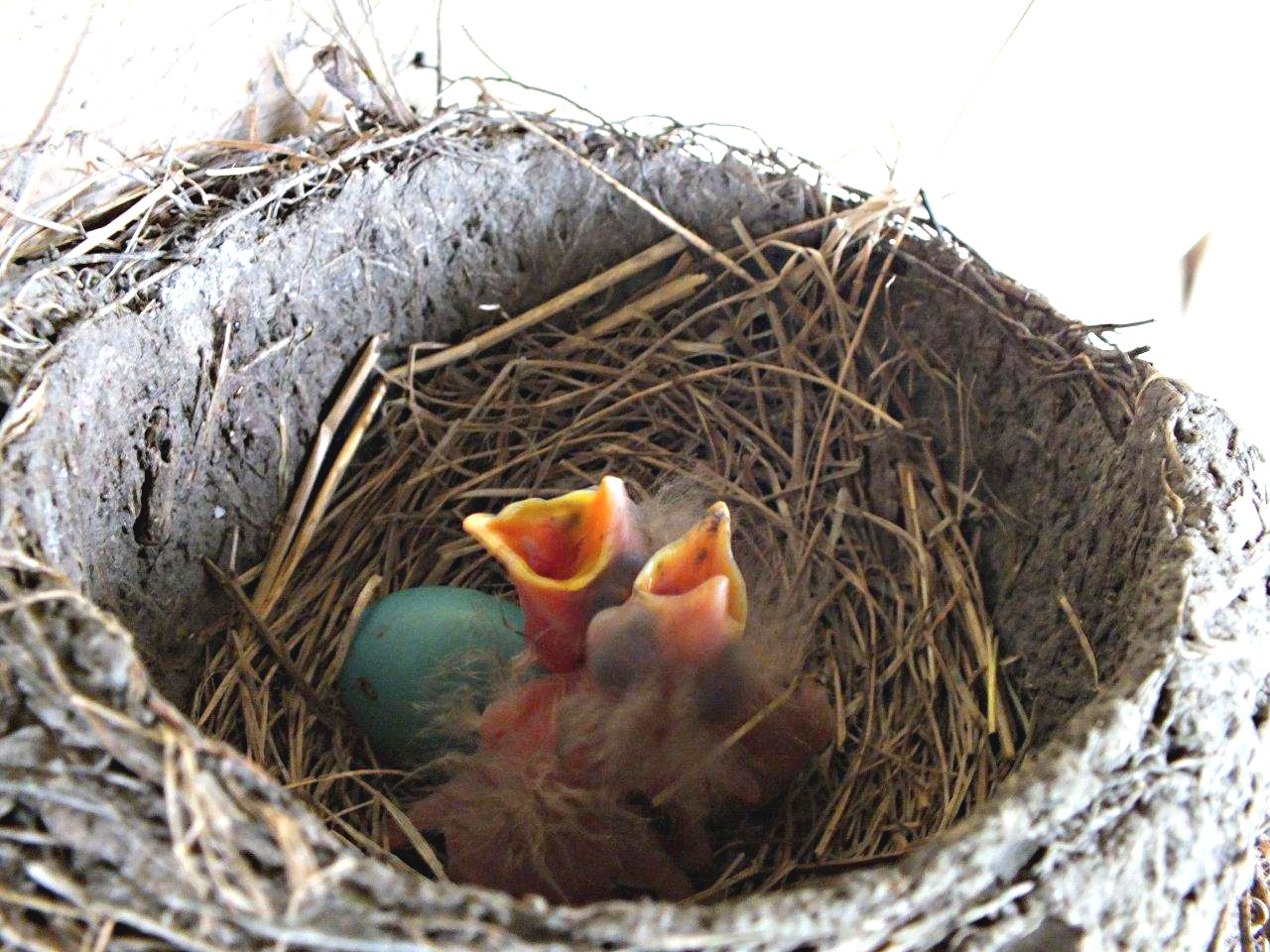
Three outta four ain’t bad!… by Thomas Peace 2013
.

.
.
.
.
. Indifference, by the laws of nature and the cosmos, always manifests as a result of a limited space; that limited space is self-enclosing, circumscribed, and erroneously apart from vast reality. (We are talking about psychological limited space here… not, for instance, the temporarily limited space of a birds nest — at a parameter of 74 degrees — surrounded by self-created crap, outdoors.) What is profoundly sacred is never merely created by, nor constituted of… limited space; the profoundly sacred is incapable of indifference. The vast space and innocence of the profoundly sacred cannot meet (and never will meet) and merge with the corruption and indifference that is always limited, always shallow and confined. This is not to imply that an intelligent mind — that transcends the limitation of indifference and fragmentary perception — cannot transform into what perceives vastly and superlatively. What perceives vastly and superlatively may indeed be visited by what is not of the essence of limitation (i.e., by what is profoundly sacred and is indescribable by limited, symbolic words). Limited thought and limited methodologies — and all thoughts and all methodologies are conditioned and have elements of limitation — cannot (through the limited time that they must exist as) ever bring about the vast and unlimited. Only by ending effortlessly and naturally (without time being a factor, without calculating methodologies) can the truly timeless possibly manifest. Do not make the mistake of merely stagnating in your own (self-created) crap.
.
.
.
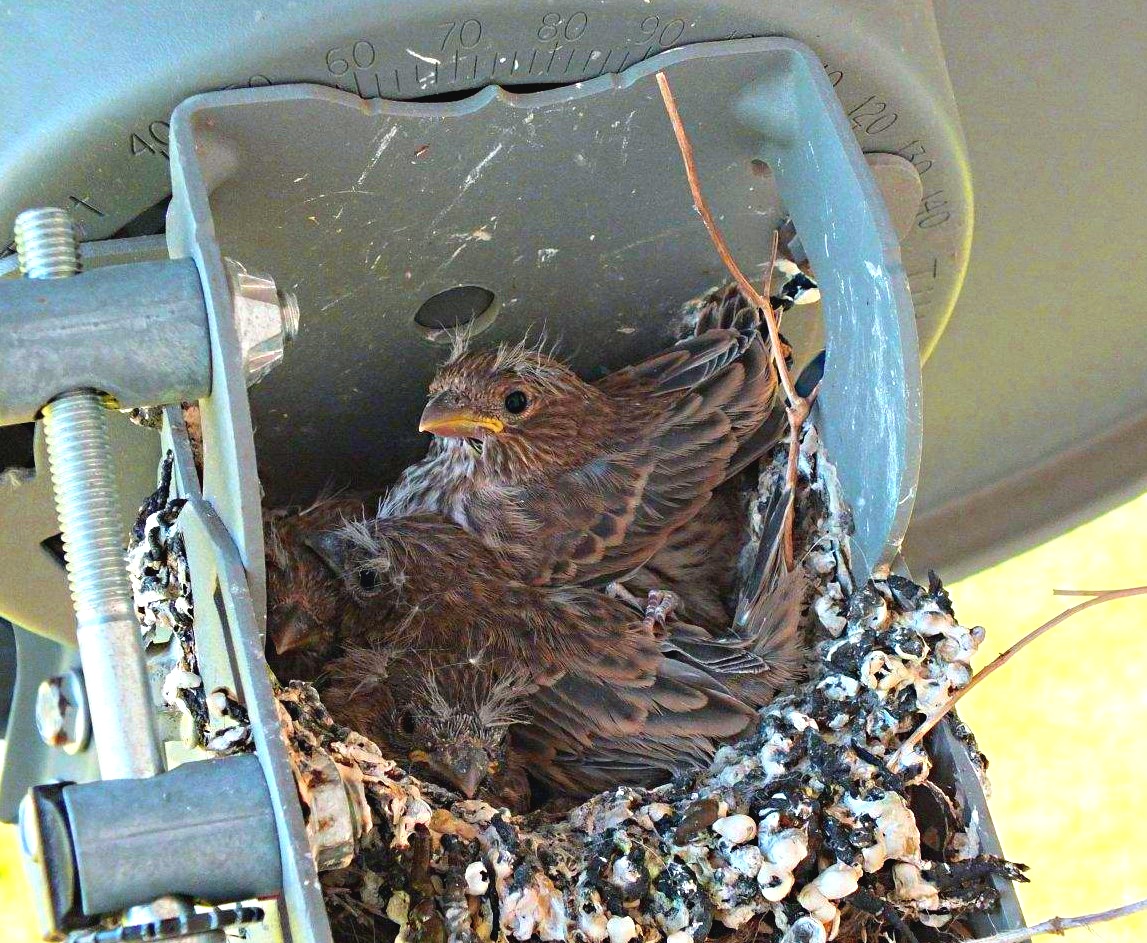
To stagnate in limited space (and never fly from it) is to remain in crap forever (at a parameter of 74 degrees on the dial)… by Thomas Peace 2013
 The study looked at the impacts of rising temperatures on nearly 50,000 common species
More than half of common plant species and a third of animals could see a serious decline in their habitat range because of climate change.
New research suggests that biodiversity around the globe will be significantly impacted if temperatures rise more than 2C.
But the scientists say that the losses can be reduced if rapid action is taken to curb greenhouse gases.
The paper is published in the journal, Nature Climate Change.
An international team of researchers looked at the impacts of rising temperatures on nearly 50,000 common species of plants and animals.
They looked at both temperature and rainfall records for the habitats that these species now live in and mapped the areas that would remain suitable for them under a number of different climate change scenarios.
The scientists projected that if no significant efforts were made to limit greenhouse gas emissions, 2100 global temperatures would be 4C above pre-industrial levels.
In this model, some 34% of animal species and 57% of plants would lose more than half of their current habitat ranges.
 In some regions, climate change could increase the area burned by wildfires
According to Dr Rachel Warren from the University of East Anglia, this would have major impacts for everyone on the planet.
“Our research predicts that climate change will greatly reduce the diversity of even very common species found in most parts of the world. This loss of global-scale biodiversity would significantly impoverish the biosphere and the ecosystem services it provides,” she said.
“There will also be a knock-on effect for humans because these species are important for things like water and air purification, flood control, nutrient cycling, and eco-tourism.”
The projected impacts on species will be felt more heavily in some parts of the world such as sub-Saharan Africa, Central America, the Amazon region and Australia.
However the researchers say that if global emissions of greenhouse gases are cut rapidly then the impact on biodiversity could be significantly curbed. If global emissions reach their peak in 2016 and temperature rises are held to 2C, then losses could be cut by 60%.
“The good news is that our research provides new evidence of how swift action to reduce CO2 and other greenhouse gases can prevent the biodiversity loss by reducing the amount of global warming to 2C rather than 4 degrees, said Dr Warren.
“This would also buy time – up to four decades – for plants and animals to adapt to the remaining 2 degrees of climate change.”
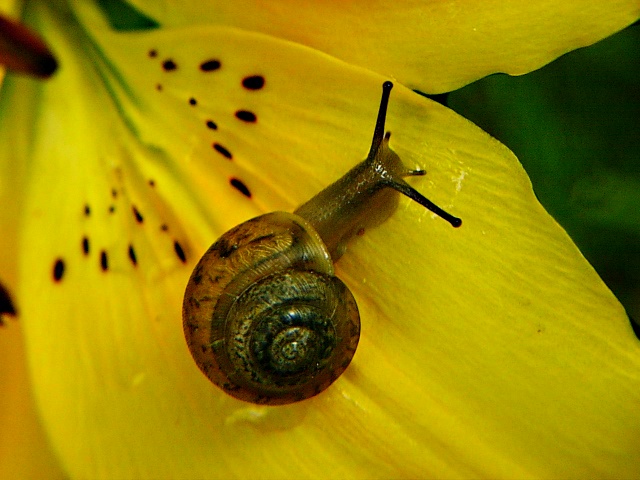
Friend (1) by Thomas Peace 2013
.
.
.
.
.
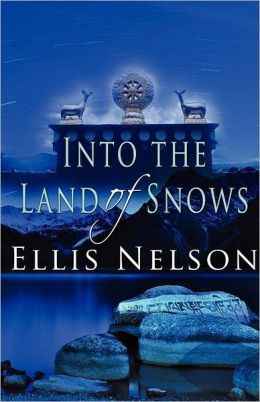
Into the Land of Snows is a penetrating novel (suitable for young and old alike) that impressively delves into the adventures of a young man, Blake, as he explores the enigmatic and mystifyingly pure domain of the Himalayan region. Nelson’s book faithfully reflects the true, pristine, raw, deeply reverent — in terms of seeking the truly sacred — atmosphere of the region. Her book reveals how splendidly innocent, caring, down-to-earth, and “immersed in exploring reality” the region’s people tend to be. Indeed, the Sherpa people of that region have long been known for their physical longevity, kind disposition, and deep religiosity.
Nelson takes us along with the young man… having us share in his baffling and mystical adventures (in a way that enables us to feel as if we are there ourselves, in the midst of the majestic, magnificent universal life forces). The difficult steps that he takes, concerning adjusting to the steep inclines and ultra-thin atmosphere, concomitantly mesh with his difficult and conflicting thoughts (concerning his relationship with his family, his culture, and his complicated world). Nelson effectively puts us in his shoes, and we (too) share in the seemingly insurmountable mental difficulties and mysterious (unfathomable) terrains, which Blake must courageously face.
I deeply enjoyed how Nelson reveals how the Himalayas is an unspoiled, innocent region; it contains something that — unfortunately and regrettably — our so-called modern, materialistic culture has lost. Largely (which may coincide with their lofty mountains) the beautiful Sherpa people base their lives mostly around touching and encountering the sacred, the divine. Our so-called modern culture, conversely, is more enmeshed with material success, flaunting possessions, sticking to details, and “having a good time”. What we fail to realize is that mere pursuit involving “having a good time” is largely a childish waste of time. Not perceiving the “truly lofty” is like crudely remaining in the low valley forever. Change, if you can. Read Into the Land of Snows. Climb to new levels; the way to grow is by going up!
.
.
Into the Land of Snows
.
.
.
.
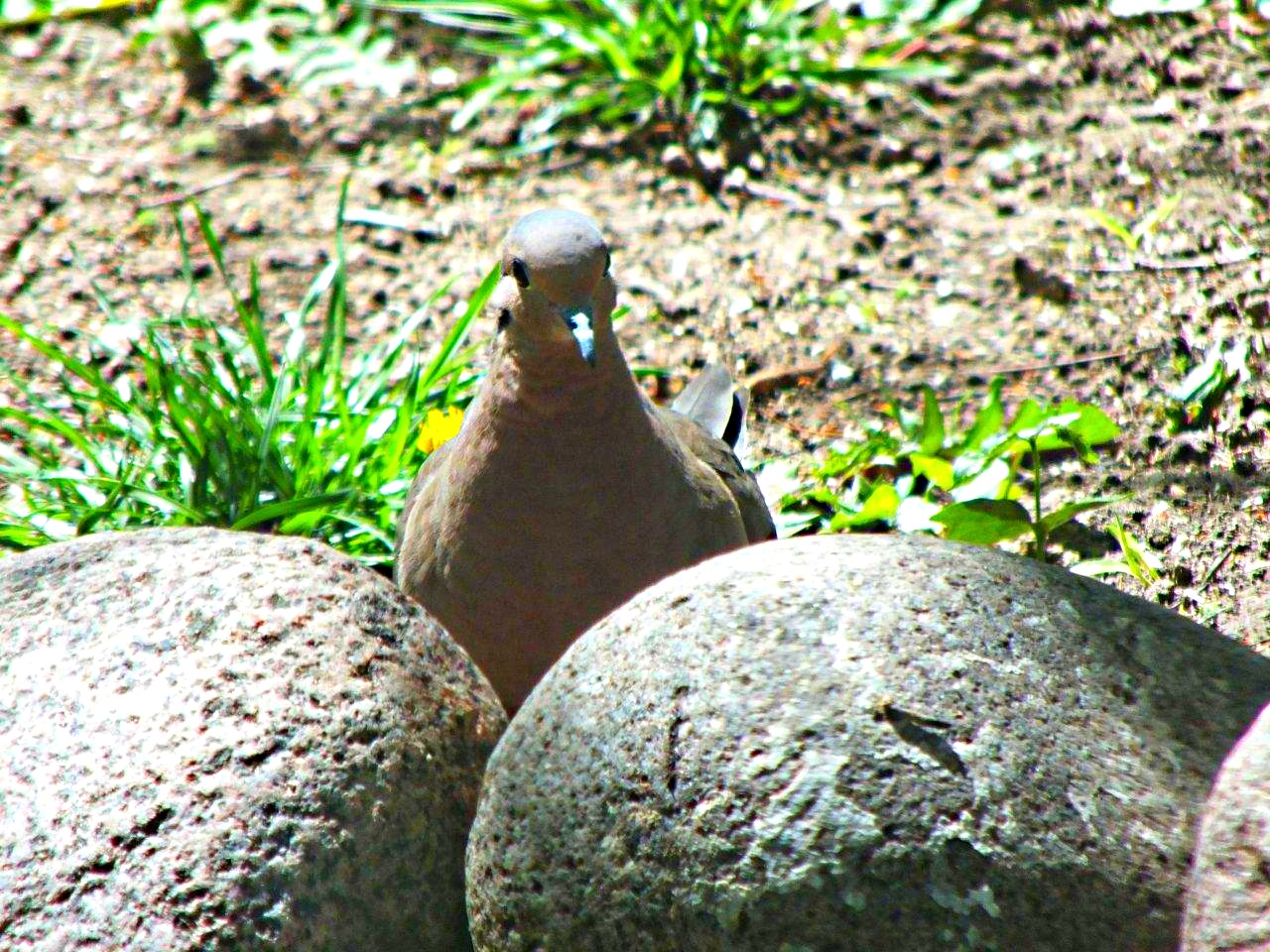
. God does not cost money; God is free; middlemen, between you and the sacred… are a greedy fallacy. Go beyond fallacies.
.
.
.
Morning Dove Quote: “Either I shrank, or my eggs just got a whole lot larger!”… by Thomas Peace 2013
.
.
.
.
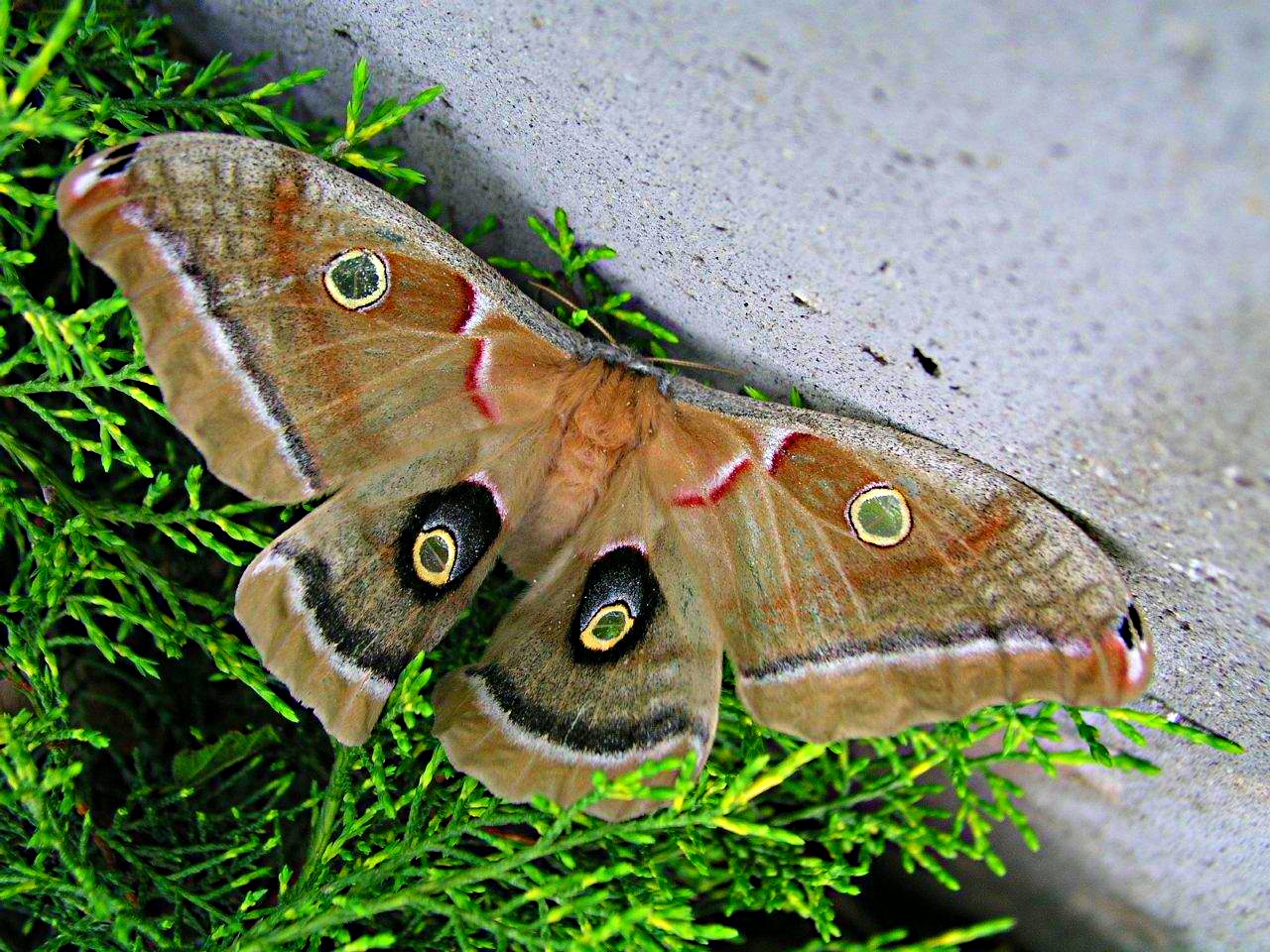
. Though this might seem a bit odd, it isn’t: Only by clinging to learned and inherited psychological barriers does one (ignorantly) keep oneself in the very limited (barren and ordinary) domain of sequential time; sequential time depends upon limited space and boundaries of confinement. By natural law, a limited, self-centered ego must seem to fabricate a fallacious barrier (around itself) consisting of (circumscribed) limited space. Limited space necessitates limited time. An apparent limited space cannot be measured or experienced, unless limited time is involved.
.
.
.

Physical not psychological barrier… by Thomas Peace 2013

.
.
.
.
. True peace comes (blossoming) when our divisions and separations end and global compassion begins.
.
.
.

True togetherness… by Thomas Peace 2013

.
.
.
.
. Though the truly sacred exists, it may very well be that we (in our primeval ways) cannot correctly blame God for what goes on (in a harmful, disorderly fashion) in this universe… because it may be that our universe is manifest of energy as part of a multiplex of universes that were never created (and cannot be destroyed).
.
.
.
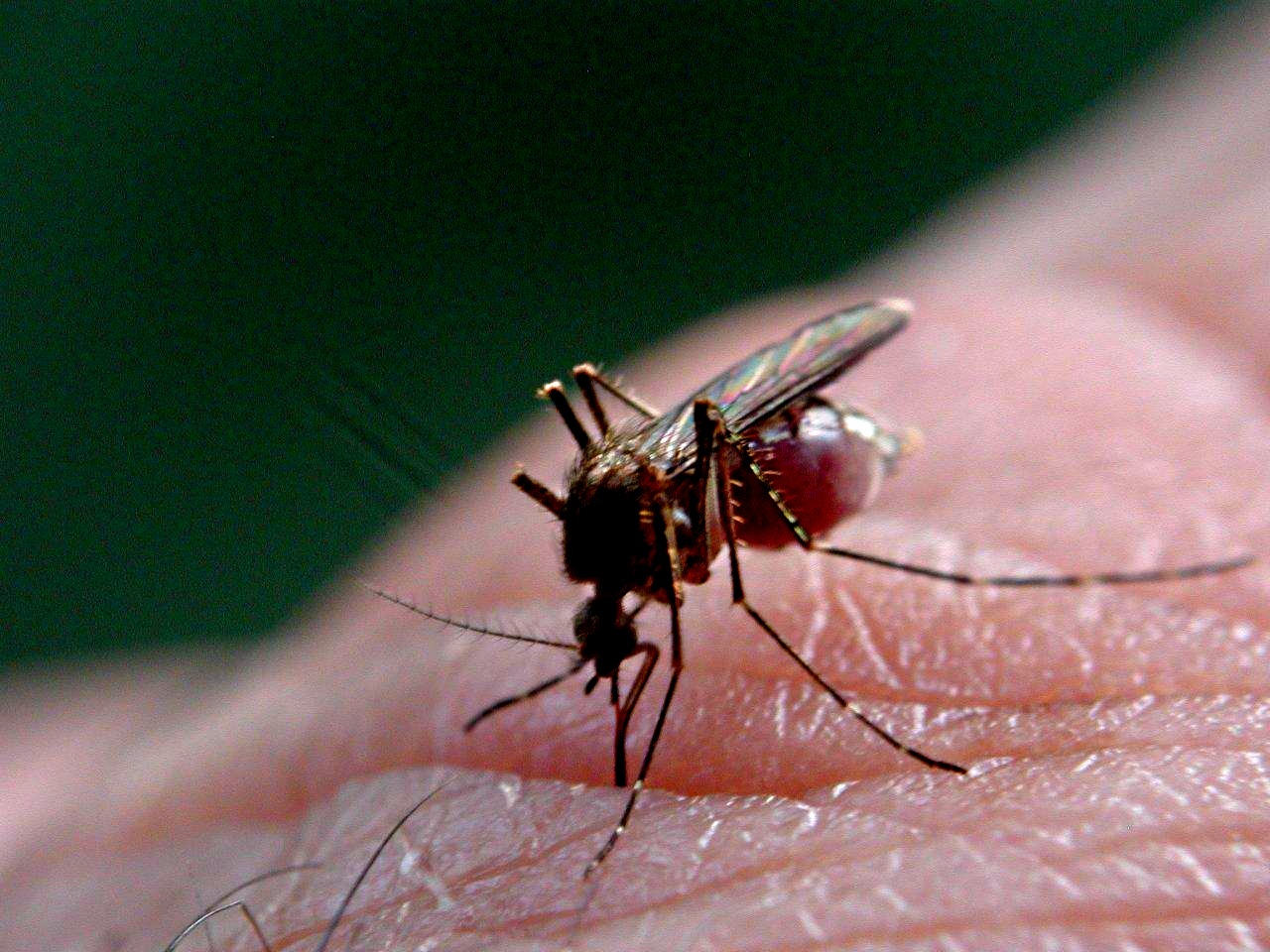
Another blood sucking politician… by Thomas Peace 2013

.
.
.
.
. These fine spring days, do not look at the splendid beauty with images that are rather dead and second-hand.
.
.
.
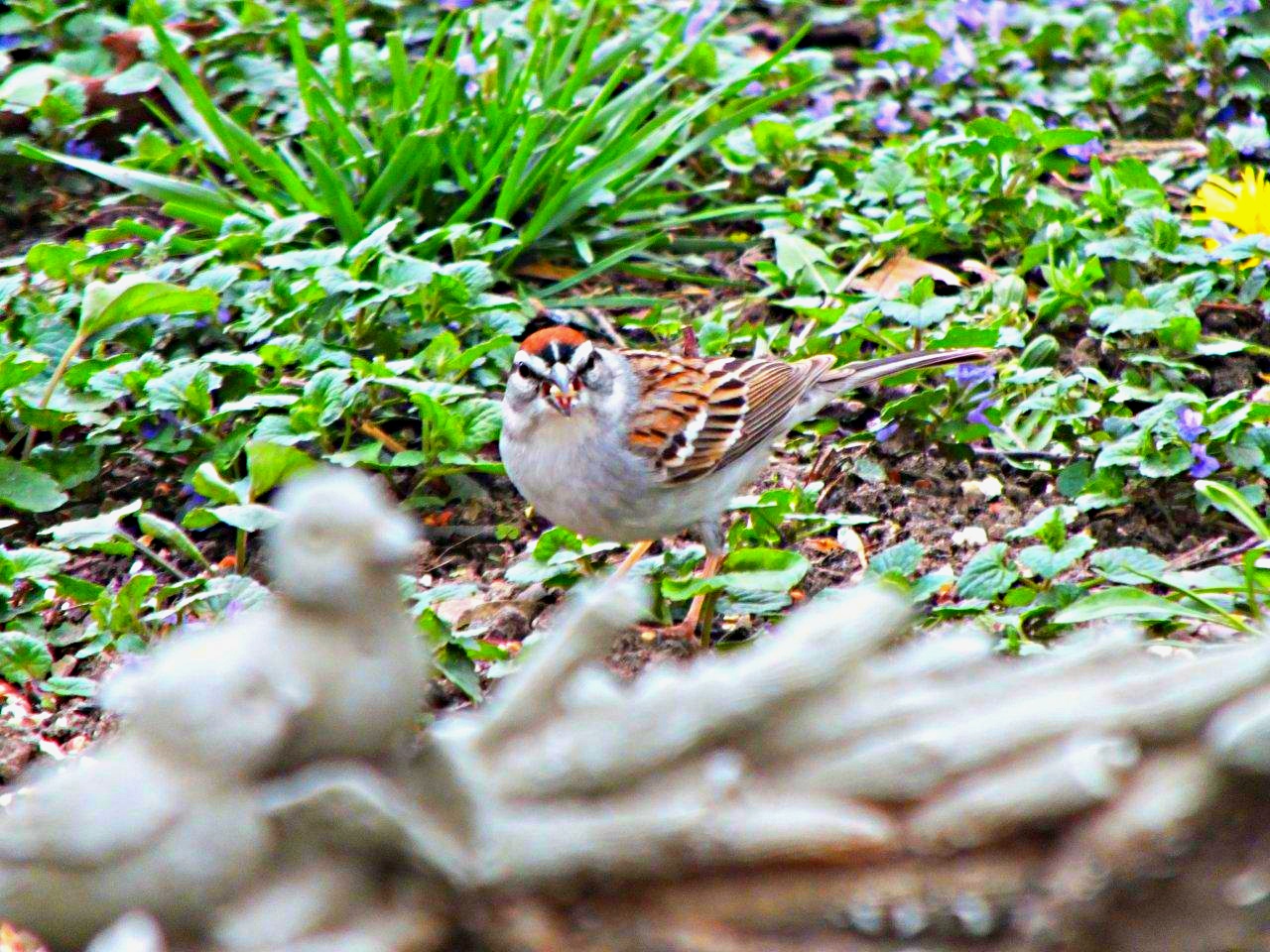
Death is near, Life is beyond… by Thomas Peace 2013

.
.
.
.
. The whole of the universe is one… until you isolate part of it and tear it to pieces.
.
. from Emily Dickinson:
.
.
. Whoever disenchants
. A single Human soul
. By failure of irreverence
. Is guilty of the whole.
.
. As guileless as a Bird
. As graphic as a Star
. Till the suggestion sinister
. Things are not what they are.
.
.
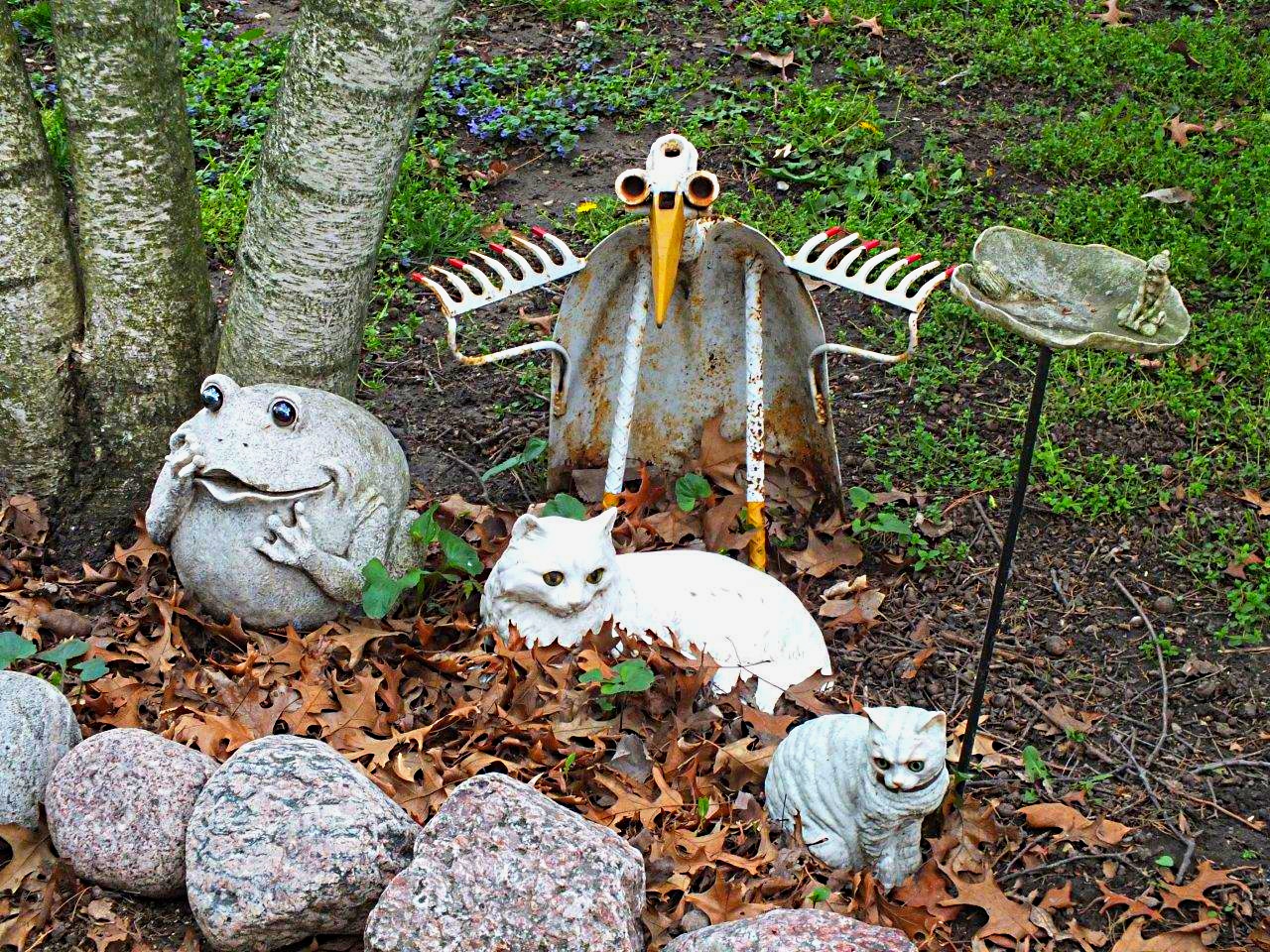
United we stand… by Thomas Peace 2013

.
.
.
.
. If the instrument of the mind is distorted, then what it perceives will be false, twisted, misinterpreted, and pigeonholed with prejudice.
.
.
. from Blood Sweat, & Tears:
.
. What goes up must come down
spinning wheel got to go round
Talking about your troubles it’s a crying sin
Ride a painted pony
Let the spinning wheel spin
You got no money, and you, you got no home
Spinning wheel, spinning all alone
Talking about your troubles and you, you never learn
Ride a painted pony
let the spinning wheel turn
Did you find a directing sign
on the straight and narrow highway?
Would you mind a reflecting sign
Just let it shine within your mind
And show you the colours that are real

Would you mind a reflecting sign?(1)… by Thomas Peace 2013
Would you mind a reflecting sign?(2)… by Thomas Peace 2013
 Tom's Nature-up-close Photography and Mindfulness Blog