
.
.
.
.
. Hate not what is part of the perceptions that you are.
.
.

Visiting Katydid (insects)… photo by Thomas Peace 2014

.
.
.
.
. Hate not what is part of the perceptions that you are.
.
.
Visiting Katydid (insects)… photo by Thomas Peace 2014
.
.
.
.
. There isn’t anything really new about New Year’s Day… but, nevertheless — though this may sound odd in these non-spiritual times — the sacred (i.e., the timeless) is new (and truly is something beyond the framework of time). The following is an excerpt from my book, The Eternal Fountain of Youth. It (i.e., the book) shows how Archibald MacLeish is among the best — and most famous — poets of the world who intelligently and eloquently/poetically write about limitation and relationship, such as the eternal return (and the possibility of going beyond it). I feel that these famous poets have touched upon something that goes beyond the limited writings and proposals of many… (even, in my calculation, beyond the proposals of the best of philosophers). Nietzsche, for example, did not go far enough; what he delved into was far too limited. My book is a reflection, i feel, of what many of these famous poets expressed; it is also an attempt to help others transcend limitation and separative ignorance intelligently and holistically. Please, regarding this, intelligently realize that having attained the status of a major (famous) poet is not easy whatsoever and — in the overall scheme of things — is only remotely likely at best. Additionally: If you don’t care about this or about my book… or grow from what i have written here… that is just fine; but i’ll tell you one (perhaps expanding, perhaps universal) thing for sure: I know of more than one ten foot poet among inchlings.
.
.
Excerpt:
Obviously, it is not what we are “accustomed to” or “used to.” However, sometimes change happens that way, and for the better, in the long run. Before the time of Columbus, they used to think that the world was flat, that there was an end to it; they thought that you could fall off the flattened part and then perish. Many of us think that when you are dead, you are dead; they think that you come to the end, and that is it… finished. However, if our universe is truly in a cyclic-oriented dimension, then what occurs happens over and over again, endlessly. There is a possibility, when you die (if the omnipotent “otherness” does not temporarily intervene), that your consciousness will not exist until the “next round” of the cycle. Since “consciousness” (that depends on brain cells) does not exist after you die, then psychological “time” does not exist after you die. One must be “conscious” to realize “time.” Without consciousness, there is no “time.” The time, from when you die, within universal cycles, to when you are again “reborn” as the same person that you (in the exact-same repeated cycles) were, does not exist psychologically; therefore, it does not exist as “consciousness.” Therefore, as soon as you die, no time elapses until you are again born to the same mother, and are again conscious of “time.” So, in a real sense, as soon as you die, you are again (for all practical purposes) immediately born to the same family as you were born to before. Time is not recorded, from when you die to when you are again reborn. This is not reincarnation. You do not come back into another body; in one echoing, mirroring sense, you remain exactly the same. In a sense, you never really die. (Of course, you are incapable of remembering what happened before, in the previous cycles.) Like our earth, our universe is globular, circuitous, and cyclic. People, at one time long ago, thought that the world was flat. People think, at the time of this writing, that time is linear and non-globular, without the same things recurring repeatedly. They may be crudely erroneous.
from Archibald MacLeish:
Lines for a Prologue
These alternate nights and days, these seasons
Somehow fail to convince me. It seems
I have the sense of infinity!
(In your dreams, O crew of Columbus,
O listeners over the sea
For the surf that breaks upon Nothing—)
Once I was waked by the nightingales in the garden.
I thought, What time is it? I thought,
Time—Is it Time still?—Now is it Time?
(Tell me your dreams, O sailors:
Tell me, in sleep did you climb
The tall masts, and before you—)
At night the stillness of old trees
Is a leaning over and the inertness
Of hills is a kind of waiting.
(In sleep, in a dream, did you see
The world’s end? Did the water
Break—and no shore—Did you see?)
Strange faces come through the streets to me
Like messengers: and I have been warned
By the moving slowly of hands at a window.
Oh, I have the sense of infinity—
But the world, sailors, is round.
They say there is no end to it.
.
.
.

Just one of the “Bantams in the Pine-woods”… (not beyond Nietzsche and the eternal return)… by Thomas Peace 2013

.
.
.
.
. In the deck of cards that life hands to you, you can dig for diamonds with spades — yes you can — but don’t just (though you may stand with others) belong to separative, little clubs (i.e. isolated, institutional groups) that divide some hands from others while viewing those “others” (as separate and inferior) without a lot of heart.
.
.

Digging 4 Diamonds… photo by Thomas Peace 2013

.
.
.
.
. Let your eyes listen; let your ears see; let the mind be silent and open.
.
.

For though they may be parted There is still a chance that they will see There will be an answer, let it bee (like the beatles’ song)… photo by Thomas Peace 2013
.
.
.
.
. If Nietzsche were alive today, I’d, from behind, maybe gently kick him in the pants… to have him permanently understand how some things can truly come to an end. 😉
.
.

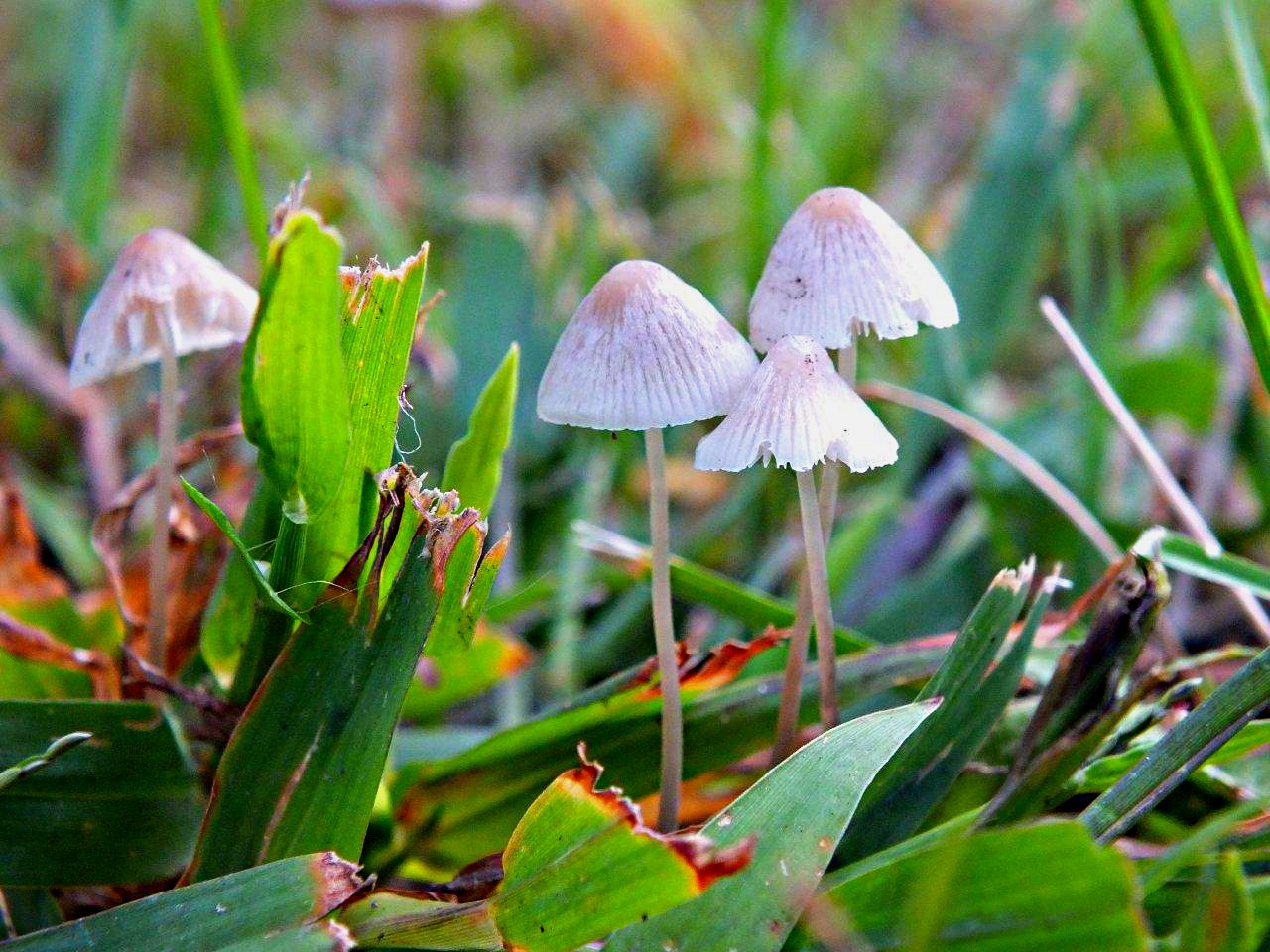
Mushrooms amongst blades of grass… photo by Thomas Peace 2013
.
.
.
.
. The heckler is the heckled. The lover is the loved. The big fish is the little fish. The dogtree is the bark.
.
.

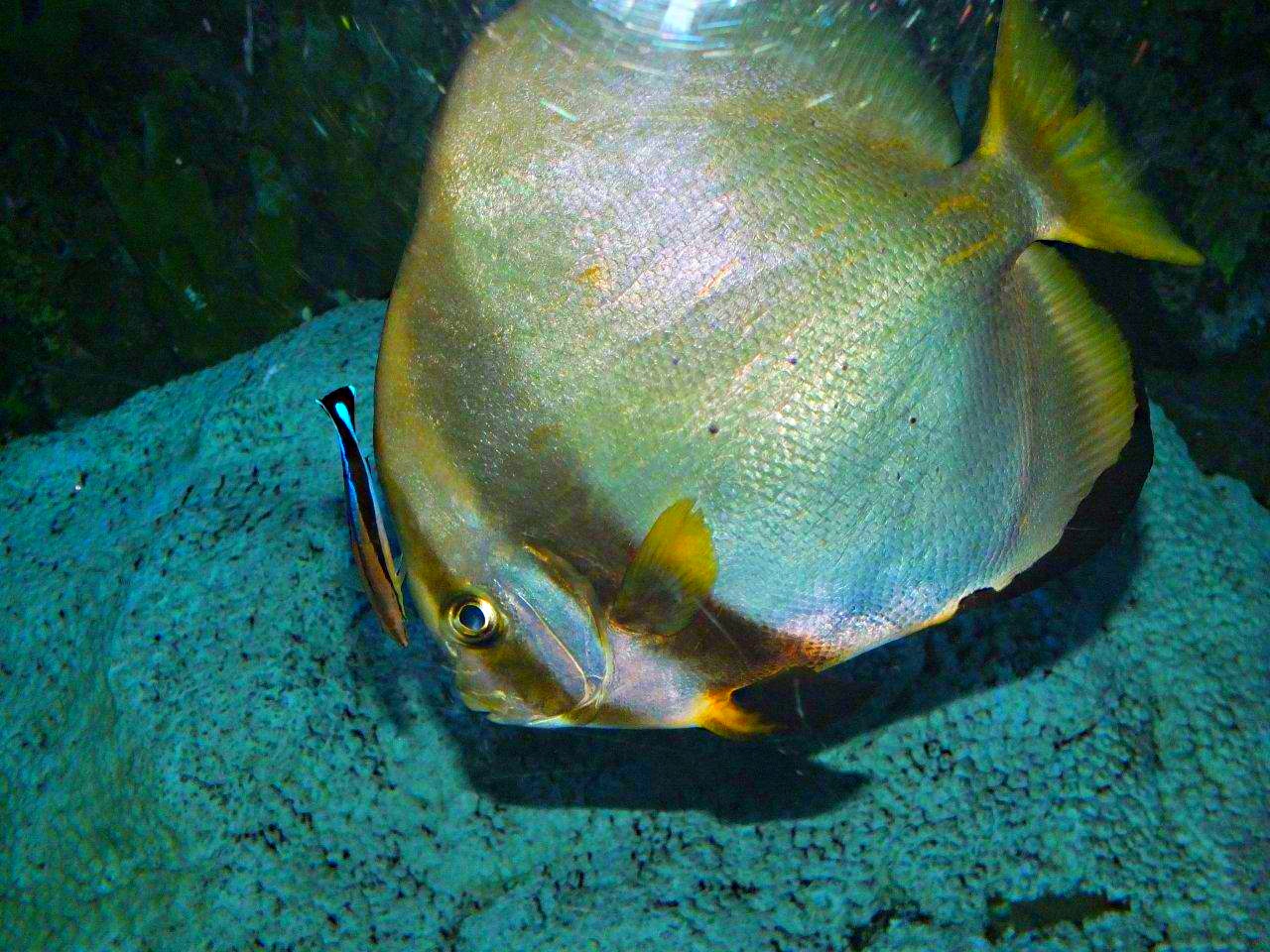
Bluestreak Cleaner Wrasse… saltwater fish… photo by Thomas Peace 2013

.
.
.
.
. If, psychologically, the “perceiver” is “the perceived,” then when outdoors summoning someone… you may be “calling out to invite the color of the sky.” 😉
.
.
.

Grand Haven Kite Festival… photo by Thomas Peace 2013

.
.
.
.
. This is one of my very favorite poems from one of my very favorite poets… the more than brilliant E.E. Cummings. Of course, as unusual, there is much more to the poem than (normally) meets the eye…
.
now two old ladies sit peacefully knitting,
and their names are sometimes and always
“i can’t understand what life could have seen in him” stitch
– counting always severely remarks; and her sister (supress-
ing a yawn)counters “o i don’t know; death’s rather attractive”
— “attractive!why how can you say such a thing?when i think
of my poor dear husband” – “now don’t be absurd:what i said was
‘rather attractive’,my dear;and you know very well that
never was very much more than attractive,never was
stunning”(a crash. Both jump) “good
heavens!” always exclaims “what
was that?” — “well here comes your daughter”
soothes sometimes;at which
death’s pretty young wife enters;wringing her hands,and wailing
“that terrible child!”— “what”(sometimes and always together
cry) “now?”— “my doll:my beautiful doll;the very
first doll you gave me mother(when i could scarcely
walk)with the eyes that opened and shut(you remember:
don’t you,auntie;we called her love)and i’ve treasured
her all these years,and today i went through a closet
looking for something;and opened up a box,and there she
lay:and when he saw her,he begged me to let him
hold her;just once:and i told him ‘mankind,be careful;
she’s terribly fragile:don’t break her,or mother’ll be angry’ “
and then(except for
the clicking of needles)there was silence
.
.

My Beautiful Doll… photo by Thomas Peace 2013

.
.
.
.
. The last fish that the wise fisherman caught dangled from empathy.
.
. [Side note]: When i was young, i used to have a Red-Bellied Piranha for many years… before, during, and after college. The red-bellied piranha is considered to be highly carnivorous, while most non-piranhas in the family are primarily herbivorous plant eaters. It should be noted that the red-bellied piranha is actually omnivorous. The vast majority of the teeth are hidden by the thick, flexible lips and are not visibly exposed. They periodically shed their teeth and grow new replacement teeth… thus keeping their teeth razor sharp. The teeth truly are razor sharp. One cannot use a regular fish-net while transporting them; they can instantly eat their way right through a regular net! I used to use metal colanders instead of nets. Within aquariums, they can chop up thick plastic plants easily in one snap. They are very beautiful fish in their own way.
By the way, one used to fish a lot; one used to be an avid fisherman… catching all kinds of fish when others couldn’t. I haven’t fished for many years now.
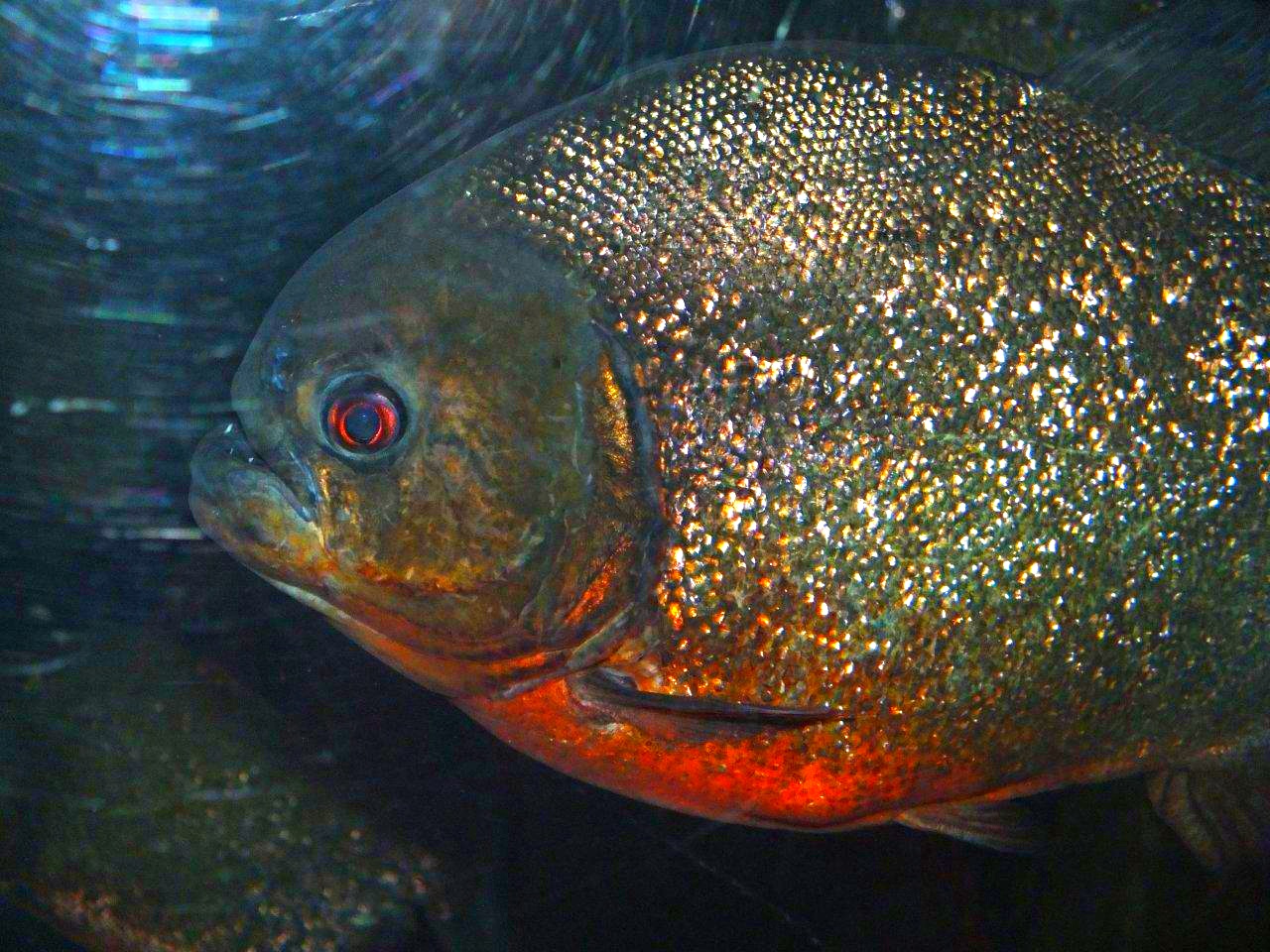
Red-Bellied Piranha … Shedd Aquarium, Chicago … photo by Thomas Peace 2013
.
.
.
.
. To socialize often is great. To be alone and still in innocent quietude — with (or without) nature — is even better.
.

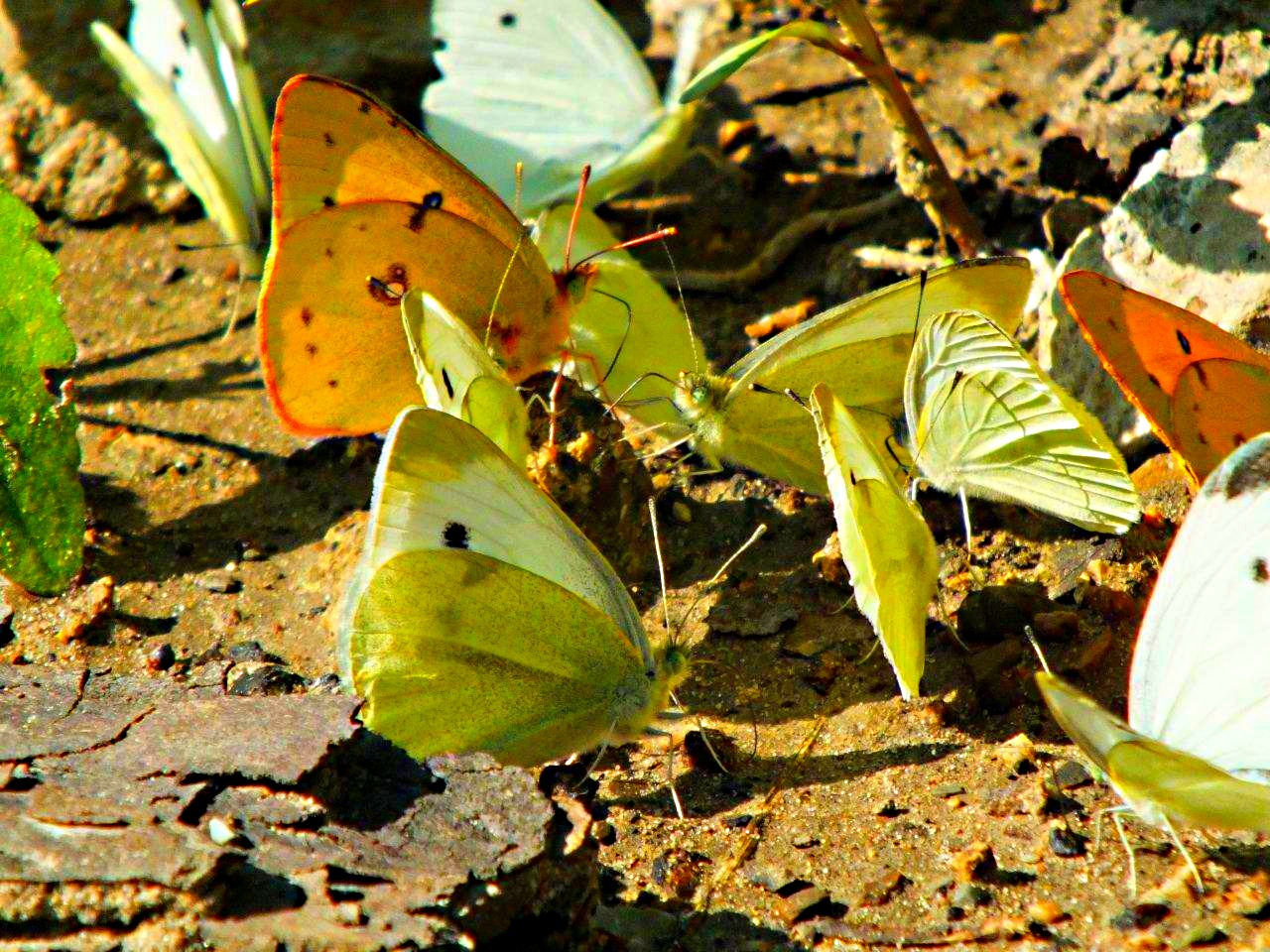
Clouded Sulphur Butterfly, Butterflies; these are all male butterflies; i was the sixth male in the group… photo by Thomas Peace 2013

.
.
.
.
. Vicarious images about what others go through in life are not enough; one has to feel it in one’s heart.
.
.

Female Eastern Pondhawk Dragonfly … photo by Thomas Peace 2013

.
.
.
.
. Being popular and self-confident isn’t what is important; being caring, alive, compassionate, and aware is what’s important.
.
.

Orange Anthias Fish – saltwater fish at the Shedd Aquarium in Chicago – photo by Thomas Peace 2013

.
.
.
.
. Boundless and immense insight naturally goes beyond borders… such as the borders which separate the past, present, and future.
.
.
.
. This is a Panda Corydoras… a miniature type of freshwater catfish with a Panda Bear sort of appearance. They are extremely comical with their constant antics. The ones at our house produce babies now and then. This photo is of a young one that was hatched and raised here. I occasionally sell them via the mail or to pet stores.

Panda Corydoras (a different kind of Panda!)… by Thomas Peace 2013

.
.
.
.
. Enjoy life simply and lovingly and you won’t ever need to ask why we exist.
.
.
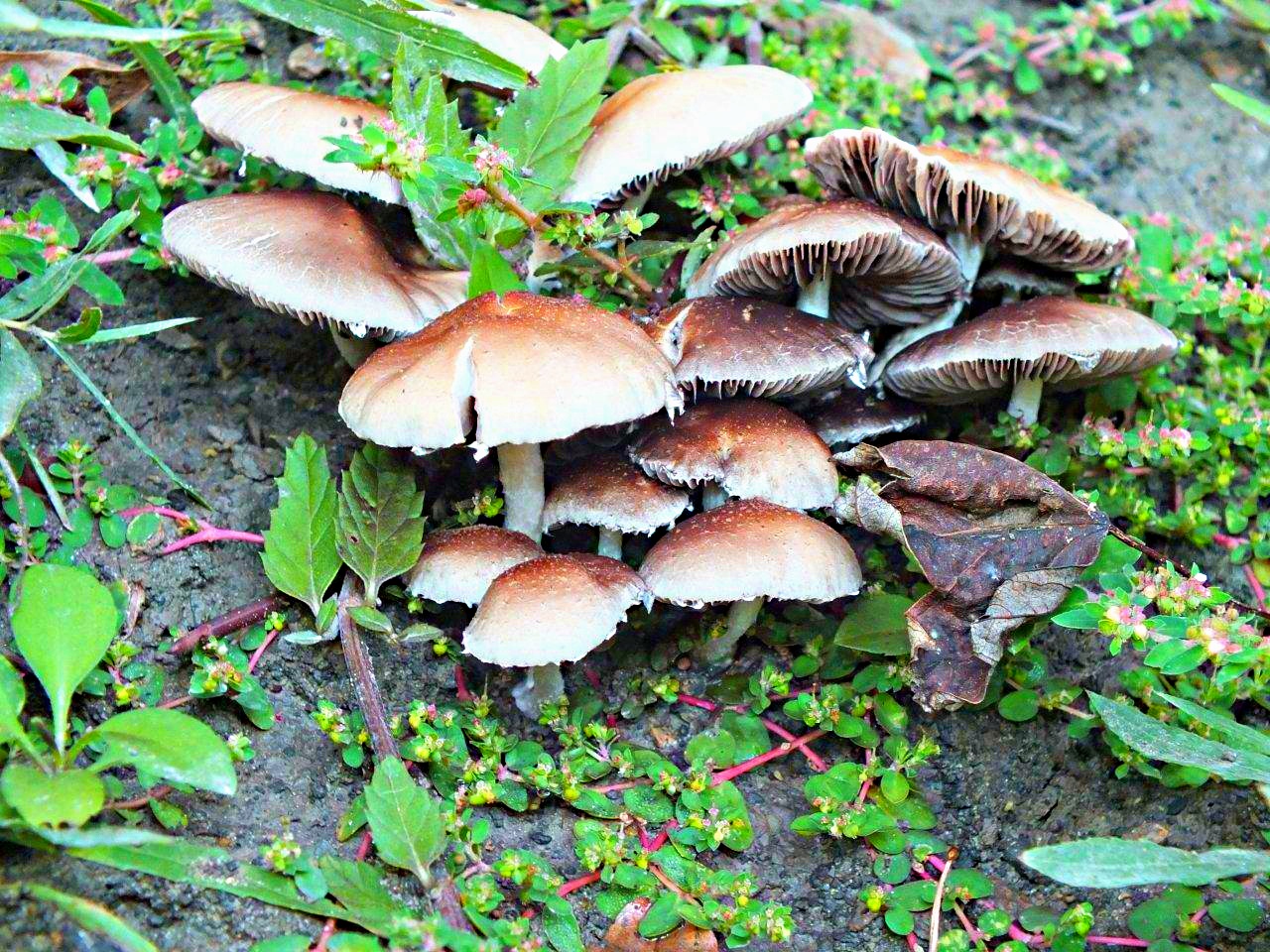
Different kind of flowers … mushrooms … by Thomas Peace 2013

.
.
.
.
. Understanding involves (and is) tremendous sympathy… otherwise it is not true and integral understanding whatsoever.
.
.

Sulphur Butterfly in flight … by Thomas Peace 2013
.
.
.
.
. Getting old is a privilege and an honor; we’re brainwashed by advertising and don’t see the real beauty of age and the elderly!
.
.
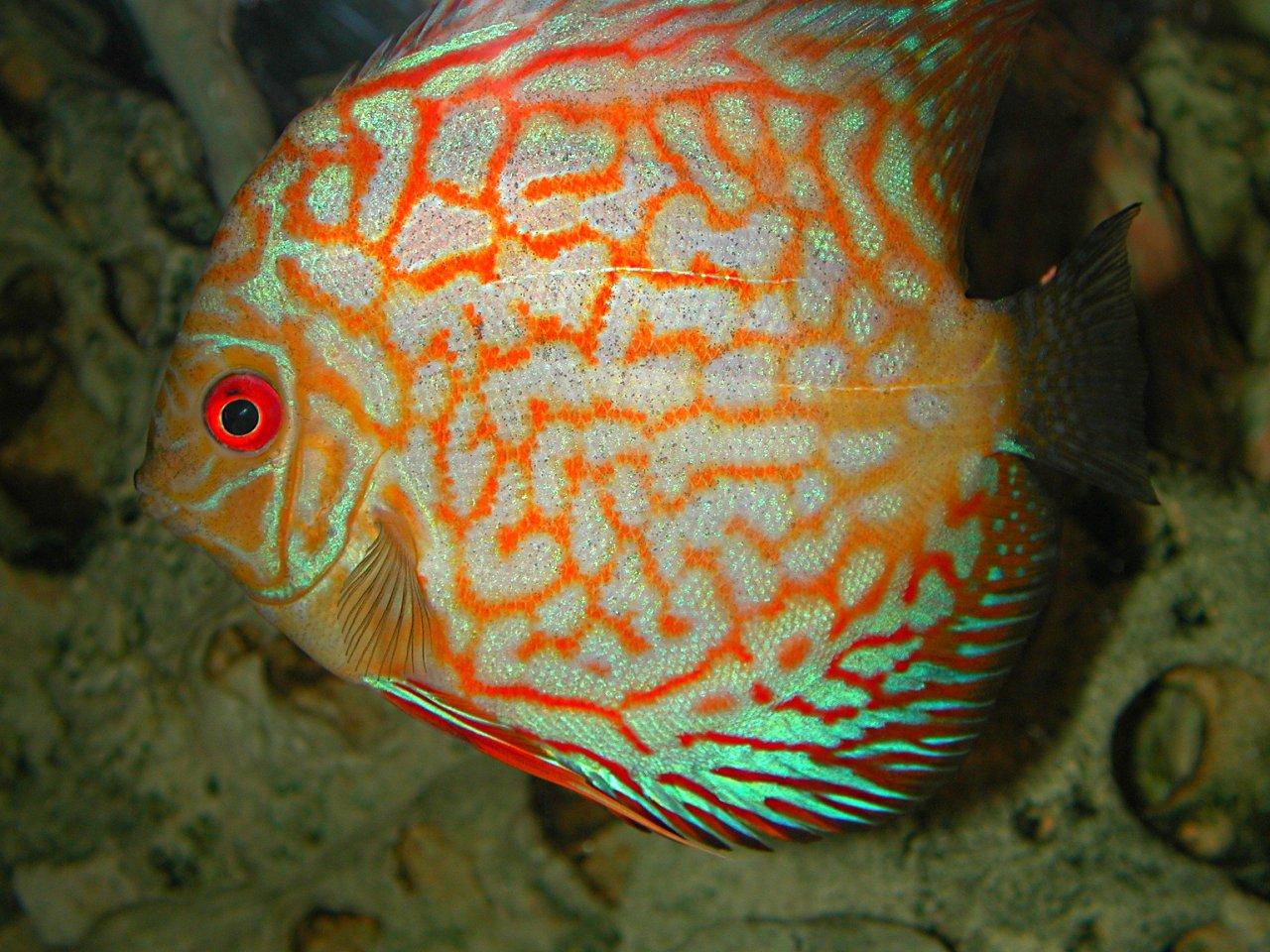
South American Discus Fish (Pigeon Blood variety) … by Thomas Peace 2013

.
.
.
.
. If you intelligently think for yourself… you’ll be a threat (though not a violent one) to all of the greedy, bureaucratic powers that be.
.
.
.
.
Honey Mushrooms are called Honey Mushrooms for a good reason! These mushrooms are edible. I used to go mushroom-hunting with adults (when i was a child); beware… there are very dangerous mushrooms that are not Honey Mushrooms, though they look much like them. The visible part of the mushroom is only a small part of the organism. The main body of the mushroom is called the mycelium… and it can spread for miles. Some Honey Mushrooms are estimated to be over 400 years old.

Honey Mushrooms … by Thomas Peace 2013
.
.
.
.
. The deepest intelligence isn’t merely remembering a lot of patterns. It is warmhearted, all-encompassing care.
.
.
.
.
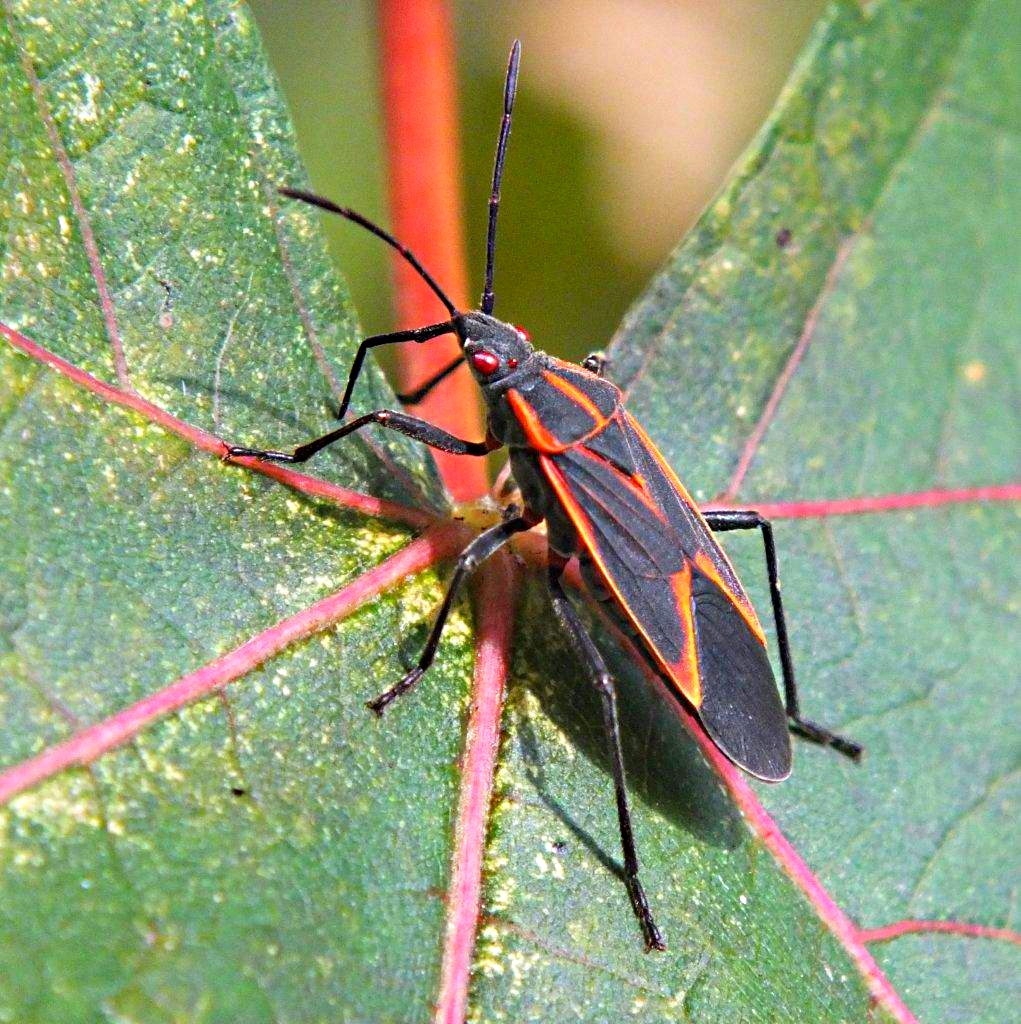
Boxelder bugs — larvae and adults — remove sap from seeds, flowers, and leaves… but they do not do much damage. In the fall, they can congregate on the sunny side of buildings. When i lived in Kansas, there were tons of them on the warm side of the house in the fall!

Blood-shot-Red-eyed Boxelder Bug … by Thomas Peace 2013

.
.
.
.
.
. The treasure isn’t “out there”… the treasure lies within!
.
.
.

Spined Soldier Bug Hunting for prey … by Thomas Peace 2013

.
.
.
.
. A mind of infinite wisdom is infinite. An uncaring mind (full of limitation and enclosed selfishness) is essentially of transience involving limitation and the finite.
.
.

The Bumble bee that isn’t bumbling awkward at season’s end … by Thomas Peace 2013

.
.
.
.
. The beauty and sacredness that exists beyond this clockwork universe can visit you, but only if you are silent, innocent, and compassionate.
.
.
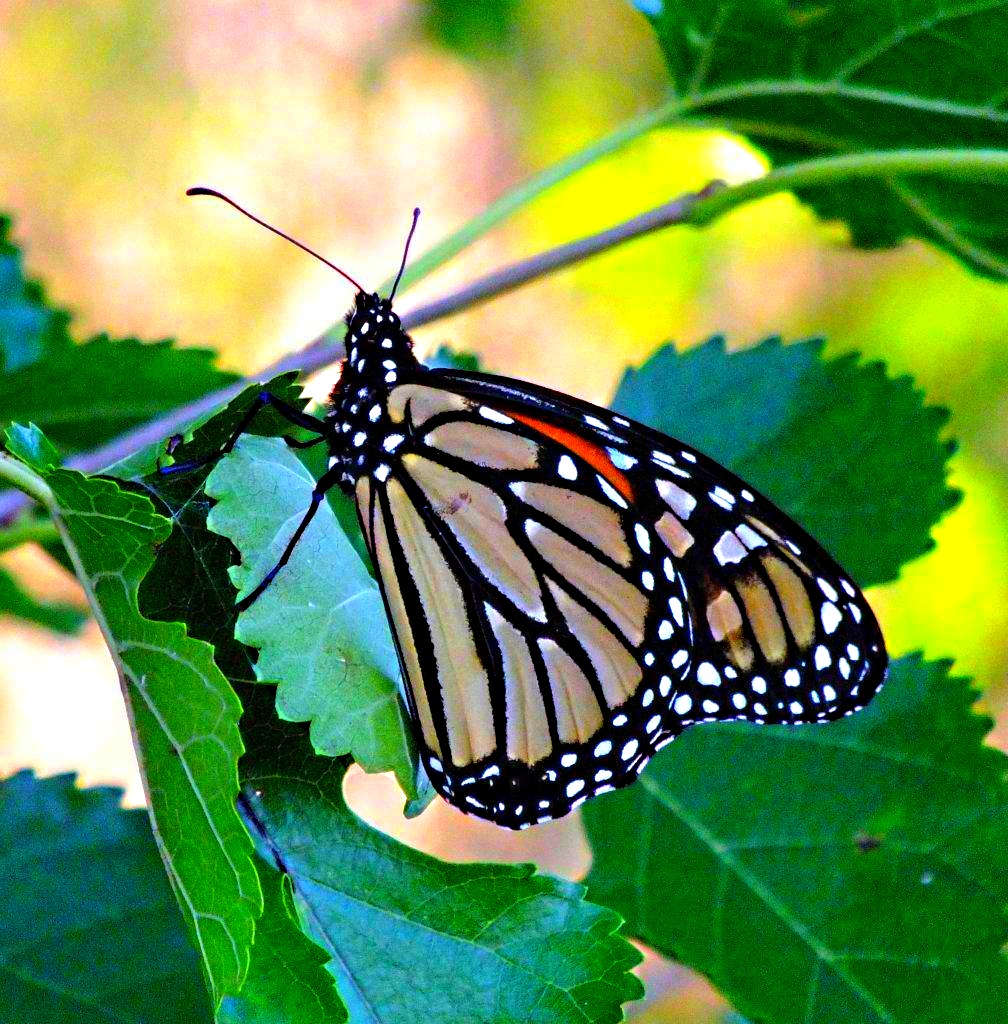
Monarch Butterfly at her home-tree … by Thomas Peace 2013

.
.
.
.
. A warmhearted company supervisor is a respected and cherished individual; a cold boss — mistreating mere vassals — is a dark, long shadow of grief on life.
.
.
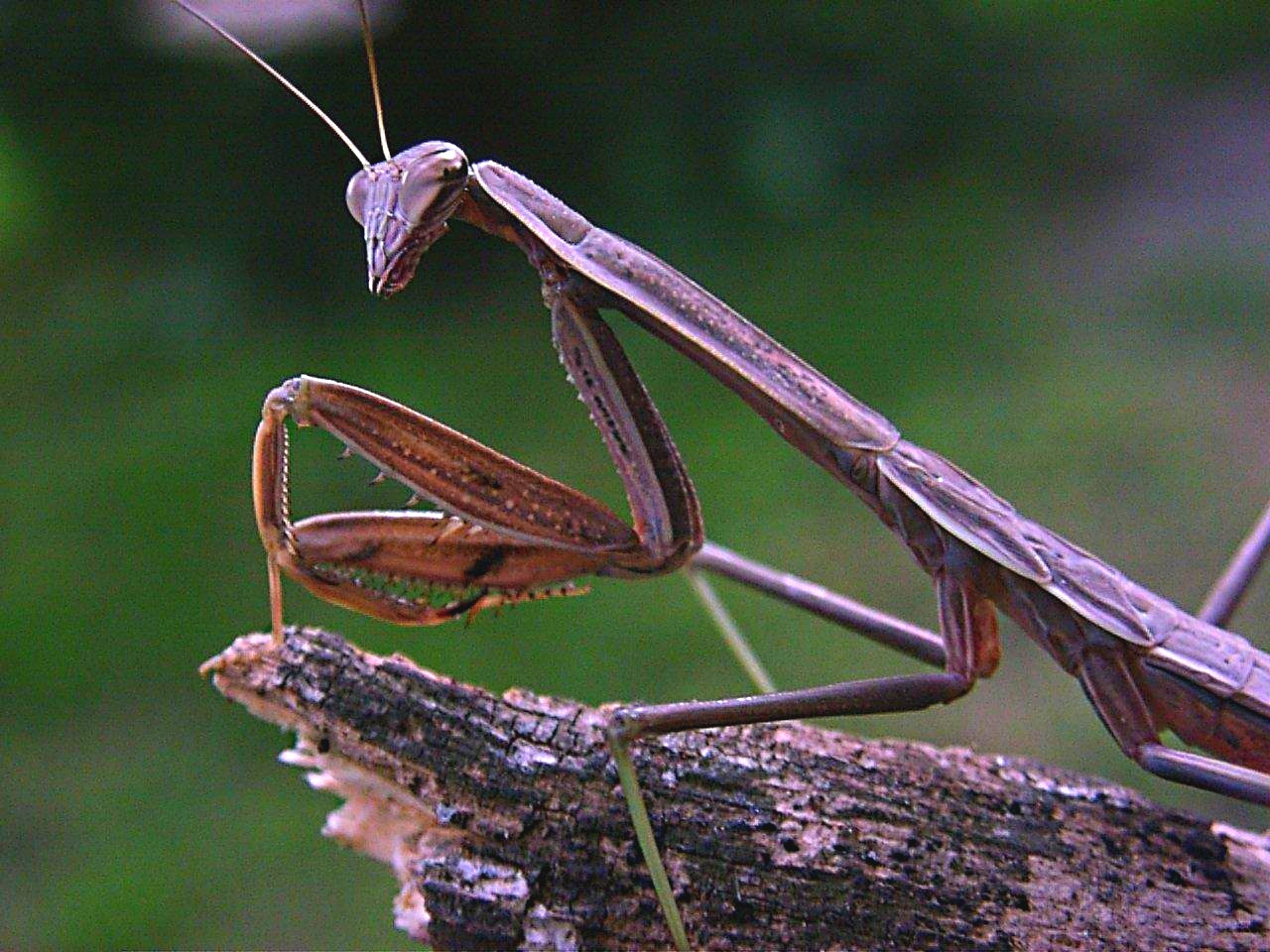
Praying Mantis (at the edge of life… literally) … by Thomas Peace 2013

.
.
.
.
. Interestingly, if you intentionally harm the small and fragile… you harm the universe, the immense and substantial.
.
.
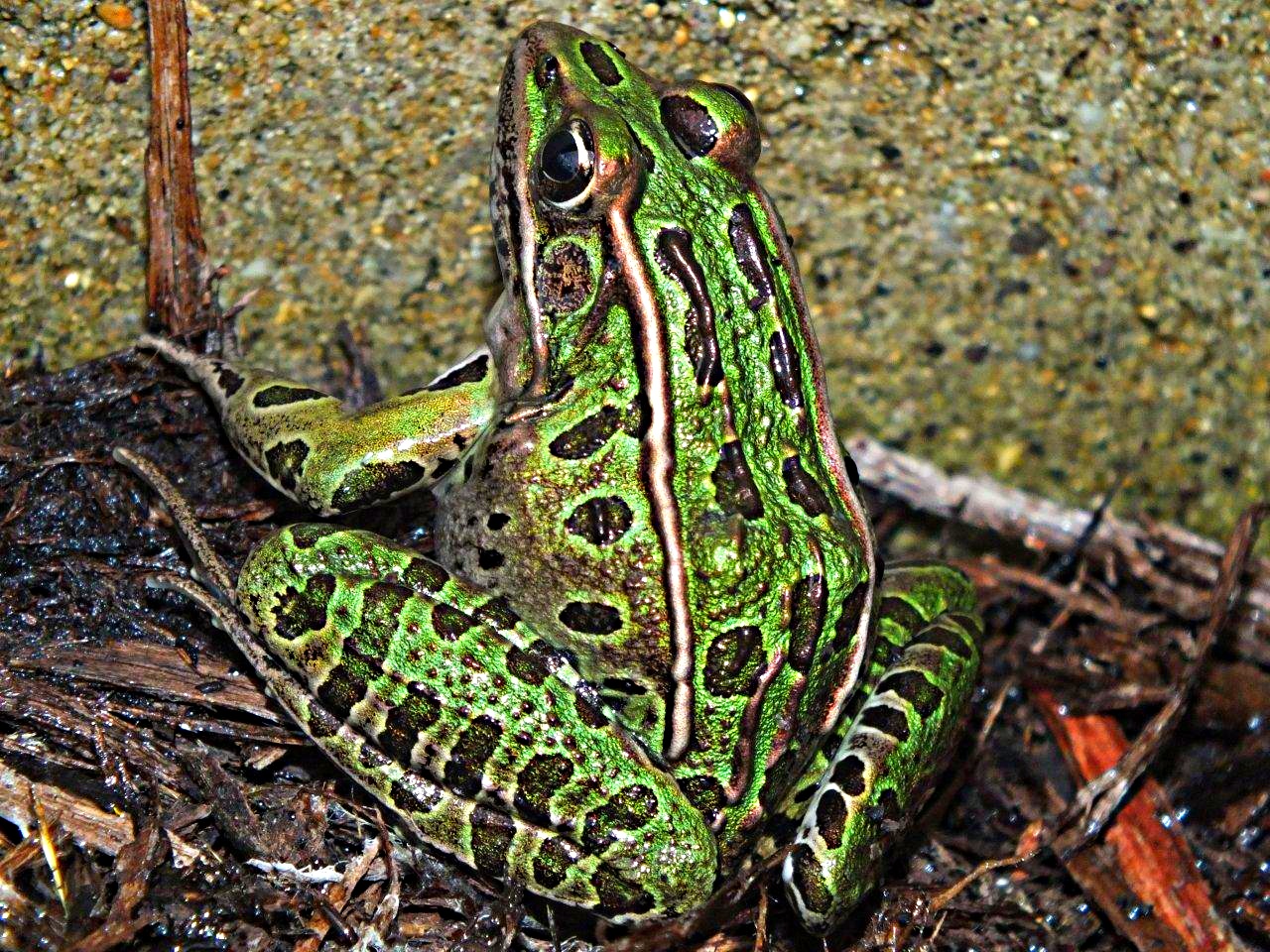
De-flying our garden… Green Leopard Frog … by Thomas Peace 2013
.
.
.
.
. If you systematize your life into bundles of practices and methodologies… you — despite thinking that you are vibrant — are likely mechanical and robotic.
.
.
.
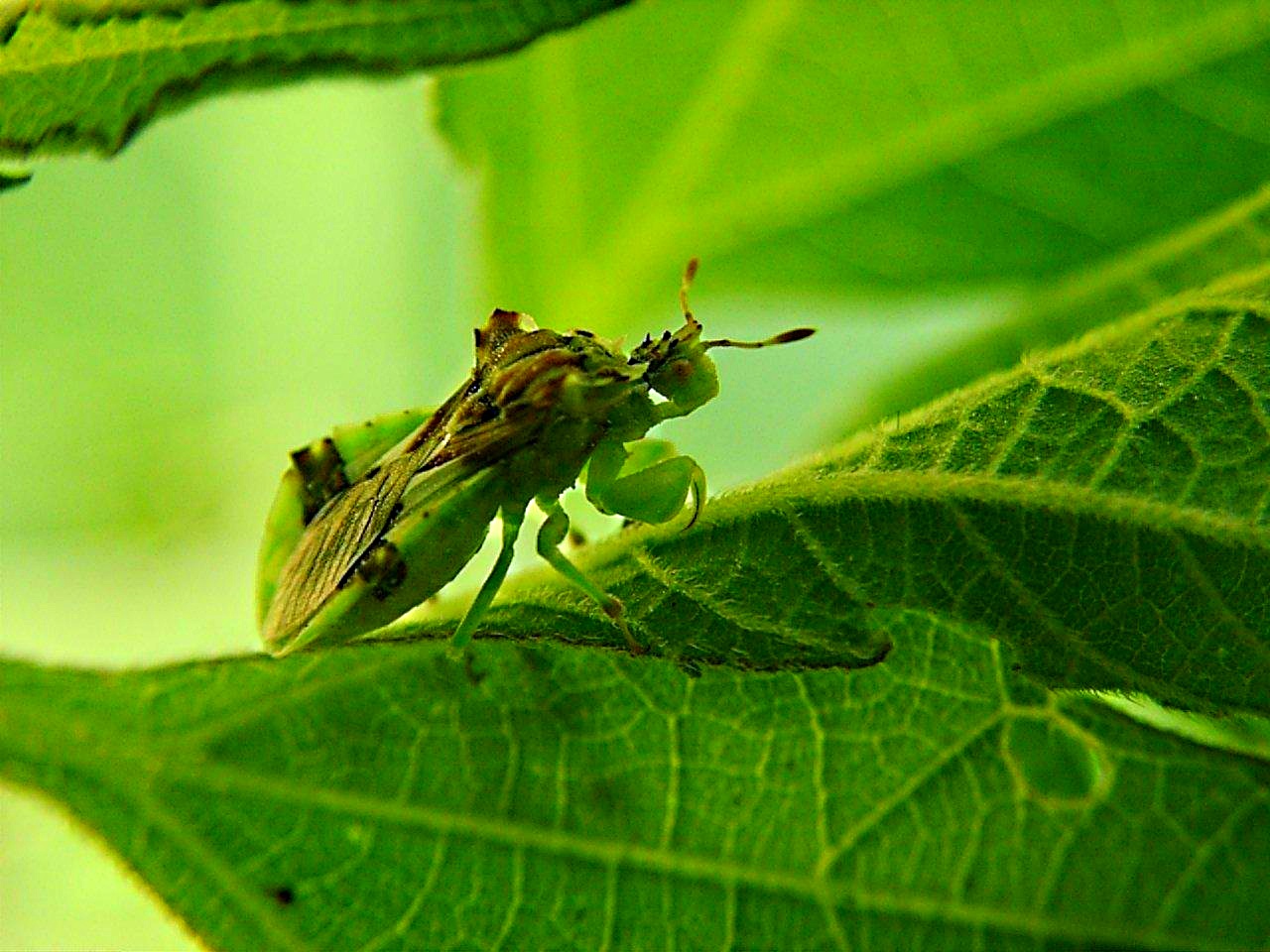
. [Below is an Ambush Bug (Assassin Bug); they are “sit-and-wait” predators that eat other insects, including bees, flies, butterflies and moths. They often attack insects much larger than themselves.]
Patiently waiting for the next crawling meal… Ambush Bug … Assassin Bug … by Thomas Peace 2013
.
.
.
.
. Keen wisdom/deep awareness is far from what infants are capable of… though deep, intrinsic innocence (such as the kind that the very young have) is necessary. Compassion involves (and comes from) growing.
.
.
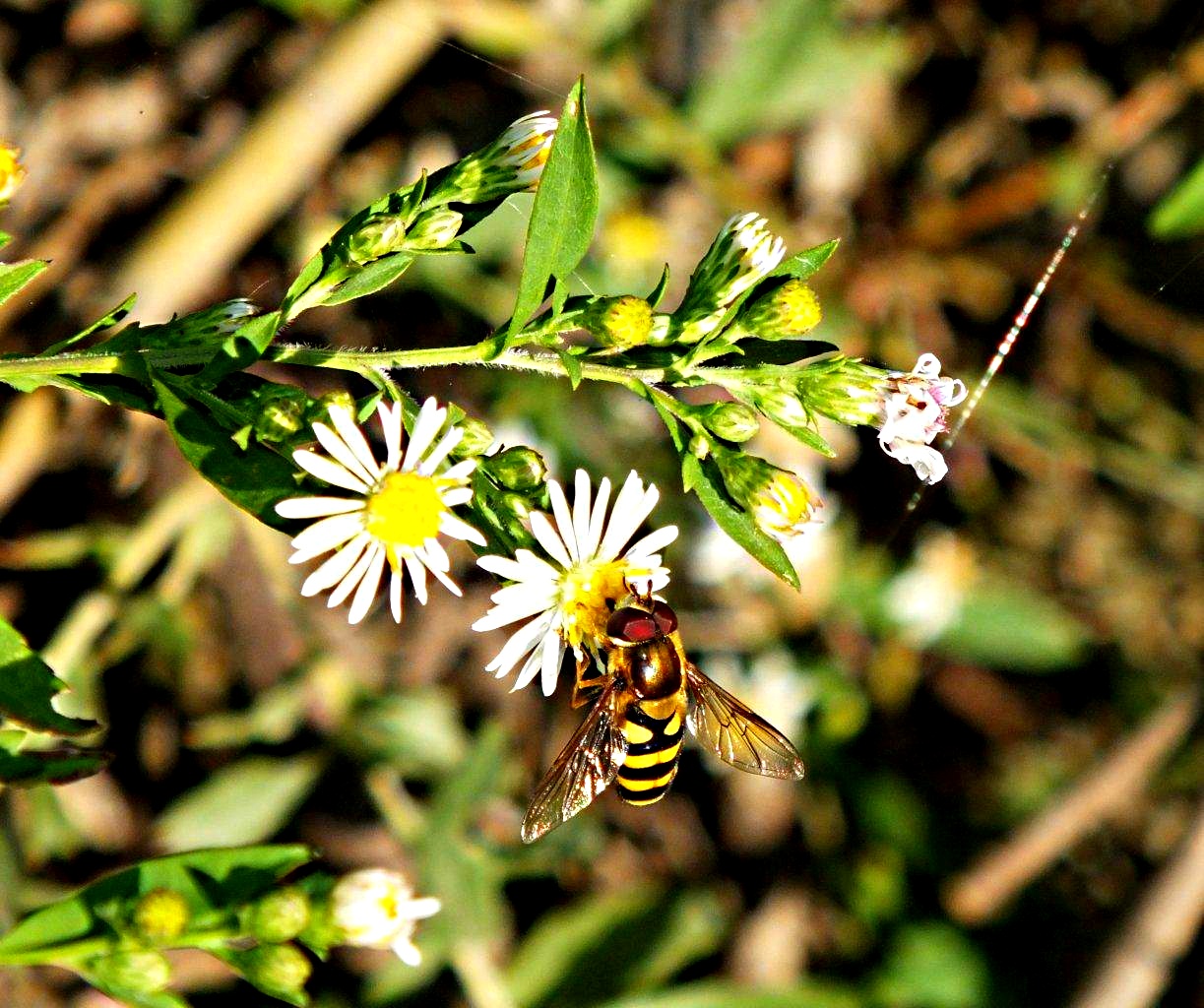
I’m often mistaken for being a bee! : Hover Fly … Drone Fly … by Thomas Peace 2013

I’m not a bee & I don’t sting! : Flying Hover Fly … Drone Fly … by Thomas Peace 2013
.
.
.
.
. That higher intelligence — that all-pervading energy — must affect men, in profound ways that are clearly evident to those who intelligently inquire.
.
.
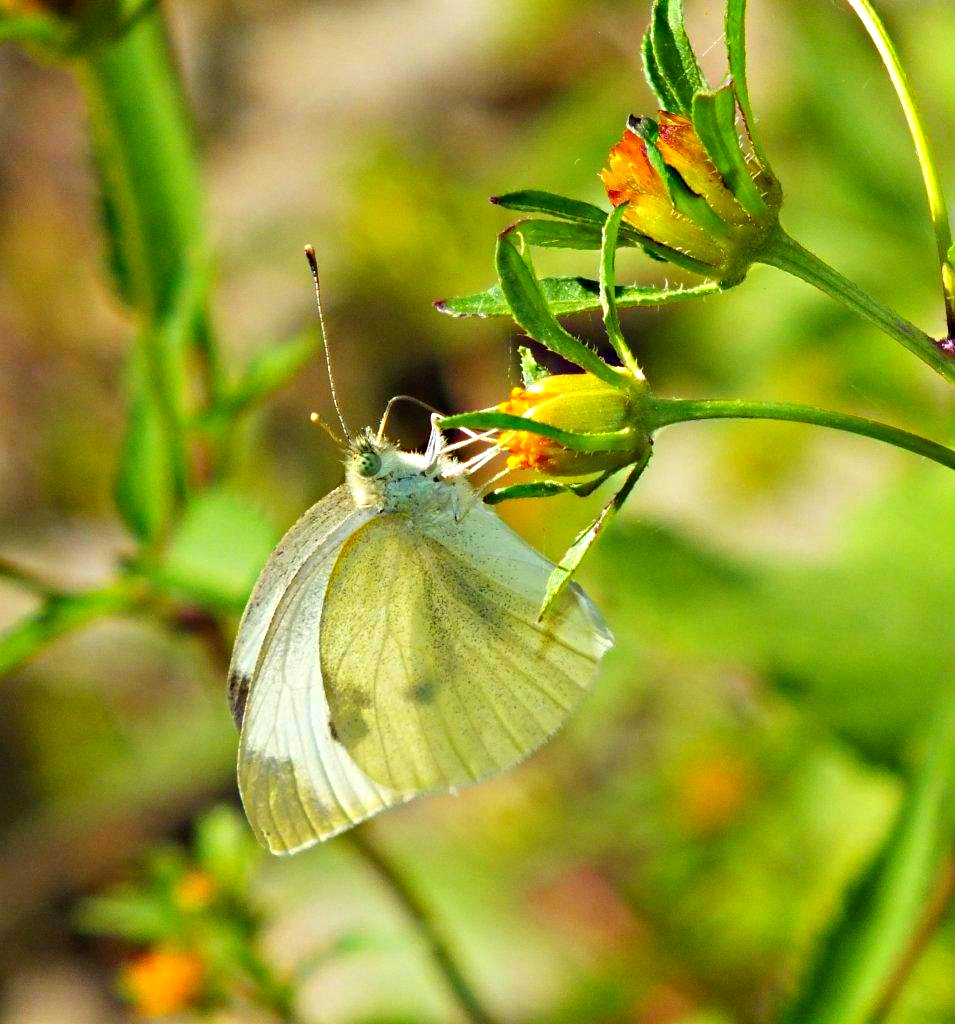
Just Hangin’ …. Cabbage White Butterfly … by Thomas Peace 2013

.
.
.
.
. In the light of true insight, the shadow of mere calculating mental accumulation loses its intensity.
.
.

Endless manna… Nectar seeking wasp … by Thomas Peace 2013

.
.
.
.
. The truly sacred may visit an entity of silence and innocence, but one cannot ever merely seek it out to obtain or acquire.
.
.
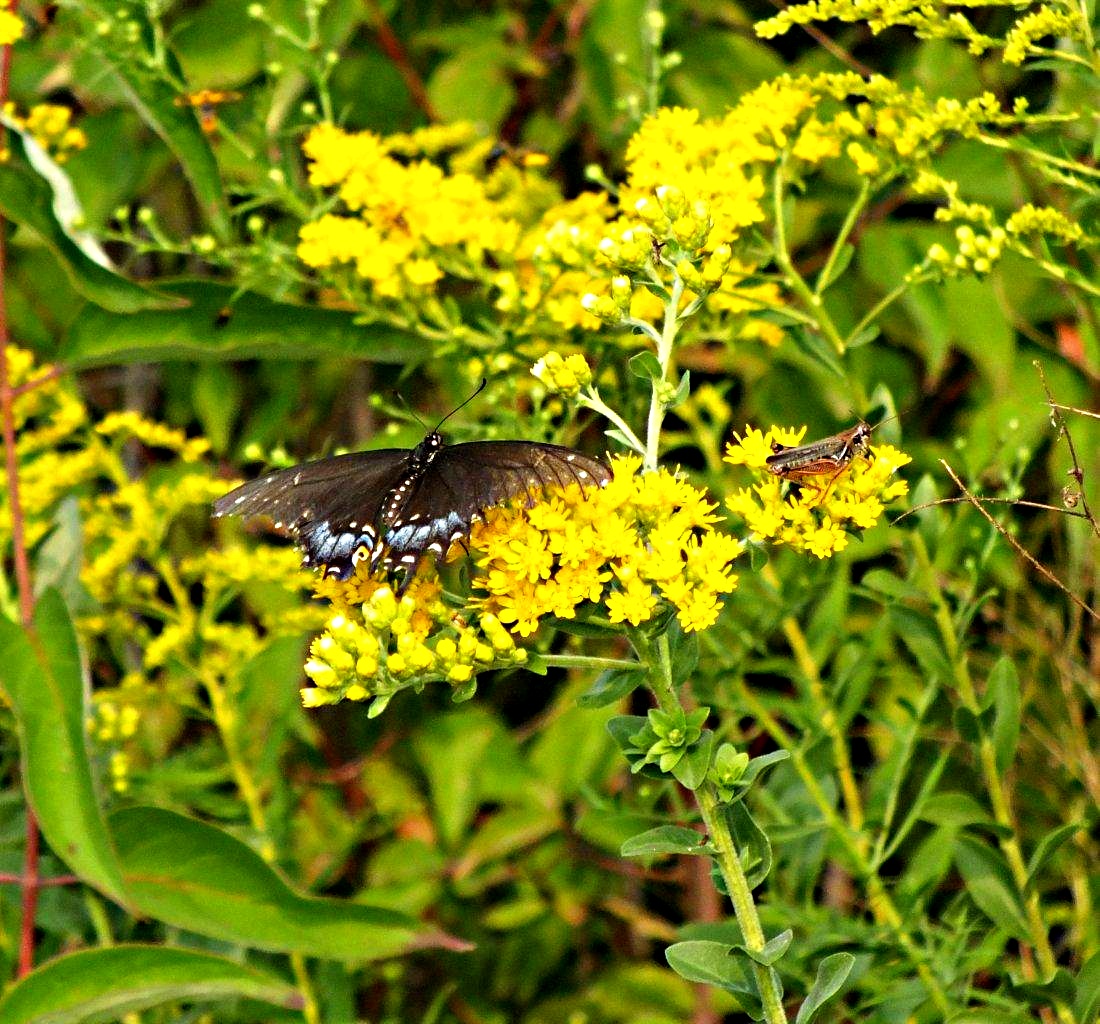
Meeting for lunch… Elderly Black Swallowtail and Grasshopper… by Thomas Peace 2013
.
.
.
.
. You, in actuality, are the whole of life… not just some accumulated, little, symbolic images that were taught that they are separate from all.
.
.

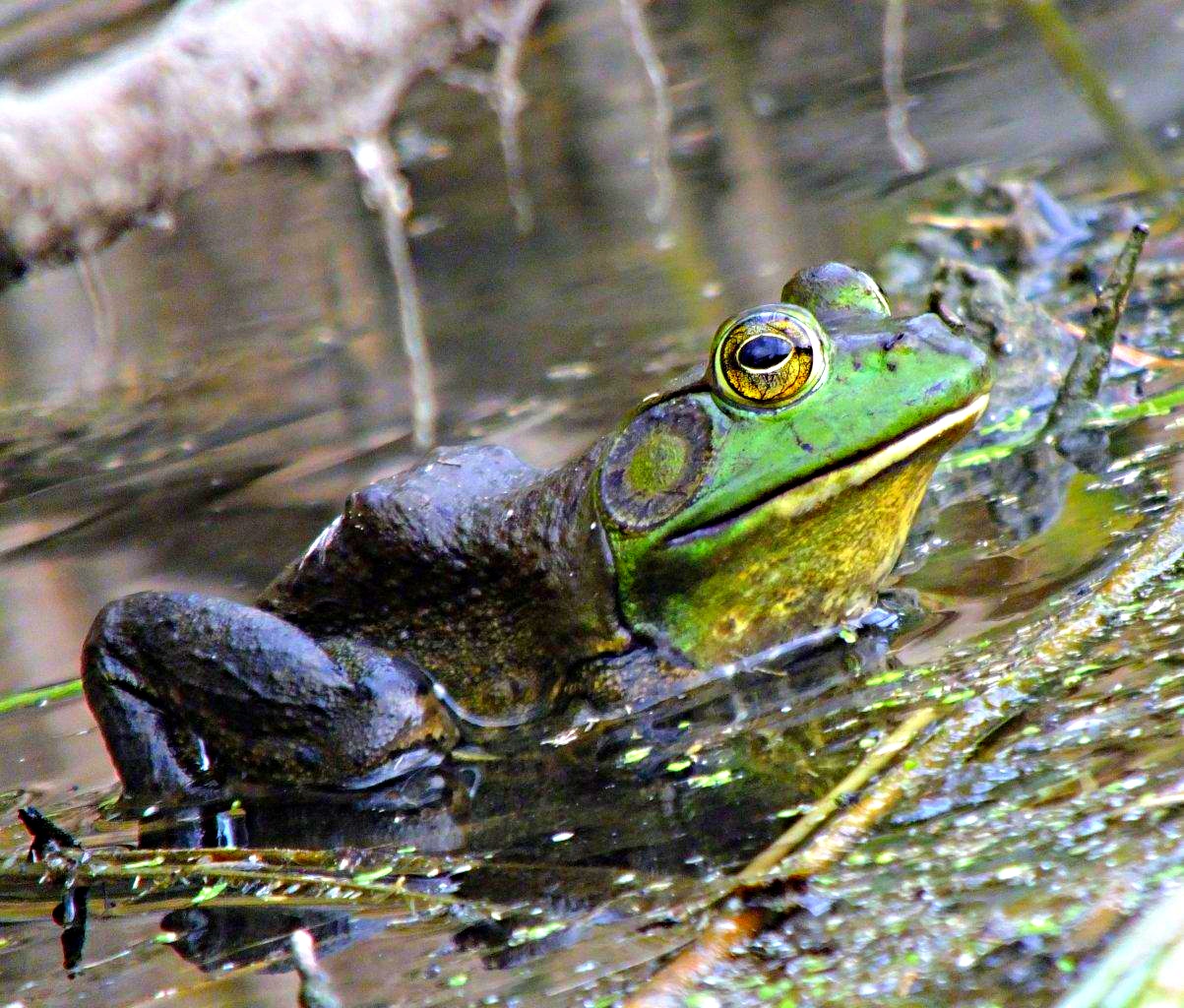
Bullfrog chillin’ …. with a little bug by his nostrils… by Thomas Peace 2013

.
.
.
.
. Do not merely set boundaries of delimitation, chopping the whole up into identifiable parts; those parts may be mere symbolic, trifling illusions.
.
.
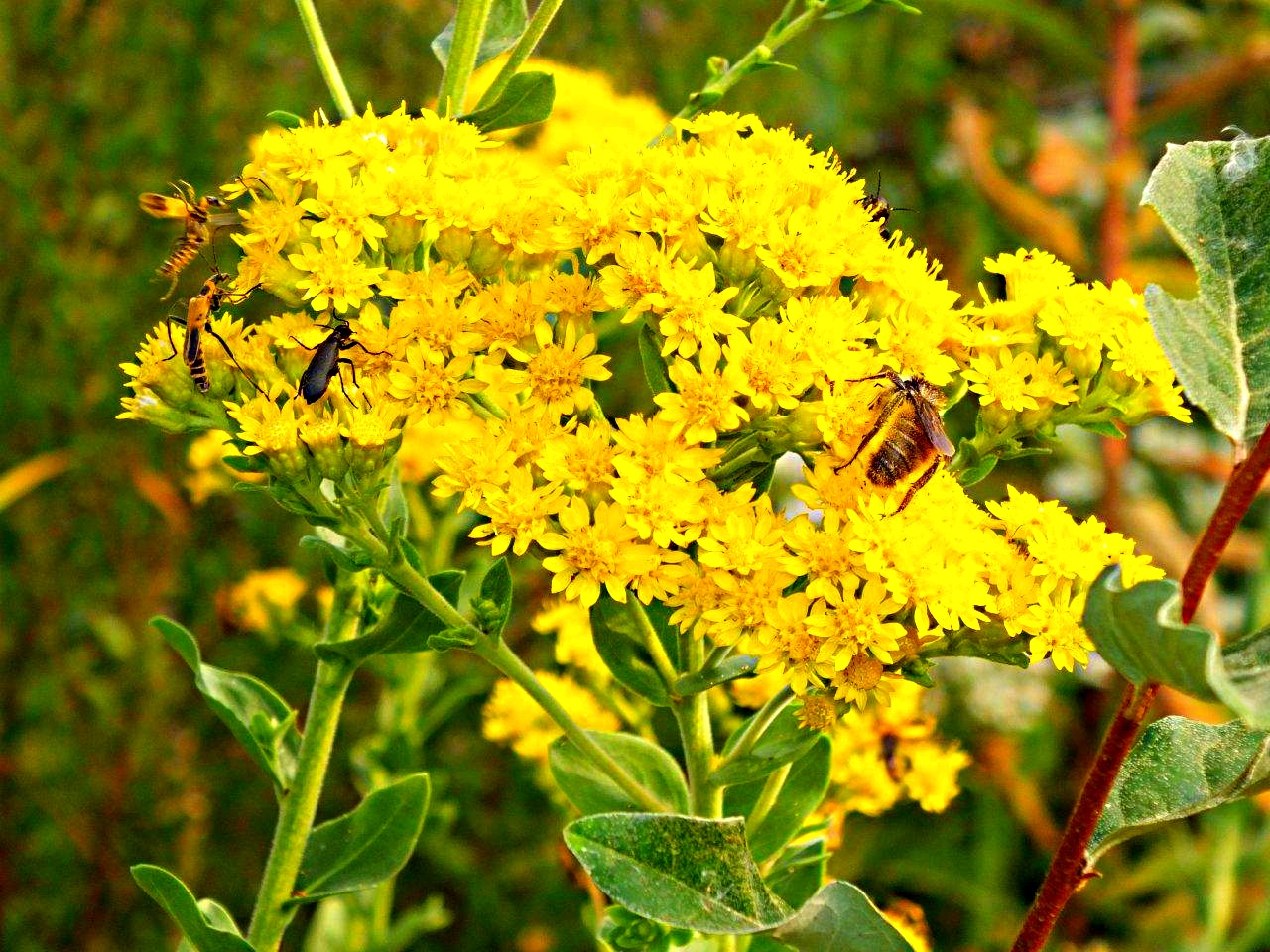
Beyond words… by Thomas Peace 2013

.
.
.
.
. Words and mental images, being mere symbolic representations, cannot take you to the zenith of understanding. What is limited can only go to a limited degree/extent.
.
.
. Eastern Yellow Jackets:
They prey on insects and spiders. Their underground, globular paper nests, usually built in abandoned rodent burrows (it is said)… may contain as many as 5,000 workers and one queen. The ones which I photographed were expanding their underground breeding chambers; you can see two of them each diligently carrying a huge clump of moist dirt! [Double left click on the photo to get a closer look; hit left return arrow to return.] I was precariously close — they deliver a vicious sting — but I used to keep bees… and all went well! One could see that they were definitely aware of my presence; some were hovering next to my head, keeping a close eye on me. I moved slowly and they allowed me to get rather close to their “woman cave.”
.

Raising a family isn’t easy (1)… Eastern Yellow Jackets … by Thomas Peace 2013

Raising a family isn’t easy (2)… Eastern Yellow Jackets … by Thomas Peace 2013

.
.
.
.
. Too many give excessive attention to the clever, very intelligent man… and give little or no attention to the simple, innocent, neglected, mentally handicapped.
.
.

Getting together… Gladiator Katydid and a Scarlet-and-Green Leafhopper … by Thomas Peace 2013

.
.
.
.
. The hubbub of a disturbed and constantly chattering mind is incapable of being the calmness of the millpond that can reflect the truly orderly, the truly sacred.
.
.
.
. Robber Fly:
Adults prey on wasps, bees, flies, and even larger insects such as dragonflies. They seize prey while “on the fly” with their spiny, grasping legs… and pierce the body with their stout mouthparts. They have very good eyesight.
.
.

From Sherwood Forest… Robber Fly … by Thomas Peace 2013

.
.
.
.
. Hate is psychological separation — as ignorance — reacting. Without separation, hate cannot be.
.
.
.
. Blue Mud Daubers consume nectar and spiders. They will even deliberately land in a spider’s web to lure it out… and then capture and sting it without becoming entrapped by the webbing.
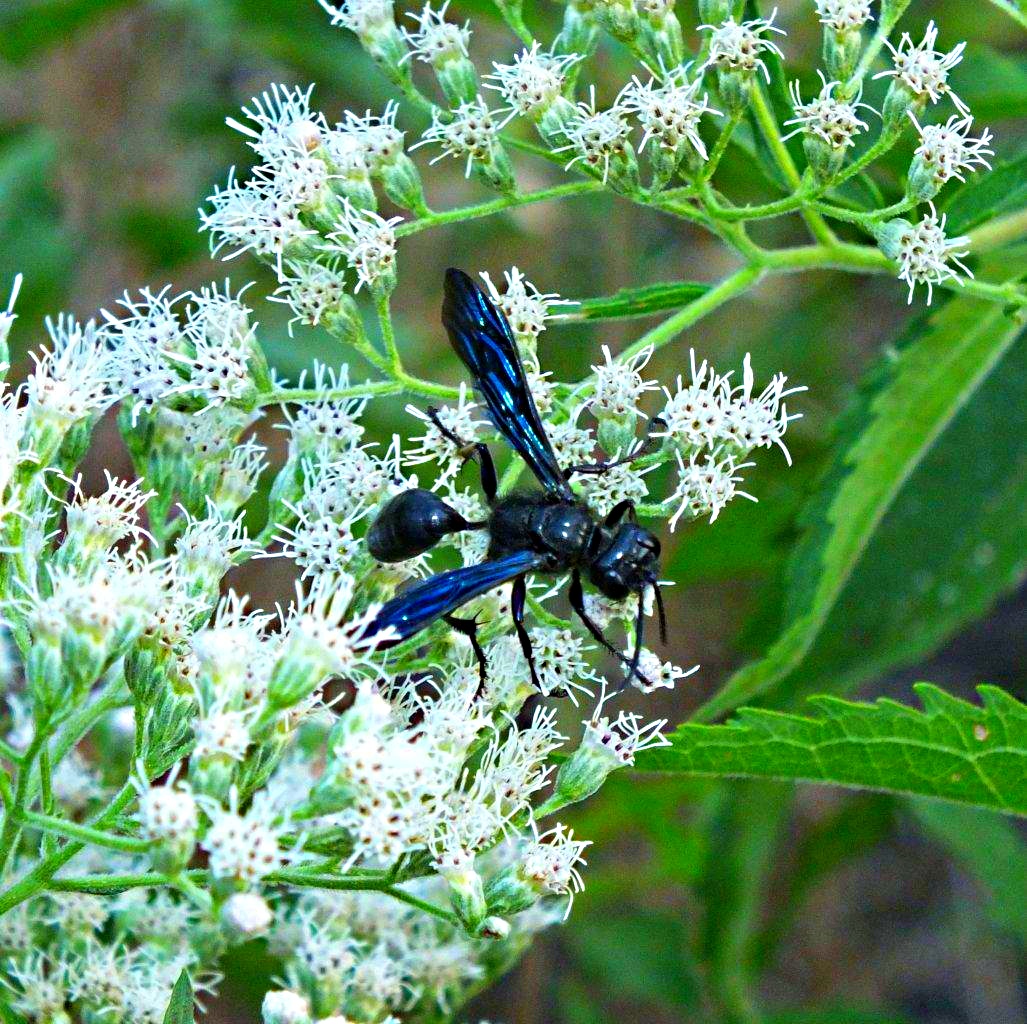
Nectar and Spider Eater… Blue Mud Dauber … by Thomas Peace 2013
.
.
.
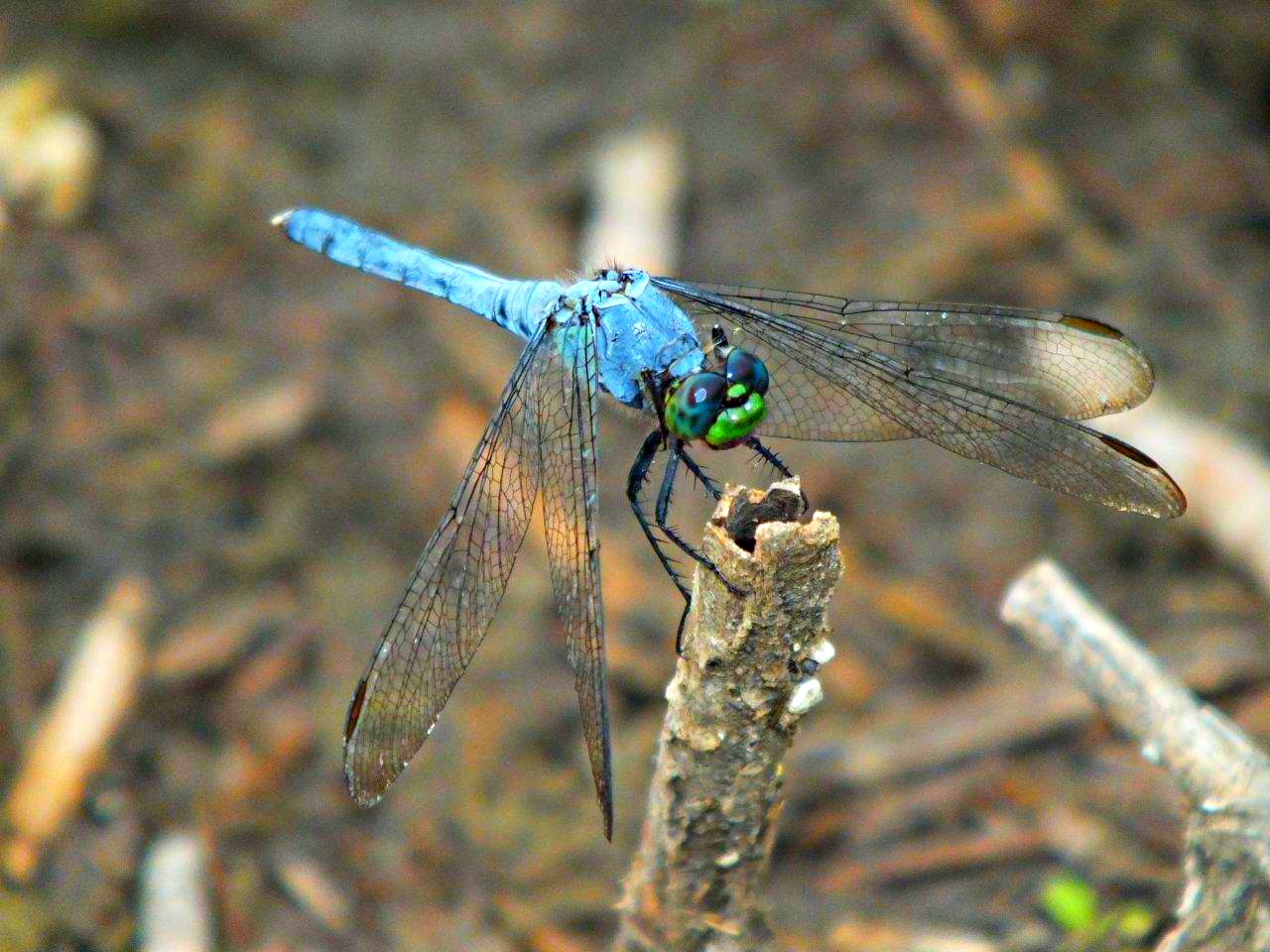
.
. If you’re going to be nimble, like young Jack and the Candlestick… then be versatile enough not to remain stuck in the old ground of what was spoon-fed to you.
.
.
Over the Candlestick… Blue Dasher Dragonfly … by Thomas Peace 2013

.
.
.
.
. You can hop-scotch your way into the predictable, but you can’t preen the feathers of the flighty unknown (unless you go beyond words).
.
.
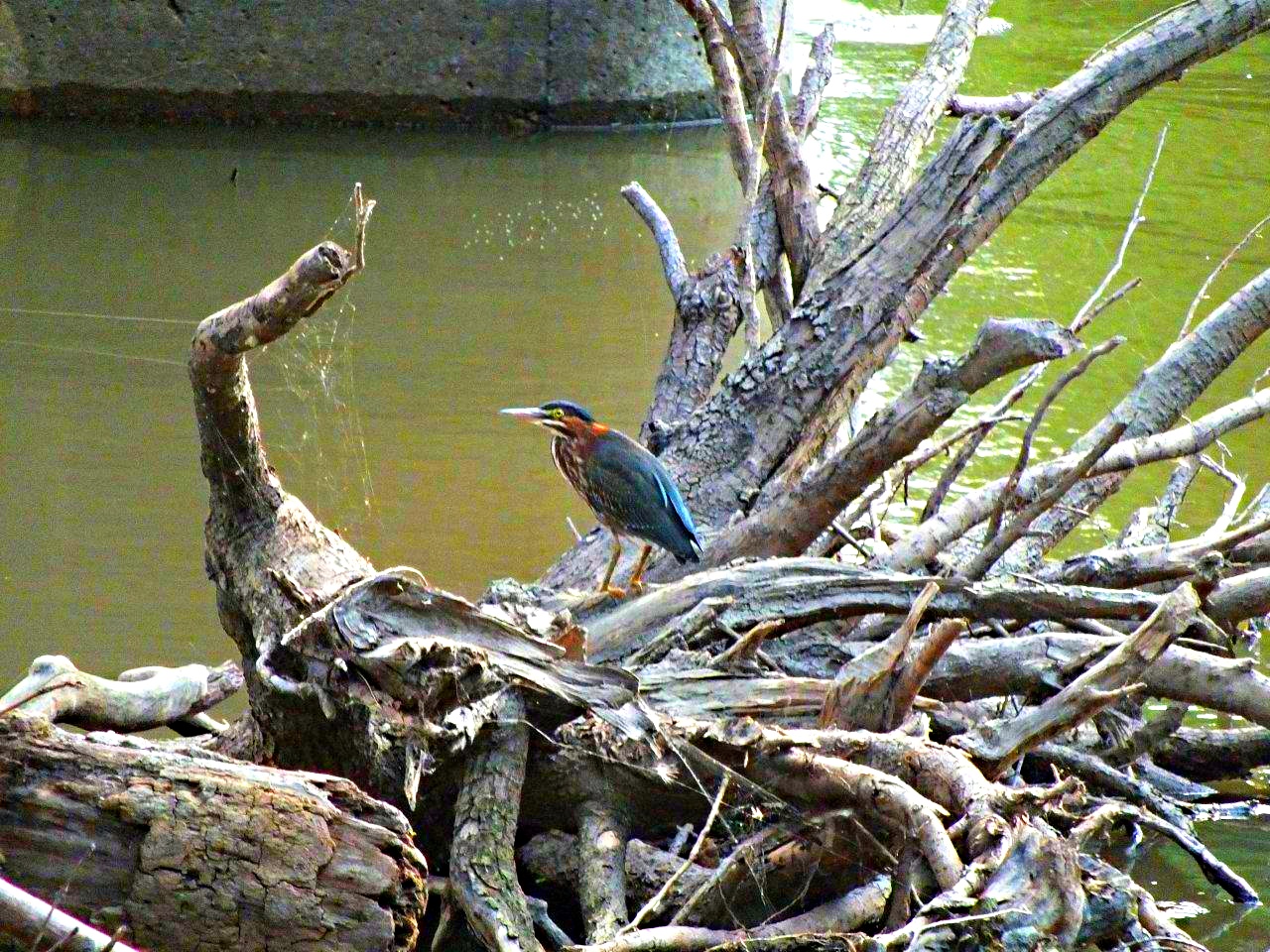
Elusive 4 Sure… Green Heron … by Thomas Peace 2013
.
.
.
.
. We think that we are moving and traveling… but psychologically we really remain where we’ve always been (all along).
.
.
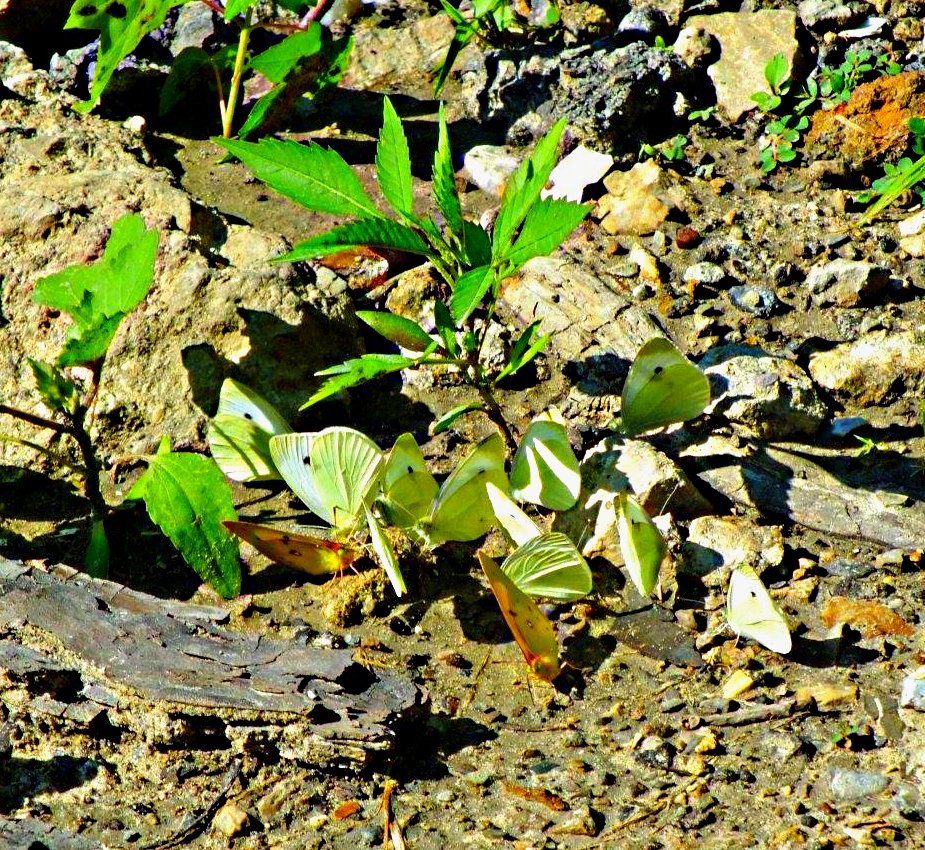
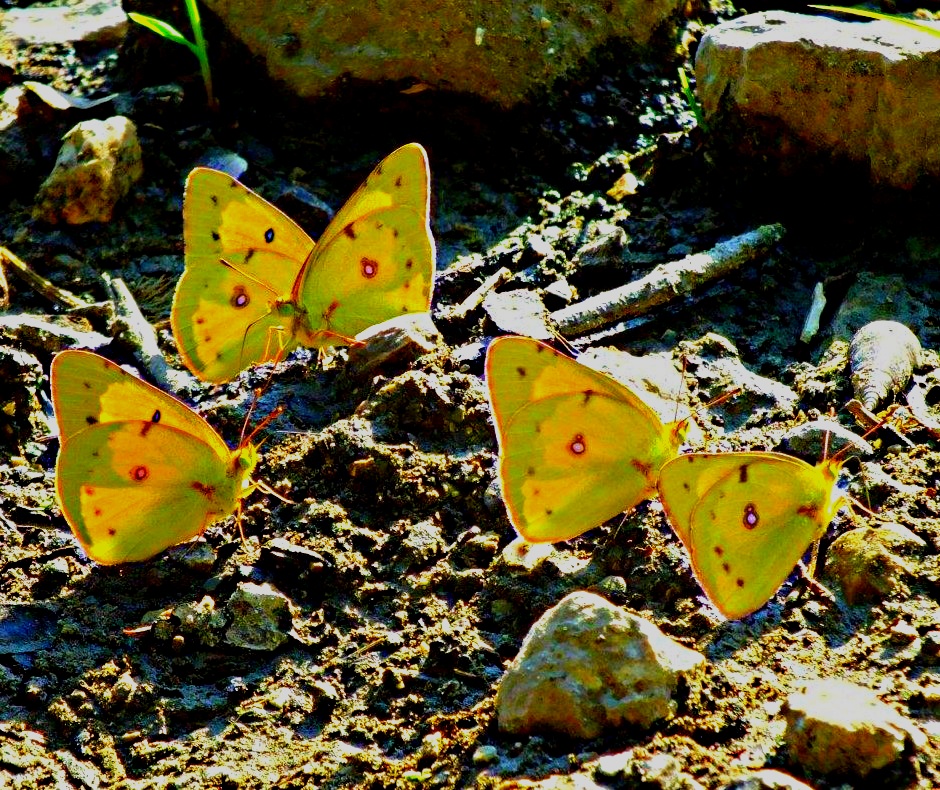
Annual Meeting of the Sulphur Butterflies (1) … by Thomas Peace 2013
Annual Meeting of the Sulphur Butterflies (2) … by Thomas Peace 2013

.
.
.
.
. To merely exist as a lot of mental words and images is to be content to exist as mere symbols.
.
.

Treasures in the woods… by Thomas Peace 2013
.
.
.
.
. Ignorance is to, unfortunately, be caught in a vast matrix — such as the matrix of time — and not deeply understand its essence or nature.
.
.
.
.
.
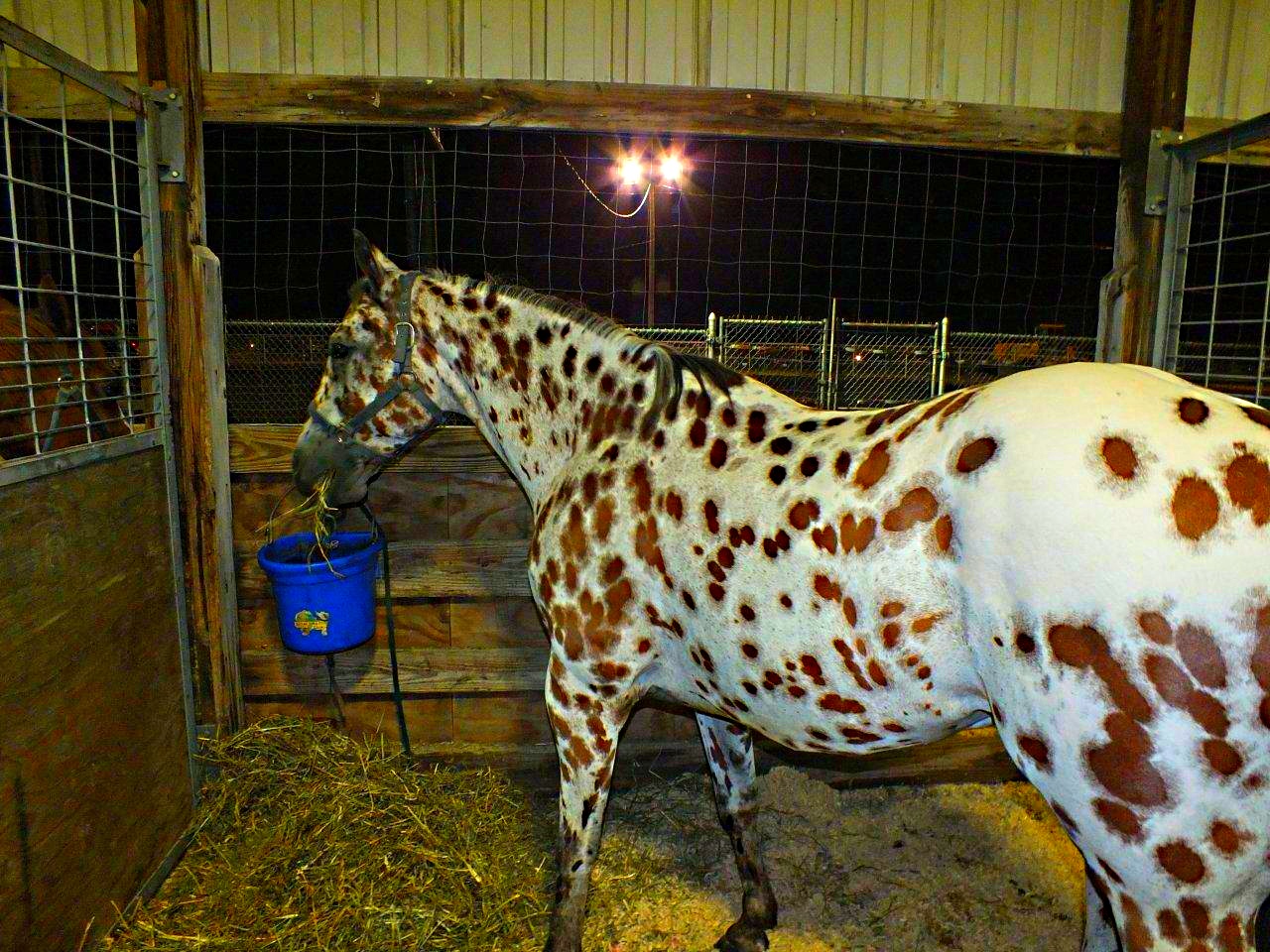
. Artwork depicting magnificent prehistoric horses with leopard spotting exists in prehistoric cave paintings in Europe.
Appaloosa beauty… by Thomas Peace 2013
.
.
.
.
. Don’t exist by copying others… live independently, silently, and wise.
.
.

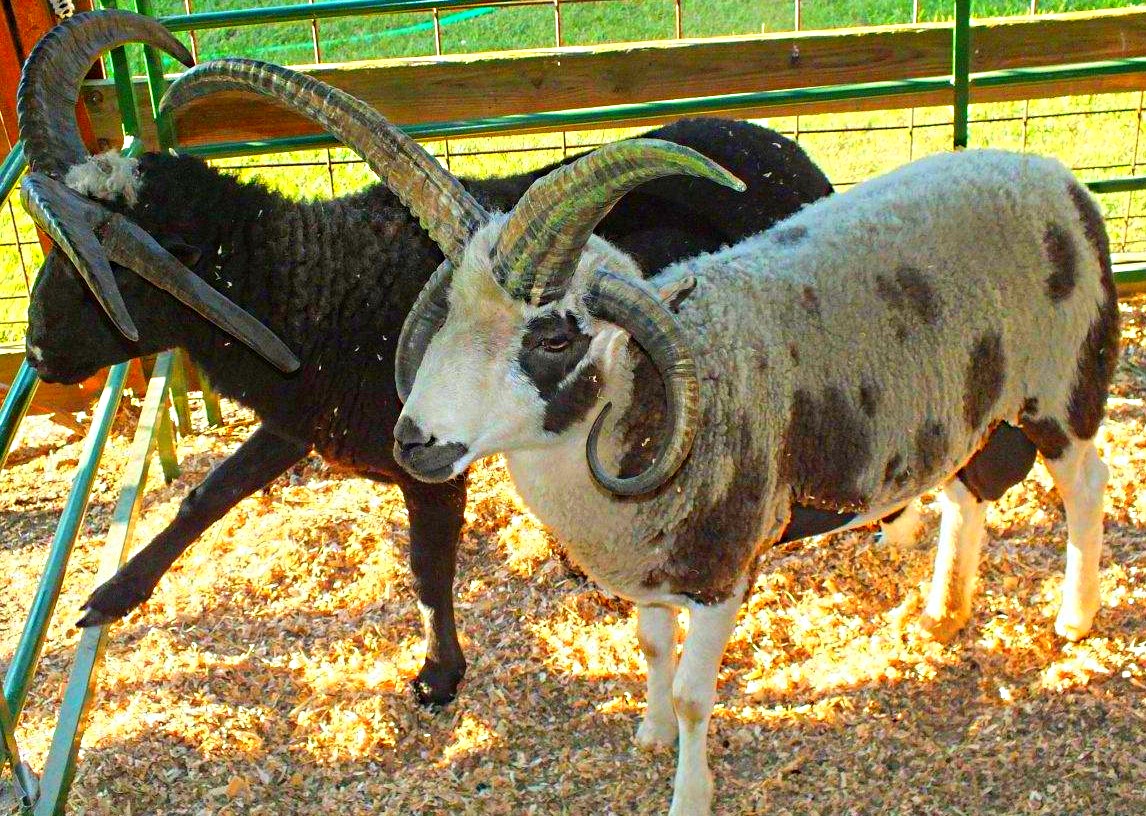
Four Horned Jacobs (at the fair’s petting zoo)… by Thomas Peace 2013
.
.
.
.
. All humans and animals share in a universal suffering; we can, in compassionate wisdom, help to transcend that suffering.
.
.
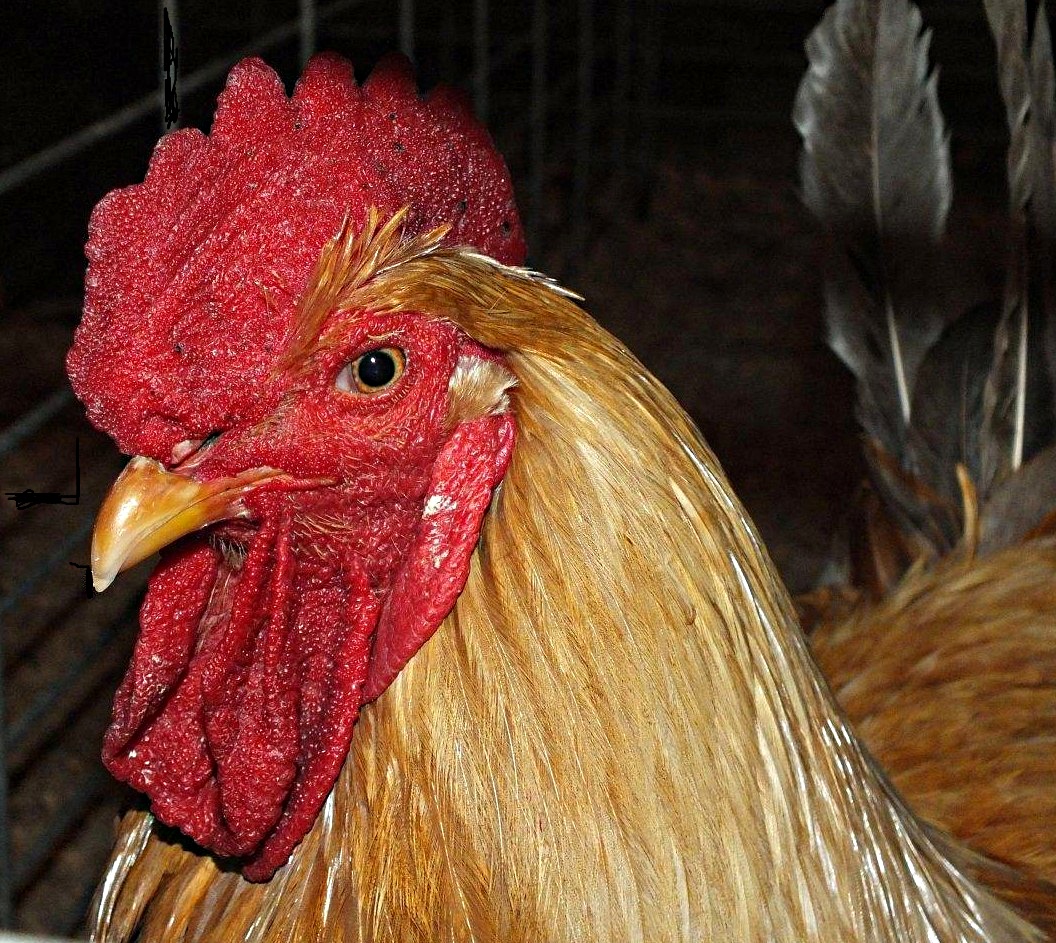
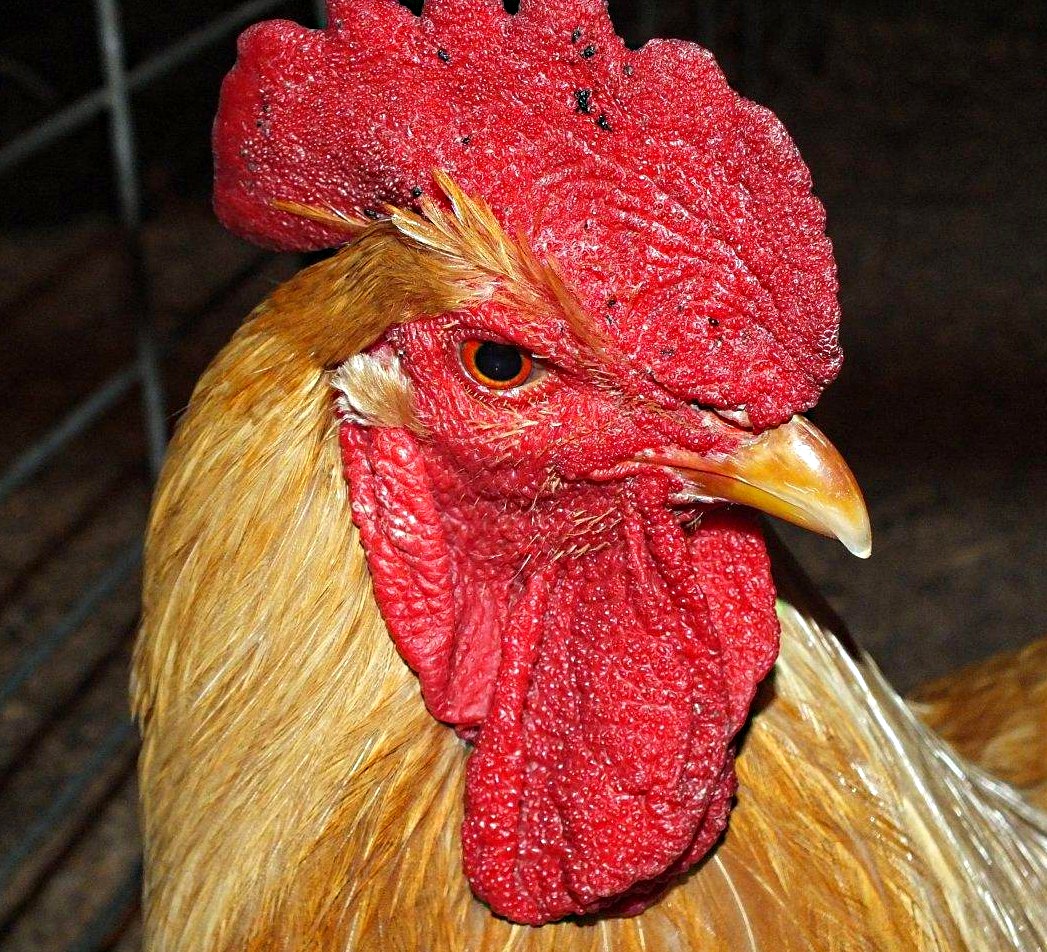
Red Rooster… by Thomas Peace 2013

.
.
.
.
. Thought (i.e., thinking) cannot make itself profoundly silent; what is conditioned cannot — by itself (or through mind-formulated systems) — ever create the unconditioned. The conditioned naturally — effortlessly — ceases as quiet insight flowers. A silence that is the product of a calculating mind — or of a predetermined system — is a limited, dead kind of silence. Intelligence (seeing the dangers of merely being constituted of limited, conditioned patterns) may come upon genuine silence… but not by “making it happen.”
That is true silence’s intrinsic beauty.
.
.
U R the Sunshine in my life… byThomas Peace 2013

.
.
.
.
. It is so easy for the mind to deceive itself, for it to believe in its own or in others’ delusions. Only a mind that is simple and unburdened sees reality as it really is.
.
.
. [She’s a blond, brunette, and redhead… all rolled into one! And, of course, she has plenty of simple, down-to-earth horse sense!] 😉

Real Horse Sense… by Thomas Peace 2013

.
.
.
.
. Don’t look at the reflective (small) mirror to truly see yourself… look at (i.e., reflect on) the whole of life and nature.
.
.

Close to the Edge… Kankakee River State Park… by Thomas Peace 2013

.
.
.
.
. Fear of “not being accepted” makes many into the shallow shadows of others.
.
.
.
.
. [Note: Immediately under each of the Katydid’s front leg knees are holes; these are the Katydid’s “ears.” If you are a small, slim, narrow creature — like our Katydid friend — you’ll have the best stereophonic hearing, helping to protect you from predators, (if your ears are situated in your widely spread legs).]
.

Katydid — blending in… by Thomas Peace 2013
.
.
.
.
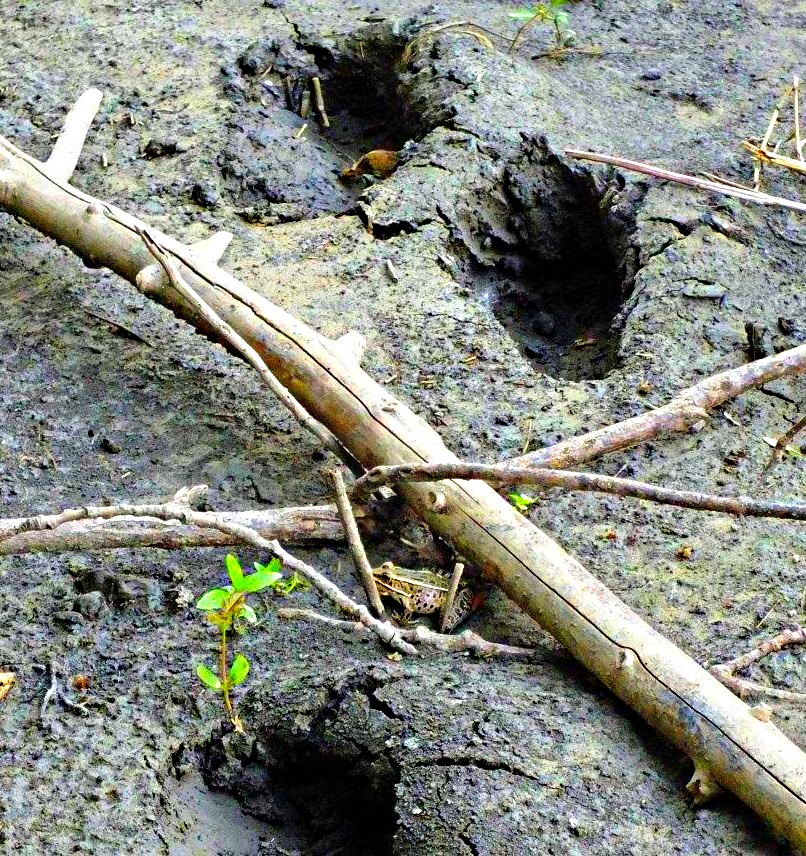
. Confucius said: “The first man who perceives the yeti’s track in the soft mud has a mind that goes into a deep depression.” 😉
.
.

Frog by very strange tracks by wooded area of river bank… by Thomas Peace 2013

.
.
.
.
. Don’t compare yourself (or your possessions) with others… it’s not wisdom… it’s a waste of time.
.
.

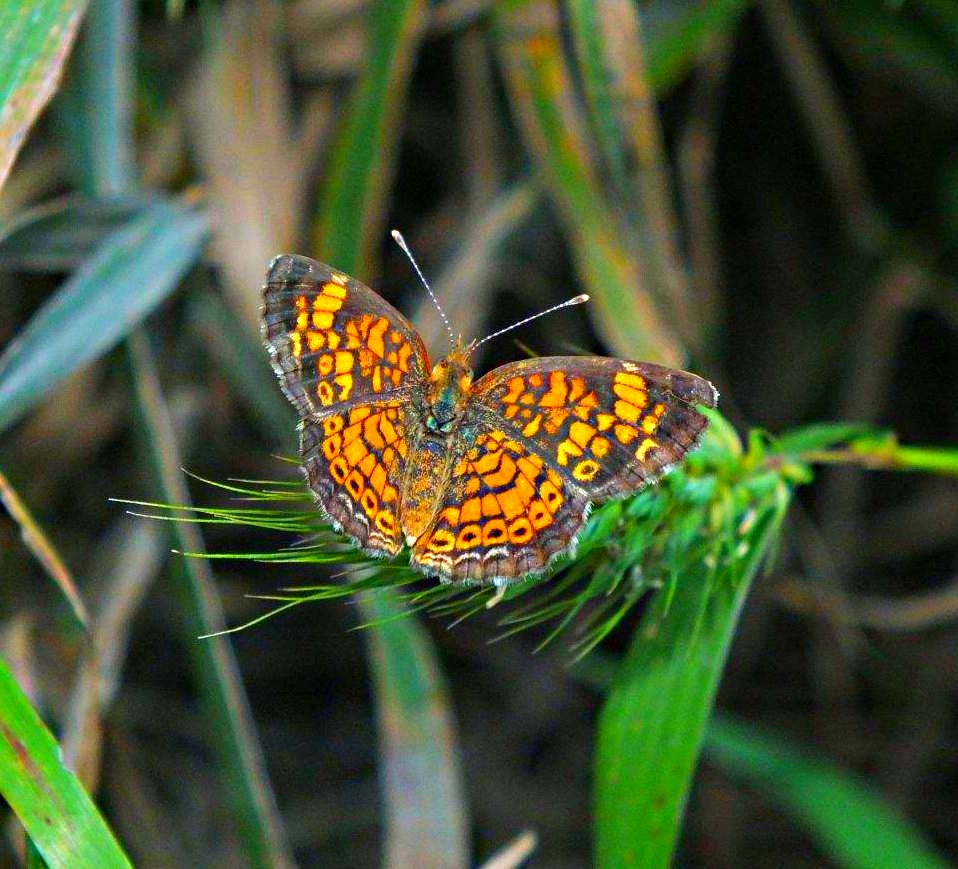
Free and not comparing… by Thomas Peace 2013
.
.
.
.
. One of the chief duties of one’s mind is for it to transcend depression and sadness. Keen, holistic awareness and direct, non-fragmentary perception is the flame that will burn the dross of dull monotony.
.
.

Transcending the low depressions… by Thomas Peace 2013

.
.
.
.
. We desperately need to get over needless wars, needless hatred, needless borders and separative boundaries.
.
.
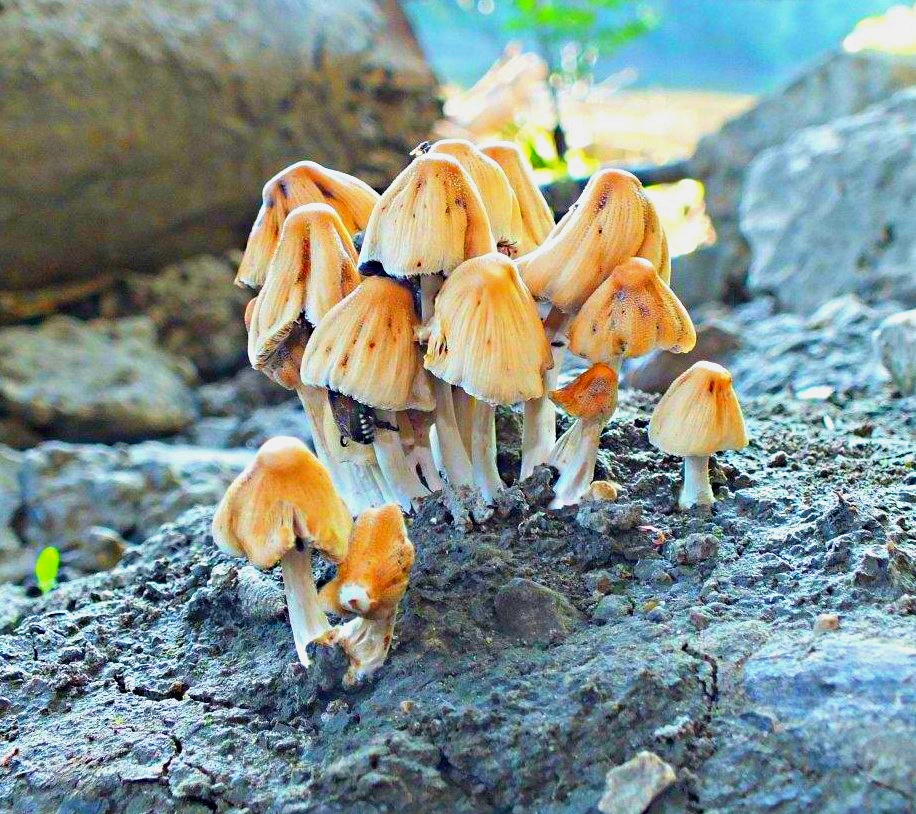
Hiding among the umbrellas… by Thomas Peace 2013

.
.
.
.
. You can’t run from your fears… you are your fears.
.
.

Who is that masked man?… by Thomas Peace 2013
 Tom's Nature-up-close Photography and Mindfulness Blog