
It is essential to be attentive throughout life. If one is a mind that endlessly chatters (internally) about trivial things, with a lot of “noise” going on, which one is only half-aware about, then the mind becomes more and more cloudy, more and more dull. If reactions are going on, internally, it is prudent to be aware of them, not to have them occur while one does not perceive their occurrence or implications. Most of us are addicted to being in a realm of reactions; we crave more and more reactions to cling onto (and to exist as). Without merely resisting reactions, be attentive to them; perceive how the mind habitually depends on them (and exists as them). Merely resisting having reactions is another (additional) reaction. Without merely resisting, but just by simply observing without separative friction, the mind can be extremely attentive and alert. That attentiveness, that great alertness and listening may, at times, allow the mind to exist without merely depending on reactions.
So, many are — and exist “as”– mere reactions. Reactions are always secondary, mechanical, reactionary, residual; merely being “them” may not be real living whatsoever. There can be a stability that is beyond the mere limits and fragmentary attributes that mere reaction entails. That stability can be deep and profound. That profundity will perceive beyond all of the superficial illusions, all the fallacies, all the nonsense, all the petty escapes. It will be compassionate, caring, sensitive beyond measure, and will perceive far beyond the ordinary. A rather ordinary mind who meets such a mind, who meets a person with such a profound mind, will likely merely see “someone” who just seems to be another regular person. However, that profound mind is far from regular. It will have seen so much more than what most have seen or will ever see. It will have done so by not traveling an inch (to get something).
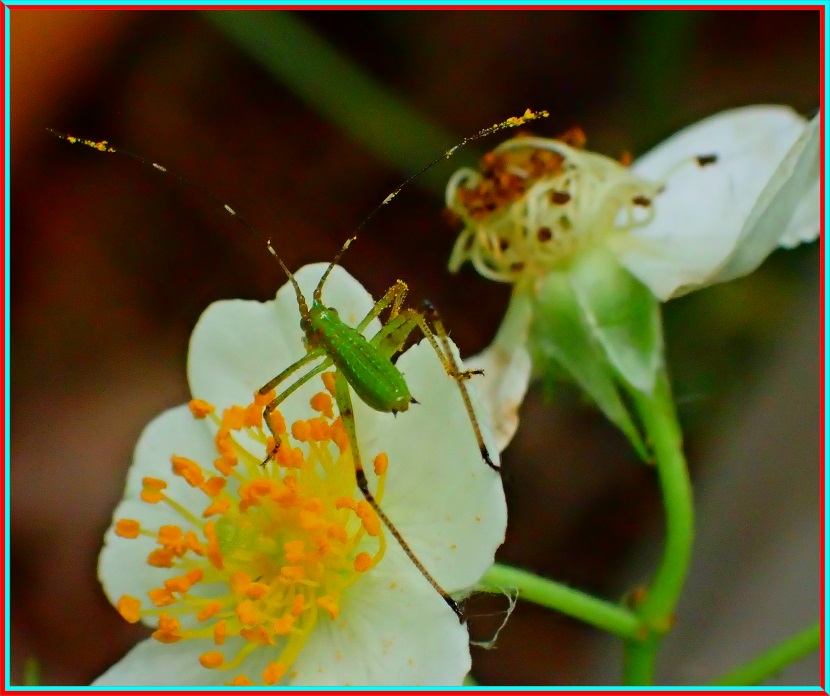
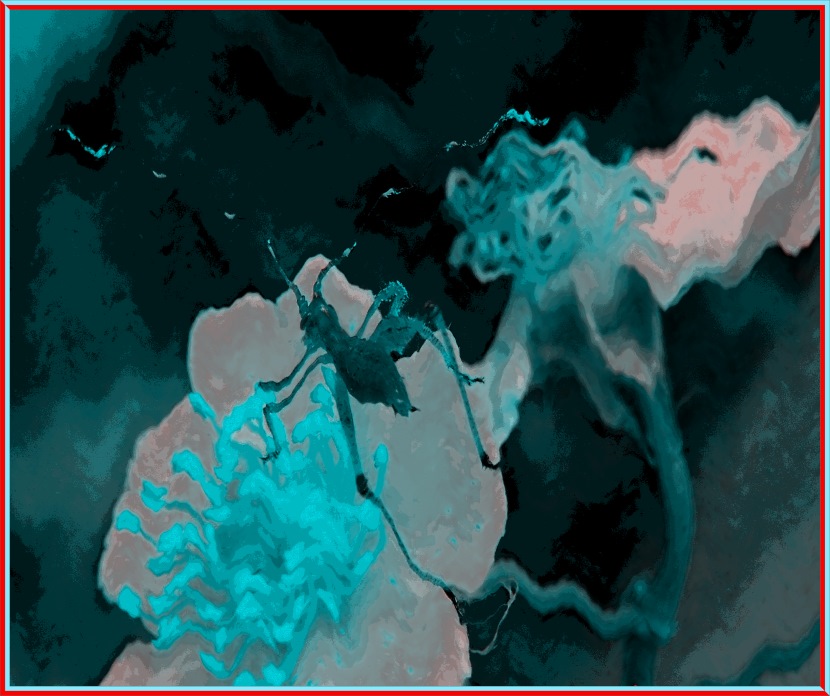
[Note: The top photograph is of a young Praying Mantis on a Lily Flower. The photograph below it is of a young Praying Mantis fossilized in 20 million-year-old Dominican Amber.]

Young Praying Mantis on Lily. Photo by Thomas Peace c. 2017

Young Praying Mantis in 20 Million-Year-Old Dominican Amber. Photo by Thomas Peace c. 2017
 Tom's Nature-up-close Photography and Mindfulness Blog