.
It’s easy to harm something else when you think that it is separate from what you are. In the actual tree of life, we are all connected… all one.
.
[A frisky squirrel eating one of many acorns.]
.
No one – not anybody – can accurately define what true awareness is… because true awareness is too dynamic to merely be put into words and categorized.
.
[Local natural rock-work formation. (There is, by the way, something man-made in this photo. Can you see it?)]
.
A mind that does not depend on images throughout the day (to be aware) can sleep without crass and crude dreams occurring whatsoever.
.
[Leaf-footed Bug with its footing on a leaf. In these, the first three antenna segments are red or reddish brown; the forth is contrastingly yellow-orange or nearly white.]
.
The only true and profound revolution worth fighting for is a nonviolent, spiritual one.
.
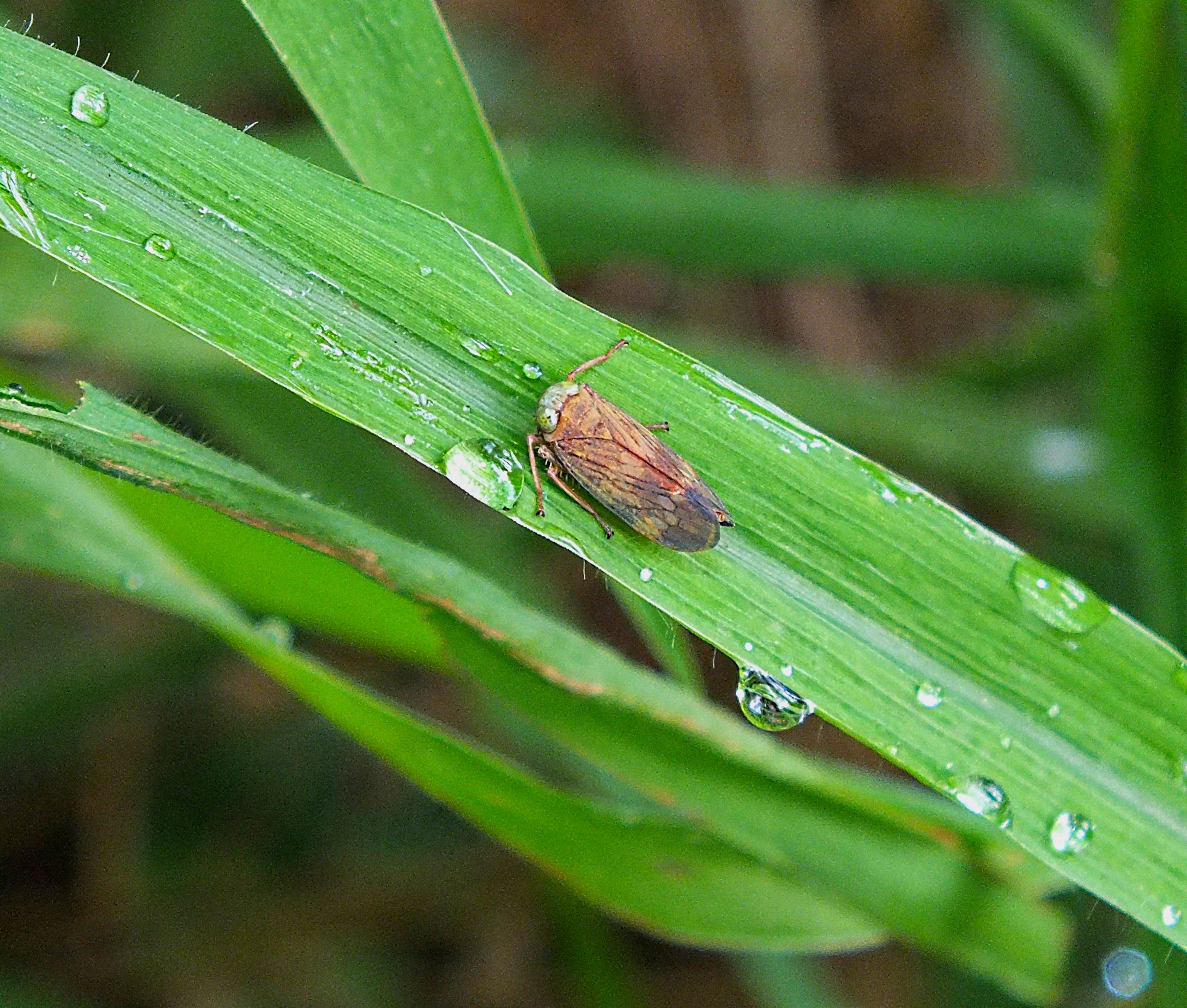
[A Meadow Spittlebug weathering out the rain. They are very small and feed on a variety of weedy plants. Adults readily jump or fly when disturbed.]
.
Happiness isn’t a warm gun; happiness is a warm (compassionate) heart.
.
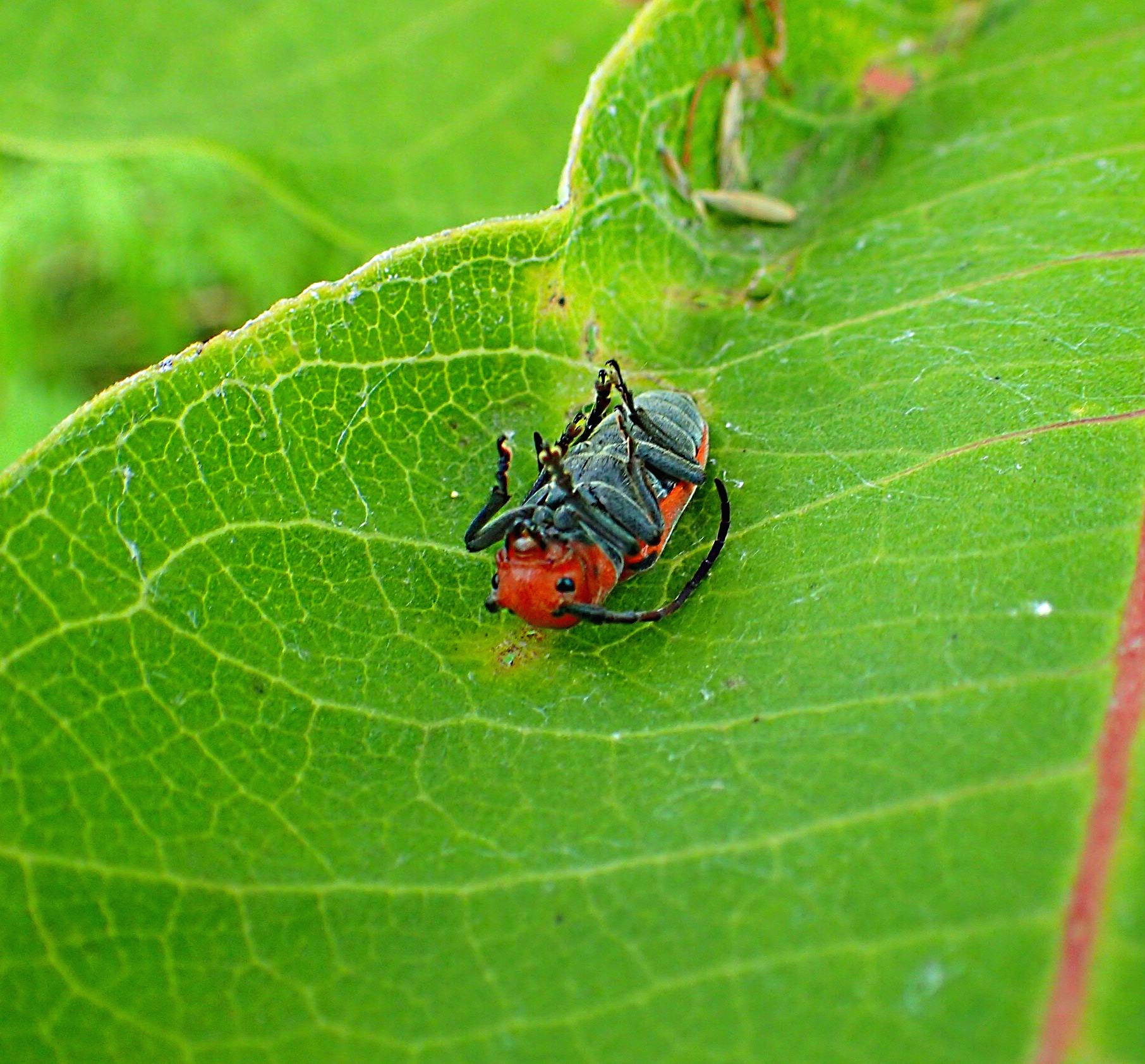
[Red Milkweed Beetles, I think, are among the most evolved and “intelligent” insects in our area. As I’ve mentioned before, sometimes when I approach Milkweed Plants these beetles will deliberately fly at a rapid rate into me, striking my face repeatedly to entice me to leave. Some panic and fly away. This one decided to “play dead.” It fell from a Milkweed leaf above. After I backed up and watched from a distance for a while… it subsequently straightened itself out and flew away. I laughed at its ruse!]
.
Poise is the elegance and sound balance that a truly aware and, hence, compassionate mind has… without following blueprints.
.
[A Blue Bottle Fly and a Lady Bug. Blue Bottle Flies are most active during spring and fall. Lady Bugs are active spring through fall.]
.
One need not wince at one’s fears and endlessly run away from them if one intelligently realizes that one is not at all separate from what they are.
.
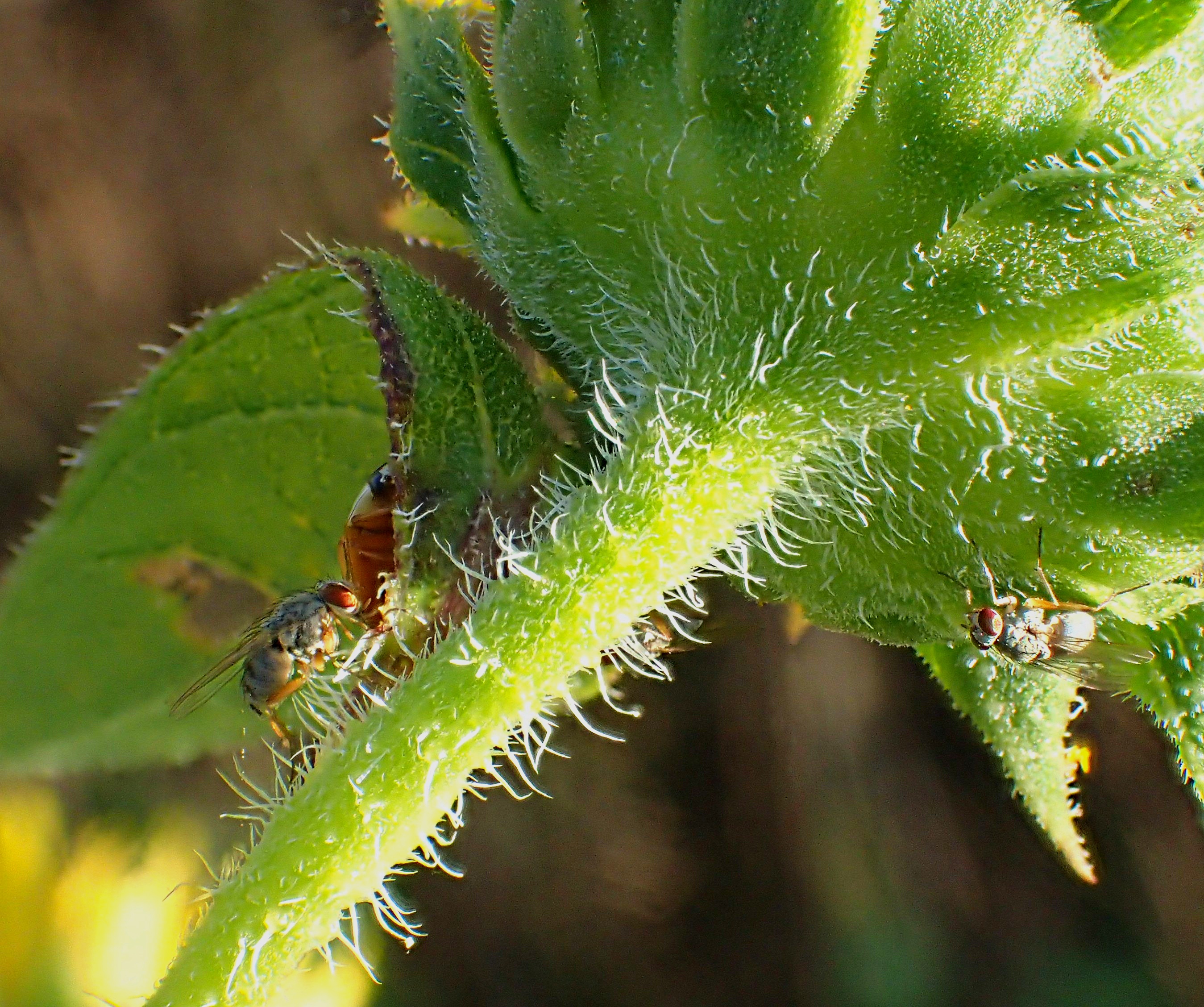
[A couple of Fruit Flies and a hiding Lady Bug. Though the Lady Bug is carnivorous, the Fruit Flies need not worry; they are too large. The Lady Bug goes after even smaller insects, such as Aphids.]
.
True insight is instantaneous (and timeless)… no time (or practice) is involved for it to finally come about.
.
[From earlier this year… these are the Stamen of a red Lily Flower. The Anther is the top part of the Stamen and contains the Pollen, the male reproductive cells. The Filament is lower down and holds the Anther.]
.
Please don’t neglect the bountiful beauty of nature… which includes your own natural body and taking good care of it (and mother earth).
.
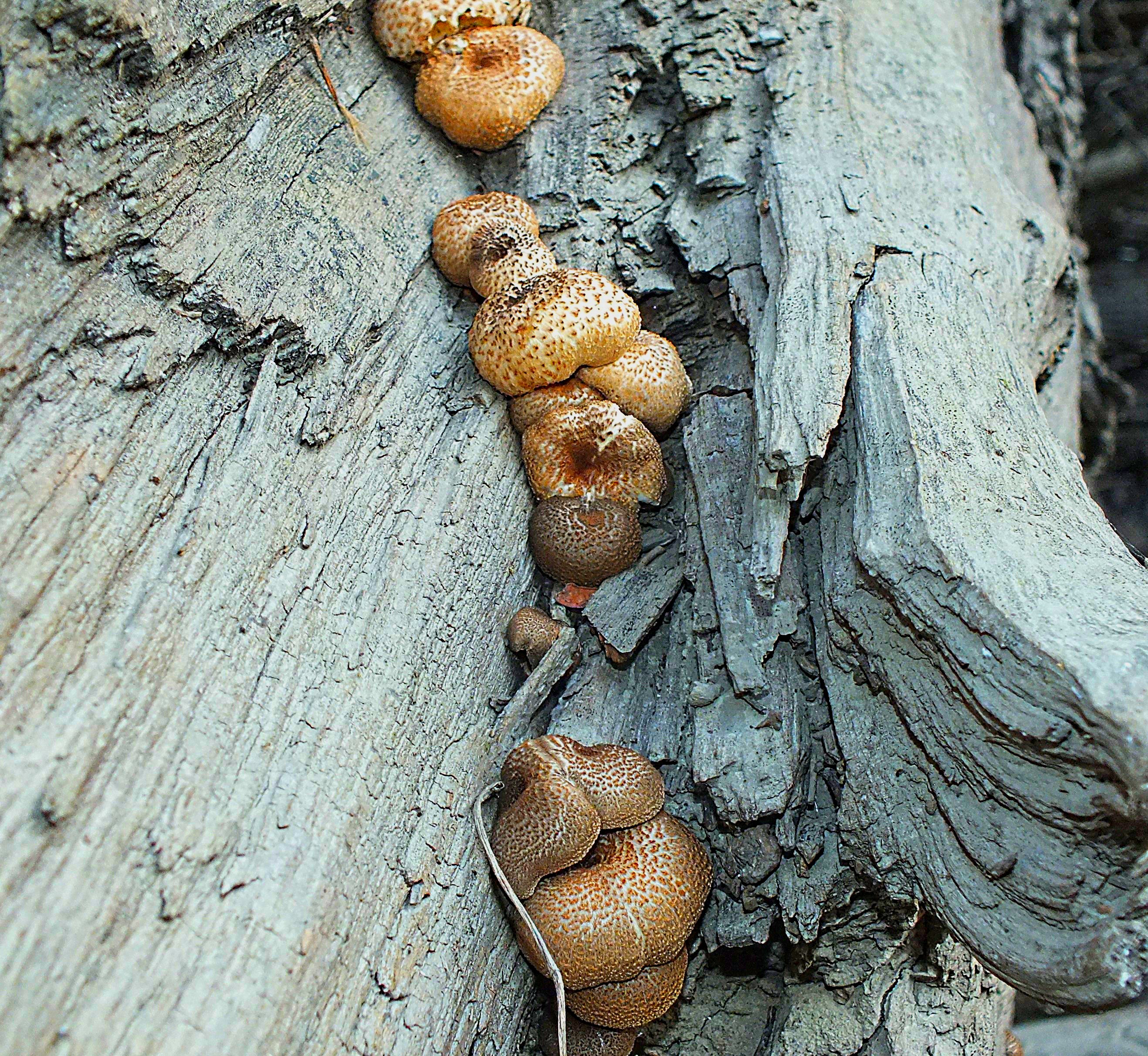
[Polyporus squamosus , called Dryad’s Saddle or Pheasant’s Back Mushroom, is a mushroom that is low growing and has very scaly caps. This mushroom cluster is commonly attached to dead logs or stumps at one point with a thick stem. This mushroom is in a log crevice as the logs floats in a local river. It causes a white rot in the heartwood of living and dead hardwood trees. The name “Dryad’s saddle” refers to legendary creatures in Greek Mythology called Dryads who could conceivably fit and ride on this mushroom, whereas the pheasant’s back analogy derives from the pattern of colors on the bracket matching that of a Pheasant’s back.]
.
Lucid wisdom doesn’t take time… but sequential, symbolic thought does.
.
[This Acrea Moth larva, also called the Salt-marsh Caterpillar, is eating heavily and preparing for winter. These caterpillars are relatively abundant in the fall and over-winter as pupae in cocoons. The Salt-marsh Caterpillar feeds on herbaceous plants. There are small rain droplets upon this one, as it was beginning to rain when the photo was taken.]
.
All true wise men have a propensity to understand the whole.
.
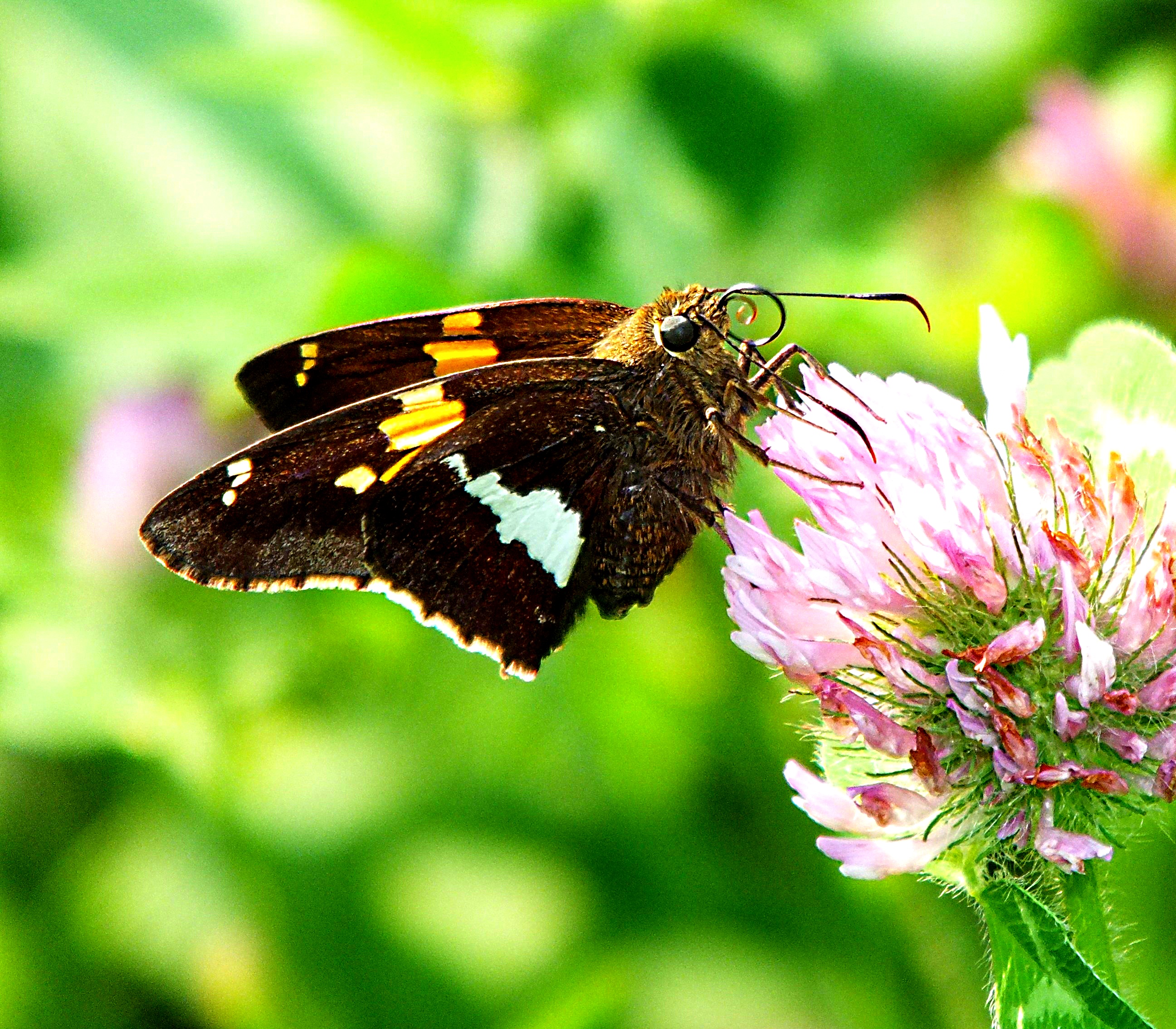
[Silver-Spotted Skippers are distinguished from true butterflies by the antennae, which are wider apart at the base and end in pointed, curved clubs. Silver-Spotted Skippers — and all Skippers — are so named for their erratic, skipping flight.]
.
Have gratitude for the simple things in life… for they are usually the most precious.
.
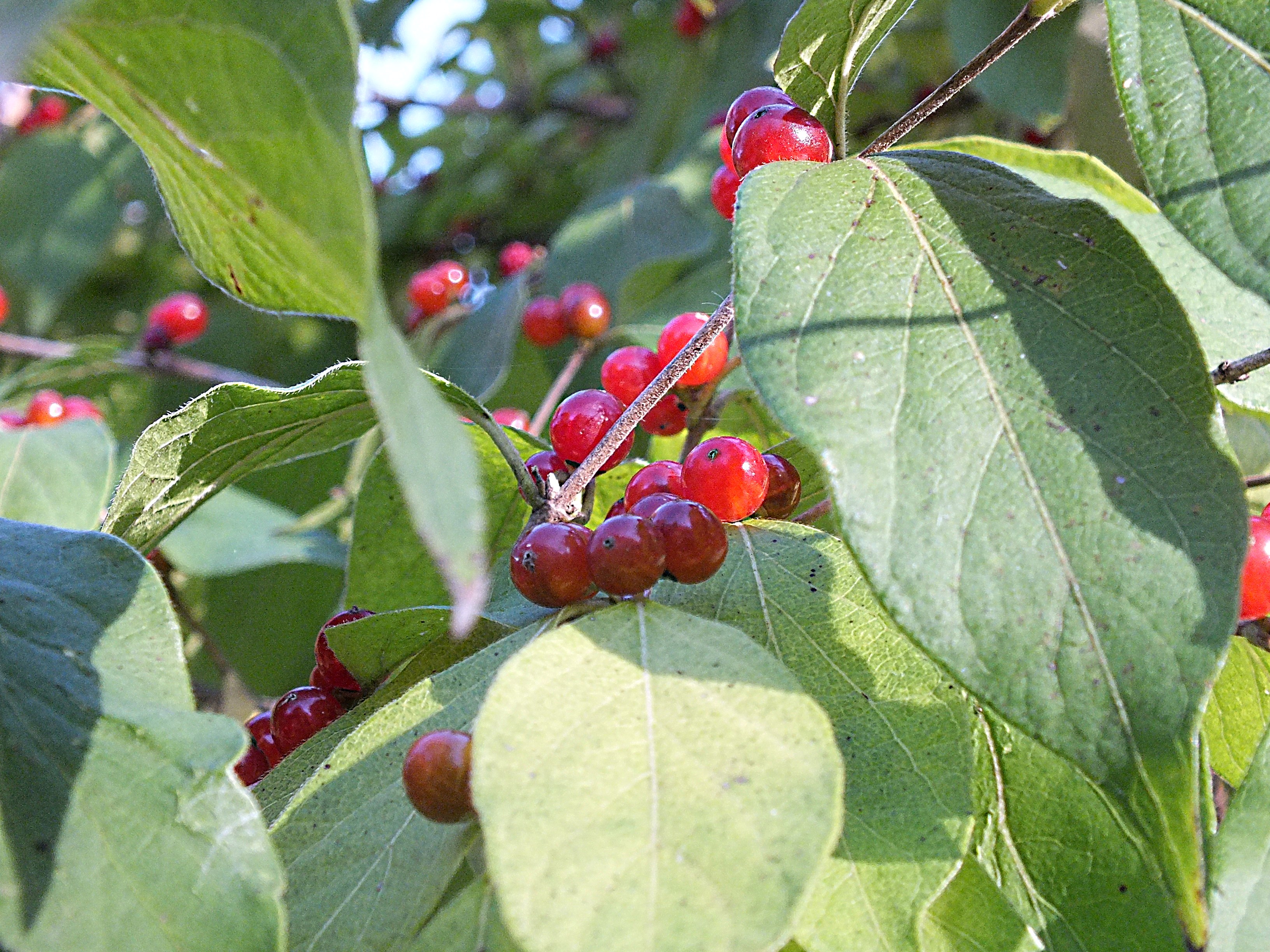
[Morrow’s Honeysuckle, which now grows wild, is one of several honeysuckle shrubs that have been introduced from Eurasia. Morrow’s honeysuckle was imported in the 1800’s for use as an ornamental, for wildlife food and cover as well as for soil erosion control. This one is growing along the bank of a river… which helps against possible erosion.]
.
A requisite attribute of time is distance. A requisite attribute of thinking that you are separate from others is time.
.
[The Ailanthus Webworm Moth thrives from spring through fall. The caterpillars of the Ailanthus Webworm Moth spin loose cocoons low on the host plant. There is one generation per year.]
.
To question everything wisely and intelligently… is to deviate from the norm.
.
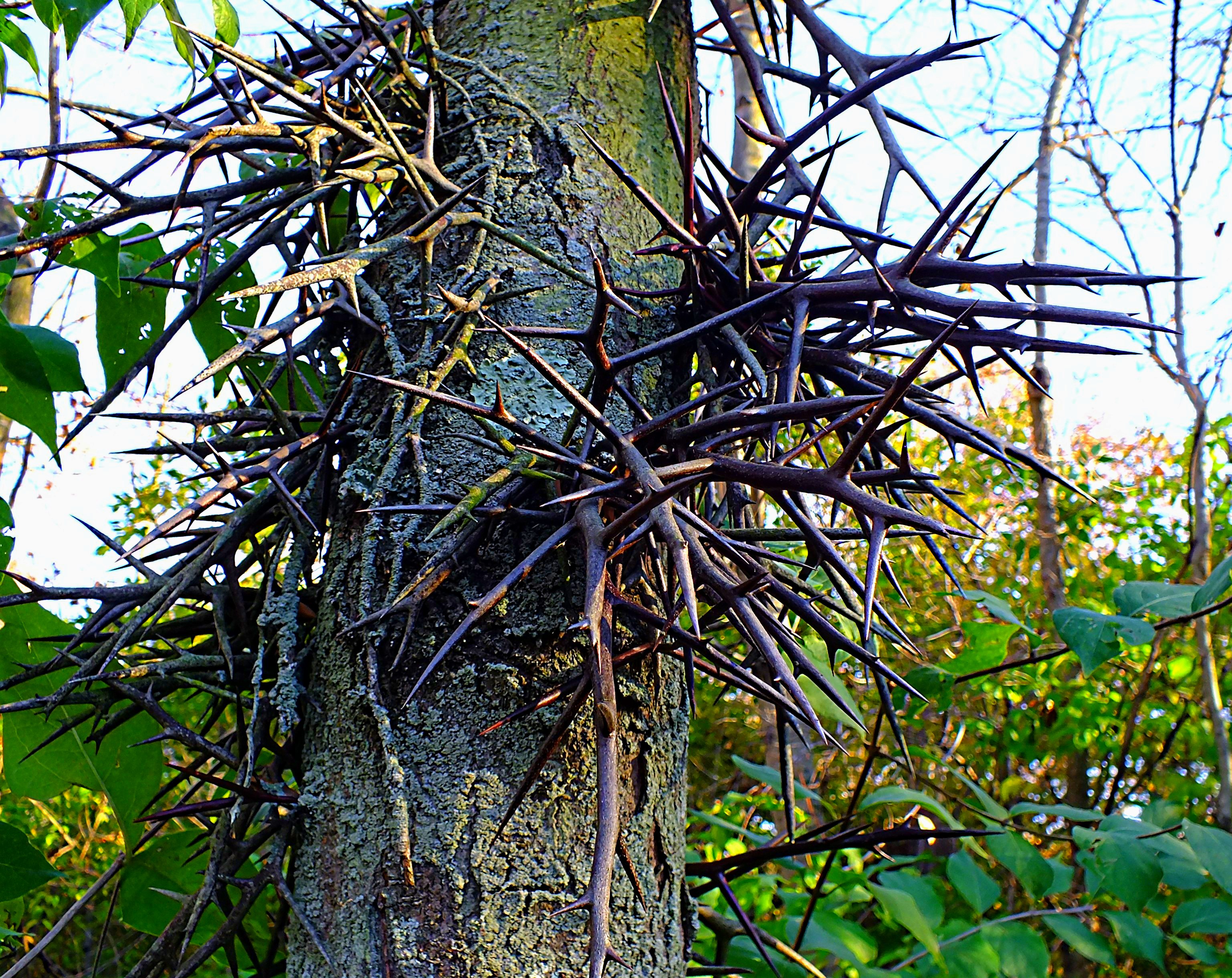
[This Honey Locust Tree is protecting itself well with an array of spiked thorns. Honey Locust Tree thorns are thought to have evolved to protect the trees from browsing Pleistocene (i.e., Ice Age) mega-fauna. The name derives from the sweet taste of the legume pulp, which was used for food by Native American people, and can also be fermented to make beer.]
.
Go beyond what all the pundits and so-called experts teach… and inquire for yourself beyond tradition.
.
[The Heal-all Plant (Prunella vulgaris) is edible, and can be used in salads, soups, stews, and boiled as a pot herb. The Cherokee cooked and ate the young leaves. The Nlaka’Pamux drank a cold infusion of the whole plant as a common beverage. The Heal-all Plant contains vitamins A, C, and K, as well as flavonoids and rutin. The Heal-all Plant is taken internally as a medicinal tea for sore throat, fever, diarrhea, internal bleeding, and to alleviate liver and heart maladies. Topically, a poultice of the plant can be applied to irritated skin, as from stinging nettle toxins. A poultice of the Heal-all Plant also serves well as a disinfecting agent and is used to pack wounds in the absence of other wound-care material. It has been cherished by the Chinese to “change the course of a chronic disease.”]
.
See each facet of life as part of the undivided whole.
.
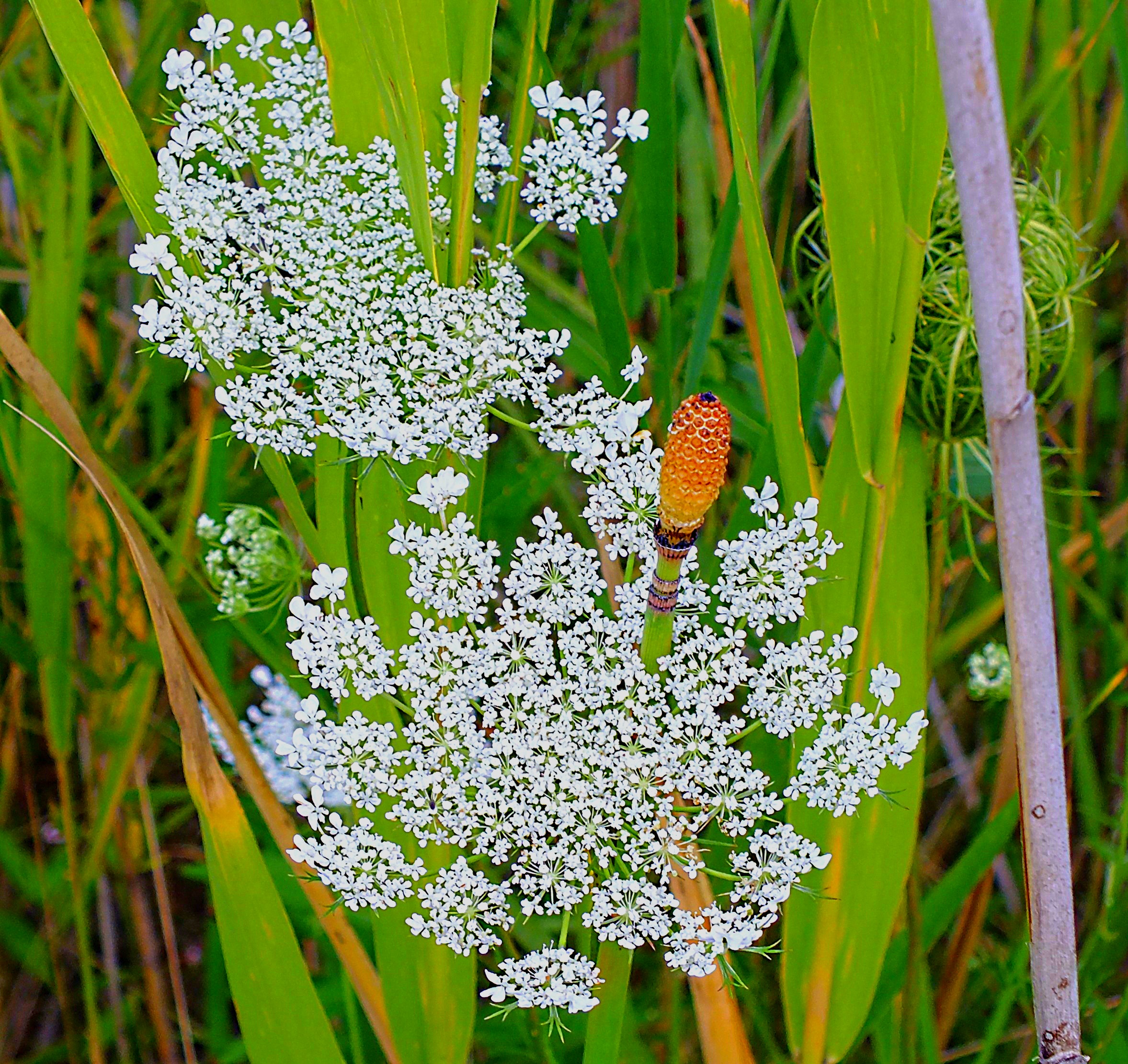
[A Horsetail Plant growing through some Queen Anne’s Lace. The Horsetail Plant is an extremely primitive plant; indeed, it looks rather Devonian-like in appearance. The stems are hollow, with no true leaves. The Horsetail Plant likes wet areas, such as ponds or marshes. Horsetail has no known food value to wildlife.]
.
If one merely thinks according to what was taught by society — as most do — one is thinking and living their thoughts, which is rather second-hand. Live!
.
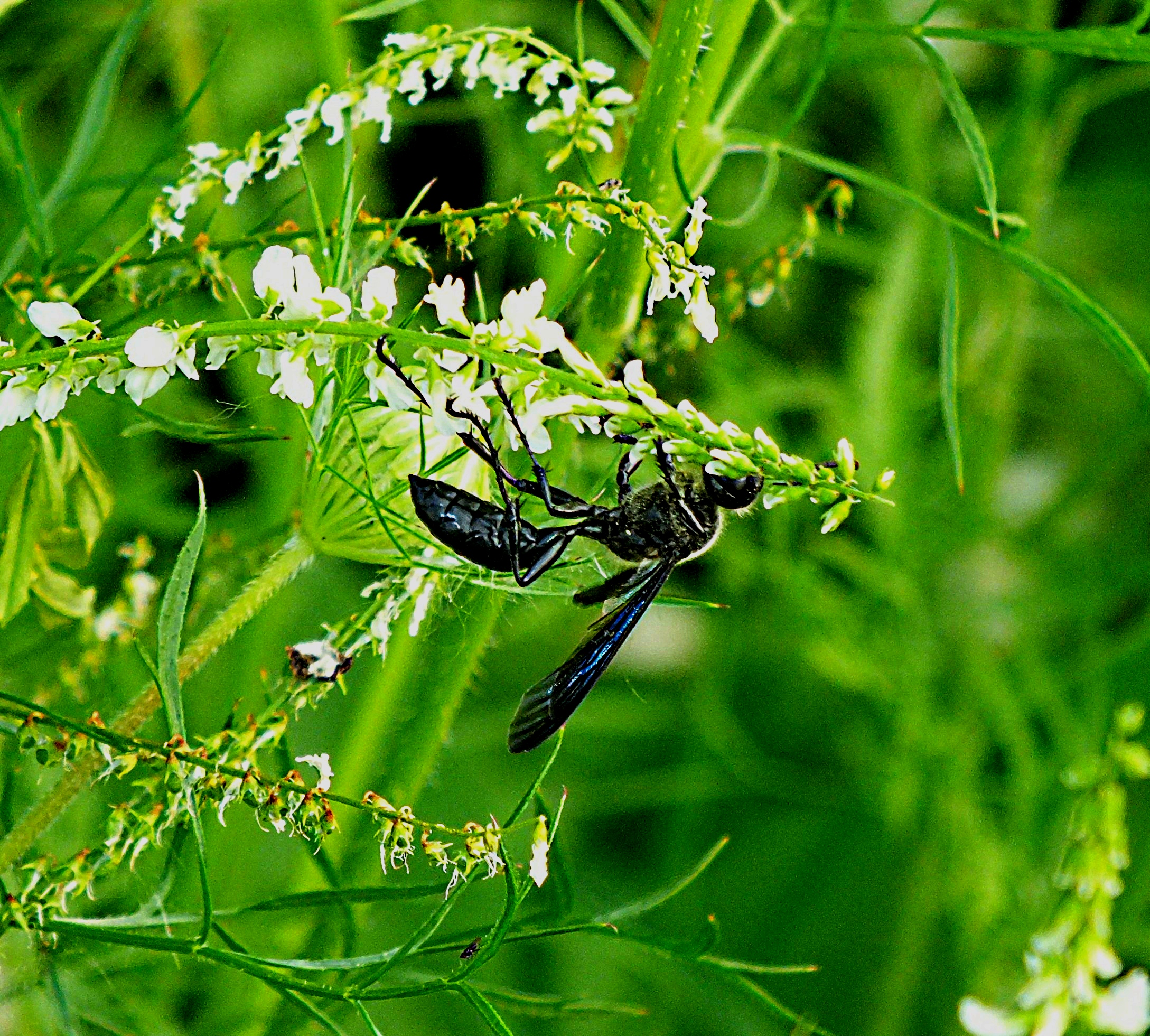
[Digger Wasps are often seen on flowers during the day. During the night, they rest upon vegetation, singly or in small groups, or burrow into the soil at the base of plants. Digger Wasps will readily sting if bothered enough.]
.
There is not just the human race; there are also the races of elephants, tigers, whales, wolves, etc.
.
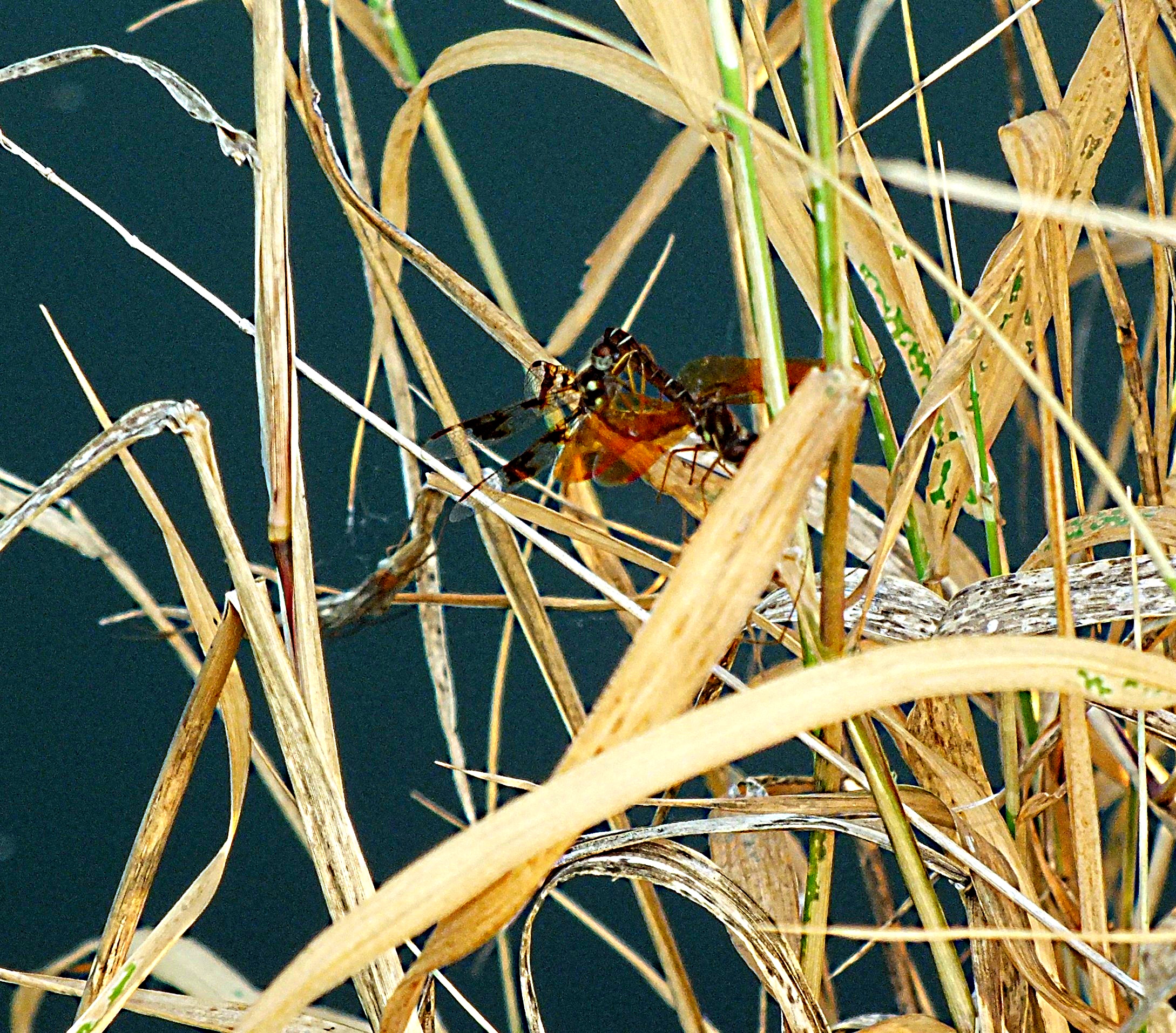
[This is a pair of mating Dragonflies in the standard wheel position. The copulatory wheel position is the way most species of Dragonflies engage in together. Note that the males and females of this species are of different colors.]
.
The mind can often be the beautiful space between two thoughts… without symbolic representations, without effort.
.
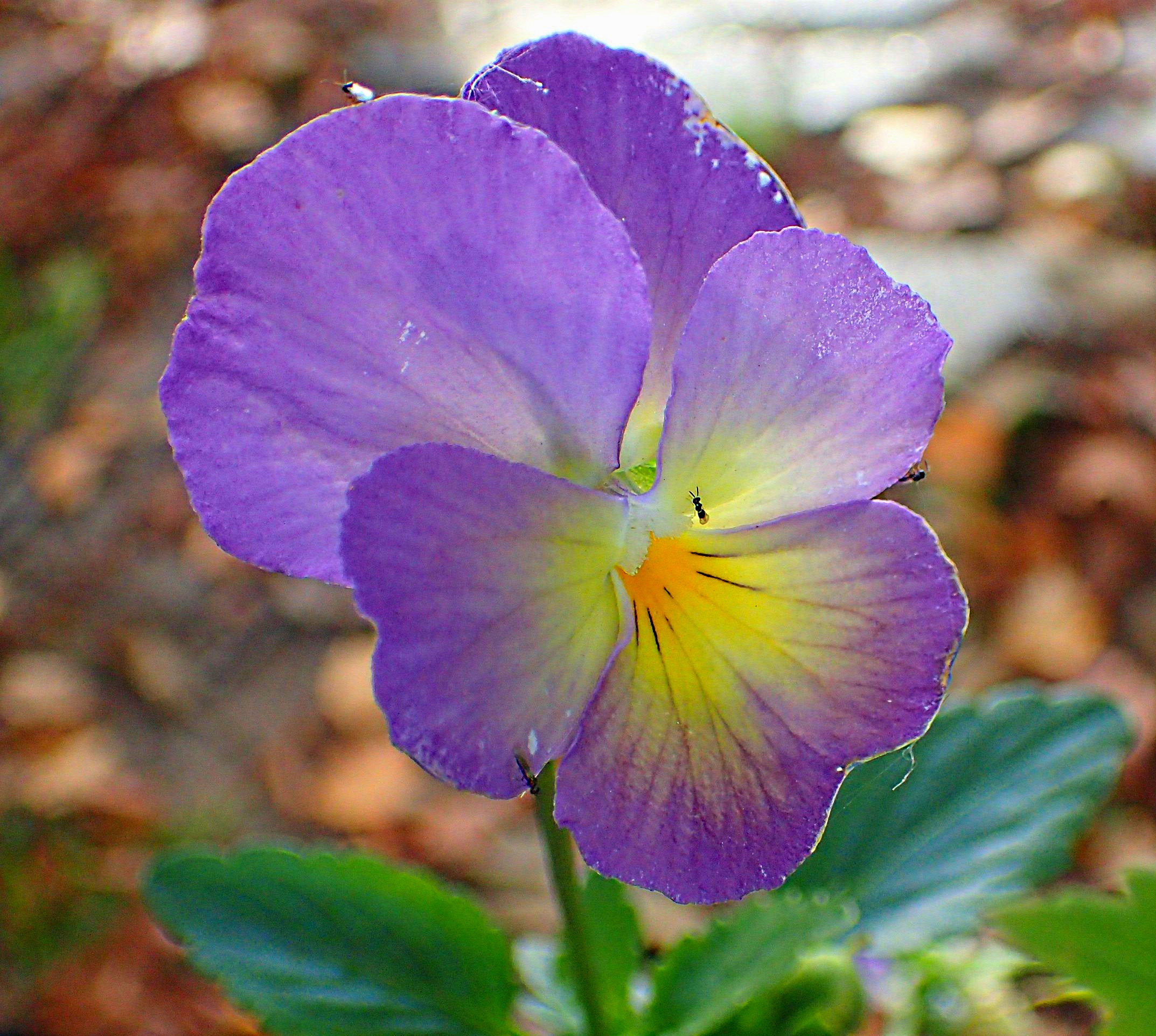
[Diminutive insects on a Viola Flower in the fall season. Despite the cold weather during each night, the Viola Flower and the insects seem to be thriving during the day.]
.
Peace never comes by mindlessly clinging to separative groups or leaders.
.
[This is a Sheepshead Mushroom with a Midge Fly resting on it (to the left). The Sheepshead Mushroom is edible and is considered to be one of the best tasting mushrooms. They tend to grow at the base of Oak Trees.]
.
Hate and indifference involves separation, distance, and a lack of compassion.
.
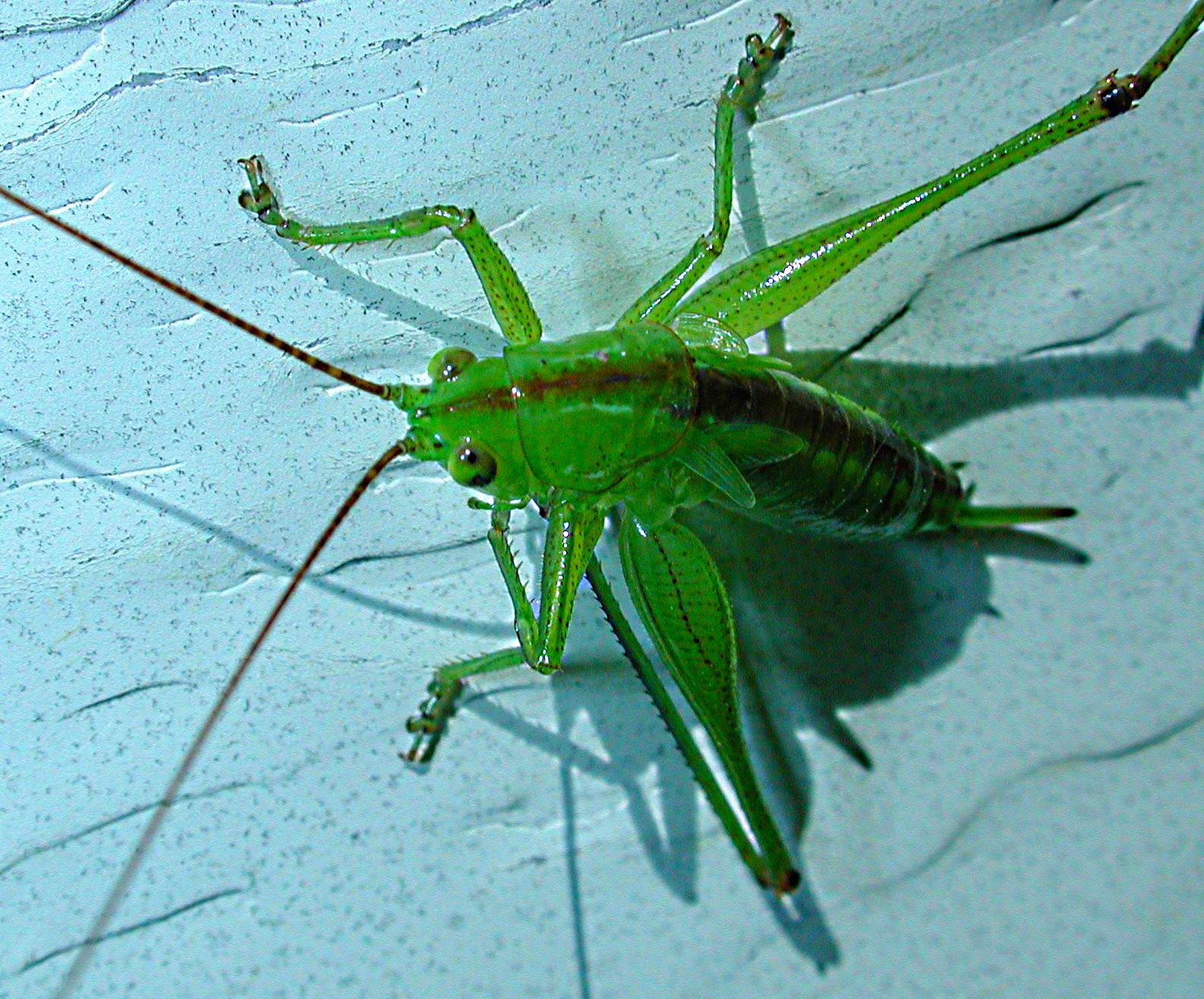
[In cooler weather, Katydids often cling to the sides of houses or garages for extra warmth. Katydids have excellent climbing abilities. This one is clinging to the warm, reflective side of a garage… an effective way to beat the cold!]
.
It’s likely best to be rather low-key and unnoticeable. For, in the long run, you will (especially if you are wise) really impress no one except yourself.
.
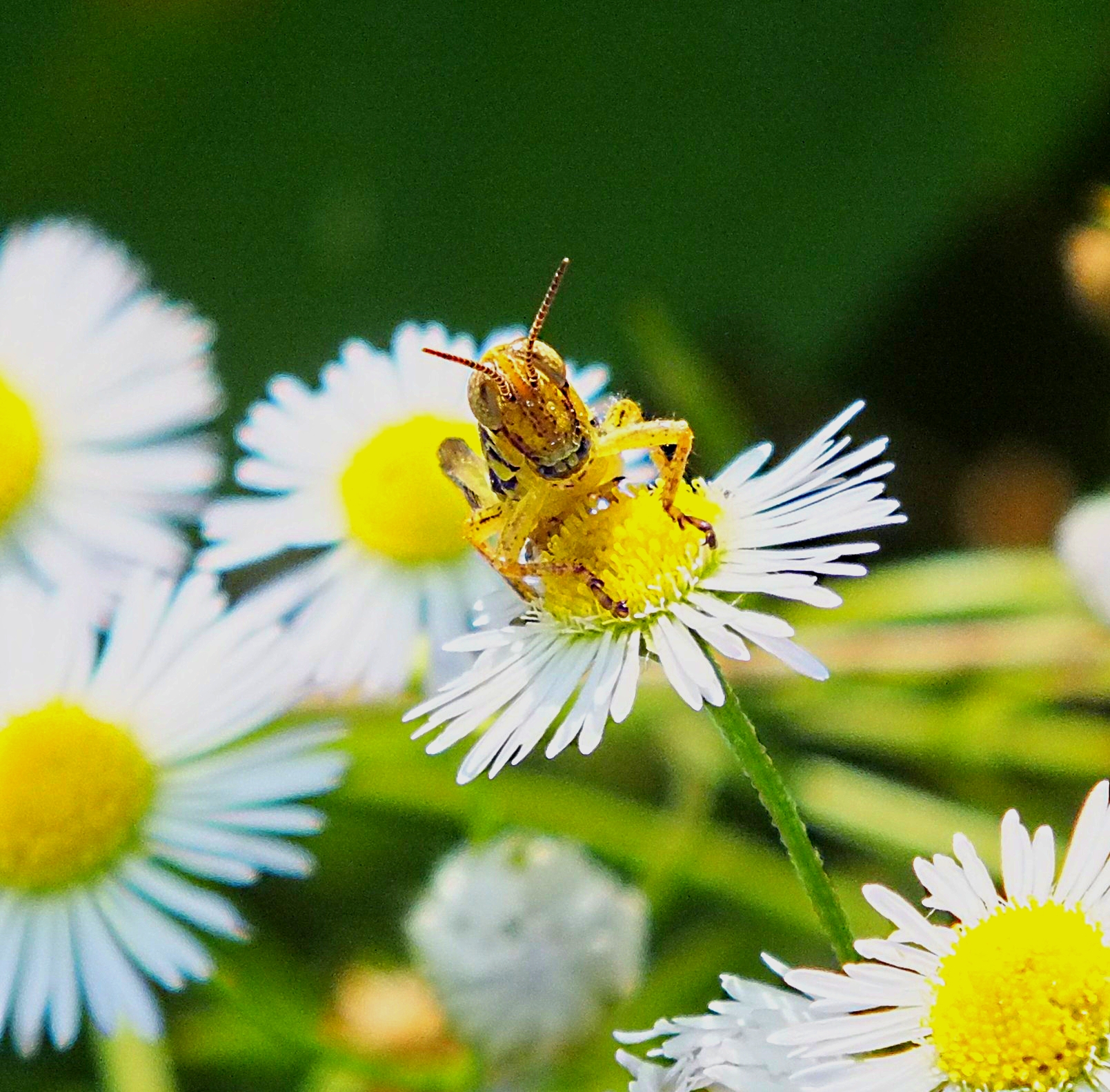
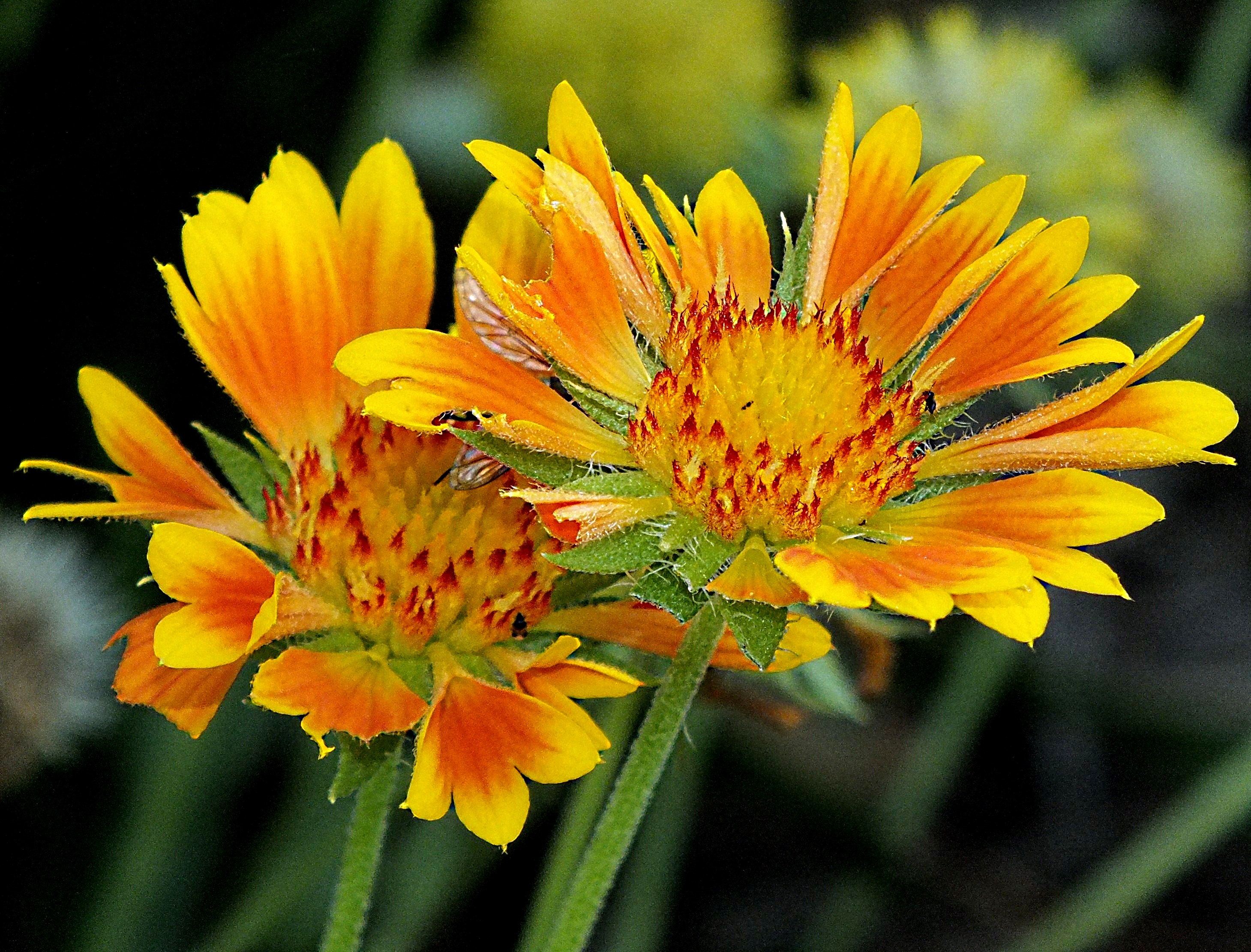
[There is, within this flower, and unobtrusive, little winged insect… a Hover Fly… having the time of his life! There’s also an inconspicuous ant there too!]
.
The key to understanding life is not made to fit the rigid lock of powerful authority.
.
[The Spotted Jewelweed is an annul plant native to North America. The Spotted Jewelweed likes to grow along creeks and rivers; this one is growing along a creek flowing into a nearby river. The Spotted Jewelweed (Impatiens capensis) was transported in the 19th and 20th centuries to England, France, the Netherlands, Poland, Sweden, Finland, and potentially other areas of northern and central Europe. These naturalized populations persist in the absence of any effort of cultivation by people.]
.
Hugging trees is great. But hugging the elderly and those with handicaps is even better!
.
[This is a batch of Chicken of the Woods mushroom with little, winged-insects upon it. When I was out in the woods, photographing, I spotted this beauty from a quite a distance. One then thought: “Of course, it’s such a treasure, that it will be surrounded by my arch-enemy… poison ivy!” Upon approaching the Chicken of the Woods, I then observed that it was, indeed, surrounded by many patches of poison ivy. I carefully took each step towards the Chicken of the Woods, with extreme caution and deliberation. It was unreal; it was like walking through a puzzle (or working on a computer game)! Patches of poison ivy where everywhere! When I finally got to my prize, there was (of course) a big, tall plant of poison ivy right in front of it. I had to bend, with my camera, to get a decent shot. Getting out of the area was equally difficult; each step was a precarious, carefully calculated maneuver toward attaining freedom and safety! When I finally got home, I washed up using a special anti-poison ivy cleaning soap. I didn’t get any rashes! Whew!]