There is not just the human race; there are also the races of elephants, tigers, whales, wolves, etc.
.
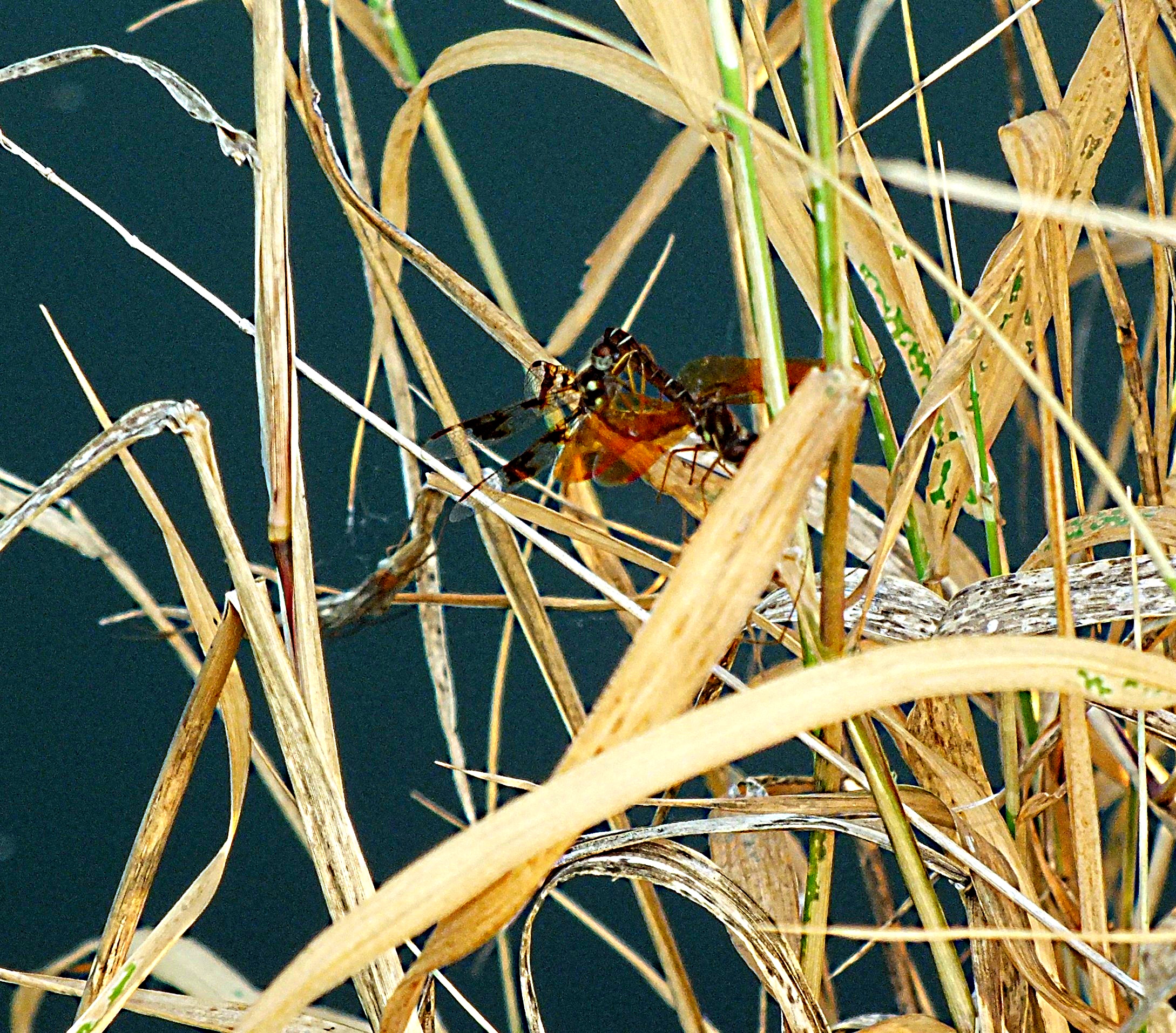
[This is a pair of mating Dragonflies in the standard wheel position. The copulatory wheel position is the way most species of Dragonflies engage in together. Note that the males and females of this species are of different colors.]
Dragonfly Mating Wheel. Photo by Thomas Peace 2014
The key to understanding life is not made to fit the rigid lock of powerful authority.
.
[The Spotted Jewelweed is an annul plant native to North America. The Spotted Jewelweed likes to grow along creeks and rivers; this one is growing along a creek flowing into a nearby river. The Spotted Jewelweed (Impatiens capensis) was transported in the 19th and 20th centuries to England, France, the Netherlands, Poland, Sweden, Finland, and potentially other areas of northern and central Europe. These naturalized populations persist in the absence of any effort of cultivation by people.]
[This bat-like moth looks like it could be a Waved Sphinx Moth. Larvae of the Waved Sphinx Moth feed on Ash, Privet, and Lilacs. (Don’t look too closely above the moth, to the right; a little webbing seems to be face-like… which won’t help one’s dreams!)]
Bat-like Waved Sphinx Moth. Photo by Thomas Peace 2014
Don’t see people as draft horses to pull heavy loads for you; see them as thoroughbreds that are splendid companions.
.
[This Burying Beetle is feeding upon a Bracket Mushroom. It would also gladly feed on horse dung or other such material, as well as animal carrion, fallen fruit, and decaying vegetable matter. They are part of nature’s disposal service. The Burying Beetle is mainly found in wooden habitats.]
If you go through life in a slapdash, careless manner, you’ll not only overlook the beauty of nature, but you’ll also overlook the beauty of helping others kindly.
.
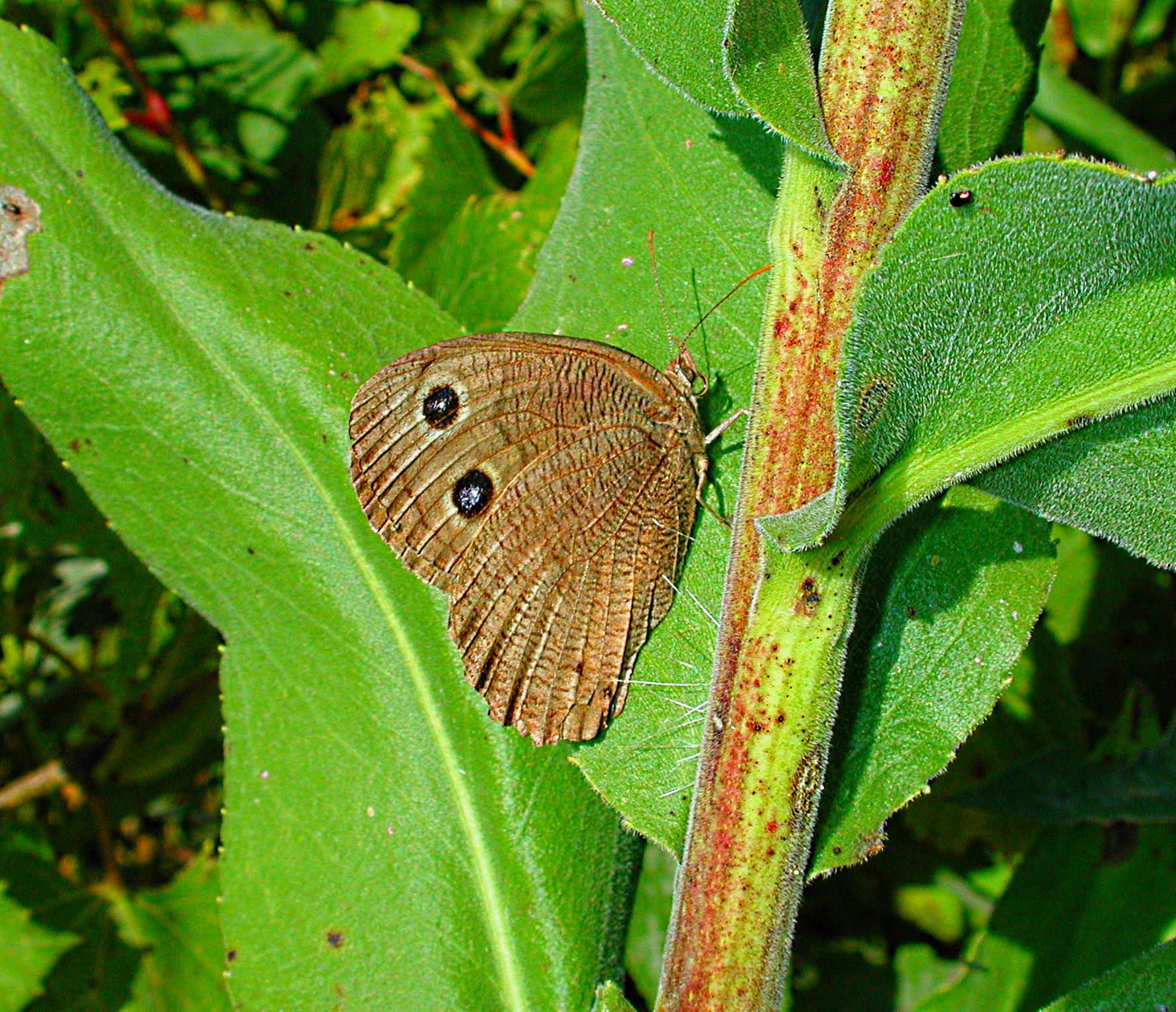
[This Common Wood Nymph Butterfly is resting on a leaf. The coloration and size of the Common Wood Nymph Butterfly changes throughout its range in America. It is not so common any more, unfortunately.]
Not so common any longer. Photo by Thomas Peace 2014
Wake up (with awareness) in the morning, bright-eyed and bushy tailed!
.
[This fly (bright-eyed and bushy tailed) is called an Early Tachinid Fly. Unlike the undesirable, disease-carrying, common flies, this species hangs around flowers and drinks nectar (as do butterflies). The Early Tachinid Fly is most often seen in meadows and open woodlands full of wildflowers.]
Bright eyed and bushy tailed. Photo by Thomas Peace 2014
Compassion is expansive and all-containing; hate and selfishness… narrow and confined.
.
[These very small beetles are feeding on a Thistle Plant. These are likely Carpet Beetles. Carpet Beetles eat indoor carpets, woolens, cottons, and synthetic materials contaminated with organic fluids such as sweat. However, they prefer to eat dead insects and spiders, and they can devastate scientific specimens in university and museum collections. Outdoors, they feed on flower pollen and secretions from plants.]
Carpet Beetles far from carpets. Photo by Thomas Peace 2014
There are no separate (isolated) pieces to the universal puzzle… once you see the golden whole.
.
[This is a Hover Fly on a wild Sunflower Plant. This Hover Fly is likely searching for flower nectar (and is distributing pollen as part of a symbiotic relationship).]
Psychologically, the perceiver and the perceived are one. Photo by Thomas Peace 2014
Compassion is that alive awareness that cares beyond the cadaverous uncaring.
.
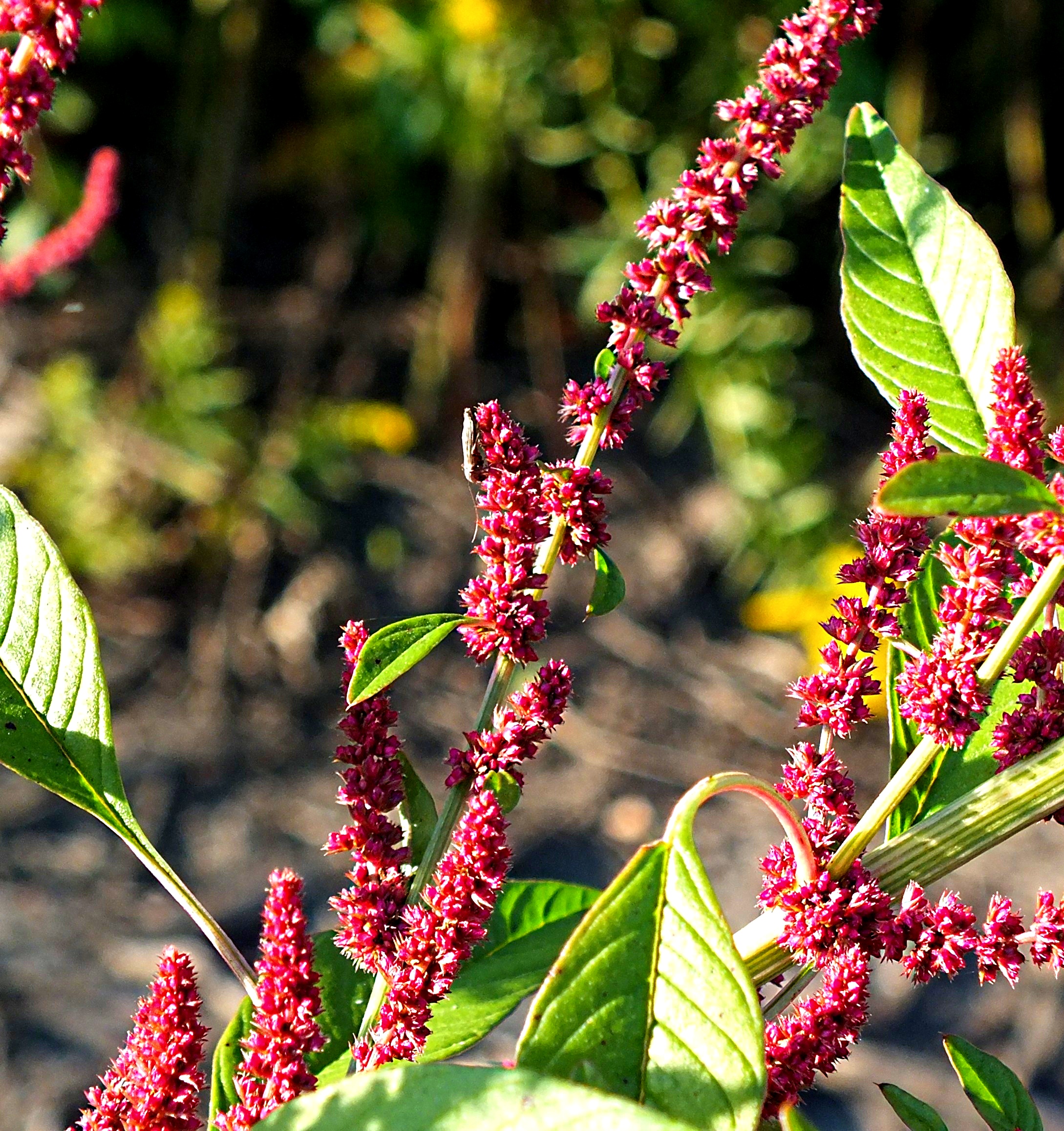
[This is a small Leafhopper on a cluster of colorful, wild Pigweed seeds. The Leafhoppers in Illinois are all relatively small. Leafhoppers have piercing-sucking mouth parts, which enables them to feed on plant sap. Pigweed is considered a weed and is a nuisance to farmers… but it is edible for humans and is full of nutritious vitamins.]
Down the Up-staircase. (Leafhopper on Pigweed) Photo by Thomas Peace 2014
A small ego and a Big Heart is better than a Big Ego and a small heart.
.
[This diminutive Milkweed Bug Nymph just finished shedding its (outer) exoskeleton. The Milkweed Bug Nymph is around 3 mm long. It seems to be proudly overlooking its great accomplishment! Some insects devour their exoskeletons after shedding them; but this little vegetarian likely will not.]
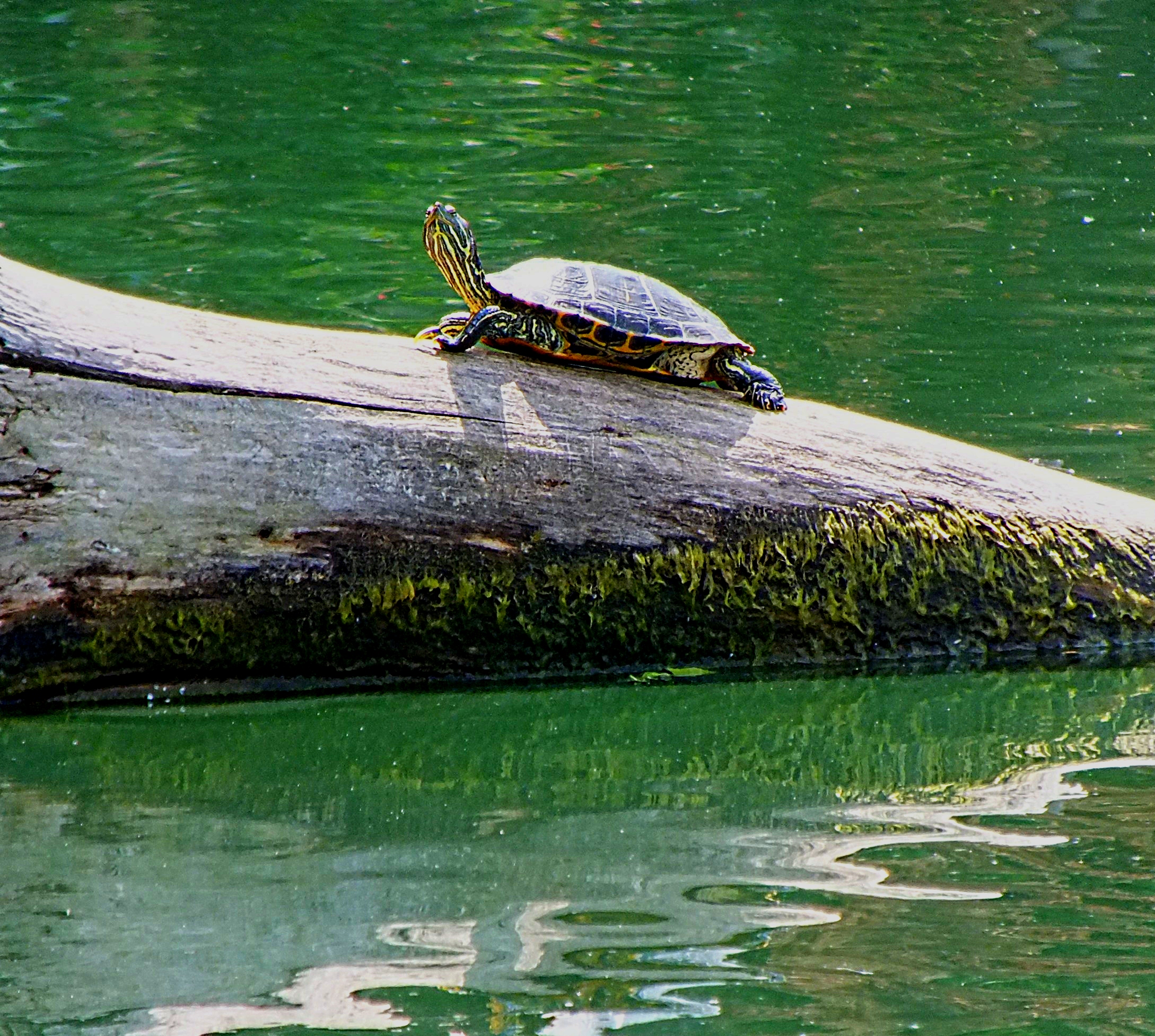
Painted turtles really haven’t been painted; enlightened human beings don’t glow in the dark.
.
[Basking occurs when Painted Turtles leave the water to soak up sunlight. This allows their bodies to warm, since Painted Turtles – like all turtles – are cold-blooded, and helps eliminate parasites, such as leeches, which do not like dryness nor sunlight. Basking is also essential in the synthesis of vitamin D3.]
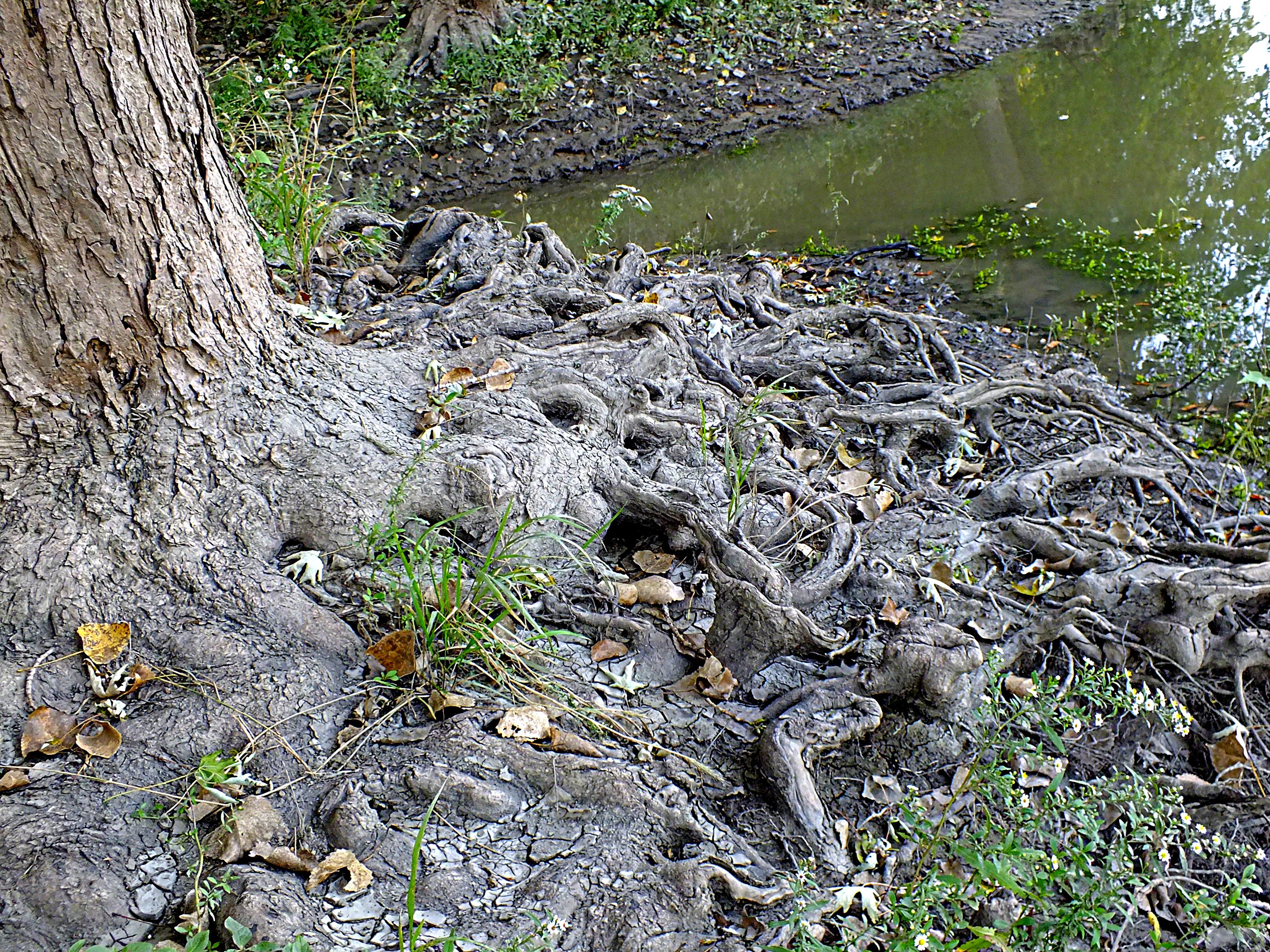
Let the lowly roots reach out through the water (and the boat) and flower into something truly lofty and sublime beyond all the endless mediocrity.
.
[Watch the following YouTube music-video also.
Roots To Branches (Lyrics by Jethro Tull):
Words get written. Words get twisted.
Old meanings move in the drift of time.
Lift the flickering torches. See gentle shadows change
the features of the faces cut in unmoving stone.
Bad mouth on a prayer day, hope no one’s listening.
Roots down in the wet clay, branches glistening.
True disciples carrying that message
to color just a little with their personal touch.
Home-spun fancy weavers and naked half-believers
Crusades and creeds descend like fiery flakes of snow.
Bad mouth on a prayer day, hope no one’s listening.
Roots down in the wet clay, branches glistening.
In wet and windy priest-holes. Grand in vast cathedrals.
High on lofty minarets or in the temples of doom.
I hope the old man’s got his face on.
He’d better be some quick change artist.
Suffer little children to make their minds up soon.
Bad mouth on a prayer day, hope no one’s listening.
Roots down in the wet clay, branches glistening. ]
Fear — unless there is an immediate physical danger in the environment — is often based on patterns and images in (and “as”) time that are projected as “what might be.”
.
[Nursery Web Spiders may sit quietly for hours, legs spread out on vegetation, a large rock, or on a boat dock… or they may actively hunt in vegetation. Nursery Web Spiders have excellent vision.
Additional Note: I will be posting more spiders (and similar creatures) in the Halloween month of October. It is neat that they are part of an old Halloween tradition (that is fun for kids). However, it is unfortunate that many children grow up associating spiders with “being frightened” and as “terrible creatures to be horrified of.” As the late, superb naturalist, Steve Irwin often propounded, spiders and snakes can indeed be seen to be majestic, marvelous animals, truly beautiful in their own ways. We must, as Steve Irwin so graciously suggested before his untimely passing, be far better caretakers of Mother Earth.]
If we shipped all of the foolish people to the moon… none of us would be left on earth!
😉
.
[This is a Katydid, whipping its antenna like a fishing fly-rod. A female Katydid has a long sword-like ovipositor. The sword-like ovipositor is used for depositing eggs deep in soil or rotten wood.]
A Katydid whipping her fishing fly-rod. Photo by Thomas Peace 2014
Watch it… sometimes your hobby becomes so intense that it begins to pursue you!
.
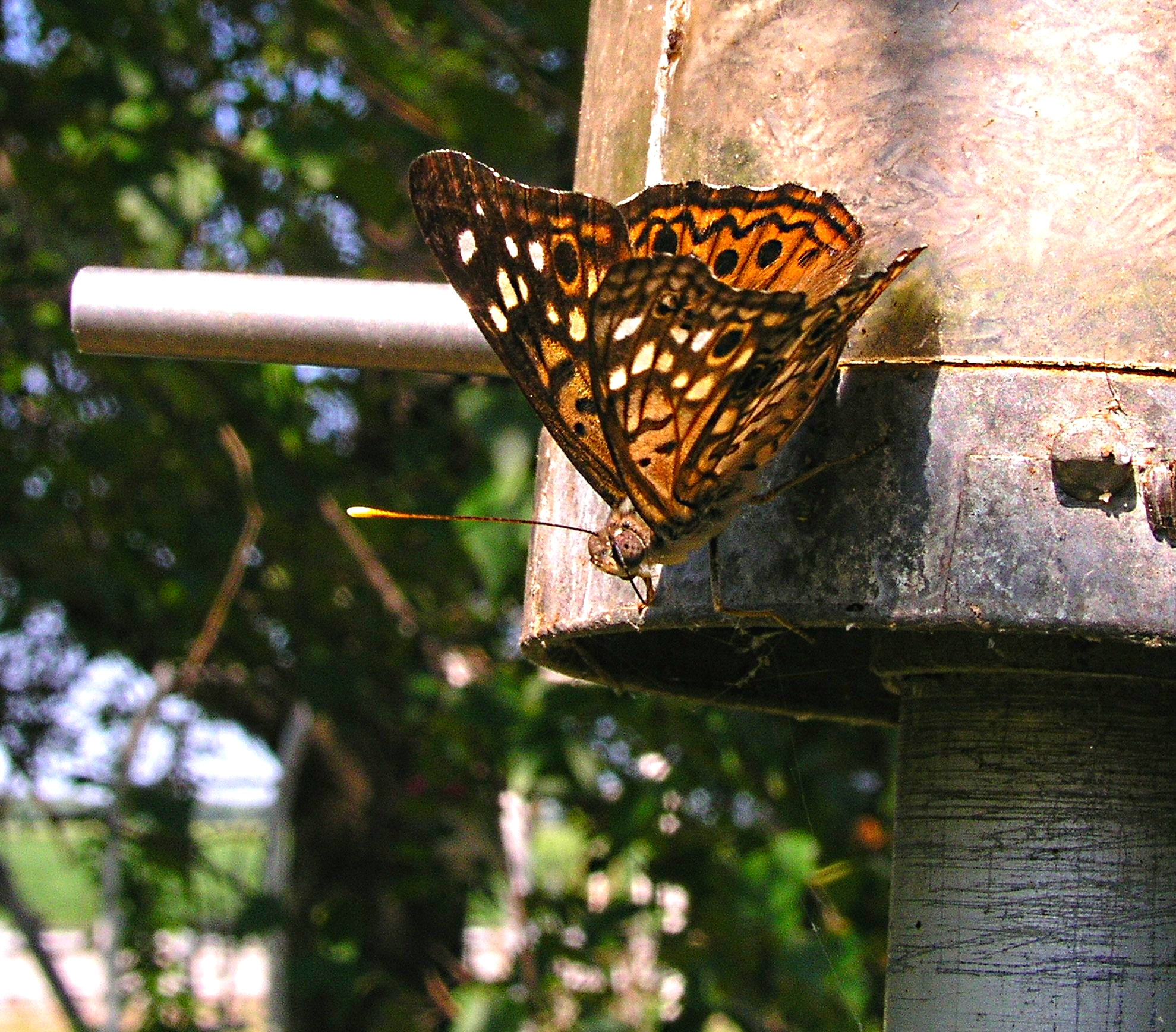
[I went out to the backyard (to the bird-feeder) to get a few photos of birds, for a change of pace from all of those insects that I am perpetually pursuing. The following is what came to the bird-feeder. Sorry about that! I’ve been chasing insects for so long, I think they may be following me home! It’s, by the way, a Painted Lady butterfly. Painted Lady butterflies do not eat bird seed… but they do like to be the center of attention! 😉 ]
Just another egotist! (Painted Lady butterfly) Photo by Thomas Peace 2014
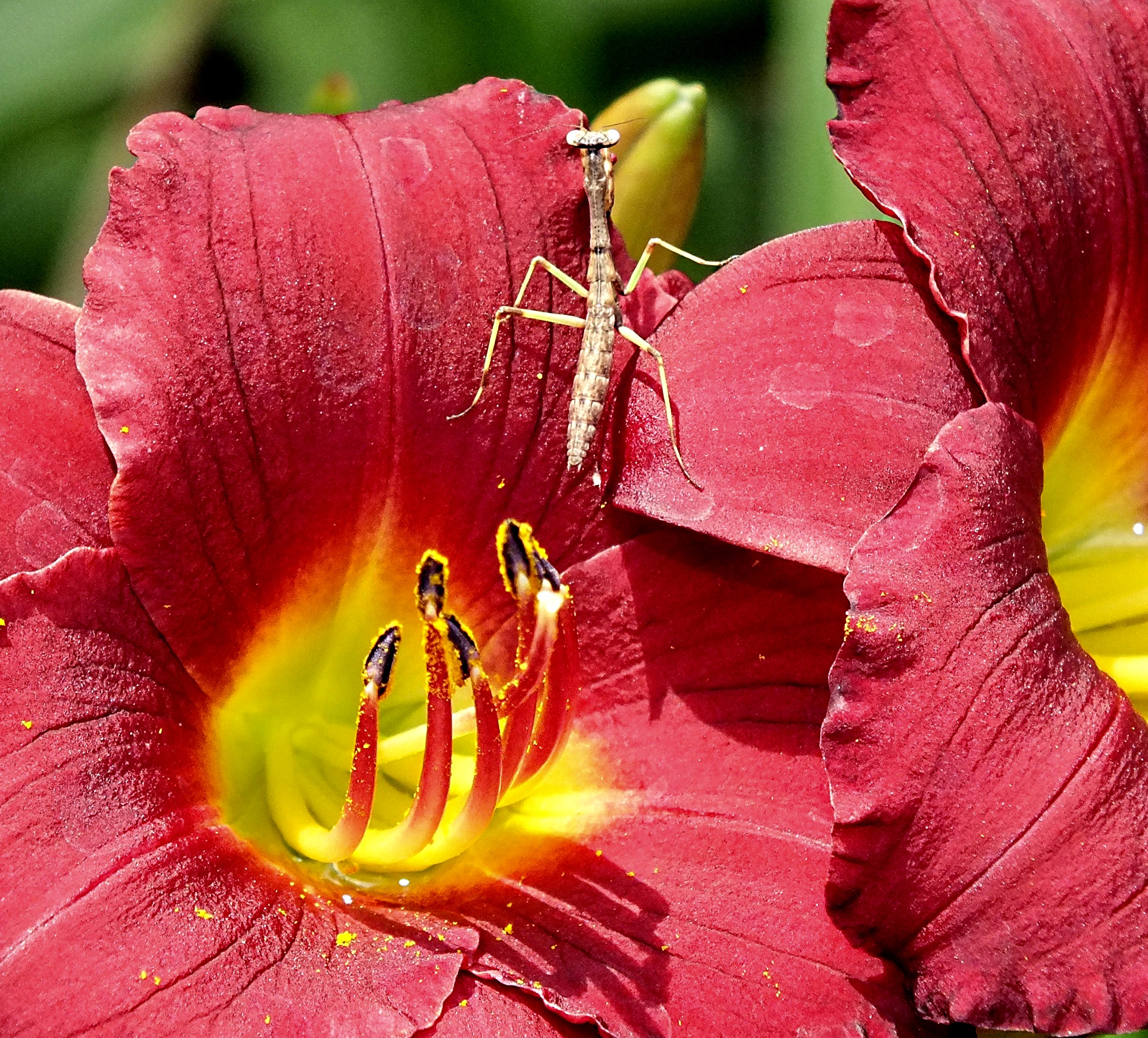
[A small Praying Mantis on a Red Lily. This Praying Mantis was around an inch and a half long. It is, I think, a male Carolina Praying Mantis. The Carolina Praying Mantis is not seen very often in our rural Illinois area. It was very aware of my presence and didn’t stick around long.]
Small and different. (1) Photo by Thomas Peace 2014
Small and different. (2) Photo by Thomas Peace 2014
The storyteller is the story. The butterfly is the soaring.
.
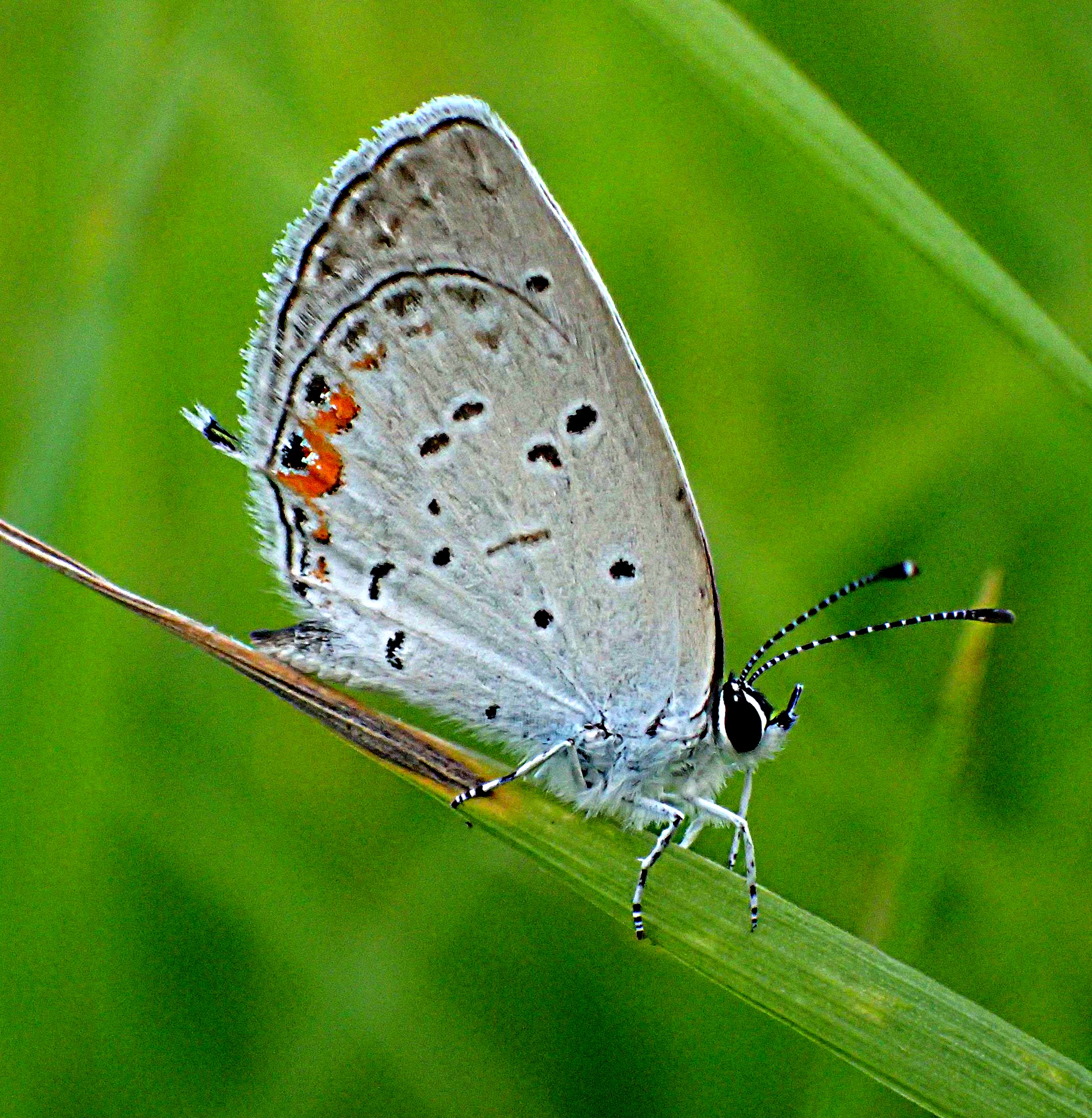
[This butterfly is an Eastern Tailed Blue. Eastern Tailed Blue Butterflies are usually blue above and a spotted pale on the underside. The larvae of a number of species of Blues secrete a type of “honeydew” cherished by ants; the ants attend the larvae, protecting them, in a symbiotic relationship.]
Resting on a windy day. Photo by Thomas Peace 2014
Love the truth more than man-made fabrications and constructions. Look effortlessly (now and then) without separation and learned patterns.
.
[These are Sulphur Butterflies (specifically, Alfalfa Sulphur Butterflies). They like to land on wet river bank soil to absorb needed moisture and minerals.]
A male and two females. Photo by Thomas Peace 2014
[A very pregnant Praying Mantis, late in the season. Praying Mantis females are larger than males. She is already showing signs of aging (i.e., deteriorating wings) and slowing metabolism. Getting older myself, I can easily sympathize with her. Hopefully, she will soon lay another egg sac and there will be plenty of viable eggs waiting to hatch again in the spring.]
Dorothy (from the Wizard of Oz): If I ever go looking for my heart’s desire again, I won’t look any further than my own backyard. Because if it isn’t there, I never really lost it to begin with!
.
[Monarch Butterfly eating from Rosy Strife Flowers.]
In a big way, you can’t distance yourself from your anxieties and fears; you are your anxieties and fears.
.
[Praying Mantis head study. The two large, compound eyes of Praying Mantises operate much better than the eyes of most insects; dragonflies also have excellent eyes. A mantid can see to a distance of 50 feet. Between the two large compound eyes, there exists three simple eyes (and the middle simple eye is larger than the other two). Sometimes, right after mating, a female Praying Mantis will bite the male’s head off and eat him. (Males usually don’t live long after mating anyway… and the extra protein is excellent nourishment for producing plenty of viable eggs.) What a way to go! Actually, in the wild, scientists believe the male partner gets munched on less than 30% of the time.]
Praying Mantis Head Study. Photo by Thomas Peace 2014
Perhaps, in a quantum oriented, holistic cosmos… the web of time need not always be based merely on limited, standard patterns based on sequential cause and effect occurrences.
.
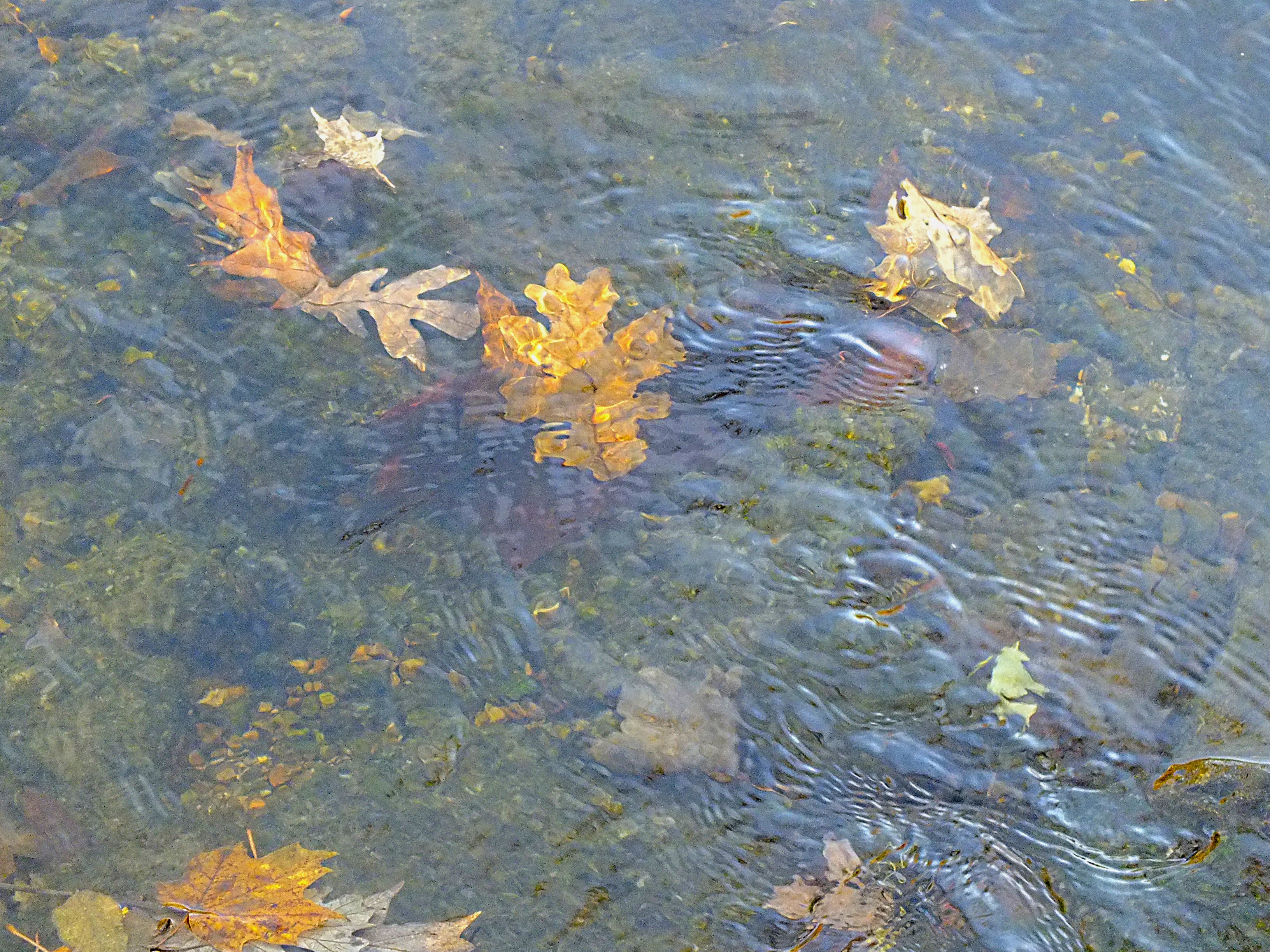
[An Eastern Amberwing Dragonfly resting by a lake. (It’s impossible for a spider — fossilized and trapped in Baltic Amber for 50 million years — to traverse the web of time to an amber dragonfly in this day and age.)]
Touched by amber! Photo by Thomas Peace 2014
Affixed in timeless amber! Photo by Thomas Peace 2014
[This is a pair of adult, fully grown Large Milkweed Bugs; another similar species is the one consisting of the Small Milkweed Bugs. Their food consists of Milkweed plants and their seeds. They sometimes sip nectar from the flowers of other plants in gardens and crop fields but seem to do no significant damage.]
It’s dangerous to perceive life directly and to observe without false (though supposedly secure) images; but it’s even more dangerous to wander as one who is secondhand, unperceptive, and blind!
.
[Illinois wildflower seedpods… Japanese Lanterns…]
Festival time in the prairies! Photo by Thomas Peace 2014
When the thoughts of ego seem to sever themselves off from the other thoughts (and from the whole of life) then illusory conflict and limited space begins.
.
[This butterfly is a Red Admiral. It is using its proboscis to suck nourishing nectar from the pink Cone Flower. Butterflies can only suck up fluids. They do have salivary glands. They don’t have saliva tubes in the proboscis but they can eject a drop of saliva to help dissolve more solid food.]
A probing and effective proboscis! Photo by Thomas Peace 2014
True joy is living each moment afresh and psychologically dying to the old, dead past.
.
[This moth is a Chickweed Moth. Because the larvae of this moth feed primarily on chickweed, which most people consider undesirable, this species should be considered “beneficial.” So, the caterpillars are herbivores that graze on vegetation. The adults may serve a role in pollination.]
The highest intelligence goes beyond the triviality of the ego… beyond a “central I” or “central me”!
.
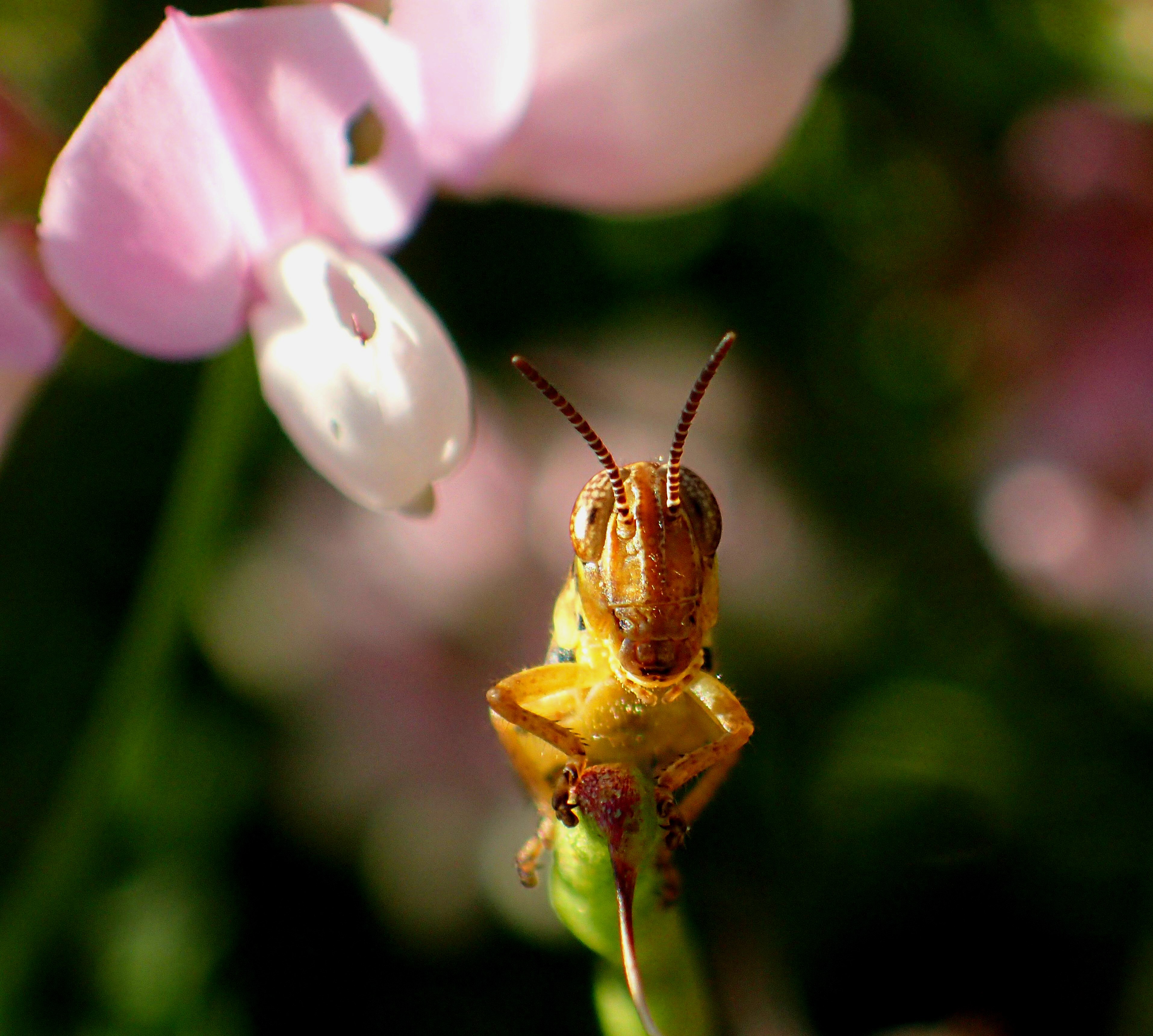
[Grasshoppers prefer to eat grasses, leaves and cereal crops, but many species of grasshoppers are omnivorous. There are 11,000 valid species described to date and many undescribed species exist. This particular one is resting upon a colorful, red lily flower.]
Dennis Hopper (close-up). Photo by Thomas Peace 2014
Enjoy the small and simple things in life… for they are large and more than sufficient!
.
[The Eastern Chipmunk has pouched cheeks that are used to carry food. Chipmunks spend a large portion of their waking hours gathering and storing food for the winter. They are very vocal. Thank goodness, this very cute one wasn’t named Alvin and didn’t sing!]
Thank goodness… this cute little fell’r isn’t named Alvin! Photo by Thomas Peace 2014
If trees had faces and could talk… they’d likely say:
Please don’t cut us down so much; please plant more of us; please take better care of Mother Earth; please see that we’re all connected and exist in many branches of life!
.
[Forests are indeed “the lungs of the Earth,” absorbing carbon dioxide and pollutants from the atmosphere and releasing oxygen that human beings and nearly all animal forms need. And forests’ influence goes beyond that simple, amazing process: We also know that they play a critical role in managing the climate, air quality, and rainfall patterns — in ways we are just beginning to understand. Even though they have huge environmental value, over half of the world’s forests have been lost due to deforestation. What’s worse, we’re cutting them down at greater rates each year to plant crops, graze livestock and generate income from timber and other forest products. We can change to use less lumber, less paper, and plant more; it is “doable”!]
“Calling all tree huggers… I need a hug!” Photo by Thomas Peace 2014
Don’t just look through the screen of what you’ve been taught! Perceive!
.
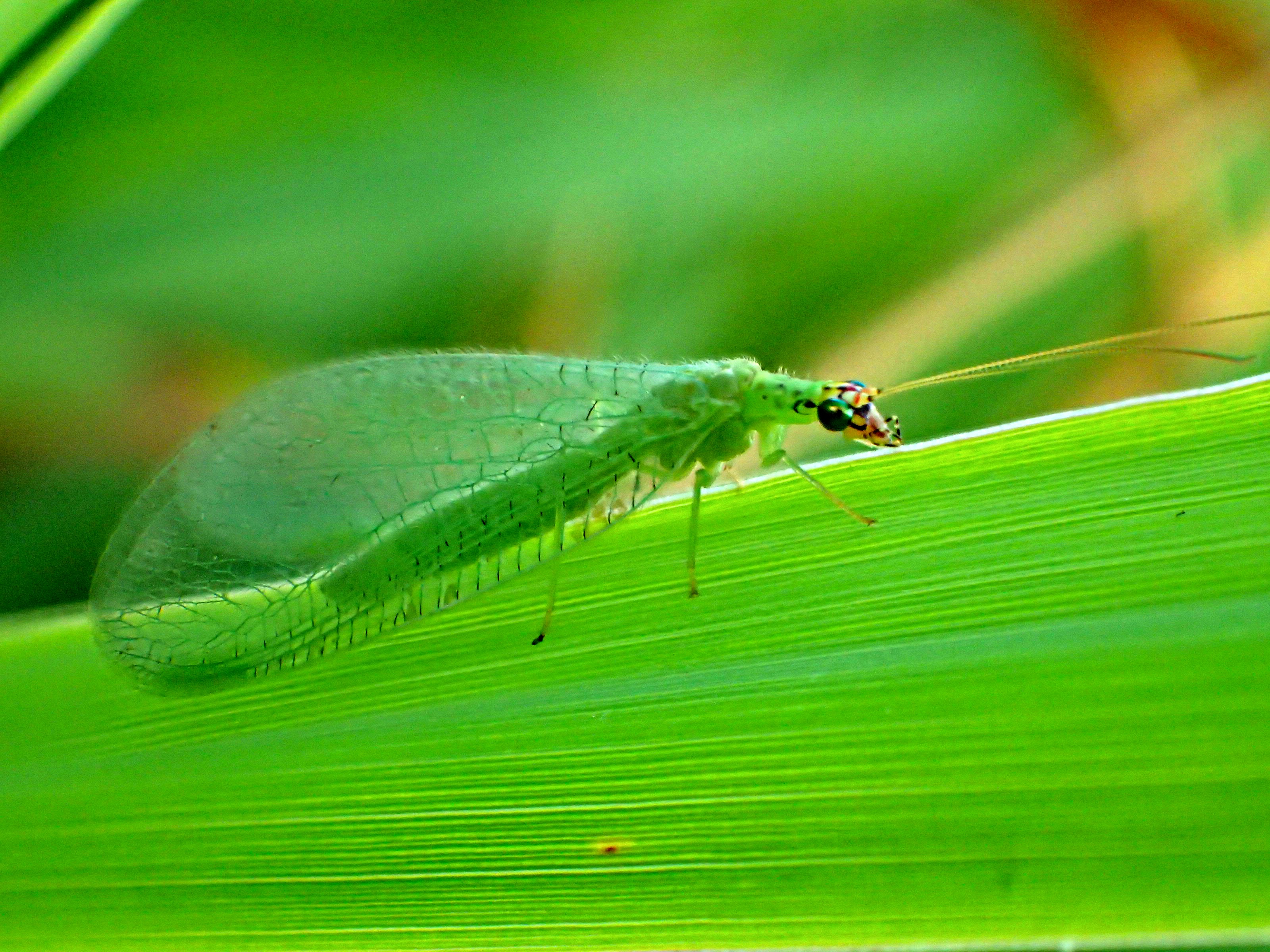
[Green Lacewing insect resting on a blade of grass. They like to inhabit meadows and forest edges. They eat small insects, such as aphids and nymphs of scale insects and their kin. They lay their eggs on the bottom of leaves; the eggs hang from long silk-like stalks.]
Blending in with the foliage keeps you alive!… Photo by Thomas Peace 2014
Even when you get “old,” stay young on the inside; it’s the only way to be! (So many adults lose their child-like wonder and deep inquisitiveness as they age… and they turn to stone on the inside. It needn’t be that way!)
.
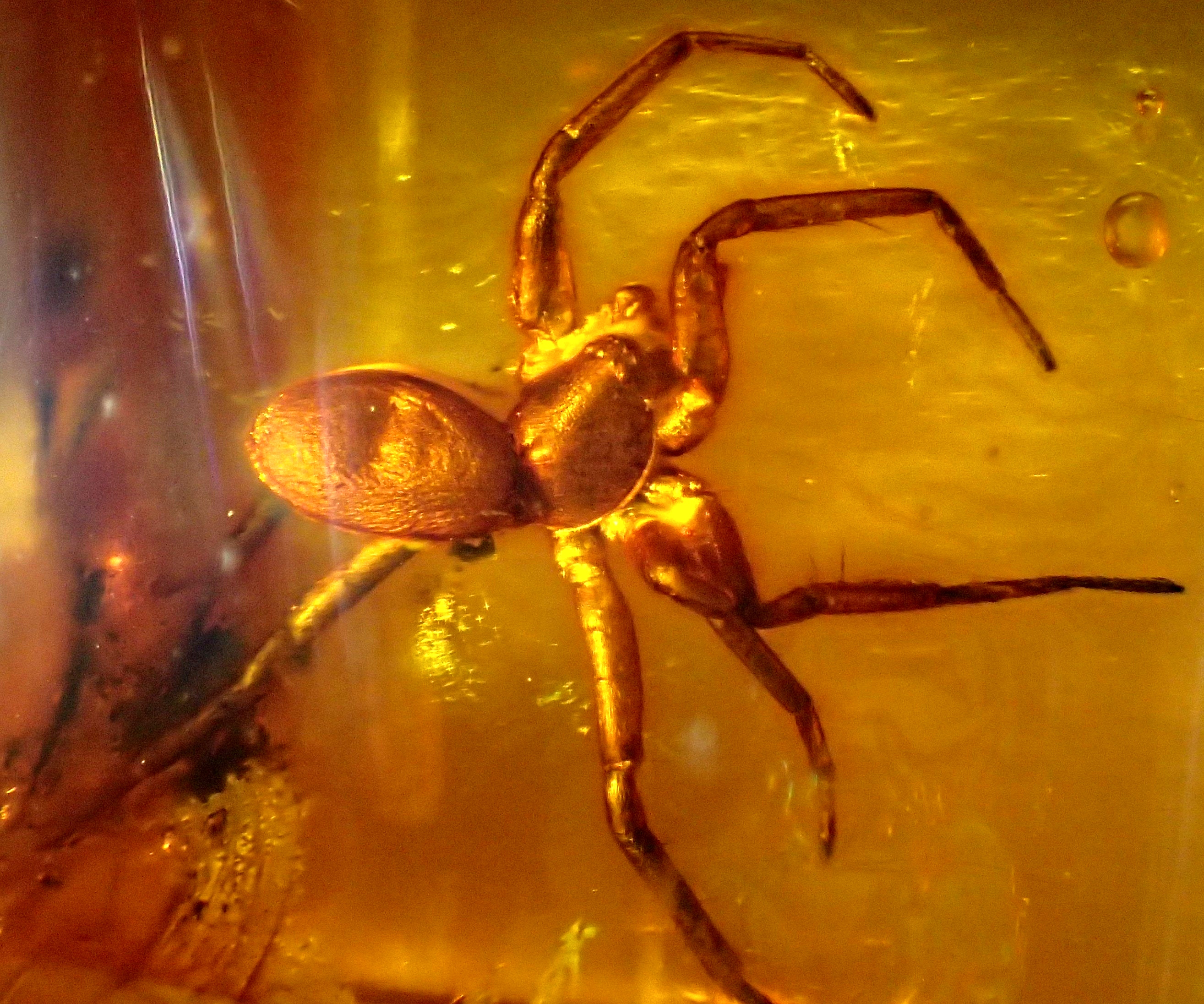
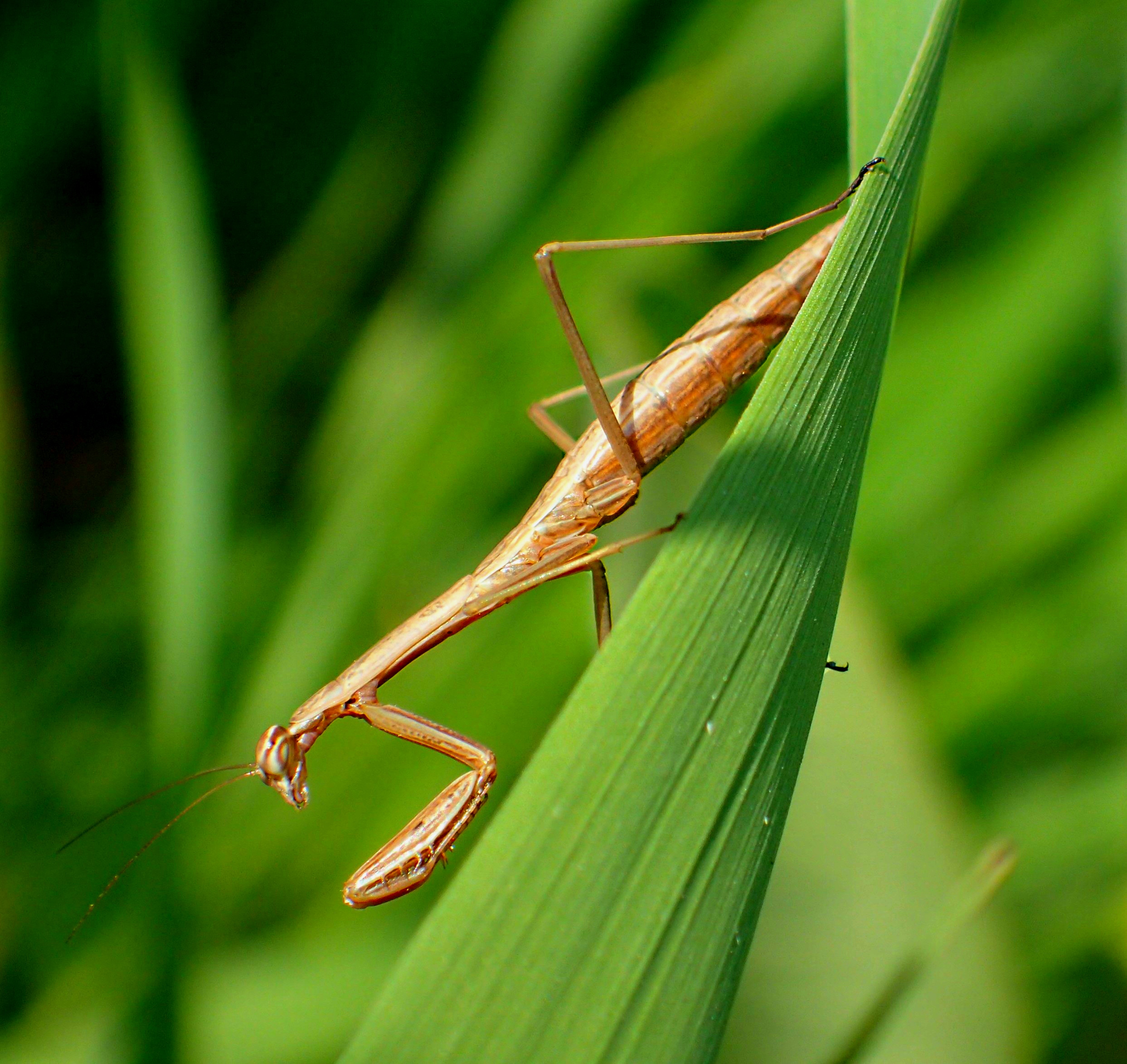
[Top photo: Young Praying Mantis wandering near a creek in our area, in the age-old quest for nourishing prey. It has a splendid eye pattern! Below that is a photo of a young Praying Mantis preserved as a fossil; it is trapped in Baltic Amber; it was trapped in the sap (which hardened into amber) around 50 million years ago! (To give a little perspective, at around 50 million years ago, our human ancestors were around the size of chipmunks or squirrels… and probably would relish a meal of a tasty mantis.) So it’s a very old Mantis… even though it actually appears to be very young. (It’s your real essence that counts… not what you “appear” to be!) 😉 ]
Young Praying Mantis searching for its next meal. Photo by Thomas Peace 2014
Young Praying Mantis fossil (in Baltic Amber). 50 million years is a long time to stay in one position! Photo by Thomas Peace 2014
Spring emerged from the primitive, frozen cocoon and transformed into the majestic, yellow and fluttering summer!
.
from E.E. Cummings:
*********Metamorphosis*********
We’ve plodded through a weird and weary time, Called Winter by the calendar alone;
We have beheld an earth pool-deep in slime, Image a heaven of stone.
We’ve found life hid between the folds of mire, Sensed life in every place, heard life in tune.
The earth-shell cracks with underneath desire; Spring crawls from the cocoon.
Her puny wings vibrant with will to grow, She clings, expanding like an opening eye;
More large, more able, more developed, lo, The perfect butterfly.
Yellow Swallowtail (photo 1) (The day I took these shots, I had a feeling that I should go to Perry Farm’s prairie, because I would find spectacular Yellow Swallowtail there; as soon as I arrived, there she was!) Photo by Thomas Peace 2014
Yellow Swallowtail (photo 2) Photo by Thomas Peace 2014
In the rollercoaster of life, don’t let the low points ever truly get you down!
.
At the height of his young career (and with evidence of his lunch endeavor in the background… and with his broadband antenna in the foreground). Photo by Thomas Peace 2014
Don’t just run from suffering and chase after pleasure like a pre-programmed robot; roll up those sleeves and truly help others.
.
.
. (For RSS feeds to my new posts, please access them at tom8pie.wordpress.com)
Leafhopper Nymph (only around 3/16 of an inch long) with fluffy bum (which is an excess of sugar), while acting elusive on a Thistle Plant stem. Photo by Thomas Peace 2014





















 Tom's Nature-up-close Photography and Mindfulness Blog