.
The sacred exists — call it God if you want — but it didn’t create this universe and so remains forever blameless, innocent, and perfect.
.
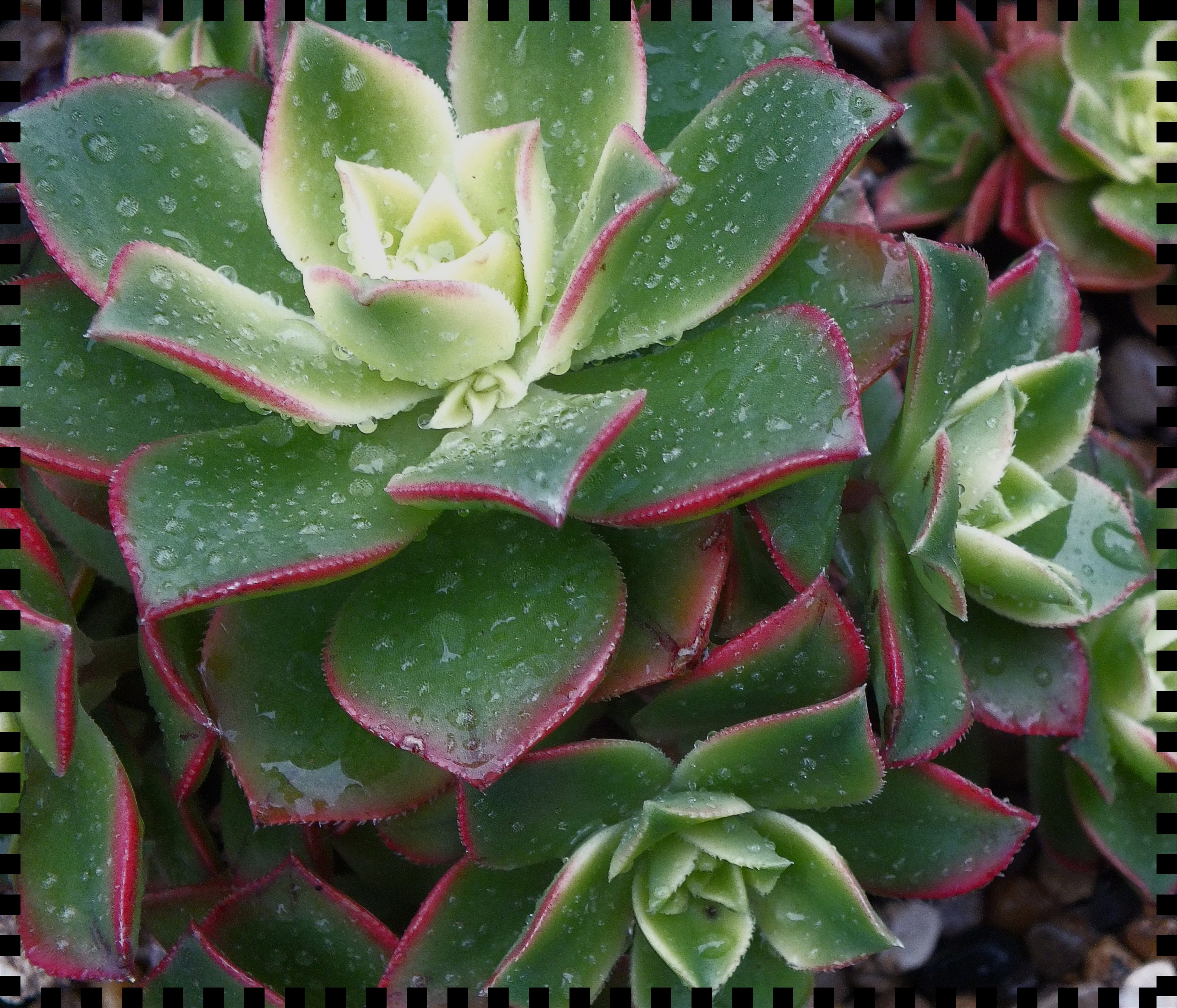
Timelessness is. Photo by Thomas Peace 2015
.
The sacred exists — call it God if you want — but it didn’t create this universe and so remains forever blameless, innocent, and perfect.
.
Timelessness is. Photo by Thomas Peace 2015
.
If one can wisely, without method, without taking time, go beyond mere fragmentary words and symbols into a realm of pure silence, beyond separation, then one may be free, joyous, whole, and beyond conditioning.
.
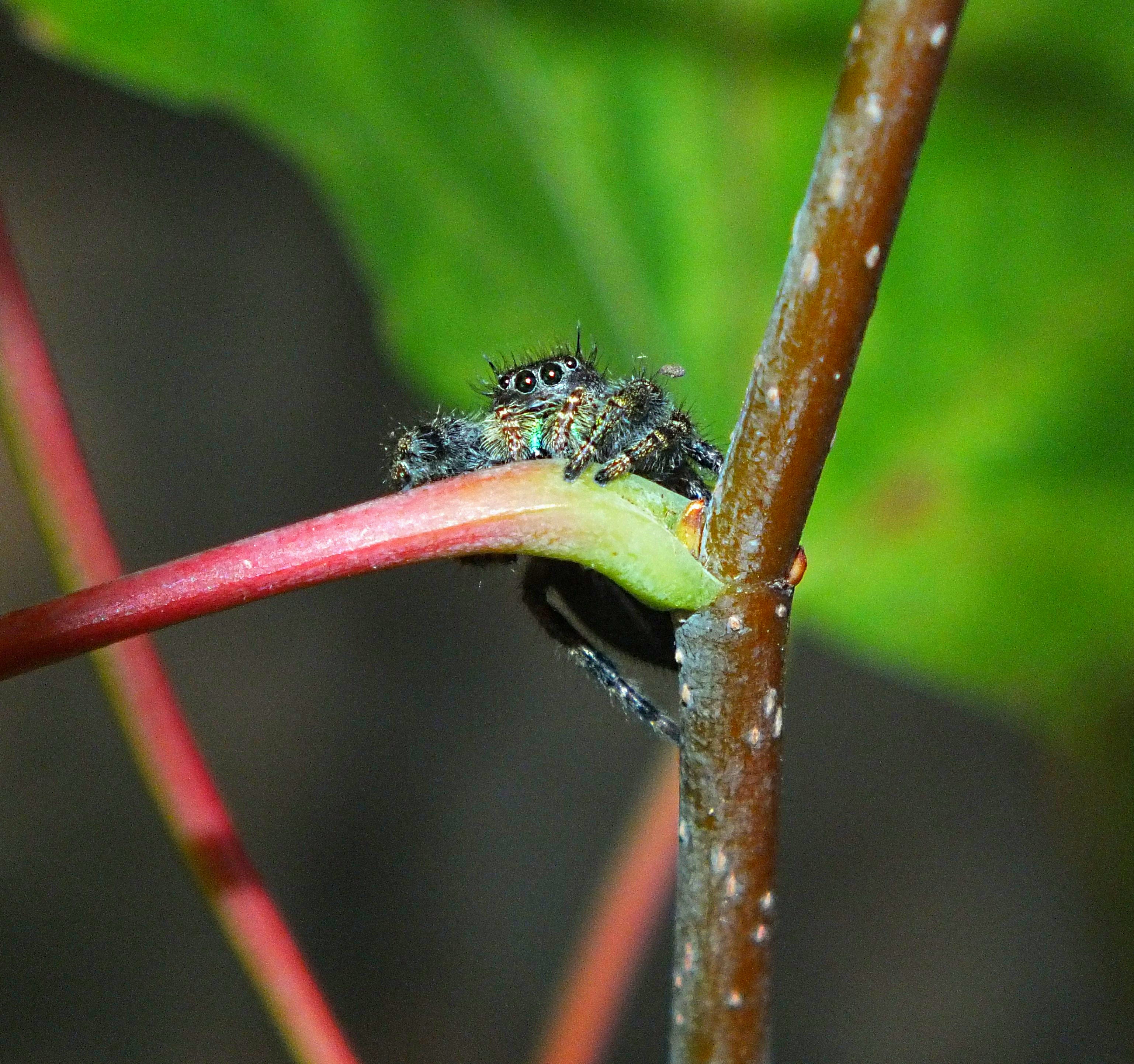
Like a tree monkey! Photo by Thomas Peace 2015
.
When sensation occurs, the mind reacts according to memory and usually categorizes or “maps” that particular sensation. It is all well and good to do that… but just don’t do it habitually, as most people, unfortunately, do. One can often just be intensely aware — without merely categorizing and labeling (and looking through and from those labels) — so that the mind is not dependent on a mere process of reacting. Merely reacting sets up the mind to be rather mechanical and robotic… and that tends to create a mental environment wherein it is much easier to get bored, get depressed, seek more, or feel in a rut. Profound insight is a living phenomenon beyond the extension of sensation via categorizing or craving; it is something majestically beyond stale reaction. In profound insight, something new occurs to you; it comes to you, not from you; it’s not merely a re-fabricated reaction… a rehashed exercise of the brain.
.

Mr. I.M. Bubble-head, Esquire — Photo by Thomas Peace 2015
.
The following, including the poem, is an excerpt from my book, “The Eternal Fountain of Youth.” (The book is extremely strong medicine; no one should read it unless they are very stable. eternalfountainofyouth.com):
When we think that the big can exist without the little, we are wrong. When we think that left can exist without right, we are wrong. When we think that the sailor is not the sails, we are wrong. When we think that the mountain-climber is not the mountain that he conquers, we are wrong. When we think that the figure skater is not very slick, we are wrong. When we think that the magician is not an illusion, we are wrong. When we think that the “perceiver” is truly separate from “the perceived,” we are wrong.
When the script preaches instead of the preacher,
When the pulpit descends and goes instead of the carver that
carved the supporting desk,
When I can touch the body of books by night or by day, and
when they touch my body back again,
When a university course convinces like a slumbering woman and
child convince,
When the minted gold in the vault smiles like the night-watchman’s
daughter,
When warrantee deeds loafe in chairs opposite and are my friendly
companions,
I intend to reach them my hand, and make as much of them as
I do of men and women like you.

Metamorphosis (2). Photo by Thomas Peace 2015
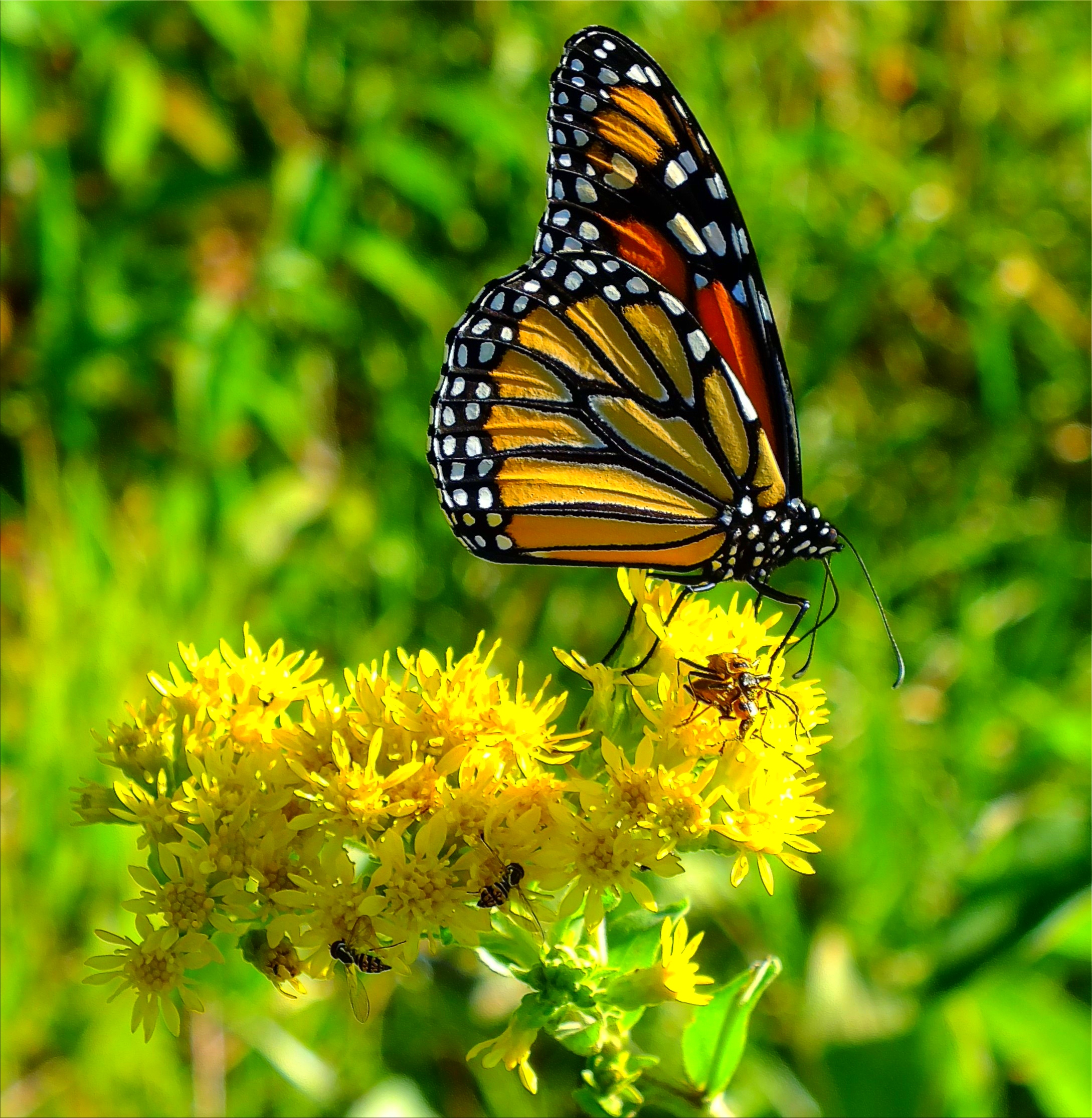
Metamorphosis (1). Photo by Thomas Peace 2015
.
Real meditation does not involve going to an exotic mountain-top to meditate. Real meditation does not involve getting the body in some statuesque, special, learned position. Real meditation does not involve repeatedly chanting some so-called special (pre-programmed) saying. Real meditation does not involve staring at or fixating upon some so-called special object or image. Real meditation does involve breathing according to someone’s special technique or system. Real meditation does not involve opening, concentrating upon, and mechanically traveling through fabricated chakras like some kind of zipper. Real meditation does not involve learning some special process or methodology. Real meditation does not involve living one’s life like most people do; yet, there is no “how” involving meditation. To intelligently look without a blueprint, without separative symbols, systems, conflict, fragmentation, and procedures… does not depend upon others’ procedures. No time is involved in it. All methods take time. Using time to get to the timeless is folly.
.

Hanging from one’s dinning table. Photo by Thomas Peace 2015
.
Lucid, profound perception often sees directly without mere learned and accumulated patterns. In such perception, there is no conception of an “observer” separate from (or independently doing) the “observing”; there is only the observing. If observation occurs exclusively based on past reactions, past memories, past prejudices, and past images involving separation — as it does in so many — then one is looking as an “observer” and primarily with (and “as”) accumulated patterns. Primitive notions that there is an observer that is separate are part of the old, traditional, learned, and accumulated patterns and are a waste of energy… and (directly or indirectly) involve friction, indifference, and conflict.
.
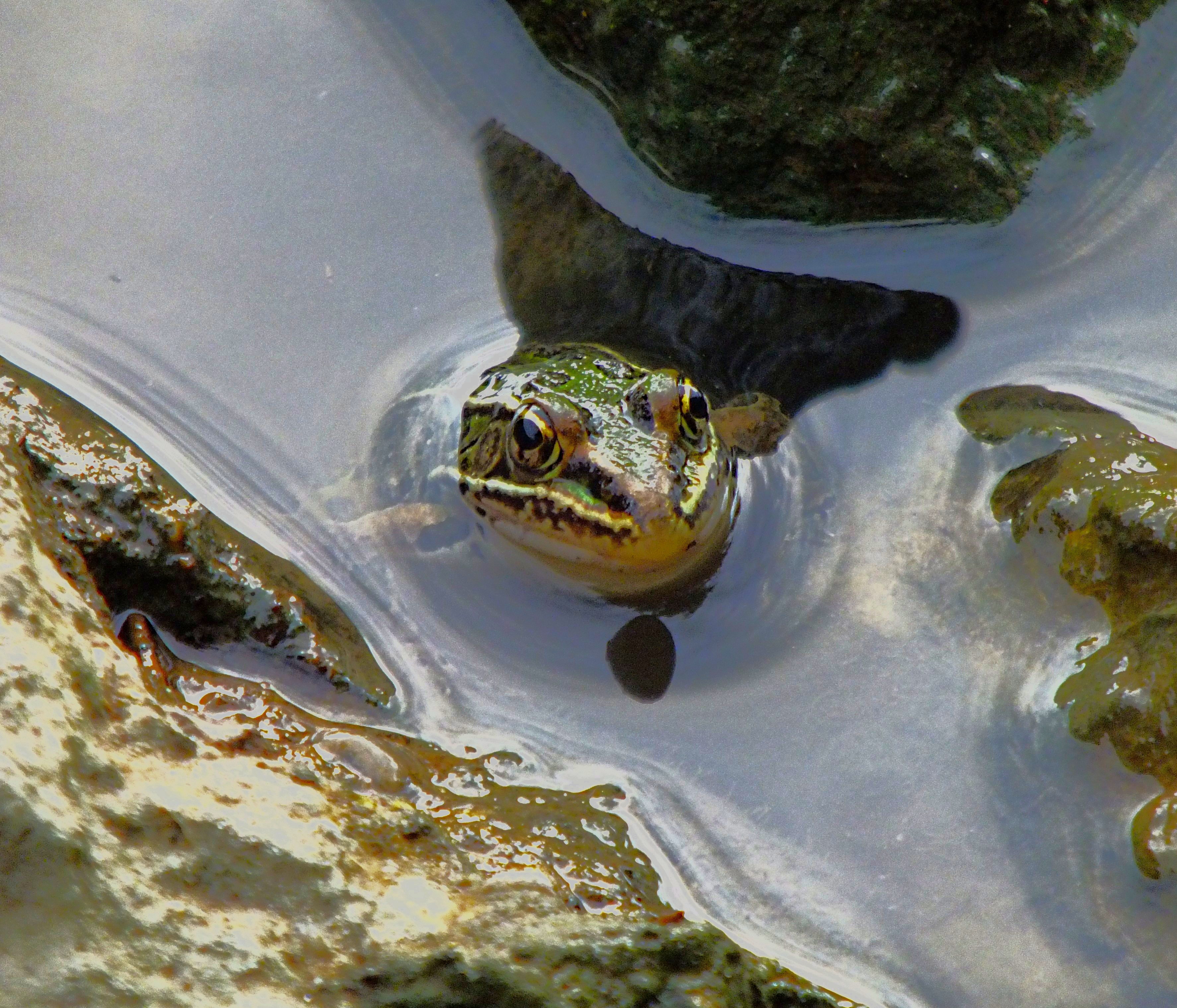
Seeing deeply… Photo by Thomas Peace 2015
.
No matter how free they may think they are, all thoughts — as Albert Einstein also sagaciously pointed out — are conditioned reactions… and to go beyond conditioning is to intelligently go beyond thoughts/symbols/reactions. However, the thoughts of the brain — including the conditioned thoughts of “I” or “me” — cannot merely decide to do this whenever and however they like. Whatever is conditioned cannot (in any way, shape, method, or form) fabricate or bring about the true state of the unconditioned. Fully understanding this is deep intelligence; and in that intelligence (if one is lucky) there may be, at times, an ending — though not, of course, a permanent ending — of thought/thinking. If that ending comes about naturally, without any compulsion or methodology (which thought fabricates), then a profound silence may occur. (A fabricated silence is something which is completely different and is just another limited concoction of the brain.) In a truly profound silence is immense order and intelligence (beyond mere symbols, ideas, mental fabrications, and representations); in that silence is freedom, integrity, and wholeness; in that silence (if one is very fortunate) a profound, immeasurable, majestic, unnameable immensity may arrive. (However, much more than even unconditioned silence is involved for that immensity to present itself.) Profound silence is not conditioned, nor is it capable of being permanently held, manipulated, or retained by what is conditioned. Such silence is beyond the realm of conditioning and mundane reaction.
.
[A Silver-spotted Skipper Butterfly visiting a Red Clover.]
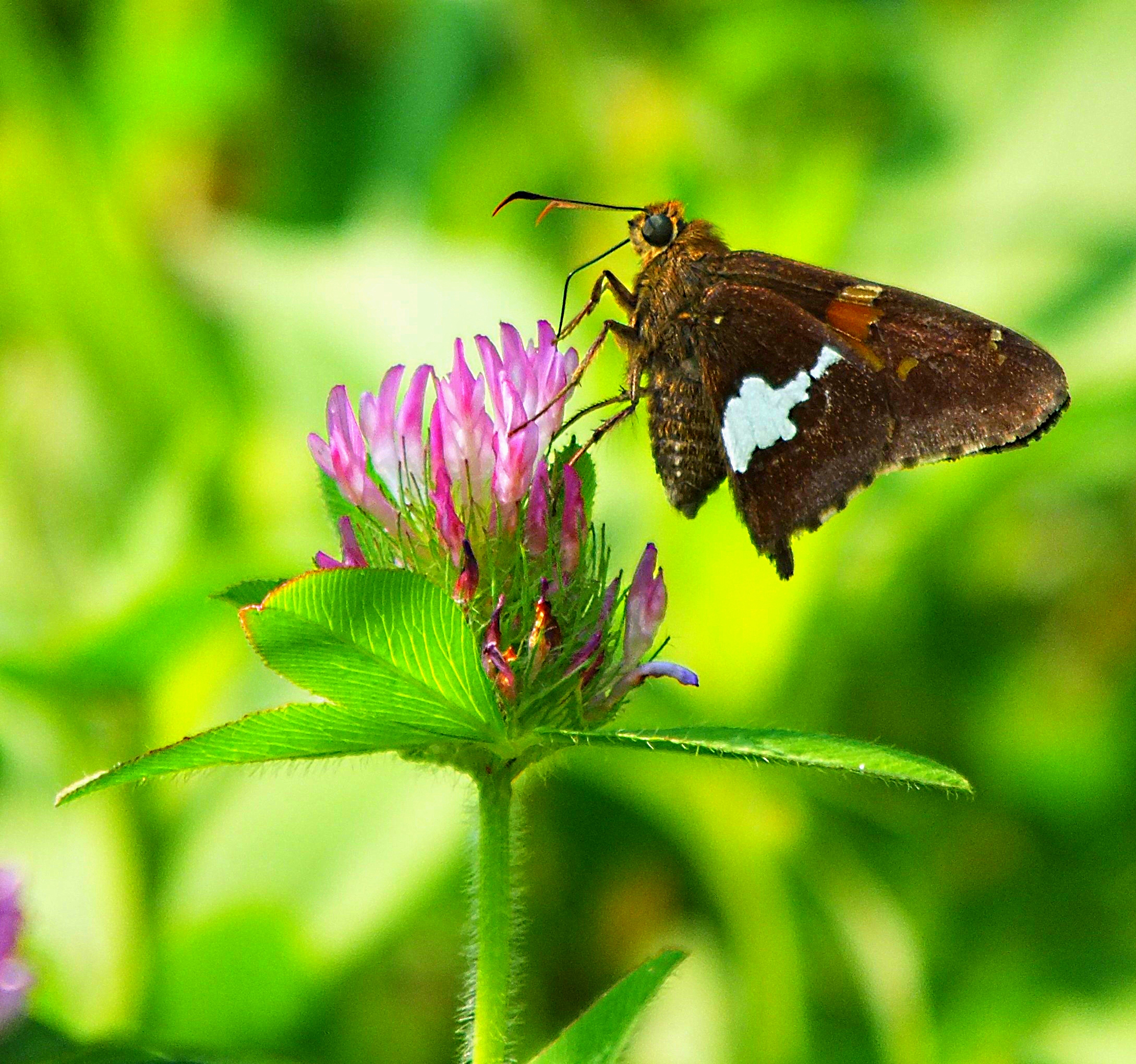
What a dining spot! Photo by Thomas Peace 2015
.
A truly aware and mindful human being often exists beyond petty details and, concomitantly, doesn’t need to depend on stimulus after stimulus to be attentive and content. Though experience is often necessary, a deeply aware mind can sagaciously exist in (or, rather, “as”) a timeless domain beyond mundane experience (beyond the continuum of mere cause/effect relationships); or, though this may seem rather odd, it sometimes functions where experience is a minimal phenomenon that is sometimes secondary or “in the background.” If one is merely immersed in (and responding “as”) experience, one is merely part of cause and effect events (that are always partial, always conditioned). A fluid mind that is not merely dependent on causal phenomena may be whole (and not merely dependent on what is fragmentary, conditioned, and partial). Then, when such a mind is experiencing (which is often very necessary)… it does so with great sensitivity and care. Its experiencing then involves a wholeness; experiencing involved with that wholeness has sensitivity which loves nature, the rivers, the people, and the land. Then there isn’t a fragmentary, separate set of experiences that are only out for themselves.
.
[Walking on clouds.]
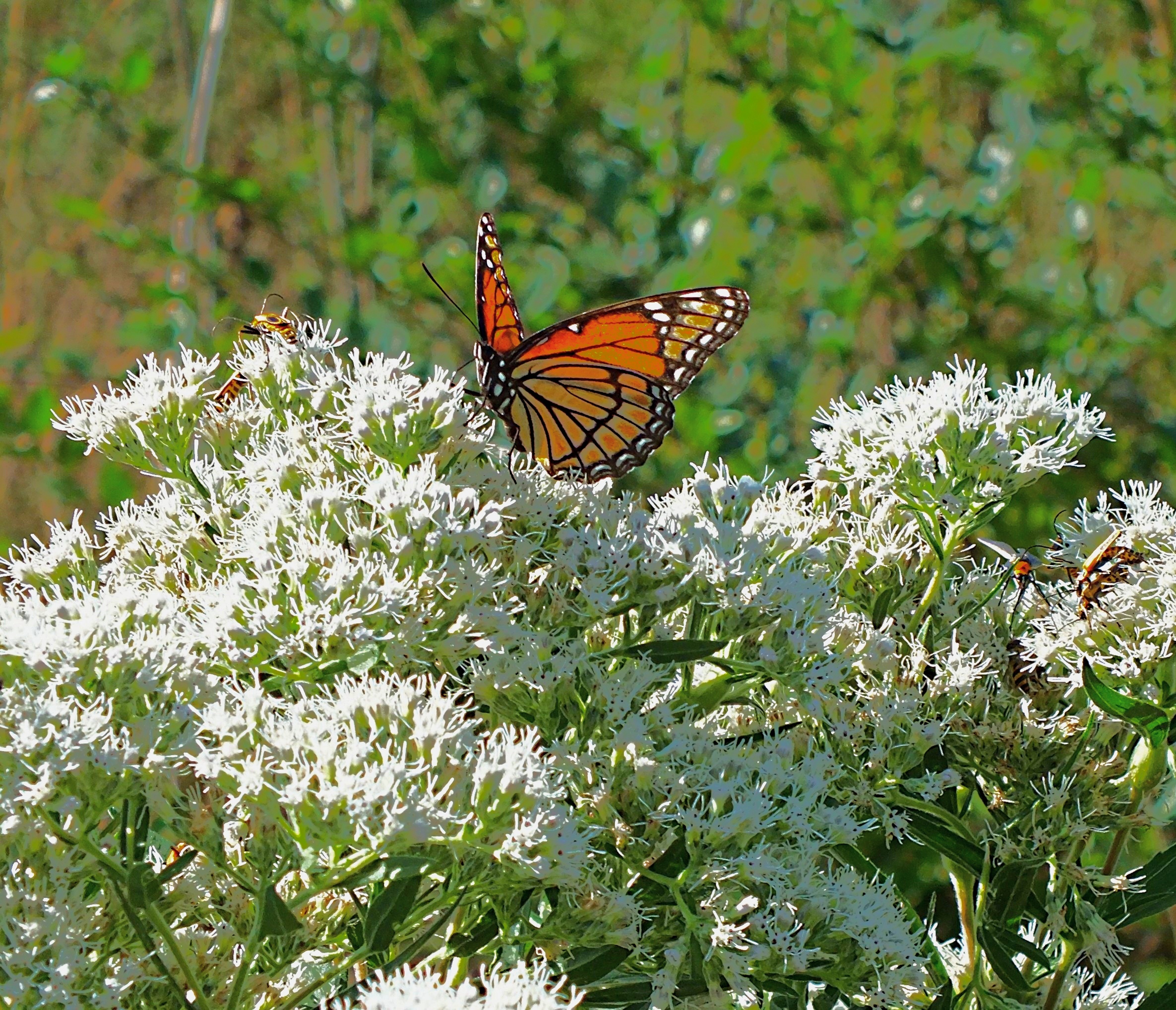
Angelic stroll. Photo by Thomas Peace 2015
.
When you look at beautiful roses and sing and smile… most assuredly, the flowers are happily singing and smiling!
(Without the observed, what is the observer?)
.
from E. E. Cummings:
somewhere i have never traveled, gladly beyond
any experience,your eyes have their silence:
in your most frail gesture are things which enclose me,
or which i cannot touch because they are too near
your slightest look easily will unclose me
though i have closed myself as fingers,
you open always petal by petal myself as Spring opens
(touching skilfully,mysteriously)her first rose
or if your wish be to close me, i and
my life will shut very beautifully,suddenly,
as when the heart of this flower imagines
the snow carefully everywhere descending;
nothing which we are to perceive in this world equals
the power of your intense fragility:whose texture
compels me with the color of its countries,
rendering death and forever with each breathing
(i do not know what it is about you that closes
and opens;only something in me understands
the voice of your eyes is deeper than all roses)
nobody,not even the rain,has such small hands
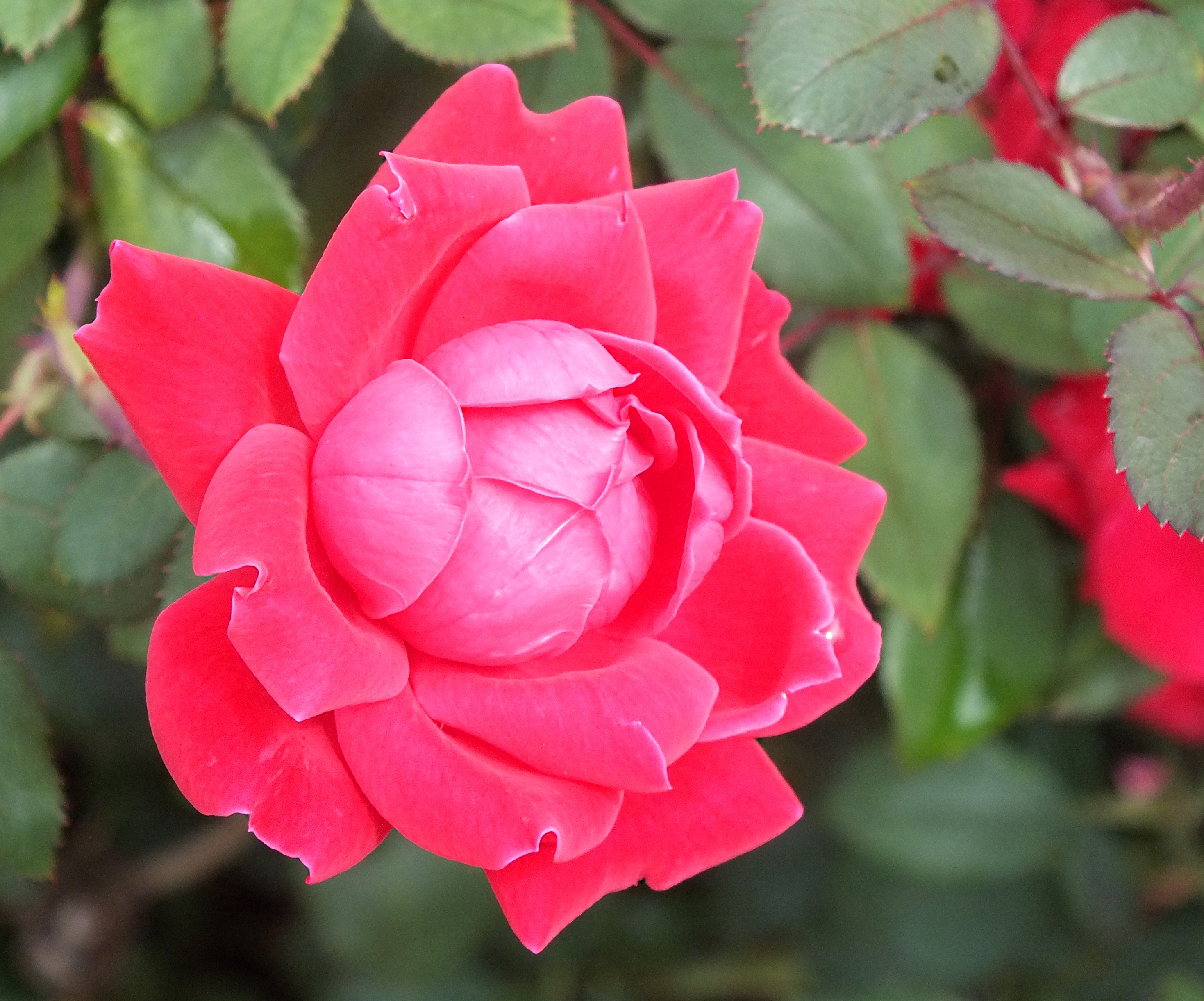
Eternal perfection. Photo by Thomas Peace 2015
.
True and lasting felicity, as intense happiness, is an inner phenomenon; it is not merely the result of outer stimuli.
.
[Leaves of the Ginkgo Tree. Ginkgo Trees were around during the time of the dinosaurs.]

Ancient and alive… kind of like me! Photo by Thomas Peace 2014
.
Ecclesiastes 1:9 (New International Version):
What has been will be again, what has been done will be done again; there is nothing new under the sun.
.

Happy Katydid! Photo by Thomas Peace 2015
.
The painter is the painted. The cleaner is the cleaned. The climber is the climbed. The thinker is the thought.
.
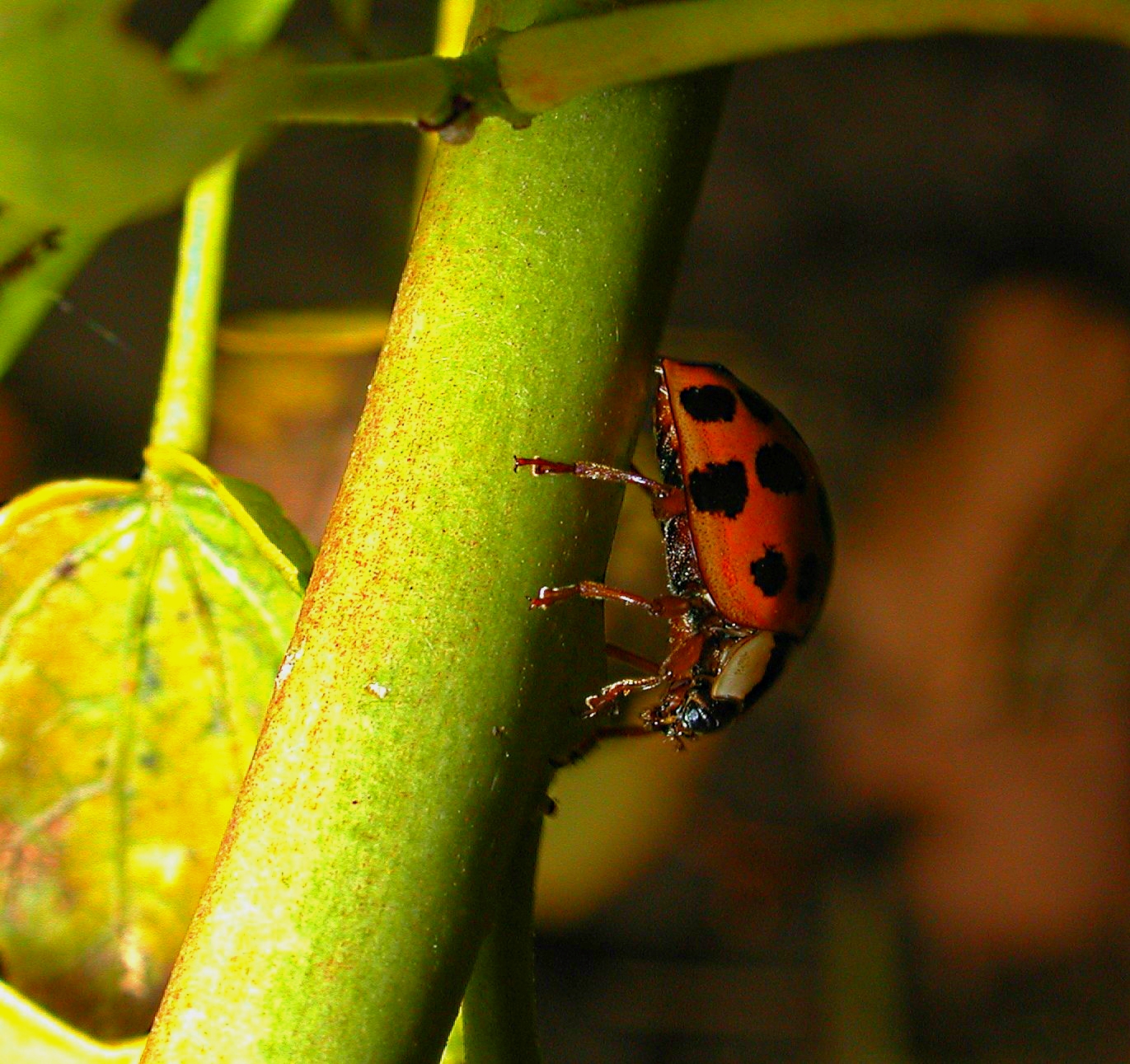
Elegant Lady. Photo by Thomas Peace 2014
.
Go beyond merely having ideals of what you want to be or “should be.” Such ideals often create inner conflict and friction within (and “as”) the mind and are usually a waste of energy. Look at your actions — without separation — from moment to moment without images of desire or idealism. This doesn’t mean that one just goes on to live in a crazy, disorderly way; it does mean that perhaps attention is looking without “learned patterns,”… and, instead, with a natural, field of order that is beyond conflict, beyond the mind’s (or others’) imposed fabrications. Profound understanding and keen (uncontaminated) “observing” changes things… not stale, concocted ideals.
.
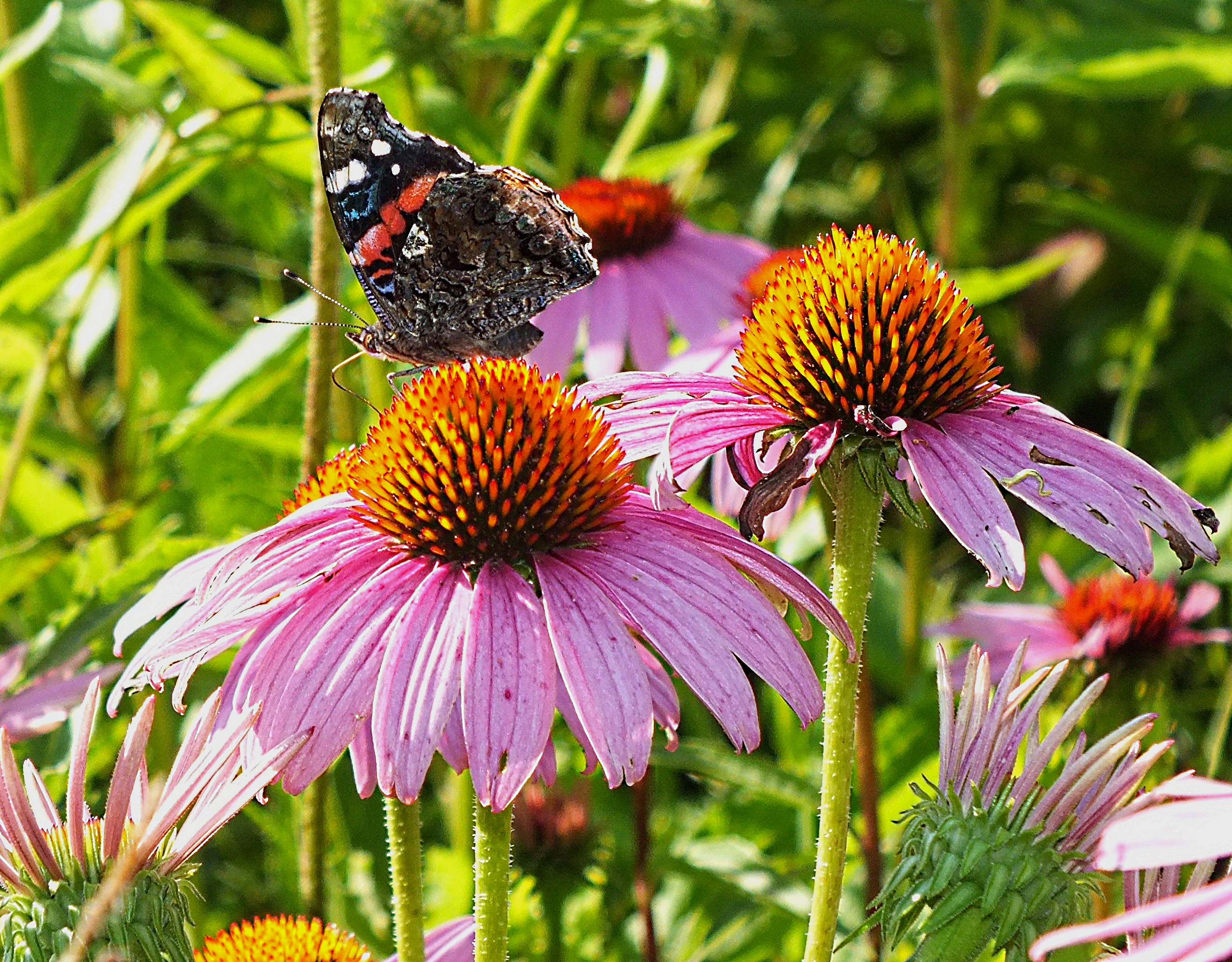
As a caterpillar, I didn’t desire this. Photo by Thomas Peace 2014
.
Being photogenic isn’t important. Being whole, compassionate, and perceptive is what is important.
.
[An Anemone at the Shedd Aquarium in Chicago. This is an animal… not a plant.]

Let’s hug! Photo by Thomas Peace 2014
.
Perhaps real spirituality is not found — locked up in confinement — in temples, where masses of people often worship self-created images, but is found when one understands oneself alone, such as when one is out in nature (without deception, without fabrication, without endless, internal chattering, and without a bunch of pretense).
After the death of the historical Christ, there were many Gospels and bibles about Jesus that different groups of people cherished and felt were legitimate. Many years after the death of the historical Christ, The Gospel of Thomas — which many of the world’s top (current) Biblical Scholars feel was written before the standard four — was declared heretical by the high priests who catered to Rome’s Emperor Constantine… no doubt largely because it called for finding God for oneself and not by following others (such as priests, leaders, and gurus). Some top scholars even feel that the Gospel of John was written as a rebuttal against the Gospel of Thomas. (Jesus was initially an ardent follower of John the Baptist, who advocated finding God far from the temples, out in nature; John was terminated by the authorities.) From the early Greek version of the Gospel of Thomas found at the ancient Oxyrhynchus site:
Jesus said, “Where there are three, they are without God. And where there is only one, I say, I am with him. Lift up the stone and you will find me there. Split a piece of wood and I am there.”
.
[The Christmas ornaments are on the left. One of Santa’s reindeer is on the right.]

It’s beginning to look a lot like Christmas! Photo by Thomas Peace 2014
.
The turning of the knob was the door opening and the movement towards being closer to nature.
.

Knobs and entry ways… Photo by Thomas Peace 2014
.
To look through the screen of learned, old patterns (that they instilled) is to gaze at them (i.e., at their mental images and labels)… not at the fresh, alive actuality.
.

Whatever… Photo by Thomas Peace 2014
.
Live life magically, not heavy-footed and ungracefully!
.
[Female Whitetail Dragonfly]

Natural and balanced. Photo by Thomas Peace 2014
.
The divisive notion of “us” and “them” causes wars.
.
[The single queen that laid these eggs was well fed indeed!]
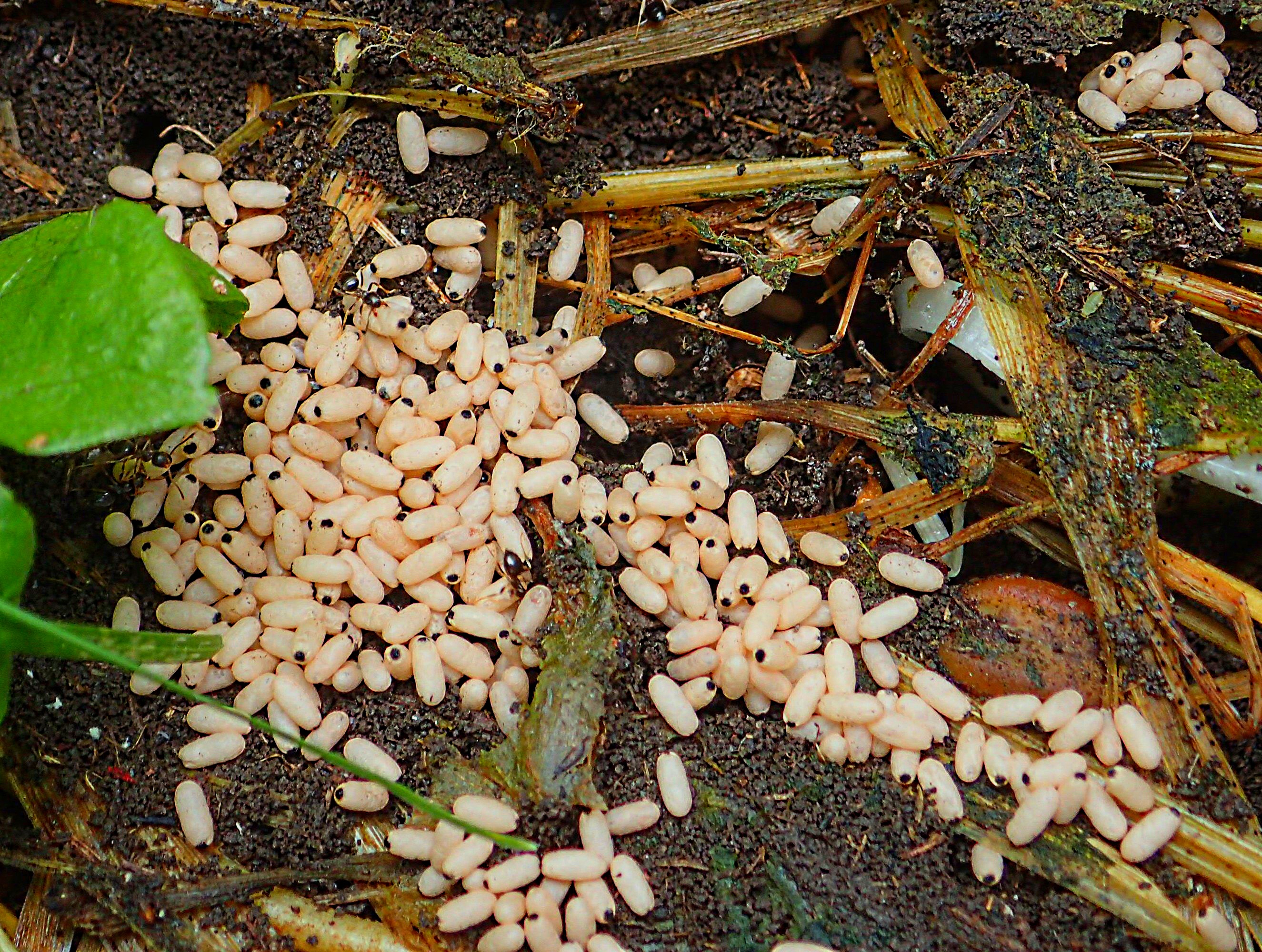
Many new sisters are on the way! Photo by Thomas Peace 2014
.
Can one ever remain truly happy if one is constantly looking at the world through the labels that others instilled in one?
.
[Buffalo Treehoppers feed on the sap of flowers, vegetables, shrubs, and deciduous trees.]
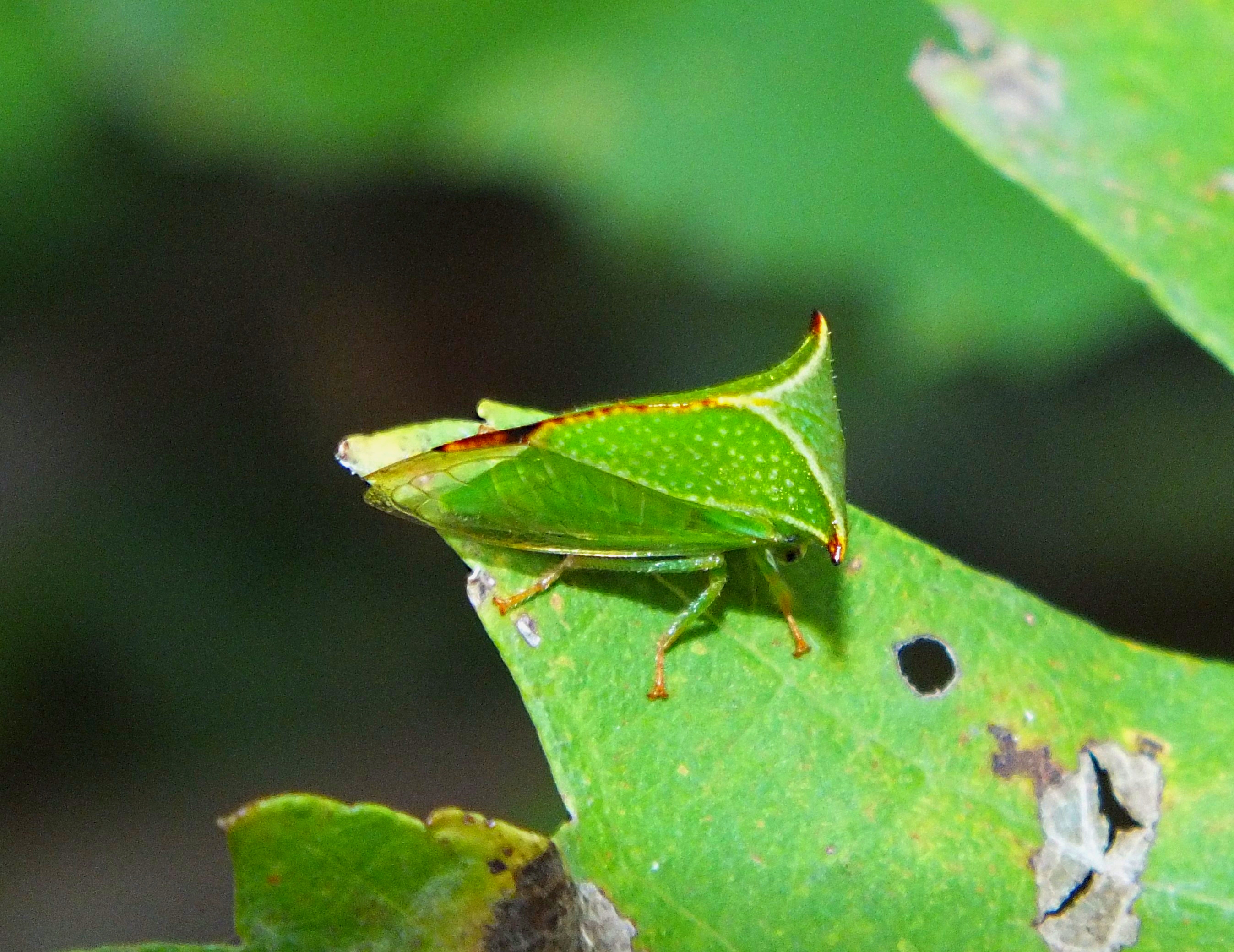
There’s a hole in their theories! Photo by Thomas Peace 2014
.
If, each and every day, one is wisely psychologically dying to the hullabaloo and clamor of superfluous thoughts, then one isn’t afraid of the mystery of dying (as so many are). Then living and dying aren’t two separate things… nor the latter something horrible to be frightened of.
.
[Widow Dragonfly]

Black Widow. Photo by Thomas Peace 2014
.
Let the mind be malleable and adaptable; flow with changes with poise and adroit movement.
.
[This is a local river area in fall.]

River Flow (1) Photo by Thomas Peace 2014

River Flow (2) Photo by Thomas Peace 2014
.
Thought is a necessary and extremely helpful tool; but it’s only a tool… not the true essence of the organism. When the mind is cluttered with a myriad of needless thoughts throughout the day (as it is in so many, with their endless fears and habitual, repetitive imagery) … it’s, in a way, like a plant burdened with many insects. However, don’t merely “try” to eradicate excess thoughts… because that would likely be some thoughts trying to eliminate “other” thoughts (accomplishing, in reality, nothing)… leaving the “plant” remaining rather “buggy.” (Fabricating more bugs to chase away other bugs leaves one remaining “buggy.”) Simply observe each series of thoughts without psychological separation (being aware of the space between thoughts as the thoughts perish and end)… and then a natural silence may beautifully occur without effort (i.e., without another fabrication trying to get rid of them). That natural silence would occur without struggle, without concocted manipulation, without friction, without conflict.
(Of course, there are endless people who prefer to remain buggy!)
.
[Aphid insects on a wild plant.]

Too much of a good thing. Photo by Thomas Peace 2014
.
Friction and conflict — in the mind — begins with thinking the “me” as separate from (and in control of) the “other” thoughts.
.
[Black Ants on a very large Oak Tree.]

Busy as bees… Photo by Thomas Peace 2014
.
The subject thought that it was separate from the object. At least that is what it was taught. But without all the objects, what would the subject be?
.
[Young Long-tailed Jaegar in a Pine Tree.]

Resting by the lake… Photo by Thomas Peace 2014
.
Beyond separation, the river finally felt compassion for the (not so distant) fish and so put the fishing pole down forever and went home.
.
[A local largemouth bass. (Many years ago, I used to be an avid fisherman; I could even catch fish when others failed; I no longer fish whatsoever.)]

Unhooked to fishing… Photo by Thomas Peace 2014
.
Real learning is not merely absorbing. Real learning involves multi-faceted wisdom, consideration, profound passion, penetrating perception, and transcending inner/outer conflict.
.
[Close to the edge…]

Close to the edge… down by the river… Photo by Thomas Peace 2014
.
A mind that is often aware without needing things or thoughts to “be aware of”… is a supremely free, non-dependent, unique, and rather majestic mind.
.
[Dragonfly in flight…]

Free and uncluttered…. Photo by Thomas Peace 2014
.
A mind that merely clings from one experience to another in order to be happy is, unfortunately, a rather infantile, impoverished state of affairs; it need not be that way.
.
[Poison Ivy leaf cluster in the fall.]

Not a good thing to walk through! Photo by Thomas Peace 2014
.
The left arm can hate the right arm and think that it is separate… but it isn’t. Peace takes intelligence.
.
[A unique variety of Heal All Plant growing on a river bank.]

Heal All. Photo by Thomas Peace 2014
.
True enlightenment — not all of that phony stuff — involves being beyond the “conditioned”; few ever exist in (and “as”) the timeless, the “unconditioned.”
.
[A female Cabbage Butterfly resting. They were introduced into the U.S. from Europe at around 1860. Well… we’re used to immigrants!]

She’s not a legal citizen… but I won’t turn her in! Photo by Thomas Peace 2014
.
The only true and profound revolution worth fighting for is a nonviolent, spiritual one.
.
[A Meadow Spittlebug weathering out the rain. They are very small and feed on a variety of weedy plants. Adults readily jump or fly when disturbed.]
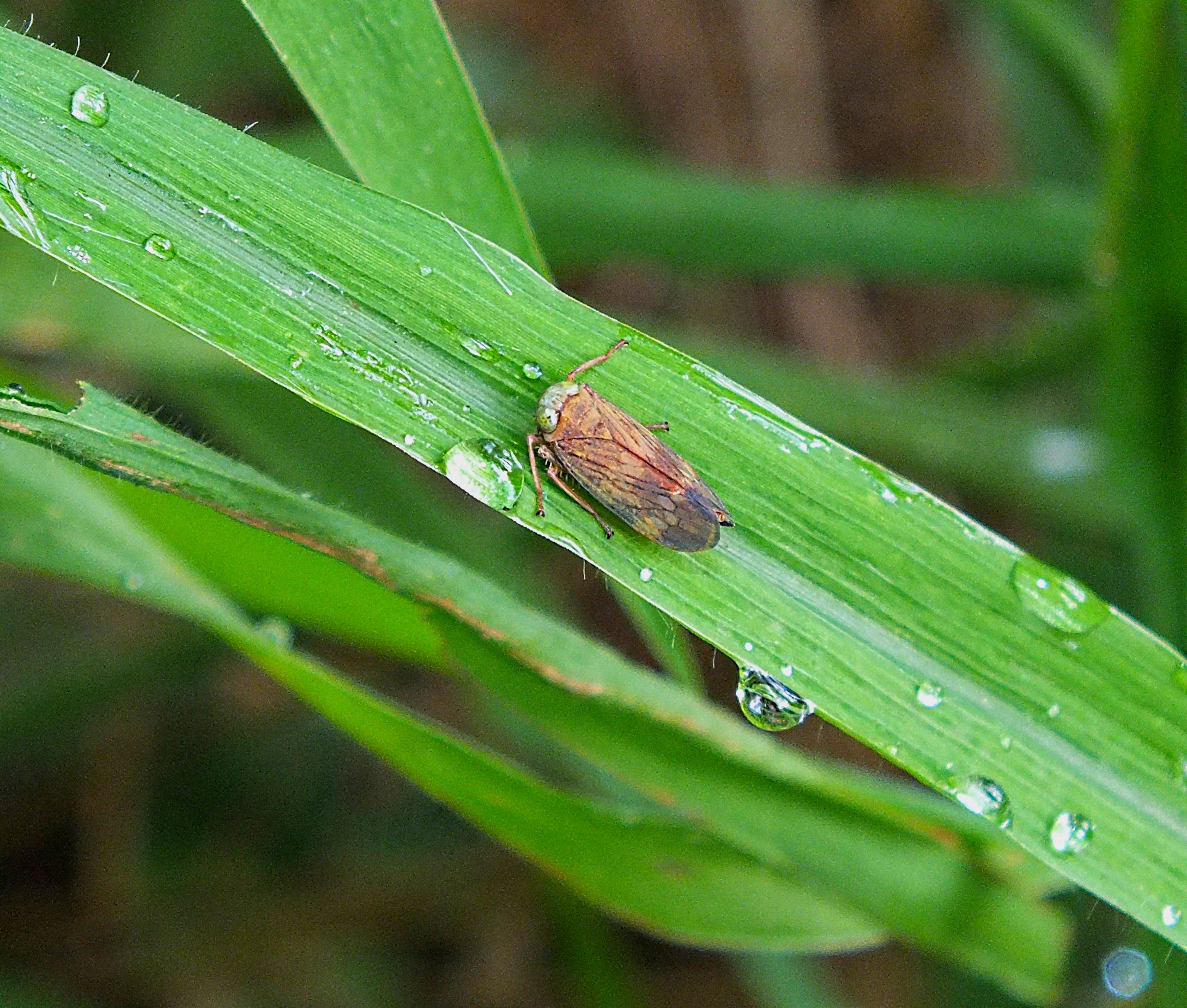
Raindrops keep fallin’ on my head… Photo by Thomas Peace 2014
.
In life, everything hangs in the balance… (even if you are unbalanced).
.
[This Steel-blue Cricket Hunter is not, currently, interested in hunting any crickets. Adults drink nectar. Larvae feed on crickets and grasshoppers.]
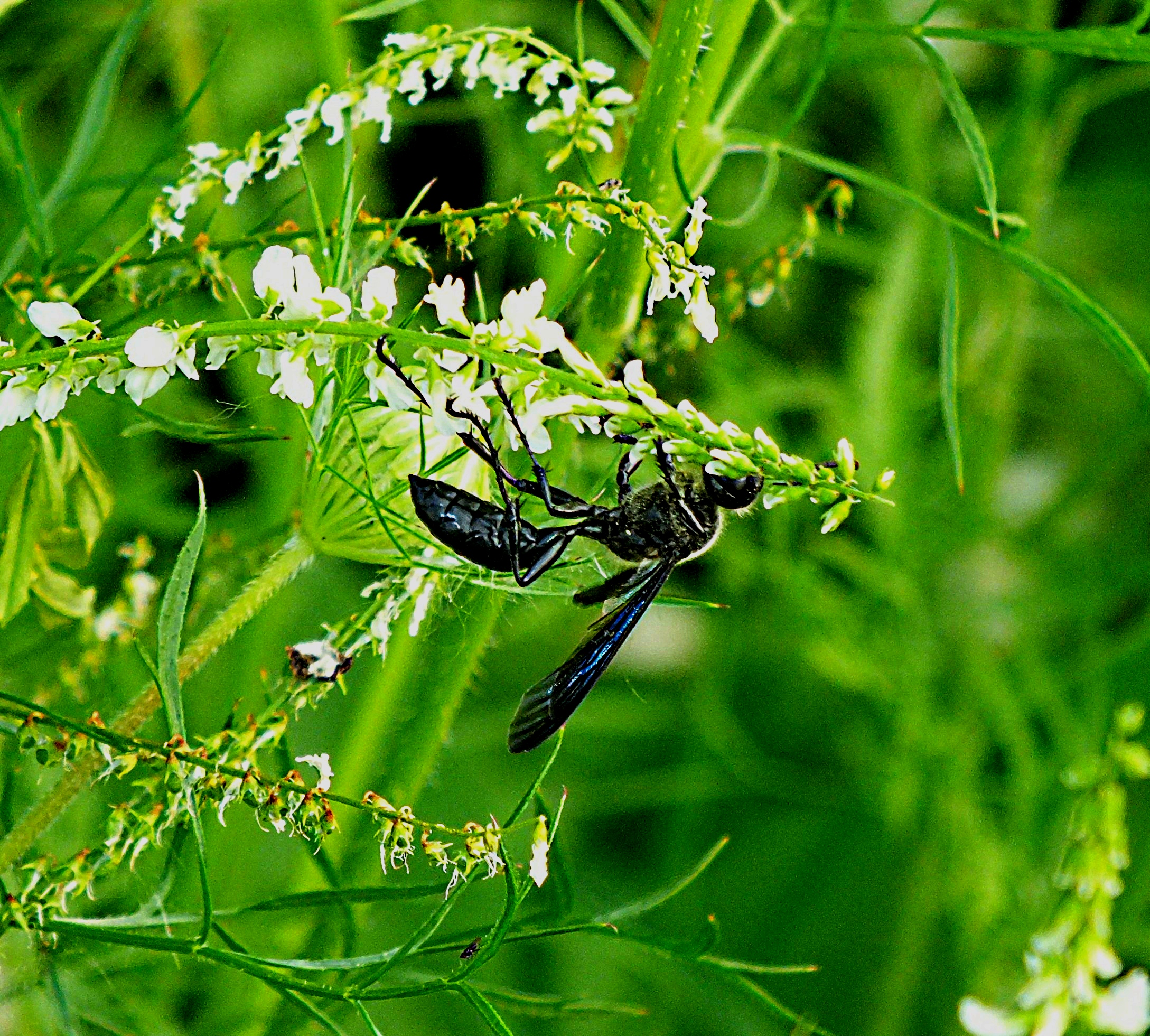
Hanging in the Balance. Photo by Thomas Peace 2014
.
In a big way, everyone in the whole world is facing in one direction.
Can you turn around?
.
[These are Tetras in one of our aquariums… all facing in one direction. The ones with the red dot on their sides are called Bleeding Heart Tetras. The others are Black Tetras. The plants are a type that grow on rocks or logs and do not need soil; they are called Anubias coffeefolia.]
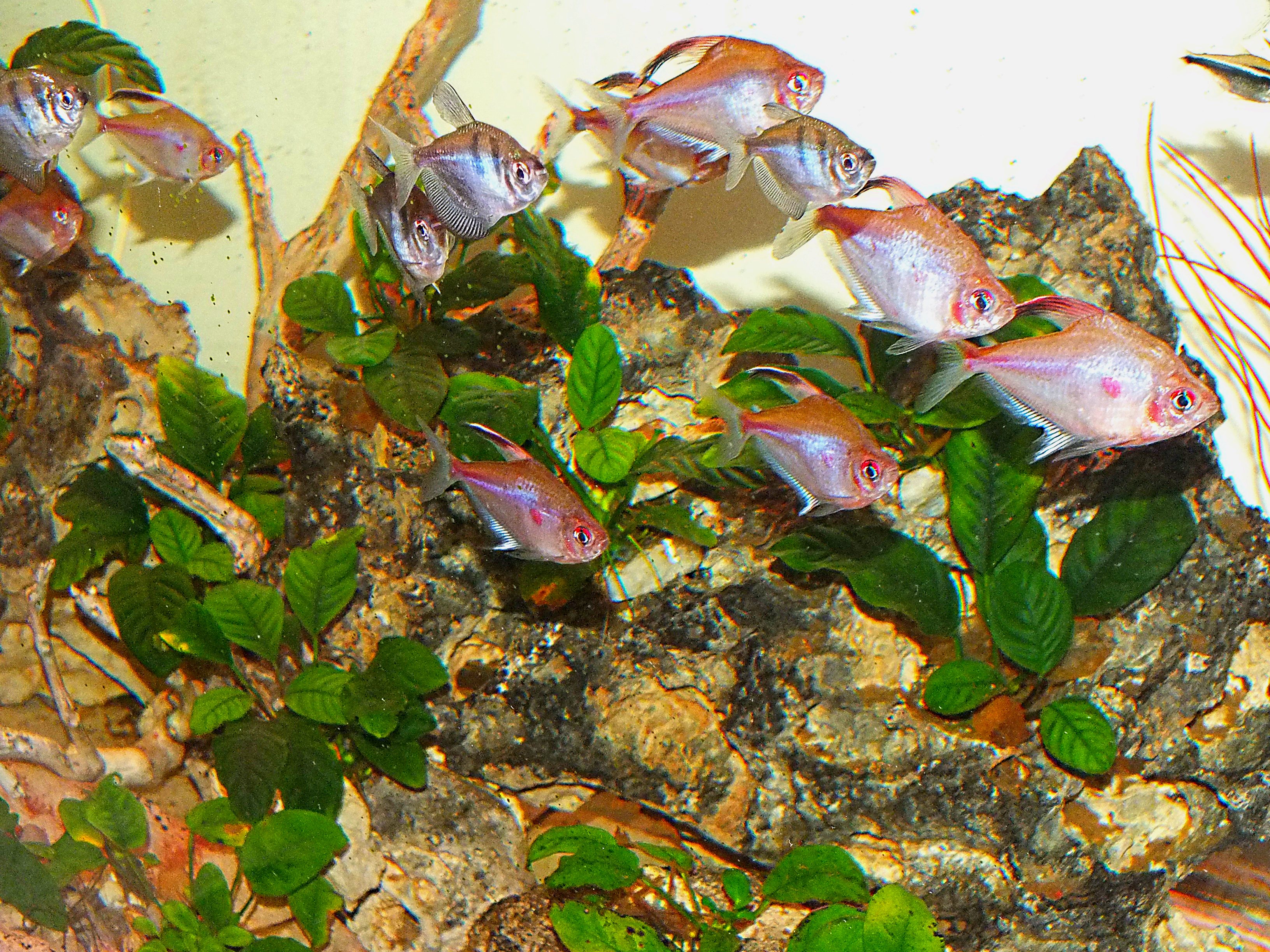
One direction. Photo by Thomas Peace 2014
.
True happiness is not merely an acquisition… it’s a wise, intelligent, aware, and blissful state of being and non-being.
.

Go beyond grasping. Photo by Thomas Peace 2014
.
One need not wince at one’s fears and endlessly run away from them if one intelligently realizes that one is not at all separate from what they are.
.
[A couple of Fruit Flies and a hiding Lady Bug. Though the Lady Bug is carnivorous, the Fruit Flies need not worry; they are too large. The Lady Bug goes after even smaller insects, such as Aphids.]
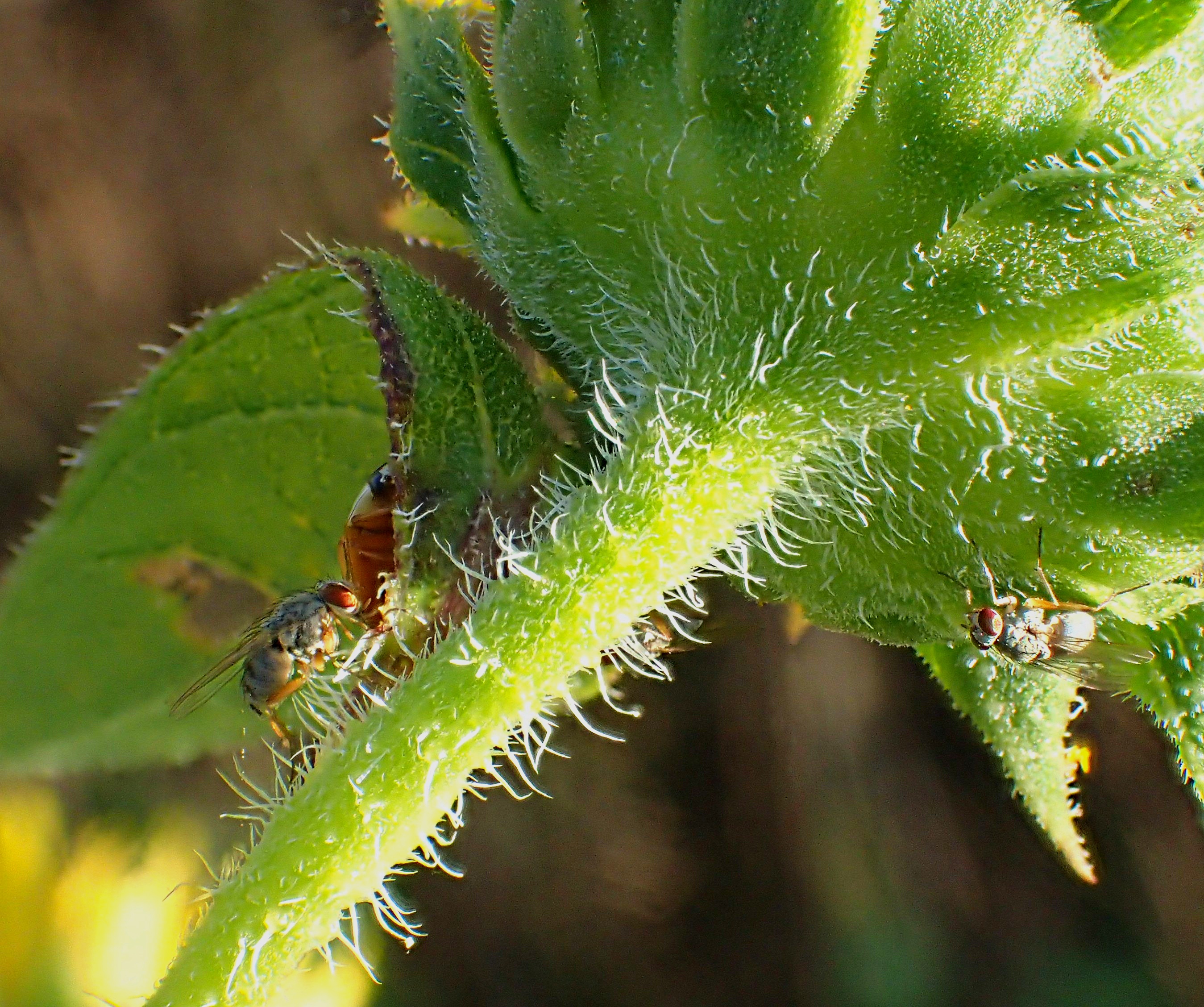
A good day to explore. Photo by Thomas Peace 2014
.
The learner is the learned; the controller is the controlled; the reader is the read.
.
[A Red-winged Blackbird informing me that I’m in “his” territory. I promptly departed.]
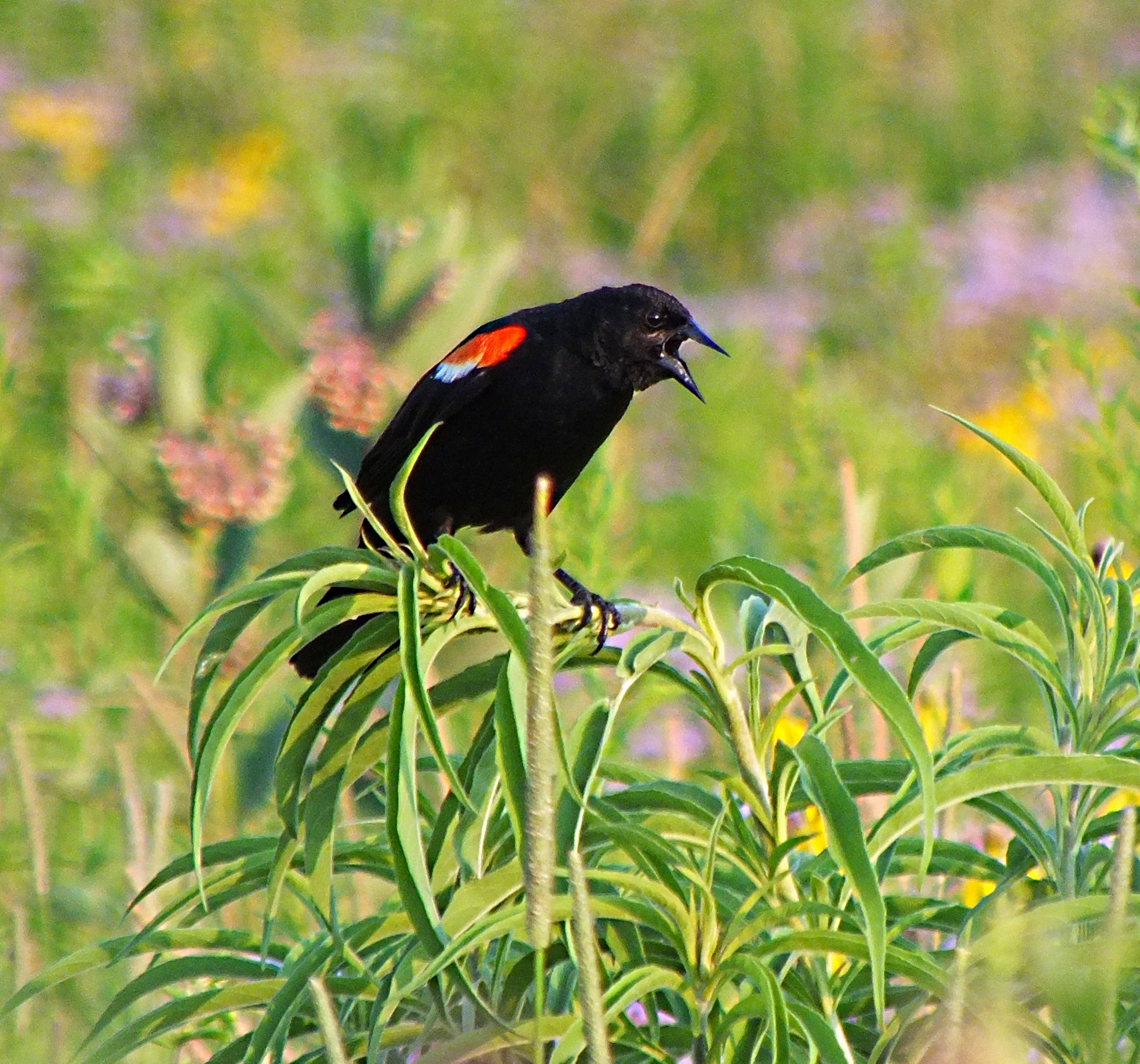
This vast spot is not big enough for the both of us! Photo by Thomas Peace 2014
.
If you are very wise, every time you throw a rock it always lands in the same place.
.
[Photos of local river in the fall season.]

Always and never (1) Photo by Thomas Peace 2014

Always and never (2) Photo by Thomas Peace 2014
.
All true wise men have a propensity to understand the whole.
.
[Silver-Spotted Skippers are distinguished from true butterflies by the antennae, which are wider apart at the base and end in pointed, curved clubs. Silver-Spotted Skippers — and all Skippers — are so named for their erratic, skipping flight.]
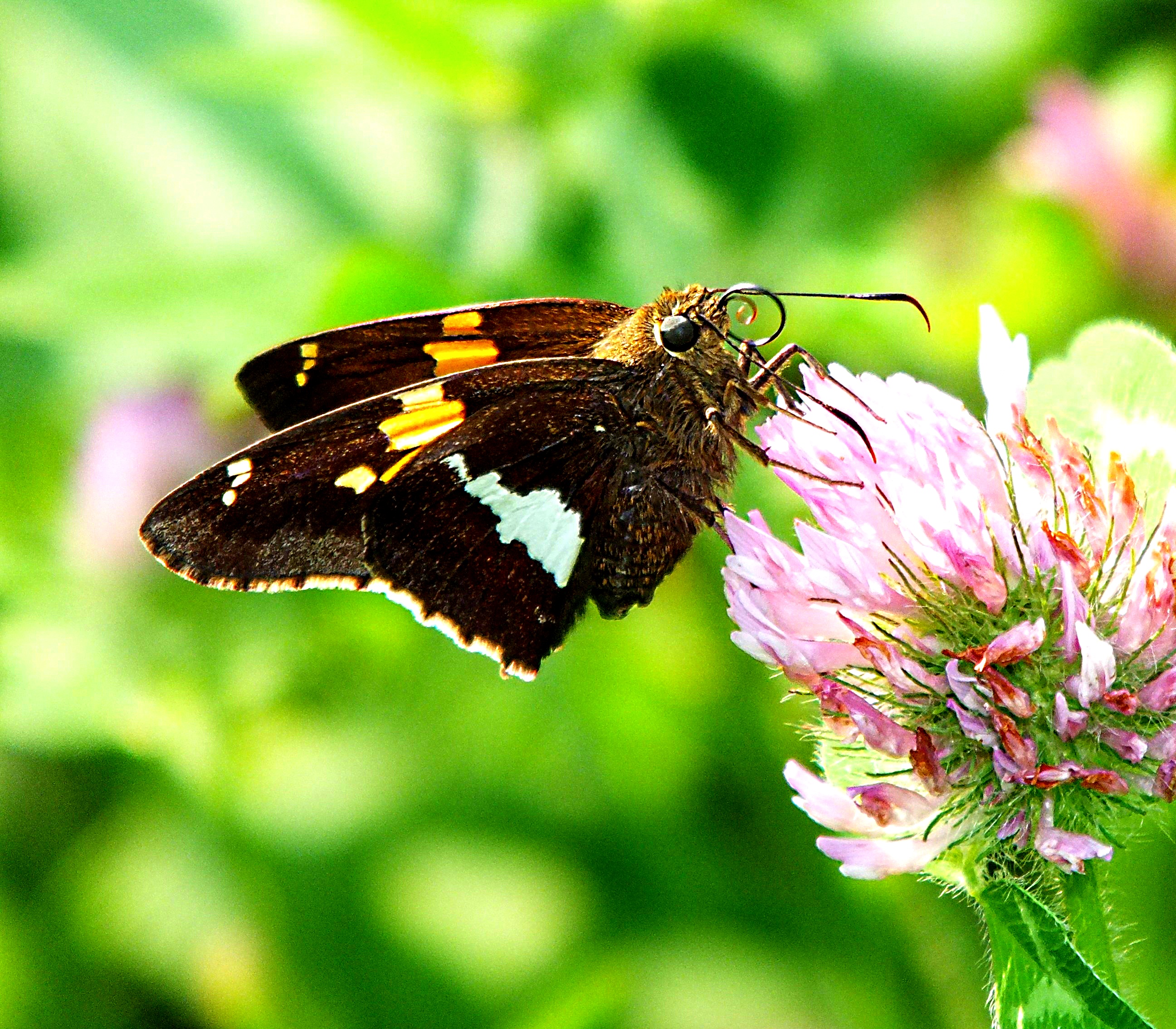
Silver-Spotted Skipper with its curled proboscis. Photo by Thomas Peace 2014
.
Simple acts to help others, physical action to end suffering, and acting to help Mother Earth with actual deeds… is likely worth more than a million people praying.
.
[Close-up study of a Begonia (Scarlanda green-red) in the outdoor garden of a large hospital/medical center.]

Begonia (Scarlanda green-red) Photo by Thomas Peace 2014
.
Hate and indifference involves separation, distance, and a lack of compassion.
.
[In cooler weather, Katydids often cling to the sides of houses or garages for extra warmth. Katydids have excellent climbing abilities. This one is clinging to the warm, reflective side of a garage… an effective way to beat the cold!]
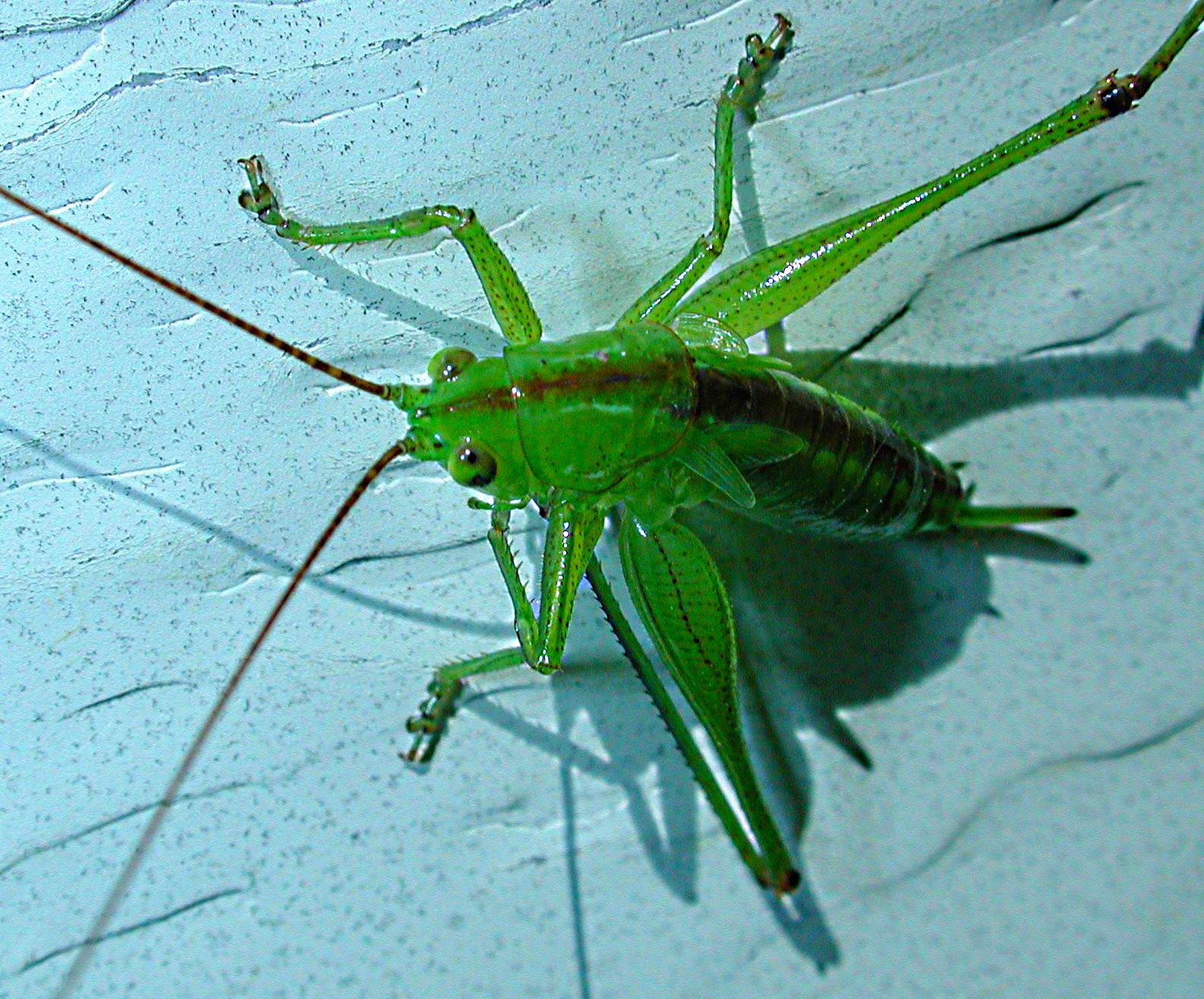
Wall Walker! Photo by Thomas Peace 2014
.
If one doesn’t exist primarily in (and “as”) the present now… one is living in the past.
.
[This Lady Bug is getting ready to leave a dried out Thistle Plant. Probably the Lady Bug had been searching for small insects to feed upon (that were nesting within the seed pod).]

Leaving Lady! Photo by Thomas Peace 2014
.
A highly prejudicial mind is like a coldly crafted puppet or a thoughtlessly made, prefabricated building; it was constructed to be what it is (by others).
.
[This is a very large Fishing Spider on a post of our Gazebo (at night) guarding its large egg sac. This Fishing Spider must have been over 2 inches long and its egg sac was also very large. It looks like it must have took a long time to carefully and skillfully form that huge egg sac. I was looking for spiders to photograph and was resting the camera against the post to get a steady shot of a smaller spider… when I suddenly came face to face with this huge creature! Nothing easily startles me… but this kind of did!]

Not an itsy bitsy spider by any means! Photo by Thomas Peace 2014
.
True free will (i.e., freedom involving thought/thinking) is a phenomenon that — if it truly exists — breaks free from the cause & effect parameters of the cosmos… which, if one is at all honest, is not likely whatsoever, in any way, shape, or form. However, in profound and deep silence, an immense, timeless energy can appear (i.e., arrive)… that is truly free and not part of a conditioned cause-effect continuum.
.
[This is a Leopard Frog among the dead leaves of fall; interestingly, this frog croaked many times… and is still very much alive. 😉 ]
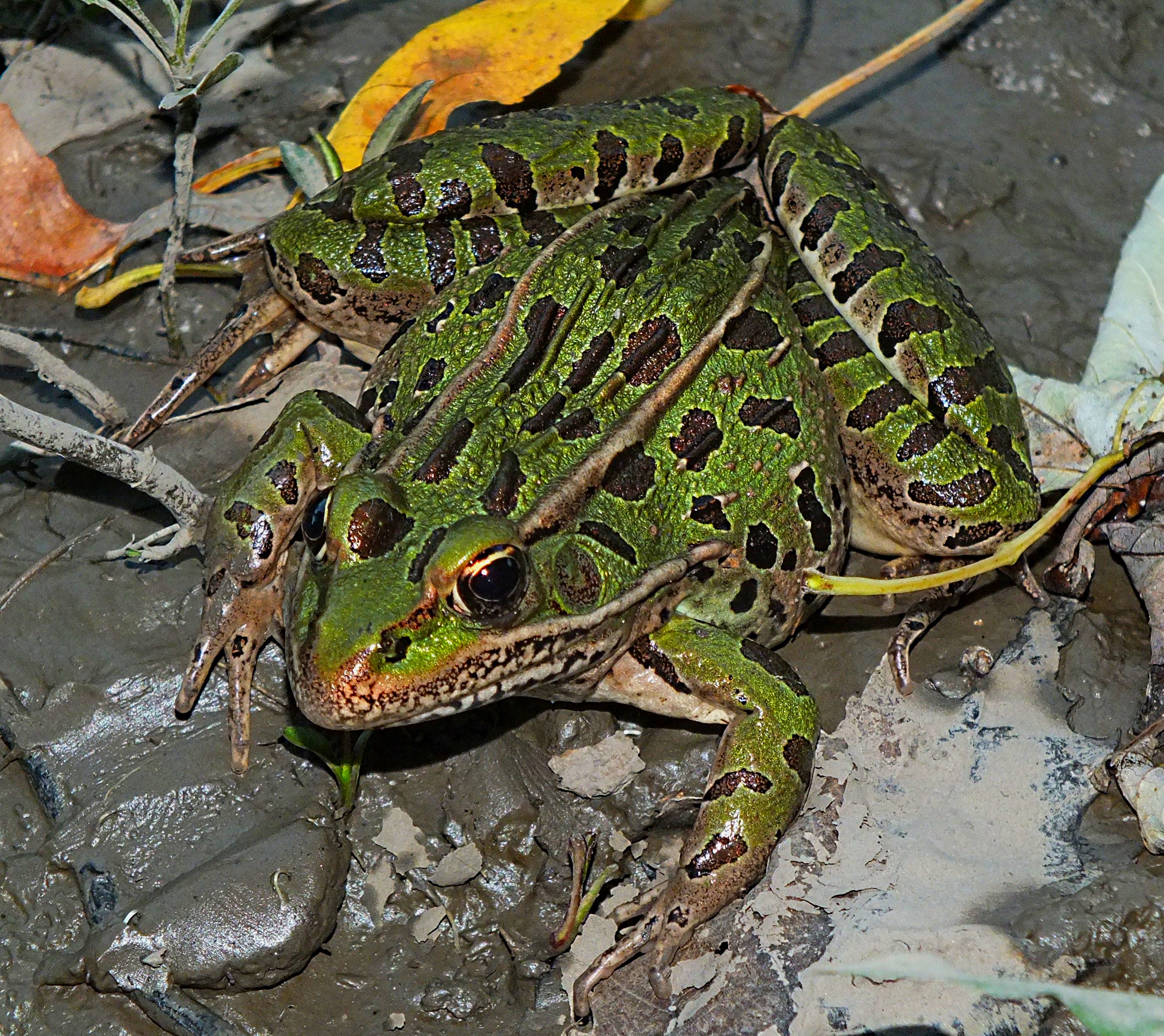
He kicked the bucket more than once! Photo by Thomas Peace 2014
.
.
.
.
.
. i am he
. as you are he
. as you are me
. and we are all together
.
.
. — John Lennon lyrics
.
. (Sometimes, great words of wisdom can occur in a seemingly jumbled mess. Most of us were miseducated to think that we are separate from each other. Not enough of us look with real unity, compassion, and wisdom in our hearts… but, rather, see through thick walls of separation.)
.
.

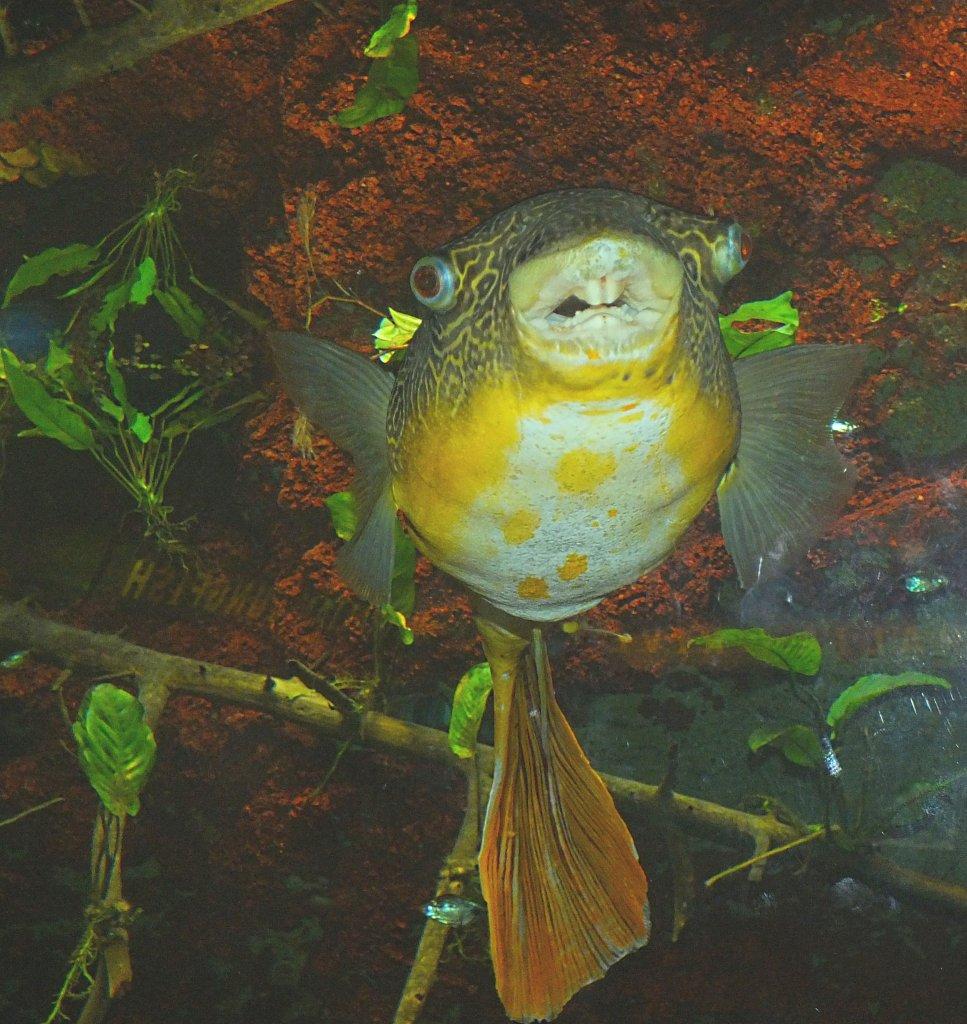
Swimming, Smiling, Egghead … (Puffer Fish) … photo by Thomas Peace 2014

.
.
.
.
.
. You might think she’s ugly… but she has tied a little webbing — on her rear leg to the cement — to remind herself not to leave any time soon… and (though rather emaciated and hungry) she is not moving; so she is a very caring and good mother. That, my friends, is beautiful!
.
.
. (Fishing Spiders get quite large. Some, legs included, can be over 3 inches long. Some can dive underwater to catch prey, or they catch prey near the surface of the water, even minnows. It is unusual for spiders to eat vertebrates, but these do! Females guard their eggs sacs for quite a long time… often over a month, not eating while doing so. The one below was on cement on the bank of a river. It was rather strange about how i came upon it. While at home, i had a premonition that if i went to the river bank… i’d see an unusually nice, large spider there. I grabbed a camera and walked to the river bank; as i approached the bank, the spider could be seen from quite a distance and one realized immediately that that was what the intimation was about. It didn’t budge while i took shots; then i politely left it with its highly precious orb.)
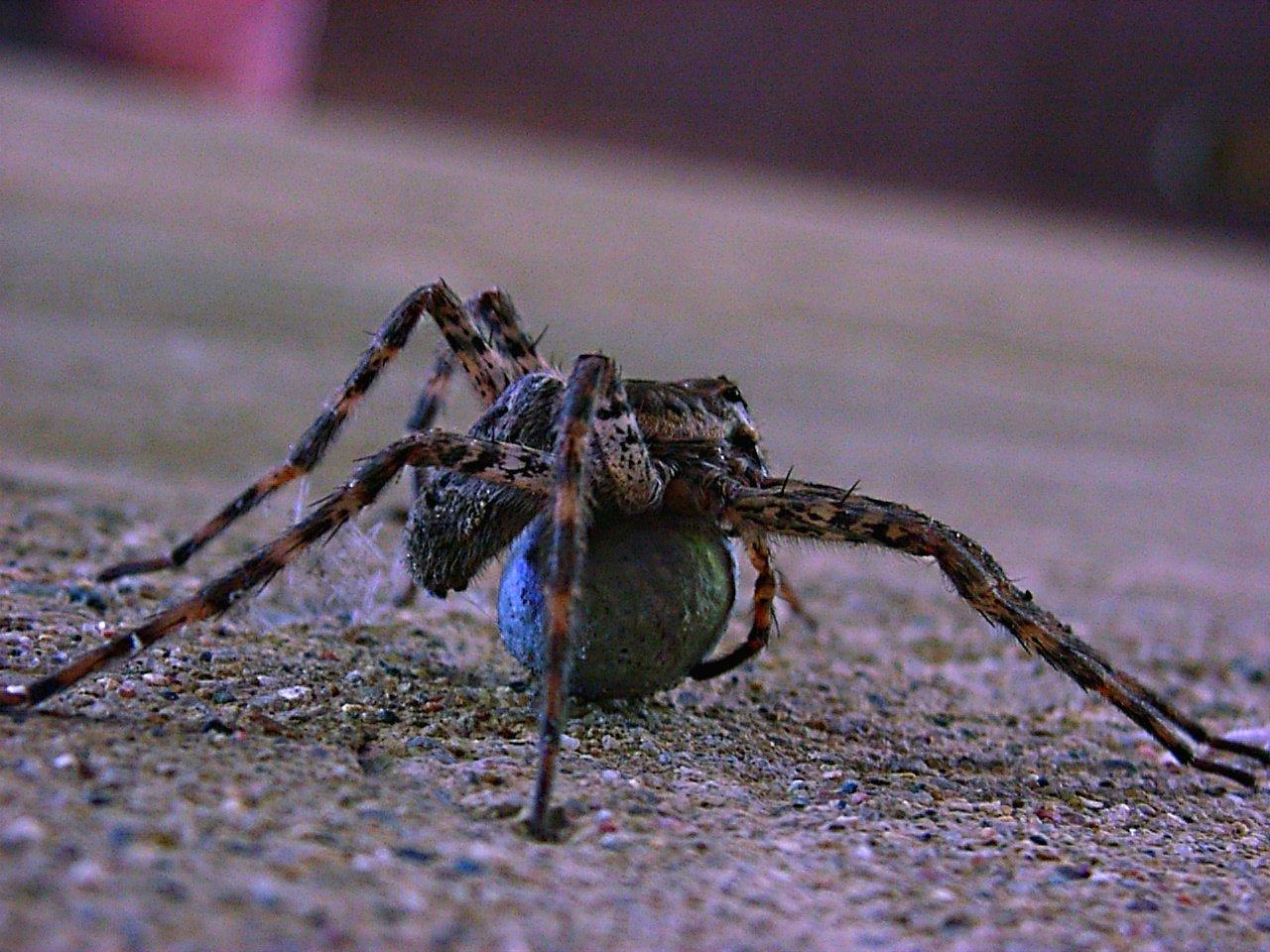
Dolomedes tenebrosus (Fishing Spider) with her egg sac … photo by Thomas Peace 2014

.
.
.
.
.
.
. Multi-photo: Thirteen really isn’t unlucky… and neither is the blackbird that flutters in the mind.
.
by Wallace Stevens
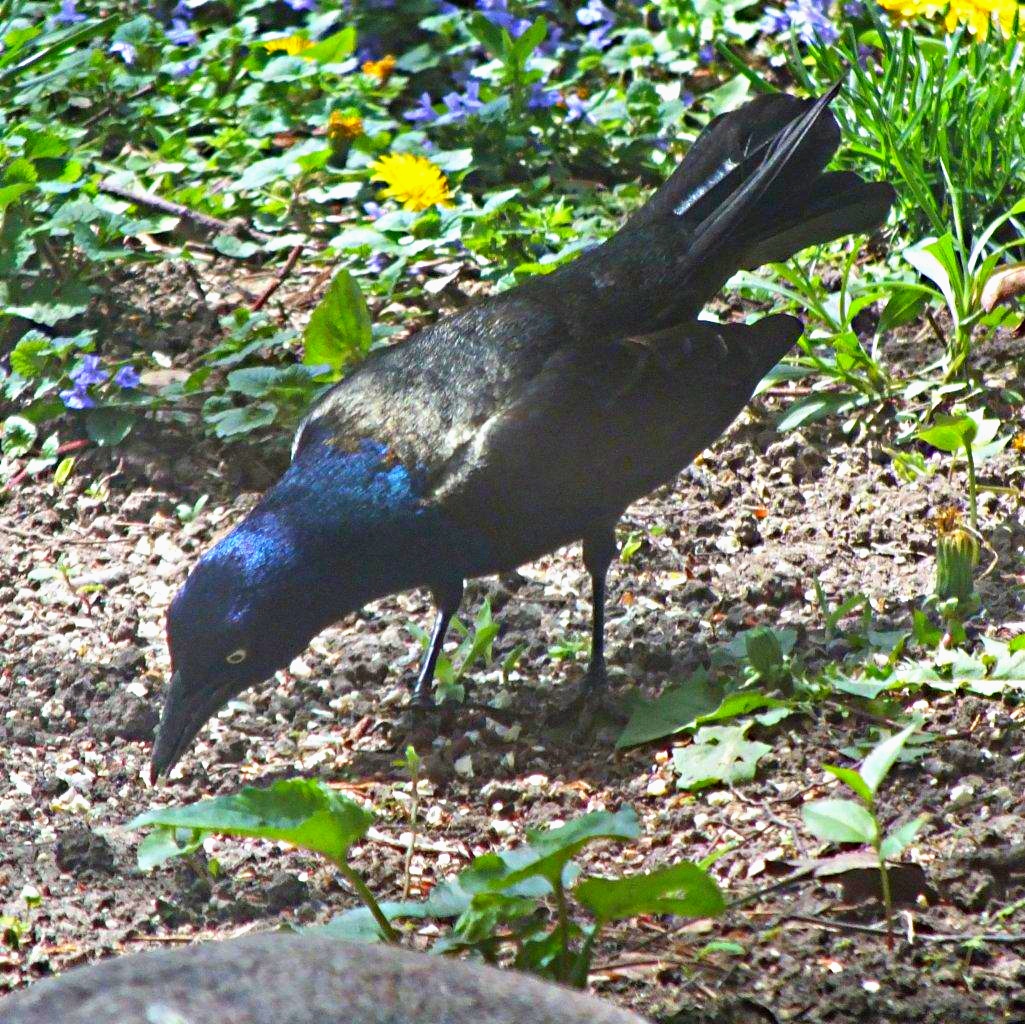
Following a song, a male Common Grackle Blackbird looks for signs of intelligent life in a thoughtless world. Photo by Thomas Peace 2014
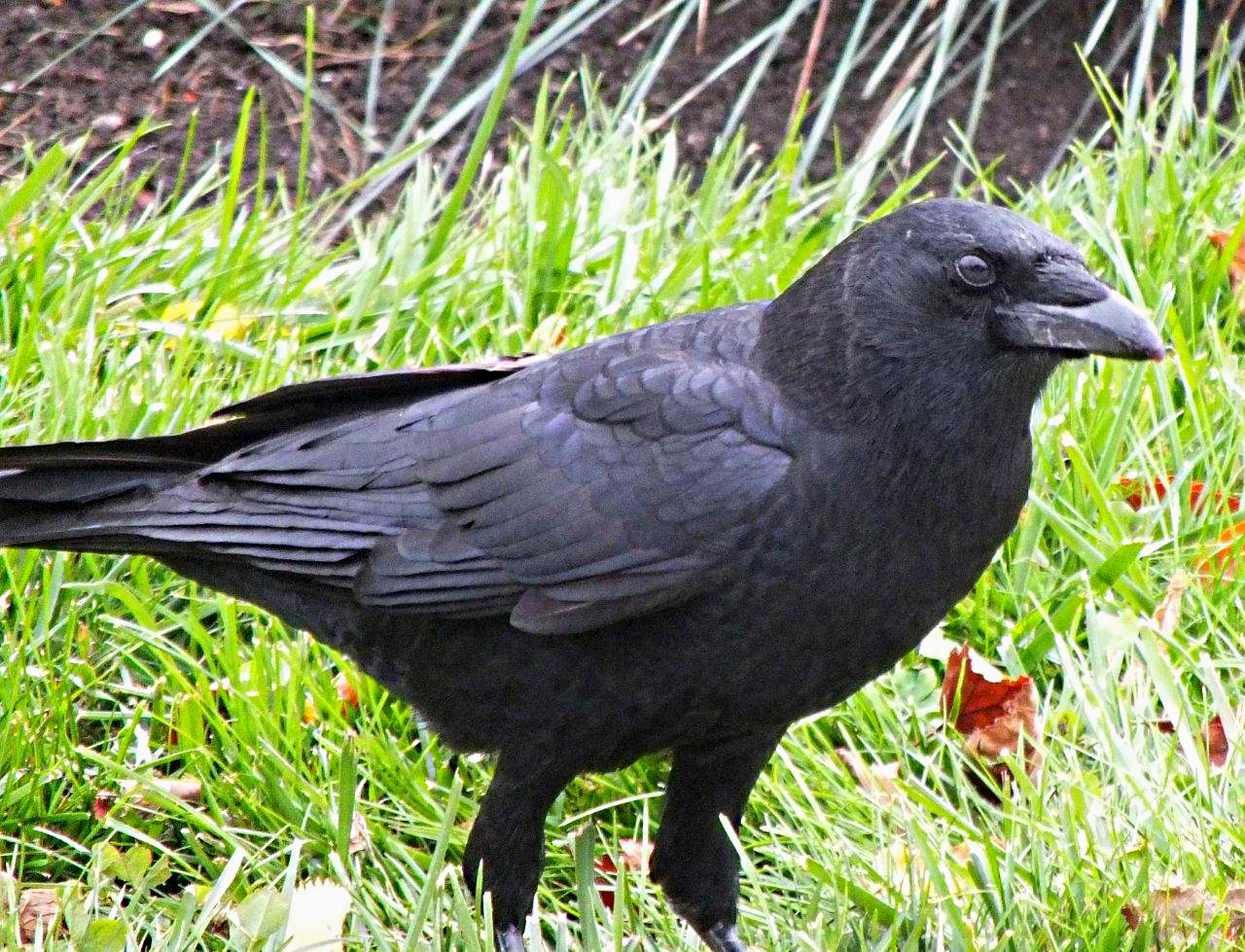
This is not a blackbird… as every wise old crow knows. Photo by Thomas Peace 2014

.
.
.
.
.
. The happiest man is he who learns from nature the lesson of worship. — R.W.Emerson
.
.
The following is a Badger fossil that i am posting in response to fellow blogging friend Running Elk’s request, after i made a comment in his blog on Badgers (http://shamanicpath.wordpress.com/2014/03/19/spirit-of-badger/).
This is a fossil i’ve had for quite some time. It’s a fossil Badger from the Miocene Period (around 12 million years old) from the Gansu Province, China.
Badgers are very tidy, orderly, well-groomed animals and keep their deep burrows and bedding scrupulously clean. They sometimes team up with Coyotes to hunt. What the Coyotes can’t catch, because the prey scurry into holes… the Badgers dig up. What the Badgers can’t catch, because they can’t sprint fast, the Coyotes capture.
People ought to, instead of being so competitive, be more cooperative. Additionally: Most Badgers understand that going deep is prudent; i wish a lot more of those (humans) satisfied with the superficial – instead of just getting upset about petty details, though making a mess of their lives while neglecting the whole – would be more orderly and go deeper!
.
.
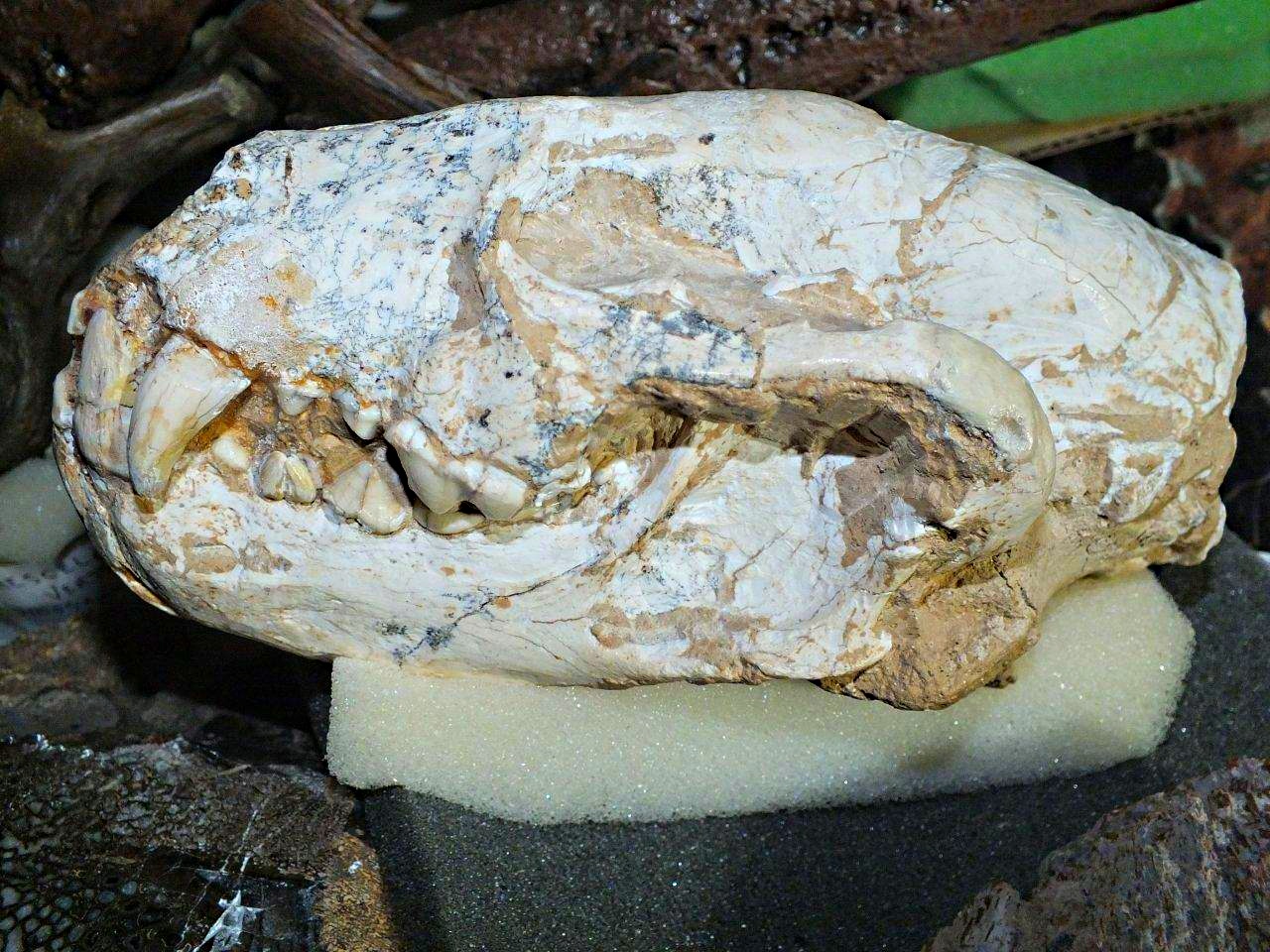
12 million year old Badger Fossil, Miocene Period, Gansu Province, China (many of my friends are fossilized!) … photo by Thomas Peace 2014

.
.
.
.
.
. Deep intelligence sees that the psychological dichotomy between the “controller” of ideas and the “ideas” is essentially fallacious and illusory; one’s ideas and feelings are what one actually is… not — as we were erroneously taught — something at a distance that one “has.” Your reactions and thoughts are not truly separate from what you are. Conflict inwardly can project as conflict outwardly.
.
.
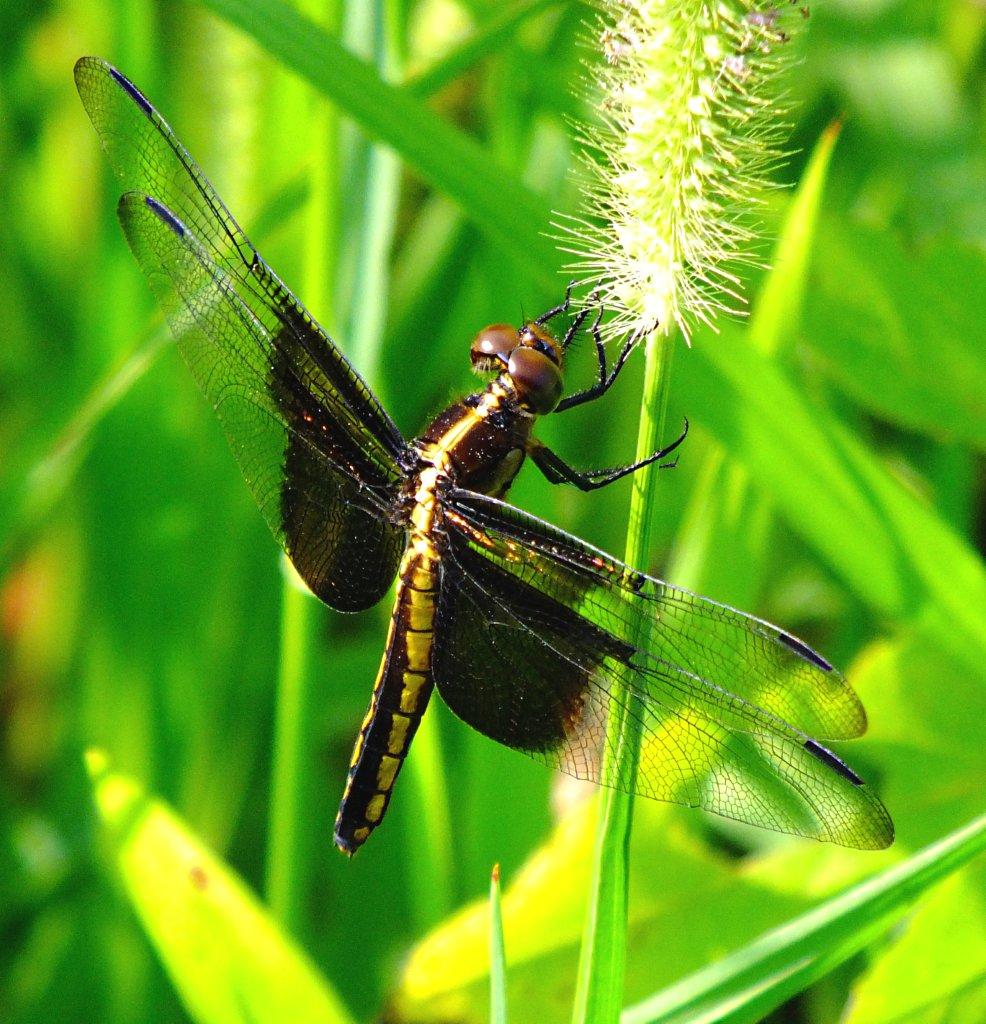
At an end and a new beginning… female Widow Skimmer Dragonfly … photo by Thomas Peace 2014

.
.
.
.
.
. Real sophistication doesn’t involve merely knowing a lot of facts; real sophistication involves deep compassion and an awareness of feelings.
.
.
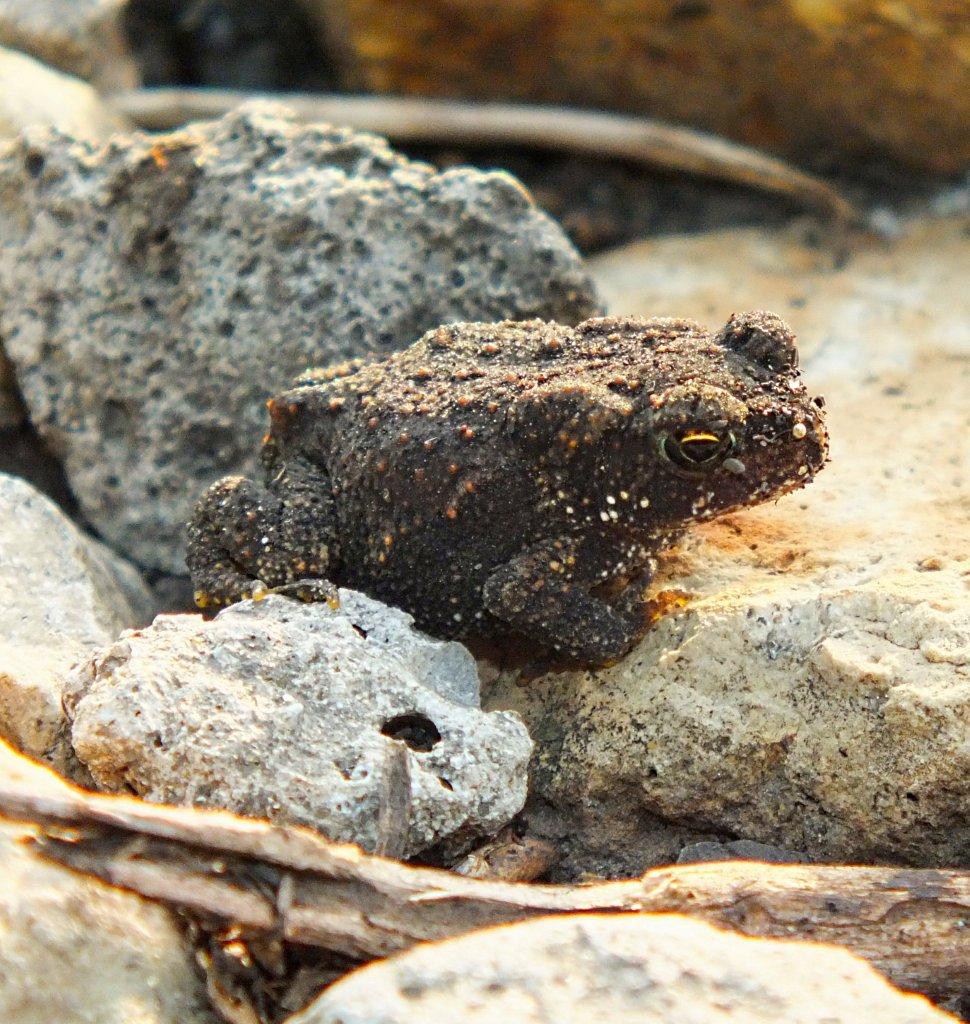
“Pleeze, I toad yew to wefrain from hiding in dat hole of yurz, yew crazy wabbit!” – Elmer Fudd … Photo by Thomas Peace 2014
 Tom's Nature-up-close Photography and Mindfulness Blog