All Posts Tagged ‘macro

Post

A mind that is off the beam…

Leave a reply

.

In life, everything hangs in the balance… (even if you are unbalanced).

.

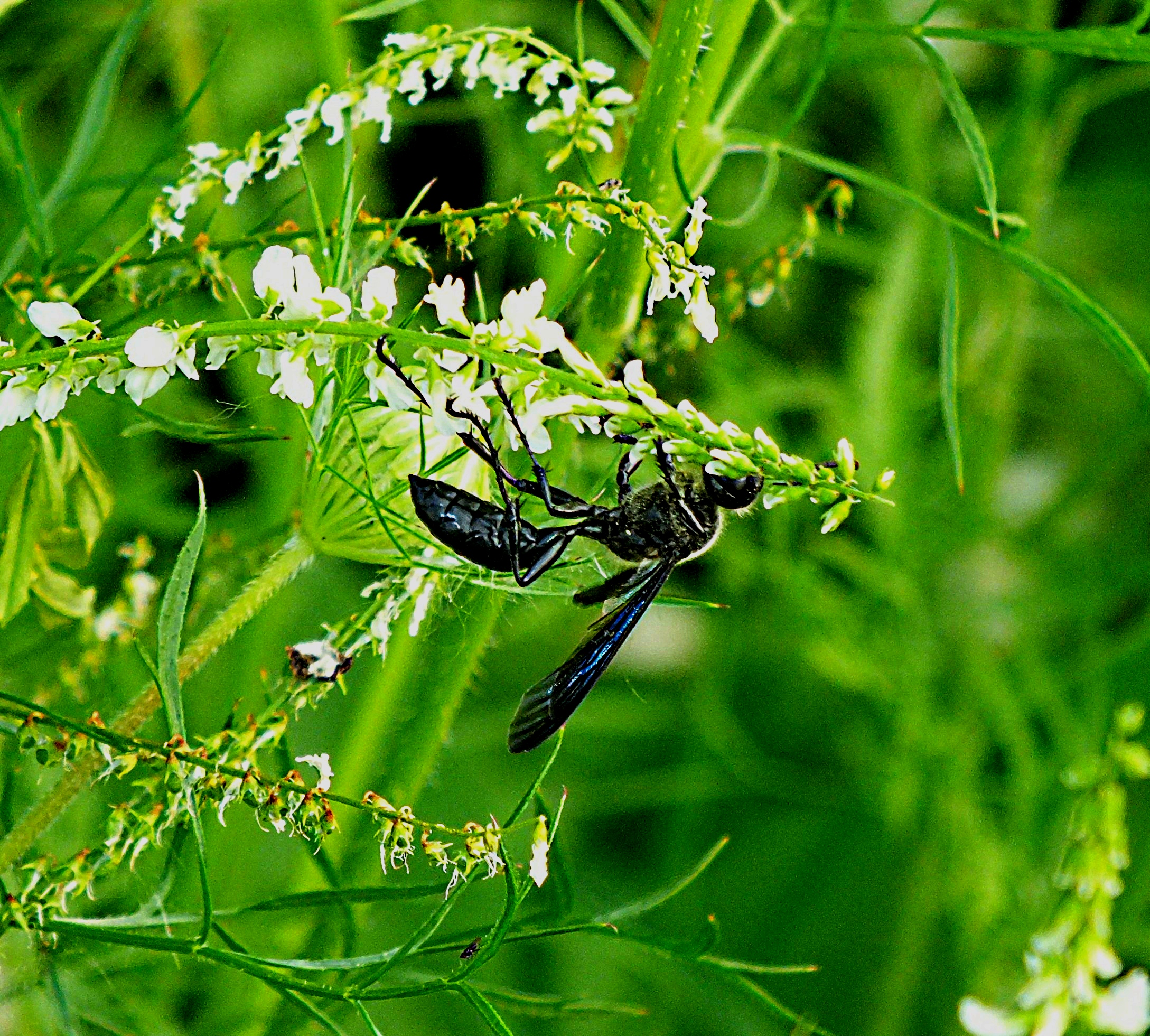
[This Steel-blue Cricket Hunter is not, currently, interested in hunting any crickets.  Adults drink nectar.  Larvae feed on crickets and grasshoppers.]

Hanging in the Balance. Photo by Thomas Peace 2014

Hanging in the Balance. Photo by Thomas Peace 2014

Post

Timeless…

Leave a reply

.

True insight is instantaneous (and timeless)… no time (or practice) is involved for it to finally come about.

.

[From earlier this year… these are the Stamen of a red Lily Flower.  The Anther is the top part of the Stamen and contains the Pollen, the male reproductive cells.  The Filament is lower down and holds the Anther.]

Pollen machines.  Photo by Thomas Peace 2014

Pollen machines. Photo by Thomas Peace 2014

Post

Beyond psychologically blind…

2 comments

.

Please don’t neglect the bountiful beauty of nature… which includes your own natural body and taking good care of it (and mother earth).

.

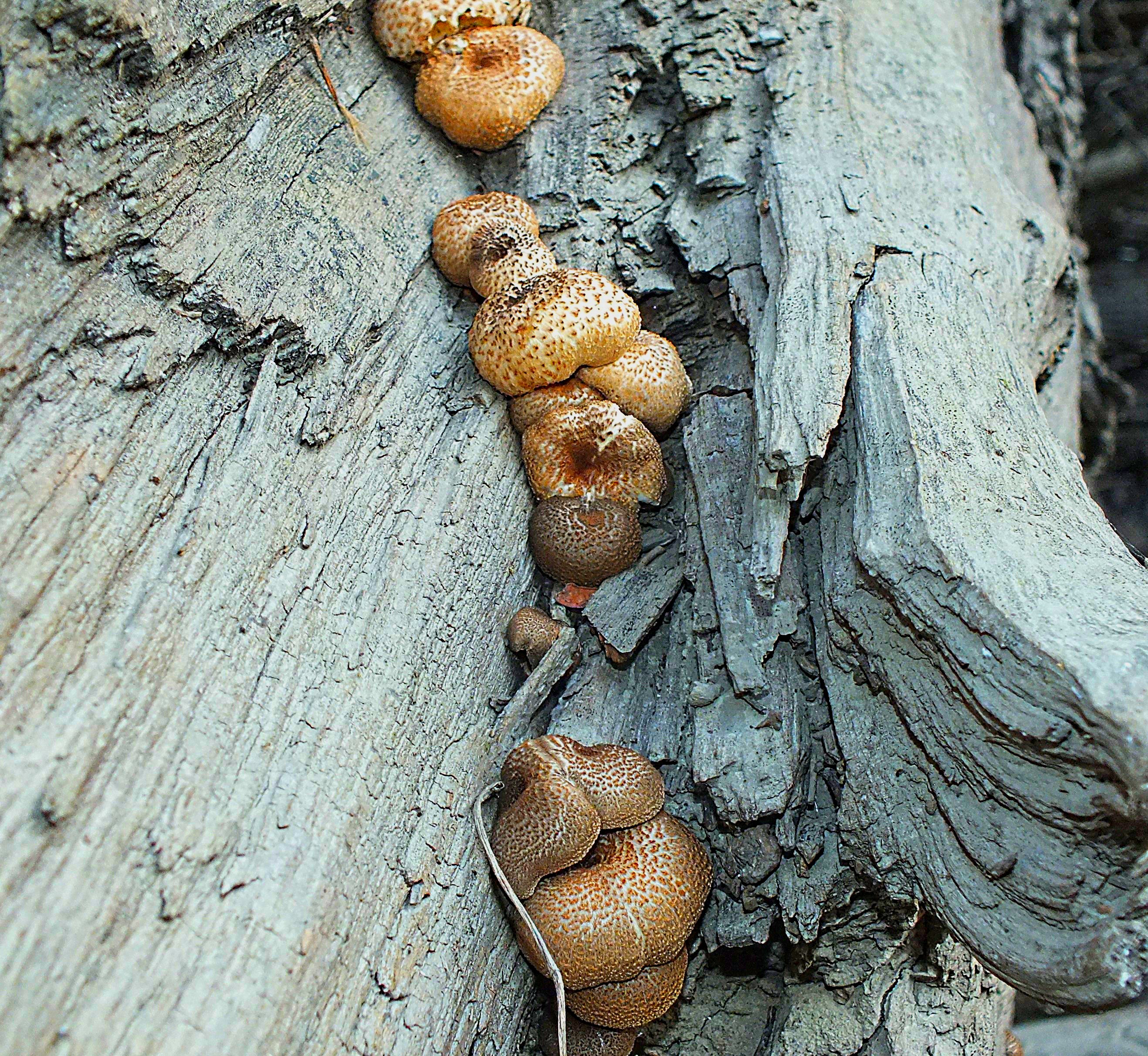
[Polyporus squamosus , called Dryad’s Saddle or Pheasant’s Back Mushroom, is a mushroom that is low growing and has very scaly caps. This mushroom cluster is commonly attached to dead logs or stumps at one point with a thick stem. This mushroom is in a log crevice as the logs floats in a local river.  It causes a white rot in the heartwood of living and dead hardwood trees. The name “Dryad’s saddle” refers to legendary creatures in Greek Mythology called Dryads who could conceivably fit and ride on this mushroom, whereas the pheasant’s back analogy derives from the pattern of colors on the bracket matching that of a Pheasant’s back.]

Polyporus squamosus Mushroom cluster. Photo by Thomas Peace 2014

Polyporus squamosus Mushroom cluster. Photo by Thomas Peace 2014

Post

Simply silent…

2 comments

.

Being naturally/effortlessly silent – at times, throughout the day – is majestic and joyously deep, beyond words.

.

Searching together.  Photo by Thomas Peace 2014

Searching together. Photo by Thomas Peace 2014

Post

Timelessly…

Leave a reply

.

Lucid wisdom doesn’t take time… but sequential, symbolic thought does.

.

[This Acrea Moth larva, also called the Salt-marsh Caterpillar, is eating heavily and preparing for winter.  These caterpillars are relatively abundant in the fall and over-winter as pupae in cocoons.  The Salt-marsh Caterpillar feeds on herbaceous plants.  There are small rain droplets upon this one, as it was beginning to rain when the photo was taken.]

Salt-marsh Moth Caterpillar preparing for winter.  Photo by Thomas Peace 2014

Salt-marsh Moth Caterpillar preparing for winter. Photo by Thomas Peace 2014

Post

Its essence…

5 comments

.

The essence of love is deep caring (beyond the limited self).

.

[Lazy Susans at a Hospital Park…  There are at least two Hover Flies resting upon them.]

Lazy for a good reason.  Photo by Thomas Peace 2014

Lazy for a good reason. Photo by Thomas Peace 2014


Post

Precious diamond from the primitive coal…

Leave a reply

.

See each facet of life as part of the undivided whole.

.

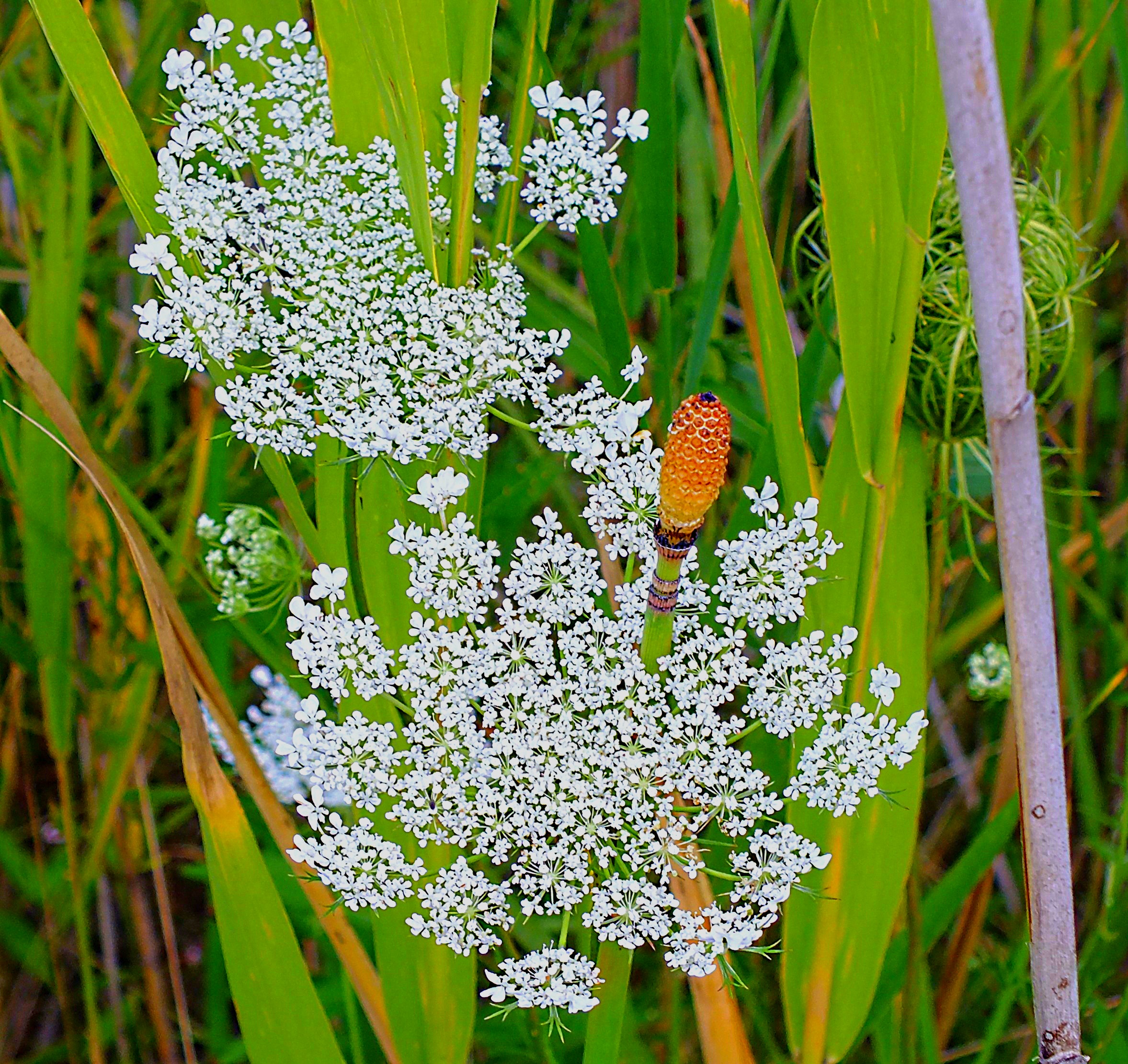
[A Horsetail Plant growing through some Queen Anne’s Lace.  The Horsetail Plant is an extremely primitive plant; indeed, it looks rather Devonian-like in appearance.  The stems are hollow, with no true leaves.  The Horsetail Plant likes wet areas, such as ponds or marshes. Horsetail has no known food value to wildlife.]

Horsetail Plant extending through Queen Anne's Lace. Photo by Thomas Peace 2014

Horsetail Plant extending through Queen Anne’s Lace. Photo by Thomas Peace 2014

Post

Beyond inner conflict…

Leave a reply

.

Each day, effortlessly watch every moment of thought and perception… and do so without the needless and conflicting separation between the “perception” and the “perceiver.”

.

[These are soybean plants in a local farm field, dry and ready for harvest. (Soy milk in the making!)]

Ready for harvest!  Photo by Thomas Peace 2014

Ready for harvest! Photo by Thomas Peace 2014

Post

True freedom

4 comments

.

True free will (i.e., freedom involving thought/thinking) is a phenomenon that — if it truly exists — breaks free from the cause & effect parameters of the cosmos… which, if one is at all honest, is not likely whatsoever, in any way, shape, or form.  However, in profound and deep silence, an immense, timeless energy can appear (i.e., arrive)… that is truly free and not part of a conditioned cause-effect continuum.

.

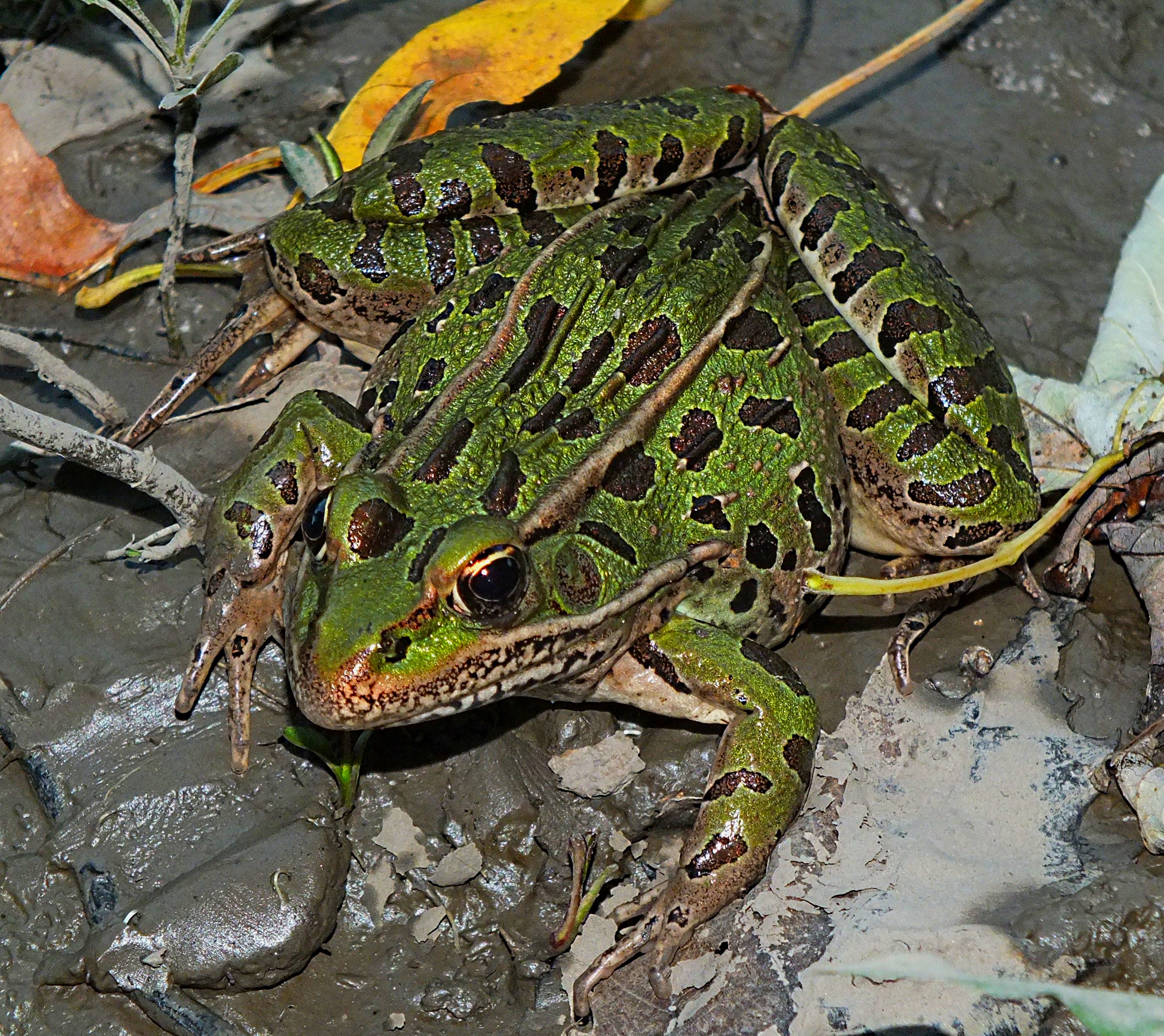
[This is a Leopard Frog among the dead leaves of fall; interestingly, this frog croaked many times… and is still very much alive.  😉  ]

He kicked the bucket more than once!  Photo by Thomas Peace 2014

He kicked the bucket more than once! Photo by Thomas Peace 2014

Post

Deeper dimension…

Leave a reply

.

There is a much deeper dimension to life than what most people think or consider.

.

[These are a form of bracket fungus called Polypores on a fallen log (with some leaves of fall upon them).  Most Polypores inhabit tree trunks or branches consuming the wood, but some soil-inhabiting species form myycorrhia – a symbiotic relationship with the roots of trees, wherein they blend with the roots intracellularly (i.e., within the wood-root cells) or extracellulary.   Polypores and their relatives, corticioid fungi, consist as part of the most important agents of wood decay. Thus they play a very significant role in nutrient and carbon cycles of forest ecosystems.]

Some Bracket Fungus among us!  Photo by Thomas Peace 2014

Some Bracket Fungus among us! Photo by Thomas Peace 2014

Post

The Division Bell

Leave a reply

.

The divisive notion of “us” and “them” causes wars.

.

[This photo is of a Lady Bug feeding upon berries of Pokeweed… (also called Poke Salad, Poke Sallet, or Polk Weed). All parts of Pokeweed are poisonous, but (especially in the South) a lot of people boil and reboil the plant many times to leach out the toxins; then it is eaten. The berries are the least toxic part of the plant, though children have gotten sick from eating them.  Pokeweed is being looked into as a possible cure for cancer and other diseases.   Research has shown that pokeweed contains a compound that appears to enhance the immune system and has some anti-cancer effects in animals.  Elvis Presley sang a song about this plant… “Polk Salad Annie” (‘gators got your granny).]

Sock a little Polk Salad to him.  Photo by Thomas Peace 2014

Sock a little Polk Salad to him. Photo by Thomas Peace 2014

Post

Wake up (with awareness)…

2 comments

.

Wake up (with awareness) in the morning, bright-eyed and bushy tailed!

.

[This fly (bright-eyed and bushy tailed) is called an Early Tachinid Fly.  Unlike the undesirable, disease-carrying, common flies, this species hangs around flowers and drinks nectar (as do butterflies).  The Early Tachinid Fly is most often seen in meadows and open woodlands full of wildflowers.]

Bright eyed and bushy tailed.  Photo by Thomas Peace 2014

Bright eyed and bushy tailed. Photo by Thomas Peace 2014

Post

One oftentimes has to unlearn the erroneous conditioning that was hammered into one’s core and foundation.

Leave a reply

.

One oftentimes has to unlearn the erroneous conditioning that was hammered into one’s core and foundation.

.

[This Harvestman – some call them Daddy-long-legs – is resting on a leaf.  Harvestmen (Daddy-long-legs) are not spiders.  Spiders have two main body segments.  Harvestmen have one.  Harvestmen do have eight legs like spiders… but theirs are usually much longer.]

A Daddy with Long Legs.  Photo by Thomas Peace 2014

A Daddy with Long Legs. Photo by Thomas Peace 2014


Post

Beyond the cold vastness…

Leave a reply

.

If you deeply care… then the universe is deeply caring.

.

[This is a close-up shot of moss growing on a fallen tree stump in the woods.  I’ll post this same type of moss (with spore shoots sprouting out) at a later time.]

The rolling stone gathers none.  Photo by Thomas Peace 2014

The rolling stone gathers none. Photo by Thomas Peace 2014

Post

Look with what is deeper than what can see; listen with…

Leave a reply

.

Look with what is deeper than what can see; listen with what is deeper than what can hear.

.

[Leaf-footed Bug adults are active from late summer through fall in weedy fields and along the edges of woodlands.  The Leaf-footed Bug is fond of a variety of trees, shrubs, and flowers, including hawthorns, goldenrods, and Joe-pye weed.]

Good at leaf walking!  Photo by Thomas Peace 2014

Good at leaf walking! Photo by Thomas Peace 2014

Post

The supple mind

2 comments

.

The supple mind goes beyond pigeonholing others and coming to dead-end conclusions.

.

[These are the small, fruiting parts of a large underground fungus.]


Mushroom burst.  Photo by Thomas Peace 2014

Mushroom burst. Photo by Thomas Peace 2014

Post

Direct perception is timeless; it’s instantaneous. Greed, hatred, envy, and comparison all take time.

1 comment

.

Direct perception is timeless; it’s instantaneous.  Greed, hatred, envy, and comparison all take time.

.

[This is a Potter Wasp, some Hover Flies, a small wild Fly, and a Soldier Beetle.  Potter Wasps make nests of mud that are pot-like. (They were all circling around the flower cluster, but the Soldier Beetle didn’t get the direction right!)]

Time for nectar energy! Photo by Thomas Peace 2014

Time for nectar energy! Photo by Thomas Peace 2014

Post

Compassion is expansive and all-containing; hate and selfishness… narrow and confined.

Leave a reply

.

Compassion is expansive and all-containing; hate and selfishness… narrow and confined.

.

[These very small beetles are feeding on a Thistle Plant. These are likely Carpet Beetles.  Carpet Beetles eat indoor carpets, woolens, cottons, and synthetic materials contaminated with organic fluids such as sweat.  However, they prefer to eat dead insects and spiders, and they can devastate scientific specimens in university and museum collections.  Outdoors, they feed on flower pollen and secretions from plants.]

Carpet Beetles far from carpets. Photo by Thomas Peace 2014

Carpet Beetles far from carpets. Photo by Thomas Peace 2014

Post

Beauty and the Beast

2 comments

.

Each one of us, if we are at all honest, is (in many ways) beautiful… and each one of us has elements of bad and ugly habits.

.

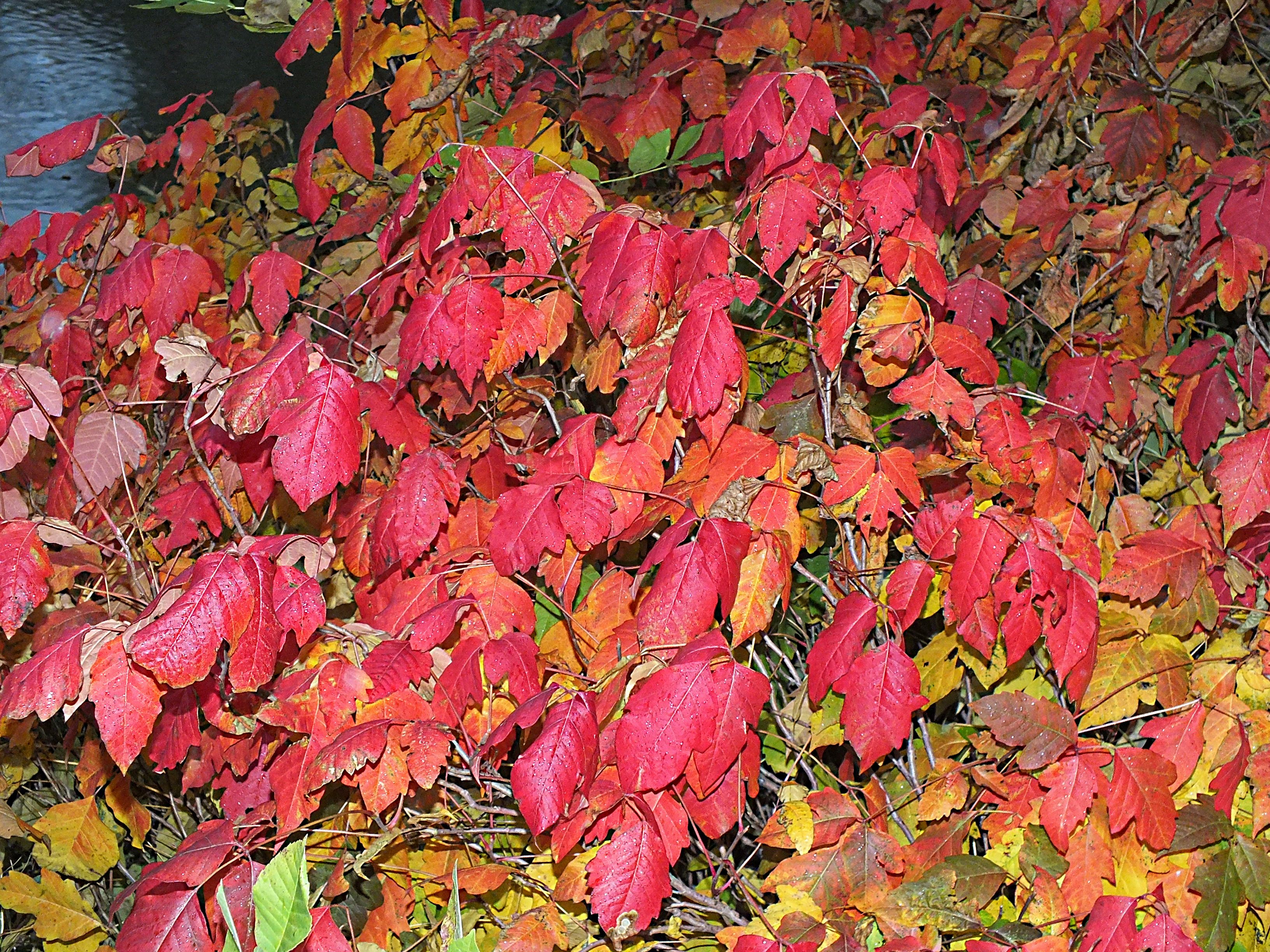
[This fall foliage is beautiful.  It is an old friend… whom I try to avoid, however.  This is a batch of Poison Ivy.  Sometimes, just being in the woods near it (even though I know what it looks like and avoid it) is enough to give me terrible, endless rashes.  This year, my arthroscopic knee surgery was delayed… due to a case of Poison Ivy rash.  I once received information about how a man encountered a woman carrying a batch of it; she was a teacher… and wanted “pretty leaves” to share with her classroom!]

Beauty and the Beast all wrapped up into one.  Photo by Thomas Peace 2014

Beauty and the Beast all wrapped up into one. Photo by Thomas Peace 2014

Post

Vast freedom…

4 comments

.

Vast freedom occurs beyond limited narrow-mindedness.

.

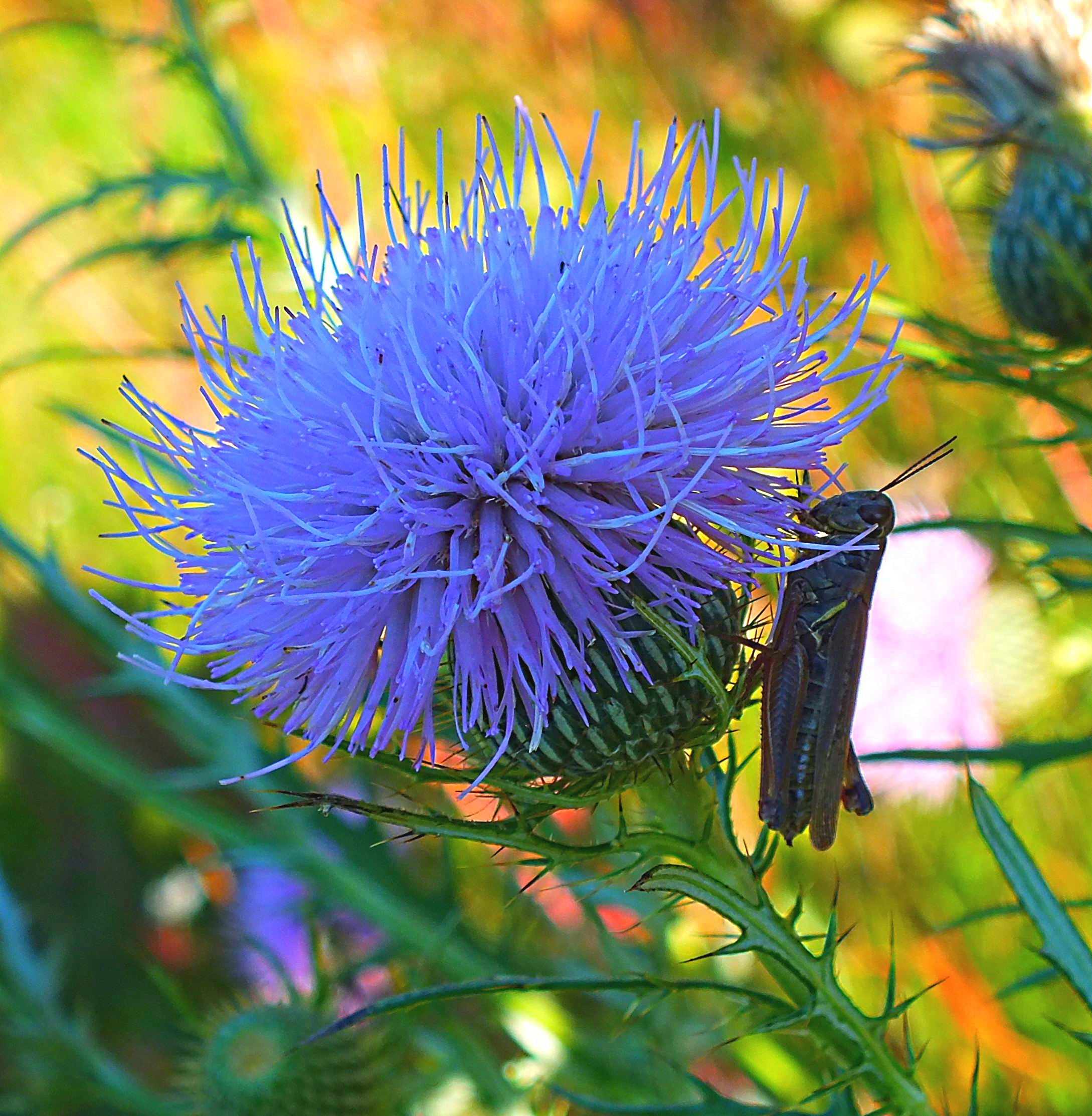
[This Grasshopper is placidly resting on a flowering Thistle Plant.  Grasshoppers do not generally feed on Thistle Plants, though they may devour the flower sections.]

A beautiful place to be!  Grasshopper on Thistle Plant.  Photo by Thomas Peace 2014

A beautiful place to be! Grasshopper on Thistle Plant. Photo by Thomas Peace 2014

Post

There are no separate (isolated) pieces to the universal puzzle… once you see the golden whole.

Leave a reply

.

There are no separate (isolated) pieces to the universal puzzle… once you see the golden whole.

.

[This is a Hover Fly on a wild Sunflower Plant.  This Hover Fly is likely searching for flower nectar (and is distributing pollen as part of a symbiotic relationship).]

Psychologically, the perceiver and the perceived are one.  Photo by Thomas Peace 2014

Psychologically, the perceiver and the perceived are one. Photo by Thomas Peace 2014

Post

Stairway to Heaven

3 comments

.

My biggest vice (according to my wife) — and the observer is the observed — is that of purchasing too many fossils.  Perhaps, thinking a few words would be sufficient (instead of getting the fossils)… fossils being fixed impressions of the past.  Words – all words – are symbolic representations from the memory bank (i.e., from the stored, dead past).

.

[These are Micro-mushrooms growing on a healthy Lichen covered, large Oak Tree.  These diminutive mushrooms are around 2 mm in total length.].

Stairway to Heaven            (lyrics & video by Led Zeppelin):

 
There’s a lady who’s sure all that glitters is gold
And she’s buying a stairway to heaven.
When she gets there she knows, if the stores are all closed
With a word she can get what she came for.
Ooh, ooh, and she’s buying a stairway to heaven.

There’s a sign on the wall but she wants to be sure
‘Cause you know sometimes words have two meanings.
In a tree by the brook, there’s a songbird who sings,
Sometimes all of our thoughts are misgiven.

Ooh, it makes me wonder,
Ooh, it makes me wonder.

There’s a feeling I get when I look to the west,
And my spirit is crying for leaving.
In my thoughts I have seen rings of smoke through the trees,
And the voices of those who stand looking.

Ooh, it makes me wonder,
Ooh, it really makes me wonder.

And it’s whispered that soon, if we all call the tune,
Then the piper will lead us to reason.
And a new day will dawn for those who stand long,
And the forests will echo with laughter.

If there’s a bustle in your hedgerow, don’t be alarmed now,
It’s just a spring clean for the May queen.
Yes, there are two paths you can go by, but in the long run
There’s still time to change the road you’re on.
And it makes me wonder.

Your head is humming and it won’t go, in case you don’t know,
The piper’s calling you to join him,
Dear lady, can you hear the wind blow, and did you know
Your stairway lies on the whispering wind?

And as we wind on down the road
Our shadows taller than our soul.
There walks a lady we all know
Who shines white light and wants to show
How everything still turns to gold.
And if you listen very hard
The tune will come to you at last.
When all are one and one is all
To be a rock and not to roll.

And she’s buying a stairway to heaven.

Another Stairway to Heaven.  Photo by Thomas Peace 2014

Another Stairway to Heaven. Photo by Thomas Peace 2014


Post

The separation…

Leave a reply

.

The separation between yourself and your fears is as illusory as the separation between the idea of “me” and the idea of “others.”

.

[Who has been eating these beautiful wildflowers?  One need not look very far for the answer!]

At the scene of the crime.  Photo by Thomas Peace 2014

At the scene of the crime. Photo by Thomas Peace 2014

Post

(Multi-Photo)*** Warm affection…

5 comments

.

Warm affection used for ulterior means is often cold and calculating; beware of false, mechanical reactions, including your own (such as in selfish self-adoration) !

.

[Some Daddy-Long-Legs – or Harvestmen – eat vegetable matter and mushrooms, but some are carnivorous.  This Havestman  (with dull, dark, leaden eyes) didn’t need to spin a vast, clever web of lies to catch his gullible Fly victim.  Daddy-Long-Legs are harmless to humans, but are bad news for germ-carrying (egotistical) flies.  Havestmen are not true spiders, but they’re close enough for the inclusion of the following poem:

from Mary Howitt (1799-1888):

“Will you step into my parlor?” said the spider to the fly;
“’Tis the prettiest little parlor that ever you did spy.
The way into my parlor is up a winding stair,
And I have many pretty things to show when you are there.”
“O no, no,” said the little fly, “to ask me is in vain,
For who goes up your winding stair can ne’er come down again.”

“I’m sure you must be weary, dear, with soaring up so high;
Will you rest upon my little bed?” said the spider to the fly.
“There are pretty curtains drawn around, the sheets are fine and thin,
And if you like to rest awhile, I’ll snugly tuck you in.”
“O no, no,” said the little fly, “for I’ve often heard it said,
They never, never wake again, who sleep upon your bed.”

Said the cunning spider to the fly, “Dear friend, what shall I do,
To prove the warm affection I’ve always felt for you?
I have within my pantry good store of all that’s nice;
I’m sure you’re very welcome; will you please to take a slice?”
“O no, no,” said the little fly, “kind sir, that cannot be;
I’ve heard what’s in your pantry, and I do not wish to see.”

“Sweet creature!” said the spider, “You’re witty and you’re wise!
How handsome are your gauzy wings, how brilliant are your eyes!
I have a little looking-glass upon my parlor shelf,
If you’ll step in one moment, dear, you shall behold yourself.”
“I thank you, gentle sir,” she said, “for what you’re pleased to say,
And bidding you good-morning now, I’ll call another day.”

The spider turned him round about, and went into his den,
For well he knew the silly fly would soon be back again:
So he wove a subtle web, in a little corner sly,
And set his table ready to dine upon the fly.
Then he came out to his door again, and merrily did sing
“Come hither, hither, pretty fly, with the pearl and silver wing:
Your robes are green and purple; there’s a crest upon your head;
Your eyes are like the diamond bright, but mine are dull as lead.”

Alas, alas! how very soon this silly little fly,
Hearing his wily flattering words, came slowly flitting by.
With buzzing wings she hung aloft, then near and nearer drew
Thinking only of her brilliant eyes, and green and purple hue;
Thinking only of her crested head — poor foolish thing! At last,
Up jumped the cunning spider, and fiercely held her fast.
He dragged her up his winding stair, into his dismal den,
Within his little parlor; but she ne’er came out again!

And now, dear little children, who may this story read,
To idle, silly, flattering words, I pray you ne’er give heed;
Unto an evil counselor close heart, and ear, and eye,
And take a lesson from this tale of the Spider and the Fly.   ]

Gullible Fly! (1) Photo by Thomas Peace 2014

Gullible Fly! (1) Photo by Thomas Peace 2014

Gullible Fly! (2)  Photo by Thomas Peace 2014

Gullible Fly! (2) Photo by Thomas Peace 2014
Post

The zebras and the lioness…

Leave a reply

.

On Twitter, a couple of Twitter friends, Kitusai & Bohdan  — who happen to be excellent, creative musicians, by the way, (and who go by the Twitter icon-image of two Zebras) — suggested to me that it is good to give others a second chance when they do wrong.  However, maybe not always; as I told them:  two zebras who give the lioness a second-chance aren’t zebras for very long!

.

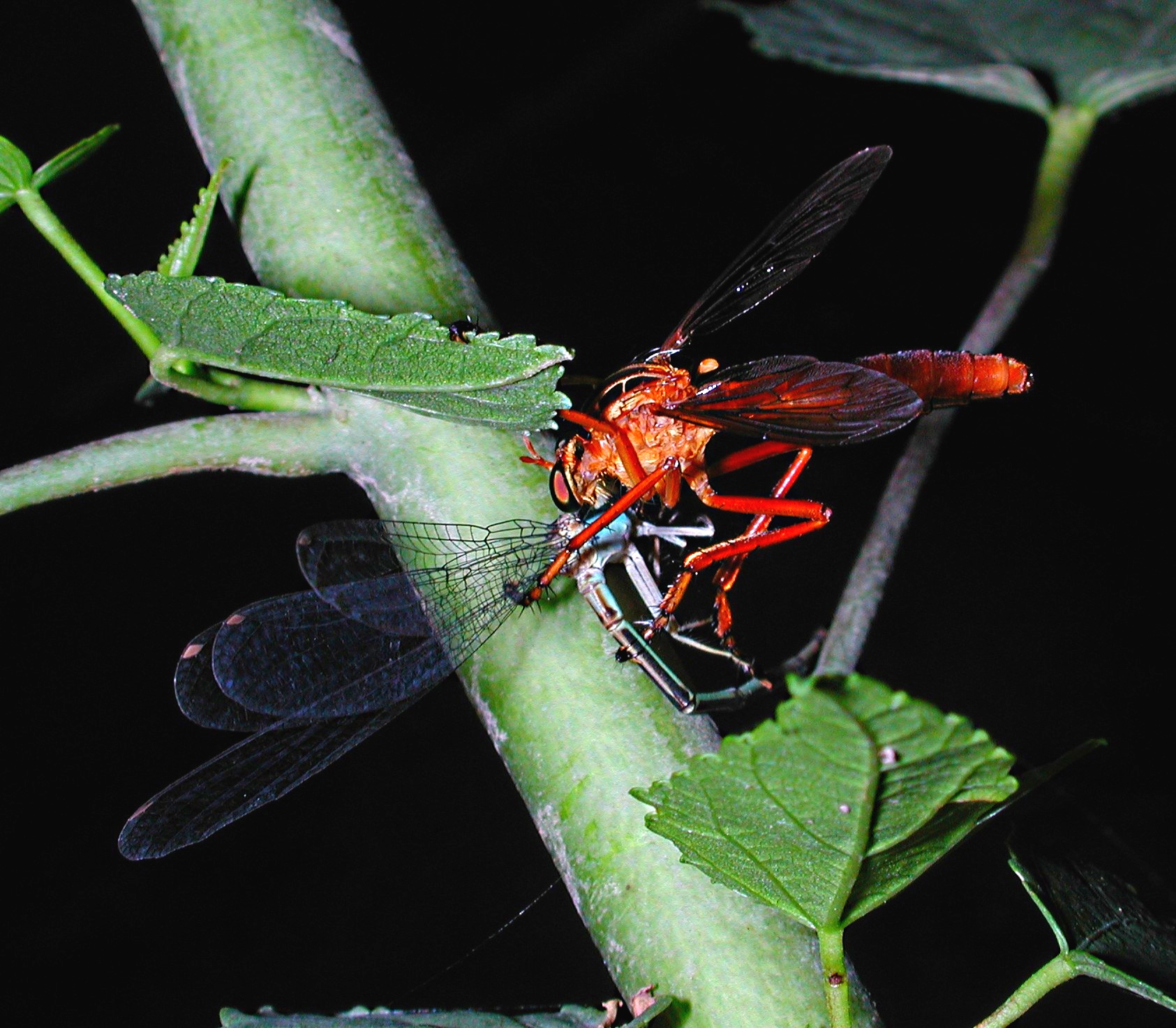
[If insects were mammals, this Robber Fly would be the lion of our rural area.  In our area, I will often see a Robber Fly diligently flying from leaf to leaf, looking for prey to attack.  They are very voracious and persistent predators.  They will even attack much larger insects than themselves.  This one has caught a Blue Damselfly.  Blue Damselflies are, themselves, predators of other insects.]

I have nothing against meat eaters! Robber Fly attacking Damselfly.  Photo by Thomas Peace 2014

I have nothing against meat eaters! Robber Fly attacking Damselfly. Photo by Thomas Peace 2014

Post

Charlotte’s Web…

Leave a reply

.

The wall that separates you from all of life’s creatures… is (psychologically) composed of what is projected within (and “as”) you.

.

[This Wolf Spider (Lycosas gulosa) is clinging to the side of a rock wall.  It is tending some lines for potential prey.  This particular species of Wolf Spider lives in both the United States and Canada.]

Pink Floyd... The Wall. Photo by Thomas Peace 2014

Pink Floyd… The Wall. Photo by Thomas Peace 2014


Post

To be sane in an insane world isn’t easy.

Leave a reply

.

To be sane in an insane world isn’t easy.  

.

[This small Ant may be biting the leaf to extract juices. Below the Ant is a small, bite-sized hole.]

Walking on a vertical leaf isn't easy. Photo by Thomas Peace 2014

Walking on a vertical leaf isn’t easy. Photo by Thomas Peace 2014


Post

Too much blind affection…

3 comments

.

Too much blind affection can strangulate the object of such so-called affection.

.


Intense Passion!  Photo by Thomas Peace 2014

Intense Passion! Photo by Thomas Peace 2014


Post

Compassion is that alive awareness that…

2 comments

.

Compassion is that alive awareness that cares beyond the cadaverous uncaring.

.

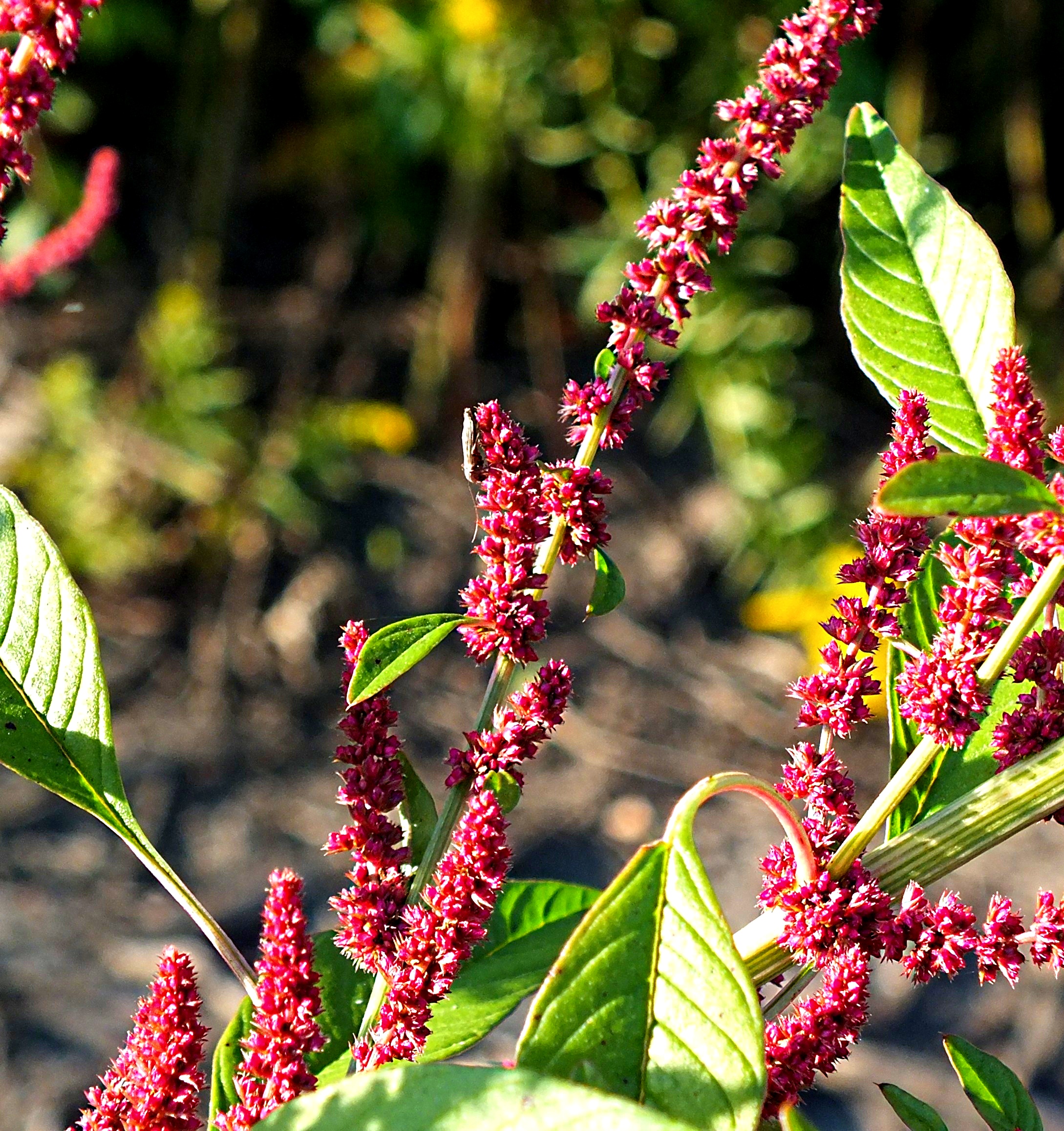
[This is a small Leafhopper on a cluster of colorful, wild Pigweed seeds.  The Leafhoppers in Illinois are all relatively small.  Leafhoppers have piercing-sucking mouth parts, which enables them to feed on plant sap.  Pigweed is considered a weed and is a nuisance to farmers… but it is edible for humans and is full of nutritious vitamins.]

Down the Up-staircase. (Leafhopper on Pigweed) Photo by Thomas Peace 2014

Down the Up-staircase. (Leafhopper on Pigweed) Photo by Thomas Peace 2014


Post

Untethered freedom is not…

Leave a reply

.

Untethered freedom is not mesmerized by authority’s lopsided systems and structures…  additionally, it is full of deep order, intelligence, and integrity.  

.

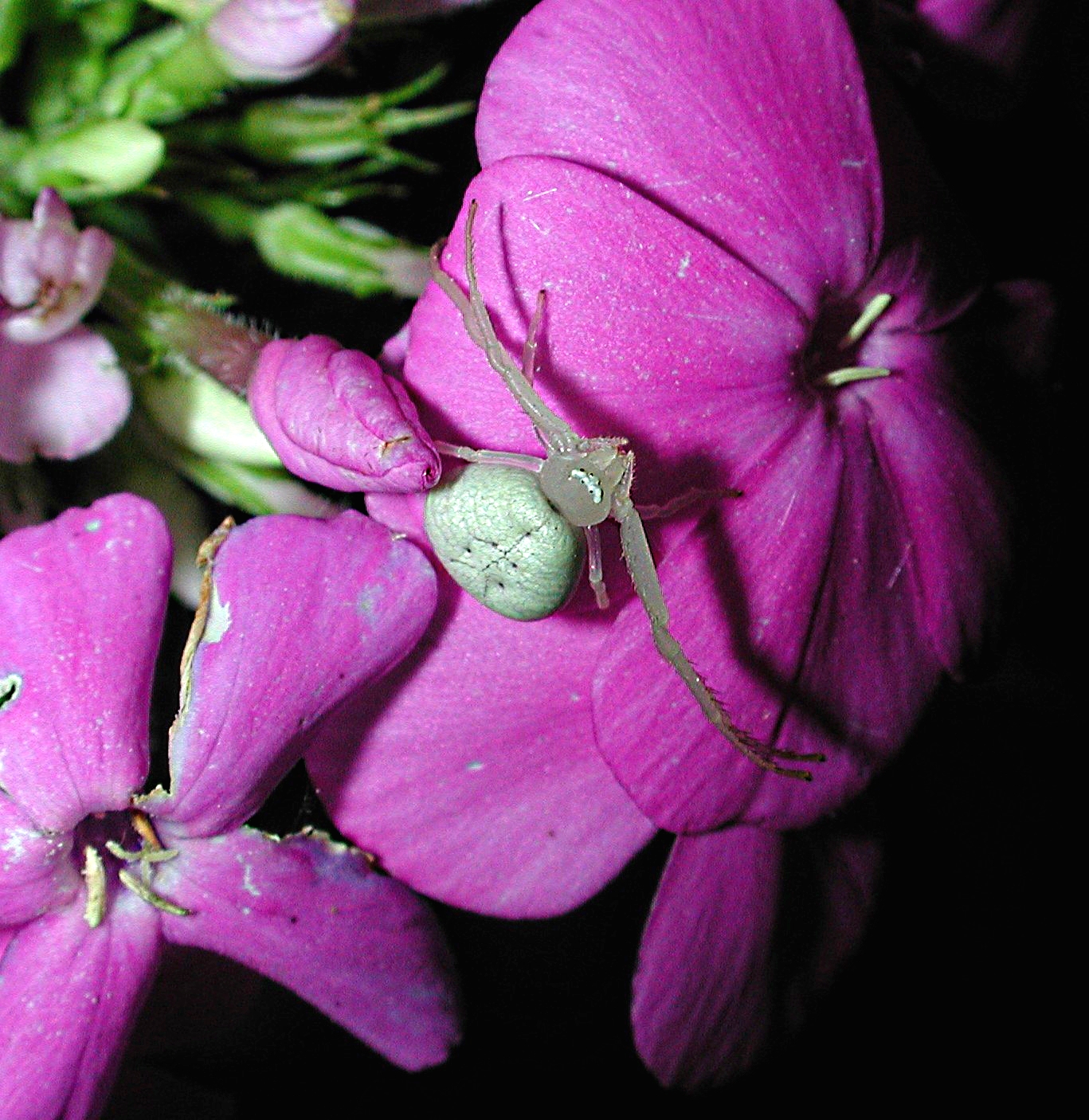
[This is a web-free Crab Spider in Phlox Flowers.  Most Crab Spiders do not form webs.  Crab Spiders, as we have shown, often change in chameleon-like fashion to suit their needs.  They are usually found in flowers, even garden flowers.

Additional note:   I will be posting more spiders (and similar creatures) in the Halloween month of October.  It is neat that they are part of an old Halloween tradition (that is fun for kids).  However, it is unfortunate that many children grow up associating spiders with “being frightened” and as “terrible creatures to be horrified of.”  As the late, superb naturalist, Steve Irwin often propounded, spiders and snakes can indeed be seen to be majestic, marvelous animals, truly beautiful in their own ways.  We must, as Steve Irwin so graciously suggested before his untimely passing, be far better caretakers of Mother Earth.]

Crabby and waiting! Crab Spider in Phlox Flowers. Photo by Thomas Peace 2014

Crabby and waiting! Crab Spider in Phlox Flowers. Photo by Thomas Peace 2014

Post

A small ego and a Big Heart is better than a Big Ego and a small heart.

2 comments

.

A small ego and a Big Heart is better than a Big Ego and a small heart.

.

[A yellow Katydid.  This is a small katydid with a really Large Antenna.]

A Katydid with what may be a large Broadband Antenna.  Photo by Thomas Peace 2014

A Katydid with what may be a large Broadband Antenna. Photo by Thomas Peace 2014

Post

Blindly and eagerly leading people…

2 comments

.

Blindly and eagerly leading people into a false path brings more than one into the ditch.

.

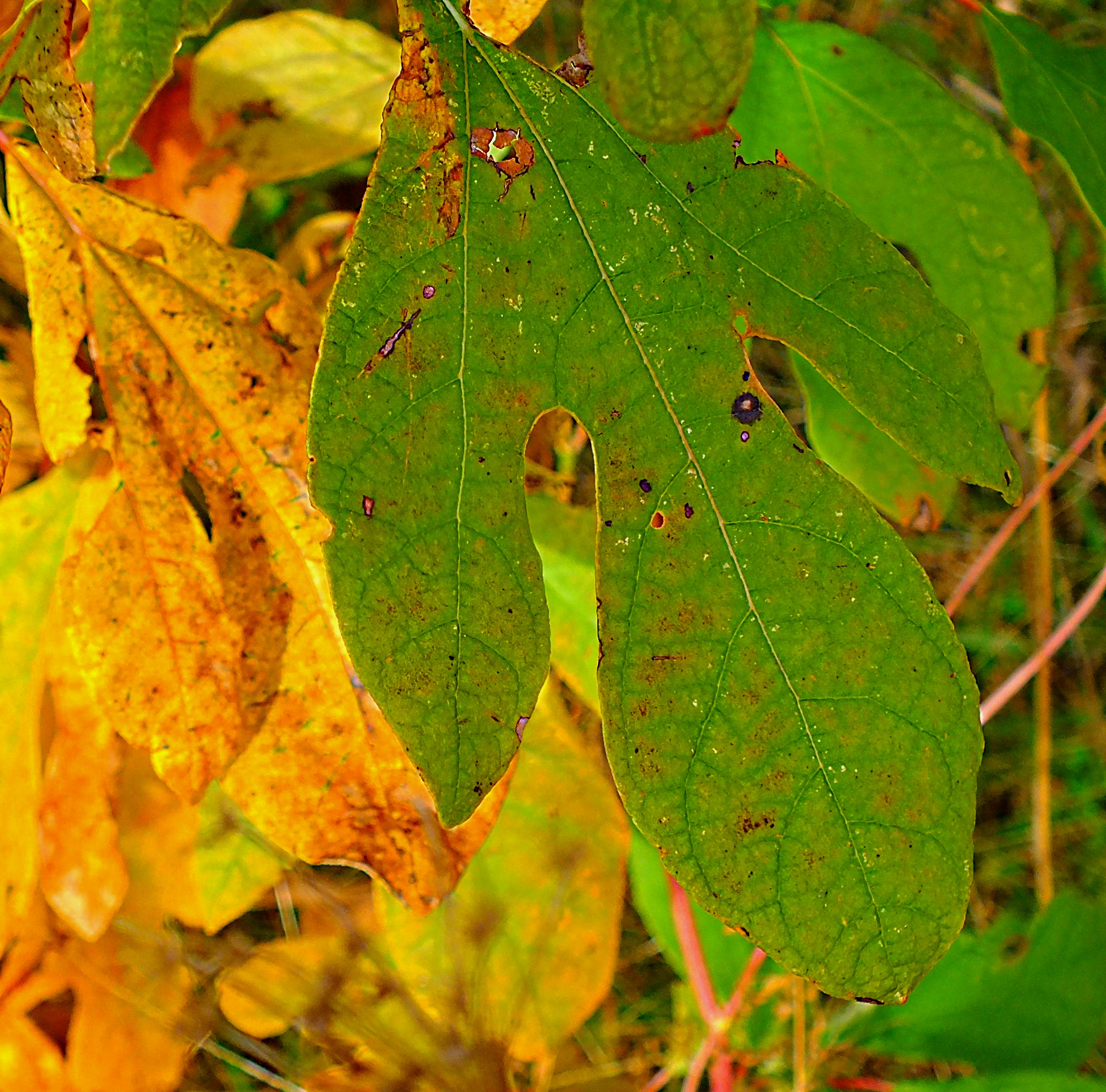
[These are leaves of a Sassafras Tree.  Root Beer gets its name from the oil extracted from the root of the Sassafras Tree.  Sassafras Tree parts were known primarily as medicinal herbs by the American Indians and, later, to the Europeans, who shipped great quantities to shops in England and on the Continent. The leaves could be made into teas and poultices, while the root bark was either chipped or crushed and then steeped in boiling water—one ounce of bark to one pint of water—and taken in small proportions as often as needed to reduce fevers; soothe chronic rheumatism, gout, and dropsy; relieve eye inflammation; ease menstrual and parturition pain; help cure scurvy and various skin conditions; and act as a disinfectant in dental surgery.]

Holy Sassafras Leaves!  Photo by Thomas Peace 2014

Holy Sassafras Leaves! Photo by Thomas Peace 2014

Post

You can’t think outside the box. Thinking is the box!

4 comments

.

You can’t think outside the box.  Thinking is the box!

.

[This very unique and unusual wild plant is the Seed Box Plant (Ludwigia alternifolia).  The square, box-like seed-pods of the Seed Box Plant are – indeed – different than most!]

Little, wrapped presents. (Seed Box Plant) Photo by Thomas Peace 2014

Little, wrapped presents. (Seed Box Plant) Photo by Thomas Peace 2014


Post

A small ego and a Big Heart is better than a Big Ego and a small heart.

Leave a reply

.

A small ego and a Big Heart is better than a Big Ego and a small heart.

.

[This diminutive Milkweed Bug Nymph just finished shedding its (outer) exoskeleton.  The Milkweed Bug Nymph is around 3 mm long.  It seems to be proudly overlooking its great accomplishment!  Some insects devour their exoskeletons after shedding them; but this little vegetarian likely will not.]

Dumping your skeleton!  Photo by Thomas Peace 2014

Dumping your skeleton! Photo by Thomas Peace 2014


Post

The little contains the large. The large contains the little.

2 comments

.

The little contains the large.  The large contains the little.

.

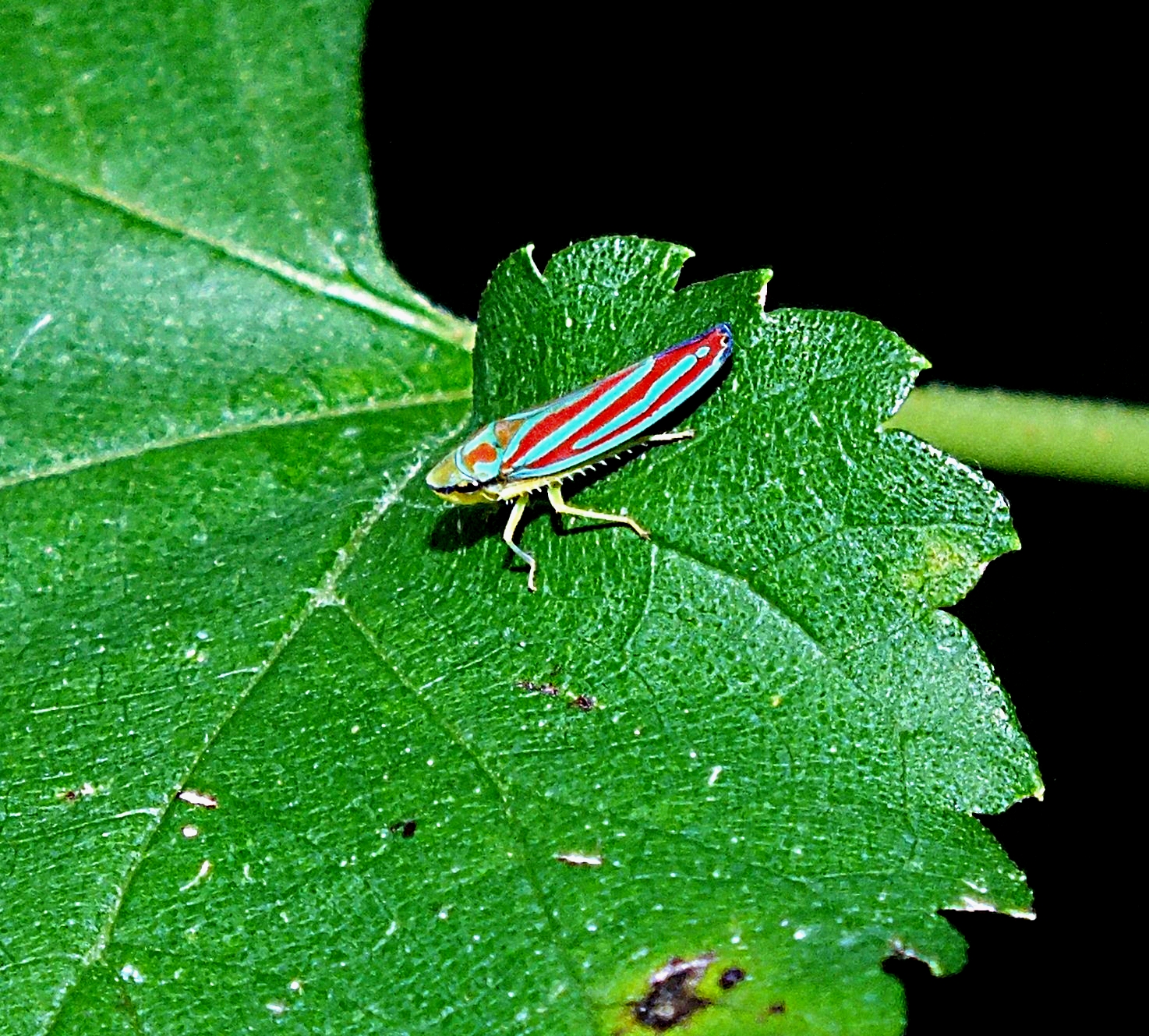
[Scarlet-and-green Leafhoppers are active from spring through fall in open habitats with plenty of herbaceous, lush foliage.  Scarlet-and-green Leafhoppers feed on the sap of vines and shrubs.  They are relatively small… often considerably less than 1/4th of an inch long.]

Little insect; large beauty! Photo by Thomas Peace 2014

Little insect; large beauty! Photo by Thomas Peace 2014

Post

Genuine heartfelt passion for life naturally helps others.

Leave a reply

.

Genuine heartfelt passion for life naturally helps others.

.

[Carpenter Bees, such as this one, love nectar and pollen, such as this Pink Cone-flower provides.   Females of Carpenter Bees establish nests in broken or burned ends of hollow or pity stems and twigs.  They can extract up to a foot of pith from the interior of a stem, but (nevertheless) are not considered pests.  With Carpenter Bees, there is somewhat of a division of labor… similar to what honeybees expertly do, but at a far more simple level.]

Small but efficient! Photo by Thomas Peace 2014

Small but efficient! Photo by Thomas Peace 2014

Post

(Multi-photo)*** The fears and hopes that exist in one…

Leave a reply

.

The fears and hopes that exist in one… may not at all be separate from what one is.

.

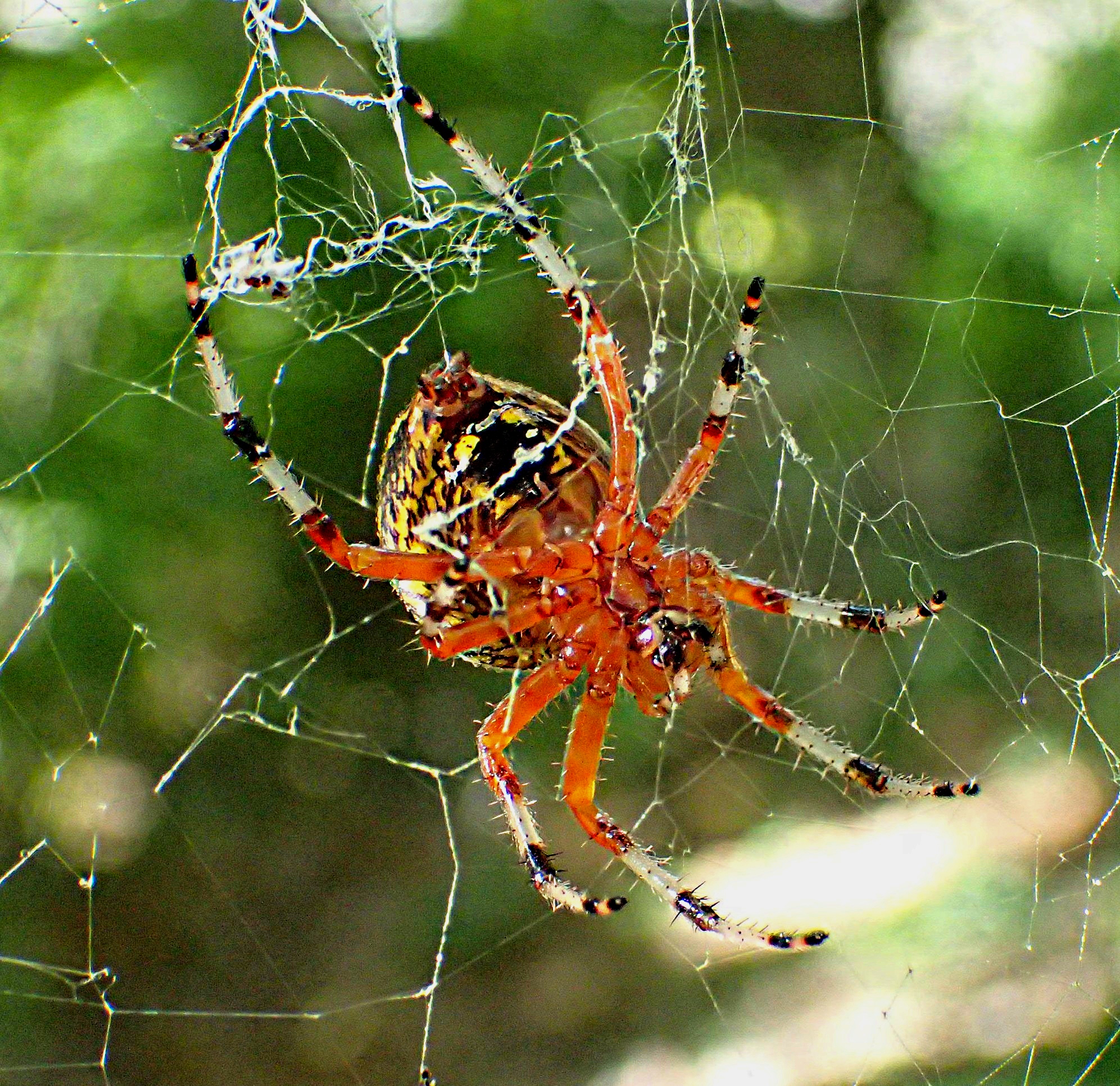
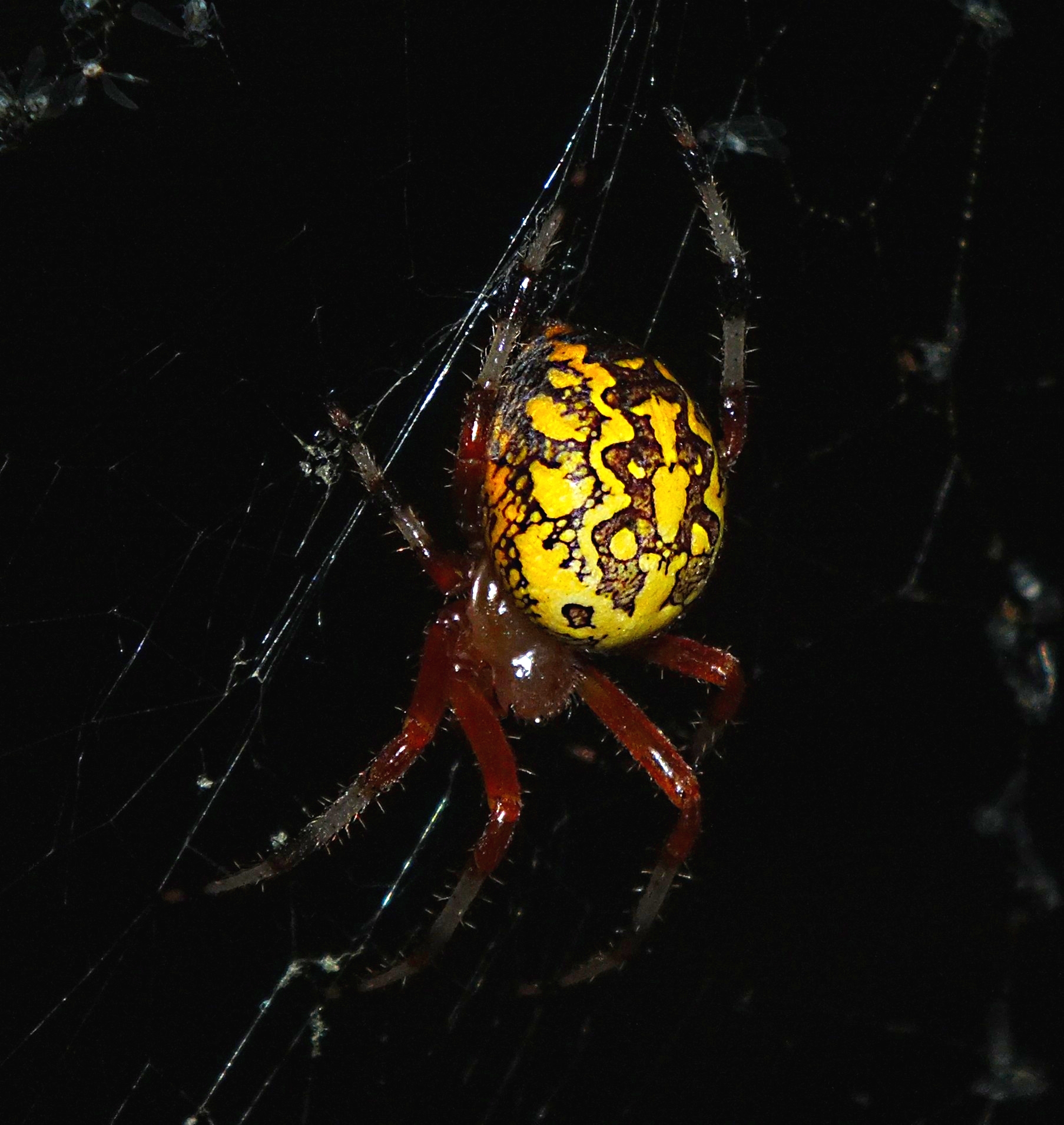
[Marbled Orb Weaver Spiders make spiraling orb webs built on low trees, shrubs, or grasses.  Marbled Orb Weaver Spiders make a retreat in curled leaves or, if the web is on a tree, under bark.  This one was in our yard near the river bank and was tough to photograph from its top side (i.e., dorsal side); its eyes are pretty good a seeing approaching visitors and it would quickly retreat into a curled leaf!  However, I was better able to approach it in the evening!  Notice how it is simultaneously spinning web and tightening web with separate legs! (I usually can’t do two things at once!)

Additional note:   I will be posting more spiders (and similar creatures) in the Halloween month of October.  It is neat that they are part of an old Halloween tradition (that is fun for kids).  However, it is unfortunate that many children grow up associating spiders with “being frightened” and as “terrible creatures to be horrified of.”  As the late, superb naturalist, Steve Irwin often propounded, spiders and snakes can indeed be seen to be majestic, marvelous animals, truly beautiful in their own ways.  We must, as Steve Irwin so graciously suggested before his untimely passing, be far better caretakers of Mother Earth.]

Different and colorful! Marbled Orb Weaver Spider. Photo by Thomas Peace 2014

Different and colorful! Marbled Orb Weaver Spider. Photo by Thomas Peace 2014

Interesting marbled design! Marbled Orb Weaver Spider.  Photo by Thomas Peace 2014

Interesting marbled design! Marbled Orb Weaver Spider. Photo by Thomas Peace 2014


Post

True and authentic, wise behavior is never the result of a blueprint or mere book of rules.

Leave a reply

.

True and authentic, wise behavior is never the result of a blueprint or mere book of rules.

.

[A spotted Cucumber Beetle walks across a wild Sunflower flower.  An adult Cucumber Beetle may feed on many different types of plants, including cucumbers.]

A Cucumberless Cucumber Beetle.  Photo by Thomas Peace 2014

A Cucumberless Cucumber Beetle. Photo by Thomas Peace 2014

Post

Ponder beyond the ordinary. Go deep beyond the superficial.

4 comments

.

Ponder beyond the ordinary.  Go deep beyond the superficial.

.

[This is a Crab Spider in an Viola Flower.  Crab Spiders act like chameleons and usually change to be the color of the particular flower that they are in… as they wait for winged prey to capture.  This one should have made itself more yellow, but… considering the sprig hanging by this flower, this spider didn’t do too bad; I almost didn’t see it!

Additional note:   I will be posting more spiders (and similar creatures) in the Halloween month of October.  It is neat that they are part of an old Halloween tradition (that is fun for kids).  However, it is unfortunate that many children grow up associating spiders with “being frightened” and as “terrible creatures to be horrified of.”  As the late, superb naturalist, Steve Irwin often propounded, spiders and snakes can indeed be seen to be majestic, marvelous animals, truly beautiful in their own ways.  We must, as Steve Irwin so graciously suggested before his untimely passing, be far better caretakers of Mother Earth.]

Almost missed. Photo by Thomas Peace 2014

Almost missed. Photo by Thomas Peace 2014


Post

The real treasure to find is…

Leave a reply

.

The real treasure to find is within you yourself; you don’t have to travel or search anywhere (out there) to find it.

.

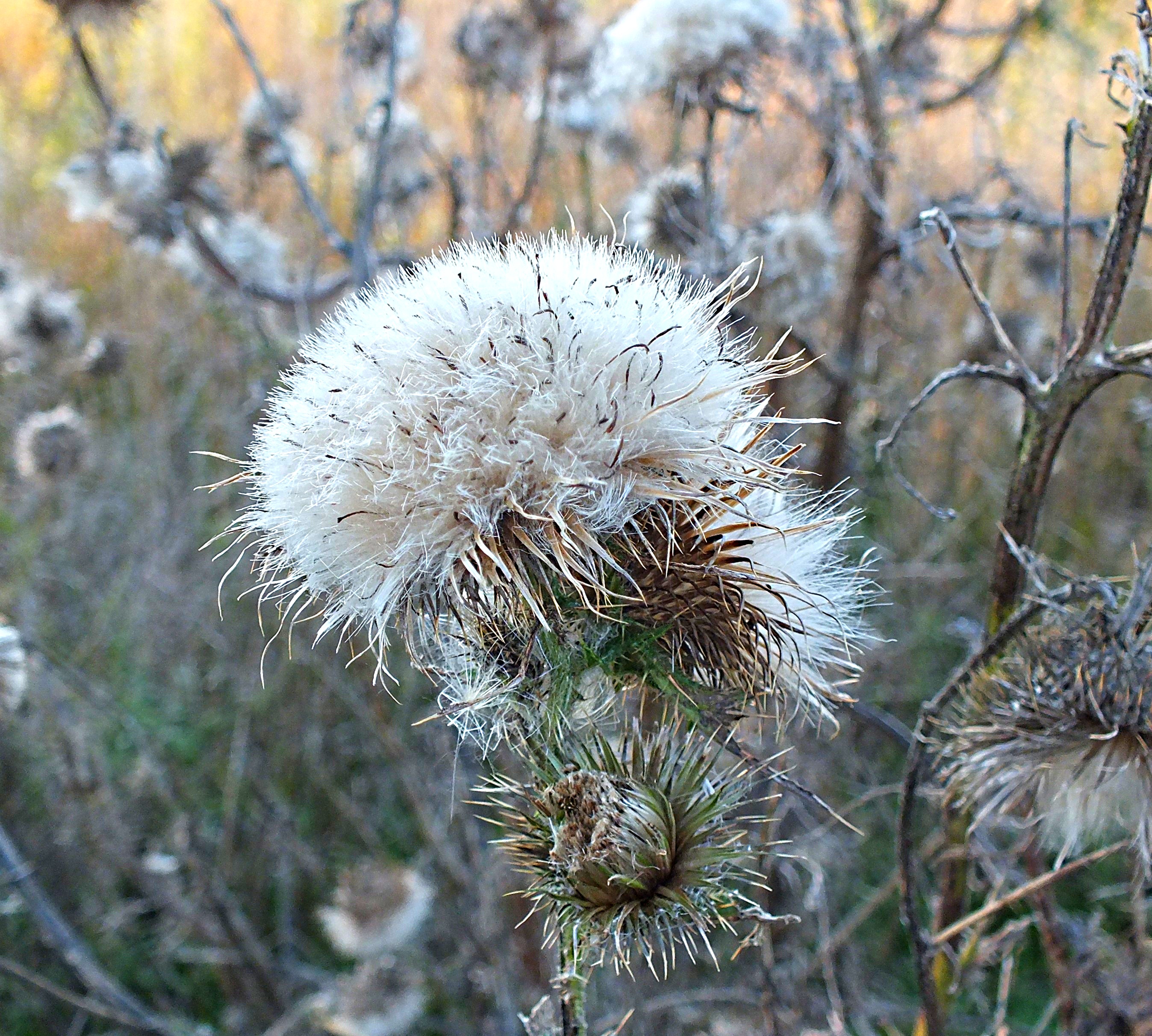
[This is a fluffy, seeding Thistle Plant full of Thistle Plant down.  Some insects will nest in a Thistle Plant’s down to keep comfortable.  Goldfinches (i.e. little, yellow, wild birds) use the Thistle Plant down for the main material for nest construction; they, additionally, relish Thistle seed.]

A lot of useful fluff!  Photo by Thomas Peace 2014

A lot of useful fluff! Photo by Thomas Peace 2014


Post

Ebola and other forms of spreading disorder…

5 comments

.

Hate is like a disease; it can spread in ways that are not of intense order.

.

[The following statements – which I have written in the following, final paragraph – pertain to the following five sentences (occurring here at the beginning within bold quote marks) which are excerpts from a recent news article, about Ebola, written by David Willman:  “Public health officials have voiced similar assurances, saying Ebola is spread only through physical contact with a symptomatic individual or their bodily fluids. “Ebola is not transmitted by the air. It is not an airborne infection,” said Dr. Edward Goodman of Texas Health Presbyterian Hospital in Dallas, where the Liberian patient remains in critical condition.  Yet some scientists who have long studied Ebola say such assurances are premature — and they are concerned about what is not known about the strain now on the loose. It is an Ebola outbreak like none seen before, jumping from the bush to urban areas, giving the virus more opportunities to evolve as it passes through multiple human hosts.

The attached photograph is of a female Common Whitetail Dragonfly resting with a Green Bottle Fly.  The Dragonfly could easily eat and devour the Fly (which they do in nature often).  Being familiar with insects, because of my intense interest in animals and close-up photography, I realize certain aspects of what they are capable of.  One of my concerns is that, in the countries currently facing epidemics due to the Ebola virus, there are ways that non-airborne diseases can be transmitted easily through the air… and that is through the mechanism by which common flies (such as houseflies) eat and travel.  Such flies do not eat their food whole; they regurgitate digestive juices onto food to dissolve it and then slurp the contents up.  Flies use their proboscis and labellum (sponge-pad-like-mouth-parts) to repetitively sample and slop juicy substances around.  Common flies tend to (and this happens dozens of times a minute) repetitively sample and re-sample things, liquefying them, spitting them back out, and spreading them.  Needless to say, they fly from person to person (even from face to face) carrying germs and liquid debris on their mouth parts and feet-pads, and victims of Ebola tend to vomit a lot and have a lot of diarrhea.  Enough said!  Just as fleas had a big part in the Bubonic plague, flies may, I strongly suspect, significantly contribute to the spreading of the Ebola virus.  (I diligently sent an email to the White House regarding this.  I have not yet – to no shock to me – received a response.)  In countries where housing and hospital spaces are minimal, placing Ebola victims in areas where flies have direct access to them (without making attempts to eradicate the flies) may be a very precarious situation indeed.  Spraying with pesticides is needed in areas with Ebola… and such pesticides should be dispersed in large quantities.  Anyway, I’m all for having more dragonflies and less flies!]

Face to face... Photo by Thomas Peace 2014

Face to face… Photo by Thomas Peace 2014

Post

(Multi-photo)*** True love goes beyond the affinity due to attractiveness. Love the less beautiful (that are also truly beautiful).

1 comment

.

True love goes beyond the affinity due to attractiveness.  Love the less beautiful (that are also truly beautiful).

.

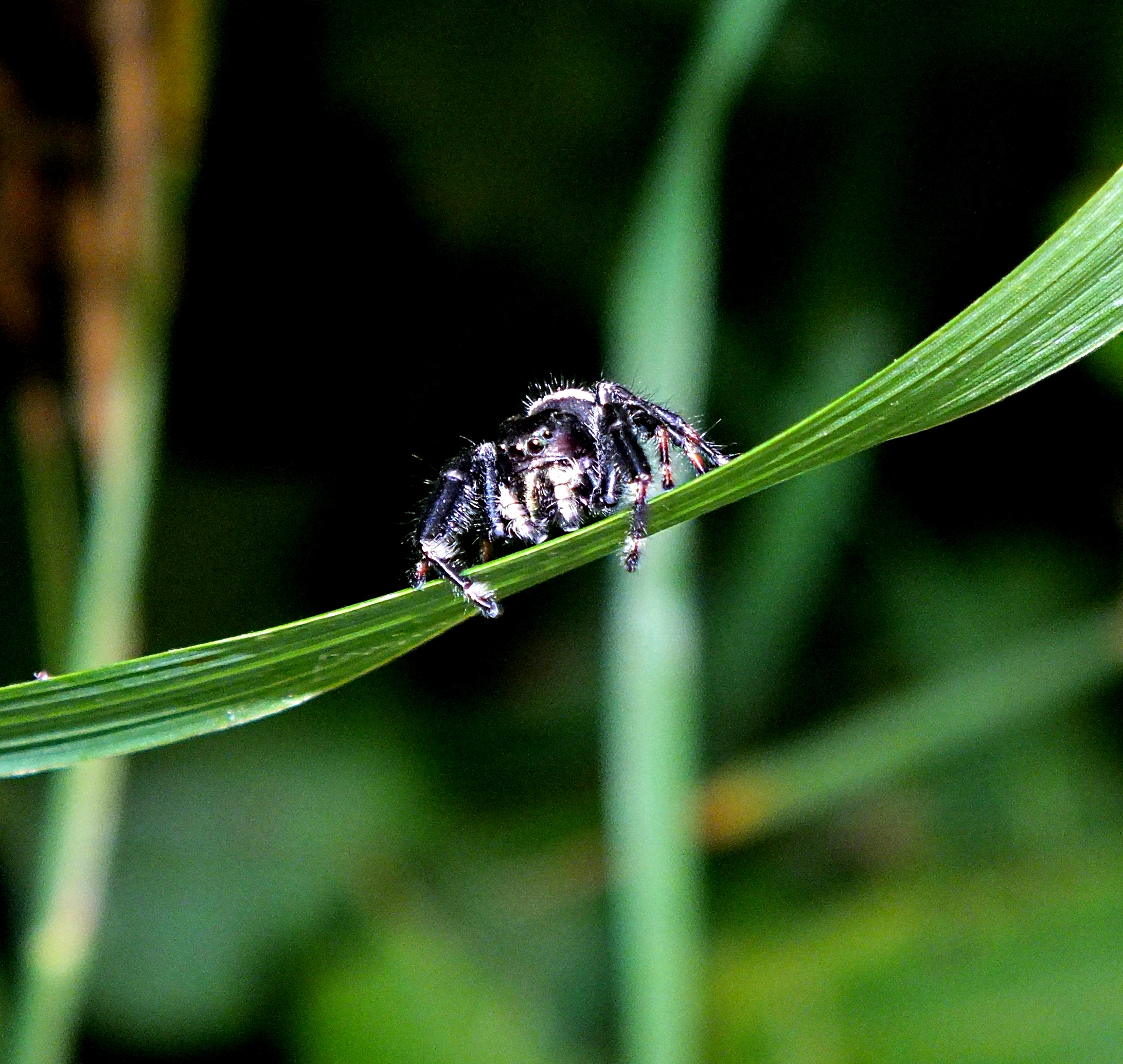
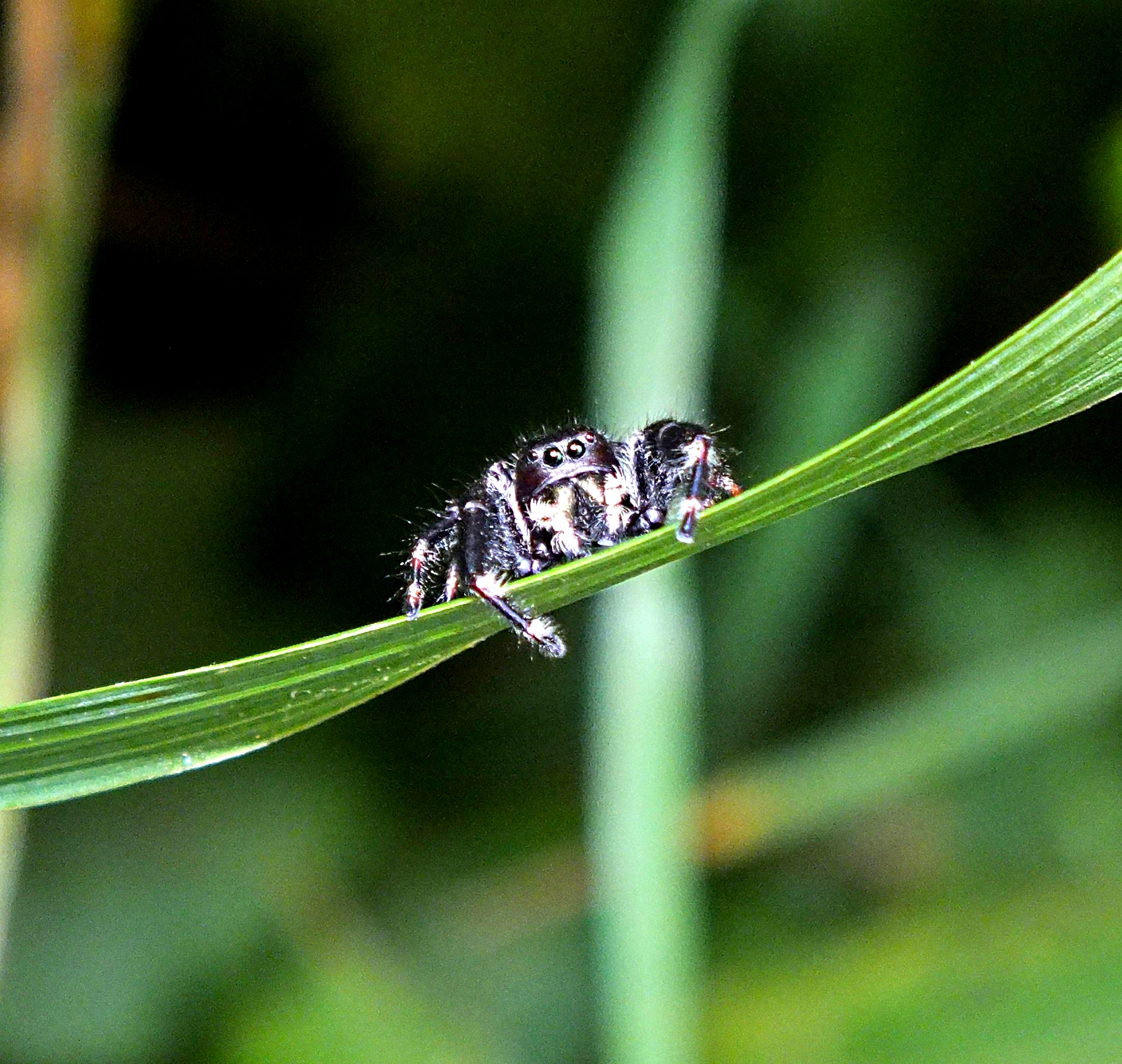
[This is a Phidippus Jumping Spider.  It’s difficult to sneak up on a Jumping Spider; their multiple eyes easily detect others in their environment. They are harmless to human beings.  I have some Jumping Spiders in 50 million year old amber which I will post at a later time.

Additional note:   I will be posting more spiders (and similar creatures) in the Halloween month of October.  It is neat that they are part of an old Halloween tradition (that is fun for kids).  However, it is unfortunate that many children grow up associating spiders with “being frightened” and as “terrible creatures to be horrified of.”  As the late, superb naturalist, Steve Irwin often propounded, spiders and snakes can indeed be seen to be majestic, marvelous animals, truly beautiful in their own ways.  We must, as Steve Irwin so graciously suggested before his untimely passing, be far better caretakers of Mother Earth.]

Tightrope climber! (Jumping Spider) (1) Photo by Thomas Peace 2014

Tightrope climber! (Jumping Spider) (1) Photo by Thomas Peace 2014

Tightrope climber! (Jumping Spider) (2) Photo by Thomas Peace 2014

Tightrope climber! (Jumping Spider) (2) Photo by Thomas Peace 2014
 

Post

The lucidity of insight shatters through the shady recesses of the stale known.

Leave a reply

.

The lucidity of insight shatters through the shady recesses of the stale known.

.

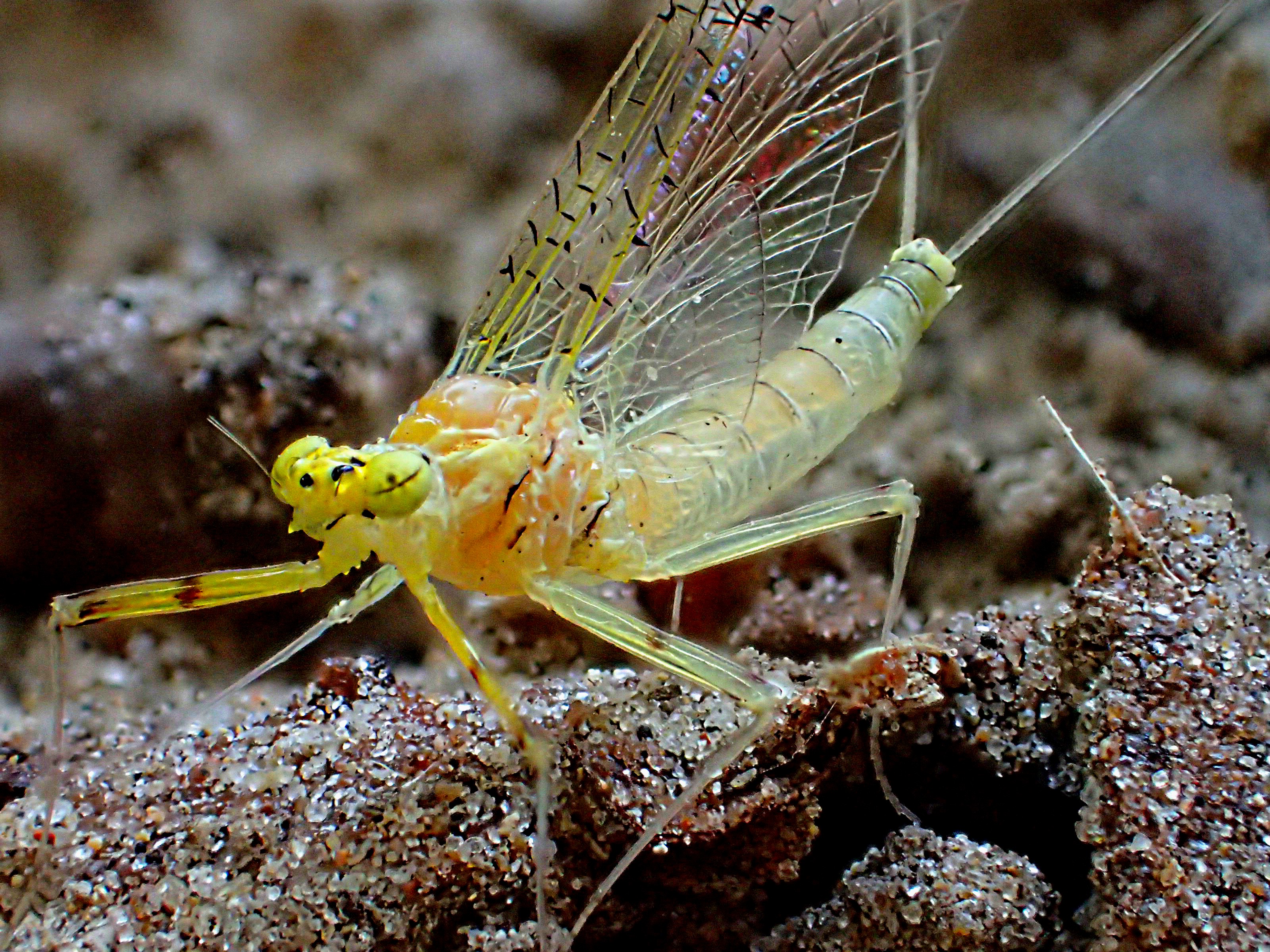
[Golden Mayflies do not feed.  With Golden Mayflies, the young naiad nymphs eat diatoms and other algae from the bottom mud and submerged vegetation of lakes, rivers, and ponds.]

Resting Golden Mayfly. Photo by Thomas Peace 2014

Resting Golden Mayfly. Photo by Thomas Peace 2014

Post

Real beauty is…

6 comments

.

Real beauty is much deeper than what you can see!

.

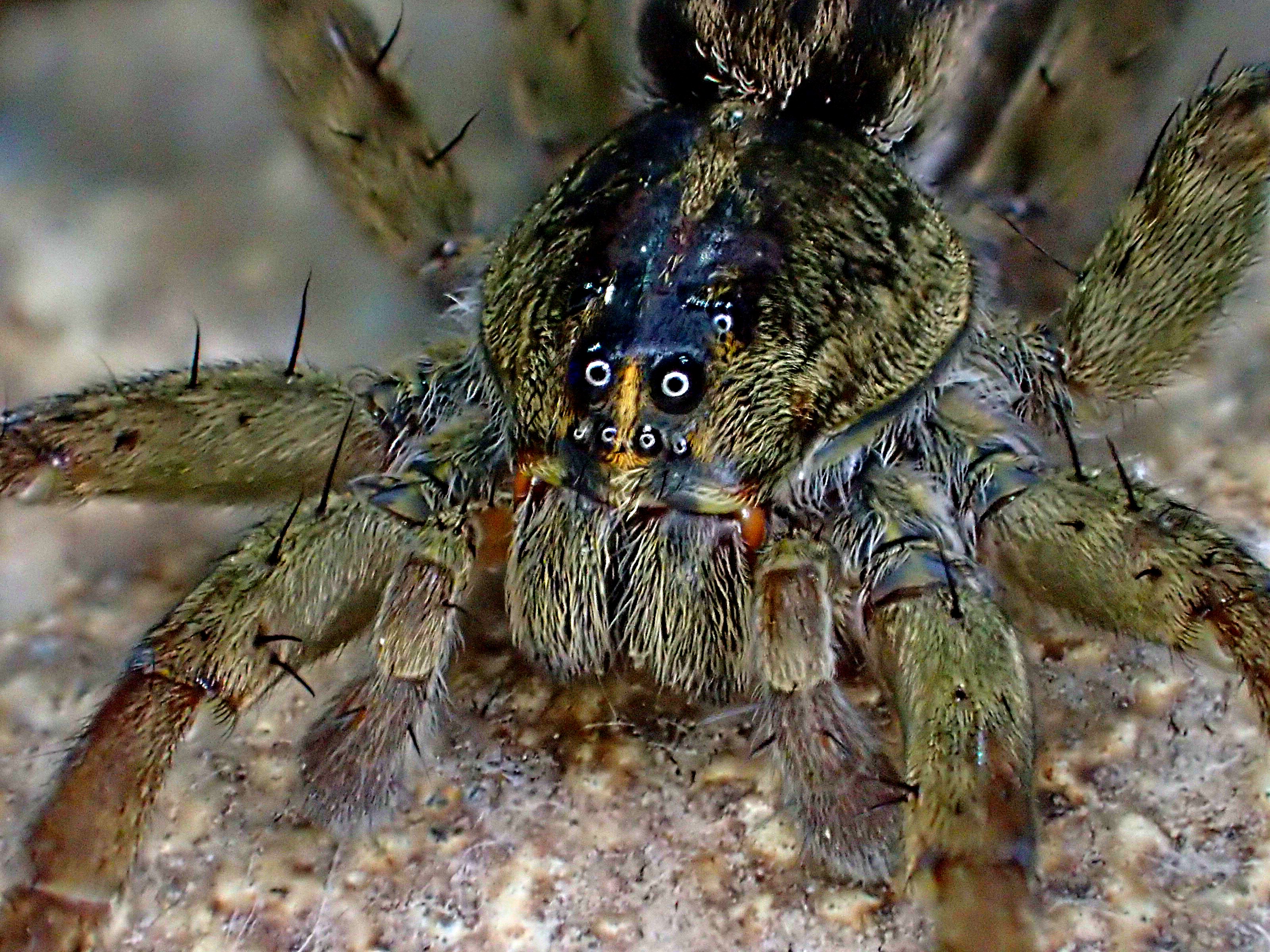
[Many Wolf Spiders hunt during the day.  Wolf Spiders have excellent vision and a highly developed sense of touch.  Male Wolf Spiders wave  and motion with their large, often hairy pedipalps in a rhythmic pattern as they approach suitable female mates.

Additional note:   I will be posting more spiders (and similar creatures) in the Halloween month of October.  It is neat that they are part of an old Halloween tradition (that is fun for kids).  However, it is unfortunate that many children grow up associating spiders with “being frightened” and as “terrible creatures to be horrified of.”  As the late, superb naturalist, Steve Irwin often propounded, spiders and snakes can indeed be seen to be majestic, marvelous animals, truly beautiful in their own ways.  We must, as Steve Irwin so graciously suggested before his untimely passing, be far better caretakers of Mother Earth.]


The better to see you with, my dear!  Photo by Thomas Peace 2014

The better to see you with, my dear! Photo by Thomas Peace 2014

Post

Poise includes…

2 comments

.

Poise includes intelligence, compassion, awareness, humor, and balance.

.

[This lone Hover Fly is feeding on a wildflower of Woodland Lettuce (Lactuca floridana).  It appears as if the Hover Fly has been feeding on his favorite type of plant for some time; he seems to be taking on the colors of the flower! (I’ve got to stop eating broccoli almost every day!)]

Hover in the blue.  Photo by Thomas Peace 2014

Hover in the blue. Photo by Thomas Peace 2014

Post

(Multi-Photo)*** Many are caught in the limitation and web of mundane time; very few, unfortunately, go…

Leave a reply

.

Many are caught in the limitation and web of mundane time; very few, unfortunately, go beyond that barrier. 

.

[This spider, in our backyard (down by the river bank), won the lottery!  This spider is an Orb-weaver that is likely a Barn Spider (due, partly, to the whitish hairs on its legs).  Orb-weaver spider webs are dismantled (consumed) by the spider at the end of each night, and are rebuilt early the next evening; but this spider had too much to consume!  She hit the jackpot!  Count them all!

Additional note:   I will be posting more spiders (and similar creatures) in the Halloween month of October.  It is neat that they are part of an old Halloween tradition (that is fun for kids).  However, it is unfortunate that many children grow up associating spiders with “being frightened” and as “terrible creatures to be horrified of.”  As the late, superb naturalist, Steve Irwin often propounded, spiders and snakes can indeed be seen to be majestic, marvelous animals, truly beautiful in their own ways.  We must, as Steve Irwin so graciously suggested before his untimely passing, be far better caretakers of Mother Earth.]

Orb Weaver Spider's Bonanza Catch (1). Photo by Thomas Peace 2014

Orb Weaver Spider’s Bonanza Catch (1). Photo by Thomas Peace 2014
Orb Weaver Spider's Bonanza Catch (2). Photo by Thomas Peace 2014
Orb Weaver Spider’s Bonanza Catch (2). Photo by Thomas Peace 2014

Post

Concentration on a fixed (limited) point is…

2 comments

.

Concentration on a fixed (limited) point is hypnosis or egotism, not meditation; meditation is not being fixated by the limited technique (or blueprint) of others, but is a free, passionate awareness of the whole of everything beyond exclusion.

.

[This aperture in the tree could be a scope for a gun barrel or a focal mechanism for shooting a camera; or it could be a place where lichens no longer exist (unless they’re on the far tree in the background).  We will have more photos of interesting lichens in the future.  (We will be visiting the tree in the background and some of the other trees in the area.)]

Tree Scope.  Photo by Thomas Peace 2014

Tree Scope. Photo by Thomas Peace 2014

Post

Don’t just pick flowers or buy cut flowers… enjoy wildflowers or grow flowers!

Leave a reply

.

Don’t just pick flowers or buy cut flowers… enjoy wildflowers or grow flowers!

.

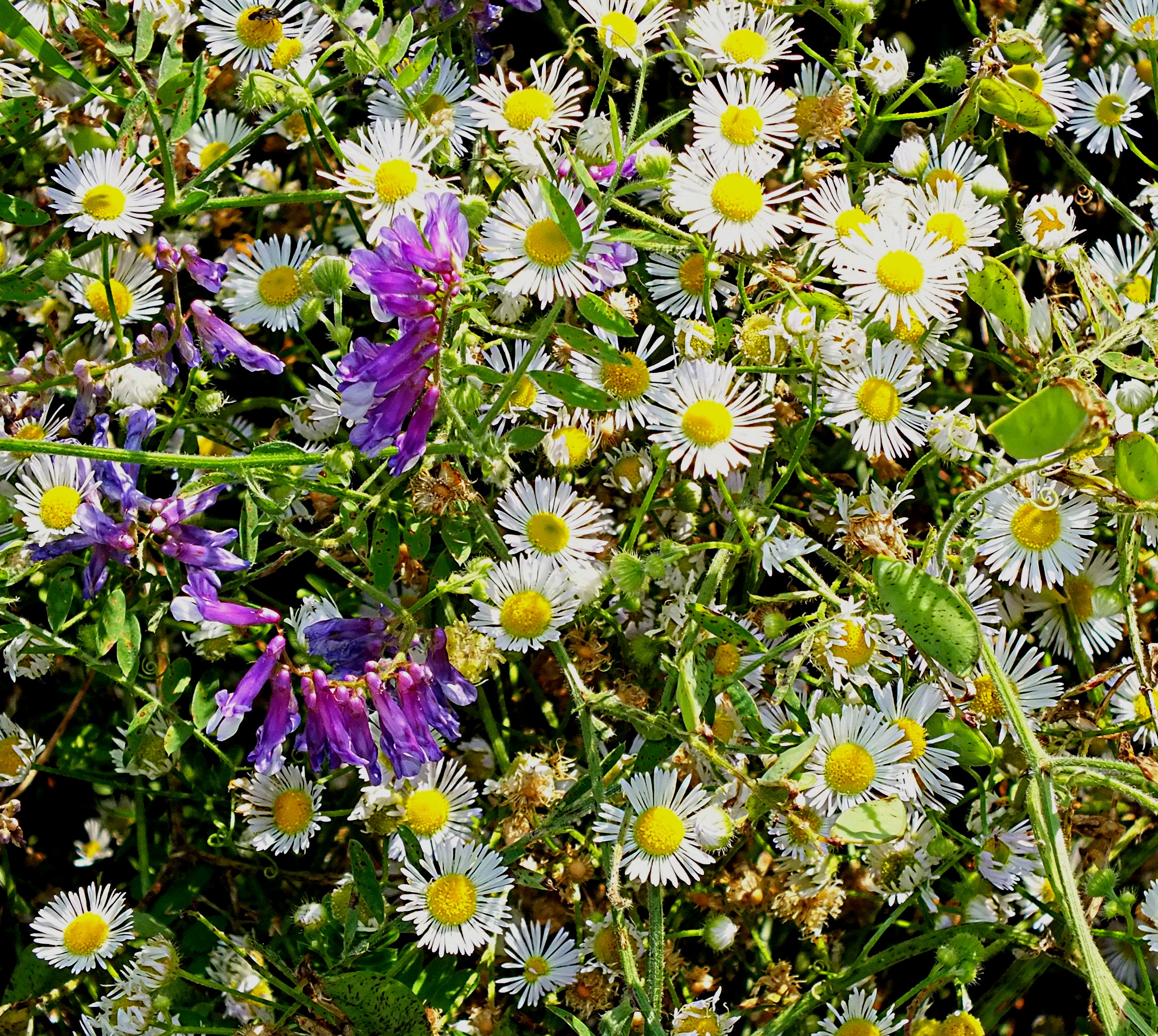
[These are wildflowers.  The white wildflowers are Robin’s Plantain.  The purplish wildflowers are American Vetch. The American Vetch is less common than the Robin’s Plantain. (There is an insect in this photograph.)]

American Vetch & Robin's Plantain. Photo by Thomas Peace 2014

American Vetch & Robin’s Plantain. Photo by Thomas Peace 2014

Post

Thoughts are the conditioned, residual remnants of experience; deep insight and “being” go far beyond mere experience.

Leave a reply

.

Thoughts are the conditioned, residual remnants of experience; deep insight and “being” go far beyond mere experience.

.

[This insect is known as the Bee Assassin.  These predatory insects are usually found on the leaves and stems of plants (as was this photographed specimen).  Leaves and stems are not areas where honeybees usually tend to visit.  Bee Assassin insects, in reality, mostly eat other types of insects, such as flies, beetles, caterpillars, and mosquitoes.  Their front legs have a “stickiness” which enables them to easily catch insects. Bee Assassin insects, though they may look rather intimidating, are largely beneficial, as they help to eradicate many harmful garden pests.]

If you're another bug, watch out for this one! Photo by Thomas Peace 2014
If you’re another bug, watch out for this one! Photo by Thomas Peace 2014
 

Post

Fear…

Leave a reply

.

Fear — unless there is an immediate physical danger in the environment — is often based on patterns and images in (and “as”) time that are projected as “what might be.”

.

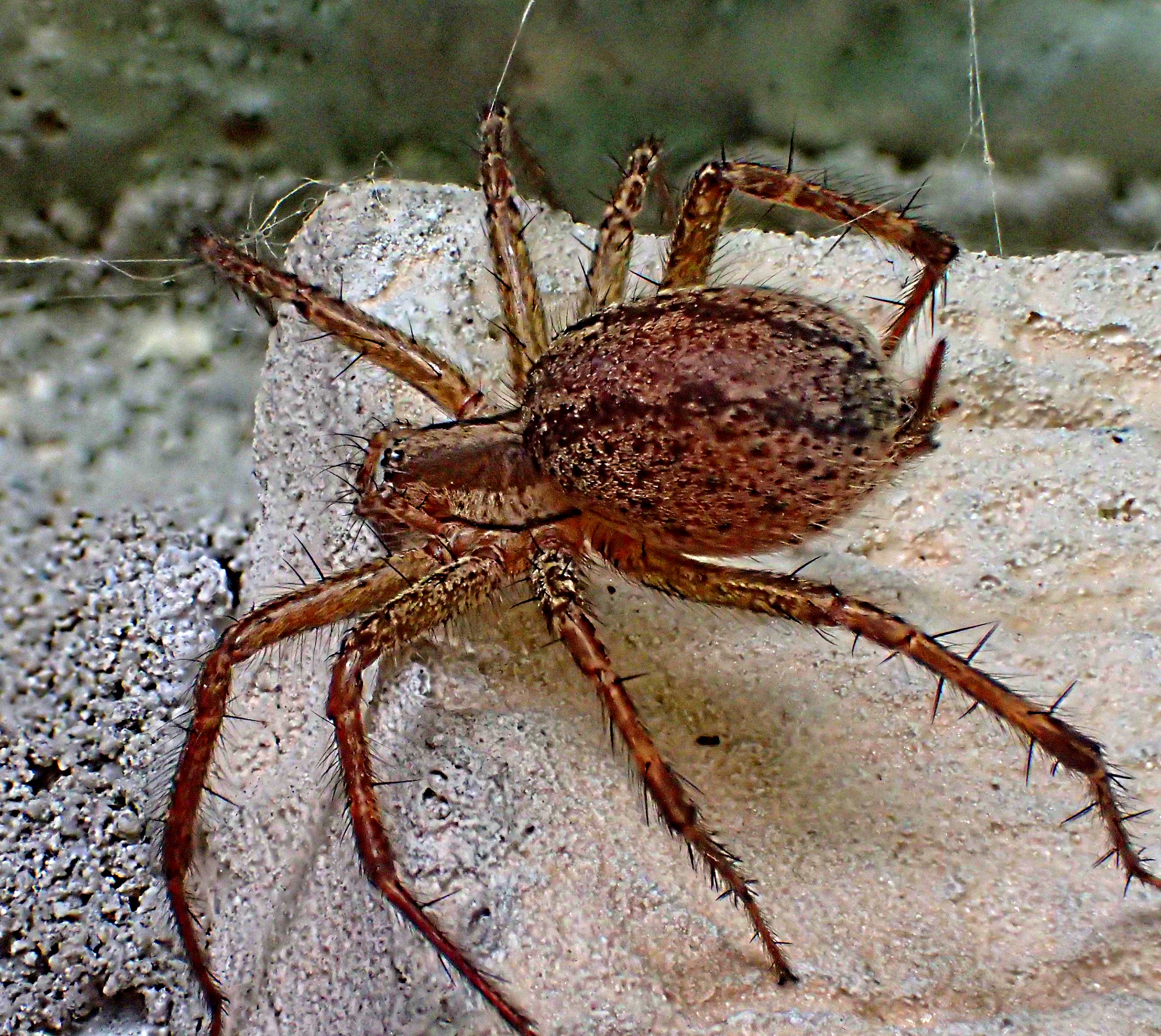
[Nursery Web Spiders may sit quietly for hours, legs spread out on vegetation, a large rock, or on a boat dock… or they may actively hunt in vegetation.  Nursery Web Spiders have excellent vision.

Additional Note:  I will be posting more spiders (and similar creatures) in the Halloween month of October.  It is neat that they are part of an old Halloween tradition (that is fun for kids).  However, it is unfortunate that many children grow up associating spiders with “being frightened” and as “terrible creatures to be horrified of.”  As the late, superb naturalist, Steve Irwin often propounded, spiders and snakes can indeed be seen to be majestic, marvelous animals, truly beautiful in their own ways.  We must, as Steve Irwin so graciously suggested before his untimely passing, be far better caretakers of Mother Earth.]

Rock-a-bye Baby.  Photo by Thomas Peace 2014

Rock-a-bye Baby. Photo by Thomas Peace 2014