All Posts Tagged ‘animals

Post

(Multi-photo)*** Nature has priceless and very precious gifts.

Leave a reply

.

Nature has priceless and very precious gifts.

.

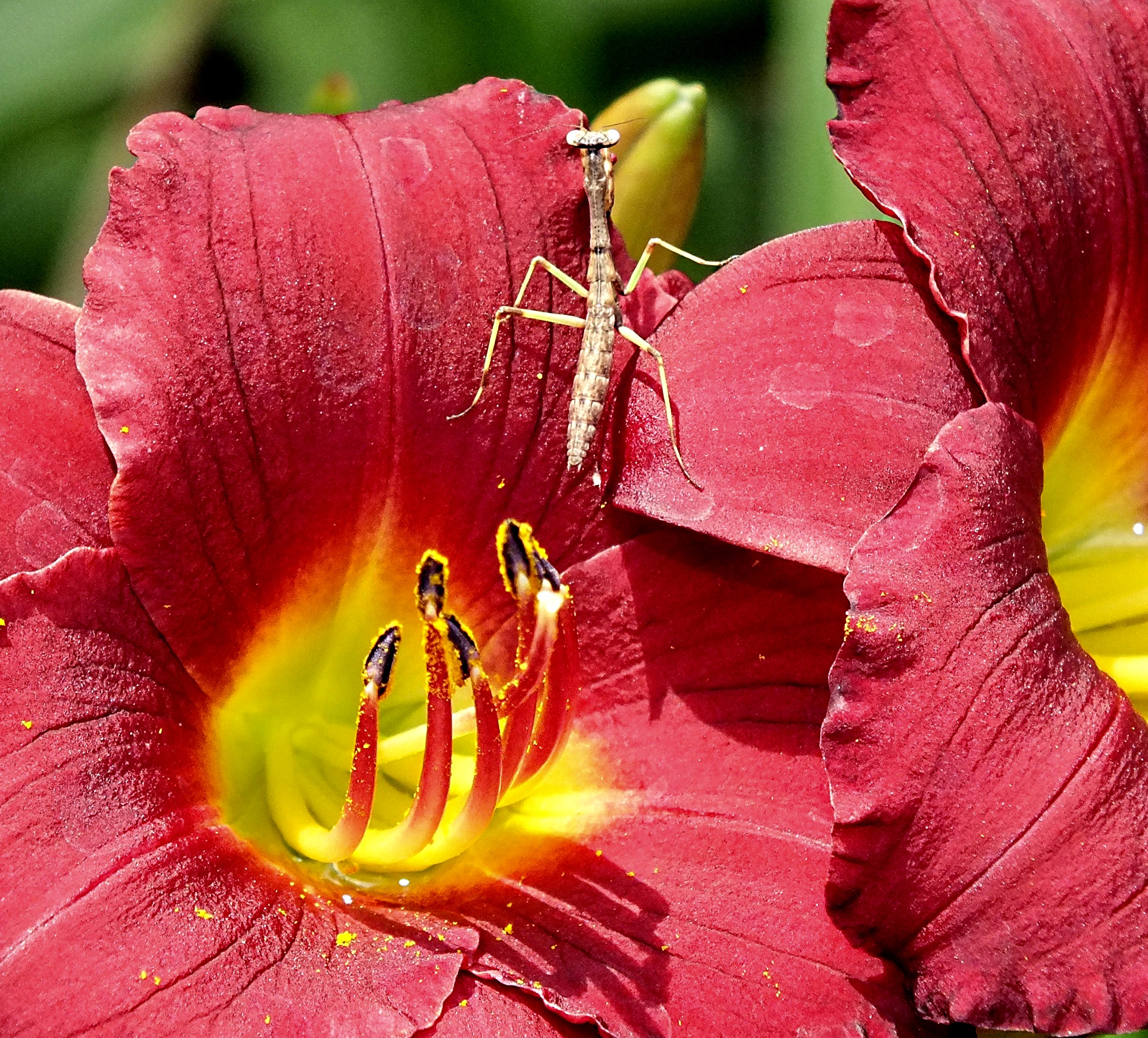
[A small Praying Mantis on a Red Lily.  This Praying Mantis was around an inch and a half long.  It is, I think, a male Carolina Praying Mantis.  The Carolina Praying Mantis is not seen very often in our rural Illinois area.  It was very aware of my presence and didn’t stick around long.]

Small and different. (1) Photo by Thomas Peace 2014

Small and different. (1) Photo by Thomas Peace 2014

Small and different. (2) Photo by Thomas Peace 2014

Small and different. (2) Photo by Thomas Peace 2014


Post

Most people, unfortunately, are content to remain in the limited…

6 comments

.

Most people, unfortunately, are content to remain in the limited… which is like staying in an enclosed, cold room.

.

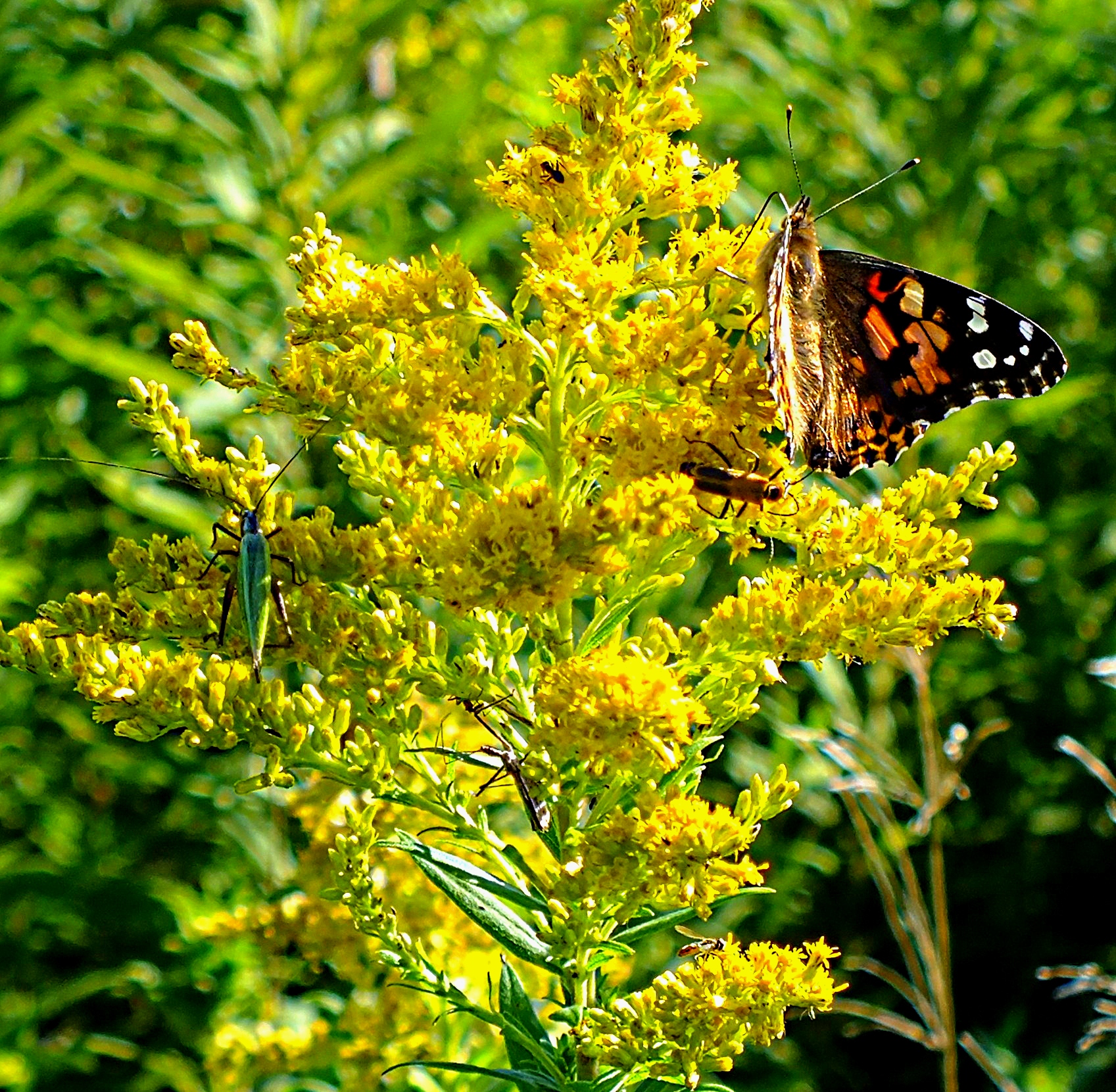
[This is a Painted Lady Butterfly, a Bee Assassin, a Green Tree Cricket, a Hover Fly, some Ants, and a Soldier Beetle on a Goldenrod Plant. The more the merrier!]

A big weekend party!  Photo by Thomas Peace 2014

A big weekend party! Photo by Thomas Peace 2014

Post

An unfocused (distorted) mind looking at a well-focused photograph is…

4 comments

.

An unfocused (distorted) mind looking at a well-focused photograph is — interestingly enough — simultaneously focused and unfocused.

.

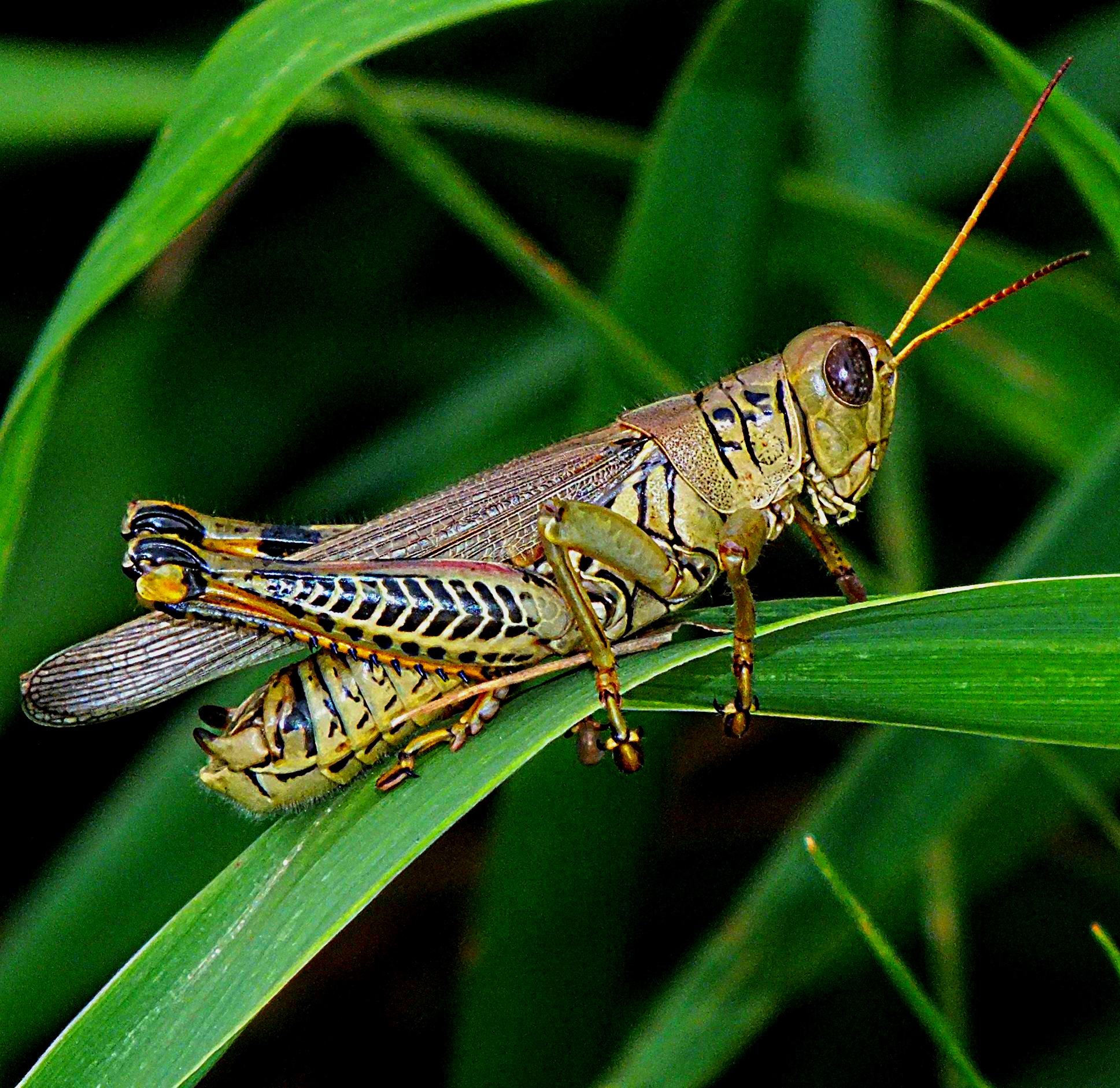
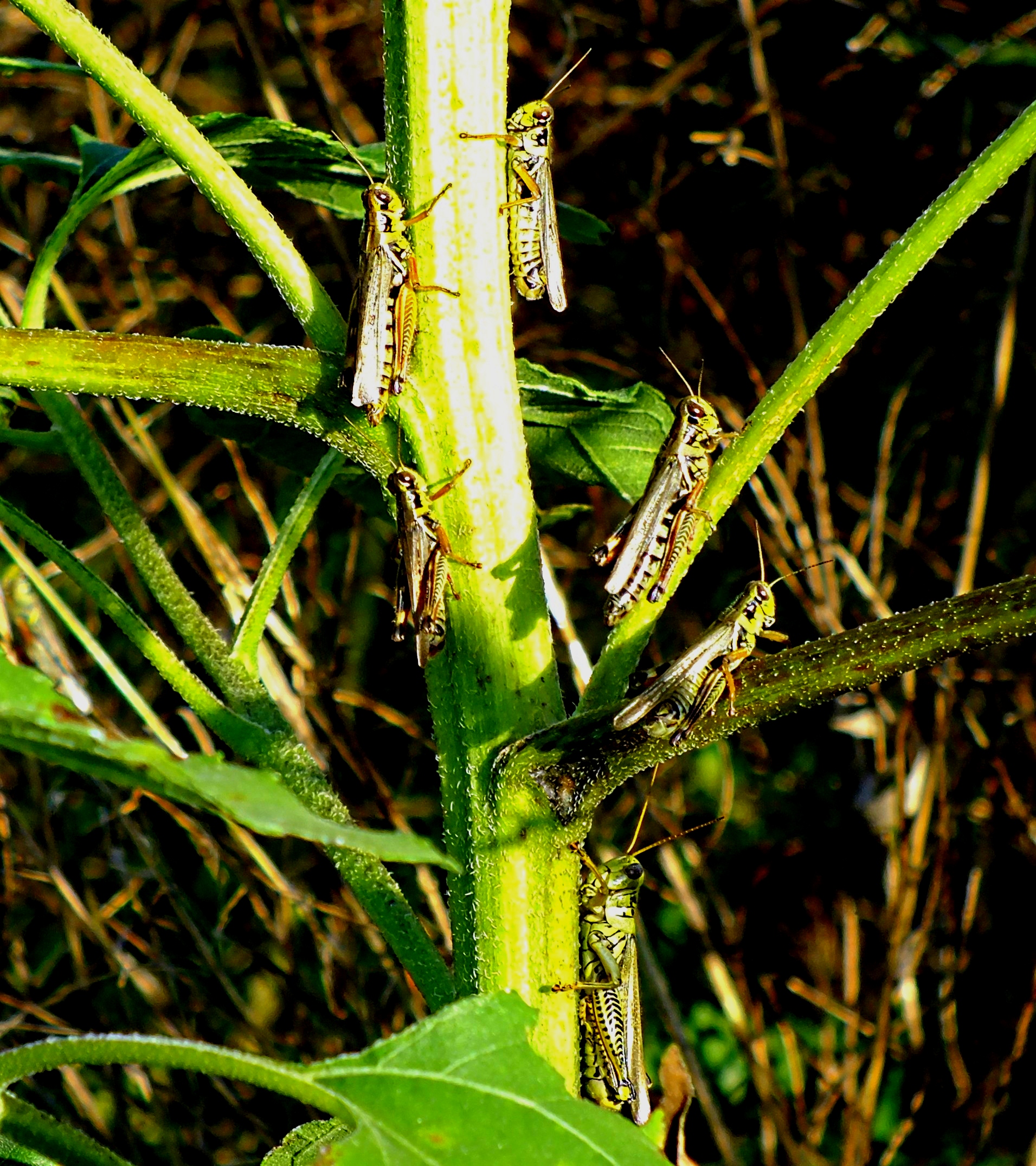
[Differential Grasshoppers have relatively large bodies; the females are larger than the males.  Differential Grasshoppers inhabit grasslands, rural meadows, and weedy areas and are most abundant in the central states. The one in the photograph is a male.  Male Differentail Grasshoppers have bootlike appendages on the abdomen tip.]

Male Differential Grasshopper.  Photo by Thomas Peace 2014

Male Differential Grasshopper. Photo by Thomas Peace 2014

Post

A simple, mindful smile to a person — though seemingly nothing much — may…

2 comments

.

A simple, mindful smile to a person — though seemingly nothing much — may help someone in immense and profound ways!

.

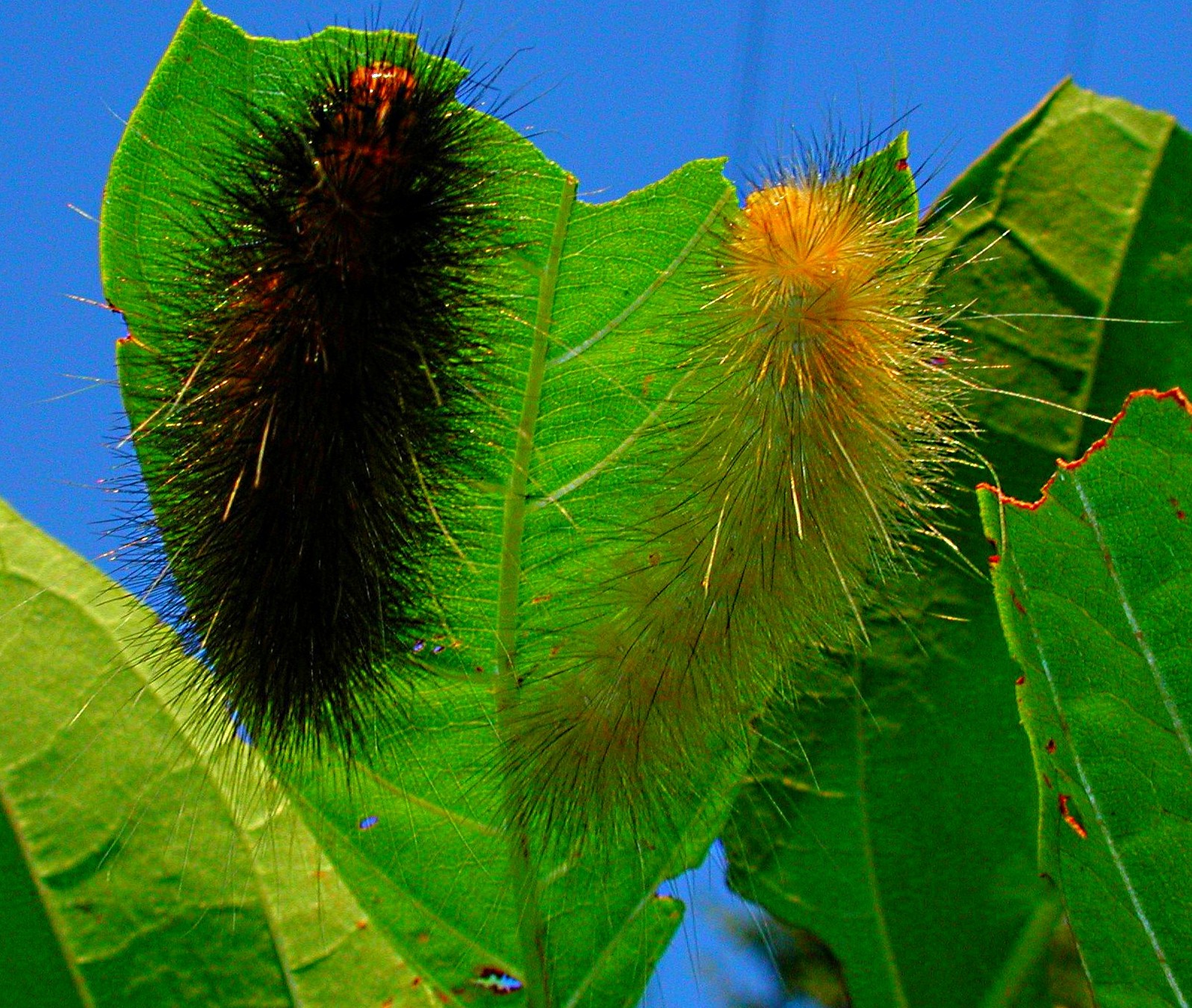
[These are either cute Shih Tzu puppies or fuzzy Caterpillars.  They are the last two remaining from the litter, and have had all of their shots.  $300 each.  Take your pick.]

Fuzzy Caterpillars or Shih Tzu Pups?! Photo by Thomas Peace 2014

Fuzzy Caterpillars or Shih Tzu Pups?! Photo by Thomas Peace 2014

Post

If one sneers at another, one may be smothering one’s own intelligence and goodness.

Leave a reply

.

If one sneers at another, one may be smothering one’s own intelligence and goodness.

.

[Mating Virginia Tiger Moths. Virginia Tiger Moth caterpillars are very fuzzy and are often yellow, or red, or even black colored.]

Together as one!  Photo by Thomas Peace 2014

Together as one! Photo by Thomas Peace 2014

Post

To bee or not to bee; that is the…

2 comments

.

I don’t care how many people show up at my funeral if — for the time being — I’m the only one who is dead.     😉

.

[Bumble bees in a wild Thistle Plant; the plant is also is being visited by a Spotted Cucumber Beetle.  Wild Thistle attracts many insects and birds (and photographers).]

... for the time beeing... Photo by Thomas Peace 2014

… for the time beeing… Photo by Thomas Peace 2014

Post

The storyteller is the story. The butterfly is the soaring.

3 comments

.

The storyteller is the story.  The butterfly is the soaring.

.

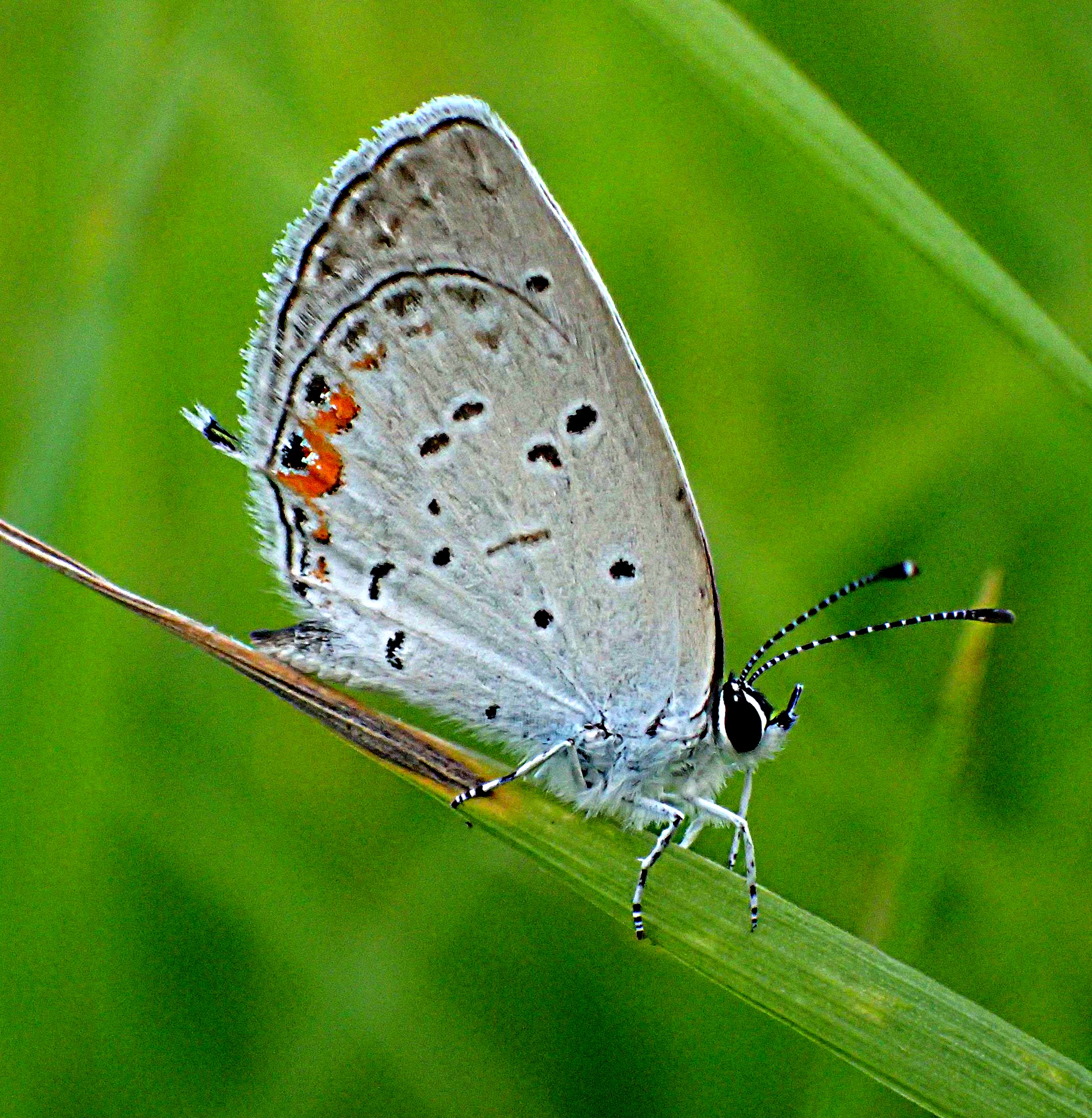
[This butterfly is an Eastern Tailed Blue.  Eastern Tailed Blue Butterflies are usually blue above and a spotted pale on the underside. The larvae of a number of species of Blues secrete a type of “honeydew” cherished by ants; the ants attend the larvae, protecting them, in a symbiotic relationship.]

Resting on a windy day. Photo by Thomas Peace 2014

Resting on a windy day. Photo by Thomas Peace 2014

Post

If there were many dark rooms and closed doors between you and the light of truth…

2 comments

.

If there were many dark rooms and closed doors between you and the light of truth, would you merely be content — as so many are — to remain in limited enclosures?!

.

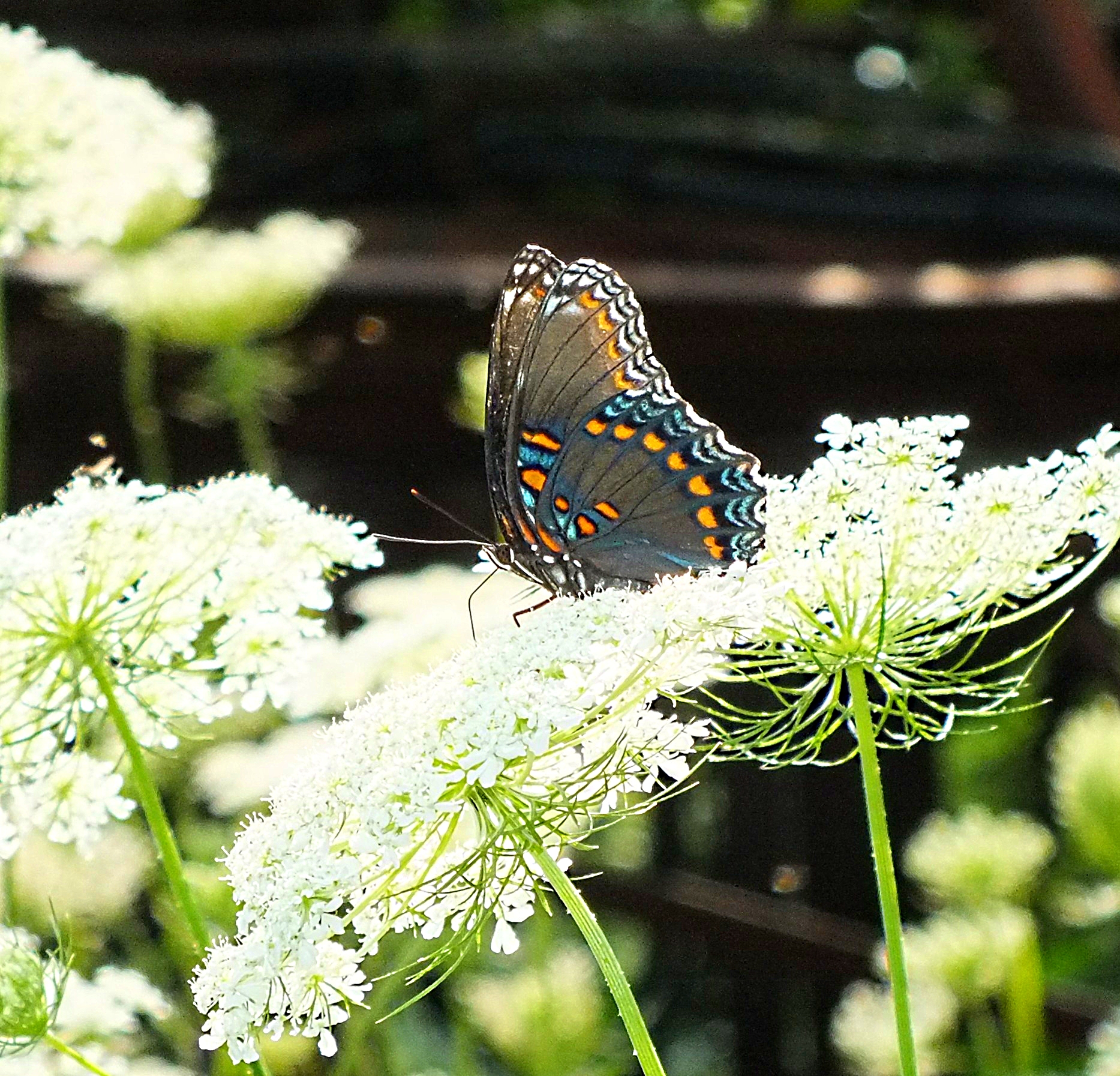
[This butterfly is a Red-spotted Purple.  In Red-spotted Purple butterflies, there are up to 3 generations within a year.  They prefer open habitats, such as meadows, forest edges, open woodlands, and areas along rivers.]

Berry eater and flower greeter.  Photo by Thomas Peace 2014

Berry eater and flower greeter. Photo by Thomas Peace 2014

Post

Don’t just see others as being tarnished (apart from yourself)…

Leave a reply

.

What separates your face from your hands is what separates you from others.

Nothing!

.

[The two larger insects are Tarnished Bugs.  These insects remain active from spring through fall.  Tarnished Bugs extract juices from the leaves, young stems, flowers, and fruits of more than 200 plant species. They are small insects, around a quarter of an inch long.]

Not tarnished in my eyes!  Photo by Thomas Peace 2014

Not tarnished in my eyes! Photo by Thomas Peace 2014

Post

The fire of felicity, intense happiness, radiates from within.

Leave a reply

.

The fire of felicity, intense happiness, radiates from within.

.

[This Jumping Spider is, specifically, a Daring Jumping Spider. The chelicerae (the part containing the fangs) are a flamboyant metallic green and this is an excellent way to identify this particular jumping spider.  These spiders like sunshine and do their hunting during the day. They jump from leaf to leaf with great dexterity and accurately (because of all those splendid stereoscopic eyes) leap on their prey and often eat other spiders as well as insects.  They are totally harmless to human beings… and are beneficial, as they eat harmful insect pests.  To me, they seem intelligent (considering their size) and rather cute!]

A handsome jumper. Photo by Thomas Peace 2014

A handsome jumper. Photo by Thomas Peace 2014

Post

Though everything has marginal boundaries and borders…

2 comments

.

Though everything has marginal boundaries and borders… see everything as “all one” unbroken whole!

.

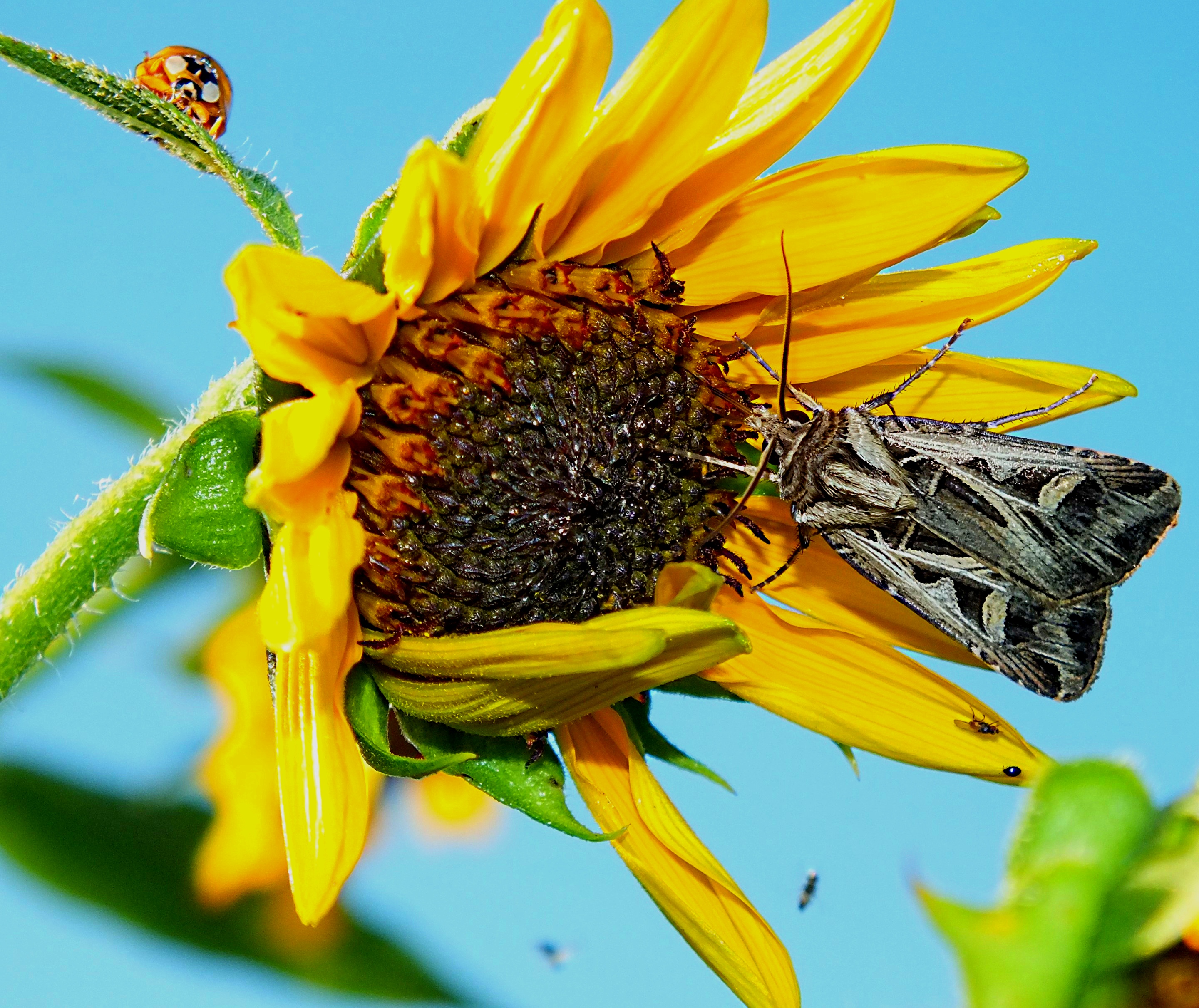
[A Dingy Cutworm Moth and a Ladybug (and other small insects) on a Wild Sunflower plant.  Dingy Cutworm Moths are considered pests to crops, such as soybeans, while Ladybugs eat smaller insect pests, such as aphids, and are very beneficial.]

The Lady and the Tramp. Photo by Thomas Peace 2014

The Lady and the Tramp. Photo by Thomas Peace 2014


Post

It is likely that the mind cannot fully go beyond nightly anxieties about the future if…

2 comments

.

It is likely that the mind cannot fully go beyond nightly anxieties about the future if it continues to feel that it is something separate from what they are.

.

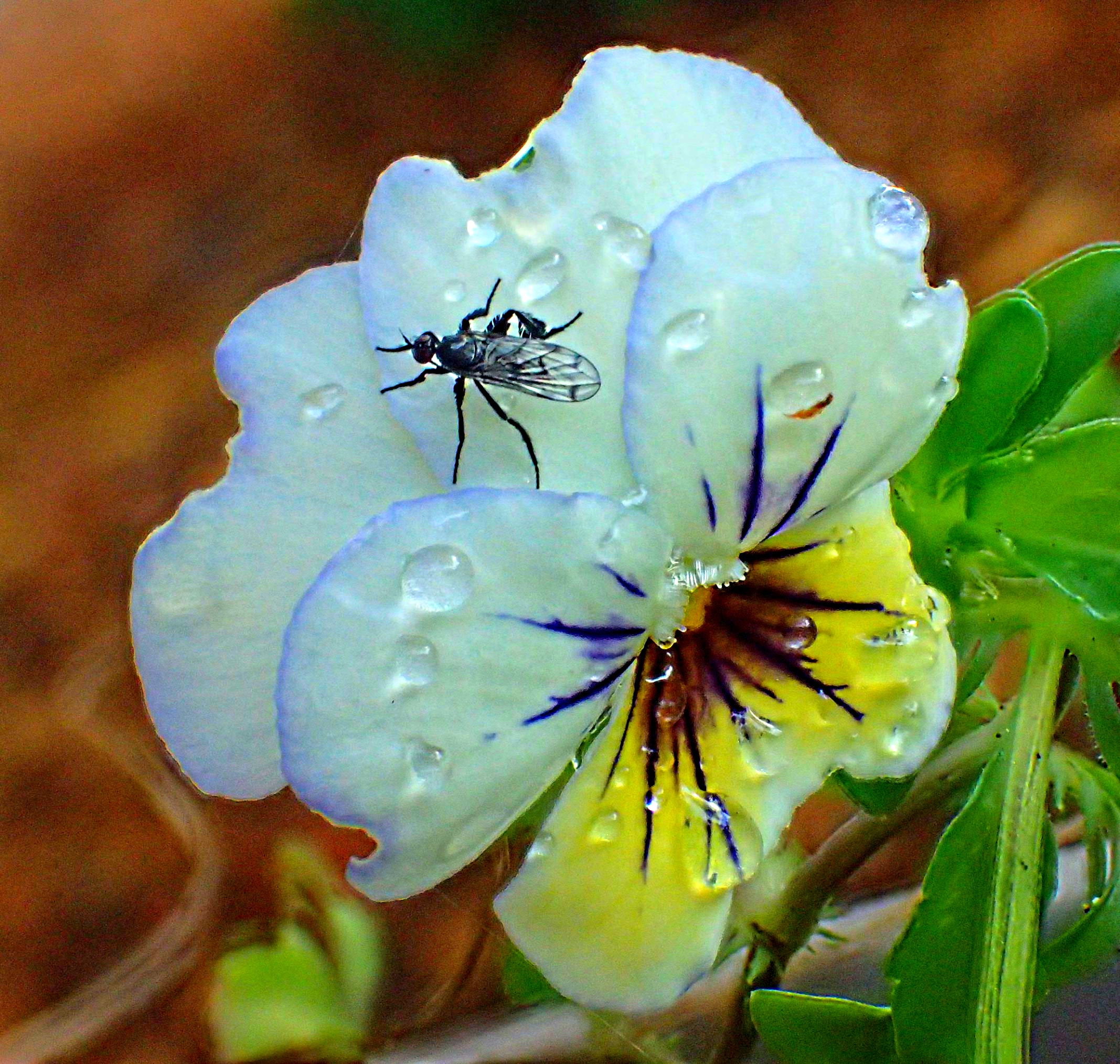
[A diminutive fly of the order Diptera resting on a very small, rain-laden Viola flower.  Viola flowers tend to attract many small insects, while larger insects ignore them completely.]

Rain dodger! Photo by Thomas Peace 2014

Rain dodger! Photo by Thomas Peace 2014

Post

Love the truth more than man-made fabrications and constructions. Look effortlessly (now and then) without…

4 comments

.

Love the truth more than man-made fabrications and constructions.  Look effortlessly (now and then) without separation and learned patterns.

.

[These are Sulphur Butterflies (specifically, Alfalfa Sulphur Butterflies).  They like to land on wet river bank soil to absorb needed moisture and minerals.]

A male and two females. Photo by Thomas Peace 2014

A male and two females. Photo by Thomas Peace 2014


Post

The magic of nature… let it touch you.

Leave a reply

.

The magic of nature… let it touch you.

.

[A very pregnant Praying Mantis, late in the season.  Praying Mantis females are larger than males.  She is already showing signs of aging (i.e., deteriorating wings) and slowing metabolism.  Getting older myself, I can easily sympathize with her.  Hopefully, she will soon lay another egg sac and there will be plenty of viable eggs waiting to hatch again in the spring.]

An old friend. Photo by Thomas Peace 2014

An old friend. Photo by Thomas Peace 2014


Post

It’s not how far or how many you’ve gotten in life… it’s how deep!

Leave a reply

.

It’s not how far or how many you’ve gotten in life… it’s how deep!

.

[Grasshoppers would have made Jack’s job a lot more difficult with climbing the beanstalk!  There would be grasshoppers flying everywhere!]

Grasshoppers and the beanstalk? Photo by Thomas Peace 2014

Grasshoppers and the beanstalk? Photo by Thomas Peace 2014

Post

Don’t let life’s great mystery pass you by!

Leave a reply

.

Don’t let life’s great mystery pass you by!

.

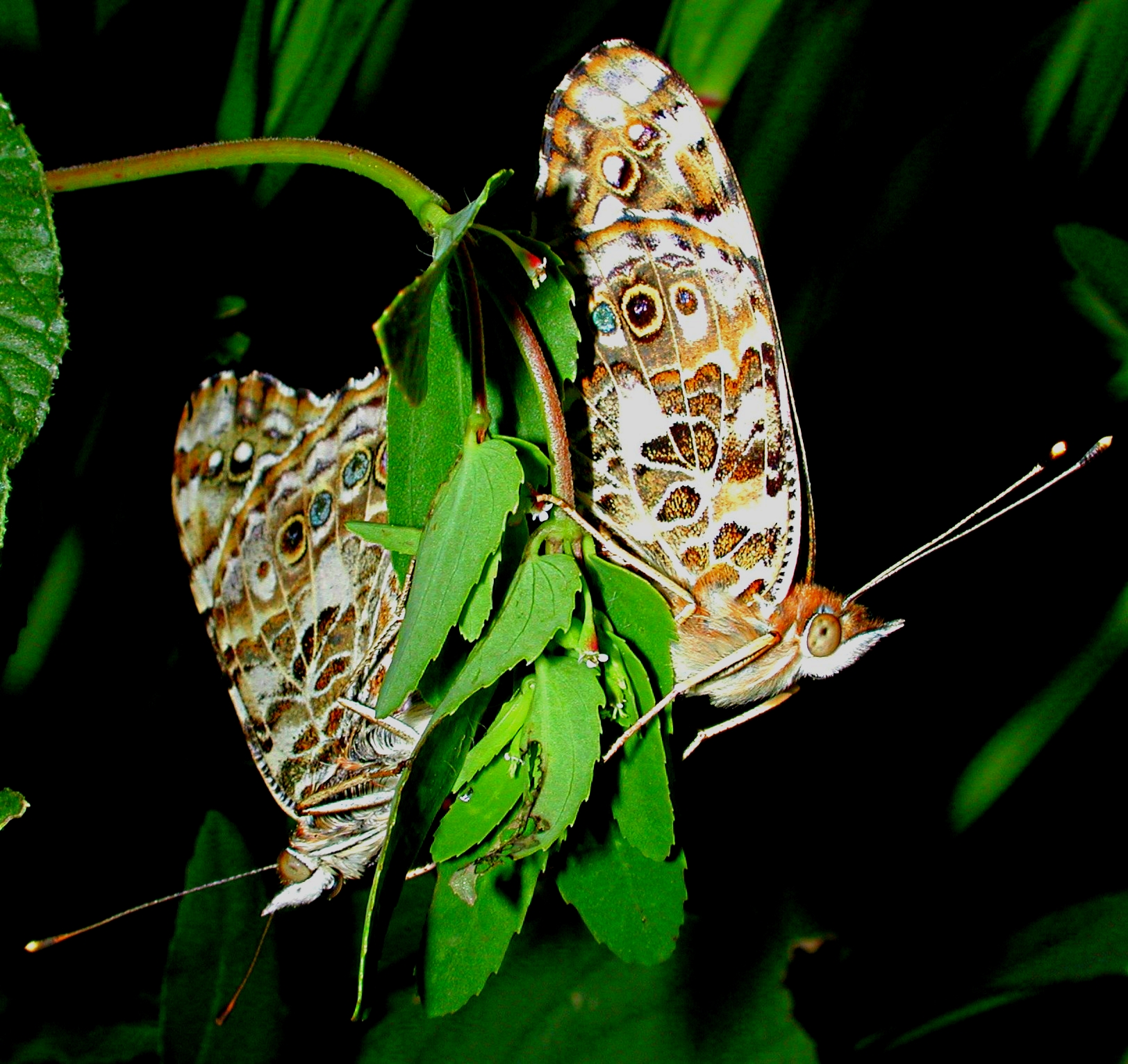
[Painted Lady Butterflies mating.  They are discreetly using leaves for privacy.  The Painted Lady Butterfly larva builds a webbed nest on the food plant, usually Thistle.]

Two as one. Photo by Thomas Peace 2014

Two as one. Photo by Thomas Peace 2014

Post

It may be a losing battle — getting this sick world well — but…

3 comments

.

It may be a losing battle — getting this sick world well — but, like a good surgeon, we’ll keep fighting anyway!      😉

.

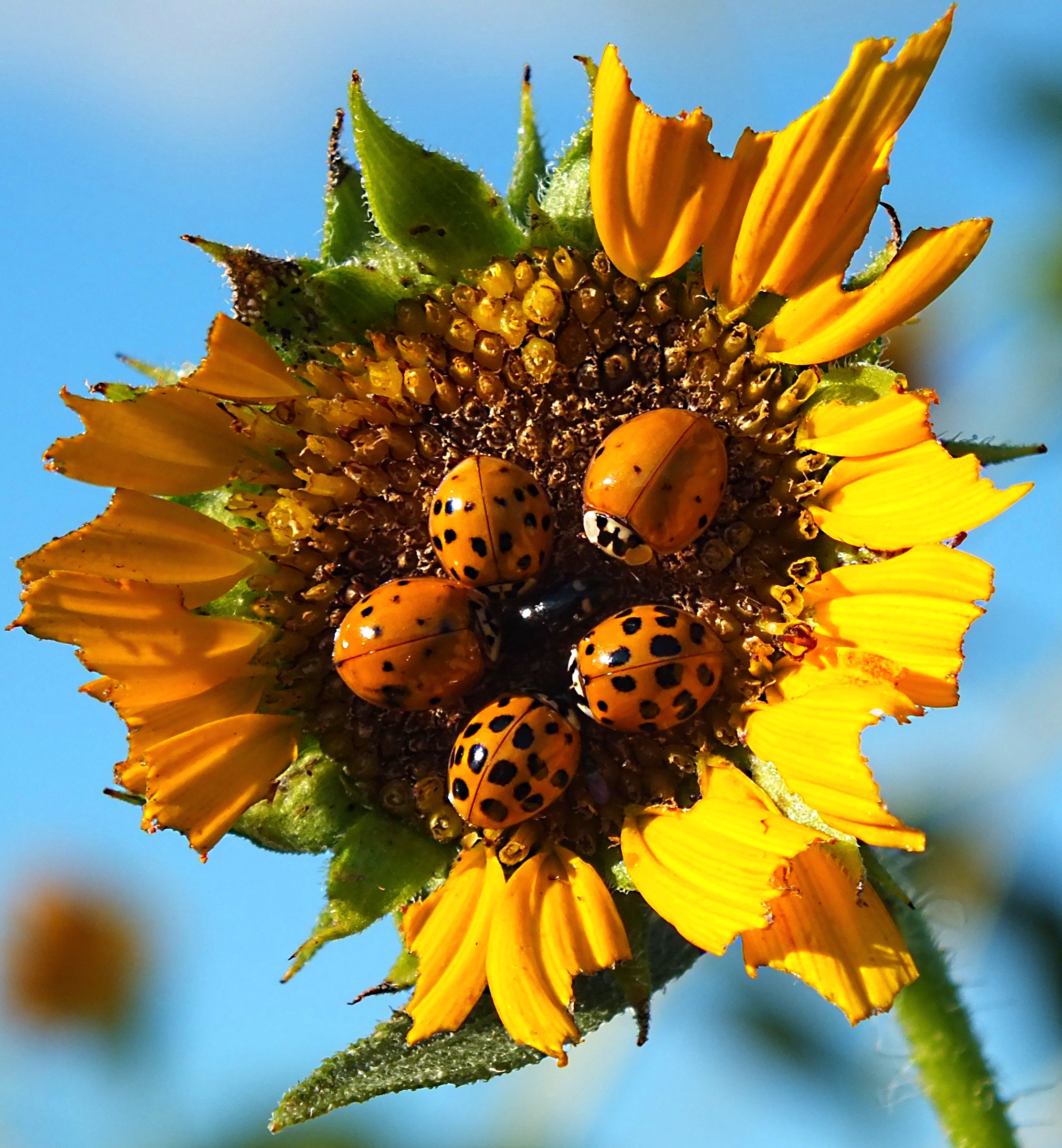
[These are Ladybugs having an important conference.  Both the adults and the larvae are predators, mostly of aphids; therefore, they are very beneficial in gardens.  Ladybugs are common on plants and often overwinter as adults in large swarms under fallen leaves or bark.]

Ladybugs in an important meeting.  Photo by Thomas Peace 2014

Ladybugs in an important meeting. Photo by Thomas Peace 2014

Post

The dichotomy — between the “perceiver” and “that which is perceived”…

3 comments

.

The dichotomy — between the “perceiver” and “that which is perceived” — is essentially (psychologically) illusory and nonexistent.

.

[Group of Monarch Butterflies on wild flowers, gathering nectar and preparing for migration.]

Preparing for migration. Photo by Thomas Peace 2014

Preparing for migration. Photo by Thomas Peace 2014

Post

(Multi-photo)*** Namaste!

2 comments

.

You can say “Namaste” until you are blue in the face… but unless you live like all life forms are not separate from your actual self, it is rather meaningless.

.

[This huge wasp is a called the Giant Cicada Killer.  The adults feed on nectar; the larva feed on cicadas.  Several females use their “bushy” legs to make nests of branching tunnels in light clay to sandy soil.  Front legs are used for digging; the hind legs are used for kicking out dirt.  Females hunt cicadas one at a time; each victim is stung and brought back to the nest. One to two cicadas are placed in each cell; one wasp egg is laid on the last one. When this wasp was being photographed, I got quite close to it.  It was aware of my presence, but seemed to be indifferent of me… seeming to know that it was equipped to attack if I truly threatened it.  I used to keep bees, so was not intimidated by it; though I was glad that it respected me as I did it.]

Huge Wasp indeed! (1) Photo by Thomas Peace 2014

Huge Wasp indeed! (1) Photo by Thomas Peace 2014

Huge wasp indeed! (2) Photo by Thomas Peace 2014

Huge wasp indeed! (2) Photo by Thomas Peace 2014

Post

One should always think of and help oneself first…

2 comments

.

One should always  think of and help oneself first… and oneself, by the way, is the whole of humanity and life.

.

[This is a young Bullfrog, probably a female, in the security of a pond.   Amphibians (and all vertebrates) evolved from fish… and this young frog has very fish-like eyes!  The round disc behind the eye of the Bullfrog is the eardrum.  For Bullfrogs, the eardrum is larger in males than it is in females.  In males it is larger than the eye.  In females, the eardrum is the same size or smaller than the eye.  Female Bullfrogs grow to be larger than males.  This one is very young… so it probably won’t croak soon. 😉 ]

Not green due to envy!  Photo by Thomas Peace 2014

Not green due to envy! Photo by Thomas Peace 2014


Post

An insect’s priorities don’t include understanding the whole. Go beyond an arthropodan mentality.

Leave a reply

.

An insect’s priorities don’t include understanding the whole.    Go beyond an arthropodan mentality.

.

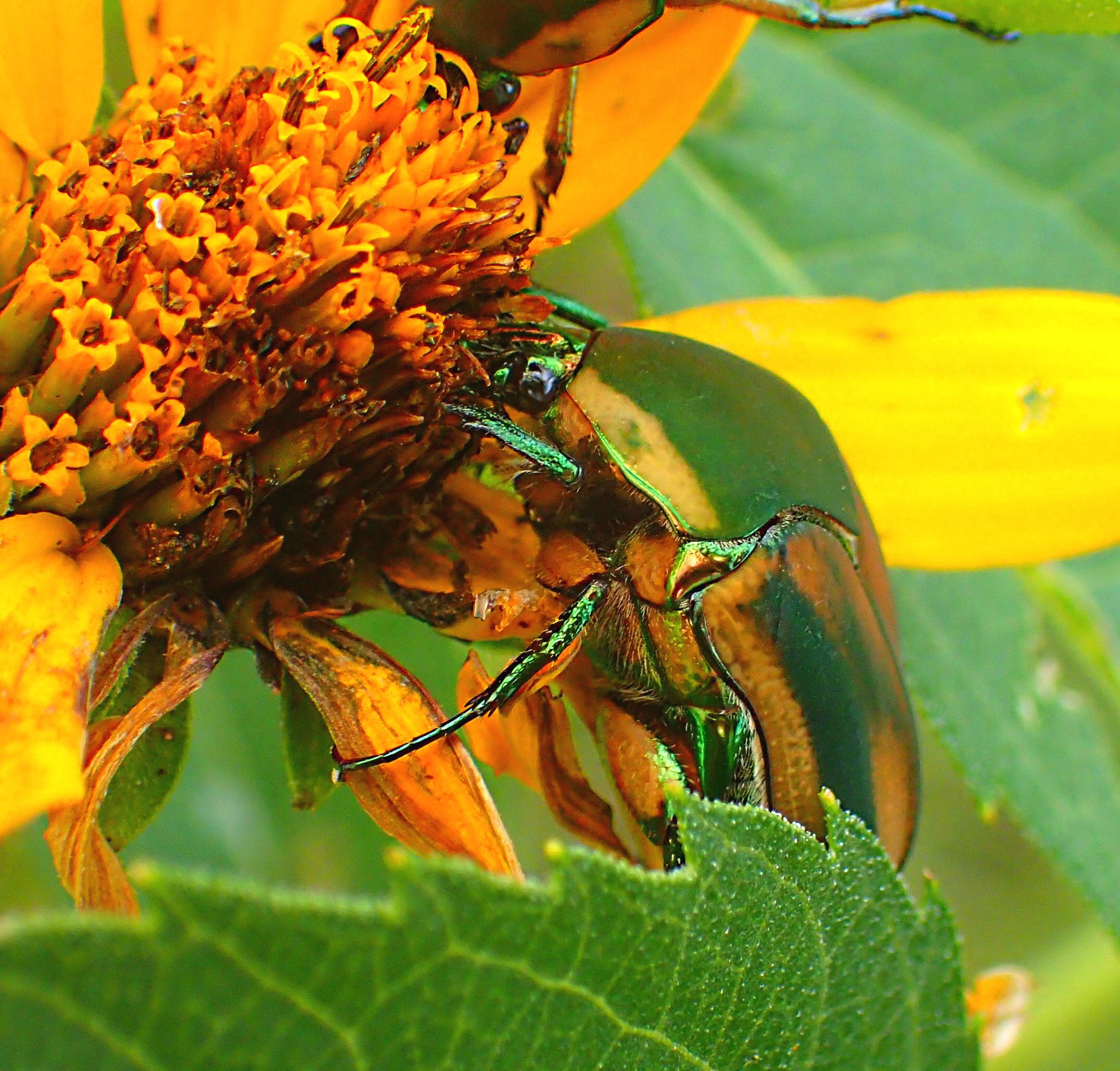
[Green June Beetles are metallic bronze-green underneath.  Like other scarab oriented insects, Green June Beetles lay their eggs in the ground and their larvae develop as c-shaped grubs within the soil.  Following having pupated underground, they emerge as adults in the summer and actively fly, feed, and reproduce from June–September.]

Green in Yellow. Photo by Thomas Peace 2014

Green in Yellow. Photo by Thomas Peace 2014

Post

When sorrow enters a truly wise mind… sorrow’s essence and dross disintegrates.

1 comment

.

When sorrow enters a truly wise mind… sorrow’s essence and dross disintegrates.

.

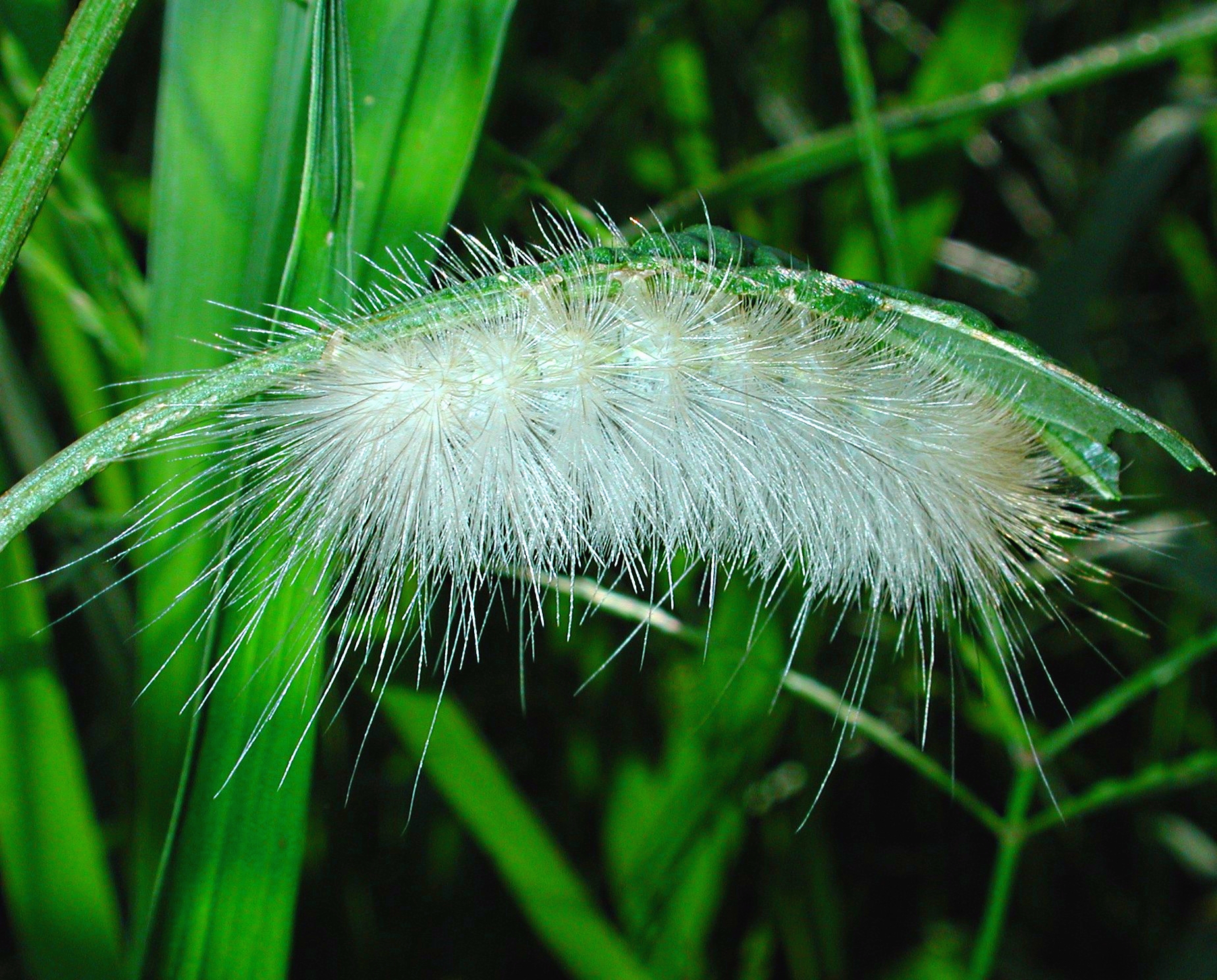
[This is a moth caterpillar… likely a Buck Moth.  Buck Moth larvae have stinging spines. This is one cat you don’t want to hug!]

Ugly and beautiful! Photo by Thomas Peace 2014

Ugly and beautiful! Photo by Thomas Peace 2014


Post

(Multi-photo)*** To be perceptive means to be observant, to be sensitive; and one isn’t fully perceptive if one does not have deep sensitivity and love for all living things.

2 comments

.

To be perceptive means to be observant, to be sensitive; and one isn’t fully perceptive if one does not have deep sensitivity and love for all living things.

.

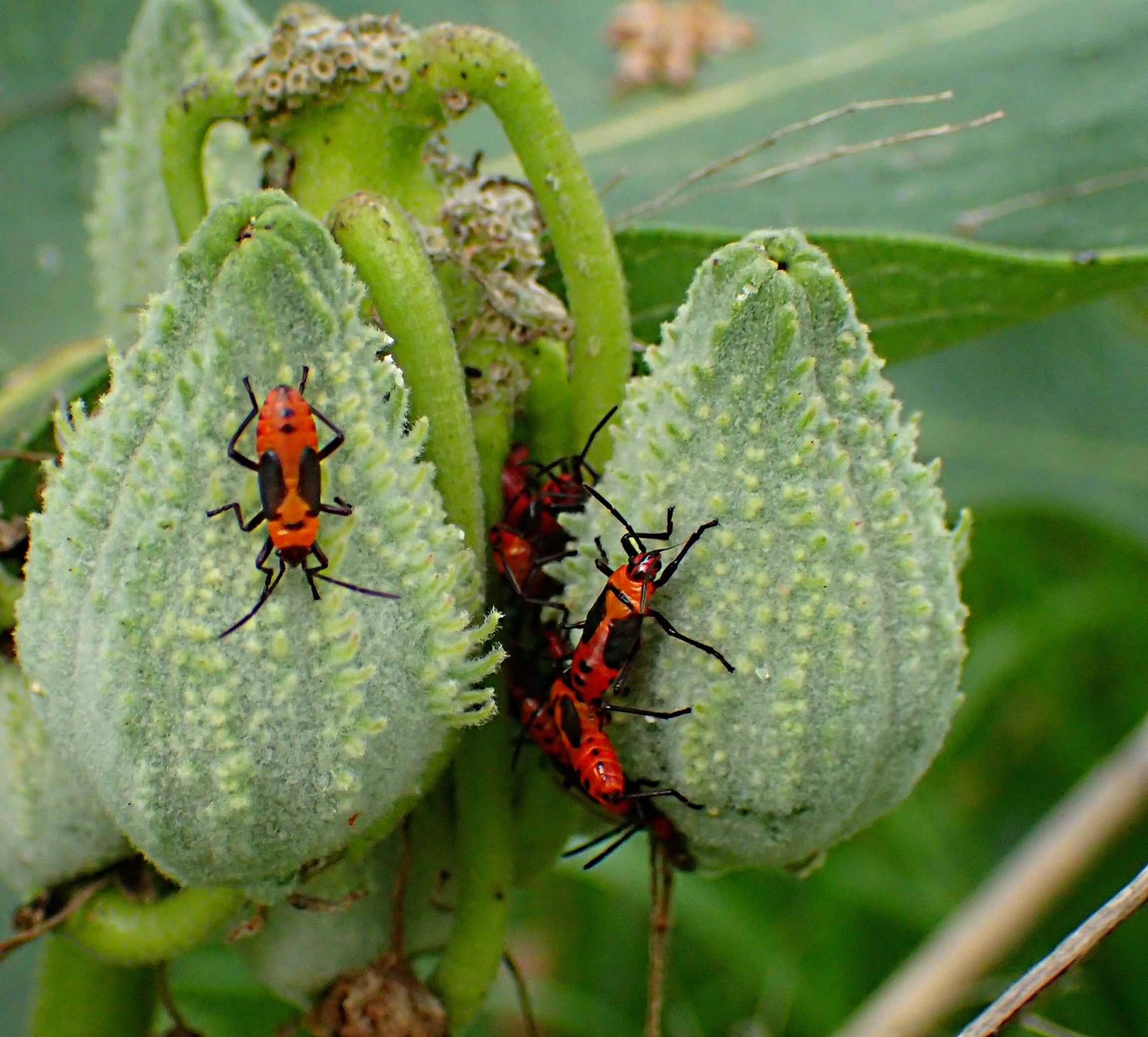
[Milkweed plants feed so many insects, yet seem to prosper and continue to do very well! True energy machines!  These are nymph stages of the Large Milkweed Bug.  Both the adults and young nymphs of the Large Milkweed Bug sip nectar and sap from plants and their flowers… but seem to do no significant damage.  In the fall and winter they over-winter in the cottony growth of the milkweed pods. It would be nice if our homes were so edible and accommodating!]

One big happy family!  Photo by Thomas Peace 2014

One big happy family! Photo by Thomas Peace 2014

It's sweet when your home is what you can eat!  Photo by Thomas Peace 2014

It’s sweet when your home is what you can eat! Photo by Thomas Peace 2014

Post

Real passion in life cannot merely be taught. Real passion is…

2 comments

.

Real passion in life cannot merely be taught.  Real passion is not for one or two things, it is for the whole!

.

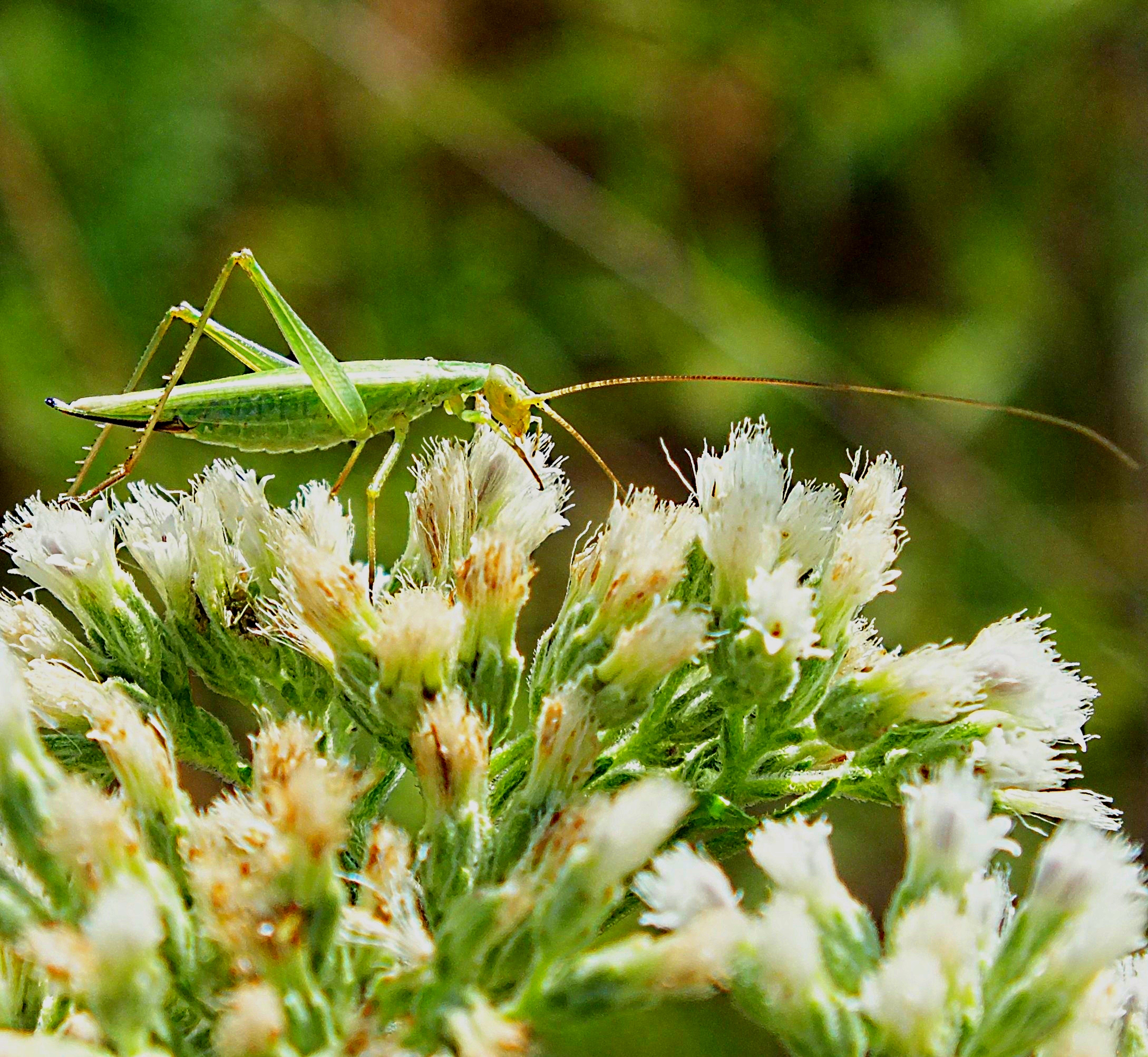
[This slender insect is a Conehead Katydid.  The Conehead Katydid feeds on flowers and foliage, such as shrubs and trees.  Males chirp during the day and sometimes at night with a “tsip-tsip” sound; close-up, the call resembles a continuous, second-long buzz repeated every 2 seconds.]

Katy did it!  Photo by Thomas Peace 2014

Katy did it! Photo by Thomas Peace 2014


Post

Go to nature… where there are no politicians!

6 comments

.

Go to nature… where there are no politicians!  

.

[This is a group of Hover Flies feeding on nectar from a Goldenrod plant.  Many people mistake Hover Flies for bees; they are not bees and do not carry stingers.  I love the way that they can hover in one spot (in mid-air), remaining (except for their wings) perfectly still!  Adults drink nectar.  The larva preys on aphids and the larvae of scale insects.  It is considered to be extremely beneficial due to the eating habits of the larvae, aiding in eliminating harmful insects that attack ornamental plants and commercial crops. Often they get quite sociable and will land on you without fear.]

After the gold!  Photo by Thomas Peace 2014

After the gold! Photo by Thomas Peace 2014

Post

If you have a really big nose — like I do — don’t be ashamed of it; it’s far better than…

Leave a reply

.

If you have a really big nose — like I do — don’t be ashamed of it; it’s far better than having a big, fat ego.

.

[This is a female Snout Butterfly.  They have extensive projecting mouth parts (palpi) that resemble long snouts or noses.  Similar to the metalmark butterflies, Snout Butterfly males have four walking legs and the females have six.  Only one species occurs north of Mexico.  The larva, which grows very rapidly, feeds on Hackberry.]

What a snoz!  Photo by Thomas Peace 2014

What a snoz! Photo by Thomas Peace 2014

Post

(Multi-photo)*** It’s good, if you are human, to leave the superficial and the shallow (and the crowd)… and, instead, go deep. However, if you are a duck…

Leave a reply

.

It’s good, if you are human, to leave the superficial and the shallow (and the crowd)… and, instead, go deep.  However, if you are a duck, leaving the group and going into the deep (on your own) can get you eaten by a northern pike or a muskellunge.  

.

[The real Duck Dynasty!  These are young (immature) wild Mallard Ducks.  Fortunately, the one going off on his own (into the deep) quickly came back and joined the group.  Almost all domestic ducks are derived from wild Mallard Ducks.  Mallards are “dabbling ducks”—they feed in the water by tipping forward and grazing on underwater plants. They almost never dive. (Fortunately, unlike some people, when I shoot ducks I only use a camera!)]

The real Duck Dynasty.  Photo by Thomas Peace 2014

The real Duck Dynasty. Photo by Thomas Peace 2014

The real Duck Dynasty (part 2) Photo by Thomas Peace 2014

The real Duck Dynasty (part 2) Photo by Thomas Peace 2014

Post

One doesn’t (personally) care about the latest (current) fashions or trends; one cares about…

4 comments

.

One doesn’t (personally) care about the latest (current) fashions or trends; one cares about lasting and eternal truths that remain forever.

.

[A Fire Beetle and a Sulphur Butterfly (i.e., Alfalfa Butterfly) contemplating their next move.]

Sulphur Butterfly and Fire Beetle. The Important Conference (2). Photo by Thomas Peace 2014

Sulphur Butterfly and Fire Beetle. The Important Conference (2). Photo by Thomas Peace 2014

Post

In a big way, you can’t distance yourself from your anxieties and…

2 comments

.

In a big way, you can’t distance yourself from your anxieties and fears; you are your anxieties and fears.

.

[Praying Mantis head study. The two large, compound eyes of Praying Mantises operate much better than the eyes of most insects; dragonflies also have excellent eyes. A mantid can see to a distance of 50 feet. Between the two large compound eyes, there exists three simple eyes (and the middle simple eye is larger than the other two).  Sometimes, right after mating, a female Praying Mantis will bite the male’s head off and eat him.  (Males usually don’t live long after mating anyway… and the extra protein is excellent nourishment for producing plenty of viable eggs.)  What a way to go! Actually, in the wild, scientists believe the male partner gets munched on less than 30% of the time.]

Praying Mantis Head Study. Photo by Thomas Peace 2014

Praying Mantis Head Study. Photo by Thomas Peace 2014


Post

To hate others involves despising images that are part of one’s own consciousness. Intelligently go beyond hate.

Leave a reply

.

To hate others involves despising images that are part of one’s own consciousness.  Intelligently go beyond hate.

.

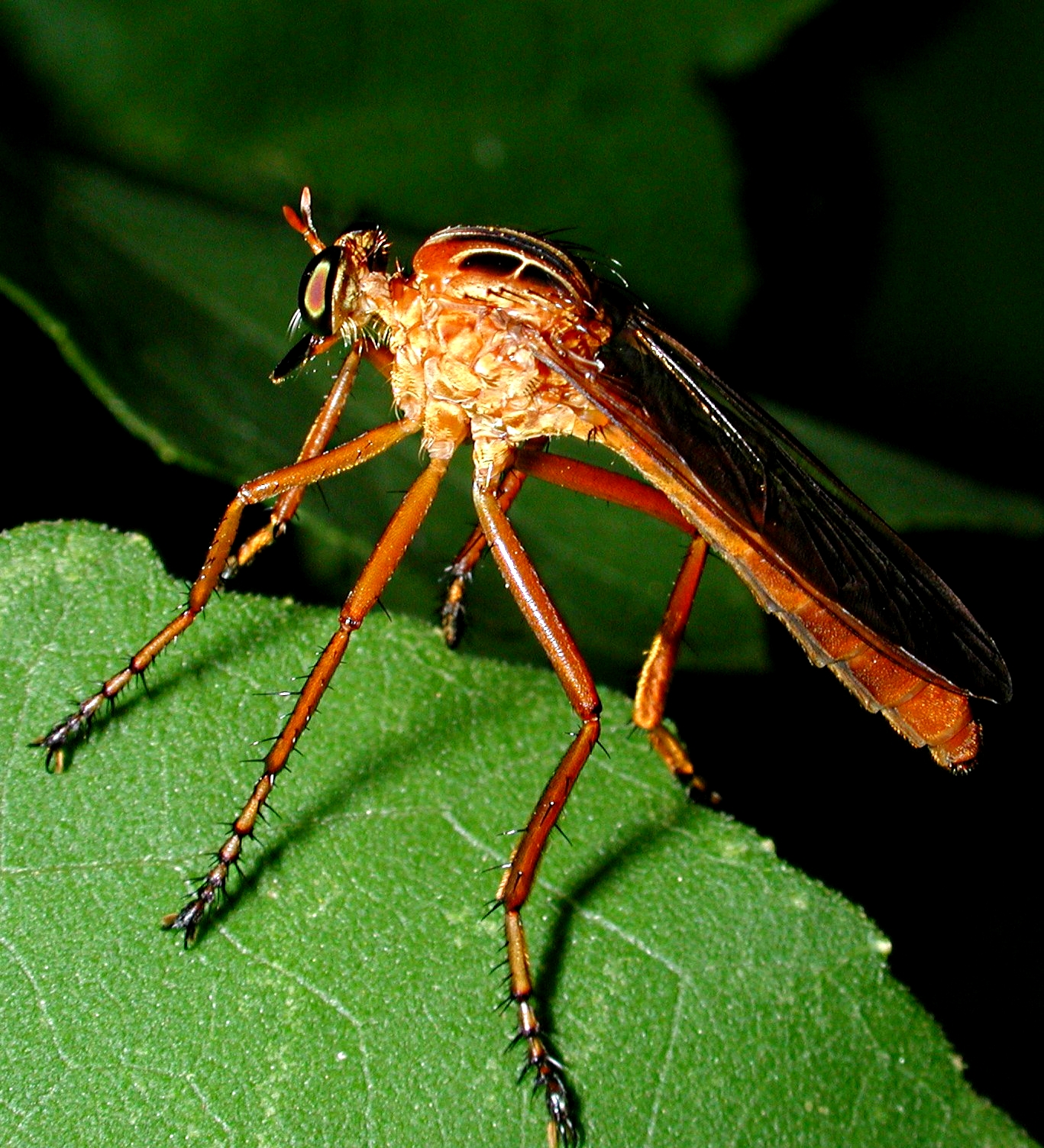
[This is a Robber Fly.  They thrive along woodland edges and are voracious predators.  I often see them flying around looking for insect prey to snatch up.  They can go after wasps, bees, flies, and even larger insects such as dragonflies.]

Quick and agile!  Photo by Thomas Peace 2014

Quick and agile! Photo by Thomas Peace 2014


Post

I’ve seen the sunset from an eternal shore.

Leave a reply

.

I’ve seen the sunset from an eternal shore.

.

[This is a Tree Cricket.  Tree crickets are found around the world, in a variety of colors; they live in trees, shrubs, bushes, plants and grasses. If you’ve ever been outdoors in summer or autumn, day or night, there is an excellent chance that you have heard the loud and beautiful trilling songs of male tree crickets.]

Jiminy Cricket!  Photo by Thomas Peace 2014

Jiminy Cricket! Photo by Thomas Peace 2014

Post

Walking on water…

2 comments

.

Plenitude of insight exists with (and “as”) direct and simple clarity (beyond mere symbols).

.

[There’s some simple clarity here!  These aren’t skydivers dropping down to earth… they’re the insects known as Water Striders; they “walk” on water!  Water Striders use their forelegs to grab insects trapped by the water’s surface tension and also to make ripples to communicate with each other.  (We use sound waves when we talk/communicate!) They use their middle legs for rowing and their hindlegs for steering. There is a living clam to the lower left.]

Having the time of their lives! Photo by Thomas Peace 2014

Having the time of their lives! Photo by Thomas Peace 2014


Post

When you’ve been out in nature photographing over the years so long that the insects come and land on you… maybe it’s time — like so many do — to…

3 comments

.

When you’ve been out in nature photographing over the years so long that the insects come and land on you… maybe it’s time — like so many do — to stay indoors!    😉

.

[This is a Red Admiral Butterfly.  When the insects come to you… doing macro photography is a whole lot easier!  🙂 ]

Another six-legged friend! (2) Photo by Thomas Peace 2014

Another six-legged friend! (2) Photo by Thomas Peace 2014

Another six-legged friend! (1) Photo by Thomas Peace 2014

Another six-legged friend! (1) Photo by Thomas Peace 2014

Post

Educating the mind without educating the heart is no education at all. — Aristotle

Leave a reply

.

Educating the mind without educating the heart is no education at all.      — Aristotle

.

[This is a Southern Cloudy Wing Skipper.  They prefer wooded margins, especially near clover and other legumes upon which the larvae feed.]

Favorite resting place.  Photo by Thomas Peace 2014

Favorite resting place. Photo by Thomas Peace 2014

Post

Establish value in orderly, direct perception… not in limited patterns of…

Leave a reply

.

Establish value in orderly, direct perception… not in limited patterns of the standard,  (rather mediocre) norm.

.

[This insect is an adult Green Stink Bug.  They can, when disturbed,  emit copious amounts of foul-smelling fluid.  Both adults and nymphs (a nymph was photographed not long ago) possess large stink glands on the undersurface, opening through conspicuous slits.]

Watching me!  Photo by Thomas Peace 2014

Watching me! Photo by Thomas Peace 2014


Post

Peace among friends…

Leave a reply

Nonviolence, like love and  true meditation, is not a mere practice.  One can’t practice what is alive, heartfelt, and beyond gross methodology.

.

[Male Eastern Tailed-Blue Butterfly with a flying visitor.  These butterflies have approximately a one inch wingspan.  These butterflies often feed on seeds and flowers of a wide variety of plants in the pea family, including clovers, beans, and wild peas.]

Peaceful friends.  Photo by Thomas Peace 2014

Peaceful friends. Photo by Thomas Peace 2014

Post

In a rotten society, don’t be a mere pawn; act beyond the rigidity, the…

2 comments

.

In a rotten society, don’t be a mere pawn; act beyond the rigidity, the cold indifference, and beyond the crass mediocrity.

.

[This caterpillar is a Salt Marsh Moth Caterpillar.  Although they are decidedly hairy, the hairs are not as dense or as stiff as those found in Woollybear larvae.The farmers in the area will tell you what all that extra fuzziness means… it means we are in for a terrible and harsh winter!  Prepare! 😉 ]

Get ready for a long, harsh winter!  ;)  Photo by Thomas Peace 2014

Get ready for a long, harsh winter! 😉 Photo by Thomas Peace 2014


Post

It’s easy to belong to a group, a gang, or a herd; but to stand alone and…

2 comments

.

It’s easy to belong to a group, a gang, or a herd; but to stand alone and think and feel for yourself is arduous!

.

[This is, of course, a Praying Mantis; it is a Chinese Mantid.   I will often, when I find them, pick them up and let them climb on my hands. At first, they bite viciously and don’t like it; but most, after around a minute or so, tame down and don’t want to leave your hand; apparently, it’s too much fun for them… the equivalent of a carnival ride or something!  They love traveling from hand to hand on your fingers!  At least that’s how they behave around here.   I only encountered one that persistently didn’t want anything to do with me.  Their long front “arms” are used as spike-vices to capture and subdue prey.  Often, they will “sway” back and forth with their entire body before striking something, simulating a twig or branch in the breeze!  They actively hunt or – often – they simply wait for something to come along.  (Alien-like for sure!)]

There are aliens among us!  Photo by Thomas Peace 2014

There are aliens among us! Photo by Thomas Peace 2014


Post

The keyhole to unlocking life’s mysteries and wisdom’s treasures lies in…

Leave a reply

.

The keyhole to unlocking life’s mysteries and wisdom’s treasures lies in silent awareness and magnanimous existence.  Love is the key.

.

[These are dwarf tropical catfish of the species known as Corydoras trilineatus.   (In Latin, Corydoras means helmeted, and trilineatus means three-striped or three-lined.)  They only get around an inch and a half long.  These are one of the species of dwarf catfish that I keep as pets and that I occasionally get babies from.  All Corydoras species are extremely peaceful and non-combative.  Each species has a tank all to themselves.  I really like the patterns that this particular species has, once mature.]

Small bottom dwellers.  Photo by Thomas Peace 2014

Small bottom dwellers. Photo by Thomas Peace 2014

Post

One can look young on the outside and be stale and old on the inside. One can be young on the inside and…

4 comments

.

One can look young on the outside and be stale and old on the inside.  One can be young on the inside and appear elderly on the outside.

.

[This is an Acorn Weevil.  They use their long snouts to drill and burrow into acorns.  This one was photographed adjacent to a large oak tree.  The adult female weevil bores a tiny hole in the immature acorn to lay her eggs, which then hatch into legless grubs. In the fall, the grubs bore holes through the shells from the inside to emerge into the soil where they may live for a year or two before maturing into adults.  So these insects are frequently boring… like a lot of politicians these days!]

Boring like our politicians!  Photo by Thomas Peace 2014

Boring like our politicians! Photo by Thomas Peace 2014

Post

Internal disarray and disorder projects out as…

Leave a reply

.

Internal disarray and disorder projects out as external disorderliness and chaos.  Be orderly and stable.

.

[This butterfly is a Black Swallowtail.  Some males have very little blue on the hindwing.  These butterflies frequent clover and garden flowers, usually flying very near to the ground.]

Beautiful and pristine!  Photo by Thomas Peace 2014

Beautiful and pristine! Photo by Thomas Peace 2014

Post

Real learning is often an ongoing unlearning… a true and fresh reexamination!

Leave a reply

.

Real learning is often an ongoing unlearning… a true and fresh reexamination!

.

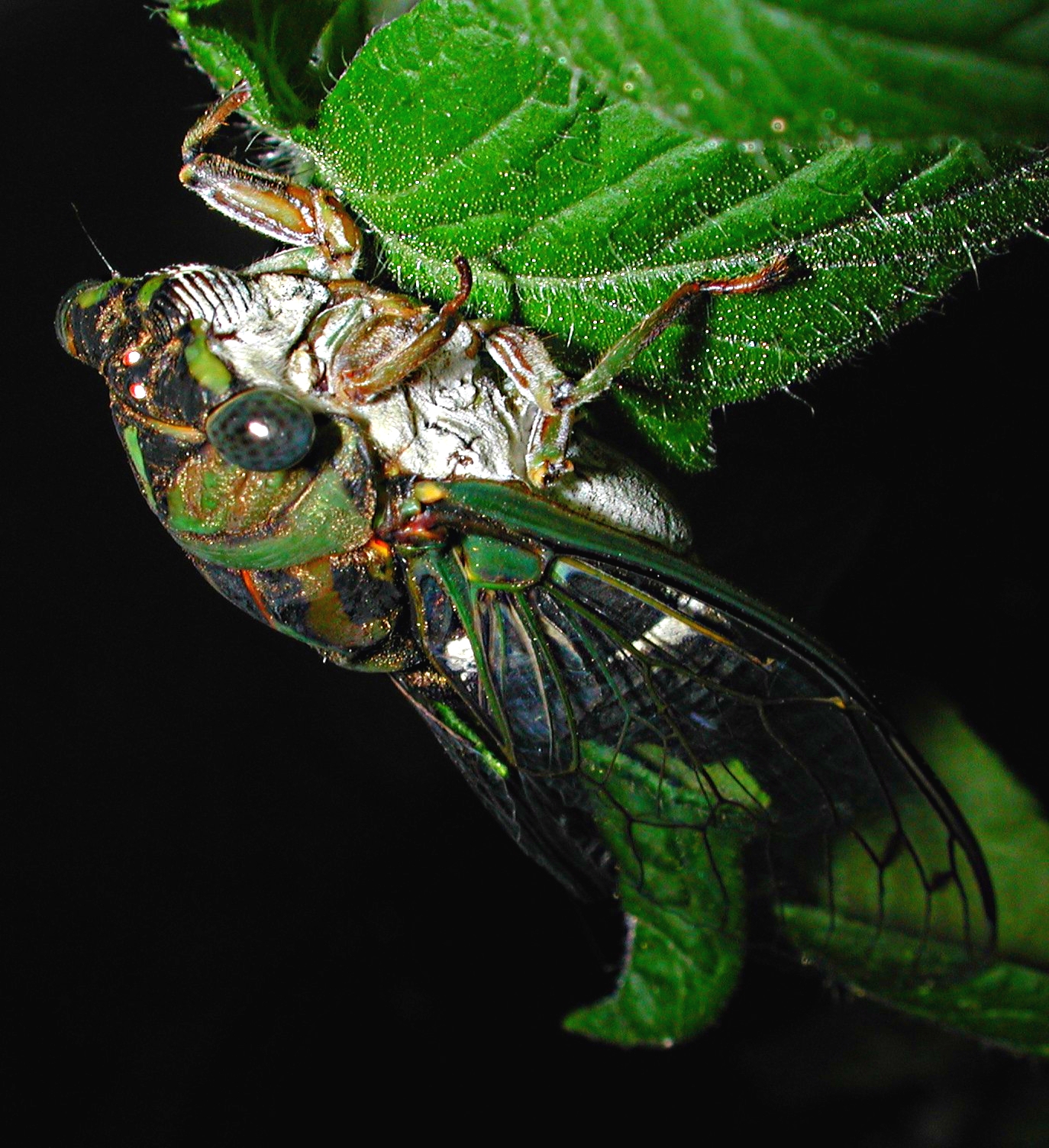
[This is an annual Cicada.  They are the loud noise-makers high up in the trees.  Larvae of annual Cicadas take only five years to reach maturity; there are new batches, however, which emerge every year.  The periodical Cicadas emerge once every 17 or 13 years.]

Singer of songs... an annual Cicada.  Photo by Thomas Peace 2014

Singer of songs… an annual Cicada. Photo by Thomas Peace 2014

Post

(Multi-photo)*** The silence that naturally — without practice — occurs between two sets of thoughts…

4 comments

.

The silence that naturally — without practice — occurs between two sets of thoughts… can be the beginning of profound wisdom and deep insight.

.

[This insect is a Broad-winged Katydid.  Note (in the second photo) the openings on its front legs.  Those openings are its ears!  When one is a rather “narrow” insect… what better way is there to have true stereophonic hearing than to have your ears located precisely where your broad legs are?!]

Katy did... but I didn't! Photo by Thomas Peace 2014

Katy did… but I didn’t! Photo by Thomas Peace 2014

Those sexy legs have ears!  Photo by Thomas Peace 2014

Those sexy legs have ears! Photo by Thomas Peace 2014

Post

(Multi-photo)*** Real perception is direct and present… not second-hand and hand-me-down.

Leave a reply

.

Real perception is direct and present… not second-hand and hand-me-down.

.

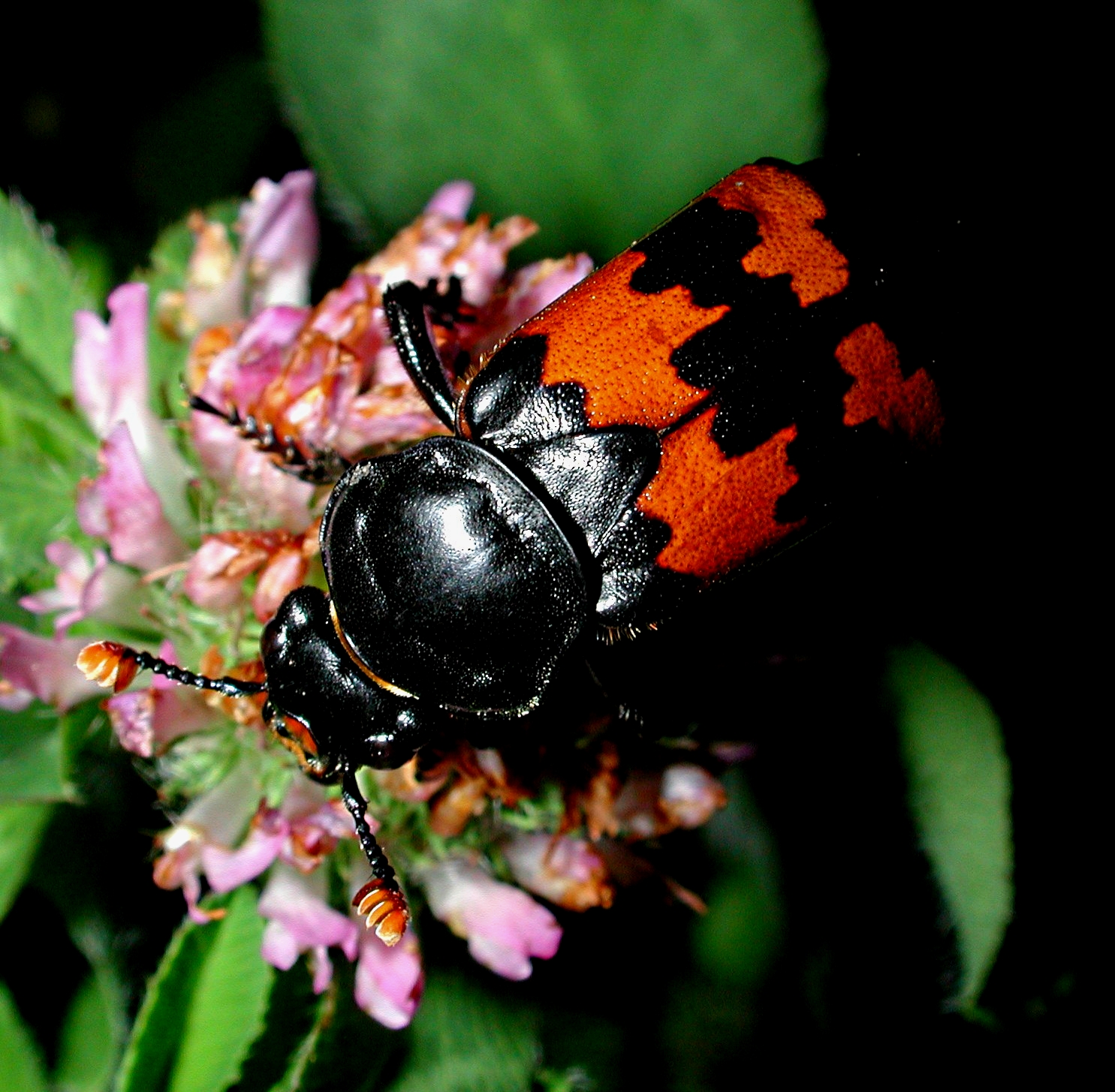
[This insect is a Burying Beetle. These beetles bury the carcass of a small bird or mammal in a shallow pit.  Their larvae hatch and feed on the carcass; adults feed on carrion and fly larvae. Eating fly larvae gets rid of your competition while providing you with lots of needed protein.]

Stealing some sweets. (1) Photo by Thomas Peace 2014

Stealing some sweets. (1) Photo by Thomas Peace 2014

Stealing some sweets (2).  Photo by Thomas Peace 2014

Stealing some sweets (2). Photo by Thomas Peace 2014

Post

(Multi-photo)*** This is not a grasshopper.

5 comments

.

This is not a grasshopper.

.

[There is that very famous painting, entitled “The Treachery of Images” (1928-1929), by the late Belgian painter, Rene Magritte.  (He is one of my favorite painters, by the way!) The painting has the words, in French, stating: “This is not a pipe.”  This is so very true.  It’s an image of a pipe and is not (at all) a real pipe.  So many of us think, using symbols (which all thoughts and mental images are) without ever really looking directly without all the imagery and thought.  We look through (and “as”) the screen of thought and rarely (if ever) see directly (without the imagery).  Both paintings and thoughts are (in a big way) virtual. Real intelligence can go beyond that. What most of us see, unfortunately, is often just an empty shell of what really is.

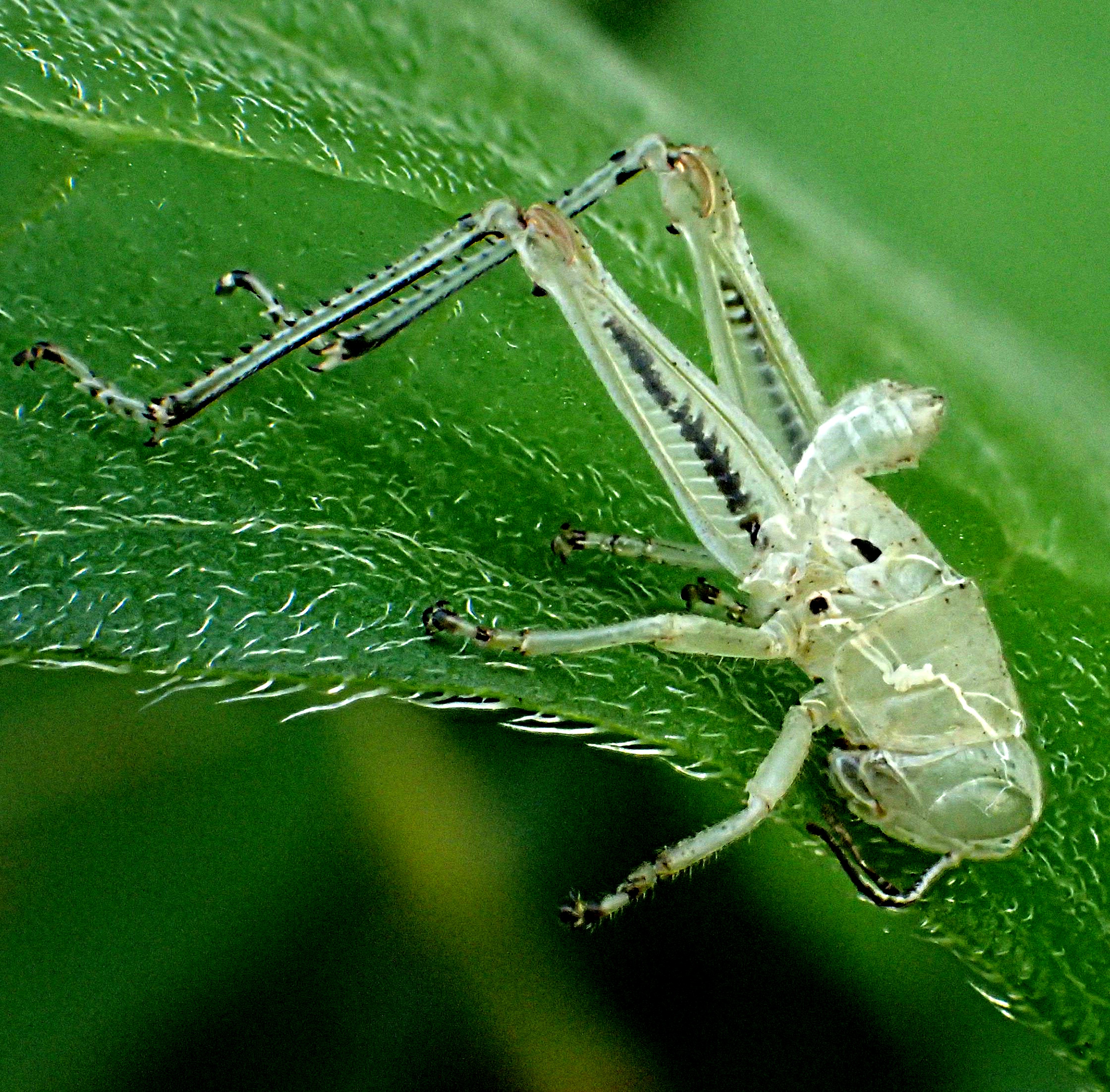
The following picture is not a grasshopper.  Even if it were a macro photograph of a live grasshopper… it would still not truly be a grasshopper.  It is not a dead grasshopper.  It is a photograph of a grasshopper’s exoskeleton… the outer shell of an insect which insects shed from time to time as they grow and enlarge.  But it really is not a grasshopper’s exoskeleton… and what you see is often what you were taught, and what you were taught is often what you see.  ;)]

This is not a grasshopper.  Photo by Thomas Peace 2014

This is not a grasshopper. Photo by Thomas Peace 2014

The Treachery of Images... by Rene Magritte

The Treachery of Images… by Rene Magritte

Post

Ponder beyond the ordinary. Go deep beyond the superficial.

2 comments

.

Ponder beyond the ordinary.  Go deep beyond the superficial.

.

[A grasshopper with yellow coloration and nicely colored, large compound eyes.]

Going deep!  Photo by Thomas Peace 2014

Going deep! Photo by Thomas Peace 2014

Post

Enjoy the small and simple things in life… for they are large and more than sufficient!

Leave a reply

.

Enjoy the small and simple things in life… for they are large and more than sufficient! 

.

[The Eastern Chipmunk has pouched cheeks that are used to carry food.  Chipmunks spend a large portion of their waking hours gathering and storing food for the winter.  They are very vocal.  Thank goodness, this very cute one wasn’t named Alvin and didn’t sing!]

Thank goodness... this cute little fell'r isn't named Alvin!  Photo by Thomas Peace 2014

Thank goodness… this cute little fell’r isn’t named Alvin! Photo by Thomas Peace 2014

Post

In the interim between two sets of thoughts…

Leave a reply

.

In the interim between two sets of thoughts, a natural, effortless silence can exist (which may bring insight and wisdom)!

.

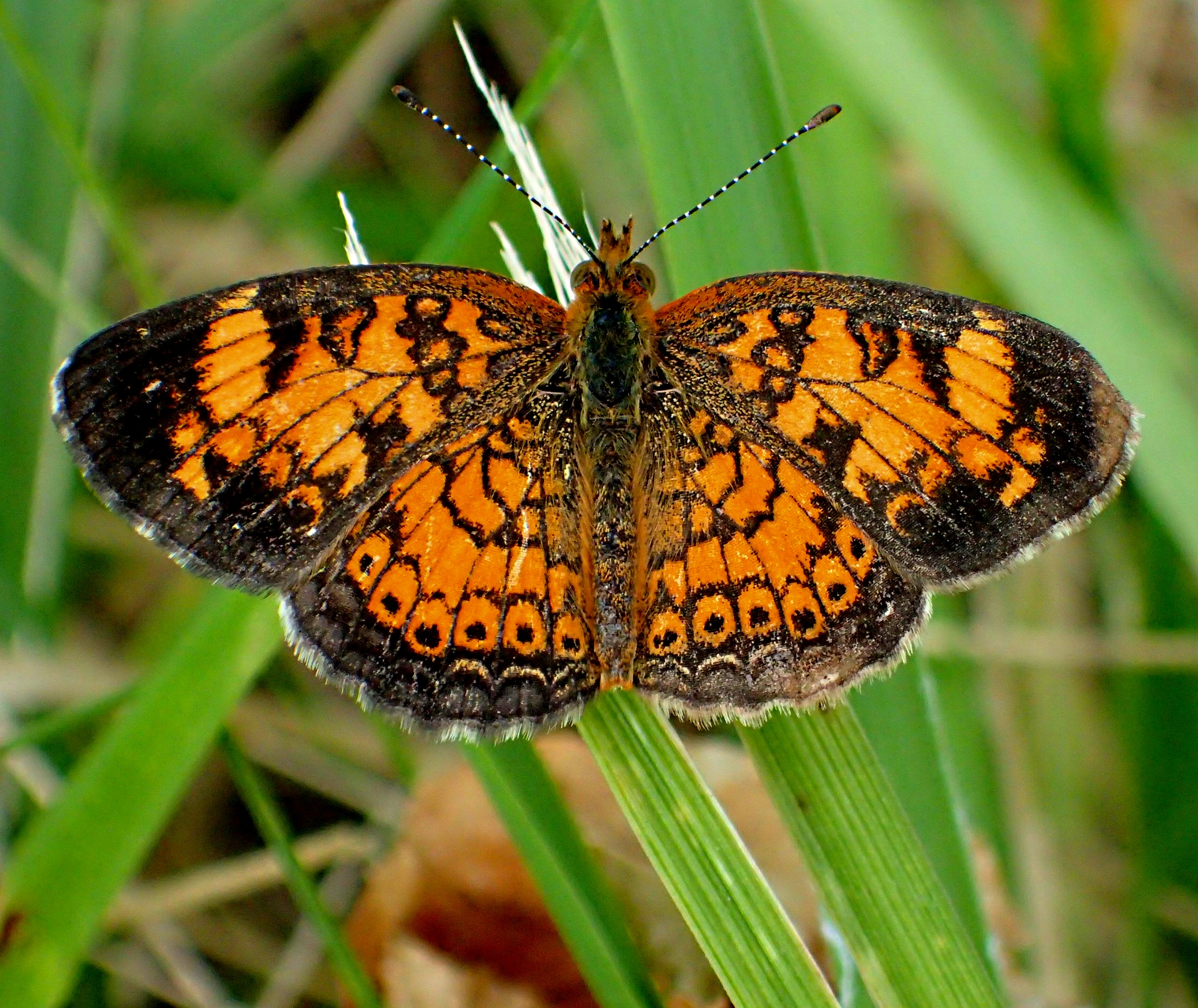
[This is a Pearl Crescent Butterfly.  These seem to always be around in the spring and summer at a particular prairie section that is adjacent to thick woods and a bend in a creek in our area.  It is especially fond of butterfly weed or orange milkweed flowers. Spring butterflies are usually darker than summer generations.]

.Between the two wings is the treasure pearl! ... Pearl Crescent Butterfly ...  Photo by Thomas Peace 2014

Between the two wings is the treasure pearl! … Pearl Crescent Butterfly … Photo by Thomas Peace 2014

Post

Troodon Dinosaur Fossil Teeth, etc…

7 comments

The following are a couple of fossils from Troodon formosus, a small (though rather intelligent) dinosaur from the Maastrichtian Period of the Upper Cretaceous (around 75 million years ago).  The fossils come from the Two Medicine Formation of Pontera County, Montana.  They are rather rare.  Troodon was little (by dinosaur standards)… only weighing in at around 70 pounds.  They are one of my most favorite of dinosaurs.  This is because they were closely related to the bird lineage… and because they were rather intelligent (having the biggest brain to body weight ratio, of all the dinosaurs).  Though some of the troodontid dinosaurs (related to Troodon) did have nice sized brains, their brains were (according to recent data) not exceptionally large.  Troodon formosus, one of the troodontid species, however, seems to have had a pretty large brain (relatively speaking).  Lines in the cranial case (of Troodon skulls) even show the beginnings of brain matter enfolding, just as our human brains exist as.  The partial cranial cases of Troodons shows some impressions from convoluting of the brain matter.  Additionally, Troodons, unlike most all theropod dinosaurs, had opposable thumbs.  They were able to pick up and examine small objects!

Troodons, from their teeth structure, were mostly meat-eaters, though most of them were probably omnivorous.  Troodon, unlike many dinosaurs with a few large teeth… had a lot of small, serrated teeth.  Each side of the lower jaw of Troodon, for example, had around 35 teeth.  They likely fed a lot on our ancestors… for, before that giant asteroid impact hit, dinosaurs were the ruling class, and would hunt and eat plenty of little mammals (like our ancestors).  Old scientific books on dinosaurs were very wrong; dinosaurs were not just slow, cold blooded and sluggish.  Many of them had thermal oriented bodies just as birds did; in fact, birds are closely related to the theropod line of dinosaurs.  (Really, birds are theropods!) Birds have a super high (and hot) metabolism… and so did the theropod dinosaurs.  They were more active than even the mammals… with way superior breathing mechanisms; this holds true to this day.  Most birds (and likely past theropod dinosaurs) had an average body temperature of around 105 degrees Fahrenheit.  

Troodon fossils (consisting of teeth) found in Alaska were twice the size of those found in the Montana area.  Why?  Paleontologists speculate that the extremely cold climate (of Alaska) back then prevented most theropods, such as T-rex, from living in Alaska.  Without the competition from T-rex and similar dinosaurs, Troodon was able to be the top predator, thus enabling it to get proportionally larger.  Troodons also had (on each foot, just like velociraptors) a raised sickle claw… used for attacking, and disemboweling, larger prey.

Paleontologists speculate that if that 6 mile across asteroid would not have hit 65 million years ago… dinosaurs like Troodon may have evolved to be very intelligent… maybe even with human-like intelligence.  But the asteroid hit… and mammals are reading this blog… not beings from the superorder Dinosauria.   We had better get our act together, limit our superfluous population, and get way more into green energy… or we will sadly go extinct like the dinosaurs did!
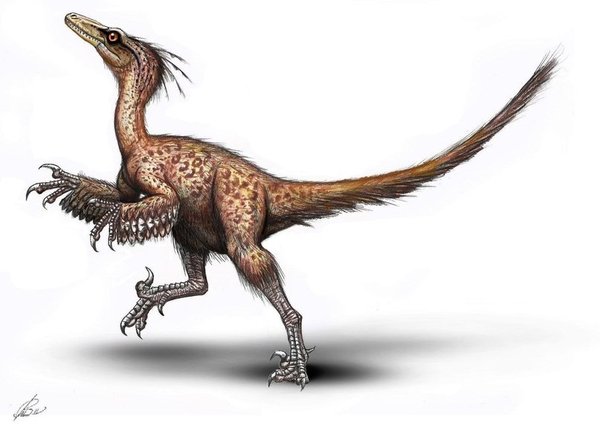
Image of Troodon, by MALvit of Deviant Art...

Image of Troodon, by MALvit of Deviant Art…

The Troodon Tooth below is rare, in that it has the unworn, complete posterior and anterior serrations.  Paleontologists say that this type of tooth was used for eating a lot of soft flesh and likely some veggies too. 

Troodon Tooth with Anterior and Posterior Serrations by Thomas Peace 2013

Troodon Tooth with Anterior and Posterior Serrations by Thomas Peace 2013

Below: A large Troodon tooth in matrix… still partially embedded in the substrate that it was found in.
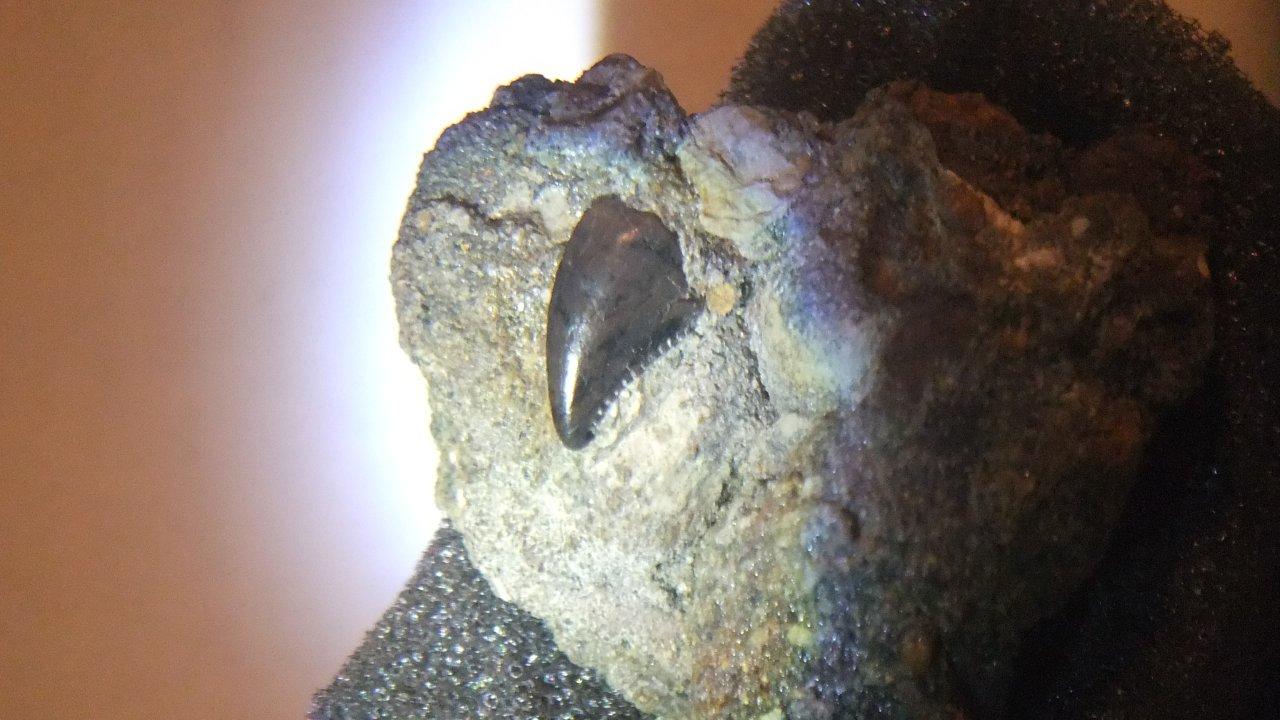
Large Troodon tooth in Matrix by Thomas Peace 2013

Large Troodon tooth in Matrix by Thomas Peace 2013

Below:  Fossil finger digit of a Troodon; it shows capability of being highly opposable.

Troodon Fossil Finger Digit by Thomas Peace 2013

Troodon Fossil Finger Digit by Thomas Peace 2013