All Posts Tagged ‘animals

Post

Two cans…

Leave a reply

.

One can intelligently question with a mind that observes with childlike wonderment.  One can care lovingly like a heart with a passionate harmony.

.

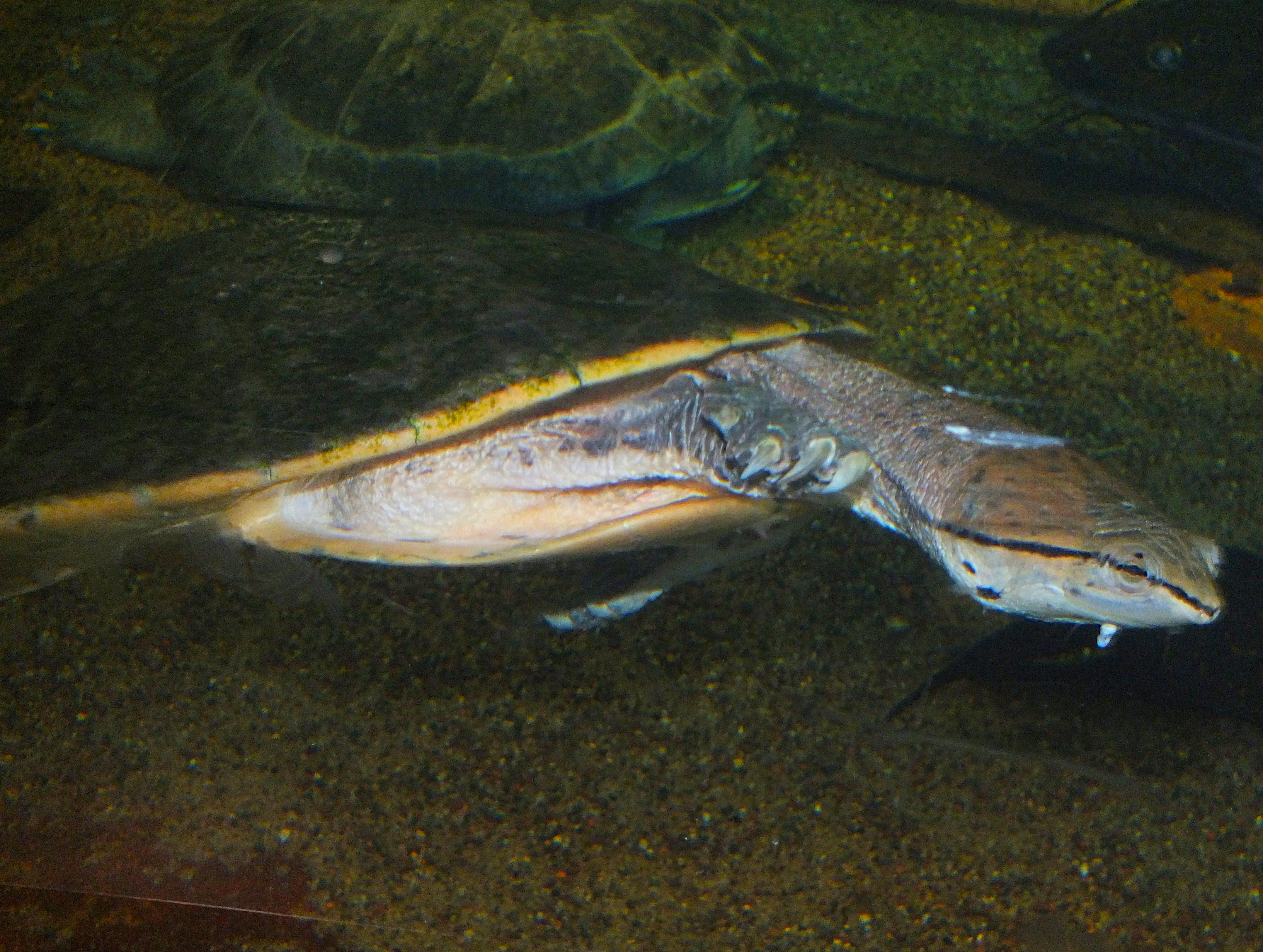
[Two Turtles at the Shedd Aquarium.]

Two Turtle Doves (or, rather, dives).  Photo by Thomas Peace 2015

Two Turtle Doves (or, rather, dives). Photo by Thomas Peace 2015

Post

No path to that pathless beauty…

Leave a reply

.

There’s no magic guru to blindly chase after, to cling to the apron strings of.  There’s only you… and no distance to insightful awareness/reality/truth.

.

[Leopard Frog nestled deep in the underbrush, far from the beaten path.]

Far from heavy traffic.  Photo by Thomas Peace 2014

Far from heavy traffic. Photo by Thomas Peace 2014


Post

Medusa… and our own superficial beauty…

Leave a reply

.

Being photogenic isn’t important. Being whole, compassionate, and perceptive is what is important.

.

[An Anemone at the Shedd Aquarium in Chicago.  This is an animal… not a plant.]

Let's hug!  Photo by Thomas Peace 2014

Let’s hug! Photo by Thomas Peace 2014

Post

One can practice self-hypnosis…

Leave a reply

.

Meditation is never a practice. You can’t practice profound perception, deep awareness, and alive/dynamic wisdom.

.

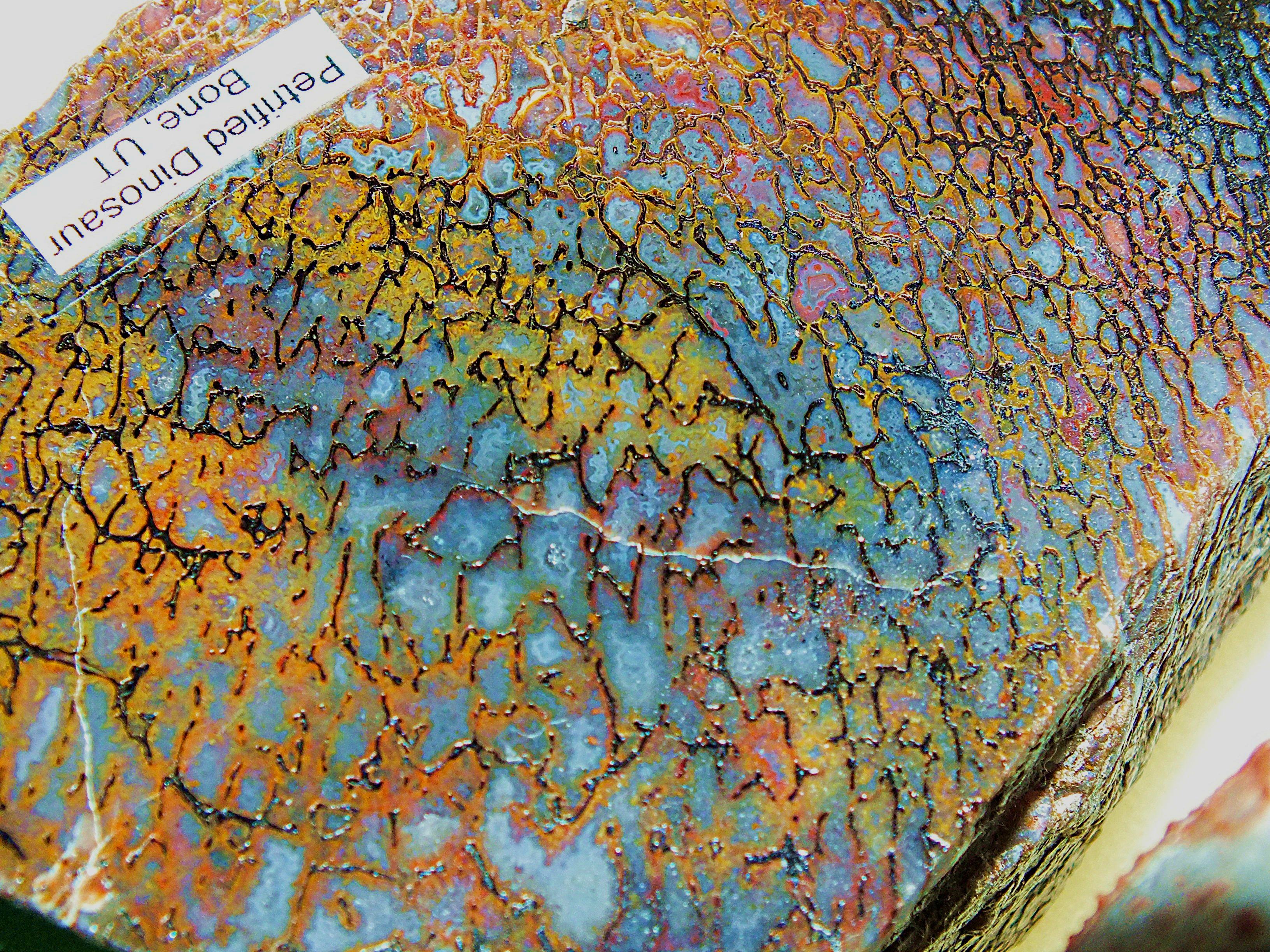
[Fossilized dinosaur bone, Jurassic Period, Southern Utah.  Dinosaur bone had chambers within it to store air from the lungs and was more advanced than what mammals had (and still have).]

Bad to the bone.  Photo by Thomas Peace 2014

Bad to the bone. Photo by Thomas Peace 2014


Post

Stuck behind their construction…

2 comments

.

To look through the screen of learned, old patterns (that they instilled) is to gaze at them (i.e., at their mental images and labels)… not at the fresh, alive actuality.

.

Whatever... Photo by Thomas Peace 2014

Whatever… Photo by Thomas Peace 2014

Post

What motivates you?…

Leave a reply

.

What motivates you?  Is what motivates you rather ordinary, limited, and superficial… or is it something with tremendous depth?

.

[A session (i.e., social gathering) of the Nature Appreciation Club.]

Nature Appreciation Club.  Photo by Thomas Peace 2014

Nature Appreciation Club. Photo by Thomas Peace 2014

Post

Universal conflict…

Leave a reply

.

The divisive notion of “us” and “them” causes wars.

.

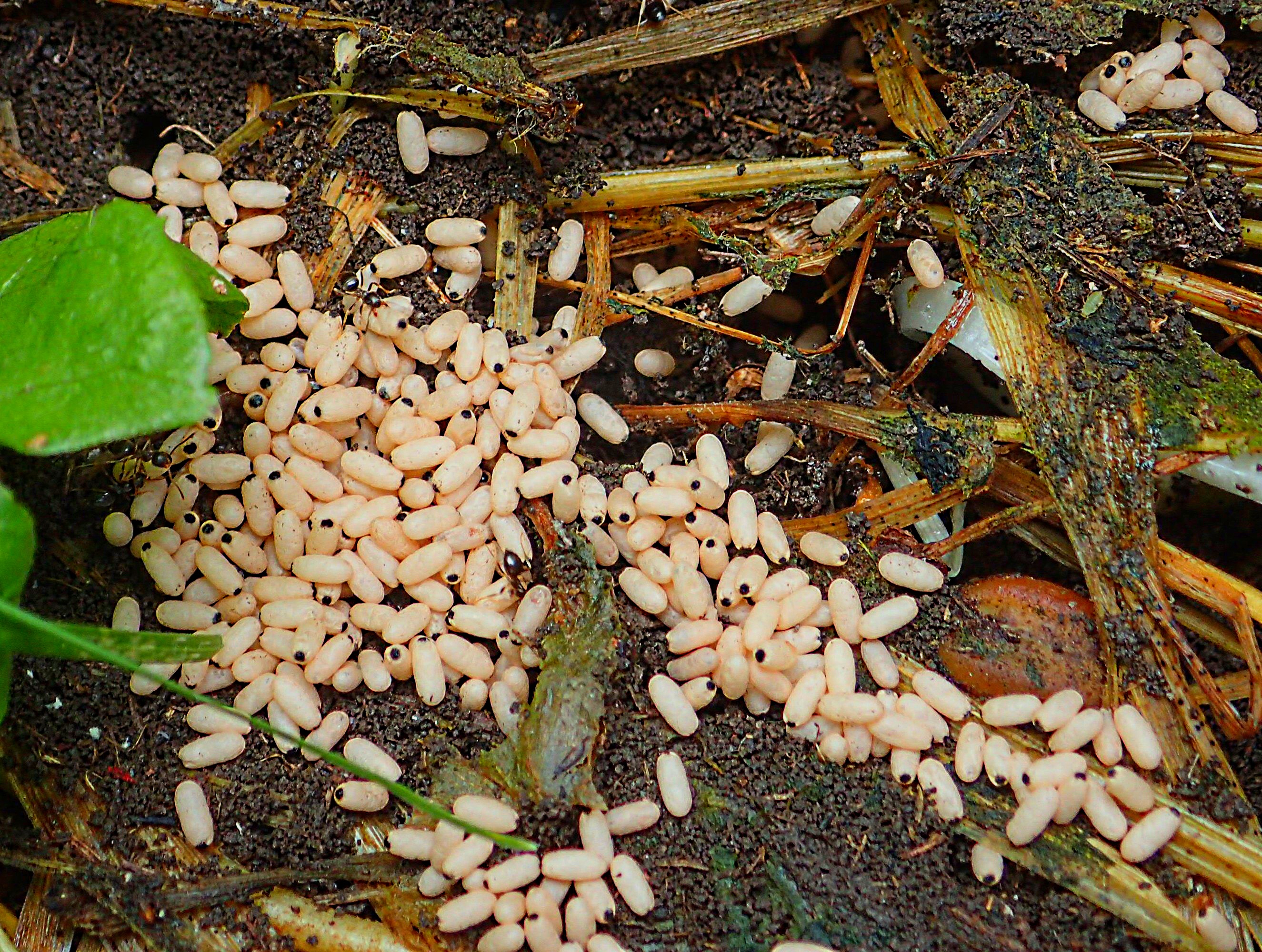
[The single queen that laid these eggs was well fed indeed!]

Many new sisters are on the way! Photo by Thomas Peace 2014

Many new sisters are on the way! Photo by Thomas Peace 2014

Post

Another form of prejudice…

Leave a reply

.

Many are prejudiced against animals… and look at them as inferior.

.

[A pair of Mourning Doves; the male is on the left.  Pairs tend to mate for life.  The male and the female work together to feed their new babies.  (We live along some woods where you can hear hunters shooting these often.  How any human being can shoot these (with a gun instead of a camera) is beyond my comprehension.  I, just yesterday, heard on the radio about how Passenger Pigeons went extinct due to over-hunting.)]

Exploring together! Photo by Thomas Peace 2014

Exploring together! Photo by Thomas Peace 2014

Post

United forever…

Leave a reply

.

The Future and the Past got married; they officially named their newborn child… calling him Now.

.

[Saber-Tooth Cat skull, (Machairodus giganteus), 12 million years old, Guanhe Beds, Linxia Basin, Gansu Province, China.]

Opening up at the dentist's...  Photo by Thomas Peace 2014

Opening up at the dentist’s… Photo by Thomas Peace 2014

Post

Hypnotically fixated on a tiny point…

Leave a reply

.

Love all beings and creatures in life… not just your little self and family, race, and nation.

.

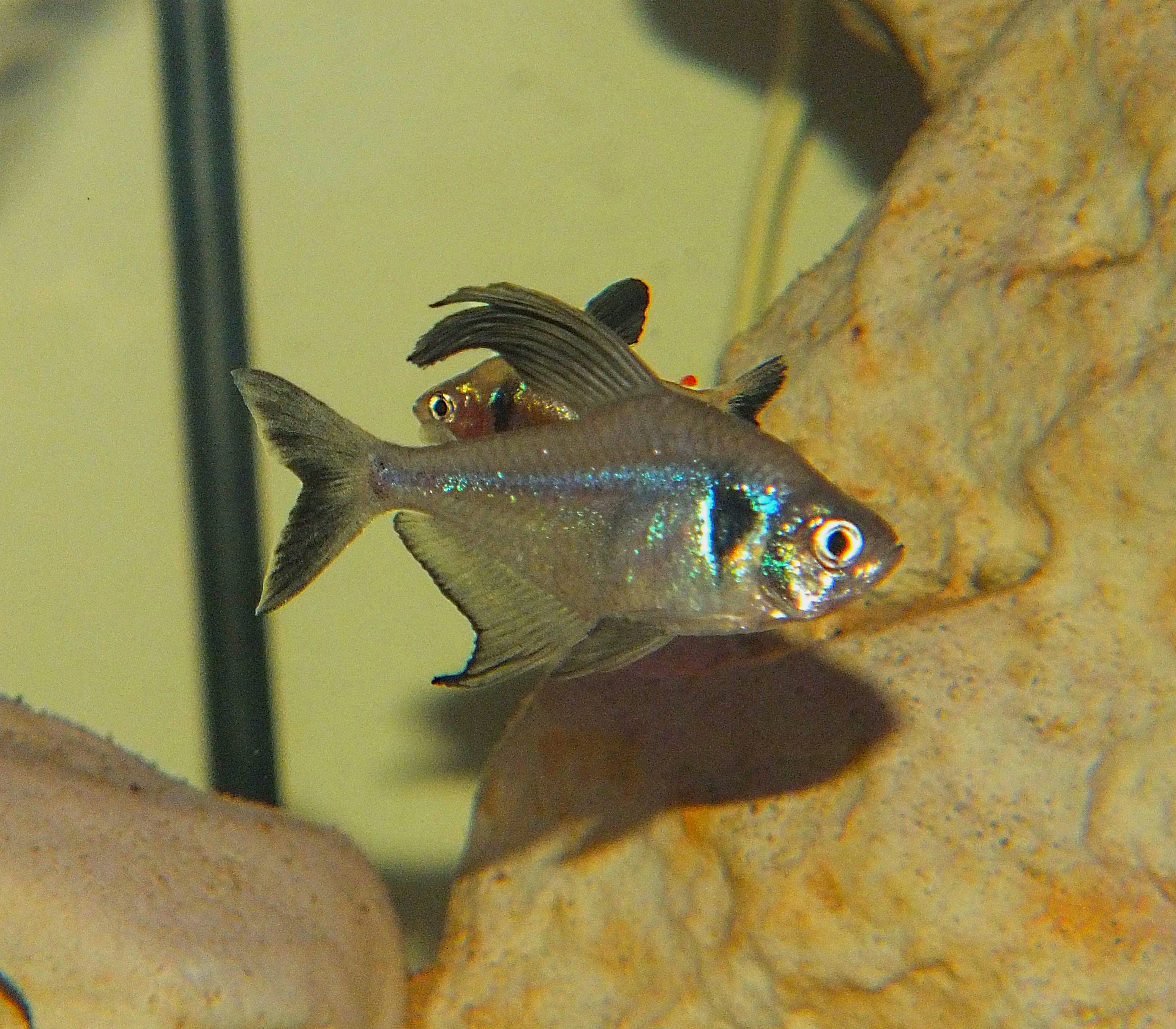
[A pair of Black Phantom Tetras.  The male is in the foreground… the female in the background.  The tiny adipose fin — at the top of the fish between the tail fin and the much larger dorsal fin — is clear in the males and red in the females.  The males also have larger and more flamboyant dorsal fins.  Most freshwater tropical fish of the Tetra group have the little adipose fins… but few have such distinctive indicators to distinguish the males from the females.]

Black Phantoms in our midst... Photo by Thomas Peace 2014

Black Phantoms in our midst… Photo by Thomas Peace 2014

Post

See yourself in others…

4 comments

.

The subject thought that it was separate from the object.  At least that is what it was taught.  But without all the objects, what would the subject be?

.

[Young Long-tailed Jaegar in a Pine Tree.]

Resting by the lake... Photo by Thomas Peace 2014

Resting by the lake… Photo by Thomas Peace 2014


Post

There are other alternatives…

2 comments

.

We won’t ever have a clean, pristine planet if, for instance, fracking is more important for creating jobs and oil than green energy is for world health.

.

[Brown Paper Wasp… Polistes metricus.  They nourish themselves on nectar and pollen but also seek prey, consisting mostly of caterpillars, to nourish their colonies’ larvae (which reside in “paper-nests.”)]

Getting a little side-snack. Photo by Thomas Peace 2014

Getting a little side-snack. Photo by Thomas Peace 2014

Post

Containing the fish…

Leave a reply

.

Beyond separation, the river finally felt compassion for the (not so distant) fish and so put the fishing pole down forever and went home.

.

[A local largemouth bass.  (Many years ago, I used to be an avid fisherman; I could even catch fish when others failed; I no longer fish whatsoever.)]

Unhooked to fishing... Photo by Thomas Peace 2014

Unhooked to fishing… Photo by Thomas Peace 2014

Post

Learned indifference…

2 comments

.

It’s easy to harm something else when you think that it is separate from what you are.  In the actual tree of life, we are all connected… all one.

.

[A frisky squirrel eating one of many acorns.]

Wisely plumping up for winter. Photo by Thomas Peace 2014

Wisely plumping up for winter. Photo by Thomas Peace 2014


Post

Super good looks…

2 comments

.

If you’re like me, you don’t let your good looks go to your head.

.

Mantis of the year!  Photo by Thomas Peace 2014

Mantis of the year! Photo by Thomas Peace 2014

Post

Beyond the self…

2 comments

.

Love often acts without self-motivation.

.

[Grapeleaf Skeletonizer Moths are interesting in that they are both diurnal and nocturnal.  I’ve got the same attributes for sure!]

Night or Day... Day or Night!  Photo by Thomas Peace 2014

Night or Day… Day or Night! Photo by Thomas Peace 2014

Post

Happy Thanksgiving (a wee bit early)…

Leave a reply

.

This is how — being a vegetarian — I shoot my turkeys for Thanksgiving.  (It’s not the best shot; they’re not that easy to shoot!)

.

I bagged two at once!  Photo by Thomas Peace 2014

I bagged two at once! Photo by Thomas Peace 2014


Post

False center

Leave a reply

.

In most minds, the thought of “I” or “me” is the most exalted, elevated and high-ranking; but it is just another thought; real wisdom happily exists beyond such projections.

.

[Black Turpentine Beetles eat the inner, lower bark of pine trees.]

Tree eater!  Photo by Thomas Peace 2014

Tree eater! Photo by Thomas Peace 2014


Post

Warmth…

Leave a reply

.

Happiness isn’t a warm gun; happiness is a warm (compassionate) heart.

.

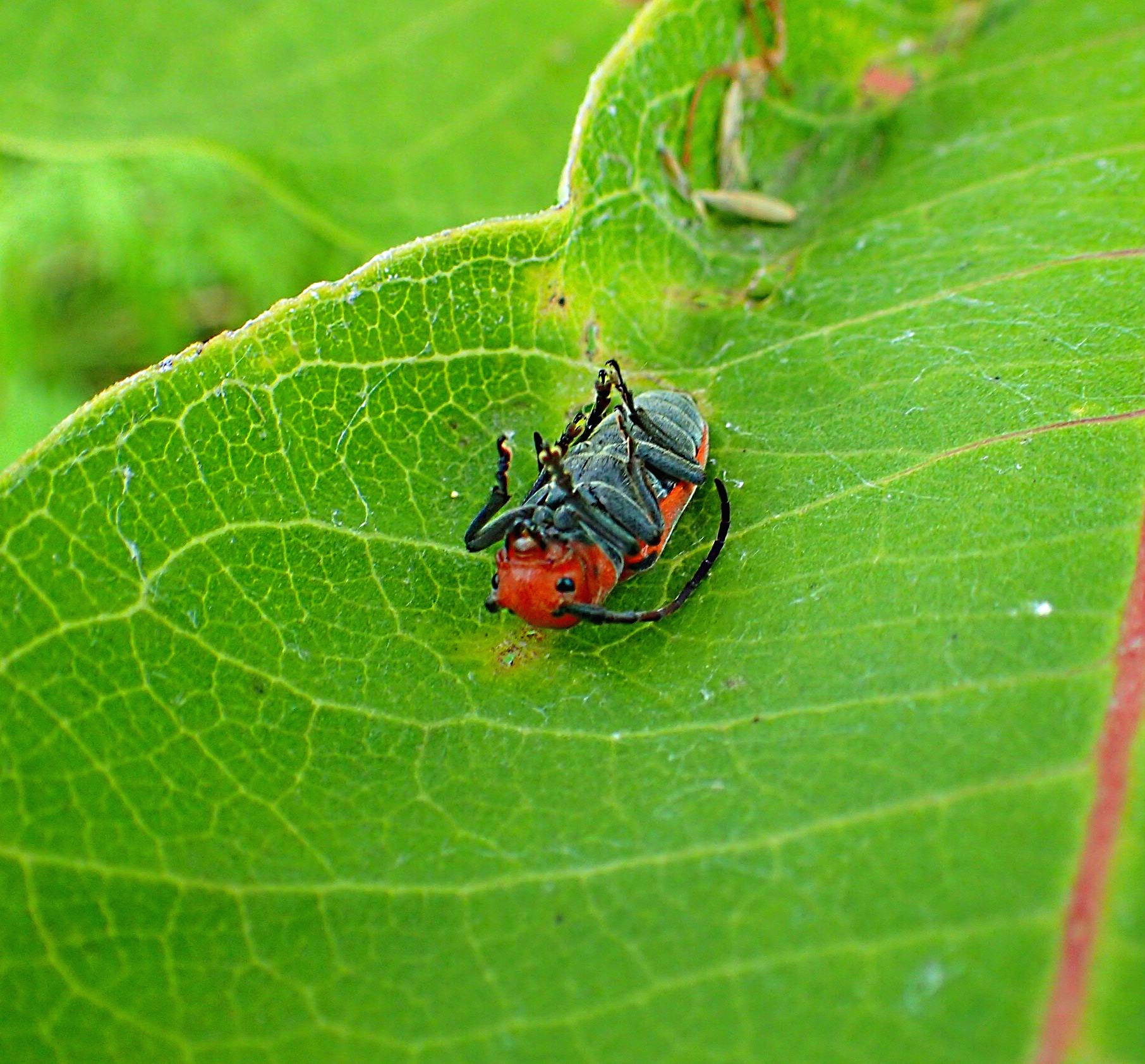
[Red Milkweed Beetles, I think, are among the most evolved and “intelligent” insects in our area.  As I’ve mentioned before, sometimes when I approach Milkweed Plants these beetles will deliberately fly at a rapid rate into me, striking my face repeatedly to entice me to leave.  Some panic and fly away.  This one decided to “play dead.”  It fell from a Milkweed leaf above.  After I backed up and watched from a distance for a while… it subsequently straightened itself out and flew away.  I laughed at its ruse!]

May he rest in peace!  Photo by Thomas Peace 2014

May he rest in peace! Photo by Thomas Peace 2014

Post

Away

Leave a reply

.

In a big way, everyone in the whole world is facing in one direction.  

Can you turn around?

.

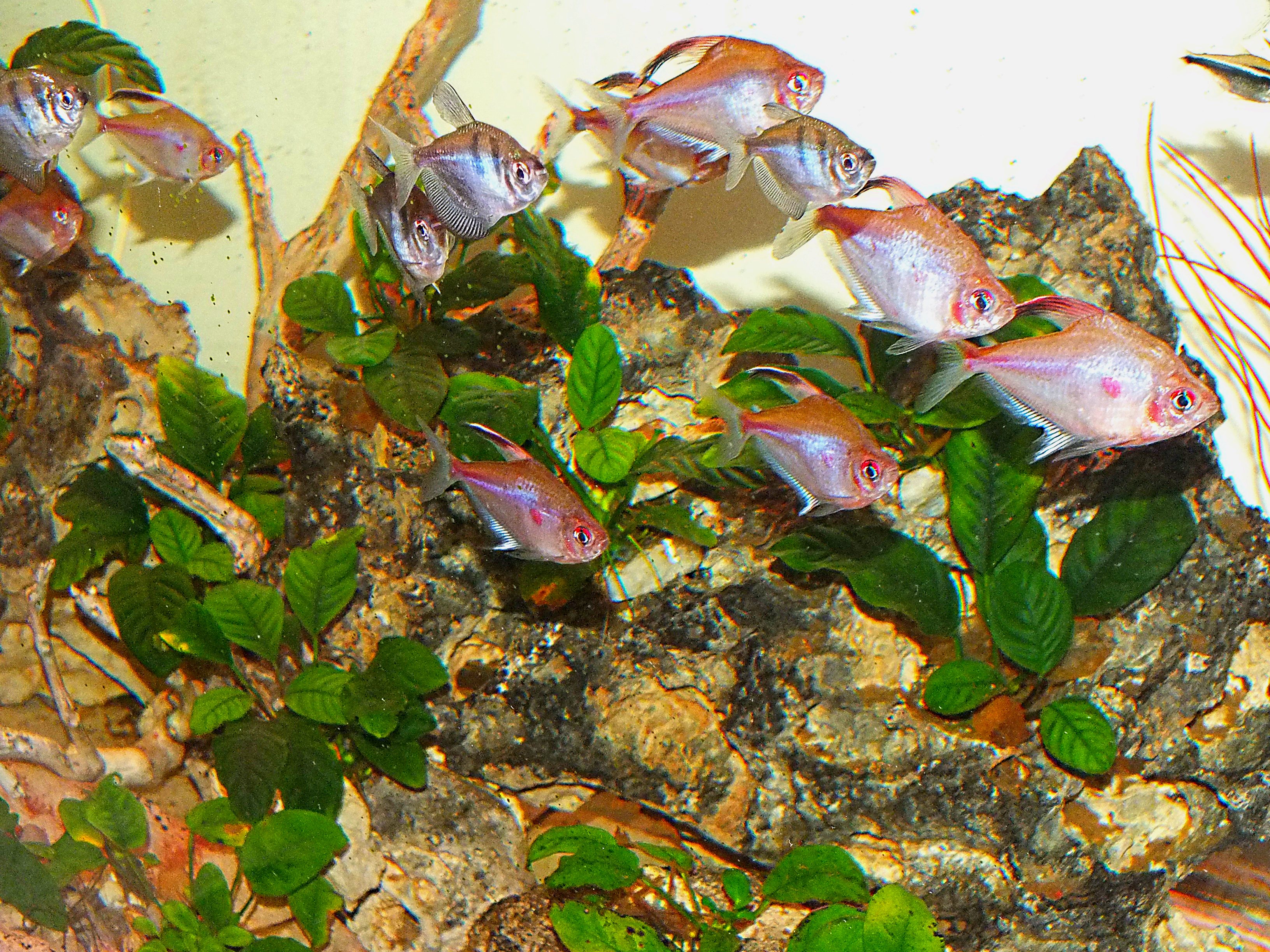
[These are Tetras in one of our aquariums… all facing in one direction.  The ones with the red dot on their sides are called Bleeding Heart Tetras.  The others are Black Tetras.  The plants are a type that grow on rocks or logs and do not need soil; they are called Anubias coffeefolia.]

One direction.  Photo by Thomas Peace 2014

One direction. Photo by Thomas Peace 2014

Post

False conflict…

Leave a reply

.

One need not wince at one’s fears and endlessly run away from them if one intelligently realizes that one is not at all separate from what they are.

.

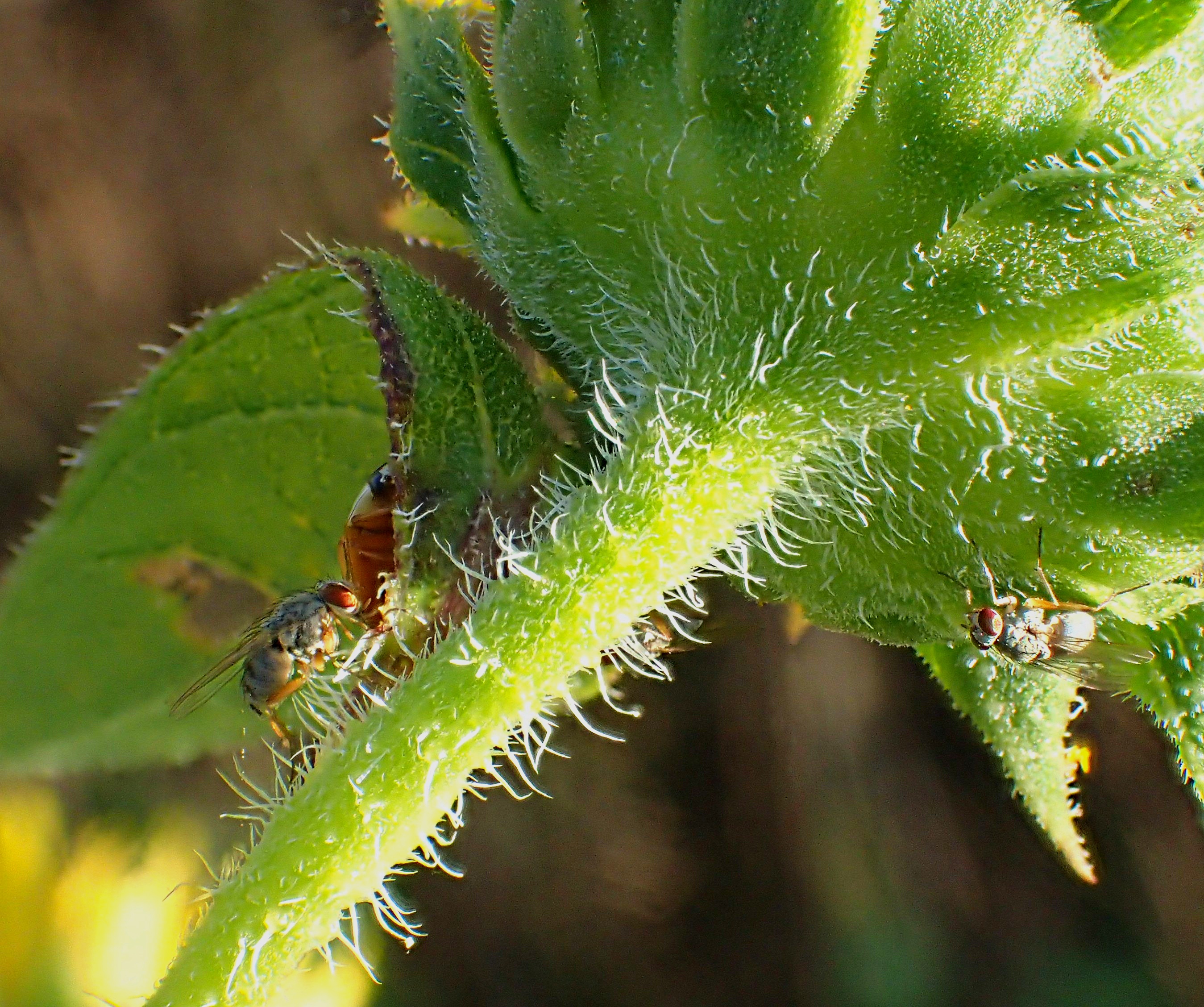
[A couple of Fruit Flies and a hiding Lady Bug.  Though the Lady Bug is carnivorous, the Fruit Flies need not worry; they are too large. The Lady Bug goes after even smaller insects, such as Aphids.]

A good day to explore.  Photo by Thomas Peace 2014

A good day to explore. Photo by Thomas Peace 2014

Post

The Learner

Leave a reply

.

The learner is the learned; the controller is the controlled; the reader is the read.

.

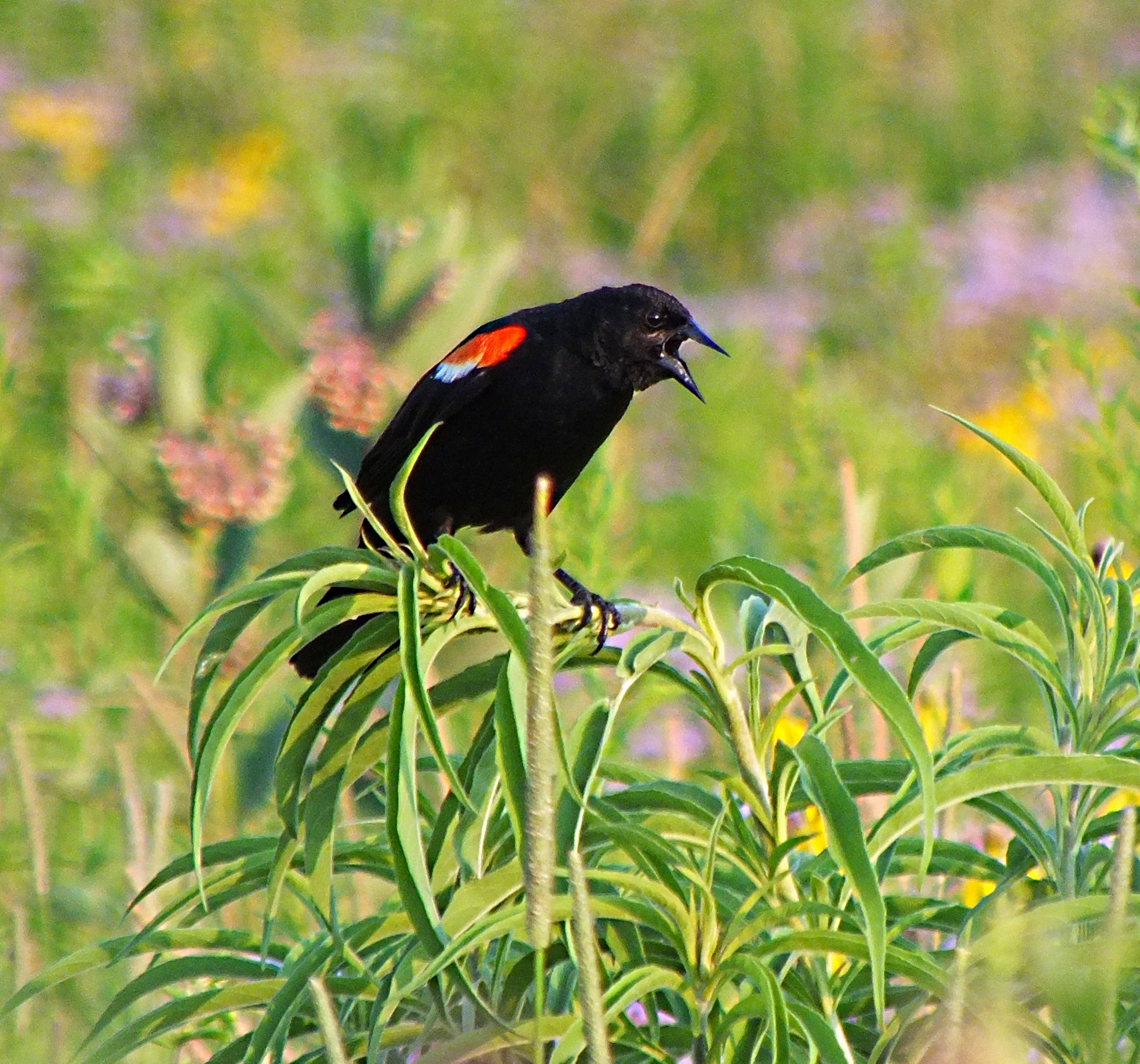
[A Red-winged Blackbird informing me that I’m in “his” territory.  I promptly departed.]

This vast spot is not big enough for the both of us!  Photo by Thomas Peace 2014

This vast spot is not big enough for the both of us! Photo by Thomas Peace 2014

Post

What limitation and fragments?…

Leave a reply

.

All true wise men have a propensity to understand the whole.

.

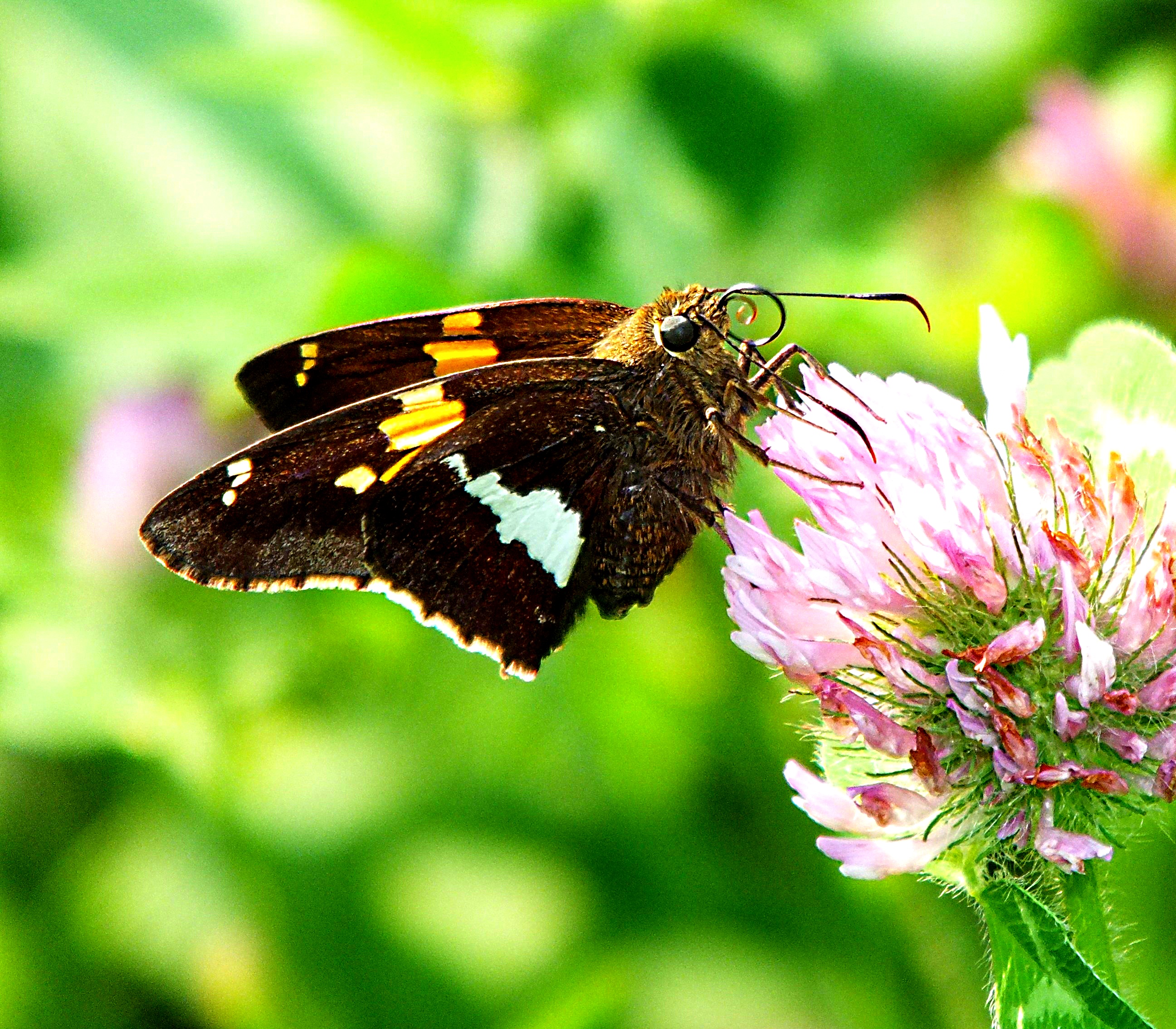
[Silver-Spotted Skippers are distinguished from true butterflies by the antennae, which are wider apart at the base and end in pointed, curved clubs.  Silver-Spotted Skippers — and all Skippers — are so named for their erratic, skipping flight.]

Silver-Spotted Skipper with its curled proboscis. Photo by Thomas Peace 2014

Silver-Spotted Skipper with its curled proboscis. Photo by Thomas Peace 2014

Post

Little Miss Muffet…

Leave a reply

.

Life is not dull or monotonous to a dynamic mind that inquires joyfully.

.

And frightened Miss Muffet away!  Photo by Thomas Peace 2014

And frightened Miss Muffet away! Photo by Thomas Peace 2014

Post

Space and time are one…

2 comments

.

A requisite attribute of time is distance.  A requisite attribute of thinking that you are separate from others is time.

.

[The Ailanthus Webworm Moth thrives from spring through fall.  The caterpillars of the Ailanthus Webworm Moth spin loose cocoons low on the host plant.  There is one generation per year.]

Ailanthus Webworm Moth, eats foliage of deciduous trees and shrubs.  Photo by Thomas Peace 2014

Ailanthus Webworm Moth, eats foliage of deciduous trees and shrubs. Photo by Thomas Peace 2014

Post

That old, musty rug…

1 comment

.

Life is far too precious to sweep it under the musty rug of indifference.  Help save the planet and go green!

.

[One of the local Tarnished Bugs investigating a wildflower.  Tarnished Bugs seek out nectar and pollen.]

At the edge of one's habitat.  Photo by Thomas Peace 2014

At the edge of one’s habitat. Photo by Thomas Peace 2014

Post

(Multi-Photo)*** Don’t see people as draft horses to pull heavy loads for you; see them as…

3 comments

.

Don’t see people as draft horses to pull heavy loads for you; see them as thoroughbreds that are splendid companions.

.

[This Burying Beetle is feeding upon a Bracket Mushroom.  It would also gladly feed on horse dung or other such material, as well as animal carrion, fallen fruit, and decaying vegetable matter.  They are part of nature’s disposal service. The Burying Beetle is mainly found in wooden habitats.]

Fungus Feeder (1). Photo by Thomas Peace 2014

Fungus Feeder (1). Photo by Thomas Peace 2014

Fungus Feeder (2). Photo by Thomas Peace 2014

Fungus Feeder (2). Photo by Thomas Peace 2014


Post

One oftentimes has to unlearn the erroneous conditioning that was hammered into one’s core and foundation.

Leave a reply

.

One oftentimes has to unlearn the erroneous conditioning that was hammered into one’s core and foundation.

.

[This Harvestman – some call them Daddy-long-legs – is resting on a leaf.  Harvestmen (Daddy-long-legs) are not spiders.  Spiders have two main body segments.  Harvestmen have one.  Harvestmen do have eight legs like spiders… but theirs are usually much longer.]

A Daddy with Long Legs.  Photo by Thomas Peace 2014

A Daddy with Long Legs. Photo by Thomas Peace 2014


Post

Look with what is deeper than what can see; listen with…

Leave a reply

.

Look with what is deeper than what can see; listen with what is deeper than what can hear.

.

[Leaf-footed Bug adults are active from late summer through fall in weedy fields and along the edges of woodlands.  The Leaf-footed Bug is fond of a variety of trees, shrubs, and flowers, including hawthorns, goldenrods, and Joe-pye weed.]

Good at leaf walking!  Photo by Thomas Peace 2014

Good at leaf walking! Photo by Thomas Peace 2014

Post

Compassion is expansive and all-containing; hate and selfishness… narrow and confined.

Leave a reply

.

Compassion is expansive and all-containing; hate and selfishness… narrow and confined.

.

[These very small beetles are feeding on a Thistle Plant. These are likely Carpet Beetles.  Carpet Beetles eat indoor carpets, woolens, cottons, and synthetic materials contaminated with organic fluids such as sweat.  However, they prefer to eat dead insects and spiders, and they can devastate scientific specimens in university and museum collections.  Outdoors, they feed on flower pollen and secretions from plants.]

Carpet Beetles far from carpets. Photo by Thomas Peace 2014

Carpet Beetles far from carpets. Photo by Thomas Peace 2014

Post

Vast freedom…

4 comments

.

Vast freedom occurs beyond limited narrow-mindedness.

.

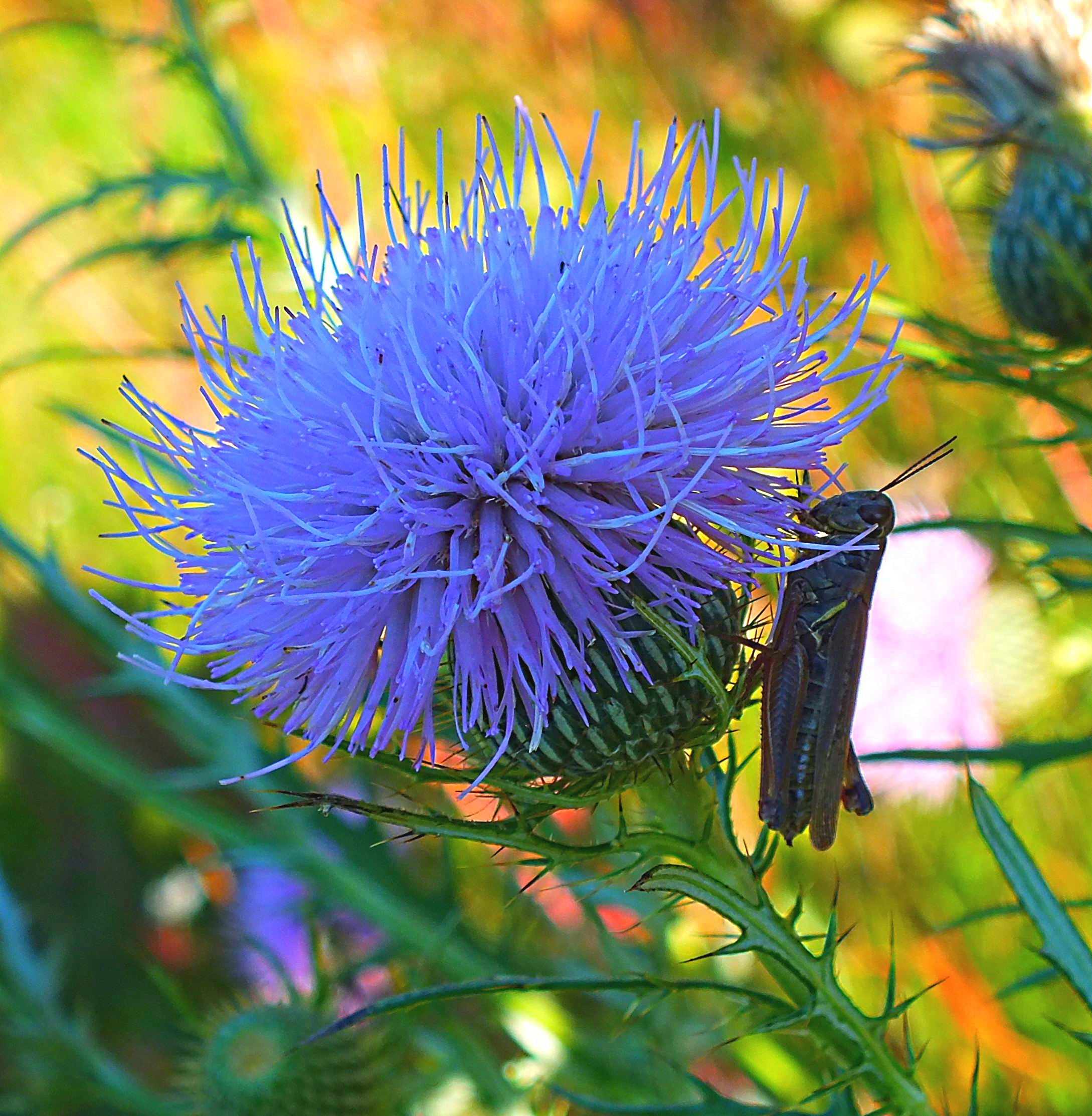
[This Grasshopper is placidly resting on a flowering Thistle Plant.  Grasshoppers do not generally feed on Thistle Plants, though they may devour the flower sections.]

A beautiful place to be!  Grasshopper on Thistle Plant.  Photo by Thomas Peace 2014

A beautiful place to be! Grasshopper on Thistle Plant. Photo by Thomas Peace 2014

Post

(Multi-Photo)*** Warm affection…

5 comments

.

Warm affection used for ulterior means is often cold and calculating; beware of false, mechanical reactions, including your own (such as in selfish self-adoration) !

.

[Some Daddy-Long-Legs – or Harvestmen – eat vegetable matter and mushrooms, but some are carnivorous.  This Havestman  (with dull, dark, leaden eyes) didn’t need to spin a vast, clever web of lies to catch his gullible Fly victim.  Daddy-Long-Legs are harmless to humans, but are bad news for germ-carrying (egotistical) flies.  Havestmen are not true spiders, but they’re close enough for the inclusion of the following poem:

from Mary Howitt (1799-1888):

“Will you step into my parlor?” said the spider to the fly;
“’Tis the prettiest little parlor that ever you did spy.
The way into my parlor is up a winding stair,
And I have many pretty things to show when you are there.”
“O no, no,” said the little fly, “to ask me is in vain,
For who goes up your winding stair can ne’er come down again.”

“I’m sure you must be weary, dear, with soaring up so high;
Will you rest upon my little bed?” said the spider to the fly.
“There are pretty curtains drawn around, the sheets are fine and thin,
And if you like to rest awhile, I’ll snugly tuck you in.”
“O no, no,” said the little fly, “for I’ve often heard it said,
They never, never wake again, who sleep upon your bed.”

Said the cunning spider to the fly, “Dear friend, what shall I do,
To prove the warm affection I’ve always felt for you?
I have within my pantry good store of all that’s nice;
I’m sure you’re very welcome; will you please to take a slice?”
“O no, no,” said the little fly, “kind sir, that cannot be;
I’ve heard what’s in your pantry, and I do not wish to see.”

“Sweet creature!” said the spider, “You’re witty and you’re wise!
How handsome are your gauzy wings, how brilliant are your eyes!
I have a little looking-glass upon my parlor shelf,
If you’ll step in one moment, dear, you shall behold yourself.”
“I thank you, gentle sir,” she said, “for what you’re pleased to say,
And bidding you good-morning now, I’ll call another day.”

The spider turned him round about, and went into his den,
For well he knew the silly fly would soon be back again:
So he wove a subtle web, in a little corner sly,
And set his table ready to dine upon the fly.
Then he came out to his door again, and merrily did sing
“Come hither, hither, pretty fly, with the pearl and silver wing:
Your robes are green and purple; there’s a crest upon your head;
Your eyes are like the diamond bright, but mine are dull as lead.”

Alas, alas! how very soon this silly little fly,
Hearing his wily flattering words, came slowly flitting by.
With buzzing wings she hung aloft, then near and nearer drew
Thinking only of her brilliant eyes, and green and purple hue;
Thinking only of her crested head — poor foolish thing! At last,
Up jumped the cunning spider, and fiercely held her fast.
He dragged her up his winding stair, into his dismal den,
Within his little parlor; but she ne’er came out again!

And now, dear little children, who may this story read,
To idle, silly, flattering words, I pray you ne’er give heed;
Unto an evil counselor close heart, and ear, and eye,
And take a lesson from this tale of the Spider and the Fly.   ]

Gullible Fly! (1) Photo by Thomas Peace 2014

Gullible Fly! (1) Photo by Thomas Peace 2014

Gullible Fly! (2)  Photo by Thomas Peace 2014

Gullible Fly! (2) Photo by Thomas Peace 2014
Post

The zebras and the lioness…

Leave a reply

.

On Twitter, a couple of Twitter friends, Kitusai & Bohdan  — who happen to be excellent, creative musicians, by the way, (and who go by the Twitter icon-image of two Zebras) — suggested to me that it is good to give others a second chance when they do wrong.  However, maybe not always; as I told them:  two zebras who give the lioness a second-chance aren’t zebras for very long!

.

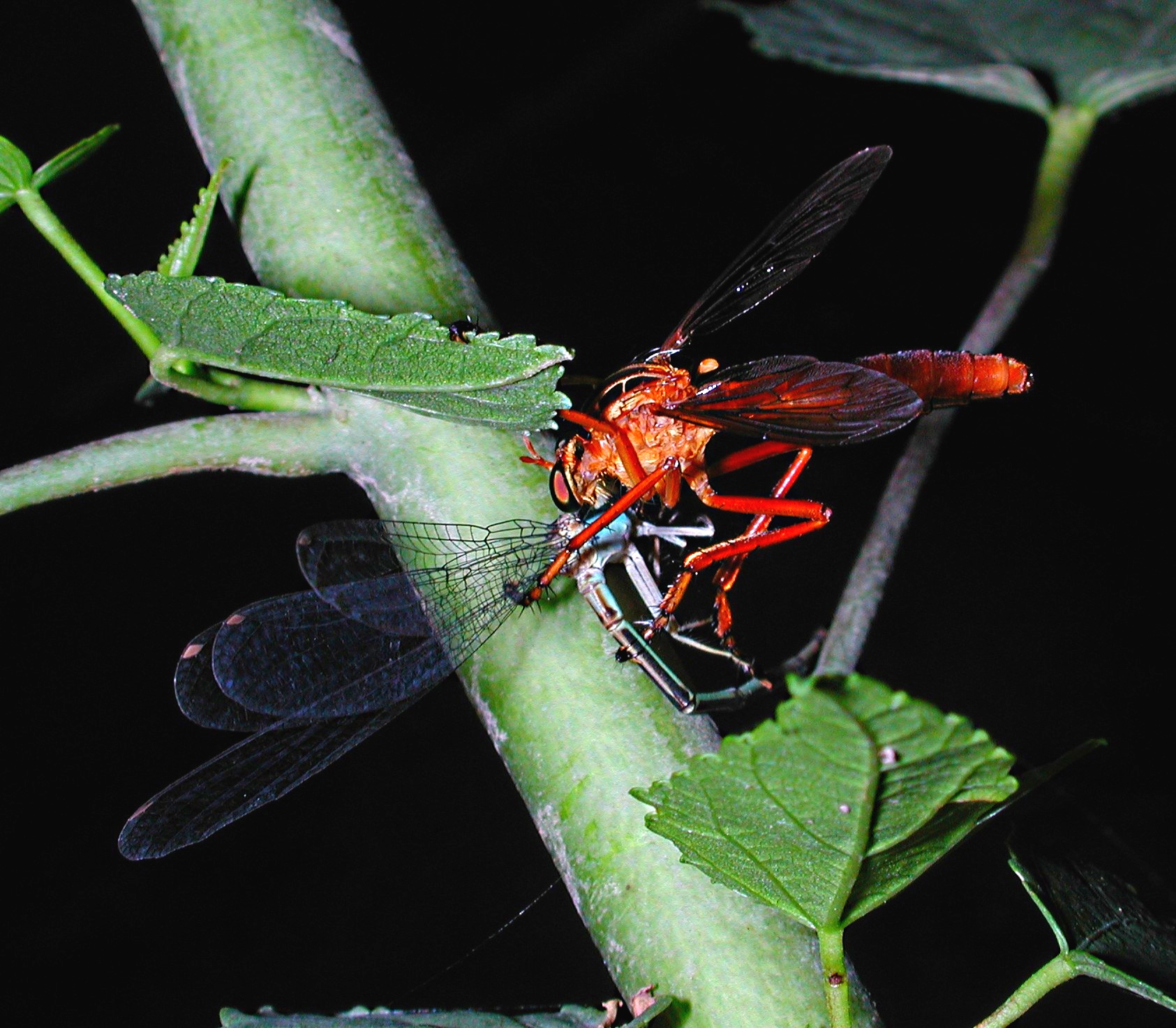
[If insects were mammals, this Robber Fly would be the lion of our rural area.  In our area, I will often see a Robber Fly diligently flying from leaf to leaf, looking for prey to attack.  They are very voracious and persistent predators.  They will even attack much larger insects than themselves.  This one has caught a Blue Damselfly.  Blue Damselflies are, themselves, predators of other insects.]

I have nothing against meat eaters! Robber Fly attacking Damselfly.  Photo by Thomas Peace 2014

I have nothing against meat eaters! Robber Fly attacking Damselfly. Photo by Thomas Peace 2014

Post

Charlotte’s Web…

Leave a reply

.

The wall that separates you from all of life’s creatures… is (psychologically) composed of what is projected within (and “as”) you.

.

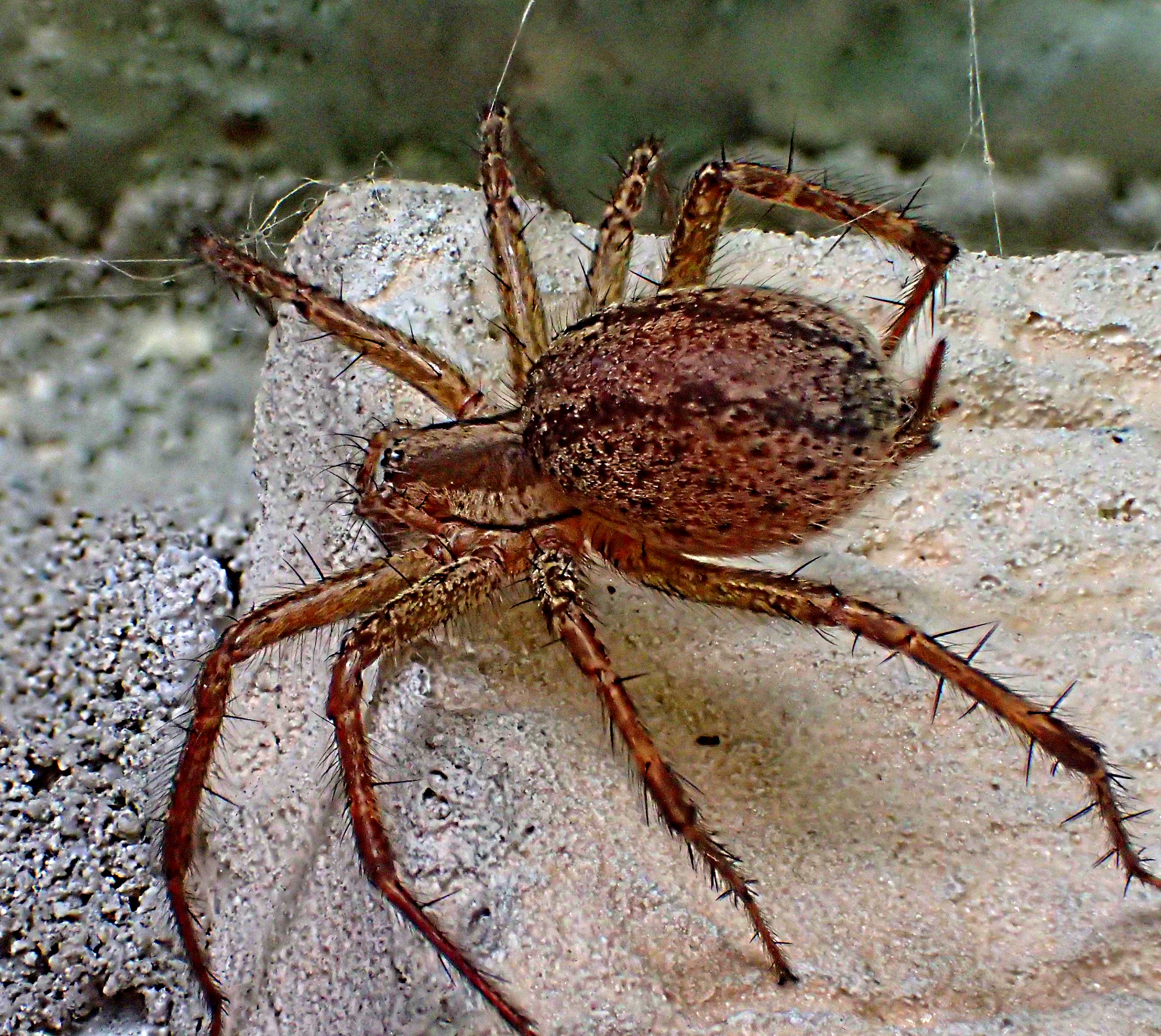
[This Wolf Spider (Lycosas gulosa) is clinging to the side of a rock wall.  It is tending some lines for potential prey.  This particular species of Wolf Spider lives in both the United States and Canada.]

Pink Floyd... The Wall. Photo by Thomas Peace 2014

Pink Floyd… The Wall. Photo by Thomas Peace 2014


Post

Untethered freedom is not…

Leave a reply

.

Untethered freedom is not mesmerized by authority’s lopsided systems and structures…  additionally, it is full of deep order, intelligence, and integrity.  

.

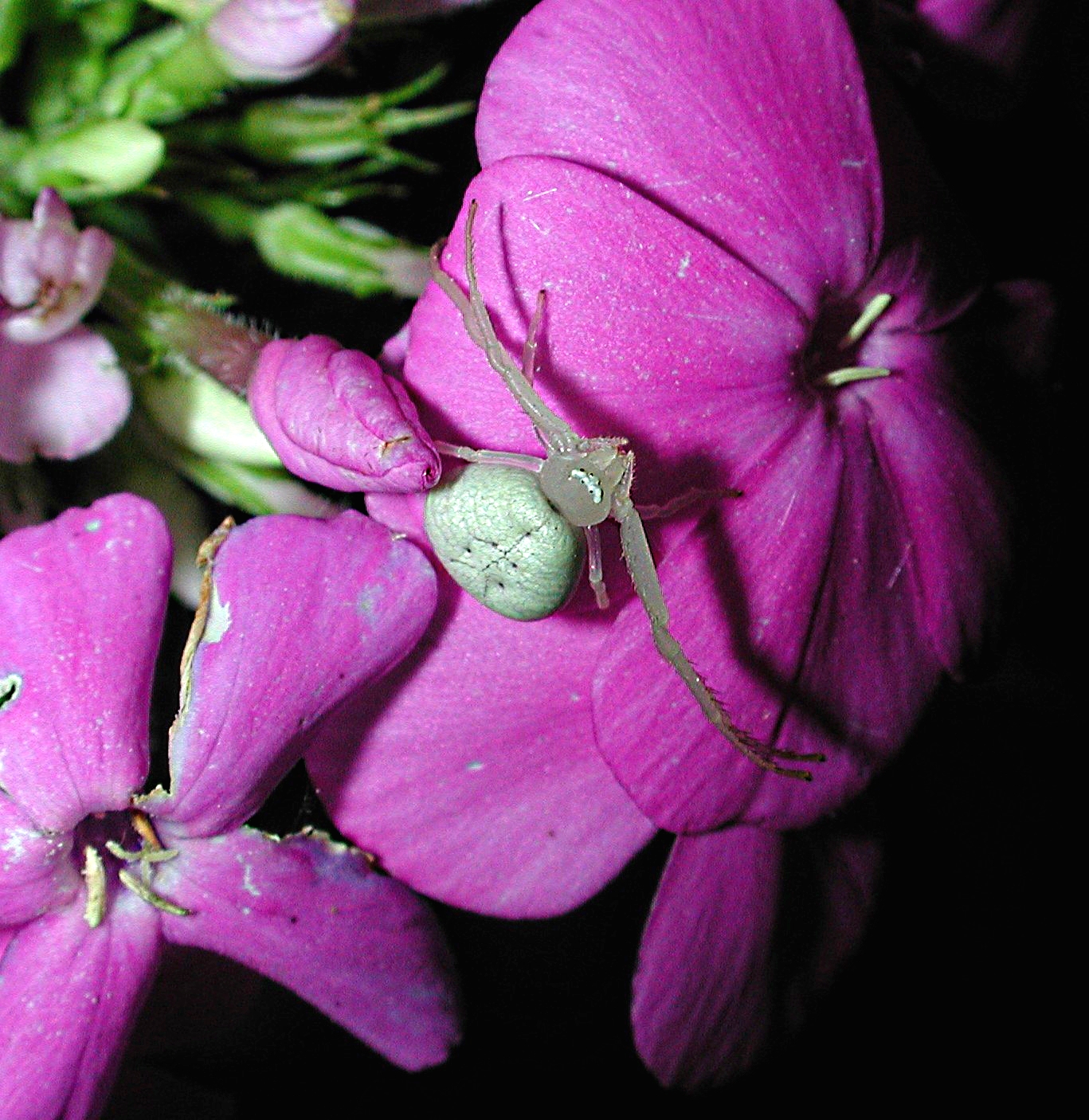
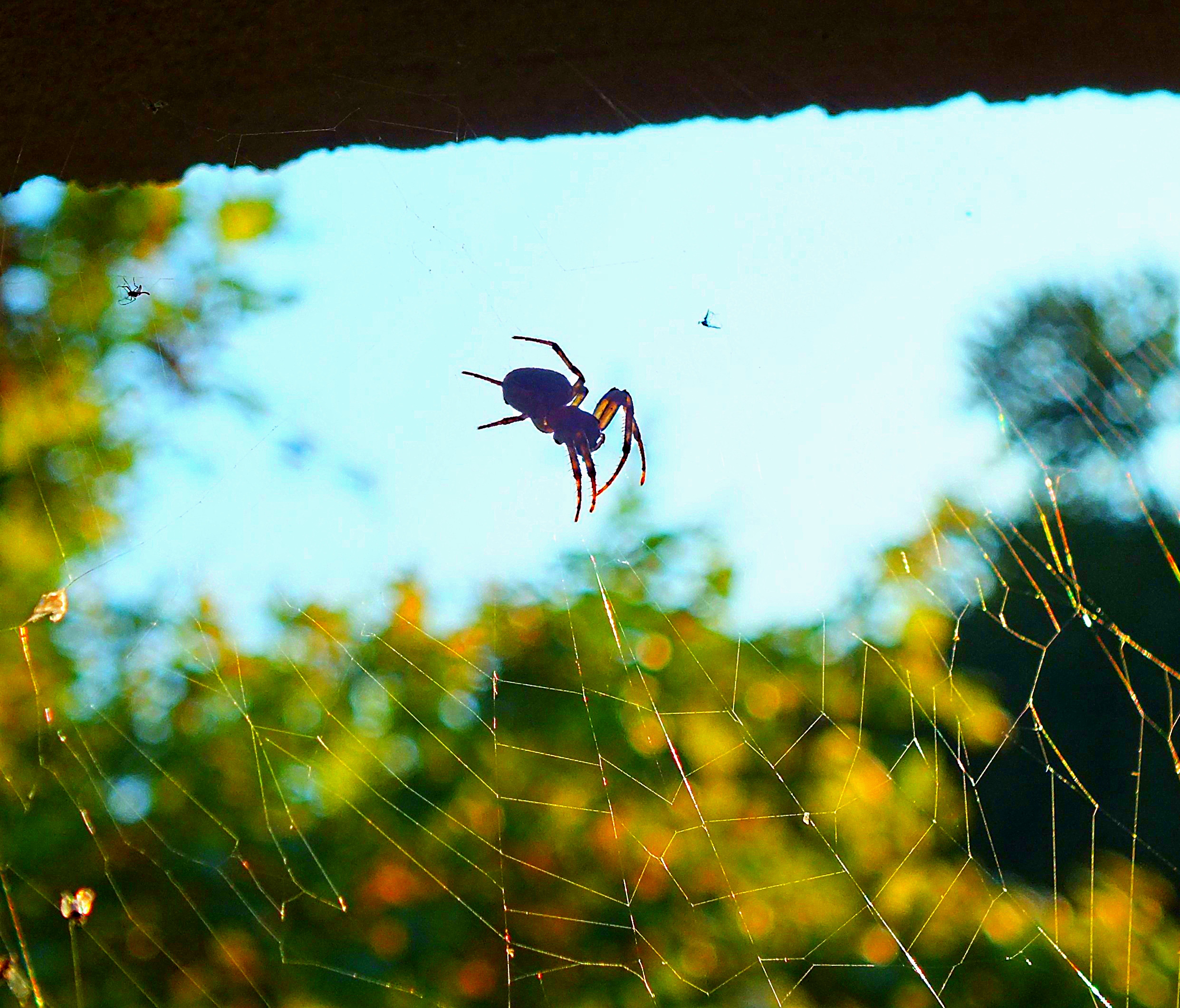
[This is a web-free Crab Spider in Phlox Flowers.  Most Crab Spiders do not form webs.  Crab Spiders, as we have shown, often change in chameleon-like fashion to suit their needs.  They are usually found in flowers, even garden flowers.

Additional note:   I will be posting more spiders (and similar creatures) in the Halloween month of October.  It is neat that they are part of an old Halloween tradition (that is fun for kids).  However, it is unfortunate that many children grow up associating spiders with “being frightened” and as “terrible creatures to be horrified of.”  As the late, superb naturalist, Steve Irwin often propounded, spiders and snakes can indeed be seen to be majestic, marvelous animals, truly beautiful in their own ways.  We must, as Steve Irwin so graciously suggested before his untimely passing, be far better caretakers of Mother Earth.]

Crabby and waiting! Crab Spider in Phlox Flowers. Photo by Thomas Peace 2014

Crabby and waiting! Crab Spider in Phlox Flowers. Photo by Thomas Peace 2014

Post

A small ego and a Big Heart is better than a Big Ego and a small heart.

2 comments

.

A small ego and a Big Heart is better than a Big Ego and a small heart.

.

[A yellow Katydid.  This is a small katydid with a really Large Antenna.]

A Katydid with what may be a large Broadband Antenna.  Photo by Thomas Peace 2014

A Katydid with what may be a large Broadband Antenna. Photo by Thomas Peace 2014

Post

(Multi-photo)*** The fears and hopes that exist in one…

Leave a reply

.

The fears and hopes that exist in one… may not at all be separate from what one is.

.

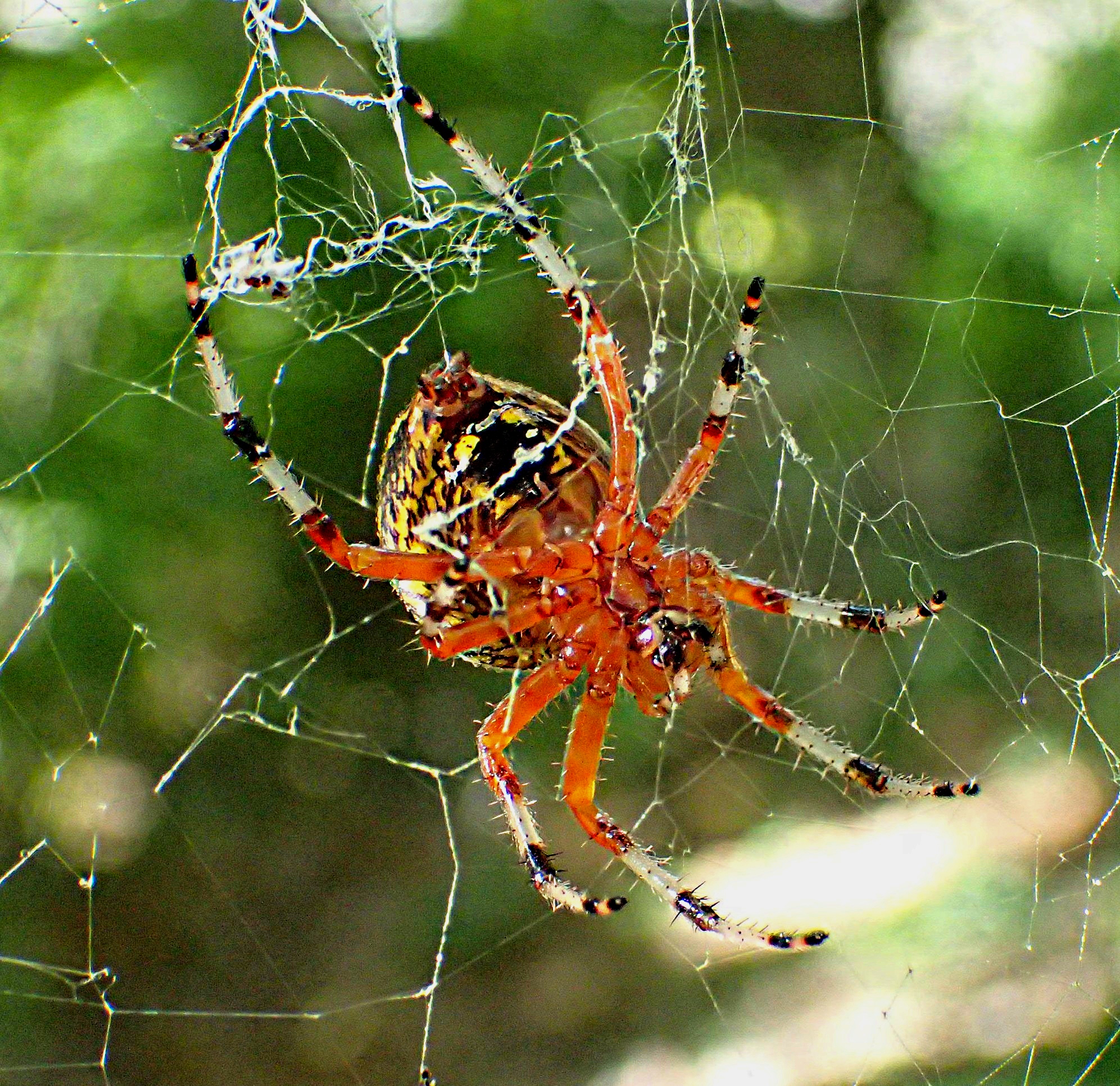
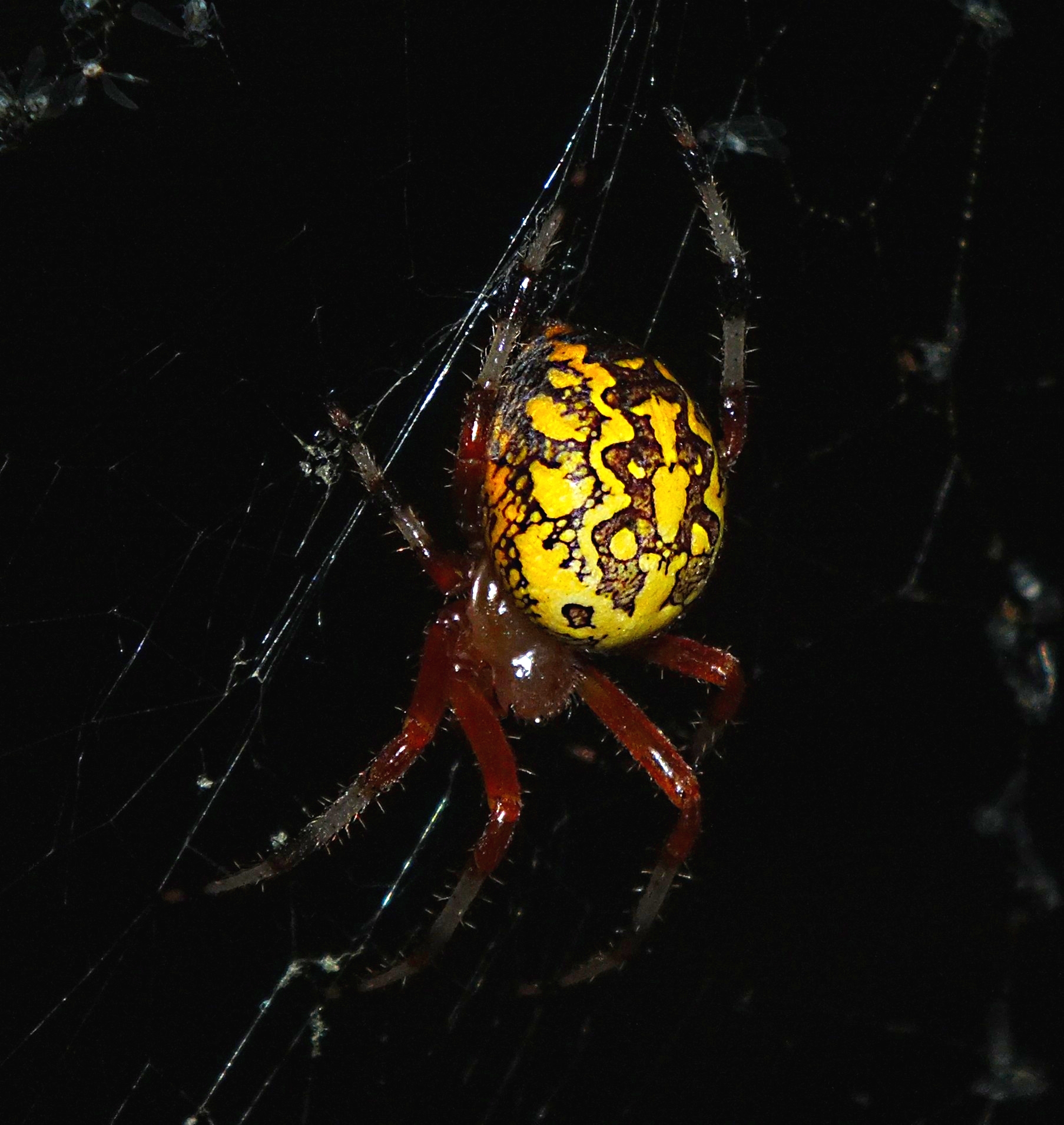
[Marbled Orb Weaver Spiders make spiraling orb webs built on low trees, shrubs, or grasses.  Marbled Orb Weaver Spiders make a retreat in curled leaves or, if the web is on a tree, under bark.  This one was in our yard near the river bank and was tough to photograph from its top side (i.e., dorsal side); its eyes are pretty good a seeing approaching visitors and it would quickly retreat into a curled leaf!  However, I was better able to approach it in the evening!  Notice how it is simultaneously spinning web and tightening web with separate legs! (I usually can’t do two things at once!)

Additional note:   I will be posting more spiders (and similar creatures) in the Halloween month of October.  It is neat that they are part of an old Halloween tradition (that is fun for kids).  However, it is unfortunate that many children grow up associating spiders with “being frightened” and as “terrible creatures to be horrified of.”  As the late, superb naturalist, Steve Irwin often propounded, spiders and snakes can indeed be seen to be majestic, marvelous animals, truly beautiful in their own ways.  We must, as Steve Irwin so graciously suggested before his untimely passing, be far better caretakers of Mother Earth.]

Different and colorful! Marbled Orb Weaver Spider. Photo by Thomas Peace 2014

Different and colorful! Marbled Orb Weaver Spider. Photo by Thomas Peace 2014

Interesting marbled design! Marbled Orb Weaver Spider.  Photo by Thomas Peace 2014

Interesting marbled design! Marbled Orb Weaver Spider. Photo by Thomas Peace 2014


Post

True and authentic, wise behavior is never the result of a blueprint or mere book of rules.

Leave a reply

.

True and authentic, wise behavior is never the result of a blueprint or mere book of rules.

.

[A spotted Cucumber Beetle walks across a wild Sunflower flower.  An adult Cucumber Beetle may feed on many different types of plants, including cucumbers.]

A Cucumberless Cucumber Beetle.  Photo by Thomas Peace 2014

A Cucumberless Cucumber Beetle. Photo by Thomas Peace 2014

Post

Painted turtles really haven’t been painted…

4 comments

.

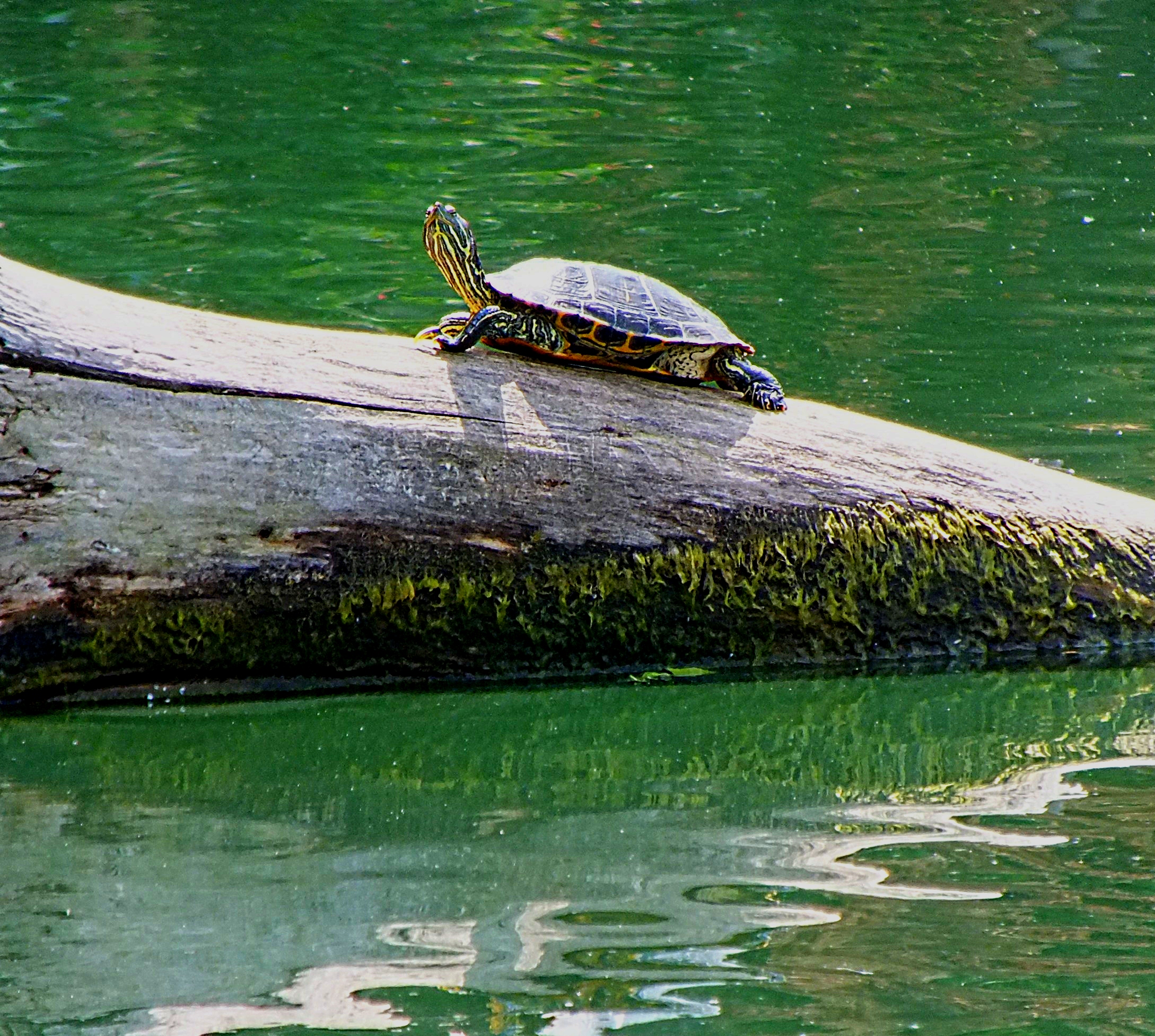
Painted turtles really haven’t been painted; enlightened human beings don’t glow in the dark.

.

[Basking occurs when Painted Turtles leave the water to soak up sunlight.  This allows their bodies to warm, since Painted Turtles – like all turtles – are cold-blooded, and helps eliminate parasites, such as leeches, which do not like dryness nor sunlight.  Basking is also essential in the synthesis of vitamin D3.]

Soaking up some rays.  Photo by Thomas Peace 2014

Soaking up some rays. Photo by Thomas Peace 2014


Post

(Multi-photo)*** True love goes beyond the affinity due to attractiveness. Love the less beautiful (that are also truly beautiful).

1 comment

.

True love goes beyond the affinity due to attractiveness.  Love the less beautiful (that are also truly beautiful).

.

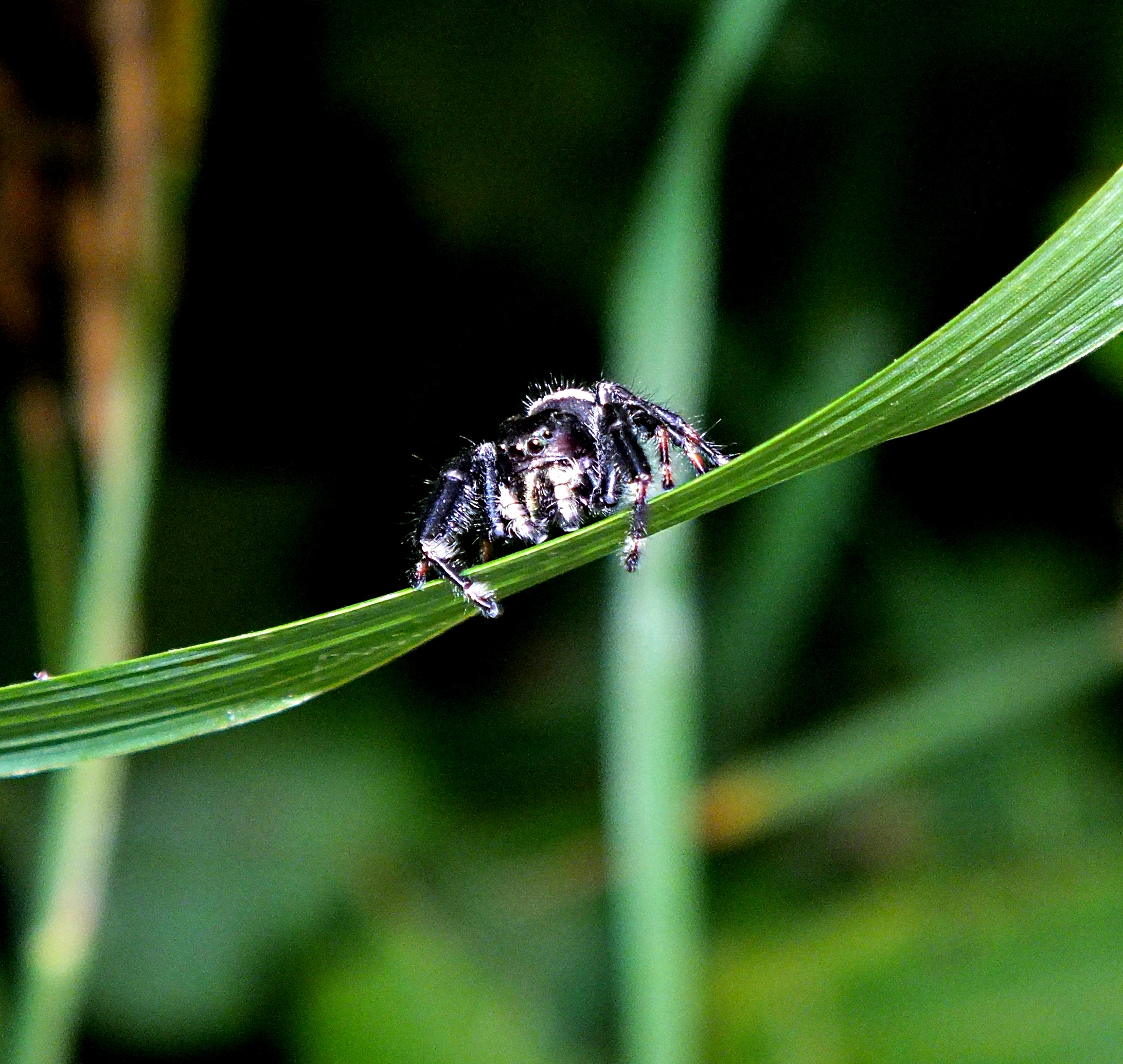
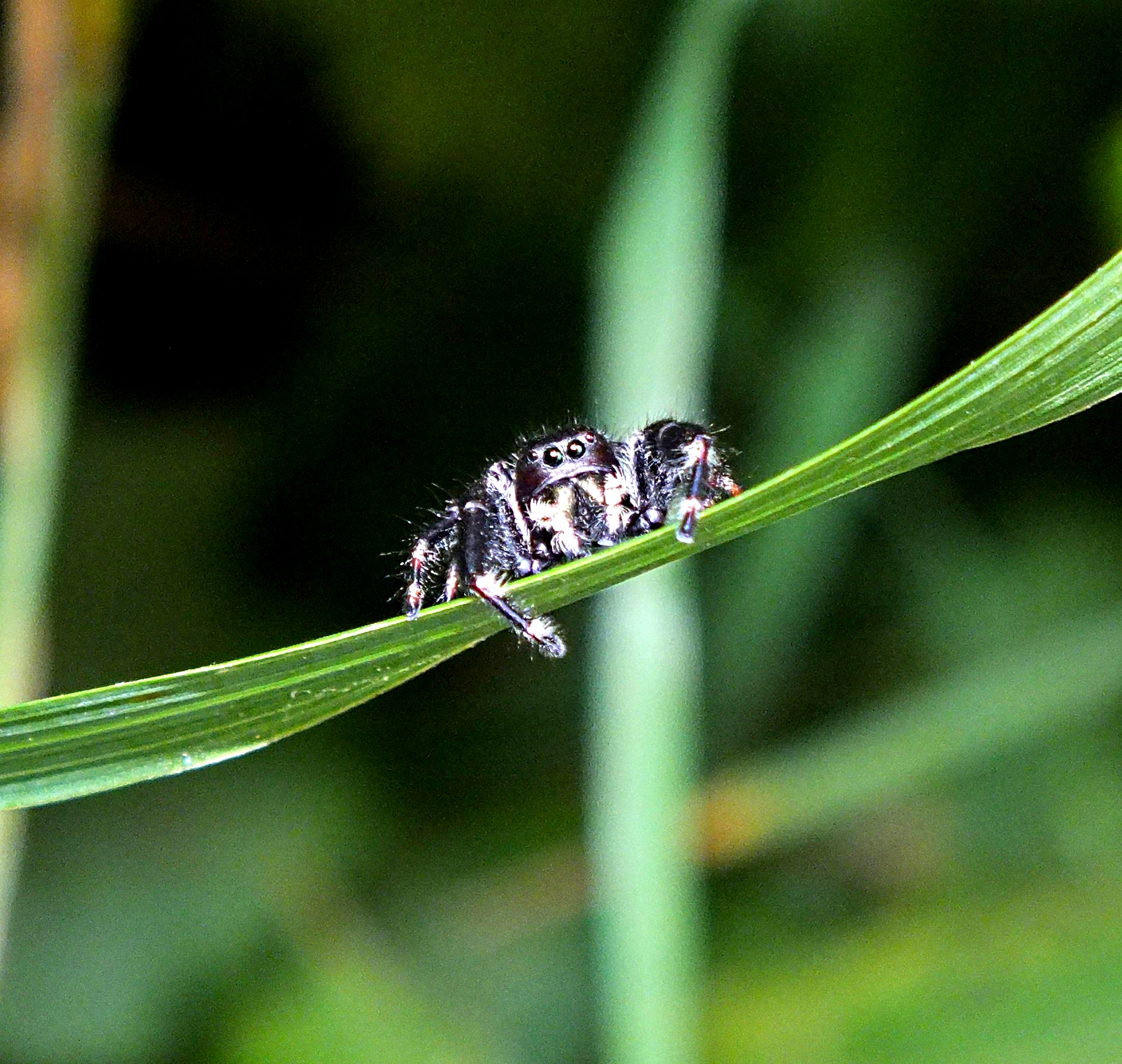
[This is a Phidippus Jumping Spider.  It’s difficult to sneak up on a Jumping Spider; their multiple eyes easily detect others in their environment. They are harmless to human beings.  I have some Jumping Spiders in 50 million year old amber which I will post at a later time.

Additional note:   I will be posting more spiders (and similar creatures) in the Halloween month of October.  It is neat that they are part of an old Halloween tradition (that is fun for kids).  However, it is unfortunate that many children grow up associating spiders with “being frightened” and as “terrible creatures to be horrified of.”  As the late, superb naturalist, Steve Irwin often propounded, spiders and snakes can indeed be seen to be majestic, marvelous animals, truly beautiful in their own ways.  We must, as Steve Irwin so graciously suggested before his untimely passing, be far better caretakers of Mother Earth.]

Tightrope climber! (Jumping Spider) (1) Photo by Thomas Peace 2014

Tightrope climber! (Jumping Spider) (1) Photo by Thomas Peace 2014

Tightrope climber! (Jumping Spider) (2) Photo by Thomas Peace 2014

Tightrope climber! (Jumping Spider) (2) Photo by Thomas Peace 2014


Post

Real beauty is…

6 comments

.

Real beauty is much deeper than what you can see!

.

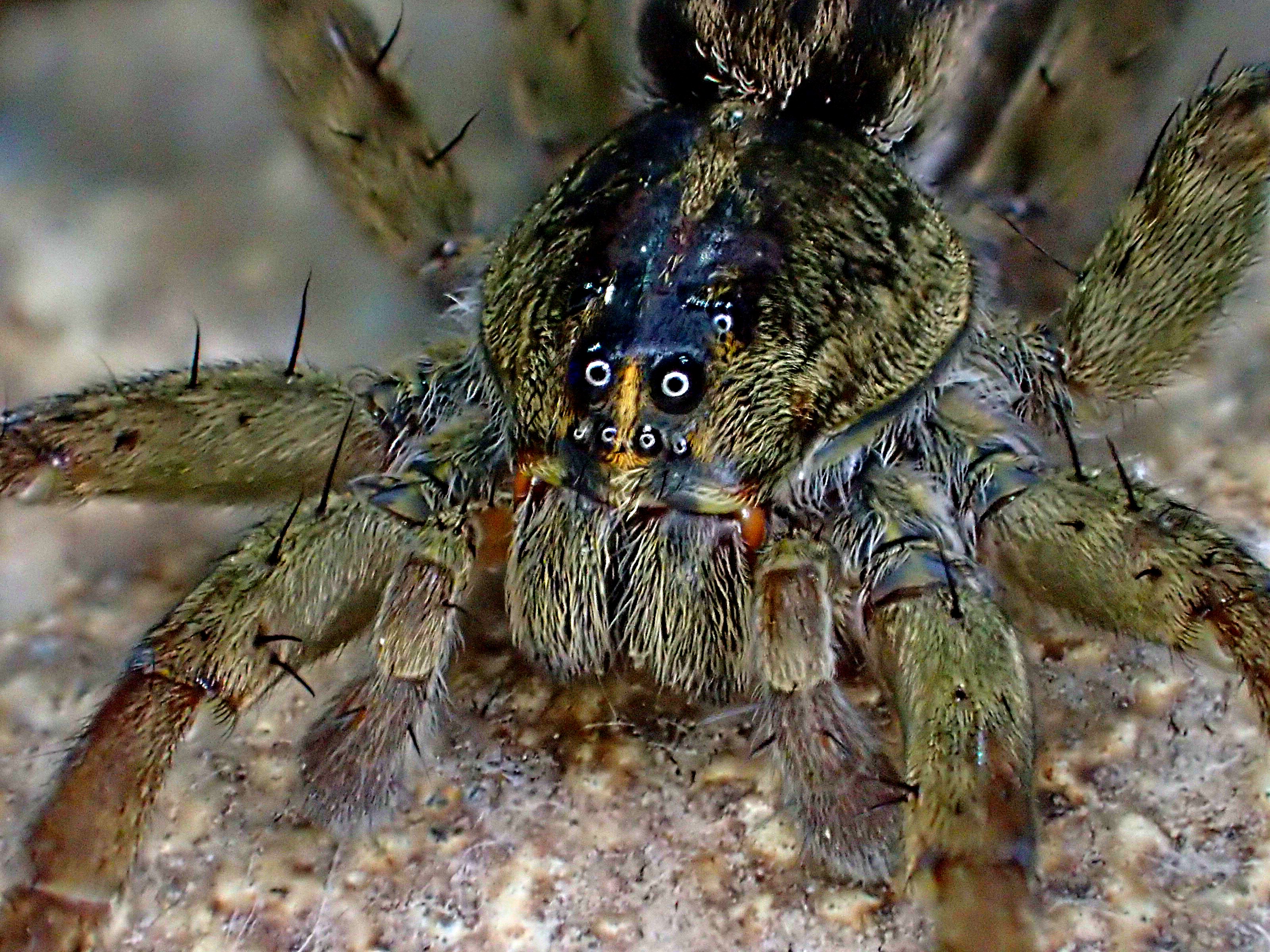
[Many Wolf Spiders hunt during the day.  Wolf Spiders have excellent vision and a highly developed sense of touch.  Male Wolf Spiders wave  and motion with their large, often hairy pedipalps in a rhythmic pattern as they approach suitable female mates.

Additional note:   I will be posting more spiders (and similar creatures) in the Halloween month of October.  It is neat that they are part of an old Halloween tradition (that is fun for kids).  However, it is unfortunate that many children grow up associating spiders with “being frightened” and as “terrible creatures to be horrified of.”  As the late, superb naturalist, Steve Irwin often propounded, spiders and snakes can indeed be seen to be majestic, marvelous animals, truly beautiful in their own ways.  We must, as Steve Irwin so graciously suggested before his untimely passing, be far better caretakers of Mother Earth.]


The better to see you with, my dear!  Photo by Thomas Peace 2014

The better to see you with, my dear! Photo by Thomas Peace 2014

Post

(Multi-Photo)*** Many are caught in the limitation and web of mundane time; very few, unfortunately, go…

Leave a reply

.

Many are caught in the limitation and web of mundane time; very few, unfortunately, go beyond that barrier. 

.

[This spider, in our backyard (down by the river bank), won the lottery!  This spider is an Orb-weaver that is likely a Barn Spider (due, partly, to the whitish hairs on its legs).  Orb-weaver spider webs are dismantled (consumed) by the spider at the end of each night, and are rebuilt early the next evening; but this spider had too much to consume!  She hit the jackpot!  Count them all!

Additional note:   I will be posting more spiders (and similar creatures) in the Halloween month of October.  It is neat that they are part of an old Halloween tradition (that is fun for kids).  However, it is unfortunate that many children grow up associating spiders with “being frightened” and as “terrible creatures to be horrified of.”  As the late, superb naturalist, Steve Irwin often propounded, spiders and snakes can indeed be seen to be majestic, marvelous animals, truly beautiful in their own ways.  We must, as Steve Irwin so graciously suggested before his untimely passing, be far better caretakers of Mother Earth.]

Orb Weaver Spider's Bonanza Catch (1). Photo by Thomas Peace 2014

Orb Weaver Spider’s Bonanza Catch (1). Photo by Thomas Peace 2014
Orb Weaver Spider's Bonanza Catch (2). Photo by Thomas Peace 2014

Orb Weaver Spider’s Bonanza Catch (2). Photo by Thomas Peace 2014

Post

Thoughts are the conditioned, residual remnants of experience; deep insight and “being” go far beyond mere experience.

Leave a reply

.

Thoughts are the conditioned, residual remnants of experience; deep insight and “being” go far beyond mere experience.

.

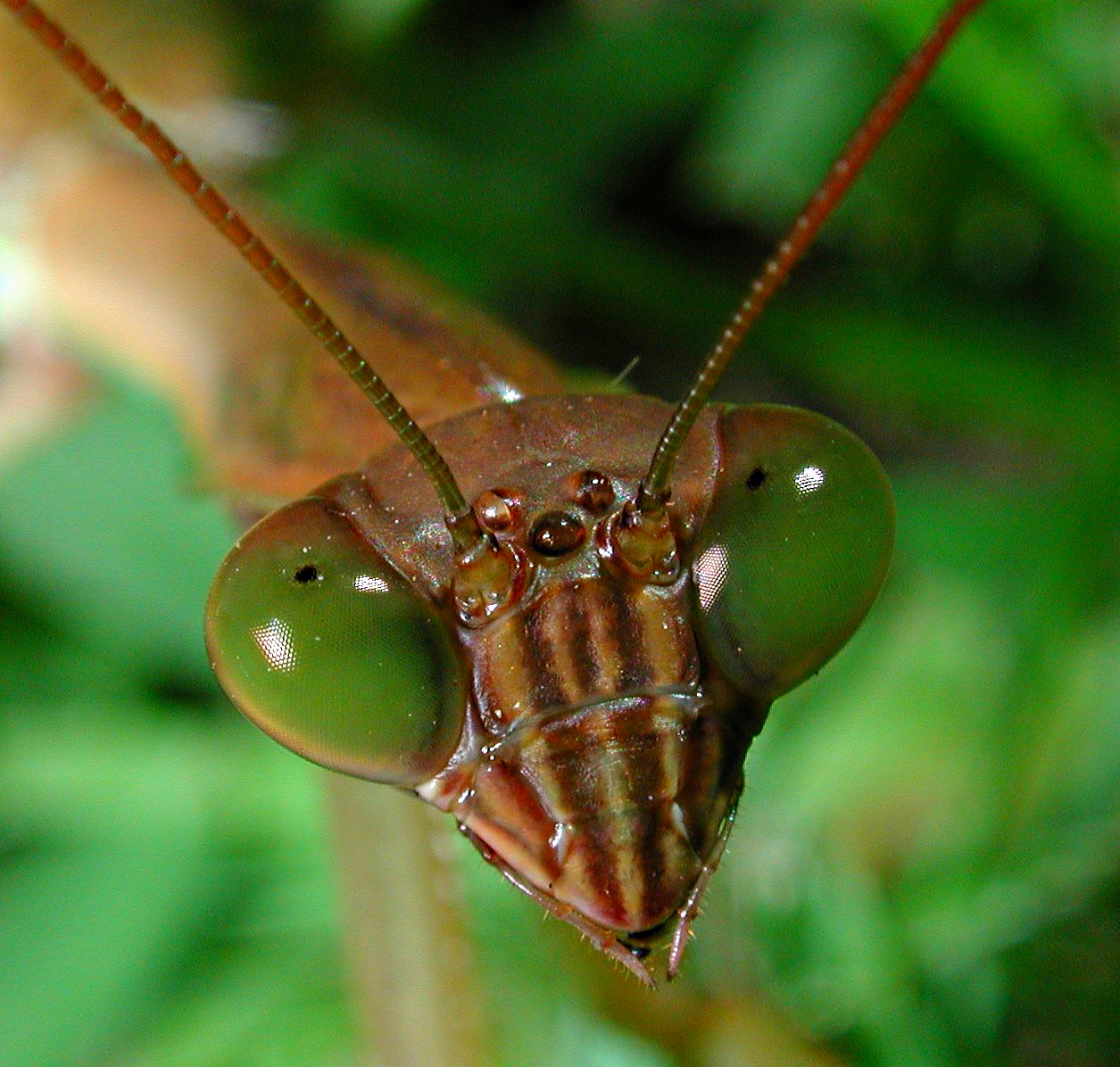
[This insect is known as the Bee Assassin.  These predatory insects are usually found on the leaves and stems of plants (as was this photographed specimen).  Leaves and stems are not areas where honeybees usually tend to visit.  Bee Assassin insects, in reality, mostly eat other types of insects, such as flies, beetles, caterpillars, and mosquitoes.  Their front legs have a “stickiness” which enables them to easily catch insects. Bee Assassin insects, though they may look rather intimidating, are largely beneficial, as they help to eradicate many harmful garden pests.]

If you're another bug, watch out for this one! Photo by Thomas Peace 2014

If you’re another bug, watch out for this one! Photo by Thomas Peace 2014
 

Post

Fear…

Leave a reply

.

Fear — unless there is an immediate physical danger in the environment — is often based on patterns and images in (and “as”) time that are projected as “what might be.”

.

[Nursery Web Spiders may sit quietly for hours, legs spread out on vegetation, a large rock, or on a boat dock… or they may actively hunt in vegetation.  Nursery Web Spiders have excellent vision.

Additional Note:  I will be posting more spiders (and similar creatures) in the Halloween month of October.  It is neat that they are part of an old Halloween tradition (that is fun for kids).  However, it is unfortunate that many children grow up associating spiders with “being frightened” and as “terrible creatures to be horrified of.”  As the late, superb naturalist, Steve Irwin often propounded, spiders and snakes can indeed be seen to be majestic, marvelous animals, truly beautiful in their own ways.  We must, as Steve Irwin so graciously suggested before his untimely passing, be far better caretakers of Mother Earth.]

Rock-a-bye Baby.  Photo by Thomas Peace 2014
Rock-a-bye Baby. Photo by Thomas Peace 2014
 

Post

If we shipped all of the foolish people to the moon…

2 comments

.

If we shipped all of the foolish people to the moon… none of us would be left on earth!

😉

.

[This is a Katydid, whipping its antenna like a fishing fly-rod.  A female Katydid has a long sword-like ovipositor.  The sword-like ovipositor is used for depositing eggs deep in soil or rotten wood.]

A Katydid whipping her fishing fly-rod.  Photo by Thomas Peace 2014
A Katydid whipping her fishing fly-rod. Photo by Thomas Peace 2014
Post

Societies and authorities weave an intricate, complex web. Unwind into what is simple, pure, and unadulterated!

2 comments

.

Societies and authorities weave an intricate, complex web.  Unwind into what is simple, pure, and unadulterated!

.

[This is a reddish Harvestman.  Notice the shadow of the Havestman upon the leaf.  Harvestmen are arachnids, but they are not spiders and do not make webs to catch insects.  Harvestmen are also called Daddy-long-legs.  There are 200 species of Harvestmen in North America… 4,500 to 5,000 worldwide.  They are harmless to human beings (and eat many pests, such as flies).

Additional note:   I will be posting more spiders (and similar creatures) in the Halloween month of October.  It is neat that they are part of an old Halloween tradition (that is fun for kids).  However, it is unfortunate that many children grow up associating spiders with “being frightened” and as “terrible creatures to be horrified of.”  As the late, superb naturalist, Steve Irwin often propounded, spiders and snakes can indeed be seen to be majestic, marvelous animals, truly beautiful in their own ways.  We must, as Steve Irwin so graciously suggested before his untimely passing, be far better caretakers of Mother Earth.]

Long Legs 4 sure!  Photo by Thomas Peace 2014
Long Legs 4 sure! Photo by Thomas Peace 2014

Post

Life does not always give you exactly what you ask of it. Life is not a gumball machine, hungry for quarters.

2 comments

.

Life does not always give you exactly what you ask of it.  Life is not a gumball machine, hungry for quarters.

.

[Mydas Flies are large, heavy-bodied wasp mimics.  They are a velvety black, with the 2nd abdominal segment being a bright orange-yellow, orange, or reddish orange.  Blackish wings have a bluish or purplish sheen.  Mydas Flies are frequently seen on flowers and they presumably feed on nectar (they were once thought to feed on other insects).]

Wasp-like but harmless! Photo by Thomas Peace 2014

Wasp-like but harmless! Photo by Thomas Peace 2014


Post

(Multi-photo)*** Don’t function like a cold, callous machine; operate with a warm, living heart.

Leave a reply

.

Don’t function like a cold, callous machine; operate with a warm, living heart.

.

[These are ants collecting pollen on wild Queen Ann’s Lace flowers.  Pollen is great protein for some species of ants.]

Ant on Queen Ann's Lace (1). Photo by Thomas Peace 2014

Ant on Queen Ann’s Lace (1). Photo by Thomas Peace 2014

Ant on Queen Ann's Lace (2). Photo by Thomas Peace 2014

Ant on Queen Ann’s Lace (2). Photo by Thomas Peace 2014


Post

Constant desire is the crutch of…

Leave a reply

.

Constant desire is the crutch of a very broken and injured mind.

.

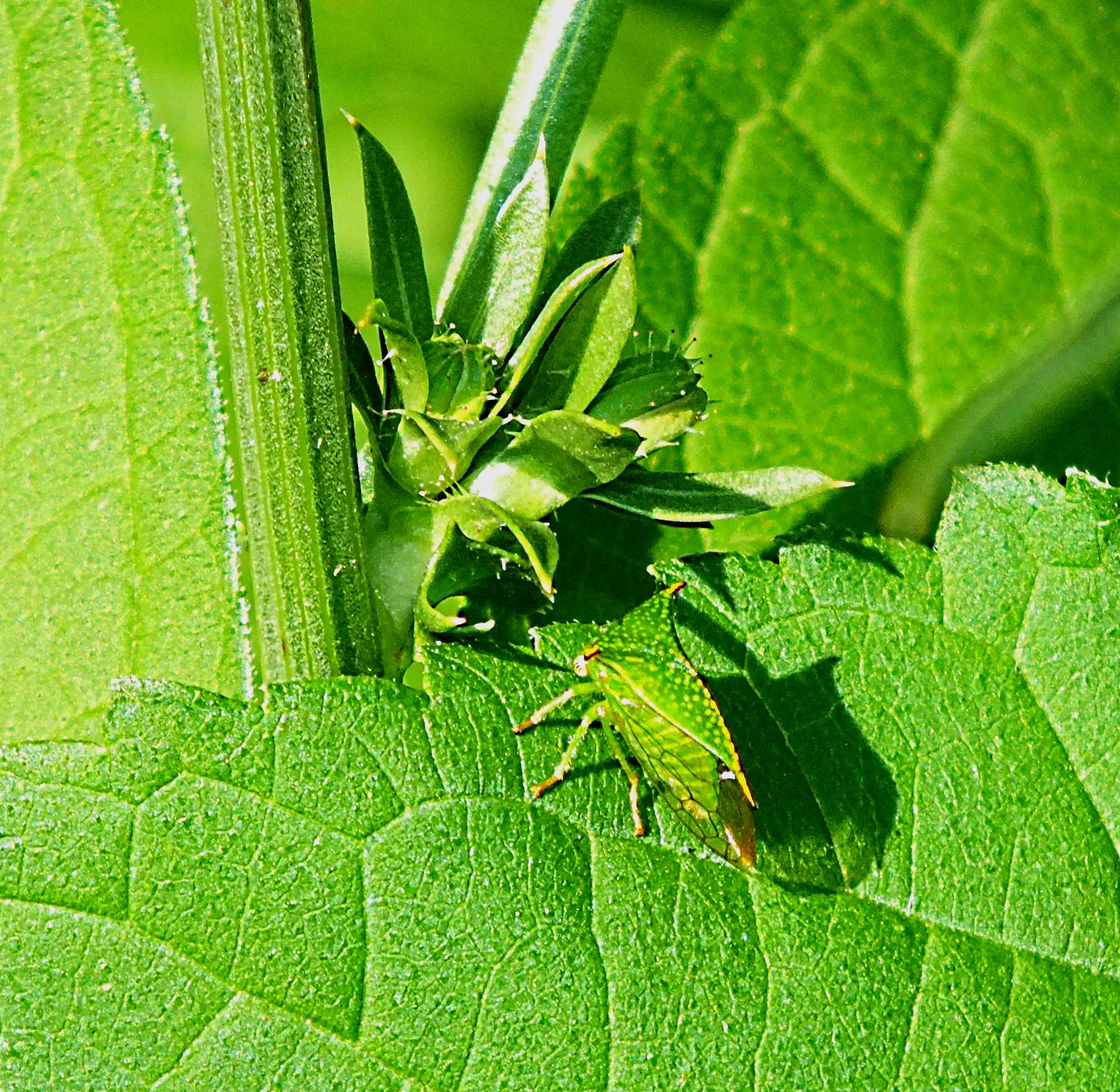
[Buffalo Treehoppers are aptly named for their hornlike projections, which suggest a buffalo’s horns. Female Buffalo Treehoppers make crescent-shaped slits in young plant stems to lay their eggs.  The larvae are a pale green and are covered with short spines.]

Buffalo Treehopper photo, from successful buffalo hunting!  Photo by Thomas Peace 2014
Buffalo Treehopper photo, from successful buffalo hunting! Photo by Thomas Peace 2014


Post

Inner and integral happiness does not cost a dime!

2 comments

.

Inner and integral happiness does not cost a dime!

.

[This is a Black Swallowtail Butterfly resting on a Thistle Flower.  Black Swallowtail Butterfly eggs are yellowish and ovoid shaped, and are laid on wild and cultivated plants of the carrot family, such as parsley, parsnips, celery, and carrots. There are two broods of Black Swallowtails annually in the North, and at least three in the South.]

Black is beautiful!  Photo by Thomas Peace 2014

Black is beautiful! Photo by Thomas Peace 2014