
.
.
.
.
.
. True poetic insight is graceful because its sensitivity crosses boundaries and perceives all as one.
.
.
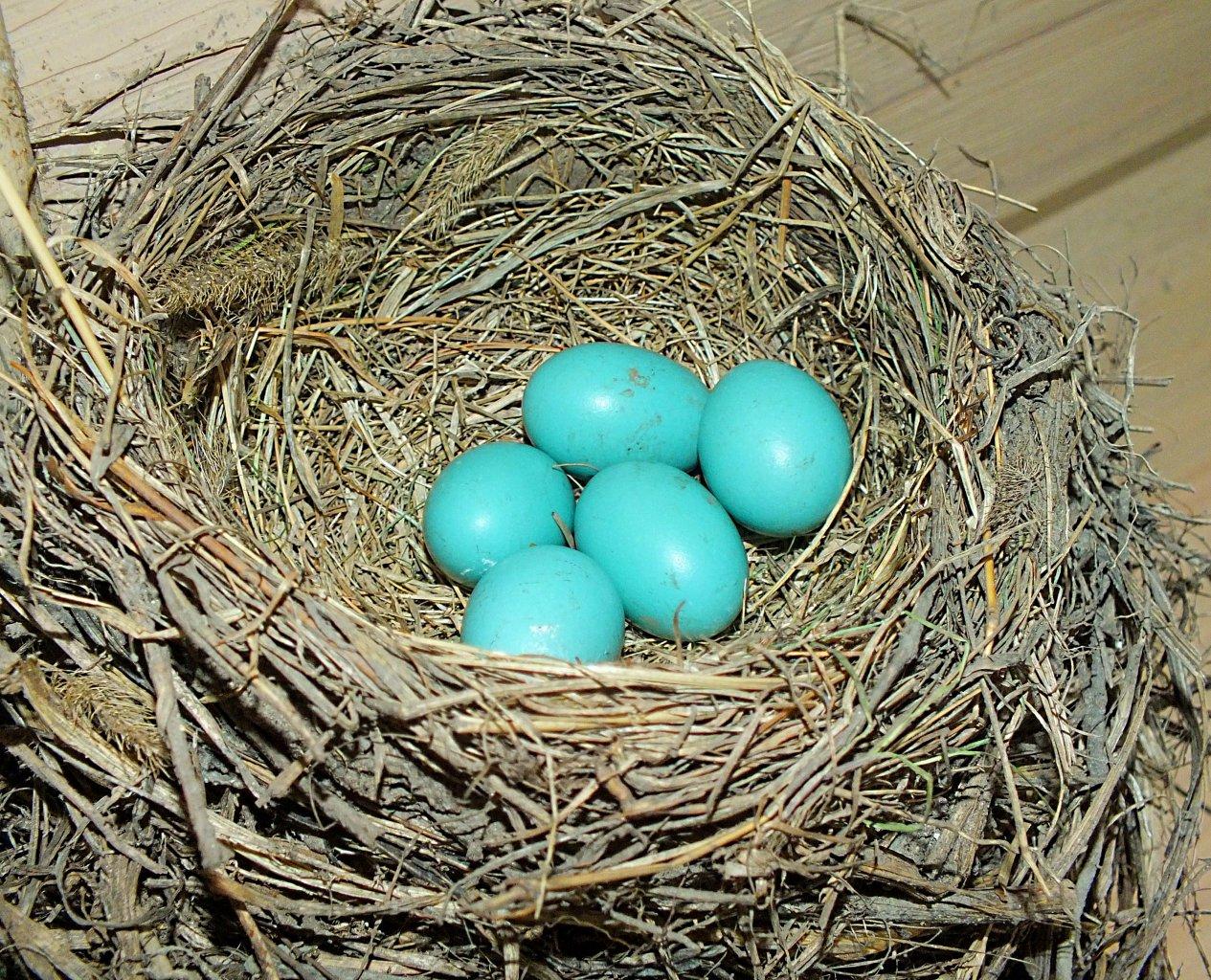
Don’t count your chickens… — photo by Thomas Peace 2014

… before they hatch! —– (Robin Fledglings) … photo by Thomas Peace 2014

.
.
.
.
.
. True poetic insight is graceful because its sensitivity crosses boundaries and perceives all as one.
.
.
Don’t count your chickens… — photo by Thomas Peace 2014
… before they hatch! —– (Robin Fledglings) … photo by Thomas Peace 2014
.
.
.
.
.
. The pointing finger isn’t the moon, and symbolic thoughts aren’t the realities. Go beyond the pointer!
.
.

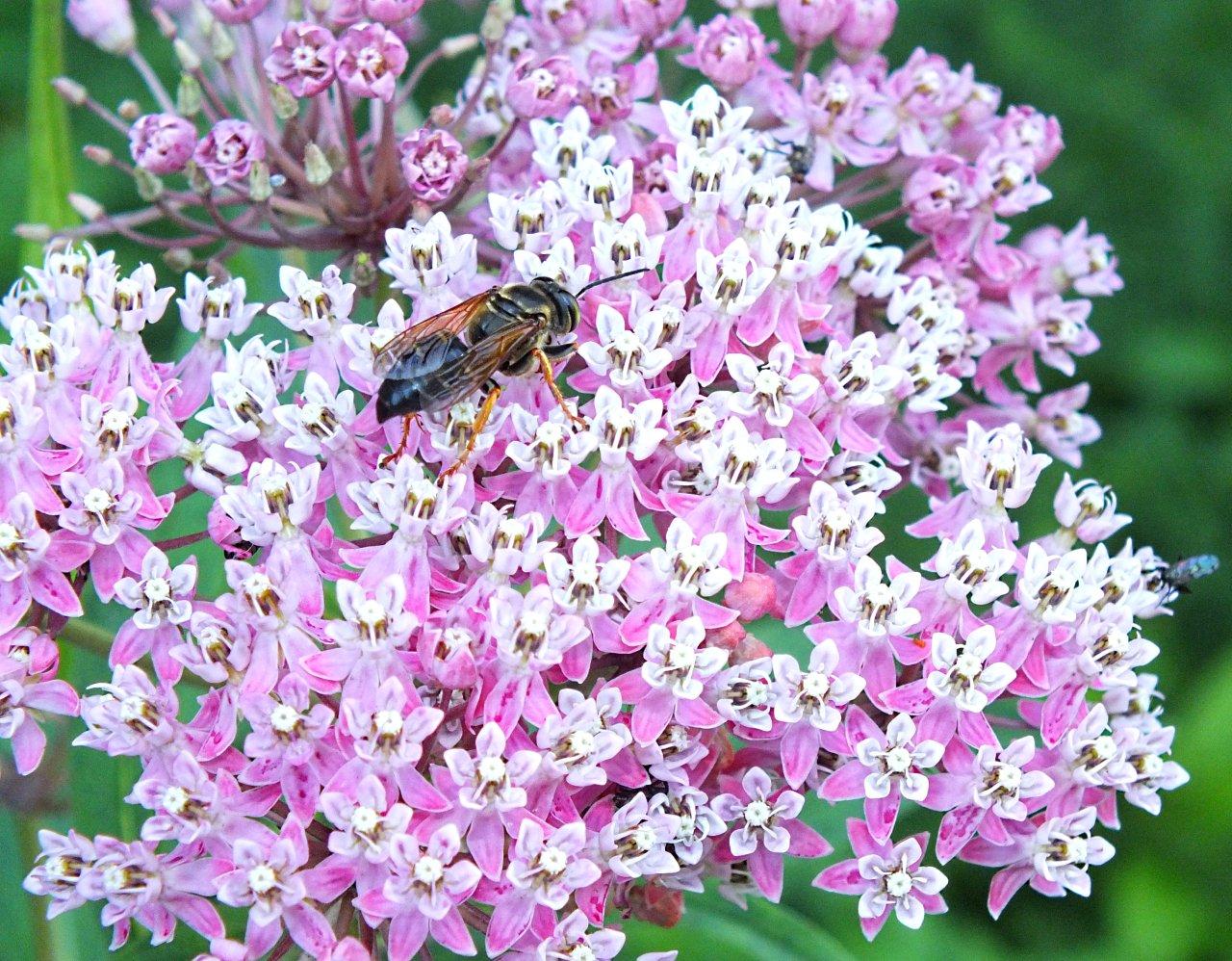
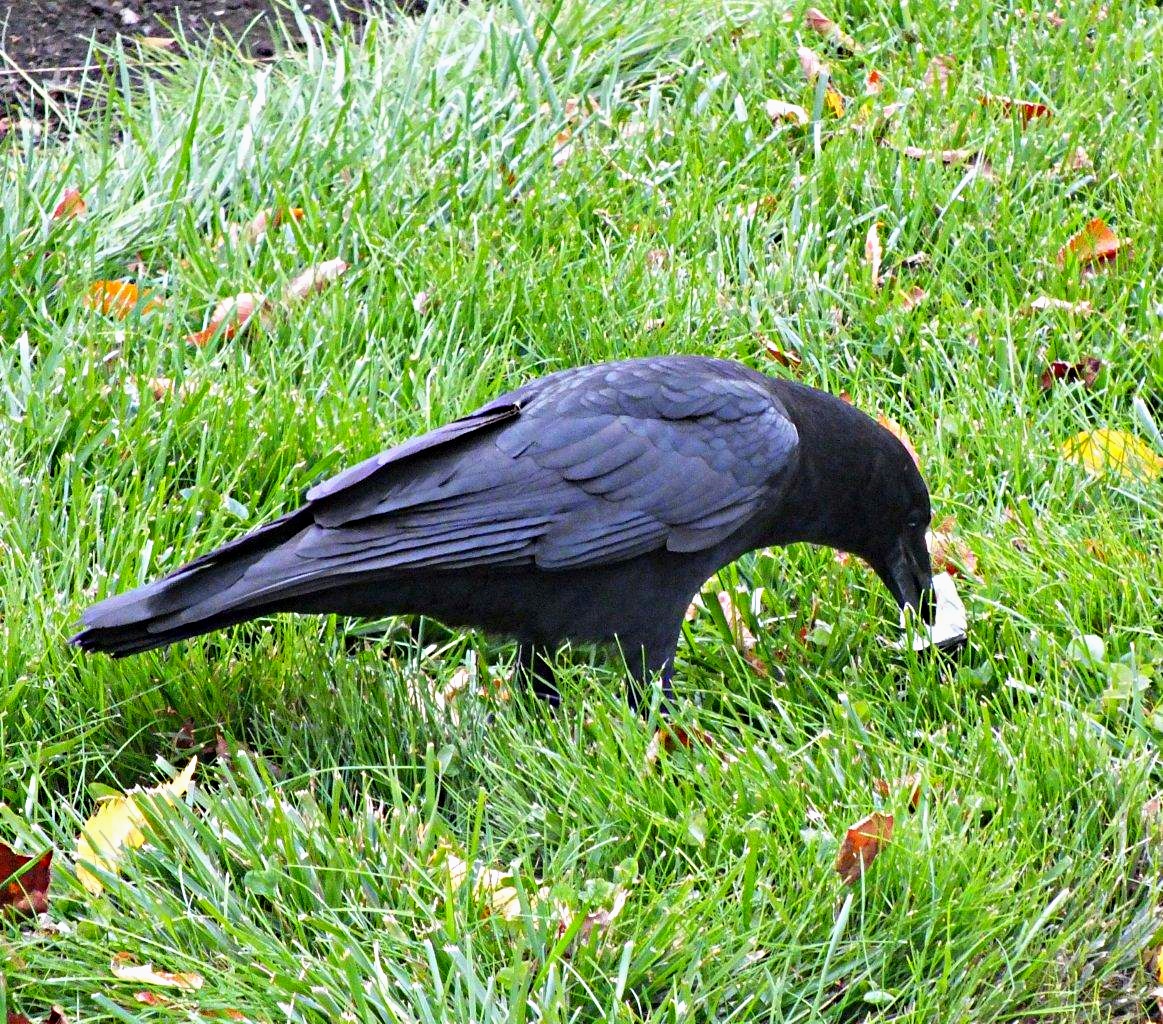
Don’t get lost in the details! …. Photo by Thomas Peace 2014

.
.
.
.
.
. An ordinary mind will see things as being stale and humdrum; a profound mind will perceive things as being majestic and wonderful!
.
.
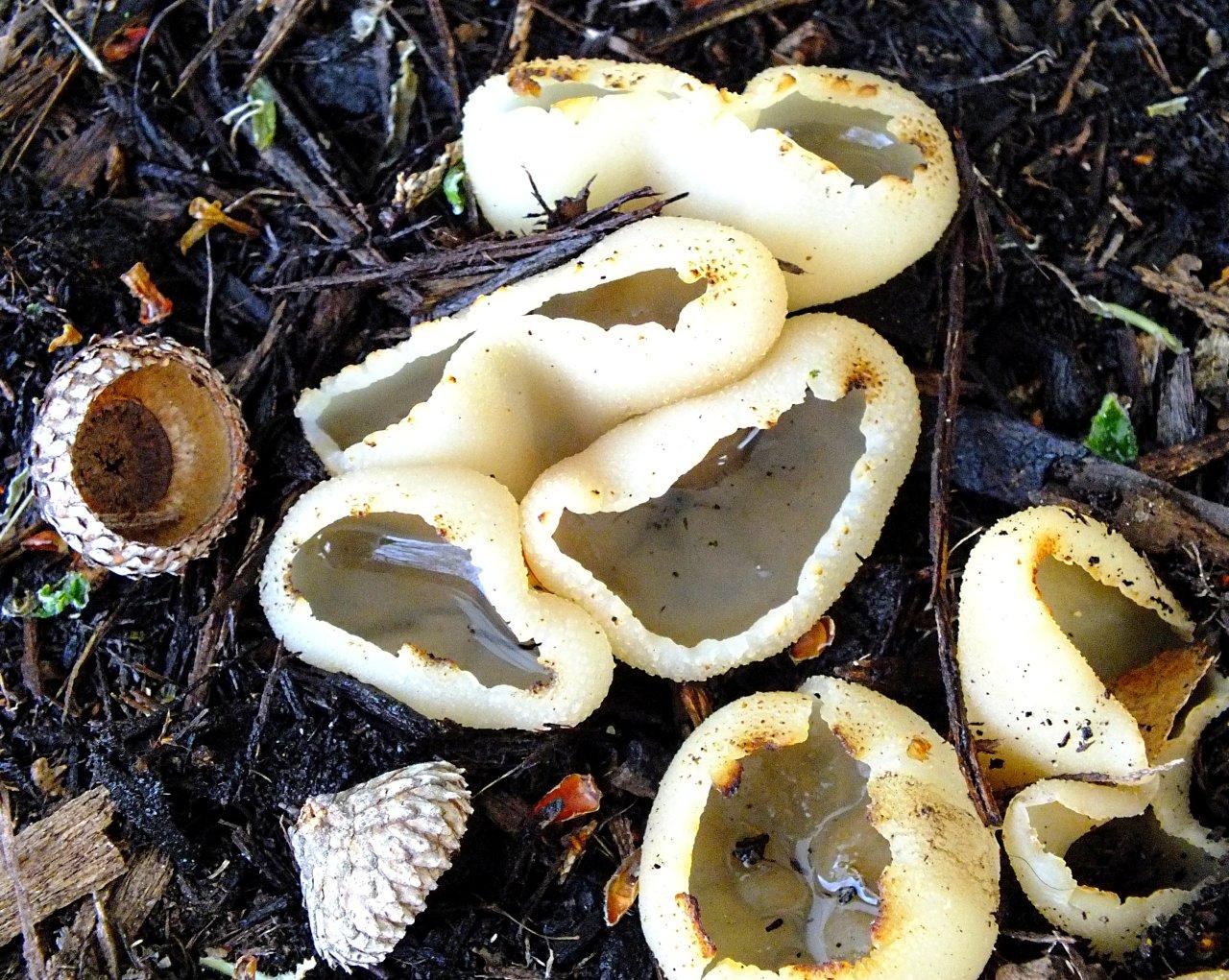
There’s fungus among us! … cup fungi … photo by Thomas Peace 2014

.
.
.
.
.
. To observe directly without deluding oneself with false images and beliefs is rare in this world… and is wisdom in action.
.
.

Open wide, far beyond common, limited awareness! … photo by Thomas Peace 2014
.
.
.
.
.
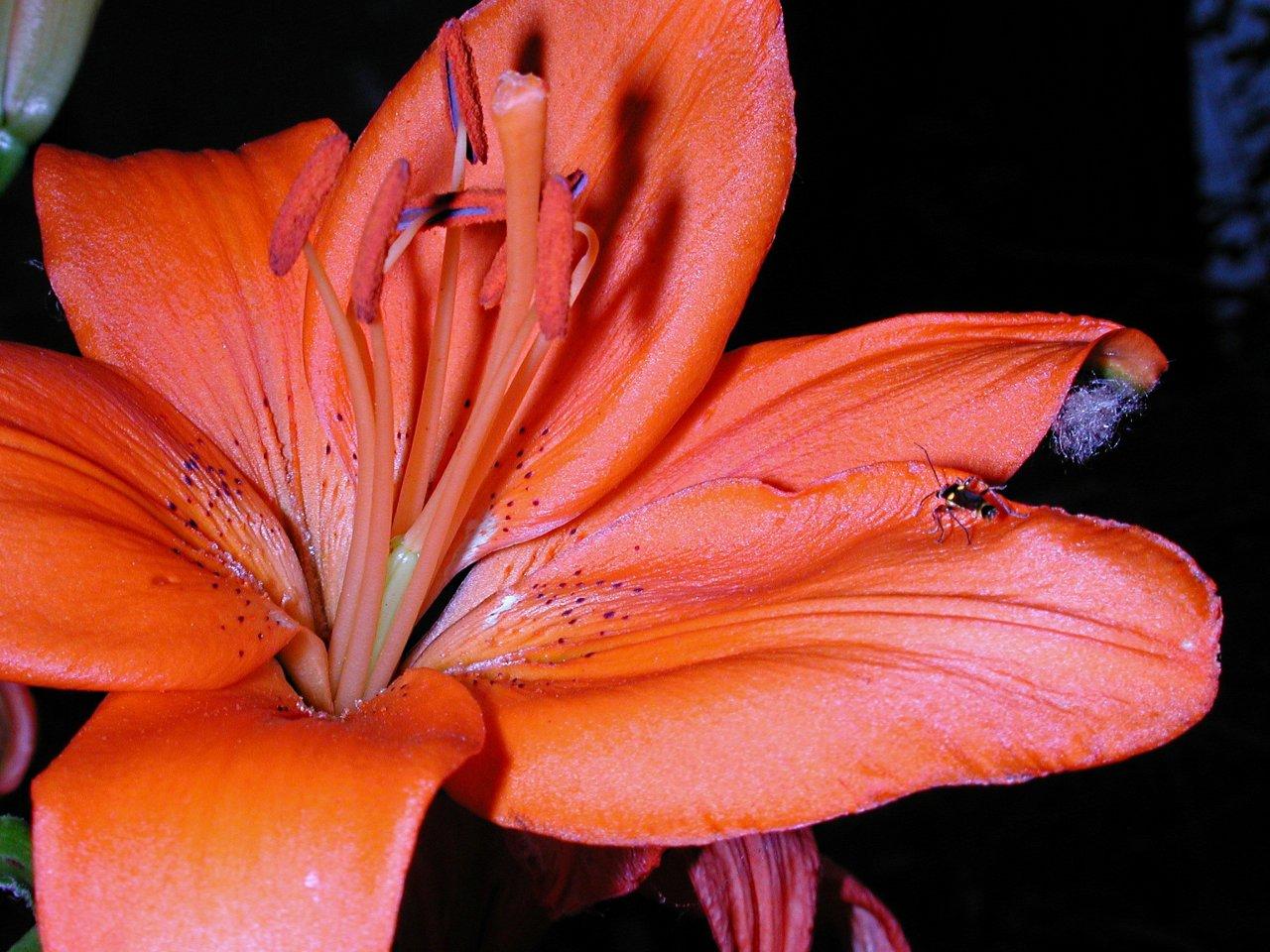
. Awareness and compassion are priceless gifts for a consciousness to be, and with them comes great responsibility!
.
.

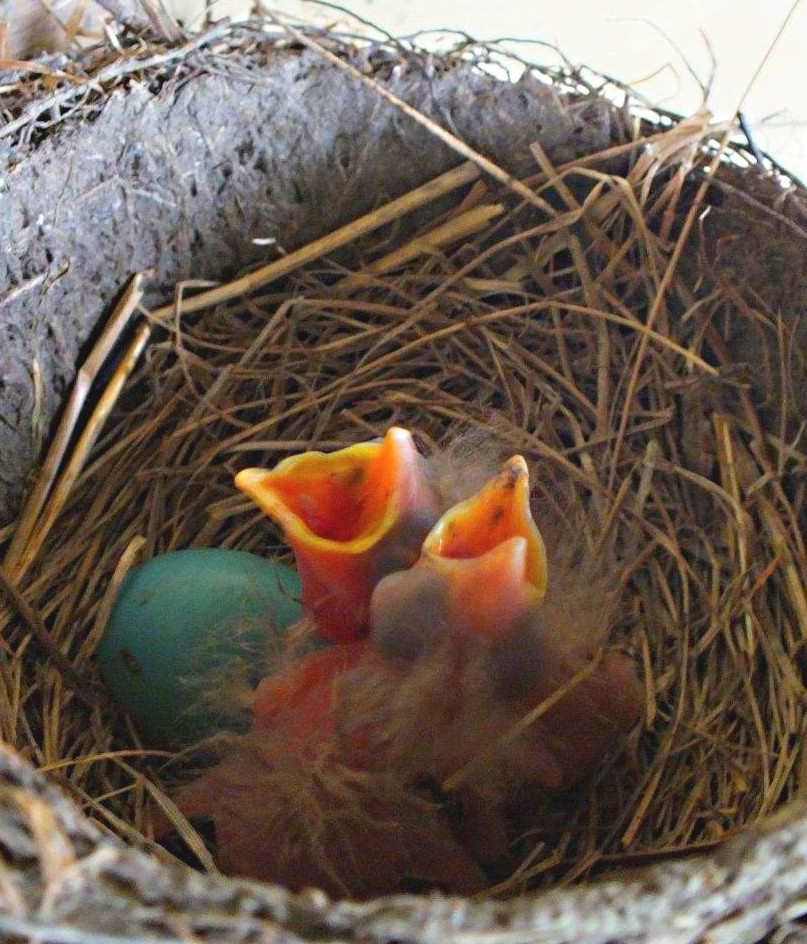
Hungry fledglings and a late bloomer… photo by Thomas Peace 2014
.
.
.
.
.
. Happy Mother’s Day! And let’s all especially wish a happy Mother’s Day to Mother Earth too. She is all we have, and we all need to take better care of her (by recycling, using green energy, and planting more trees and such), not neglecting her. We can’t (as many foolish scientists suggest) leave home to go to another planet when things get bad here; some scientists are suggesting the wrong things; we have to wake up and treat her much better! Mother Earth is not at all separate from all true, good mothers!
.
. Excerpt of a Navajo Native American Song (which, as a song of wisdom, occurs within my book):
.
Song of the Earth
All is beautiful,
All is beautiful…All is beautiful, indeed.
Now the Mother Earth, and the Father Sky… Meeting, joining one another,
Helpmates ever, they.
All is beautiful… All is beautiful… All is beautiful, indeed.
Sisnajinni, Tsodsichl,
Meeting, joining one another,
Helpmates ever, they.
All is beautiful… All is beautiful… All is beautiful, indeed.
Now Doko-oslid and Depenitsa… Meeting, joining one another,
Helpmates ever, they.
All is beautiful… All is beautiful… All is beautiful, indeed.
And the night of darkness… And the dawn of light… Meeting, joining one another… Helpmates ever, they.
All is beautiful…All is beautiful… All is beautiful, indeed.
Now Hastyeyalli and Hastyehogan… Meeting, joining one another,
Helpmates ever, they.
All is beautiful… All is beautiful… All is beautiful, indeed.
And the white corn and the yellow corn… Meeting, joining one another,
Helpmates ever, they.
All is beautiful… All is beautiful… All is beautiful, indeed.
And the corn-pollen and the Ripener… Meeting, joining one another,
Helpmates ever, they.
All is beautiful… All is beautiful… All is beautiful, indeed.
Life-that-never-passeth,
Happiness-of-all-things… Meeting, joining one another,
Helpmates ever, they.
All is beautiful… All is beautiful… All is beautiful, indeed.
Now all is beautiful,
All is beautiful,
All is beautiful, indeed.
.
.

Happy Mother’s Day to all good mothers and to our good Mother Earth! … photo by Thomas Peace 2014

. . . . . . I don’t hug trees, but I do hug grandmothers, grandfathers, children, and the multiply handicapped! . .

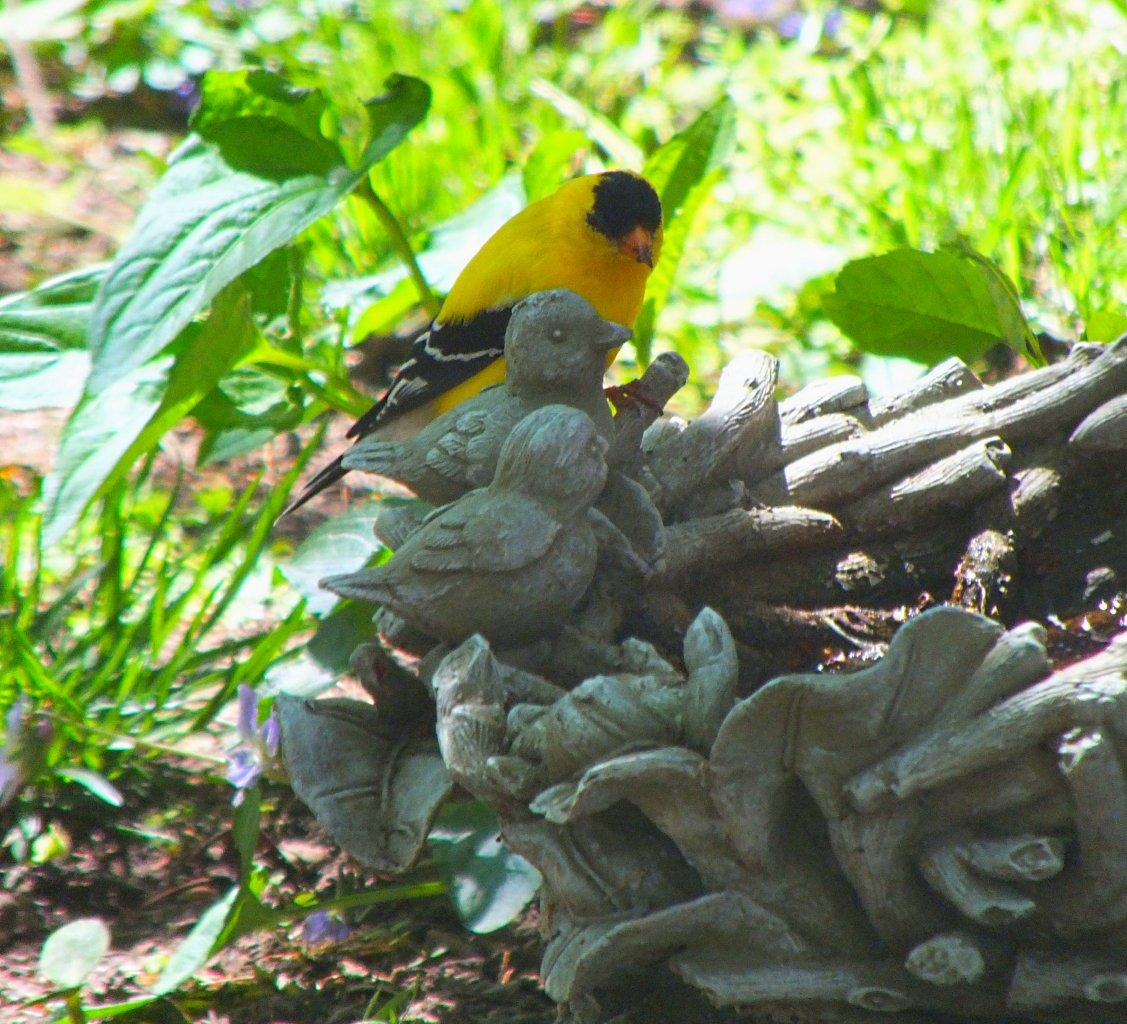
“We don’t want hugs; we want sun, water, and nutrients!” … photo by Thomas Peace 2014
.
.
.
.
.
. First thing in the morning, many birds sprightly sing to the joy of the new day, returning sun, and the exhilaration of being and sharing! 🙂 Namaste!
.
.

“You two don’t ever sing to the sun in the morning. Are you atheists?” … photo by Thomas Peace 2014

.
.
.
.
.
. You might think she’s ugly… but she has tied a little webbing — on her rear leg to the cement — to remind herself not to leave any time soon… and (though rather emaciated and hungry) she is not moving; so she is a very caring and good mother. That, my friends, is beautiful!
.
.
. (Fishing Spiders get quite large. Some, legs included, can be over 3 inches long. Some can dive underwater to catch prey, or they catch prey near the surface of the water, even minnows. It is unusual for spiders to eat vertebrates, but these do! Females guard their eggs sacs for quite a long time… often over a month, not eating while doing so. The one below was on cement on the bank of a river. It was rather strange about how i came upon it. While at home, i had a premonition that if i went to the river bank… i’d see an unusually nice, large spider there. I grabbed a camera and walked to the river bank; as i approached the bank, the spider could be seen from quite a distance and one realized immediately that that was what the intimation was about. It didn’t budge while i took shots; then i politely left it with its highly precious orb.)
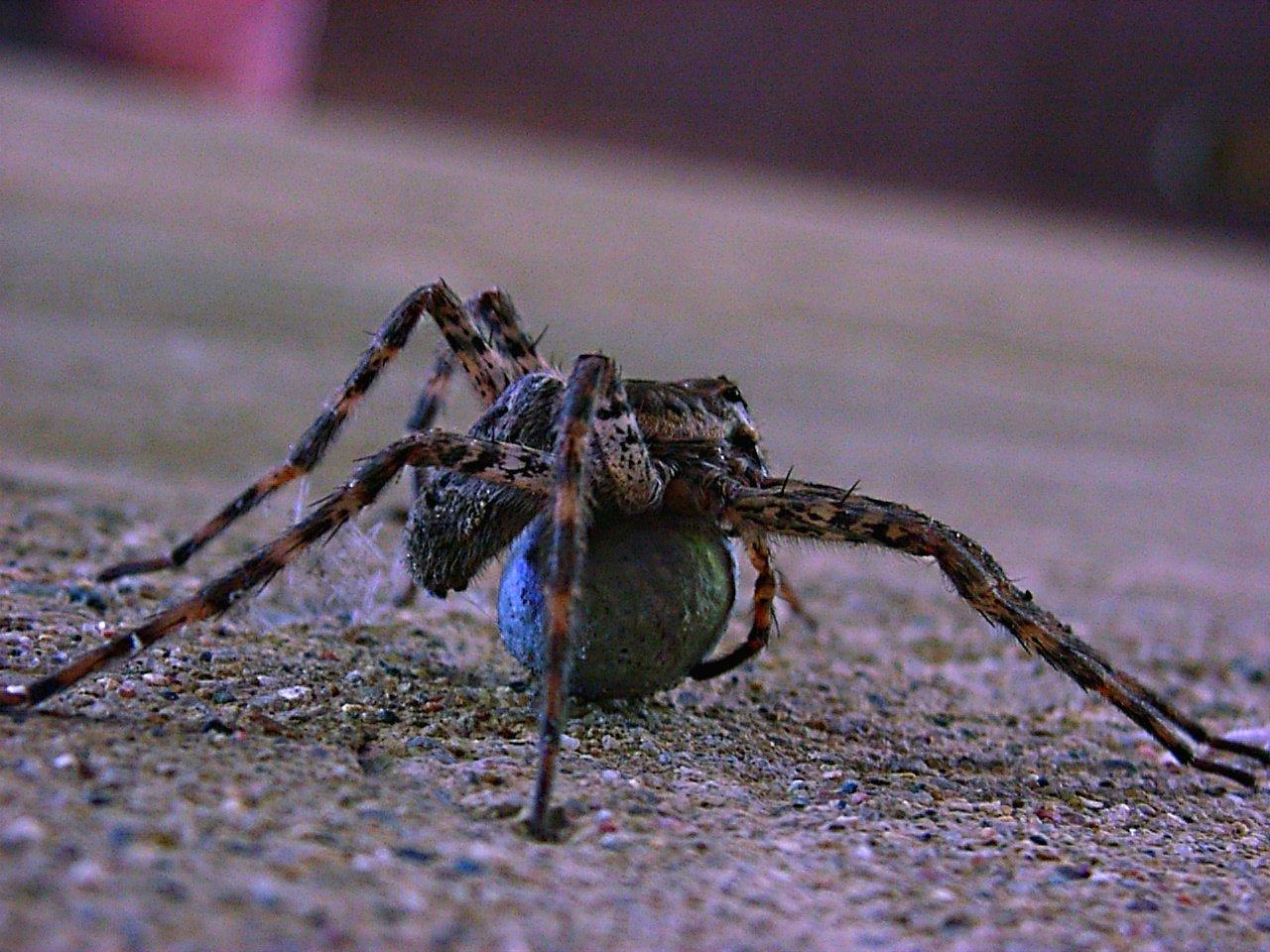
Dolomedes tenebrosus (Fishing Spider) with her egg sac … photo by Thomas Peace 2014

.
.
.
.
.
. Carry too many thoughts about “how things are” with you… and you won’t ever actually see where you are going!
.
.

The center of attention… photo by Thomas Peace 2014
.
.
.
.
.
. In compassion, there is no separate “you” and “I”!
.
.

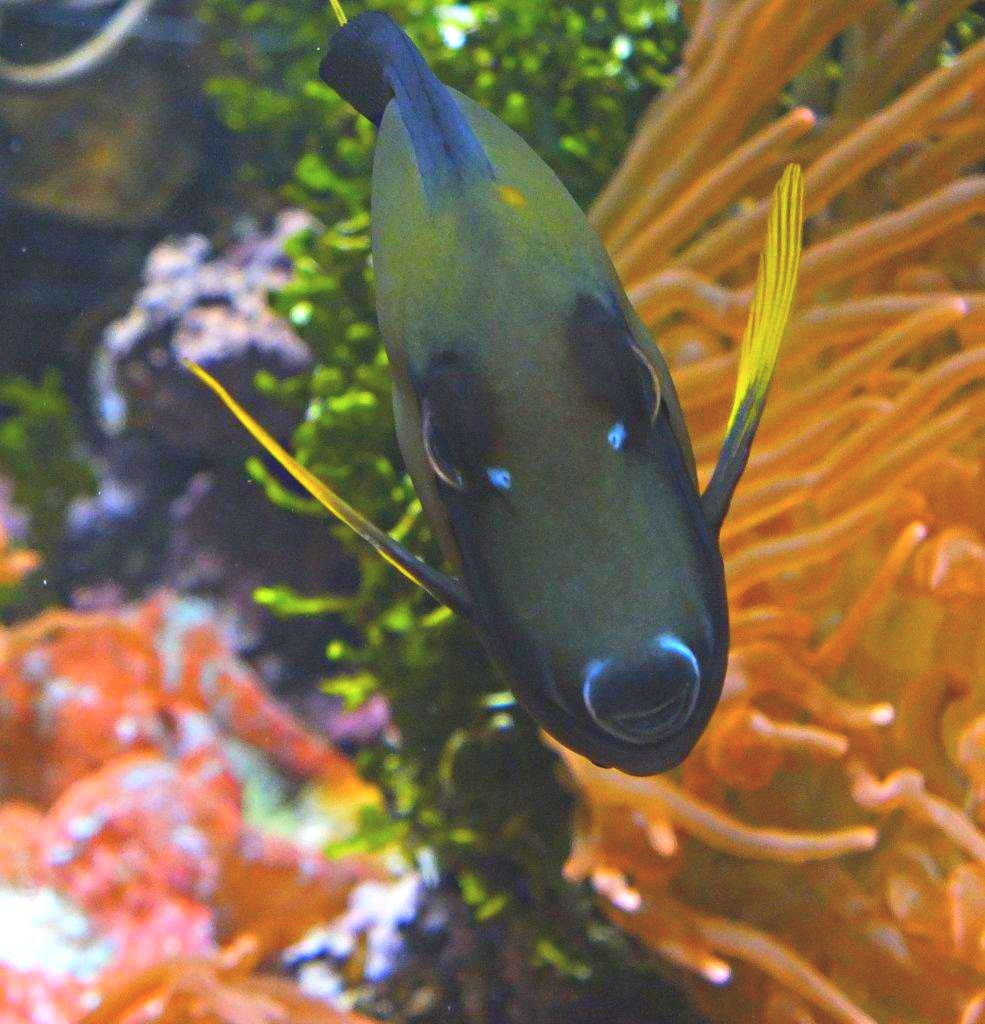
Who’s zoomin’ who? … (Saltwater Tang Fish, Blue Tang) photo by Thomas Peace 2014

Close-up photo of Ellen DeGeneres in Finding Nemo…
.
.
.
.
.
. Dorothy: How do you talk if you don’t have a brain?
. Scarecrow: Well, some people without brains do an awful lot of talking, don’t they?!
.
.

Scarecrow: Boo! Scat! Boo! You see, I can’t even scare a crow. (Photo by Thomas Peace 2014)

.
.
.
.
.
. Keep love in your heart. A life without it is like a sunless garden when the flowers are dead.
. — Oscar Wilde
.
.
Explosion of compassion!… photo by Thomas Peace 2014

.
.
.
.
.
. Marvel at life and nature! If things get you down, take a walk in the woods and drop the hurts behind (like dead weights)!
.
.
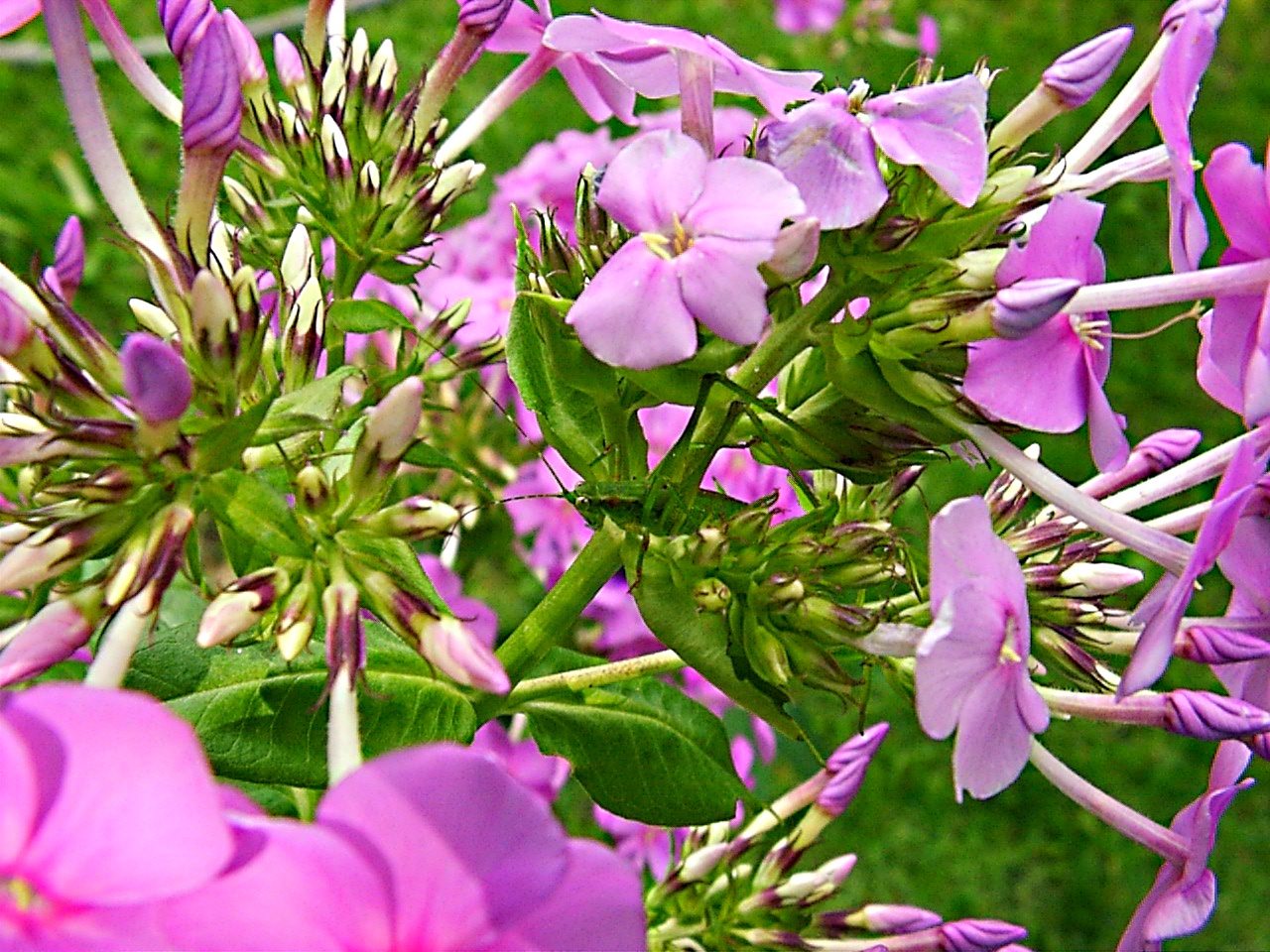
Hidden in the micro-forest… photo by Thomas Peace 2014

.
.
.
.
.
. The giver is the gift. The seer is the seen. The helping is the love.
.
.
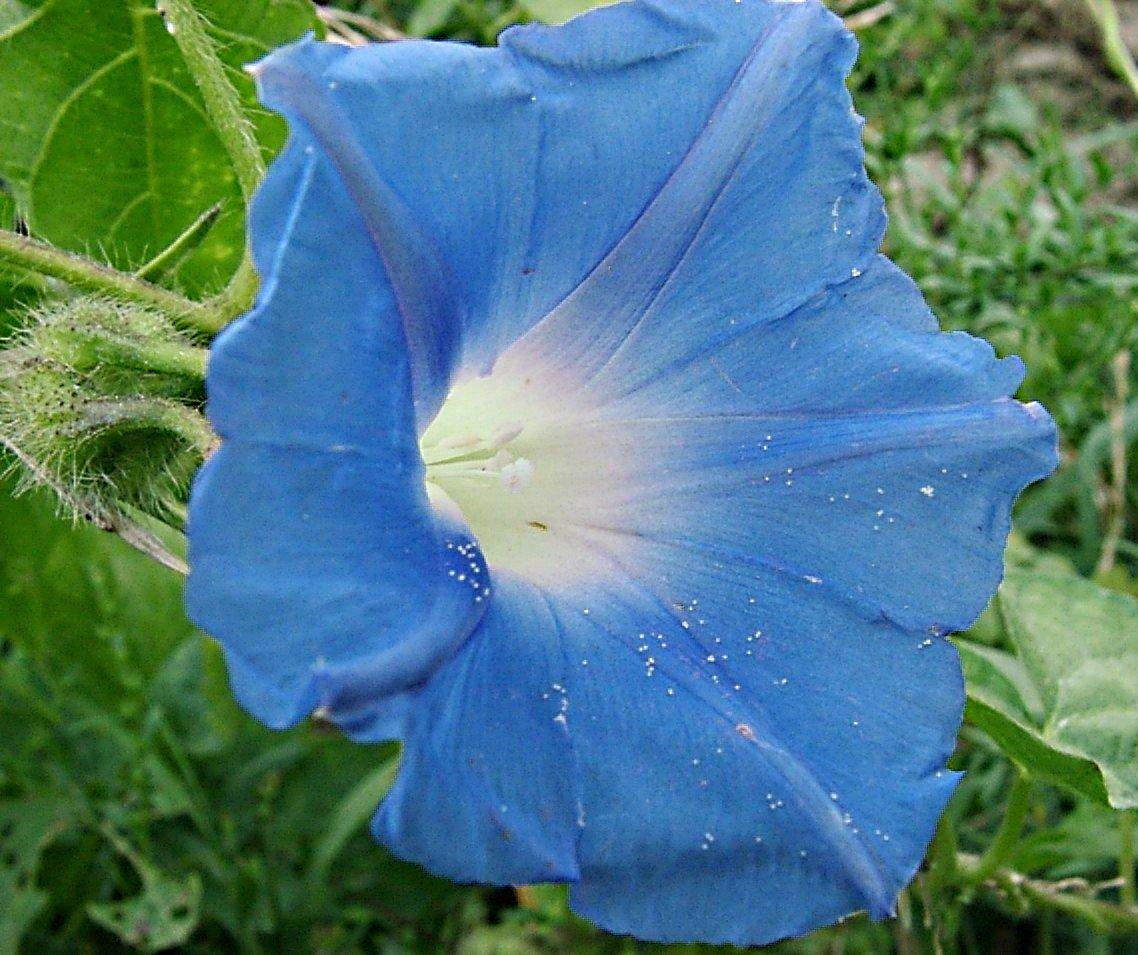
Morning Glory by the woods… Photo by Thomas Peace 2014
.
.
.
.
.
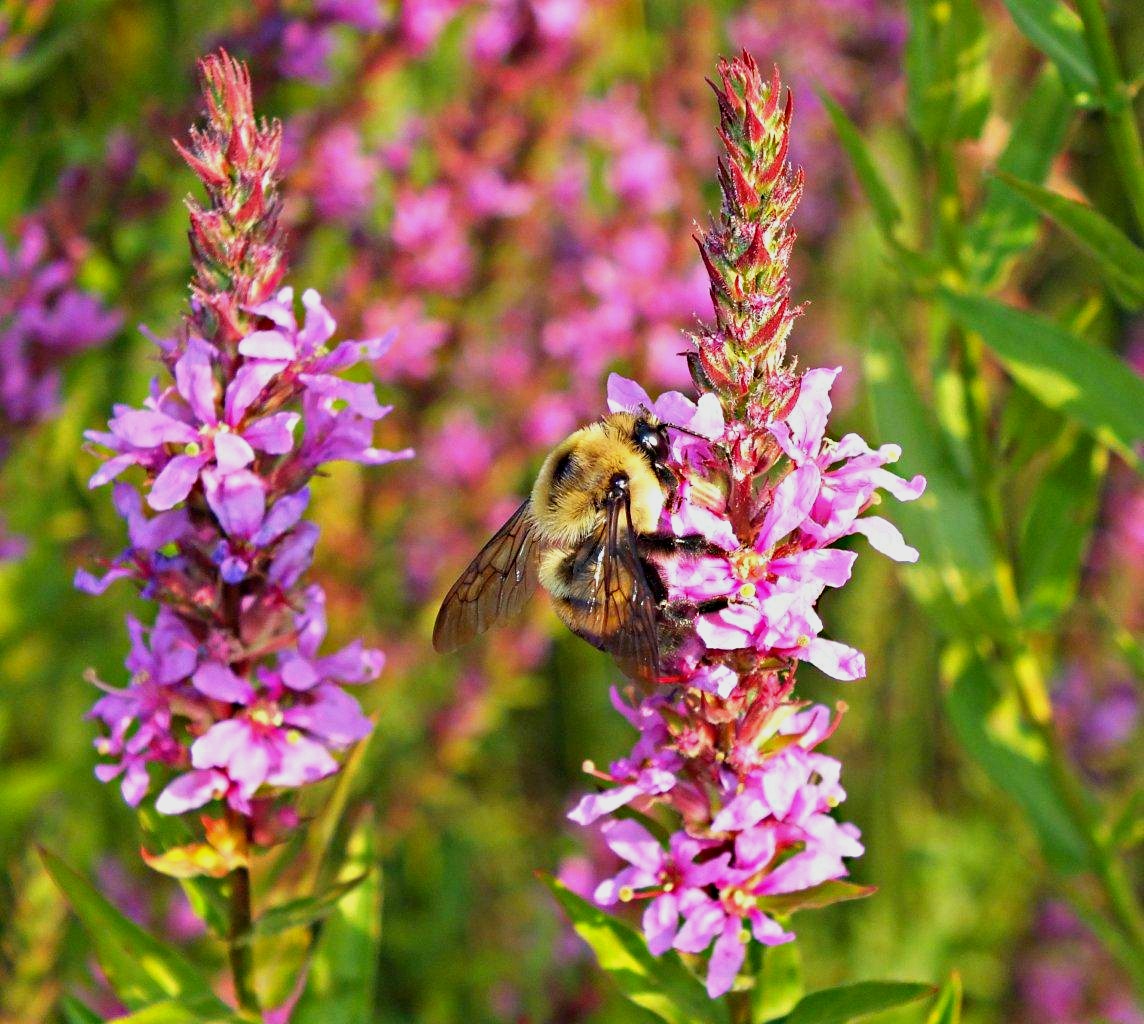
. Many eyes go through the meadow, but few see the flowers in it.
. — Ralph Waldo Emerson
.
.

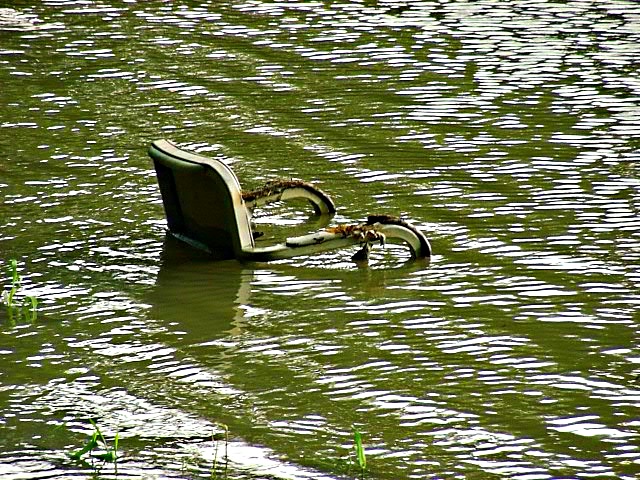
Being in the unseen… Photo by Thomas Peace 2014
.
.
.
.
.
. They say that location is everything! Location! Location! Location!
. 😉
.
.
They say that location is everything! …. Photo by Thomas Peace 2014

.
.
.
.
.
. The door to success in the entertainment world… may be illusory.
. Real success is in finding truth, helping others, and ending suffering… not in showing off like some kind of monkey, getting all the apish stares!
.
.
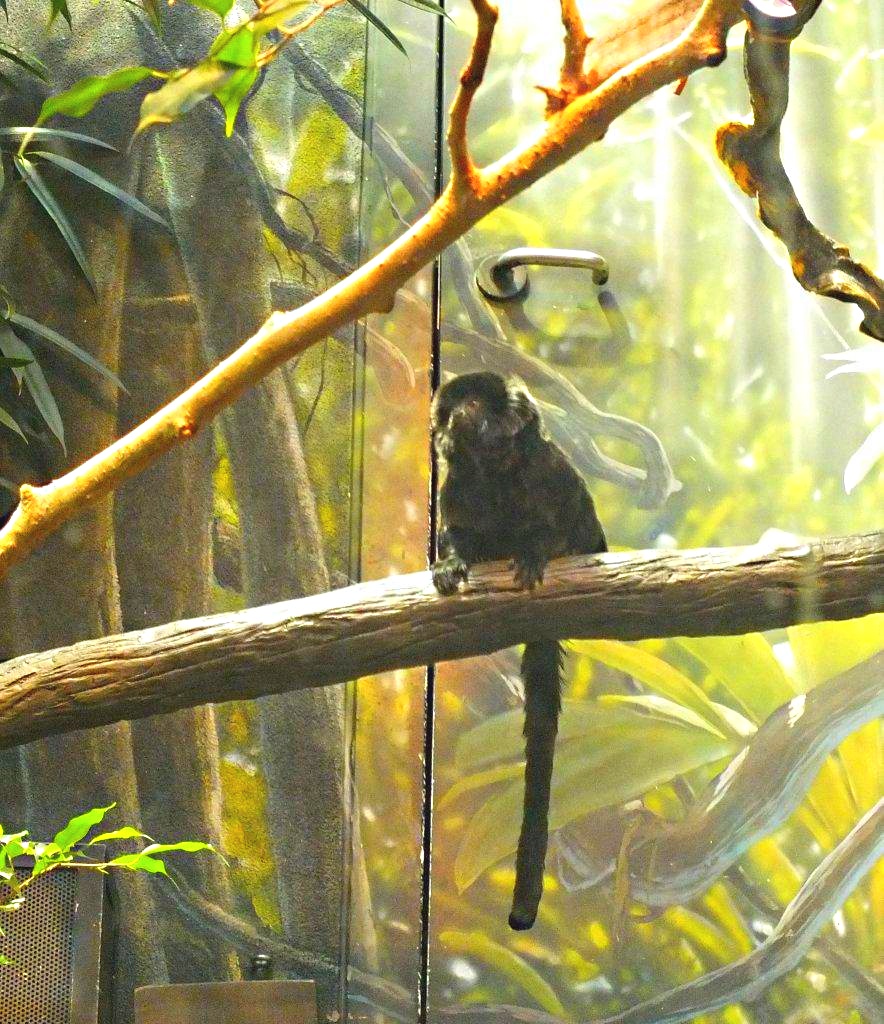
The door to success in the entertainment world… may be illusory. Mantled Howler Monkey at the zoo, briefly resting after antics with his group… photo by Thomas Peace 2014

.
.
.
.
.
. Never ever grow up! Never ever let them contaminate your youth and inner joy with their old words and systems!
.
.
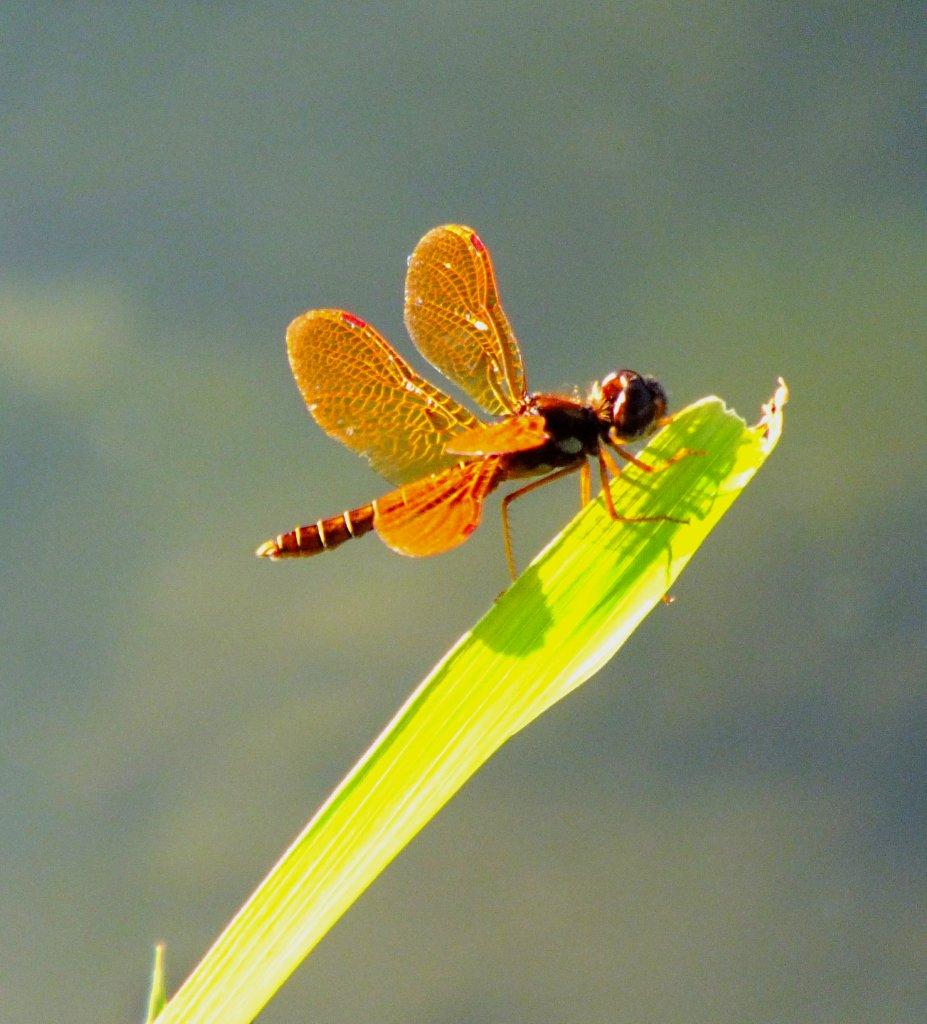
Eastern Amberwing Dragonfly (male)… photo by Thomas Peace 2014
.
.
.
.
.
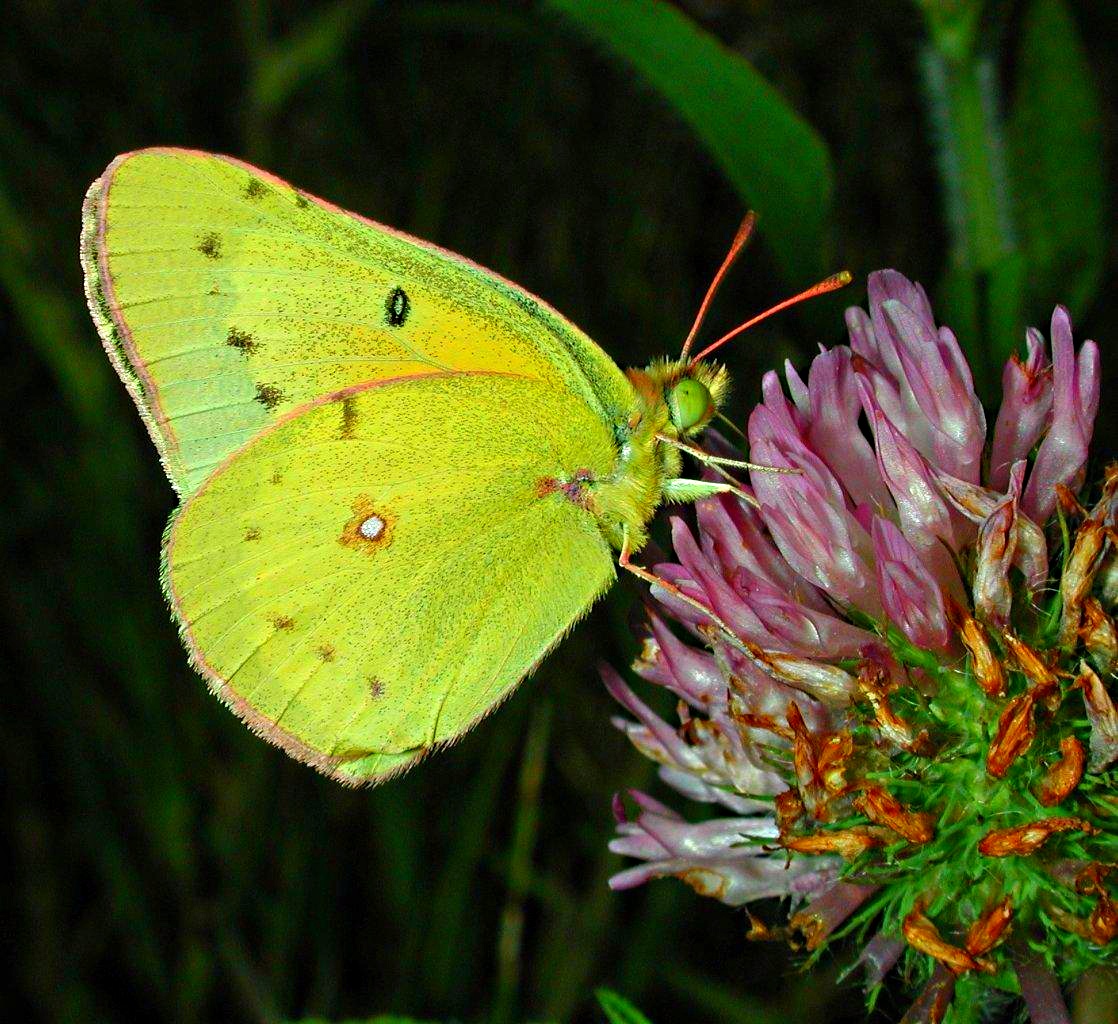
. Cleanliness is not next to godliness… but genuine, heartfelt compassion is!
.
.

Clouded Sulphur Butterfly (male) on pink clover… photo by Thomas Peace 2014

.
.
.
.
.
. Would you rather wake up while you’re you, or afterwards?
. — E.E.Cummings
.
.
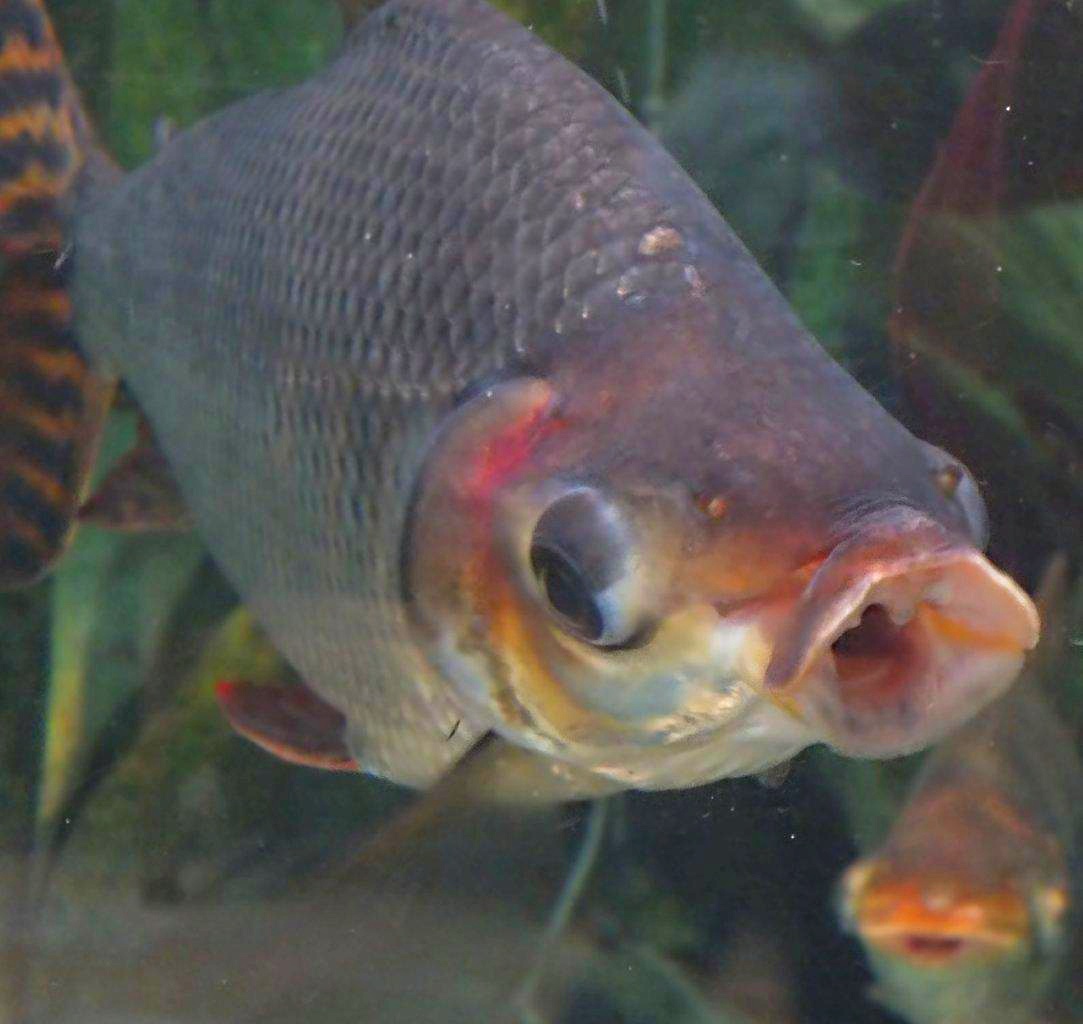
Flagtail Prochilodus, large tetra, South America species… 1 1/2 feet long… photo by Thomas Peace 2014

.
.
.
.
.
.
. Multi-photo: Thirteen really isn’t unlucky… and neither is the blackbird that flutters in the mind.
.
by Wallace Stevens
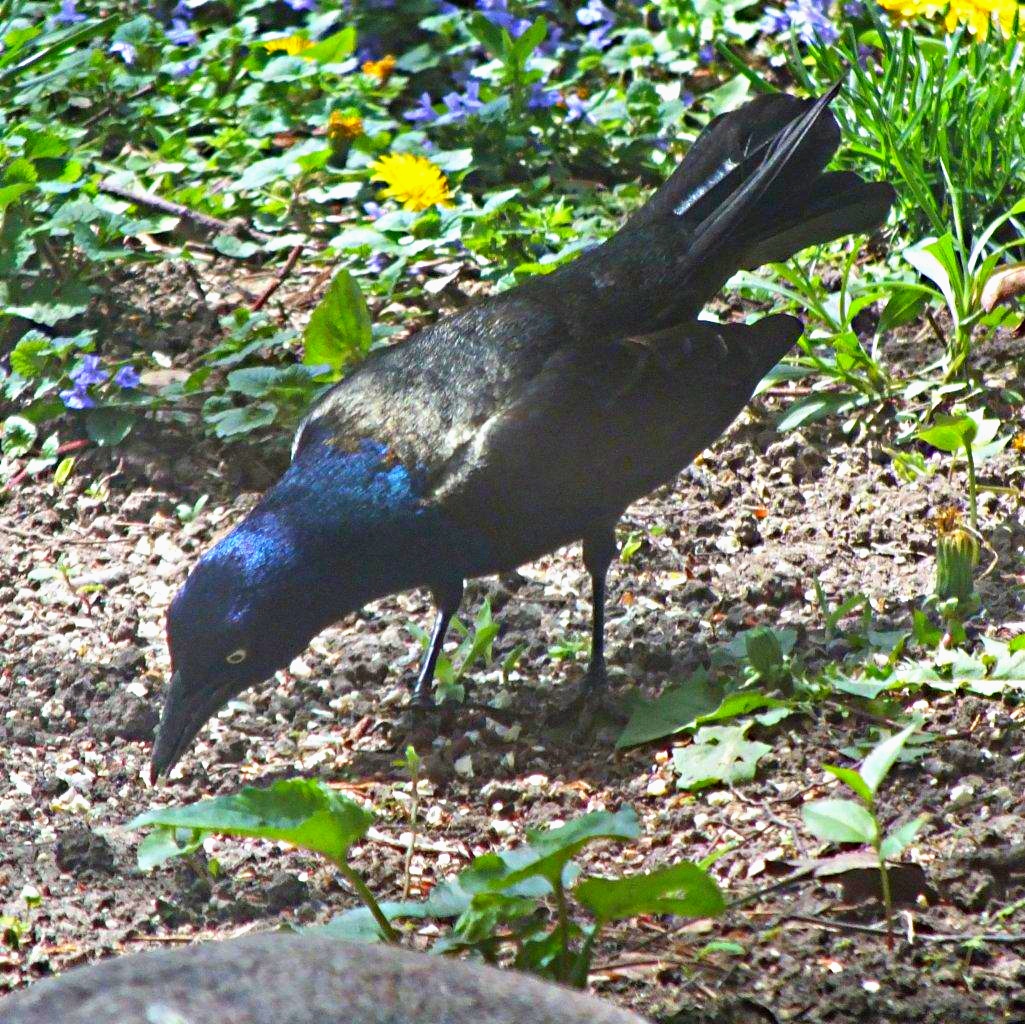
Following a song, a male Common Grackle Blackbird looks for signs of intelligent life in a thoughtless world. Photo by Thomas Peace 2014
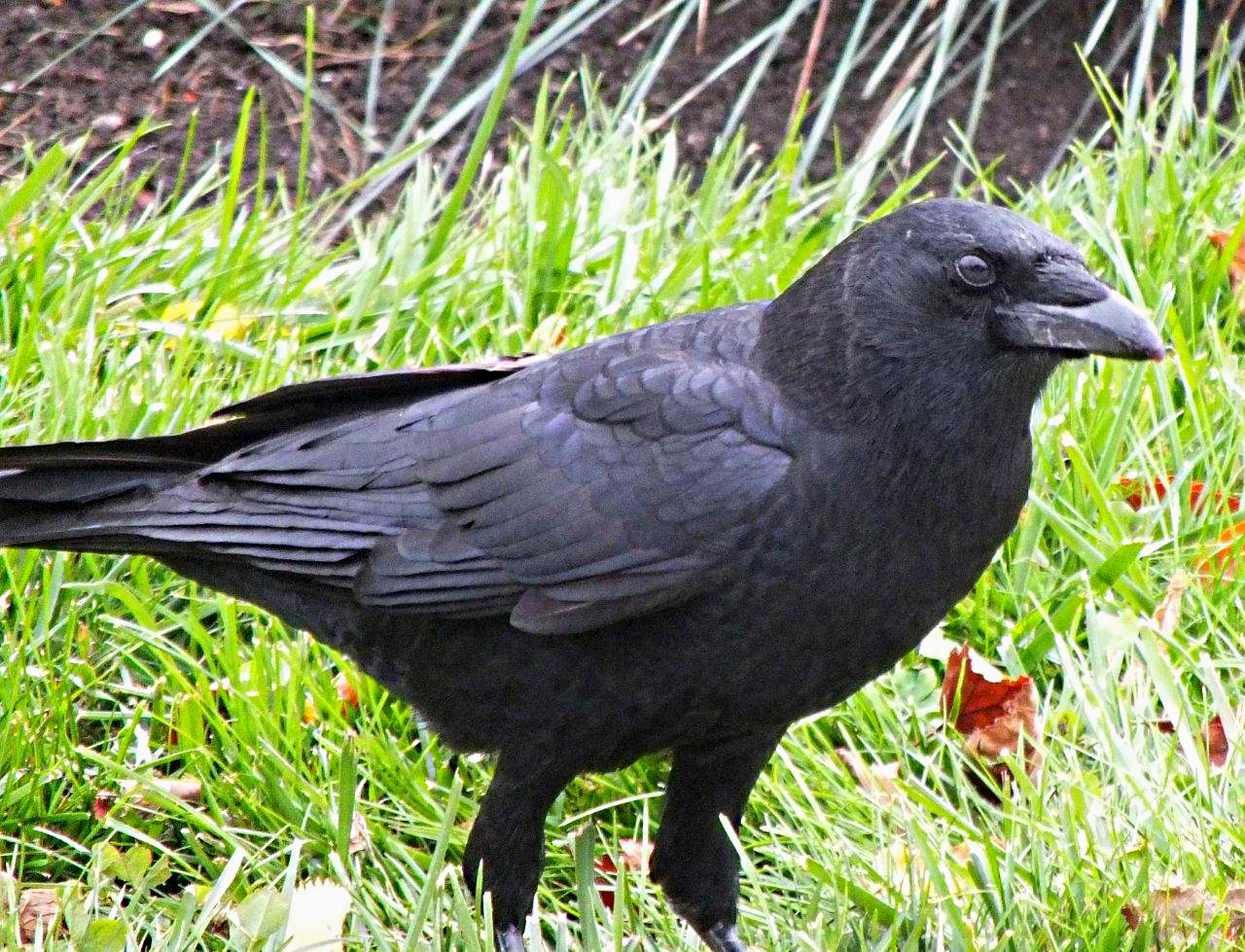
This is not a blackbird… as every wise old crow knows. Photo by Thomas Peace 2014

.
.
.
.
.
. You can’t climb to the top of the mountain of wisdom while carrying the burden of thought, fear, and memory.
.
.

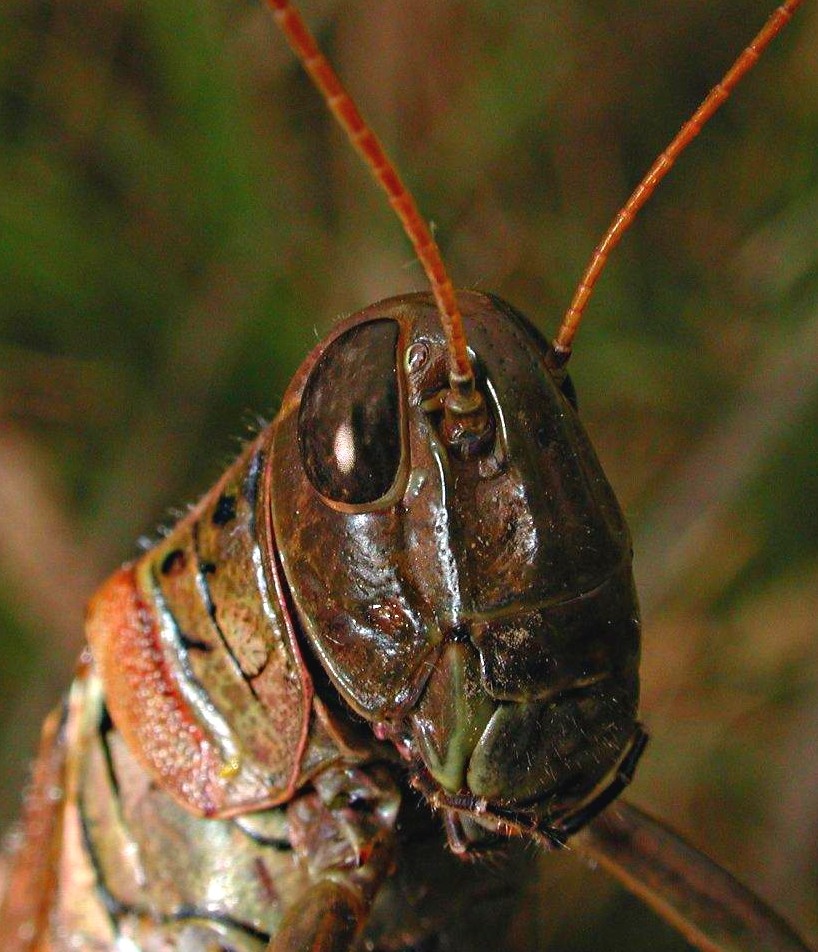
Climbing to the summit! Green Grasshopper photo by Thomas Peace 2014
.
.
.
.
.
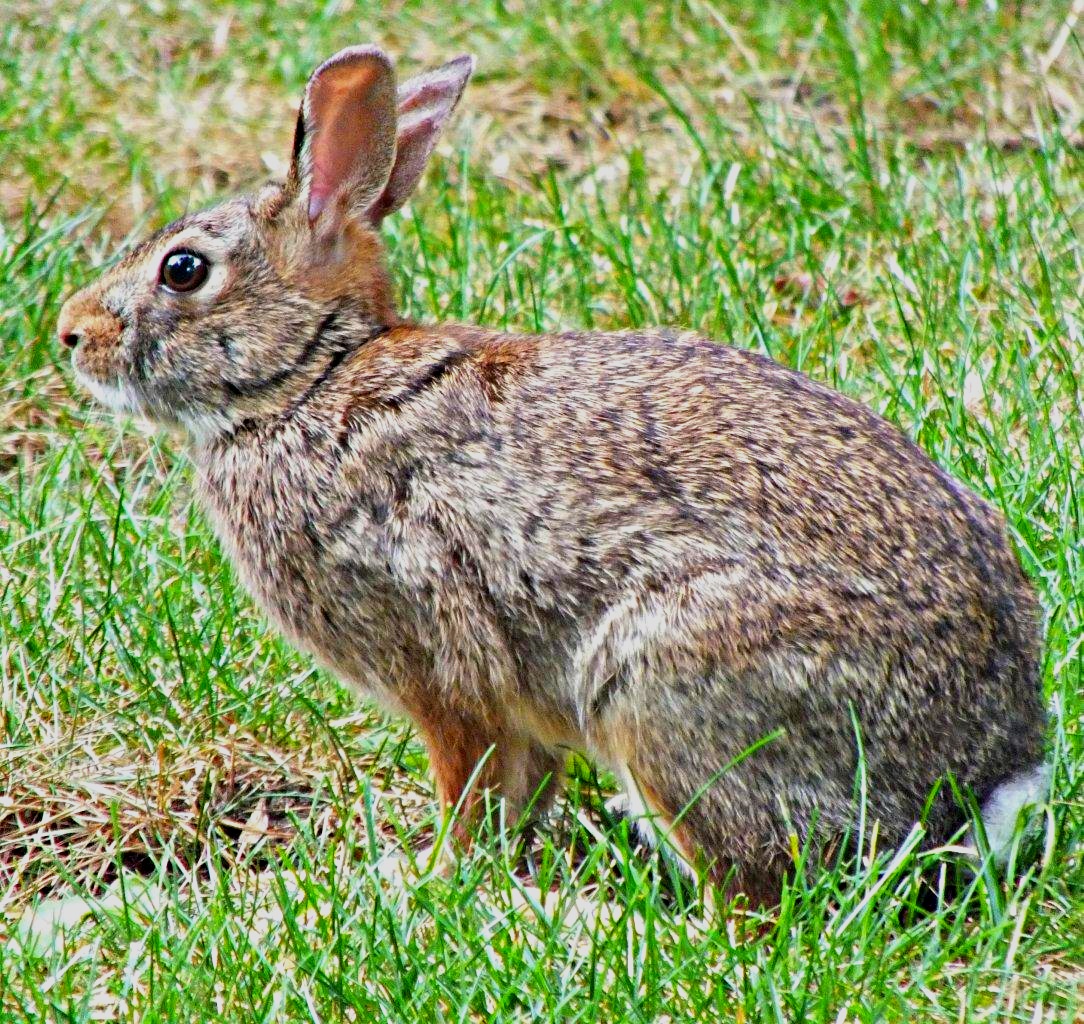
. We teach kids math and spelling… but we don’t try enough regarding crucial and vital education involving empathy, compassion, and sensitivity.
.
.

Easter will be here soon!…(Wild Rabbit) photo by Thomas Peace 2014

.
.
.
.
.
. The happiest man is he who learns from nature the lesson of worship. — R.W.Emerson
.
.
The following is a Badger fossil that i am posting in response to fellow blogging friend Running Elk’s request, after i made a comment in his blog on Badgers (http://shamanicpath.wordpress.com/2014/03/19/spirit-of-badger/).
This is a fossil i’ve had for quite some time. It’s a fossil Badger from the Miocene Period (around 12 million years old) from the Gansu Province, China.
Badgers are very tidy, orderly, well-groomed animals and keep their deep burrows and bedding scrupulously clean. They sometimes team up with Coyotes to hunt. What the Coyotes can’t catch, because the prey scurry into holes… the Badgers dig up. What the Badgers can’t catch, because they can’t sprint fast, the Coyotes capture.
People ought to, instead of being so competitive, be more cooperative. Additionally: Most Badgers understand that going deep is prudent; i wish a lot more of those (humans) satisfied with the superficial – instead of just getting upset about petty details, though making a mess of their lives while neglecting the whole – would be more orderly and go deeper!
.
.
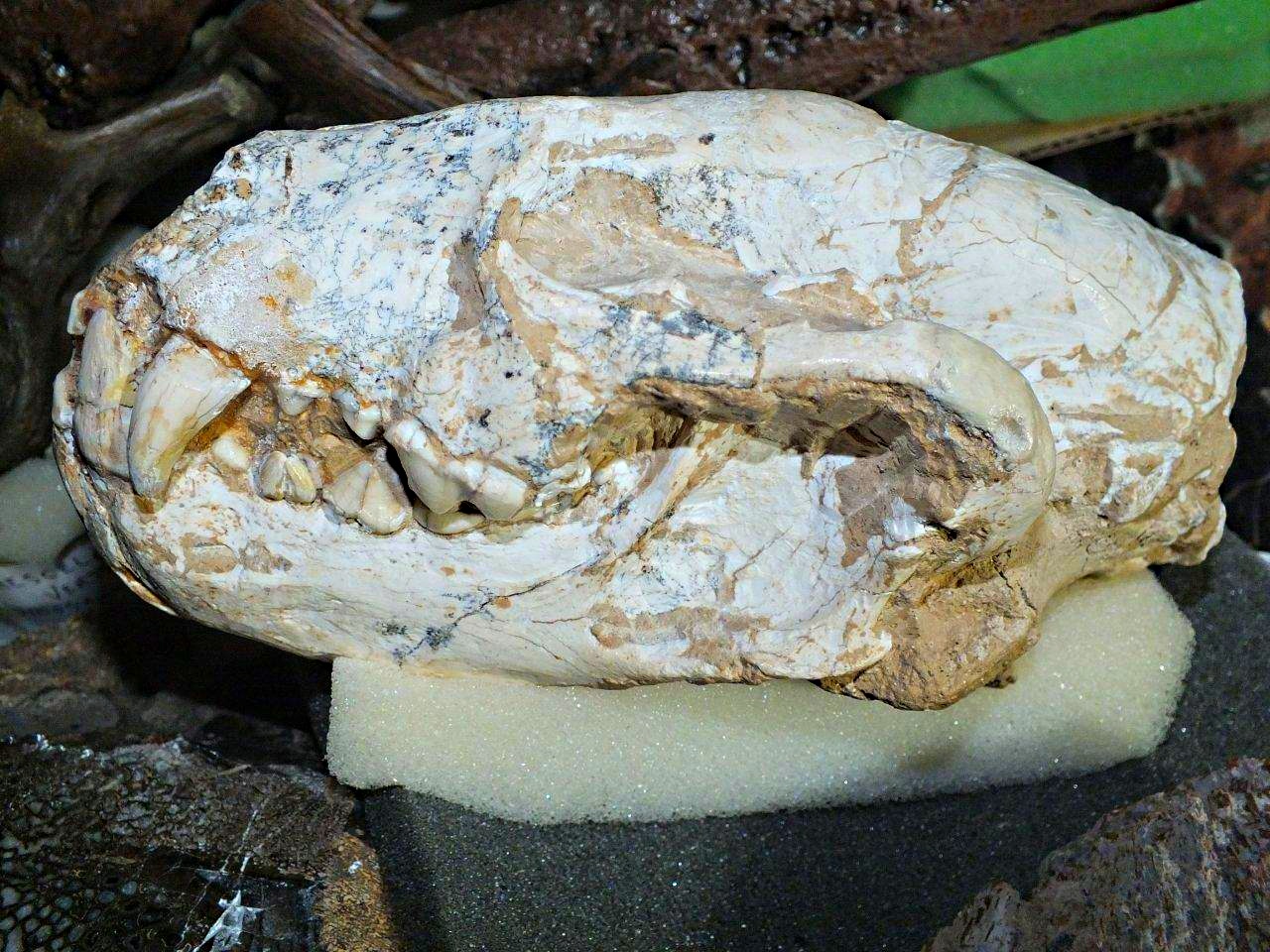
12 million year old Badger Fossil, Miocene Period, Gansu Province, China (many of my friends are fossilized!) … photo by Thomas Peace 2014

.
.
.
.
.
. Please do not merely look through the contaminated screen of what you were taught!
.
.
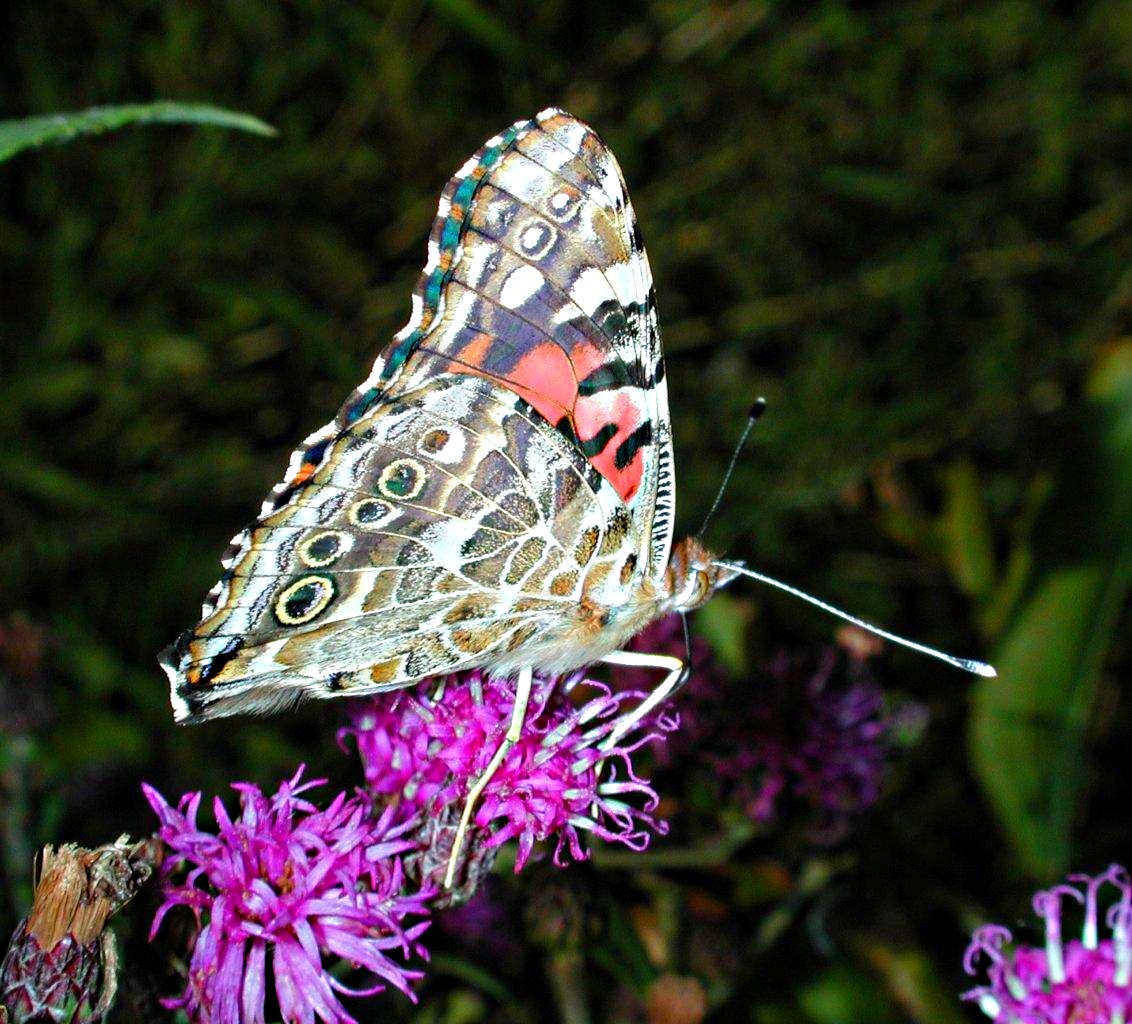
Even a butterfly can look beyond what it’s programmed to see! … photo by Thomas Peace 2014

.
.
.
.
.
. To the dull mind, nature is leaden. To the illumined mind, the whole world burns and sparkles with light.
. — R.W. Emerson
.
.

Mundane, dark, sameness, or radiant, sublime, splendor…. photo by Thomas Peace 2014

.
.
.
.
.
. Deep intelligence sees that the psychological dichotomy between the “controller” of ideas and the “ideas” is essentially fallacious and illusory; one’s ideas and feelings are what one actually is… not — as we were erroneously taught — something at a distance that one “has.” Your reactions and thoughts are not truly separate from what you are. Conflict inwardly can project as conflict outwardly.
.
.
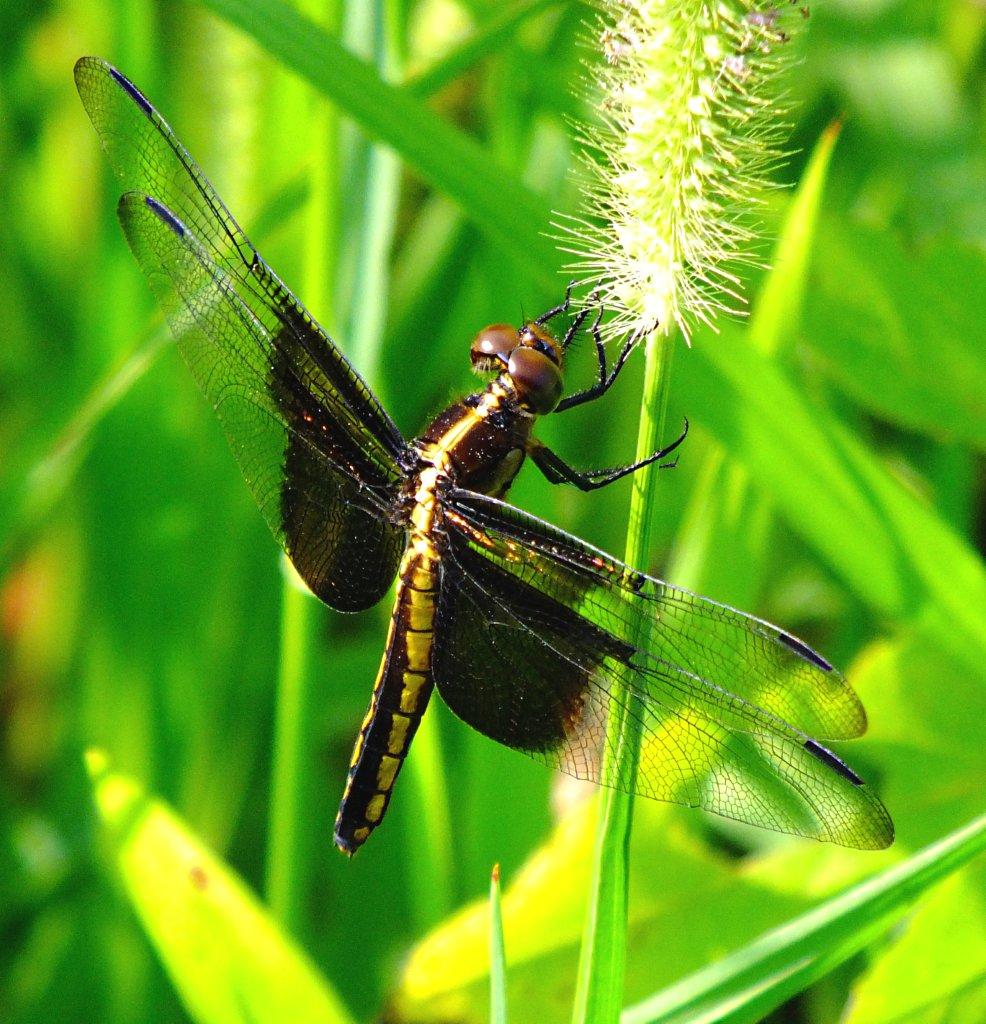
At an end and a new beginning… female Widow Skimmer Dragonfly … photo by Thomas Peace 2014

.
.
.
.
.
. Real sophistication doesn’t involve merely knowing a lot of facts; real sophistication involves deep compassion and an awareness of feelings.
.
.
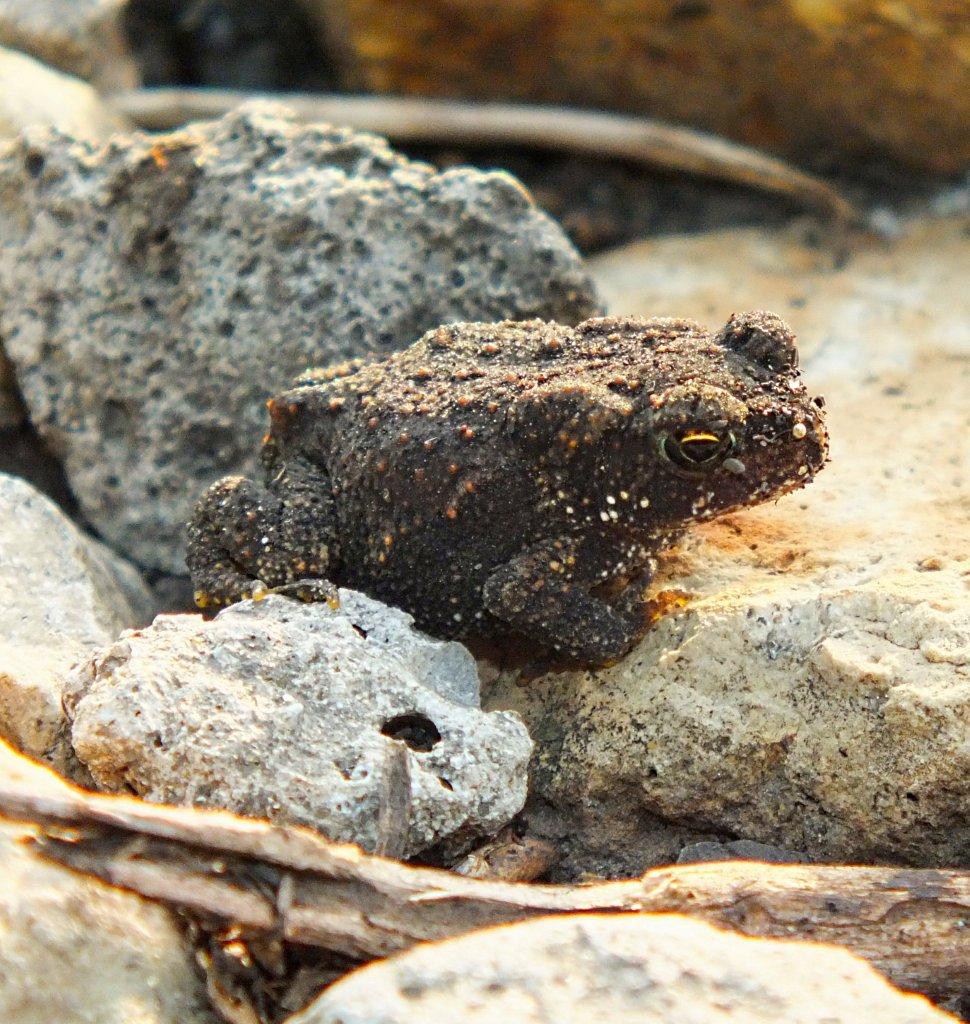
“Pleeze, I toad yew to wefrain from hiding in dat hole of yurz, yew crazy wabbit!” – Elmer Fudd … Photo by Thomas Peace 2014
.
.
.
.
.
. Years ago when one was in parochial school, we were required to attend mass, in the church, every day before classes. As a youngster, kneeling in church as the requisite rules called for, i remember thinking: “God is not here (locked up for us to visit), God is outdoors among nature and the good, great outdoors.” I remember feeling like being in prison… but i realized that, some day, i would get out. Later, while in college (and away from home), i purchased a rock music album that happened to have lyrics that really “hit home” with me. The album was entitled “Aqualung”… and the second half of the album contained lyrics helping one to question orthodox perspectives about spirituality and, instead, think (and discover) for oneself. This album, among others, was integral for me regarding my independent search within the realm of the spiritual/philosophical. That search became far more important to me than girlfriends, far more important than having a good time, competing in the job market, or being admired by others in the social realm. I am very appreciative of that album and others like it. I feel that my writings and photos (and especially my book) attest to the fact that independent inquiry (including intelligent doubting and searching) is not only worthwhile… but very noble, fruitful, and magnificent. (Of course, one may be all wrong about this… and may still be primarily just a fool.) 😉
***************************
Later in life, it was a pleasant surprise to discover that the historical Jesus himself seemed to not be in favor of — as my book is indicative of — orthodoxy, temples, and the priests within. It was the high priests, the Sanhedrin (in their fancy robes), that accused him of things and arranged to have him killed by the Romans. After the death of the historical Christ, there were many gospels and versions of gospels that many people could choose from. Ironically, it was high priests that eventually chose the ones they wanted people to adhere to; they (like they did to the historical Jesus) arranged to have those that cherished other versions… to be terminated and destroyed. Likewise their (banned) bibles were destroyed and discarded.
Many of the top biblical scholars of today acknowledge that the ancient Gospel of Thomas — discovered by a peasant in 1945 in an earthenware jug, (and also in Greek fragments in an ancient dump heap) — was very likely existent before the Gospels of Mark, Luke, Matthew, and John. The apostles did not, it is well known, write the four orthodox gospels. The gospels called Luke and Matthew copied Mark; some scholars contend that John is a rebuttal against the Gospel of Thomas.
from the ancient Gospel of Thomas:
Jesus said, “Why have you come out to the countryside? To see a reed shaken by the wind? And to see a person dressed in soft clothes, [like your] rulers and your powerful ones? They are dressed in soft clothes, and they cannot understand truth.”
From the Gosp. of Thomas, Greek dump heap POxy 1 fragment:
[Jesus says], “Where there are [three, they are without] God, and where there is only [one], I say, I am with that one. Lift up the stone, and you will find me there. Split a piece of wood, and I am there.”
Lyrics from the song Wind Up… from the Aqualung album by Jethro Tull:
“Wind-Up”

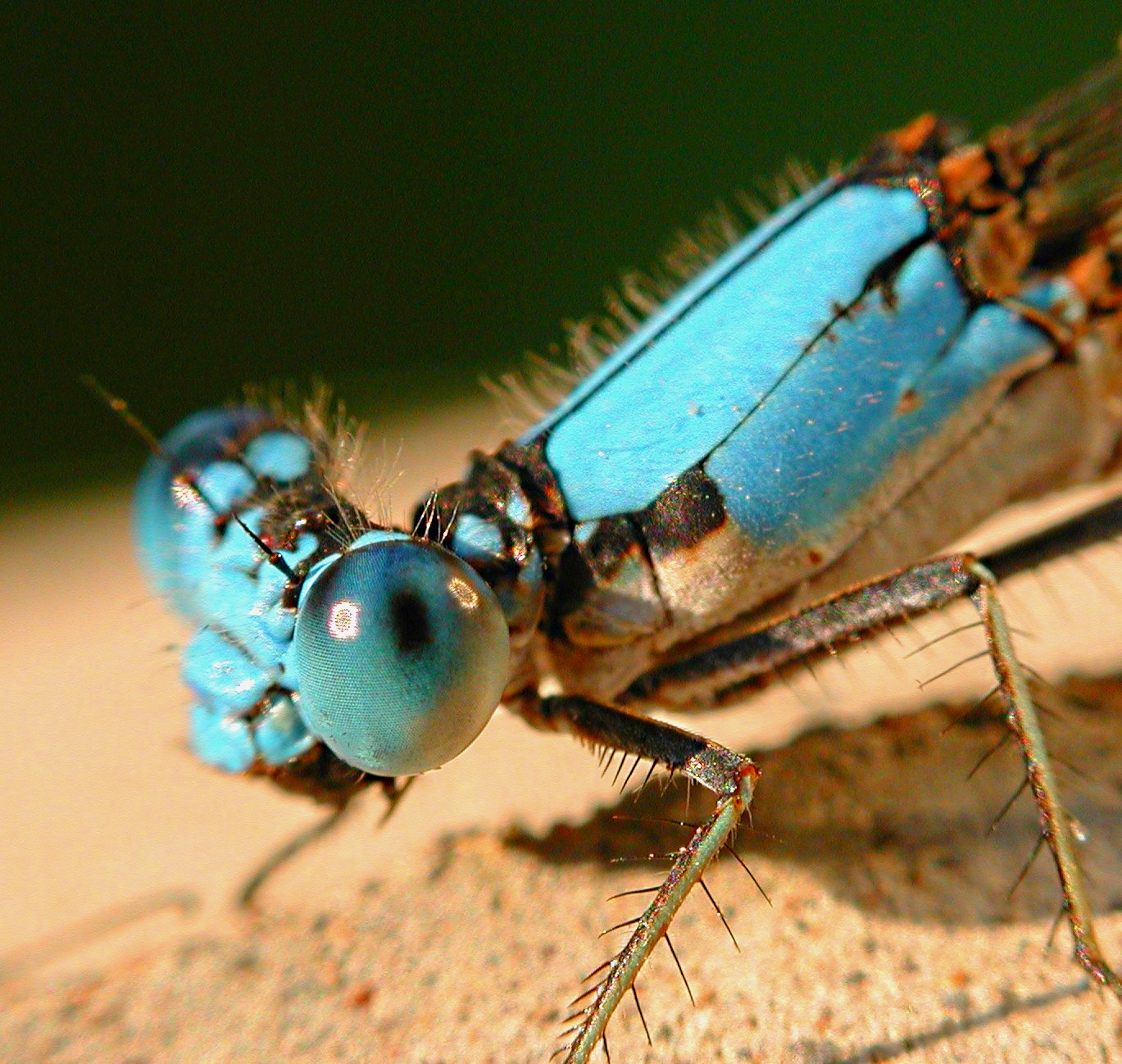
A dancer to another tune… Blue-fronted Dancer Damselfly… photo by Thomas Peace 2014

.
.
.
.
. Quietly and effortlessly sit and look with keen awareness (and heartfelt unity) at nature; see its conflict and (especially) its deep harmony.
.
.
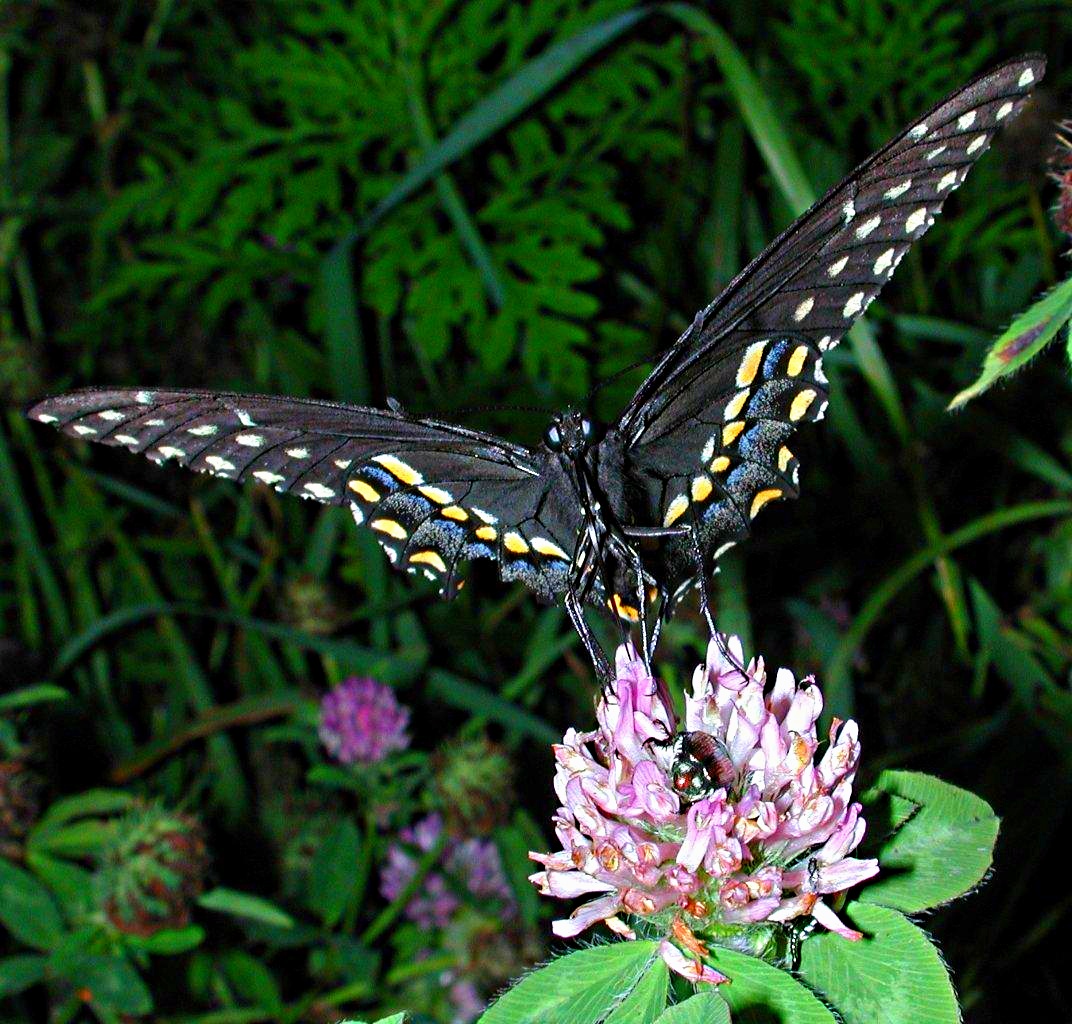
The Good, The Bad, and the Ugly … photo by Thomas Peace 2014

.
.
.
.
. If you look for the truth outside of yourself,
. it gets farther and farther away.
.
. — Tung-Shan (807-869 A.D.)
.
.

Dorothy to Glinda (in Oz): “If I ever go looking for my heart’s desire again, I won’t look any further than my own backyard, because if it isn’t there, I never really lost it to begin with.” … Photo (from the backyard) by Thomas Peace 2014

.
.
.
.
. Judging a person by the color of his skin is like judging the sun by the color of the clouds.
.
.

Beyond superficial labels… photo by Thomas Peace 2014

.
.
.
.
. You can travel the whole world in pursuit of happiness, but happiness is where you are (in the first place) or not at all.
.
.

A non-traveling Monarch… photo by Thomas Peace 2014
.
.
.
.
.
. (He knew about the multiverse before scientists did.)
.
. “I do not doubt that I am limitless, and that the
universes are limitless.”
. — Walt Whitman
.
.
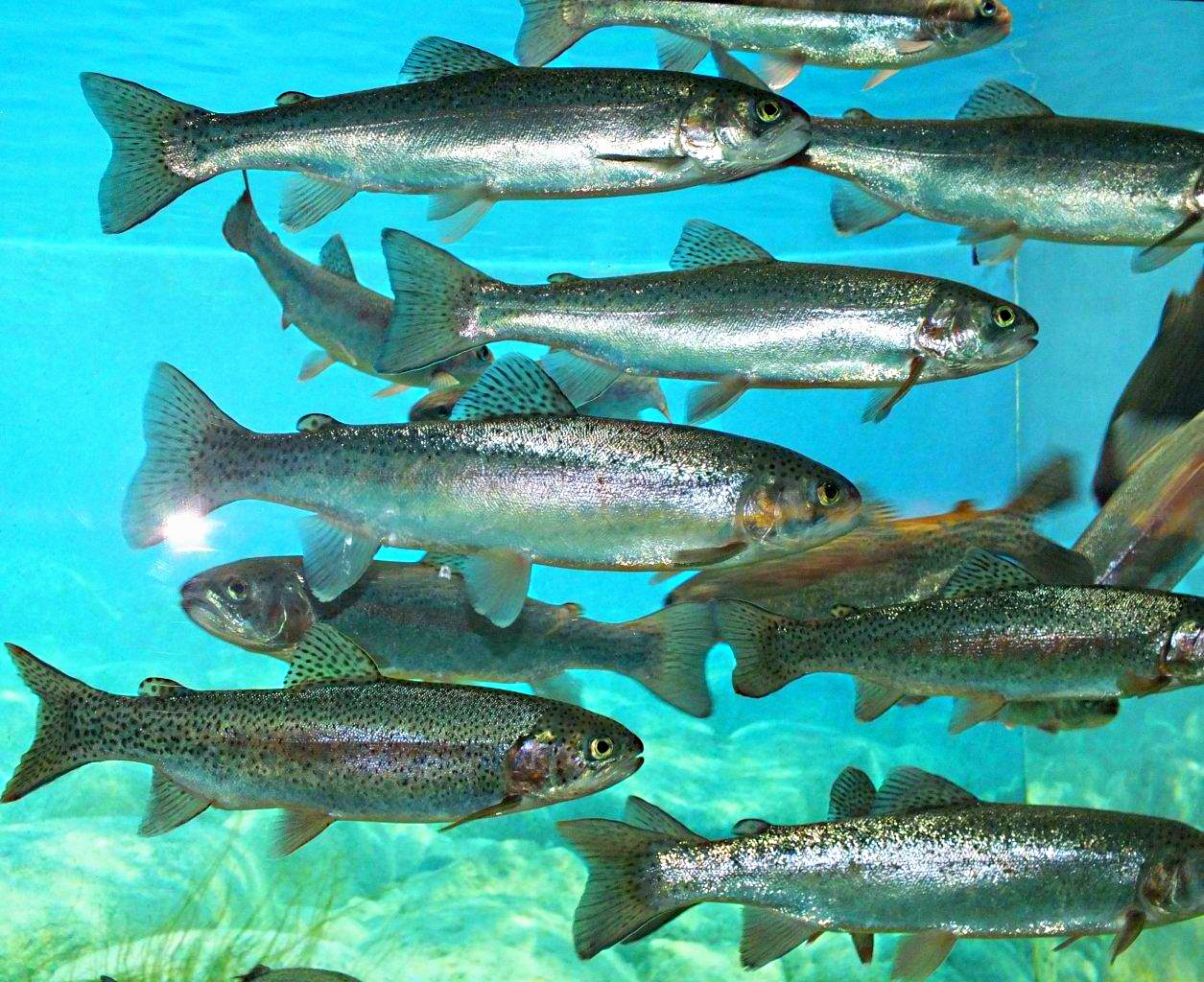
Endless trout (i.e., rainbow trout)… photo by Thomas Peace 2014

.
.
.
.
. 4 Ever Yours
.
.

4 Ever Yours…. photo by Thomas Peace 2014

.
.
.
.
. You don’t have to believe in anything to enjoy and love nature; you don’t have to swallow dead doctrines to love others and all of life’s creatures.
.
.
John the Baptist – whom the historical Christ followed – was far from the bureaucratic temples, and didn’t believe in them. J.C. tore up temples. …photo by Thomas Peace 2014

.
.
.
.
.
. White butterfly
. darting among pinks —
. whose spirit?
.
. — Shiki (1867-1902)
.
.
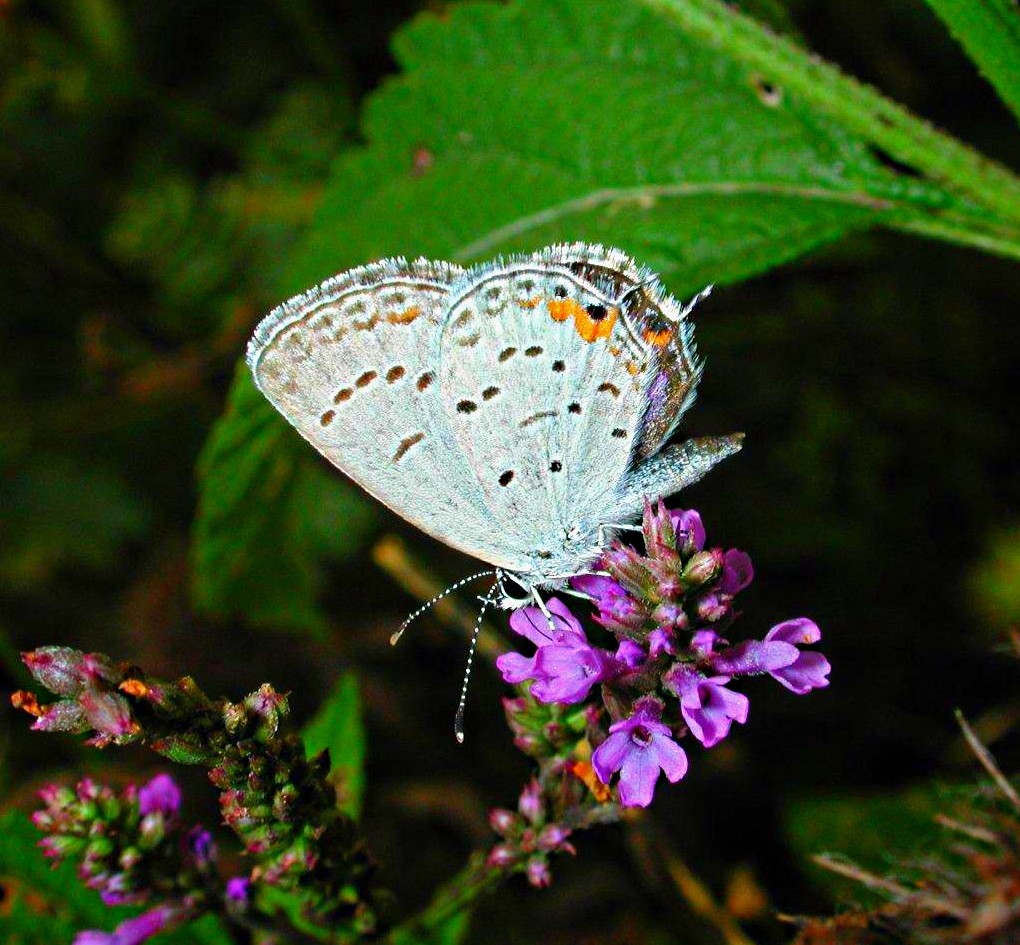
Just another me… photo by Thomas Peace 2014

.
.
.
.
. Don’t waltz through life eternally numb… with a paralyzed heart.
.
.
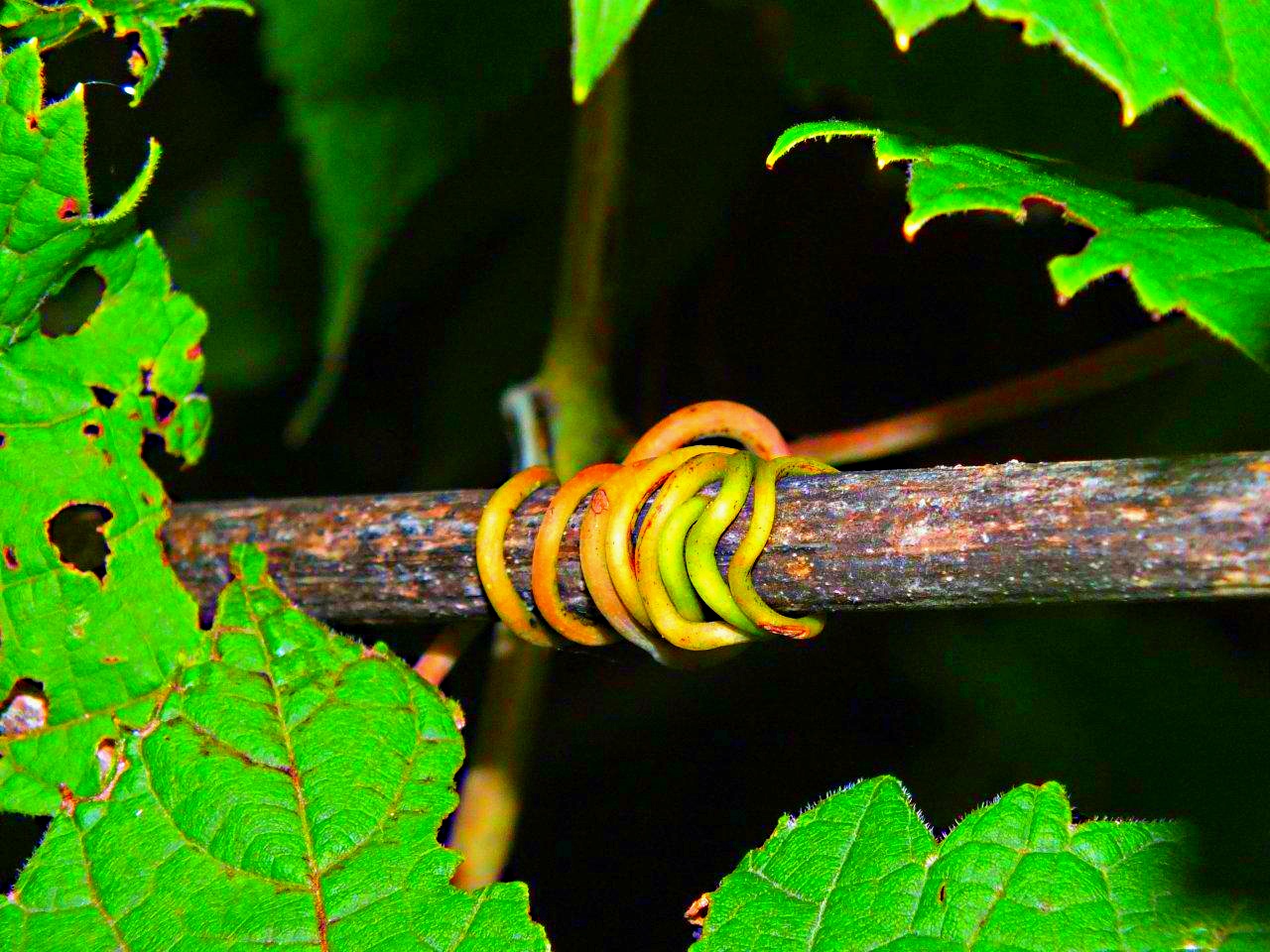
Entwined in too much Security… photo by Thomas Peace 2014

.
.
.
.
. Although one lives in a violent and unfair world… one can be nonviolent and fair.
.
.
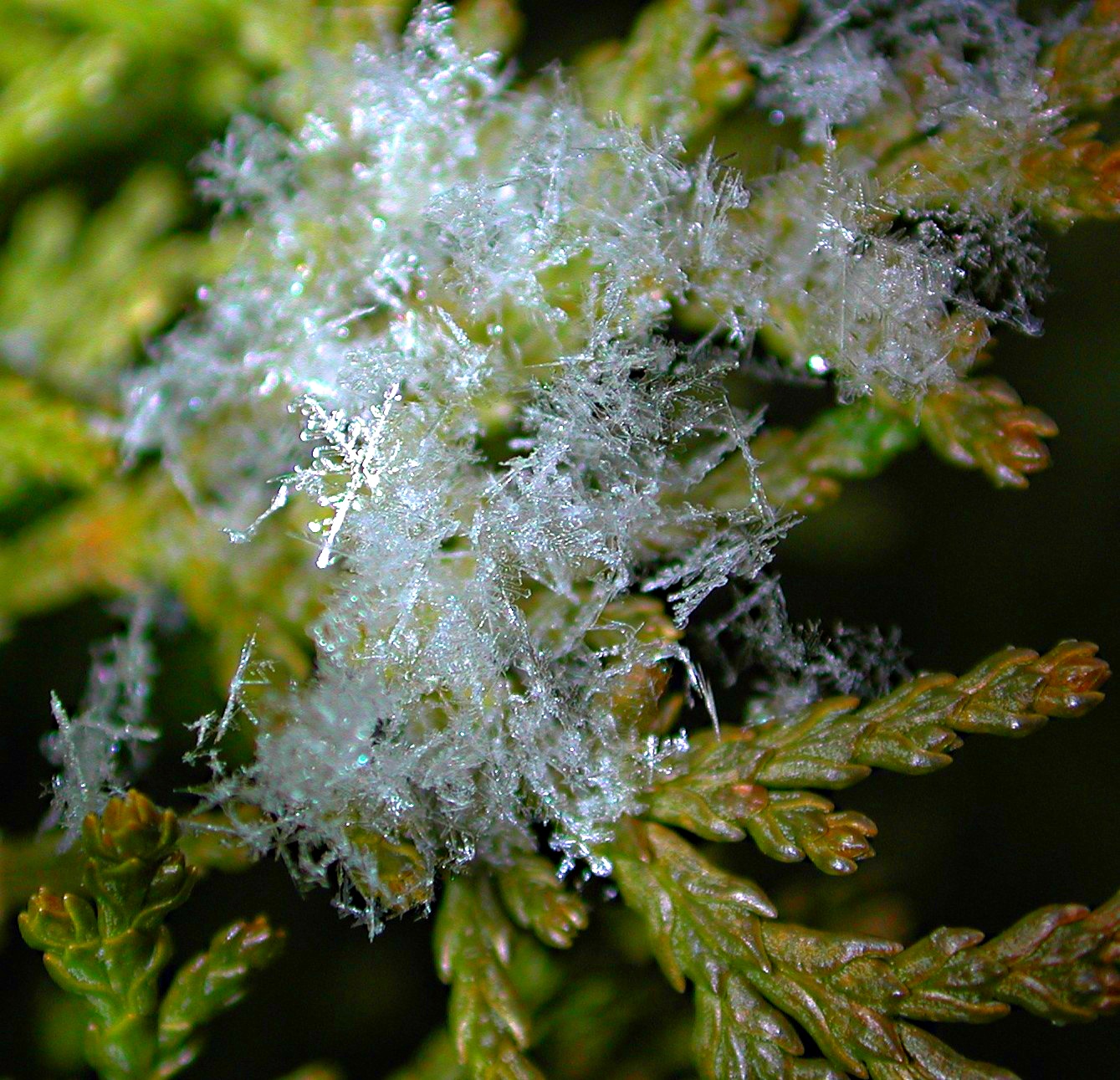
Safe in the evergreen… Photo by Thomas Peace 2014
.
.
.
.
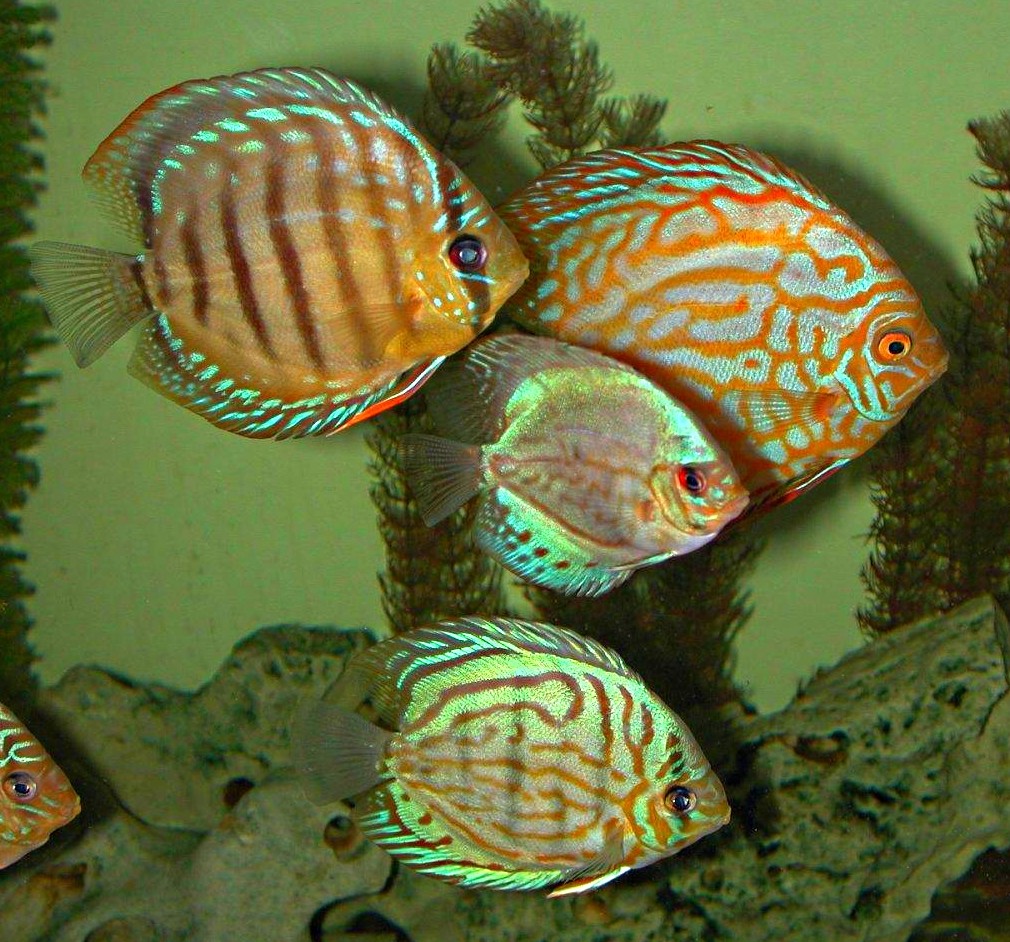
. Mediocrity thrives on indifference. True goodness thrives on compassion and intense awareness.
.
.

Freshwater Discus Fish … Turquoise Discus … photo by Thomas Peace 2014
.
.
.
.
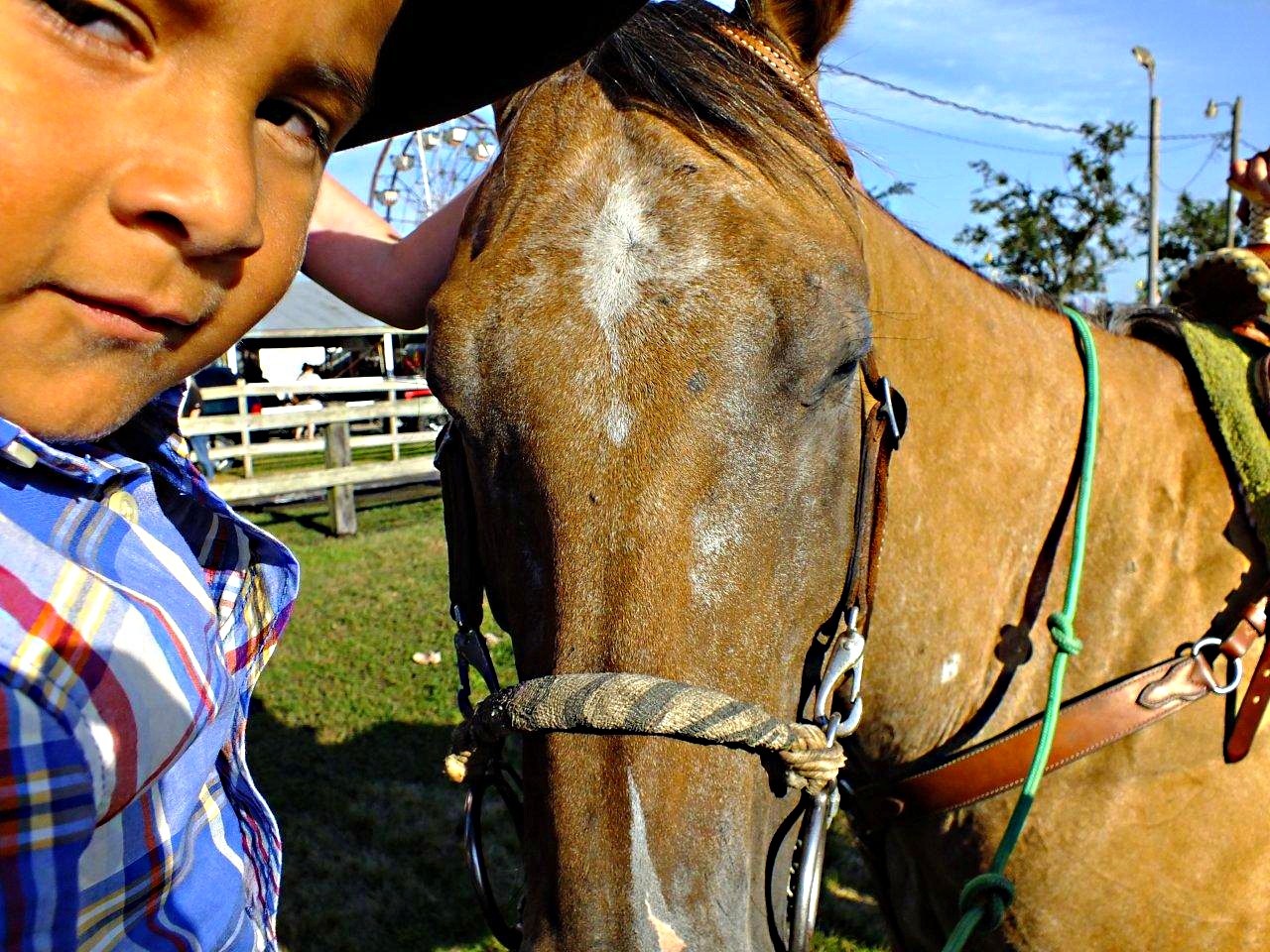
. What if, in the world, there were no such things as gates and rivers? What if there was pleasure, but no pain?
.
.

The Carnival without gates… photo by Thomas Peace 2014

.
.
.
.
. Many, in the orchestra of life, are not harmonious (i.e., they are violent), but some are an ensemble of goodness and true order.
.
.
Standing above society’s masses… Photo by Thomas Peace 2014

.
.
.
.
. The littlest, weak creature — even though it may soon fall — contains and harbors the power of the entire multiverse.
.
.

Two Katydids’ perspective in the multiverse… (look closely)… Photo by Thomas Peace 2014
.
.
.
.
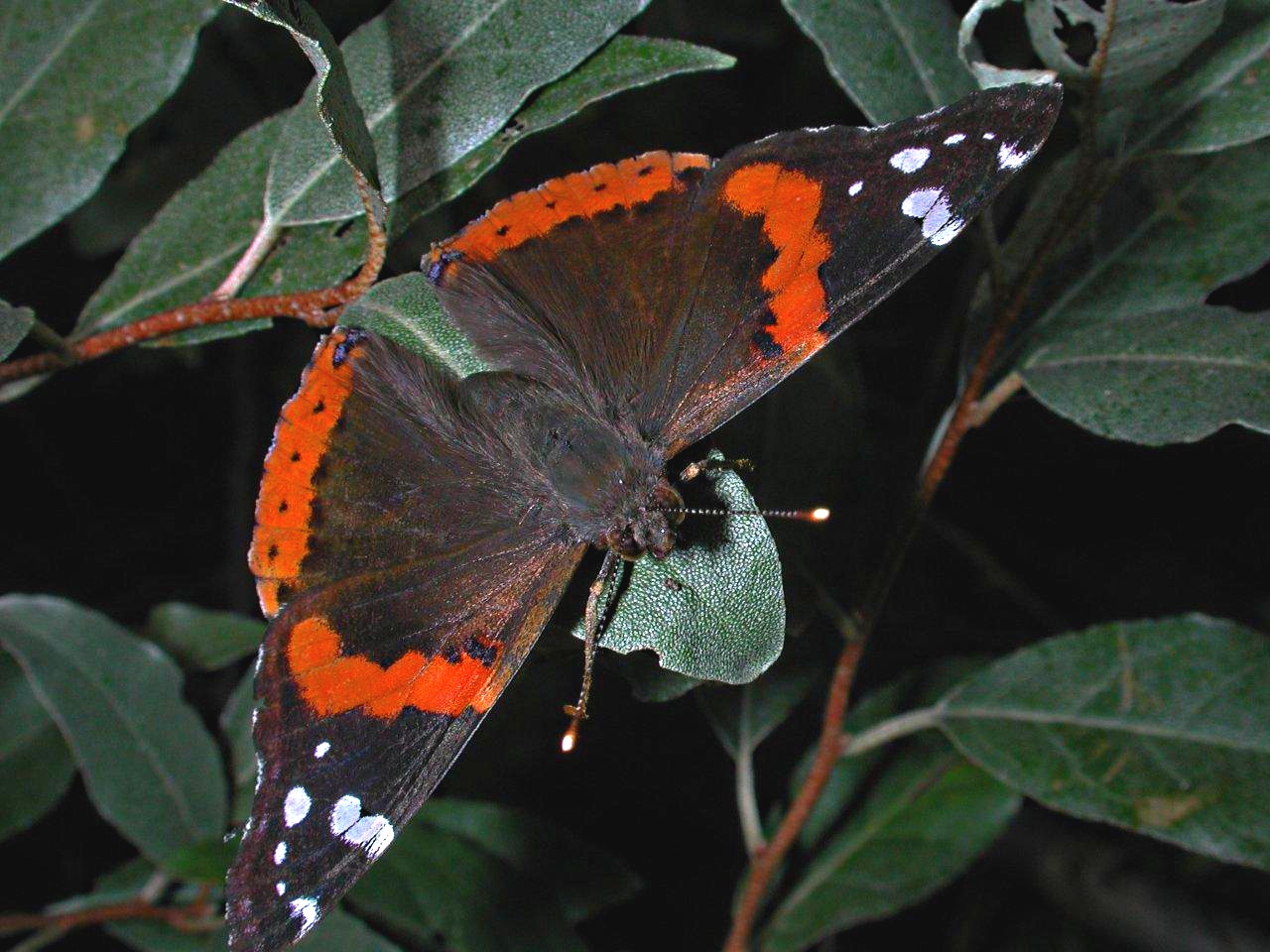
. A true, effortless silence between two thoughts… can be the immense awareness that perceives without symbolism, illusory control, conflict, and separation.
.
.

Red Admiral Butterfly resting… photo by Thomas Peace 2014

.
.
.
.
. Hate not what is part of the perceptions that you are.
.
.

Visiting Katydid (insects)… photo by Thomas Peace 2014

.
.
.
.
. Life is much more precious than reason can conceive.
.
.
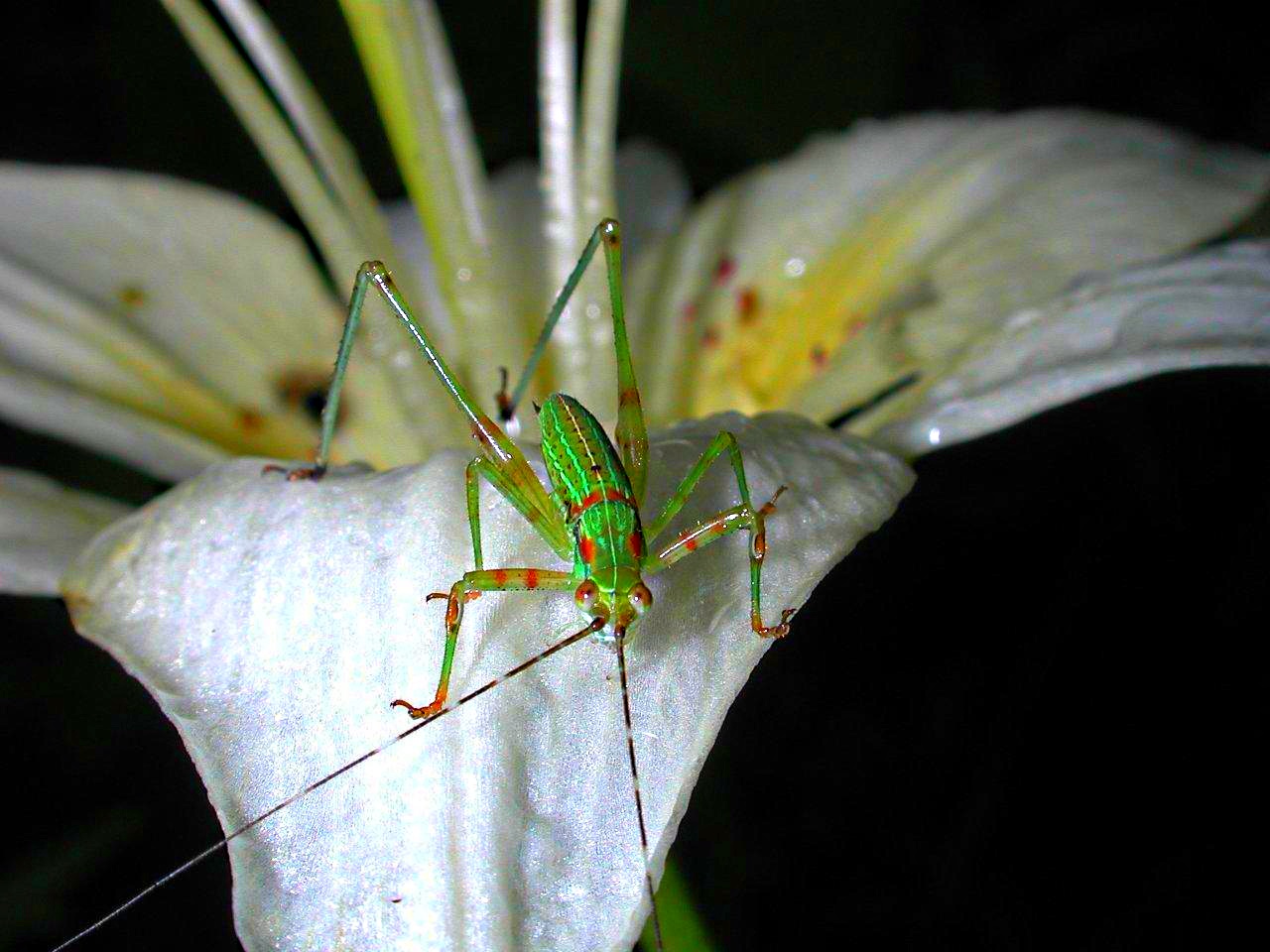
Katy in the Daylilly… Katydid in Flower… photo by Thomas Peace 2013
.
.
.
.
. There isn’t anything really new about New Year’s Day… but, nevertheless — though this may sound odd in these non-spiritual times — the sacred (i.e., the timeless) is new (and truly is something beyond the framework of time). The following is an excerpt from my book, The Eternal Fountain of Youth. It (i.e., the book) shows how Archibald MacLeish is among the best — and most famous — poets of the world who intelligently and eloquently/poetically write about limitation and relationship, such as the eternal return (and the possibility of going beyond it). I feel that these famous poets have touched upon something that goes beyond the limited writings and proposals of many… (even, in my calculation, beyond the proposals of the best of philosophers). Nietzsche, for example, did not go far enough; what he delved into was far too limited. My book is a reflection, i feel, of what many of these famous poets expressed; it is also an attempt to help others transcend limitation and separative ignorance intelligently and holistically. Please, regarding this, intelligently realize that having attained the status of a major (famous) poet is not easy whatsoever and — in the overall scheme of things — is only remotely likely at best. Additionally: If you don’t care about this or about my book… or grow from what i have written here… that is just fine; but i’ll tell you one (perhaps expanding, perhaps universal) thing for sure: I know of more than one ten foot poet among inchlings.
.
.
Excerpt:
Obviously, it is not what we are “accustomed to” or “used to.” However, sometimes change happens that way, and for the better, in the long run. Before the time of Columbus, they used to think that the world was flat, that there was an end to it; they thought that you could fall off the flattened part and then perish. Many of us think that when you are dead, you are dead; they think that you come to the end, and that is it… finished. However, if our universe is truly in a cyclic-oriented dimension, then what occurs happens over and over again, endlessly. There is a possibility, when you die (if the omnipotent “otherness” does not temporarily intervene), that your consciousness will not exist until the “next round” of the cycle. Since “consciousness” (that depends on brain cells) does not exist after you die, then psychological “time” does not exist after you die. One must be “conscious” to realize “time.” Without consciousness, there is no “time.” The time, from when you die, within universal cycles, to when you are again “reborn” as the same person that you (in the exact-same repeated cycles) were, does not exist psychologically; therefore, it does not exist as “consciousness.” Therefore, as soon as you die, no time elapses until you are again born to the same mother, and are again conscious of “time.” So, in a real sense, as soon as you die, you are again (for all practical purposes) immediately born to the same family as you were born to before. Time is not recorded, from when you die to when you are again reborn. This is not reincarnation. You do not come back into another body; in one echoing, mirroring sense, you remain exactly the same. In a sense, you never really die. (Of course, you are incapable of remembering what happened before, in the previous cycles.) Like our earth, our universe is globular, circuitous, and cyclic. People, at one time long ago, thought that the world was flat. People think, at the time of this writing, that time is linear and non-globular, without the same things recurring repeatedly. They may be crudely erroneous.
from Archibald MacLeish:
Lines for a Prologue
These alternate nights and days, these seasons
Somehow fail to convince me. It seems
I have the sense of infinity!
(In your dreams, O crew of Columbus,
O listeners over the sea
For the surf that breaks upon Nothing—)
Once I was waked by the nightingales in the garden.
I thought, What time is it? I thought,
Time—Is it Time still?—Now is it Time?
(Tell me your dreams, O sailors:
Tell me, in sleep did you climb
The tall masts, and before you—)
At night the stillness of old trees
Is a leaning over and the inertness
Of hills is a kind of waiting.
(In sleep, in a dream, did you see
The world’s end? Did the water
Break—and no shore—Did you see?)
Strange faces come through the streets to me
Like messengers: and I have been warned
By the moving slowly of hands at a window.
Oh, I have the sense of infinity—
But the world, sailors, is round.
They say there is no end to it.
.
.
.

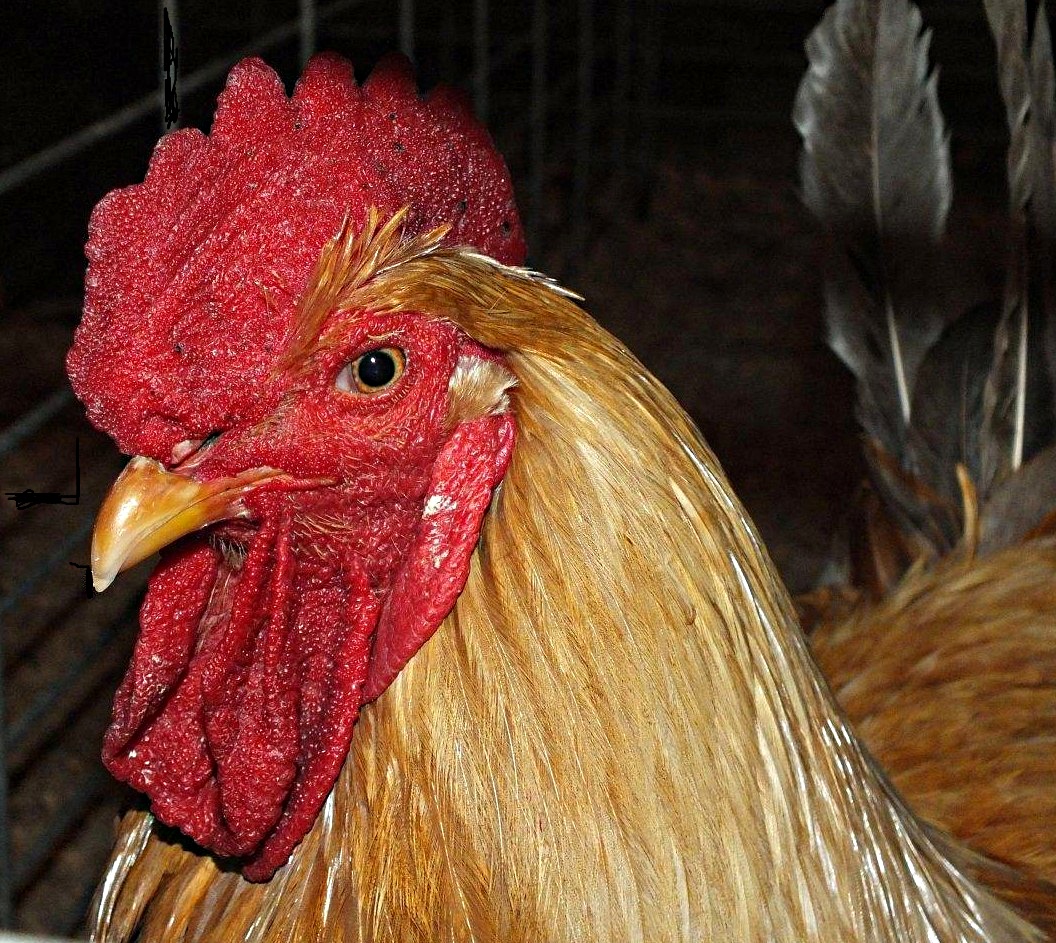
Just one of the “Bantams in the Pine-woods”… (not beyond Nietzsche and the eternal return)… by Thomas Peace 2013

.
.
.
.
. In the deck of cards that life hands to you, you can dig for diamonds with spades — yes you can — but don’t just (though you may stand with others) belong to separative, little clubs (i.e. isolated, institutional groups) that divide some hands from others while viewing those “others” (as separate and inferior) without a lot of heart.
.
.

Digging 4 Diamonds… photo by Thomas Peace 2013

.
.
.
.
. Let your eyes listen; let your ears see; let the mind be silent and open.
.
.

For though they may be parted There is still a chance that they will see There will be an answer, let it bee (like the beatles’ song)… photo by Thomas Peace 2013
 Tom's Nature-up-close Photography and Mindfulness Blog