.
The epiphany of profound insight may occur when the mind is naturally quiet without effort.
.
[A Bronze Copper Butterfly. Bronze Copper Butterflies like to frequent wet meadows. They hibernate in the egg stage.]
.
Real insight takes place in the present; it is never merely the result of old, stale, past knowledge and accumulation.
.
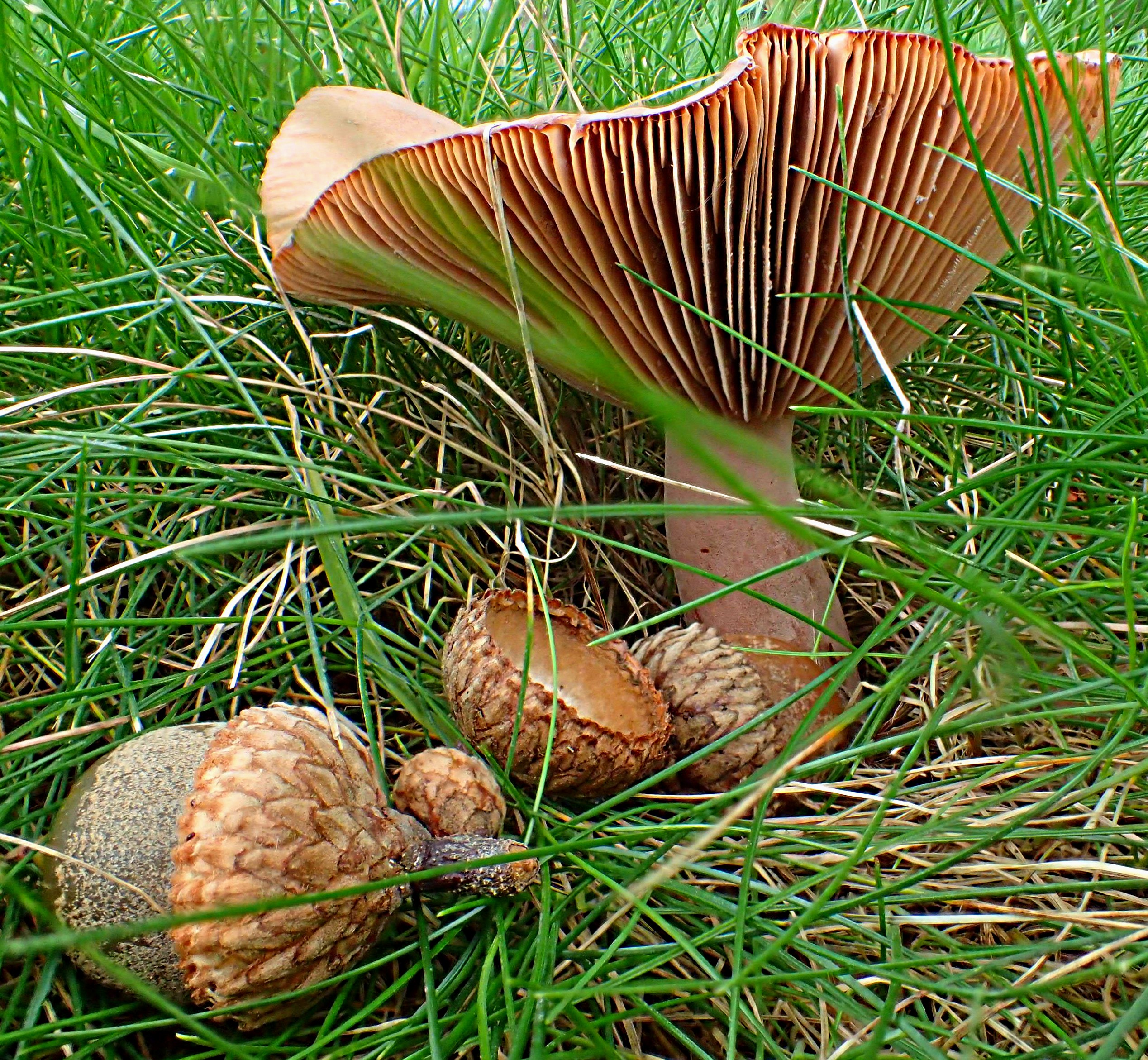
[These acorns from an old oak Tree accompany a lone mushroom. If the acorns don’t grow into trees, they will decompose and will provide the mushroom with plenty of energy. Both the oak tree and the mushroom are sowing seeds for the future.]
.
The simple things in life are often the best and most precious.
.
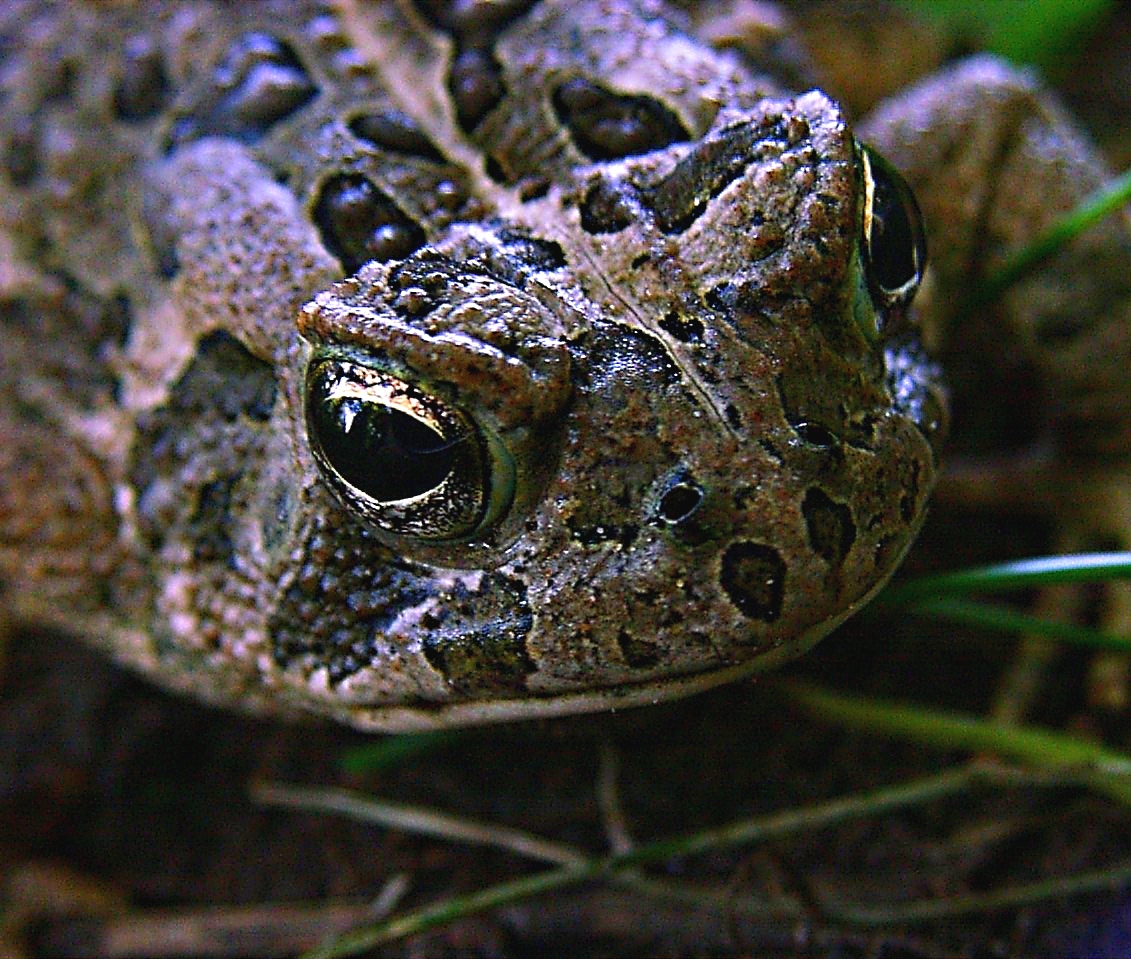
[This is an American Toad head study. Based on DNA sequence analysis, the American Toad, Anaxyrus americanus, and related North American species of Anaxyrus, are thought to be descended from an invasion of toads from South America prior to the formation of the Isthmus of Panama land bridge, presumably by way of floating on logs or buoyant plant masses.]
.
The space around a supposedly central ego is a limited (confined) space that encloses and separates… that imprisons. Go beyond egotism.
.
[These are various wild plants, including wild Fox Grape Vines and grasses. The seed pods in the center have spiked spears protruding from them.]
.
I don’t care how many people show up at my funeral if — for the time being — I’m the only one who is dead. 😉
.
[Bumble bees in a wild Thistle Plant; the plant is also is being visited by a Spotted Cucumber Beetle. Wild Thistle attracts many insects and birds (and photographers).]
.
The storyteller is the story. The butterfly is the soaring.
.
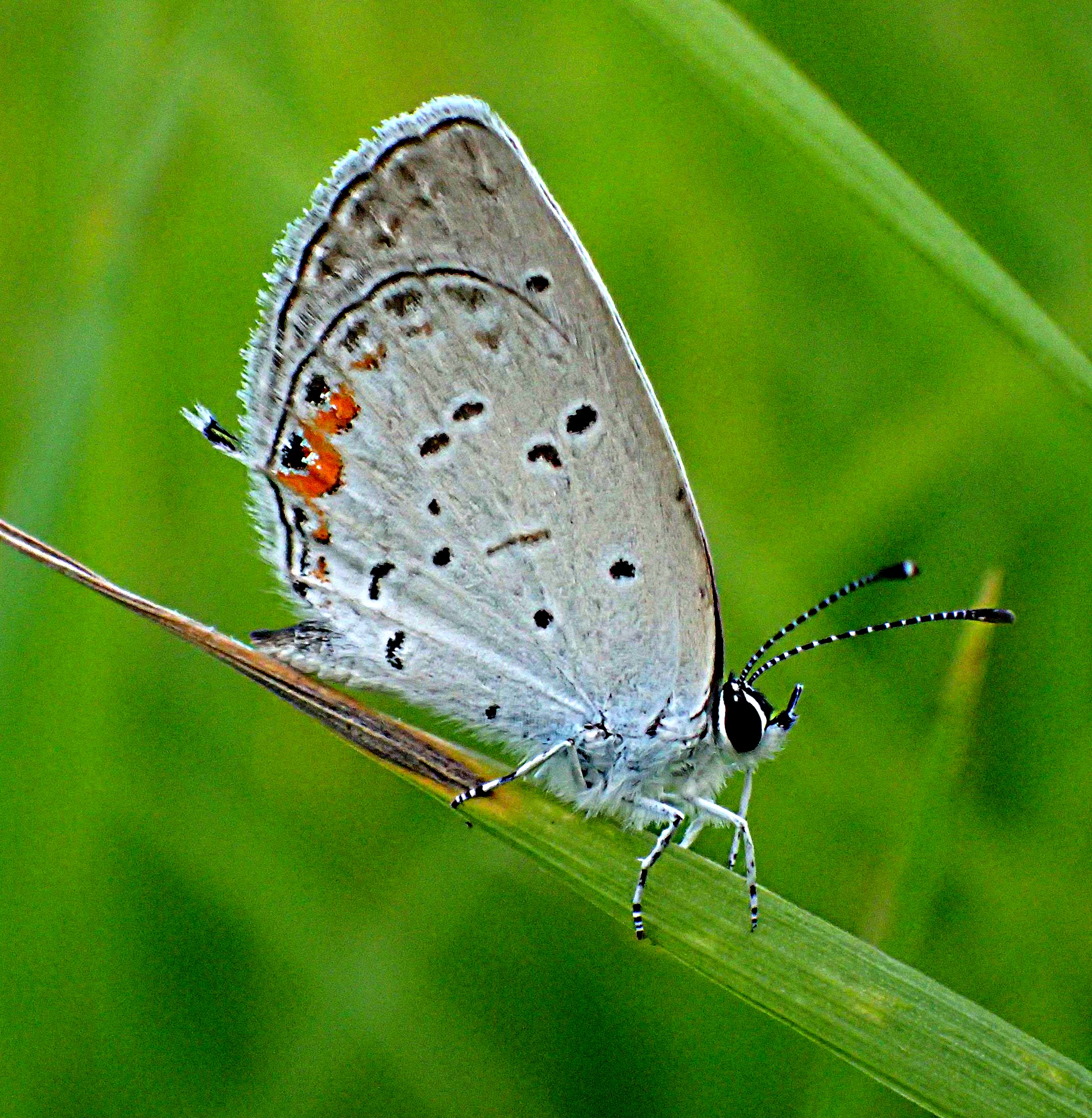
[This butterfly is an Eastern Tailed Blue. Eastern Tailed Blue Butterflies are usually blue above and a spotted pale on the underside. The larvae of a number of species of Blues secrete a type of “honeydew” cherished by ants; the ants attend the larvae, protecting them, in a symbiotic relationship.]
.
A bad means used to get a good end is usually disorder and is not intelligent.
.
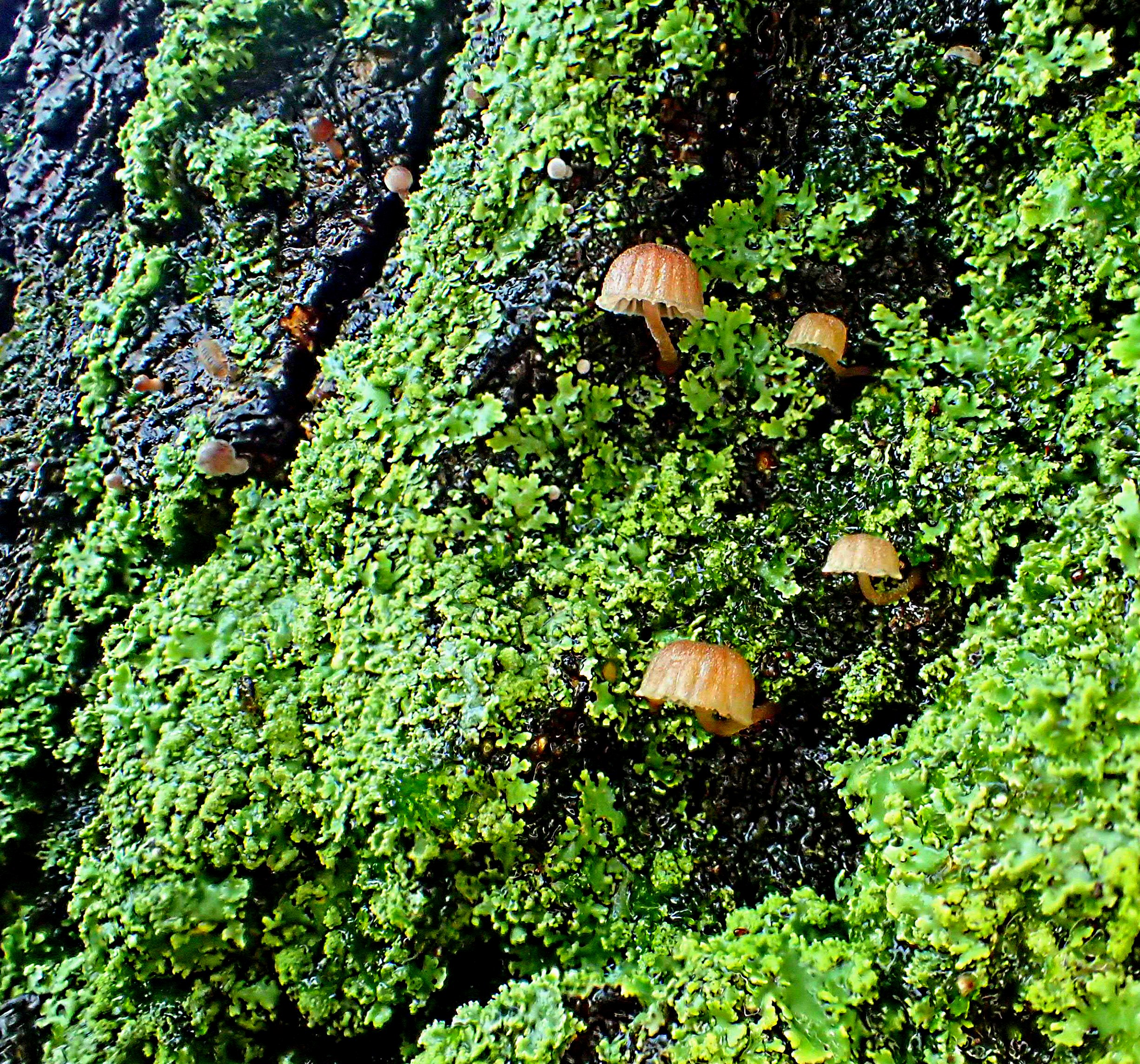
[These are micro-mushrooms (super small mushrooms) growing on the bark of a living oak tree along with some lichens. These diminutive mushrooms were around the size of a question mark (such as within a standard newspaper article or magazine). Mushrooms are the fruiting body of a fungus. Lichens themselves are a type of fungus growing in a symbiotic relationship with a particular type of algae, the two together forming a single organism.]
.
If there were many dark rooms and closed doors between you and the light of truth, would you merely be content — as so many are — to remain in limited enclosures?!
.
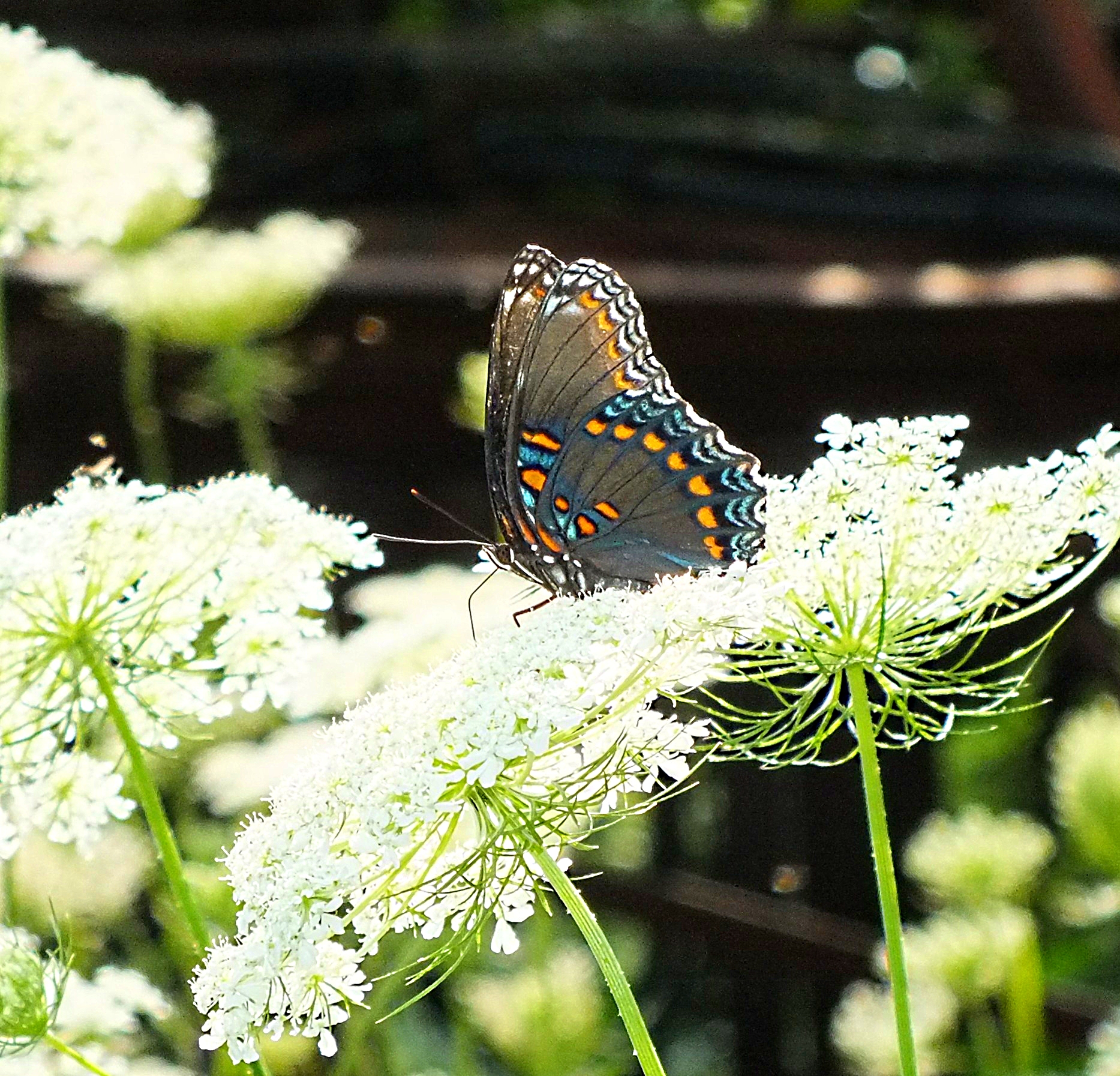
[This butterfly is a Red-spotted Purple. In Red-spotted Purple butterflies, there are up to 3 generations within a year. They prefer open habitats, such as meadows, forest edges, open woodlands, and areas along rivers.]
.
I’d rather be emaciated physically, than starved of real insight and compassion.
.
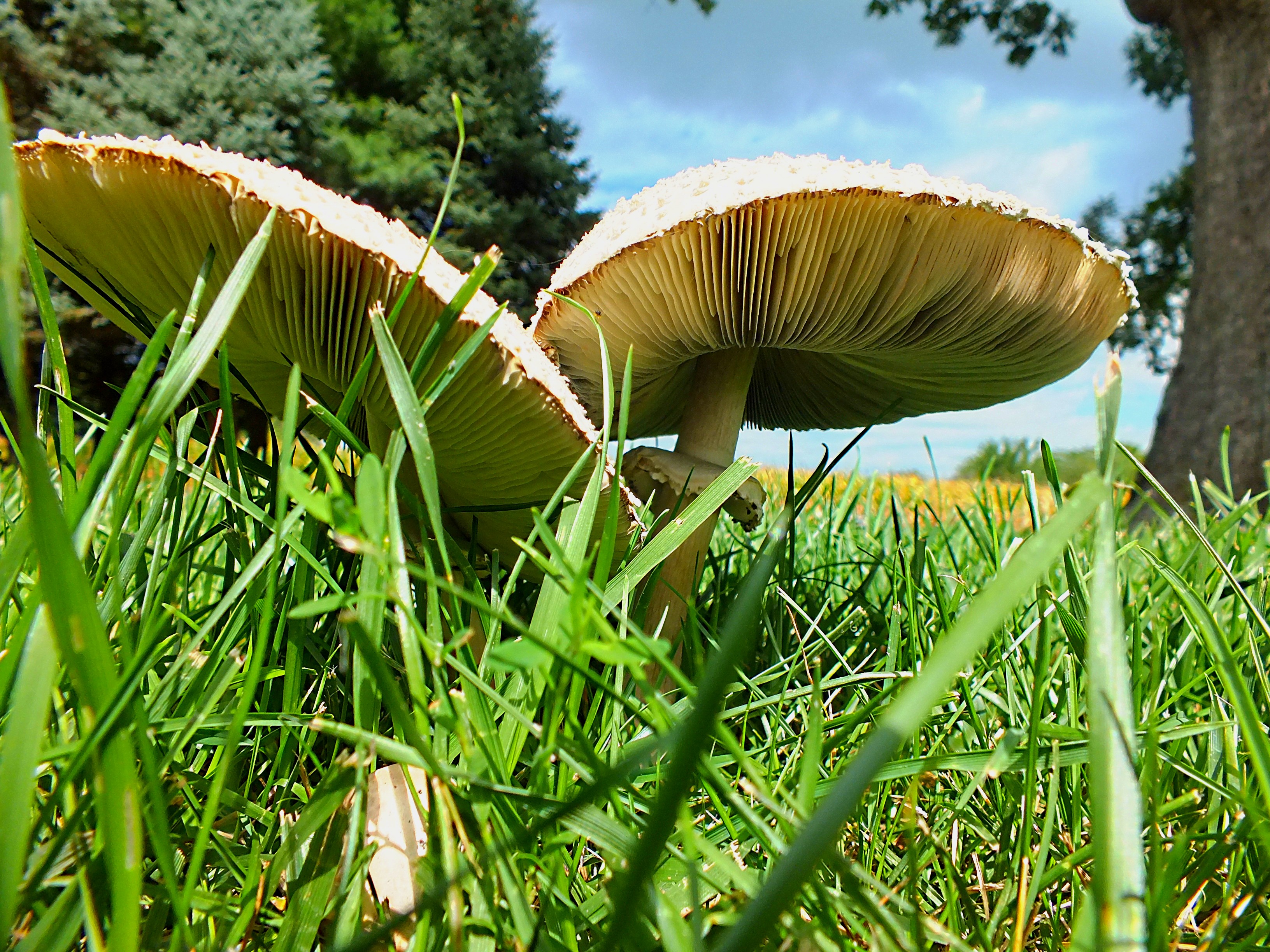
[These are Fairy Mushrooms in a rural yard. They were growing in a large ring… and were rather large relative to other mushrooms in our area. Note how the two photographed are fused together as one… a true marriage bond! (Actually, clusters of mushrooms are the fruiting bodies of one larger organism down below in the soil; so they truly are one!)]
.
The treasure chest of one’s mind — if one is not very careful — can merely be filled with others’ junk!
.
[This spider is a Long-jawed Orbweaver. Long-jawed Orbweavers are excellent web builders. Their carapaces are elongated. As in many spiders, the males are smaller than females.]
.
What separates your face from your hands is what separates you from others.
Nothing!
.
[The two larger insects are Tarnished Bugs. These insects remain active from spring through fall. Tarnished Bugs extract juices from the leaves, young stems, flowers, and fruits of more than 200 plant species. They are small insects, around a quarter of an inch long.]
.
The fire of felicity, intense happiness, radiates from within.
.
[This Jumping Spider is, specifically, a Daring Jumping Spider. The chelicerae (the part containing the fangs) are a flamboyant metallic green and this is an excellent way to identify this particular jumping spider. These spiders like sunshine and do their hunting during the day. They jump from leaf to leaf with great dexterity and accurately (because of all those splendid stereoscopic eyes) leap on their prey and often eat other spiders as well as insects. They are totally harmless to human beings… and are beneficial, as they eat harmful insect pests. To me, they seem intelligent (considering their size) and rather cute!]
.
Though everything has marginal boundaries and borders… see everything as “all one” unbroken whole!
.
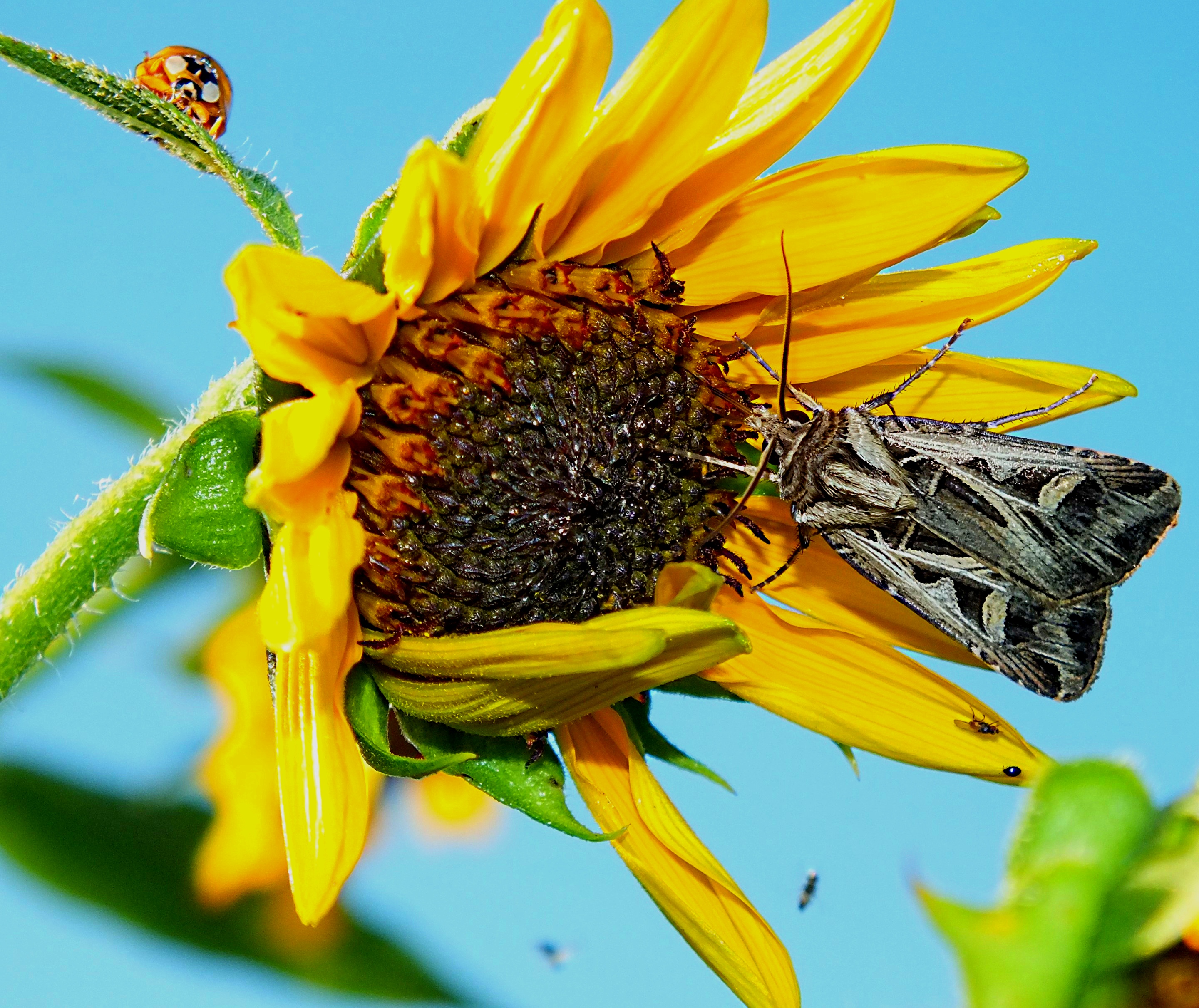
[A Dingy Cutworm Moth and a Ladybug (and other small insects) on a Wild Sunflower plant. Dingy Cutworm Moths are considered pests to crops, such as soybeans, while Ladybugs eat smaller insect pests, such as aphids, and are very beneficial.]
.
It is likely that the mind cannot fully go beyond nightly anxieties about the future if it continues to feel that it is something separate from what they are.
.
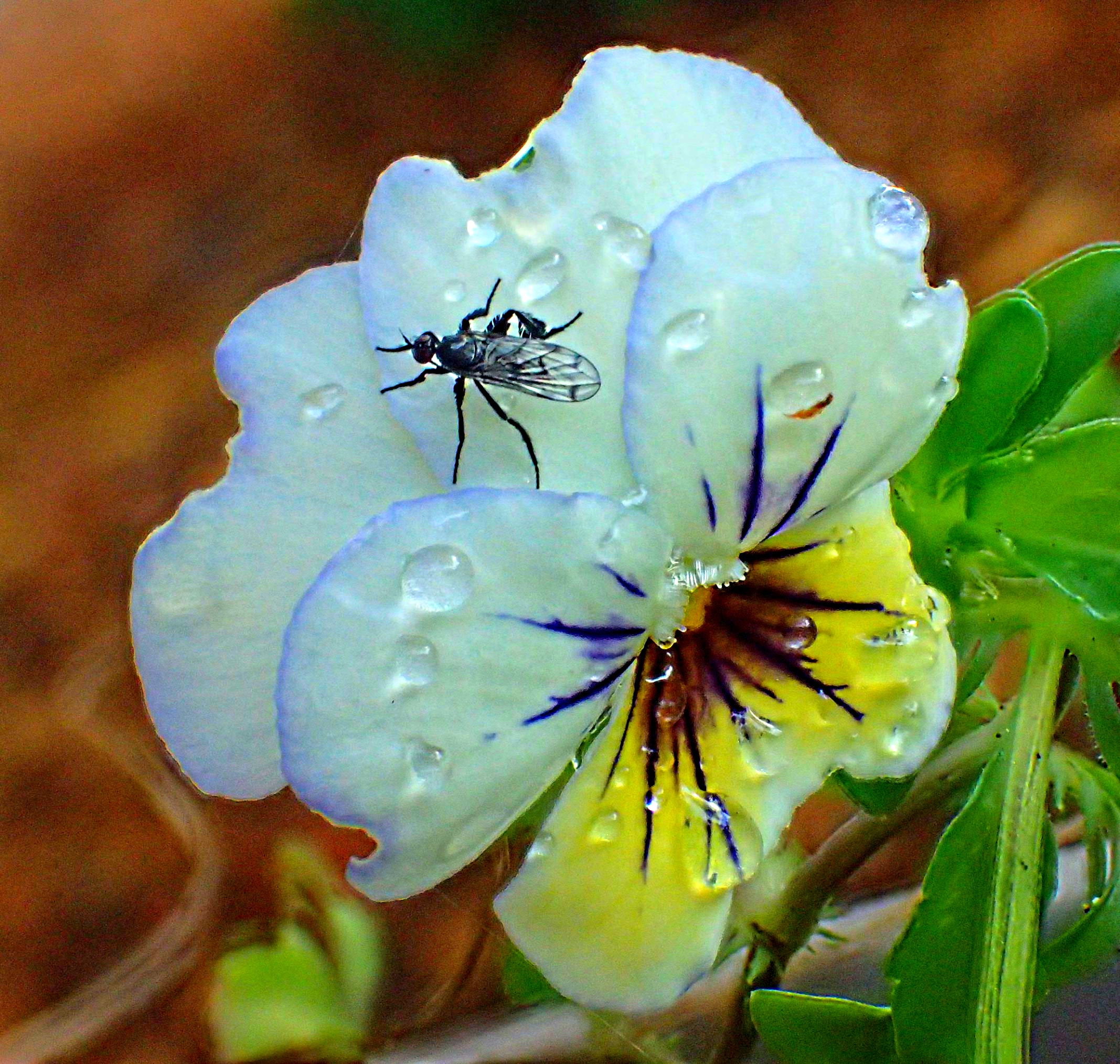
[A diminutive fly of the order Diptera resting on a very small, rain-laden Viola flower. Viola flowers tend to attract many small insects, while larger insects ignore them completely.]
.
Love the truth more than man-made fabrications and constructions. Look effortlessly (now and then) without separation and learned patterns.
.
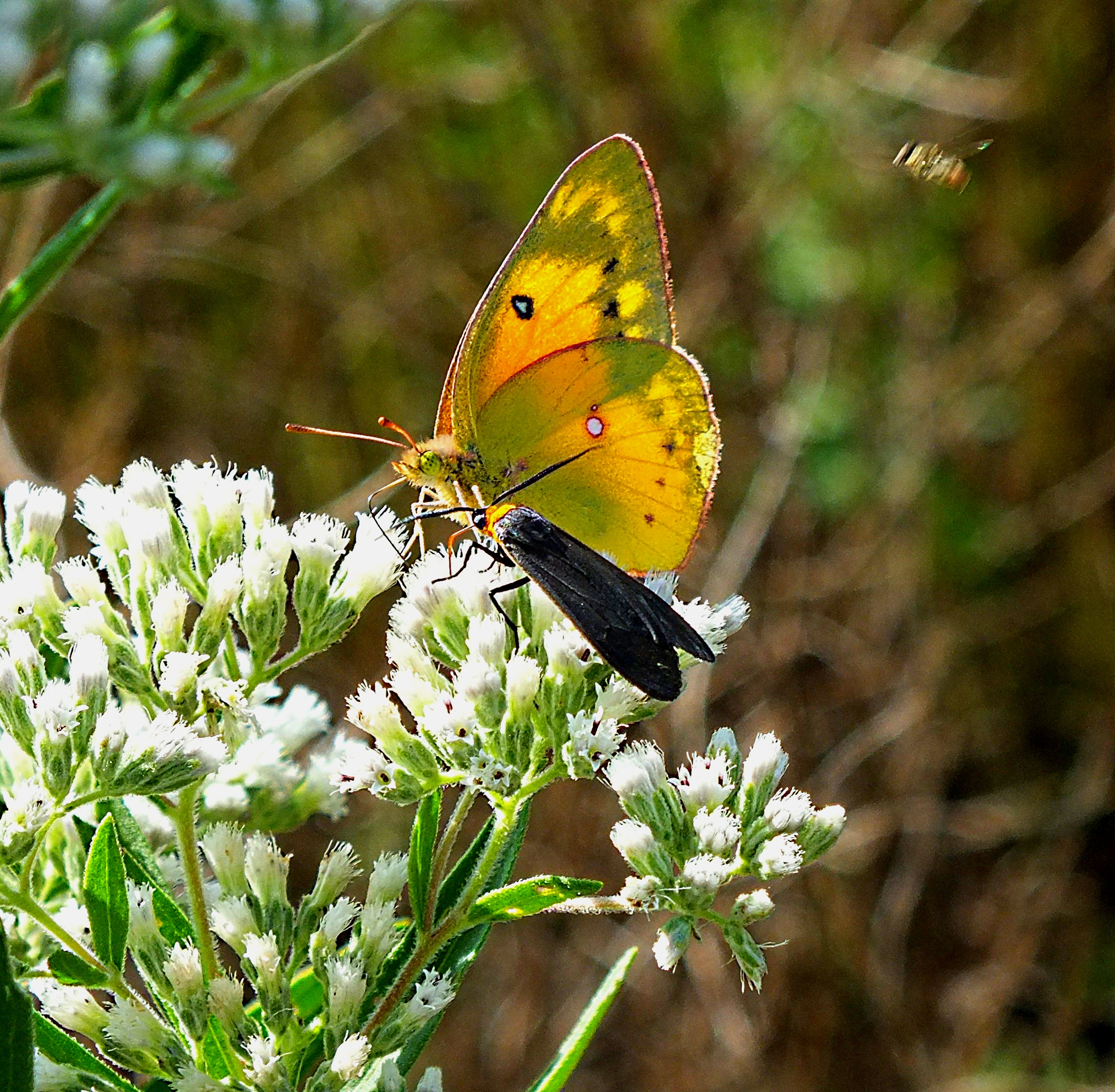
[These are Sulphur Butterflies (specifically, Alfalfa Sulphur Butterflies). They like to land on wet river bank soil to absorb needed moisture and minerals.]
.
Don’t merely think and react as you were programmed to. Be a light to yourself!
.
[This is a Viceroy Butterfly. Birds avoid Viceroy Butterflies if they have previously tried to eat a Monarch or a Queen Butterfly, which are poisonous. However, those birds that have not had this experience readily eat the non-poisonous Viceroy Butterflies.]
.
The magic of nature… let it touch you.
.
[A very pregnant Praying Mantis, late in the season. Praying Mantis females are larger than males. She is already showing signs of aging (i.e., deteriorating wings) and slowing metabolism. Getting older myself, I can easily sympathize with her. Hopefully, she will soon lay another egg sac and there will be plenty of viable eggs waiting to hatch again in the spring.]
.
It may be a losing battle — getting this sick world well — but, like a good surgeon, we’ll keep fighting anyway! 😉
.
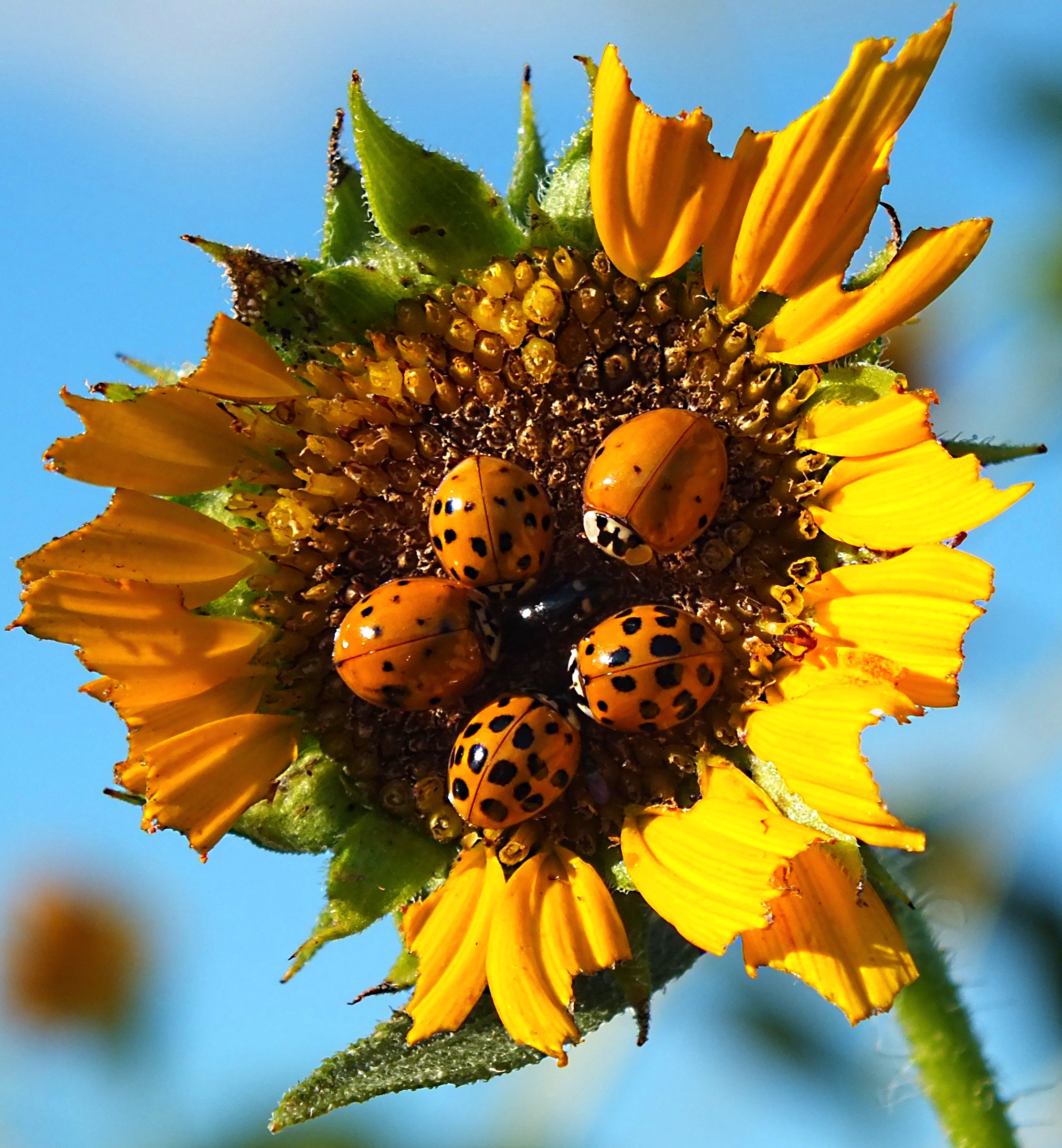
[These are Ladybugs having an important conference. Both the adults and the larvae are predators, mostly of aphids; therefore, they are very beneficial in gardens. Ladybugs are common on plants and often overwinter as adults in large swarms under fallen leaves or bark.]
.
You can say “Namaste” until you are blue in the face… but unless you live like all life forms are not separate from your actual self, it is rather meaningless.
.
[This huge wasp is a called the Giant Cicada Killer. The adults feed on nectar; the larva feed on cicadas. Several females use their “bushy” legs to make nests of branching tunnels in light clay to sandy soil. Front legs are used for digging; the hind legs are used for kicking out dirt. Females hunt cicadas one at a time; each victim is stung and brought back to the nest. One to two cicadas are placed in each cell; one wasp egg is laid on the last one. When this wasp was being photographed, I got quite close to it. It was aware of my presence, but seemed to be indifferent of me… seeming to know that it was equipped to attack if I truly threatened it. I used to keep bees, so was not intimidated by it; though I was glad that it respected me as I did it.]
.
One should always think of and help oneself first… and oneself, by the way, is the whole of humanity and life.
.
[This is a young Bullfrog, probably a female, in the security of a pond. Amphibians (and all vertebrates) evolved from fish… and this young frog has very fish-like eyes! The round disc behind the eye of the Bullfrog is the eardrum. For Bullfrogs, the eardrum is larger in males than it is in females. In males it is larger than the eye. In females, the eardrum is the same size or smaller than the eye. Female Bullfrogs grow to be larger than males. This one is very young… so it probably won’t croak soon. 😉 ]
.
Interestingly, when thinking occurs, thought reacts as a virtual copy (in the form) of one’s own physical voice (as you tend to hear it). One can intelligently go beyond virtual “copyism.”
.
[This wild plant became eaten by a small — but voracious — caterpillar culprit. However, he is not the only one responsible. Look very closely and you may see other cohorts involved with the crime… and (just like criminals) they’re good at hiding!]
.
An insect’s priorities don’t include understanding the whole. Go beyond an arthropodan mentality.
.
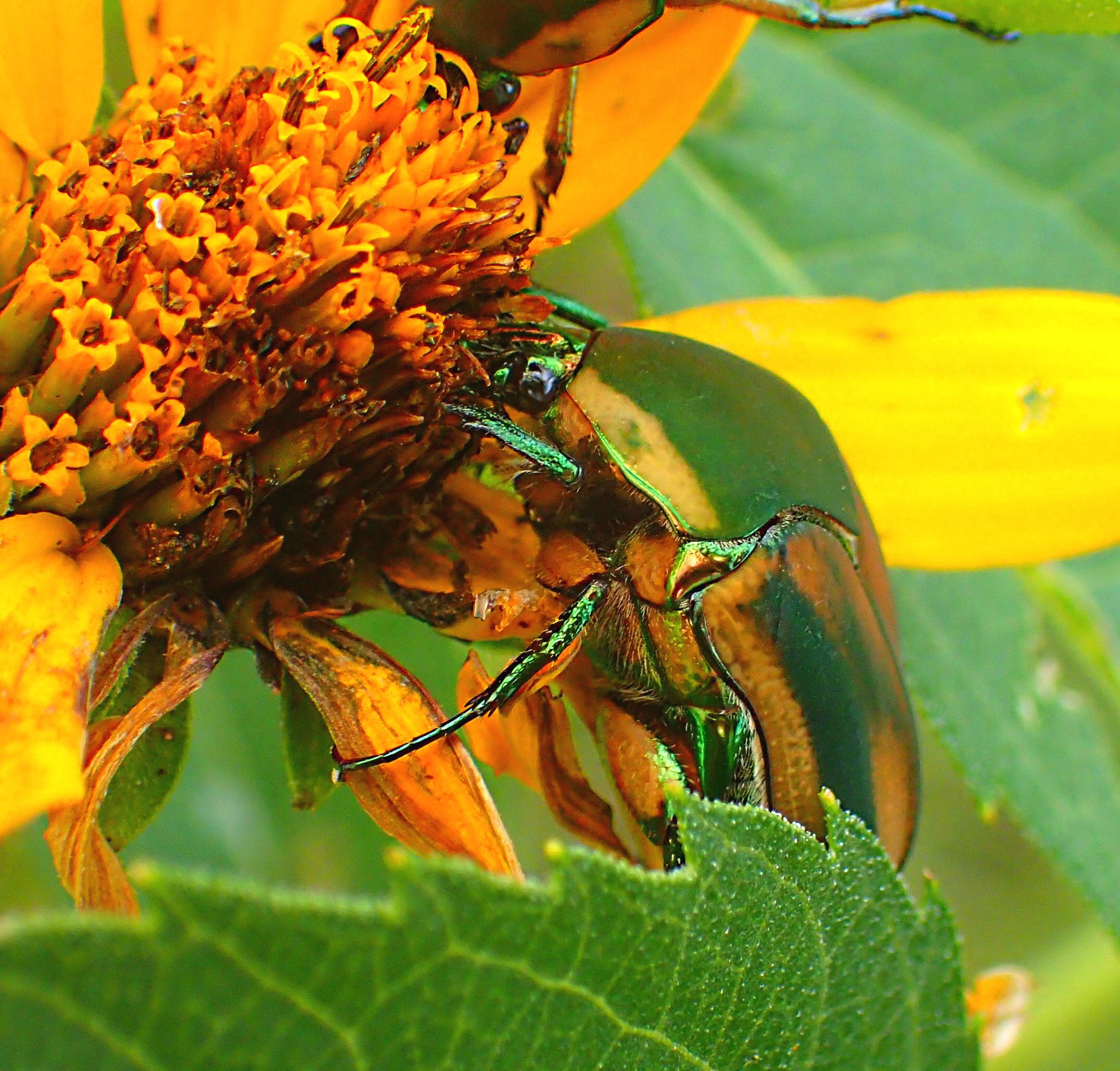
[Green June Beetles are metallic bronze-green underneath. Like other scarab oriented insects, Green June Beetles lay their eggs in the ground and their larvae develop as c-shaped grubs within the soil. Following having pupated underground, they emerge as adults in the summer and actively fly, feed, and reproduce from June–September.]
.
To be perceptive means to be observant, to be sensitive; and one isn’t fully perceptive if one does not have deep sensitivity and love for all living things.
.
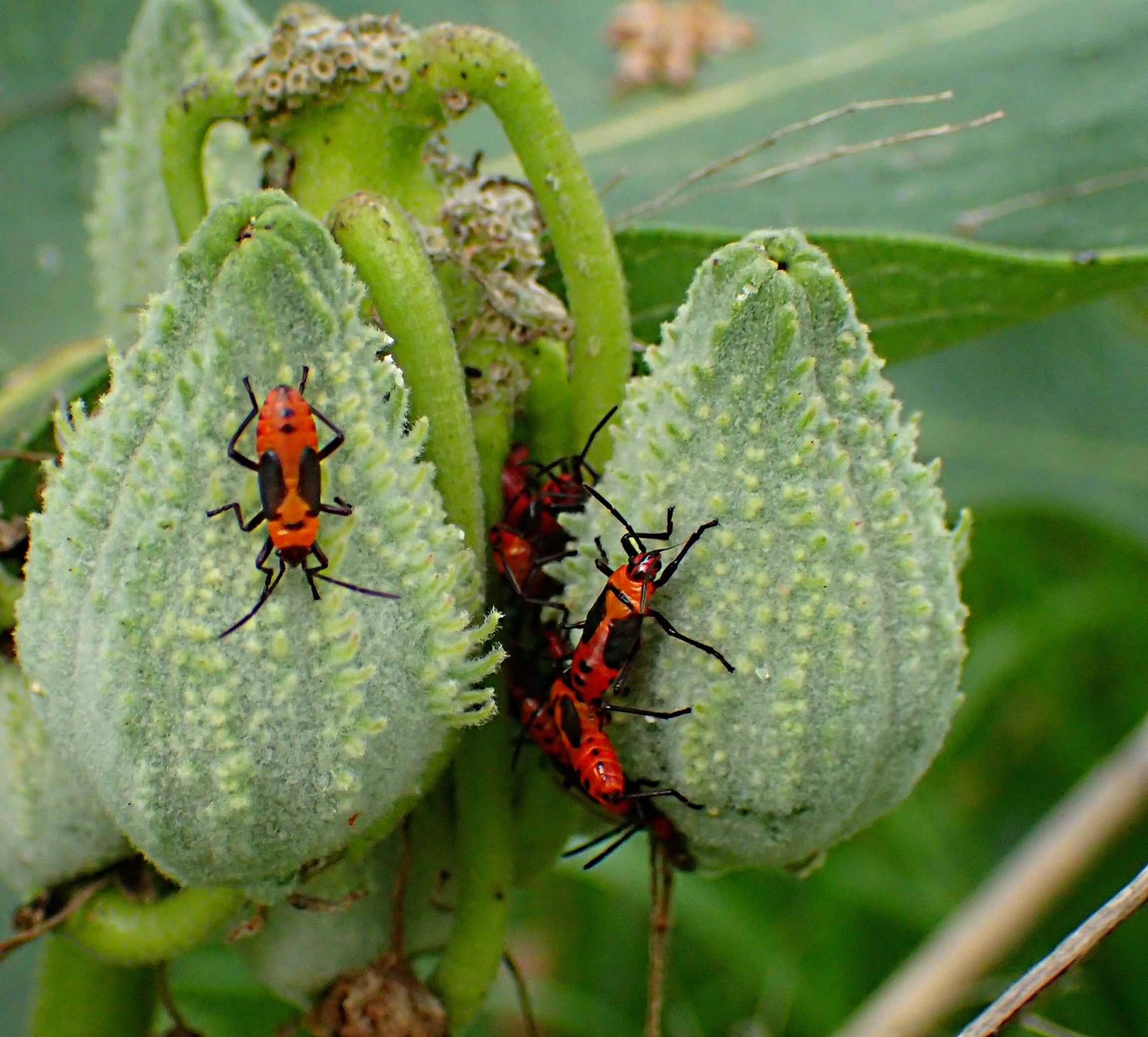
[Milkweed plants feed so many insects, yet seem to prosper and continue to do very well! True energy machines! These are nymph stages of the Large Milkweed Bug. Both the adults and young nymphs of the Large Milkweed Bug sip nectar and sap from plants and their flowers… but seem to do no significant damage. In the fall and winter they over-winter in the cottony growth of the milkweed pods. It would be nice if our homes were so edible and accommodating!]
.
Normality is a common type of insanity.
.
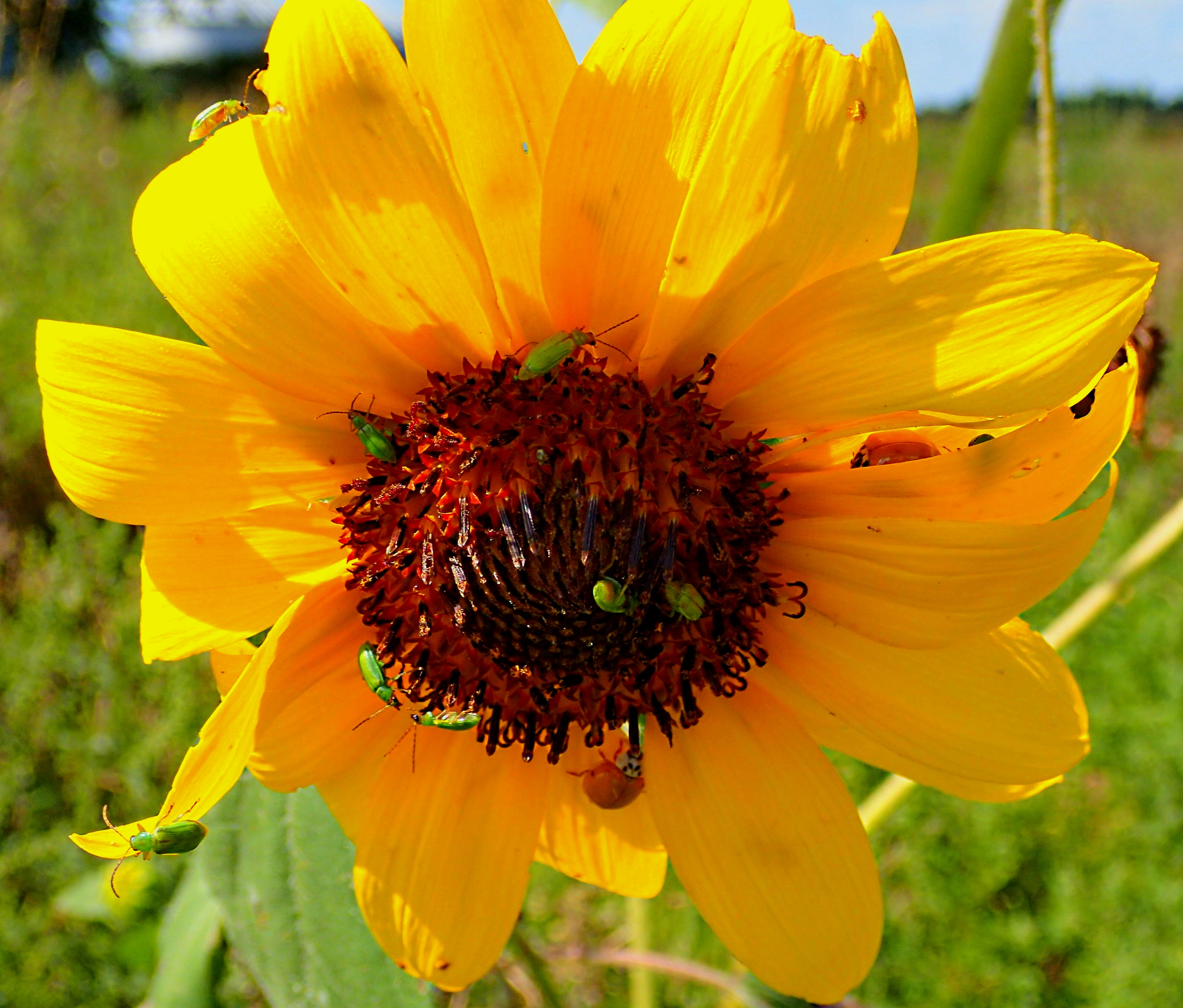
[Leaf beetles, Diabrotica barberi, and Ladybug beetles on a wild sunflower plant. Some species of Leaf Beetles are very destructive to corn crops. Ladybugs, on the other hand, eat many insect pests, though these are additionally getting the abundant nectar from this wild flower. (One can’t blame them for liking sweets!]
.
Really… happiness is an inside job!
.
[This butterfly is a Silver-spotted Skipper. Skippers have some characteristics of both butterflies and moths. They tend to have large, rather stocky heads, thick-oriented bodies, and relatively short wings, spanning up to 2 inches. The antenna are set far apart on the head and end in a curved hook. Adults love to sip nectar (as this one can be seen doing with its long proboscis.]
.
I’m not interested in just nonchalantly passing through life while having a lot of mundane, but essentially superficial, experiences; I want to delve deep and (no matter what the answer entails) find out about the true essence of the whole and about existence.
.
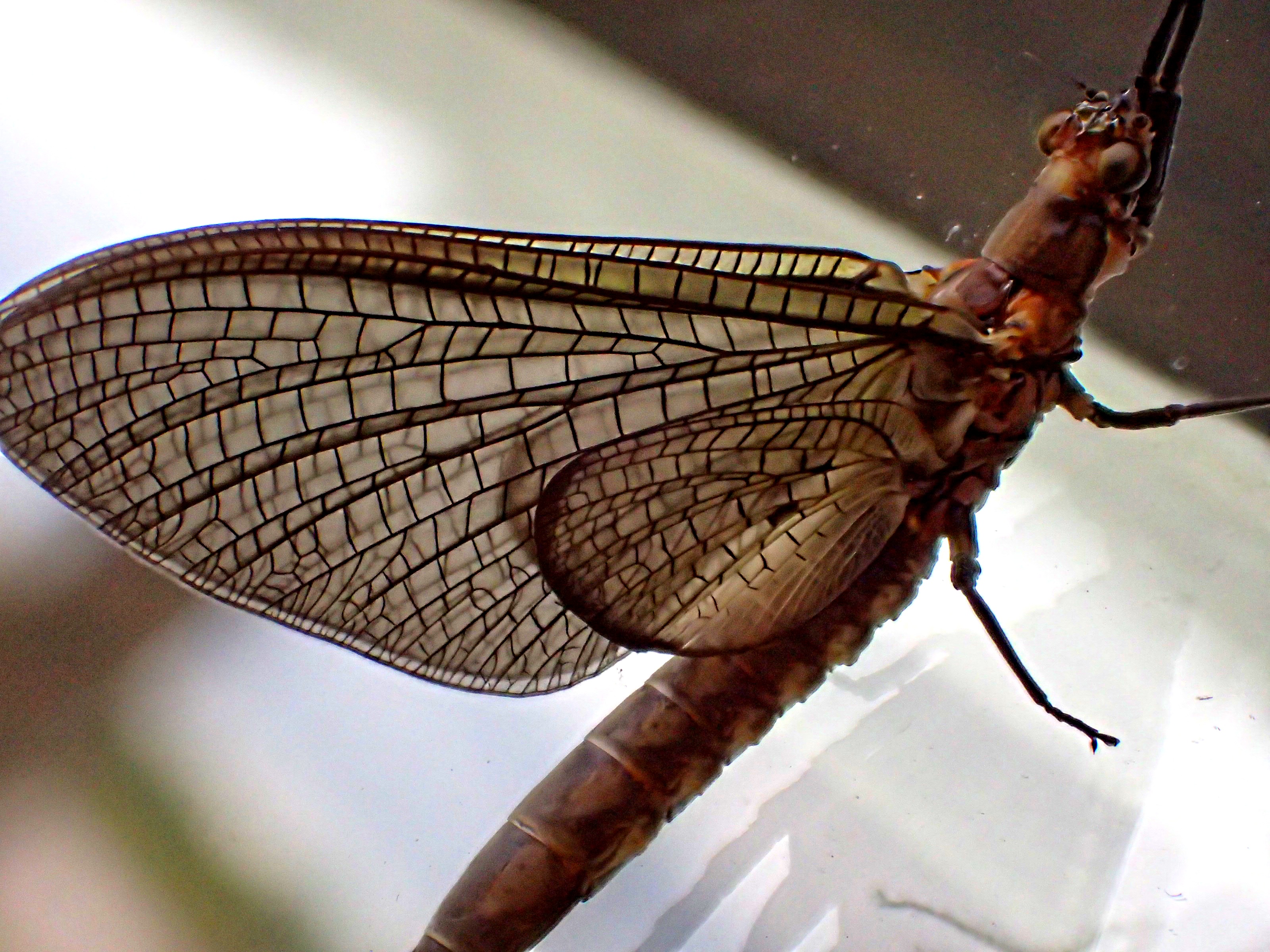
[This is close up study of an adult Mayfly resting upon an outside-oriented window pane. Though the immature “nymph” stage usually lasts around a year (living underwater), the adult stage of this order of insects usually only lives from a few minutes to a few days, depending on the species. The primary function of the adult is reproduction. Eating (for such a short adult span of time) is unnecessary; the mature adults don’t even possess functional mouth parts. Often, they emerge as adults at the same time; that way, predators get satiated and can only eat so many at once, enabling the others to survive (though their time is not long).]
.
Fingers apart are still — and will always be — fingers together!
.
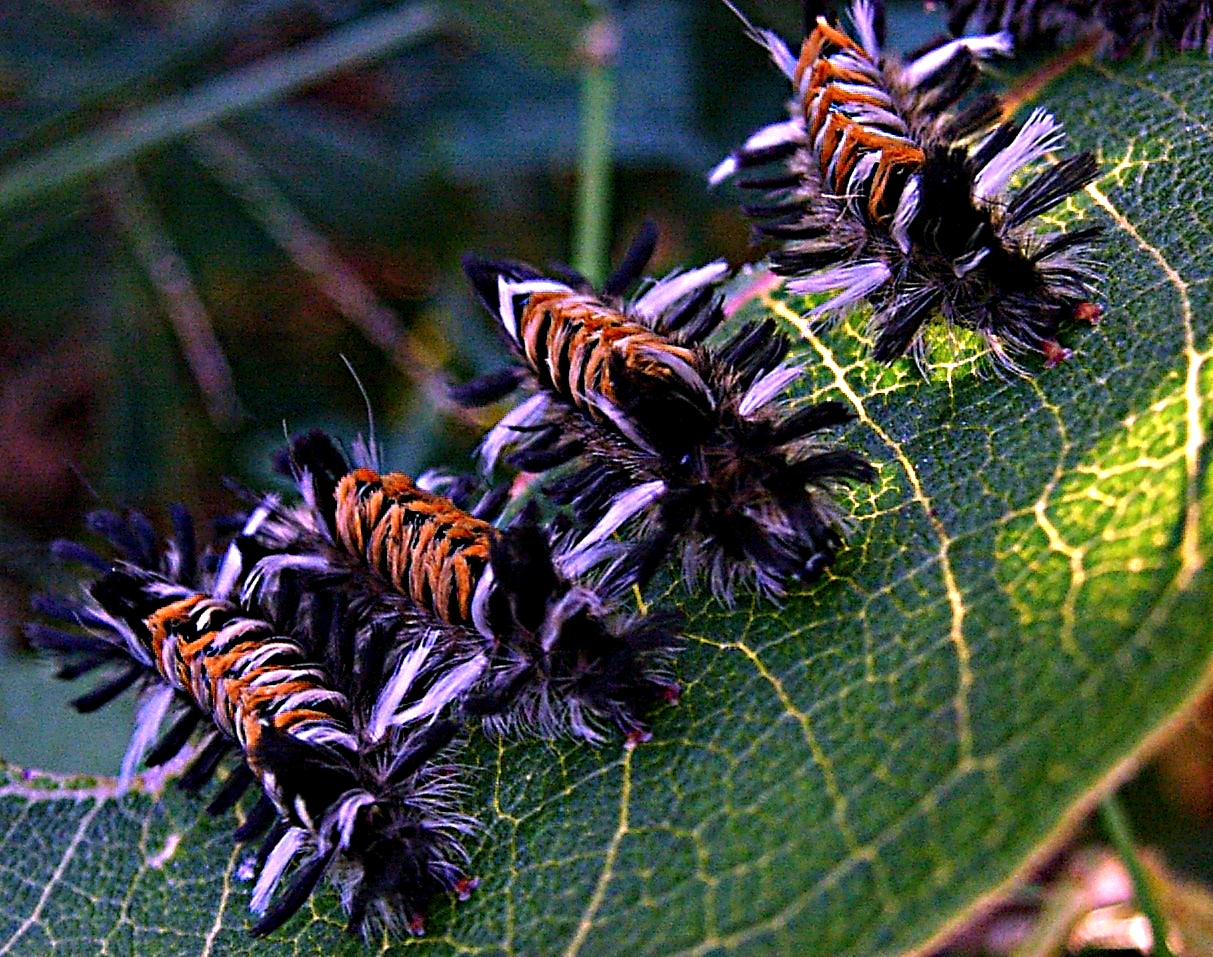
[These caterpillars — lined up and looking like puppies for sale and selection at the local pet store — are Milkweed Tussock moth (Euchaetes egle) caterpillars. They are eating and resting on a Milkweed plant. Caterpillars often look a lot different in appearance during each successive molt. Some species have completely different colors, or length of setae (fur-like covering), or may or may not have antennae or horns, for example. The variation between instars is one of the factors that makes it challenging to identify caterpillars.]
.
Real passion in life cannot merely be taught. Real passion is not for one or two things, it is for the whole!
.
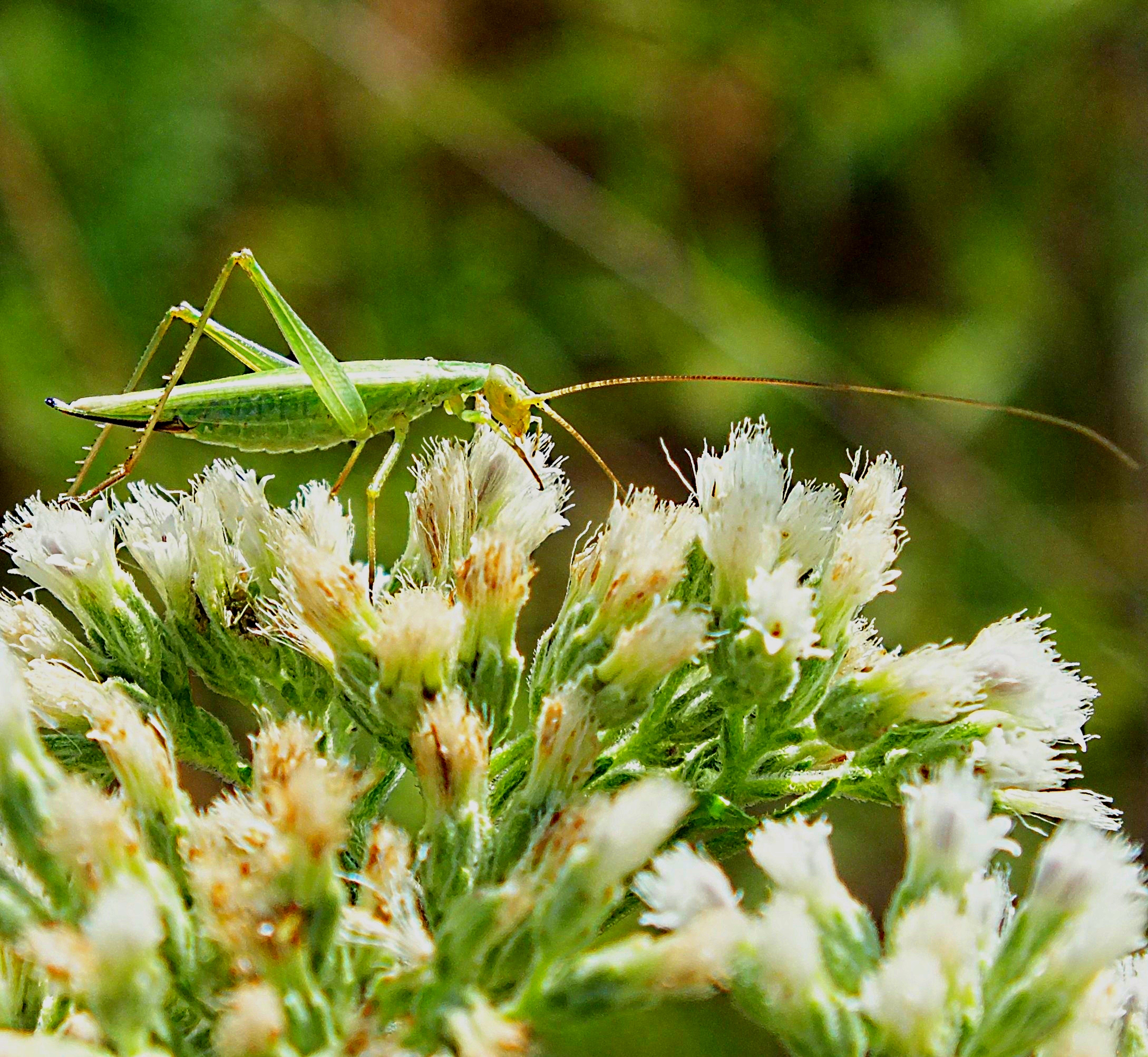
[This slender insect is a Conehead Katydid. The Conehead Katydid feeds on flowers and foliage, such as shrubs and trees. Males chirp during the day and sometimes at night with a “tsip-tsip” sound; close-up, the call resembles a continuous, second-long buzz repeated every 2 seconds.]
.
Go to nature… where there are no politicians!
.
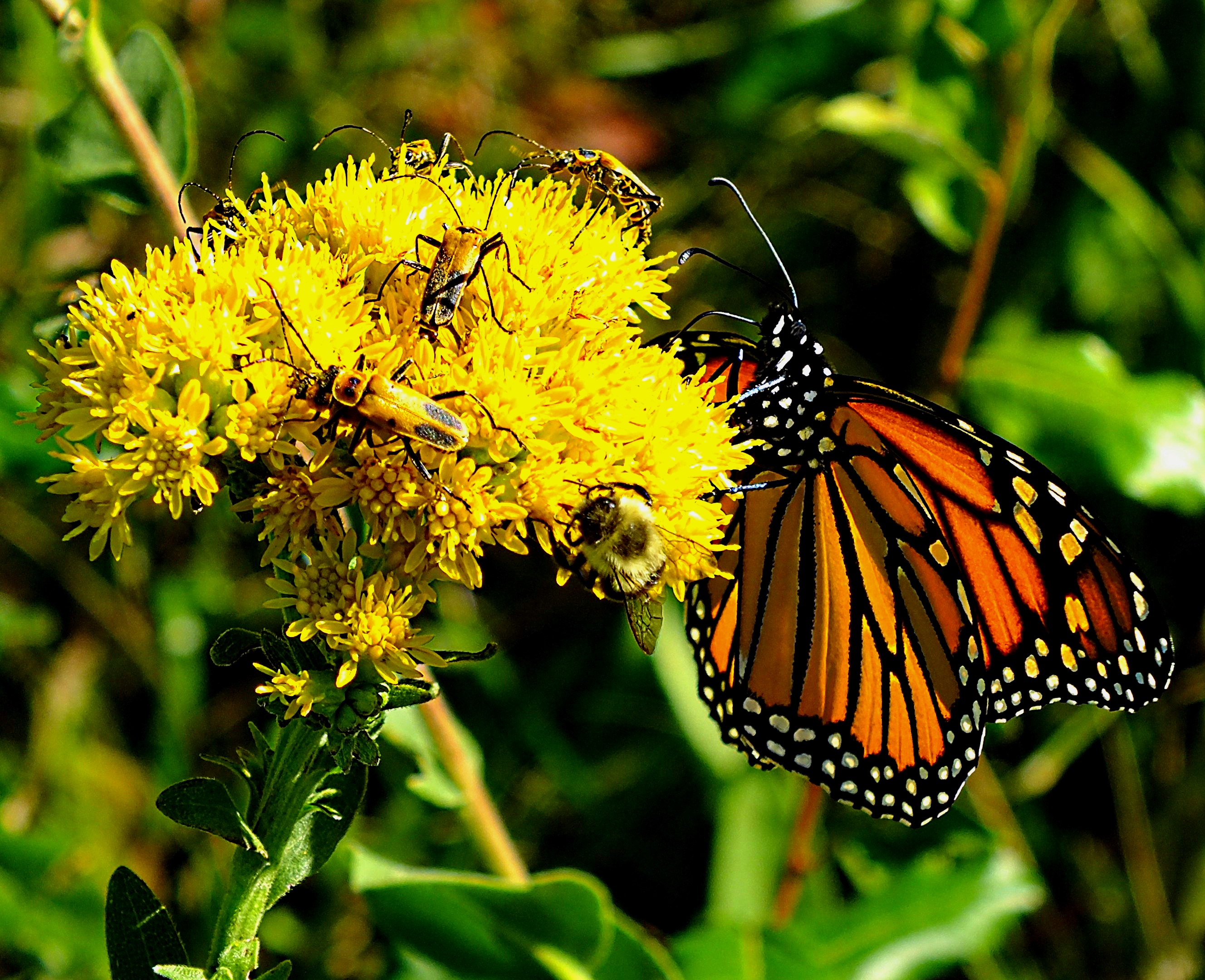
[This is a group of Hover Flies feeding on nectar from a Goldenrod plant. Many people mistake Hover Flies for bees; they are not bees and do not carry stingers. I love the way that they can hover in one spot (in mid-air), remaining (except for their wings) perfectly still! Adults drink nectar. The larva preys on aphids and the larvae of scale insects. It is considered to be extremely beneficial due to the eating habits of the larvae, aiding in eliminating harmful insects that attack ornamental plants and commercial crops. Often they get quite sociable and will land on you without fear.]
.
If you have a really big nose — like I do — don’t be ashamed of it; it’s far better than having a big, fat ego.
.
[This is a female Snout Butterfly. They have extensive projecting mouth parts (palpi) that resemble long snouts or noses. Similar to the metalmark butterflies, Snout Butterfly males have four walking legs and the females have six. Only one species occurs north of Mexico. The larva, which grows very rapidly, feeds on Hackberry.]
.
A true teacher is a “learning assistant” and fellow learner… not a manipulator or puppeteer!
.
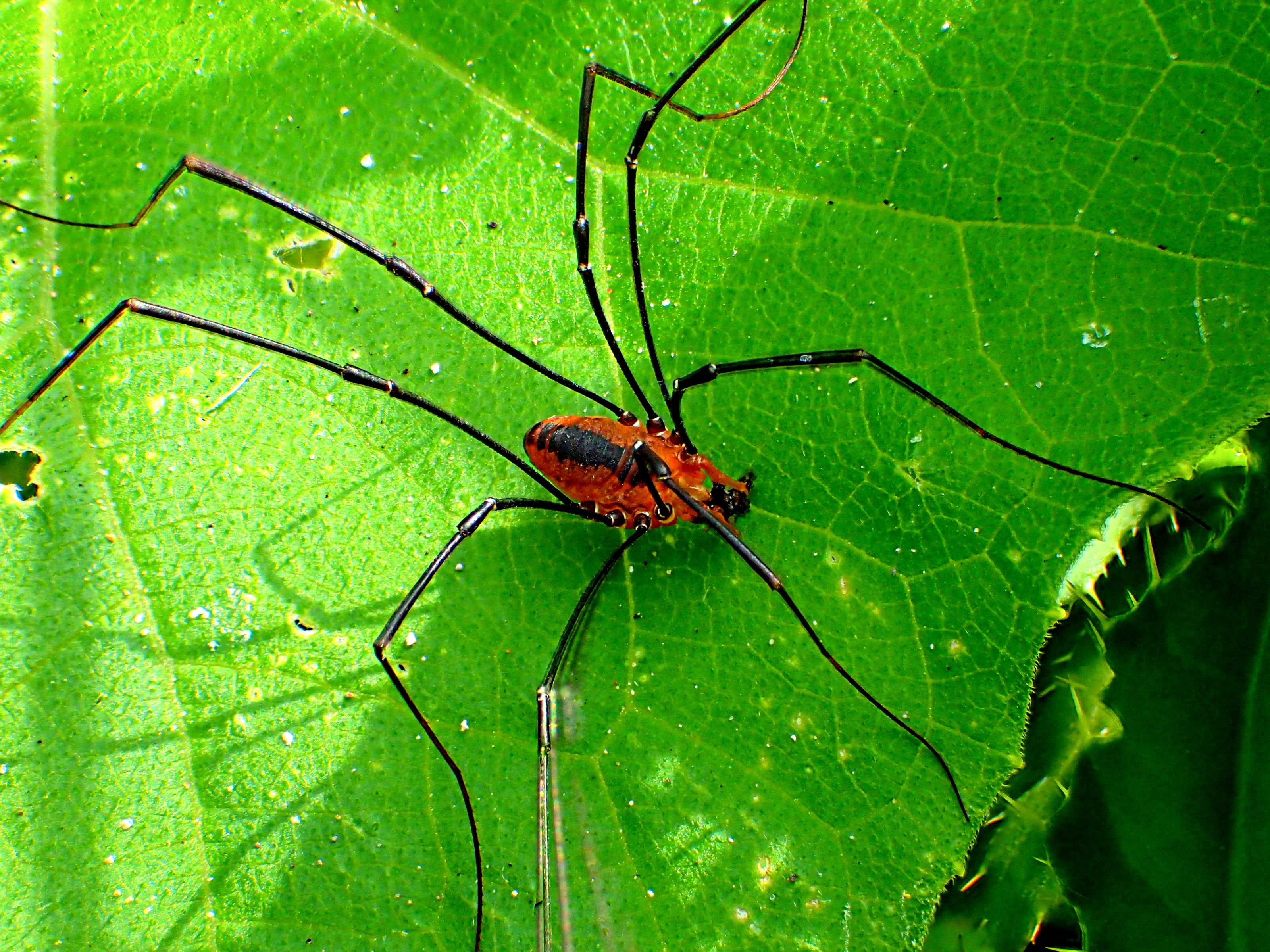
[This is a red Harvestman… often called a Daddy-longlegs. They have no venom and are harmless to human beings. Harvestmen have what are called Chelicerae, which in spiders are hollow in order to deliver venom, but in Harvestmen they are primarily used to grasp food; no venom is involved.]
.
It’s good, if you are human, to leave the superficial and the shallow (and the crowd)… and, instead, go deep. However, if you are a duck, leaving the group and going into the deep (on your own) can get you eaten by a northern pike or a muskellunge.
.
[The real Duck Dynasty! These are young (immature) wild Mallard Ducks. Fortunately, the one going off on his own (into the deep) quickly came back and joined the group. Almost all domestic ducks are derived from wild Mallard Ducks. Mallards are “dabbling ducks”—they feed in the water by tipping forward and grazing on underwater plants. They almost never dive. (Fortunately, unlike some people, when I shoot ducks I only use a camera!)]
.
Don’t compare yourself with others… be what and who you are (in wise harmony with the whole).
.
[Buffalo Tree Hopper… nicely camouflaged in (of all things) a tree. They feed on the sap of flowers, vegetables, shrubs, and deciduous trees, but do little damage due to their very diminutive size.]
.
One doesn’t (personally) care about the latest (current) fashions or trends; one cares about lasting and eternal truths that remain forever.
.
[A Fire Beetle and a Sulphur Butterfly (i.e., Alfalfa Butterfly) contemplating their next move.]
.
In a big way, you can’t distance yourself from your anxieties and fears; you are your anxieties and fears.
.
[Praying Mantis head study. The two large, compound eyes of Praying Mantises operate much better than the eyes of most insects; dragonflies also have excellent eyes. A mantid can see to a distance of 50 feet. Between the two large compound eyes, there exists three simple eyes (and the middle simple eye is larger than the other two). Sometimes, right after mating, a female Praying Mantis will bite the male’s head off and eat him. (Males usually don’t live long after mating anyway… and the extra protein is excellent nourishment for producing plenty of viable eggs.) What a way to go! Actually, in the wild, scientists believe the male partner gets munched on less than 30% of the time.]
.
Be an oasis of goodness and order in a world that contains a lot of conflict and darkness.
.
[A land slug crawling on a white mushroom covered in dew. Slugs love moisture, such as dew in the mornings or rainy days; on dry days they often hide under logs. The slug may eat the mushroom without problems; however, that is not the case if a human would eat this mushroom. It is likely a mature form of Chlorophyllum molybdites, a mushroom that is not edible by humans. However, it sure looks rather impressive (and edible). Stick with purchasing mushrooms from the grocery store! Leave the wild mushrooms to the slugs and wild creatures of nature!]
.
To hate others involves despising images that are part of one’s own consciousness. Intelligently go beyond hate.
.
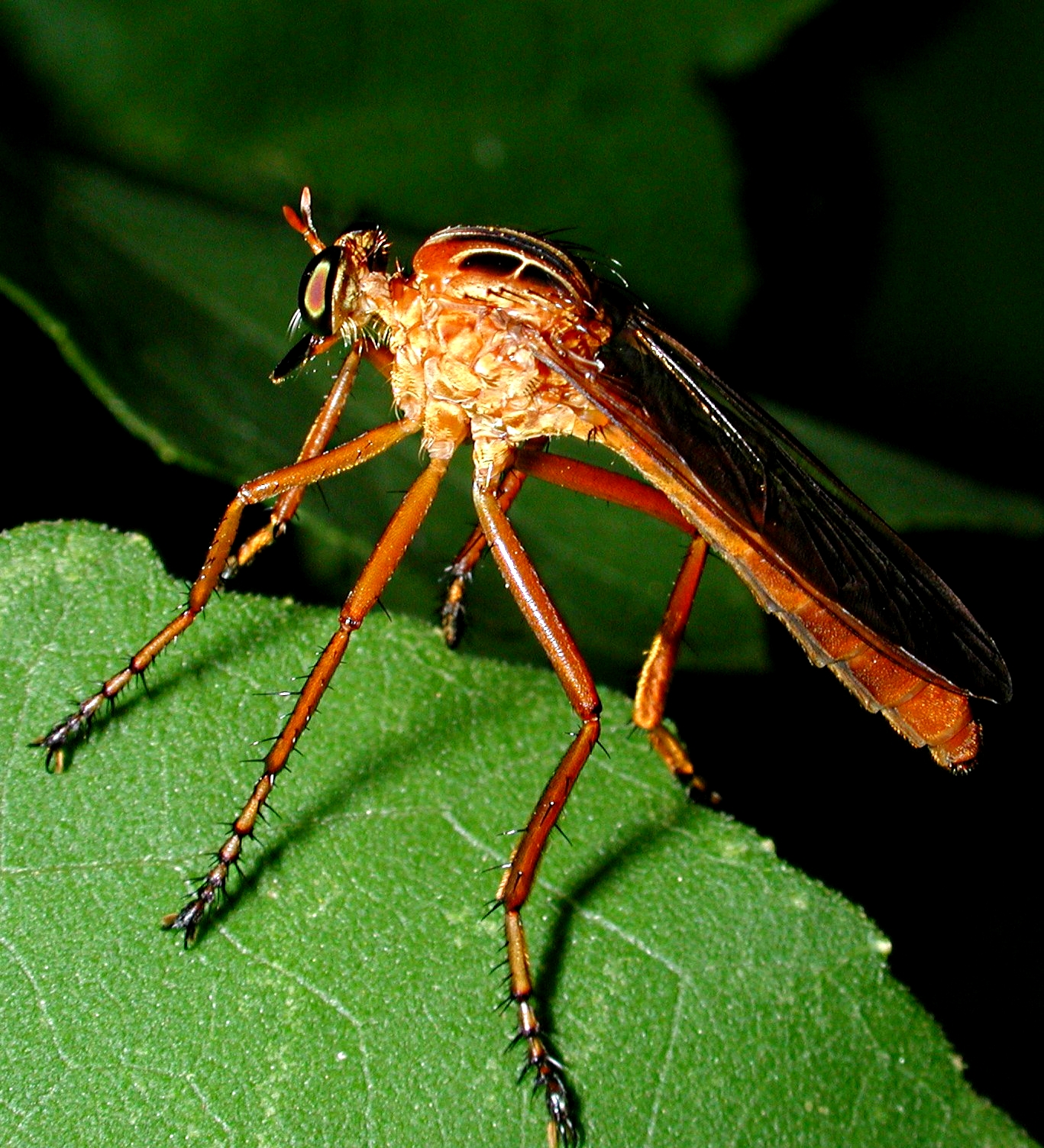
[This is a Robber Fly. They thrive along woodland edges and are voracious predators. I often see them flying around looking for insect prey to snatch up. They can go after wasps, bees, flies, and even larger insects such as dragonflies.]
.
I’ve seen the sunset from an eternal shore.
.
[This is a Tree Cricket. Tree crickets are found around the world, in a variety of colors; they live in trees, shrubs, bushes, plants and grasses. If you’ve ever been outdoors in summer or autumn, day or night, there is an excellent chance that you have heard the loud and beautiful trilling songs of male tree crickets.]
.
Feel and care beyond yourself.
.
[This conglomeration of insects consists of Buckeye Butterflies, two or three Drone (Hover) flies, and other insects. Buckeye butterflies cannot survive freezing temperatures in any stage, so they must migrate south; otherwise, they will perish. Therefore, many Buckeyes that spend their summers in northern states, fly south to overwinter in Gulf Coast states such as Florida. The buckeyes enjoy being together often, and prefer to fly in open areas, where they sun themselves. Their wingspan is 1.5-2.7 inches.]