In my previous two posts (prior to this one), if you understood that, psychologically, the perceiver actually is the perceived (and not merely something separate from the perceived)… then you may understand the following insightful poem by Stephen Crane. If you did not understand (even intellectually) what was previously written, then you will not understand Crane’s poem.
From the poetry of Stephen Crane:
The sage lectured brilliantly. Before him, two images: “Now this one is a devil, And this one is me.” He turned away. Then a cunning pupil Changed the positions.
Turned the sage again: “Now this one is a devil, And this one is me.” The pupils sat, all grinning, And rejoiced in the game. But the sage was a sage.
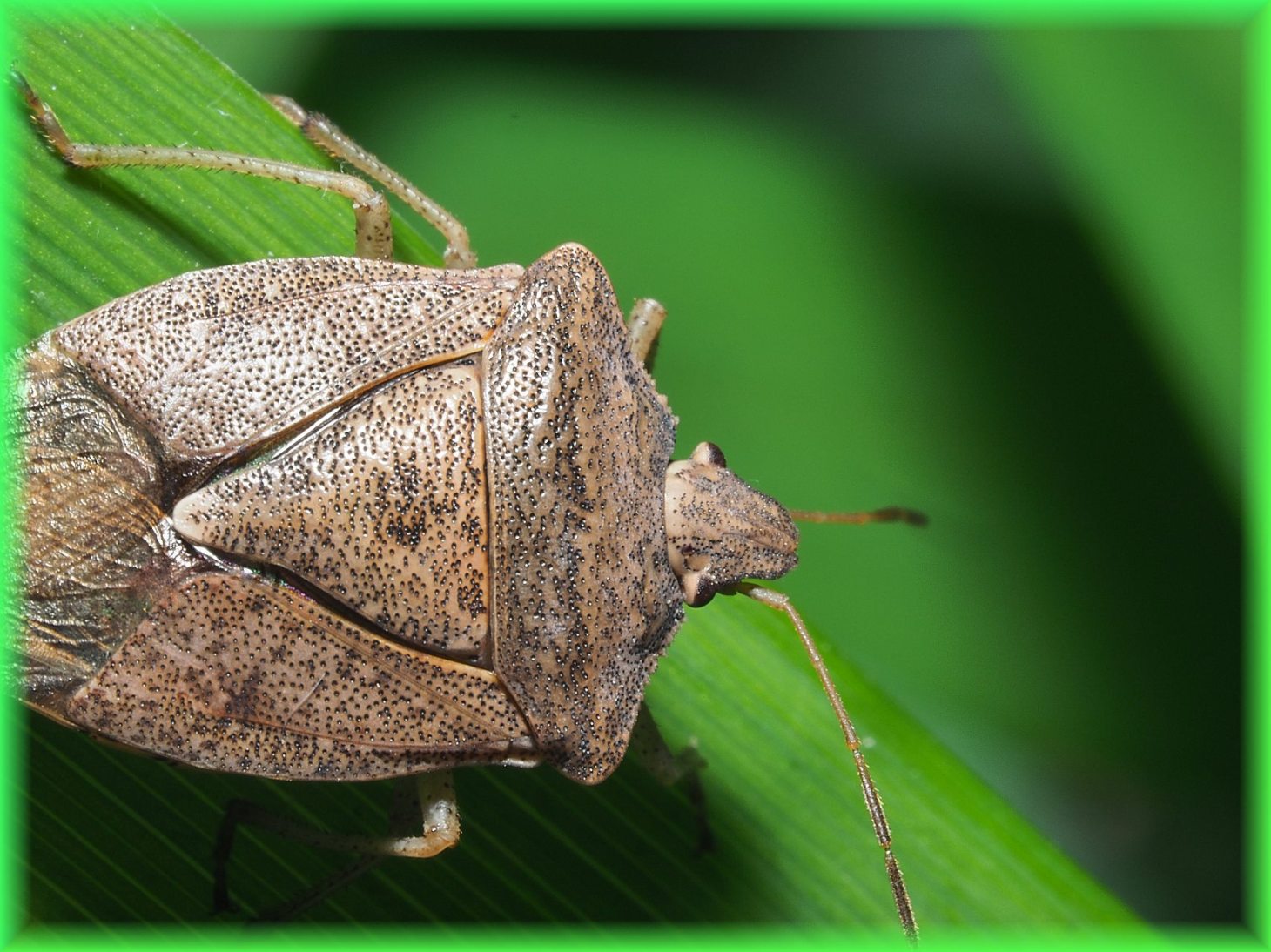
Image in Consciousness … Photo by Thomas Peace c. 2022
In my prior post, i delved into the likeliness that — psychologically — the perceiver is not truly separate from the perceived. Most people do not realize that their perceptions are not truly separate from what constitutes their consciousness and existence. Many people might argue and say, “Oh, no, I am so much more than my perceptions.” But take away your perceptions, your experiences, your observations, the robotic labeling of things, the conditioned judgments about the things seen… and then what are you? In actuality, you basically are these things and without them you are nothing. Most people are very afraid to be nothing; they “think” that their sense of self is necessary for security and for eternal prosperity. They do not realize that a mind of sweet, psychological nothingness is what security and eternity actually are. And people who are afraid to be nothing do not really understand meditation (though they may often talk about it and “think” that they practice it). (It might be prudent to read my post that is prior to this one.) In the following clever poem, Whitman insightfully talks about people as if they are the things in their lives that they deal with.
Excerpt from A Song for Occupations by Walt Whitman:
When the psalm sings instead of the singer,
When the script preaches instead of the preacher,
When the pulpit descends and goes instead of the carver that carved the supporting desk,
When I can touch the body of books by night or by day, and when they touch my body back again,
When a university course convinces like a slumbering woman and child convince,
When the minted gold in the vault smiles like the night-watchman’s daughter,
When warrantee deeds loafe in chairs opposite and are my friendly companions,
I intend to reach them my hand, and make as much of them as I do of men and women like you.
When one looks at a tree, one isn’t composed of chlorophyll and bark but the image of the tree is not separate from what one is. Of course, if one is compassionate, one may see the tree not merely as a thing but as a wonderful, precious living presence that one is not separate from. So, in sweet wisdom, the negation of separation goes even deeper.
Excerpt from a poem by Walt Whitman:
There was a child went forth every day. And the first object he look’d upon, that object he became, And that object became part of him for the day or a certain part of the day, Or for many years or stretching cycles of years. The early lilacs became part of this child, And grass and white and red morning-glories, and white and red clover, and the song of the phoebe-bird, And the Third-month lambs and the sow’s pink-faint litter, and the mare’s foal and the cow’s calf, And the noisy brood of the barnyard or by the mire of the pondside, And the fish suspending themselves so curiously below there, and the beautiful curious liquid, And the water-plants with their graceful flat heads, all became part of him. The field-sprouts of Fourth-month and Fifth-month became part of him, Winter-grain sprouts and those of the light-yellow, and the esculent roots of the garden, And the apple-trees cover’d with blossoms and the fruit afterward, and wood-berries, and the commonest weeds by the road, And the oldest drunkard staggering home from the out-house of the tavern whence he had lately risen, And the schoolmistress that pass’d on her way to the school, And the friendly boys that pass’d and the quarrelsome boys…
Too many people hate Dandelions. Photo by Thomas Peace c. 2022



 Tom's Nature-up-close Photography and Mindfulness Blog