Monthly Archives of: July 2021

Post

Discrete things… do they reflect truth?

21 comments

The dictionary defines “discrete” as, ‘individually distinct, separate, discontinuous.” For most of us, our education primarily taught us how to function with separate, discontinuous things (in ways that helped one to be triumphant and successful). For millions of years, we have been functioning largely on the basis of performance and manipulation involving separate things. The fact is, however, that not one thing in our existence is truly distinct, truly separate. Such distinction and separation is only illusory and unreal. It is like the left hand thinking that it is separate from the right hand; it is like you thinking that you are separate from the people in another so-called country.

We distinguish things by making distinctions according to their attributes and properties. That is a function of the thinking process. However, the thinking process is geared toward survival, pleasure, individual success, and fulfilling essential needs; it is not geared toward perceiving the truth, perceiving the whole. In a truly wise and intelligent person, thinking occurs when it is necessary for fulfilling basic, essential needs, but it is often left in the background while deeper, holistic perception occurs. (There is no legitimate technique or man-made method — that involves time — that can take you to that pristine, timeless dimension.) Deep perception exists beyond the cold, fragmentary nature of thought/thinking. (Mere thinking basically sees things in only piecemeal ways.) With deep perception comes intense compassion, caring, and the lack of indifference.
Aunt Betty … Photo by Thomas Peace c. 2021

Post

You are Your Psychological Attachments…

28 comments

Attachment is very prevalent in most peoples’ lives. Most people are heavily attached, psychologically, to a large number of things. Attachment can give one a sense of security, safety, stability, and self-identification. People are, for example, attached to their religion, their country, their political propensities, their spouse, their house, property, and possessions. People are attached to their beliefs, their traditions, their opinions, and their prejudices. People can be attached to practicing some robotic, absurd method of meditation or mindfulness that they engage in often and that they think is just phenomenal. People are often attached to their conceptions of others and of certain groups; many are attached to the habit of endlessly pursuing pleasure; many are attached to seeing everything with (and “as”) preconceived labels and words. People, over the ages, have been attached to their anthropomorphic mental obtrusions of God and of divine beings. Many people are attached to existing in (and “as”) a competitive way of life, competing against others habitually (without question). Many are attached to football games and other sporting events (that glorify competition and survival of the fittest). Most people are heavily attached to their own images of self, that self (having a name) and being of a supposed real center.

This is all well and good… but, really, it may not be so very well and good. True freedom and profound wisdom exist beyond myriads of accepted attachments (however safe they may erroneously make one feel). Being bound by attachments causes the mind to be bound within limitations. A limited brain is not, under any circumstance, likely to be visited by the unlimited. (You can’t put the ocean in a goldfish bowl.) Little wonder, then, why so few people are ever visited by that sacrosanct eternity. Beliefs, that so very many people are deeply attached to, tend to divide the world causing much friction, fragmentation, turmoil, and even wars (which people die in, with all of the concomitant suffering). Most of us ardently cling to our attachments, because without them we are essentially nothing psychologically (and we are so very afraid of being nothing).

Innumerable many of us, without question, accept our limitations, accept our attachments, and accept our fragmentary lifestyle (which isn’t really living whatsoever). Improper education in the past, really, had a lot to do with it. We were taught to accept words (as symbols) as basically equivalent to the real thing; we exist as words and we worship these words. The world’s climate is changing rapidly like wildfire (due to human negligence and indifference). Most of us (because of habits and attachments) continue to live in (and “as”) the same patterns that have caused the problems in the first place. We must wake up and fundamentally change.

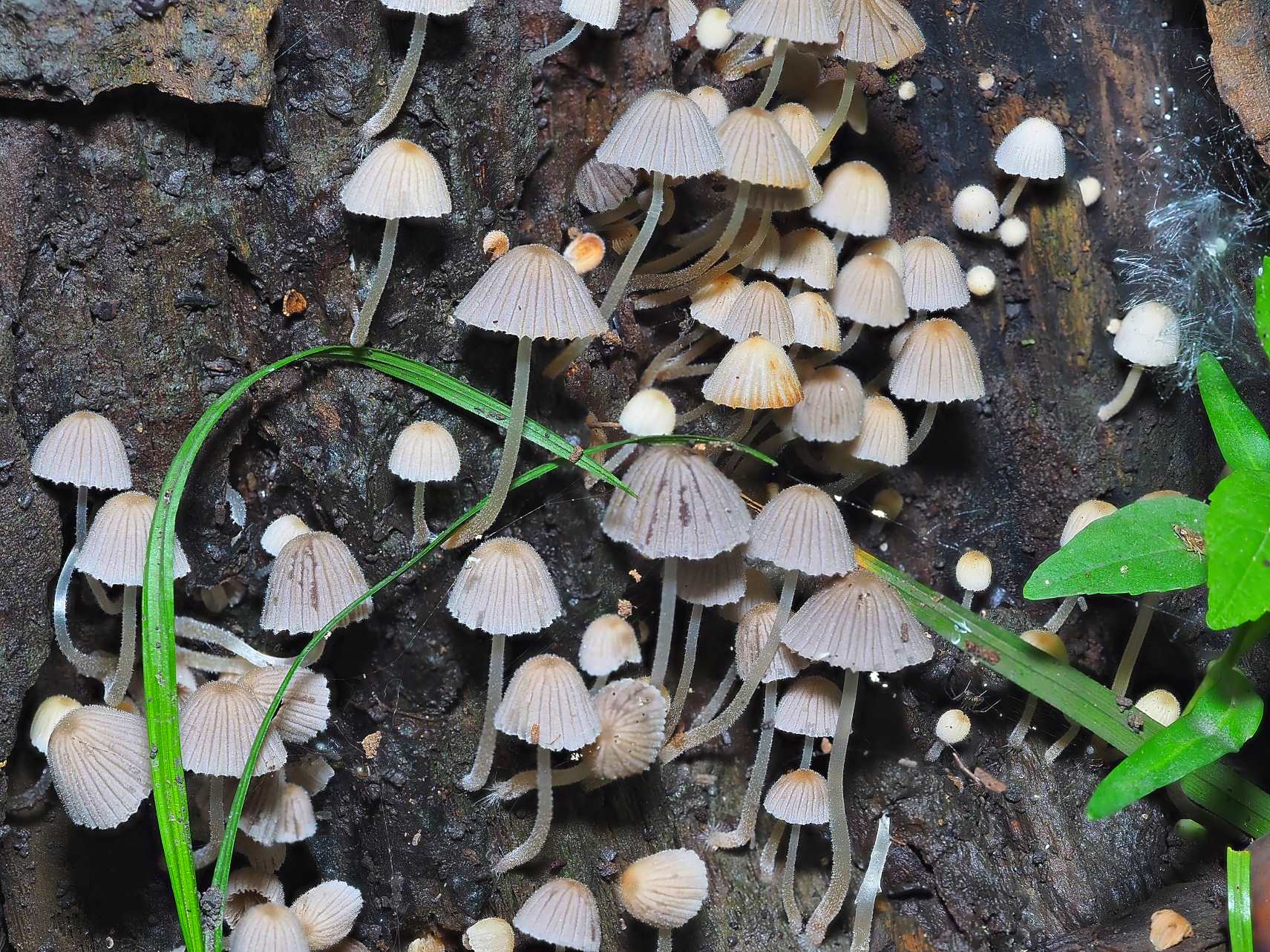
Nature’s Umbrellas … Photo by Thomas Peace c. 2021

Post

Listening

21 comments

Listening is very important in life. How you listen matters tremendously. Most people listen with — and through — the background of their conditioning (that stems from past accumulation). With that accumulation, they listen… which really isn’t listening at all. They then walk around mistakingly thinking that they are “free” and “open.”

True wisdom may be beyond the mere accumulation of patterns (from the past). It may involve deep insight beyond what you merely have been told and accumulated. Insight is timeless; what is timeless is not of mere piecemeal accumulation (which is in time). Piecemeal accumulation is time.

Not so common … Photo by Thomas Peace c. 2021

Life on its Journey ... Photo by Thomas Peace c. 2021
Post

The Story of Lo Zu and the Little Bird Eggs

22 comments

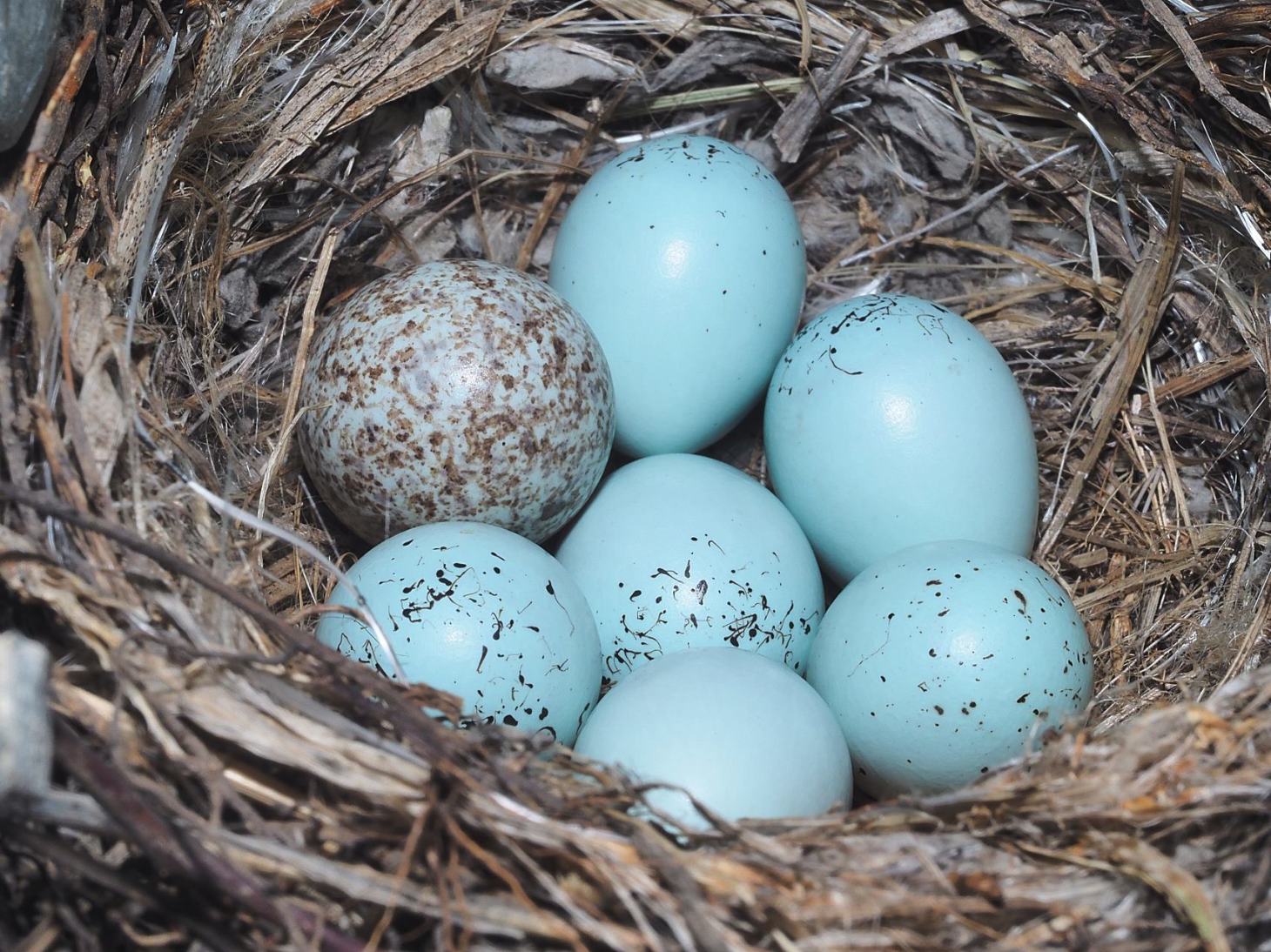
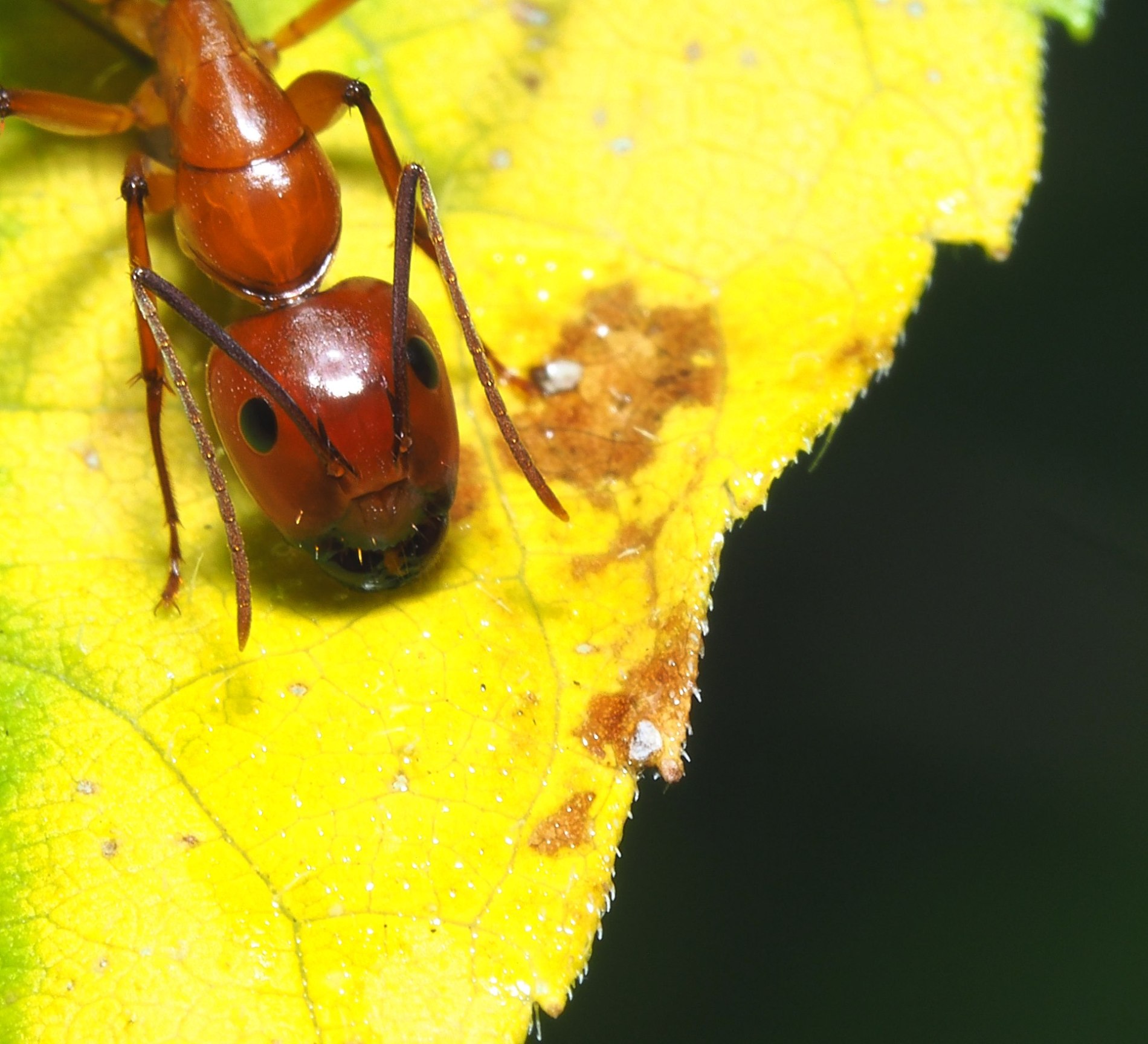
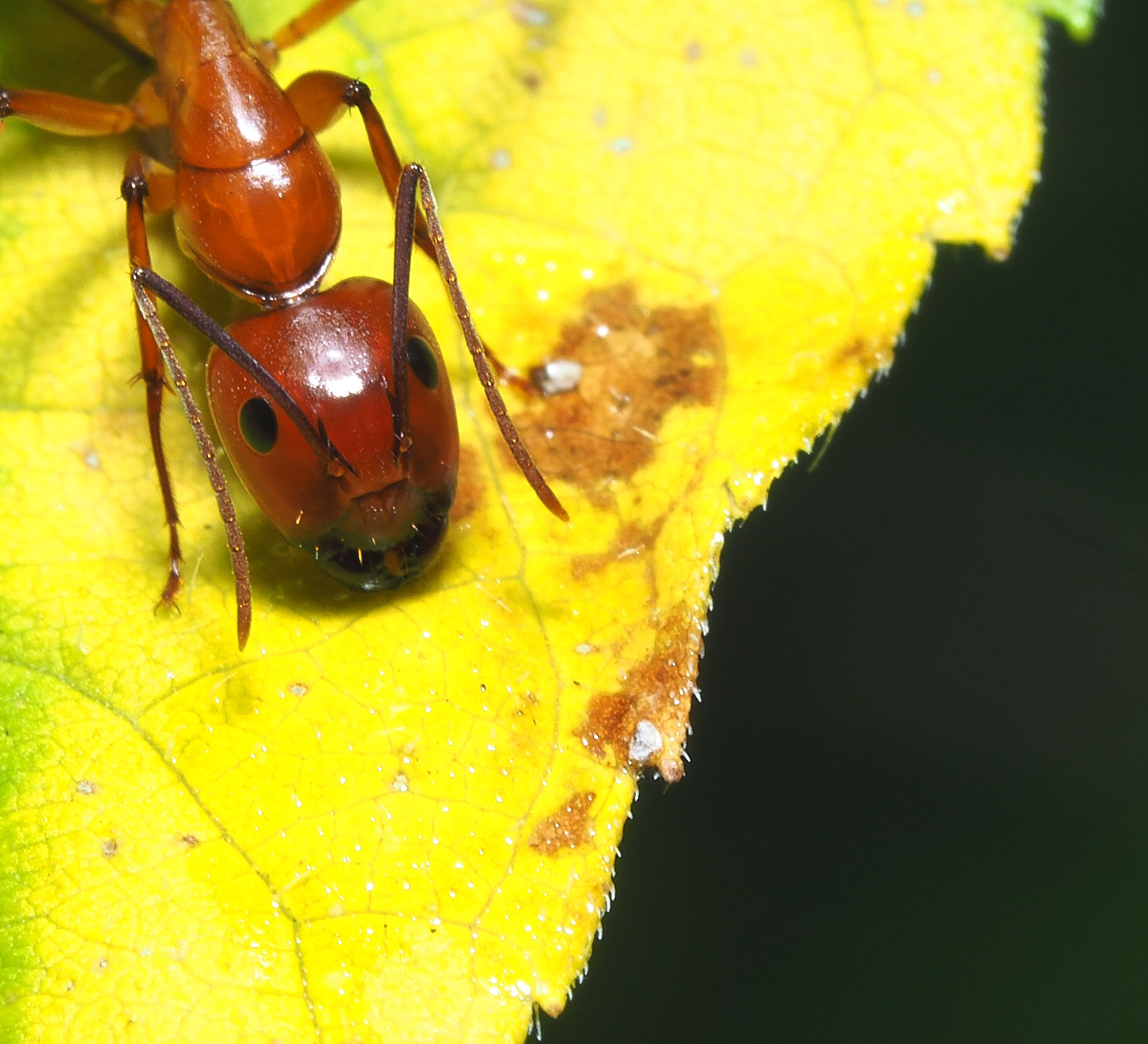
A group of students came walking by and they observed the aged Lo Zu to be peering deep into a large, flourishing bush. The students remarked to themselves that Lo Zu would often be seen closely examining things of nature… nature’s treasures. “What are you observing,” the students fondly asked of Lo Zu. “Life on its journey,” replied Lo Zu. One of the students remarked, “Well, I’ve heard that one before from you. Do you mean deep within that bush is life on its journey?” Lo Zu responded, “I am observing you traveling students; it is yourselves who are life on its journey. And since one is not truly mentally separate from what one observes, this old entity, too, in seeing you, is life on its journey.”

“Interesting remarks,” the students replied. Lo Zu invited, “Take a look at the little eggs within the nest deep inside of that bush. Tell me if you see an egg that looks apart from the rest. Please tell me what you see.” The students eagerly peered into the bush. They excitedly exclaimed, “Yes, Lo Zu, one of the eggs seems to be apart from the rest. It seems different and separate from all of the others.”

Lo Zu replied, “The one is different, but is it really separate?” One of the students answered, “Well, it is different, but it is not really separate from the others; it fits in and is together with them.” “Exactly,” said Lo Zu, “It is different, such that you can distinguish it from the rest, yet it is together with the others, contacting them, and is not separate from them. When you look at things, they seem to be different from what you are — and they are different — yet what you look at, (in other words) what you observe, constitutes part of your consciousness and, therefore, is not really separate from what you are.”

“Profound observation,” the students remarked. Lo Zu then interjected, “Listen to this carefully. Whoever thinks that he (or she) is separate from what he (or she) is, inevitably falls into a lot of needless conflict and friction. Such people go through life fragmented, mentally crippled, and broken up into needless pieces. Beware of accepting separation as the norm (such as is what is taught and endorsed by all of the fighting and competing others). Please look deeper and see without all of the separation. There is great beauty and joy in that.”

The students thanked Lo Zu and went on their way. But only one had really listened passionately.

Life on its Journey ... Photo by Thomas Peace c. 2021
Life on its Journey … Photo by Thomas Peace c. 2021