Monthly Archives of: October 2014

Post

(Multi-Photo)*** Many are caught in the limitation and web of mundane time; very few, unfortunately, go…

Leave a reply

.

Many are caught in the limitation and web of mundane time; very few, unfortunately, go beyond that barrier. 

.

[This spider, in our backyard (down by the river bank), won the lottery!  This spider is an Orb-weaver that is likely a Barn Spider (due, partly, to the whitish hairs on its legs).  Orb-weaver spider webs are dismantled (consumed) by the spider at the end of each night, and are rebuilt early the next evening; but this spider had too much to consume!  She hit the jackpot!  Count them all!

Additional note:   I will be posting more spiders (and similar creatures) in the Halloween month of October.  It is neat that they are part of an old Halloween tradition (that is fun for kids).  However, it is unfortunate that many children grow up associating spiders with “being frightened” and as “terrible creatures to be horrified of.”  As the late, superb naturalist, Steve Irwin often propounded, spiders and snakes can indeed be seen to be majestic, marvelous animals, truly beautiful in their own ways.  We must, as Steve Irwin so graciously suggested before his untimely passing, be far better caretakers of Mother Earth.]

Orb Weaver Spider's Bonanza Catch (1). Photo by Thomas Peace 2014

Orb Weaver Spider’s Bonanza Catch (1). Photo by Thomas Peace 2014

Orb Weaver Spider's Bonanza Catch (2). Photo by Thomas Peace 2014

Orb Weaver Spider’s Bonanza Catch (2). Photo by Thomas Peace 2014
Post

Concentration on a fixed (limited) point is…

2 comments

.

Concentration on a fixed (limited) point is hypnosis or egotism, not meditation; meditation is not being fixated by the limited technique (or blueprint) of others, but is a free, passionate awareness of the whole of everything beyond exclusion.

.

[This aperture in the tree could be a scope for a gun barrel or a focal mechanism for shooting a camera; or it could be a place where lichens no longer exist (unless they’re on the far tree in the background).  We will have more photos of interesting lichens in the future.  (We will be visiting the tree in the background and some of the other trees in the area.)]

Tree Scope.  Photo by Thomas Peace 2014

Tree Scope. Photo by Thomas Peace 2014

Post

(Multi-photo)*** Roots to Branches…

2 comments

.

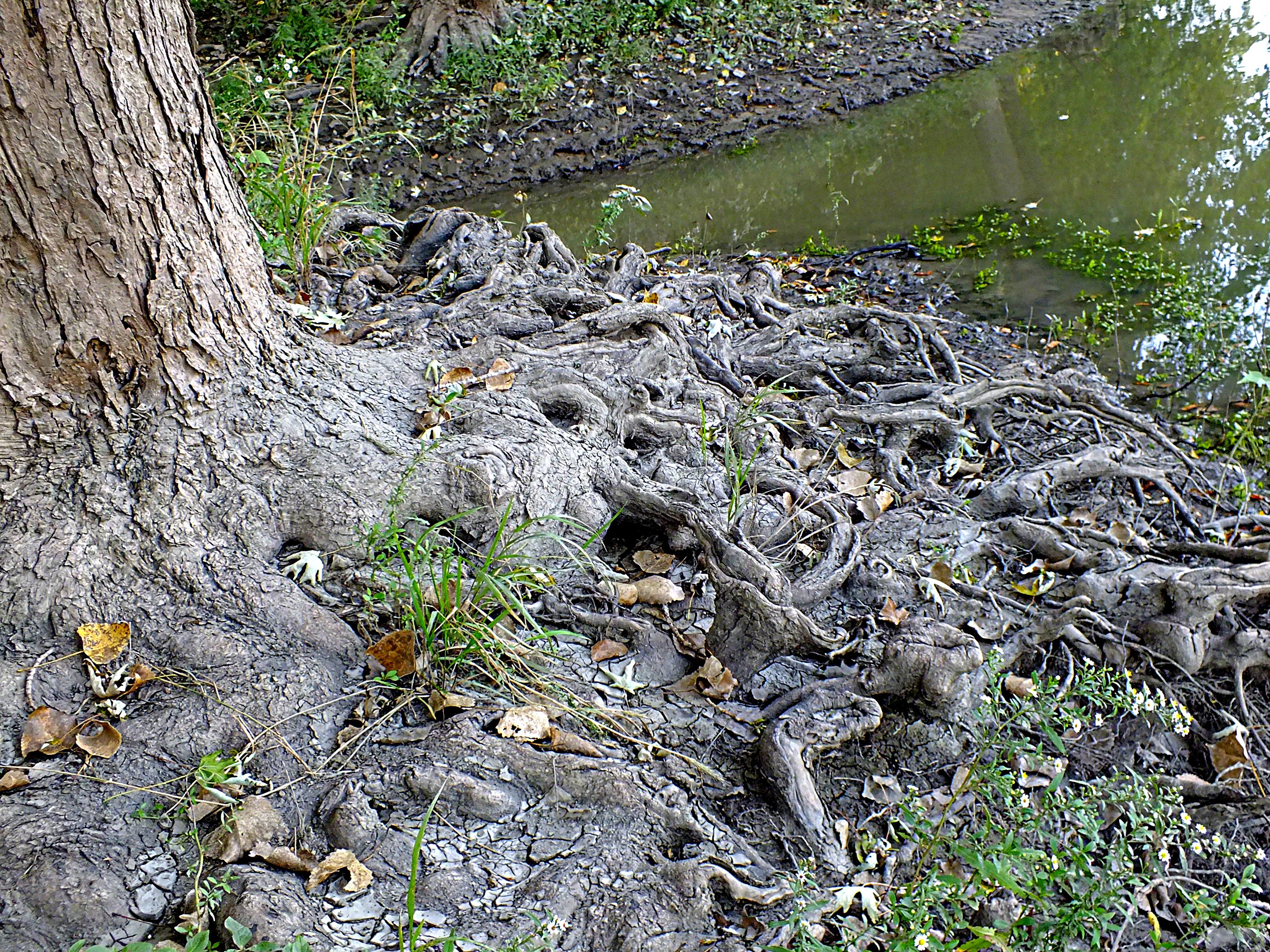
Let the lowly roots reach out through the water (and the boat) and flower into something truly lofty and sublime beyond all the endless mediocrity.

.

[Watch the following YouTube music-video also.

Roots To Branches    (Lyrics by Jethro Tull):

Words get written.  Words get twisted.
Old meanings move in the drift of time.
Lift the flickering torches.  See gentle shadows change
the features of the faces cut in unmoving stone.
Bad mouth on a prayer day, hope no one’s listening.
Roots down in the wet clay, branches glistening.

True disciples carrying that message
to color just a little with their personal touch.
Home-spun fancy weavers and naked half-believers
Crusades and creeds descend like fiery flakes of snow.
Bad mouth on a prayer day, hope no one’s listening.
Roots down in the wet clay, branches glistening.

In wet and windy priest-holes.  Grand in vast cathedrals.
High on lofty minarets or in the temples of doom.
I hope the old man’s got his face on.
He’d better be some quick change artist.
Suffer little children to make their minds up soon.
Bad mouth on a prayer day, hope no one’s listening.
Roots down in the wet clay, branches glistening. ]


Roots to Branches (1). Photo by Thomas Peace 2014

Roots to Branches (1). Photo by Thomas Peace 2014

Roots to Branches (2). Photo by Thomas Peace 2014
Roots to Branches (2). Photo by Thomas Peace 2014


Post

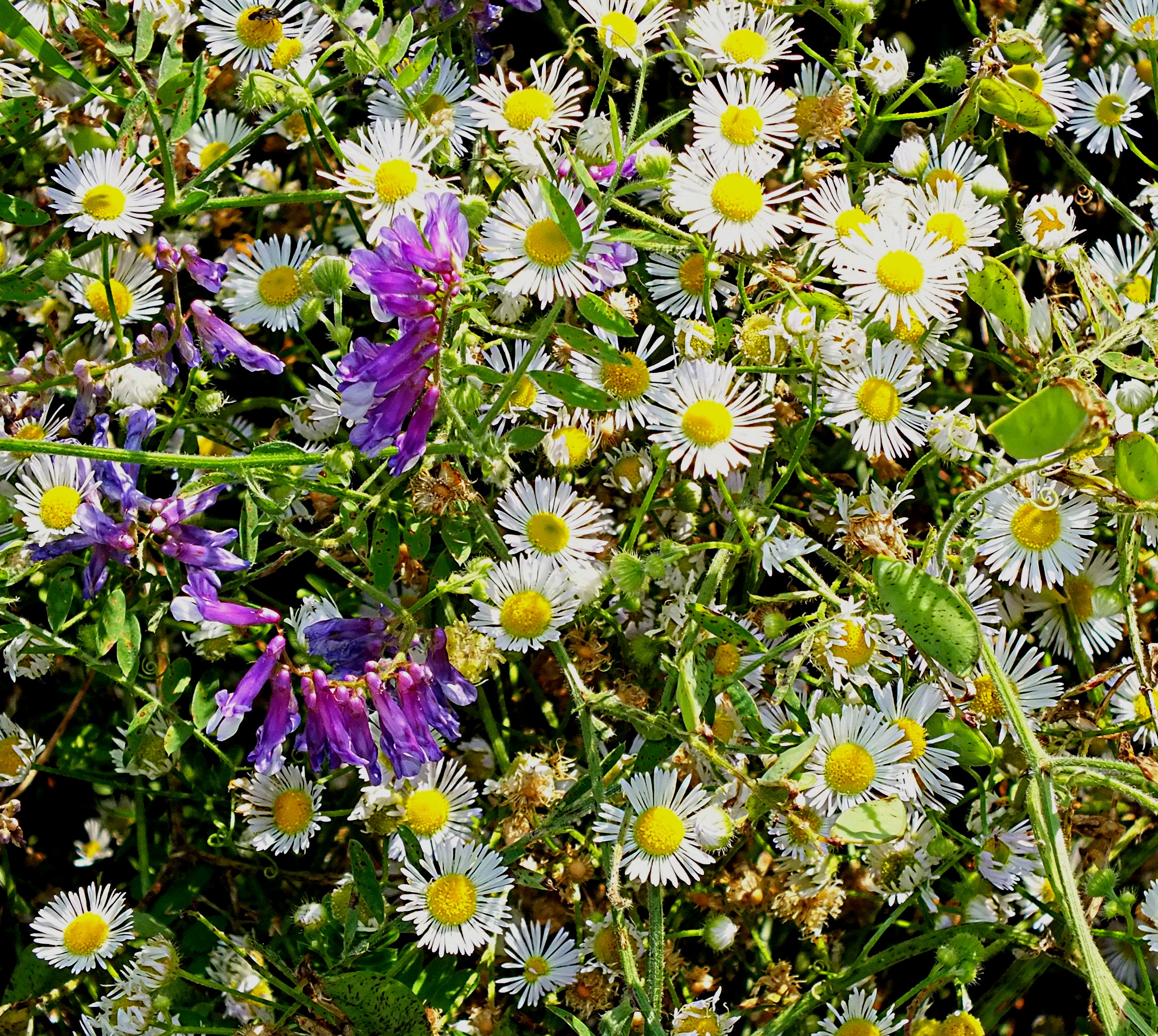
Don’t just pick flowers or buy cut flowers… enjoy wildflowers or grow flowers!

Leave a reply

.

Don’t just pick flowers or buy cut flowers… enjoy wildflowers or grow flowers!

.

[These are wildflowers.  The white wildflowers are Robin’s Plantain.  The purplish wildflowers are American Vetch. The American Vetch is less common than the Robin’s Plantain. (There is an insect in this photograph.)]

American Vetch & Robin's Plantain. Photo by Thomas Peace 2014

American Vetch & Robin’s Plantain. Photo by Thomas Peace 2014

Post

Thoughts are the conditioned, residual remnants of experience; deep insight and “being” go far beyond mere experience.

Leave a reply

.

Thoughts are the conditioned, residual remnants of experience; deep insight and “being” go far beyond mere experience.

.

[This insect is known as the Bee Assassin.  These predatory insects are usually found on the leaves and stems of plants (as was this photographed specimen).  Leaves and stems are not areas where honeybees usually tend to visit.  Bee Assassin insects, in reality, mostly eat other types of insects, such as flies, beetles, caterpillars, and mosquitoes.  Their front legs have a “stickiness” which enables them to easily catch insects. Bee Assassin insects, though they may look rather intimidating, are largely beneficial, as they help to eradicate many harmful garden pests.]

If you're another bug, watch out for this one! Photo by Thomas Peace 2014

If you’re another bug, watch out for this one! Photo by Thomas Peace 2014


Post

Fear…

Leave a reply

.

Fear — unless there is an immediate physical danger in the environment — is often based on patterns and images in (and “as”) time that are projected as “what might be.”

.

[Nursery Web Spiders may sit quietly for hours, legs spread out on vegetation, a large rock, or on a boat dock… or they may actively hunt in vegetation.  Nursery Web Spiders have excellent vision.

Additional Note:  I will be posting more spiders (and similar creatures) in the Halloween month of October.  It is neat that they are part of an old Halloween tradition (that is fun for kids).  However, it is unfortunate that many children grow up associating spiders with “being frightened” and as “terrible creatures to be horrified of.”  As the late, superb naturalist, Steve Irwin often propounded, spiders and snakes can indeed be seen to be majestic, marvelous animals, truly beautiful in their own ways.  We must, as Steve Irwin so graciously suggested before his untimely passing, be far better caretakers of Mother Earth.]

Rock-a-bye Baby.  Photo by Thomas Peace 2014

Rock-a-bye Baby. Photo by Thomas Peace 2014


Post

(Multi-Photo)*** There is no “we” and “them.” There is no “us” and “they.”

3 comments

.

There is no “we” and “them.”  There is no “us” and “they.”  

.

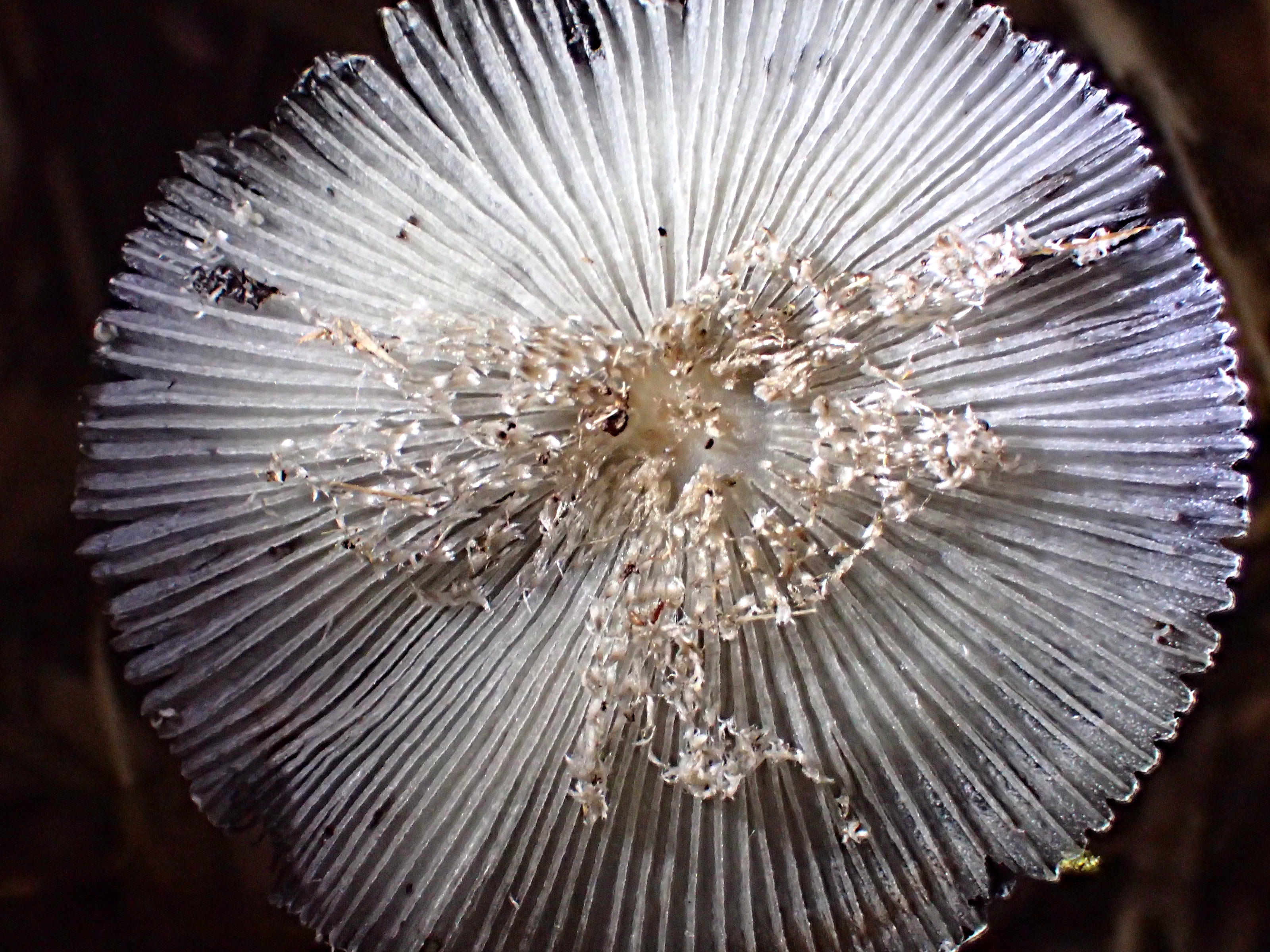
[This is a unique form of Parasol Mushroom that seems to be almost glass-like with barely any top section; even from the top it looks like gills!  The bottom photo is actually a shot of the top of this mushroom!  These mushrooms grow at night and are gone by daylight. They are rather small sized mushrooms.]

Glass-like and diminutive. (1) Photo by Thomas Peace 2014

Glass-like and diminutive. (1) Photo by Thomas Peace 2014

Glass-like and diminutive. (2) Photo by Thomas Peace 2014

Glass-like and diminutive. (2) Photo by Thomas Peace 2014

Post

If we shipped all of the foolish people to the moon…

2 comments

.

If we shipped all of the foolish people to the moon… none of us would be left on earth!

😉

.

[This is a Katydid, whipping its antenna like a fishing fly-rod.  A female Katydid has a long sword-like ovipositor.  The sword-like ovipositor is used for depositing eggs deep in soil or rotten wood.]

A Katydid whipping her fishing fly-rod.  Photo by Thomas Peace 2014

A Katydid whipping her fishing fly-rod. Photo by Thomas Peace 2014

Post

Societies and authorities weave an intricate, complex web. Unwind into what is simple, pure, and unadulterated!

2 comments

.

Societies and authorities weave an intricate, complex web.  Unwind into what is simple, pure, and unadulterated!

.

[This is a reddish Harvestman.  Notice the shadow of the Havestman upon the leaf.  Harvestmen are arachnids, but they are not spiders and do not make webs to catch insects.  Harvestmen are also called Daddy-long-legs.  There are 200 species of Harvestmen in North America… 4,500 to 5,000 worldwide.  They are harmless to human beings (and eat many pests, such as flies).

Additional note:   I will be posting more spiders (and similar creatures) in the Halloween month of October.  It is neat that they are part of an old Halloween tradition (that is fun for kids).  However, it is unfortunate that many children grow up associating spiders with “being frightened” and as “terrible creatures to be horrified of.”  As the late, superb naturalist, Steve Irwin often propounded, spiders and snakes can indeed be seen to be majestic, marvelous animals, truly beautiful in their own ways.  We must, as Steve Irwin so graciously suggested before his untimely passing, be far better caretakers of Mother Earth.]

Long Legs 4 sure!  Photo by Thomas Peace 2014

Long Legs 4 sure! Photo by Thomas Peace 2014

Post

It is extremely easy to “fit in” to what others of authority maintain is normal and acceptable. Don’t be their shadow.

Leave a reply

.

It is extremely easy to “fit in” to what others of authority maintain is normal and acceptable.  Don’t be their shadow.

.

[Spider Silhouette.

I will be posting more spiders (and similar creatures) in the Halloween month of October.  It is neat that they are part of an old Halloween tradition (that is fun for kids).  However, it is unfortunate that many children grow up associating spiders with “being frightened” and as “terrible creatures to be horrified of.”  As the late, superb naturalist, Steve Irwin often propounded, spiders and snakes can indeed be seen to be majestic, marvelous animals, truly beautiful in their own ways.  Perhaps what’s truly horrifying is human beings who do not care enough (and who do not do enough) about the environment.  We must, as Steve Irwin so graciously suggested before his untimely passing, be far better caretakers of Mother Earth.]

Spider Silhouette.  Photo by Thomas Peace 2014

Spider Silhouette. Photo by Thomas Peace 2014

Post

Life does not always give you exactly what you ask of it. Life is not a gumball machine, hungry for quarters.

2 comments

.

Life does not always give you exactly what you ask of it.  Life is not a gumball machine, hungry for quarters.

.

[Mydas Flies are large, heavy-bodied wasp mimics.  They are a velvety black, with the 2nd abdominal segment being a bright orange-yellow, orange, or reddish orange.  Blackish wings have a bluish or purplish sheen.  Mydas Flies are frequently seen on flowers and they presumably feed on nectar (they were once thought to feed on other insects).]

Wasp-like but harmless! Photo by Thomas Peace 2014

Wasp-like but harmless! Photo by Thomas Peace 2014